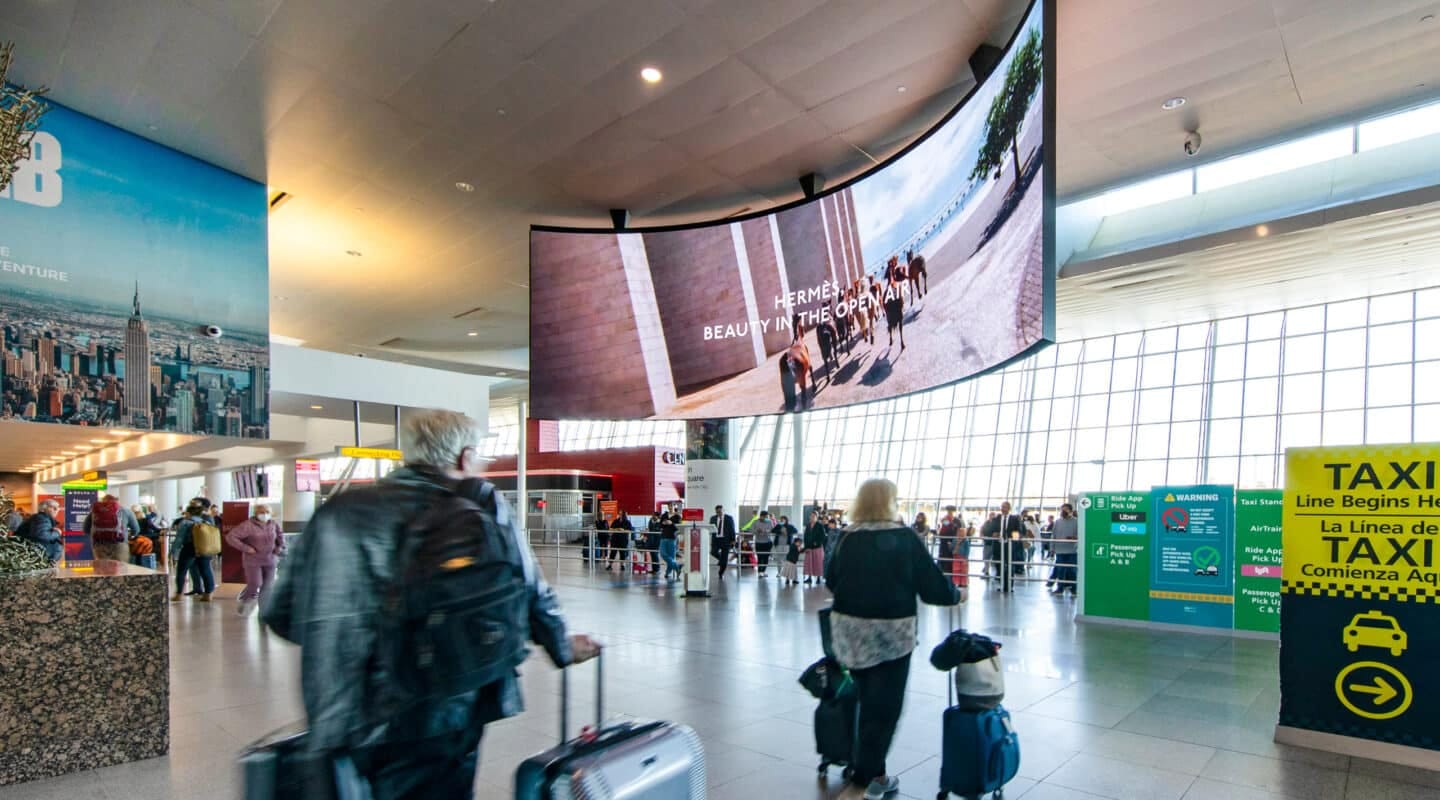
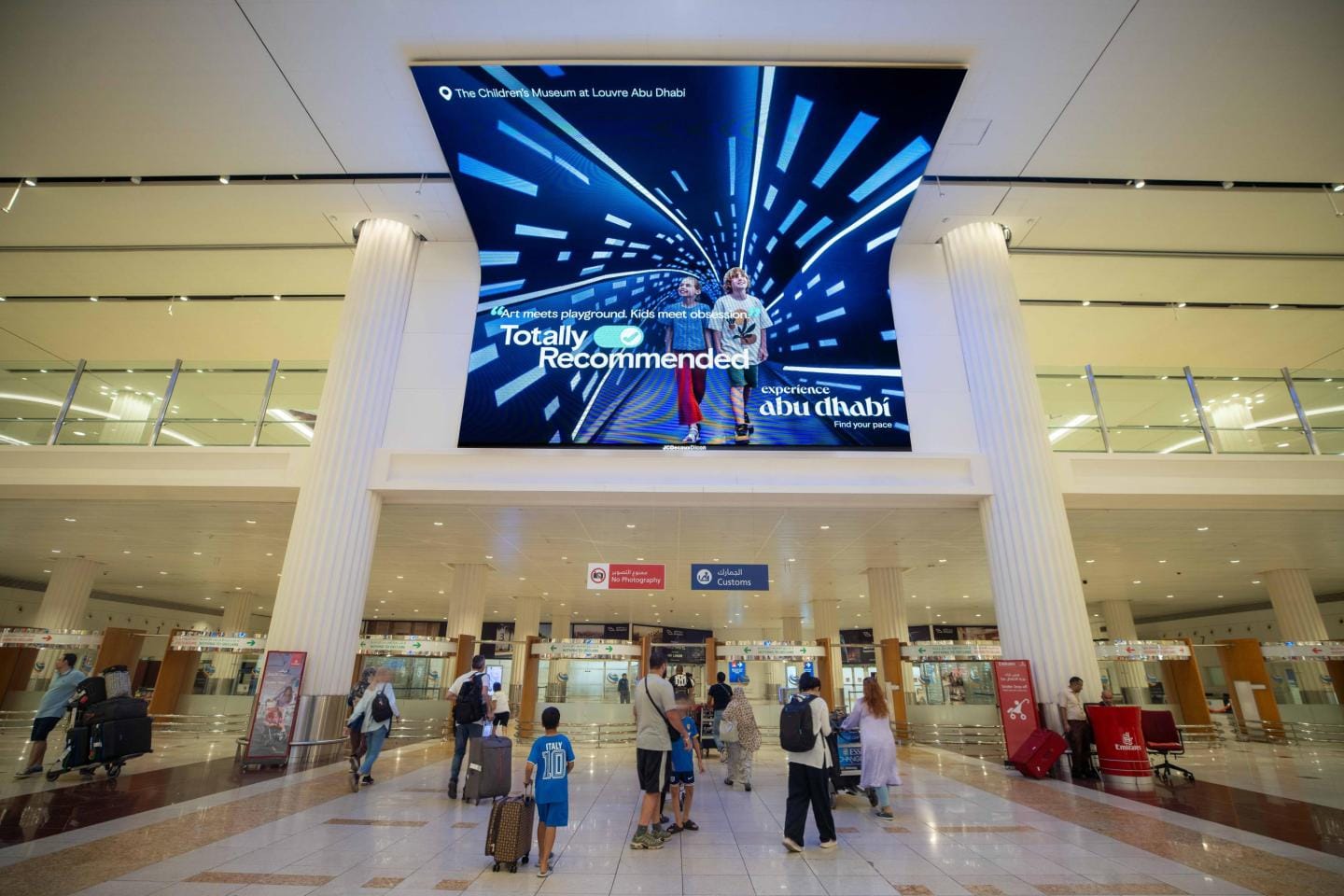
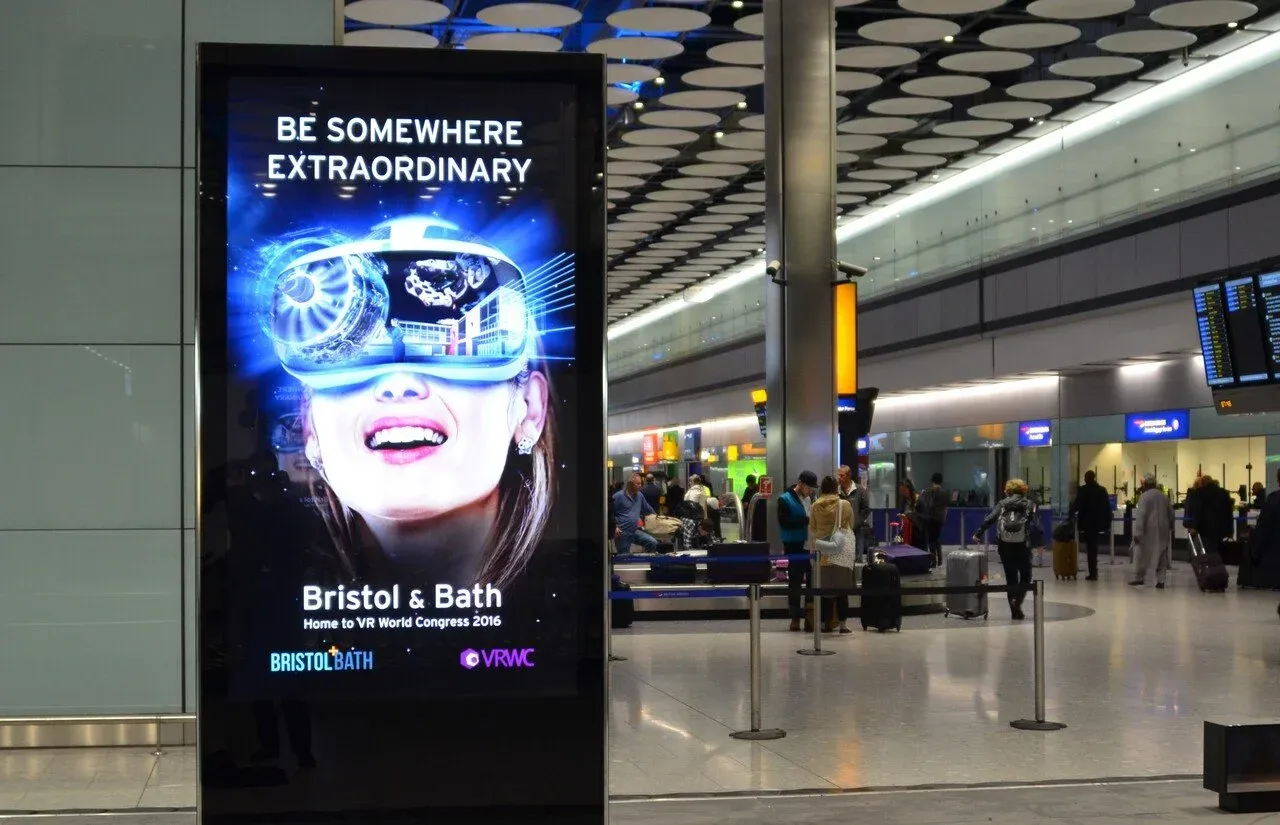


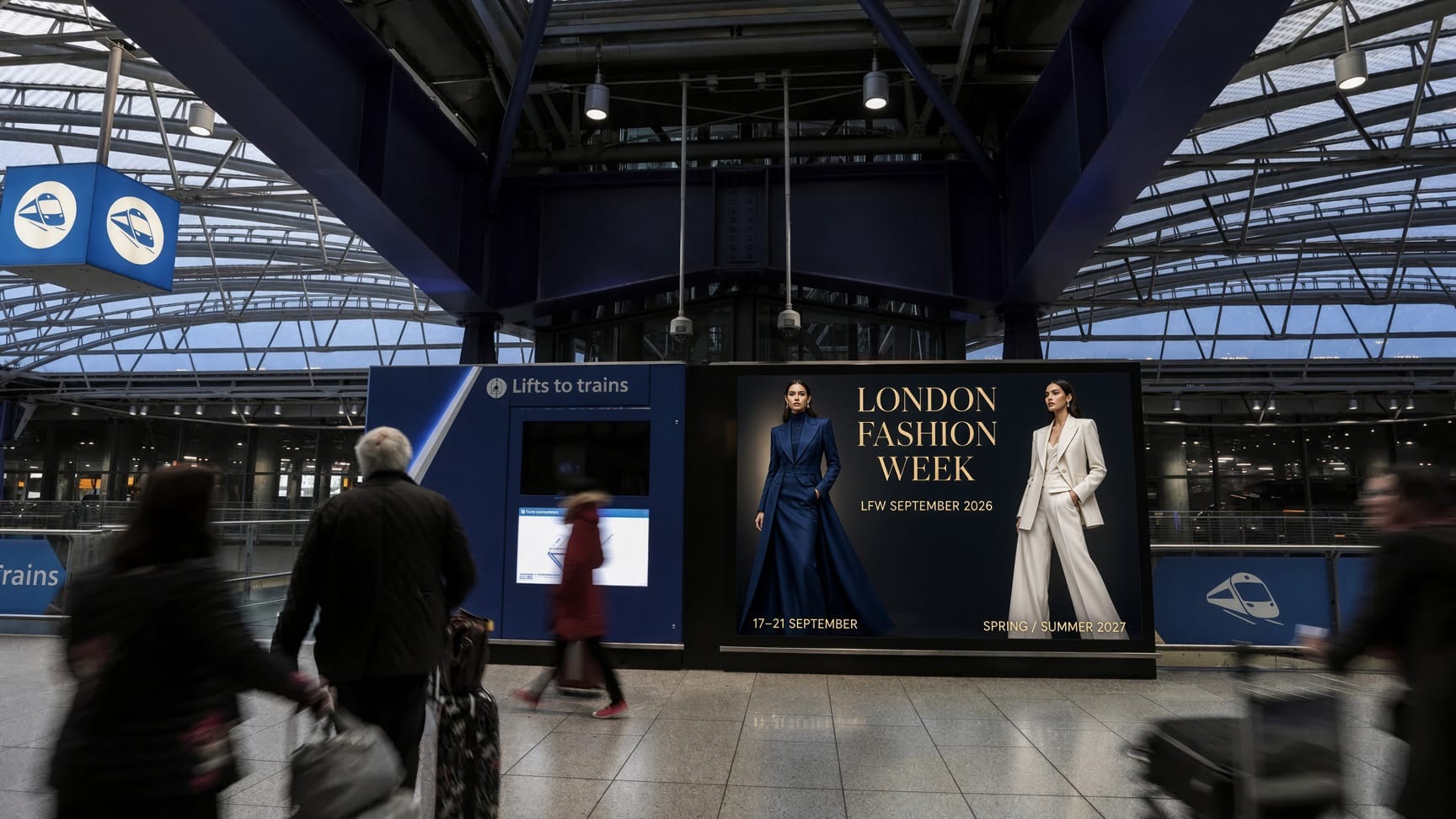
The opportunity isn't the runway itself: it is the days either side of it, when a defined population of buyers, editors, stylists, brand principals, investors and private clients arrives through London's airports and moves repeatedly between venues, showrooms, hotels and Bond Street retail. London Fashion Week returns from Thursday 17 to Monday 21 September 2026, with the British Fashion Council's provisional schedule confirming the return of MCQUEEN, MULBERRY, BURBERRY and BARBOUR alongside an incoming generation of emerging designers. The September edition also brings retail debuts from Marks & Spencer and H&M and eBay's pre-loved runway show.
BFC Chief Executive Laura Weir described the season as “an exciting moment for London Fashion Week, with the return of leading British brands alongside an exceptional new generation of creative talent”. That combination matters commercially: a schedule with heritage luxury houses at its centre draws the international buying, press and client audience that makes the week worth buying against.
Why Airport & City Advertising Works During London Fashion Week
London Fashion Week concentrates a professional audience that is unusually senior and well-defined: international wholesale buyers with open-to-buy budgets, fashion and luxury press, creative directors and brand leadership, luxury conglomerate executives, investors and private clients, and a substantial contingent of private-aviation arrivals.
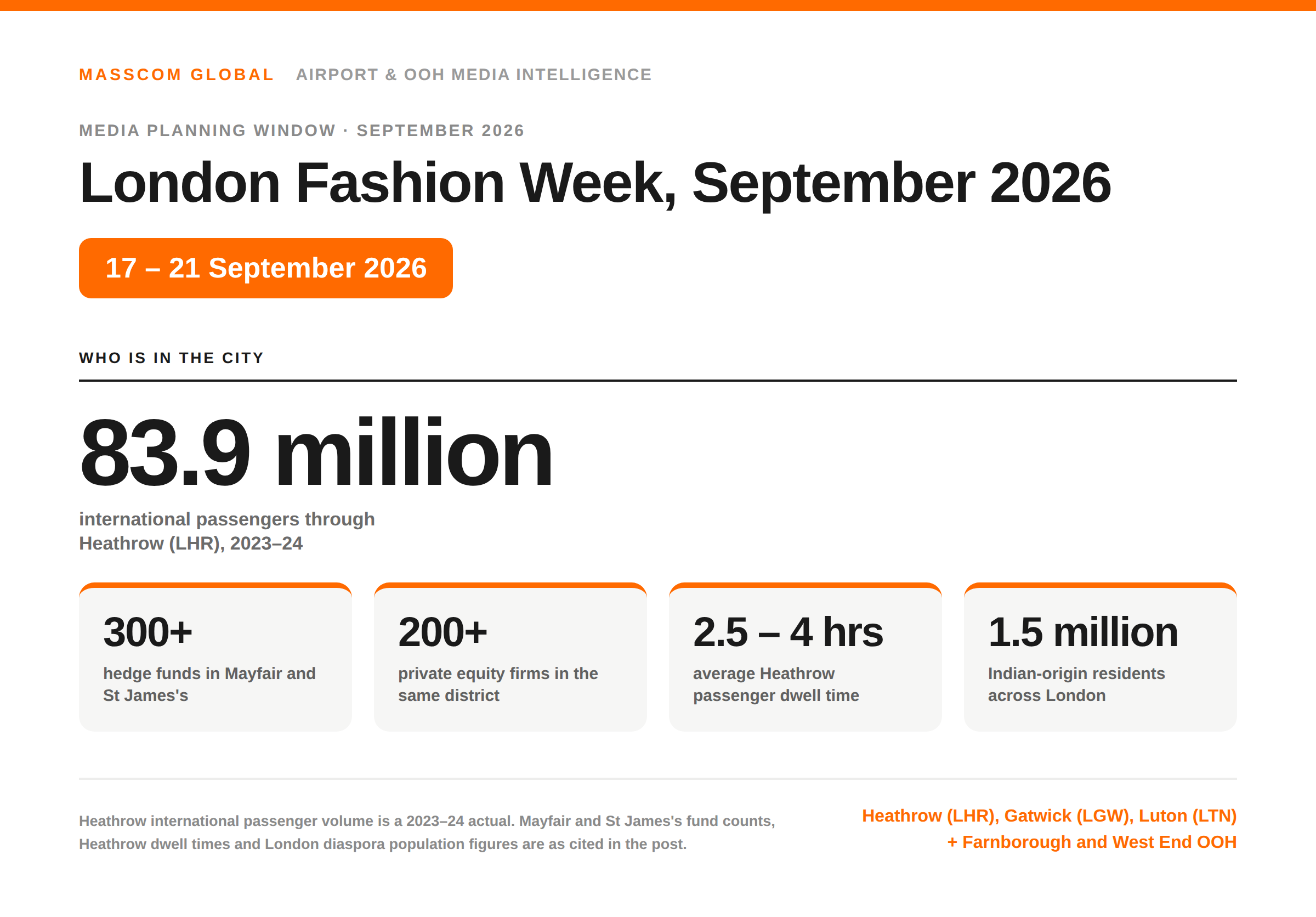
What amplifies the week is the wealth base already resident in London. Heathrow handled 83.9 million international passengers in 2023–24 and is the world's number one airport by premium-cabin passenger volume, selling more first and business class seats than any other airport on the planet. Mayfair and St James's (the district the fashion week audience actually occupies) host 300 or more hedge funds and 200 or more private equity firms, and UK financial services generate over 12% of total national economic output, with the City of London managing assets exceeding the GDP of most G20 nations.
London also holds one of the world's densest concentrations of internationally connected affluence: a South Asian diaspora of some 1.5 million Indian-origin, 600,000 Pakistani-origin and 400,000 Sri Lankan-origin residents, and a South African community of 400,000 to 600,000: audiences with purchasing relationships in both London and their origin markets. The week therefore does not import an affluent audience into London for five days. It concentrates and augments one that is permanently in place.
Key Benefits of Airport & City Advertising During London Fashion Week
Reach a qualified, high-spend audience
Fashion week arrivals skew heavily toward premium-cabin and private-aviation travellers, and toward decision-makers who control budget. Heathrow's average dwell times of 2.5 to 4 hours place your brand in front of them during an unavoidable, extended, low-distraction window.
Elevate your brand positioning
Appearing across the arrival journey and the Mayfair–Bond Street core associates your brand with the same tier of visibility occupied by the houses on the schedule, without requiring a show, a sponsorship or a retail flagship.
Generate real business opportunity
The week doubles as a commercial calendar. Wholesale orders are written, licensing and distribution conversations happen, investors meet founders and private clients are hosted. Sustained visibility keeps a brand present through the period in which those decisions are made.
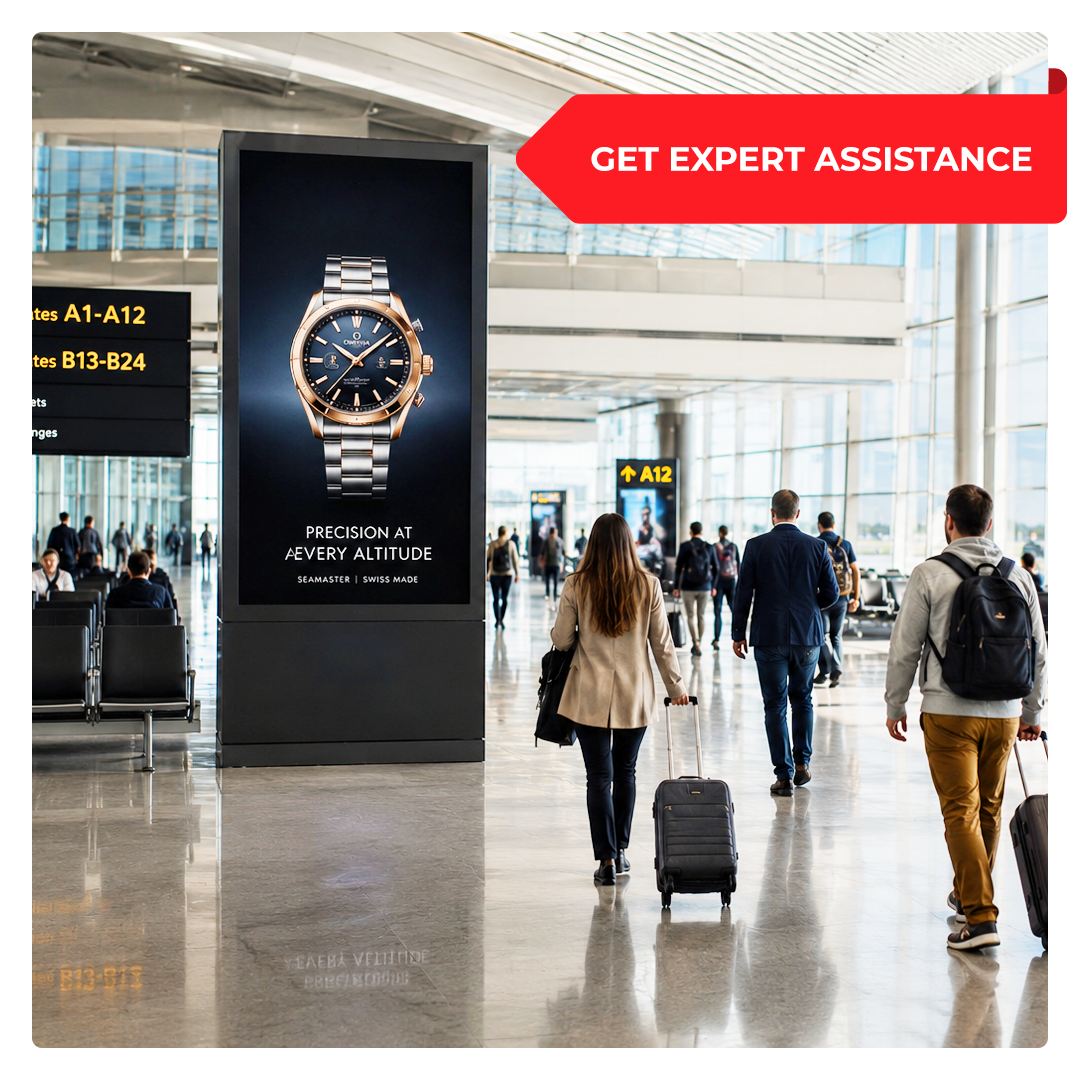
Get Free Expert Assistance from Our Global Media Planning Team
Receive strategic recommendations, media planning support, campaign monitoring and reporting to maximise your visibility throughout London Fashion Week (Sept).
Book Expert ConsultationLondon Heathrow Airport (LHR): The Premium Gateway
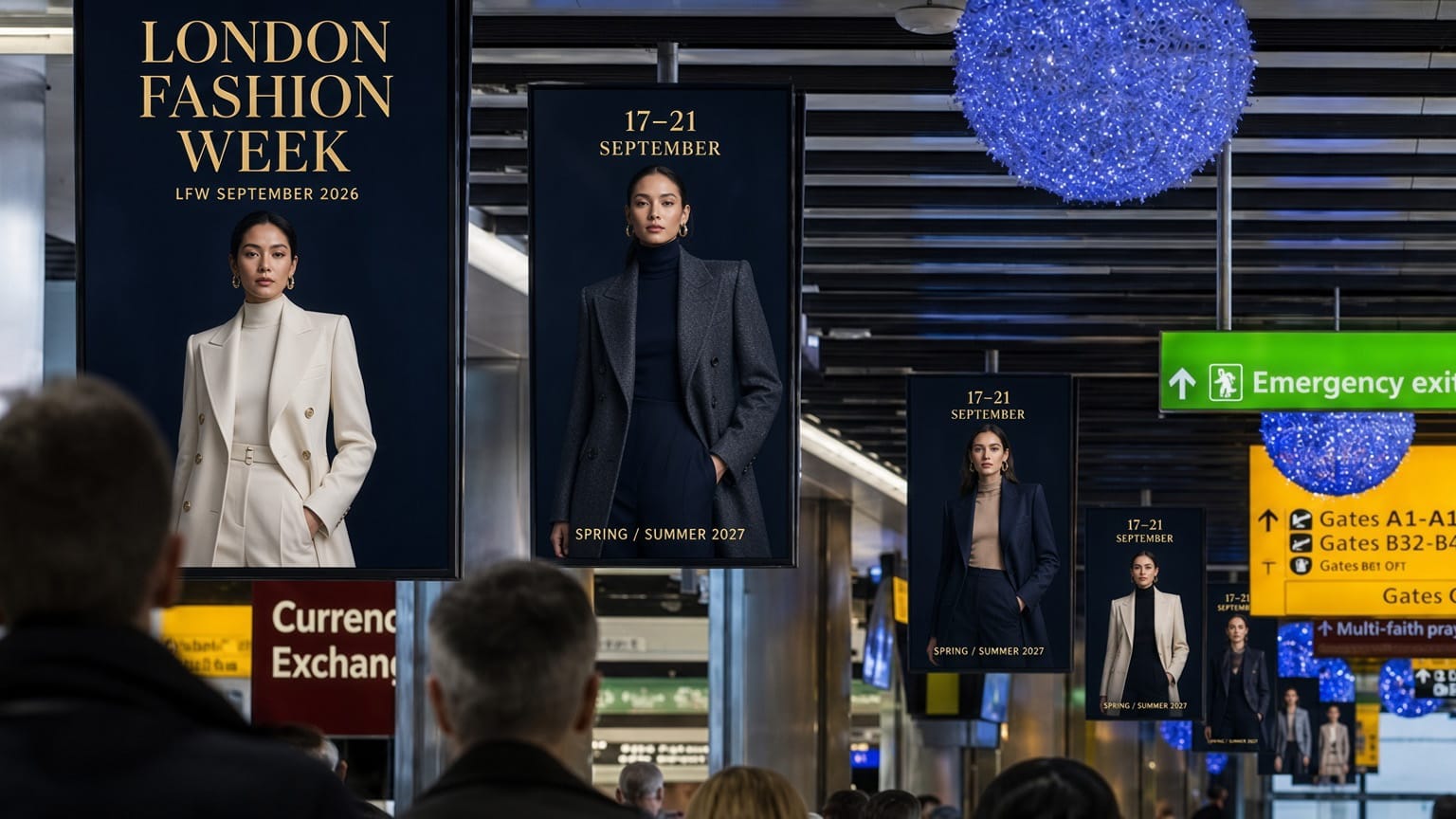
Heathrow is the entry point for the overwhelming majority of international fashion week arrivals. It operates five terminals, with Terminal 5 the largest terminal building in the UK, and leads the world in premium-cabin volume. Its luxury retail corridor includes Harrods, with a Terminal 5 presence, alongside Cartier, Bulgari and Tiffany.
Inventory Highlights
- Arrivals and immigration approach positions across the terminal estate: the first branded surface an inbound buyer, editor or client sees
- Digital networks along departure concourses and premium check-in and lounge approaches
Advantages for Advertisers
- The single highest concentration of premium-cabin travellers of any airport in the world
- Dwell times of 2.5 to 4 hours support detailed, considered creative rather than glance-only messaging
- Adjacency to Harrods, Cartier, Bulgari and Tiffany places messaging in a confirmed luxury retail context
- Heathrow's catchment reaches central London (the City, Canary Wharf, Mayfair and the West End) plus Windsor, Reading, Oxford, Brighton, Cambridge, Guildford, Southampton, Milton Keynes and the M1 corridor
 Wealth in motion intelligence.
Farnborough Airport(FAB): The Business Aviation Gateway
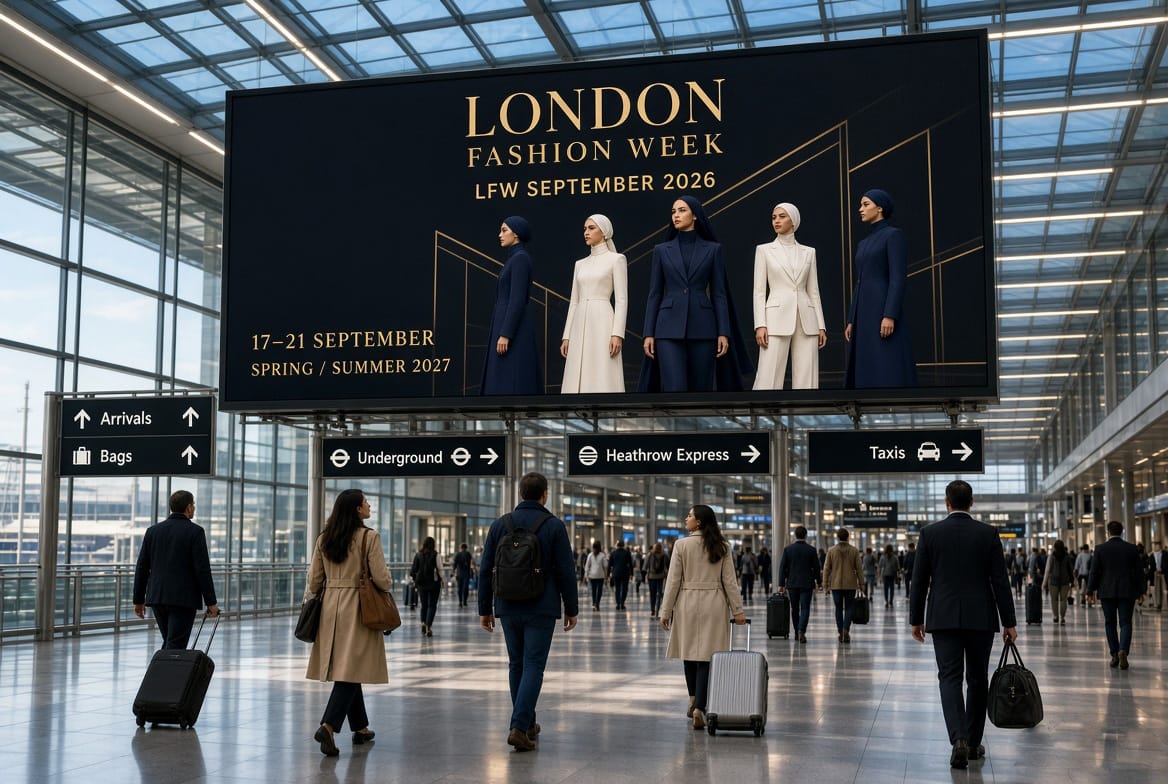
Farnborough is London's dedicated business aviation airport and the arrival point of choice for principals, luxury conglomerate leadership and private clients who fly privately into the season: a purpose-built private-aviation environment, not a commercial terminal with a business wing.
Inventory Highlights
- Terminal and lounge placements along a short, private, low-clutter passenger path
- Forecourt and chauffeur-transfer approach positions at the point of onward travel into London
Advantages for Advertisers
- Audience purity: passengers are predominantly UHNWI principals, family-office decision-makers and C-suite executives
- Extremely low media clutter means a single placement carries disproportionate share of attention
- Direct alignment with the Mayfair and St James's hedge fund and private equity community
 Wealth in motion intelligence.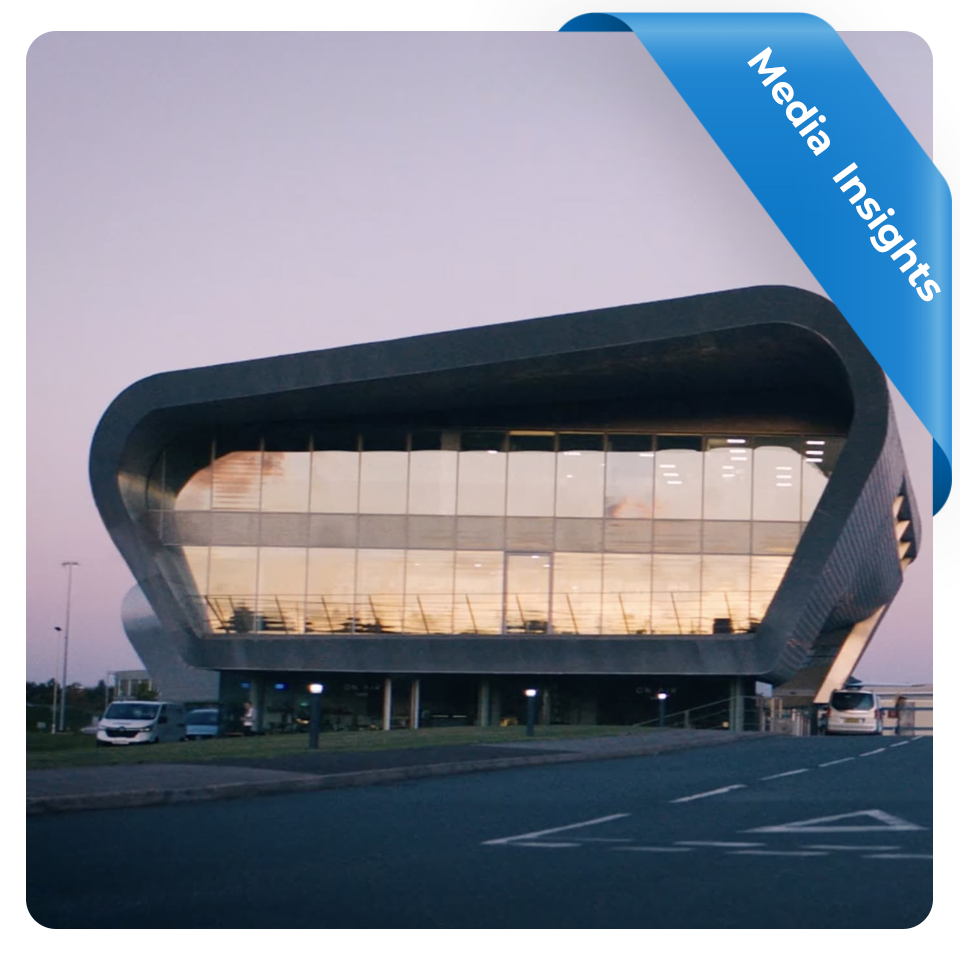
London Gatwick Airport (LGW): Scale Across European Feeder Traffic
Gatwick carries a large share of the European short-haul traffic fashion week generates: buyers and press from Milan, Paris, Madrid, Copenhagen and the Nordics, often on tight two- or three-day schedules. It is the practical complement to Heathrow for reaching the working professional cohort rather than only the premium long-haul arrival.
Inventory Highlights
- North and South Terminal departure and arrival positions, with digital across check-in, security approach and airside concourse
- Rail-link and terminal-approach formats serving the Gatwick Express corridor into Victoria
Advantages for Advertisers
- Efficient reach against the European professional audience Heathrow does not fully cover, at strong cost-per-thousand relative to Heathrow premium positions
- Rail-link adjacency extends exposure directly into the central London journey
 Wealth in motion intelligence.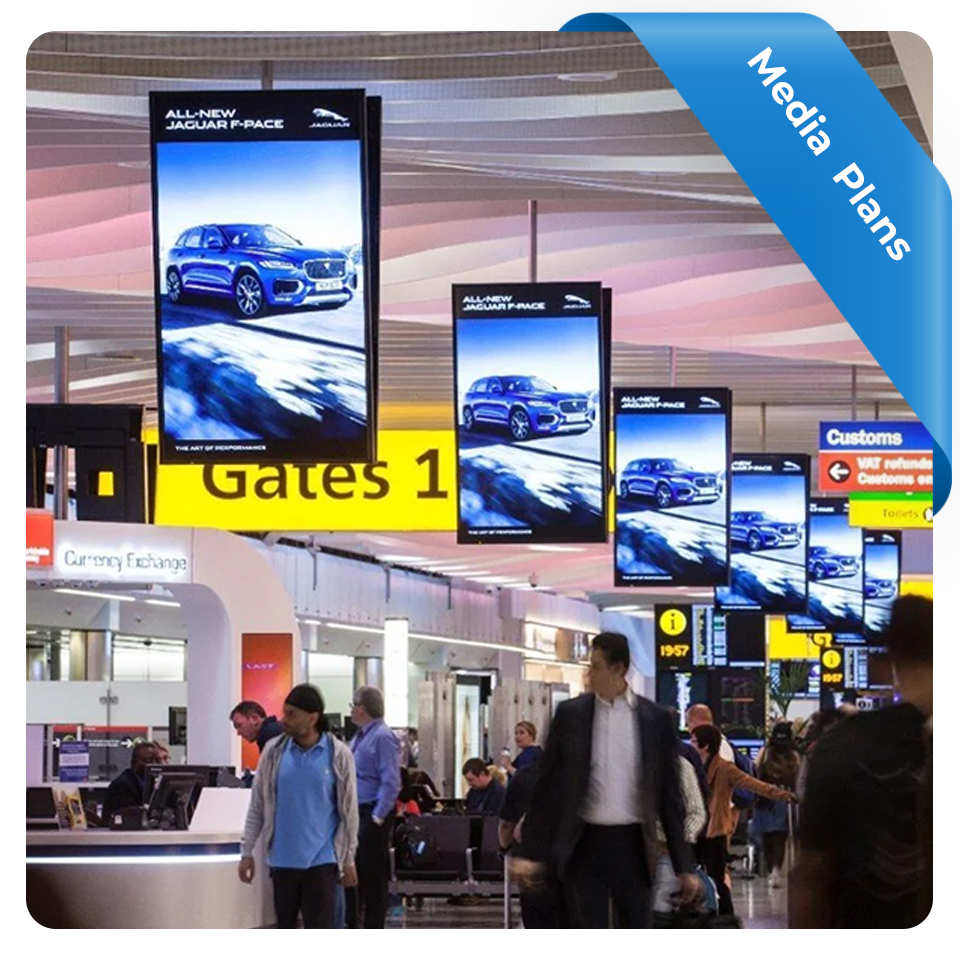
London Luton Airport (LTN): Efficiency Plus Private Aviation
Luton pairs high-volume European short-haul traffic with one of the busiest business aviation operations in the UK, giving it a dual audience profile unusual among London's airports: broad professional reach and private-aviation contact in a single environment.
Inventory Highlights
- Terminal departure and arrival positions across the commercial passenger flow, plus business aviation terminal and lounge placements
Advantages for Advertisers
- Dual commercial and private-aviation audience in one buy, at strong efficiency for scale coverage of the European inbound cohort
- Serves the Luton and M1 corridor catchment as well as inbound travellers
 Wealth in motion intelligence.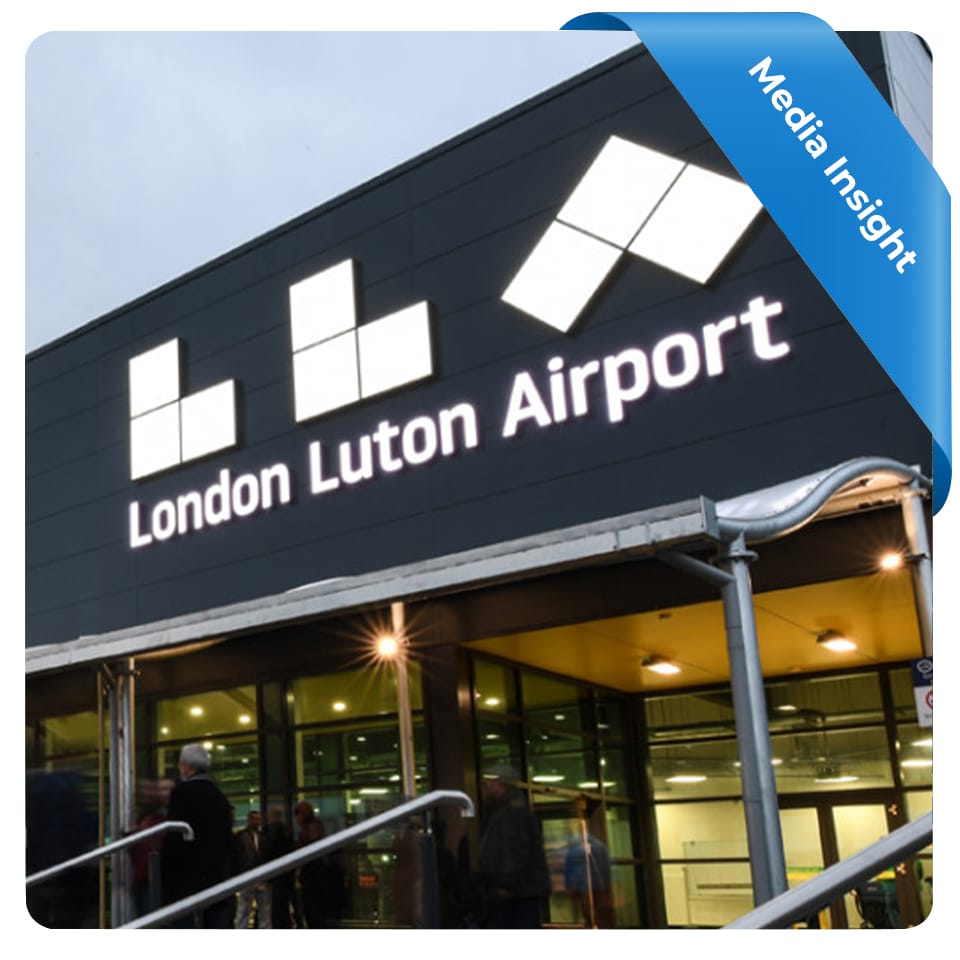
National Network Coverage
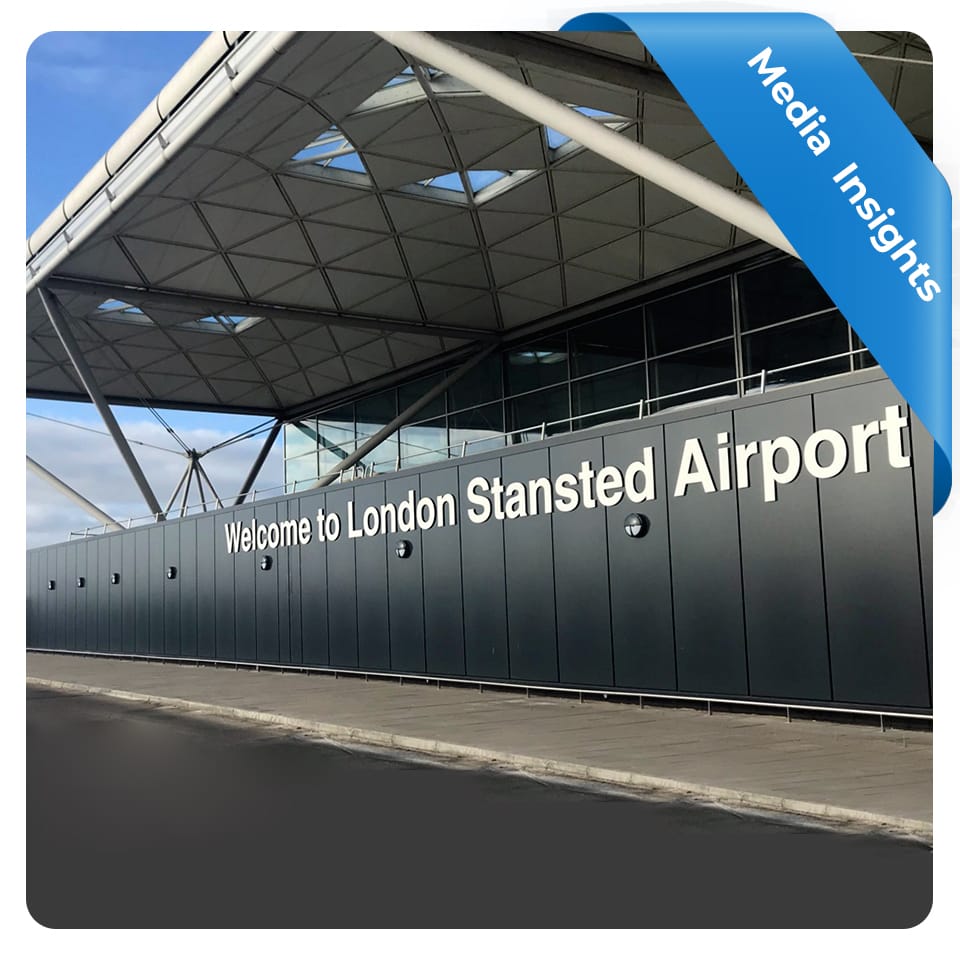
A London Fashion Week plan can be extended beyond the hubs above across the remainder of the row's gateway list. London Biggin Hill Airport is London's other principal business aviation gateway, serving the southeast approach; paired with Farnborough it gives near-complete coverage of the week's private-aviation arrivals, in an uncontested environment with very few competing brand messages. London Stansted Airport adds further European short-haul volume and a significant business aviation operation on the northeast approach. London International Airport should be flagged before planning: the code refers to London, Ontario, in Canada, not to a London, UK gateway, which is why this row's country field reads “UK, Canada”. It is not part of the London catchment; we recommend removing it unless a specific Canadian buyer-market brief calls for it.
Destination London: Full Visitor Journey Coverage
London's advantage for sequenced media is that the fashion week audience occupies a small, well-mapped area. Venues, showrooms, press days and client dinners cluster across Mayfair, St James's, Soho, the West End and Shoreditch, and the retail spine of the week runs along Bond Street, Regent Street and Sloane Street: the Bond Street flagships sit within walking distance of most of the schedule.
That makes an Airport → City → Venue media sequence unusually efficient. Digital and large-format OOH across the West End, Mayfair and the City, premium hotel environments, Underground networks on the central corridors and approach roads to the principal venues let a brand appear repeatedly to the same audience without paying for unrelated geographies. London's peak advertising seasons run November to January and May to August, which places the September window just ahead of the festive peak: availability is better and competitive pressure has not yet reached its December high.
Three effects follow from sequencing rather than scattering:
- Increased brand recall: repeated exposure at arrival, in the city and near the venues
- Consistent presence: your brand becomes part of the week's visual environment, not an interruption to it
- Enhanced campaign effectiveness: coordinated placements outperform equivalent spend split across disconnected markets
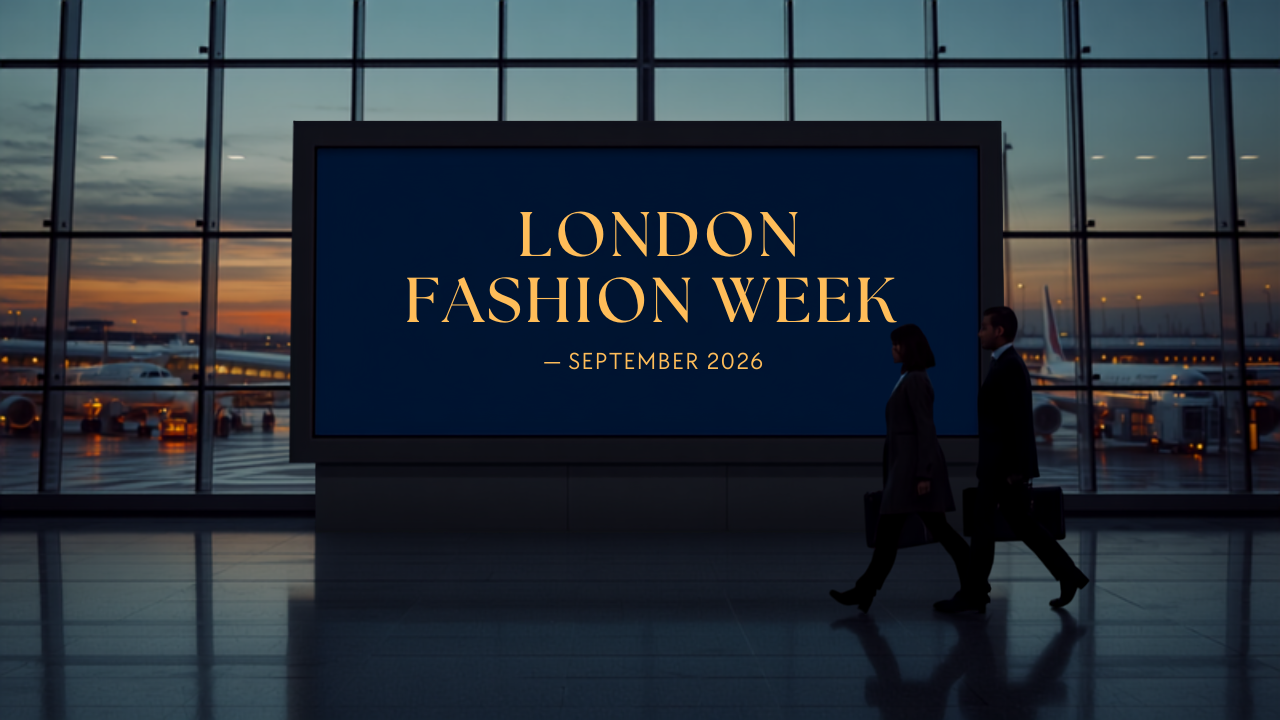
Why Brands Choose Airport & City Advertising for London Fashion Week
Exclusive audience access. Few windows concentrate this many senior fashion, luxury and investment decision-makers into one city over five days, arriving through the world's leading premium-cabin airport.
A prestigious environment. The BFC schedule and the Mayfair–Bond Street corridor together form one of the most credible luxury contexts in global media. Brands present in it inherit its register.
End-to-end campaign support. Masscom Global plans, negotiates and executes across London's commercial and business aviation gateways and city inventory in a single brief, with one point of accountability.
Strategic planning assistance. Our team advises on terminal selection, format mix and flight timing so that budget lands where your audience actually moves during the week.
The Masscom Global Standard Behind Every London Fashion Week Placement
- Verified inventory and audience data: screen counts and passenger figures across Heathrow, Gatwick, Luton and Farnborough come from live operator data at proposal stage, not published estimates.
- Transparent delivery reporting: campaign monitoring and reporting across London's commercial and business aviation gateways, so you see exactly where your creative ran.
- Benchmarked recommendations: terminal selection and format mix set against comparable campaigns across our airport network.
- We absorb the complexity: one point of accountability across gateways and city inventory.
Request Your Customised London Fashion Week (Sept) Advertising Plan
Tell us your audience, category and budget. Our planners will return a costed plan across airport and prime city inventory, with availability confirmed.
Book NowFrequently Asked Questions
When exactly is London Fashion Week in September 2026?
The season runs Thursday 17 to Monday 21 September 2026, per the British Fashion Council's provisional schedule. Buyer and press arrivals build in the days beforehand and continue through the showroom appointments that follow the runway schedule.
Who attends London Fashion Week?
International wholesale buyers, fashion and luxury press, stylists and creative directors, brand founders and leadership, luxury conglomerate executives, investors and private clients: alongside private-aviation arrivals and London's resident financial and UHNWI community, including South Asian and South African diaspora networks with purchasing relationships across both London and their origin markets.
Can I reach visitors across their whole journey, not just at the shows?
Yes. A combined Heathrow, Gatwick, Luton and Farnborough campaign paired with West End, Mayfair and City OOH covers arrival, hotel and retail districts and the venue approaches, so the same audience encounters your brand several times across the week.
How far in advance should a fashion week campaign be booked?
Heathrow premium positions and central London digital sites for the September window are contested inventory. We recommend confirming availability several months ahead; later requests can often still be served, but with reduced format choice.
Which brand categories perform best in this window?
Luxury fashion and accessories, watches and jewellery, beauty and fragrance, luxury automotive, private aviation, wealth management and private banking, real estate and residency advisory, premium spirits, and international luxury hospitality.
Related Airport Advertising Guides
Detailed inventory, audience and planning notes for the airports covered above:
Wealth in motion intelligence.Wealth in motion intelligence.Airport Advertising in London Biggin Hill Airport (BQH), United Kingdom
Wealth in motion intelligence. Wealth in motion intelligence.
 Wealth in motion intelligence.Wealth in motion intelligence.
London Fashion Week Won't Wait. Neither Should You.
- Once a year, then gone: Heathrow premium positions and central London digital sites for the September window are already contested inventory.
- Competitors are already moving: every week without a plan is a week a fashion, jewellery or beauty brand gets closer to locking the same positions.
- The window is exact, not approximate: a campaign that isn't live for the five-day season misses the buyers, press and clients actually in the city.
- The alternative reaches the wrong tier: broadcast and programmatic can't isolate the senior buyers and press who control wholesale budgets the way Heathrow arrival and Mayfair city media can.
Get Free Expert Assistance Now
Tell us your audience, your category and your budget, and our planners will come back with a costed London Fashion Week media plan across airport and city inventory.
Request Availability
Heathrow and West End positions for the September 2026 window move quickly. Ask us what is still open.
London Fashion Week compresses a defined population of senior buyers, press and private clients into five days, layered onto a city built around Heathrow, the world's number one airport for premium-cabin volume, and Mayfair and St James's 300-plus hedge funds. An Airport → City → Venue plan built around 17 to 21 September puts a brand in front of that audience at arrival and again across the Mayfair-Bond Street corridor the schedule occupies. Heathrow premium positions and central London digital sites for the window are contested inventory that only tightens as the date approaches.