

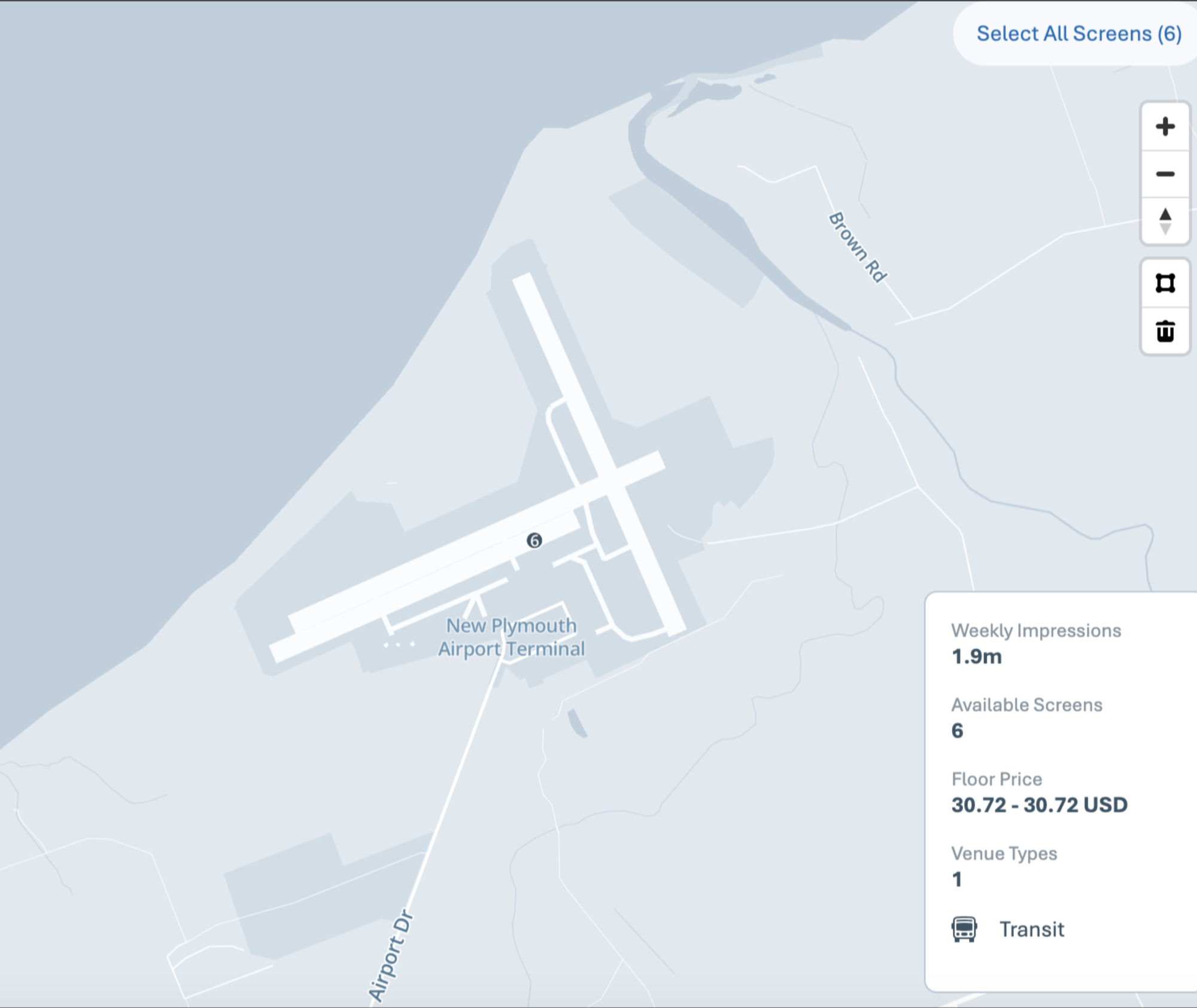
Airport at a Glance
| Field | Detail |
|---|---|
| Airport | New Plymouth Airport (Te Hono) |
| IATA Code | NPL |
| Country | New Zealand |
| City | New Plymouth, Taranaki |
| Annual Passengers | Approximately 390,000 to 400,000 (current run rate, 100% domestic) |
| Primary Audience | Energy and engineering executives, dairy and agribusiness owners, high-frequency corporate commuters |
| Peak Advertising Season | December to March, plus late October to November |
| Audience Tier | Tier 3 airport, Tier 2 audience value |
| Best Fit Categories | Energy and industrial B2B, banking and wealth management, agri-finance and machinery, premium automotive |
New Plymouth Airport is the single air gateway to Taranaki, the region that has supplied New Zealand with the majority of its oil, gas and petrochemical output for five decades. Passenger volume is modest at roughly 390,000 to 400,000 a year, but volume is the wrong metric here. The people moving through Te Hono are energy sector managers, drilling and engineering contractors, dairy farm owners, Fonterra executives and regional business principals. For advertisers, this is one of the cleanest concentrations of decision-maker traffic available in the Southern Hemisphere.
The commercial logic of NPL rests on frequency, not scale. Around 68 percent of traffic runs on the Auckland corridor, 20 percent to Wellington and 12 percent to Christchurch, which means the same corporate audience passes the same media positions multiple times per month. Taranaki also holds significant private rural wealth, with dairy conversions and land sales generating capital events that flow directly into investment, education and property decisions. Masscom Global treats NPL as a precision buy rather than a reach buy, and prices campaign strategy accordingly.
Advertising Value Snapshot
- Passenger scale: Approximately 390,000 to 400,000 annually, tracking in line with airport forecasts and stable quarter on quarter, against a terminal designed for 650,000
- Traveller type: Energy and industrial professionals, agribusiness owners and rural HNIs, government and regional corporate travellers
- Airport classification: Tier 3 by volume, Tier 2 by audience value. Small terminal, disproportionately senior passenger profile
- Commercial positioning: New Zealand's energy capital gateway and the entry point to the Taranaki dairy and hydrocarbon belt
- Wealth corridor signal: Sits on the Auckland to Taranaki capital corridor, where regional asset wealth meets national financial services
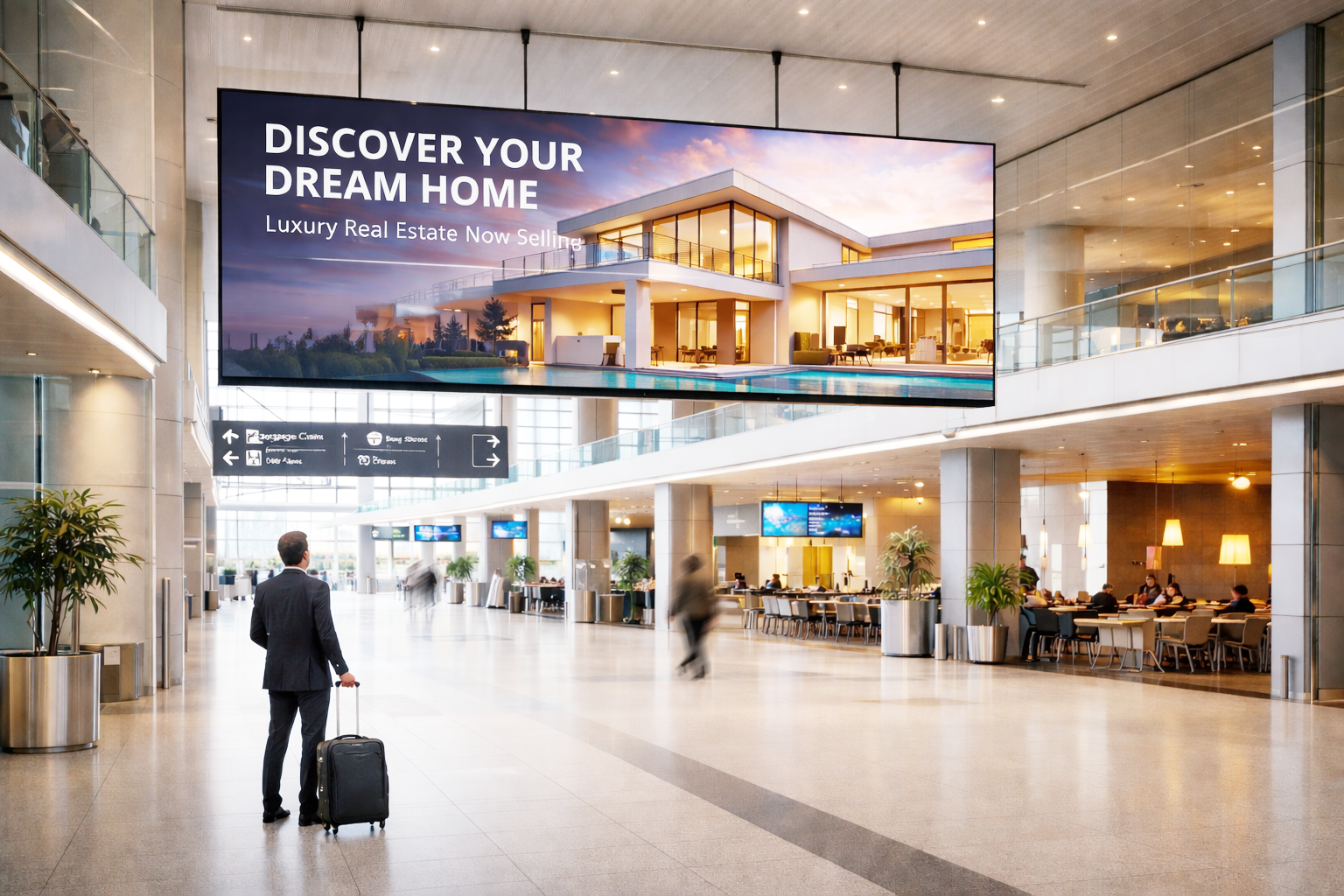
- Advertising opportunity: A single-terminal environment means near total unduplicated exposure to every departing and arriving passenger. Masscom Global secures placement precision in a compact footprint where a small number of positions control the entire passenger journey. Our teams structure NPL as a high-frequency repetition buy against a named commercial audience rather than a mass impression play.
Airport Advertising is Complex to Get Right
We help you execute faster, with proven results and local insight most planners lack starting now.
Talk to an ExpertCatchment Area and Economic Drivers
Top 10 Cities within 150 km, Marketer Intelligence:
- New Plymouth: The regional command centre. Energy company offices, professional services and the highest household income concentration in Taranaki. This is where the corporate flyer base lives.
- Bell Block: Industrial and light manufacturing belt directly adjacent to the airport. Produces business owner and contractor audiences with fleet, equipment and insurance purchase authority.
- Waitara: Working population tied to processing and energy servicing. Value-conscious audience, responsive to telecom, remittance-style financial products and vehicle finance.
- Inglewood: Dairy support town with strong owner-operator farming presence. High agricultural machinery and rural banking relevance.
- Stratford: Central Taranaki service hub for the ring plain dairy economy. Strong intercept point for agri-finance, insurance and farm technology messaging.
- Eltham: Dairy processing heritage town. Small but concentrated food manufacturing and land-owning audience with generational asset wealth.
- Hāwera: South Taranaki commercial centre anchored by one of the largest dairy processing operations in the country. Delivers senior agribusiness and supply chain travellers.
- Ōpunake: Coastal farming community with high land values relative to population. Rural HNI households with succession planning and wealth transfer needs.
- Pātea: Smaller catchment feeding energy and infrastructure labour flows. Relevant for trade services, training providers and workforce-facing brands.
- Whanganui: Overflow catchment to the southeast with an established professional and retiree base. Contributes healthcare, education and lifestyle-investment audiences to NPL.
NRI and Diaspora Intelligence:
Taranaki does not carry a large traditional diaspora, so the dominant wealth movement here is domestic HNI and rural asset holders. The defining pattern is trans-Tasman: New Zealanders with automatic residency and work rights in Australia, moving continuously between Taranaki and Australian energy and mining centres. A second layer is the imported skilled workforce in energy servicing and dairy processing, drawn heavily from the Philippines, India, the UK and South Africa. These groups generate consistent demand for money transfer, international schooling, migration advisory and cross-border property services.
Economic Importance:
Taranaki has run on three engines: hydrocarbons, dairy and the engineering sector built to service both. Energy creates a high-salary technical and managerial audience with corporate travel budgets. Dairy creates asset-rich owner-operators whose wealth sits in land rather than income, which changes what they buy and how they finance it. The engineering and specialist manufacturing base creates business owners with export exposure and international travel patterns. Each of these produces a distinct advertiser opportunity within the same small terminal.
Business and Industrial Ecosystem
- Oil, gas and energy transition: Produces senior engineers, project managers and executives travelling weekly. Ideal audience for industrial services, equipment finance, insurance and professional services brands.
- Dairy and agribusiness: Delivers landowning HNIs with high net worth and low liquidity. The natural audience for rural banking, succession and estate planning, machinery and agri-technology.
- Specialist engineering and manufacturing: Taranaki's fabrication and precision engineering base exports globally. Creates owner-operators with international buying authority and trade travel patterns.
- Renewable energy and infrastructure: The region is actively repositioning around hydrogen, solar and grid investment. Creates a new investor and consultant audience with government and institutional linkages.
Passenger Intent, Business Segment:
Business travel at NPL is repetitive and scheduled rather than exploratory. The same passengers fly the Auckland and Wellington corridors for board meetings, regulatory engagement, client work and site coordination. They arrive early, they travel light and they are alone. That combination produces exactly the conditions advertisers want: attentive, unaccompanied, repeat exposure. Financial services, industrial B2B, automotive and professional services intercept this audience most effectively.
Strategic Insight:
The business audience at NPL is commercially valuable because it is identifiable. In a large hub, a brand pays to reach millions in order to touch a few thousand relevant buyers. At New Plymouth, the relevant buyers are close to the whole audience. A campaign here reaches the Taranaki energy and agribusiness leadership community with almost no wastage, at a cost base that no metropolitan airport can approach.

Tourism and Premium Travel Drivers
- Mount Taranaki and Egmont National Park: Drives high-value hiking, adventure and photography travel. Relevant for outdoor apparel, insurance, camera and premium vehicle brands.
- Coastal Taranaki and the surf coast: A recognised international surf destination pulling younger affluent travellers and second-home buyers. Relevant for lifestyle, apparel and coastal property.
- New Plymouth's arts and cultural precinct: The gallery, walkway and park circuit attracts a culturally engaged, higher-income domestic visitor. Relevant for premium hospitality, publishing and luxury retail.
- Taranaki garden and festival circuit: Draws a mature, high-disposable-income domestic audience in defined seasonal windows. Strong fit for wealth management, healthcare, travel and premium home brands.
Passenger Intent, Tourism Segment:
Leisure passengers arriving at NPL have already committed to a deliberate, planned trip rather than an impulse escape. They have paid for domestic airfare, accommodation and typically a rental vehicle, which signals discretionary budget and planning behaviour. On departure they are relaxed, unhurried in a small terminal and receptive to messaging about the region, future travel and lifestyle purchases. Tourism boards, hospitality groups, premium retail, financial services and automotive brands benefit most from this window.
Travel Patterns and Seasonality
Peak seasons:
- December to February: Summer holidays, domestic leisure inflow, returning family travel and the coastal season. The highest sustained volume period.
- March: Historically the strongest single month, driven by major festival activity combined with full business travel resumption after the holiday break.
- Late October to November: The garden and outdoor festival window, which draws an older, high-spend domestic visitor from Auckland and Wellington.
- School holiday blocks across April, July and October: Sharp short-cycle spikes in family and leisure traffic.
Event-Driven Movement:
- Major international music and arts festival (March): Brings a national and Australian audience with high cultural spend. Advertiser timing window opens four weeks prior for hospitality, telecom, beverage and lifestyle brands.
- Taranaki Garden Festival (late October to November): Attracts affluent, older domestic travellers. Peak window for wealth management, healthcare, insurance and premium home and lifestyle categories.
- Festival of Lights season (December to February): Sustained family and domestic visitor inflow across the summer. Strong for retail, tourism, food and beverage and family-facing financial products.
- Classic and custom motoring festival (February): Delivers a male-skewed, discretionary-spend audience. Direct fit for automotive, insurance, finance and tools or equipment brands.
- Regional sporting and agricultural fixtures (winter and spring): Compact, predictable inbound spikes with strong local business owner attendance. Useful for B2B, agri and beverage campaigns.

It’s Not Just Where You Advertise - It’s How Fast You Execute
We combine local insight with fast rollout to deliver results for you, now.
Talk to an ExpertAudience and Cultural Intelligence
Top 2 Languages:
- English: The universal commercial language of the catchment. All creative should lead in English with a clear, plain, direct register. Taranaki audiences respond poorly to inflated or abstract brand language.
- Te reo Māori: Carries strong cultural authority in this region, and the terminal itself is built around a Māori narrative and name. Brands that use te reo respectfully and with genuine partnership signal local legitimacy, which materially lifts trust among both Māori and Pākehā audiences.
Major Traveller Nationalities:
The overwhelming majority of NPL traffic is New Zealand domestic, which makes this a national rather than international audience buy. The visible international layers are Australians travelling for business, energy and family reasons, plus British, American and South African professionals working in the energy and engineering sectors. There is also a growing Filipino and Indian workforce presence tied to dairy processing and technical trades. Creative should be built for a New Zealand audience first, with financial and telecom messaging structured to capture the skilled migrant layer.
Religion, Advertiser Intelligence:
- No religious affiliation (approximately 50 percent): New Zealand's largest single group. Purchase behaviour here is driven by seasonal and secular calendars rather than religious ones. Advertisers should anchor timing to Christmas trading, summer holidays and financial year cycles rather than faith-based moments.
- Christianity (approximately 32 percent): Concentrated in older and rural households. Christmas and Easter drive strong family travel, gifting and inter-island reunion movement. Retail, jewellery, travel and family financial products see clear uplift in these windows.
- Māori spiritual traditions including Rātana and Ringatū (significant regional presence): Carry strong community and marae-based gathering patterns, particularly in January. These moments drive collective travel and community spending, and are a signal for telecom, automotive, food and community-facing financial brands.
- Hinduism, Islam and Sikhism (small but growing): Tied to the skilled migrant workforce in dairy and energy. Diwali and Eid periods trigger remittance activity, gold and gifting purchases, and outbound family travel bookings.
Behavioral Insight:
This is an audience that judges brands on substance and delivery rather than on aspiration. Taranaki wealth is largely earned through land, energy and engineering, which produces a conservative, evidence-led financial mindset and a strong preference for long-term relationships over transactional offers. Messaging that leads with proof, local commitment and practical benefit outperforms status-led luxury positioning. The purchase trigger is usually a capital event: a land sale, a succession decision, a contract award or a farm conversion.
Outbound Wealth and Investment Intelligence
The outbound passenger at NPL is unusual because their wealth is typically illiquid and land-based rather than salaried. When a Taranaki dairy or energy asset is sold, converted or restructured, a large capital sum becomes available at once and gets deployed quickly into property, offshore diversification and education. That capital rarely stays in the region. It moves to Auckland, across the Tasman, or into offshore markets. The airport is the physical chokepoint for the people making those decisions.
Outbound Real Estate Investment:
Australia is the dominant destination, with Queensland's Gold Coast and Brisbane corridor, Melbourne and Sydney all absorbing New Zealand capital seeking higher yields and a larger rental market. The United Kingdom remains active for families with heritage ties, and the United States attracts a smaller but higher-value cohort. Domestically, the Auckland and Bay of Plenty markets absorb Taranaki proceeds from farm sales. International developers targeting Australasian buyers should read NPL as a low-cost, high-precision channel to reach owners at the exact moment liquidity is created.
Outbound Education Investment:
Australian universities are the primary offshore destination for Taranaki families, supported by trans-Tasman fee and residency arrangements. The United Kingdom, United States and Canada follow for postgraduate and specialist programmes, with engineering, agricultural science and energy disciplines heavily represented. Families here fund education from asset wealth rather than income, which means larger single commitments and less price sensitivity. International universities, boarding schools and education consultancies reach the decision-making parent directly at this airport.
Outbound Wealth Migration and Residency:
Trans-Tasman rights mean Australia requires no investment programme, making it the default second-residency market for this audience. Beyond that, interest concentrates on UAE long-term residency for tax efficiency, and on European residency-by-investment routes in Portugal and Greece for families seeking EU access. Citizenship-by-investment activity is limited but present among energy sector principals with international operating histories. Second-passport and residency advisers find a receptive, financially capable audience here with almost no category competition.
Strategic Implication for Advertisers:
Brands on both ends of this corridor should treat NPL as a targeted acquisition channel rather than a branding buy. A single well-placed campaign reaches the Taranaki landowner, energy executive and business principal population almost in full, at a fraction of metropolitan cost. Masscom Global activates both sides of the corridor simultaneously, pairing NPL placement with destination-market airport inventory so the same investor is intercepted at origin and arrival.
Airport Infrastructure and Premium Indicators
Terminals:
- Te Hono, the single passenger terminal, opened in 2020. All arrivals and departures pass through one building, which delivers complete audience capture with no terminal fragmentation and no split media buy.
- Designed for up to 650,000 passengers annually against current traffic of roughly 390,000 to 400,000. The headroom means an uncrowded, uncluttered environment where individual placements hold attention rather than compete for it.
Premium Indicators:
- Airline lounge and dedicated premium check-in serve the corporate corridor traffic, signalling a consistent base of frequent-flyer business passengers rather than occasional leisure travellers.
- Active general aviation, charter, rescue helicopter and corporate aircraft operations on site, reflecting private and executive aviation demand tied to the energy sector.
- Internationally recognised architecture, including a global exterior design award in 2021 and repeated listings among the world's most beautiful airports, which elevates brand association for any advertiser placed inside the building.
- A 10MW solar installation of 14,400 panels generating around 14,700 MWh annually has made the airport substantially energy self-sufficient and cut roughly 1,500 tonnes of CO2 each year, earning international green airport recognition in 2026. This makes NPL a credible environment for sustainability-led brands.
Forward-Looking Signal:
Taranaki is executing a deliberate pivot from hydrocarbons toward renewable energy, hydrogen and grid infrastructure, and the airport has positioned itself at the front of that story with its own renewable generation and EV charging network. National aviation policy is now explicitly focused on strengthening regional route resilience, which supports service stability and future frequency growth at NPL. Terminal capacity headroom means volume can grow substantially without new construction. Masscom Global advises clients to secure positions at current regional rates, before the region's energy transition narrative lifts commercial demand for this environment.
Airline and Route Intelligence
Top Airlines:
New Plymouth is served principally by New Zealand's national carrier, supplemented by regional operators and a significant charter, general aviation and emergency services presence. The concentration of traffic with a single dominant carrier means a highly consistent, loyalty-programme-enrolled passenger base.
Key International Routes:
None direct. All international travel from Taranaki connects through Auckland, Wellington or Christchurch, which makes NPL the first and last touchpoint in every outbound international journey from the region.
Domestic Connectivity:
- Auckland: approximately 21,000 passengers per month, around 68 percent of total traffic
- Wellington: approximately 6,300 passengers per month, around 20 percent of total traffic
- Christchurch: approximately 5,400 passengers per month, around 12 percent of total traffic
Wealth Corridor Signal:
The route map tells a clean commercial story. The Auckland corridor is the capital and corporate headquarters route, carrying deal-making, banking and offshore-connecting traffic. The Wellington corridor is the regulatory, government and energy policy route, carrying senior executives and consultants. Christchurch is the industrial and South Island trade link. There is almost no pure leisure route in this network, which means advertisers are buying an audience that is overwhelmingly travelling for money reasons.
Media Environment at the Airport
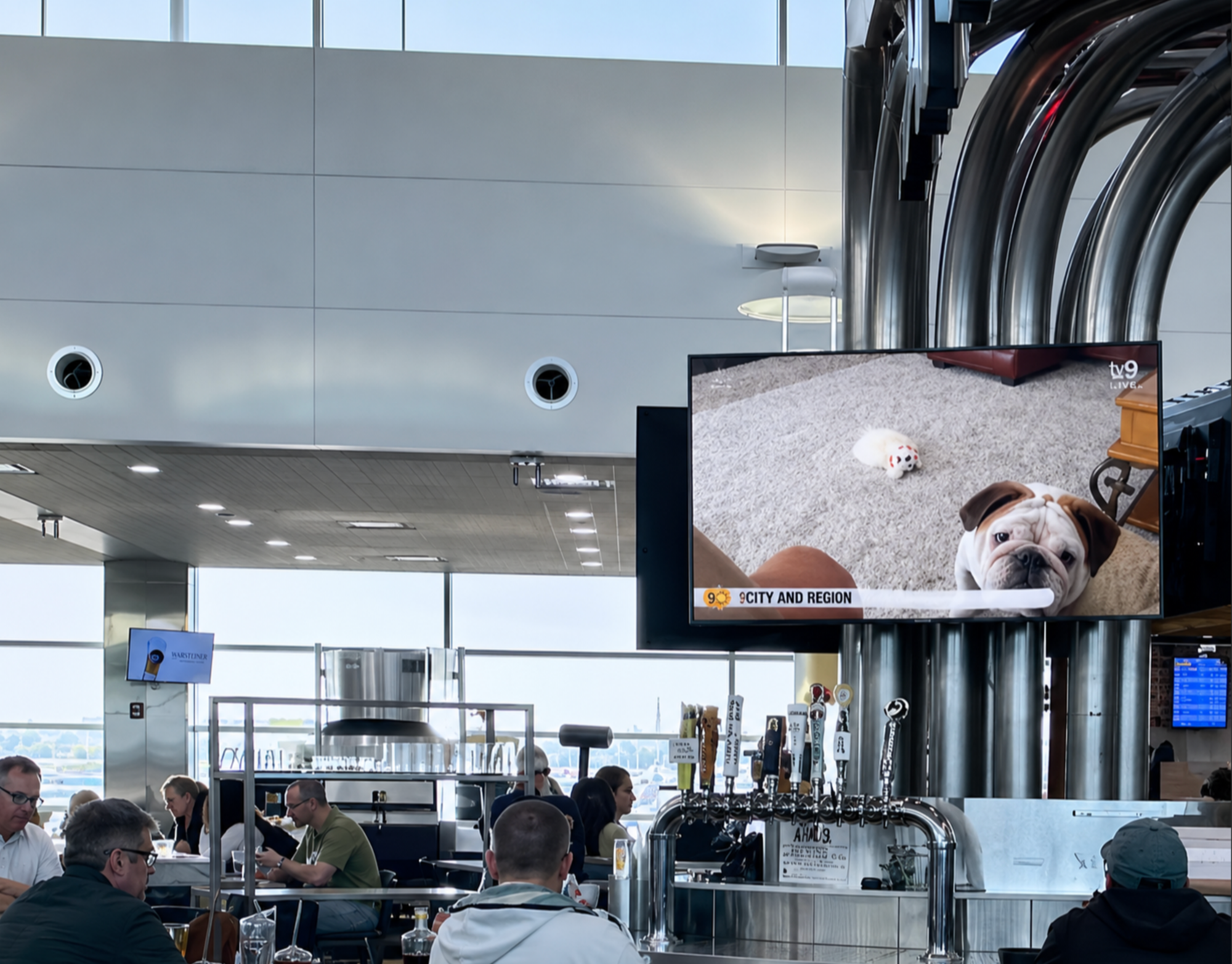
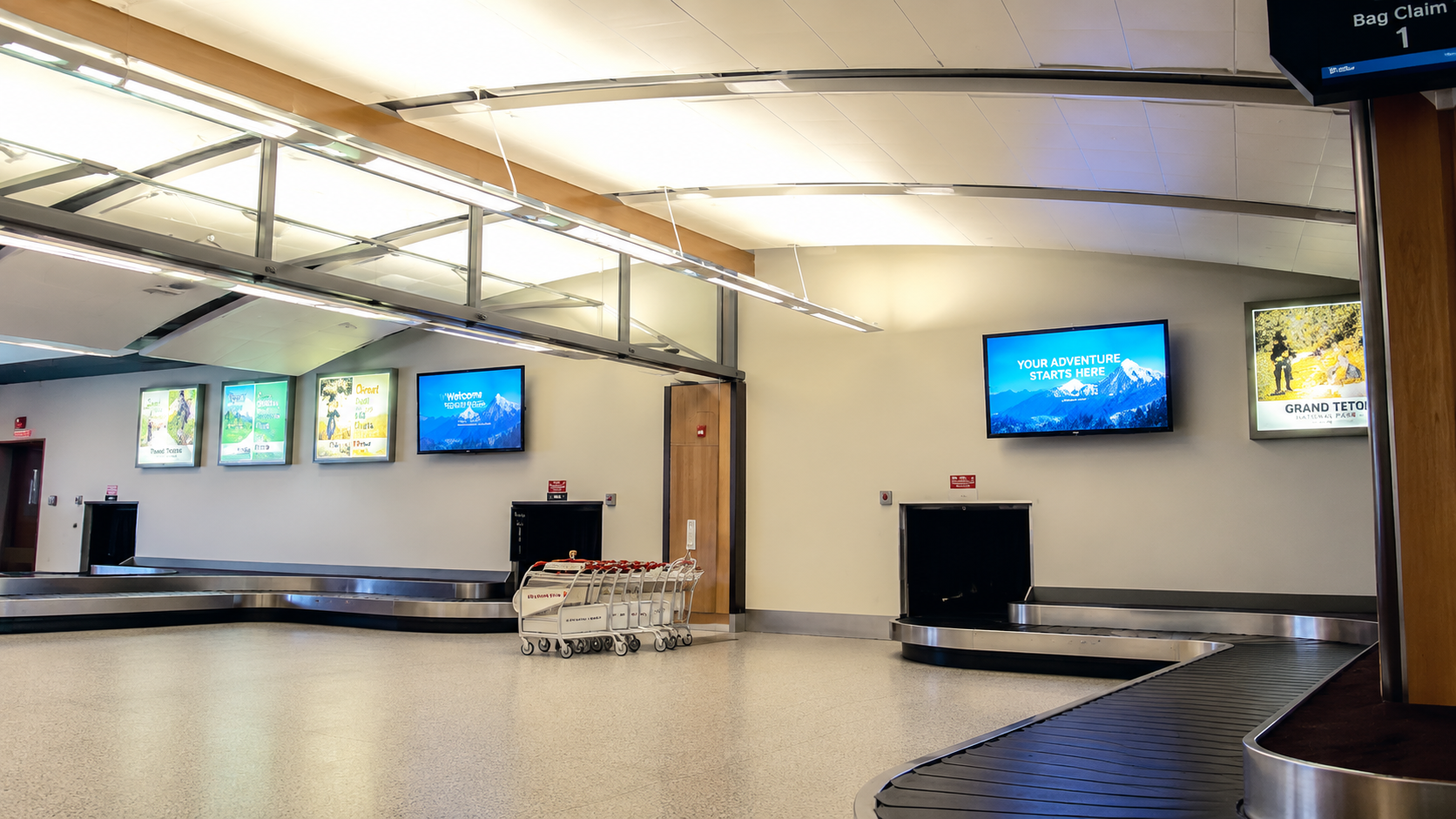
- Single-terminal, low-clutter environment with a distinctive architectural interior. Standout potential per position is dramatically higher than at a fragmented metropolitan hub, where a brand competes against dozens of adjacent messages.
- Dwell time is driven by domestic check-in discipline, a single security and gate flow, and a strong on-site cafe and retail culture. Passengers arrive early, sit still and look up, which converts short physical dwell into long attention dwell.
- The terminal's cultural design and international award status transfer prestige to the brands displayed within it. Association with an award-winning, renewably powered building strengthens sustainability and quality claims.
- Masscom Global provides inventory access, placement precision and rollout speed at NPL, structuring campaigns around the specific corridor and event windows that concentrate the highest-value audience.
Strategic Advertising Fit
Best Fit:
- Energy and industrial B2B: Equipment, engineering services, safety, logistics and technical suppliers reaching the exact procurement audience they need
- Banking, wealth management and succession planning: Land-rich, capital-event-driven households with real advisory need and limited local competition
- Agri-finance, machinery and agri-technology: A dense concentration of owner-operators making large capital equipment decisions
- Premium and commercial automotive: High vehicle ownership, rural utility demand and strong discretionary upgrade behaviour
- Insurance and risk services: Farm, industrial, marine and asset cover for a high-value, high-exposure regional asset base
- International real estate and residency advisory: Reaching outbound investors at the moment liquidity is created
- International education and universities: Asset-funded family education spending with a clear Australian and UK bias
- Sustainability and clean energy brands: An environment with authentic renewable credentials that reinforces the message
Brand Alignment at a Glance:
| Category | Fit |
|---|---|
| Energy and industrial B2B | Exceptional |
| Banking and wealth management | Exceptional |
| Agri-finance and machinery | Strong |
| Automotive and insurance | Strong |
| International real estate and education | Strong |
| Clean energy and sustainability | Strong |
| Premium hospitality and travel | Moderate |