

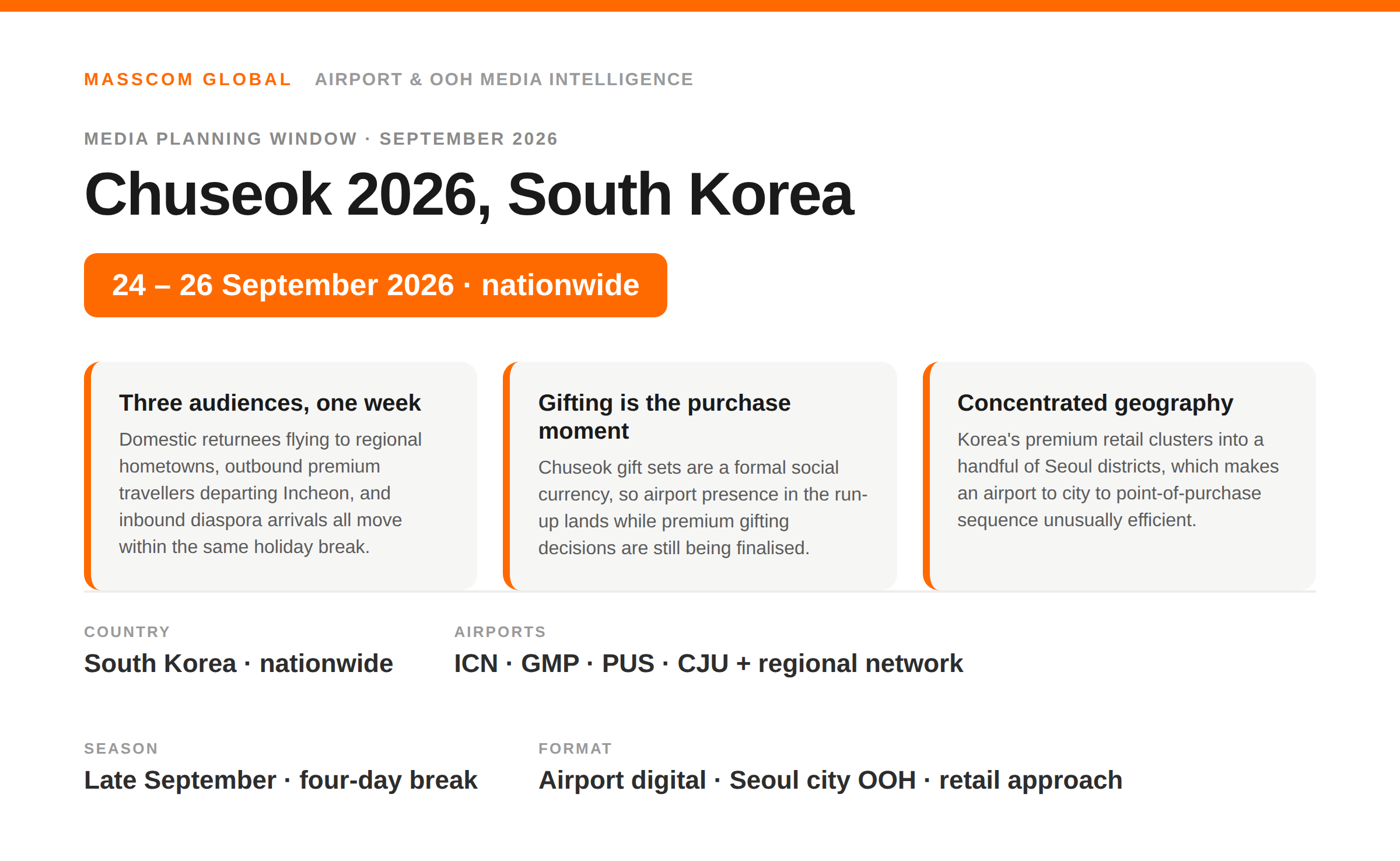
For media planners, Chuseok is the single most concentrated movement of affluent Korean consumers in the calendar. It falls on Friday 25 September 2026, with the official public holiday running Thursday 24 to Saturday 26 September; South Korea's substitute-holiday rule does not apply this year, because the third day lands on a Saturday rather than a Sunday, and in practice most of the country treats the following Sunday as part of the break, producing a four-day national shutdown.
It is a harvest festival built on two obligations that both generate travel and both generate spend: returning to ancestral hometowns, and gifting. Domestic trunk routes, the Jeju and Busan leisure corridors and long-haul outbound premium cabins all peak at once, and Korea's luxury gifting market reaches its annual high point.
Why Airport & City Advertising Works During Chuseok
Chuseok travel is not one audience but three, and all three are commercially valuable.
The first is the domestic returnee: Seoul-based professionals and executives flying to regional hometowns via Gimpo, Gimhae, Daegu, Cheongju and Muan. These are households with the disposable income to fly rather than drive, travelling with gifts in hand.
The second is the outbound premium traveller: the growing cohort of Korean HNWIs who use the Chuseok break for international leisure, departing Incheon on long-haul premium cabins toward Europe, Southeast Asia, Japan and North America. This group is the primary target for duty-free, watches and jewellery, private banking, residency advisory and luxury hospitality.
The third is the inbound and diaspora arrival: overseas Koreans and international visitors timing trips to the holiday, arriving into Incheon and Jeju.
Masscom Global's South Korea coverage spans ten location types across Incheon, Gimpo, Gimhae, Jeju and Daegu, the country's principal advertising-grade terminals. Screen counts and traffic figures for a specific brief are provided at proposal stage from live operator data rather than published estimates.
What makes Korea distinctive is the cultural weight attached to gifting. Chuseok gift sets are a formal social currency, and premium tiers (wine and spirits, cosmetics, hampers, luxury accessories, health products) carry status signalling that no other Korean retail moment matches. A brand visible in the airport environment during the run-up is present at exactly the moment gifting decisions are being finalised.
Key Benefits of Airport & City Advertising During Chuseok
Reach a qualified, high-spend audience
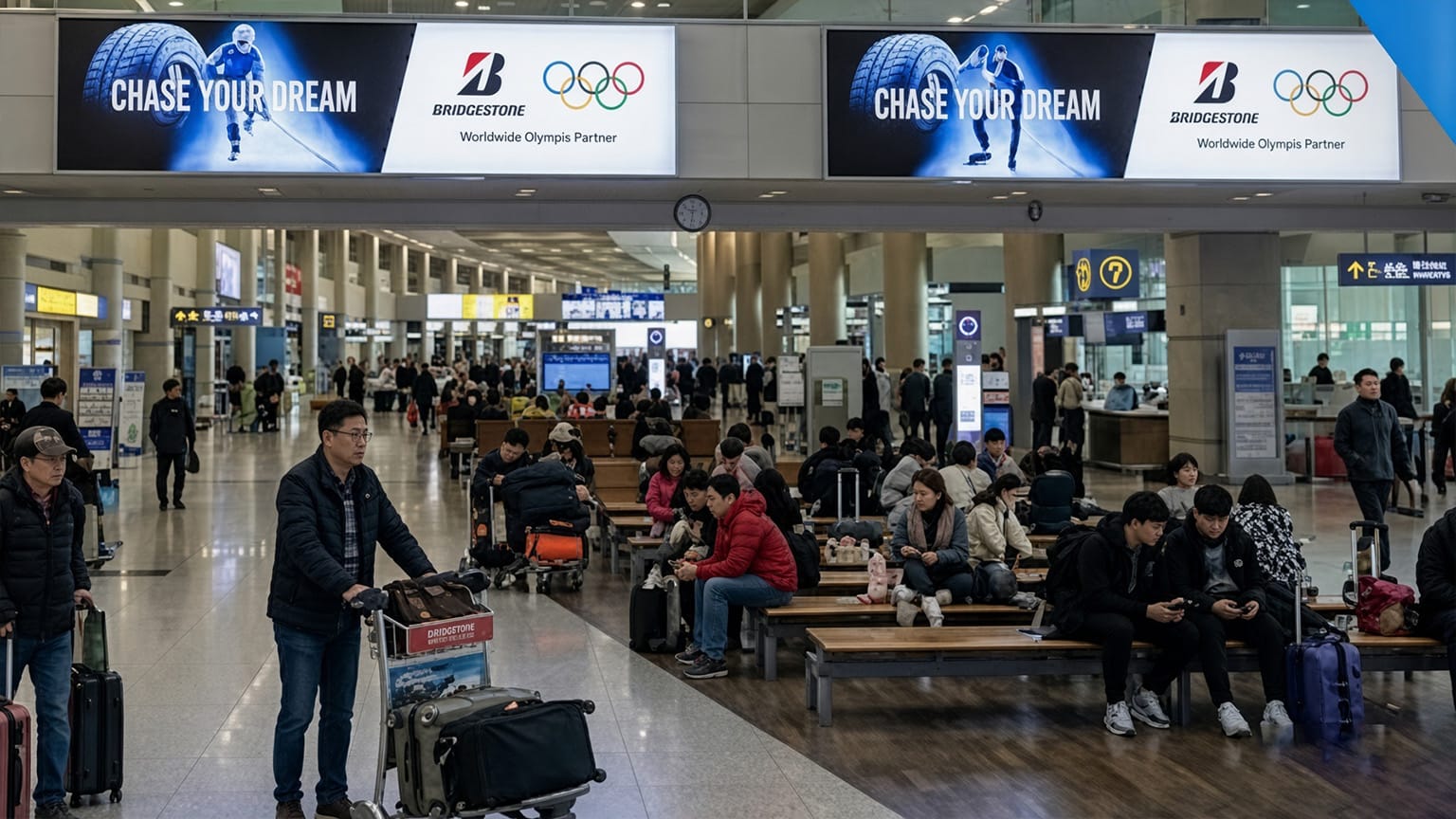
Chuseok air travellers self-select for income. Flying domestically during Korea's most expensive travel week, or departing on a long-haul premium cabin, is a spending decision in itself. Airport media reaches this audience during unavoidable, high-dwell moments (check-in queues, security approach, boarding gates, baggage reclaim) with no competing screen for attention.
Elevate your brand positioning
Korean consumers read airport presence as a marker of scale and legitimacy. Appearing across Incheon's departure sequence alongside global luxury houses places a brand in the same visual tier without requiring the retail footprint that normally implies.
Generate real business opportunity
Chuseok is also a corporate calendar event. Client gifting, partner entertainment and year-end planning conversations cluster around it, and Korea's business community travels in the same window. Sustained visibility across the arrival and departure journey keeps a brand present through a period of active purchase and active decision-making.
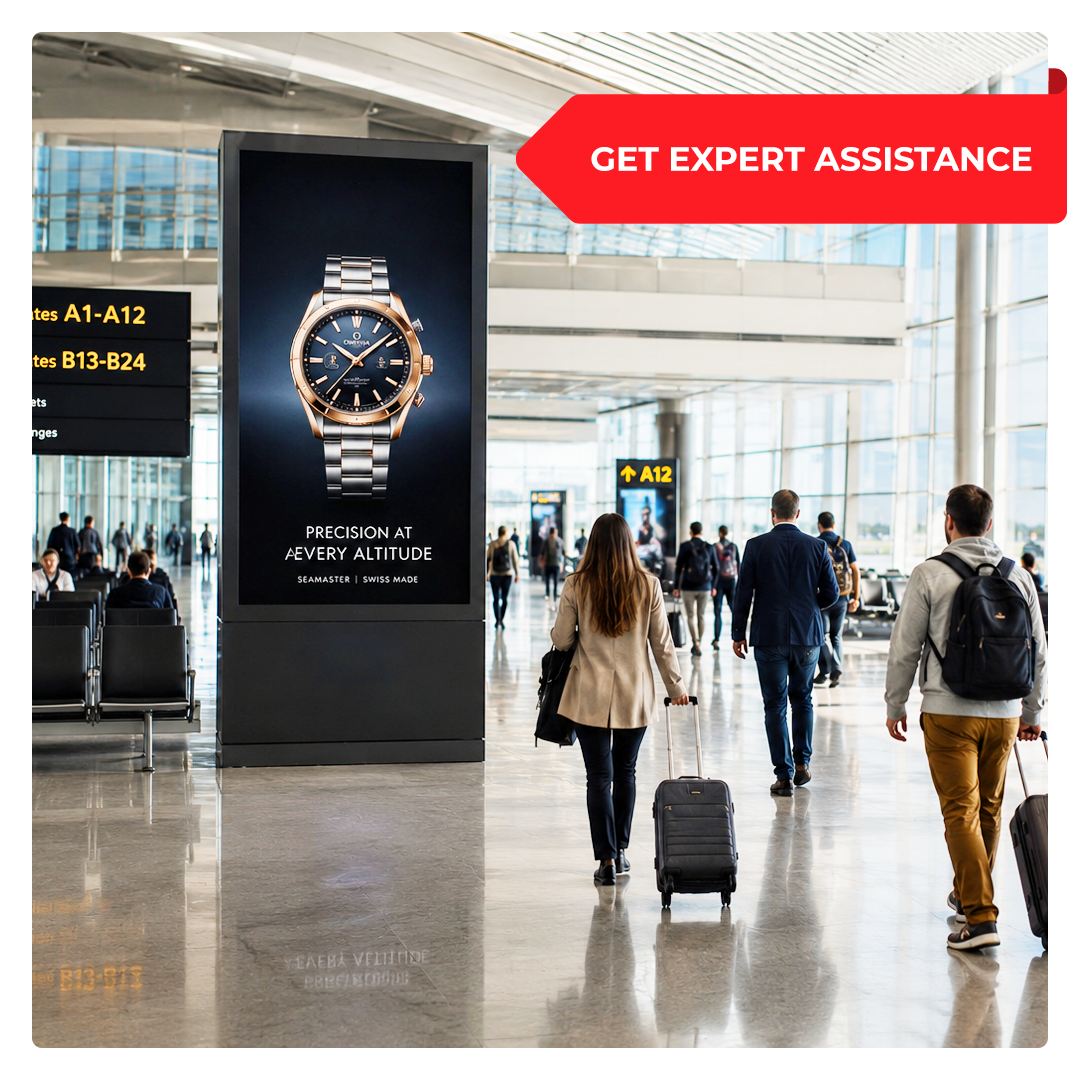
Get Free Expert Assistance from Our Global Media Planning Team
Receive strategic recommendations, media planning support, campaign monitoring and reporting to maximise your visibility throughout Chuseok (Korean Thanksgiving).
Book Expert ConsultationIncheon International Airport (ICN): Korea's Premium Gateway
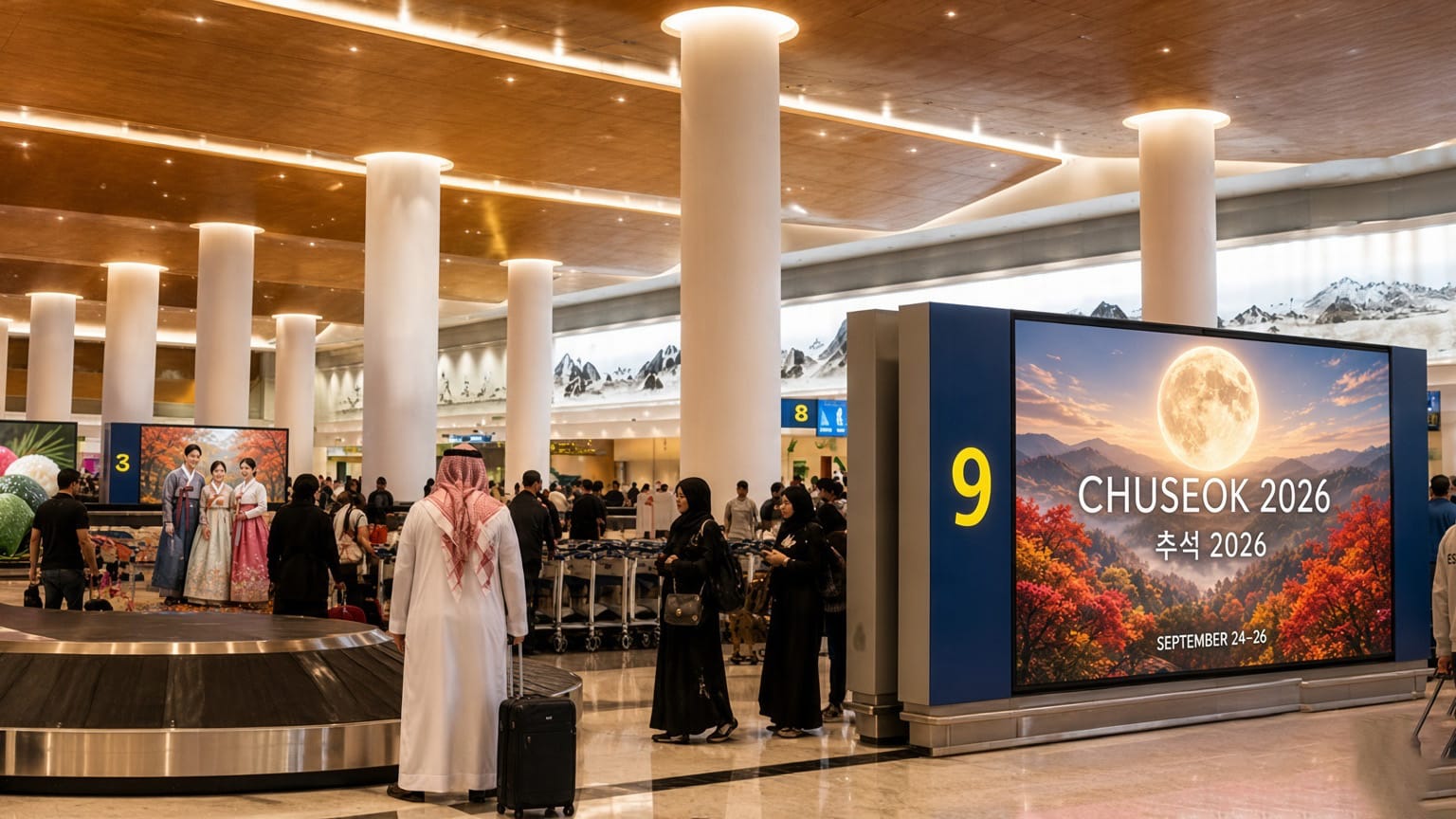
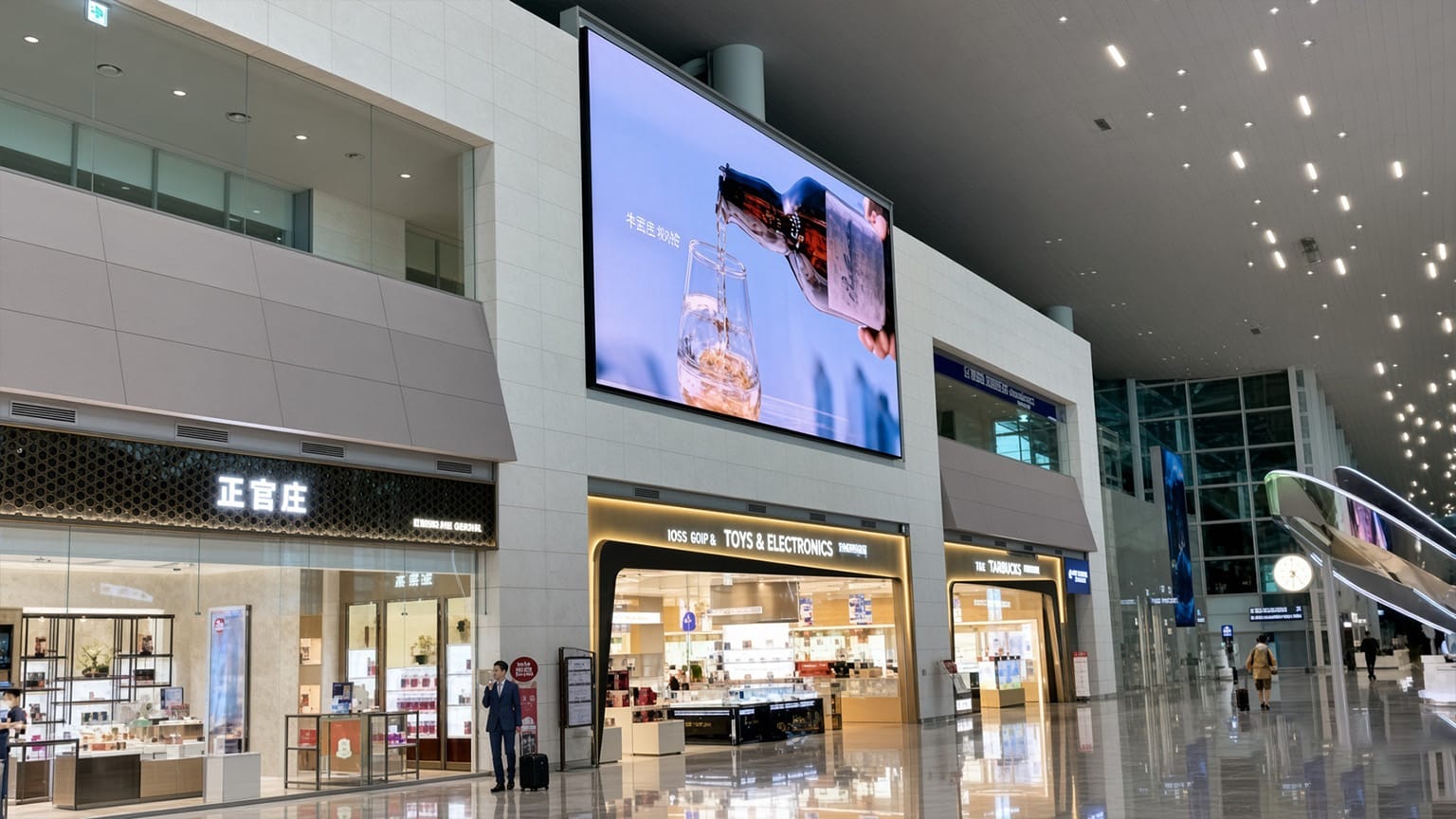
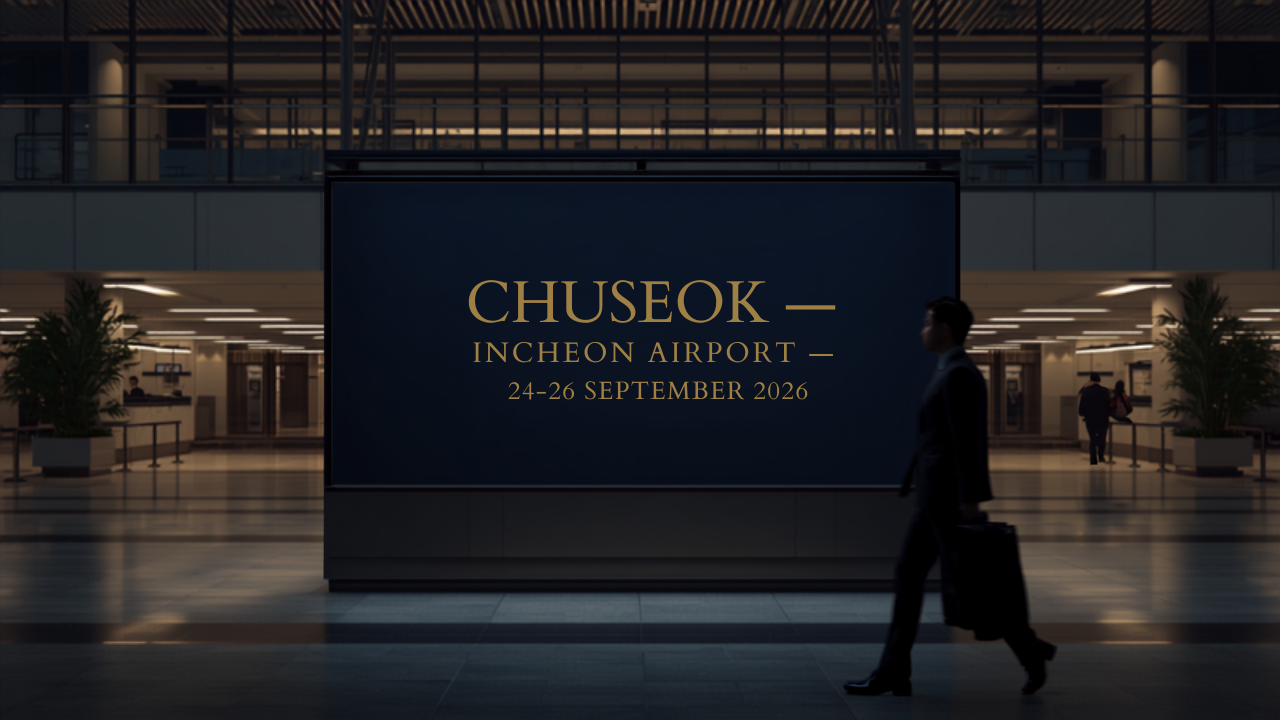
Incheon is South Korea's principal long-haul gateway and the terminal through which virtually all outbound premium Chuseok traffic passes. Its duty-free environment is one of the largest and most competitive in the world, which makes it both the most valuable and the most contested advertising environment in the country.
Inventory Highlights
- Departure hall and check-in zone positions reaching passengers at the start of a long dwell period
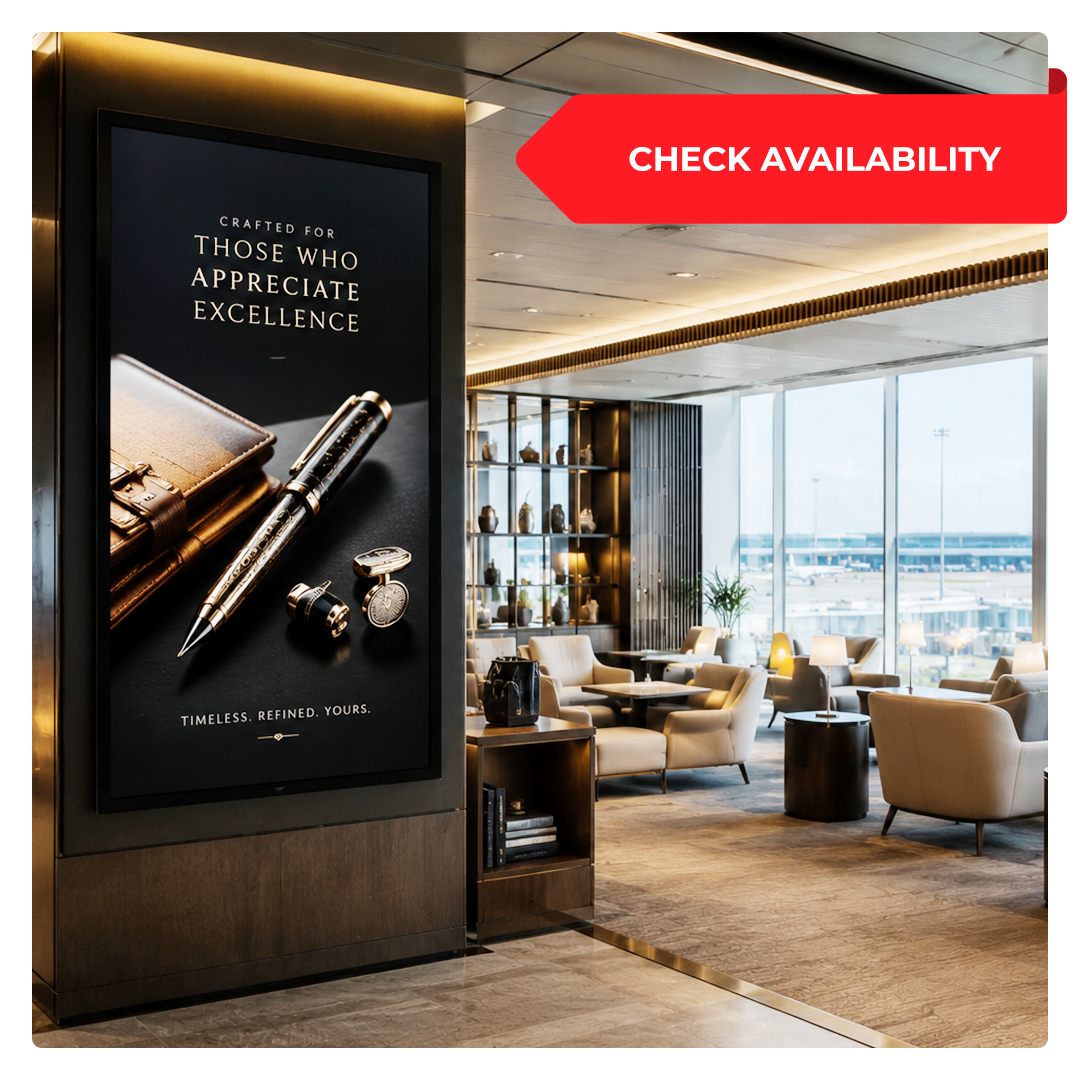
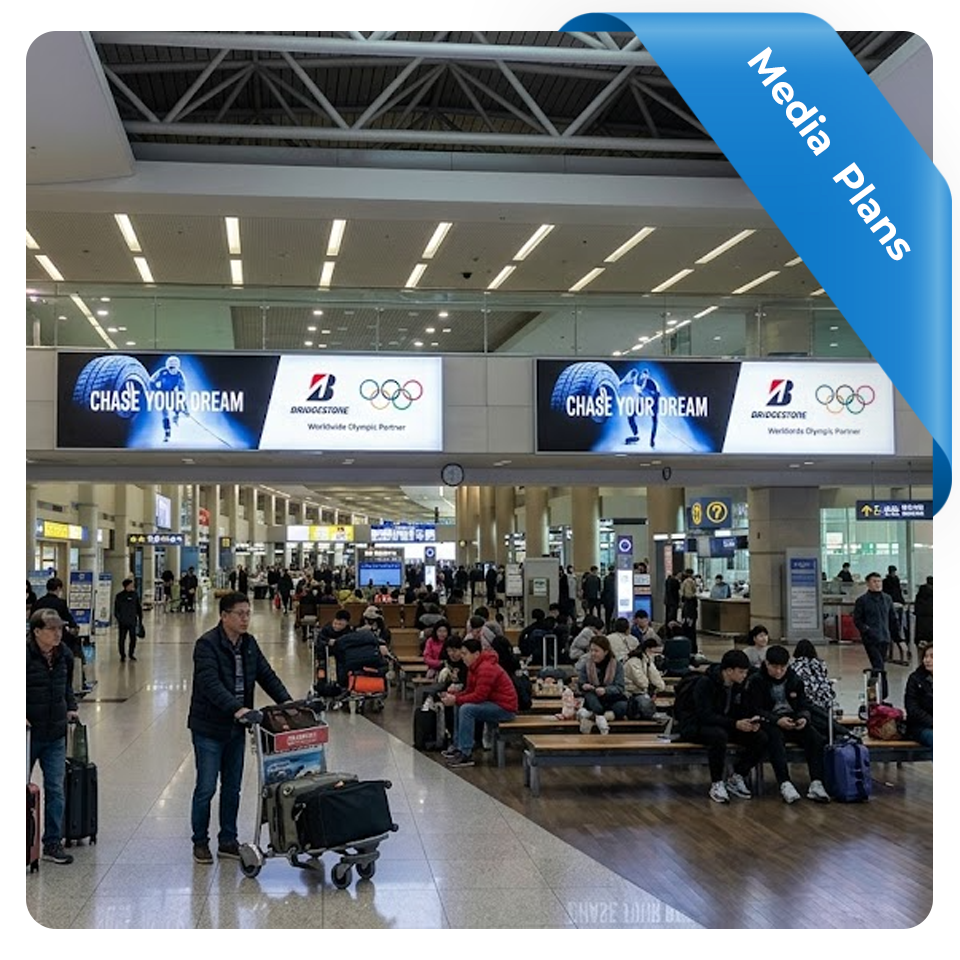
- Digital networks along the airside concourse and premium-cabin lounge approaches
- Duty-free adjacency placements, where advertising sits directly alongside the point of purchase
- Immigration approach and baggage reclaim positions serving inbound diaspora and international arrivals
Advantages for Advertisers
- The only Korean environment that concentrates long-haul premium-cabin departures at scale
- Duty-free proximity converts brand exposure into same-visit conversion, particularly for spirits, cosmetics, watches and accessories
- Extended pre-flight dwell supports considered creative rather than glance-only messaging
 Wealth in motion intelligence.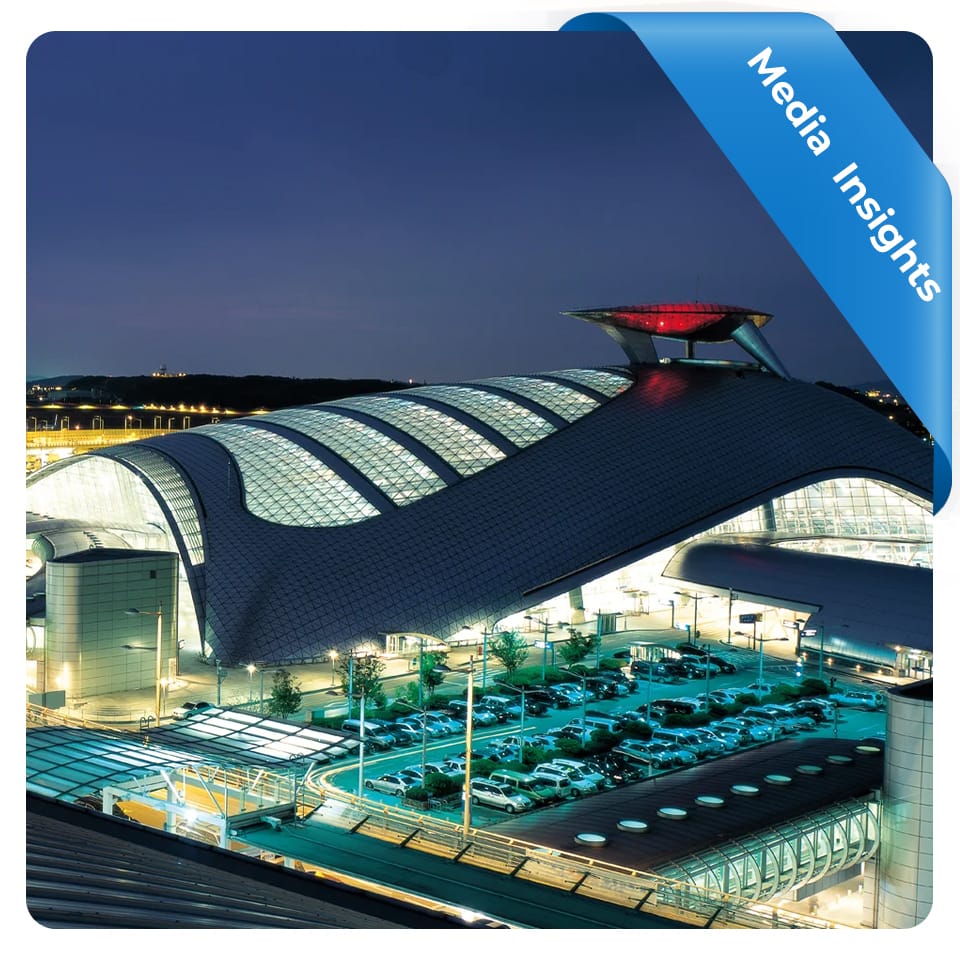
Gimpo International Airport (GMP): Seoul's Domestic and Short-Haul Hub
Gimpo sits inside Seoul itself and carries the bulk of the capital's domestic trunk traffic (principally to Jeju and Busan) alongside high-frequency short-haul business shuttles to Tokyo Haneda, Osaka, Shanghai Hongqiao and Beijing. During Chuseok its domestic flows run at their annual peak.
Inventory Highlights
- Domestic terminal check-in and departure positions capturing the Seoul–regional returnee flow
- International terminal placements on the short-haul business corridors
- Arrivals and reclaim positions reaching returning Seoul residents at the end of the break
Advantages for Advertisers
- Reaches Seoul's professional and executive population specifically, rather than a diluted international mix
- High frequency of exposure: short-haul business travellers pass through repeatedly
- City-adjacent location allows airport and Seoul city media to be planned as one continuous environment, at lower clutter than Incheon's international halls
 Prathish Cherian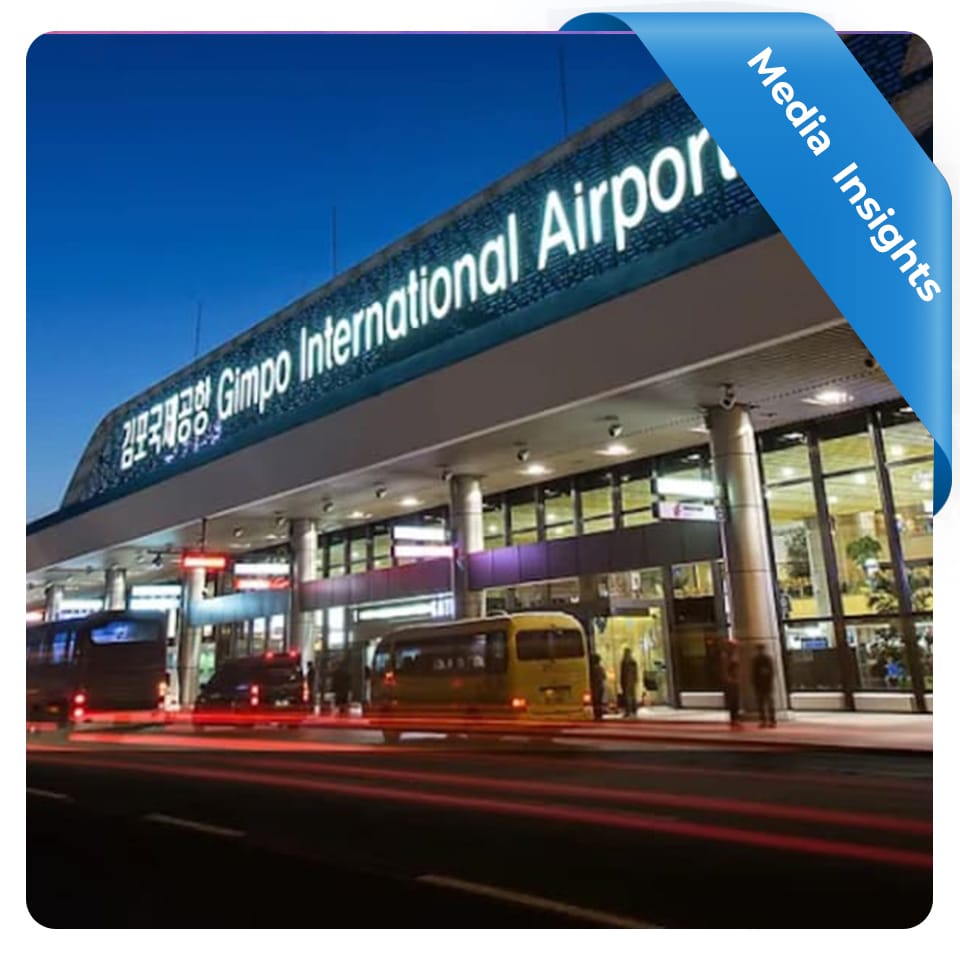
Jeju International Airport (CJU): The Holiday Destination Terminal
Jeju is Korea's dominant domestic leisure destination and Chuseok is one of its strongest weeks. The Seoul–Jeju corridor is among the busiest air routes in the world by frequency, and holiday traffic arrives leisure-minded, unhurried and receptive.
Inventory Highlights
- Arrivals hall and baggage reclaim positions reaching every inbound holiday visitor
- Departure and check-in placements capturing the return leg
- Ground-transport and car-hire approach environments at the point of onward travel decisions
Advantages for Advertisers
- Near-total coverage of a defined audience: there is no meaningful alternative route to the island for holiday visitors
- Leisure mindset improves receptivity for hospitality, resort, duty-free, automotive and premium beverage categories
- Jeju's duty-free retail gives brand messaging an immediate commercial endpoint at high effective frequency
 Prathish Cherian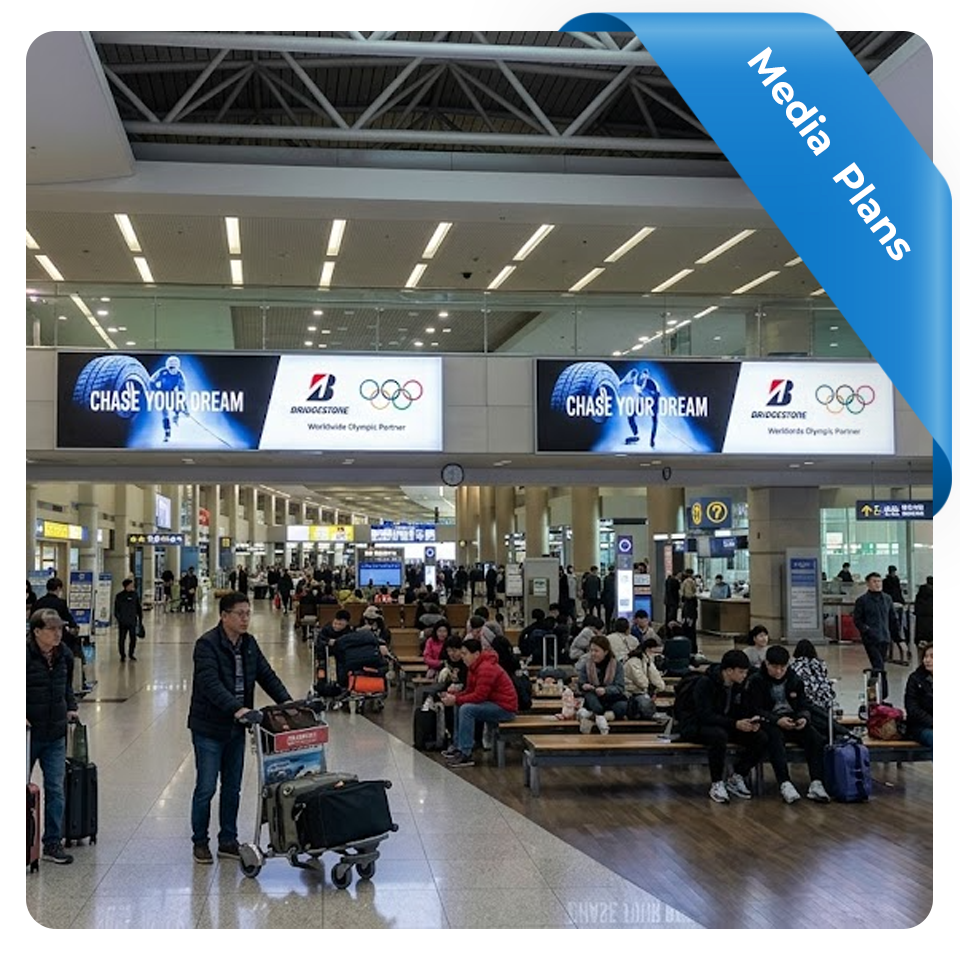
Busan Gimhae International Airport (PUS): The Southeastern Gateway
Gimhae serves Busan and the Gyeongnam industrial belt: Korea's second metropolitan economy and the base of much of its shipbuilding and heavy-industry leadership. It combines heavy Chuseok returnee traffic from Seoul with short-haul international services to Japan, China and Southeast Asia.
Inventory Highlights
- Domestic and international terminal departure and arrival positions
- Arrivals environments reaching returnees and inbound leisure traffic together, plus forecourt formats
Advantages for Advertisers
- Direct access to southeastern Korea's corporate and industrial decision-maker base
- Lower competitive density than Incheon, at materially better efficiency
- Dual domestic and international composition covers both returnee and outbound audiences in one buy
- Pairs naturally with Busan city OOH for a full-market campaign
 Wealth in motion intelligence.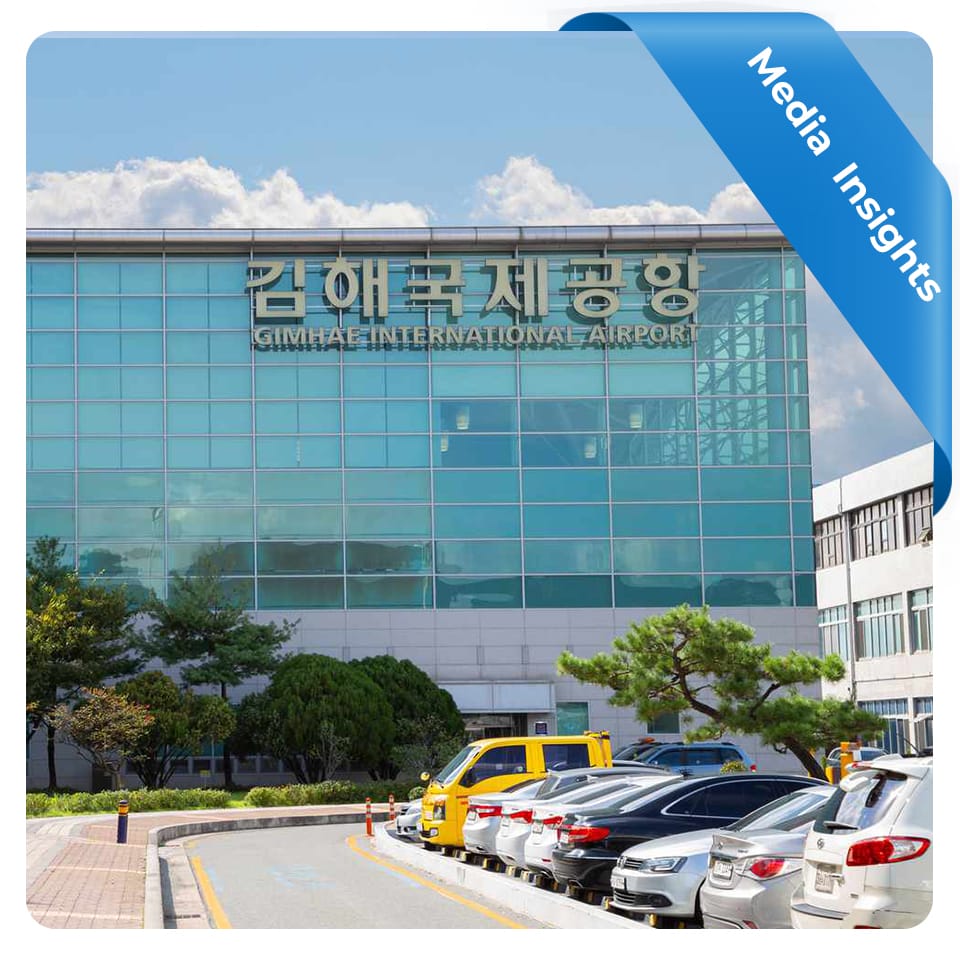
National Network Coverage
Beyond the four principal hubs, a Chuseok campaign can be extended across Korea's regional gateway network to capture returnee flows into secondary catchments: Daegu International Airport, serving Korea's fourth-largest city and the Gyeongbuk manufacturing belt; Cheongju International Airport, serving the Chungcheong provinces and the Sejong administrative belt; Yangyang International Airport, the Gangwon east-coast gateway; and Muan International Airport, serving the Jeolla southwest. Each carries lower absolute volume than the main hubs but delivers a clean, uncontested regional environment with very low media clutter, where a single placement carries disproportionate share of attention. Use them where a brand needs genuinely national presence rather than metropolitan concentration alone.
Destination South Korea: Full Visitor Journey Coverage
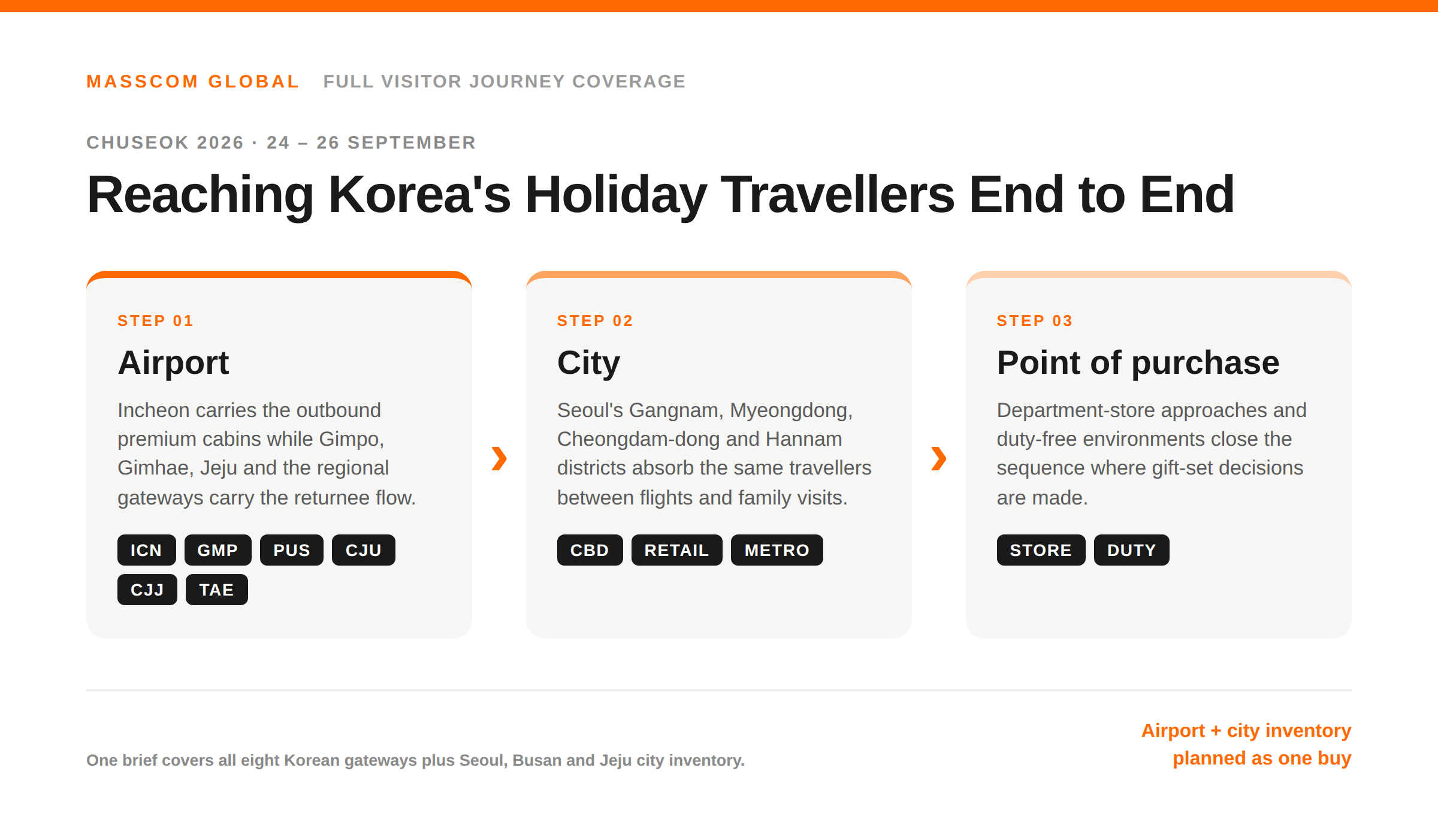
Korea rewards sequenced media planning because population and retail are both highly concentrated. Korea's luxury retail clusters into a handful of Seoul districts (Gangnam, Myeongdong, Cheongdam-dong, Hannam) and Busan and Jeju each concentrate their premium activity into similarly compact zones.
That makes an Airport → City → Point of Purchase sequence unusually efficient during Chuseok. Digital and large-format OOH across Seoul's business and luxury retail corridors, transit and subway environments, and premium hotel and department-store approaches allow a brand to reach the same traveller several times without paying for irrelevant geography. In Busan and Jeju the same logic applies at a smaller scale and a lower cost base.
Three effects follow from sequencing rather than scattering:
- Increased brand recall: repeated exposure at departure, in the city and at the point of purchase
- Consistent presence: the brand becomes part of the holiday's visual environment rather than an interruption to it
- Enhanced campaign effectiveness: coordinated placements outperform equivalent spend split across disconnected markets
Why Brands Choose Airport & City Advertising for Chuseok
Exclusive audience access. No other week in the Korean calendar concentrates this volume of affluent domestic and outbound premium travellers into so few terminals.
A prestigious environment. Incheon and Korea's principal terminals are premium retail environments in their own right, and Korean audiences read airport presence as a credibility signal.
End-to-end campaign support. Masscom Global plans, negotiates and executes across airport and city inventory in a single brief, with one point of accountability across all eight Korean gateways.
Strategic planning assistance. Our team advises on terminal selection, format mix and flight-schedule timing so that budget lands where your specific audience actually moves during the holiday peak.
The Masscom Global Standard Behind Every Chuseok Placement
- Verified inventory and audience data: screen counts and traffic figures for your brief come from live operator data at proposal stage, not published estimates.
- Transparent delivery reporting: campaign monitoring and reporting across all eight Korean gateways, so you see exactly where your creative ran.
- Benchmarked recommendations: terminal selection and format mix set against comparable campaigns across our airport network.
- We absorb the complexity: one point of accountability from negotiation through execution.
Request Your Customised Chuseok (Korean Thanksgiving) Advertising Plan
Tell us your audience, category and budget. Our planners will return a costed plan across airport and prime city inventory, with availability confirmed.
Book NowFrequently Asked Questions
When exactly is Chuseok in 2026?
Chuseok falls on Friday 25 September 2026, with the official public holiday running Thursday 24 to Saturday 26 September. No substitute holiday applies, because the third day falls on a Saturday rather than a Sunday, though most of the country extends the break across the following Sunday in practice.
Who travels during Chuseok?
Three groups: Seoul-based professionals and executives flying to regional hometowns; Korean HNWIs and affluent families departing Incheon on long-haul premium cabins for international leisure; and overseas Koreans and international visitors timing trips to the holiday. All three skew high-income relative to the population, and the same window is Korea's annual peak for premium gifting, when spirits, cosmetics and luxury accessories become a formal social currency.
Can I reach travellers across their whole journey, not just at the airport?
Yes. A combined airport and city campaign covers departure and arrival terminals, Seoul's business and luxury retail districts, transit environments and premium hotel approaches, so the same audience encounters your brand several times across the holiday period.
How far in advance should a Chuseok campaign be booked?
Incheon's premium positions and Seoul's principal digital OOH sites for the holiday window are among the most contested inventory in Asia. We recommend confirming availability several months ahead; later requests can often still be served, but with reduced format choice.
Which brand categories perform best in this window?
Premium spirits and wine, cosmetics and skincare, watches and jewellery, luxury accessories and leather goods, duty-free retail, private banking and wealth management, luxury automotive, international hospitality, and airline premium cabins.
Related Airport Advertising Guides
Detailed inventory, audience and planning notes for the airports covered above:
Wealth in motion intelligence. Prathish Cherian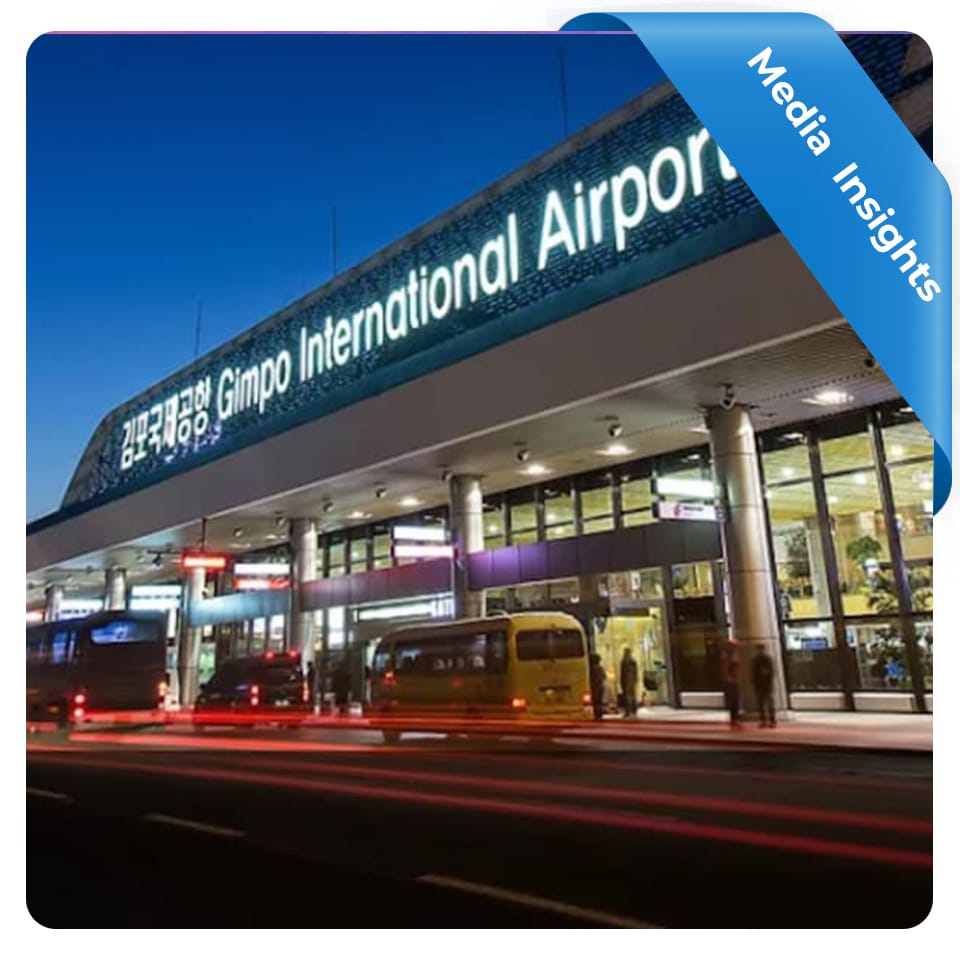
 Prathish Cherian
 Wealth in motion intelligence.
Chuseok Won't Wait. Neither Should You.
- Once a year, then gone: Incheon's premium positions and Seoul's principal digital OOH sites are already among the most contested inventory in Asia.
- Competitors are already moving: every week without a plan is a week a spirits, cosmetics or watch brand gets closer to locking the same positions.
- The window is exact, not approximate: a campaign that isn't live by the run-up misses the exact moment gifting decisions are finalised.
- The alternative reaches no one specific: generic domestic advertising can't isolate this travel surge at all.
Get Free Expert Assistance Now
Tell us your audience, your category and your budget, and our planners will come back with a costed Chuseok 2026 media plan across Korean airport and city inventory.
Request Availability
Incheon, Gimpo and Seoul city positions for the late-September window move quickly. Ask us what is still open.
Chuseok is Korea's single most concentrated movement of affluent domestic and outbound premium travellers, layering peak gift-season spend onto a four-day national holiday across eight national gateways. An Airport → City → Point of Purchase plan puts a brand in front of the same traveller at departure, in Seoul's luxury retail corridors and again at the point of purchase. Incheon's premium positions and Seoul's principal OOH sites for the window are already among the most contested inventory in Asia.