

Airport at a Glance
| Field | Detail |
|---|---|
| Airport | Canberra Airport |
| IATA Code | CBR |
| Country | Australia |
| City | Canberra, Australian Capital Territory |
| Annual Passengers | Approximately 2.8 million (FY2023-24, latest confirmed full-year figure) |
| Primary Audience | Senior government and policy decision-makers, diplomatic corps, defence and national security executives |
| Peak Advertising Season | February to June and August to November, aligned to parliamentary sitting periods, plus September to October festival season |
| Audience Tier | Tier 1 |
| Best Fit Categories | Defence, aerospace and government technology, professional services and consulting, financial services and wealth management, premium automotive |
Canberra Airport handled approximately 2.8 million passengers in FY2023-24 through a single modern terminal that consolidates all domestic and international processing. On volume alone it ranks well below Australia's major gateways. On audience authority it has no domestic equal. This is the terminal used by federal ministers and their advisers, department secretaries and senior public servants, defence and national security leadership, the diplomatic corps of more than a hundred missions, and the consulting, technology and defence contractors who sell to all of them. A single well-placed campaign here reaches the people who write and approve national policy and procurement.
Canberra also carries the highest household income profile of any Australian capital, concentrated in senior public sector, professional services, research and defence industry roles, with unusually high education levels and very low unemployment. That produces an audience with strong discretionary capacity, high financial literacy and a pronounced appetite for international travel, private education and property investment. Combined with the return of daily connectivity to a global Middle East hub, CBR now functions as both a policy audience buy and a genuine premium international corridor.
Advertising Value Snapshot
- Passenger scale: Approximately 2.8 million passengers in FY2023-24, having recovered past pre-2019 domestic levels in some months, with international traffic still under 5% of movements
- Traveller type: Senior government and policy decision-makers, diplomatic and defence personnel, professional services and technology executives
- Airport classification: Tier 1, driven by audience authority and household wealth rather than passenger count, with genuine international processing on site
- Commercial positioning: Australia's political, diplomatic and defence capital gateway, and the country's most concentrated government procurement audience
- Wealth corridor signal: CBR sits on the Australia to Middle East and Europe corridor via Doha, alongside a Pacific corridor to Fiji, moving policy, diplomatic and high-income professional traffic
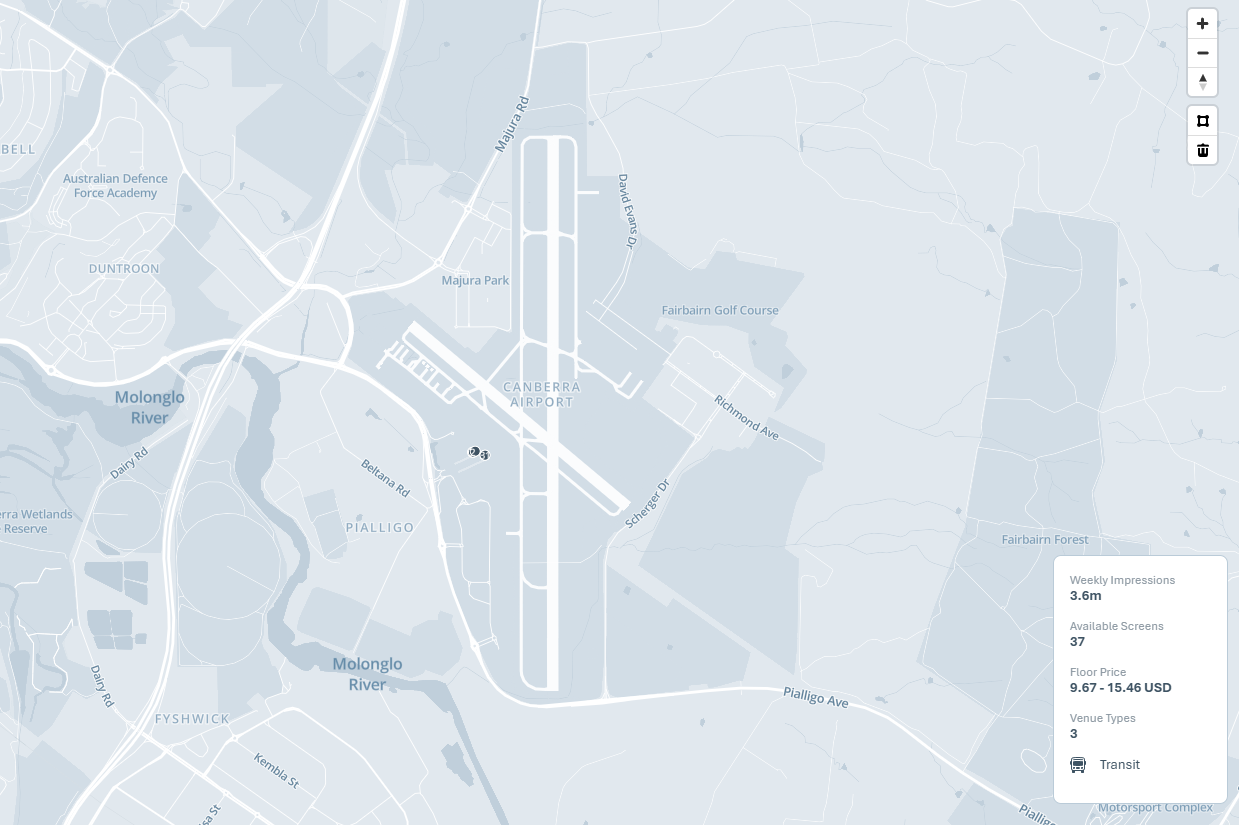
- Advertising opportunity: One terminal, one consolidated processing flow and a compact layout mean the entire departing audience passes the same high-attention zones, delivering coverage that a multi-terminal airport cannot match. Masscom Global provides access across check-in hall, security approach, gate concourse, lounge adjacency and arrivals, with the ability to weight placement toward business departure waves or international boarding. For a brand selling to government, defence or the professional services sector, no other Australian environment concentrates the buying committee this tightly.
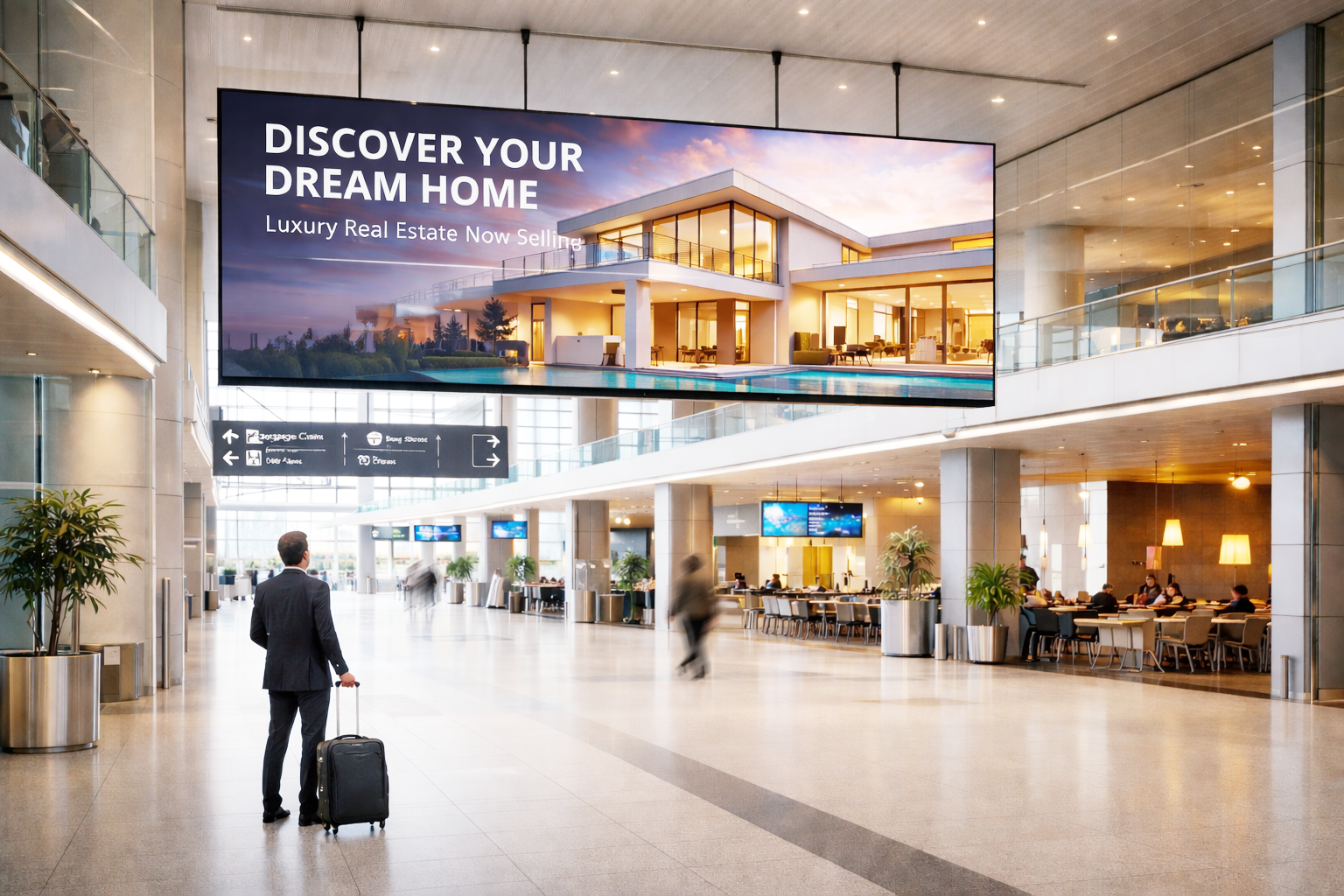
Airport Advertising is Complex to Get Right
We help you execute faster, with proven results and local insight most planners lack starting now.
Talk to an ExpertCatchment Area and Economic Drivers
Top 10 Cities within 150 km, Marketer Intelligence:
- Canberra, ACT: The decision-making core of the nation, concentrating federal government, defence headquarters, the diplomatic corps, national research institutions and the consultancies serving them. The single highest-authority audience in Australia for government technology, defence, professional services and premium financial messaging.
- Queanbeyan, NSW: A large commuter city functionally inside Canberra's labour market, holding mid to senior public servants and trades and services business owners. Effective for retail banking, insurance, automotive and family consumer categories.
- Gungahlin and Canberra's northern districts, ACT: The fastest-growing residential zone with a young professional and migrant professional population carrying high dual incomes and mortgage exposure. Prime audience for home finance, telecom, education and international travel messaging.
- Woden and Tuggeranong, ACT: Established public service suburbs with mature household wealth, superannuation balances and pre-retirement planning needs. Direct target for wealth management, retirement products, private health and premium travel.
- Goulburn, NSW: Regional service, agriculture and logistics centre on the Sydney corridor, with a police and institutional training presence. Aligns with fleet, insurance, industrial services and value-premium consumer brands.
- Yass and Murrumbateman, NSW: The Canberra District wine belt, holding lifestyle landowners, vineyard operators and affluent semi-rural households. Receptive to premium beverage, luxury automotive, rural finance and estate planning.
- Bungendore and Braidwood, NSW: Small-acreage lifestyle communities favoured by senior public servants and professionals seeking rural property. High-value audience for property finance, luxury residential and wealth advisory.
- Cooma and the Monaro, NSW: The gateway to the Snowy Mountains and to major energy infrastructure works, producing both engineering and construction management travel and a distinct seasonal alpine visitor economy.
- Batemans Bay and the Eurobodalla coast, NSW: Canberra's coastal second-home belt, where a large share of ACT households own or seek recreational property. Directly relevant to real estate, insurance, automotive and leisure categories.
- Bowral and the Southern Highlands, NSW: An affluent lifestyle and equine district with high property values and strong Sydney and Canberra wealth overlap. Strong fit for luxury property, premium hospitality and private banking.
NRI and Diaspora Intelligence:
Canberra's most commercially distinctive population is diplomatic rather than conventional diaspora: more than a hundred foreign missions maintain staff and families in the city, producing continuous, wholly international travel with allowances, relocation budgets and duty-free entitlements attached. Alongside this sits a large and rapidly growing skilled migrant professional community, with strong Indian, Chinese, Nepalese, Filipino and Vietnamese representation concentrated in public service, technology, health and academia. These households sustain persistent home-country corridors involving extended family travel, remittance, gold and property purchase, and education spending in both directions. The national university sector adds a substantial international student and visiting academic population with parental funding behind it. For advertisers this means a modest-volume domestic terminal carrying an unusually international, unusually well-resourced passenger base.
Economic Importance:
The catchment economy is anchored by public administration, defence and national security, higher education and research, and the professional services and technology firms contracted to all three. This produces something rare: an economy almost immune to normal commercial cycles, with stable high incomes, secure employment and predictable travel patterns tied to the parliamentary and budget calendar. Secondary drivers include construction and infrastructure, the Canberra District wine industry, and a tourism sector built on national institutions. For advertisers this means the audience quality is consistent year-round rather than seasonal, and the buying authority sits with government and enterprise rather than consumers alone.
Business and Industrial Ecosystem
- Federal government and public administration: The dominant employer, producing department secretaries, policy executives and procurement officials with direct control over very large national budgets, the highest-value B2B audience in Australia for government technology and services.
- Defence, national security and the defence industry: Concentrates military leadership, intelligence agencies and the prime contractors and systems integrators serving them, an audience for aerospace, sovereign capability, cyber and secure communications advertising.
- Higher education, research and scientific institutions: Generates academic leadership, research executives and international collaboration travel, aligned with technology, publishing, international education and professional services.
- Professional services, consulting and technology contractors: A dense advisory ecosystem built around government clients, producing partners and directors who travel constantly and control substantial discretionary spend.
Passenger Intent, Business Segment:
Business travellers at CBR are overwhelmingly policy and advisory professionals moving between the capital and Sydney, Melbourne, Brisbane and Perth, with volumes tightly synchronised to parliamentary sitting weeks, Senate estimates and budget cycles. Monday morning and Thursday evening waves are pronounced, dwell is short because the terminal is compact and close to the city, and lounge use is heavy. Categories that intercept them most effectively are government and enterprise technology, defence and aerospace, management consulting and legal services, business and private banking, premium automotive, executive education and business travel services.
Strategic Insight:
The commercial power of CBR is that its audience cannot be reached efficiently anywhere else. Government procurement decisions are made by a small, identifiable population that lives and works in one city and flies through one terminal, which means an advertiser achieves very high effective frequency against named decision-makers rather than diffuse reach. In Sydney a defence or government technology brand pays for millions of irrelevant impressions to touch this profile incidentally. At CBR the entire relevant buying community passes the same check-in hall and the same gates every sitting week. Masscom builds CBR campaigns around the parliamentary rhythm, which is what converts a modest passenger count into the most efficient B2B buy in Australia.
Tourism and Premium Travel Drivers
- National institutions, galleries, museums and Parliament House: Draw very large domestic visitor volumes including a substantial national school excursion programme, delivering both family and youth audiences with committed travel budgets.
- Floriade and the spring festival season: Australia's largest flower festival brings a heavy inbound visitor surge with high accommodation, dining and retail spend concentrated into weeks.
- Snowy Mountains alpine season and the Monaro corridor: Produces a winter visitor flow with high equipment, apparel and premium hospitality spend, plus significant second-home ownership.
- Canberra District wine region and the capital's food and events calendar: Attracts affluent weekend visitors from Sydney and Melbourne with strong premium beverage, hospitality and luxury lifestyle receptivity.
Passenger Intent, Tourism Segment:
Inbound leisure passengers arrive with prepaid accommodation and institution or event itineraries, and they skew educated and higher-income rather than budget. Outbound leisure is where the real value sits: high-income Canberra households travelling to Europe, the United Kingdom, the Middle East, Japan, Bali, New Zealand and the Pacific, typically on longer trips with premium cabins and substantial pre-committed spend, now supported by daily one-stop access to a global network. At the terminal both groups are receptive to travel insurance and cards, telecom and roaming, duty-free and premium retail, luxury travel offers and property propositions. Financial services, travel, premium retail and real estate categories benefit most.
Travel Patterns and Seasonality
- Peak seasons: February to June and August to November, driven by parliamentary sitting periods, budget cycles and the associated advisory, lobbying and media travel, which is the defining rhythm of this airport; September to October, driven by the spring festival season and peak inbound tourism; June to August, driven by the alpine season and school holiday movement; December and January, driven by outbound international and domestic holiday travel while government travel drops sharply.
- Monthly passenger breakdown: The consistent pattern is high, stable weekday business volume through sitting periods and a marked trough over the summer recess.
Event-Driven Movement:
- Parliamentary sitting weeks (February to June, August to December): The single most important commercial window at this airport, concentrating ministers, advisers, lobbyists, consultants and national media into predictable weekly waves, ideal for government technology, defence, professional services and advocacy advertising.
- Federal budget period (May): Peak advisory, industry association and media travel, the highest-intensity policy audience window of the year.
- Floriade and spring festival season (September to October): The largest inbound leisure surge, suited to consumer, retail, automotive, telecom and hospitality brands seeking scale.
- Summer motoring and cultural festival season (January): A concentrated youth and enthusiast audience with high discretionary and automotive spend during the government recess.
- Alpine and school holiday season (June to August): Family and enthusiast travel toward the Snowy Mountains, aligned with insurance, automotive, apparel and travel categories.
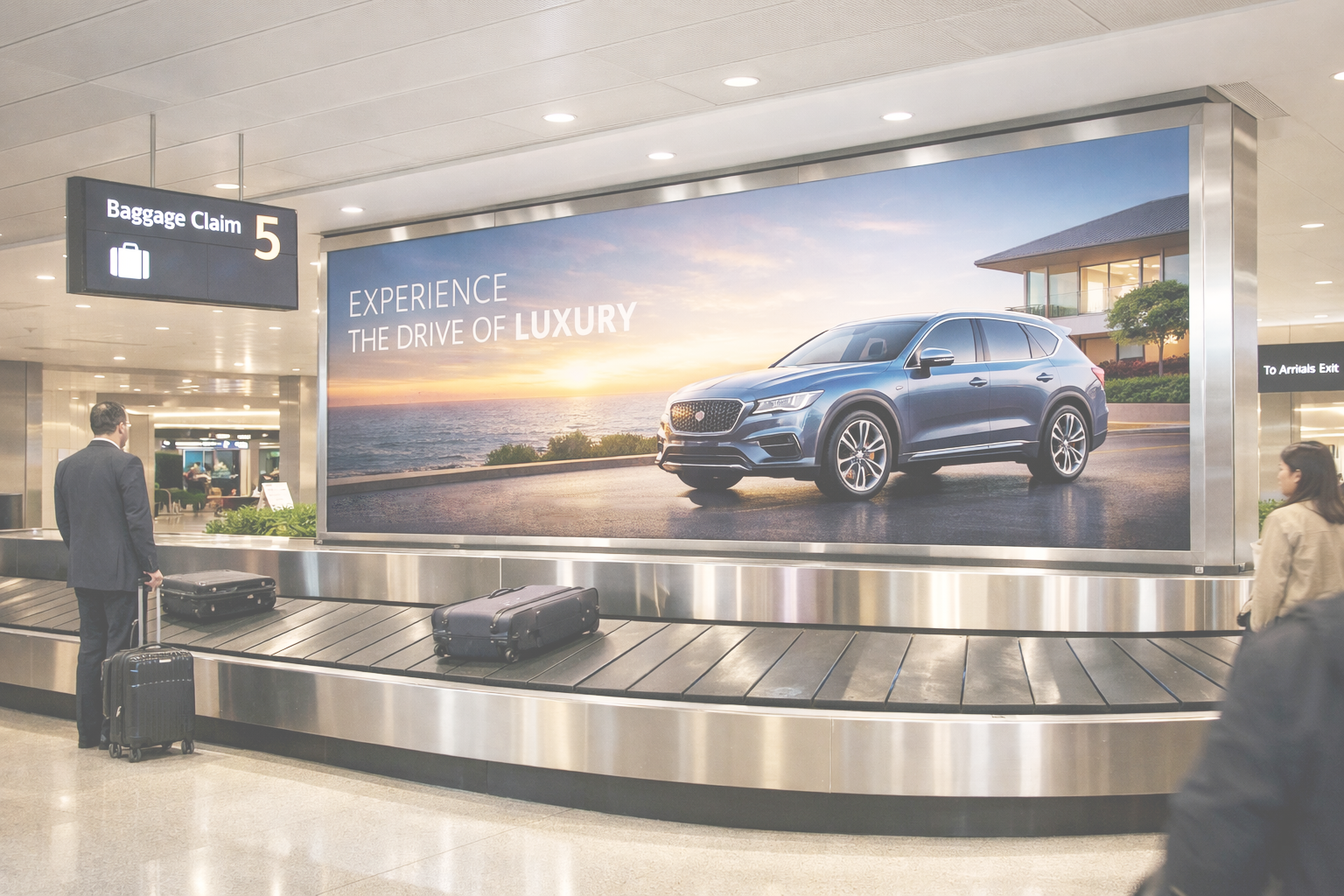
It’s Not Just Where You Advertise - It’s How Fast You Execute
We combine local insight with fast rollout to deliver results for you, now.
Talk to an ExpertAudience and Cultural Intelligence
Top 2 Languages:
- English: The primary language of the catchment and the overwhelming majority of travellers, spoken at a notably high education level. Single-language creative reaches the full terminal, and because this audience is professionally literate in policy and technical language, precise and substantive copy outperforms simplified messaging.
- Mandarin: The most significant community language after English, tied to a large Chinese-Australian professional, academic and student population, and reinforced by the diplomatic and trade presence. Commercially relevant for banking, international education, property, travel and luxury retail advertisers, with Hindi and Nepali following closely behind in the migrant professional segment.
Major Traveller Nationalities:
CBR traffic is predominantly Australian domestic, with a defined and disproportionately valuable international layer: Qatari and wider Middle East and European traffic via the Doha service, Fijian and Pacific traffic on the Nadi route, and a continuous diplomatic flow representing more than a hundred nations. Onward international demand routes through Sydney and Melbourne. Practically, creative should be built for a highly educated Australian professional audience while treating the diplomatic corps and the Doha corridor as distinct premium targets. Masscom recommends English-primary creative with segment-specific execution weighted to international boarding windows and lounge adjacency.
Religion, Advertiser Intelligence:
- No religion, the largest single category in the ACT and the highest proportion of any Australian capital: This is a defining commercial signal. It indicates a secular, evidence-oriented, professionally educated audience that responds to substantiated claims, ethics and sustainability credentials rather than tradition or sentiment. Travel spikes around secular school holidays and the summer recess rather than religious festivals, and spending triggers favour experiences, technology, education and ethical premium brands.
- Catholicism and Anglicanism, the largest religious affiliations: Christmas and Easter drive family gathering and gifting travel, with Easter also anchoring major cultural events in the capital. Spending triggers cluster on gifting, family travel and charitable giving, benefiting retail, automotive, telecom and consumer finance.
- Hinduism, Islam and Buddhism, smaller but the fastest-growing affiliations: Concentrated in the skilled migrant professional and international student population, driving Diwali, Eid and Lunar New Year travel peaks, high remittance flow, gold and property purchase behaviour and heavy education spending. Directly relevant to airlines, banking, remittance, international education and international real estate advertisers.
Behavioral Insight:
This is the most policy-literate and claim-sceptical consumer audience in Australia. It is professionally trained to interrogate evidence, it holds high average incomes and superannuation balances with genuine job security, and it makes decisions deliberately with advice rather than impulsively. Status display carries little weight here, while credibility, governance, sustainability and demonstrable substance carry a great deal. Airport advertising therefore functions as an authority and shortlist builder, particularly for B2B brands seeking to be recognised before a procurement process begins. Messaging performs best when it is specific, quantified and free of hyperbole, and when it repeats across the weekly sitting rhythm so recall is established well ahead of a decision. Masscom builds CBR campaigns for institutional credibility and disciplined frequency.
Outbound Wealth and Investment Intelligence
The outbound passenger at CBR is commercially distinctive because the wealth is salaried, secure and heavily superannuated rather than volatile. This audience has high borrowing capacity, strong retirement balances and a professional understanding of tax and investment structures, and its outbound travel is directed at property, extended international leisure, private education and pre-retirement lifestyle planning. Diplomatic and migrant professional segments add genuine cross-border capital movement on top.
Outbound Real Estate Investment:
Capital from this catchment moves most actively into Australian coastal and lifestyle markets, notably the Eurobodalla and South Coast second-home belt, the Southern Highlands, Queensland's Gold Coast and Sunshine Coast, and Sydney and Melbourne investment property. Internationally, interest concentrates on New Zealand, the United Kingdom and Portugal, with Japan's alpine property market drawing ski-oriented buyers, Bali and Thailand attracting lifestyle purchasers, and Fiji increasingly relevant through the direct Pacific service. The migrant professional community sustains a separate and substantial investment flow into Indian and Chinese metropolitan property. International developers marketing residency-linked or yield-bearing property reach a high-income, credit-strong buyer at CBR, and Masscom can place that message directly in the departure path.
Outbound Education Investment:
Students from this catchment move primarily to the United Kingdom, the United States, Canada, Singapore and continental Europe for postgraduate and exchange study, with strong institutional links driving academic and research mobility. Family spending profile is high, supported by secure incomes and a cultural priority on education, and the diplomatic community adds constant international schooling demand. International universities, boarding schools and executive education providers advertising at CBR reach both the family funding decision-maker and the policy professionals who shape education and skilled migration frameworks, which is a rare double benefit.
Outbound Wealth Migration and Residency:
Second-residency demand from this audience is lifestyle and retirement driven rather than mobility driven, given the strength of the Australian passport. The most relevant programmes are Portugal's and Greece's residency-by-investment routes, Spanish and Italian residency and ancestry-based citizenship pathways, and long-stay retirement visas in Thailand, Malaysia and Bali. Interest rises among senior public servants and consultants approaching retirement with substantial superannuation to deploy, and the Doha connection has made European options materially more accessible.
Strategic Implication for Advertisers:
Brands at both ends of this corridor should treat CBR as a priority buy, because the same terminal carries capital heading to Lisbon, Auckland, Niseko and the South Coast alongside the diplomatic and trade audience that shapes the rules those investments operate under. A Portuguese developer, a New Zealand property group and an international school are all addressing the same passenger flow from different angles. Masscom Global activates both sides of that corridor simultaneously, pairing CBR placement with matched inventory in the destination market so one brand narrative lands at origin and arrival.
Airport Infrastructure and Premium Indicators
Terminals:
- Canberra Airport operates a single integrated terminal, rebuilt in recent years to a standard well above its passenger count, with domestic and international processing consolidated in one building. Departing international passengers clear outbound passport control and security screening in Canberra itself, which means the terminal supports full international functionality rather than acting as a feeder.
- Because there is one terminal and one consolidated flow, passenger types are not segregated: ministers, diplomats, defence leadership, consultants and holiday families share the same high-visibility environment. That delivers near-total audience coverage from a small, precisely chosen placement set.
Premium Indicators:
- Multiple airline lounges operate at the terminal and are used intensively, reflecting a passenger base weighted toward business, government and frequent-flyer travel far beyond what the volume alone would suggest.
- Substantial business and government aviation activity operates alongside scheduled service, including VIP, defence and official movements, confirming an authority and ultra-high-net-worth layer above the commercial base.
- On-airport luxury hotel: Premium accommodation sits in the Canberra Airport business precinct and the city centre roughly eight kilometres away, which makes the airport the first and last brand touchpoint of high-value official and corporate visits.
- The airport is embedded in an extensive commercial office and business park precinct hosting government agencies and corporate tenants, an unusual structure that puts a working professional population on the airport campus itself and reinforces the environment's corporate credibility.
Forward-Looking Signal:
The return of daily Qatar Airways service from 2 December 2025, operated by Boeing 777 with premium cabin configuration and connecting to more than 170 destinations through Doha, transforms the commercial profile of this terminal by adding a genuinely premium international departure audience. The airport's five-year route development plan targets more than 22 destinations and an increase from eight to thirteen airline partners, with active work on re-establishing Asian and Trans-Tasman links. Alongside this, defence industry investment, capital works across the region and continued growth in the professional migrant population all point to a rising premium passenger base. Masscom Global advises clients to secure position now, while rates reflect current traffic rather than the expanded international network being built, and to lock multi-year terms before competition intensifies.
Airline and Route Intelligence
Top Airlines:
Qantas and Virgin Australia as the principal domestic carriers, alongside Jetstar, Rex Regional Express, Link Airways and FlyPelican for regional connectivity, plus Qatar Airways and Fiji Airways on international services.
Key International Routes:
Doha, served daily by Qatar Airways via Melbourne on Boeing 777 aircraft with premium business configuration, connecting to more than 170 destinations across Europe, the United Kingdom, Africa and the Middle East. Nadi, served by Fiji Airways, providing Pacific access and onward connections toward Asia and North America.
Domestic Connectivity:
The core corridors run to Sydney, Melbourne, Brisbane, Perth and Adelaide, with service to the Gold Coast, Hobart, Newcastle and regional New South Wales and Victoria markets. Sydney and Melbourne carry the overwhelming majority of business volume, operating at high frequency on a weekday commuter pattern.
Wealth Corridor Signal:
The route map divides into three clear commercial functions. The Sydney, Melbourne, Brisbane and Perth trunk routes are the policy and advisory corridor, carrying ministers, officials, consultants and lobbyists in tight weekly waves, and this is the audience that justifies premium placement. The Doha service is the wealth and premium leisure corridor, carrying high-income households and diplomatic traffic into Europe and the Middle East in premium cabins. The Nadi service and Gold Coast routes carry prepaid family and Pacific leisure spend. For advertisers this means CBR is three audiences arriving through identifiable time windows, and Masscom plans placement against that structure rather than against undifferentiated footfall.
Media Environment at the Airport
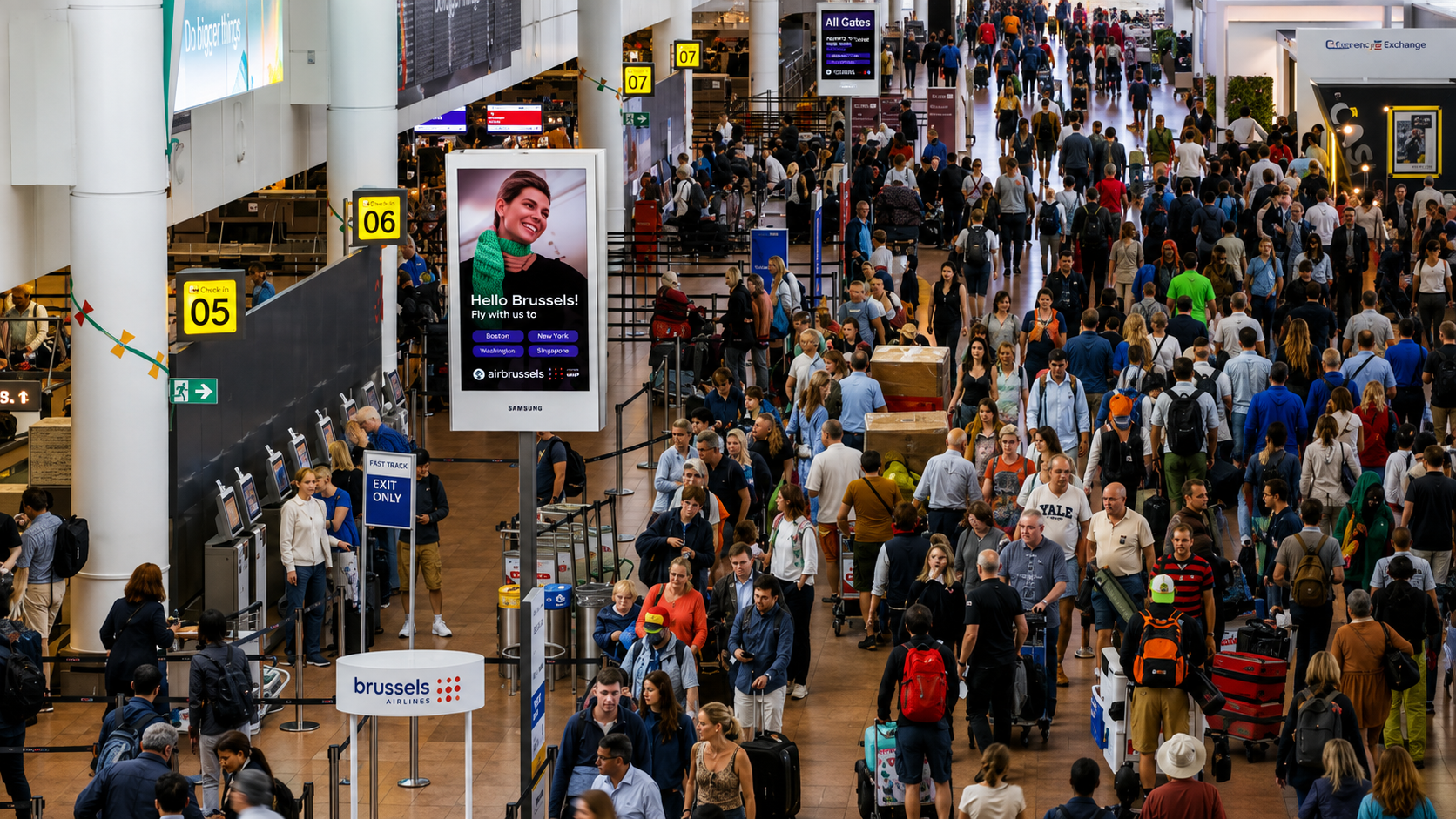
- A single modern terminal with consolidated processing produces very low clutter and clean sightlines relative to Australia's major gateways, so a well-positioned brand achieves standout against the country's highest-authority audience without competing for hub-level attention.
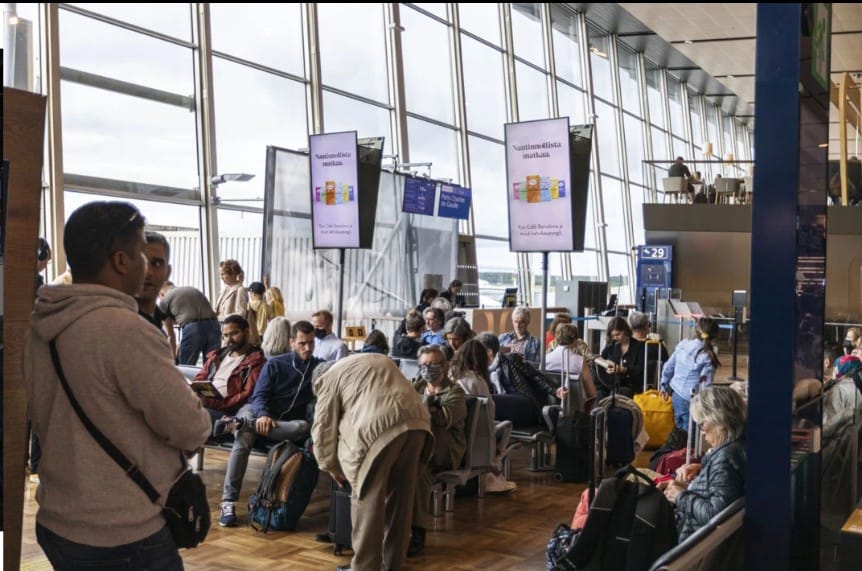
- Dwell time is shaped by heavy lounge use, business travellers arriving early for peak morning waves, and the longer processing profile of international departures, all of which extend exposure well beyond a transit glance.
- The environment carries genuine institutional credibility through its recent build quality, integrated business precinct and international processing capability, which makes it appropriate for defence, government technology, financial and luxury categories rather than undercutting them.
- Masscom Global provides inventory access across check-in hall, security approach, gate concourse, lounge adjacency, international departures and arrivals, with placement precision by segment, zone and sitting-week timing.
Strategic Advertising Fit
Best Fit:
- Defence, aerospace and sovereign capability: No other Australian environment concentrates defence leadership, agencies and prime contractor decision-makers this tightly.
- Government technology, cyber security and secure communications: Reaches procurement authority for national systems directly and repeatedly.
- Management consulting, legal and professional services: The advisory ecosystem around government both consumes and competes in these categories at senior level.
- Financial services, private banking and wealth management: The highest household income profile among Australian capitals with large superannuation balances and secure borrowing capacity.
- Premium and luxury automotive: High incomes, long regional driving distances and strong executive vehicle uptake make this a natural fit.
- International education, universities and executive programmes: Reaches both the funding family and the policy professionals who shape education and migration settings.
- Premium travel, airlines and hospitality: A newly expanded international corridor plus a high-income audience with long-haul travel appetite.
- International residential real estate and residency programmes: Outbound capital is active in New Zealand, Portugal, the United Kingdom, Japan and Pacific markets.
Brand Alignment at a Glance:
| Category | Fit |
|---|---|
| Defence, aerospace and sovereign capability | Exceptional |
| Government technology and cyber security | Exceptional |
| Professional services and consulting | Strong |
| Financial services and wealth management | Strong |
| Premium automotive | Strong |
| International education and premium travel | Moderate |
| International residential real estate | Moderate |
| Mass-market fast fashion and nightlife | Poor fit |
Who Should Not Advertise Here:
- Youth-oriented fast fashion, nightlife and gaming brands: The passenger profile is dominated by government, defence and professional travellers, so this messaging finds no aligned audience and wastes budget outside a narrow January window.
- High-volume duty-free and mass international transit retail: International traffic remains under 5% of movements, so the sheer footfall these categories depend on is not present, even though the premium international segment itself is valuable.
- Discount and ultra-low-cost consumer propositions built on price alone: This audience has high incomes and low price sensitivity but high scrutiny of claims, so value messaging without substance underperforms badly here.
Event and Seasonality Analysis
- Event Strength: High
- Seasonality Strength: High
- Traffic Pattern: Event-Driven
Strategic Implication:
CBR is the most calendar-dependent premium airport in Australia, and flat budget allocation wastes money here. Government, defence and professional services advertisers should concentrate spend into parliamentary sitting periods from February to June and August to November, weighting heavily into the May budget window when advisory and industry travel peaks, and should pull back sharply over the summer recess when the decision-maker audience simply is not in the building. Consumer advertisers should invert that logic, concentrating on the September to October festival surge, the June to August alpine and holiday season and the December and January outbound peak. Masscom Global structures CBR campaigns around the sitting calendar, which is the single biggest determinant of return at this airport.
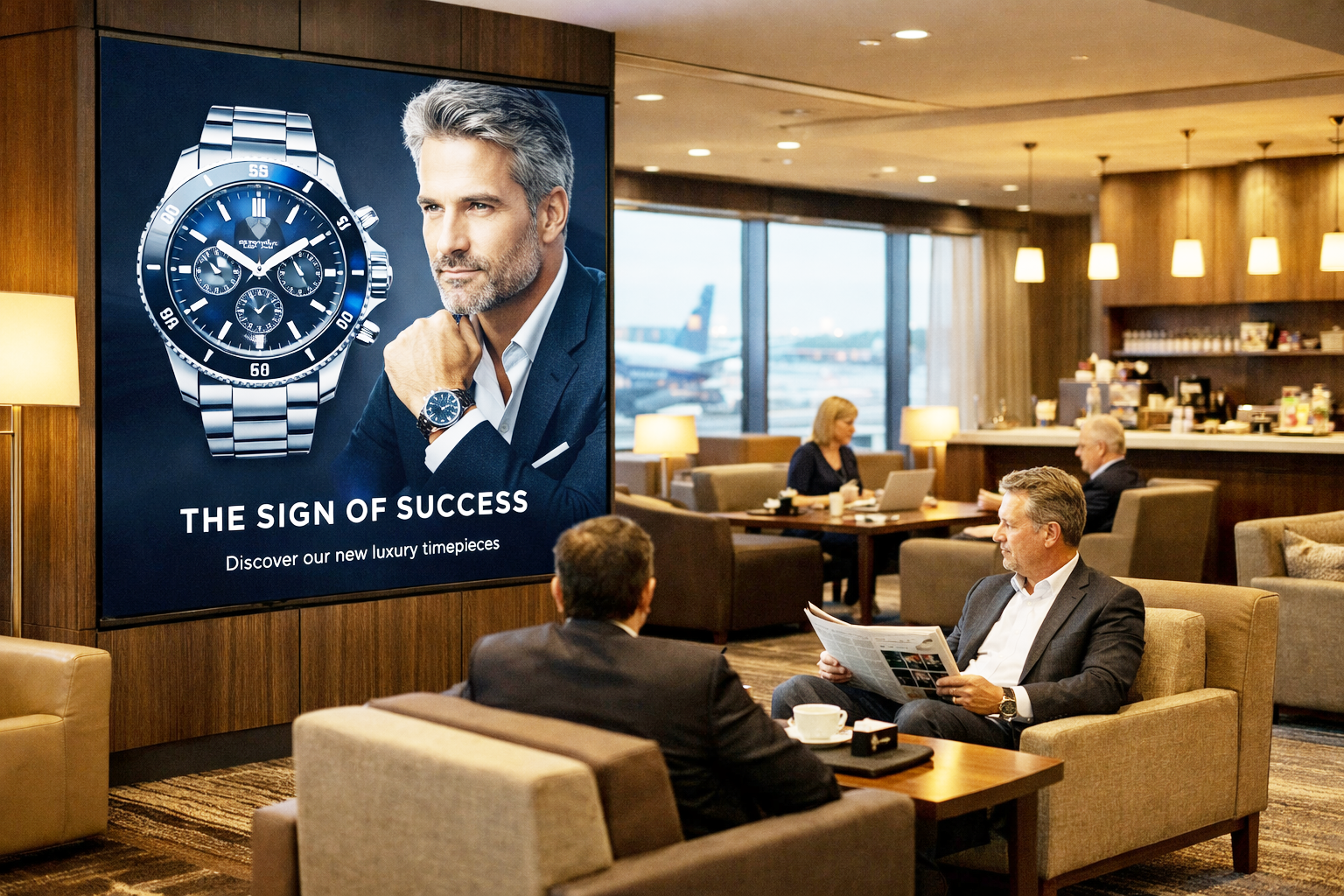
Poor Placement and Delays Affect Airport Campaigns
We help you move faster, access better inventory, and get it right now.
Talk to an ExpertFinal Strategic Verdict
Canberra Airport is the highest-authority advertising environment in Australia, and it is consistently overlooked because planners read its passenger count instead of its passenger list. Approximately 2.8 million passengers pass through a single integrated terminal, and that traffic includes federal ministers and advisers, department secretaries, defence and national security leadership, the diplomatic corps of more than a hundred nations, and the consultancies and technology firms selling into all of them, all moving in predictable weekly waves set by the parliamentary calendar. The route map confirms the profile: Sydney, Melbourne, Brisbane and Perth carrying the policy and advisory corridor, daily premium-cabin Doha service carrying high-income households and diplomatic traffic into Europe and the Middle East, and Nadi carrying Pacific leisure spend. Defence and aerospace brands, government technology and cyber security providers, professional services firms, financial services and wealth managers, premium automotive and international education and property developers will see the strongest returns, particularly by concentrating spend into sitting periods and the May budget window. With daily international service restored, a route plan targeting more than 22 destinations and thirteen airline partners, and a terminal already built above its current traffic, audience value here is rising and the window to enter at current rates is open now. Masscom Global has the inventory access, the audience intelligence and the execution speed to place your brand in that flow before the market reprices.
About Masscom Global
Masscom Global is a premium international airport advertising and media buying agency operating across 140 countries. With deep expertise in airport OOH, premium publications, and high-net-worth audience targeting, Masscom helps brands reach the world's most valuable travellers at the moments that matter most. For advertising packages, media rates, and campaign planning at Canberra Airport and airports across the globe, contact Masscom Global today.
Frequently Asked Questions
How much does airport advertising cost at Canberra Airport? Cost at CBR depends on format, position within the terminal flow, campaign duration and timing against the parliamentary calendar. Sitting periods and the May budget window command the highest value because the decision-maker audience is densest, while the summer recess prices lower. International departure zones carry premium value for their audience quality rather than their volume. Contact Masscom Global for current rates and package options.
Who are the passengers at Canberra Airport? CBR carries the most senior audience of any Australian airport: federal ministers, advisers and department secretaries, defence and national security leadership, the diplomatic corps of more than a hundred missions, management consultants and government technology executives, national research and university leadership, and a high-income professional resident population with the strongest household earnings profile of any Australian capital. It is a decision-maker terminal, not a volume terminal.
Is Canberra Airport good for luxury brand advertising? Yes, for credibility-led luxury rather than status-led luxury. Private banking and wealth management, premium automotive, luxury travel and premium hospitality perform strongly because household incomes are high and international travel appetite is significant. Display-driven luxury fashion performs less well, because this audience is claim-sceptical, secular in outlook and buys on substance and governance rather than visible branding.
What is the best airport in Australia to reach HNWI audiences? Sydney and Melbourne deliver the largest raw HNWI volume, but CBR delivers something neither can: the entire national government and defence procurement community plus the diplomatic corps, in one terminal, on a predictable weekly cycle, with minimal clutter. For B2B, defence, government technology and professional services advertisers, CBR is the most efficient buy in the country. Masscom recommends CBR as a precision authority buy alongside a Sydney volume buy.
What is the best time to advertise at Canberra Airport? For government, defence and professional services categories, concentrate spend in parliamentary sitting periods from February to June and August to November, with maximum weight in May around the federal budget. For consumer categories, September to October delivers the largest inbound surge through the spring festival season, June to August delivers alpine and school holiday travel, and December and January deliver the outbound international peak.
Can international real estate developers advertise at Canberra Airport? Yes, and the audience is unusually well suited to it. Capital from this catchment is active in New Zealand, the United Kingdom, Portugal, Japan's alpine property market, Bali, Thailand and Fiji, alongside a substantial domestic coastal second-home flow and separate investment corridors into Indian and Chinese metropolitan property from the migrant professional community. Developers reach a high-income, credit-strong, financially literate buyer with no competing property messaging in the environment. Masscom can activate both the CBR placement and matched inventory in the destination market.
Which brands should not advertise at Canberra Airport? Youth-oriented fast fashion, nightlife and gaming brands are misaligned with a government, defence and professional passenger base. High-volume duty-free and mass transit retail lack the international footfall to work here, since international traffic remains under 5% of movements. Price-only discount propositions underperform because this audience has low price sensitivity and high scrutiny of claims.
How does Masscom Global help brands advertise at Canberra Airport? Masscom delivers the full chain: audience intelligence specific to the national government, defence and diplomatic community, inventory access across check-in, security approach, gate concourse, lounge adjacency and international departures and arrivals, campaign planning built around the parliamentary sitting calendar and budget cycle, creative guidance tuned to a claim-sceptical and evidence-driven audience, and execution speed that gets campaigns live while rates still reflect current traffic rather than the expanding international network. Book a fifteen-minute planning call and we will build the CBR case for your brand.