

On the night of the full moon in November, millions of small lit vessels drift across Thailand's rivers and thousands of paper lanterns rise over Chiang Mai's night sky in a single, simultaneous act of national devotion: Loi Krathong and Yi Peng, timed together on the full moon of the twelfth lunar month, which falls on Tuesday, 24 November 2026. It is one of the few moments in the Thai calendar when the entire country, from Bangkok's riverside hotels to Chiang Mai's temple grounds and the beach resorts of Phuket, Koh Samui and Krabi, moves through the same cultural rhythm at once, and international visitors book years in advance to be inside it.
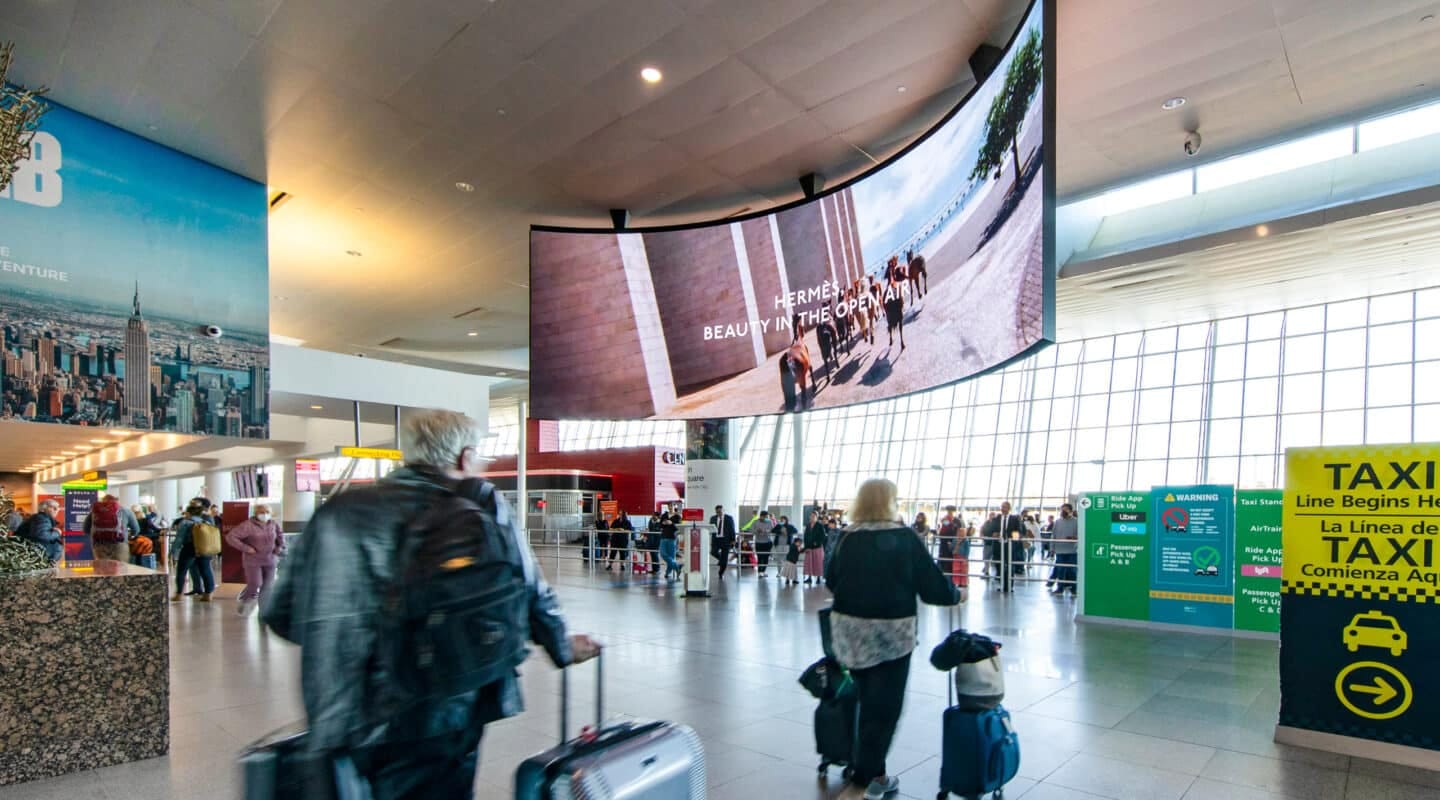
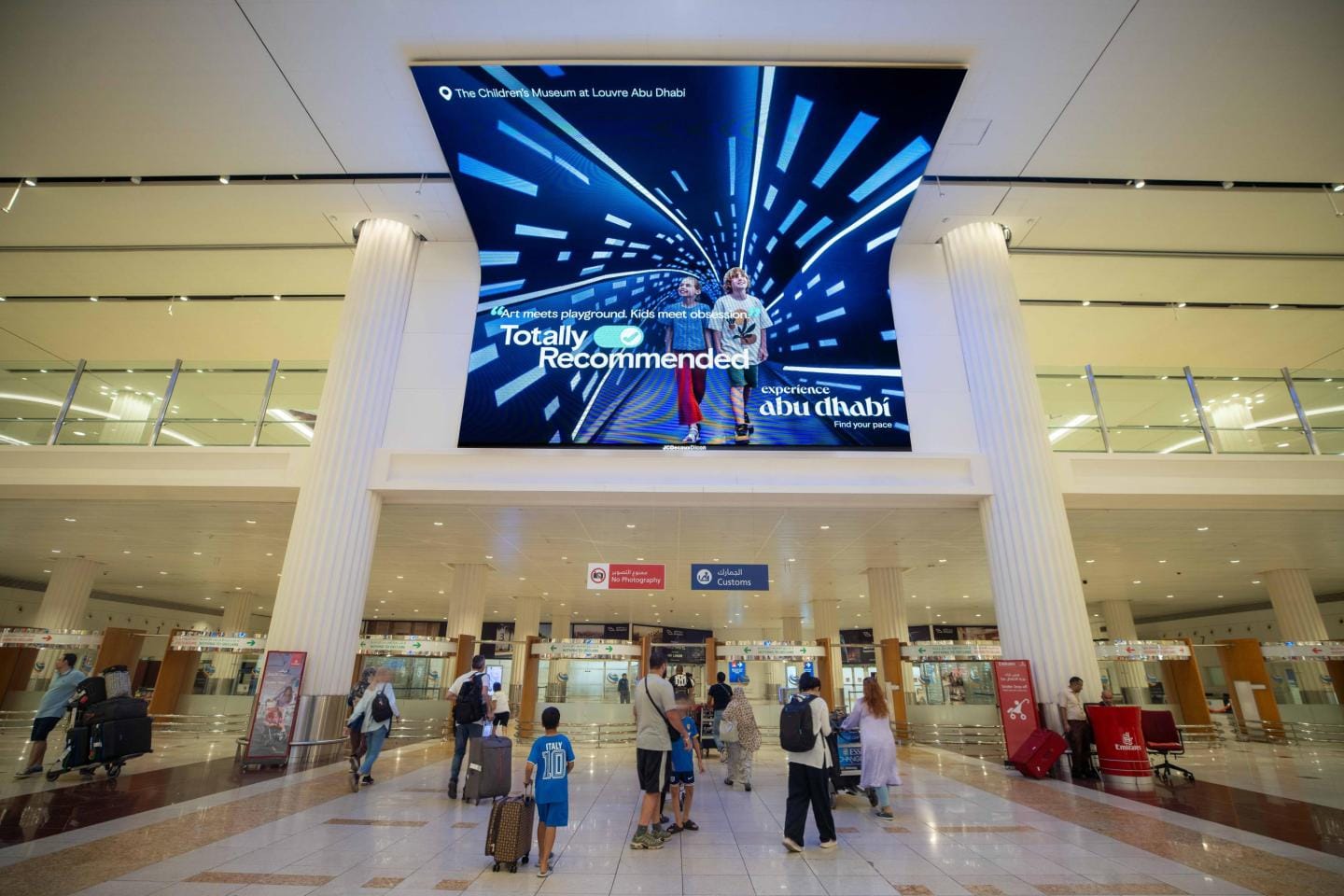
For advertisers, the opportunity is not the single night of lanterns and floating candles. It is the two to three week arrival and departure window either side of it, when premium leisure travellers, luxury resort guests and culturally motivated visitors move through Thailand's seven busiest gateway airports, from Suvarnabhumi's long-haul international halls to the regional gateways of Chiang Mai, Phuket and Koh Samui, in numbers that peak precisely because this festival exists.
Why Airport & City Advertising Works During Loi Krathong / Yi Peng
Loi Krathong and Yi Peng are not a single-city event. They are a national cultural moment observed from Bangkok to the Andaman coast, and the audience that travels for it is unusually concentrated in exactly the categories brands want to reach: international premium leisure travellers booking luxury resort stays in Phuket, Koh Samui and Krabi, Thai HNWI and business executives returning to Bangkok for the holiday, and a fast-growing segment of culturally motivated visitors from China, Japan, Korea, Europe and North America who plan their entire trip around the Chiang Mai lantern release.
Chiang Mai International Airport's own advertising profile names Yi Peng directly as one of its defined peak advertising seasons alongside the cool season (November to February) and Songkran, which confirms what airport operators already see in booking data: this is a demand event, not just a cultural one. Hotel occupancy in Chiang Mai and Phuket rises sharply in the days around the festival, driven by both domestic Thai travel and an increasingly international visitor base for whom Yi Peng has become a bucket-list festival in the way Oktoberfest or Rio Carnival are for other markets.
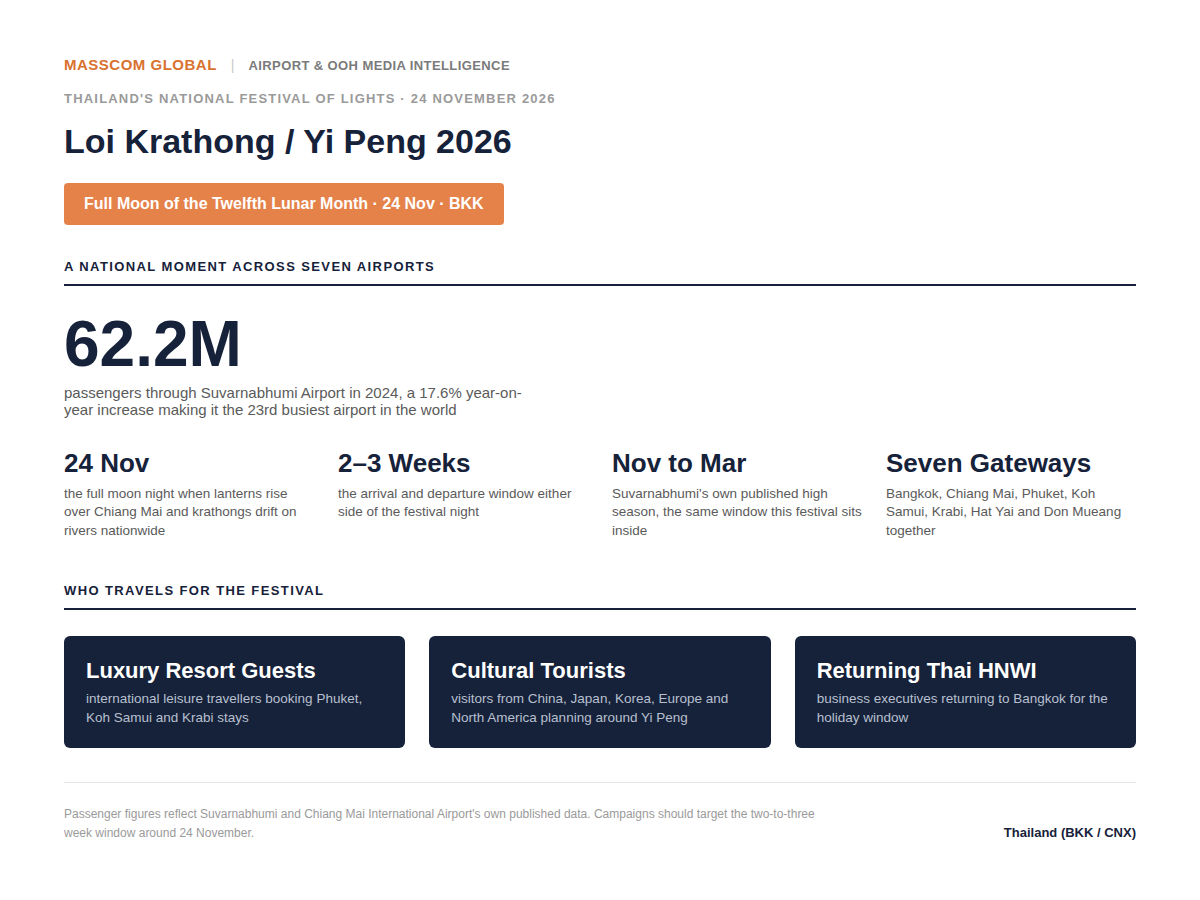
Bangkok's Suvarnabhumi Airport, the country's primary long-haul gateway, processed 62.2 million passengers in 2024, a 17.6% year-on-year increase that made it the 23rd busiest airport in the world, and its own advertising profile lists the November to March high season as its peak commercial window, the same window this festival sits inside. Don Mueang, the city's second airport and Southeast Asia's low-cost aviation hub, adds a second, larger and more price-conscious regional travelling audience moving through the capital in the same period.
What makes this window commercially distinctive is the audience mix: unlike a single ticketed event, Loi Krathong and Yi Peng move affluent leisure travellers, culturally engaged international visitors and returning Thai HNWI simultaneously through seven of the country's most commercially significant airports, giving brands reach across both the luxury resort economy and the cultural tourism economy in one coordinated media window.
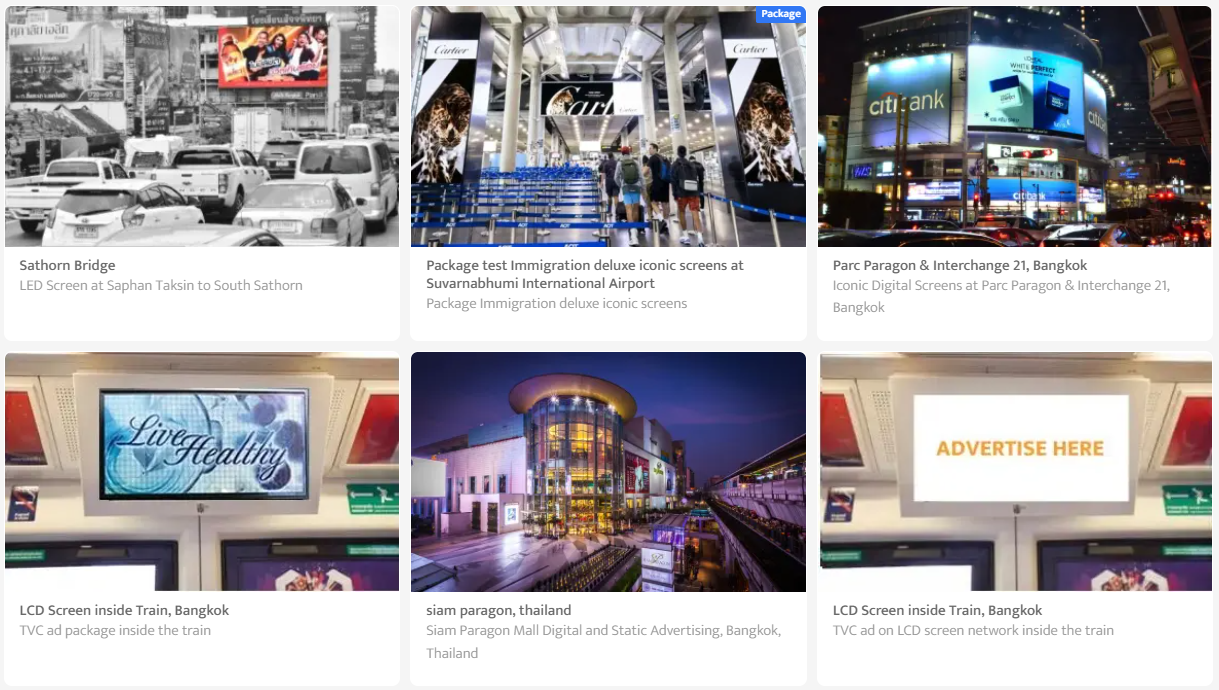
Key Benefits of Airport & City Advertising During Loi Krathong / Yi Peng
- Reach a qualified, high-spend audience: international resort guests, culturally motivated festival travellers and returning Thai HNWI converge on the same national window, giving advertisers concentrated access to travellers already primed to spend on luxury hospitality, wellness and premium lifestyle categories.
- Elevate your brand positioning: premium terminal environments across Bangkok, Phuket, Chiang Mai and Koh Samui place your brand alongside a festival widely regarded internationally as one of Thailand's most photographed and most aspirational cultural moments.
- Generate real business opportunity: luxury hospitality, wellness tourism, premium automotive and international real estate brands can convert festival-driven footfall into bookings, enquiries and long-term brand recall across Thailand's most valuable leisure corridors.
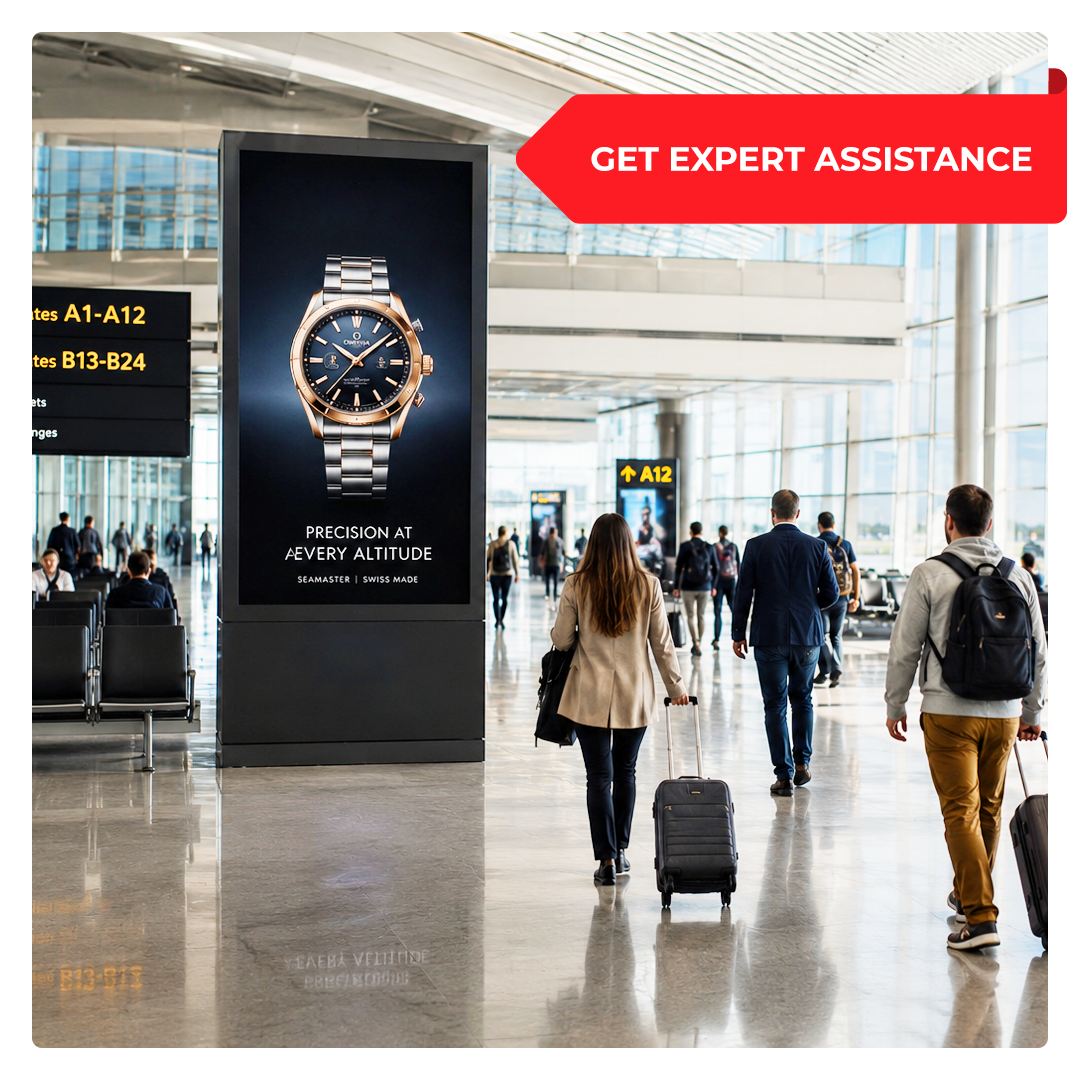
Get Free Expert Assistance from Our Global Media Planning Team
Receive strategic recommendations, media planning support, campaign monitoring and reporting to maximise your visibility throughout Loi Krathong and Yi Peng.
Book Expert Consultation

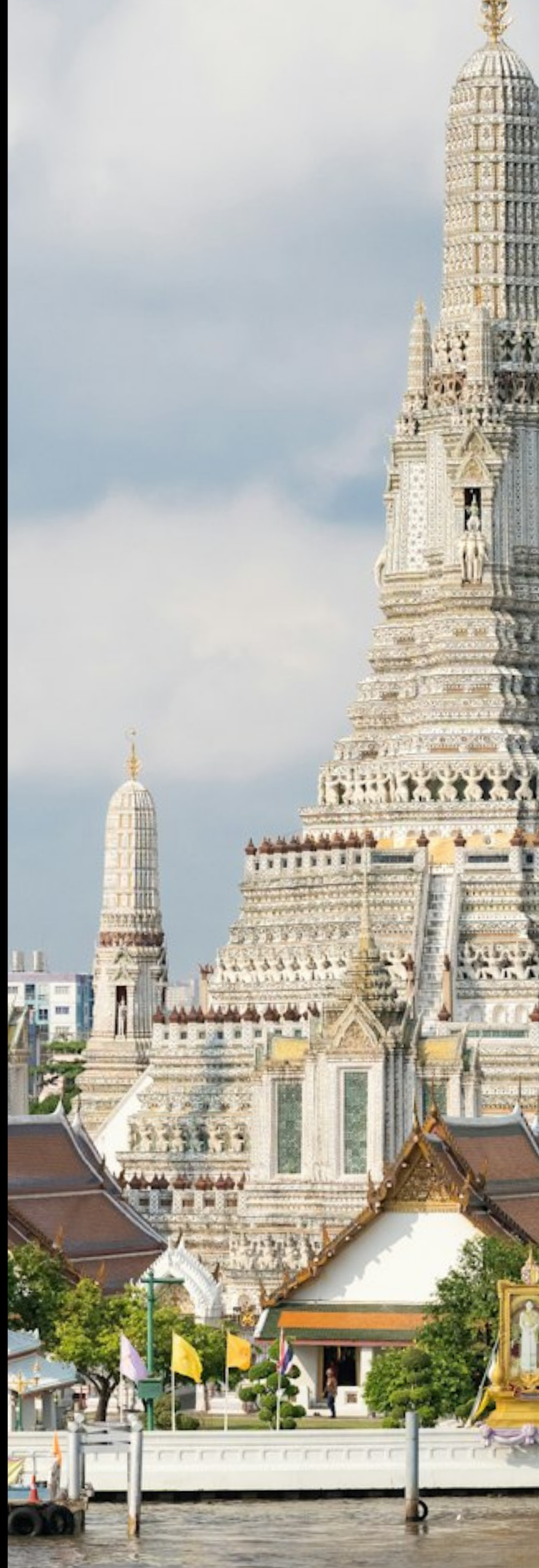
Yi Peng lanterns, Loi Krathong candles and Wat Arun: the backdrop to Thailand's 2026 festival of lights.
Bangkok Suvarnabhumi Airport (BKK): The National Gateway
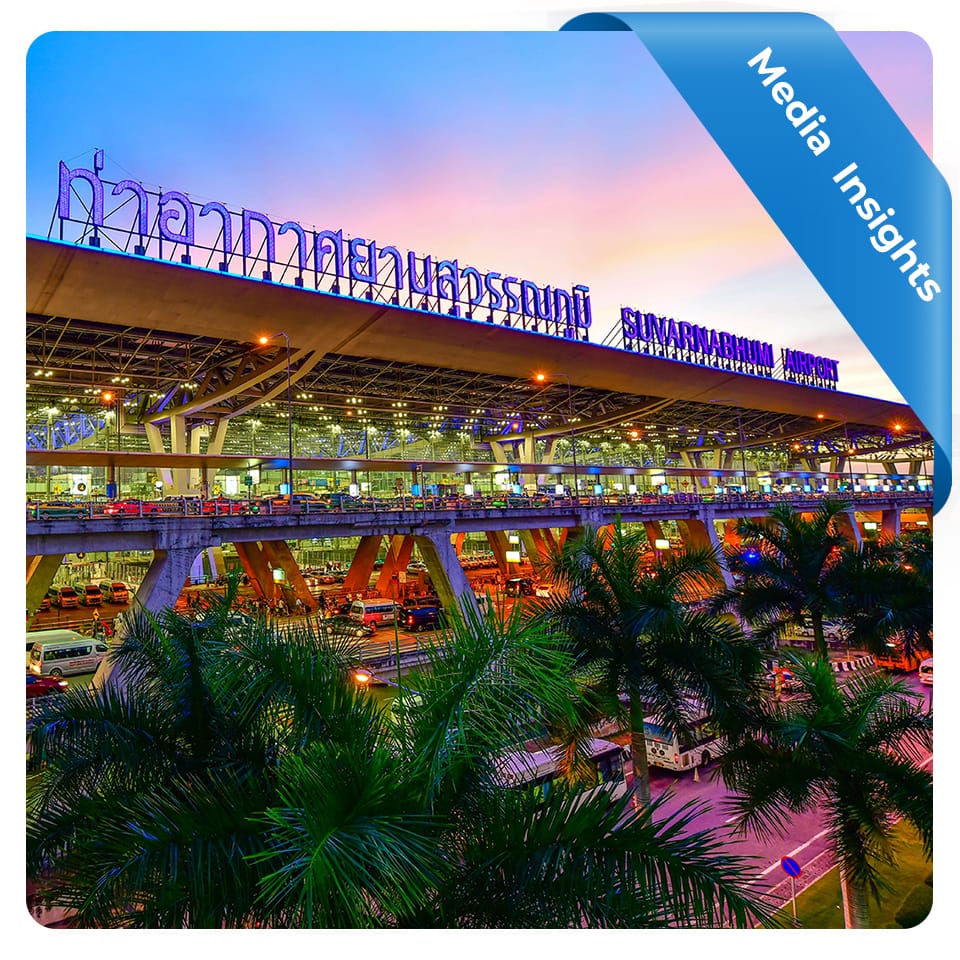
Suvarnabhumi is Thailand's primary international gateway and the arrival and departure point for the majority of the country's inbound premium leisure and cultural tourism audience. With 62.2 million passengers in 2024 and growth of 17.6% year-on-year, it ranked as the 23rd busiest airport in the world, and its own advertising profile names the November to March high season, which fully contains Loi Krathong, as its peak commercial window.
- Inventory Highlights: premium digital and static formats across international arrivals and departures, high-dwell check-in and immigration zones, and terminal-wide network placements reaching both inbound and outbound travellers.
- Advantages for Advertisers: the single largest concentrated audience of any Thai airport in this window, spanning inbound premium leisure and cultural tourists, Thai HNWI and business executives, and outbound Thai travellers departing for the holiday.
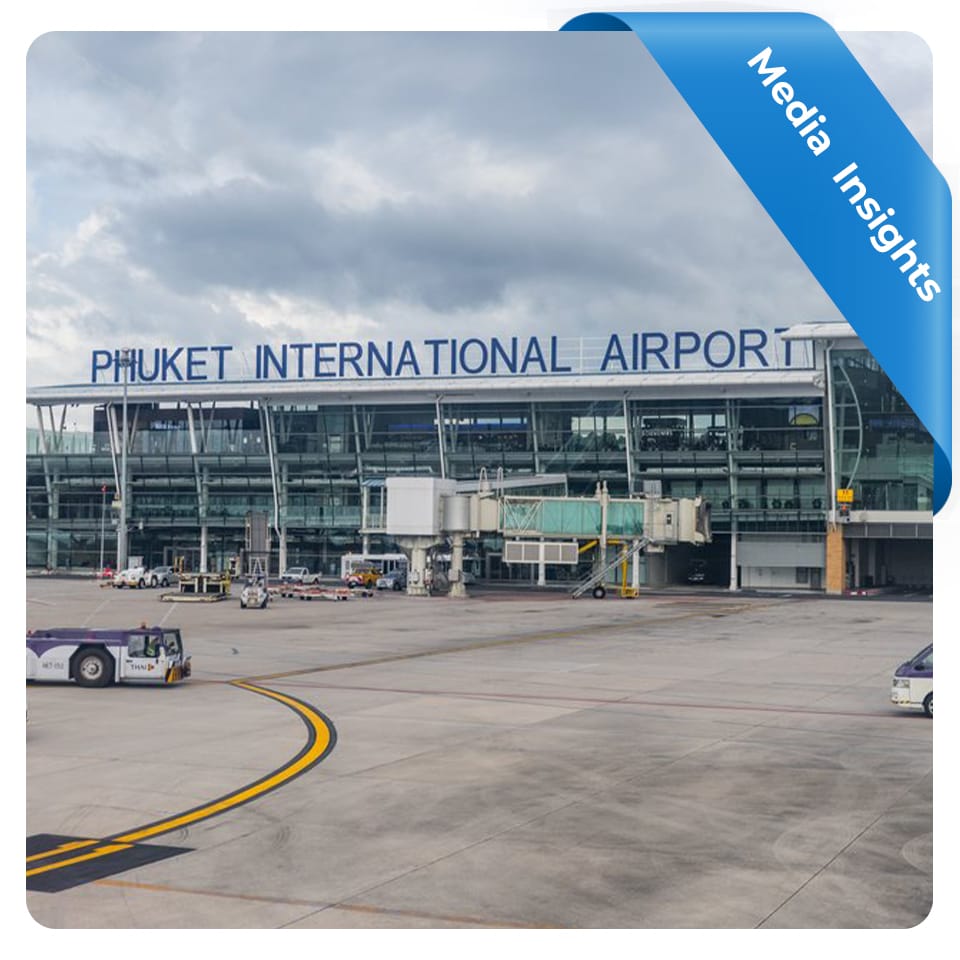
Phuket International Airport (HKT): The Luxury Resort Corridor
Phuket International Airport served approximately 9.8 million passengers in the most recent reporting period and is defined by its own advertising profile as a Tier 1, Very High HNWI environment built on superyacht and luxury villa guests, premium European, Russian, Chinese and Indian leisure travellers, and a peak advertising season running November through April, the exact window Loi Krathong opens.
- Inventory Highlights: arrivals and departures digital displays, premium lounge-adjacent and baggage claim placements reaching high-dwell, high-spend leisure arrivals.
- Advantages for Advertisers: direct access to Thailand's most commercially sophisticated luxury leisure audience at the exact moment the winter high season and festival travel converge.
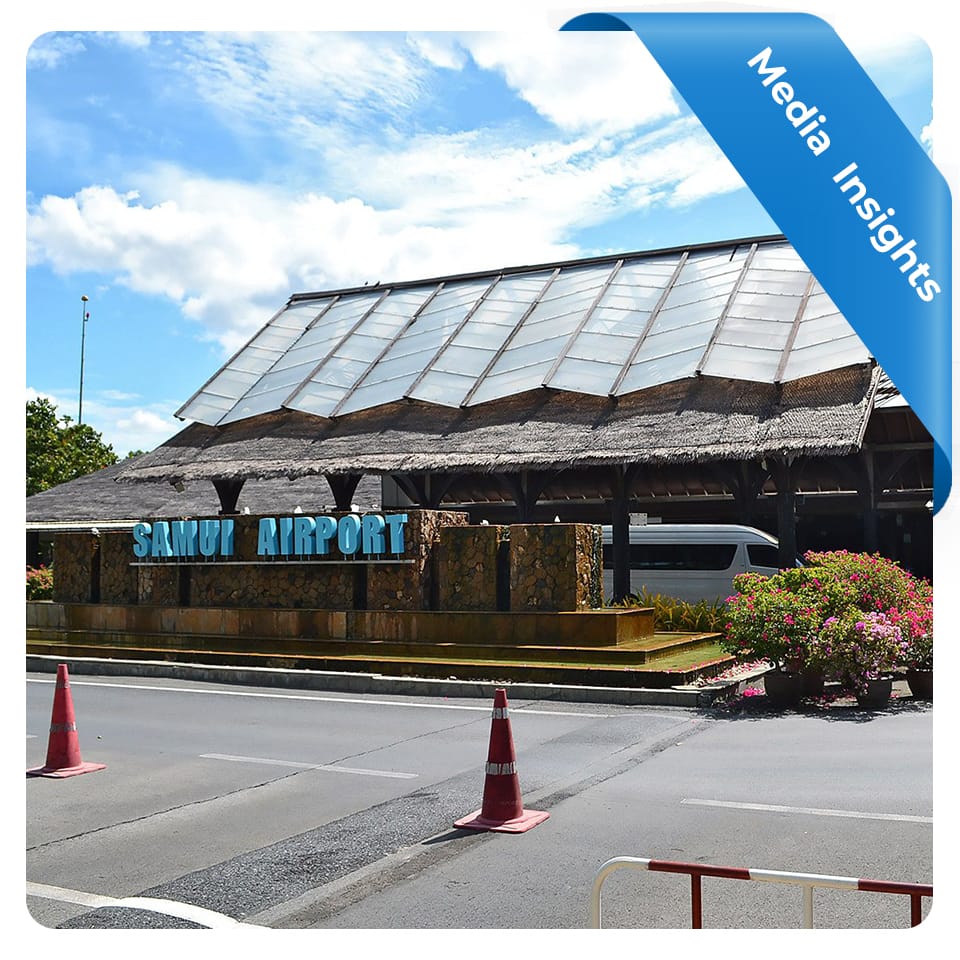
Koh Samui Airport (USM): Ultra-Premium Leisure Gateway
Koh Samui Airport serves approximately 2 million passengers annually and is classified in its own advertising profile as Tier 1 Ultra-Premium, with a primary audience of ultra-HNWI international leisure travellers, luxury villa and resort owners and private aviation users, and a peak advertising season running December through April.
- Inventory Highlights: boutique-format terminal media suited to a lower-volume, higher-value passenger base, including arrivals and departure hall placements.
- Advantages for Advertisers: one of the most concentrated ultra-HNWI leisure audiences in Southeast Asia, arriving for milestone travel and luxury resort stays during the festival window.
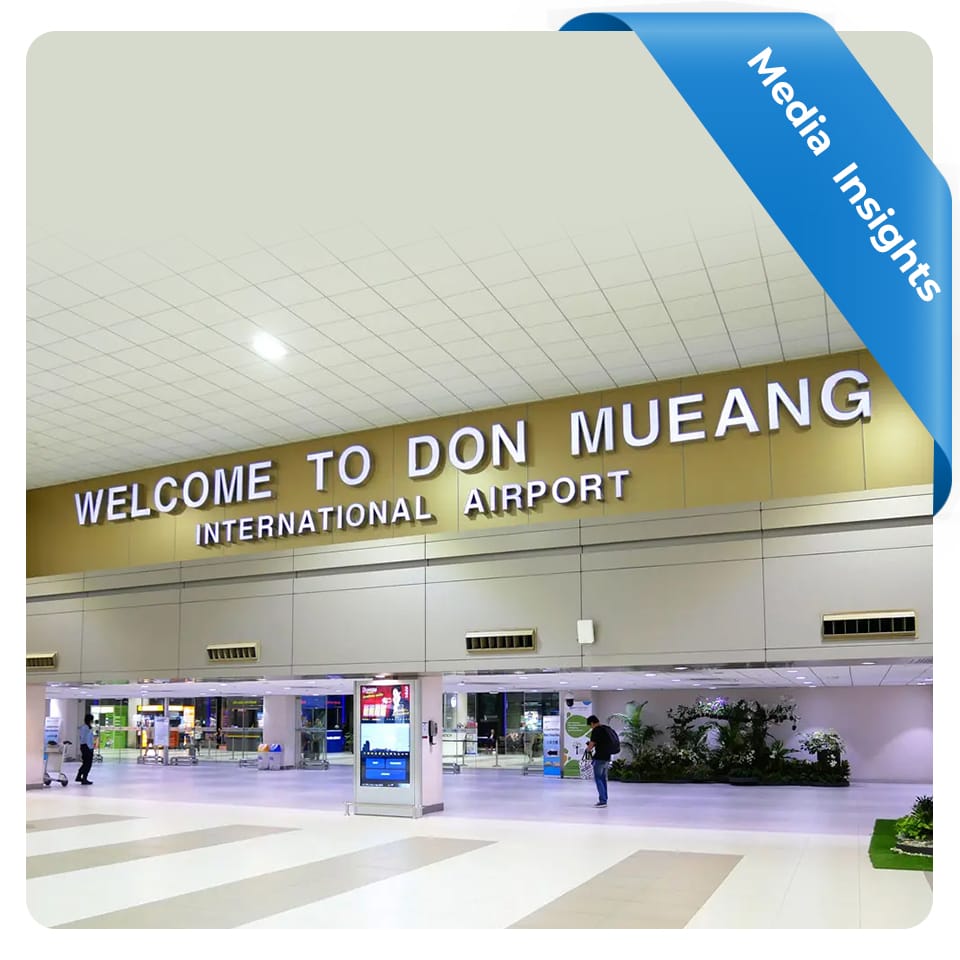
Bangkok Don Mueang Airport (DMK): The Regional Volume Hub
Don Mueang processed 26.1 million international passengers and functions as the primary hub for AirAsia, Thai Lion Air, Nok Air and a wide constellation of regional low-cost carriers, making it the highest-volume gateway for mass-affluent, regionally mobile travellers converging on Bangkok for the holiday period.
- Inventory Highlights: high-footfall terminal network placements reaching a large, digitally engaged, regionally mobile passenger base.
- Advantages for Advertisers: scale reach into Southeast Asia's largest concentration of mass-affluent lifestyle consumers travelling into and out of the capital during the festival period.
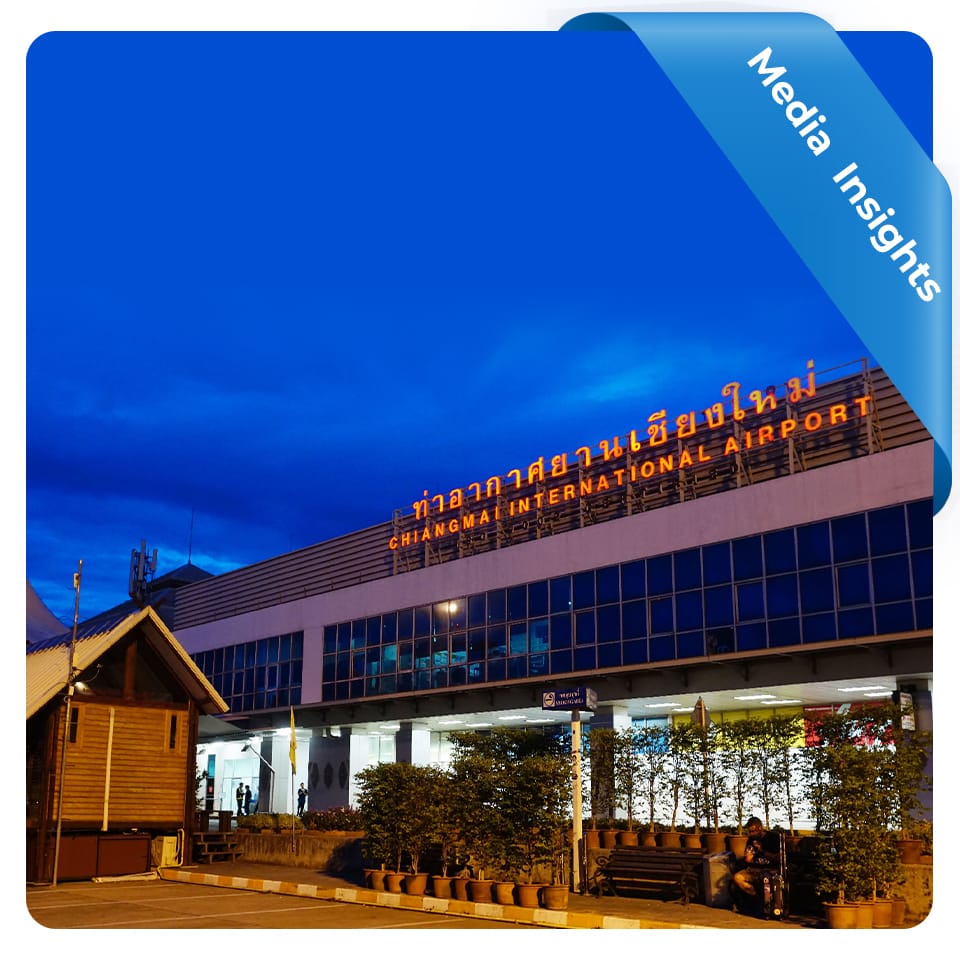
Chiang Mai International Airport (CNX): The Festival's Spiritual Home
Chiang Mai is where Yi Peng originates, and the airport's own advertising profile lists the Yi Peng Lantern Festival by name as one of its defined peak advertising seasons, alongside the broader November to February cool season. With approximately 5.1 million annual passengers and a primary audience of international luxury wellness and eco-resort tourists, Chinese HNWI leisure visitors, and Japanese and Korean cultural tourism audiences, CNX carries the most festival-specific traveller concentration of any airport in this network.
- Inventory Highlights: arrivals and departures digital network reaching international cultural tourism visitors at the point of highest festival anticipation and post-festival recall.
- Advantages for Advertisers: the only airport in Thailand where Yi Peng is a named, explicit peak season in its own right, making it the single most efficient placement for brands targeting festival-specific travel intent.
Krabi International Airport (KBV): The Andaman Luxury Gateway
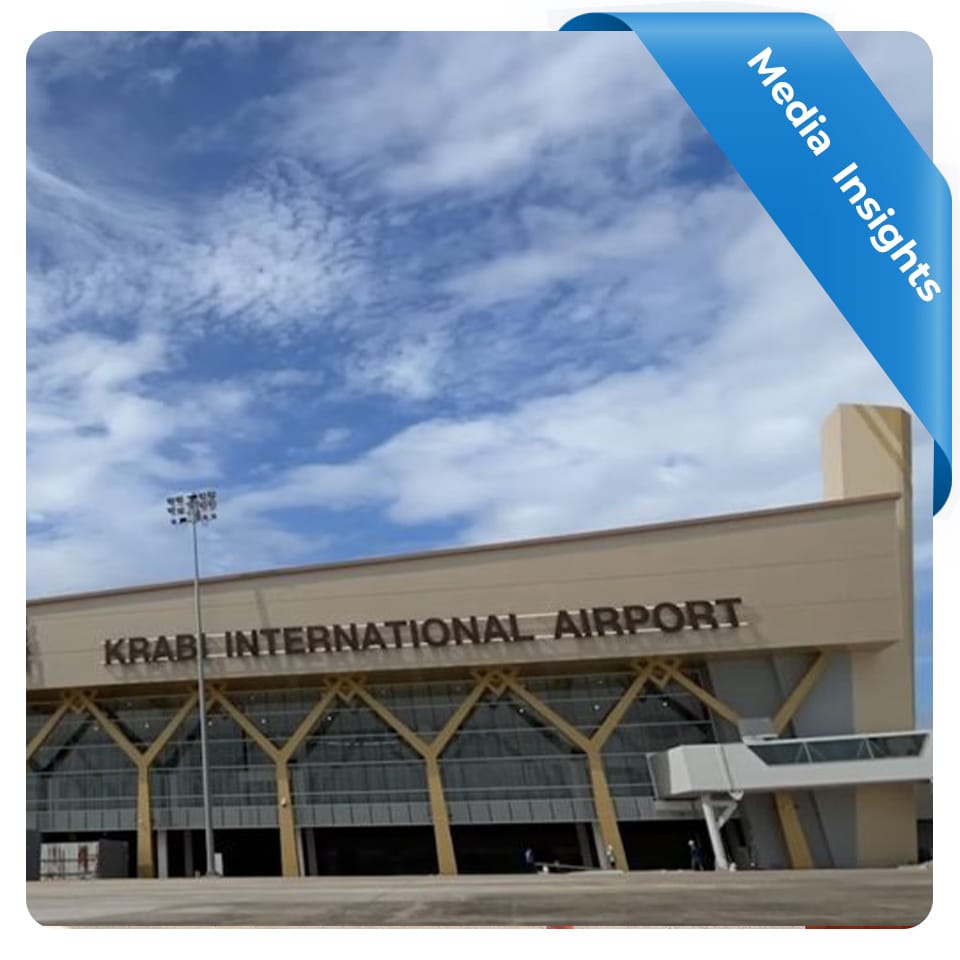
Krabi International Airport served 2.8 million passengers and is the commercial entry point to the Andaman Coast's concentrated luxury resort and villa investment corridor, with a peak advertising season of November through April that opens with the festival period.
- Inventory Highlights: arrivals hall and departure gate placements reaching European, Australian and ASEAN HNWI resort travellers.
- Advantages for Advertisers: concentrated access to a premium wellness, marine lifestyle and villa real estate audience entering the Andaman coast for the winter high season.
Hat Yai International Airport (HDY): The Southern Cross-Border Hub
Hat Yai is the fifth busiest airport in Thailand, serving over 3 million passengers and functioning as the primary air gateway to southern Thailand and the cross-border Malaysian leisure and shopping audience. While its own defined peak seasons centre on Chinese New Year and Malaysian school holidays, its position within the national network gives brands an additional southern touchpoint during the November festival period.
- Inventory Highlights: terminal network placements reaching cross-border Malaysian leisure shoppers and domestic Thai travellers.
- Advantages for Advertisers: incremental reach into a mass-affluent, cross-border consumer base that complements the higher-tier leisure audiences at Thailand's other festival gateways.
National Network Coverage
Together, these seven airports give advertisers coordinated coverage of Thailand's entire festival travel footprint: the international long-haul gateway in Bangkok, the country's largest low-cost aviation hub, the festival's cultural point of origin in Chiang Mai, and the luxury resort corridors of Phuket, Koh Samui and Krabi, with a southern cross-border touchpoint in Hat Yai. This is the core of Masscom Global's Thailand airport network; the network extends further into secondary and regional Thai gateways for brands seeking deeper national coverage beyond the featured festival corridor.
Destination Thailand: Full Visitor Journey Coverage
A festival traveller's journey through Thailand does not end at the arrivals hall. It continues from the airport into the city, the resort, and, for many, directly to a riverside or temple setting where krathongs are floated or lanterns released. Airport advertising captures the traveller at the moment of arrival, when anticipation and openness to premium suggestion are highest; city and hotel-adjacent placements then reinforce that message as the traveller moves toward the festival itself.
This sequencing matters because Loi Krathong and Yi Peng are experienced across multiple locations within a single trip, often spanning more than one city, so a brand visible only in one location loses the majority of the journey. Coordinated airport-to-city coverage keeps a single message in view across arrival, transit and the festival experience itself.
- Increased brand recall: repeated exposure across the airport-to-city journey reinforces message retention far beyond a single placement.
- Consistent presence: the same campaign follows the traveller from arrival through to the festival setting, rather than competing for attention in one location only.
- Enhanced campaign effectiveness: layered touchpoints convert festival-driven attention into measurable brand engagement and recall.
Why Brands Choose Airport & City Advertising for Loi Krathong / Yi Peng
- Exclusive audience access. This window concentrates international luxury leisure travellers, culturally motivated visitors and returning Thai HNWI in a way no single-city campaign can replicate.
- A prestigious environment. Premium terminal media across Bangkok, Phuket, Chiang Mai and Koh Samui places brands inside one of the most visually iconic and internationally recognised cultural festivals in Asia.
- End-to-end campaign support. Masscom Global plans, books and reports across all seven gateways as a single coordinated national campaign, not seven separate bookings.
- Strategic planning assistance. Our regional media planners align creative timing with each airport's own defined peak season, from Chiang Mai's named Yi Peng window to Bangkok's November to March high season.
The Masscom Global Standard Behind Every Loi Krathong / Yi Peng Placement
- Verified inventory and audience data: every airport figure in this guide, from Suvarnabhumi's 62.2 million passengers to Chiang Mai's named Yi Peng peak season, is drawn from verified airport data, not estimates.
- Transparent delivery reporting: campaign performance is reported against agreed benchmarks across every airport in the network, not summarised as a single blended figure.
- Benchmarked recommendations: media plans are built against each airport's own documented audience tier and peak season, ensuring spend is weighted toward the highest-value windows.
- We absorb the complexity: coordinating seven airports across four Thai regions in a single campaign is normally a logistical burden; our team manages sourcing, scheduling and reporting so you do not have to.
Request Your Customised Loi Krathong / Yi Peng Advertising Plan
Tell us your audience, category and budget. Our planners will return a costed plan across airport and prime city inventory, with availability confirmed.
Book NowFrequently Asked Questions
What is the exact 2026 date for Loi Krathong and Yi Peng?
Both festivals fall on the full moon of the twelfth lunar month, which in 2026 is Tuesday, 24 November. Booking lead time for premium terminal inventory should allow at least six to eight weeks ahead of this date given the surge in festival travel demand.
Who is the audience travelling during this window?
The audience spans international premium leisure travellers booking luxury resort stays in Phuket, Koh Samui and Krabi, culturally motivated visitors from China, Japan, Korea, Europe and North America travelling specifically for the Chiang Mai lantern release, and Thai HNWI and business executives returning to Bangkok for the holiday.
Does coverage extend beyond the airport terminal?
Yes. Masscom Global coordinates airport placements with city and hotel-adjacent inventory so a single campaign follows travellers from arrival through to the festival setting itself, rather than stopping at the terminal.
Which brand categories perform best during this window?
Luxury hospitality and resort brands, premium wellness and spa brands, international real estate, and premium lifestyle and travel categories see the strongest response, reflecting the audience composition documented across each airport's own advertising profile.
How far in advance should a campaign be booked?
Given that Loi Krathong and Yi Peng draw both domestic and heavy international demand across all seven featured airports, we recommend confirming inventory at least two months ahead of the 24 November 2026 date to secure preferred placements.
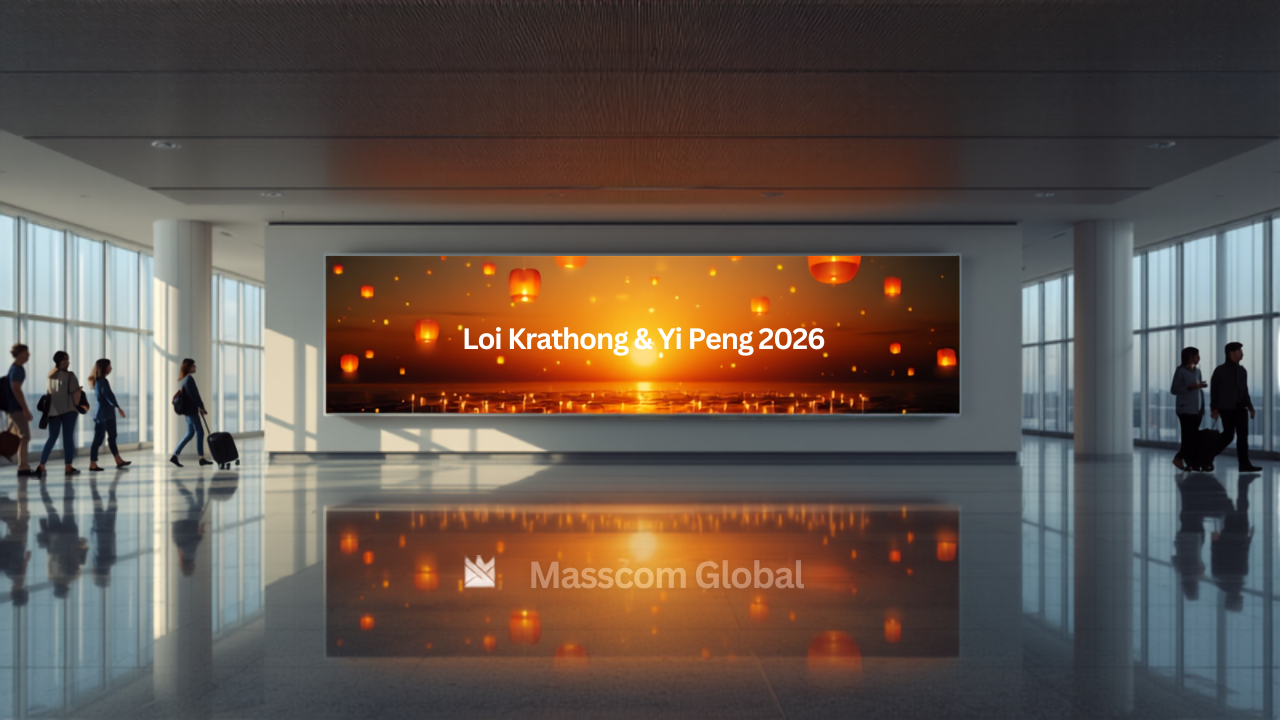
Loi Krathong / Yi Peng Won't Wait. Neither Should You.
- Once a year, then gone: the full moon alignment that creates this festival happens once annually, on 24 November 2026, and does not repeat until the following November.
- Competitors are already moving: luxury hospitality and lifestyle brands active in Thailand typically confirm festival-period inventory well ahead of the date.
- The window is exact, not approximate: the festival's full-moon timing means the surrounding travel surge is predictable and time-bound, not a loose seasonal guess.
- The alternative reaches the wrong audience: generic year-round Thai media misses the specific concentration of festival-driven, high-spend travellers moving through these seven airports in this exact window.
Related Airport Advertising Guides
Detailed inventory, audience and planning notes for the airports covered above:
 Wealth in motion intelligence.
 Wealth in motion intelligence.
 Wealth in motion intelligence.
 Wealth in motion intelligence.
 Wealth in motion intelligence.
 Wealth in motion intelligence.
 Wealth in motion intelligence.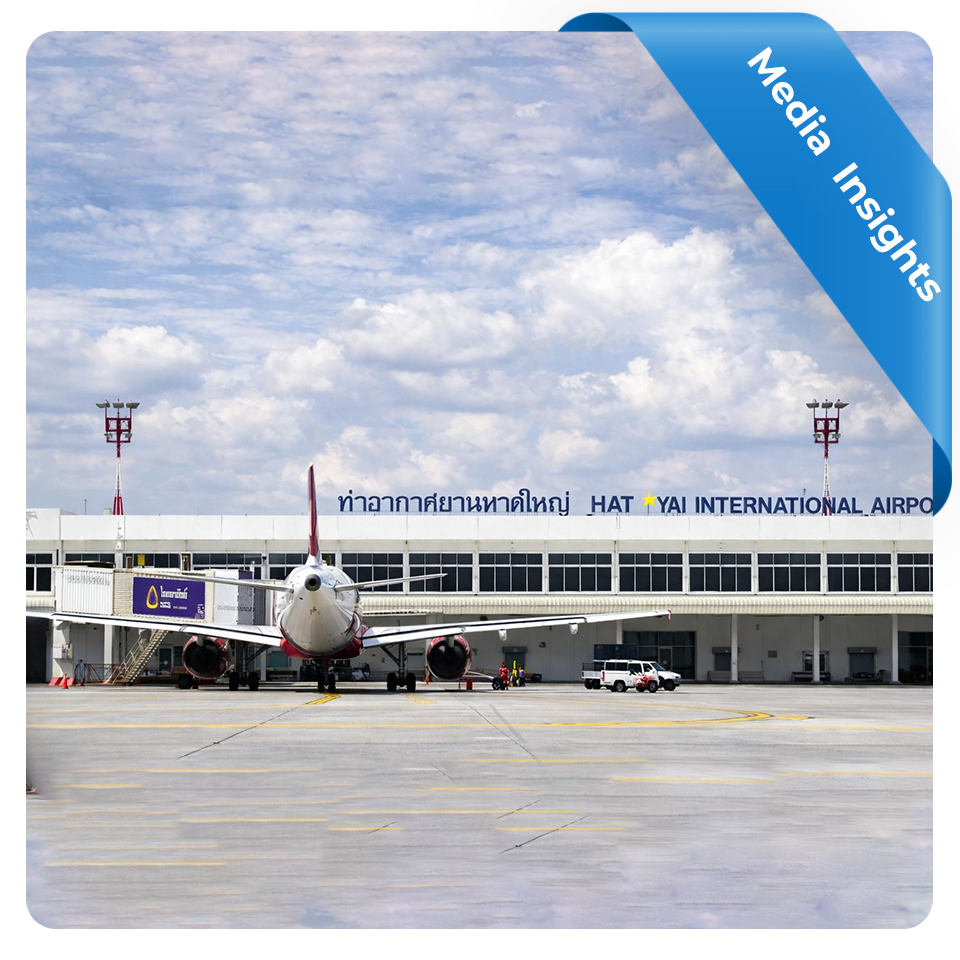
Get Free Expert Assistance Now
Our regional media planning team can build a costed, benchmarked plan across any combination of these seven Thai airports and prime city inventory, tailored to your budget and category, at no cost to you.
Request Availability
Inventory across Bangkok, Phuket, Chiang Mai, Koh Samui and Krabi moves quickly ahead of the festival window. Confirm your placements now to secure preferred positions before the November surge.
Loi Krathong and Yi Peng bring a single, nationally observed cultural moment to seven of Thailand's most commercially significant airports, from Suvarnabhumi's 62.2 million annual passengers to Chiang Mai's named festival peak season and the luxury resort corridors of Phuket, Koh Samui and Krabi. The audience moving through these gateways in the weeks around 24 November 2026 is concentrated, high-spend and internationally diverse, exactly the profile luxury hospitality, wellness and premium lifestyle brands are built to reach. Masscom Global coordinates campaigns across all seven airports as a single national plan, with reporting benchmarked against each airport's own verified audience data. The window is exact and does not repeat until next year, so the opportunity is best captured now, ahead of the surge.