

Airport at a Glance
| Field | Detail |
|---|---|
| Airport | Treviso Antonio Canova Airport |
| IATA Code | TSF |
| Country | Italy |
| City | Treviso (Venice catchment) |
| Annual Passengers | 3.2 million (2025), up 5% year on year |
| Primary Audience | European VFR migrant communities, value-conscious leisure tourists, SME industrial travellers |
| Peak Advertising Season | June to September, plus December and January |
| Audience Tier | Tier 2 |
| Best Fit Categories | Money transfer and fintech, telecom and roaming, tourism boards, automotive and mobility |
The volume gateway to Italy's richest industrial province, where migrant remittance corridors and Dolomite tourism converge in a single uncluttered terminal.
Treviso Antonio Canova Airport is a rare combination for media planners: a low-cost operating model sitting inside one of the wealthiest industrial catchments in Europe. The airport handled more than 3.2 million passengers in 2025, growing 5% year on year, with effectively all traffic international. Because the terminal is single-building and compact, every passenger passes through the same funnel, producing near total reach on a small inventory footprint. For advertisers, this means Tier 1 frequency economics against a Tier 2 audience price point.
What makes TSF commercially distinct is the audience it carries rather than the fares it sells. Its 45-destination network is weighted toward Spain, Romania, Albania, Belgium and Poland, which makes it the single most concentrated Eastern European and Balkan remittance corridor in northeast Italy. At the same time it feeds inbound leisure demand into Venice, Padua and the Dolomites. Masscom Global reads TSF as two audiences stacked in one terminal: outbound diaspora with high remittance frequency, and inbound tourists with pre-committed holiday budgets.
Advertising Value Snapshot
- Passenger scale: 3.2 million in 2025, up 5% on 2024, with continued growth through early 2026 and a regional summer 2026 seat programme up 9%
- Traveller type: VFR migrant communities, budget and mid-market leisure tourists, Veneto SME business travellers
- Airport classification: Tier 2. Strong volume and repeat-frequency audience, without the ultra-premium indicators of a flagship hub
- Commercial positioning: Northeast Italy's principal low-cost gateway and the value-side access point to Venice and the Veneto
- Wealth corridor signal: TSF sits on the Marca Trevigiana export corridor, spanning Prosecco, eyewear, sportswear, appliances and furniture manufacturing
Advertising opportunity: A single-terminal layout means one campaign delivers near universal passenger contact. Clutter levels are materially lower than at flagship Italian hubs, so share of voice per unit is high. Masscom Global secures placement across the full arrivals and departures sequence and can plan TSF in combination with the wider northeast Italian airport set for corridor-level coverage.
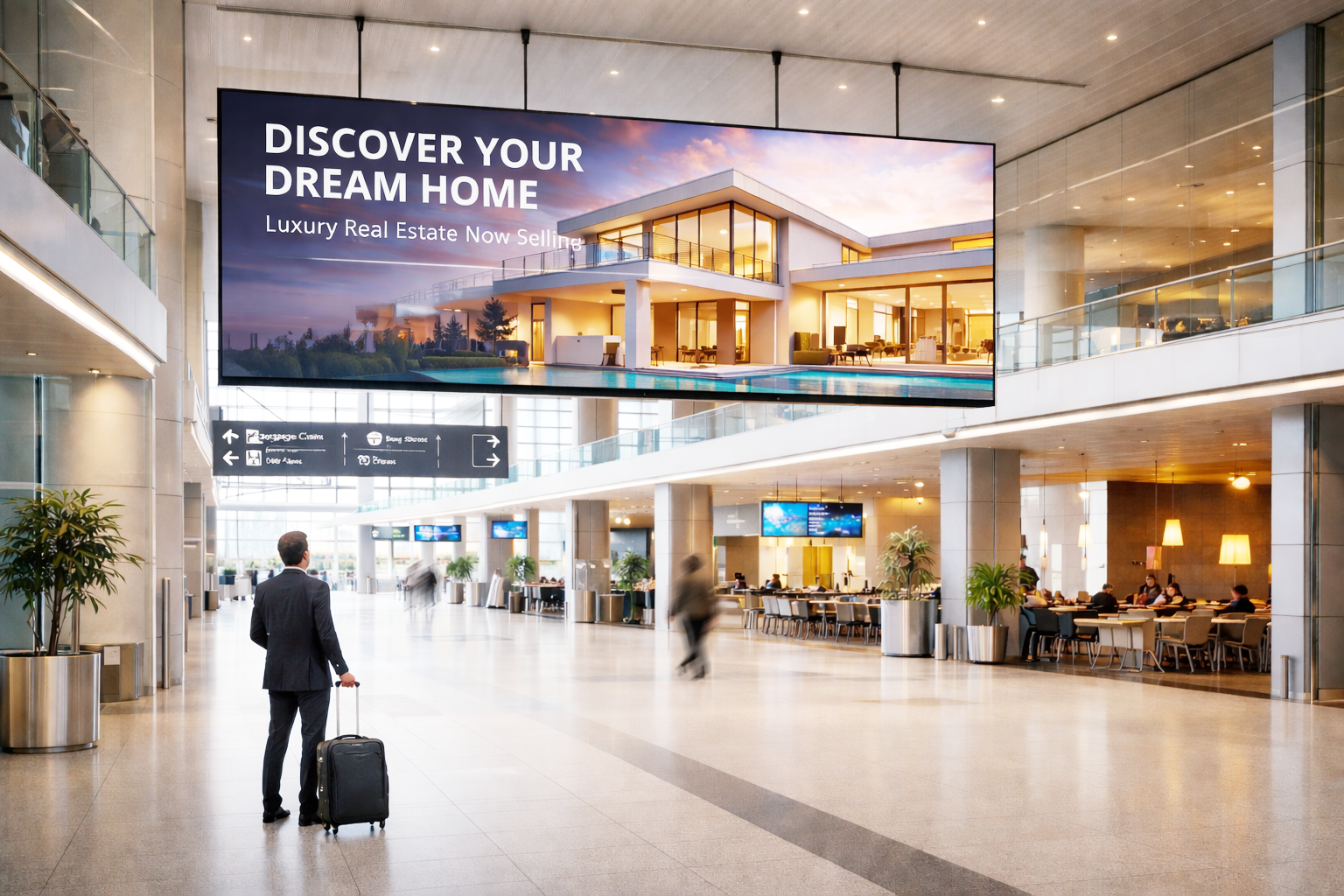
Airport Advertising is Complex to Get Right
We help you execute faster, with proven results and local insight most planners lack starting now.
Talk to an Expert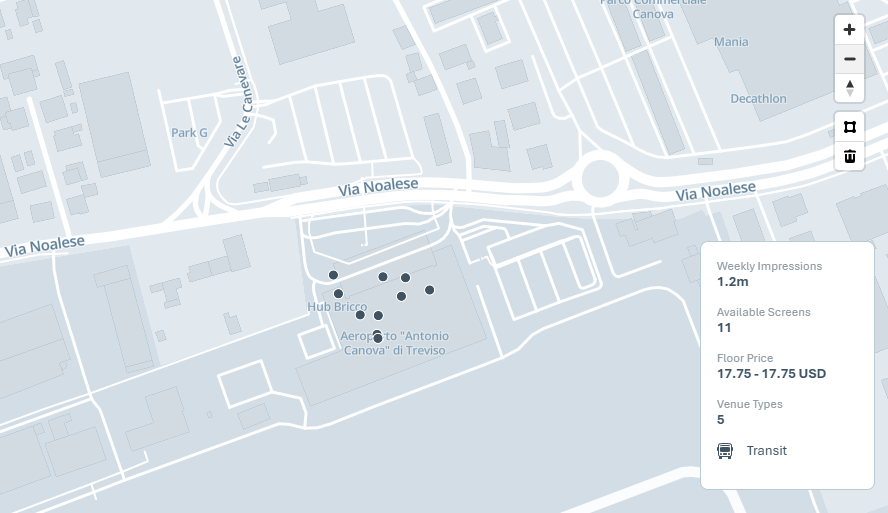
Catchment Area and Economic Drivers
Top 10 Cities within 150 km, Marketer Intelligence:
- Treviso: Headquarters city for global consumer brands in apparel and small appliances. Produces a mid-to-senior corporate audience with company-funded travel and personal discretionary income well above the Italian average.
- Venice: Supplies the inbound tourism volume and the hospitality workforce. For advertisers this is a dual audience of high-spend visitors and a large service-sector migrant population sending money home.
- Padua: University and biomedical hub with a large student and academic population. Highest concentration of young mobile travellers in the catchment, receptive to telecom, fintech and mobility messaging.
- Vicenza: Italy's goldsmithing and jewellery manufacturing centre. Generates a buyer and trade-visitor audience with direct relevance to luxury, precious metals and B2B financial services.
- Montebelluna: World centre for ski boot and sports footwear production. Produces technical export executives and a supplier travel base concentrated in autumn and winter.
- Conegliano: Commercial capital of the Prosecco Hills. Wine export sales audience with high international travel frequency and strong receptiveness to premium food, beverage and logistics brands.
- Castelfranco Veneto: Dense SME manufacturing belt with owner-operator business travellers. A family-business audience where the same person makes both corporate and personal purchase decisions.
- Bassano del Grappa: Ceramics, distilling and mechanical engineering, with a significant Alpine tourism feeder role. Mixed trade and leisure audience with high summer seasonality.
- Belluno: Global eyewear manufacturing district and the road gateway to Cortina. Combines a technical export workforce with high-value mountain tourism traffic.
- Pordenone: Appliance and furniture manufacturing across the Friuli border. Adds an industrial export audience travelling on supplier and distributor routes into Eastern Europe.
NRI and Diaspora Intelligence:
The Veneto region hosts one of Italy's largest resident foreign populations, and TSF is the airport that serves it. Romanian, Albanian, Moldovan and Polish communities are heavily represented, and the airport's seat capacity is deliberately weighted toward exactly those markets. This audience travels repeatedly rather than once a year, clusters around Christmas, Orthodox Easter and August, and travels in family groups. Their financial behaviour is remittance-led, savings-oriented and highly price-sensitive on transfer fees, which makes money transfer, mobile top-up, roaming and cross-border banking the highest-converting categories in this terminal.
Economic Importance:
The Treviso catchment is built on export manufacturing districts rather than a single large employer. Prosecco, eyewear, sportswear, footwear, appliances, furniture and jewellery each generate their own travel pattern and audience type. This produces a business traveller who is a decision-maker in a mid-sized firm, not a middle manager in a multinational, which shortens the path from advertising exposure to purchase authority. For advertisers, the catchment delivers unusual purchasing power relative to the airport's low-cost positioning.
Business and Industrial Ecosystem
- Prosecco and wine export: Produces sales directors and export managers travelling to European distributor markets. Relevant to logistics, trade finance, business travel and premium beverage brands.
- Eyewear and luxury components manufacturing: Generates a technical and commercial audience serving global luxury houses. Relevant to industrial technology, precision engineering and B2B financial services.
- Sportswear and technical footwear district: Creates buyer and supplier traffic tied to seasonal trade calendars. Relevant to sports brands, materials suppliers and freight forwarders.
- Appliances, furniture and mechanical engineering SMEs: Owner-operator travel where corporate and family wealth decisions overlap. Relevant to banking, insurance, wealth management and automotive.
Passenger Intent, Business Segment:
Business travellers at TSF are predominantly Veneto SME principals, export managers and technical staff using low-cost European routes as working infrastructure. They travel on short cycles, often weekly or monthly, into Spain, Poland, Romania, Belgium and Germany. Because trips are frequent and functional, frequency-based messaging outperforms single-impact creative. Financial services, telecom, logistics, automotive and business hospitality intercept this segment most effectively.
Strategic Insight:
The business audience here is commercially valuable because authority is concentrated. In a district economy of family-controlled exporters, the passenger in the departures hall is frequently the person who signs the contract, approves the banking relationship and buys the company vehicles. That compresses the B2B funnel in a way flagship hubs full of salaried corporate travellers cannot match. Masscom Global positions TSF as a decision-maker buy disguised as a low-cost airport.
Tourism and Premium Travel Drivers
- Venice and the lagoon: The primary inbound demand driver. Arrivals have already committed to accommodation and transport, leaving budget available for retail, dining, experiences and tax-free shopping.
- Prosecco Hills of Conegliano and Valdobbiadene: UNESCO-listed wine tourism attracting a higher-spend, older, food-and-wine oriented visitor with strong receptiveness to premium beverage and hospitality brands.
- Dolomites and Cortina d'Ampezzo: Winter and summer mountain tourism with an elevated spending profile, particularly reinforced by the region's recent Olympic infrastructure investment. Relevant to ski, outdoor, automotive and luxury hospitality.
- Padua, Vicenza, Asolo and the Palladian villas: Cultural circuit tourism that extends length of stay and lifts total trip spend across the catchment.
Passenger Intent, Tourism Segment:
Inbound tourists at TSF are predominantly European, price-led on airfare but not on destination spend, and travelling in couples or family groups. By the time they reach the terminal they have committed to flights and accommodation, so the airport intercepts them at the point where remaining budget is still unallocated. Arrivals messaging converts on car hire, connectivity, banking and card offers, tours and retail. Departures messaging converts on duty free, regional food and wine, and destination tourism boards seeking the next trip.
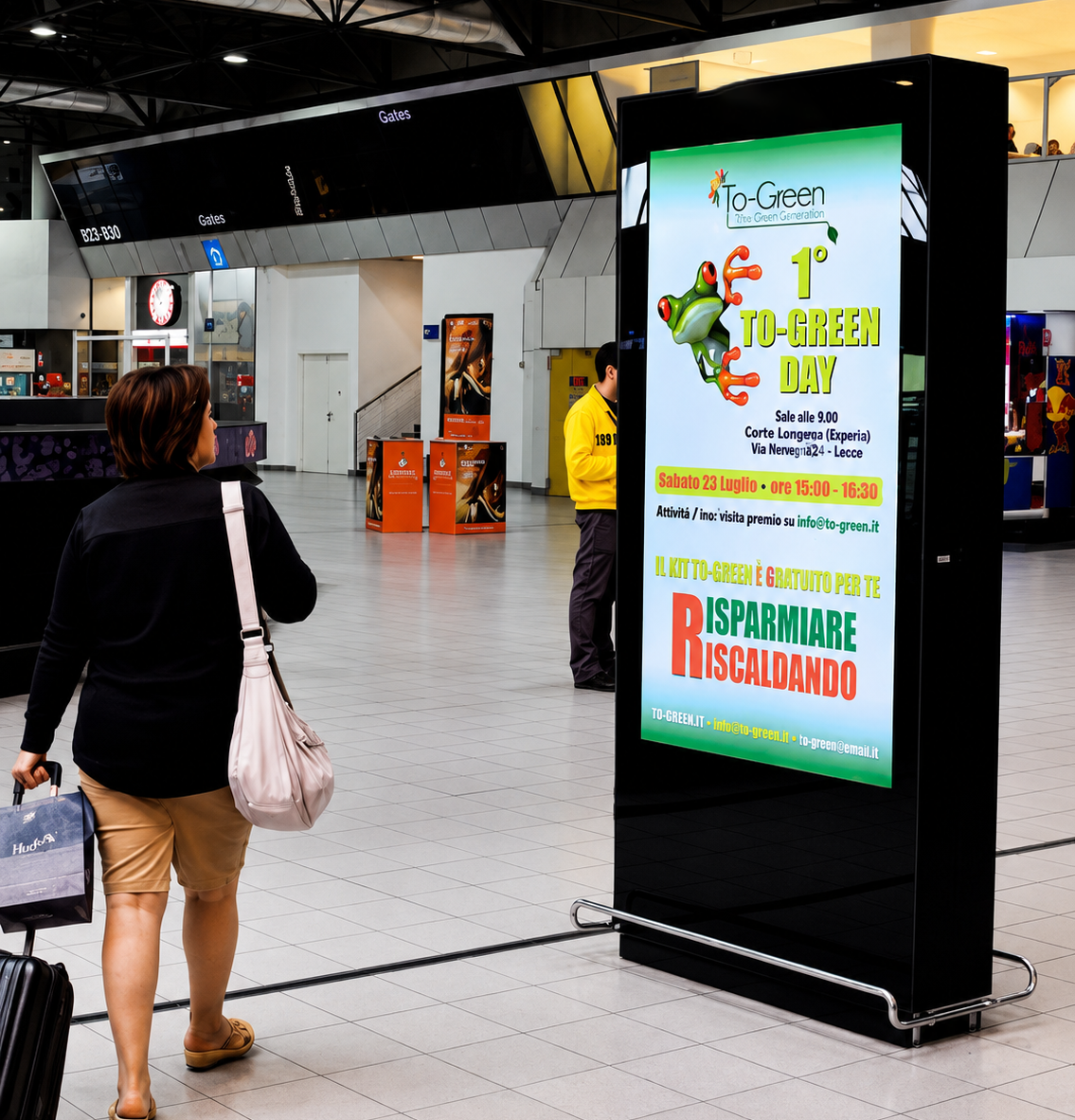
Travel Patterns and Seasonality
- Peak seasons: June to September is the dominant peak, driven by Venice and Adriatic coastal tourism combined with the August diaspora return. December and January form a second peak, driven by Christmas VFR travel and Dolomite ski access. April and May carry a secondary lift from Orthodox Easter movement and the spring trade fair calendar.
- Monthly volumes exceed 280,000 in shoulder months and rise materially in July and August. Full monthly traffic breakdown: Data not available.
Event-Driven Movement:
- Carnival of Venice (February): International leisure influx into a low-season month. Ideal window for tourism, retail and hospitality brands to buy at off-peak weight.
- Vinitaly and the spring wine calendar (April): Brings international wine trade buyers into the catchment. Prime timing for beverage, logistics and trade finance advertisers.
- Orthodox Easter (April or May): Concentrated Romanian, Moldovan and Balkan family travel. The highest-intent window of the year for remittance, telecom and travel insurance brands.
- Summer Adriatic and Dolomite season (July and August): Maximum volume and maximum diaspora return traffic simultaneously. Broadest reach window for any category.
- Christmas and New Year VFR peak (December): Family group travel with elevated gifting and remittance behaviour. Strongest conversion window for money transfer and consumer electronics.
It’s Not Just Where You Advertise - It’s How Fast You Execute
We combine local insight with fast rollout to deliver results for you, now.
Talk to an ExpertAudience and Cultural Intelligence
Top 2 Languages:
- Italian: The language of the resident catchment, including business travellers and the settled migrant population. Italian-language creative is required for any campaign targeting remittance, telecom, banking or automotive audiences.
- English: The functional language of inbound European leisure traffic across all 45 route markets. English creative delivers cross-market reach in a single execution, which is why bilingual Italian and English builds are the efficient default here.
Major Traveller Nationalities:
The dominant nationalities are Italian, Romanian, Albanian, Spanish, Polish and Belgian, reflecting where the airport's seat capacity is concentrated. Italians travel outbound for leisure and export business. Romanians, Albanians, Moldovans and Poles travel on VFR patterns tied to family and remittance obligations. Spanish, Belgian and wider Western European visitors travel inbound for Venice, wine country and the Dolomites. Campaign creative should split cleanly between outbound Italian-language financial and telecom messaging and inbound English-language tourism, mobility and retail messaging.
Religion, Advertiser Intelligence:
- Roman Catholic (majority of the resident catchment): Christmas, Easter, Ferragosto in mid-August and local patronal feasts drive the two largest travel peaks. Spending triggers are family gifting, group travel and hospitality. Retail, consumer electronics, food and beverage and travel insurance benefit most.
- Orthodox Christian (significant, tied to Romanian, Moldovan and Balkan communities): Orthodox Christmas and Orthodox Easter create travel peaks that sit outside the Italian domestic calendar. Spending triggers are remittance transfers, gift-carrying and extended family stays. Money transfer, mobile top-up, roaming and low-cost baggage services convert strongly.
- Muslim (present through Albanian, Moroccan, Balkan and South Asian communities): Ramadan and Eid drive concentrated family travel and elevated remittance volume. Halal-conscious food, financial transfer services and family-oriented telecom offers are the aligned categories.
Behavioral Insight:
This is an audience with real money and strong price discipline, which is a specific combination. Veneto business culture prizes reinvestment over display, so status-led luxury messaging underperforms while quality, durability and value arguments convert. The diaspora segment is even more explicit, evaluating offers on transparent fees and transfer speed rather than brand affinity. Creative that leads with a concrete number, a rate, a fee or a guarantee outperforms aspirational imagery in this terminal.
Outbound Wealth and Investment Intelligence
The outbound passenger at TSF is commercially unusual because capital deployment runs in two opposite directions from the same terminal. Veneto business families deploy into European and Mediterranean property and into international education for their children. The migrant community deploys into home-country property and family businesses in Romania, Albania, Moldova and Poland. Both flows are savings-led and both are underserved by advertisers who assume a low-cost airport carries no capital.
Outbound Real Estate Investment:
Northern Italian buyers are active in Spanish coastal and urban property, particularly Barcelona, Valencia, Alicante and the Balearics, drawn by yield and lifestyle rather than tax residency alone. Portugal, Greece and Croatia attract second-home and rental-yield demand from the same audience. Separately, the Balkan and Eastern European diaspora at this airport is a consistent buyer of residential property in Bucharest, Tirana, Cluj and Chisinau, funded by Italian earnings. International developers selling into either flow reach both audiences in the same terminal.
Outbound Education Investment:
Students from the Padua, Treviso and Vicenza catchment migrate primarily to the United Kingdom, Netherlands, Spain and Germany for degree study, with the United States and Switzerland taking the highest-value postgraduate and business-school segment. Veneto family firms treat education as succession planning and fund it directly, producing multi-year committed spend per child. International universities, business schools, language programmes and education consultancies have a defined, high-intent audience here, strongest between March and September.
Outbound Wealth Migration and Residency:
Golden Visa and residency-by-investment interest from this catchment concentrates on Portugal, Greece, Spain, the UAE and Caribbean programmes, driven by portfolio diversification and succession flexibility rather than relocation. Interest is business-owner led and advisory-dependent, so credibility signals matter more than yield claims. Second-residency and citizenship-by-investment advisers should target the departures environment during trade fair and spring travel windows.
Strategic Implication for Advertisers:
TSF is a two-sided wealth corridor, moving Italian capital outward into European property and education while moving diaspora capital outward into Balkan and Eastern European assets. Brands on either side of that corridor reach a self-selected, high-frequency audience at a fraction of flagship hub rates. Masscom Global can activate both sides simultaneously, pairing TSF with airports in the destination markets so the same campaign meets the same audience at both ends of the journey.
Airport Infrastructure and Premium Indicators
Terminals:
- A single two-level passenger terminal, arrivals on the ground floor and departures above, handling all traffic. This creates a fully consolidated passenger flow with no terminal-level audience fragmentation.
- One runway of 2,420 metres supporting narrowbody European operations. Terminal hours run from early morning to the final scheduled arrival, concentrating traffic into a defined daily window.
Premium Indicators:
- Lounge and assisted-waiting facilities are limited in scale, consistent with the airport's low-cost operating model. Detailed commercial lounge specification: Data not available.
- Dedicated private aviation or FBO facility: Data not available. The airport shares its site with military aviation operations.
- On-site or adjacent luxury hotel: Data not available. Premium accommodation demand is served by Treviso city and the Venice corridor.
- The terminal's 2007 rebuild delivers a modern, clean media environment with clear sightlines, which is a standout advantage rather than a premium one.
Forward-Looking Signal:
The northeast Italian airport system exceeded 19 million passengers in 2025 and has scheduled a summer 2026 seat programme up 9% year on year, with TSF holding a 45-destination network and continued growth in early 2026. Rising capacity on Spanish, Romanian, Albanian, Belgian and Polish routes will deepen exactly the audiences that make this airport commercially interesting. Advertisers who secure position while the terminal is still under-monetised will hold their placements as demand and rates rise. Masscom Global advises clients to lock inventory at current rates now, before capacity growth pulls competitive interest into the terminal.
Airline and Route Intelligence
Top Airlines:
Ryanair operates as the dominant carrier and treats TSF as a focus base. Wizz Air is the principal second operator. Additional low-cost and seasonal charter carriers supplement the network. Full carrier share breakdown: Data not available.
Key International Routes:
Spain, Romania, Albania, Belgium and Poland lead the airport on seats offered. The wider 45-destination network covers Mediterranean leisure markets and Eastern European city pairs, with virtually all traffic international. Route-level weekly frequency data: Data not available.
Domestic Connectivity:
Domestic connectivity is minimal, with the airport operating as an effectively all-international gateway. Domestic demand in the catchment is served by rail and by other airports in the region.
Wealth Corridor Signal:
The route map tells advertisers precisely who is in the terminal. Spanish and Mediterranean routes are leisure and second-home corridors carrying Italian discretionary spend outward. Romanian, Albanian and Polish routes are labour and remittance corridors carrying money and goods homeward. Belgian and Northern European routes are business and institutional corridors serving the export districts. A single terminal therefore contains three distinct commercial audiences, and Masscom Global plans placement against route timing so creative meets the right one.
Media Environment at the Airport
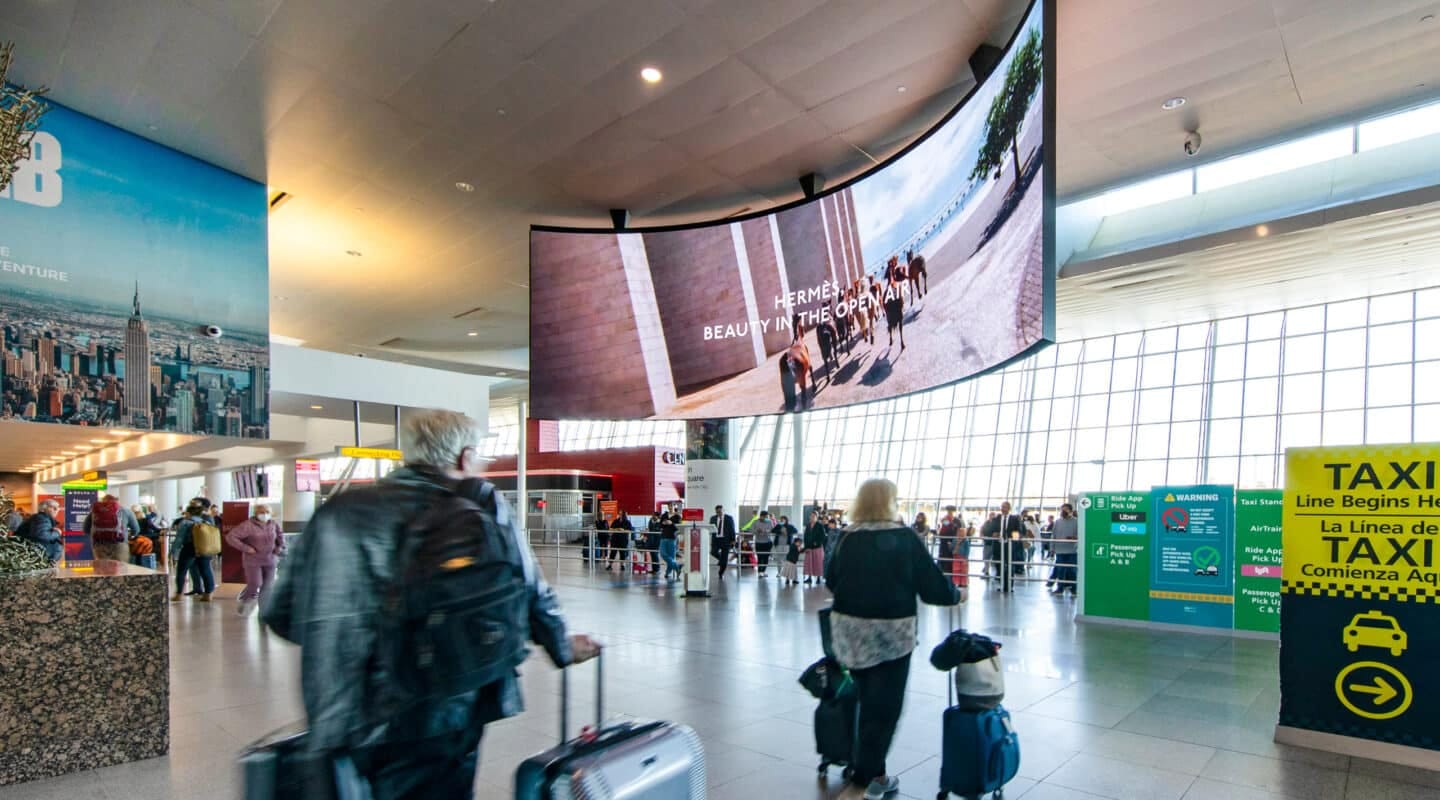
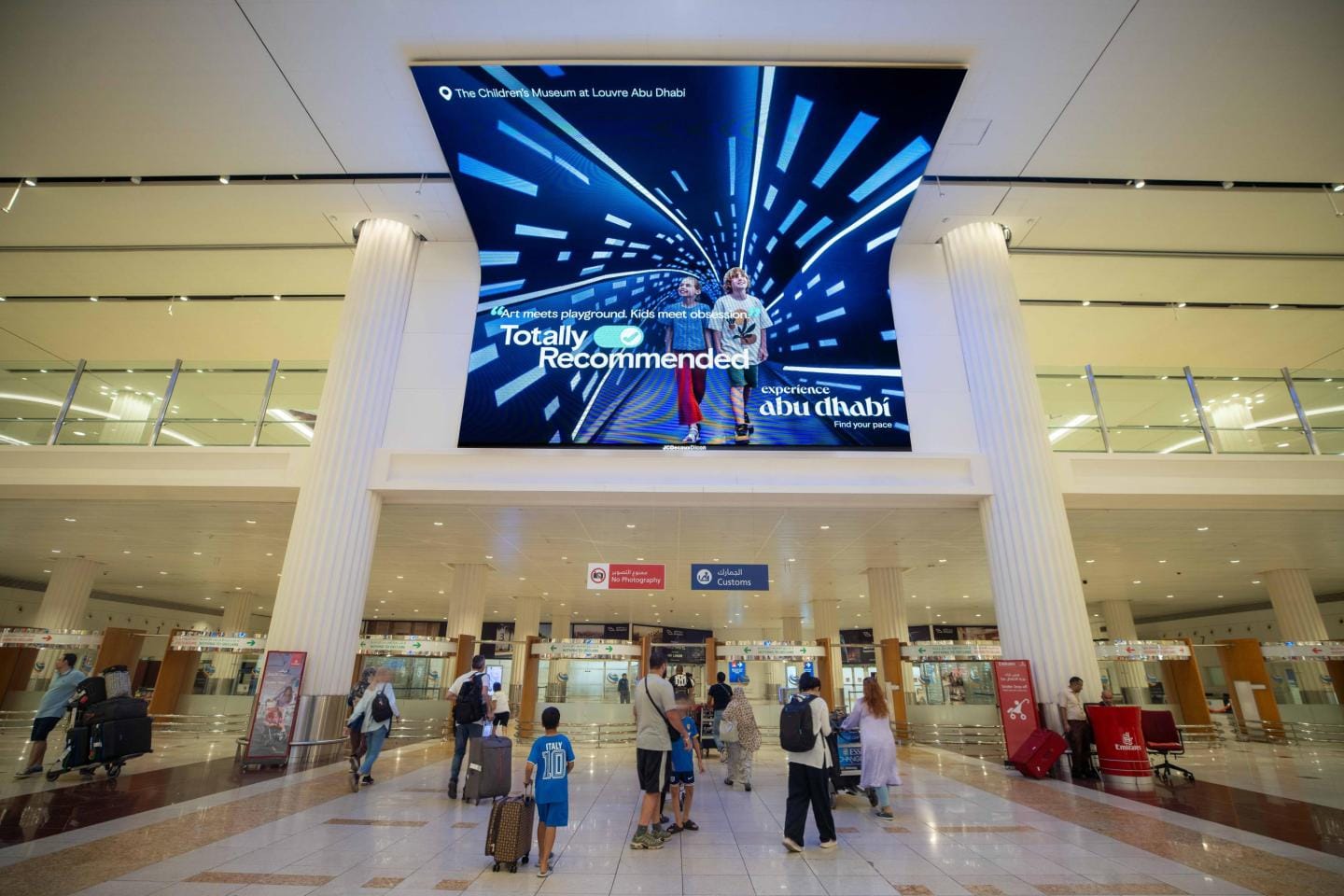
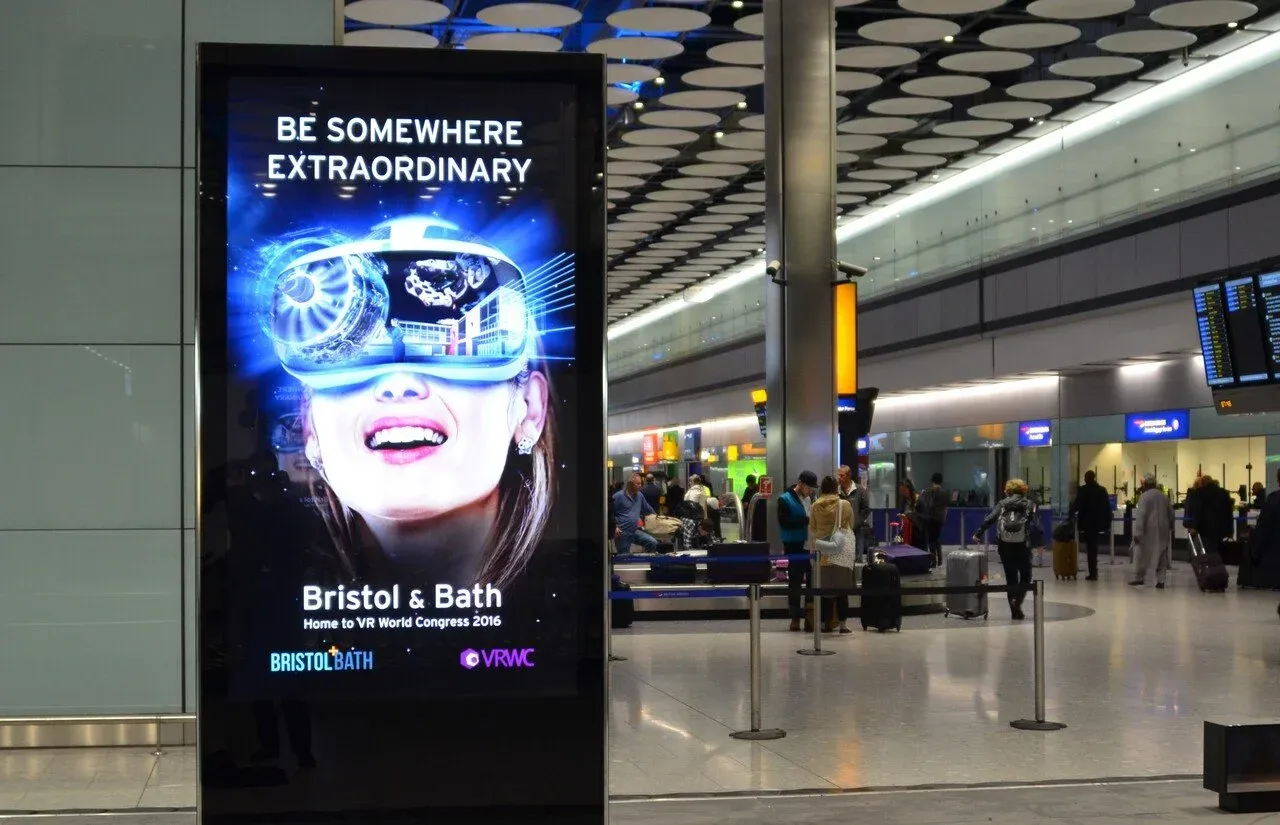
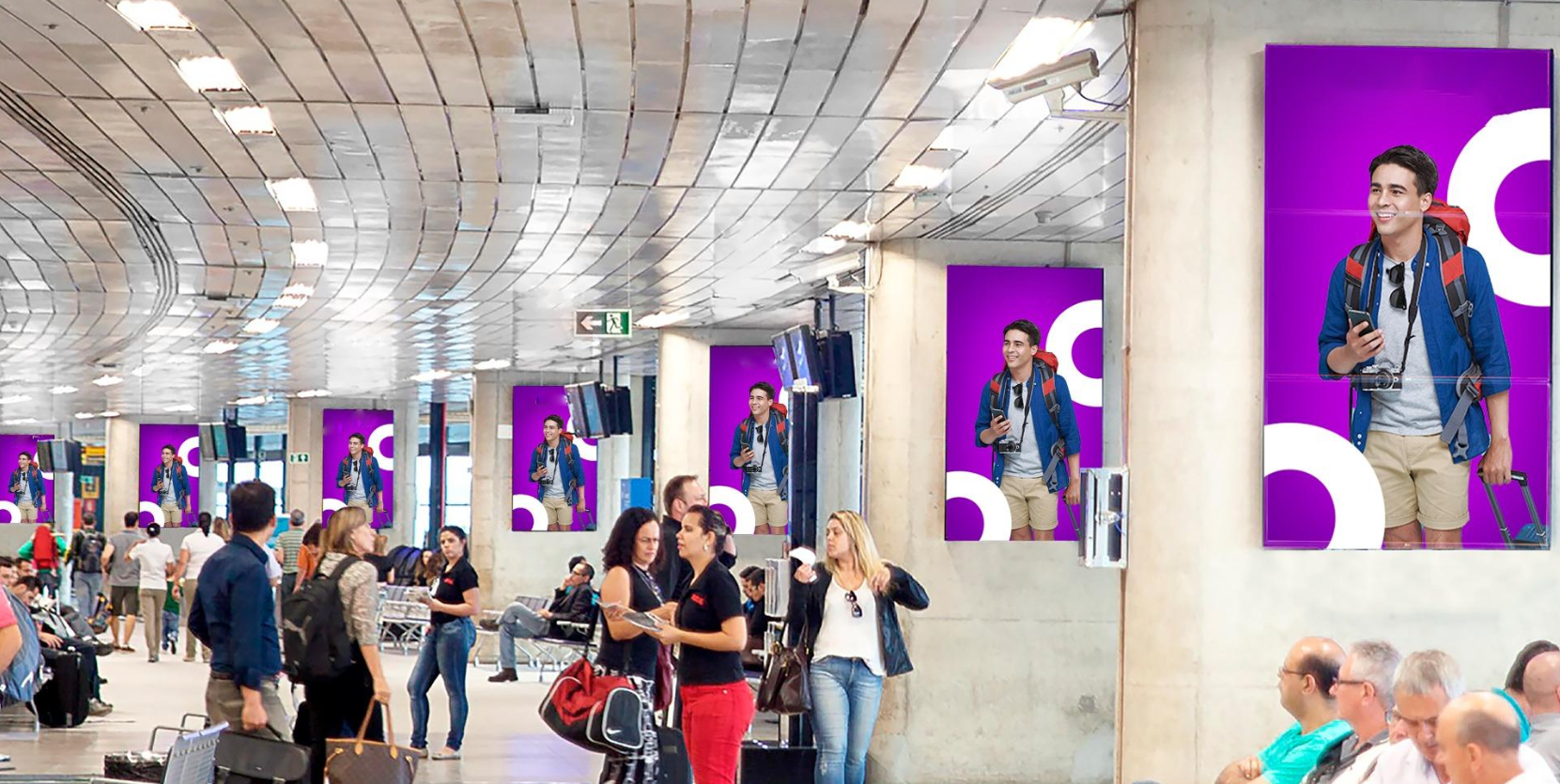
- Single-terminal scale means total passenger funnelling with far lower advertising density than flagship Italian hubs, so an individual placement carries disproportionate share of voice and recall.
- Low-cost operations drive long dwell times: passengers arrive early because online check-in dominates and gate release is late, producing extended departures-hall exposure with limited competing stimulus.
- The 2007 terminal offers a modern, uncluttered visual environment, and the mixed business and premium-tourism catchment lifts brand association above what the low-cost model would suggest.
- Masscom Global provides inventory access across arrivals, security, departures and gate zones, with placement precision by passenger flow stage and the ability to align TSF with wider northeast Italian and destination-market coverage.
Strategic Advertising Fit
Best Fit:
- Money transfer, remittance and cross-border fintech: The concentration of Romanian, Albanian, Moldovan and Polish VFR traffic makes this the single strongest category in the terminal.
- Telecom, roaming and eSIM providers: All-international traffic across 20-plus countries means every passenger has an active connectivity need at the point of exposure.
- Tourism boards and destination marketing: Departing leisure passengers are in active next-trip planning mode with proven willingness to fly for value.
- Automotive and mobility: Veneto SME owners buy company and personal vehicles, and inbound tourists need car hire for the Prosecco Hills and Dolomites.
- Banking, insurance and wealth advisory: Family-business decision-makers with succession and diversification needs travel through here weekly.
- International real estate developers: Two distinct buyer flows, Mediterranean second homes and Balkan home-market property, in one terminal.
- International education and language institutions: Padua and Treviso families fund multi-year overseas study with direct parental decision authority.
- Food, beverage and regional export brands: Prosecco and Veneto gastronomy give inbound and outbound audiences strong category receptiveness.
Brand Alignment at a Glance:
| Category | Fit |
|---|---|
| Money transfer and remittance fintech | Exceptional |
| Telecom, roaming and eSIM | Exceptional |
| Tourism boards and destination marketing | Strong |
| Automotive and car hire | Strong |
| International real estate and education | Strong |
| Banking and insurance | Moderate |
| Duty free and mid-market retail | Moderate |
| Ultra-luxury watches, jewellery and couture | Poor fit |
Who Should Not Advertise Here:
- Ultra-luxury and haute horlogerie: The passenger mix is value-led and the terminal lacks the premium retail environment that supports high-ticket conversion. Venice Marco Polo carries that audience.
- Private jet, yacht and ultra-high-net-worth wealth services: No FBO scale and no confirmed private aviation infrastructure means the audience is not physically present.
- Enterprise B2B technology and multinational corporate services: The business base is SME and owner-operated, not large-corporate procurement, so enterprise messaging misses the decision structure.
Event and Seasonality Analysis
- Event Strength: Medium
- Seasonality Strength: High
- Traffic Pattern: Dual-Peak
Strategic Implication:
Budget should be weighted to two windows rather than spread evenly: June to September for maximum volume and diaspora return, and December to early January for gifting-driven VFR and ski access traffic. April carries a third, cheaper opportunity around Orthodox Easter and the spring wine trade calendar, where cost per contact is lowest against the highest-intent remittance audience. Masscom Global structures TSF campaigns around this rhythm, front-loading weight into the July to August and December peaks while using February and April as efficiency buys.
Poor Placement and Delays Affect Airport Campaigns
We help you move faster, access better inventory, and get it right now.
Talk to an ExpertFinal Strategic Verdict
Treviso Antonio Canova is the most efficiently mispriced airport in northeast Italy for the right advertiser. It delivers 3.2 million growing, entirely international passengers through one consolidated terminal, drawn from a catchment that manufactures Prosecco, eyewear, ski boots and luxury components for the world, and it does so with clutter levels no flagship hub can match. The winners here are money transfer and telecom brands intercepting one of Europe's densest remittance corridors, tourism and mobility brands catching pre-committed Venice and Dolomite travellers, and real estate and education advertisers reaching family-business decision-makers who sign their own cheques. Ultra-luxury does not belong in this terminal and Masscom Global will tell you so before you spend. For everyone else, TSF offers Tier 1 reach mechanics at Tier 2 rates, and Masscom Global has the inventory access, catchment intelligence and execution speed to secure that position before rising capacity closes the window.
About Masscom Global
Masscom Global is a premium international airport advertising and media buying agency operating across 140 countries. With deep expertise in airport OOH, premium publications, and high-net-worth audience targeting, Masscom helps brands reach the world's most valuable travellers at the moments that matter most. For advertising packages, media rates, and campaign planning at Treviso Antonio Canova Airport and airports across the globe, contact Masscom Global today.
Frequently Asked Questions
How much does airport advertising cost at Treviso Antonio Canova Airport? Cost at TSF depends on format, position within the passenger flow, campaign duration and seasonal demand. Summer and December windows price higher because volume and intent both peak, while February and April deliver the lowest cost per contact. Because the terminal is single-building, smaller budgets still achieve high coverage here. Contact Masscom Global for current rates and availability.
Who are the passengers at Treviso Antonio Canova Airport? Three groups dominate. Romanian, Albanian, Moldovan and Polish VFR travellers moving on remittance-driven family trips. European leisure tourists heading to Venice, the Prosecco Hills and the Dolomites. Veneto SME owners and export managers travelling to Spain, Poland, Romania and Belgium. Traffic is effectively 100% international.
Is Treviso Antonio Canova Airport good for luxury brand advertising? For ultra-luxury, no. The airport operates a low-cost model, premium lounge and private aviation infrastructure is limited, and the audience is value-disciplined. For premium and aspirational categories tied to the catchment, including regional wine, technical sportswear, automotive and international property, it performs well. True luxury spend in this region is better reached at Venice Marco Polo.
What is the best airport in northeast Italy to reach HNWI audiences? Venice Marco Polo leads on HNWI concentration, with Bologna and Verona serving strong regional wealth. Treviso plays a different role: it reaches the industrial wealth of the Marca Trevigiana and Veneto district economy, where family business owners travel on low-cost routes despite significant net worth. Masscom Global typically recommends Marco Polo for luxury positioning and TSF for volume, remittance and decision-maker reach.
What is the best time to advertise at Treviso Antonio Canova Airport? July and August deliver maximum volume with simultaneous tourist and diaspora traffic. December through early January captures gifting-led VFR and ski access. April is the efficiency window, combining Orthodox Easter travel with the spring wine trade calendar at lower rates. February around Carnival offers off-peak weight for tourism and retail brands.
Can international real estate developers advertise at Treviso Antonio Canova Airport? Yes, and it is one of the more effective categories here. This audience buys Spanish, Portuguese, Greek and Croatian coastal property on the Italian side, and Romanian, Albanian and Moldovan residential property on the diaspora side. Both buyer flows pass through the same terminal, which is unusual and makes TSF viable for developers selling into either market.
Which brands should not advertise at Treviso Antonio Canova Airport? Haute horlogerie, high jewellery and couture, because the retail environment and passenger mix do not support high-ticket conversion. Private aviation, yacht and ultra-high-net-worth wealth services, because that audience does not transit here. Enterprise B2B technology, because the business base is owner-operated SMEs rather than large-corporate procurement teams.
How does Masscom Global help brands advertise at Treviso Antonio Canova Airport? Masscom Global provides the full chain: catchment and audience intelligence specific to the Veneto district economy, inventory access across arrivals, security, departures and gate zones, creative guidance calibrated to a bilingual and value-led audience, and campaign execution with performance reporting. We also plan TSF alongside destination-market airports so both ends of the wealth corridor are covered in one buy. Book a 15-minute planning call to review current availability and rates.