


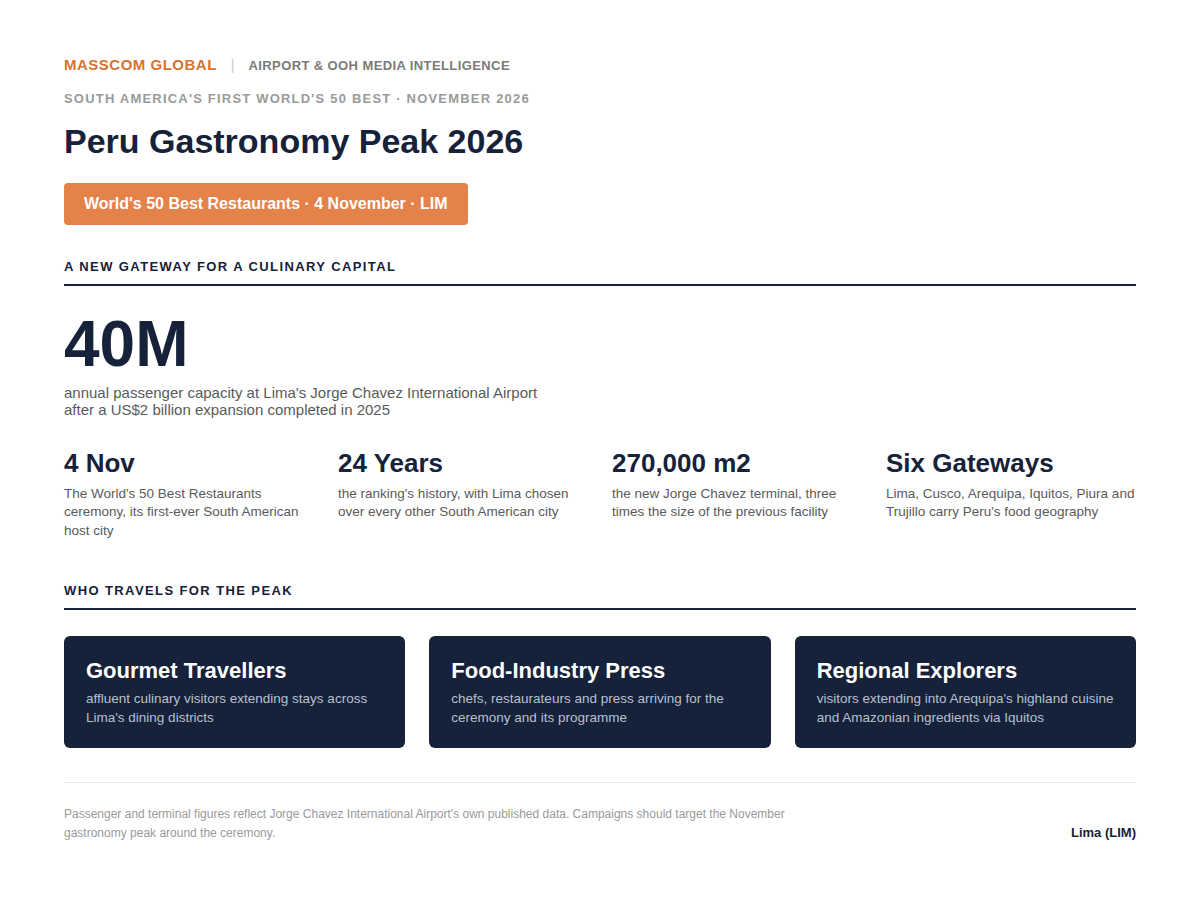
On Wednesday, 4 November 2026, Lima will host The World's 50 Best Restaurants awards ceremony, the first time in the ranking's 24-year history that the event has taken place in South America, unveiling the 2026 list alongside a week-long programme of #50BestTalks sessions and ticketed dining events across the city. It is the single most visible confirmation yet that Peru's decade-long climb to global culinary recognition, built on a gastronomic movement that produced Lima restaurants like Maido, ranked the World's Best Restaurant in 2025, has become a genuine international travel driver, not just a domestic point of pride.
For advertisers, the opportunity is not the ceremony night itself. It is the broader November gastronomy peak it anchors, when culinary tourists, gourmet travellers and food-industry professionals move through Peru's airport network toward Lima's dining districts and the wider country's regional food cultures, from Arequipa's highland cuisine to the Amazonian ingredients showcased at Iquitos and the agro-export corridors feeding Peru's kitchens from Piura and Trujillo.
Why Airport & City Advertising Works During Peru's Gastronomy Peak
Peru's culinary reputation is no longer a niche travel story. Lima's Maido was named the World's Best Restaurant in 2025, and the country's win of the World's Best Culinary Destination title in successive years has converted what used to be a specialist food-tourism segment into a mainstream reason international travellers choose Peru over other South American destinations. The World's 50 Best Restaurants ceremony landing in Lima on 4 November 2026 is the clearest evidence of that shift: a 24-year-old global institution chose Lima as its first South American host city.
This audience is distinct from Peru's general leisure traveller. Gourmet tourists, food-industry press, chefs, restaurateurs and affluent culinary travellers arriving for the ceremony and its surrounding programme are high-dwell, high-spend visitors who extend their stay into Peru's wider food geography, from Lima's Miraflores and Barranco dining districts to Arequipa's highland cuisine corridor and the Amazonian ingredient sourcing that underpins much of Peru's culinary reputation, reachable through Iquitos.
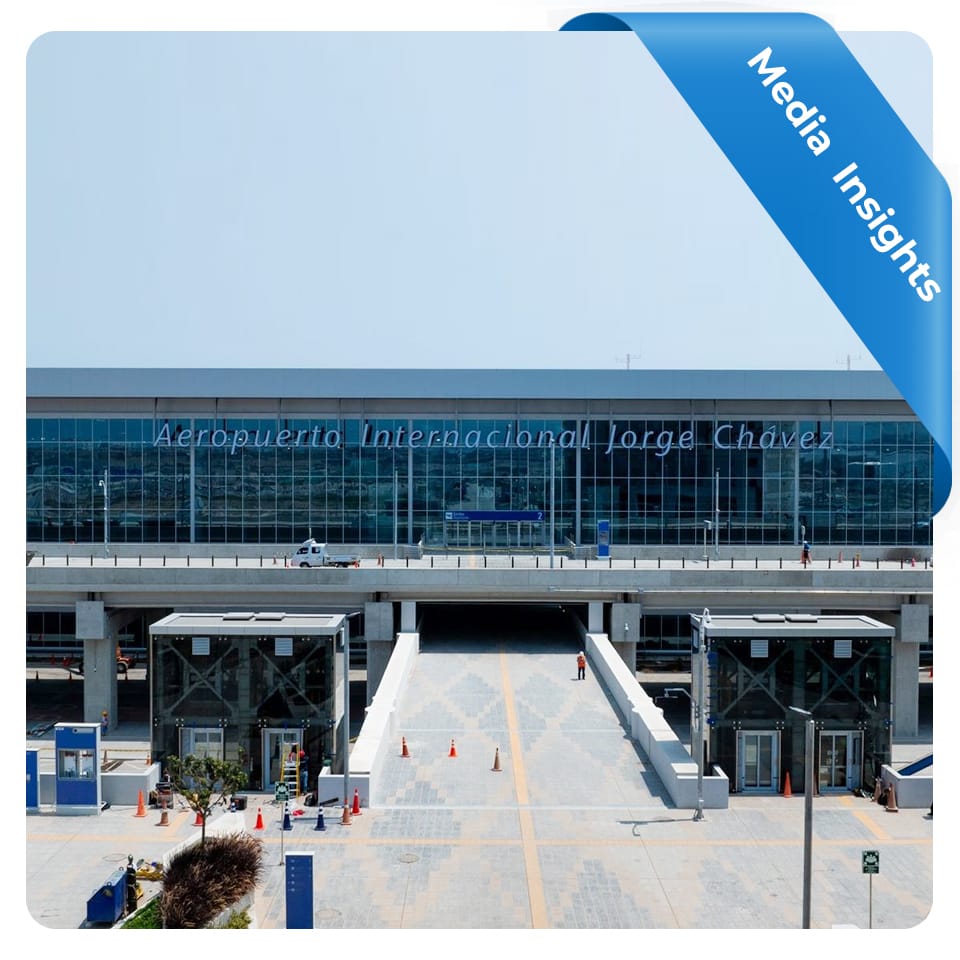
Lima's Jorge Chávez International Airport itself reflects the scale of this moment. A US$2 billion, multi-year expansion delivered a new terminal in 2025 with capacity for up to 40 million passengers annually, three times the size of the previous facility, positioning Lima as a genuine South American hub precisely as the city becomes the centre of the region's culinary tourism story.
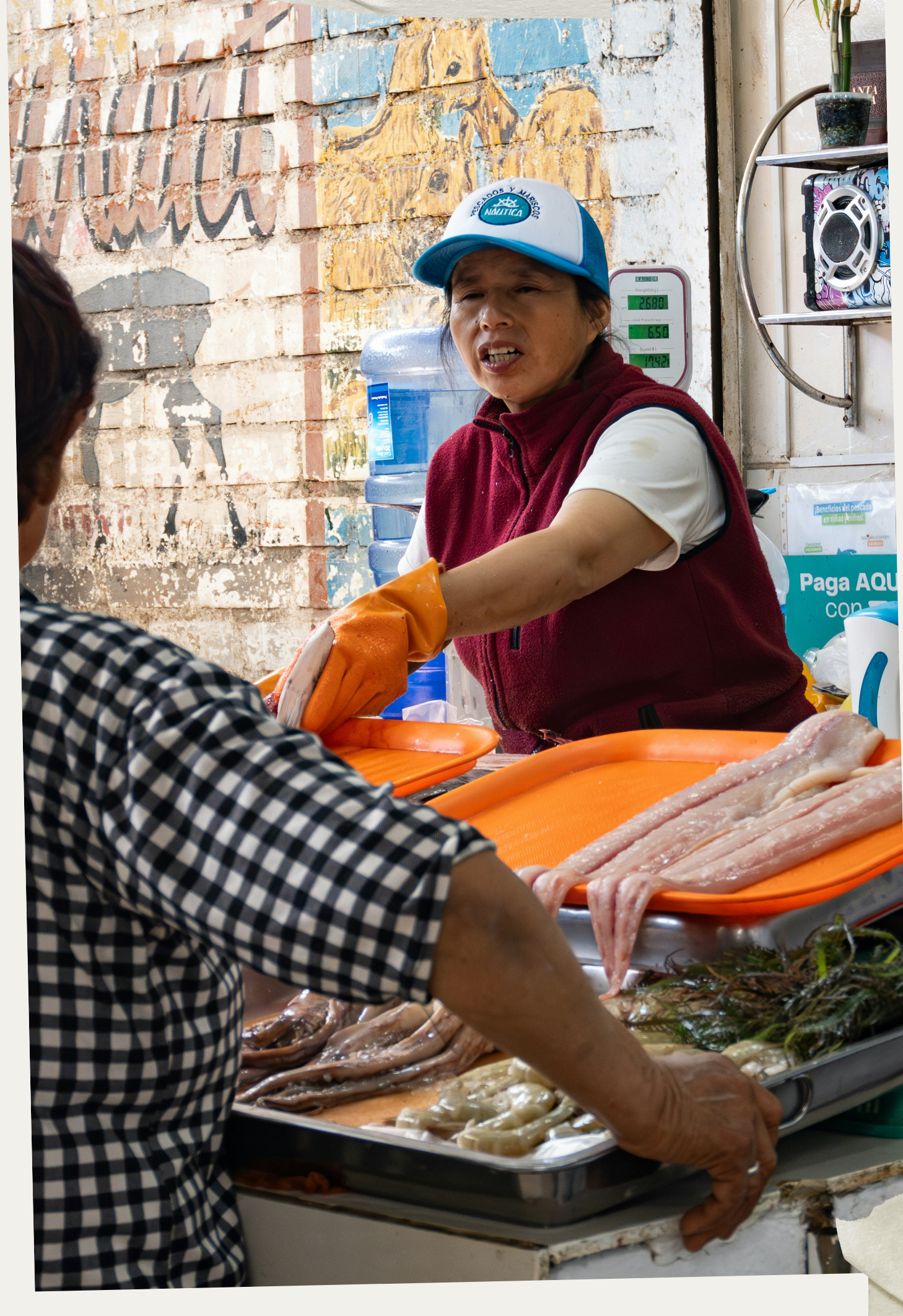
Beyond Lima, Peru's regional airports carry their own food and agricultural identities that connect directly to this narrative: Arequipa's copper and alpaca-textile economy sits alongside a strong highland culinary tradition, Piura and Trujillo anchor Peru's major agro-export corridors that supply produce to kitchens nationally and internationally, and Iquitos is the gateway to Amazonian ingredients increasingly featured on Lima's most awarded menus. Together these airports give advertisers a way to reach both the ceremony's direct visitor audience and the wider culinary-economy audience that supports it.
Key Benefits of Airport & City Advertising During Peru's Gastronomy Peak
- Reach a qualified, high-spend audience: gourmet travellers, food-industry professionals and culturally engaged leisure visitors arriving for the World's 50 Best ceremony and its surrounding programme are precisely the profile luxury hospitality, fine dining and premium beverage brands want to reach.
- Elevate your brand positioning: association with Peru's culinary moment, culminating in a first-ever South American hosting of a 24-year-old global institution, places your brand alongside genuine international prestige.
- Generate real business opportunity: luxury wine, premium hospitality and gourmet food and beverage brands can convert this concentrated, food-motivated travel window into direct enquiry and long-term brand association with Peru's culinary identity.
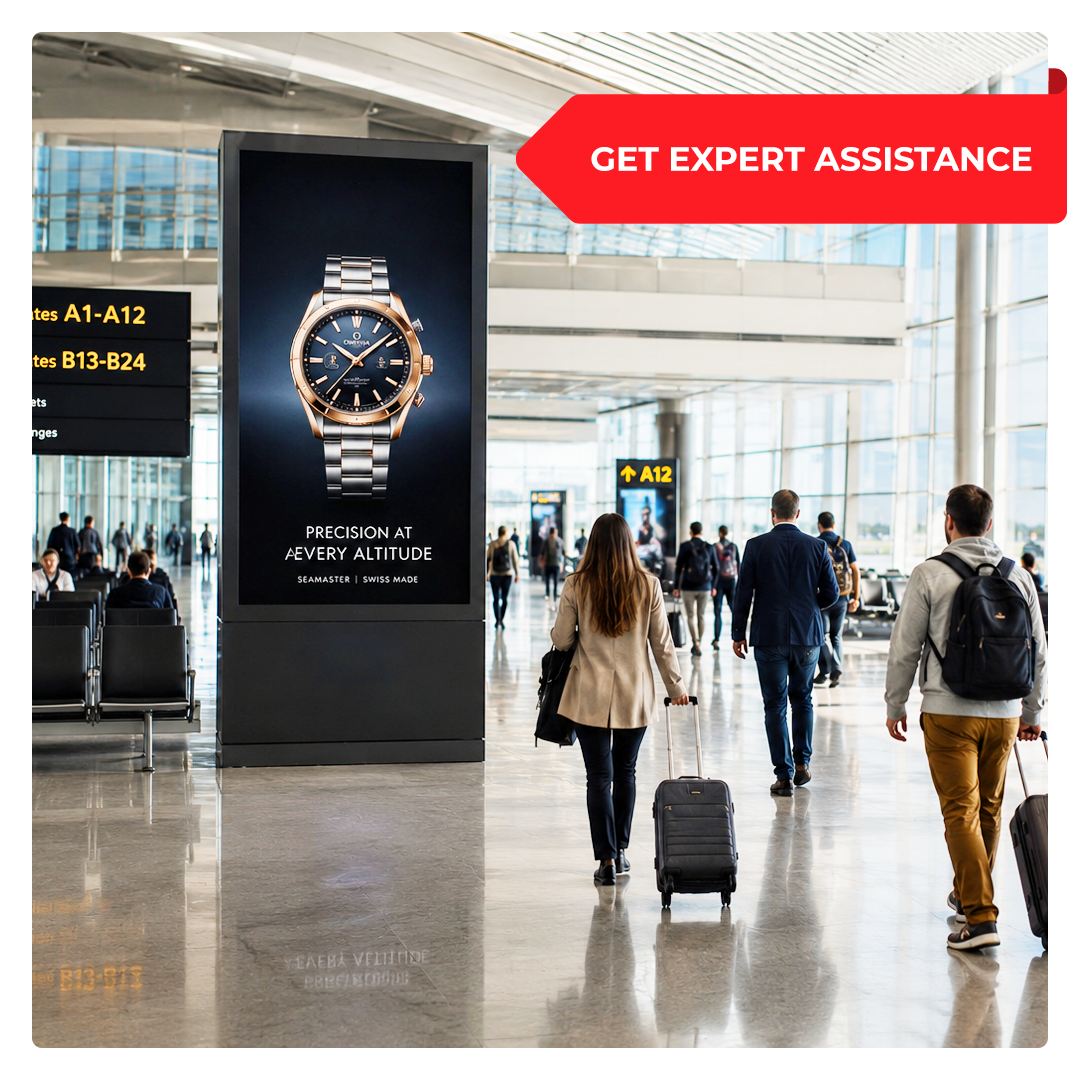
Get Free Expert Assistance from Our Global Media Planning Team
Receive strategic recommendations, media planning support, campaign monitoring and reporting to maximise your visibility throughout Peru's gastronomy peak.
Book Expert Consultation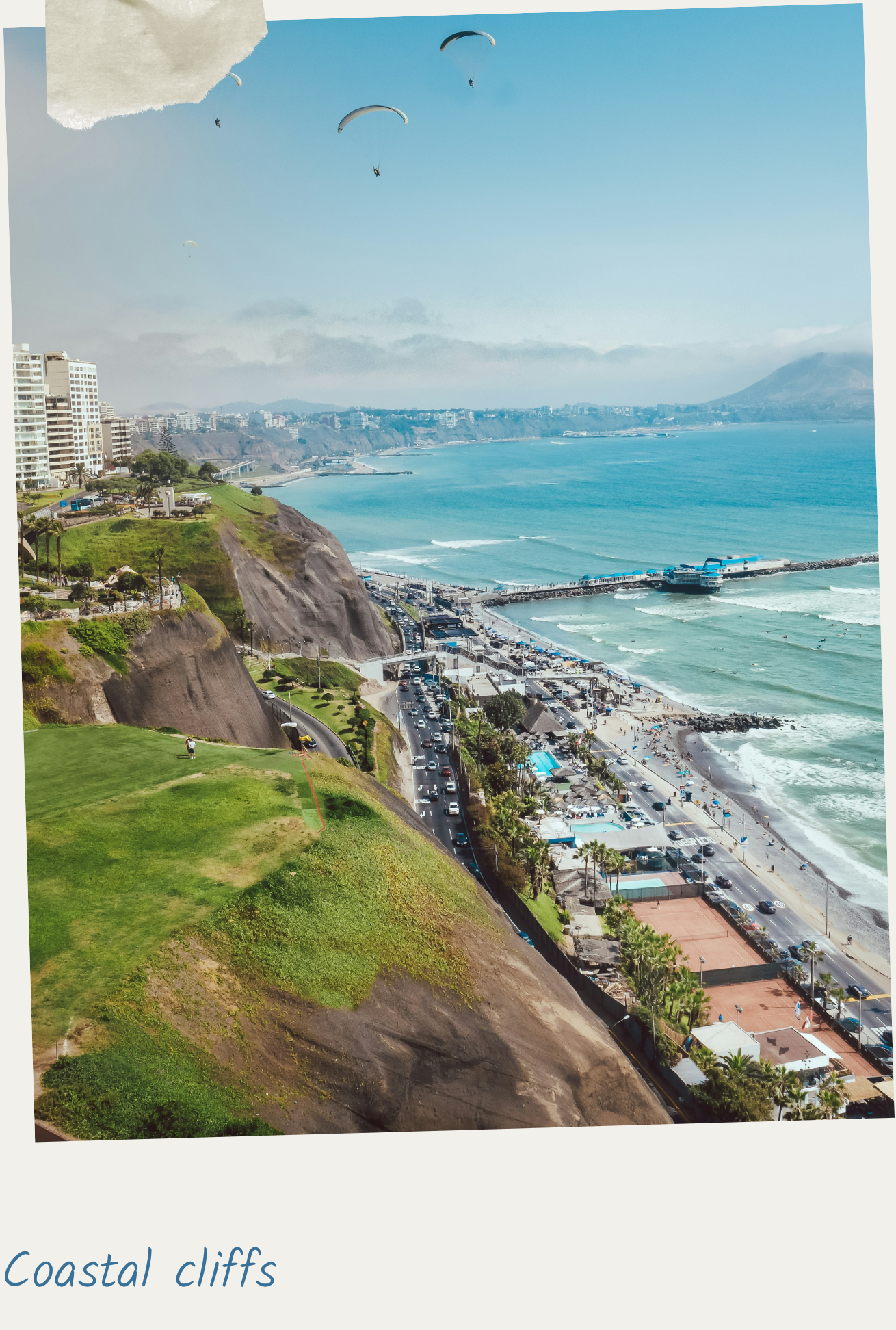
Lima Jorge Chávez International Airport (LIM): The Capital's New Gateway
Jorge Chávez International Airport is Peru's primary hub and the direct arrival point for the vast majority of visitors travelling for the World's 50 Best ceremony. A US$2 billion expansion completed in 2025 delivered a new terminal spanning 270,000 square metres, three times the size of the previous building, with capacity for up to 40 million passengers annually, positioning Lima as one of South America's most significant aviation hubs at the exact moment its culinary reputation peaks internationally.
- Inventory Highlights: premium digital and static formats across the newly expanded international arrivals and departures halls, reaching the full volume of inbound culinary tourism and business travel.
- Advantages for Advertisers: the single largest and newest airport environment in the network, opened just in time to carry the World's 50 Best ceremony's international visitor surge.
Cusco Alejandro Velasco Astete Airport (CUZ): The Heritage Luxury Gateway
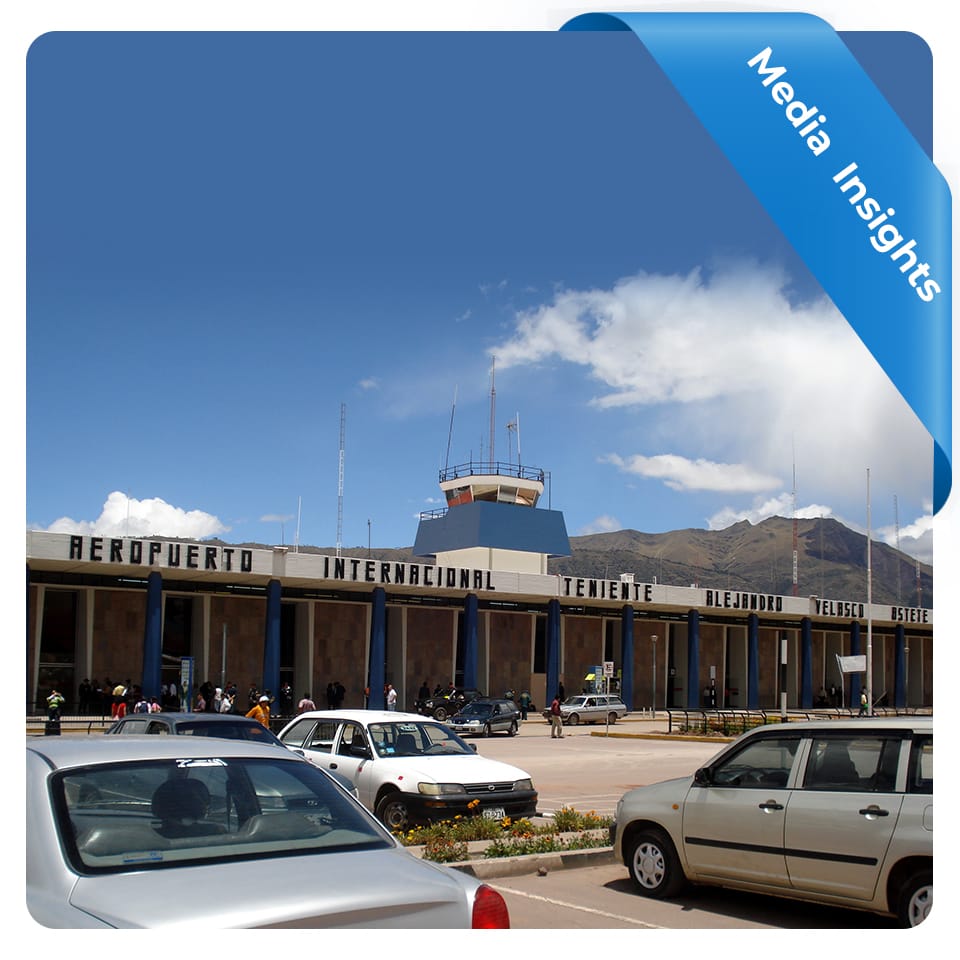
Cusco's airport serves approximately 2.4 million passengers annually and is classified as a Tier 1, Very High HNWI environment, its audience built around Machu Picchu heritage tourism, Sacred Valley luxury lodge guests and heritage rail travellers, with a peak season running May through October and a secondary December to January peak.
- Inventory Highlights: arrivals and departures placements reaching a globally sourced, high-spend heritage and culinary tourism audience.
- Advantages for Advertisers: access to Peru's most internationally recognised luxury tourism audience, many of whom extend their itinerary to include Lima's culinary scene.
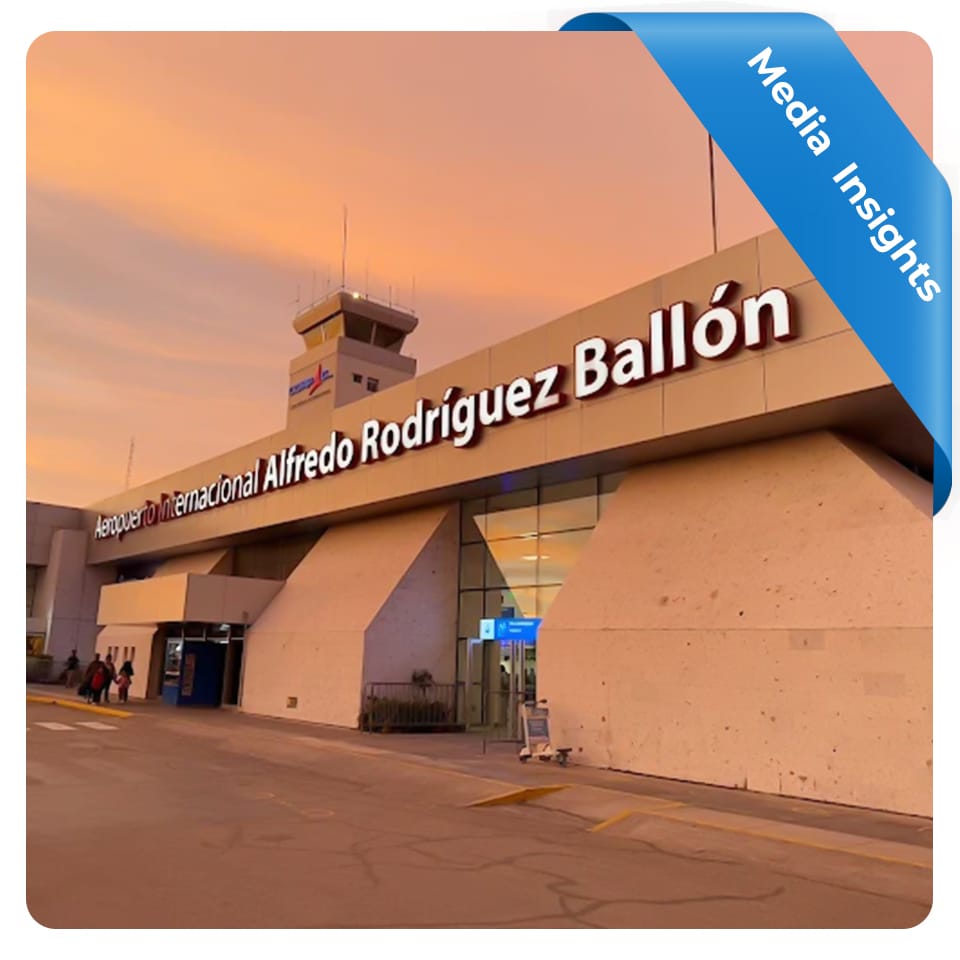
Arequipa Rodríguez Ballón Airport (AQP): The Highland Commercial Hub
Arequipa's airport serves approximately 0.8 million passengers and carries a Tier 2 audience of copper mining executives, alpaca luxury textile families and agricultural export principals, with peak advertising windows in June to September and around the city's August founding festival.
- Inventory Highlights: terminal placements reaching Peru's highland business and export community.
- Advantages for Advertisers: a distinctive regional audience connected to Peru's textile and agricultural export economy, complementing the ceremony's Lima-centred culinary narrative with a highland commercial angle.
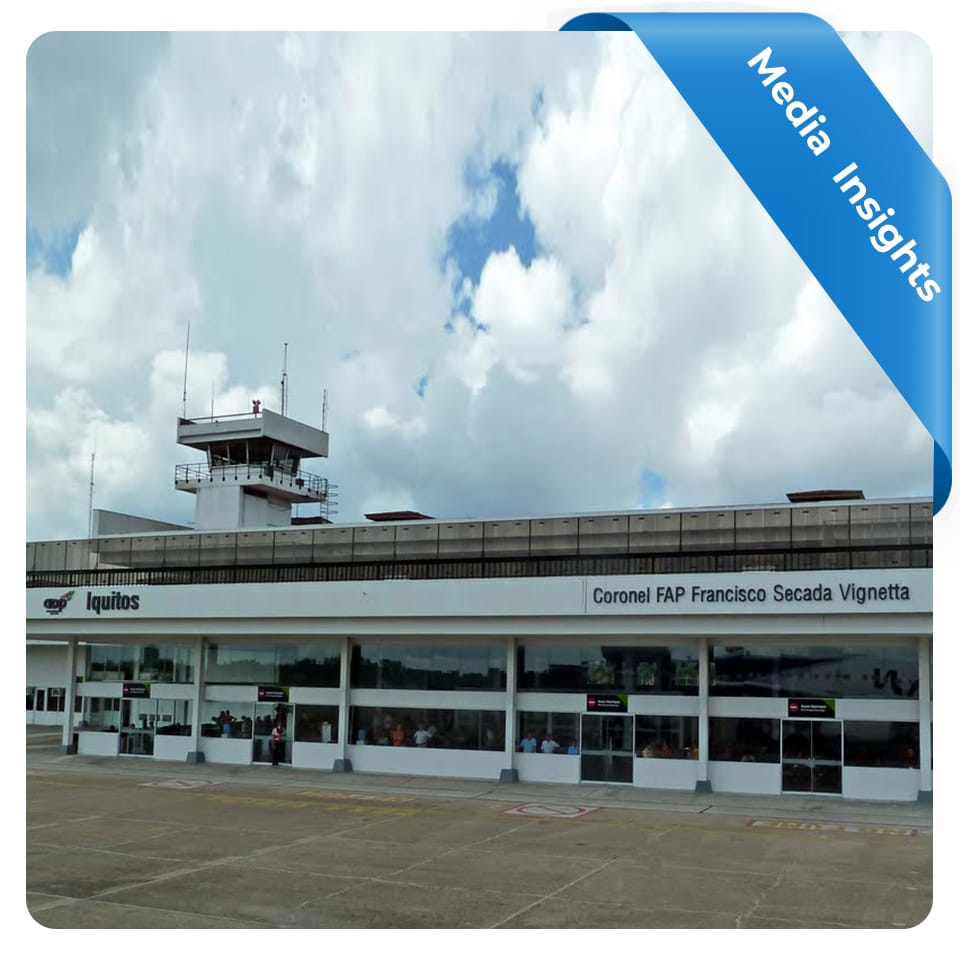
Iquitos Airport (IQT): The Amazonian Ingredient Gateway
Iquitos Airport serves approximately 0.6 million passengers and is the sole air gateway to the Peruvian Amazon, reachable by no road, with a Tier 2 Ultra-Niche Premium audience of eco-luxury tourists and conservation researchers, and a peak season from June to October.
- Inventory Highlights: arrivals hall placements reaching a specialist, high-dwell eco-tourism and expedition audience.
- Advantages for Advertisers: direct connection to the Amazonian ingredient sourcing increasingly credited on Lima's most awarded menus, giving food and beverage brands a source-to-plate narrative.
Tumbes Airport (TBP): The Northern Beach Corridor
Tumbes Airport served 442,000 passengers in 2024 and serves Lima's upper-middle and high-income leisure travellers moving to Peru's premium Pacific beach corridor, with peak seasons in December to April and June to September.
- Inventory Highlights: terminal placements reaching an affluent Lima-origin leisure audience.
- Advantages for Advertisers: a premium leisure and seafood-adjacent audience that complements the culinary tourism narrative anchored in Lima.
Piura Airport (PIU): The Agribusiness Corridor
Piura Airport served 1.1 million passengers in 2024, serving one of Peru's most economically dynamic agricultural export regions, the source of the majority of the country's mango exports and a significant share of national table grape output, with peak seasons in December to April and July to August.
- Inventory Highlights: terminal media reaching agribusiness executives and regional leisure travellers.
- Advantages for Advertisers: a direct line to Peru's agricultural export economy, the supply chain underpinning much of the country's culinary identity.
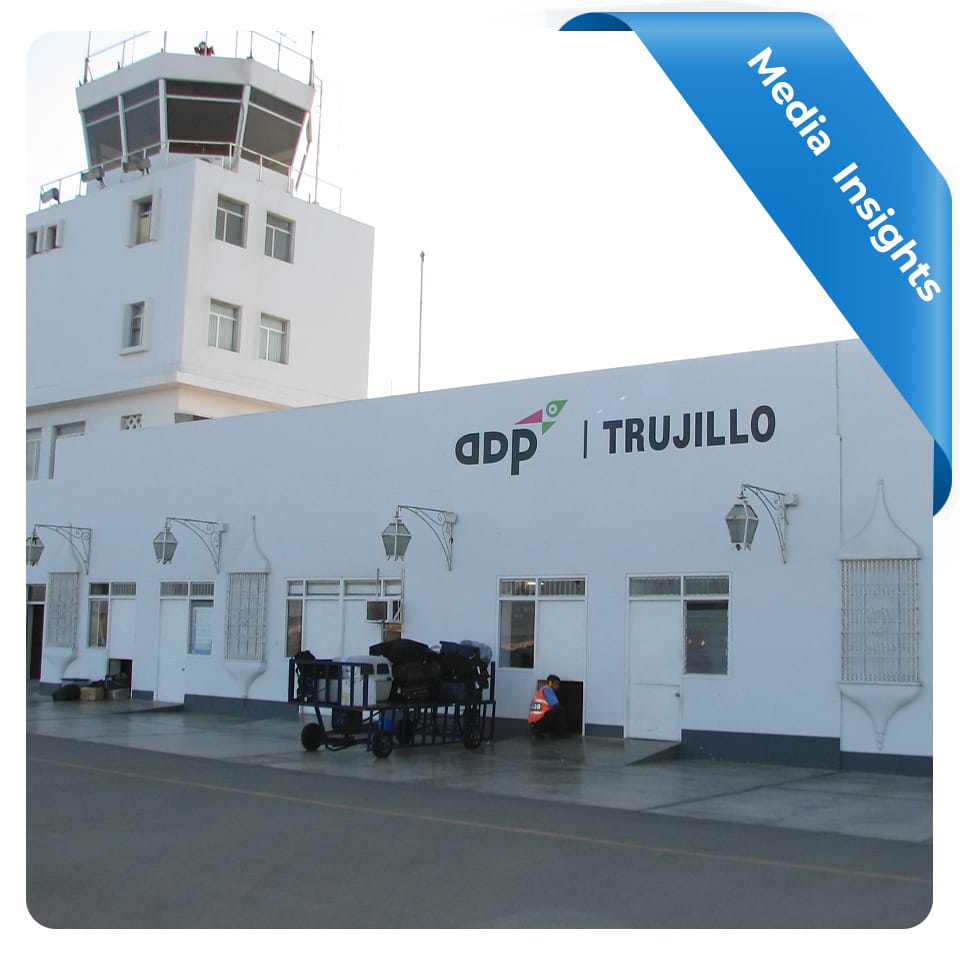
Trujillo Airport (TRU): The Agro-Export and Archaeological Gateway
Trujillo Airport serves approximately 500,000 passengers and connects to La Libertad, Peru's largest agricultural export region and a major source of the country's blueberry exports, alongside archaeological and surf tourism, with peak seasons in March to June and September to November.
- Inventory Highlights: terminal placements reaching agro-export executives and regional tourism visitors.
- Advantages for Advertisers: access to Peru's largest agricultural export corridor, whose produce feeds directly into the country's culinary export story.
National Network Coverage
Together, these seven airports give advertisers coordinated coverage of Peru's culinary economy in its entirety: Lima's newly expanded international hub carrying the World's 50 Best ceremony's direct visitor surge, Cusco's heritage luxury tourism corridor, and the regional agricultural and ingredient-sourcing gateways of Arequipa, Iquitos, Tumbes, Piura and Trujillo that supply the produce behind Peru's culinary reputation. This is the core of Masscom Global's Peru airport network; the network extends further into additional regional Peruvian gateways for brands seeking deeper national coverage beyond this featured corridor.
Destination Peru: Full Visitor Journey Coverage
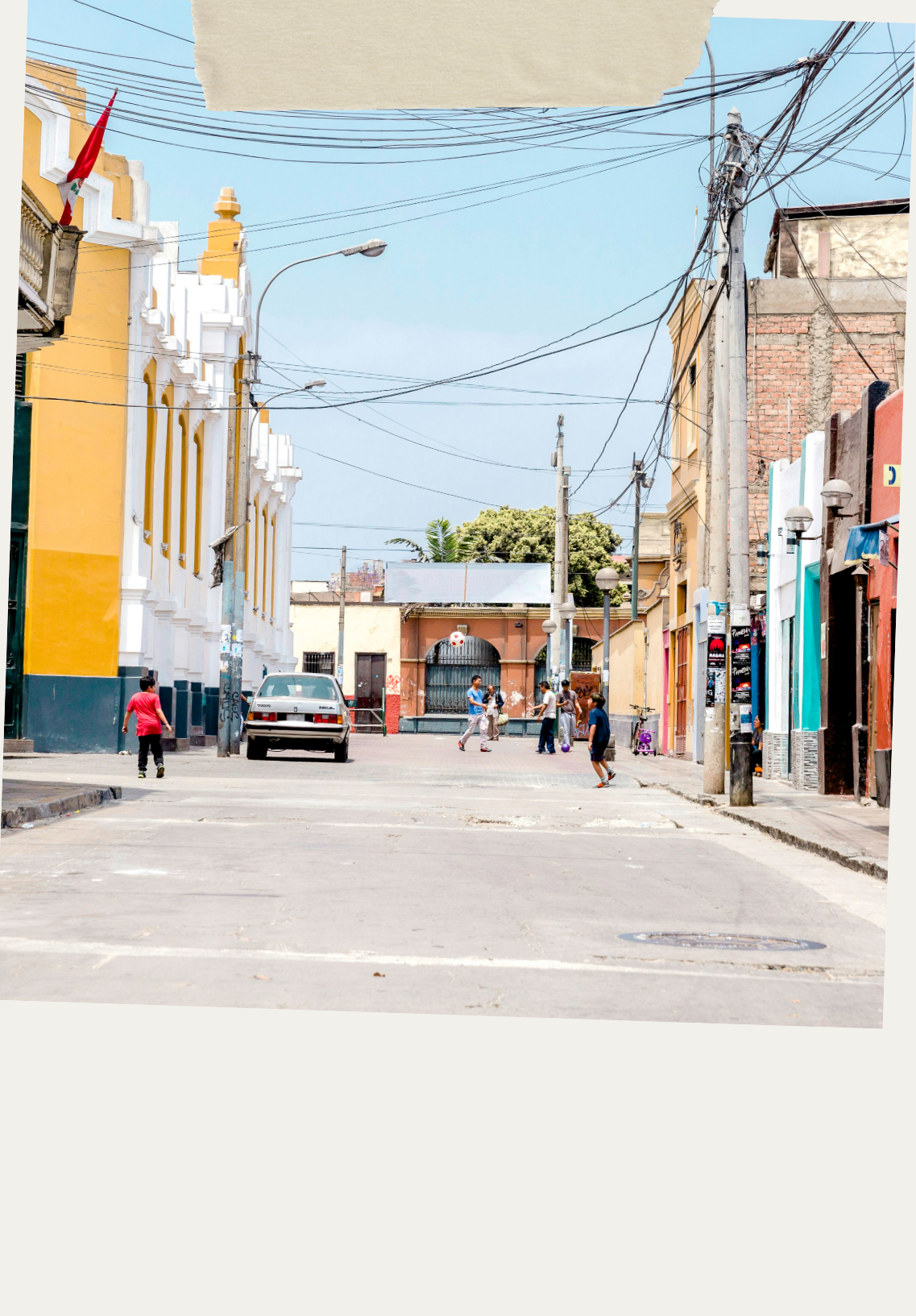
A culinary tourist's journey through Peru rarely ends at the airport arrivals hall. It continues into Lima's dining districts of Miraflores and Barranco, often extends to Cusco's heritage circuit, and increasingly loops back through the country's agricultural regions where the ingredients on Lima's most awarded menus originate. Airport advertising captures this traveller at the point of highest anticipation; city-adjacent placements reinforce the message as they move toward the restaurants, markets and events that define the trip.
Because Peru's culinary story is genuinely national, not confined to Lima alone, a single-location campaign misses the majority of the audience's actual movement through the country during this window.
- Increased brand recall: repeated exposure from airport arrival through to Lima's dining districts reinforces message retention across the full length of the trip.
- Consistent presence: the same campaign follows travellers from the capital to the regional gateways feeding Peru's culinary economy.
- Enhanced campaign effectiveness: layered touchpoints convert food-motivated travel into measurable brand engagement.
Why Brands Choose Airport & City Advertising for Peru's Gastronomy Peak
- Exclusive audience access. The World's 50 Best ceremony concentrates an international culinary press, chef and gourmet travel audience in Lima that no other single event in Peru's calendar matches.
- A prestigious environment. Premium terminal media across Peru's newly expanded capital hub and regional gateways places brands alongside the country's first-ever hosting of a 24-year-old global culinary institution.
- End-to-end campaign support. Masscom Global plans, books and reports across all seven airports as a single coordinated national campaign.
- Strategic planning assistance. Our regional planners align creative timing with each airport's own documented peak season and audience profile.
The Masscom Global Standard Behind Every Peru Gastronomy Peak Placement
- Verified inventory and audience data: every airport figure in this guide, from Lima's US$2 billion terminal expansion to Cusco's 2.4 million annual passengers, is drawn from verified sources, not estimates.
- Transparent delivery reporting: campaign performance is reported against agreed benchmarks across every airport in the network.
- Benchmarked recommendations: media plans are weighted toward each airport's own documented peak season and audience tier.
- We absorb the complexity: coordinating seven airports across Peru's coast, highlands and Amazon in a single campaign is normally a major logistical undertaking; our team manages sourcing, scheduling and reporting so you do not have to.
Request Your Customised Peru Gastronomy Peak Advertising Plan
Tell us your audience, category and budget. Our planners will return a costed plan across airport and prime city inventory, with availability confirmed.
Book NowFrequently Asked Questions
What is the exact 2026 date for the World's 50 Best Restaurants ceremony in Lima?
The awards ceremony takes place on Wednesday, 4 November 2026, preceded by #50BestTalks sessions on 3 November and a week-long programme of ticketed dining events across Lima.
What happened to the Mistura food festival that historically defined Peru's gastronomy calendar?
Mistura, which ran from 2008 through 2016 and drew crowds of over 600,000 at its peak, has not been confirmed to have returned as an annual fixture in recent years. Peru's culinary tourism momentum today is anchored by newer, confirmed international events, most significantly the World's 50 Best Restaurants ceremony arriving in Lima in November 2026.
Who is the audience travelling during this window?
Gourmet travellers, international food-industry press, chefs, restaurateurs and affluent culinary tourists attending the ceremony and its surrounding programme, alongside Peru's regular heritage and eco-luxury tourism audience passing through Cusco and Iquitos.
Does coverage extend beyond Lima?
Yes. Masscom Global coordinates Lima's capital hub with Cusco's heritage corridor and the regional agricultural gateways of Arequipa, Iquitos, Tumbes, Piura and Trujillo, reflecting how Peru's culinary story is sourced and told nationally.
How far in advance should a campaign be booked?
Given international media and culinary tourism attention converging on Lima ahead of the 4 November 2026 ceremony, we recommend confirming inventory at least six to eight weeks in advance.
Peru's Gastronomy Peak Won't Wait. Neither Should You.
- Once in a generation: this is the first time in 24 years the World's 50 Best Restaurants ceremony has been hosted in South America, and it happens once, on 4 November 2026.
- Competitors are already moving: luxury hospitality, fine dining and premium beverage brands are already positioning around Lima's culinary spotlight.
- The window is exact, not approximate: the ceremony date and its surrounding programme are confirmed, giving advertisers a precise planning target rather than a loose seasonal guess.
- The alternative reaches the wrong audience: generic year-round Peru media misses the concentrated, food-motivated international audience arriving specifically for this event.
Related Airport Advertising Guides
Detailed inventory, audience and planning notes for the airports covered above:
 Wealth in motion intelligence.
 Wealth in motion intelligence.
 Wealth in motion intelligence.
 Wealth in motion intelligence.
 Wealth in motion intelligence.
 Wealth in motion intelligence.
 Wealth in motion intelligence.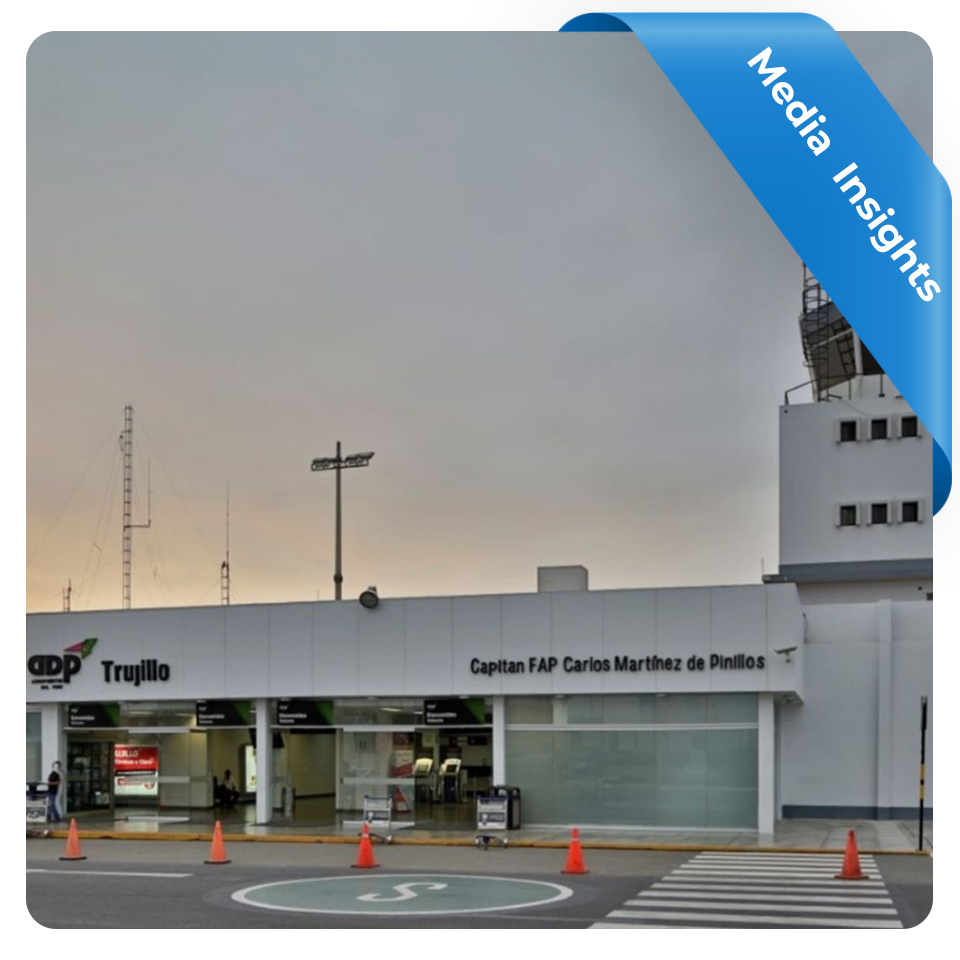
Get Free Expert Assistance Now
Our regional media planning team can build a costed, benchmarked plan across any combination of these seven Peruvian airports and prime city inventory, tailored to your budget and category, at no cost to you.
Request Availability
Inventory across Lima and Peru's regional gateways moves quickly ahead of an internationally covered event of this scale. Confirm your placements now to secure preferred positions before the November surge.
Peru's culinary reputation has moved from a domestic point of pride to a confirmed international draw, culminating in Lima's first-ever hosting of the World's 50 Best Restaurants ceremony on 4 November 2026. The audience arriving for this window, gourmet travellers, culinary press and affluent food tourists, moves through a newly expanded Jorge Chávez International Airport and connects onward to Peru's heritage, Amazonian and agricultural regions that supply its culinary identity. Masscom Global coordinates campaigns across all seven featured airports as a single national plan, with reporting benchmarked against each airport's own verified audience data. The ceremony date is fixed and does not repeat, so the opportunity is best captured now, ahead of the surge.