


Airport at a Glance
| Field | Detail |
|---|---|
| Airport | Alfredo Rodríguez Ballón International Airport |
| IATA Code | AQP |
| Country | Peru |
| City | Arequipa |
| Annual Passengers | 0.8 million |
| Primary Audience | Copper mining executives, alpaca luxury textile families, agricultural export principals, heritage tourism professionals |
| Peak Advertising Season | June to September, August (founding festival), January to February |
| Audience Tier | Tier 2 |
| Best Fit Categories | Mining and agribusiness technology, luxury alpaca and textile brands, financial services, international real estate |
Alfredo Rodríguez Ballón International Airport serves Arequipa — Peru's second city and one of South America's most architecturally extraordinary urban environments, built from white volcanic sillar stone at 2,335 metres above sea level against the backdrop of the perfectly conical El Misti volcano. What distinguishes Arequipa commercially from every other Andean mining city is the genuine diversity of its HNWI wealth generators. Fourteen kilometres from the city centre sits Cerro Verde — one of Peru's largest copper mines, operated by Freeport-McMoRan — making Arequipa the only major Andean city in South America where a world-class copper operation is effectively adjacent to the urban commercial centre. Simultaneously, Arequipa is the world capital of alpaca fiber processing: Michell and Cia, Incatops, and the broader luxury fiber textile cluster that supplies Loro Piana, Zegna, and Brunello Cucinelli with the raw material for their most expensive collections maintain their processing operations and executive management here. The Majes-Siguas irrigation valley produces paprika, asparagus, and garlic exports for global markets. And the UNESCO-listed historic centre draws heritage and gastronomy tourists whose daily spend profile rivals any premium tourism destination in Latin America. The 0.8 million passengers who move through AQP annually represent this full commercial spectrum — a breadth of HNWI wealth sources that no single-industry mining airport in the South American portfolio can match.
What makes AQP particularly compelling for advertisers is the combination of this commercial diversity with the fierce regional identity of a city that considers itself distinct from Lima and distinct from every other Peruvian city. Arequipeños carry a civic pride grounded in colonial heritage, culinary tradition, intellectual history, and commercial independence that creates a consumer culture which is simultaneously local in its pride and genuinely international in its commercial orientation. The alpaca textile executive flies to Milan for luxury trade shows. The Cerro Verde engineer rotates through Phoenix or London for Freeport's operational reviews. The agricultural export family travels to Miami and Chicago for commodity buyer negotiations. All of them pass through the recently modernised Rodríguez Ballón terminal, through which most international media planners have never run a campaign.
Advertising Value Snapshot
- Passenger scale: 0.8 million annual passengers anchored by the commercial and professional workforce of southern Peru's most economically significant city — the administrative capital of the Arequipa Region and the commercial hub for a southern zone that includes copper mining, world-leading alpaca fiber processing, agricultural export production, and one of Latin America's most visited UNESCO heritage tourism circuits
- Traveller type: Freeport-McMoRan and Southern Copper executives, alpaca textile industry principals, agricultural export company owners, commercial merchant families, heritage and gastronomy tourists, professional services providers for southern Peru's mining and export sectors
- Airport classification: Tier 2 — Peru's most commercially diverse regional airport, serving a city whose HNWI wealth base spans copper mining, alpaca luxury fiber, agricultural export, and UNESCO tourism simultaneously — a commercial profile found at no other comparable airport in the Andean region
- Commercial positioning: The southern Peru commercial capital's gateway, connecting Andean mining, luxury fiber, and agricultural export wealth to Lima, international luxury markets in Europe and North America, and the premium heritage tourism circuit that draws high-spend visitors from across the globe
- Wealth corridor signal: AQP anchors the Lima-Arequipa-Southern Cone corridor that carries Peru's second city's multi-sector commercial wealth northward to the capital and southward to the Chile trade relationship, while simultaneously connecting the alpaca luxury fiber industry to the European luxury fashion houses that depend on Arequipa's processing plants for their most premium product lines
- Advertising opportunity: Masscom Global provides full campaign access at Alfredo Rodríguez Ballón International Airport, with intelligence on the distinct commercial audience segments — mining, textile, agricultural, tourism — that together define one of the Andean region's most commercially heterogeneous and commercially underserved terminal environments

Airport Advertising is Complex to Get Right
We help you execute faster, with proven results and local insight most planners lack starting now.
Talk to an ExpertCatchment Area and Economic Drivers
Top 10 Cities and Communities within 150 km — Marketer Intelligence
- Arequipa metropolitan area: Peru's second largest urban concentration and the commercial, educational, and cultural capital of the country's southern macro-region, generating the most commercially diverse HNWI audience in the South American portfolio among airports of comparable passenger volume. The metropolitan districts of Cayma, Yanahuara, Cerro Colorado, Miraflores, and Sachaca concentrate Arequipa's upper-middle and HNI residential and commercial class — the alpaca textile families, mining service company founders, agricultural export principals, and professional services leaders whose accumulated commercial wealth defines southern Peru's HNWI landscape.
- Cerro Verde operational zone: Freeport-McMoRan's Cerro Verde copper mine sits approximately 15 km southwest of Arequipa's historic centre — an urban-mining proximity that is extraordinary by global standards and that generates a concentrated audience of mining executives, operational engineers, metallurgical specialists, and environmental compliance officers whose daily commercial relationship with the city distinguishes AQP from every other Andean mining gateway. Freeport's Phoenix-based corporate governance and the mine's Peruvian management structure both route international operational travel through this terminal.
- Yura and industrial corridor: The Yura district northwest of Arequipa hosts cement production, industrial services, and mining support operations whose principals and operational managers travel through AQP for commercial development and whose industrial wealth is a sustained component of the Arequipa commercial class's HNWI base.
- La Joya: The primary agricultural production zone of the Arequipa coastal plain, generating paprika, garlic, onion, and cut flower export principals whose commercial relationships with buyers in the United States, Europe, and Japan create an internationally oriented agricultural entrepreneur class that travels regularly through AQP for export trade management and commodity procurement.
- El Pedregal and Majes Valley: The Majes-Siguas irrigation project's primary agricultural production zone, approximately 120 km from Arequipa, generating one of Peru's most productive export agriculture communities — paprika, asparagus, artichoke, and camelid breeding — whose agribusiness principals represent a commercially active, internationally connected export family class with above-average financial product demand and growing international investment activity.
- Mollendo and Matarani: The port towns on the Pacific coast approximately 100 km southwest of Arequipa, where Peru's southern copper concentrate and agricultural export volumes are loaded for international shipment. Mollendo and Matarani generate port logistics operators, shipping agents, and maritime commercial managers who travel through AQP for commercial management and whose daily work connects Arequipa's mining and agricultural production to international commodity buyers.
- Camaná: A coastal commercial town approximately 170 km from Arequipa at the southern limit of the practical catchment, generating rice farming and coastal fishing families, seasonal tourism operators, and commercial traders who use AQP as their primary air access point and represent the outer ring of Arequipa's regional commercial influence.
- Aplao and the Majes River Valley: A river valley agricultural community producing grapes, pears, and livestock whose established farming families represent the traditional agricultural wealth of the Arequipa interior — a community of fundos and haciendas whose land-based wealth is generational and whose commercial relationship with Arequipa's commercial services runs through AQP.
- Chivay and Colca Canyon gateway: The administrative capital of the Colca Valley approximately 160 km from Arequipa, generating tourism operator families, Colca Lodge hospitality principals, and Colca Canyon adventure tourism entrepreneurs whose businesses sit at the premium end of Peru's nature tourism market and who travel through AQP for both commercial development and the premium tourism management that draws international clients from North America, Europe, and the Asia-Pacific.
- Puno feeder market (290 km, operational link): While Puno is beyond the standard 150 km radius, it functions as AQP's most commercially significant regional feeder market for the Lake Titicaca tourism circuit. Puno's hotel operators, reed island tourism principals, and Andean crafts export families who cannot access the Lima route directly use AQP as their southern Peru air access point, generating a feeder audience whose cultural engagement and tourism commerce add an indigenous luxury crafts and heritage tourism dimension to the AQP commercial landscape.
Alpaca Industry International Intelligence
The alpaca textile industry headquartered in Arequipa is one of the world's most commercially sophisticated luxury raw material supply chains — and it is almost entirely unknown to international advertisers who have not operated in southern Peru. Michell and Cia and Incatops (Inca Tops) together process a substantial portion of the world's baby alpaca fiber, the ultra-fine variant whose warmth-to-weight ratio and hypoallergenic properties make it the preferred raw material for the world's most expensive knitwear and outerwear. Their buyers include Loro Piana — which maintains a direct sourcing relationship with Peruvian alpaca farms — Brunello Cucinelli, Ermenegildo Zegna, and the luxury knitwear brands of Scotland, Italy, and France whose most expensive collections depend on Arequipa's processing plants. The executives who manage this bilateral luxury supply chain travel through AQP to Milan, London, Paris, and New York for trade shows, buyer meetings, and sourcing negotiations — bringing an international luxury fashion commercial orientation to this terminal that is absent from every other mining city airport in the South American portfolio.
Economic Importance
The Arequipa Region contributes approximately 5 to 6 percent of Peru's national GDP — a share that reflects the combined contribution of Cerro Verde's copper production, the alpaca textile sector's export revenues, the agricultural export industry of the Majes Valley, and the commercial services economy of southern Peru's most commercially active city. This economic diversity makes Arequipa's commercial class unusually resilient: when copper prices cycle downward, the textile and agricultural export sectors maintain their commercial momentum; when drought affects the Majes Valley, mining royalties sustain the commercial services economy. For advertisers, this counter-cyclical diversity means that the AQP audience maintains commercial activity across business cycles in a way that single-industry airports — entirely dependent on copper pricing or oil production — cannot replicate.
Business and Industrial Ecosystem
- Copper mining — Cerro Verde (Freeport-McMoRan): Peru's largest copper mine by capacity, located 15 km from Arequipa's historic centre, generating a concentrated audience of Freeport-McMoRan operational executives, Peruvian mining management professionals, environmental compliance specialists, and contractor company representatives who travel through AQP for corporate meetings in Lima and international operational reviews in Phoenix, London, and Tokyo. The mine's proximity to the city creates a daily commercial relationship between Cerro Verde's operational community and Arequipa's hospitality, professional services, and retail sectors that makes mining wealth a structural component of the city's commercial fabric rather than a remote industrial abstraction.
- Alpaca luxury fiber processing — Michell and Cia, Incatops, and the luxury textile cluster: The world's most commercially significant alpaca and specialty fiber processing industry, generating a community of textile dynasty families, international trade development executives, fashion industry buyers, and agropastoral supply chain managers whose bilateral relationships with European luxury fashion houses create a commercially sophisticated, internationally networked audience whose compensation and brand expectations reflect global luxury industry standards rather than Peruvian regional norms.
- Agricultural export industry — paprika, asparagus, garlic, artichoke: The Majes Valley and Arequipa coastal agricultural export sector generates principals of export farming companies, agronomic technology importers, cold chain logistics operators, and commodity trade finance managers whose businesses supply North American and European food industry buyers and whose international commercial relationships create an agriculturally grounded but globally oriented export entrepreneur class at AQP.
- Commercial and financial services — southern Peru hub: Arequipa hosts the regional headquarters of Peru's major banking institutions, insurance companies, and professional services firms that serve the commercial, mining, and agricultural sectors of the south, generating a financial services professional class whose income from copper royalties, textile trade finance, and agricultural export credit creates cumulative professional wealth with growing demand for international investment products.
- Construction and real estate development: Arequipa's sustained economic growth has generated a significant real estate development sector whose company principals and project finance teams travel through AQP for Lima banking meetings, international construction technology sourcing, and investment partnership development, producing a commercially active real estate entrepreneur audience with above-average financial product demand.
Passenger Intent — Business Segment:
Business travellers at AQP divide into commercially distinct but complementary profiles. The Cerro Verde mining executive departing for Lima or Phoenix carries the international corporate profile of a Freeport-McMoRan professional whose personal financial orientation reflects American mining industry compensation standards. The alpaca textile executive departing for Milan or London carries the luxury industry commercial sophistication of a business whose clients include the world's most prestigious fashion houses and whose personal brand standards reflect direct exposure to the premium end of global consumer markets. The agricultural export principal departing for Miami or Chicago for commodity buyer negotiations carries the entrepreneurial confidence of a business family whose export revenues connect directly to international food market pricing. All three profiles converge in the same terminal, creating an unusually multi-dimensional HNWI audience for a single regional airport.
Strategic Insight:
The strategic advantage of advertising at AQP versus other Andean mining airports is the absence of mono-industry commercial dependence. The Antofagasta or Iquique advertiser reaches a mining audience. The AQP advertiser reaches a mining audience and a luxury textile audience and an agricultural export audience and a heritage tourism audience simultaneously — within the same terminal and with the same campaign budget. For brands whose proposition has broad HNWI applicability — private banking, international real estate, premium lifestyle, luxury consumer goods — this commercial breadth creates a reach efficiency that concentrated single-industry airports structurally cannot offer.
Tourism and Premium Travel Drivers
- Colca Canyon and the Andean condor — one of South America's premier natural spectacles: The Colca Canyon, one of the world's deepest canyons at over 3,400 metres deep in its most measured sections, generates a premium international and domestic tourism audience drawn primarily by the daily morning flights of the Andean condor observed from the Cruz del Condor viewpoint. The canyon's premium lodges — Colca Lodge, Las Casitas del Colca — command rates comparable to the finest boutique properties in the Andes and attract a North American, European, and Asian HNWI visitor whose daily spend and premium brand receptivity is among the highest of any nature tourism audience in the South American portfolio.
- UNESCO Historic Centre of Arequipa — the White City: The colonial urban landscape of sillar volcanic stone — the Cathedral, La Compañía de Jesús, the Monastery of Santa Catalina, and the network of colonial mansions and picanterías — constitutes one of the finest intact colonial architectural ensembles in the Americas and generates a heritage tourism audience of culturally engaged, high-spending international visitors whose appreciation for architectural patrimony, artisanal crafts, and culinary heritage makes them receptive to conservation-linked luxury brands, premium food and beverage, and UNESCO destination travel category advertising.
- Arequipa gastronomy tourism — Peru's culinary capital of the south: Arequipa's picanterías — traditional restaurants serving dishes such as rocoto relleno, chupe de camarones, and adobo arequipeño — are recognised as among the most authentic expressions of Peruvian culinary heritage and generate a growing gastronomy tourism audience of international food enthusiasts and culinary tourists whose per-meal and per-experience spend is above average and whose receptivity to premium food, beverage, and artisanal product brands is exceptional.
- Lake Titicaca gateway circuit: AQP serves as the air access point for a significant proportion of the Lake Titicaca and Puno cultural tourism circuit — visitors travelling from Lima to Arequipa by air and onward by land to the world's highest navigable lake, the floating reed islands of the Uros, and the Taquile Island weavers. This circuit generates a culturally engaged, premium travel-oriented audience whose multi-day itinerary spend profile is above average and whose indigenous luxury crafts and heritage tourism brand receptivity is specific to the Andean cultural tourism market.
- Volcanic landscape trekking and adventure: El Misti (5,822m), Chachani (6,057m), and the broader volcanic landscape of the Arequipa Region generate a growing premium adventure tourism audience of international trekkers and high-altitude climbers whose outdoor equipment spend, specialist travel insurance demand, and premium wilderness lodge receptivity create a valuable niche within the airport's broader tourism passenger profile.
Passenger Intent — Tourism Segment:
The tourism passenger at AQP falls into two commercially distinct profiles. The international heritage and nature tourist — arriving for Colca Canyon, the White City, and gastronomy tourism — has made a deliberate premium travel commitment to one of South America's most distinctive cultural destinations and arrives in a high-anticipation, maximum-cultural-engagement state that is receptive to alpaca luxury goods, heritage crafts, premium Peruvian food and spirits, and conservation-linked lifestyle brands at both arrival and departure. The domestic Chilean and Peruvian leisure tourist — attracted by Arequipa's gastronomy, colonial architecture, and Andean adventure — arrives with established discretionary spend intent and is receptive to premium lifestyle and financial product advertising in the departure zone.
Travel Patterns and Seasonality
Peak seasons:
- June to September (Andean dry season and international tourism peak): The most stable weather window for Colca Canyon visits, high-altitude trekking, and historic centre exploration drives the year's highest concentration of international premium tourism through AQP. The June to September window is the global tourism market's primary booking window for Peru's Andean circuit, concentrating North American, European, and Asia-Pacific visitors at their maximum luxury spend moment.
- August — Founding of Arequipa Festival (August 15 and surrounding weeks): The most significant domestic celebration in Arequipa's civic calendar, marking the city's 1540 Spanish founding with two weeks of cultural events, gastronomy fairs, music, dance, and community gatherings that concentrate the city's full professional and commercial class in a maximum cultural pride and leisure spending state. This window generates the year's highest inbound domestic tourism concentration from Lima, Cusco, and other Peruvian cities.
- January to February (Andean summer and cultural festival season): The Peruvian summer holiday and the proximity of the Virgen de la Candelaria festival in nearby Puno (February) drives a second seasonal peak through AQP, generating above-average inbound tourism from Lima and from the international visitors who route through Arequipa for the Puno-Lake Titicaca circuit.
- Semana Santa (March to April): Arequipa's Semana Santa is one of Peru's most visually celebrated, with elaborate processions through the UNESCO historic centre that draw domestic pilgrims and heritage tourists from across Peru and increasingly from international Catholic tourism circuits. The pre-Easter window concentrates a culturally engaged, religious heritage-oriented audience at AQP with above-average accommodation and artisan purchase spend.
Event-Driven Movement:
- Feria Internacional de Arequipa — FIA (August): The Arequipa International Trade Fair, held during the founding anniversary celebrations, generates a significant commercial visitor audience of business principals from across Peru and neighbouring Bolivia, Chile, and Ecuador who attend for trade development, commercial networking, and supplier engagement. This window produces the year's most commercially active B2B audience concentration at AQP alongside the founding anniversary leisure tourism peak.
- Colca Canyon festival calendar (May — Fiesta de las Cruces; various local festivals): The Colca Valley's traditional festival calendar generates tourism traffic for visitors seeking authentic Andean cultural events — the Fiesta de las Cruces in May, the harvest festivals, and the traditional dress celebrations of Yanque and Chivay — concentrating a culturally engaged, premium nature tourism audience at AQP in the shoulder season windows surrounding the main June to September peak.
- Cerro Verde operational reviews and corporate calendar: Freeport-McMoRan's annual production performance reviews, capital expenditure planning cycles, and quarterly operational assessments generate concentrated inbound executive traffic from Phoenix and Lima at specific calendar windows, producing the year's most commercially concentrated international mining corporate audience at AQP for the specific B2B and financial services brands that target this sector.
- Alpaca industry trade show calendar (Domotex, Première Vision feeder traffic): The international luxury textile trade show calendar — Domotex in January (Hanover), Première Vision in Paris (February and September), and the Peruvian Export Trade Show — generates pre and post-event executive travel through AQP as the alpaca textile companies' commercial teams travel internationally for buyer meetings and return through the terminal, concentrating luxury fashion and international commercial orientation at specific windows in the annual calendar.
- Foundation of Arequipa (August 15): The specific date of the city's founding generates the year's single highest-intensity domestic celebration, with citywide events, gastronomic festivals, cultural performances, and fireworks that concentrate Arequipa's complete social and commercial class in a maximum civic pride and leisure spending state — the year's most culturally engaged audience moment at AQP for brands seeking cultural resonance with the Arequipeño commercial identity.

It’s Not Just Where You Advertise - It’s How Fast You Execute
We combine local insight with fast rollout to deliver results for you, now.
Talk to an ExpertAudience and Cultural Intelligence
Top 2 Languages
- Spanish: The dominant commercial and social language of Arequipa, spoken with the distinctive clarity and precision that Arequipeños themselves identify as a mark of their city's intellectual and cultural tradition. The Arequipa Spanish register is notably different from Lima's coastal inflections and from the Quechua-influenced Spanish of highland communities — it is crisp, educated, and carries the civic confidence of a city that produced many of Peru's presidents, intellectuals, and commercial leaders. Campaign creative in Spanish for the AQP audience should reflect this educated, commercially proud register rather than the cosmopolitan informality of Lima or the highland warmth of Cusco.
- Quechua: The indigenous language of the Andes maintains a cultural and commercial presence in the Arequipa Region through the highland communities of the Colca Valley, the camelid herders whose alpaca fiber feeds the world's luxury fashion industry, and the growing cultural reclamation movement within Arequipa's educated professional class. While Quechua is not a commercial campaign language in the advertising sense, its presence at AQP signals the cultural dimension of the alpaca supply chain — the pastoral communities whose breeding and shearing traditions sustain the luxury textile industry — and creates an authentic indigenous heritage context that conservation-linked and sustainable luxury brands can engage with credibility.
Major Traveller Nationalities
Peruvian nationals — from Arequipa, Lima, Cusco, and the broader southern Peru commercial circuit — constitute the dominant passenger group at AQP by volume. The internationally significant nationality groups are American, reflecting Freeport-McMoRan's operational management presence and the North American premium heritage tourism market; and Chilean, reflecting the active commercial and leisure bilateral relationship between Arequipa and Santiago through the Sky Airline and JetSMART services that connect southern Peru directly to Chile. European visitors — predominantly French, German, British, and Spanish — form the primary international tourism tier, drawn by Colca Canyon, UNESCO heritage, and the gastronomic tourism reputation that Arequipa's picanterías have built globally. Italian textile industry buyers and luxury fashion executives form a commercially significant but numerically small nationality group whose per-visit commercial impact — in the alpaca luxury supply chain relationship — is disproportionate to their passenger count.
Religion — Advertiser Intelligence
- Roman Catholicism (approximately 82%): The dominant faith and the organising force of Arequipa's civic identity, expressed most powerfully in the city's extraordinary Semana Santa processions — among the most elaborate in Peru — and in the founding anniversary celebrations that are framed within Catholic devotional tradition. The Monastery of Santa Catalina, still partly home to Dominican nuns and partly open to heritage tourism, is the physical embodiment of the Catholic heritage that shaped the White City's commercial and cultural development across five centuries. Key advertising windows include Semana Santa — which generates both domestic devotional travel and international heritage tourism — Christmas, and the founding anniversary festival whose August calendar concentrates the city's Catholic commercial class in maximum civic celebration. Gifting, premium food and beverage, artisan goods, and family leisure products all achieve peak conversion rates in these Catholic calendar windows.
- Evangelical and Protestant communities (approximately 13%): A growing segment within Arequipa's working and emerging professional class, particularly in the newer residential districts of Cerro Colorado and the industrial corridor communities. This community is characterised by financial discipline, strong education investment, and a practical consumer orientation that aligns with financial planning, agricultural technology, and premium home goods categories. The Evangelical community in Arequipa has grown substantially alongside the city's economic expansion, reflecting the broader Peruvian trend of Evangelical growth in commercially active urban environments.
Behavioral Insight:
The Arequipeño commercial class is shaped by a combination of civic pride, commercial pragmatism, and genuine international exposure that creates a consumer profile unlike any other in the South American portfolio. The alpaca textile executive who has presented baby alpaca fiber to Loro Piana's buying team in Biella and the Cerro Verde geologist who has reviewed production data with Freeport's Phoenix technical team both return to a city that measures its commercial worth not by Lima's standard but by its own standard — a city that considers itself Peru's second capital in every sense. This civic confidence translates into consumer behaviour that is selective, quality-oriented, and resistant to brand propositions that do not acknowledge Arequipa's specific commercial and cultural identity. Brands that engage with the White City's heritage, acknowledge the alpaca industry's luxury pedigree, and respect the commercial sophistication of a city that has sustained exports to European luxury houses for decades will find an audience that rewards cultural intelligence with above-average brand loyalty.
Outbound Wealth and Investment Intelligence
The outbound passenger at Alfredo Rodríguez Ballón International Airport represents the commercial diversity of southern Peru's most economically complete city. The Cerro Verde executive departing for Lima connects to Phoenix or London for Freeport's corporate calendar. The Michell and Cia textile executive departing for Santiago or Lima connects onward to Milan for the Première Vision trade show. The Majes Valley paprika exporter departing for Lima connects to Miami for a commodity broker meeting. The Arequipa commercial real estate developer departing for Lima accesses the capital's financial markets for project funding. Each of these travellers represents a distinct outbound wealth profile — and each generates a different international financial, real estate, and education investment appetite that the AQP terminal serves as the single departure point for the full spectrum of southern Peru's commercially active HNWI class.
Outbound Real Estate Investment:
Lima is the dominant domestic real estate investment market for Arequipa's commercial and professional class, with the districts of Miraflores, San Isidro, and Barranco attracting above-average property investment from Arequipa's alpaca textile families and mining sector professionals who maintain Lima residences alongside their southern Peru commercial base. Miami and South Florida attract the most internationally mobile tier of the AQP audience — particularly the agricultural export and textile executives who travel regularly to the United States for commercial engagements and who have begun building residential positions in a market whose dollarised asset character mirrors their own commodity export income. Santiago, Chile — increasingly accessible through the AQP-SCL direct service — attracts a growing tier of Arequipa's HNI commercial families who see the Chilean capital's political stability, dollarised savings environment, and EU-linked residency pathways as natural complements to their Peruvian commercial base. Spain, particularly Madrid and Barcelona, attracts the cultural affinity and Golden Visa-seeking tier of Arequipa's established Catholic and European-heritage commercial families who maintain ancestral connections to the Spanish colonial heritage visible in every sillar stone building of the White City's historic centre.
Outbound Education Investment:
Arequipa's commercial and professional families invest in education with a Lima-first domestic orientation — the Pontificia Universidad Católica del Perú and Universidad de Lima are the primary targets for the children of Arequipa's established families who relocate to the capital for elite university education. International education investment from AQP follows the industry pathways of the city's primary wealth generators: the children of alpaca textile families pursue fashion industry, international business, and textile technology programmes in Italy, France, and the United States; the children of Cerro Verde management pursue mining engineering, geology, and environmental science programmes in the United States and Australia; the children of agricultural export families pursue agronomy, food science, and international business programmes in the United States, Spain, and Chile. For international universities with luxury fashion, mining engineering, food science, and sustainability management programmes, AQP's commercially diverse family audience represents one of the most industry-specifically motivated education investment markets in the Andean region.
Outbound Wealth Migration and Residency:
Residency and second passport demand among Arequipa's HNWI class reflects Peru's broader political uncertainty dynamic more than it does the specific economic conditions of the southern region. Peru's periodic presidential crises, constitutional instability, and investment climate uncertainty create a structural motivation for the country's commercial class to explore international asset diversification and residency options that provide professional mobility and asset protection outside the Peruvian regulatory environment. Spain's Non-Lucrative Visa and Golden Visa-adjacent investment programme attracts Arequipa's European-heritage Catholic families. The United States EB-5 investor visa attracts the most commercially ambitious tier of the Arequipa mining and textile families. Chile's residency programme attracts a pragmatic audience seeking the most geographically accessible and culturally familiar international residency option — particularly those whose commercial relationships with Santiago already provide a natural bilateral entry point. Panama's Friendly Nations Visa and financial structuring environment attracts the Arequipa commercial class seeking trade finance and currency management solutions alongside a residency option.
Strategic Implication for Advertisers:
The outbound wealth flows at AQP move in more directions simultaneously than at any other comparable regional airport in the South American portfolio — to Lima for domestic investment, to Miami for dollarised real estate, to Milan for luxury textile trade, to Santiago for bilateral commercial development, to Madrid for cultural heritage residency, and to Phoenix or London for mining corporate governance. Brands that can reach the AQP outbound audience at multiple destination points — through Masscom Global's corridor campaign capability at Lima, Miami, Santiago, and European hub airports — will build the bilateral frequency that matches how southern Peru's most commercially active families actually distribute their investment activity across jurisdictions.
Airport Infrastructure and Premium Indicators
Terminals:
- Alfredo Rodríguez Ballón International Airport inaugurated a new, substantially expanded terminal in 2019, replacing the previous facility with a modern international-standard building that significantly improved passenger experience, commercial zone development, and advertising environment quality. The new terminal operates on a single integrated floor plan serving both domestic and international operations, with commercial zones, food and beverage, and retail positioned for maximum passenger flow contact across the full boarding sequence.
- The terminal's elevated position on the Arequipa plateau, at approximately 2,550 metres above sea level, gives it an arrival experience that immediately contextualises the Andean environment — the sillar stone architectural references in the terminal's design reflect the White City's heritage identity and create a premium regional brand association that reinforces Arequipa's specific commercial character from the moment of arrival.
Premium Indicators:
- The 2019 terminal modernisation has created an advertising environment whose commercial zone quality, digital signage infrastructure, and passenger flow design are substantially more suitable for premium brand placement than the previous facility — giving international advertisers who enter now the advantage of premium positioning in a newly developed commercial environment before the inventory fills with the domestic advertiser activity that historically characterises the first years after airport infrastructure upgrades
- The alpaca luxury textile industry's proximity and commercial influence creates a premium artisanal heritage brand association for the AQP terminal environment that is entirely specific to this airport — no other terminal in the South American portfolio has a luxury raw material industry concentrated within its catchment whose clients include the world's most prestigious fashion houses, and this association elevates the commercial environment for any luxury-adjacent brand appearing in the terminal
- The presence of Cerro Verde's operational headquarters within effective commuting distance of the city centre creates a premium B2B audience concentration that is uniquely accessible at AQP — Freeport-McMoRan professionals who could otherwise only be reached through Lima's Jorge Chávez Airport are interceptable at their regional operational gateway in a terminal where their professional audience has not previously been commercially addressed by international advertisers
- The UNESCO World Heritage designation of Arequipa's historic centre creates a premium heritage and conservation brand association for the broader AQP terminal environment — a halo effect that is commercially valuable for brands whose proposition includes cultural stewardship, artisanal quality, and architectural heritage credentials
Forward-Looking Signal:
The medium-term commercial trajectory at AQP is driven by three converging growth signals. Cerro Verde's ongoing expansion — including the Phase 3 production development that has increased the mine's capacity substantially — is deepening the executive management requirement at Freeport's Arequipa operations and compounding the B2B and financial services audience concentration at AQP over time. The global luxury market's growing demand for traceable, sustainable luxury fiber — driven by European luxury houses' supply chain transparency commitments and the premium placed on verifiable Andean alpaca provenance — is elevating the commercial profile of Arequipa's textile families and expanding their international commercial relationships. And Arequipa's growing recognition as a premium gastronomy and heritage tourism destination — anchored by the Colca Canyon's luxury lodge development and the White City's UNESCO-certified cultural circuit — is systematically increasing the international premium tourism audience flowing through AQP year over year. Masscom Global advises brands to establish terminal presence at AQP now, while the combination of new terminal infrastructure, growing international commercial visibility, and limited advertiser competition creates the most accessible entry point that this terminal's medium-term trajectory will offer.
Airline and Route Intelligence
Top Airlines:
- LATAM Peru
- Avianca Peru
- Sky Airline
- JetSMART
- StarPeru
Key International Routes:
- Santiago, Chile (Sky Airline, JetSMART) — the primary direct international corridor, connecting Arequipa's commercial class to Chile's financial capital and serving the growing bilateral commercial relationship between southern Peru and the Santiago business community. This direct connection makes Chile the most commercially accessible international market from AQP without requiring Lima connections.
Domestic Connectivity:
- Lima (LIM) — the dominant route by volume, serving as AQP's critical link to Peru's capital, financial institutions, international departure hub, and governmental infrastructure. The LIM-AQP route carries the full commercial, professional, and tourism audience between Peru's two most important cities and is the economic backbone of AQP's annual passenger volume.
- Cusco (CUZ) — the cultural circuit connector, serving tourism passengers completing the southern Peru circuit and commercial passengers managing the Cusco-Arequipa commercial relationship in Peru's heritage tourism economy.
- Juliaca (JUL) — the Lake Titicaca gateway connection, serving passengers continuing to Puno and the Titicaca circuit from the Arequipa regional hub.
- Puerto Maldonado (PEM) — the Amazon gateway connection, serving eco-tourism passengers accessing the Tambopata and Madre de Dios jungle lodge circuit from Arequipa as a southern Peru staging point.
Wealth Corridor Signal:
The AQP-LIM corridor carries more per-passenger commercial wealth variety than almost any domestic route in the Peruvian network: mining executives, alpaca textile professionals, agricultural export traders, real estate developers, heritage tourism operators, and Lima-connected professional families all share the same aircraft on a route whose economic function is to bridge Peru's two most economically significant cities. The AQP-SCL direct service adds a Chilean dimension that is commercially significant — it allows Arequipa's commercial class to access Santiago's financial markets, real estate, and commercial partners without routing through Lima, and it brings Chilean premium tourists and commercial visitors directly to Arequipa without the Lima transit overhead that previously characterised the southern Peru-Chile bilateral movement.
Media Environment at the Airport
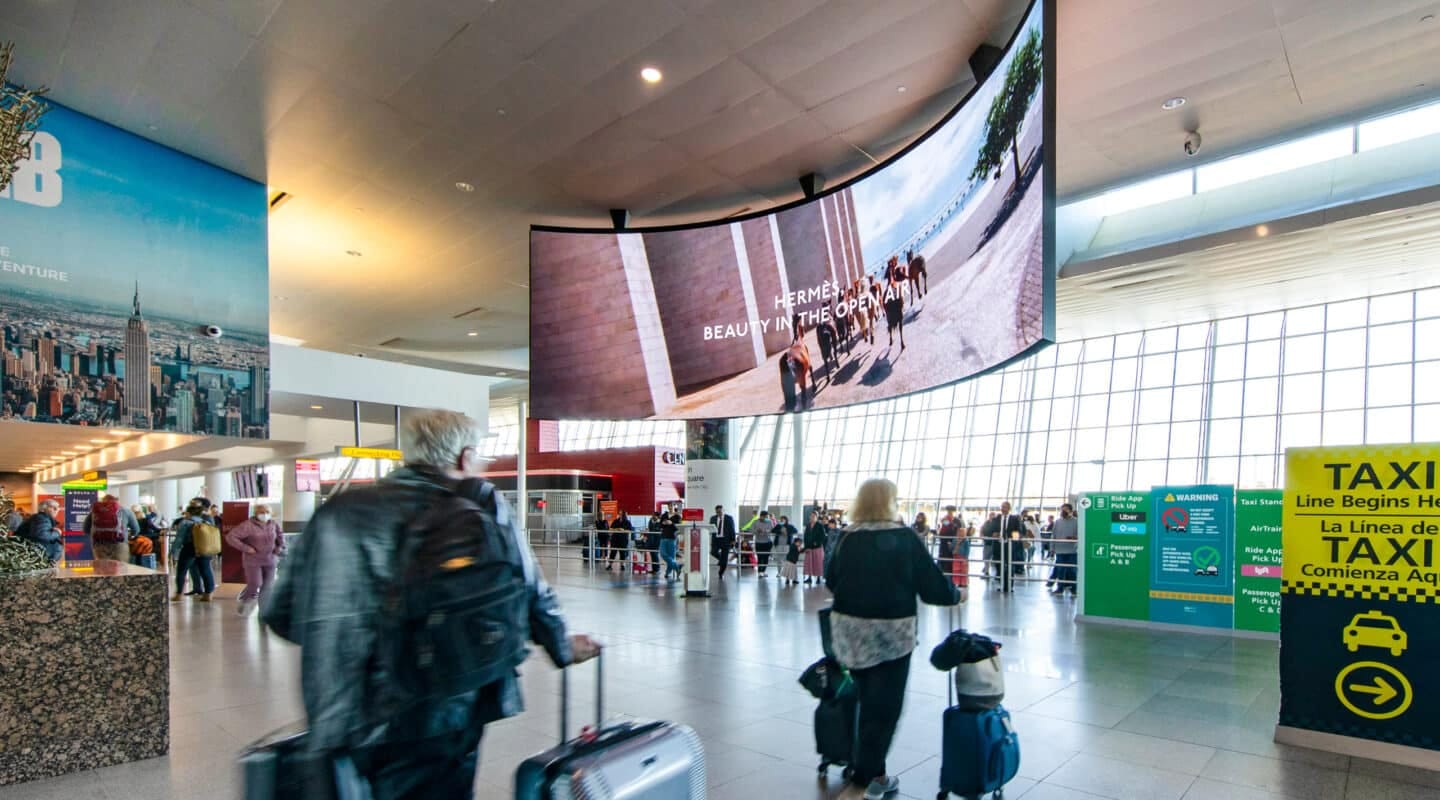
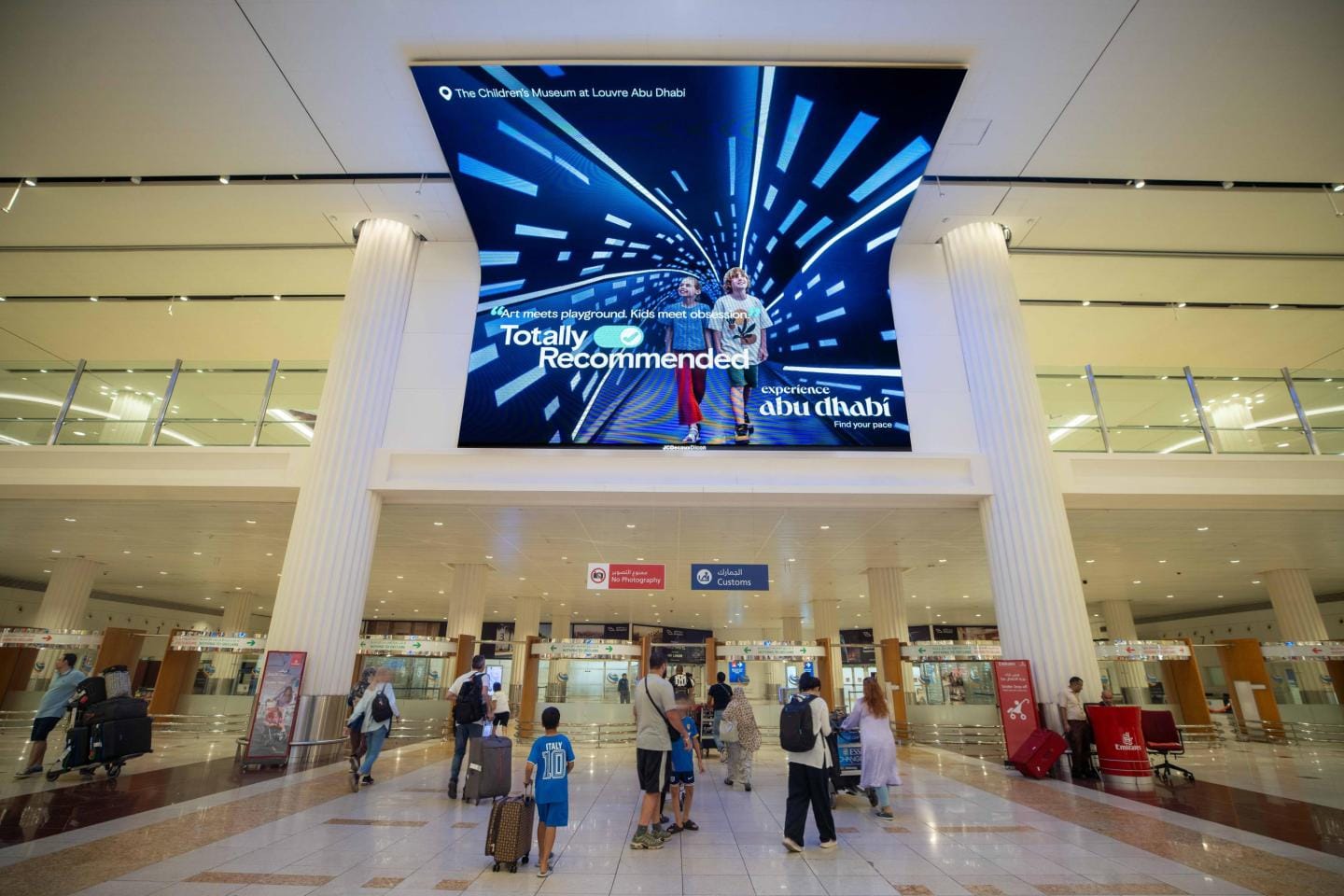
- Alfredo Rodríguez Ballón International Airport's 2019 terminal provides a newly developed, modern commercial advertising environment whose infrastructure quality and passenger flow design create significantly better brand visibility conditions than the previous terminal — a timing advantage for international advertisers who establish presence in a newly renovated terminal before domestic advertiser competition claims the most premium placement zones
- The terminal operates with a compact, single-floor passenger flow that concentrates the full departure audience through a defined commercial zone sequence — check-in, security, duty-free retail, and boarding gates — in a linear flow that creates consistent advertising contact across the complete passenger journey from landside entry to airside departure
- Dwell times at AQP are shaped by the terminal's position within the city — at approximately 8 km from the historic centre, the airport is significantly more city-proximate than PUQ or IQQ, but the Andean altitude's effect on passenger behaviour and the cultural tendency of Arequipeño travellers to arrive conservatively early creates above-average pre-departure presence in the terminal commercial zones
- Masscom Global maintains campaign deployment capability at Alfredo Rodríguez Ballón International Airport, with intelligence on the seasonal audience concentration patterns, the mining and textile industry commercial calendar, and the format positioning strategies that maximise brand impact within this newly modernised terminal's specific passenger flow architecture
Strategic Advertising Fit
Best Fit:
- Luxury alpaca and natural fiber textile brands: AQP is the only airport in the world where the executive families who process the raw material for the world's most expensive knitwear pass through the same terminal as the international buyers who purchase that material and the premium tourism audience whose Colca Canyon condor watching experiences bring them into direct contact with the herding communities that breed the animals. For luxury natural fiber brands — both established houses sourcing from Arequipa and challenger brands seeking to establish supply chain credibility — AQP is the most commercially authentic advertising environment available.
- Mining technology and B2B industrial solutions (Freeport-McMoRan focused): Cerro Verde's operational scale and proximity create a concentrated audience of mining technology procurement decision-makers at AQP who can be reached without the large-hub noise of Lima or the extreme remoteness of the Atacama airports. Brands in autonomous haulage, digital mine management, environmental compliance, and metallurgical process technology will find AQP the most commercially precise interception point for Freeport's Peruvian operational management team.
- Private banking and wealth management for multi-sector HNWI families: The diverse wealth sources of Arequipa's commercial class — mining royalties, textile export revenues, agricultural commodity income, commercial real estate — require precisely the kind of multi-asset, multi-currency, internationally structured wealth management that domestic Peruvian banking rarely provides at the required sophistication level. Private banks operating in Panama, Switzerland, Miami, and Santiago will find at AQP an audience of commercially sophisticated, internationally exposed family wealth that is actively seeking the financial planning products they cannot access in southern Peru.
- International real estate (Lima, Miami, Santiago, Spain): The AQP commercial class's outbound property investment flows in multiple directions simultaneously, creating a multi-market real estate advertising opportunity at a single terminal. Lima condominium developers, Miami investment property platforms, Santiago premium residential developers, and Spanish lifestyle property operators all have natural audience alignment at AQP's departure gates.
- Premium Peruvian artisan and heritage crafts brands: The heritage tourism audience departing AQP after Colca Canyon, White City, and gastronomy tourism experiences is in the highest-receptivity state for premium Peruvian artisan goods — hand-woven alpaca textiles, ceramic arts, silver jewellery, artisan spirits, and premium Peruvian coffee and cacao. Brands that connect product authenticity to the Arequipa experience will find the departure zone audience in its maximum purchase-intent state for exactly this category.
- Agricultural technology and agribusiness services: The Majes Valley and broader Arequipa Region agricultural export community represents an underserved market for precision agriculture technology, drip irrigation systems, cold chain logistics, and agricultural export finance that international agribusiness technology brands can access through AQP with significantly lower competitive noise than through Lima's major airport.
- International education (USA, Spain, Italy, Chile, Australia): Arequipa's commercially diverse family audience — with children pursuing fashion industry careers through Italian universities, mining engineering through Australian institutions, and international business through Spanish universities — creates a multi-institution, multi-country education marketing opportunity that education consultancies and international universities can activate at AQP's most commercially engaged family audience windows.
Brand Alignment at a Glance
| Category | Fit |
|---|---|
| Luxury Alpaca and Natural Fiber Textile | Exceptional |
| Private Banking / Wealth Management | Exceptional |
| Mining Technology (B2B) | Strong |
| International Real Estate | Strong |
| Peruvian Artisan and Heritage Brands | Strong |
| Agricultural Technology | Strong |
| International Education | Strong |
| Mass Market Consumer Brands | Poor fit |
Who Should Not Advertise Here
- Budget and price-led retail brands: The Arequipeño commercial class evaluates commercial propositions through quality, heritage, and international standards rather than price efficiency. Budget propositions are contextually incongruent in a terminal where luxury alpaca textile executives have daily professional relationships with the world's most demanding luxury fashion buyers.
- Mass-market consumer goods requiring volume reach: At 0.8 million annual passengers, AQP cannot support the reach economics of campaigns designed for broad demographic distribution. The terminal's commercial value is in audience sector specificity and the diversity of its HNWI wealth sources rather than in aggregate passenger volume.
- Brands that misrepresent or appropriate Andean cultural heritage: The Arequipeño audience carries acute cultural awareness of the alpaca and Andean heritage that defines their commercial and cultural identity. Brands that use Andean imagery, alpaca fiber associations, or colonial heritage references without authentic credibility will encounter active consumer resistance from a community that has spent five centuries building the institutions and industries that these symbols represent.
Event and Seasonality Analysis
- Event Strength: High
- Seasonality Strength: High
- Traffic Pattern: Dual-Peak with Cultural Calendar Foundation
Strategic Implication:
AQP's commercial calendar structures around two distinct peak windows that require different campaign approaches. The June to September dry season peak delivers the year's highest concentration of international premium heritage and nature tourism — the Colca Canyon condor audience, the UNESCO colonial heritage visitor, and the gastronomy tourist — requiring creative strategies oriented toward the cultural luxury and artisan heritage brand categories that resonate with this specific audience. The August founding anniversary peak delivers the year's highest domestic audience concentration from across Peru, concentrating the commercial and professional class in a maximum civic pride and leisure spending state that favours premium Peruvian brands, lifestyle products, and financial services advertising. Masscom Global structures AQP campaigns to serve both peaks while sustaining a year-round presence with the mining, textile, and agricultural business audience whose commercial travel is not seasonally constrained. The Semana Santa window provides a third high-value cultural concentration that rewards brands with Catholic heritage sensitivity and premium gifting associations.

Poor Placement and Delays Affect Airport Campaigns
We help you move faster, access better inventory, and get it right now.
Talk to an ExpertFinal Strategic Verdict
Alfredo Rodríguez Ballón International Airport is the South American portfolio's most commercially diverse regional airport — a terminal that serves the world's most important alpaca luxury fiber processing industry, one of Peru's largest copper mines at extraordinary urban proximity, an internationally active agricultural export sector, and a UNESCO heritage and gastronomic tourism circuit whose premium credentials rival any comparable Latin American destination. The combination of these four distinct HNWI wealth generators within a single airport catchment creates an advertising environment whose commercial breadth — luxury textile, mining, agricultural export, heritage tourism — fundamentally differentiates AQP from the mono-industry concentration of Antofagasta, the trade zone focus of Iquique, and the expedition exclusivity of Punta Arenas. For brands in private banking, international real estate, luxury alpaca goods, mining technology, and premium education, AQP offers the rare opportunity to reach a commercially sophisticated, culturally proud, and internationally oriented HNWI audience in a newly modernised terminal where international advertiser presence is virtually absent and where the structural growth trajectories of the alpaca luxury market, Cerro Verde's production expansion, and Arequipa's ascending international tourism profile all point toward compounding commercial audience quality in the years ahead. Masscom Global has the southern Peru market intelligence, the terminal inventory relationships, and the multi-sector audience expertise to activate this opportunity across the full breadth of AQP's commercial landscape — now, before the international brand community discovers what Arequipa's commercial class has always known about the White City's extraordinary economic character.
About Masscom Global
Masscom Global is a premium international airport advertising and media buying agency operating across 140 countries. With deep expertise in airport OOH, premium publications, and high-net-worth audience targeting, Masscom helps brands reach the world's most valuable travellers at the moments that matter most. For advertising packages, media rates, and campaign planning at Alfredo Rodríguez Ballón International Airport and airports across the globe, contact Masscom Global today.
Frequently Asked Questions
How much does airport advertising cost at Arequipa Rodriguez Ballon Airport?
Advertising costs at Alfredo Rodríguez Ballón International Airport vary based on format type, placement zone within the 2019 modernised terminal, campaign duration, and seasonal demand concentration. The June to September international tourism peak and the August founding anniversary festival window command above-baseline rates due to the concentrated audience quality these periods deliver. The year-round mining and textile business travel baseline sustains consistent demand outside seasonal peaks. Masscom Global works with brands to identify the format mix, placement strategy, and seasonal timing that maximises commercial impact within each budget parameter across AQP's multiple commercial audience segments. Contact Masscom for current inventory availability, rate structures, and customised campaign packages.
Who are the passengers at Arequipa Rodriguez Ballon Airport?
The AQP audience is defined by commercial diversity rather than sector concentration. The primary segments are: Freeport-McMoRan and Peruvian mining management professionals from the adjacent Cerro Verde operation; alpaca luxury textile executives from Michell and Cia, Incatops, and the broader Arequipa fiber processing cluster whose clients include European luxury fashion houses; agricultural export business owners from the Majes Valley paprika, asparagus, and garlic production zones; Arequipa's established commercial and professional services class whose wealth is built across real estate, financial services, and commerce; and an international heritage tourism audience drawn by Colca Canyon, UNESCO colonial architecture, and Peruvian gastronomy tourism.
Is Arequipa Airport good for luxury brand advertising?
Yes — and the luxury dimension at AQP has a specific authenticity that most Andean airports lack. The alpaca luxury textile industry headquartered in Arequipa creates a terminal audience that includes executives with daily professional relationships with Loro Piana, Brunello Cucinelli, and Zegna's buying teams. This audience evaluates luxury brand propositions through direct international luxury industry exposure rather than through aspirational distance. Premium natural fiber brands, luxury heritage crafts, European fashion industry brands, and conservation-linked luxury products all find an unusually sophisticated luxury consumer audience at AQP whose brand standards are calibrated by professional contact with the world's leading luxury houses rather than by media aspirations alone.
What is the best airport in Peru to reach the alpaca luxury textile industry?
Alfredo Rodríguez Ballón International Airport in Arequipa is the world's only airport that serves the primary processing and executive management community of the global alpaca luxury fiber industry. No other airport — in Peru or internationally — concentrates the families, executives, and commercial managers of the industry that supplies Loro Piana, Brunello Cucinelli, and the world's finest natural fiber fashion brands in a single terminal. For brands in luxury natural fiber, sustainable textile technology, Italian and British luxury fashion sourcing, and conservation-linked artisan goods, AQP is structurally irreplaceable.
What is the best time to advertise at Arequipa Airport?
The June to September dry season peak delivers the year's highest concentration of international premium heritage and nature tourism — the optimal window for artisan luxury goods, conservation brands, and heritage tourism-adjacent product categories. The August founding anniversary festival delivers the year's highest domestic commercial class concentration — the optimal window for financial services, premium lifestyle, and Peruvian heritage brands. The Semana Santa window provides the year's most culturally concentrated Catholic devotional audience — aligned with gifting, premium food and beverage, and family travel categories. For year-round B2B mining and textile audience targeting, a sustained presence through the full calendar year is the most commercially efficient approach given the consistent professional travel frequency of both sectors.
Can international real estate developers advertise at Arequipa Airport?
Arequipa Airport is a viable channel for real estate developers with Lima, Miami, Santiago, and Spanish inventory. The AQP commercial class's outbound property investment is multi-directional: Lima premium residences for the professional families maintaining capital city presence; Miami dollarised investment properties for the most internationally mobile mining and textile executives; Santiago real estate for those leveraging the direct AQP-SCL route for bilateral commercial development; and Spain for the cultural heritage-connected families seeking EU residency-adjacent property in a market whose colonial connection to the White City provides psychological familiarity. Masscom Global can structure corridor campaigns that activate simultaneously at AQP and the Lima, Santiago, and Miami destination airports where this audience manages its international property relationships.
Which brands should not advertise at Arequipa Airport?
Budget and discount retail brands are misaligned with a commercial audience shaped by direct professional contact with the world's most demanding luxury buyers and by a regional civic identity that prizes quality and heritage over price efficiency. Mass-market consumer goods brands requiring broad demographic reach will find AQP's 0.8 million annual passengers insufficient for volume-dependent campaign economics. Brands that appropriate Andean or alpaca cultural imagery without verifiable supply chain authenticity or genuine community relationships will encounter active negative reception from a commercial audience that has spent generations building the industries and cultural institutions these symbols represent.
How does Masscom Global help brands advertise at Arequipa Airport?
Masscom Global delivers complete airport advertising capability at Alfredo Rodríguez Ballón International Airport: southern Peru market intelligence covering the mining, alpaca textile, agricultural export, and heritage tourism commercial segments; inventory access across the newly modernised terminal's highest-value placement zones; creative format guidance calibrated to each of AQP's distinct HNWI audience profiles; fast campaign deployment; and performance reporting. We structure corridor campaigns that extend brand presence simultaneously to the Lima, Santiago, Miami, and European hub airports where AQP's most commercially active outbound audience manages its international business and investment relationships. Contact Masscom Global to discuss current rates, available inventory, and campaign planning at Arequipa Rodriguez Ballon Airport.