




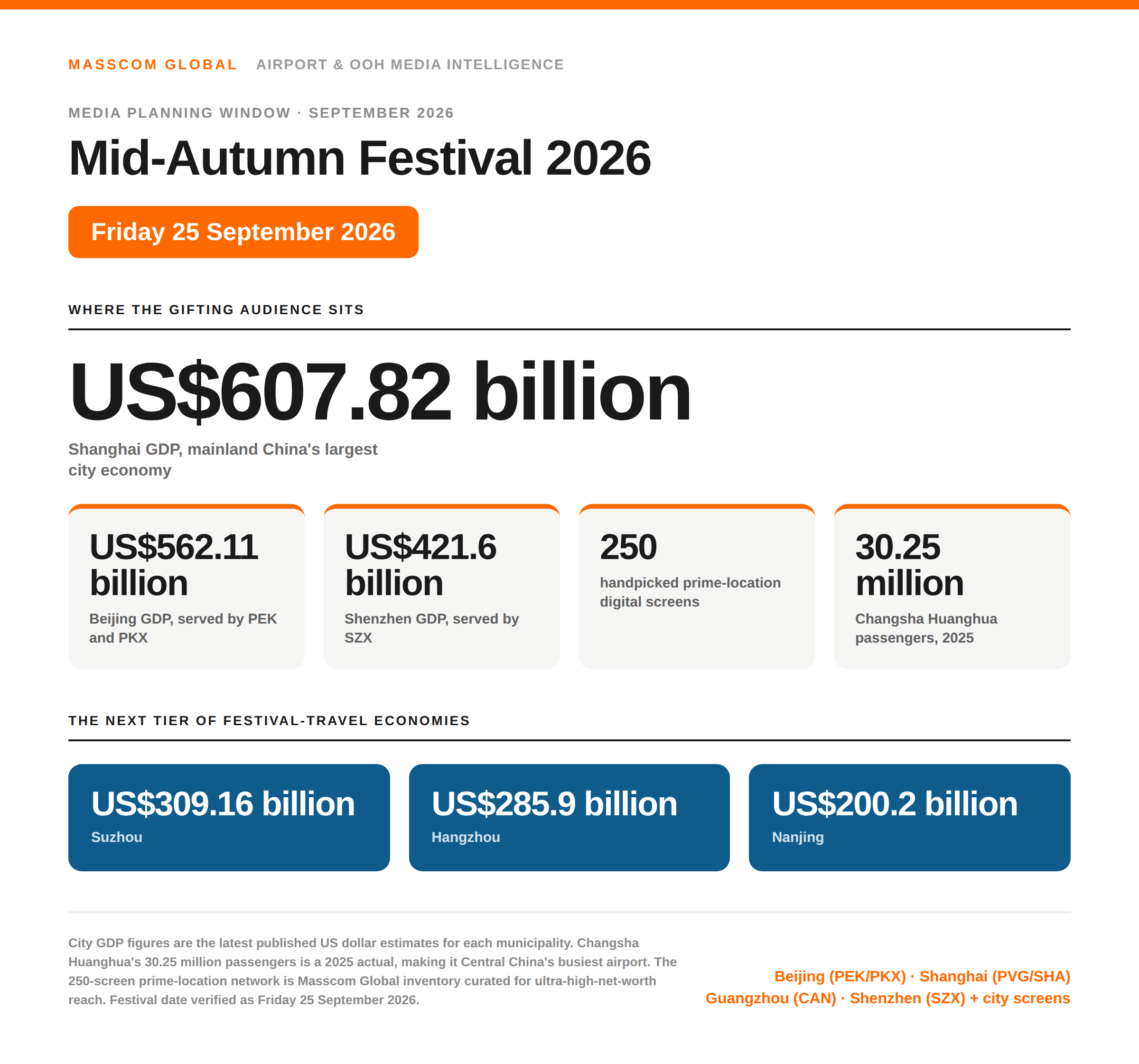
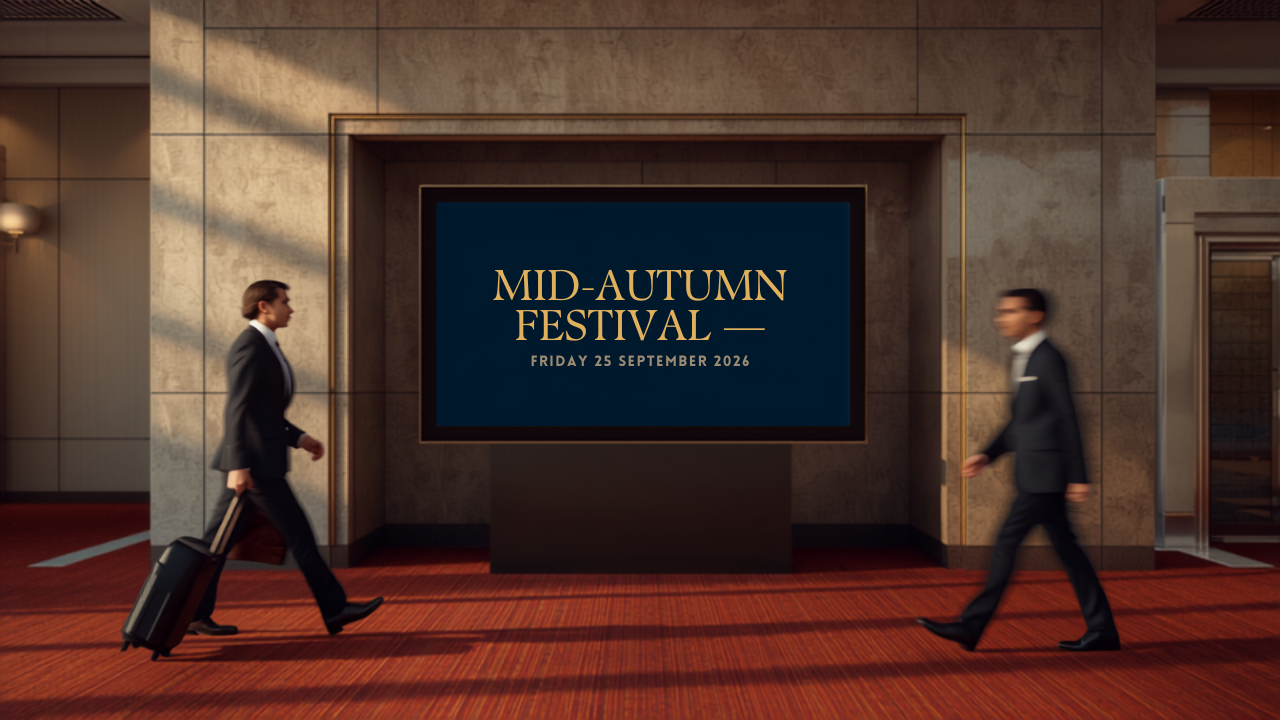
For advertisers, the Mid-Autumn Festival is the year's clearest window into China's domestic travel economy: gifting season and travel season converge in the same week, and the country's airport network absorbs one of its heaviest short-cycle travel peaks. The Mid-Autumn Festival (Zhongqiu Jie) falls on Friday 25 September 2026, the second most important date in the Chinese cultural calendar after Spring Festival, and because it lands on a Friday the natural travel window extends across the weekend and runs directly into the National Day period that follows. Families reunite and mooncakes and premium gift boxes change hands throughout.
For brands targeting affluent Chinese consumers, the significance is straightforward: gifting season and travel season arrive in the same week. Luxury, spirits, watches, wealth management, real estate and international hospitality categories all compete for attention during a period when purchase intent and travel volume are simultaneously at their annual highs.
Why Advertise During the Mid-Autumn Festival?
Mid-Autumn is a gifting festival before it is anything else, and premium gifting in China is a status exercise conducted between families, between businesses, and between clients and their advisors. The audience making those decisions is concentrated in exactly the cities where Masscom Global holds airport and prime-location inventory.
China's premier metropolitan economies anchor that audience: Shanghai (US$607.82 billion GDP), Beijing (US$562.11 billion), Shenzhen (US$421.6 billion), Guangzhou (US$394 billion), Suzhou (US$309.16 billion), Hangzhou (US$285.9 billion), Nanjing (US$200.2 billion), Qingdao (US$178 billion) and Ningbo (US$168.3 billion). Shanghai's billionaire density alone is roughly double Beijing's.
What the festival adds is movement. Travellers who are otherwise unreachable inside their home-city routines become a captive audience in terminals, lounges and arrival halls across dozens of cities at once: including the leisure and resort destinations that affluent families choose for the break.
Key Benefits of Advertising During Mid-Autumn Festival
Reach affluent audiences at national scale
A Mid-Autumn campaign is one of very few buys that can put a single brand message in front of premium travellers in more than fifty Chinese cities within the same fortnight, from tier-one hubs to high-end resort gateways.
Elevate your brand positioning
Airport environments in China carry strong prestige signals, and Mid-Autumn is culturally coded around quality, respect and reciprocity. Brands present in that context are read as gift-worthy rather than merely available.
Capture peak-intent business opportunity
Corporate and client gifting decisions, family travel bookings and high-value discretionary purchases cluster in the days around the festival. Visibility at the point of travel reaches decision-makers while those choices are still open.
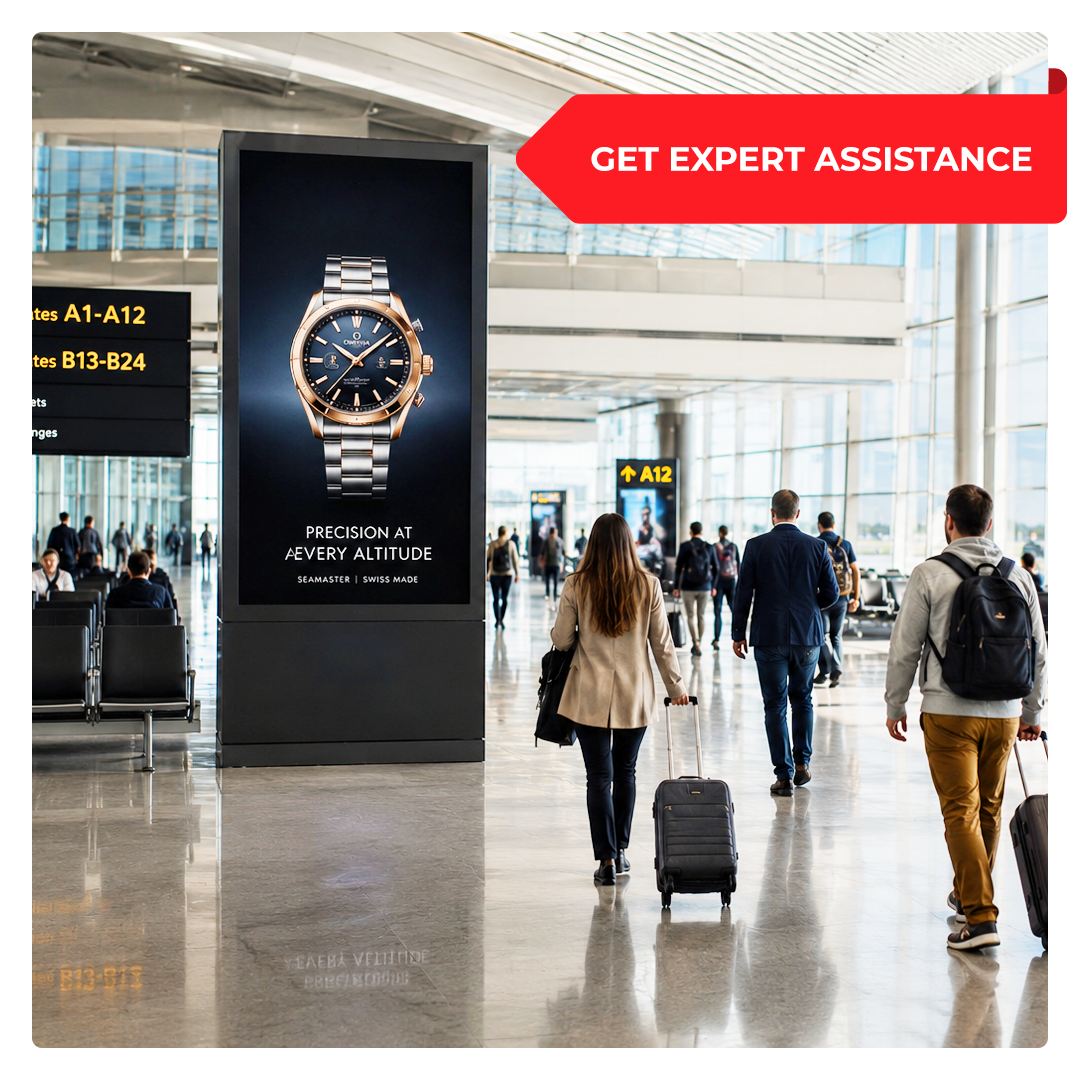
Get Free Expert Assistance from Our Global Media Planning Team
Receive strategic recommendations, media planning support, campaign monitoring and reporting to maximise your visibility throughout Mid-Autumn Festival 2026.
Book Expert ConsultationBeijing: Capital (PEK) and Daxing (PKX) International Airports
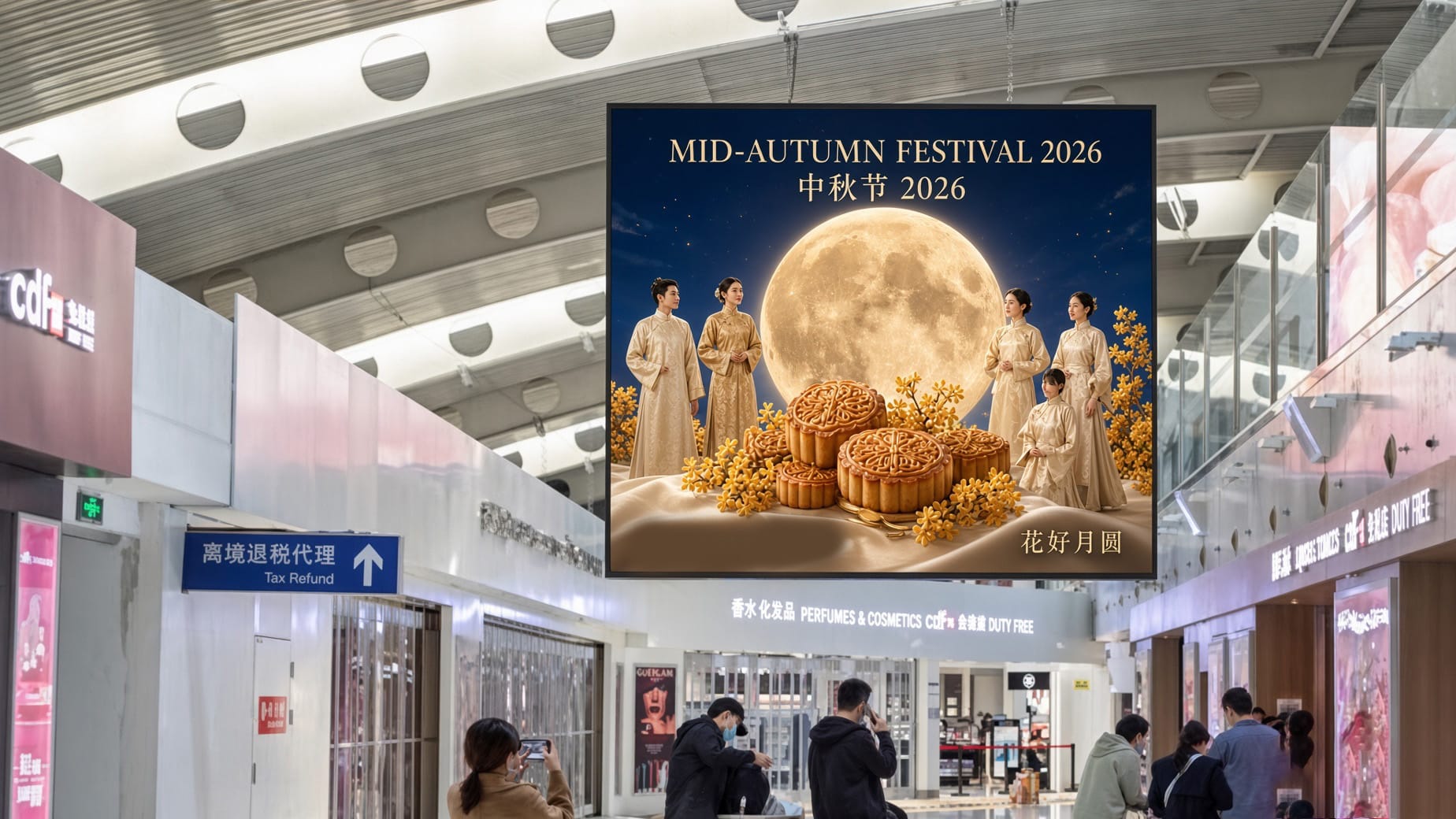
Beijing operates a dual-hub system. Capital International Airport remains the established long-haul and flag-carrier gateway; Daxing International Airport, opened in 2019, serves as the capital's second mega-hub and carries a strong share of domestic premium traffic.
Inventory Highlights
- Arrivals and immigration approach positions across both hubs
- Digital networks along departure concourses and premium check-in and lounge access zones
- Baggage reclaim and greeter-hall placements with extended dwell time
- Large-format and immersive digital environments suited to campaign anchor creative
Advantages for Advertisers
- Access to the political, state-enterprise and cultural leadership audience concentrated in Beijing
- Dual-hub coverage captures both inbound international arrivals and outbound domestic holiday traffic
- Beijing's US$562.11 billion economy supports one of the densest premium-consumer bases in Asia
 Wealth in motion intelligence.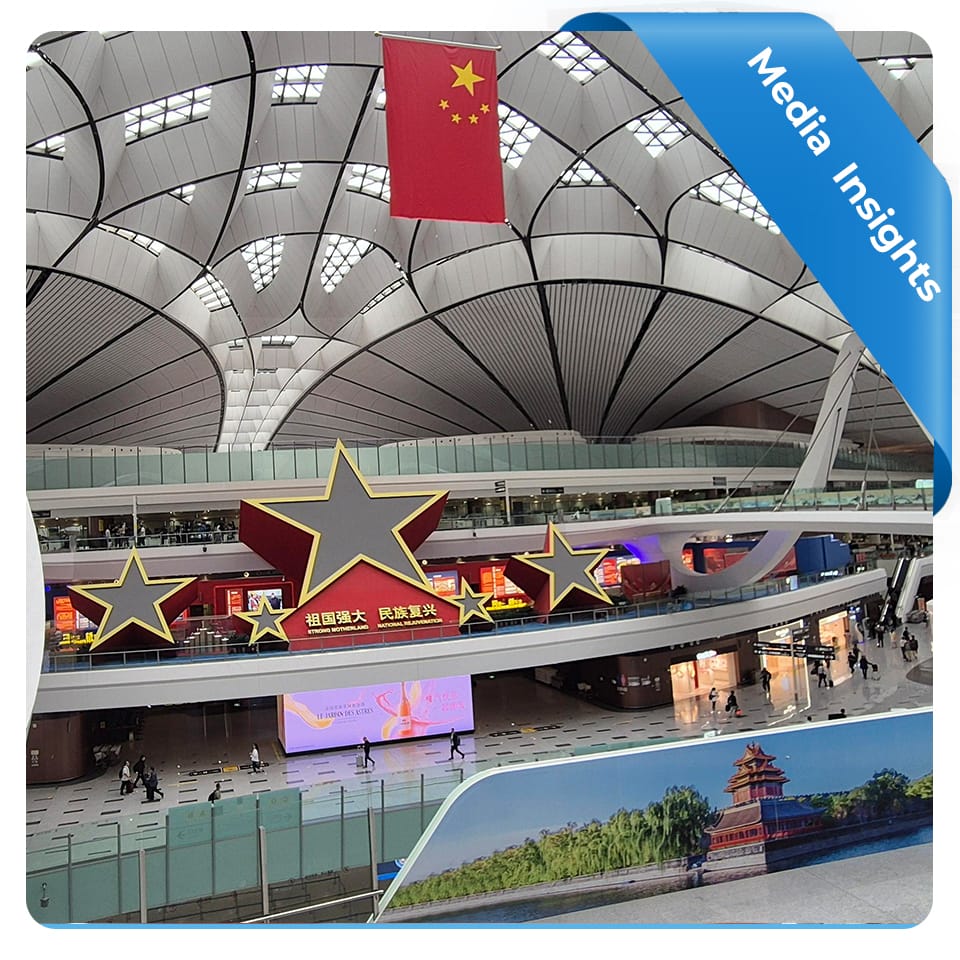
 Wealth in motion intelligence.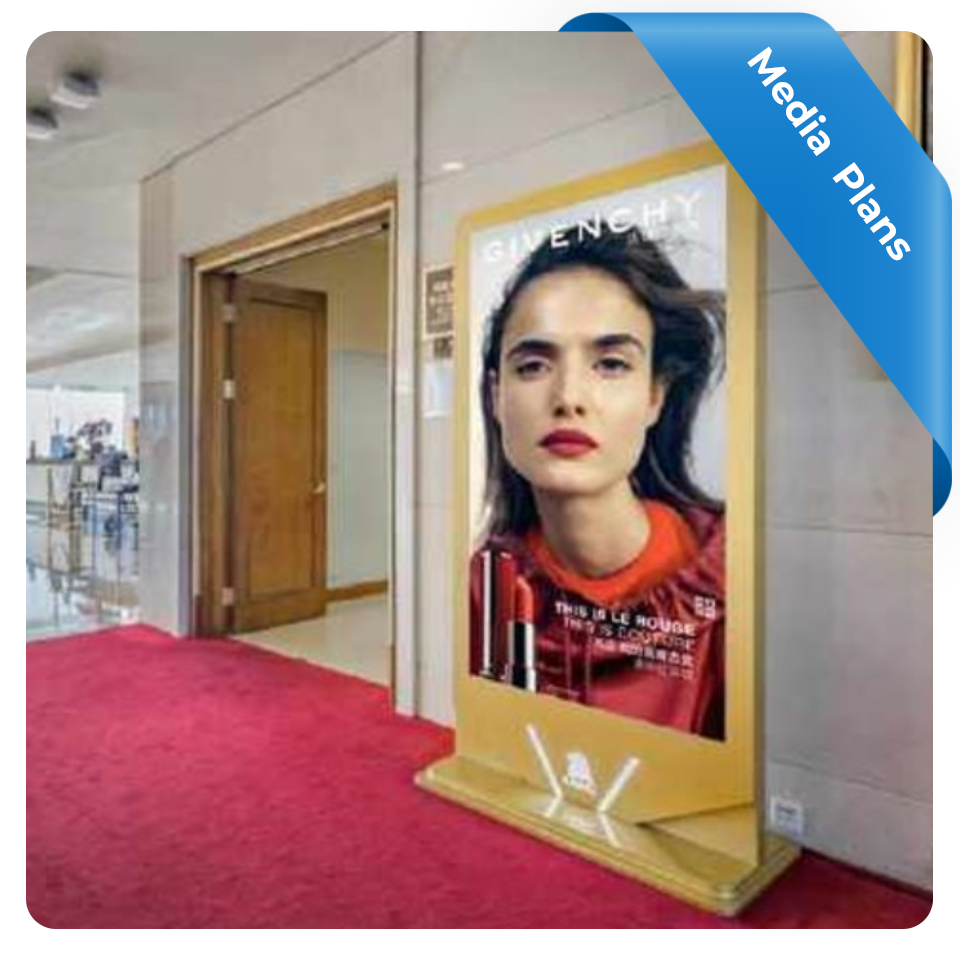
Shanghai: Pudong (PVG) and Hongqiao (SHA) International Airports
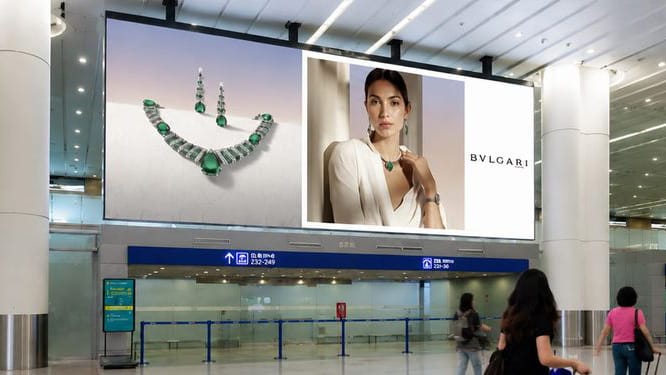
Inventory Highlights
- Pudong international arrivals and departures positions serving long-haul premium traffic
- LED and digital screen environments at Hongqiao, Shanghai's domestic and regional business gateway
- Premium lounge and business-cabin passenger touchpoints
Advantages for Advertisers
- Shanghai's billionaire density is approximately double that of Beijing: the highest-value consumer audience in mainland China
- Hongqiao's heavy business-travel mix delivers repeat exposure to the same executive audience across the festival window
- Pudong provides the strongest bridge between international brands and Chinese luxury consumers
 Wealth in motion intelligence.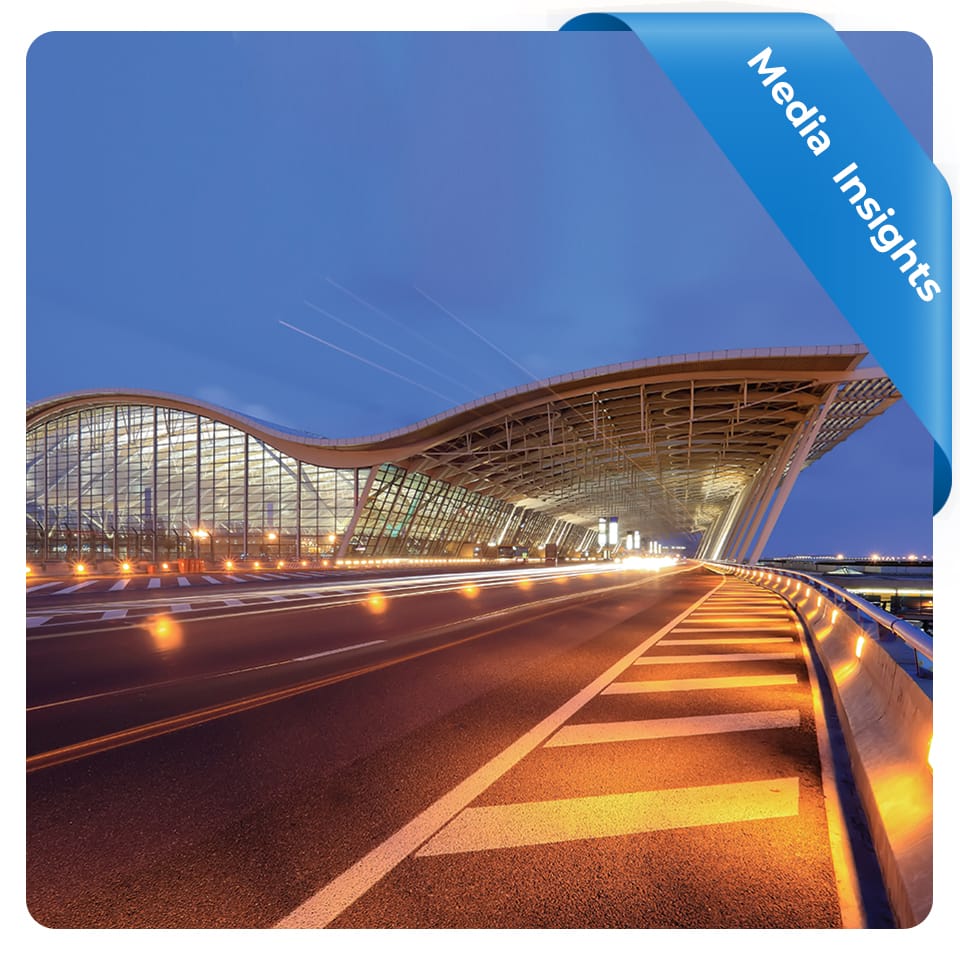
 Wealth in motion intelligence.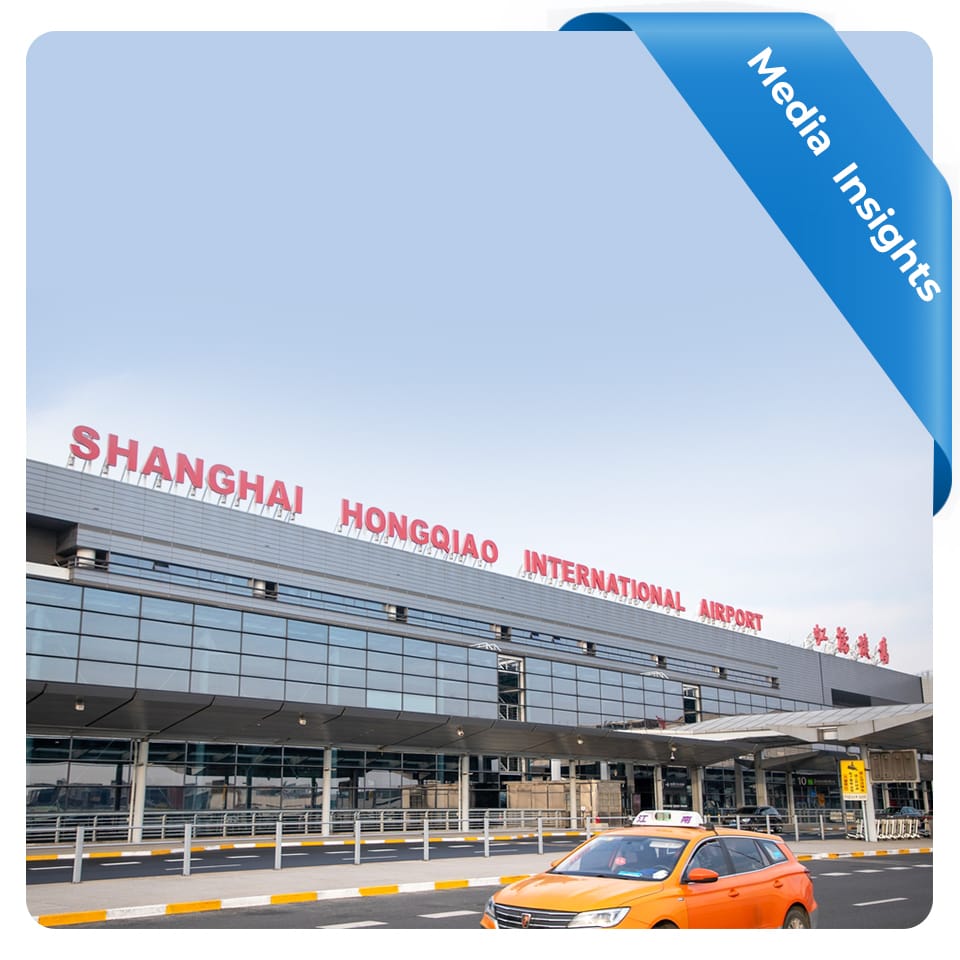
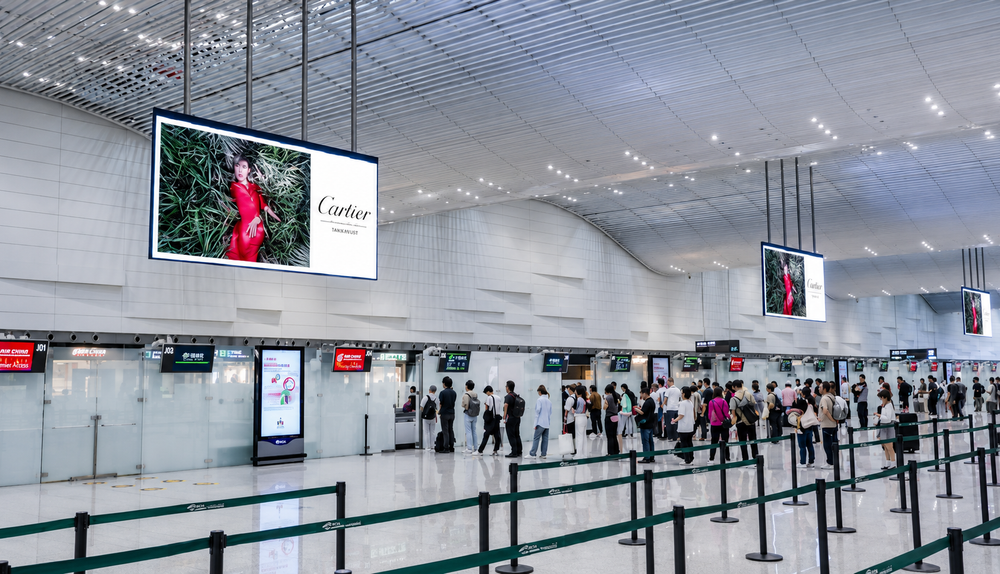
The Greater Bay Area: Guangzhou Baiyun (CAN) and Shenzhen Bao'an (SZX)
Inventory Highlights
- Terminal digital networks and arrivals-hall placements at both hubs
- Premium check-in, security and lounge-adjacent positions
- Cross-border traveller touchpoints connecting to Hong Kong and Macau flows
Advantages for Advertisers
- Shenzhen (US$421.6 billion) and Guangzhou (US$394 billion) together form China's technology and manufacturing wealth engine
- A younger, entrepreneurial affluent audience with high receptivity to new luxury and lifestyle brands
- Strong Mid-Autumn outbound travel volume to Southeast Asian resort destinations
 Prathish Cherian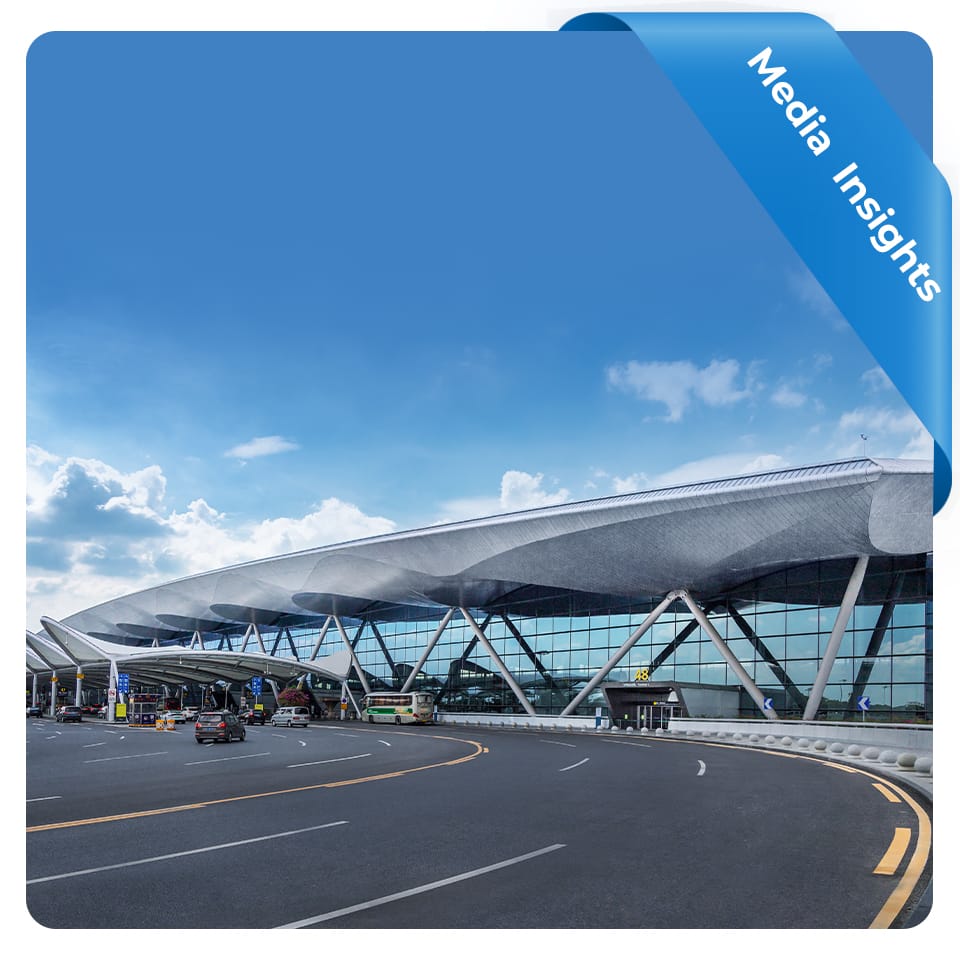
 Prathish Cherian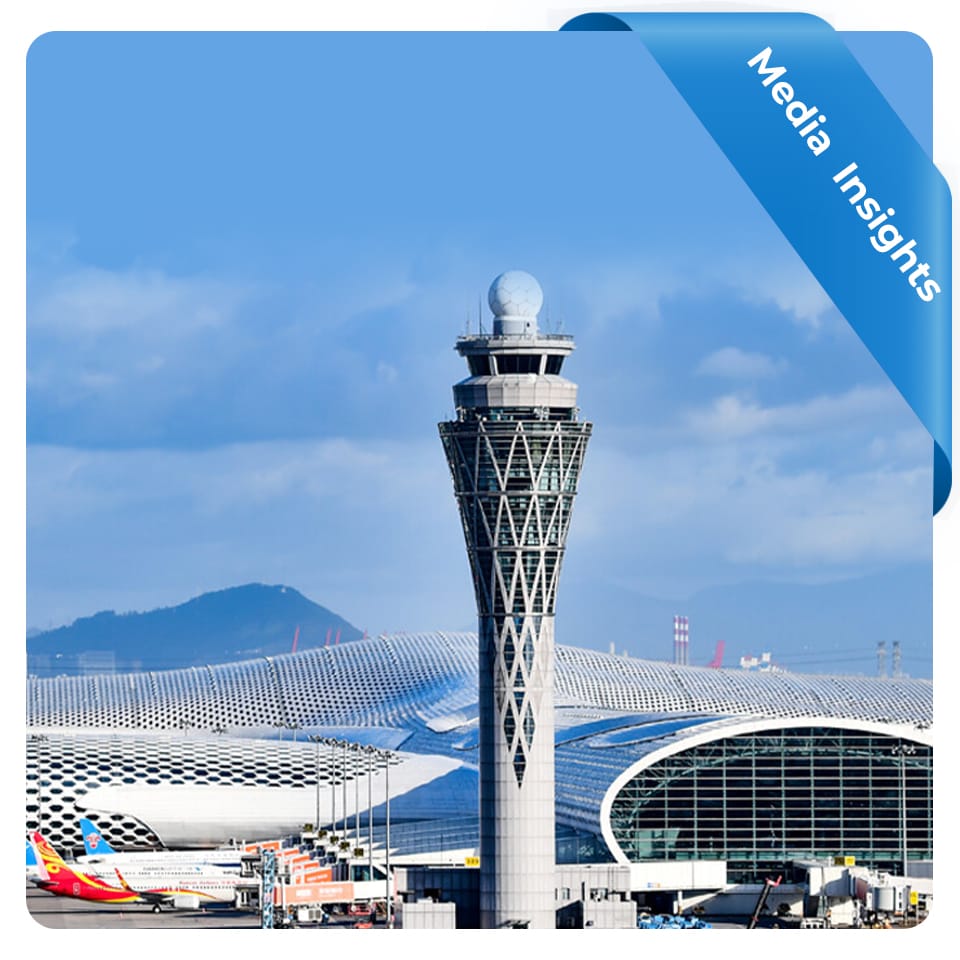
National Network Coverage: Beyond the Tier-One Hubs
Mid-Autumn travel is not confined to the four largest cities, which is what makes it distinctive as a media moment. Masscom Global's China network extends across the hubs that carry holiday traffic and the gateways that receive it: including Chengdu Tianfu and Shuangliu, Hangzhou Xiaoshan, Xi'an Xianyang, Chongqing Jiangbei, Wuhan Tianhe, Nanjing Lukou, Qingdao Jiaodong, Xiamen Gaoqi, Kunming Changshui, Tianjin Binhai, Zhengzhou Xinzheng, Changsha Huanghua (30.25 million passengers in 2025, Central China's busiest), Harbin Taiping, Shenyang Taoxian, Dalian Zhoushuizi, Urumqi Diwopu, Fuzhou Changle, Guiyang Longdongbao, Nanning Wuxu, Wenzhou Longwan, Ningbo Lishe, Hefei Xinqiao, Nanchang Changbei, Lanzhou Zhongchuan, Jinan Yaoqiang, Taiyuan Wusu, Hohhot Baita, Changchun Longjia, Wuxi Sunan Shuofang, Quanzhou Jinjiang, Xuzhou Guanyin, Yantai Penglai and Yichang Three Gorges.
Alongside these, the festival's leisure gateways carry a disproportionately affluent family audience: Sanya Phoenix and Haikou Meilan in Hainan, Lhasa Gonggar, Guilin Liangjiang, Lijiang Sanyi, Dali, Xishuangbanna Gasa, Zhangjiajie Hehua, Dunhuang, Zhuhai and Qinhuangdao Shanhaiguan.
Destination China: Prime City-Location Coverage
Airport media opens the journey; city media closes it. Across China's premier cities, Masscom Global places brands within the environments where affluent consumers actually spend the festival: including a curated network of 250 handpicked digital screens in prime locations selected specifically for ultra-high-net-worth reach.
City-side opportunities cluster around financial districts and CBD towers, luxury shopping malls and flagship retail corridors, premium hotel and serviced-residence environments, and high-traffic metro and transport interchanges. Sequencing an Airport → City → Retail path produces three compounding effects:
- Increased brand recall across multiple exposures within a single trip
- Consistent presence throughout the festival travel and gifting window
- Enhanced campaign effectiveness versus the same budget spread thinly across unconnected markets
Why Brands Choose Airport & City Advertising for Mid-Autumn Festival
Exclusive audience access. A single national buy reaches premium travellers across more than fifty Chinese cities in the same fortnight.
A prestigious environment. Airport and prime city media in China carry the quality signals that gifting-season categories depend on.
End-to-end campaign support. Masscom Global handles planning, negotiation, compliance and execution across the full China network under one brief.
Strategic planning assistance. Our planners advise on hub selection, tier-one versus resort-gateway weighting, and timing relative to the 25 September peak.
The Masscom Global Standard Behind Every Mid-Autumn Festival Placement
- Verified inventory and audience data: screen counts and traffic figures across our network of fifty-plus Chinese airports come from live operator data at proposal stage, not published estimates.
- Transparent delivery reporting: campaign monitoring and reporting across the full China network, so you see exactly where your creative ran.
- Benchmarked recommendations: hub selection and tier-one versus resort-gateway weighting set against comparable campaigns across our China network.
- We absorb the complexity: planning, negotiation, compliance and execution handled under one brief.
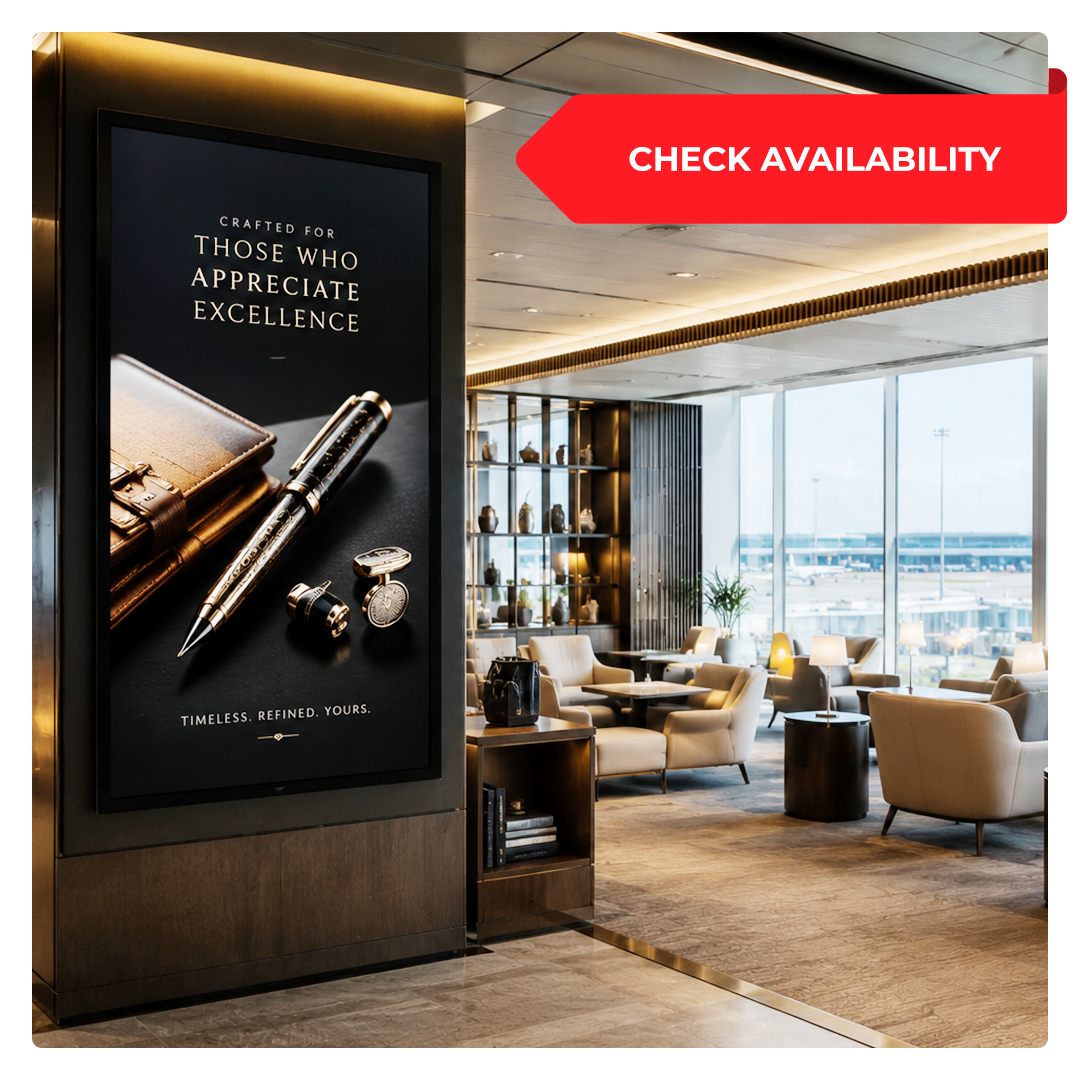
Request Your Customised Mid-Autumn Festival 2026 Advertising Plan
Tell us your audience, category and budget. Our planners will return a costed plan across airport and prime city inventory, with availability confirmed.
Book NowFrequently Asked Questions
When is the Mid-Autumn Festival in 2026?
Friday 25 September 2026. Because it falls on a Friday, the practical travel and gifting window extends across the surrounding weekend and into the National Day period that follows.
Who is the audience during this period?
Affluent Chinese families travelling domestically, business executives combining travel with client and corporate gifting, and premium travellers moving between tier-one hubs and high-end resort destinations such as Sanya, Lijiang and Guilin.
How many airports can a single campaign cover?
Masscom Global's China network spans more than fifty airports, from Beijing and Shanghai's dual hubs to regional and resort gateways. Campaigns can be built as a national footprint or concentrated on selected tiers.
How far in advance should a Mid-Autumn campaign be booked?
Peak-season Chinese airport inventory is heavily contested and typically commits well ahead of the festival. Early confirmation secures both position quality and better rates.
Which categories perform best during Mid-Autumn?
Premium spirits and gifting, luxury goods and watches, wealth management and private banking, international real estate and residency advisory, luxury hospitality and airlines, and high-end automotive.
Related Airport Advertising Guides
Detailed inventory, audience and planning notes for the airports covered above:
Wealth in motion intelligence.Wealth in motion intelligence.Wealth in motion intelligence.Wealth in motion intelligence.Prathish CherianPrathish CherianMid-Autumn Festival Won't Wait. Neither Should You.
- Once a year, then gone: peak-season Chinese airport inventory is heavily contested and typically commits well ahead of the festival.
- Competitors are already moving: every week without a plan is a week a spirits, gifting or luxury goods brand gets closer to locking the same positions.
- The window is exact, not approximate: a campaign that isn't live by 25 September misses the exact week gifting and travel decisions converge.
- The alternative reaches nobody specific: no other single buy places one message in front of premium travellers across fifty-plus Chinese cities in the same fortnight.
Get Free Expert Assistance Now
Share your target cities, category and budget, and our China planners will return a costed Mid-Autumn media plan across airport and prime city inventory.
Request Availability
Festival-window positions across China's major hubs commit early. Ask us what remains open for 25 September 2026.
Mid-Autumn Festival compresses gifting season and travel season into a single week, and Masscom Global's network of fifty-plus Chinese airports, from Beijing and Shanghai's dual hubs to resort gateways like Sanya and Lijiang, turns that week into a national media moment. An Airport → City → Retail plan built around 25 September 2026 lets a brand reach the same premium travellers first at arrival, then again in the financial districts and retail corridors where gifting decisions get made. Peak-season inventory across China's major hubs is heavily contested and commits well ahead of the festival.







