

Airport at a Glance
| Field | Detail |
|---|---|
| Airport | Beijing Daxing International Airport |
| IATA Code | PKX |
| Country | China |
| City | Beijing |
| Annual Passengers | 18.5 million (2023–24) |
| Primary Audience | Very High HNWI Chinese technology and innovation sector executives, Beijing-based corporate and government-enterprise business leadership, new-generation Chinese outbound travellers with premium lifestyle and investment brand engagement |
| Peak Advertising Season | March to June, October to January |
| Audience Tier | Tier 1 — Very High |
| Best Fit Categories | Technology and innovation brands, international real estate and outbound investment, luxury lifestyle and premium consumer brands, premium travel and hospitality |
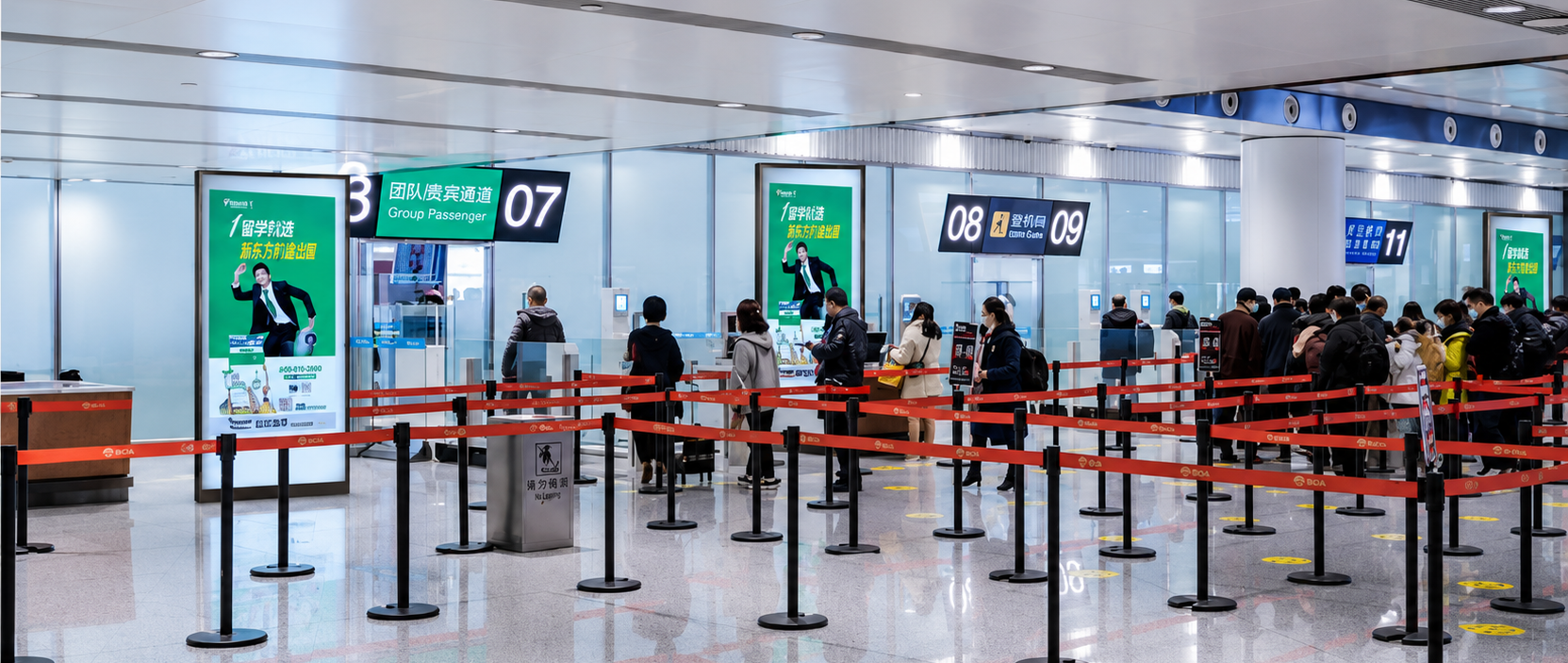
Beijing Daxing International Airport opened in September 2019 as the most ambitious single aviation infrastructure project in the world — a starfish-shaped terminal designed by Zaha Hadid Architects covering 700,000 square metres under a single continuous roof, capable of processing 100 million passengers annually at full capacity, built in 51 months, and delivered within weeks of the original completion target in a demonstration of Chinese industrial capability that has no equivalent in the global history of civil aviation construction. PKX is not merely an airport. It is a statement — of technological ambition, of economic confidence, of the specific Chinese conviction that the 21st century belongs to a nation that can build the world's most extraordinary structure in the time it takes other nations to complete environmental assessments. For an advertiser, that statement is the most important piece of context for understanding who is walking through this terminal.
The passenger at PKX is the new generation of Chinese commercial ambition made mobile. They are the fintech entrepreneur whose app has 50 million users in Tier 3 cities that global brands have never heard of. They are the electric vehicle technology executive whose company is competing with Tesla at a price point Tesla cannot match. They are the private equity principal whose fund has deployed USD 2 billion into Chinese technology companies and is now meeting with international LPs in London and Singapore. They are the government enterprise executive whose state-owned company's international expansion requires a quarterly visit to European and African partnership capitals. They are the affluent Chinese consumer whose outbound leisure travel has made Chinese visitors the world's highest-spending international tourist nationality by aggregate annual expenditure. Together, they constitute an advertising audience whose commercial ambition, investment appetite, and premium brand engagement are defining the next chapter of the global luxury and technology economy — and they are all beginning and ending their international journeys at PKX.


Advertising Value Snapshot
- Passenger scale: 18.5 million international passengers annually, with accelerating recovery trajectory post-pandemic and a structural growth engine that reflects both PKX's progressive capture of Beijing's international aviation market from the legacy Capital Airport (PEK) and China's broader outbound travel and international commercial engagement expansion
- Traveller type: Very High HNWI Chinese technology and innovation sector executives from Beijing's Zhongguancun, Haidian, and Yizhuang technology corridors, government enterprise and state-owned company international business leadership, new-generation affluent Chinese consumers with confirmed premium lifestyle brand engagement and international leisure travel intent, outbound Chinese education travellers and their families, and the international business community whose Beijing engagement connects the world's most commercially consequential bilateral trade, investment, and diplomatic relationships to PKX
- Airport classification: Tier 1 — Very High. PKX's Very High HNWI classification reflects Beijing's structural position as China's political capital, its government enterprise leadership concentration, its technology sector innovation ecosystem, and the specific new-era Chinese affluent consumer profile that PKX was designed to serve — a passenger community whose commercial ambition and international engagement are defining the trajectory of the global premium consumer economy
- Commercial positioning: China's new-era aviation gateway, serving the technology innovation sector and new-generation affluent consumer community whose commercial ambitions are reshaping the global luxury, technology, and investment landscape, anchored in the world's most architecturally extraordinary single-terminal aviation facility
- Wealth corridor signal: PKX sits at the primary access point for Beijing's most commercially ambitious outbound investment community — connecting China's technology capital to London's financial markets, New York's venture capital community, Singapore's Asian wealth management ecosystem, and the European luxury real estate and education markets where Chinese HNWI capital is most actively deployed
- Advertising opportunity: Masscom Global provides direct access to PKX's premium terminal inventory within the world's most architecturally spectacular airport commercial estate, enabling luxury goods, international real estate, private banking, technology sector, and premium travel brands to reach China's new-era affluent international traveller at the moment they are most commercially engaged with international brand experiences
Airport Advertising is Complex to Get Right
We help you execute faster, with proven results and local insight most planners lack starting now.
Talk to an ExpertCatchment Area and Economic Drivers
Top 10 Cities within 150 km — Marketer Intelligence
- Beijing (all districts): China's political capital and one of its two principal commercial and innovation capitals — housing the State Council, the headquarters of China's most commercially significant state-owned enterprises (China National Petroleum Corporation, State Grid Corporation, China Construction Bank, Industrial and Commercial Bank of China), the Zhongguancun Science Park whose technology companies include Baidu, Lenovo, ByteDance, and Xiaomi, and the headquarters of China's most commercially prominent private sector innovation companies. Beijing's GDP exceeds USD 450 billion annually from a resident population of approximately 22 million, and the concentration of government enterprise decision-making authority, technology sector innovation leadership, and the diplomatic community of the world's most populous nation creates the most institutionally diverse and commercially authoritative single-city catchment of any airport in this series.
- Xiong'an New Area: The Chinese government's most ambitious single urban development project — a purpose-built smart city approximately 100 kilometres southwest of Beijing designated as a relocation destination for government functions, think tanks, and innovation enterprises — whose progressive development and population expansion will progressively add a substantial new technology and government enterprise professional community to PKX's catchment as Xiong'an's population reaches its target of millions of residents over the coming two decades.
- Tianjin: The major northern Chinese port city and industrial hub approximately 120 kilometres southeast of Beijing — housing significant petrochemical, manufacturing, aerospace, and financial services operations alongside Tianjin Binhai New Area's technology and innovation park whose tenant community includes Airbus China, Samsung, and the financial free zone whose banking and investment infrastructure serves northern China's most commercially active corporate community. Tianjin's senior corporate and government enterprise community generates sustained PKX transit for international business travel.
- Baoding: A significant industrial and manufacturing hub in Hebei province south of Beijing — housing Great Wall Motor, Baoding Tianwei Group, and a growing cluster of renewable energy and electric vehicle supply chain companies whose senior executive community generates commercially active PKX transit for technology procurement, partnership development, and investor relations international travel.
- Langfang: The industrial and logistics corridor between Beijing and Tianjin — a rapidly developing technology and logistics hub housing significant e-commerce, aviation manufacturing, and high-tech industrial operations whose commercial character reflects the Beijing-Tianjin-Hebei integrated development zone's progressive economic maturation. Langfang is within the immediate PKX catchment given the airport's location in southern Beijing municipality near the Hebei provincial boundary.
- Zhuozhou: A rapidly developing southern Beijing suburban commercial corridor whose increasing integration into the Greater Beijing metropolitan area creates growing professional and commercial traffic flows toward PKX for international departure.
- Shijiazhuang: Hebei province's capital — approximately 150 kilometres south of Beijing — housing pharmaceutical, textile, and manufacturing industries whose senior executive community uses PKX as their primary international departure gateway for bilateral trade and procurement travel.
- Cangzhou: A major industrial and port economy city in southeastern Hebei — whose pipeline infrastructure, chemical, and manufacturing industry leadership generates PKX transit for international trade and procurement travel within the PKX catchment's southern extension.
- Tangshan: A significant northern Hebei industrial city whose steel, construction materials, and manufacturing industrial leadership generates commercial PKX transit in the airport's northern Hebei secondary catchment.
- Chengde: The imperial summer resort city northeast of Beijing — housing the UNESCO World Heritage Chengde Mountain Resort complex and a growing premium cultural tourism economy whose internationally aware visitor community and heritage tourism professionals generate PKX transit for cultural heritage management and tourism industry international engagement.
NRI and Diaspora Intelligence
PKX's diaspora profile is shaped by the specific outbound investment and bilateral community patterns of Beijing's most commercially ambitious HNWI class. The Chinese student diaspora in the United Kingdom, United States, Canada, and Australia — drawn from Beijing's most academically competitive families — generates sustained bilateral educational travel through PKX whose aggregate annual volume represents one of the most commercially significant bilateral education corridors in Chinese aviation. The Chinese-American community — whose academic, technology sector, and entrepreneurial achievements in Silicon Valley, New York, and Boston create sustained bilateral commercial and family connection travel — uses PKX for US connections that complement the legacy Capital Airport's existing bilateral corridors. The investment migration community — Chinese HNWI families who have established residency in Canada, Australia, Portugal, Greece, and the UAE through investment and entrepreneur visa programmes — maintains bilateral China-international address management travel through PKX whose commercial investment in these international residential markets creates active outbound real estate and financial advisory brand engagement. The international business community — the European, American, and GCC corporate and diplomatic principals whose Beijing commercial engagement requires regular bilateral travel — adds an inbound international dimension to PKX's audience whose institutional commercial authority complements the outbound Chinese HNWI focus of the airport's primary advertising value.
Economic Importance
Beijing's economy — the second-largest municipal economy in China after Shanghai by GDP — is structured around the most commercially distinctive combination of political authority, technology innovation, state enterprise management, and new economy consumer leadership of any city in the developing world. The concentration of China's most powerful government agencies, the headquarters of the world's largest state-owned companies by assets, and the innovation leadership of companies including ByteDance, Baidu, Xiaomi, and Meituan Dianping within a single municipal economy produces a commercial diversity and institutional authority that is without equivalent at any other Chinese regional gateway airport. PKX's positioning in Beijing's southern corridor — connecting the capital to the Xiong'an New Area, the Beijing-Tianjin-Hebei integrated development zone, and the high-speed rail network that integrates PKX with the broader northern Chinese commercial economy — ensures that the airport's commercial catchment extends well beyond Beijing municipality to encompass one of the world's most commercially productive single megacity-region economies.
Business and Industrial Ecosystem
- Technology and internet sector — China's global innovation leadership: Baidu, ByteDance, Xiaomi, Meituan Dianping, JD.com, and dozens of Beijing-headquartered technology companies whose combined market capitalisation and revenue represent the commercial output of China's most productive technology ecosystem generate a community of technology executives, product leaders, and venture capital professionals whose international travel for global partnership development, investor relations, technology acquisition, and international market expansion makes them the most commercially ambitious B2B technology advertising audience of any Chinese airport catchment
- Government enterprise and state-owned company international operations: The Beijing headquarters of China's largest state-owned enterprises — CNPC, CNOOC, State Grid, China Telecom, China Construction Bank, and ICBC — generate a community of senior enterprise executives whose international operational management, bilateral government engagement, and strategic partnership travel creates a sustained Very High HNWI B2B audience with institutional commercial authority over some of the world's largest individual corporate entities
- Diplomatic and international organisation community: Beijing's status as the capital of the world's most populous nation means that PKX serves the most diplomatically significant bilateral travel community of any commercial airport — the ambassadors, trade attachés, and bilateral commercial delegations whose Beijing engagement connects every major nation's most commercially consequential bilateral relationship to PKX's terminal
- Financial services and private equity: Beijing's financial district — anchored in the Financial Street (Jinrong Jie) and the Zhongguancun financial technology corridor — generates a community of private equity fund managers, investment bankers, and financial regulatory principals whose international capital market engagement, fund LP relations management, and bilateral financial policy travel through PKX creates a commercially active financial services B2B audience with strong private banking, wealth management, and premium lifestyle brand engagement
Passenger Intent — Business Segment
The PKX business traveller is moving China's new commercial ambitions onto the global stage — flying to London to meet with international LPs for a RMB fund's first international close, to Singapore for a Southeast Asian market expansion strategic review, to Berlin for an electric vehicle technology partnership assessment, or to Dubai to establish the first GCC commercial office for a Beijing-based technology unicorn. They carry the institutional authority of China's most commercially dynamic economic era, the international commercial fluency that a decade of global engagement has produced in the most internationally oriented generation of Chinese business leadership in history, and the personal wealth accumulation that accompanies the equity participation structures of China's most commercially successful technology companies. Advertiser categories that intercept them most effectively include private banking and international wealth management, luxury goods with a specific Chinese cultural resonance, international real estate, premium automotive, premium travel and ultra-luxury hospitality, and professional services with specific China market expertise.
Strategic Insight
The B2B advertising environment at PKX is commercially distinctive because it concentrates China's new commercial ambition at its most internationally engaged moment — the departure hall at PKX is where Beijing's technology founders, government enterprise executives, and new-generation affluent consumers are making the transition from China's domestic commercial context to the international commercial arena in which their most consequential professional and personal engagements will occur. For B2B brands whose product serves this community's international commercial needs — cross-border wealth management, international real estate, global enterprise technology platforms, and premium corporate hospitality — PKX's departure environment is the most commercially receptive moment in the Chinese outbound commercial traveller's journey.
Tourism and Premium Travel Drivers
- Beijing's world-class cultural and heritage tourism circuit: The Forbidden City, the Great Wall, the Temple of Heaven, the Summer Palace, and the 798 Art District collectively anchor one of the world's most commercially significant cultural heritage tourism destinations — drawing an internationally educated, premium-spending cultural tourism audience through PKX whose per-visit expenditure reflects the confirmed luxury spending of travellers who have chosen the world's most historically significant imperial capital as their China destination.
- Beijing's contemporary cultural and innovation scene: The 798 Art District, the Sanlitun luxury retail and dining corridor, and the growing contemporary cultural programming of Beijing's museum and gallery circuit attract an internationally sophisticated cultural tourism audience whose premium lifestyle brand engagement and luxury retail spending profiles are commercially relevant for premium fashion, art advisory, and luxury hospitality brands with PKX advertising ambitions.
- Olympic and sports heritage: Beijing's status as the world's only city to have hosted both a Summer (2008) and Winter (2022) Olympic Games creates a sustained legacy sports tourism economy whose premium sports hospitality infrastructure — the Bird's Nest, the Water Cube, and the Yanqing Winter Olympic Park — attracts international sports tourism with premium hospitality spending profiles.
- Luxury inbound tourism — European, American, and GCC source markets: China's status as the world's most historically significant civilisation draws inbound premium cultural tourism from Europe, North America, and the GCC whose combined luxury hotel, fine dining, and premium retail spending makes Beijing one of Asia's most commercially significant luxury inbound tourism economies. The Four Seasons Beijing, the Aman Summer Palace, and the St. Regis Beijing collectively establish Beijing's luxury hospitality pricing at a global premium tier that serves an inbound Very High HNWI cultural tourism audience transiting PKX.
Passenger Intent — Tourism Segment
The PKX departing Chinese leisure traveller is the most commercially consequential outbound tourist nationality in the world — Chinese outbound tourism generated approximately USD 255 billion in international tourism spending in pre-pandemic 2019 and is recovering toward and beyond that level in the current cycle. The PKX departing leisure traveller specifically represents the new-generation affluent Chinese consumer whose premium travel choices — European luxury hotel stays, Maldivian private villa experiences, North American national park expeditions, and the Japanese cultural immersion circuit — reflect both the accumulated wealth and the widened cultural horizon of Beijing's technology and enterprise wealth class. They arrive at luxury destinations with confirmed luxury accommodation spending already committed and strong premium retail, fine dining, and experiential spending intent that makes them commercially significant for every premium leisure brand category.
Travel Patterns and Seasonality
Peak seasons:
- October to January (Golden Week travel season and year-end corporate cycle): The primary commercial window combining the National Day Golden Week holiday (October 1 to 7) — which generates the year's most concentrated single domestic and outbound leisure travel spike — with the Christmas and New Year outbound leisure season and the year-end corporate international engagement cycle. The Golden Week produces one of the most commercially intense single-week travel events in PKX's annual calendar.
- March to June (Spring Festival recovery and business season peak): The secondary commercial peak, following the Spring Festival Lunar New Year outbound travel surge in January or February, combining the spring business travel season's corporate international engagement activity with the growing European and Mediterranean outbound leisure tourism window as Chinese premium travellers discover the spring season's appeal in Paris, Italy, and the Swiss Alps.
- January to February (Spring Festival Lunar New Year): China's most commercially significant single travel event — the Spring Festival generates the world's largest annual human migration, producing extraordinary domestic travel volumes and significant outbound international leisure travel as China's most affluent families travel internationally for the Lunar New Year holiday. The Spring Festival outbound community represents some of the most confirmed premium leisure spenders in PKX's annual calendar.
Event-Driven Movement
- National Day Golden Week (October 1 to 7): China's most commercially significant outbound leisure travel event — the seven-day National Day holiday generates one of the world's most concentrated single-week outbound tourism spending surges, with Chinese families travelling internationally to European luxury destinations, Southeast Asian premium resorts, and Japanese cultural circuits in volumes and at per-head expenditure levels that make this week one of the most commercially consequential single periods in global luxury tourism retail.
- Spring Festival Lunar New Year (January or February): The world's largest annual human migration event and the most emotionally significant family travel period in Chinese culture — generating extraordinary domestic travel and a significant outbound international leisure travel surge as China's most affluent families travel internationally for the 15-day Lunar New Year holiday. The Spring Festival outbound community's premium gifting, luxury goods purchasing, and ultra-luxury hospitality spending makes this the most commercially intense single holiday window in Chinese outbound travel.
- May Day Golden Week (May 1 to 5): The secondary major Chinese public holiday travel window — generating a five-day outbound leisure and domestic tourism surge whose premium spending profile mirrors the October Golden Week at approximately half the duration, creating commercially significant short-burst advertising windows for premium travel, luxury hospitality, and luxury goods brands.
- Dragon Boat Festival and Qingming Festival (April and May): The supplementary spring holiday periods — each generating 3-day outbound leisure travel windows whose combined commercial significance in the spring business season's travel calendar creates sustained premium brand advertising opportunities across the full spring window.
- Chinese New Year premium gifts and luxury retail season (pre-Spring Festival): The weeks immediately preceding the Spring Festival generate China's most intense luxury goods gifting season — a cultural tradition of premium gift giving whose commercial intensity for luxury fashion, fine goods, premium spirits, and luxury lifestyle brands makes the January pre-Spring Festival period one of PKX's most commercially active consumer advertising windows of the year.
It’s Not Just Where You Advertise - It’s How Fast You Execute
We combine local insight with fast rollout to deliver results for you, now.
Talk to an ExpertAudience and Cultural Intelligence
Top 2 Languages
- Mandarin Chinese (Putonghua): The national language of the People's Republic of China and the exclusive commercial, cultural, and social language of PKX's Chinese passenger community. Mandarin-language advertising at PKX is not a translation option — it is the mandatory creative baseline for any brand seeking genuine commercial resonance with the Chinese HNWI audience. The cultural depth, the literary and philosophical traditions, and the specific communication values of Mandarin Chinese commercial culture — where implicit meaning, relationship context, and hierarchical social awareness inform advertising interpretation at every level — make Mandarin-language creative development for PKX a specialised capability that requires genuine Chinese market expertise rather than translation from English source material.
- English: The international commercial language of PKX's international business traveller community and the professional language through which Beijing's most internationally engaged technology and enterprise executives conduct cross-border commercial activities. English-language advertising at PKX reaches the inbound international business and tourism community as well as the Chinese outbound community whose international engagement has made English their secondary commercial language — a bilingual advertising approach that serves both the domestic Chinese HNWI audience and the international community whose Beijing commercial engagement routes through PKX.
Major Traveller Nationalities
PKX's terminal reflects Beijing's status as the capital of the world's most commercially consequential bilateral trade and diplomatic relationship ecosystem. Chinese nationals — overwhelmingly the dominant audience — represent the most commercially significant outbound travel community of any national group at any Chinese airport, with Beijing's specific combination of technology sector wealth, government enterprise authority, and new-generation affluent consumer profile producing a very high-value domestic outbound community. International travellers from the United States, the European Union, Japan, South Korea, Southeast Asia, and the Middle East contribute a commercially diverse inbound dimension whose bilateral commercial engagement with Beijing's political, institutional, and commercial leadership creates an internationally authoritative secondary audience. Post-pandemic travel recovery has progressively deepened Chinese outbound volumes toward pre-pandemic levels, with the technology and enterprise sector's international engagement resuming at a pace that reflects both pent-up bilateral commercial demand and the progressive recovery of Chinese outbound leisure travel's appetite for European, American, and Southeast Asian luxury destinations.
Religion — Advertiser Intelligence
- Non-religious majority (Chinese cultural tradition — Confucian, Buddhist, and Taoist influences): The majority of PKX's Chinese passenger community does not identify with a formal religion in the Western institutional sense, but the combined influence of Confucian social philosophy, Buddhist cultural practice, and Taoist natural philosophy creates a values framework that has specific and commercially important implications for advertising. Confucian values — family hierarchy and obligation, educational achievement, social harmony, and the specific form of face-consciousness that informs luxury consumption decisions — are the most commercially relevant cultural forces shaping the purchasing behaviour of PKX's Chinese HNWI audience. Advertising that respects and reflects these values — emphasising family legacy, social recognition, educational achievement, and the specific form of quality appreciation that comes from Confucian cultural engagement — consistently outperforms advertising that imports Western individualistic luxury narratives without cultural adaptation.
- Chinese New Year (Spring Festival) — the most commercially significant cultural calendar event in Chinese consumer advertising: The Spring Festival's cultural significance — the annual family reunion that is simultaneously China's most important family obligation and its most commercially intense retail season — creates the single most commercially consequential advertising window in the Chinese consumer calendar. Pre-Spring Festival luxury gifting, New Year celebration travel, and the specific cultural resonance of prosperity, family, and new beginning imagery during this period produce a commercial advertising amplification that is without equivalent in any other Chinese holiday or commercial window. Brands that have invested in culturally specific Spring Festival creative at PKX consistently outperform brands that deploy standard year-round creative during this peak period.
- Buddhism and Taoism (practiced by approximately 15 to 20% of the Chinese population as cultural or religious practice): Buddhist and Taoist cultural influences shape the Chinese HNWI community's appreciation for natural materials, craftsmanship heritage, and the specific aesthetic of quality that values the hand of the maker, the rarity of the material, and the depth of tradition behind the product. For luxury goods brands whose heritage narrative engages with these values — the centuries-old craft tradition, the rare natural material, the perfection achieved through patient mastery — PKX's Chinese HNWI audience provides a commercially receptive engagement that reflects China's own deep cultural tradition of material connoisseurship.
Behavioral Insight
The PKX Very High HNWI audience makes brand decisions through a specifically Chinese commercial framework that combines the social consciousness of face culture, the achievement orientation of the examination tradition, the family obligation of Confucian hierarchy, and the commercial pragmatism of a culture that has elevated entrepreneurial success to a national value within a single generation. The Beijing technology founder who has built a unicorn company is not purchasing luxury goods for personal pleasure alone — they are purchasing quality that reflects their achievement, acknowledges their social position, and serves the gifting obligations of a commercial and social network whose relationship maintenance is simultaneously personal and professional. The government enterprise executive who is travelling internationally carries both institutional authority and personal discretion, making brand decisions that reflect both their professional standing and their private preferences for international quality that is not available in China's domestic market. The new-generation affluent consumer at PKX is the most internationally curious and the most brand-aware generation in Chinese history — exposed to global luxury standards through social media, international education, and outbound travel in ways that their parents' generation could not have imagined, and making consumption decisions that balance Chinese cultural values with international brand appreciation in a synthesis that is uniquely Chinese and uniquely contemporary. Advertising at PKX that achieves genuine resonance with this audience must speak in Mandarin — culturally as well as linguistically — while demonstrating genuine international luxury authority, because the PKX audience values both dimensions simultaneously and is sophisticated enough to detect the absence of either.
Outbound Wealth and Investment Intelligence
PKX's outbound wealth intelligence is the most dynamically evolving of any airport in this series — reflecting China's own economic transformation from the world's manufacturing workshop to its most commercially ambitious technological and investment power. The capital flowing through PKX is increasingly Chinese private and institutional technology equity capital being deployed internationally alongside the continued expansion of Chinese state enterprise global commercial engagement.
Outbound Real Estate Investment
Chinese HNWI outbound real estate investment has been one of the most commercially consequential bilateral capital flows in global property markets across the past two decades — with Chinese buyers consistently among the top five purchasing nationalities in London prime residential, New York luxury residential, Sydney and Melbourne premium markets, Vancouver and Toronto, and increasingly in Singapore, Tokyo, and Dubai. The Beijing HNWI community — whose technology sector equity wealth and government enterprise compensation have created a large and actively investing Chinese private real estate buyer community — maintains active international property portfolios across multiple global markets simultaneously. London continues to attract Beijing HNWI buyers through the combination of prestigious educational institutions, financial market access, and a Chinese community of sufficient scale to provide settlement infrastructure. Sydney and Melbourne draw Beijing buyers through the education-immigration pathway whose academic and residency advantages create a combined education and real estate investment logic. Portugal's Golden Visa programme has attracted significant Beijing HNWI participation, particularly from families pursuing EU mobility and Portuguese residency as a hedge against domestic regulatory uncertainty. Japan — specifically Tokyo's premium residential and commercial real estate market — has experienced growing Chinese buyer concentration, driven by the relative value proposition of Tokyo luxury property compared to Hong Kong and Singapore equivalents. Dubai and the UAE have attracted growing Beijing HNWI investment post-Abraham Accords, driven by zero taxation, strong rental yields, and the UAE's growing Chinese commercial community. International real estate developers in London, Sydney, Portugal, Tokyo, and Dubai should treat PKX as a primary Chinese HNWI buyer acquisition channel.
Outbound Education Investment
China's educational investment abroad is one of the most commercially consequential bilateral academic flows in the world — with Chinese international students consistently the largest single nationality at universities in the United States, United Kingdom, Australia, and Canada. The Beijing HNWI community's education investment specifically reflects the city's combination of the highest academic achievement motivation of any Chinese municipal community — Beijing students consistently dominate the national gaokao rankings — with the outward ambition of a wealthy class that regards international credentials as the natural complement to domestic academic excellence. The United States — MIT, Stanford, Columbia, Harvard Business School, and the Ivy League — remains the most commercially prestigious destination for Beijing's most academically ambitious families. The United Kingdom — Oxford, Cambridge, Imperial, LSE, and UCL — attracts the largest single concentration of Beijing HNWI student investment in European higher education. Australia and Canada attract Beijing families who combine educational aspiration with immigration pathway planning, particularly in the STEM, business, and healthcare fields. Singapore — specifically NUS and NTU — attracts Beijing families seeking Asian hub educational credentials that maintain cultural proximity while delivering international academic quality. For international universities, elite boarding schools with Chinese student programmes, and education consultancies with China market expertise, PKX provides access to the most educationally invested and most financially well-supported Chinese student family community of any Beijing gateway airport.
Outbound Wealth Migration and Residency
China's HNWI residency diversification behaviour is the most commercially consequential of any emerging market HNWI community in global immigration advisory — with Chinese HNWI applicants representing the largest or second-largest nationality in virtually every major investment migration programme globally. Portugal's Golden Visa has received more Chinese applications than any other single nationality. Canada's business and investor immigration programmes have a long history of Chinese applicant dominance. Australia's Significant Investor Visa programme was originally designed with Chinese HNW investors as a primary target. The UAE's Golden Visa is experiencing growing Chinese uptake from Beijing technology and enterprise executives. Singapore's Global Investor Programme attracts Beijing's most commercially established technology entrepreneurs and fund managers seeking a Southeast Asian base. Greece's Golden Visa and Malta's citizenship programme attract Beijing HNWI families seeking EU passport mobility. For immigration advisory firms, investment migration legal practices, and government investment promotion boards from Portugal, UAE, Singapore, Canada, and Australia, PKX is a mandatory Chinese HNWI outbound investor access channel whose Beijing audience quality — the capital of China's technology and enterprise wealth class — represents the most commercially consequential single-city Chinese immigration advisory market.
Strategic Implication for Advertisers
PKX's outbound wealth intelligence is commercially productive for brands that understand the specific investment logic of the Beijing HNWI — a community whose capital deployment is driven simultaneously by the domestic Chinese economic opportunity, the international diversification imperative that characterises every HNWI community in a high-growth emerging market, and the specific cultural values of face, family, and achievement that shape Chinese investment decision-making. For international real estate developers, education institutions, immigration advisory firms, and private banking platforms whose product serves this community's outbound investment needs — and whose Mandarin-language market engagement demonstrates genuine China market commitment — PKX provides the most commercially concentrated and most internationally engaged Chinese HNWI outbound audience of any Beijing gateway airport. Masscom Global provides the Mandarin-language cultural intelligence and the operational expertise to ensure that international brands advertising at PKX communicate with the authenticity and cultural depth that China's most commercially ambitious outbound community demands.
Airport Infrastructure and Premium Indicators
Terminals
- Main Terminal (single unified starfish-shaped structure): PKX's defining commercial characteristic is its architecture — the Zaha Hadid-designed starfish terminal is not merely the world's largest single-terminal airport structure but a work of spatial genius whose six curved concourse arms radiate from a central atrium domed by the world's largest continuous building roof surface. Every passenger at PKX — regardless of airline or destination — processes through the same central atrium and radiating concourse system, creating advertising capture conditions of near-complete efficiency in a visual environment whose architectural beauty actively elevates the perceived quality of premium brand advertising placed within it. The terminal's curved geometry, its roof's crystalline light modulation, and the fluid spatial continuity of its interior create advertising positions whose visual impact per impression is among the highest of any commercial airport in Asia.
- Intermodal hub connection: PKX's integration with the express rail link to central Beijing — connecting the terminal to Caoqiao subway interchange in approximately 19 minutes and to the broader Beijing metro network — extends the airport's effective catchment to the entire Greater Beijing metropolitan area and makes it, operationally, the southern gateway to one of the world's largest urban economic concentrations.
Premium Indicators
- World record architectural achievement: PKX holds multiple Guinness World Records, including the world's largest airport terminal structure — a designation whose commercial significance for advertisers is that it creates an ambient prestige context within which premium brand advertising operates at a cultural elevation level available at no other commercial airport in China. The Chinese HNWI audience's demonstrated appreciation for architectural achievement and technical ambition means that advertising within PKX's interior benefits from a positive brand association with the world's most impressive single built structure that has no equivalent in conventional commercial advertising environments.
- Full-service luxury retail and hospitality precinct: PKX's commercial estate includes a comprehensive luxury retail and premium dining infrastructure whose tenant roster includes global luxury brands whose presence within the terminal signals the commercial quality of the airport's intended consumer audience. The duty-free and premium retail environment within PKX's central atrium creates brand adjacency conditions whose luxury commercial context elevates the perceived prestige of advertising placements within the same visual field.
- High-speed rail connectivity to Xiong'an and beyond: The high-speed rail connection linking PKX to Xiong'an New Area — China's most ambitious urban development project — creates a forward-looking infrastructure indicator of the airport's progressive commercial audience expansion as Xiong'an develops its planned population of millions of government enterprise and technology sector professionals over the coming decades.
- Phased capacity expansion toward 100 million passengers: PKX's planned capacity expansion toward its ultimate 100 million annual passenger target — requiring additional terminal wings, runway additions, and supporting infrastructure — represents the most commercially significant forward-looking airport expansion programme in Chinese aviation, and the brands that establish advertising presence in PKX's current operational phase will benefit from the audience quality escalation that each phase of expansion brings.
Forward-Looking Signal
PKX is at the beginning of its commercial trajectory rather than its commercial maturity — currently operating at approximately 18 to 20 percent of its designed capacity, with progressive airline base additions and route network expansions planned through the current decade toward the airport's 100 million passenger target. The progressive transfer of international routes from the legacy Beijing Capital Airport (PEK) to PKX — a process that has been ongoing since the airport's 2019 opening and will continue as PKX's airline community grows — will progressively shift Beijing's most commercially valuable international aviation audience toward PKX's terminal. The Xiong'an catchment development will add millions of technology and government enterprise professional residents within PKX's direct surface transport catchment over the coming decade. The Hainan Free Trade Port's expected commercial aviation integration with PKX's route network will add a premium Chinese domestic leisure and business corridor. Masscom advises brands to establish PKX advertising positions now — while the terminal operates at a fraction of its designed capacity, advertising capture rates, brand visibility, and audience quality per impression are at their most commercially favourable relative to the rate structure, which will progressively escalate as the airport's passenger volumes approach designed capacity.
Airline and Route Intelligence
Top Airlines
China Southern Airlines (Star Alliance base), Beijing Capital Airlines, Juneyao Airlines, Air China (supplementary PKX operations), Korean Air, Singapore Airlines, Malaysia Airlines, Philippine Airlines, Thai Airways, Emirates, Qatar Airways, Air France, British Airways, Finnair, LOT Polish Airlines, EgyptAir, Ethiopian Airlines, Royal Jordanian
Key International Routes
- Singapore (SIN): Multiple daily services — the primary Southeast Asian financial and commercial hub corridor, serving the bilateral China-Singapore investment and technology commercial relationship
- Kuala Lumpur (KUL): Daily China Southern and Malaysia Airlines services — the Malaysia bilateral corridor and broader Southeast Asian hub connectivity
- Bangkok (BKK): Daily services — the Southeast Asian leisure tourism gateway, serving Chinese outbound leisure travel to Thailand's premium tourism circuit
- Seoul (ICN): Regular services — the South Korea technology and cultural corridor
- Dubai (DXB): Emirates daily service — the GCC bilateral commercial and outbound Chinese leisure travel corridor
- London (LHR): British Airways service — the UK bilateral corridor serving Chinese student, investment, and commercial travel
- Paris (CDG): Air France service — the French luxury destination and cultural tourism corridor
- Frankfurt (FRA) and Amsterdam (AMS): Lufthansa and KLM connections via partner services — the European commercial hub corridors
- Singapore (SIN) — hub connectivity to Australia, India, and wider Southeast Asia
- Various Southeast Asian and South Asian destinations through China Southern's regional network
Wealth Corridor Signal
PKX's route network reflects China Southern's Southern Chinese and Southeast Asian focus combined with international carrier bilateral engagement — creating a commercial aviation matrix that connects Beijing's political and technology capital to Southeast Asia's manufacturing and commercial ecosystem, the GCC's growing China commercial engagement, and European luxury consumer and educational destinations. The progressive expansion of PKX's direct long-haul route network — as airlines shift capacity from PEK to PKX — will progressively deepen the airport's bilateral commercial relationship with North American, European, and GCC source markets whose current connectivity is partially served through PEK and connection-routing through Asian hubs. Every new direct route addition at PKX is a bilateral wealth corridor addition — connecting Beijing's technology and enterprise wealth class more efficiently to the international commercial destinations where their most consequential professional and investment engagements occur.
Media Environment at the Airport
- PKX's Zaha Hadid-designed terminal interior — with its continuous curved surfaces, crystalline roof, and flowing spatial geometry — creates an advertising visual environment of extraordinary distinction whose architectural character actively elevates the perceived prestige of premium brand advertising through the most powerful ambient brand enhancement mechanism in commercial aviation: being seen within the world's most beautiful airport interior
- The terminal's single-structure design and the natural routing of all passengers through the central atrium and radiating concourse arms creates advertising capture conditions of near-complete efficiency — the absence of the multi-terminal dispersal that characterises both PEK and most international peer airports means that a correctly positioned PKX format achieves broader audience penetration per placement than equivalent formats at airports whose passenger flows are divided across multiple separate terminal buildings
- The Chinese HNWI audience's documented social media engagement with PKX's architectural spaces — the terminal is one of the most photographed interior environments in China's social media ecosystem, with millions of WeChat, Weibo, and Xiaohongshu posts capturing the terminal's visual spectacle — creates a secondary digital amplification effect for premium brand advertising placed within the terminal whose user-generated content visibility extends the advertising impression beyond the physical airport environment and into the digital social platforms through which China's most commercially engaged consumers document their aspirational lifestyle experiences
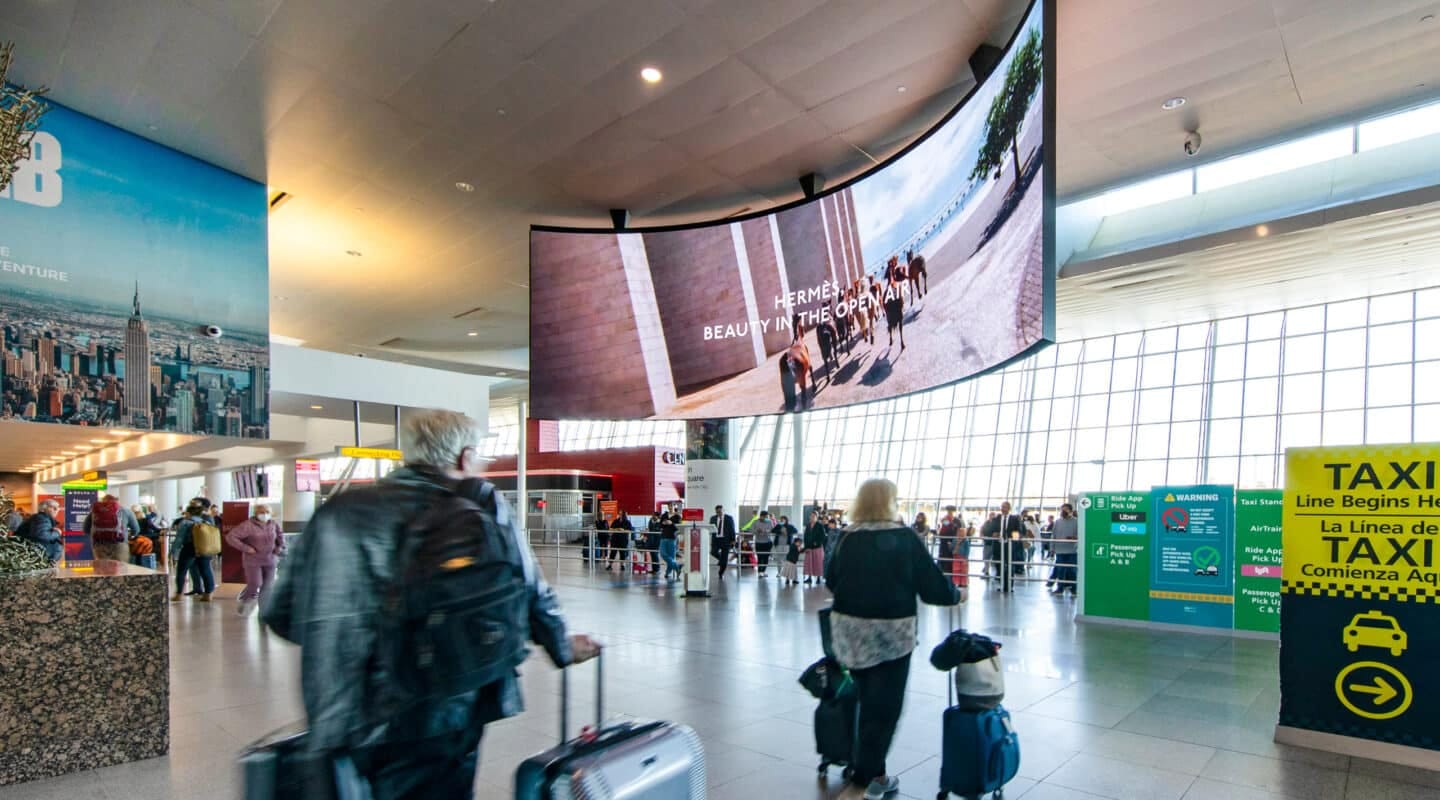
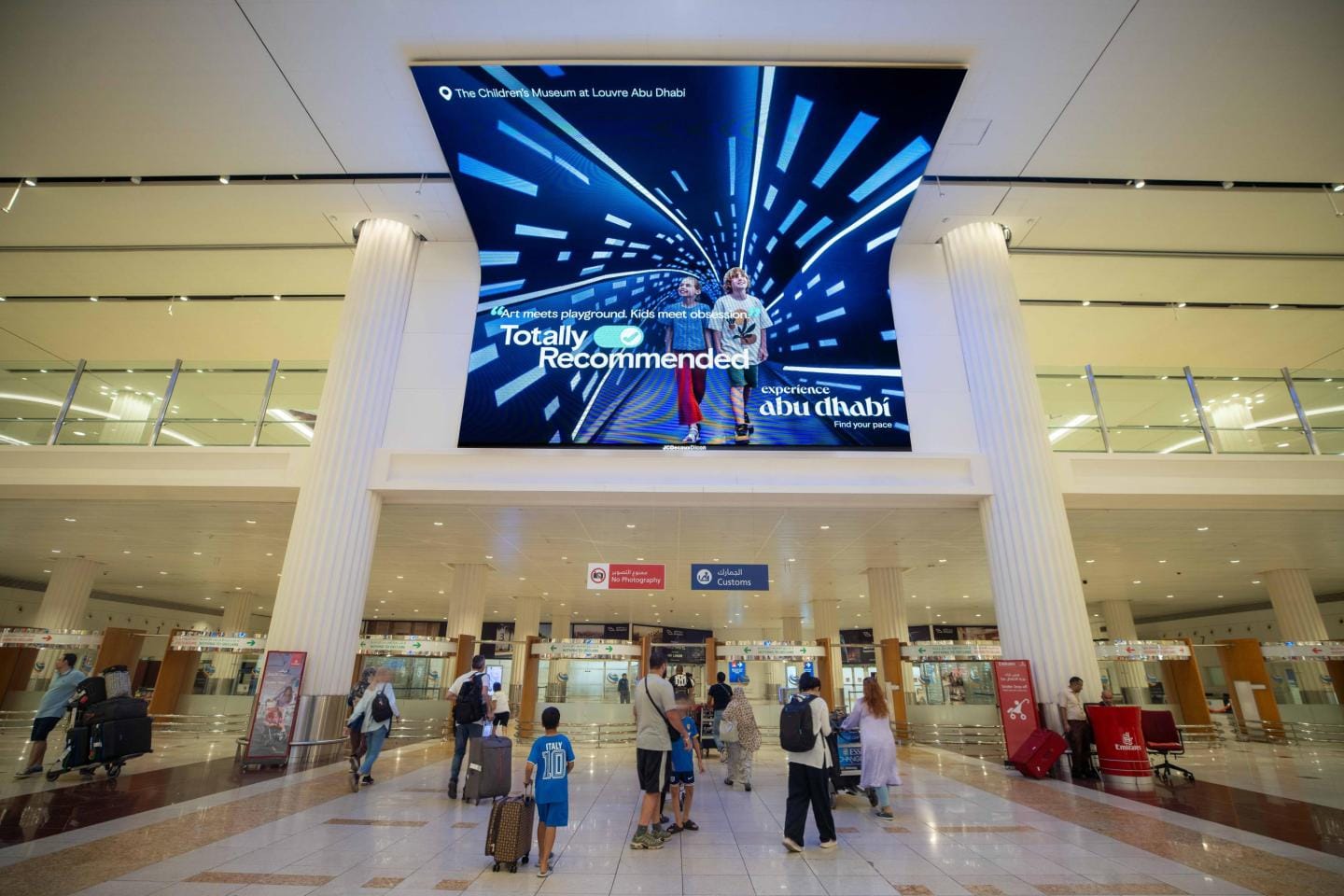
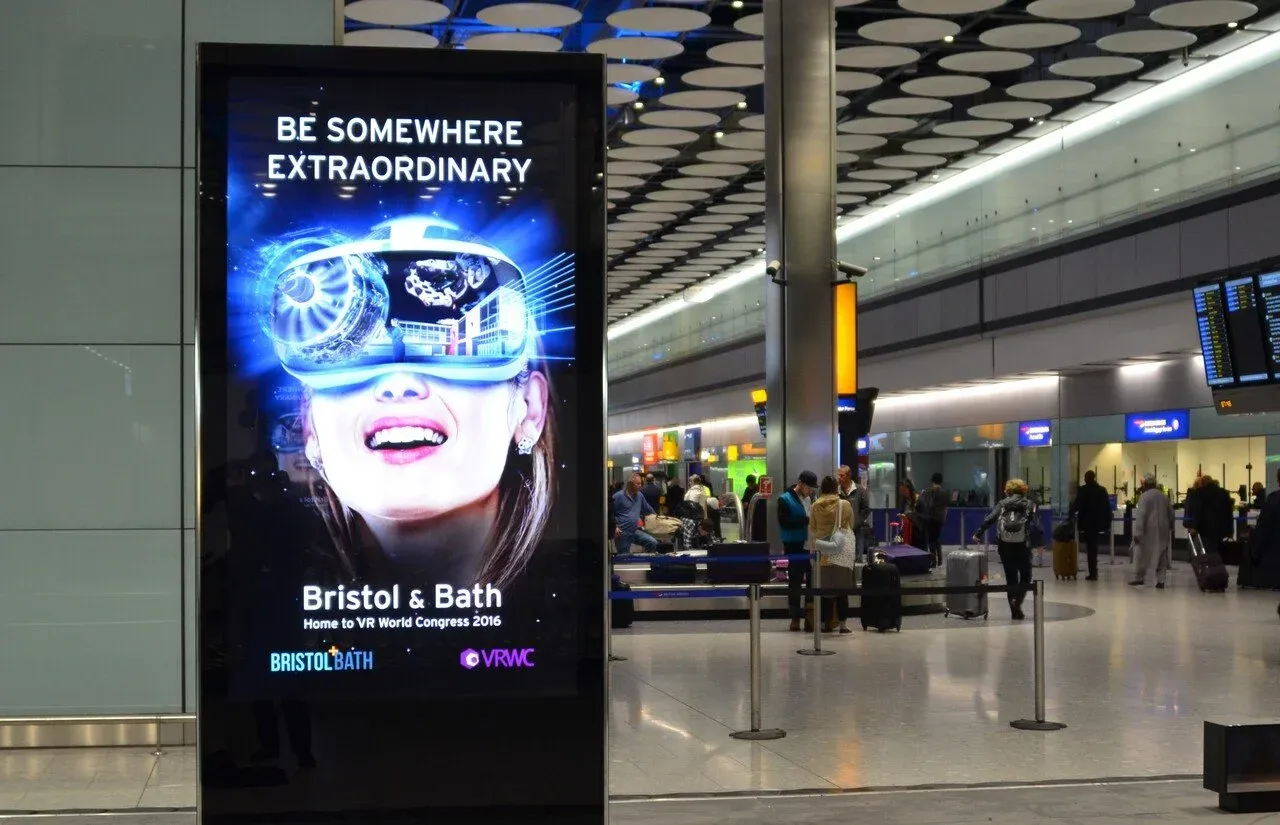
- Masscom Global provides comprehensive inventory access across PKX's central atrium and concourse advertising estate, with full campaign management covering Mandarin-language creative strategy developed with genuine Chinese cultural market expertise, compliance with China's State Administration for Market Regulation and CAAC advertising standards, optimal zone positioning for technology sector, luxury goods, real estate, and premium travel brand audiences, Golden Week, Spring Festival, and business season campaign planning, and campaign performance reporting calibrated to PKX's specific Chinese commercial calendar windows
Strategic Advertising Fit
Best Fit
- Luxury goods and premium fashion — Chinese HNWI consumption culture: PKX is one of China's most commercially productive airport advertising environments for luxury goods whose brand authority can demonstrate genuine international heritage and craftsmanship depth to a Chinese HNWI audience whose appreciation for Cartier, Louis Vuitton, Burberry, and their competitive set is among the most commercially active of any national consumer community in the world. The Spring Festival pre-holiday gifting window and the National Day Golden Week outbound leisure travel window both produce peak luxury goods advertising receptivity at PKX.
- International real estate — education and investment migration destinations: The Beijing HNWI community's confirmed concentration in UK, Australian, Portuguese, Japanese, and UAE real estate markets creates a commercially active and pre-qualified international property buying audience at PKX whose outbound real estate investment intent is commercially documented by historical bilateral transaction data. Developers in these markets with Mandarin-language creative and culturally adapted value propositions have a directly addressable Beijing HNWI buyer audience at PKX.
- Premium travel and ultra-luxury hospitality: The new-generation Chinese outbound leisure traveller's confirmed premium accommodation spending — Maldivian private villas, Swiss alpine luxury hotels, Italian coastal resort properties, and Japanese ryokan experiences — creates a commercially active premium travel and luxury hospitality advertising audience at PKX whose travel aspiration and purchasing power is among the most commercially significant of any outbound national travel community.
- International education — UK, US, Australian, and Singapore universities: The Beijing HNWI community's education investment in international institutions creates the most commercially active Chinese student family advertising audience at any Beijing gateway airport. International universities with strong Chinese student communities, elite boarding schools with Mandarin-language outreach programmes, and education consultancies with Beijing-specific market knowledge have a directly addressable and financially well-supported target audience at PKX.
- Investment migration and residency advisory: The Beijing HNWI community's active engagement with Portuguese, UAE, Singapore, Canadian, and Australian investment migration programmes creates a commercially concentrated and high-intent residency advisory advertising audience at PKX whose appetite for well-structured, Mandarin-language migration advisory communications is commercially substantial.
- Private banking and wealth management — cross-border Chinese HNWI advisory: The Beijing technology and enterprise HNWI community's demand for cross-border wealth management — including offshore portfolio management, international real estate structuring, family office establishment in Singapore and Hong Kong, and international trust and estate planning — creates a commercially active private banking advisory advertising audience at PKX for international private banks and family office platforms with genuine China market expertise and Mandarin-language service capability.
- Premium automotive — new energy vehicles and international luxury brands: Beijing's position as China's largest premium and new energy vehicle market creates a commercially active luxury automotive advertising audience at PKX — both for international luxury brands including Porsche, Mercedes-Benz, and BMW whose China sales are among their most commercially significant globally, and for domestic new energy vehicle brands including NIO, Li Auto, and Xpeng whose premium technology positioning and national pride association resonate strongly with the Beijing technology community's values.
- Technology and innovation sector brands: The concentration of Chinese technology sector executives at PKX creates a commercially active B2B technology advertising audience for enterprise software, cloud infrastructure, cybersecurity, and innovation sector professional services brands whose China market presence and Mandarin-language commercial capability demonstrate genuine China market commitment to Beijing's most commercially sophisticated technology community.
Brand Alignment at a Glance
| Category | Fit |
|---|---|
| Luxury goods and premium fashion | Exceptional |
| International real estate | Exceptional |
| Premium travel and ultra-luxury hospitality | Exceptional |
| International education | Exceptional |
| Investment migration and residency advisory | Exceptional |
| Private banking — cross-border Chinese HNWI | Strong |
| Premium automotive | Strong |
| Technology and innovation brands | Strong |
| Mass-market consumer brands | Poor fit |
Who Should Not Advertise Here
- Brands without Mandarin-language cultural adaptation: The most commercially critical single error for international brands advertising at PKX is deploying non-adapted Western creative without genuine Mandarin-language and Chinese cultural localisation. The Beijing HNWI audience is sophisticated enough to immediately identify advertising that has been translated rather than created for the Chinese market — and that identification registers as a signal of brand disrespect rather than global consistency. At PKX, Mandarin cultural authenticity is the admission credential for any international brand's commercial credibility.
- Brands or products that conflict with Chinese regulatory or cultural standards: The Chinese advertising regulatory framework — administered by the State Administration for Market Regulation — has specific content requirements regarding comparative advertising, superlative claims, political imagery, and content standards whose non-compliance creates both legal risk and commercial brand damage. Masscom Global's China market expertise provides the compliance advisory necessary to ensure PKX campaigns achieve their commercial objectives within the regulatory framework.
- Mass-market consumer brands without premium Chinese market positioning: The PKX audience's Very High HNWI classification and the terminal's architectural premium context make mass-market consumer brand advertising both commercially inefficient and brand-perception-damaging through contextual incongruence with the world's most architecturally distinguished airport interior.
Event and Seasonality Analysis
- Event Strength: High — particularly National Day Golden Week, Spring Festival, and Chinese cultural holiday calendar
- Seasonality Strength: High — strong October to January and March to June dual-season commercial windows
- Traffic Pattern: Dual-season with Chinese holiday Golden Week event spikes and sustained year-round business travel baseline
Strategic Implication
PKX's commercial calendar is governed by the Chinese public holiday structure — a calendar whose concentration of outbound leisure travel into the October National Day Golden Week, the January-February Spring Festival, and the May Day holiday creates three distinct consumer luxury advertising peaks within a sustained business travel baseline. The National Day Golden Week should anchor the primary outbound luxury travel and premium goods advertising investment. The pre-Spring Festival window — the most commercially intense Chinese gifting season — should anchor the luxury goods and premium lifestyle advertising investment in January. The Spring Festival outbound travel window should capture the most confirmed-spend outbound leisure audience. The March to June business travel recovery season should anchor B2B technology, private banking, and real estate advertising investment targeting the corporate and professional community's international engagement cycle. Masscom structures PKX campaigns to activate each of these distinct commercial windows with culturally calibrated creative that speaks to the specific purchasing motivation — gifting, leisure, investment, or professional — that each window produces, ensuring that the brand investment at PKX achieves maximum commercial resonance across the full annual commercial breadth of China's most commercially ambitious new-era gateway airport.
Poor Placement and Delays Affect Airport Campaigns
We help you move faster, access better inventory, and get it right now.
Talk to an ExpertFinal Strategic Verdict
Beijing Daxing International Airport serves China's new era from the world's most extraordinary piece of aviation architecture — a terminal whose scale, technical achievement, and spatial beauty are themselves a statement of the commercial ambition and engineering capability of the nation it was built to serve. The 18.5 million passengers who transit PKX annually are the human embodiment of that ambition — the technology founders, government enterprise executives, new-generation affluent consumers, and internationally engaged Chinese professionals whose commercial activities are reshaping the global technology economy, the luxury goods consumption hierarchy, the international real estate market, and the investment migration landscape simultaneously. For luxury goods brands targeting the world's most commercially active emerging luxury consumer class, for international real estate developers targeting Beijing's most outbound-investing HNWI community, for education institutions targeting the world's most financially supported international student families, for immigration advisory firms targeting China's most residency-diversification-active HNWI population, and for premium travel brands targeting the world's highest-aggregate-spending outbound national tourism community — PKX is the most commercially dynamic and the most architecturally distinguished gateway through which all of these commercial opportunities must be activated. Masscom Global provides the Mandarin-language cultural authority, the China market commercial intelligence, and the full-service execution capability to ensure that every brand investing at PKX speaks the language — cultural as well as linguistic — of China's most commercially ambitious new-era international community with the authenticity, the precision, and the genuine respect that the world's most commercially consequential emerging HNWI class demands.
About Masscom Global
Masscom Global is a premium international airport advertising and media buying agency operating across 140 countries. With deep expertise in airport OOH, premium publications, and high-net-worth audience targeting, Masscom helps brands reach the world's most valuable travellers at the moments that matter most. For advertising packages, media rates, and campaign planning at Beijing Daxing International Airport and airports across the globe, contact Masscom Global today.
Frequently Asked Questions
How much does airport advertising cost at Beijing Daxing International Airport?
Advertising costs at PKX vary by terminal zone, format type, position within passenger flow, campaign duration, and seasonal demand. Central atrium positions — benefiting from the terminal's extraordinary architectural focal point and the maximum cross-passenger-flow exposure of the starfish structure's convergence point — command the highest rates in the PKX estate. The National Day Golden Week in October, the pre-Spring Festival gifting window in January, and the Spring Festival outbound leisure period command the year's highest consumer category rate premiums. Mandarin-language creative compliance and cultural localisation add a modest production investment that is commercially essential rather than optional. Masscom Global provides current rate structures, Chinese holiday calendar guidance, and full campaign proposals. Contact Masscom for a tailored PKX proposal.
Who are the passengers at Beijing Daxing International Airport?
PKX serves a Very High HNWI-rated audience anchored by Beijing's technology and internet sector executive community from Baidu, ByteDance, Xiaomi, and their ecosystem, government enterprise and state-owned company international business leadership, new-generation affluent Chinese consumers whose outbound leisure travel and premium brand engagement represent the most commercially dynamic emerging luxury consumer community in the world, Chinese HNWI families investing internationally in real estate, education, and residency diversification, and the inbound international business and diplomatic community whose Beijing commercial engagement connects the world's most consequential bilateral trade and investment relationships to PKX's terminal.
Is Beijing Daxing International Airport good for luxury brand advertising?
PKX is commercially productive for luxury brands whose Mandarin-language cultural adaptation and Chinese market commitment demonstrate genuine respect for the Chinese HNWI audience's cultural sophistication. The Chinese luxury goods consumer community at PKX is among the most commercially active luxury purchasing audiences in the world — but also among the most culturally discerning evaluators of luxury brand advertising. Brands that lead with genuine product heritage, authentic craftsmanship narratives, and Mandarin-language creative that reflects genuine Chinese cultural understanding will find PKX's audience among the most commercially loyal luxury consumers in Asian aviation. Brands that deploy translated Western luxury creative without cultural adaptation will find the same audience commercially indifferent.
What is the best airport in China for new-generation HNWI advertising?
PKX is specifically positioned as China's new-era gateway — designed and built to serve the new generation of Chinese affluent travellers whose commercial profile is defined by technology sector wealth, international investment ambition, and premium outbound lifestyle engagement rather than by the heritage commercial tradition of China's first-generation wealth. For brands targeting this new-era Chinese HNWI community — fintech and innovation sector advertising, international luxury lifestyle brands targeting the new-generation Chinese luxury consumer, and investment migration advisory targeting Beijing's technology entrepreneur community — PKX is the most commercially aligned single airport in China's capital city aviation market.
What is the best time to advertise at Beijing Daxing International Airport?
The National Day Golden Week (October 1-7) is the primary outbound luxury travel and premium goods advertising peak. The pre-Spring Festival gifting window (approximately two to three weeks before Lunar New Year) is the primary luxury goods gifting advertising moment. The Spring Festival outbound leisure period delivers the most confirmed-spend international leisure travel audience. The March to June spring business travel season delivers the most sustained B2B technology and professional services advertising window. A campaign structure that activates all three Golden Week windows and sustains B2B presence through the business season delivers the full commercial breadth of PKX's extraordinary new-era Chinese HNWI audience.
Can international real estate developers advertise at Beijing Daxing International Airport?
PKX is commercially productive for international real estate developers targeting the Beijing HNWI community's documented outbound investment corridors. UK prime residential and London property developers, Portuguese Golden Visa real estate projects, Australian premium residential developers, Tokyo luxury real estate operators, and Dubai premium community developers all have a confirmed, historically active Beijing HNWI buyer audience at PKX. Mandarin-language creative, culturally adapted value propositions that speak to the specific investment logic of the Chinese HNWI community, and genuine China market advisory capability are essential requirements for real estate advertising at PKX to achieve its commercial potential. Masscom Global provides both the inventory access and the cultural advisory capability for real estate developers targeting the PKX audience.
Which brands should not advertise at Beijing Daxing International Airport?
Brands without genuine Mandarin-language cultural adaptation, brands whose content or associations conflict with Chinese regulatory standards or political sensitivities, and mass-market consumer brands without premium positioning are commercially misaligned with PKX's Very High HNWI audience and architectural premium context. The single most important commercial failure mode at PKX is the deployment of unadapted Western luxury creative — the Chinese HNWI audience's cultural sophistication makes this the most commercially costly creative shortcut available in Chinese airport advertising.
How does Masscom Global help brands advertise at Beijing Daxing International Airport?
Masscom Global provides full-service airport advertising execution at PKX — covering Chinese new-era HNWI audience intelligence, Mandarin-language creative strategy developed with genuine China market cultural expertise, State Administration for Market Regulation and CAAC compliance management, optimal terminal zone positioning for luxury goods, real estate, education, and technology sector brand audiences, Chinese holiday calendar campaign planning for National Day Golden Week, Spring Festival, and May Day windows, and live campaign performance reporting. With operations across 140 countries, Masscom provides both the China market cultural intelligence and the global network capability to activate PKX as part of a coordinated Chinese outbound investment and luxury corridor strategy — running concurrent campaigns across PKX, Shanghai Pudong, Singapore, London, and Dubai to intercept Beijing's most commercially ambitious HNWI community at every stage of their international investment and leisure journey.