

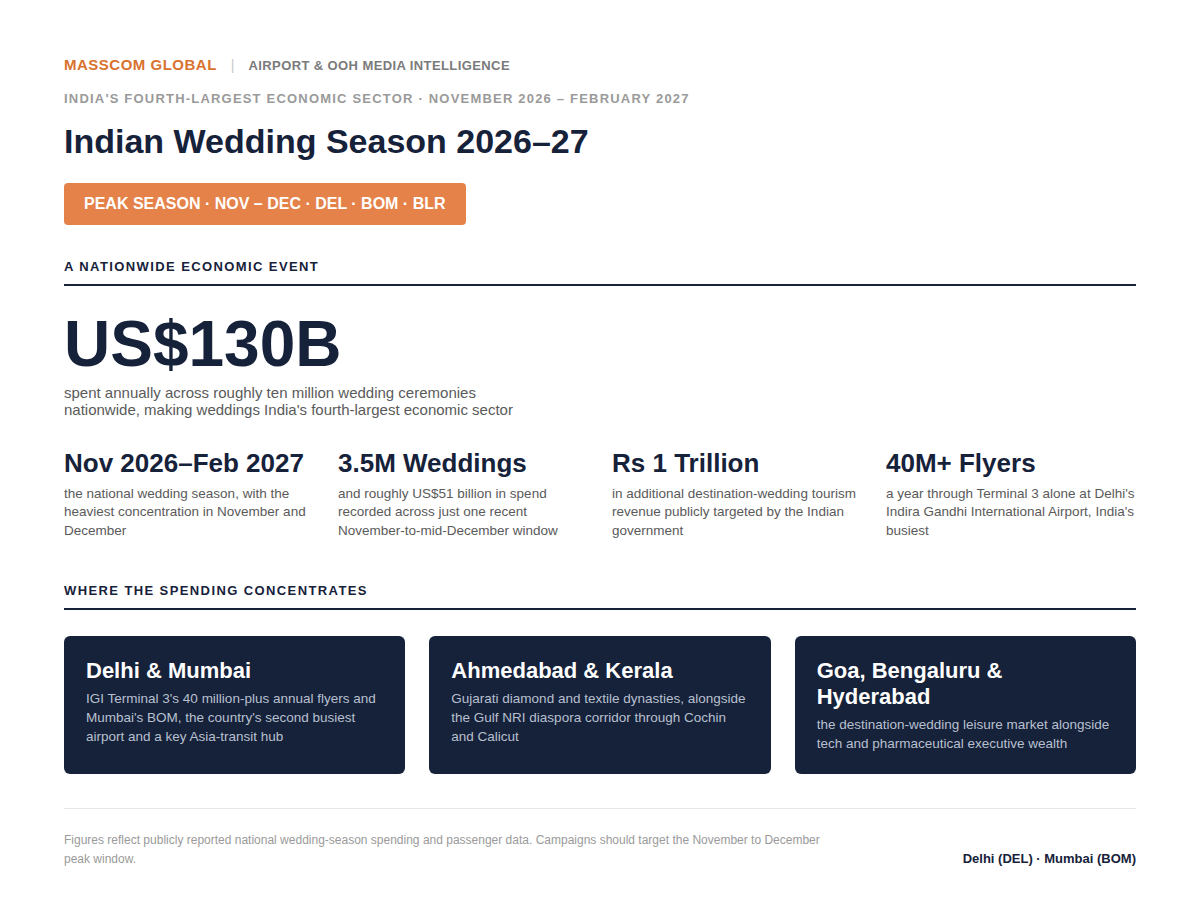
From November 2026 through February 2027, with the heaviest concentration of auspicious dates falling across November and December, India enters its winter wedding season, a period industry analysts describe as the fourth-largest sector in the Indian economy, generating an estimated US$130 billion annually across roughly 10 million ceremonies nationwide, with a single recent November-to-mid-December window alone accounting for approximately 3.5 million weddings and an estimated US$51 billion in expenditure. No other recurring commercial event in India moves this much affluent, celebration-driven spending through the country's airports at once.
For advertisers, the opportunity is not any single wedding or city. It is the six-week opening surge itself, when UHNWI families, NRI diaspora returning for family celebrations, and India's broadest luxury-spending demographic move through the country's ten most commercially significant gateways simultaneously, from Delhi and Mumbai's national hubs to Kerala's Gulf-diaspora corridor and Goa's destination-wedding leisure economy.
Why Airport & City Advertising Works During Indian Wedding Season
India's wedding economy is not a niche cultural moment; it is a nationwide, multi-billion-dollar annual event that peaks in intensity every November and December, and the government has publicly targeted attracting international destination ceremonies to add a further estimated Rs 1 trillion in tourism revenue on top of the domestic figure. This is a season defined by discretionary luxury spending on jewellery, fashion, hospitality and real estate at a scale most single national holidays do not approach.
The audience travelling in this window is unusually broad in composition but consistently high-value: UHNWI and Indian elite families hosting or attending multi-city, multi-day celebrations, NRI diaspora returning from the Gulf, UK, US and East Africa specifically for family weddings, and the wedding services industry itself, from designers to planners to jewellers, moving between cities to service the season.
Delhi's Indira Gandhi International Airport, India's busiest, carries over 40 million annual flyers through its Terminal 3 alone, while Mumbai's Chhatrapati Shivaji Maharaj International Airport functions as the country's second busiest airport and a key transit hub for Asia-bound business and luxury travellers, together anchoring the two cities where India's largest and most extravagant weddings are most frequently staged.
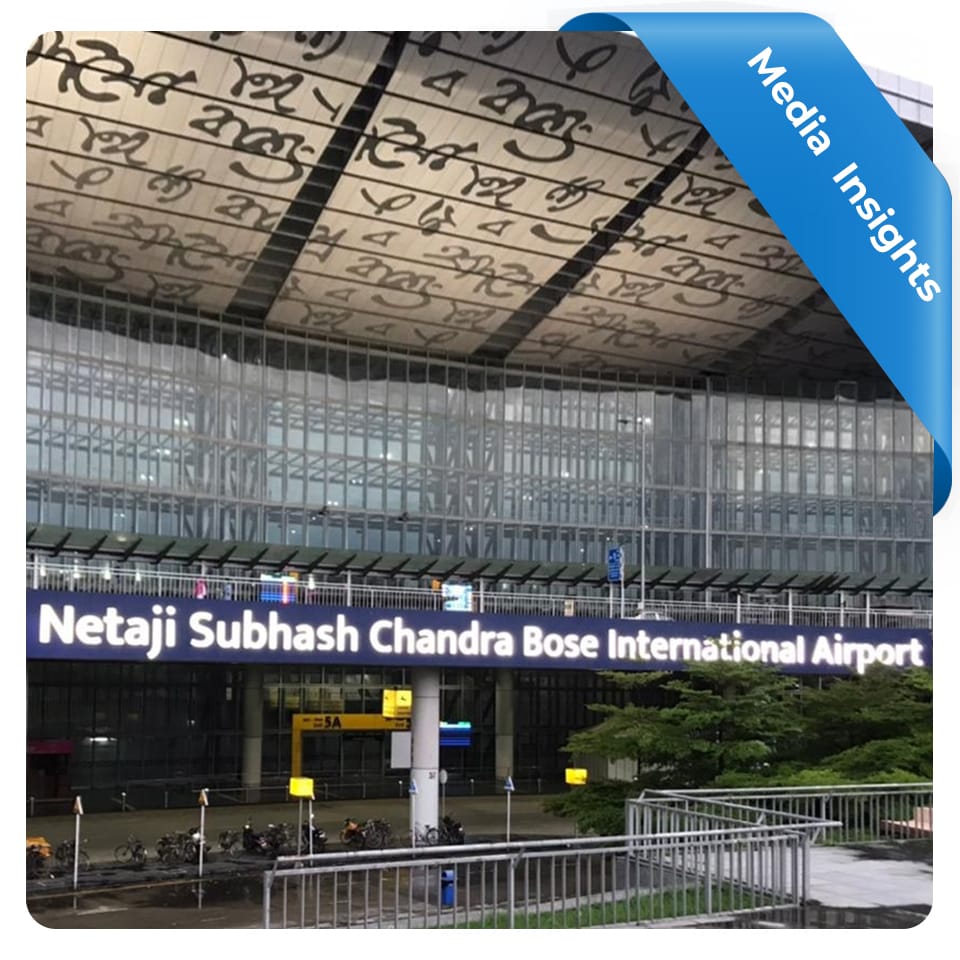
Beyond the two national hubs, this window activates distinct regional wedding-adjacent economies: Ahmedabad's Gujarati diamond and textile business dynasties, Kerala's Gulf NRI diaspora corridor through Cochin and Calicut, Goa's fast-growing destination-wedding leisure market, and the technology and pharmaceutical executive wealth concentrated in Bengaluru and Hyderabad, all of which see elevated travel and spending as the season opens.
Key Benefits of Airport & City Advertising During Indian Wedding Season
- Reach a qualified, high-spend audience: UHNWI families, NRI diaspora and India's wedding services industry converge on the same national window, giving advertisers concentrated access to travellers already primed to spend on jewellery, fashion, hospitality and real estate.
- Elevate your brand positioning: premium terminal environments across India's ten most significant gateways place your brand inside a season industry analysts value at US$130 billion annually, India's fourth-largest economic sector.
- Generate real business opportunity: luxury fashion, fine jewellery, hospitality and real estate brands can convert this concentrated, celebration-driven travel window into direct enquiry and long-term brand association with India's most significant recurring luxury spending season.
Get Free Expert Assistance from Our Global Media Planning Team
Receive strategic recommendations, media planning support, campaign monitoring and reporting to maximise your visibility throughout Indian wedding season.
Book Expert Consultation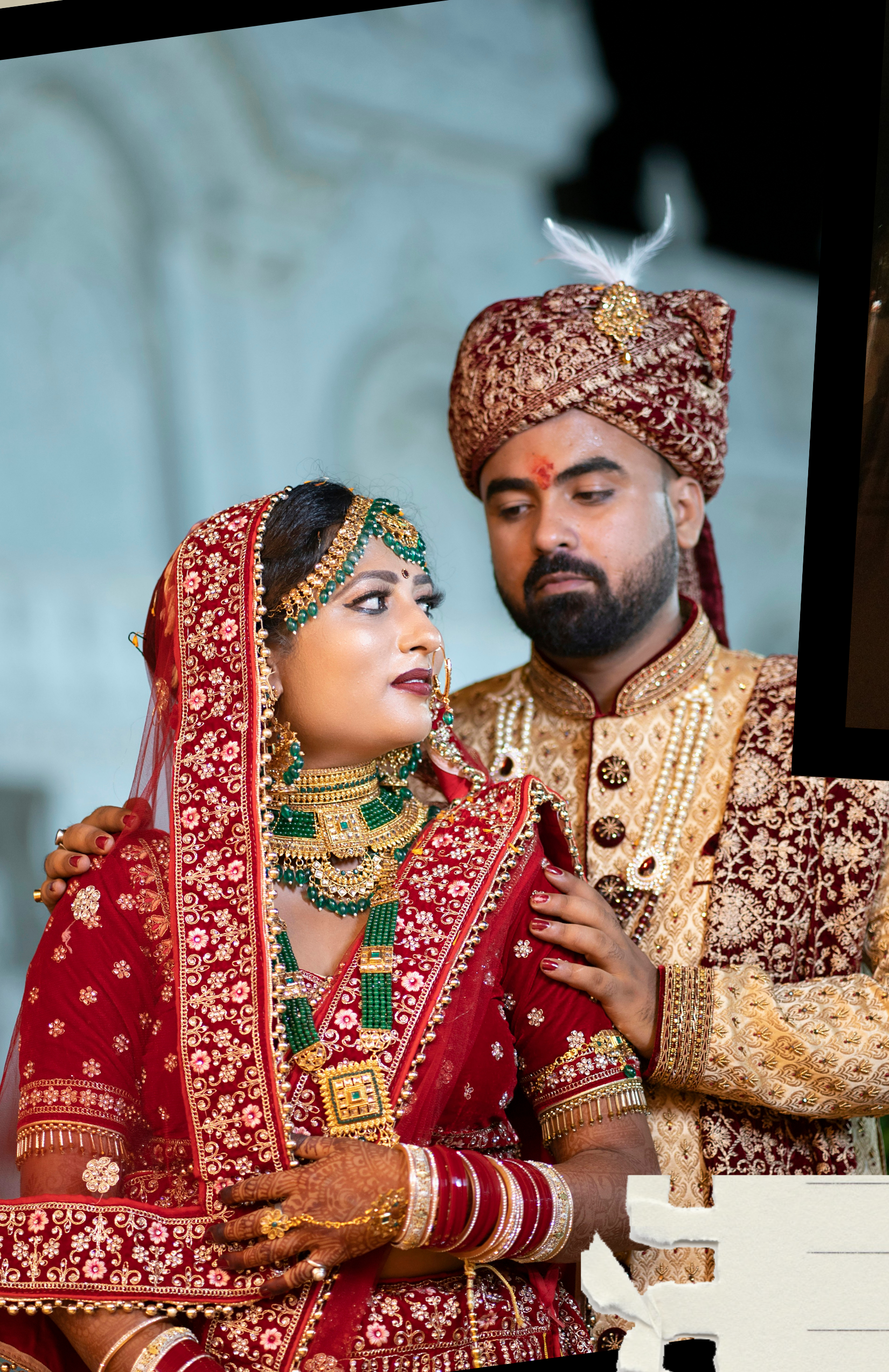

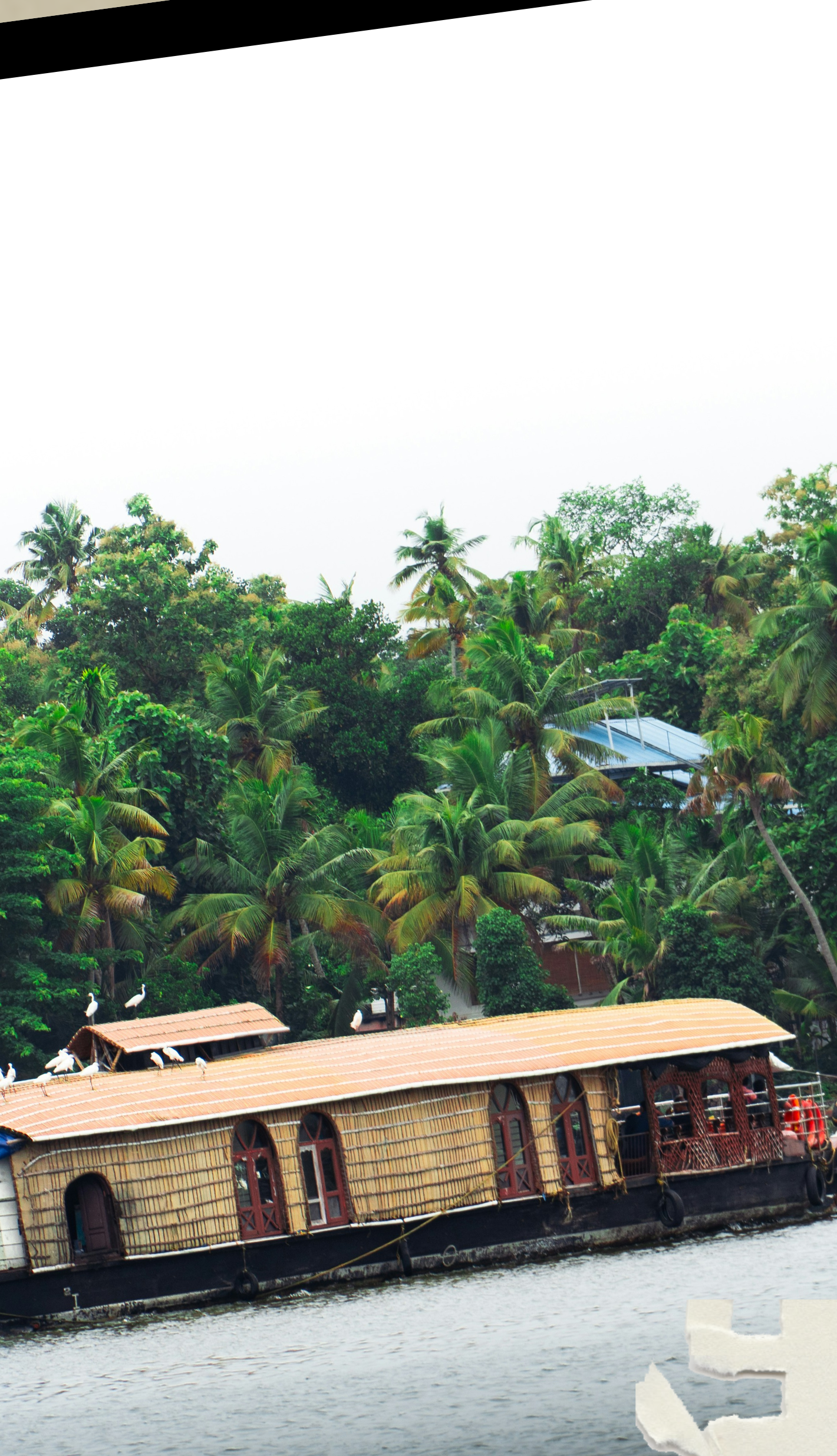
A Bihar wedding, a Delhi wedding mandap and the Kerala backwaters: the map of India's 2026 to 2027 wedding season.
Delhi Indira Gandhi International Airport (DEL): The National Capital Gateway
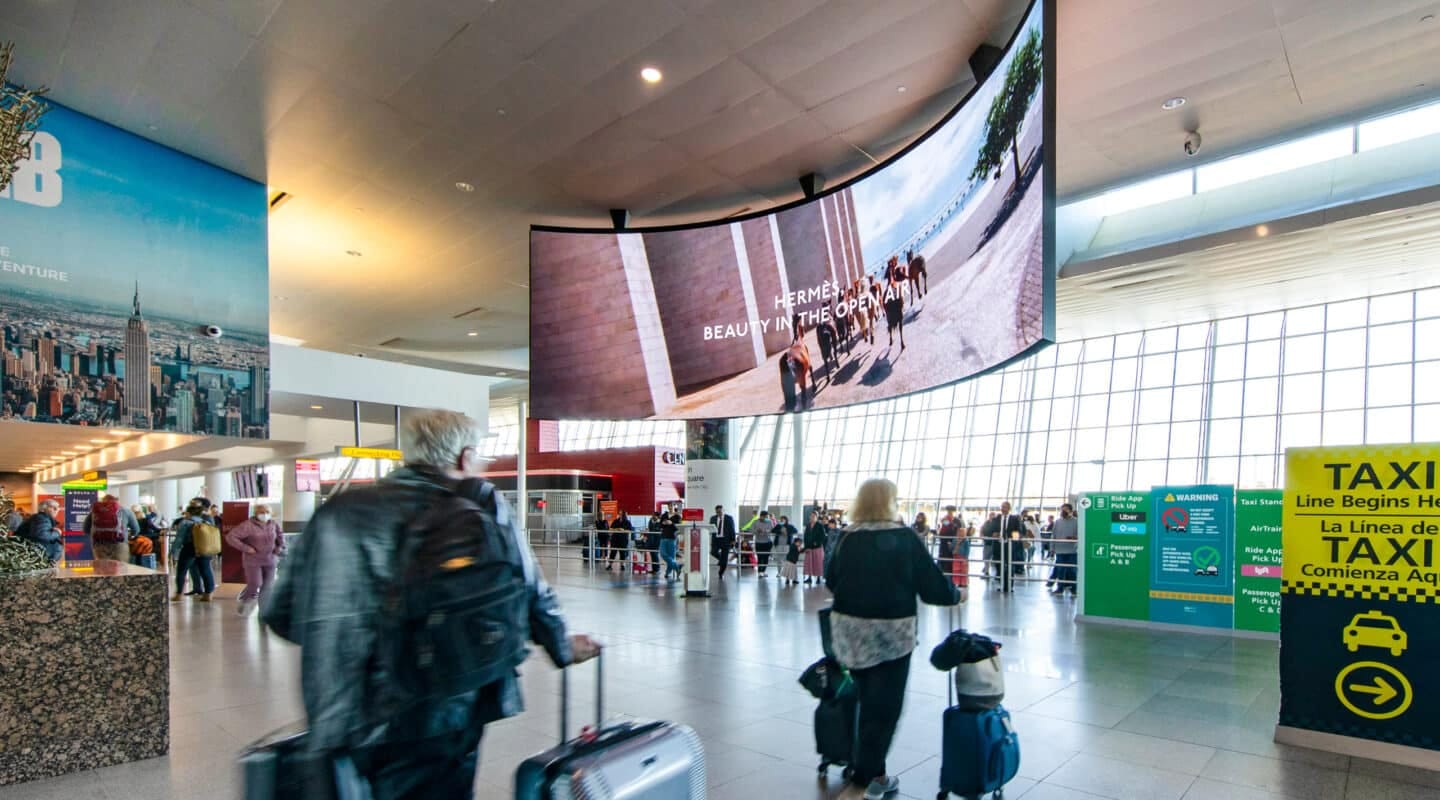
Indira Gandhi International Airport is India's busiest, carrying over 40 million annual flyers through its Terminal 3, and functions as both the gateway to the national capital and a crossroads for international business, tourism and government travel, making it the single largest audience in this network as wedding season opens.
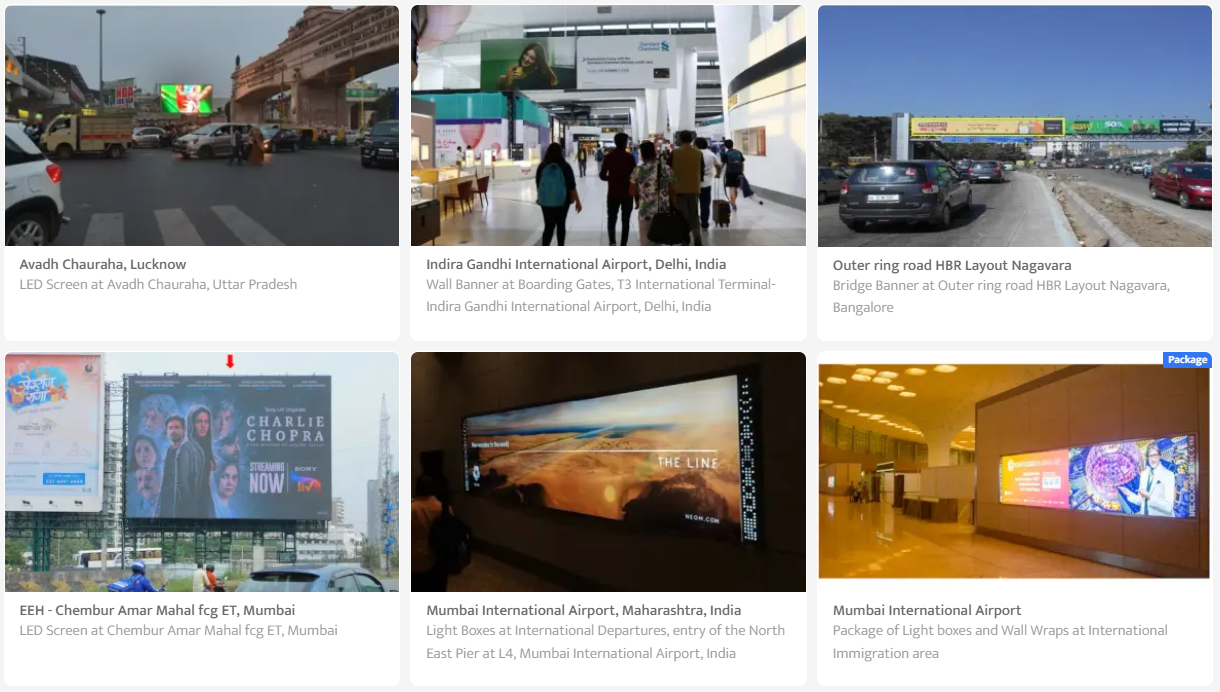
- Inventory Highlights: premium digital and ambient formats across Terminal 3 international departures, positioned in high-dwell, high-footfall locations.
- Advantages for Advertisers: the largest concentrated audience of any Indian airport in this window, spanning UHNWI families, government travel and returning NRI diaspora.
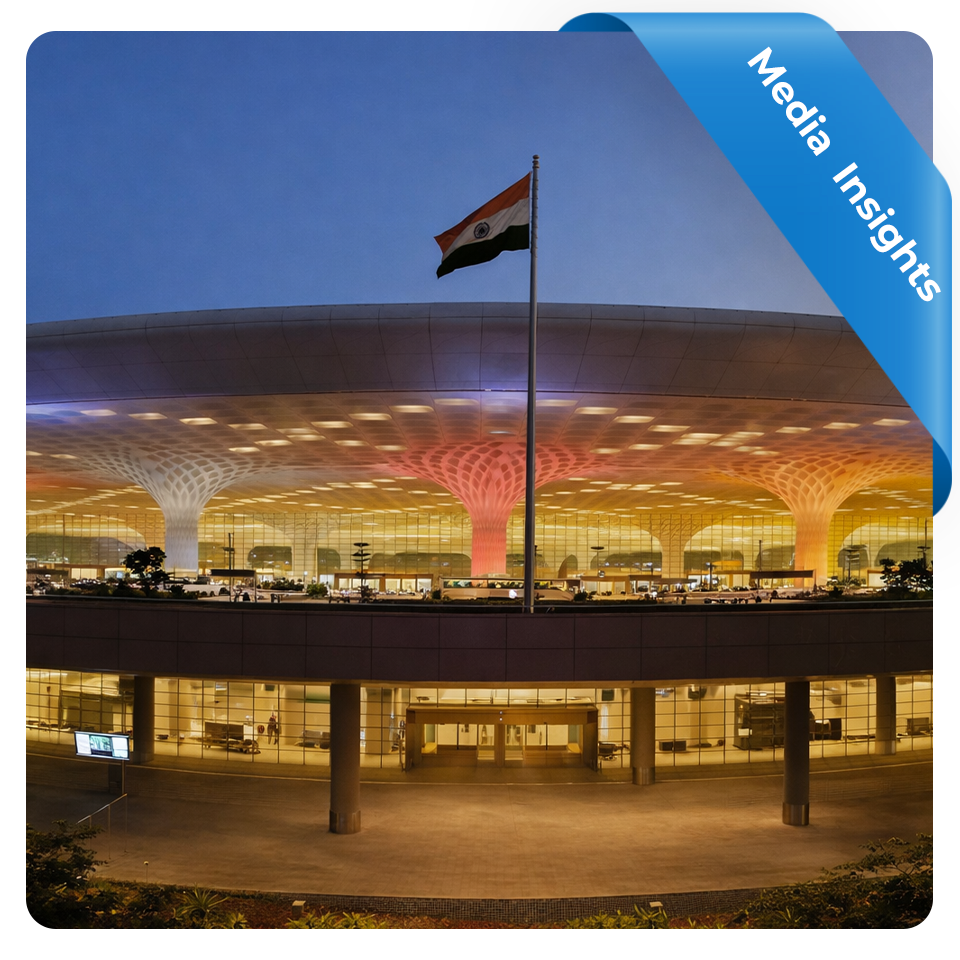
Mumbai Chhatrapati Shivaji Maharaj International Airport (BOM): India's Wedding Capital Gateway
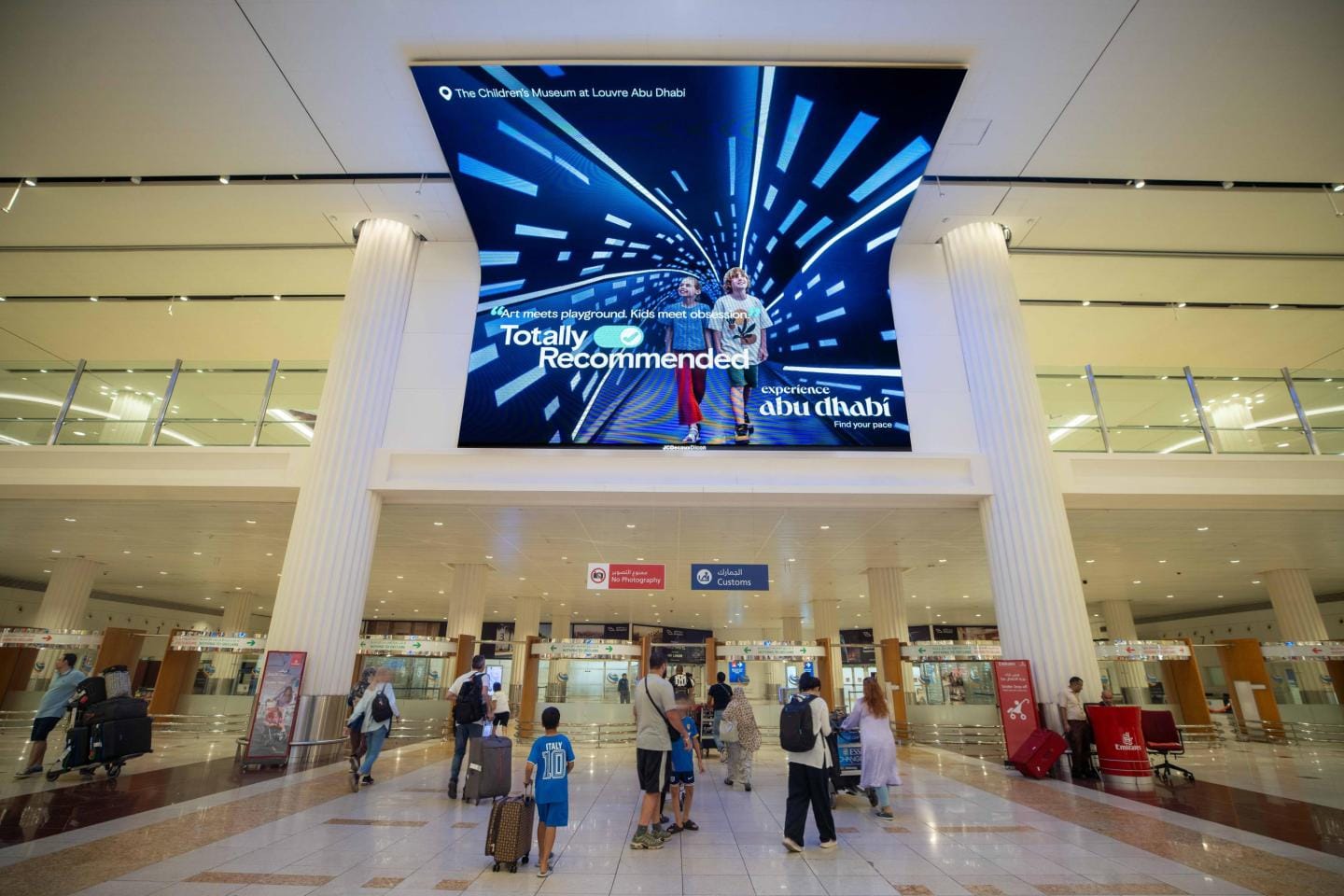
Mumbai's international airport is India's second busiest and a key transit hub for Asia-bound business and luxury travellers, with a high concentration of affluent flyers and brand-conscious consumers, making it, alongside Delhi, the primary gateway for India's largest-scale wedding celebrations.
- Inventory Highlights: prime international terminal placements including security-check and light box formats positioned for high-dwell exposure.
- Advantages for Advertisers: unmatched reach into India's business and entertainment industry elite, the demographic most associated with the country's highest-value wedding celebrations.
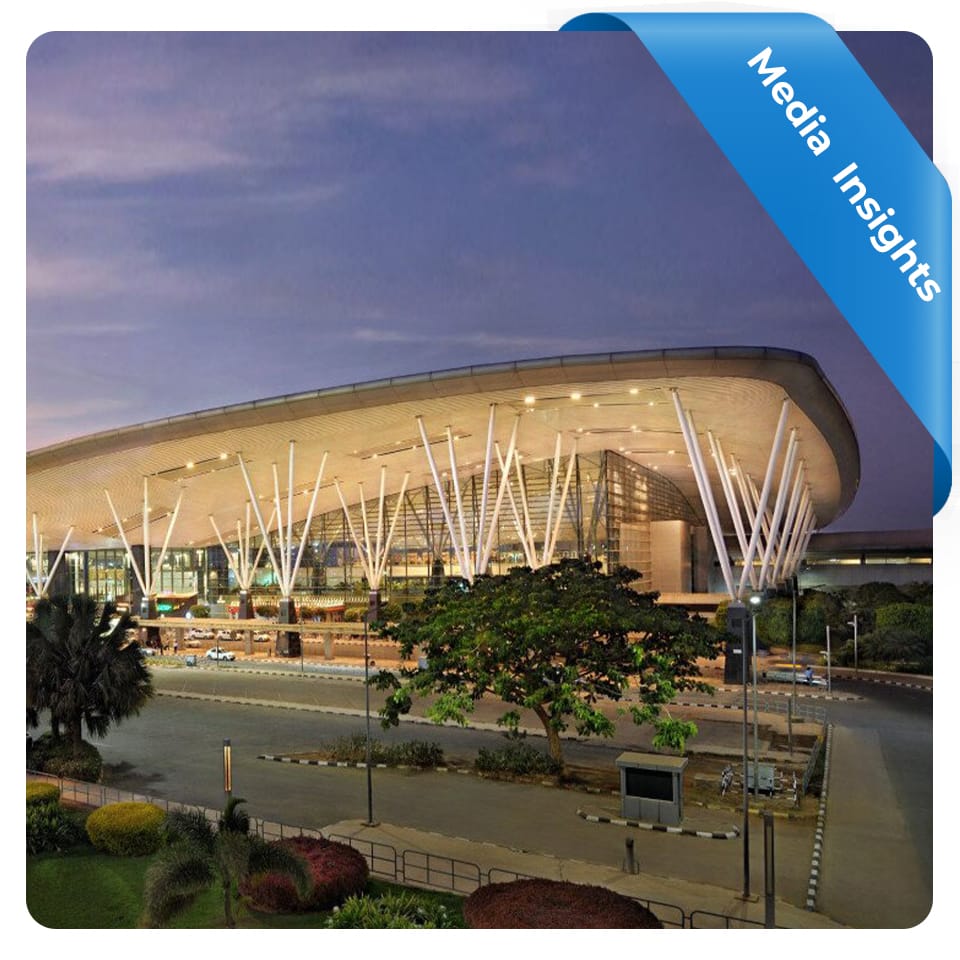
Bengaluru Kempegowda International Airport (BLR): The New-Economy Wealth Hub
Kempegowda International Airport served 43.8 million passengers in 2023-24 and carries a Very High HNWI audience of technology sector founders, executives and venture capital professionals, with peak advertising seasons in January to April and September to December, the latter overlapping directly with wedding season's opening.
- Inventory Highlights: premium technology-adjacent terminal placements reaching Bengaluru's new-economy wealth community.
- Advantages for Advertisers: access to India's fastest-growing wealth segment, technology founders and executives, as they travel for wedding season celebrations.
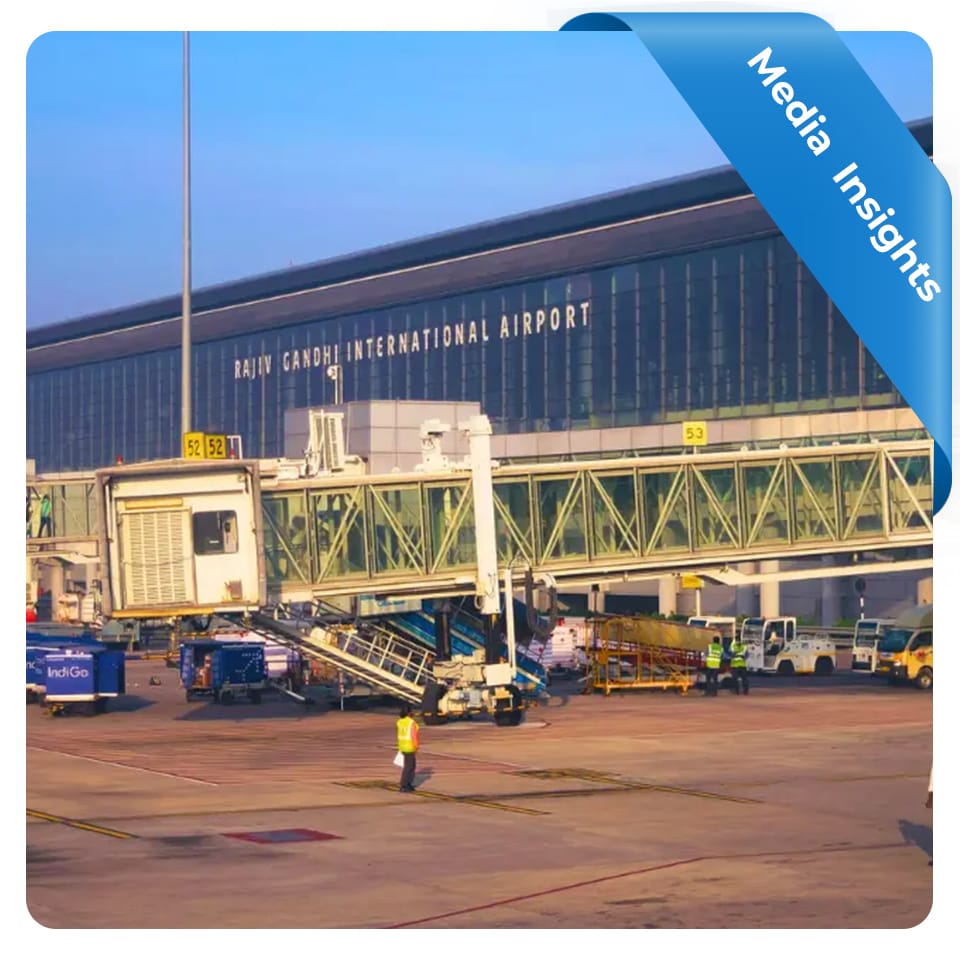
Hyderabad Rajiv Gandhi International Airport (HYD): The Technology and Pharma Gateway
Hyderabad's airport handles approximately 30 million passengers annually, making it the fourth busiest in India, and serves as the gateway to a technology and pharmaceutical hub hosting multinational corporations and global research centres.
- Inventory Highlights: terminal-wide network placements reaching Hyderabad's global technology and pharmaceutical executive base.
- Advantages for Advertisers: a fast-growing, internationally connected executive audience with strong overlap into wedding season's premium spending categories.
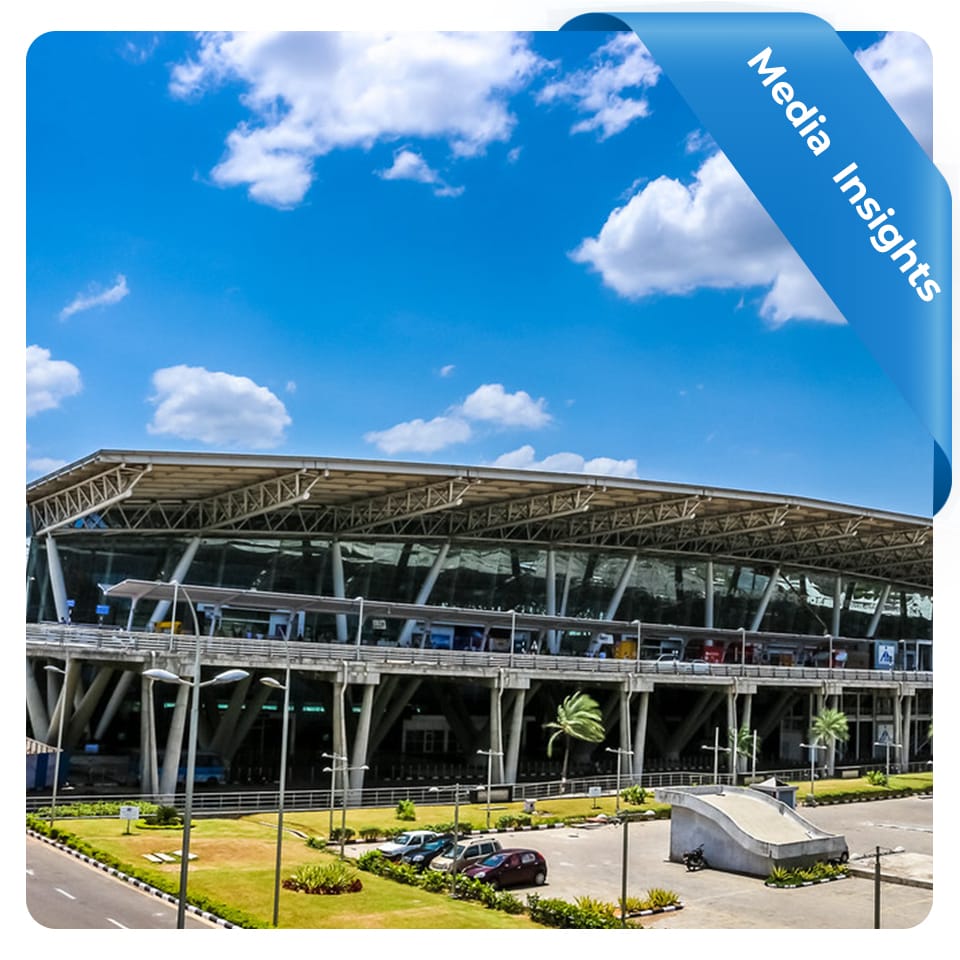
Chennai International Airport (MAA): The Tamil Diaspora Industrial Gateway
Chennai International Airport served 18.7 million passengers in 2023-24 and carries a Very High HNWI audience of Tamil Nadu automotive and industrial executives and Tamil diaspora HNWI from the Gulf, USA, UK and Singapore, with a peak advertising season of October to January that fully contains wedding season's opening.
- Inventory Highlights: terminal placements reaching South India's industrial executive and diaspora investment audience.
- Advantages for Advertisers: direct access to Tamil Nadu's industrial wealth and its globally dispersed diaspora returning for the season.
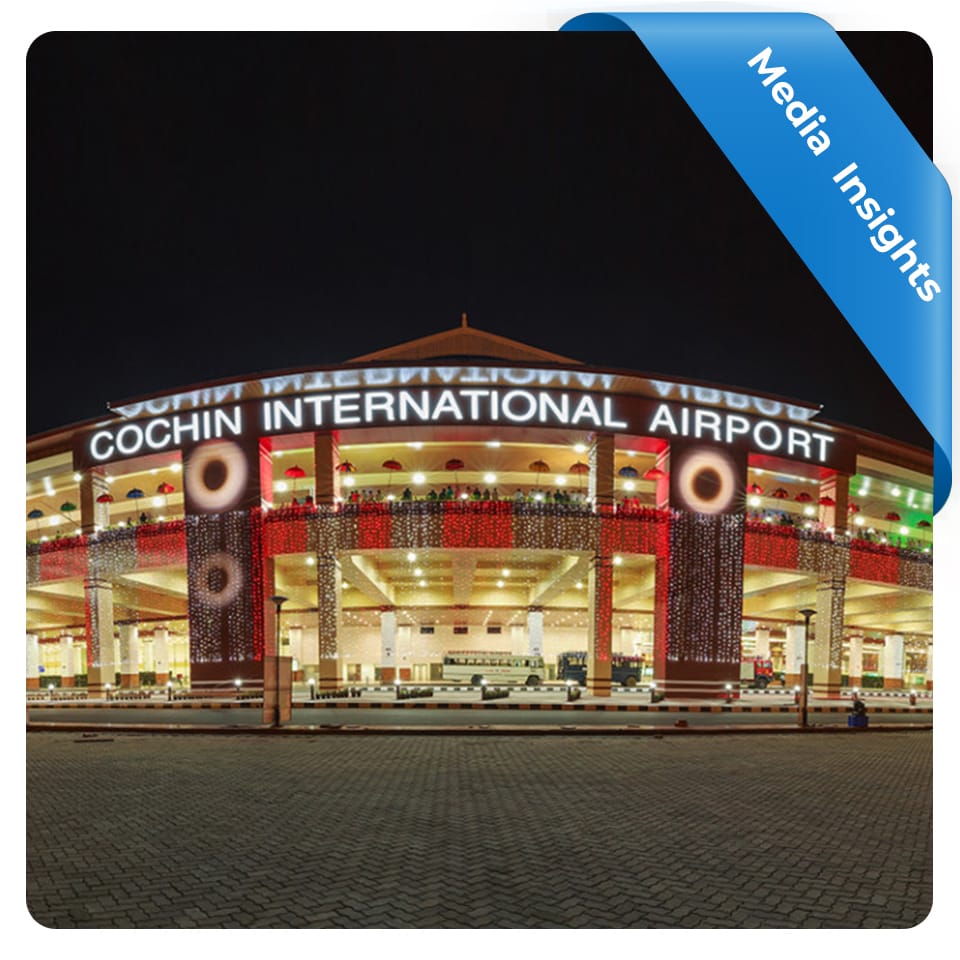
Cochin International Airport (COK): The Gulf NRI Diaspora Corridor
Cochin International Airport served approximately 10 million passengers, its audience built around the Gulf NRI Malayali community and Kerala's HNWI returnee and investment diaspora, with peak seasons in October to January that directly overlap wedding season's opening.
- Inventory Highlights: terminal placements reaching Kerala's Gulf-returning NRI and diaspora investment audience.
- Advantages for Advertisers: concentrated access to families returning specifically for festive and wedding-season family celebrations, a well-documented Kerala diaspora travel pattern.
Ahmedabad Sardar Vallabhbhai Patel International Airport (AMD): The Diamond and Textile Dynasty Gateway
Ahmedabad's airport served 12.1 million passengers in 2023-24 and carries a Very High HNWI audience of Gujarati diamond and textile business dynasty families and Gujarat diaspora from the USA, UK and East Africa, with peak seasons in October to January and March to June.
- Inventory Highlights: terminal placements reaching Gujarat's diamond, jewellery and textile business dynasty audience.
- Advantages for Advertisers: direct access to one of India's wealthiest and most wedding-spend-intensive business communities.
Goa Manohar International Airport (GOX): The Destination Wedding Leisure Gateway
Goa's newest airport, opened in January 2023 with a Phase 1 designed capacity of 4.4 million annually, carries a Tier 1 Premium audience of domestic Indian HNWI leisure travellers, Bollywood and entertainment industry elite, and international luxury tourists, with peak seasons in November to March, the exact window in which Goa's destination-wedding leisure economy operates.
- Inventory Highlights: terminal placements reaching Goa's premium leisure and destination-celebration audience.
- Advantages for Advertisers: a growing destination-wedding leisure market that runs in parallel to the traditional home-city wedding season.
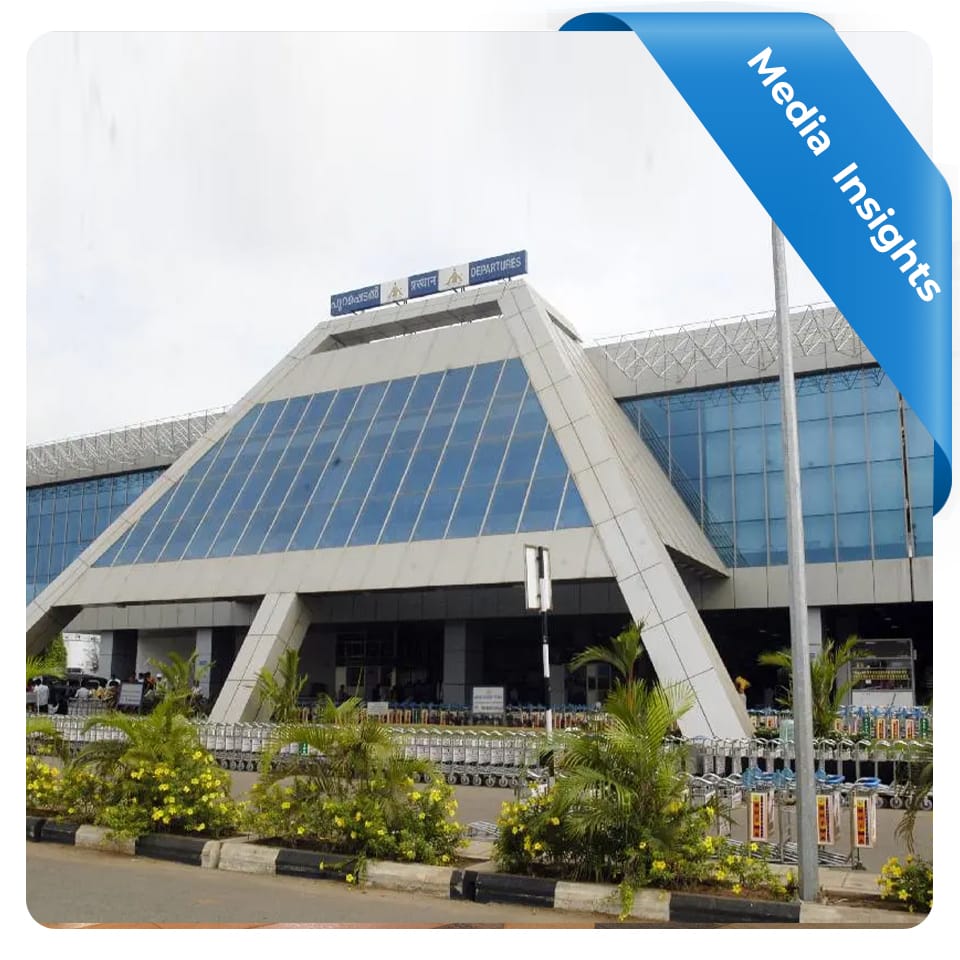
Calicut International Airport (CCJ): The North Kerala Gulf Corridor
Calicut International Airport served 5.1 million passengers in 2023-24, its audience built around North Kerala's GCC diaspora returnees from the UAE, Saudi Arabia, Qatar, Kuwait and Bahrain, with peak seasons in April to June and October to January.
- Inventory Highlights: terminal placements reaching the Malabar coast's returning Gulf diaspora audience.
- Advantages for Advertisers: a second, distinct North Kerala diaspora corridor complementing Cochin's coverage of the state's wedding-season travel.
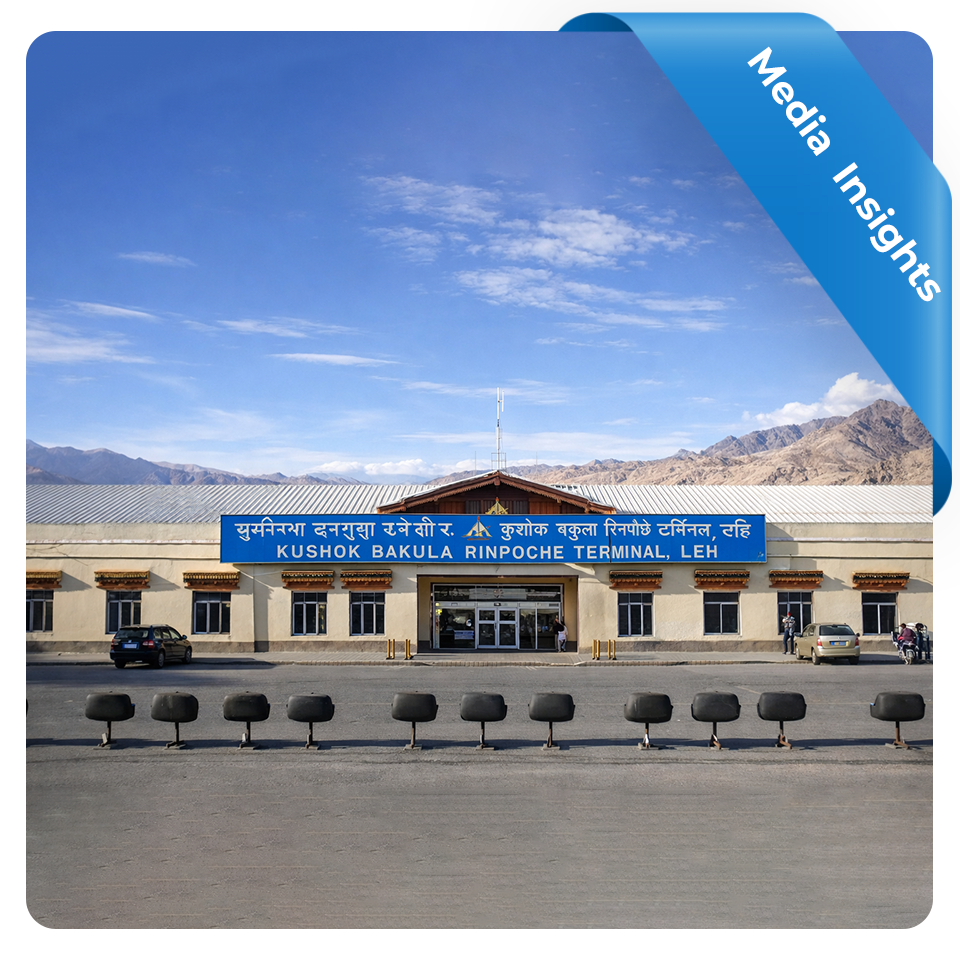
Leh Kushok Bakula Rimpochee Airport (IXL): The Network Outlier
Leh's airport serves approximately 1.2 million passengers and carries a distinct Tier 2 audience built around India's premium adventure and spiritual tourism elite, with peak seasons in June to September and December to February. Its inclusion in this network reflects Ladakh's position within India's broader premium travel economy rather than a direct wedding-season audience; brands seeking wedding-specific reach should prioritise the nine gateways above, while brands with a wider India luxury-travel remit may still find value in IXL's high-altitude adventure and wellness audience.
- Inventory Highlights: terminal placements reaching India's premium adventure and expedition travel audience.
- Advantages for Advertisers: incremental reach into India's HNI adventure and wellness travel segment for brands with a broader premium-travel remit.
National Network Coverage
Together, these ten airports give advertisers coordinated coverage of India's wedding-season travel footprint: the national hubs of Delhi and Mumbai where India's largest celebrations are staged, the technology wealth corridors of Bengaluru and Hyderabad, the diamond, textile and Gulf-diaspora economies of Ahmedabad, Cochin and Calicut, Goa's destination-wedding leisure market, and Chennai's industrial diaspora corridor. This is the core of Masscom Global's India airport network; the network extends far further into additional regional Indian gateways, from Jaipur to Lucknow to Punjab's wedding-heavy cities, for brands seeking deeper national coverage beyond this featured corridor.
Destination India: Full Visitor Journey Coverage
A wedding-season traveller's journey through India rarely ends at the airport. It continues from arrivals into the city's jewellery and fashion districts, hotel banquet venues, and, increasingly, destination properties in Goa or Rajasthan booked specifically for multi-day celebrations. Airport advertising captures the traveller at the point of highest anticipation and openness to premium suggestion; city and venue-adjacent placements then reinforce that message through the celebration itself.
Because wedding season plays out simultaneously across ten or more major Indian cities rather than in one location, a single-city campaign captures only a fraction of the actual audience in motion during this window.
- Increased brand recall: repeated exposure across the airport-to-city journey reinforces message retention across a multi-week celebration season.
- Consistent presence: the same campaign follows travellers from arrival through to jewellery districts, banquet venues and destination properties.
- Enhanced campaign effectiveness: layered touchpoints convert wedding-season travel into measurable enquiry and brand engagement.
Why Brands Choose Airport & City Advertising for Indian Wedding Season
- Exclusive audience access. This window concentrates UHNWI families, NRI diaspora and India's wedding services industry in a way no single-city campaign can replicate.
- A prestigious environment. Premium terminal media across Delhi, Mumbai and eight other major gateways places brands inside India's fourth-largest economic sector at its most active moment.
- End-to-end campaign support. Masscom Global plans, books and reports across all ten gateways as a single coordinated national campaign.
- Strategic planning assistance. Our regional planners align creative timing with each airport's own documented peak season, from Kerala's Gulf-diaspora return window to Goa's destination-wedding leisure calendar.
The Masscom Global Standard Behind Every Indian Wedding Season Placement
- Verified inventory and audience data: every airport figure in this guide, from Delhi's 40 million-plus annual flyers to Bengaluru's 43.8 million passengers, is drawn from verified airport data.
- Transparent delivery reporting: campaign performance is reported against agreed benchmarks across every airport in the network.
- Benchmarked recommendations: media plans are built against each airport's own documented audience tier and peak season, ensuring spend is weighted toward the highest-value windows.
- We absorb the complexity: coordinating ten airports across five Indian regions in a single campaign is normally a major logistical undertaking; our team manages sourcing, scheduling and reporting so you do not have to.
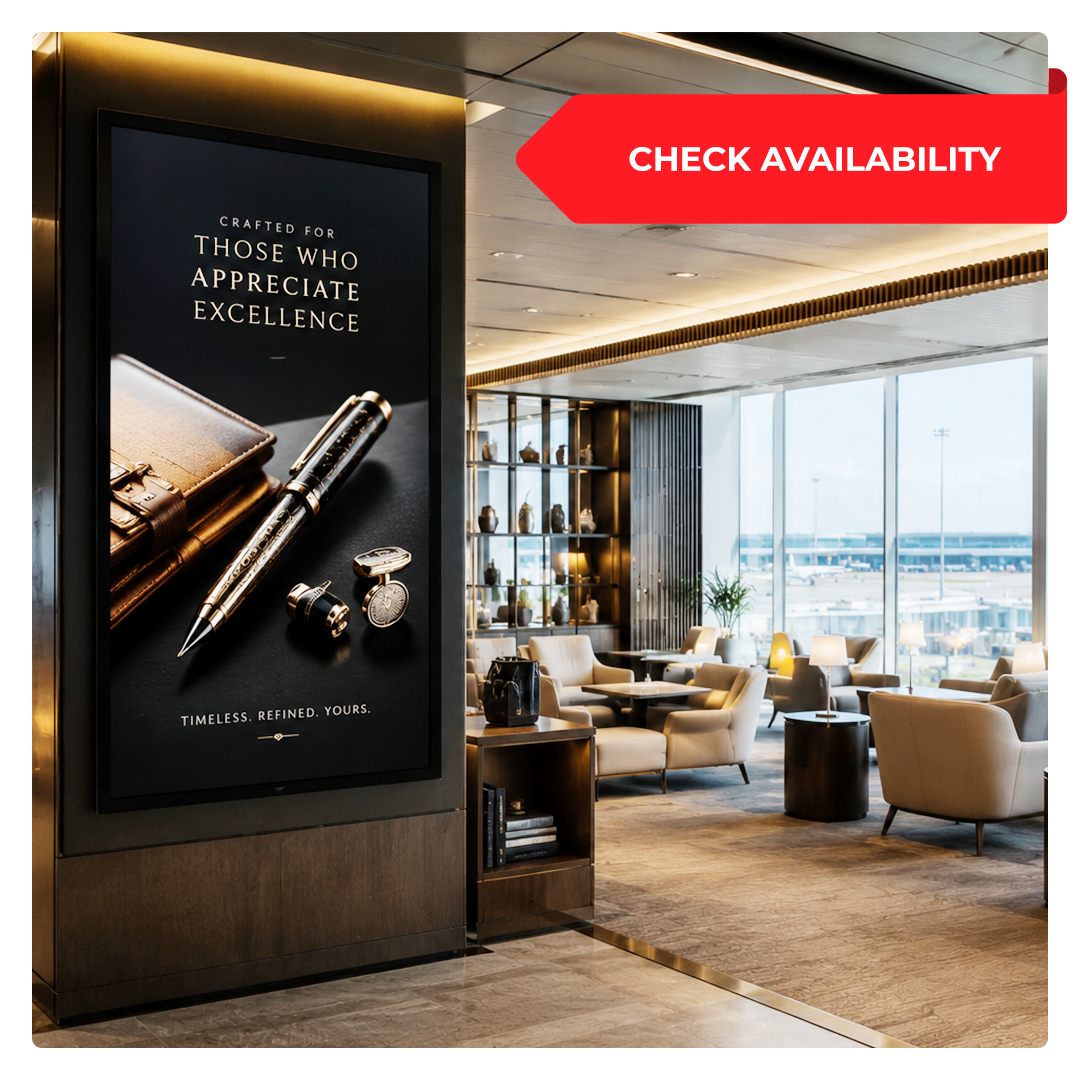
Request Your Customised Indian Wedding Season Advertising Plan
Tell us your audience, category and budget. Our planners will return a costed plan across airport and prime city inventory, with availability confirmed.
Book NowFrequently Asked Questions
When does Indian wedding season open in 2026?
The season runs from November 2026 through February 2027, with the heaviest concentration of auspicious wedding dates and travel falling across November and December.
How large is India's wedding industry?
Industry analysts describe it as India's fourth-largest economic sector, generating an estimated US$130 billion annually across roughly 10 million ceremonies, with a recent November-to-mid-December window alone accounting for approximately 3.5 million weddings and an estimated US$51 billion in expenditure, a figure growing 7 to 8% year on year.
Who is the audience travelling during this window?
The audience spans UHNWI and Indian elite families hosting or attending celebrations, NRI diaspora returning from the Gulf, UK, US and East Africa, and the wedding services industry itself, including designers, planners and jewellers moving between cities to service the season.
Is this the same event as the Mumbai/Nagpur wedding season peak?
No. This guide covers the national opening of the season across ten major Indian gateways from November through February; the narrower peak-window campaign for Mumbai and Nagpur is covered separately, reflecting a more concentrated city-level surge within the same broader season.
How far in advance should a campaign be booked?
Given the season's scale and the number of gateways involved, we recommend confirming inventory at least six to eight weeks ahead of the November opening to secure preferred placements across all featured airports.
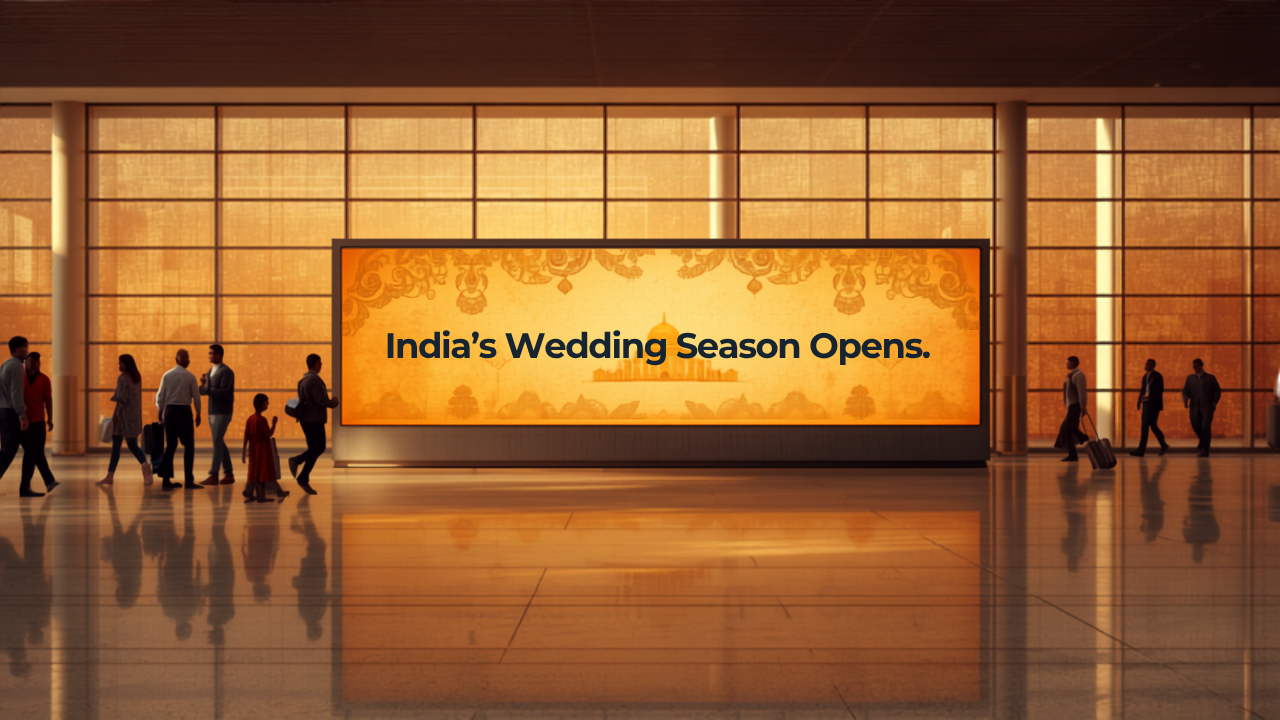
Indian Wedding Season Won't Wait. Neither Should You.
- Once a year, then gone: the winter wedding season opens every November and does not repeat with this intensity until next year.
- Competitors are already moving: luxury jewellery, fashion and hospitality brands active in India typically confirm wedding-season inventory well ahead of the November opening.
- The window is exact, not approximate: auspicious wedding dates cluster predictably across November and December, giving advertisers a defined planning target.
- The alternative reaches the wrong audience: generic year-round Indian media misses the specific concentration of celebration-driven, high-spend travellers moving through these ten airports in this exact window.
Related Airport Advertising Guides
Detailed inventory, audience and planning notes for the airports covered above:
 Wealth in motion intelligence.
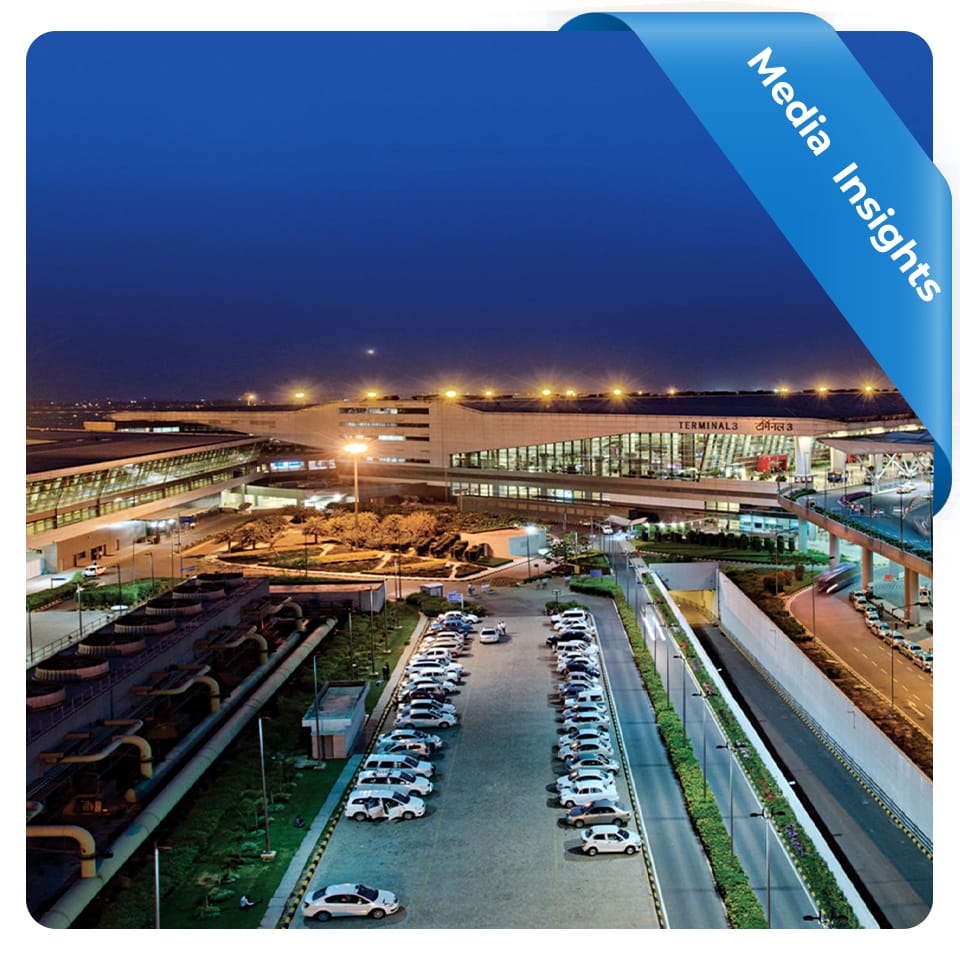 Wealth in motion intelligence.
 Wealth in motion intelligence.
 Wealth in motion intelligence.
 Wealth in motion intelligence.
 Wealth in motion intelligence.
 Wealth in motion intelligence.
 Wealth in motion intelligence.
 Wealth in motion intelligence.
 Wealth in motion intelligence.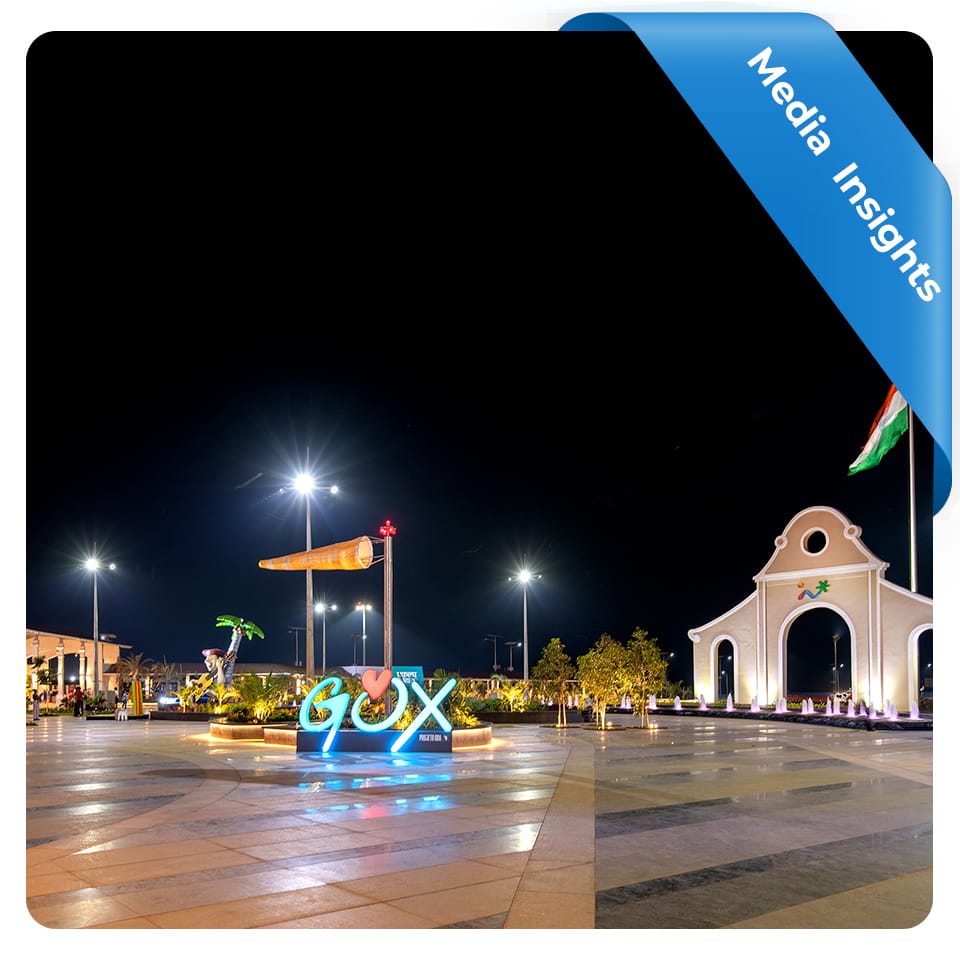
Get Free Expert Assistance Now
Our regional media planning team can build a costed, benchmarked plan across any combination of these ten Indian airports and prime city inventory, tailored to your budget and category, at no cost to you.
Request Availability
Inventory across Delhi, Mumbai and India's other featured gateways moves quickly ahead of the wedding season opening. Confirm your placements now to secure preferred positions before the November surge.
Indian wedding season opens in November 2026 across a country where the wedding economy is estimated at US$130 billion annually and described as the nation's fourth-largest industry. The audience moving through these ten airports during the opening weeks, UHNWI families, NRI diaspora and India's wedding services industry, represents one of the largest and most consistently high-spend recurring travel windows anywhere in the world. Masscom Global coordinates campaigns across all ten featured gateways as a single national plan, with reporting benchmarked against each airport's own verified audience data. The season opens on schedule every year, so the opportunity is best captured now, ahead of the November surge.