

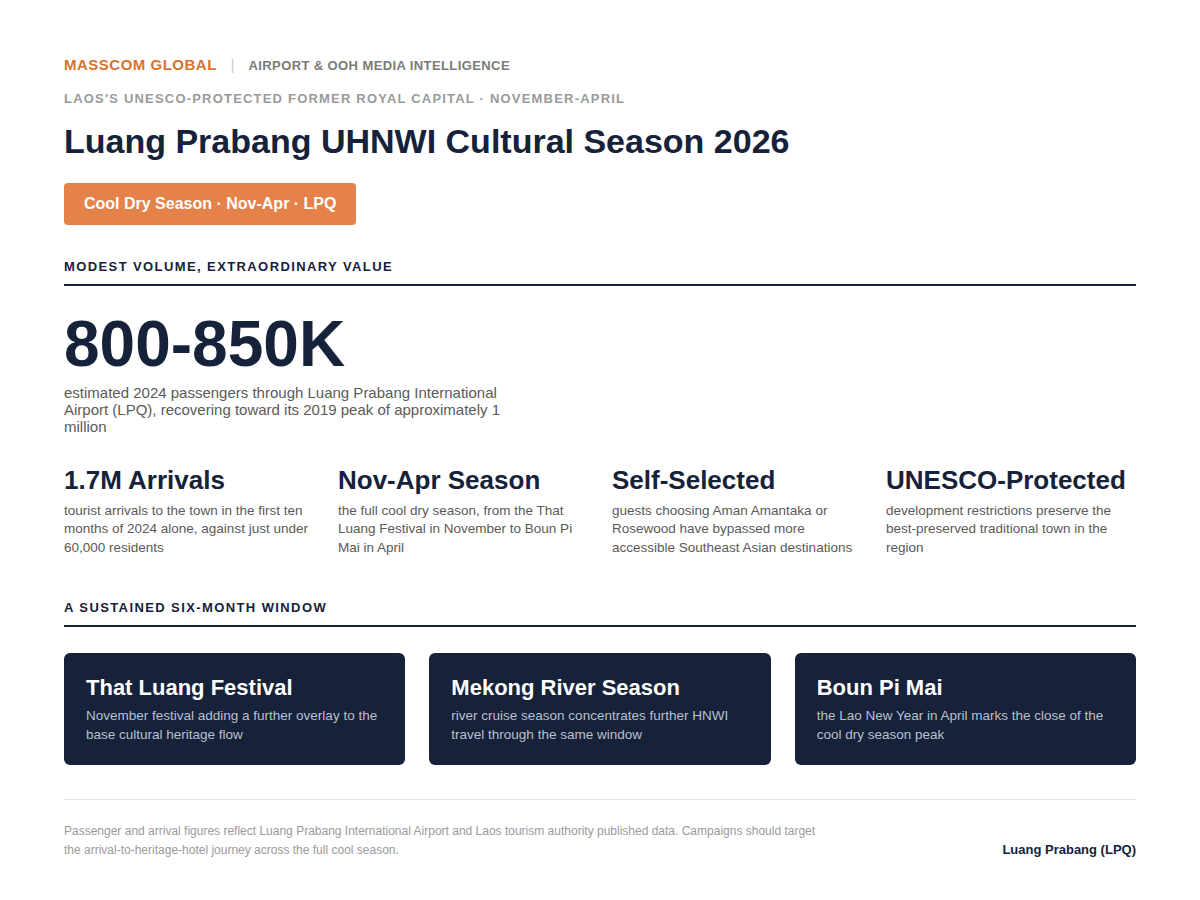
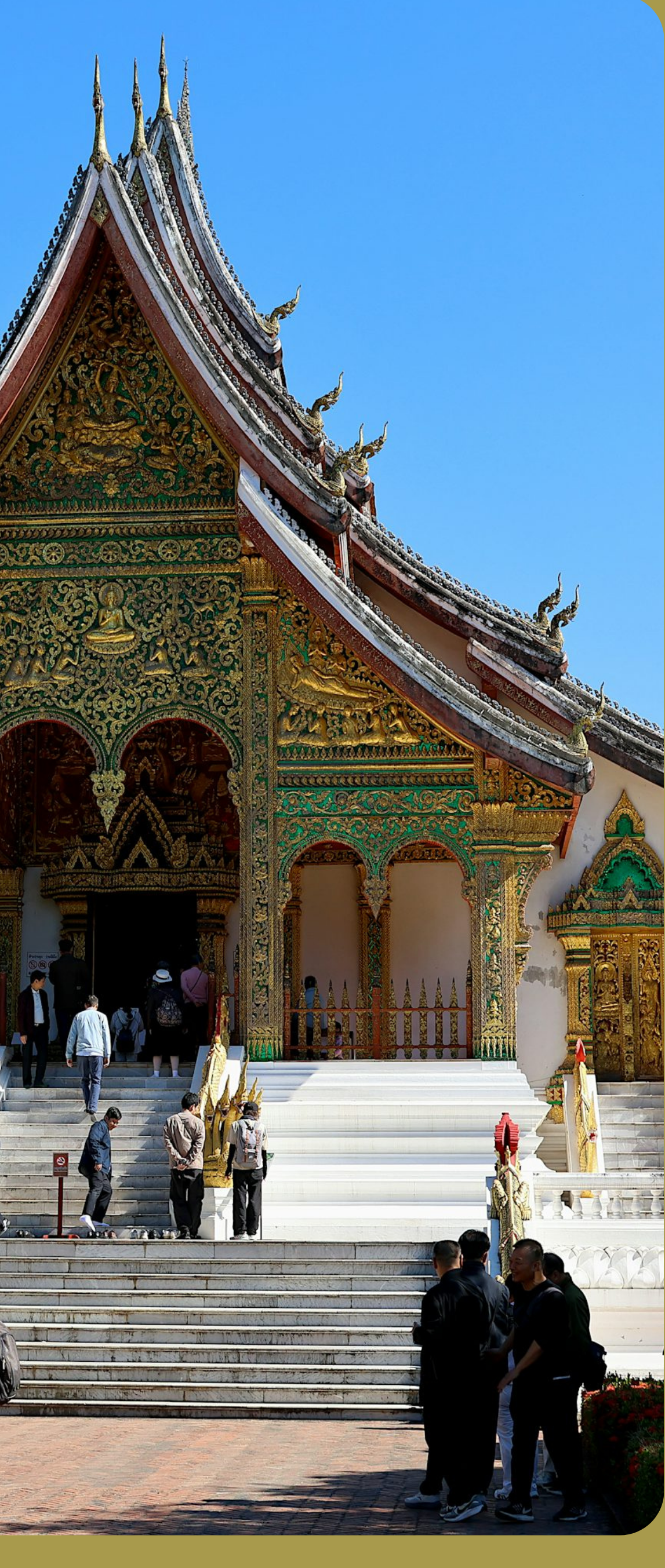
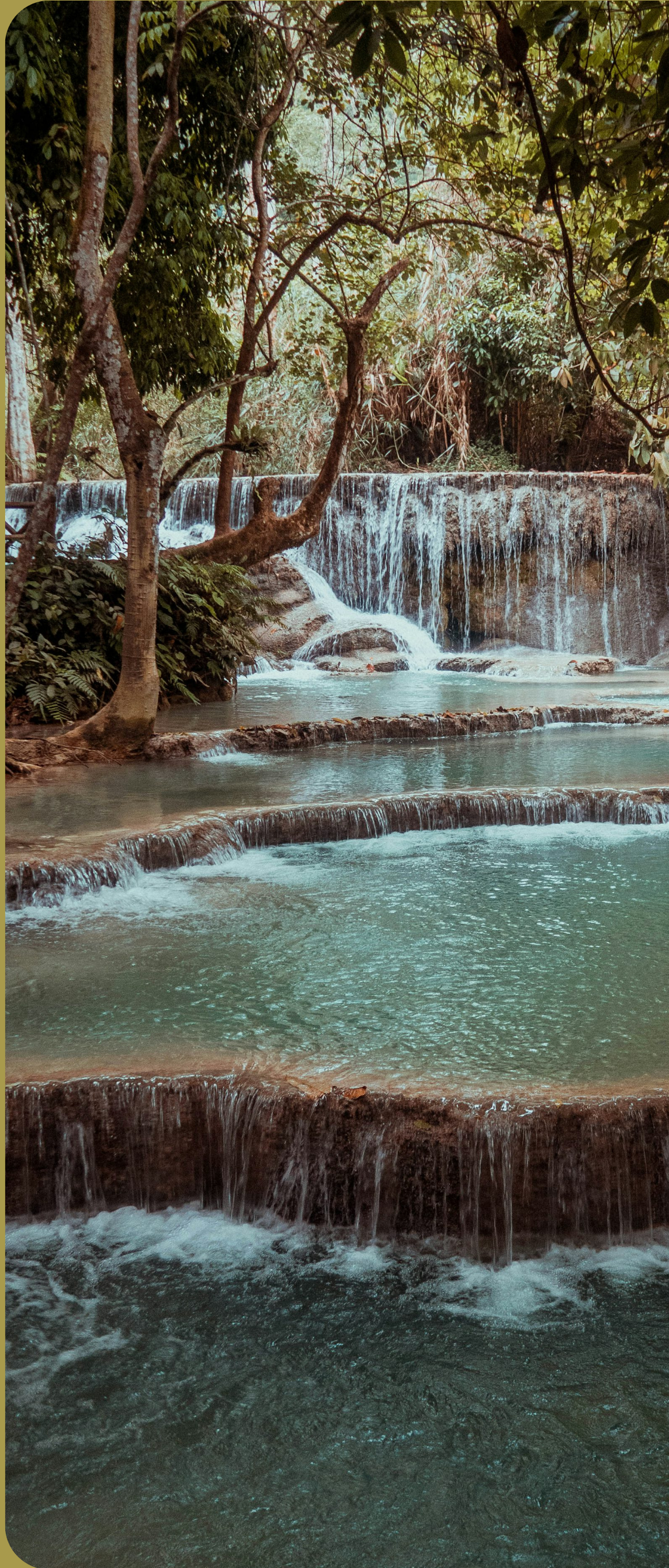
Luang Prabang, the UNESCO-protected former royal capital of Laos, enters its cool dry season peak from November through April, the window when the world's most culturally intentional luxury travellers choose the town's rigorously preserved temples and colonial-era streets over the beach resorts of Thailand or the commercial spectacle of Siem Reap. The season includes the That Luang Festival in November and stretches through to Boun Pi Mai, the Lao New Year, in April, but its commercial value is not any single festival date, it is the full six-month window when Aman Amantaka, Rosewood and Belmond guests fill the town.
For advertisers, the opportunity is not a single festival week, it is the sustained flow of UHNWI cultural heritage travellers through Luang Prabang International Airport across the entire cool dry season, guests who have already made the single most culturally specific and premium hospitality decision available in the Mekong region before they ever land.
Why Airport & City Advertising Works During the Luang Prabang UHNWI Cultural Season
Luang Prabang International Airport (LPQ) is the second-busiest airport in Laos, with approximately 800,000 to 850,000 passengers estimated in 2024, recovering toward its pre-pandemic peak of approximately 1 million in 2019. Modest in volume, the airport is extraordinary in commercial significance: the town of just under 60,000 residents received 1.7 million tourist arrivals in the first ten months of 2024 alone, confirming a post-pandemic recovery in HNWI cultural tourism driven by Laos' eased visa policies and the global premium travel market's deepening appetite for authentic, uncrowded destinations.
What distinguishes LPQ's audience is self-selection: guests choosing Aman Amantaka, set within the grounds of a former French colonial hospital, or Rosewood Luang Prabang, designed by Bill Bensley around a private waterfall, have made a hospitality decision whose cultural depth and design ambition signal a luxury brand relationship vocabulary that is commercially exceptional. Every international HNWI arriving at LPQ has specifically bypassed more accessible Southeast Asian destinations in favour of a place whose UNESCO designation explicitly restricts development to protect its status as the best-preserved traditional town in the region.
The November to April cool dry season concentrates this audience at its highest volume, with the That Luang Festival in November and Mekong river cruise season adding further overlay to the base slow-tourism and cultural heritage flow that defines Luang Prabang year-round.
Key Benefits of Airport & City Advertising During the Luang Prabang Cultural Season
- Reach a qualified, high-spend audience: LPQ's cool season passenger base is defined almost entirely by HNWI cultural heritage and slow tourism travellers who have already committed to Aman, Rosewood or Belmond-level hospitality spend.
- Elevate your brand positioning: association with one of the world's most rigorously preserved UNESCO heritage towns positions a brand within an audience defined by cultural intentionality rather than mass tourism.
- Generate real business opportunity: the season's sustained six-month length, rather than a single festival date, gives brands the ability to build a full campaign around luxury river cruise, wellness and heritage travel categories.
Get Free Expert Assistance from Our Global Media Planning Team
Receive strategic recommendations, media planning support, campaign monitoring and reporting to maximise your visibility throughout the Luang Prabang UHNWI cultural season.
Book Expert Consultation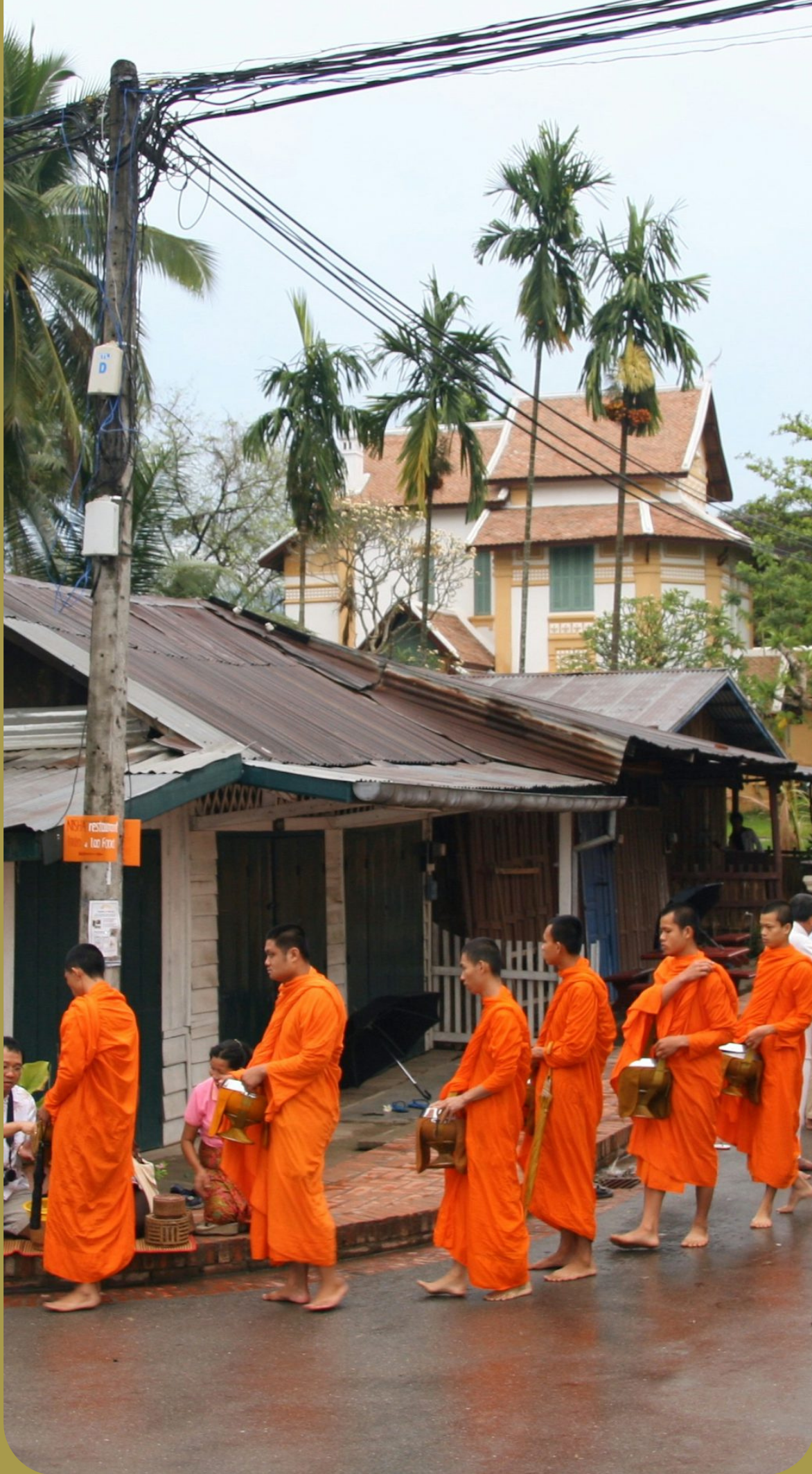
Luang Prabang International Airport (LPQ): The Gateway to Southeast Asia's Most Culturally Intentional HNWI Audience
LPQ is the single air gateway to Luang Prabang, carrying an estimated 800,000 to 850,000 passengers in 2024 into a UNESCO World Heritage town whose visitor profile is defined by luxury cultural heritage and slow tourism travel.
Inventory Highlights
- Arrivals and departures formats reaching an audience almost entirely composed of HNWI cultural heritage and luxury slow tourism travellers
- High-dwell placements suited to the cool dry season's peak November to April volume
- Formats calibrated for cultural heritage luxury travel, premium wellness, fine art and craft, and luxury river cruise categories
Advantages for Advertisers
- An audience whose self-selection into Luang Prabang over more accessible destinations signals exceptional brand relationship depth and luxury discrimination
- Direct alignment with Aman Amantaka, Rosewood and Belmond guest profiles at the single terminal every visitor must pass through
- A sustained season, not a single event date, giving campaigns room to build presence across the full November to April window
Destination Luang Prabang: Full Visitor Journey Coverage
A cultural season visitor's journey moves from the airport, through the old town's temple and heritage hotel corridor across their stay, often extended by river cruise excursions, and back through the terminal on departure. Airport advertising at LPQ is most effective as one part of that sequence, reinforced by presence across the old town's premium hospitality and cultural districts.
A brand visible on arrival, again across Luang Prabang's heritage hotel and temple corridor during the season, and once more at departure builds a recall pattern that a single terminal placement alone cannot achieve.
- Increased brand recall: repeated exposure across arrival, old town and departure touchpoints outperforms a single placement.
- Consistent presence: a campaign spanning the full November to April cool season matches the actual length of Luang Prabang's peak visitor calendar.
- Enhanced campaign effectiveness: sequencing airport and city inventory reinforces the same message across every touchpoint a culturally intentional traveller encounters in Luang Prabang.
Why Brands Choose Airport & City Advertising for the Luang Prabang Cultural Season
- Exclusive audience access. LPQ intercepts one of the most self-selected, culturally intentional luxury travel audiences in Southeast Asia at a single small terminal.
- A prestigious environment. Association with Luang Prabang's UNESCO heritage status and Aman, Rosewood and Belmond-level hospitality elevates a brand beyond generic Southeast Asian tourism advertising.
- End-to-end campaign support. Masscom Global manages planning, booking and reporting across LPQ and city inventory as one coordinated campaign.
- Strategic planning assistance. Our media planning team benchmarks placement and timing recommendations against the confirmed November to April cool dry season peak.
The Masscom Global Standard Behind Every Luang Prabang Cultural Season Placement
- Verified inventory and audience data drawn from LPQ's 800,000 to 850,000 estimated 2024 passenger base and the town's 1.7 million tourist arrivals figure, not estimated or fabricated numbers.
- Transparent delivery reporting throughout the multi-month cultural season campaign window.
- Benchmarked recommendations calibrated to the season's November to April peak and the additional November That Luang Festival overlay.
- We absorb the complexity of coordinating a sustained, multi-month campaign in a market with a smaller but exceptionally high-value audience base.
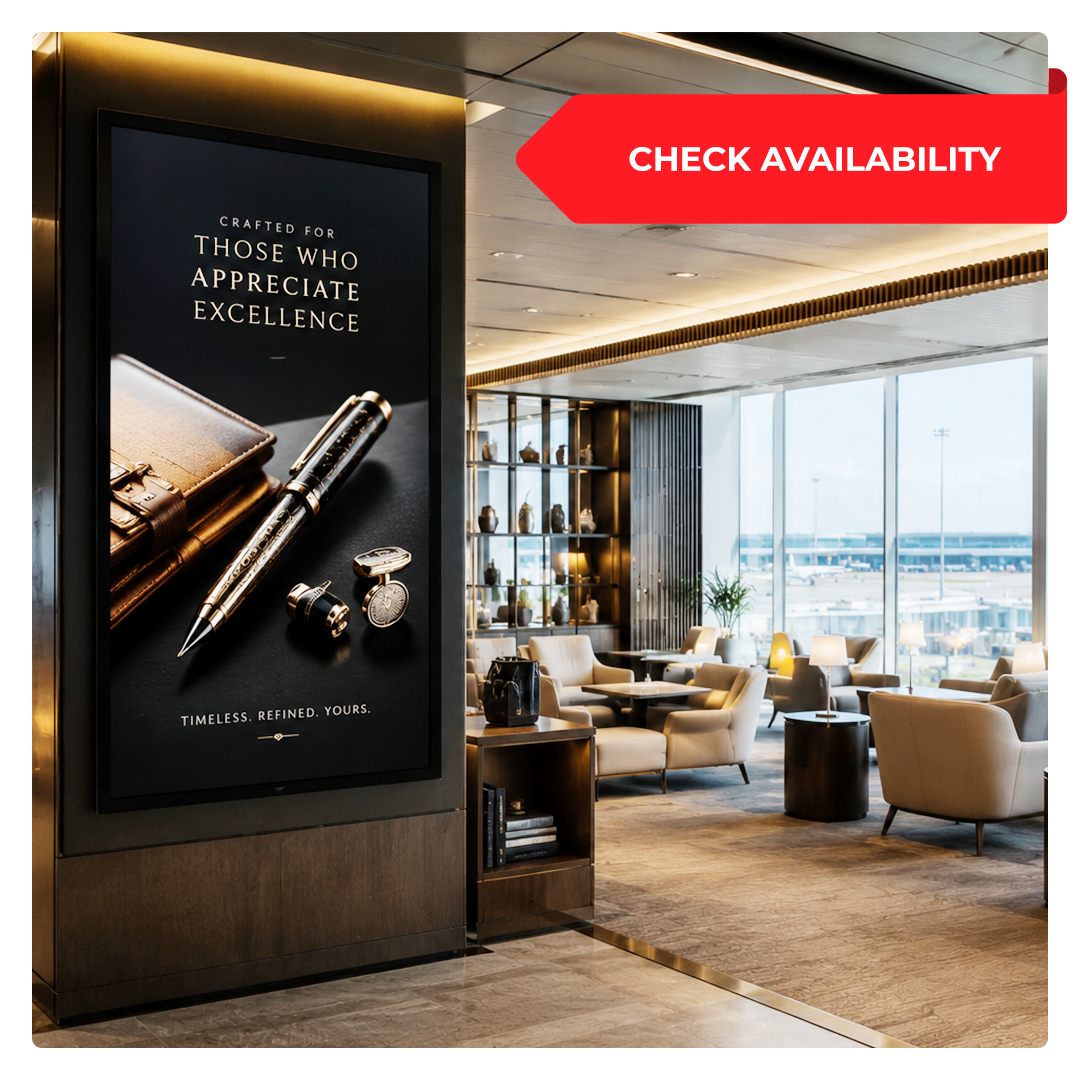
Request Your Customised the Luang Prabang UHNWI cultural season Advertising Plan
Tell us your audience, category and budget. Our planners will return a costed plan across airport and prime city inventory, with availability confirmed.
Book NowFrequently Asked Questions
When should a Luang Prabang cultural season campaign be booked?
Given the cool dry season peak runs November through April, campaigns should be confirmed by early October to secure premium arrivals inventory before the season's opening.
Who actually travels through LPQ during the cultural season?
HNWI cultural heritage and slow tourism travellers from Europe, Australia, the United States and Japan, Aman Amantaka, Rosewood and Belmond guests, luxury Mekong river cruise passengers, and Indochina circuit travellers combining Luang Prabang with Angkor and Hanoi.
Is this campaign relevant given LPQ's relatively modest passenger volume?
Yes. LPQ's commercial value comes from audience quality rather than scale, its passenger base is almost entirely composed of self-selected luxury cultural heritage travellers, making it one of the highest-intent small-airport advertising environments in Southeast Asia.
Can a campaign cover the full visitor journey, not just the airport?
Yes. Masscom Global plans LPQ inventory alongside prime placements across Luang Prabang's old town heritage hotel and temple corridor as one sequenced campaign.
What brand categories perform best in this market?
Cultural heritage luxury travel, premium slow tourism, fine art and craft, premium wellness and spa, luxury river cruise, and conservation philanthropy brands align most directly with LPQ's visitor profile.
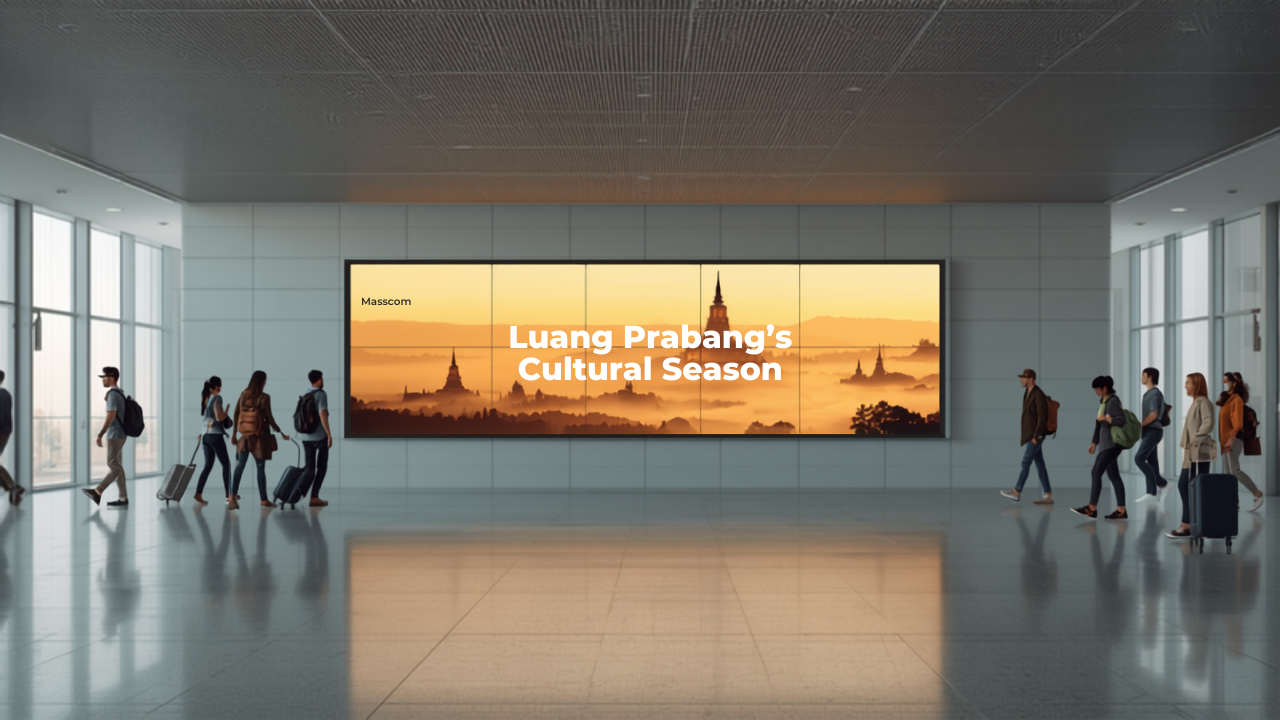
The Luang Prabang Cultural Season Won't Wait. Neither Should You.
- Once a year, then gone: the cool dry season peak runs November through April each year, a fixed annual pattern that defines Luang Prabang's visitor calendar.
- Competitors are already moving: luxury hospitality and cultural heritage travel brands with Southeast Asian programmes plan Luang Prabang season activity months ahead.
- The window is exact, not approximate: the November to April cool season is a well-documented, consistent annual pattern, not a loosely defined guess.
- The alternative reaches the wrong audience: generic Southeast Asian tourism advertising misses the specific concentration of self-selected, culturally intentional UHNWI travellers this season creates.
Related Airport Advertising Guides
Detailed inventory, audience and planning notes for the airports covered above:
 Wealth in motion intelligence.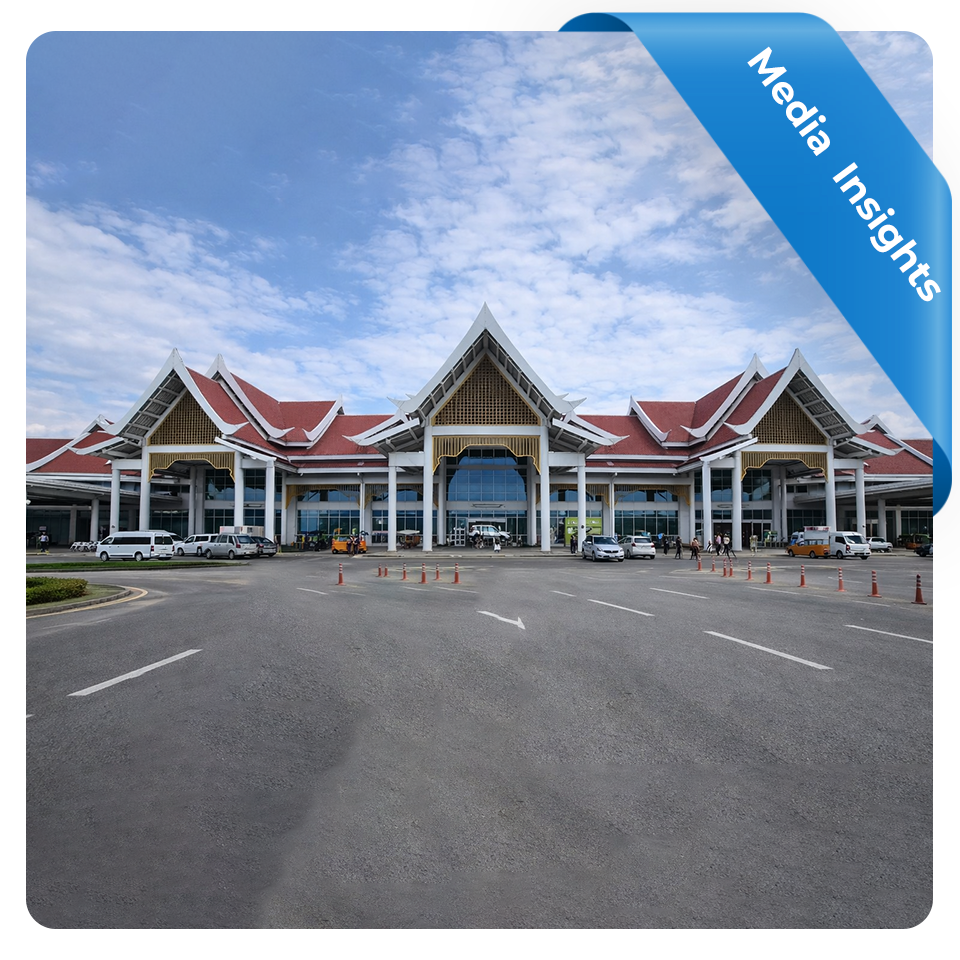
Get Free Expert Assistance Now
Our global media planning team will assess your category, budget and target audience, then return specific placement recommendations across LPQ ahead of the 2026-2027 cool dry season.
Request Availability
Confirm your Luang Prabang inventory now, availability across LPQ's terminal tightens as the November cool season opening approaches.
The Luang Prabang UHNWI cultural season concentrates one of the world's most self-selected, culturally intentional luxury travel audiences into a single six-month window each year, all moving through LPQ's terminal into a UNESCO heritage town defined by Aman, Rosewood and Belmond-level hospitality. Combined with prime city inventory across the old town's heritage corridor, sequenced across the visitor journey, a cool season campaign reaches an audience whose luxury discrimination is exceptional relative to the airport's modest overall scale.