

Airport at a Glance
| Field | Detail |
|---|---|
| Airport | Luang Prabang International Airport |
| IATA Code | LPQ |
| Country | Laos PDR |
| City | Luang Prabang, Luang Prabang Province, Laos |
| Annual Passengers | Approximately 800,000–850,000 (2024 estimate); 1.7 million tourist arrivals to Luang Prabang in first 10 months 2024; pre-pandemic peak approximately 1 million (2019) |
| Primary Audience | HNWI cultural heritage and slow tourism travellers (European, Australian, American, Japanese); Aman Amantaka, Rosewood, and Belmond guests; luxury Mekong river cruise passengers; Buddhist heritage and spiritual travel HNWI; Indochina circuit HNWI (Luang Prabang-Angkor-Hanoi) |
| Peak Advertising Season | November to April (cool dry season — optimal conditions); Boun Pi Mai (Lao New Year, April); That Luang Festival (November) |
| Audience Tier | Tier 2 Very High |
| Best Fit Categories | Cultural heritage luxury travel, premium slow tourism brands, fine art and craft, premium wellness and spa, luxury river cruise, conservation philanthropy, premium organic and slow food |
Luang Prabang International Airport occupies a position in Laos' aviation network — and in Southeast Asian cultural tourism — that is both modest in volume and extraordinary in commercial significance. It is the second-busiest airport in Laos with approximately 800,000 to 850,000 passengers estimated in 2024, recovering toward its pre-pandemic peak of approximately 1 million in 2019. But the meaning of those passengers is commercially transformative: every international HNWI arriving at LPQ has specifically chosen one of the world's most rigorously preserved historic towns as their Southeast Asian destination, bypassing the beach resorts of Thailand, the street food chaos of Hanoi, and the commercial spectacle of Siem Reap in favour of a place whose UNESCO designation explicitly restricts development to protect what the UNESCO report called "the best-preserved traditional town in Southeast Asia." The town of just under 60,000 residents received 1.7 million tourist arrivals in the first ten months of 2024 alone — confirming a post-pandemic recovery whose HNWI cultural tourism audience is growing strongly, driven by Laos' eased visa policies and the global premium travel market's deepening appetite for authentic, uncrowded, and culturally profound destinations that cannot be replicated elsewhere.
What distinguishes LPQ commercially from every other small Southeast Asian airport is the self-selection perfection of its visitor community. The HNWI who books Aman Amantaka — set within the grounds of a former French colonial hospital at the foot of Mount Phousi — has not searched for the cheapest way to Southeast Asia; they have made the most culturally specific and most premium hospitality decision available in the Mekong region. The guest who chooses Rosewood Luang Prabang — designed by Bill Bensley in a valley with its own private waterfall, modelled on a Laotian hill station from the colonial period of exploration — has made a hospitality choice whose cultural depth and design ambition signal a brand relationship vocabulary that is commercially exceptional. For advertisers, LPQ is not merely a small airport in Laos — it is the single terminal through which Southeast Asia's most culturally intentional and most luxury-committed HNWI must pass.
Advertising Value Snapshot
- Passenger scale: Approximately 800,000–850,000 total passengers estimated in 2024; 1.7 million tourist arrivals to Luang Prabang in first 10 months of 2024; pre-pandemic peak approximately 1 million passengers (2019); ongoing PPP-led capacity expansion targeting beyond 1.5 million annual passengers; 6 airlines serving 10 destinations in 4 countries including Bangkok, Hanoi, Chiang Mai, Siem Reap, Kunming, and Vientiane; 2,300-metre runway accommodating Airbus A320-class aircraft
- Traveller type: European HNWI cultural heritage travellers (French, British, German, Swiss) on Indochina luxury circuit itineraries; American HNWI on Southeast Asia discovery journeys; Japanese HNWI cultural and temple pilgrimage visitors; Australian HNWI on regional cultural tours; Aman Amantaka and Rosewood Luang Prabang luxury resort guests whose per-night rates confirm Very High HNWI status; Belmond river cruise passengers arriving by boat from the Thai-Lao border via the Mekong
- Airport classification: Tier 2 Very High — Laos' second-busiest airport; the sole international gateway to Southeast Asia's most prestigious UNESCO World Heritage town; a single-terminal facility whose entire passenger composition is 100% culturally intentional HNWI leisure traveller
- Commercial positioning: Southeast Asia's most culturally exclusive UNESCO World Heritage gateway — the entry point to a destination that explicitly prohibits commercial advertising within its heritage zone, making LPQ the most important and only commercial brand communication point accessible to the world's most anti-commercial luxury cultural tourists
- Wealth corridor signal: Aman Amantaka's 24 suites at USD 800–2,000+ per night; Rosewood Luang Prabang's riverside villas and hilltop tents at comparable luxury rates; Belmond La Résidence Phou Vao's established luxury hilltop credentials; the HNWI per-night spending at these three properties collectively confirms that LPQ's luxury hospitality audience represents the highest per-night spending leisure tourists in Laos
- Advertising opportunity: Masscom Global positions brands at LPQ — the only commercial advertising environment accessible to guests of Aman, Rosewood, and Belmond in Luang Prabang — to intercept Southeast Asia's most culturally intentional HNWI at the sole gateway of a UNESCO-protected heritage destination that bans commercial billboards within its own boundaries, making the airport terminal the most important and most exclusive brand communication point in the entire Luang Prabang visitor experience.
Airport Advertising is Complex to Get Right
We help you execute faster, with proven results and local insight most planners lack starting now.
Talk to an ExpertCatchment Area and Economic Drivers
Top 10 Cities within 150 km — Marketer Intelligence:
- Luang Prabang city centre (4 km from LPQ): The UNESCO World Heritage historic town — a peninsula at the confluence of the Mekong River and Nam Khan River whose 33 Buddhist temples, 111 French colonial heritage buildings, and strict UNESCO development controls have preserved it as "the best-preserved traditional town in Southeast Asia"; the town's daily monk alms-giving ceremony (tak bat) at dawn — where hundreds of saffron-robed monks walk in silence to receive offerings from local families — is considered one of the most spiritually powerful and most photographed cultural rituals in Southeast Asia; UNESCO zoning explicitly restricts advertising billboards, chain restaurants, and buildings taller than a palm tree within the heritage boundary
- Kuang Si Waterfall (30 km south): Luang Prabang's most visited natural attraction — a series of turquoise cascading pools whose UNESCO-adjacent ecosystem includes a bear rescue centre and trekking trails; the HNWI adventure and nature tourism community transiting LPQ includes a significant proportion whose Kuang Si waterfall visit is among their most anticipated experiences
- Nam Ou River and boat routes (north): The Nam Ou River's limestone karst valley — connecting Luang Prabang northward to Nong Khiaw, Muang Ngoi, and the remote Phongsali province — creates a premium slow boat and kayaking adventure tourism circuit whose HNWI adventure and exploration audience is growing as Laos' untouched northern landscapes attract the same sophisticated traveller who has already visited the Mekong's more accessible reaches
- Mekong River corridor (west): The Mekong's upper reaches between Luang Prabang and the Thai border (Huay Xai, approximately 300 km) is traversed by the famous "slow boat" — a two-day wooden passenger boat journey that has become a premium HNWI discovery travel experience complemented by Belmond's Mekong Sun luxury riverboat; the HNWI who arrives at LPQ after a Belmond river cruise from Chiang Rai via the Mekong represents one of the most premium single-journey HNWI experiences in continental Southeast Asia
- Pak Ou Caves (25 km north by river): The ancient limestone caves at the confluence of the Mekong and Ou rivers — whose walls and niches hold thousands of Buddha figures placed by pilgrims over centuries — are one of Southeast Asia's most spiritually significant Buddhist heritage sites and one of Luang Prabang's most iconic river excursion destinations for HNWI cultural heritage visitors
- Nong Khiaw (150 km north): An emerging premium eco-tourism destination in a spectacular limestone karst valley whose boutique lodge ecosystem is growing as HNWI cultural travellers seek to extend their Luang Prabang circuit into Laos' more remote northern landscapes; accessible from Luang Prabang by boat or road and increasingly by private charter
- Vang Vieng (150 km south): Laos' adventure tourism town on the Nam Song River — transformed in recent years from a budget backpacker destination into a more diversified tourism economy including premium limestone karst balloon flights and upscale cave experiences; HNWI on combined Luang Prabang-Vang Vieng-Vientiane itineraries transit LPQ
- Plain of Jars, Phonsavan (200 km east): One of Southeast Asia's most extraordinary and most mysterious archaeological sites — thousands of ancient stone jars of unknown origin scattered across the Xieng Khouang plateau, accessible from Luang Prabang by light aircraft; the HNWI archaeological heritage tourist combining Luang Prabang with the Plain of Jars creates a specialist cultural discovery audience whose per-trip spending is among the highest of any Laos visitor segment
- Luang Namtha and Golden Triangle border region (250 km northwest): The trekking and ethnic minority cultural heritage tourism hub of northern Laos — whose Nam Ha National Protected Area eco-trekking, Akha and Hmong village cultural tourism, and proximity to the Golden Triangle opium history create a specialist HNWI adventure and heritage tourism audience whose northern Laos circuit begins and ends at LPQ
- Xieng Khouang and Royal Palace museum district (adjacent to Luang Prabang): The former Royal Palace of the Kingdom of Laos — now a national museum housing royal artefacts, ceremonial regalia, and the most significant collection of Lao royal cultural heritage in existence — creates a specialist royal heritage tourism audience whose cultural depth and historical knowledge reflect the most educationally sophisticated HNWI available at any Laos airport
NRI and Diaspora Intelligence:
Luang Prabang's visitor community is defined entirely by cultural intentionality rather than diaspora or remittance patterns. The most commercially significant international HNWI audiences at LPQ are: French nationals — whose colonial-era connection to Indochina created a cultural relationship with Luang Prabang that runs deeper than any other Western nationality, whose French colonial architectural heritage is preserved within the UNESCO boundary, and whose HNWI cultural tourism tradition in Laos has been continuous since the colonial period; British nationals on multi-week Indochina luxury circuit itineraries combining Luang Prabang with Angkor and Hội An; American HNWI whose Southeast Asia discovery journeys increasingly include Laos as the most authentic and least commercialised addition to the Indochina circuit; Japanese HNWI whose deep Buddhist heritage connection to Luang Prabang's temple culture creates one of the most culturally resonant international tourism relationships in the region; and Australian HNWI whose proximity and cultural adventurousness make Laos a consistent premium discovery destination.
Economic Importance:
Tourism is the primary economic engine of Luang Prabang — the 1.7 million visitors in the first ten months of 2024 represent both a strong post-pandemic recovery and a structural endorsement of the destination's continued HNWI cultural premium. The luxury boutique hotel sector — anchored by Aman Amantaka, Rosewood Luang Prabang, and Belmond La Résidence Phou Vao — generates the highest per-visitor economic value in the Lao tourism economy; a single couple's stay at Aman Amantaka generates more economic value than dozens of budget travellers. The Mekong river cruise economy — including Belmond's Mekong Sun and the growing premium river cruise operator ecosystem — creates a consistent HNWI inbound audience whose pre-arrival planning and post-departure cultural sharing behaviour amplifies Luang Prabang's global HNWI awareness far beyond its visitor numbers.
Business and Industrial Ecosystem
- Aman Amantaka (Aman Resorts): Set in a historic French colonial hospital estate at the foot of sacred Mount Phousi, 24 suites with private pools, a 10-minute walk from the town centre; one of the most critically acclaimed Aman properties in Southeast Asia; guests may combine stays with Amansara in Siem Reap on the brand's Angkor-Luang Prabang circuit; the Amantaka's cultural programme — silk-weaving workshops, monk blessing ceremonies, photography masterclasses, guided temple tours — creates the deepest cultural engagement available at any Laos luxury property
- Rosewood Luang Prabang: Designed by Bill Bensley in a valley outside town, 23 accommodations including riverside rooms, suites, waterfall pool villas, and hilltop tents; modelled on a Laotian hill station from the colonial exploration period; its Great House dining room references the mansion of Auguste Pavie, the French explorer and governor of Luang Prabang; organic garden-to-table cuisine, treatments using Laotian healing remedies; named among the finest design-forward luxury resort openings in Southeast Asia
- Belmond La Résidence Phou Vao and Belmond Mekong Sun river cruise: The classic hilltop teak mansion property with its famous infinity pool overlooking the valley, combined with Belmond's luxury Mekong River cruise from Chiang Rai to Luang Prabang — creating the most prestigious single arrival experience in Laos, where HNWI guests complete a two-day luxury river journey before disembarking at the town's waterfront steps; La Résidence is consistently cited as one of travellers' favourite hotels in all of Asia
- Lao silk and artisan craft economy: Luang Prabang's thriving Lao silk weaving tradition — whose artisans produce some of Southeast Asia's most technically accomplished handloom silk in distinctive Luang Prabang patterns and colours — creates a premium craft economy whose HNWI collector audience is growing through international art fair and heritage craft awareness; the night market's silk and craft ecosystem is one of the most HNWI-relevant artisan commerce environments in continental Southeast Asia
Passenger Intent — Business Segment:
LPQ has essentially no conventional business transit. There is no industrial economy, no financial district, and no corporate headquarters in Luang Prabang. The closest equivalent to a professional audience is the luxury hospitality management community — Aman, Rosewood, Belmond hotel management — whose professional transit between Luang Prabang and Bangkok or Hanoi creates a small but commercially premium professional audience. UNESCO and international conservation organisations maintaining Luang Prabang's heritage programme create a secondary professional cultural heritage audience. Every other passenger at LPQ is a culturally motivated HNWI leisure traveller.
Strategic Insight:
Luang Prabang International Airport's most commercially distinctive characteristic is the paradox that makes it commercially extraordinary: the destination it serves bans commercial advertising within its own boundaries. UNESCO's zoning laws for Luang Prabang explicitly prohibit advertising billboards, and the heritage zone's architectural controls prevent the commercial clutter that defines most Asian tourist towns. This means that LPQ's terminal is not merely a useful advertising environment — it is the only commercial advertising environment accessible to the HNWI guests of Aman, Rosewood, and Belmond before they enter a UNESCO-protected heritage zone where brand communications are prohibited. The airport is the entire commercial conversation between premium brands and Luang Prabang's most exclusive visitors. For advertisers, this exclusivity is commercially transformative.
Tourism and Premium Travel Drivers
- The daily alms-giving ceremony (tak bat) at dawn: The most spiritually powerful and most photographically iconic cultural ritual in Luang Prabang — hundreds of saffron-robed monks walking in dawn silence to receive food offerings from kneeling lay Buddhists along the main street — creates the defining cultural encounter of every HNWI visit and the primary emotional anchor of the Luang Prabang luxury tourism experience; the tak bat at dawn is the reason the best-preserved traditional town in Southeast Asia retains its UNESCO status and its premium cultural identity
- Aman Amantaka — one of Southeast Asia's finest luxury resort experiences: The Aman brand's Luang Prabang property — set in the grounds of a former French colonial hospital, with 24 suites in a garden estate that embodies the colonial charm of the town's UNESCO heritage — is consistently cited by luxury travel media as one of the most emotionally resonant hotel experiences in Southeast Asia; the property's proximity to the tak bat route, the temples of Mount Phousi, and the Mekong waterfront creates an urban luxury experience whose cultural depth is the equal of any Aman property worldwide
- Rosewood Luang Prabang — jungle luxury and colonial exploration heritage: Bill Bensley's masterwork of resort design — a valley retreat modelled on the mansion of French explorer Auguste Pavie with its own private waterfall, organic garden, and tented hilltop accommodations — represents the most distinctive new luxury accommodation opening in mainland Southeast Asia in recent years; the property's deliberate narrative of Mekong exploration heritage creates a brand context of extraordinary depth for HNWI guests whose cultural appetite extends beyond temple visits
- Belmond Mekong Sun river cruise — the most prestigious arrival in Laos: The two-day luxury wooden boat journey from Chiang Rai (Thailand) down the Mekong to Luang Prabang — passing through the Pak Beng bend, the Golden Triangle region, and the Pak Ou Cave approaches — is considered one of the great river journeys in Southeast Asian luxury tourism; HNWI guests arriving by Belmond Mekong Sun step directly from the river into the UNESCO heritage town with an experiential investment that sets the deepest possible cultural engagement tone for their stay
Passenger Intent — Tourism Segment:
The HNWI arriving at Luang Prabang International Airport has made the most culturally specific luxury travel decision available in continental Southeast Asia. They have chosen a destination that is defined not by beaches, shopping, or nightlife — but by the quality of the silence before dawn when the monks walk, the texture of handwoven silk in the night market, the mathematics of the temple roof's ascending tiers, and the light on the Mekong at dusk. This is an audience whose destination choice is itself a statement of cultural values — the preference for depth over spectacle, authenticity over novelty, and the quality of a slow morning over the convenience of a fast day. For brands communicating at LPQ, this cultural sophistication creates a brand engagement context whose depth and permanence are unmatched at any other Southeast Asian tourism airport.
Travel Patterns and Seasonality
Peak seasons:
- November to April (cool dry season — optimal conditions): Luang Prabang's most comfortable and most visually spectacular season — when temperatures are 20–30°C, rainfall is minimal, and the morning mist over the Mekong creates the most photographically beautiful conditions in the town's annual calendar; international HNWI visitor concentration is highest in this window, and all three flagship luxury properties operate at maximum occupancy; the November to April window is the primary peak advertising opportunity at LPQ
- Boun Pi Mai — Lao New Year (April 13–15): The most important national celebration in Laos — a three-day festival of water blessings, ceremonial processions, and community ritual that transforms Luang Prabang into the most vibrant cultural spectacle in the country; the HNWI cultural tourism audience whose specific motivation is the Lao New Year celebration is among the most passionate and most premium leisure audiences at LPQ
- That Luang Festival (November, Vientiane — but affects Luang Prabang traffic): The most sacred Buddhist festival in Laos, centred on Vientiane's That Luang temple — whose HNWI Buddhist heritage pilgrimage audience often combines a Vientiane That Luang visit with a Luang Prabang temple circuit on a combined cultural itinerary
- October to March (peak Mekong river cruise season): The Mekong's manageable water levels during the dry season make river cruise operations most practical; Belmond Mekong Sun's peak season arrivals into Luang Prabang create a consistent luxury HNWI audience at LPQ's arrival terminal
Event-Driven Movement:
- Boun Ok Phansa (October — end of Buddhist Lent): The celebration marking the end of the Buddhist monks' three-month retreat — celebrated with boat races on the Mekong and the release of krathong floating lanterns — creates a visually extraordinary cultural event whose HNWI photography and cultural heritage audience is significant
- Boun Pi Mai / Lao New Year (April 13–15): Three days of water-blessing ceremonies, white elephant processions, and community water fights that are simultaneously the most culturally authentic and most HNWI-attended event in the Luang Prabang annual calendar; LPQ reaches its highest cultural tourism HNWI concentration in this window
- Chinese New Year (January/February): Increasing Chinese HNWI visitor numbers to Luang Prabang — driven by direct connectivity from Kunming (China Eastern seasonal service) and the Laos-China high-speed rail connection from Vientiane — create a growing Chinese HNWI cultural tourism audience at LPQ; Chinese travellers represent the single fastest-growing new international audience at Luang Prabang as the Laos-China Railway brings the city within reach of Yunnan province's HNWI cultural travellers
- Annual Photography Festival (various windows): Luang Prabang's growing international photography festival and workshop calendar — attracting HNWI professional and serious amateur photographers whose pursuit of the tak bat light, the temple architecture, and the Mekong evening glow makes Luang Prabang one of Asia's most celebrated photography destinations — creates a consistent specialist HNWI creative arts audience at LPQ
It’s Not Just Where You Advertise - It’s How Fast You Execute
We combine local insight with fast rollout to deliver results for you, now.
Talk to an ExpertAudience and Cultural Intelligence
Top 2 Languages:
- English: The primary international tourism language at LPQ — reaching the full breadth of the airport's HNWI cultural heritage audience from Europe, Australia, the Americas, and Japan; English-language campaign creative at LPQ communicates with the cultural sophistication and literary quality that Luang Prabang's HNWI visitor community expects; the premium luxury travel writing tradition — from Colin Thubron's accounts of the Mekong to Pico Iyer's Southeast Asian meditations — shapes the English-language cultural register that resonates most deeply with LPQ's international HNWI audience
- French: The language of the most historically connected and most culturally loyal HNWI audience at LPQ; French nationals' relationship with Luang Prabang runs through the colonial architecture they see preserved in the UNESCO heritage buildings, the French culinary influence in the restaurants, and the Lao-French cultural hybrid that makes Luang Prabang simultaneously the most Southeast Asian and most European town in continental Laos; French-language campaign creative at LPQ acknowledges this cultural ownership with a depth of resonance that no other language can match for this audience
Major Traveller Nationalities:
French nationals form the most historically and culturally connected international audience at LPQ — Luang Prabang's French colonial architectural legacy, the French-language menus in heritage restaurants, and the baguettes sold from baskets by women on bicycles create a Francophone cultural familiarity whose HNWI luxury tourism community feels a specific proprietary connection to the destination. American HNWI represent the highest per-trip spending international audience — whose luxury resort choices (Aman, Rosewood), premium activity spending, and cultural immersion investment make them commercially the most significant nationality at LPQ's luxury hotel arrivals terminal. British HNWI on Indochina luxury circuits are consistent and high-spending. Japanese HNWI whose Buddhist cultural heritage connection to the temples of Luang Prabang is the deepest of any non-Buddhist Western-adjacent nationality create a consistently high per-temple-visit spending audience. Chinese HNWI from Yunnan are the fastest-growing new audience.
Religion — Advertiser Intelligence:
- Buddhism (Theravada — dominant among Lao population and a key visitor motivation): The Buddhist temple culture of Luang Prabang — its morning alms-giving ceremony, its 33 active temples, its community of monks and novices — is the primary cultural motivation for the majority of LPQ's HNWI international visitors; Buddhism provides the spiritual and aesthetic framework within which the entire Luang Prabang experience is structured; brands communicating at LPQ whose values of contemplation, craftsmanship, natural beauty, and cultural heritage align with the Buddhist aesthetic philosophy find an audience whose experiential framing is uniquely receptive to these values
- Secular cultural heritage HNWI (dominant international audience): The majority of LPQ's HNWI international visitors are culturally motivated secular travellers whose engagement with Luang Prabang's Buddhist heritage is aesthetic and intellectual rather than devotional; their travel timing is governed by the cultural calendar of the destination (Boun Pi Mai, Boun Ok Phansa, the photography festivals) rather than religious observance
Behavioral Insight:
The HNWI arriving at Luang Prabang International Airport is, in the collective wisdom of the luxury travel industry, one of the most sophisticated and most intentional cultural travellers in the world. Luang Prabang does not attract HNWI by accident — it attracts specifically the HNWI who has been drawn by reputation, by literary recommendation, by the counsel of a trusted travel adviser, or by the desire to experience the last truly unspoiled UNESCO heritage town in Southeast Asia before it changes. This is an audience that has read Graham Greene's The Quiet American, that knows the difference between Luang Prabang and Luang Namtha, that can name the temples by their Pali names, and that chose Amantaka specifically because it occupies a former colonial hospital site whose stones carry the weight of Indochina's most complex century. For brands communicating at LPQ, this cultural depth creates a brand engagement context whose intellectual quality demands an equal creative standard from the advertising that enters this space.
Outbound Wealth and Investment Intelligence
The HNWI departing Luang Prabang International Airport is completing what many describe as the most emotionally profound cultural travel experience available in Southeast Asia. Their outbound behaviour is shaped by the specific depth of reflection that Luang Prabang induces — a destination whose silence, craftsmanship, and spiritual presence create a post-visit mindset that is uncommonly receptive to brand communications whose values of quality, heritage, and authentic cultural engagement match what the visitor has just experienced.
Outbound Real Estate Investment:
The European and American HNWI cultural tourism community transiting LPQ includes a growing population whose Luang Prabang experience has introduced them to Laos as a potential lifestyle investment destination — Luang Prabang's emerging premium boutique villa and heritage house conversion market is attracting HNWI second-home buyers whose French and European investors are beginning to replicate the pattern established by Hội An's boutique heritage residential market. For international luxury real estate developers with comparable heritage-adjacent premium properties — Provence, Tuscany, Bali's cultural heritage villages, Rajasthan — LPQ's departing HNWI audience includes a significant proportion of individuals whose Luang Prabang experience has confirmed their appetite for heritage lifestyle real estate.
Outbound Education Investment:
The culturally sophisticated HNWI families transiting LPQ — whose children's Southeast Asia cultural education is being shaped by experiences like the Luang Prabang tak bat, the Kuang Si waterfall trek, and the silk-weaving workshop — represent a commercially significant audience for premium international schools with cultural education programmes, outdoor and experiential learning schools in Asia, and university gap year programmes with Southeast Asian cultural and development components.
Outbound Wealth Migration and Residency:
Data not available for specific Luang Prabang HNWI outbound residency patterns. The broader audience of culturally motivated HNWI cultural heritage travellers at LPQ is not primarily motivated by investment migration — they are motivated by cultural experience; their wealth management behaviour is shaped by the premium leisure and cultural investment patterns of the European and American HNWI whose travel preferences are increasingly defined by UNESCO heritage destinations.
Strategic Implication for Advertisers:
The HNWI departing LPQ is in a state of cultural saturation and emotional fulfilment that creates a uniquely receptive brand formation moment. The post-Luang Prabang departure state — the quiet of having watched the monks at dawn, the craftsmanship of having handled handwoven Lao silk, the spiritual gravity of having sat in silence at Wat Xieng Thong — creates a brand receptivity whose depth and permanence are rooted in the values of genuine quality, cultural authenticity, and the slow creation of things worth making well. Brands communicating at LPQ whose creative registers these values authentically will find a permanent brand association among the most sophisticated and most culturally credentialed HNWI available at any Southeast Asian tourism airport. Masscom Global structures campaigns at LPQ to honour this emotional context with creative that earns its place in the passenger's final Luang Prabang memory.
Airport Infrastructure and Premium Indicators
Terminals:
- Luang Prabang International Airport operates a single modern terminal building that opened in 2013 following significant upgrades including runway extension to 2,900 metres to accommodate Airbus A320-class aircraft; the terminal provides a compact, efficient arrival and departure experience with shops, restaurants, currency exchange, ATMs, and visa-on-arrival services; international and domestic flights share the terminal, and daily operations run from 08:00 to 21:00; ongoing PPP-led upgrades target expansion beyond 1.5 million annual passengers with improved security screening, digital passenger processing, and enhanced visa-on-arrival systems
- The airport is located 4 kilometres from the UNESCO heritage town centre — a 10-minute drive whose brevity creates an unusually immediate transition from the aircraft door to the heritage town's temple-lined streets; Amantaka specifically notes its 10-minute airport transfer as a hospitality selling point
Premium Indicators:
- The convergence of Aman, Rosewood, and Belmond in a single small Southeast Asian city is the most powerful luxury hospitality premium indicator available at any Laos airport; the simultaneous presence of all three of the world's most prestigious boutique luxury hotel brands in a town of under 60,000 residents creates a concentration of ultra-premium hospitality brand endorsement that is extraordinary by any regional standard; no other city in continental Southeast Asia outside Bangkok hosts all three of these ultra-luxury brands simultaneously
- UNESCO's 1995 inscription of the entire town of Luang Prabang — including its Mekong shoreline — with the designation "best-preserved traditional town in Southeast Asia" is the most authoritative cultural heritage endorsement available; UNESCO's identification of 33 temples and 111 historic Lao-French buildings for specific restoration, combined with the explicit prohibition on billboards and commercial development, creates a destination brand authority whose cultural premium is perpetually reinforced by the UN's most respected heritage institution
- Rosewood Luang Prabang's Bill Bensley design credentials — the same architect whose work includes the Four Seasons Tented Camp outside Chiang Rai — create a design heritage premium that signals the Luang Prabang luxury market's international design ambition at the very highest level of resort architecture
- Laos' eased visa policies in 2024 — including expanded visa-on-arrival and e-visa availability for major source markets — create a structural reduction in the friction that historically limited HNWI leisure travel to Laos, compounding the destination's recovery trajectory and supporting the 1.7 million visitor milestone of the first ten months of 2024
Forward-Looking Signal:
Luang Prabang's most commercially significant forward development is the ongoing recovery toward and beyond the pre-pandemic peak, supported by the Laos-China high-speed rail connection from Vientiane (operational December 2021, reaching Luang Prabang) that has transformed the city's accessibility for Chinese HNWI from Yunnan Province. While LPQ serves primarily air arrivals, the rail connection's impact on total visitor numbers supports the airport's own recovery by stimulating the destination's overall tourism economy. PPP-led capacity expansion targeting 1.5 million annual passengers confirms institutional confidence in LPQ's commercial growth. Masscom Global advises brands to establish advertising presence at LPQ now — as the destination recovers toward pre-pandemic levels, the Rosewood's Bill Bensley design continues to generate global luxury travel media coverage, and the Chinese HNWI rail audience compounds the airport's total cultural tourism visitor base.
Airline and Route Intelligence
Top Airlines:
- Lao Airlines: The national flag carrier and dominant airline at LPQ with approximately 18 weekly departures; serving Bangkok Suvarnabhumi, Chiang Mai, Hanoi, Vientiane, Pakse, and domestic destinations; the primary carrier for the Bangkok and Hanoi premium connections
- Bangkok Airways: Premium regional carrier serving Bangkok Suvarnabhumi from LPQ; Bangkok Airways' boutique airline positioning and emphasis on smaller, quality destinations makes it the most brand-aligned carrier for Luang Prabang's premium HNWI audience
- Thai AirAsia: Bangkok Don Muang affordable regional service connecting LPQ to the Bangkok hub for onward international connections
- Vietnam Airlines: Hanoi connection serving the Vietnamese HNWI and international Indochina circuit travellers
- China Eastern: Seasonal Kunming service connecting Luang Prabang to Yunnan Province's growing HNWI cultural tourism market
- Lanexang Airways: Additional Laos domestic connectivity
Key International Routes:
- LPQ to Bangkok Suvarnabhumi (BKK): The most commercially significant international gateway — connecting Luang Prabang to Bangkok's Suvarnabhumi hub and onward to all major European, American, and Asian international points; this route carries the highest proportion of LPQ's premium cabin HNWI international arrivals
- LPQ to Hanoi (HAN): The highest-frequency route from LPQ (9 weekly flights, 21% of all departures) — connecting to Vietnam Airlines' Hanoi hub and the Indochina circuit's Vietnamese component; many HNWI Indochina circuit travellers complete Luang Prabang-Hanoi-Hội An itineraries through this connection
- LPQ to Chiang Mai (CNX): The connection to northern Thailand's premium cultural tourism capital — enabling combined Chiang Mai-Luang Prabang itineraries that are among the most popular HNWI cultural circuit combinations in mainland Southeast Asia
- LPQ to Siem Reap (SAI): The seasonal Cambodia connection enabling the Luang Prabang-Angkor temple circuit — one of the most commercially significant HNWI cultural heritage two-destination combinations in Southeast Asia; Aman specifically promotes a combined Amantaka-Amansara stay on this circuit
Domestic Connectivity:
Vientiane (VTE) and Pakse (PKZ) provide domestic Laos connectivity, enabling multi-destination Laos itineraries combining Luang Prabang with the capital and the Mekong islands of southern Laos.
Wealth Corridor Signal:
LPQ's route network maps the geography of Southeast Asia's HNWI cultural heritage circuit. The Bangkok gateway carries every European, American, and Japanese HNWI who arrives in Southeast Asia via Bangkok's hub before connecting to Luang Prabang. The Hanoi connection carries the Indochina circuit's Vietnamese component. The Chiang Mai connection enables the northern Thailand cultural circuit. The Siem Reap seasonal route enables the ultimate HNWI cultural circuit — Luang Prabang's temples combined with Angkor's World Wonder grandeur in a single Indochina journey.
Media Environment at the Airport
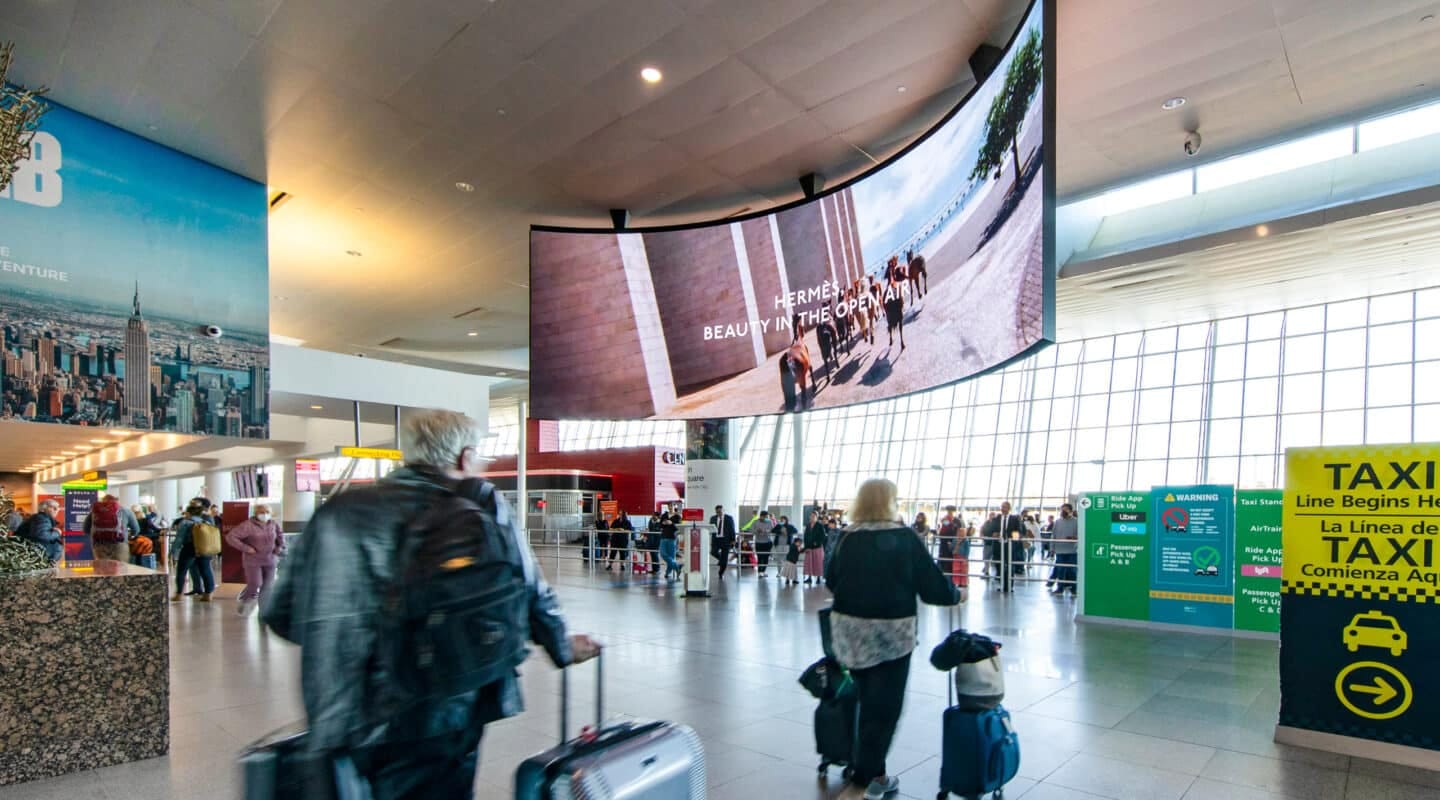
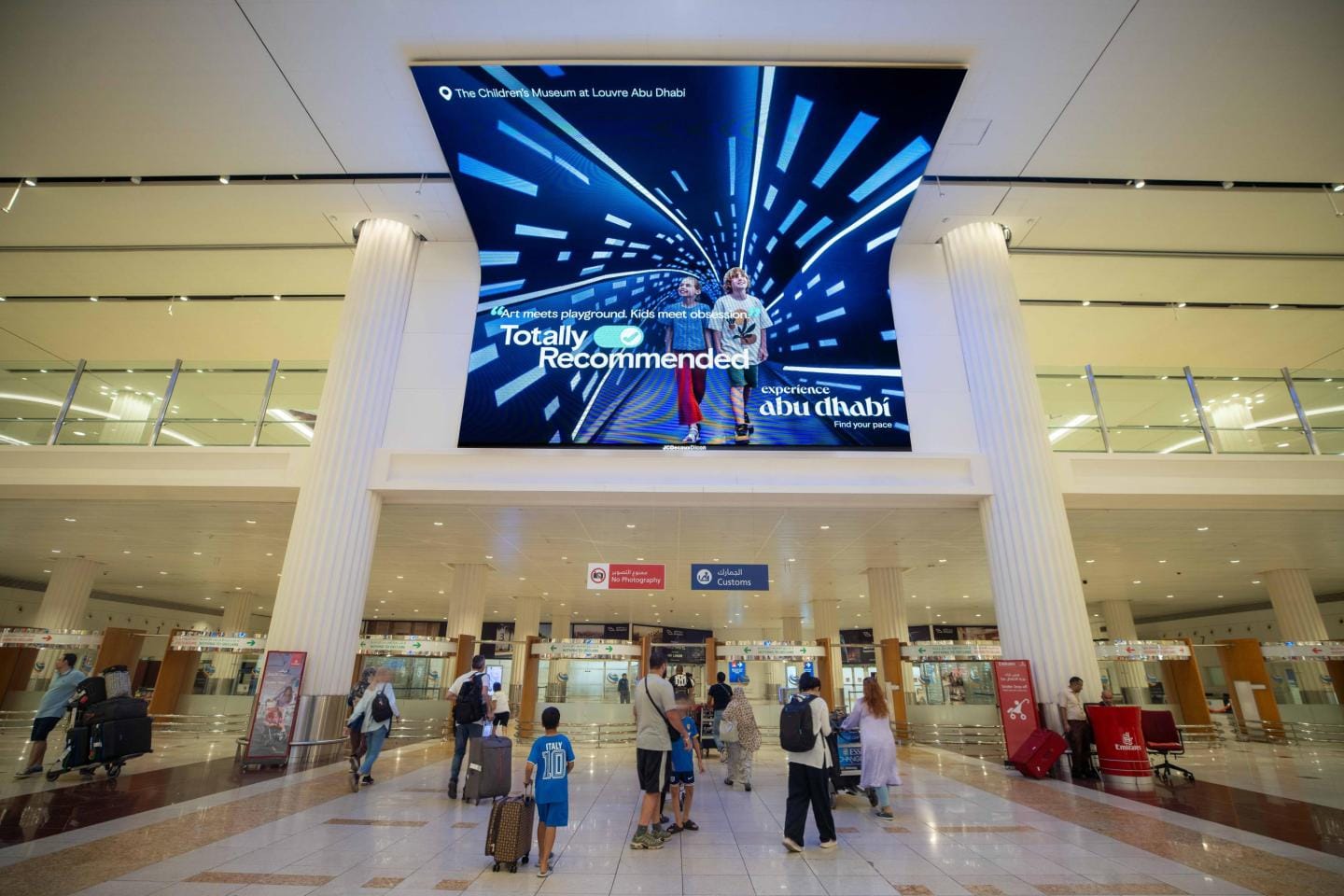
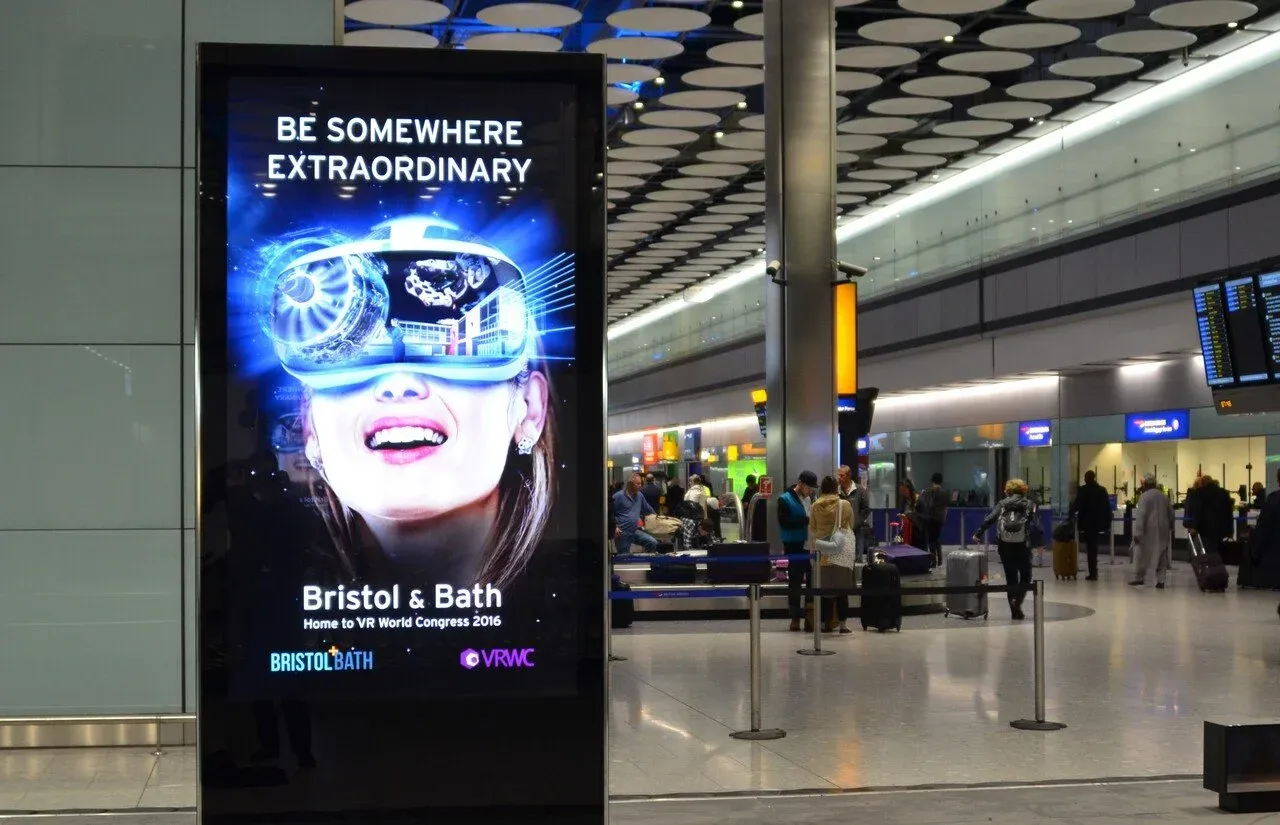
- Luang Prabang International Airport's single terminal provides the only commercial advertising environment accessible to HNWI guests of Aman Amantaka, Rosewood Luang Prabang, and Belmond La Résidence Phou Vao — because UNESCO's zoning laws ban advertising billboards within the heritage town itself; the airport is literally the only place where premium brand communications can reach these HNWI before they enter a zone where commercial advertising is legally prohibited; this structural exclusivity makes every brand placement at LPQ commercially extraordinary by definition
- The terminal's compact scale — handling approximately 800,000 passengers annually across a single building — creates an advertising clutter level far lower than any comparable regional hub; a brand communication at LPQ operates in near-isolation from competitive brand messaging and achieves a share of attention whose quality mirrors the contemplative, unhurried atmosphere of the destination itself
- The departing passenger's emotional state — carrying the specific quiet satisfaction of having experienced the tak bat at dawn, the Mekong at dusk, the silk at the night market, and whatever particular cultural grace note they have added to their personal Southeast Asia narrative — creates a brand formation moment of extraordinary permanence; the Luang Prabang departure state is one of the most emotionally receptive pre-departure moments available in Southeast Asian tourism aviation
- Masscom Global's intelligence on LPQ's seasonal visitor concentration (November to April peak), the Boun Pi Mai water festival HNWI surge, the Belmond river cruise arrivals calendar, and the growing Chinese Yunnan HNWI cultural tourism audience from the Laos-China rail corridor enables campaigns with the cultural specificity and timing precision that Southeast Asia's most intentional cultural heritage HNWI audience deserves
Strategic Advertising Fit
Best Fit:
- Aman, Rosewood, and Belmond property promotion and comparable ultra-luxury destination brands: LPQ's terminal is the only location in the Luang Prabang ecosystem where these three brands can display advertising; guests arriving at Aman Amantaka or Rosewood Luang Prabang encounter their resort's brand communications at LPQ before any other commercial touchpoint in the destination; the airport serves as the single luxury hospitality brand introduction point for the most premium overnight guests in Laos
- Premium fine art, Lao silk, and cultural heritage craft brands: The HNWI departing LPQ is carrying memories of the silk night market, the temple murals, and the artisan workshops of Luang Prabang's craft economy; premium Lao silk, Buddhist art, and Southeast Asian craft brands communicating at LPQ are speaking to an audience in their most aesthetically engaged post-experience state
- Premium slow tourism and cultural travel brands (luxury Indochina circuit operators): The HNWI transiting LPQ on an Indochina cultural circuit — combining Luang Prabang with Angkor, Hội An, and Hanoi — is actively planning or completing one of the most commercially significant premium cultural travel packages in Southeast Asia; luxury Indochina circuit operators, cultural heritage tour operators, and premium travel concierge services communicating at LPQ reach their most precisely qualified audience
- Premium wellness and spa brands aligned with Buddhist and Lao healing traditions: The spa culture of Luang Prabang's luxury hotels — using Laotian healing remedies, organic garden ingredients, and traditional massage techniques — creates a specific premium wellness HNWI audience whose engagement with natural, traditional, and slow wellness methodologies is among the most authentic available in Southeast Asian luxury tourism
- Premium photography equipment and visual art brands: Luang Prabang is one of Asia's most celebrated photography destinations — the tak bat's low-light dawn conditions, the temple gold against dawn mist, and the Mekong's evening reflections are among the most demanding and most rewarding photographic subjects in Southeast Asia; the HNWI photographer community transiting LPQ with premium camera systems represents a precisely aligned audience for premium optics, camera equipment, and fine art print brands
- Conservation philanthropy and UNESCO heritage preservation organisations: The HNWI cultural traveller who chooses Luang Prabang specifically because it is UNESCO-protected is among the most conservation-aligned and most heritage-philanthropy-receptive leisure audiences in Southeast Asia; organisations engaged in UNESCO heritage preservation, Buddhist cultural heritage restoration, and Mekong ecosystem conservation find at LPQ a uniquely motivated and uniquely generous donor audience
Brand Alignment at a Glance:
| Category | Fit |
|---|---|
| Ultra-luxury boutique hospitality promotion | Exceptional |
| Premium Lao silk and cultural heritage craft | Exceptional |
| Cultural heritage and Indochina circuit travel | Exceptional |
| Premium photography equipment and visual arts | Exceptional |
| UNESCO heritage conservation philanthropy | Exceptional |
| Premium wellness and spa (traditional healing) | Strong |
| Premium fine wine and culinary arts | Strong |
| Luxury watchmaking (craftsmanship narrative) | Strong |
| Mass-market consumer goods | Poor fit |
| Fast fashion and commercial retail brands | Poor fit |
Who Should Not Advertise Here:
- Mass-market consumer and fast-food brands: The same UNESCO zoning principles that prohibit McDonald's and KFC from opening in the heritage zone create a cultural expectation at LPQ that commercial mass-market brands respect the destination's premium cultural identity; fast-food, budget retail, and commercial mass-market messaging at LPQ would be contextually dissonant with the cultural values of the most sophisticated HNWI audience in Southeast Asian tourism
- Brands without authentic cultural, craft, or natural heritage connection: The HNWI who has chosen Luang Prabang as their Southeast Asia destination is the most critically evaluative of brand authenticity available in the region; brands whose proposition lacks genuine cultural depth, heritage connection, or authentic craftsmanship values will find their messaging out of register with an audience whose taste has been calibrated by the finest preserved traditional town in Southeast Asia
- Alcohol brands marketed explicitly: While alcohol is available in Luang Prabang's restaurants and hotels, overtly alcohol-branded advertising at an airport serving a Buddhist-heritage destination whose early morning alms-giving ceremony is the most visited cultural event would be culturally inappropriate and commercially counterproductive
Event and Seasonality Analysis
- Event Strength: High (Boun Pi Mai Lao New Year — April; Boun Ok Phansa river lanterns — October; photography festivals year-round; Mekong river cruise season)
- Seasonality Strength: High (strong November to April cool dry season; Boun Pi Mai April cultural peak; Chinese New Year growing Chinese HNWI wave)
- Traffic Pattern: Cool Dry Season Peak (November to April) with Cultural Festival Spikes (April Boun Pi Mai, October Boun Ok Phansa) and Year-Round Cultural Heritage Baseline
Strategic Implication:
Luang Prabang International Airport's advertising calendar is governed by the intersection of seasonal weather and cultural festival rhythm. The November to April cool dry season is the primary HNWI luxury cultural tourism concentration window — the dawn mist on the Mekong, the clear light for temple photography, and the comfortable temperatures for cycling through the heritage quarter create the most aesthetically perfect version of Luang Prabang and draw the highest volume of premium HNWI. Within this window, the Boun Pi Mai Lao New Year in April creates the most culturally concentrated and emotionally charged HNWI audience peak of the year. Masscom Global structures LPQ campaigns to activate the December to March peak for luxury hospitality and cultural heritage brand communications, the Boun Pi Mai window for cultural experience and craft brands, and the growing Chinese Yunnan HNWI audience during the Chinese New Year window — while maintaining year-round presence for the consistent Aman, Rosewood, and Belmond guest community whose cultural calendar is defined by personal travel itineraries rather than seasonal patterns.
Poor Placement and Delays Affect Airport Campaigns
We help you move faster, access better inventory, and get it right now.
Talk to an ExpertFinal Strategic Verdict
Luang Prabang International Airport is the only advertising environment in Southeast Asia that serves as the gateway to a UNESCO World Heritage destination that explicitly prohibits commercial advertising within its own boundaries — making LPQ not merely a useful advertising channel but the entire commercial conversation between premium brands and the world's most culturally intentional HNWI. The convergence of Aman Amantaka, Rosewood Luang Prabang, and Belmond La Résidence Phou Vao in a single town of under 60,000 residents creates the most concentrated ultra-luxury hospitality brand endorsement of any city in continental Southeast Asia — and all three properties' HNWI guests arrive and depart exclusively through LPQ's single terminal. The destination's 1.7 million visitors in the first ten months of 2024, its UNESCO designation as the best-preserved traditional town in Southeast Asia, and the Rosewood's Bill Bensley design masterpiece represent three compounding premium signals whose commercial trajectory is upward. For brands in ultra-luxury boutique hospitality, premium cultural heritage craft, conservation philanthropy, premium photography, and the Indochina circuit luxury travel category — and for any brand whose target audience includes the world's most culturally sophisticated HNWI slow travel community at the threshold of a destination where your advertising literally cannot follow them — LPQ is the most intellectually and emotionally powerful single advertising environment in Southeast Asian tourism aviation. Masscom Global has the cultural intelligence, the creative sensitivity, and the market access to place brands at LPQ with the quality and respect that the most preserved traditional town in Southeast Asia demands.
About Masscom Global
Masscom Global is a premium international airport advertising and media buying agency operating across 140 countries. With deep expertise in airport OOH, premium publications, and high-net-worth audience targeting, Masscom helps brands reach the world's most valuable travellers at the moments that matter most. For advertising packages, media rates, and campaign planning at Luang Prabang International Airport and airports across the globe, contact Masscom Global today.
Frequently Asked Questions
How much does airport advertising cost at Luang Prabang International Airport?
Advertising investment at Luang Prabang International Airport reflects the extraordinary cultural authority and HNWI self-selection purity of its audience rather than its passenger volume. The November to April cool dry season peak — when Aman, Rosewood, and Belmond operate at maximum occupancy and the most sophisticated HNWI cultural travellers transit the terminal — commands the highest per-impression premium; the Boun Pi Mai Lao New Year window delivers the most culturally concentrated audience peak. Contact Masscom Global for current format availability and campaign structures tailored to cultural heritage, luxury hospitality, conservation, and premium craft brand categories.
Who are the passengers at Luang Prabang International Airport?
LPQ serves an exclusively leisure-motivated and predominantly culturally intentional HNWI audience: European HNWI (especially French, British, and German) on Indochina luxury circuit itineraries; American HNWI on Southeast Asia discovery journeys; Japanese HNWI cultural and Buddhist heritage pilgrimage visitors; Australian HNWI on regional cultural tours; Aman Amantaka, Rosewood Luang Prabang, and Belmond La Résidence Phou Vao and Mekong Sun guests whose per-night rates confirm Very High HNWI status; and a rapidly growing Chinese HNWI audience from Yunnan Province.
Is Luang Prabang Airport good for luxury brand advertising?
Luang Prabang International Airport is the most precisely aligned luxury cultural brand environment in Laos and one of the most intellectually and aesthetically authoritative in Southeast Asia. The UNESCO World Heritage designation that bans commercial advertising within the heritage zone makes LPQ the only commercial advertising environment accessible to guests of Aman, Rosewood, and Belmond before they enter a zone where brand communications are prohibited. For cultural heritage luxury, premium craft, conservation philanthropy, and boutique hospitality brands, LPQ is exceptional.
What is the best airport in Southeast Asia to reach cultural heritage HNWI?
For the specific combination of UNESCO World Heritage cultural intentionality, Aman-Rosewood-Belmond luxury hospitality anchor, Buddhist heritage pilgrimage, and the most sophisticated slow tourism HNWI audience, Luang Prabang International Airport is unmatched in continental Southeast Asia. Siem Reap International (REP) serves the Angkor cultural heritage market at higher volume. Hội An is accessible via Da Nang (DAD). For the most culturally preserved, most deliberately anti-commercial, and most HNWI-intentional UNESCO heritage destination, LPQ is the only airport.
What is the best time to advertise at Luang Prabang Airport?
November to April is the primary cool dry season peak for HNWI cultural luxury travellers — optimal weather, peak Aman-Rosewood-Belmond occupancy, and maximum international HNWI cultural tourism concentration. The Boun Pi Mai Lao New Year in April creates the most culturally concentrated audience peak. The October Boun Ok Phansa river lantern festival delivers a secondary cultural peak. Year-round presence is recommended for the consistent Aman, Rosewood, and Belmond HNWI guest community.
Can conservation and cultural heritage organisations advertise at Luang Prabang Airport?
Luang Prabang International Airport is among the most aligned conservation and cultural heritage advertising environments in Southeast Asia. UNESCO's active heritage preservation programme in Luang Prabang, the restoration of 33 temples and 111 Lao-French colonial buildings, and the Mekong's ecosystem conservation mission create a conservation philanthropy context at LPQ whose HNWI audience is the most culturally engaged and most generously donating of any Southeast Asian tourism airport.
Which brands should not advertise at Luang Prabang Airport?
Mass-market consumer brands, fast-food chains, budget travel brands, and commercial retail brands without authentic cultural or craft heritage connection are misaligned with Luang Prabang International Airport. The same cultural values that prevent UNESCO from allowing billboards in the heritage zone create an audience at LPQ whose aesthetic standards and cultural sophistication make commercial mass-market messaging contextually dissonant.
How does Masscom Global help brands advertise at Luang Prabang Airport?
Masscom Global provides culturally informed, aesthetically sensitive advertising access to Luang Prabang International Airport — with deep respect for the UNESCO heritage identity of the destination and the cultural sophistication of its HNWI audience. We structure campaigns around the cool dry season cultural tourism peak, the Boun Pi Mai festival window, the Belmond Mekong Sun cruise arrivals calendar, and the growing Chinese Yunnan HNWI audience. Our global network across 140 countries enables campaigns extending from LPQ to the Bangkok, Hanoi, and Siem Reap airports through which LPQ's international HNWI audiences travel on their Indochina circuits — creating a multi-touchpoint brand presence that follows the world's most culturally intentional slow tourism HNWI from their Southeast Asia entry point to the last preserved traditional town on the Mekong. For brands that belong at the gateway of the finest UNESCO heritage town in Southeast Asia, Masscom Global is the right partner.