




Airport at a Glance
| Field | Detail |
|---|---|
| Airport | New Orleans Lakefront Airport |
| IATA Code | NEW |
| Country | United States of America |
| City | New Orleans, Louisiana |
| Annual Passengers | Data not available (no scheduled commercial service; tens of thousands of general aviation and business jet operations annually) |
| Primary Audience | Private jet owners and charter passengers, corporate flight departments and energy executives, event-driven UHNW visitors |
| Peak Advertising Season | January to May, plus July |
| Audience Tier | Tier 1 (by audience quality, not volume) |
| Best Fit Categories | Private aviation and yachting, wealth and asset management, luxury real estate and second homes, ultra-premium automotive |
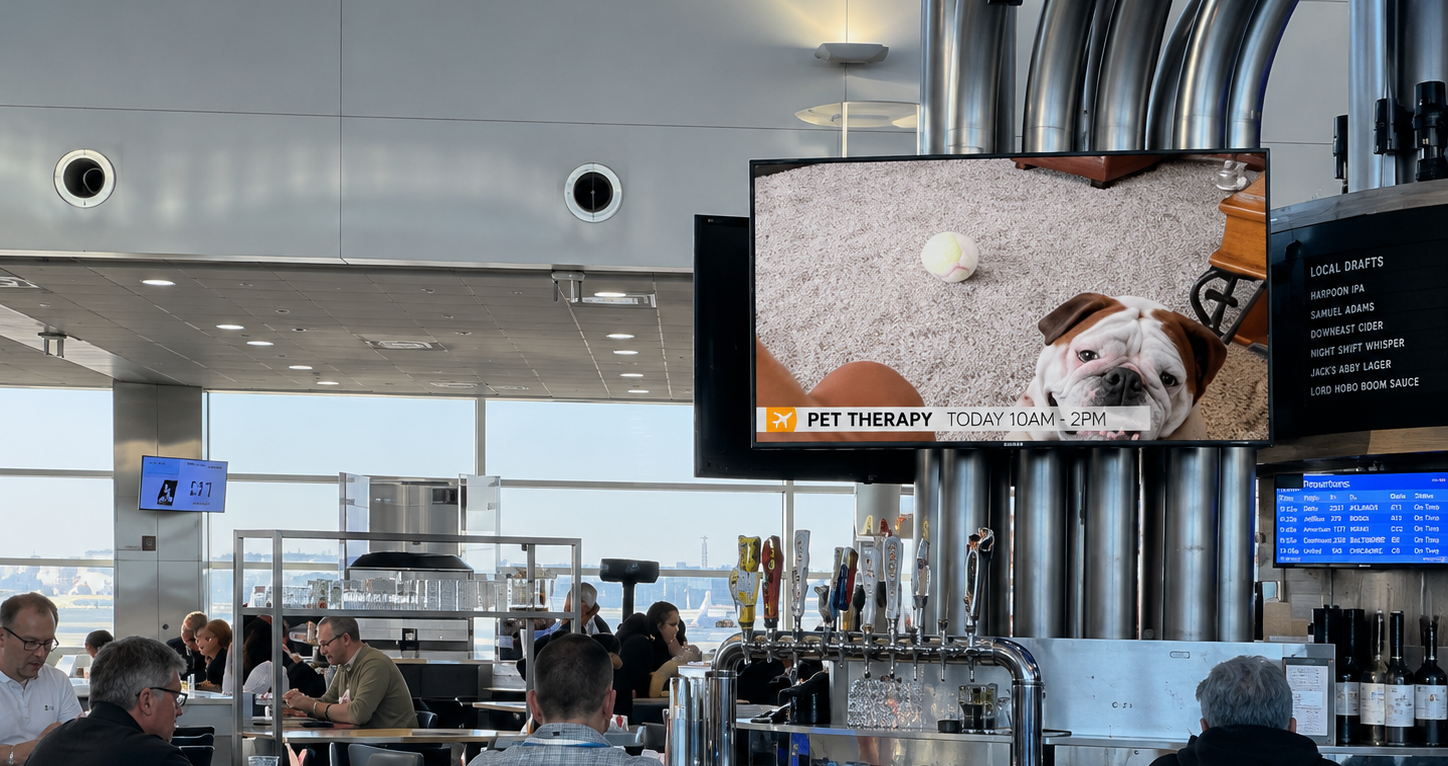
New Orleans Lakefront is not a mass-reach airport and should never be bought as one. It carries no scheduled commercial airline service, which means the traffic is composed almost entirely of private jet owners, fractional and charter clients, corporate flight departments, and their guests. For advertisers, this inverts the usual airport maths: instead of paying for millions of impressions to find a small premium sliver, a brand here addresses an audience that is pre-qualified by the simple fact of how they arrived. Masscom Global treats NEW as a precision buy rather than a volume buy.
What sustains this audience is the wealth structure of the Gulf South. New Orleans sits at the head of the Lower Mississippi industrial corridor, one of the densest concentrations of energy, petrochemical, port, and marine logistics wealth in North America, and much of that ownership class moves by private aircraft. Layer onto that the city's event economy, which pulls in corporate hospitality, sports ownership groups, and entertainment capital several times a year, and the passenger profile at NEW skews far wealthier than the region's median income would suggest. This is a wealth-holder airport in a middle-income state.
Advertising Value Snapshot
- Passenger scale: No scheduled commercial passenger figures exist. The airport records tens of thousands of aircraft operations per year across business jets, turboprops, charter, and occasional military movements. Growth trend data not available.
- Traveller type: Private and fractional jet passengers, corporate and energy sector executives, event-driven leisure UHNW visitors.
- Airport classification: Tier 1 by audience quality. Volume is small, but the concentration of decision-makers per thousand passengers is among the highest of any airport in the southern United States.
- Commercial positioning: New Orleans' business and private aviation gateway, and the discreet arrival point for the city's highest value visitors.
- Wealth corridor signal: Sits directly on the Gulf energy and Mississippi River trade corridor, where private wealth is concentrated in ownership rather than salaried employment.
Advertising opportunity: Masscom Global builds NEW into campaigns as a high-conviction, low-waste placement for brands whose products are priced above the reach of a general commercial audience. Because the environment is small and uncluttered, a single well-positioned brand presence can achieve near-total share of attention among arriving passengers. Masscom handles placement selection, production, and rollout so clients secure position ahead of the event calendar rather than after it.

Airport Advertising is Complex to Get Right
We help you execute faster, with proven results and local insight most planners lack starting now.
Talk to an Expert
Catchment Area and Economic Drivers
Top 10 Cities within 150 km, Marketer Intelligence:
- New Orleans: The primary source of demand. Wealth here is concentrated in old-money family holdings, port and shipping interests, legal and healthcare ownership, and hospitality operators. This audience buys discreetly and values heritage over novelty in luxury messaging.
- Metairie: The region's highest-density affluent residential belt and the home base of many senior executives and specialist physicians. Strong receptivity to wealth management, private banking, and premium automotive.
- Kenner: Aviation-adjacent commercial and logistics employment with a large Hispanic and Honduran community. Relevant for remittance, international telecom, and mid-tier financial products rather than luxury.
- Covington and Mandeville: The Northshore affluent corridor, favoured by executives who commute or fly rather than live in the city. High second-home ownership and strong appetite for real estate and lifestyle investment offers.
- Slidell: Marine services, engineering, and NASA-adjacent contracting. Produces a technical, salaried professional audience relevant to B2B, insurance, and education advertisers.
- Baton Rouge: State government, petrochemical corporate offices, and university leadership. Delivers policy makers and plant-level executives, valuable for industrial, engineering, and government-facing B2B campaigns.
- Gonzales and the Ascension corridor: Heart of the petrochemical build-out belt. Contractor owners and plant management with high discretionary income and strong pickup and premium vehicle purchasing behaviour.
- Houma and Thibodaux: Offshore energy service ownership. A cash-rich, family-business audience that buys sport fishing vessels, aircraft shares, and coastal property. Prime for private aviation and marine brands.
- Hammond: University-driven and distribution-led. Younger, more price-sensitive audience, best suited to education, telecom, and financial onboarding categories.
- Gulfport and Biloxi, Mississippi: Casino resort and gaming capital of the corridor. Delivers hospitality operators, gaming executives, and high-frequency leisure spenders receptive to luxury retail and resort investment messaging.
NRI and Diaspora Intelligence:
There is no significant Indian diaspora movement through this airport. The relevant migration story is domestic and intra-American wealth movement. New Orleans has for two decades exported professional talent to Houston, Dallas, Atlanta, and Nashville while retaining its asset-owning families in place, which means the private aviation traffic is dominated by people who hold Gulf South assets but conduct business elsewhere. This produces a repeat, high-frequency flyer who passes through the terminal many times a year rather than once. For advertisers, that repetition compounds message recall in a way a single-visit tourist audience never does.
Economic Importance:
The catchment economy rests on four pillars: offshore and onshore energy, the Mississippi River port and export complex, petrochemical manufacturing, and tourism and conventions. The first three generate owner-operator and executive wealth, the audience most relevant to investment, aviation, and asset categories. Tourism generates hospitality ownership wealth and brings in external UHNW visitors during peak windows. Advertisers should read the calendar as two distinct audiences arriving through the same terminal.
Business and Industrial Ecosystem
- Offshore and Gulf energy: Produces platform owners, service company principals, and executive commuters. The single most valuable audience for private aviation, marine, insurance, and wealth preservation brands.
- Port of New Orleans and Mississippi River logistics: Generates trade, commodity, and shipping executives who travel internationally and think in cross-border terms. Relevant to trade finance, industrial equipment, and freight technology.
- Petrochemical and industrial construction corridor: Delivers contractor owners and plant leadership with high, lumpy discretionary income tied to project cycles. Strong for premium automotive, equipment, and business services.
- Healthcare, legal, and higher education: New Orleans is a regional medical and legal centre. This produces a specialist professional audience with stable high income, well matched to private banking, medical technology, and premium education advertisers.
Passenger Intent, Business Segment:
Business travellers at NEW are typically principals rather than staff. They are flying privately because their time carries a premium, which tells advertisers something specific: they are buyers, not recommenders, and they hold signing authority. The categories that intercept them best are those where the purchase decision is personal and high value, including aircraft and fractional programmes, wealth management, commercial and residential real estate, executive relocation services, and industrial B2B with long sales cycles.
Strategic Insight:
The commercial value of the business audience here is the absence of dilution. In a large commercial terminal a B2B brand pays for thousands of impressions against leisure travellers to reach a handful of executives. At NEW the ratio inverts, and the FBO and terminal environment holds passengers in a relaxed, low-stimulus setting where longer-form messaging is actually read. That combination of qualification and dwell makes this one of the most efficient B2B airport environments in the Gulf South, and Masscom Global can pair it with a mass-reach buy at the region's commercial gateway to cover both ends of the funnel.
Tourism and Premium Travel Drivers
- The French Quarter and Garden District: Five miles from the terminal. Drives high-spend short-stay visits where luxury hospitality, spirits, and premium retail brands find receptive arrivals.
- Mardi Gras krewe and private ball circuit: Draws returning wealthy alumni and out-of-state members who fly in privately. Exceptional window for luxury fashion, jewellery, and champagne category advertisers.
- Gulf Coast fishing, boating, and Lake Pontchartrain recreation: Signals discretionary spend on vessels, gear, and coastal property. Directly relevant to marine, yachting, and second-home advertisers.
- Golf, casino resorts, and Mississippi Gulf Coast properties within easy drive: Produces a leisure UHNW audience that treats New Orleans as a hub for a wider regional itinerary.
Passenger Intent, Tourism Segment:
The leisure passenger arriving privately at NEW has already committed to a materially higher spend than the average visitor before landing, having paid for the aircraft, the hotel suite, and often the private venue. They are in a discretionary, celebratory mindset, which makes them unusually receptive to aspirational and lifestyle propositions rather than utility offers. The categories that benefit most are luxury hospitality, fine jewellery and watches, premium spirits, resort real estate, and private membership products.
Travel Patterns and Seasonality
- Peak seasons: Late January to early March, driven by the Carnival season and the New Year bowl and stadium calendar. April to May, driven by festival season and the pre-summer convention window. Early July, driven by large festival attendance. Late summer is the softest period due to heat and the hurricane season.
- Monthly operations volume data not available.
Event-Driven Movement:
- Sugar Bowl and New Year college football window (January): Brings university donor networks, athletic department leadership, and corporate hospitality groups. Strong window for premium automotive, spirits, and financial services.
- Mardi Gras and Carnival season (February to early March): The highest concentration of private arrivals in the year, heavily skewed to returning affluent families and krewe members. Best window for luxury retail and jewellery.
- French Quarter Festival (April): Draws a regional affluent leisure audience with high hospitality spend. Suitable for hotel groups, resort real estate, and dining and lifestyle brands.
- New Orleans Jazz and Heritage Festival (late April to early May): Two weekends of national and international visitors, including corporate sponsor and entertainment industry travel. Broad premium consumer relevance.
- Essence Festival (July): Brings a national audience of affluent Black professionals, executives, and entertainment figures. High value window for financial services, beauty and luxury, and premium travel brands.
- Major stadium and championship events when awarded to the city: These create sharp, short spikes in private jet movements. Masscom advises clients to lock inventory before the event calendar is confirmed publicly.

It’s Not Just Where You Advertise - It’s How Fast You Execute
We combine local insight with fast rollout to deliver results for you, now.
Talk to an ExpertAudience and Cultural Intelligence
Top 2 Languages:
- English: The overwhelming default for all business and premium leisure traffic. Campaign creative should run in English with an American register, not a global generic one. Regional cultural literacy matters here more than in most US markets.
- Spanish: Present through the substantial Honduran and wider Latin American community in the Greater New Orleans area, and through Gulf and Latin American trade links. Relevant for remittance, telecom, and cross-border property advertisers rather than for the core private aviation audience.
Major Traveller Nationalities:
The traffic is predominantly American, drawn from Louisiana, Texas, Mississippi, and the wider Southeast, with an executive layer travelling in from Houston, Atlanta, Dallas, and the Northeast. International movement exists but is limited by the absence of on-site customs clearance, which pushes most direct international private arrivals to the region's commercial gateway first. The practical implication for advertisers is that creative should be built for a domestic American HNW audience, with international propositions framed as outbound opportunities rather than inbound welcomes.
Religion, Advertiser Intelligence:
- Roman Catholicism (dominant in the catchment): New Orleans is among the most Catholic metropolitan areas in the United States, and Catholic ritual underpins the entire Carnival calendar. This drives concentrated pre-Lent travel and celebratory spending in February and March, and a second family travel window at Christmas and Easter. Luxury retail, jewellery, spirits, and hospitality categories see their strongest triggers in these windows.
- Protestant Christianity, including Baptist and Methodist traditions (large minority): Stronger in the Northshore, Baton Rouge, and Mississippi portions of the catchment. Drives family reunion, graduation, and Thanksgiving travel, and a more conservative purchasing mindset that responds to legacy, stewardship, and estate framing in financial advertising.
- Judaism and Islam (small but commercially notable communities): New Orleans has a long-established and prosperous Jewish community concentrated in professional and philanthropic circles, relevant to private banking, philanthropy advisory, and Israel-linked travel and investment offers. The Muslim community is smaller and largely professional, with Ramadan and Eid creating a distinct spring family travel window.
Behavioral Insight:
Gulf South wealth is materially different from coastal American wealth in how it presents itself. It is frequently inherited or asset-based rather than equity-compensation driven, it is socially networked through institutions such as krewes, clubs, and family firms, and it distrusts overt status signalling while spending heavily on experience, hospitality, and property. Messaging that emphasises discretion, permanence, family continuity, and insider access outperforms messaging built on performance, disruption, or newness. Advertisers who arrive with a national template and no regional adaptation consistently underperform here.
Outbound Wealth and Investment Intelligence
The outbound passenger at NEW is an American asset holder rather than a wage earner, which changes what they are shopping for. Their capital tends to move toward tangible, income-producing, and jurisdictionally diversified holdings: coastal and resort property, marine and aviation assets, and increasingly, residency options that hedge domestic tax and political exposure. The Gulf Coast's proximity to the Caribbean and Latin America shapes the direction of that flow more than for HNW audiences in other US regions.
Outbound Real Estate Investment:
The dominant outbound property flows from this catchment run to the Caribbean, particularly the Cayman Islands, Turks and Caicos, and the Bahamas, and to Mexico's Yucatán and Los Cabos corridors, where rental yields and dollar-linked pricing appeal to income-focused buyers. Costa Rica, Panama, and Belize attract the retirement and lifestyle segment on tax and cost grounds. Portugal, Spain, and Italy draw the cultural and heritage buyer, often paired with dual citizenship interest through ancestral routes. International developers marketing dollar-priced, yield-bearing coastal product will find this audience unusually well matched.
Outbound Education Investment:
Higher education outbound movement from this catchment goes primarily to the United Kingdom, Canada, and increasingly Ireland and the Netherlands, where English-language degrees carry lower cost and shorter duration than comparable US private options. Family spending profile is high, with private secondary schooling common among the affluent segment and a strong culture of legacy institution loyalty. International universities, boarding schools, and admissions consultancies should treat this airport as a channel to reach the parent rather than the student, since the payer is the passenger.
Outbound Wealth Migration and Residency:
Caribbean citizenship-by-investment programmes, notably St Kitts and Nevis, Grenada, Antigua and Barbuda, and Dominica, hold particular relevance for this audience given geographic proximity and the visa-free travel and treaty benefits attached. European residency-by-investment routes in Portugal, Greece, Italy, and Malta attract the family office and legacy planning segment. Interest in UAE residency has grown among energy and commodity linked wealth holders with Gulf business ties. Programme details change frequently, so current terms should be verified before campaign creative is finalised.
Strategic Implication for Advertisers:
This is a corridor where capital leaves the country but the decision is made at home, and the private terminal is one of the few environments where the decision maker is both reachable and unhurried. Brands on the receiving side of that corridor, whether developers, residency advisers, or international institutions, gain disproportionate value from presence here relative to the cost of the buy. Masscom Global activates both ends of the corridor simultaneously, positioning the same brand at the origin airport and at the destination gateway so the message meets the buyer twice in one journey.
Airport Infrastructure and Premium Indicators
Terminals:
- A single restored 1930s Art Deco terminal building serving general and business aviation. Its interior retains marble finishes, original decorative reliefs, and the Fountain of the Four Winds sculpture. Passenger flow is low volume and high value, with movement concentrated between FBO lounges, the terminal, and the ramp.
- The airfield operates parallel runways with a longest runway of approximately 6,879 feet, sufficient for most business jets. There is no on-site customs facility, which keeps direct international arrivals limited and reinforces the airport's role as a domestic executive gateway.
Premium Indicators:
- Three fixed base operations serve the field, including a global network operator, a national operator, and locally owned providers, each offering hangarage, crew lounges, and full ground handling. Multiple FBOs on a field this size is a clear signal of sustained business jet demand.
- Substantial private aviation presence including based corporate aircraft, charter fleets, and hangar tenants. This is the airport's core commercial identity rather than a side activity.
- No luxury hotel is located on the airport campus. Premium accommodation is concentrated in the Central Business District and French Quarter, roughly five miles away, and chauffeur services operate in direct coordination with the FBOs.
- The terminal's architectural heritage gives it standing as a filming location and as a venue for weddings, galas, and corporate events, which places brand presence in an environment already associated with prestige.
Forward-Looking Signal:
Continued investment in FBO capacity at the field, the city's recurring selection for major national sporting and cultural events, and the ongoing petrochemical and export build-out along the Mississippi corridor all point to sustained and rising business jet demand. As private aviation volumes grow across the Gulf South, the value of a small, uncluttered premium environment rises faster than the value of an already saturated one. Masscom Global advises clients to secure position at current rates now, before demand and pricing at premium private aviation environments tighten further.
Airline and Route Intelligence
Top Airlines:
No scheduled commercial airline service operates at New Orleans Lakefront. Traffic is composed of charter operators, fractional and jet card programmes, corporate flight departments, based general aviation, flight training activity, and occasional military movements.
Key International Routes:
Data not available. The absence of on-site customs clearance means direct international private arrivals are limited and typically clear elsewhere before positioning to the field.
Domestic Connectivity:
Point to point private movement is concentrated on the regional and southern business axis, principally Houston, Dallas, Atlanta, Nashville, Memphis, and the Florida coast, with a secondary corridor to the Northeast for financial and legal business. Route pattern data is not published for general aviation.
Wealth Corridor Signal:
The route pattern reveals an energy and capital corridor rather than a leisure one. Movement toward Houston and Dallas maps directly onto oil, gas, and petrochemical ownership, while Florida and Caribbean-facing movement maps onto second-home and recreational asset ownership. Advertisers should read the first corridor as the B2B and wealth management opportunity and the second as the luxury lifestyle and property opportunity, and can address both within a single placement at this terminal.
Media Environment at the Airport
- Terminal scale is small and advertising clutter is minimal compared with any commercial airport in the region. A single brand can plausibly own the visual environment, which is almost impossible to achieve at a large hub.
- Dwell time at private terminals is driven by crew preparation, weather holds, and ground transport coordination rather than security queues. Passengers wait in seated lounge conditions where longer copy and considered propositions are actually absorbed.
- The Art Deco architecture and restored interiors create a heritage-luxury backdrop that lends borrowed prestige to brand placement, a material advantage for categories where environment signals credibility.
- Masscom Global provides inventory access, placement precision within terminal and FBO environments, production management, and campaign measurement, along with the ability to pair this airport with commercial gateway buys for full funnel coverage across the Gulf South.
Strategic Advertising Fit
Best Fit:
- Private aviation, jet cards, and fractional ownership: The audience is already flying privately. No other environment delivers this level of purchase intent.
- Yachting, sport fishing, and marine brands: Gulf and Lake Pontchartrain ownership culture makes this a natural category fit.
- Wealth management, private banking, and family office services: Asset-based regional wealth with active succession and tax planning needs.
- International and resort real estate: Strong outbound Caribbean, Mexican, and European property appetite among this audience.
- Ultra-premium and performance automotive: High discretionary income across the executive and contractor-owner segments.
- Luxury hospitality, resorts, and private clubs: Passengers arrive in celebratory, high-spend mode during event windows.
- Fine jewellery, watches, and premium spirits: Carnival and festival seasons create concentrated gifting and celebration triggers.
- Residency, citizenship, and cross-border tax advisory: Direct relevance to a jurisdictionally diversifying American HNW audience.
Brand Alignment at a Glance:
| Category | Fit |
|---|---|
| Private aviation and jet cards | Exceptional |
| Wealth management and private banking | Exceptional |
| International and resort real estate | Strong |
| Ultra-premium automotive and marine | Strong |
| Luxury hospitality and fine jewellery | Strong |
| Residency and citizenship advisory | Moderate |








