

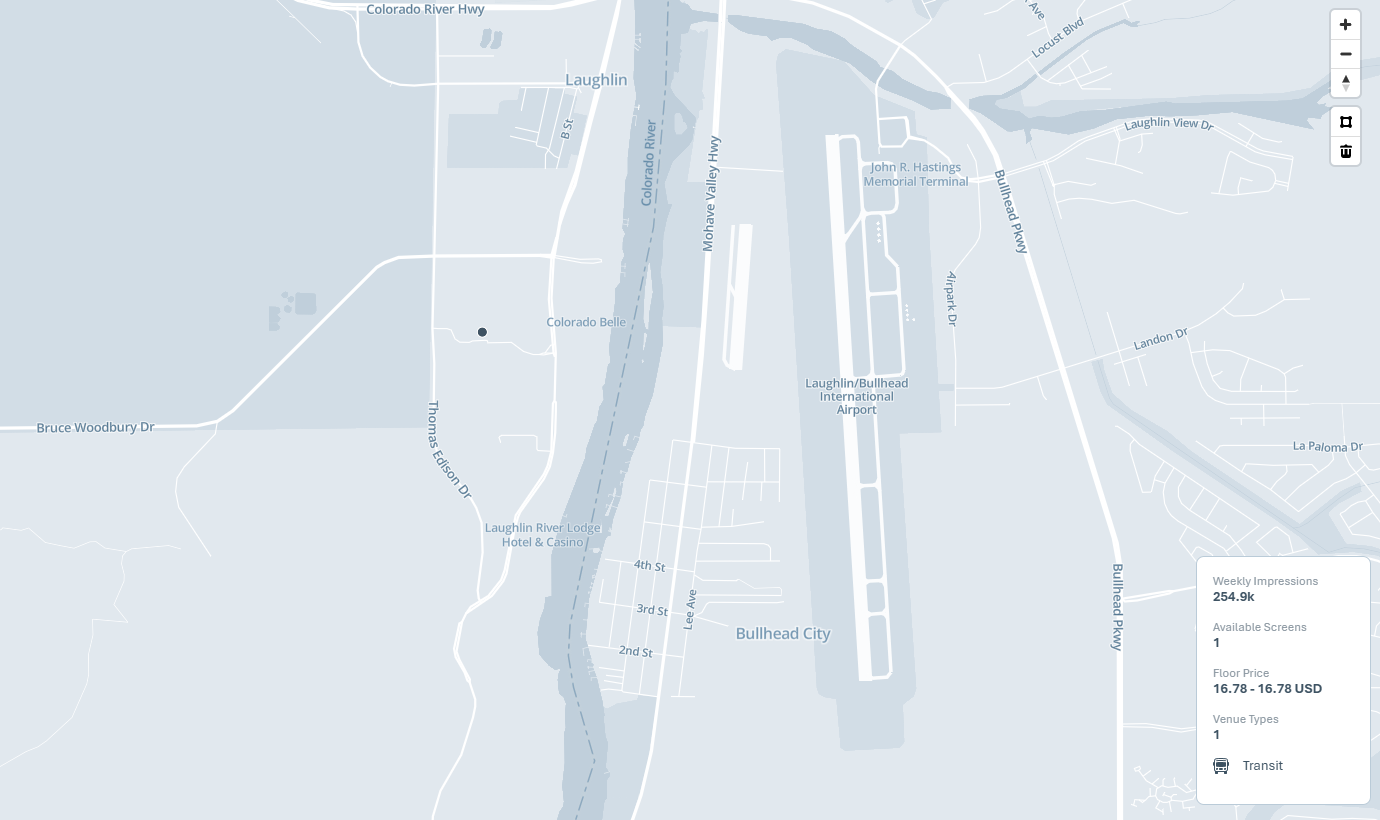
Airport at a Glance
| Field | Detail |
|---|---|
| Airport | Laughlin/Bullhead International Airport |
| IATA Code | IFP |
| Country | United States |
| City | Bullhead City, Arizona, serving Laughlin, Nevada |
| Annual Passengers | (region draws close to 2 million visitors a year) |
| Primary Audience | Casino and resort charter visitors, snowbird retirees and second-home owners, river recreation and powersports travellers |
| Peak Advertising Season | October to April snowbird season, plus the April event window and summer river season |
| Audience Tier | Tier 3 |
| Best Fit Categories | Gaming, resort and entertainment, retirement and insurance services, powersports and RV, regional healthcare and residential real estate |
Laughlin/Bullhead International Airport is unlike any other airport in this series, and that is exactly what makes it commercially interesting. Scheduled service here is charter service, arranged through the major Laughlin resort casinos and flown by contracted carriers, which means the arriving passenger is not a general traveller but a package guest who has already paid for flights, accommodation and, in most cases, a gaming and entertainment budget. There is one terminal and one security checkpoint, so coverage is total. Advertisers do not have to work out who the audience is here, because the audience arrives pre-sorted.
The second commercial layer is residential rather than visiting. Bullhead City and the wider Colorado River corridor form one of the strongest snowbird and retirement relocation belts in the American Southwest, drawing asset-rich retirees from the Midwest, Pacific Northwest, California and Canada who own homes, second homes or RV property along the river. The regional visitor economy draws close to 2 million people a year. For advertisers, IFP is a low-cost, high-purity intercept on two very specific audiences: the committed resort spender and the older, asset-rich river resident.
Advertising Value Snapshot
- Passenger scale: the regional visitor economy attracts close to 2 million visitors a year, with the airport historically among the busiest charter airports in the country during its 1990s and early 2000s peak
- Traveller type: Casino and resort charter guests, snowbird retirees and second-home owners, river recreation and powersports travellers
- Airport classification: Tier 3, a small charter and general aviation airport whose value comes from audience purity and event timing rather than volume
- Commercial positioning: The air gateway to the Laughlin resort corridor and the Colorado River recreation and retirement belt
- Wealth corridor signal: IFP sits on the Midwest, Pacific Northwest and Canadian snowbird migration corridor moving retirement capital into Arizona and Nevada river property
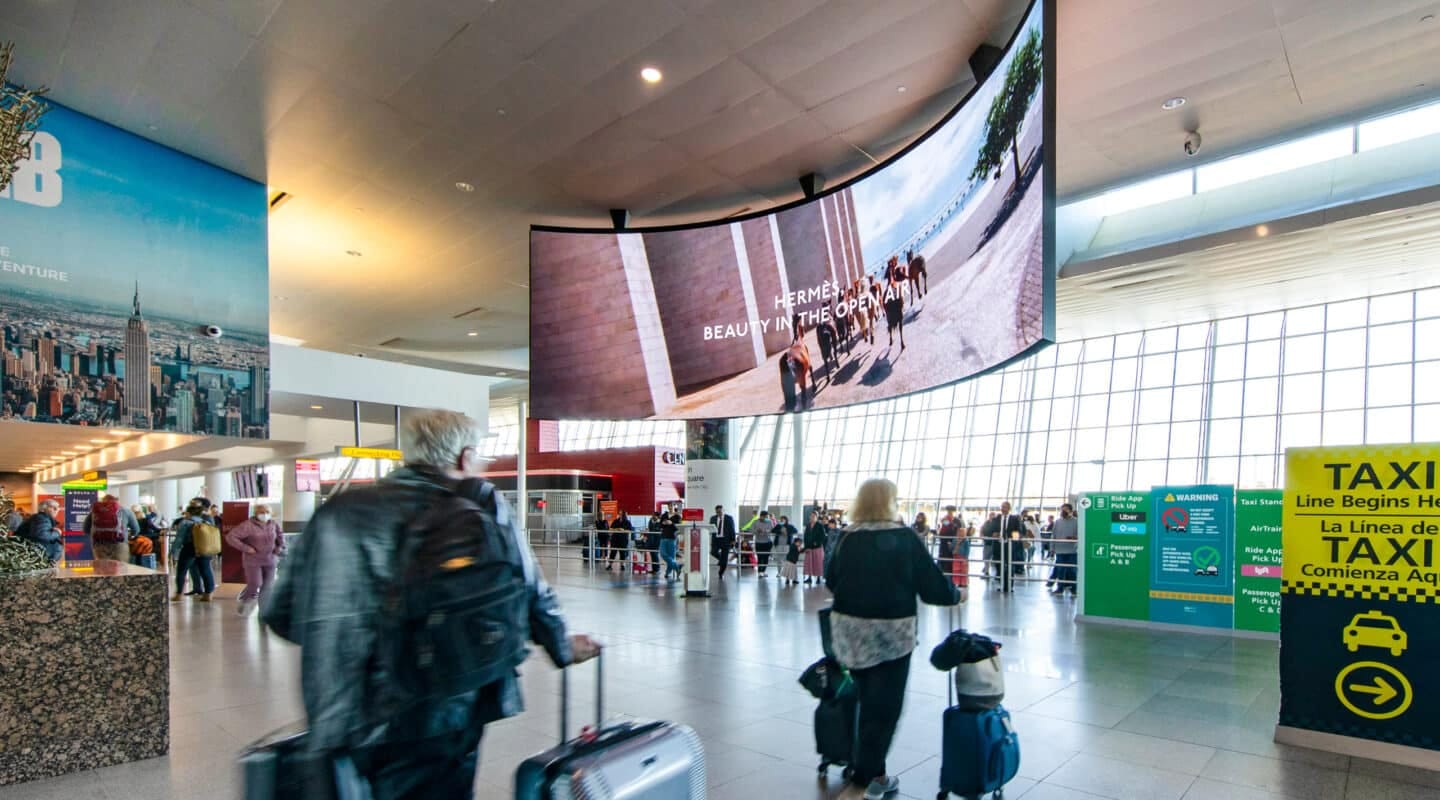
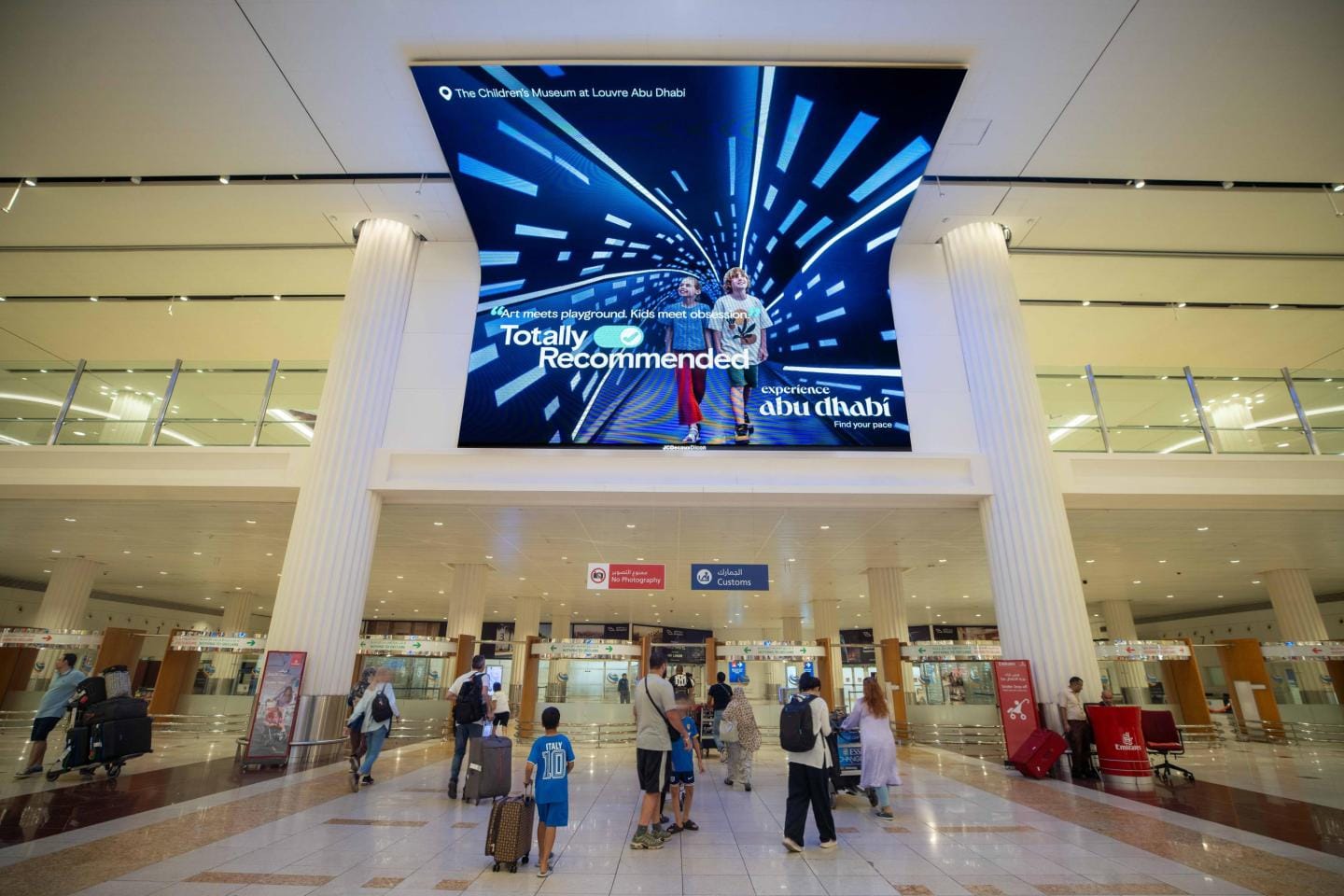
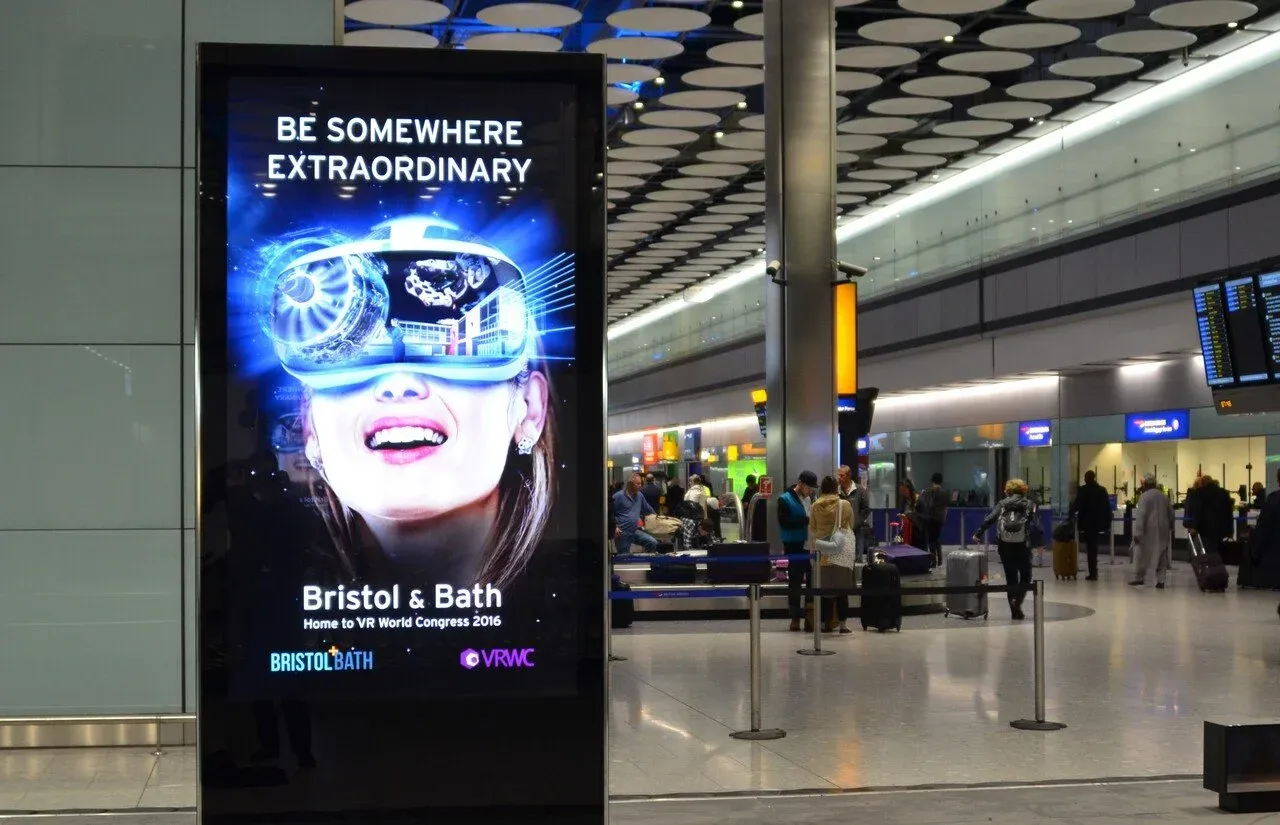
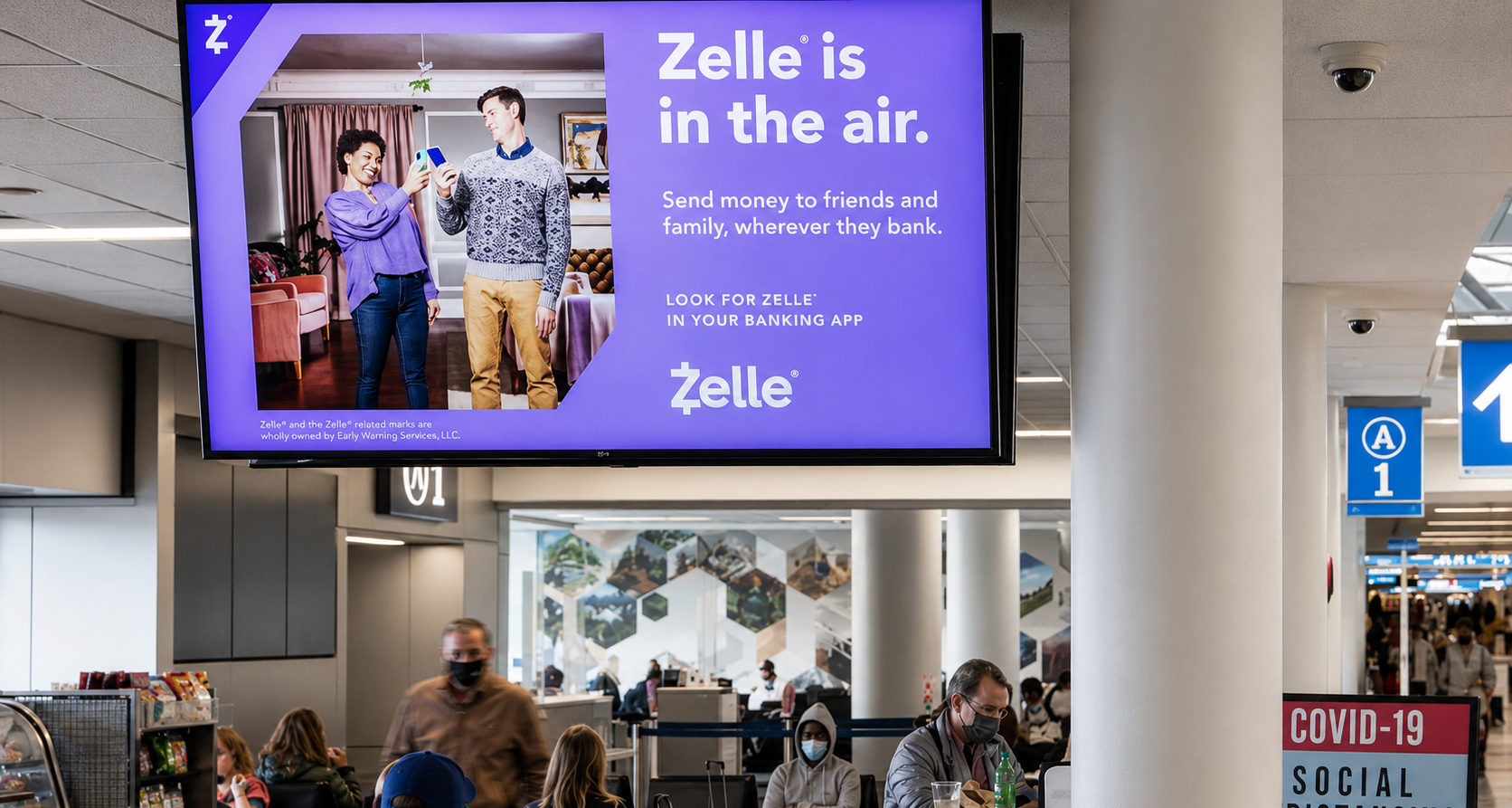
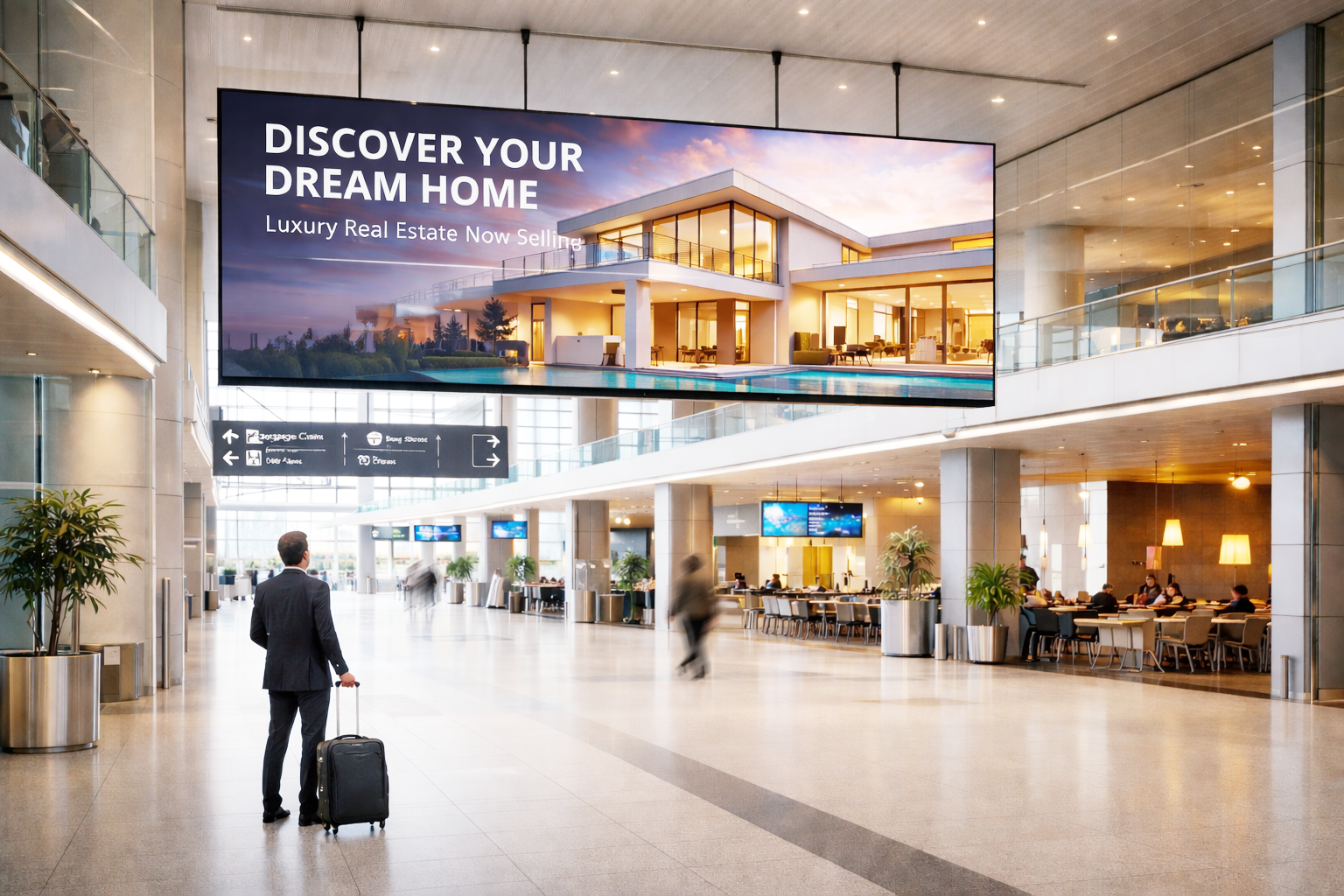
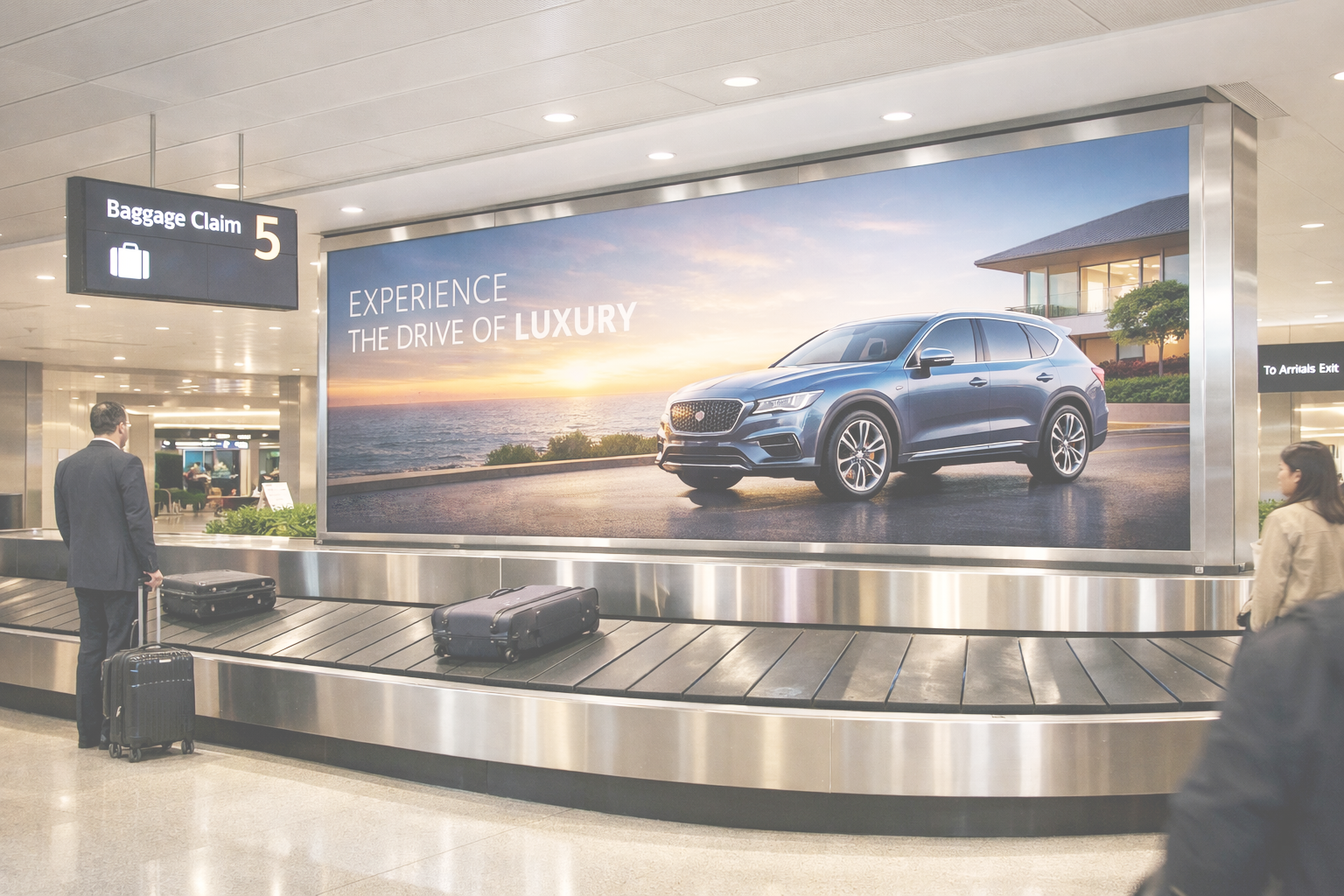
- Advertising opportunity: One terminal, one checkpoint and a walking-distance layout mean an advertiser reaches effectively every passenger from a handful of positions, with virtually no competing clutter. Because charter arrivals land in defined blocks rather than continuous trickle, exposure is concentrated and predictable. Masscom Global provides access across check-in, checkpoint approach, gate area and baggage claim, and can time placement to charter schedules and the region's event calendar so a campaign lands when the audience is present in force.
Airport Advertising is Complex to Get Right
We help you execute faster, with proven results and local insight most planners lack starting now.
Talk to an ExpertCatchment Area and Economic Drivers
Top 10 Cities within 150 km, Marketer Intelligence:
- Bullhead City, AZ: The residential and service core of the corridor, holding a large retiree and snowbird population with paid-off homes, pension and portfolio income, plus the workforce serving the resort economy. Highest receptivity to insurance, annuities, healthcare, powersports and value-premium retail messaging.
- Laughlin, NV: The resort and gaming engine directly across the river, producing continuous visitor spend and a hospitality management audience. The commercial reason this airport exists, and the direct target for gaming, entertainment, hospitality and consumer brands.
- Fort Mohave and Mohave Valley, AZ: Fast-growing residential and retirement communities with strong RV and manufactured housing ownership. Direct target for insurance, home services, automotive, powersports and consumer finance.
- Kingman, AZ: Mohave County's administrative, logistics and manufacturing centre on the interstate corridor, producing a working professional and trucking business audience. Effective for fleet, industrial services, insurance and retail banking.
- Needles, CA: Small border community with a transport and river recreation role, adding California-plated visitor and resident traffic. Relevant to fuel, automotive, telecom and value retail.
- Lake Havasu City, AZ: The corridor's most affluent recreation market, with strong second-home ownership, boating wealth and a substantial winter visitor population. Prime audience for powersports, marine, real estate, wealth advisory and premium automotive.
- Golden Valley, AZ: Rural residential and retirement community with land ownership and self-reliant purchasing behaviour. Aligns with insurance, home and land finance, utility vehicles and healthcare.
- Boulder City, NV: Tourism, energy infrastructure and retirement community adjacent to major water and power assets, producing both engineering and older resident audiences.
- Searchlight and the southern Nevada river corridor: Sparse but strategically located communities feeding the resort and recreation economy, relevant to fuel, automotive and travel services.
- Las Vegas metropolitan area, NV: The dominant regional wealth and entertainment centre within reach, whose residents use the corridor for river recreation and second-home ownership, adding a higher-income leisure and property audience.
NRI and Diaspora Intelligence:
IFP does not carry a diaspora corridor of commercial scale, so the dominant audience movement is domestic migration wealth. The defining pattern is the snowbird flow: asset-rich retirees and pre-retirees from Minnesota, Wisconsin, the Dakotas, Michigan, Washington, Oregon, Northern California and Western Canada who spend the winter months along the Colorado River, many owning homes, park models or RV property outright. The historical Canadian charter link to this airport reflects a genuine and persistent Canadian winter resident presence in the corridor. A growing Hispanic population supports the resort, construction and service economy with year-round Mexico family travel and remittance activity, and the corridor's proximity to Mexican border communities sustains meaningful cross-border healthcare and dental spending. For advertisers this means the money here is retirement money and leisure money rather than corporate money.
Economic Importance:
The catchment economy runs on four engines: gaming, resort and entertainment; retirement and snowbird residential spending; river recreation, boating and powersports; and healthcare, retail and logistics serving both residents and visitors. Each produces a clear audience. Gaming and resorts produce a high-frequency, committed discretionary spender. Retirement produces a stable, insurance-and-healthcare-hungry resident base with substantial home equity. Recreation produces powersports, marine and vehicle buyers with real disposable income. Healthcare and logistics produce the working professional layer. Advertisers therefore get concentrated leisure spend and concentrated retirement spend, with almost no corporate B2B layer.
Business and Industrial Ecosystem
- Gaming, resort and hospitality operations: The dominant employer and economic driver across the river corridor, producing hospitality management and owner-operator decision-makers alongside continuous visitor volume.
- Healthcare, senior services and aged care: A structurally growing sector driven by the region's older population, producing clinicians and administrators and a very large service-purchasing resident audience.
- Construction, residential development and home services: Sustained retirement in-migration drives builders, trades business owners and property developers with fleet, equipment and finance needs.
- Logistics, warehousing and interstate transport: The Mohave County interstate corridor supports freight and distribution businesses producing fleet and trucking decision-makers.
Passenger Intent, Business Segment:
The business segment at IFP is small and should not be oversold. It consists mainly of hospitality and gaming management, regional healthcare and construction principals, and private and corporate aviation users arriving for resort, property or operational reasons. Because scheduled service is charter-based, most conventional business travel from this region routes through Las Vegas or Phoenix instead. Categories that do work against the business layer here are fleet and commercial vehicles, business insurance, hospitality supply and services, construction equipment and finance, and private aviation services.
Strategic Insight:
The honest strategic read is that IFP is not a B2B airport, and advertisers should not buy it as one. Its value is that the leisure and retirement audience arrives in concentrated, predictable blocks and cannot avoid the single terminal, which makes it an unusually pure consumer intercept at very low cost. The charter guest is a self-identified gaming and entertainment spender. The resident traveller is an older homeowner with equity, insurance needs and healthcare decisions ahead. Masscom builds IFP campaigns around that clarity, treating it as a precision consumer and retirement-services buy rather than pretending it carries corporate authority it does not have.
Tourism and Premium Travel Drivers
- The Laughlin resort and gaming corridor: The primary demand driver and the reason charters exist, delivering guests who have prepaid travel and accommodation and arrive with a defined entertainment budget.
- Colorado River recreation, boating and watersports: Draws a powersports and marine audience with genuinely high equipment spend across boats, personal watercraft, off-road vehicles and towing vehicles.
- Regional event calendar including major motorcycle, off-road racing and river event weekends: Produces concentrated enthusiast surges with very high discretionary and vehicle-related spend.
- Grand Canyon West and Route 66 heritage touring: Positions the corridor within a wider desert touring circuit, adding international and cross-country road-trip visitors to the mix.
Passenger Intent, Tourism Segment:
The tourism audience here is the most pre-qualified in this entire series. Charter guests have already committed to flights, hotel and a gaming budget before boarding, which means they arrive in spending mode rather than deciding whether to spend, and they are receptive to entertainment, dining, retail, payment products, insurance and vehicle offers. Event-weekend visitors arrive with equipment, apparel and vehicle spend already underway. Snowbird residents travelling in and out are managing property, healthcare and family logistics and are receptive to insurance, healthcare, home services and real estate. Gaming and entertainment, financial and insurance services, powersports and automotive, and healthcare categories benefit most.
Travel Patterns and Seasonality
- Peak seasons: October to April, the dominant window, driven by snowbird residency, comfortable desert temperatures and the strongest charter and resort demand; April, the single most intense event window of the year; March, driven by spring break river and resort travel; summer, driven by river recreation and watersports despite extreme desert heat; the deepest trough sits in the hottest late-summer weeks.
- Monthly passenger breakdown: Charter volumes follow resort programme scheduling rather than a conventional airline seasonal curve, which means placement timing should follow the charter and event calendar rather than assumptions drawn from other airports.
Event-Driven Movement:
- Major spring motorcycle rally weekend (April): The corridor's signature event, delivering a very large enthusiast audience with exceptional powersports, apparel, insurance and beverage spend, the highest-value single window of the year.
- Off-road racing and desert motorsport events (autumn and spring): Bring vehicle, parts and equipment buyers with active purchase intent, ideal for powersports, tyres, tools and automotive finance.
- River regatta, boating and watersport events (spring and summer): Concentrate marine and towing vehicle audiences with high equipment budgets.
- Snowbird arrival and departure waves (October and April): Two predictable annual migrations of asset-rich older residents, the best windows for insurance, annuities, healthcare, home services and real estate messaging.
- Resort concert and entertainment programming (year-round, weighted to cooler months): Sustains charter demand and delivers repeat visitor exposure between the larger events.
It’s Not Just Where You Advertise - It’s How Fast You Execute
We combine local insight with fast rollout to deliver results for you, now.
Talk to an ExpertAudience and Cultural Intelligence
Top 2 Languages:
- English: The overwhelming primary language of both the resident population and the charter and event visitor base. Single-language creative reaches effectively the entire terminal, and because this is a value-aware, older-skewing audience, plain and direct copy outperforms stylised messaging.
- Spanish: The most significant second language, tied to the resort, construction and service workforce and to cross-border family and healthcare travel. Commercially relevant for remittance, telecom, insurance, value retail and automotive categories, with French relevant in a narrow sense given the corridor's Canadian winter resident presence.
Major Traveller Nationalities:
IFP traffic is overwhelmingly domestic American, dominated by Midwest, Pacific Northwest, California and Southwest origin markets reflecting both charter programme routing and the snowbird resident base. Canadian winter residents form a genuine and historically significant secondary nationality in the corridor, and the airport's international designation dates from the era of Canadian charter arrivals. International leisure visitors reach the region mainly by road as part of wider Southwest touring itineraries. Creative should therefore be built for a domestic American leisure and retirement audience, with Canadian-relevant treatment during the winter season. Masscom recommends English-primary creative with placement timed to charter arrival blocks and snowbird migration windows.
Religion, Advertiser Intelligence:
- Protestant and evangelical Christianity, the largest affiliation across Mohave County: Christmas, Easter and Thanksgiving drive family visitation travel, which in this corridor often means adult children visiting retired parents rather than the reverse. Spending triggers cluster on gifting, family gathering, vehicle purchase and charitable giving, benefiting retail, automotive, telecom and consumer finance.
- Catholicism, significant and growing with the Hispanic population: Drives family travel to Mexico and Southern California around Christmas, Easter and patron saint festivals, with strong remittance and gifting behaviour. Directly relevant to money transfer, telecom, retail and consumer finance.
- Latter-day Saints and other established communities across the Arizona and Nevada corridor: Generate family-oriented, multi-generational travel patterns with strong emphasis on family provision, insurance, education and durable purchases rather than discretionary luxury.
- No religion, a substantial share typical of retirement and recreation regions: Indicates an audience travelling around weather, health and personal milestones rather than religious calendars, receptive to leisure, health and value propositions.
Behavioral Insight:
This audience is value-conscious and equity-rich rather than income-rich, and that distinction drives everything. Snowbird residents own their homes and vehicles outright but manage fixed incomes carefully, so they respond to clear pricing, reliability, health security and family provision rather than aspiration or exclusivity. Charter guests operate on a defined entertainment budget and make fast, in-the-moment decisions about where that budget goes, which makes the terminal a genuine influence point on discretionary spend. Event visitors are enthusiast buyers who research equipment deeply and respond to specification and durability. Messaging performs best when it is direct, concrete, price-transparent and free of pretension. Masscom builds IFP campaigns for clarity and timing rather than prestige, because that is what converts in this environment.
Outbound Wealth and Investment Intelligence
The outbound passenger at IFP is commercially distinctive because the wealth is realised home equity and retirement savings rather than active earnings. Many residents sold a property in a higher-cost state and moved to the river corridor precisely to convert equity into a lower-cost lifestyle, which leaves capital available for property, vehicles, healthcare and travel. Their outbound movement is directed at family visitation, healthcare, additional recreational property and warm-weather or cross-border living options.
Outbound Real Estate Investment:
Capital from this catchment moves most actively within the Southwest, into additional Arizona and Nevada river and desert property, Lake Havasu recreational real estate, Phoenix and the Las Vegas metropolitan area, and into Utah, Idaho and Texas for tax efficiency and family proximity. Internationally, the strongest flow by far is into Mexico, particularly Baja California, Puerto Peñasco, San Carlos and Pacific coastal retirement communities, driven by cost, climate and proximity. Costa Rica and Panama attract a smaller retirement-oriented cohort. International developers marketing genuinely affordable retirement and lifestyle property, rather than luxury product, reach a well-matched buyer at IFP, and Masscom can place that message directly in the departure path.
Outbound Education Investment:
Education investment from this catchment is modest by international standards and directed almost entirely at United States institutions, particularly Arizona and Nevada state universities and community and vocational colleges serving the healthcare and trades sectors. Where international study occurs it is typically short programmes in Canada, the United Kingdom or Australia. Family spending profile is grandparent-supported in a meaningful share of cases, which is the commercially useful insight: the funding decision-maker in this corridor is often the retired grandparent travelling through this terminal, not the parent. Vocational, healthcare and nursing education providers, and domestic university programmes, are better fits here than international universities.
Outbound Wealth Migration and Residency:
Second-residency demand from this audience is cost and healthcare driven rather than status driven. The most relevant pathways are Mexican temporary and permanent residency for retirees, which is heavily used across this corridor, alongside Costa Rica and Panama retiree residency programmes. Cross-border medical and dental travel into northern Mexico is already an established behaviour in this catchment, which makes healthcare-linked residency and insurance propositions unusually credible to this audience. Golden Visa and European citizenship-by-investment programmes have limited relevance to this passenger profile and should not be the pitch here.
Strategic Implication for Advertisers:
Brands at both ends of this corridor should treat IFP as a targeted rather than a universal buy. The departing passenger is a retiree evaluating Mexican coastal property, cross-border healthcare and additional recreational real estate, while the arriving passenger is a committed resort and gaming spender. A Baja developer, a cross-border medical provider and a powersports brand are all addressing the same small terminal from different angles, and all three fit the audience honestly. Masscom Global activates both sides of that corridor, pairing IFP placement with matched inventory in the destination market so a single brand narrative lands at origin and arrival.
Airport Infrastructure and Premium Indicators
Terminals:
- IFP operates a single passenger terminal handling both arrivals and departures, with check-in counters, car rental desks, one TSA security checkpoint, the waiting area and baggage claim all within walking distance of each other. This is the most compact environment in this series, and that is an advantage: every passenger passes every position, so coverage is total and standout is close to guaranteed.
- Passenger types are not segregated in any way, so charter guests, event visitors, snowbird residents and private aviation passengers share the same small environment. The airport also supports over 50,000 square feet of commercial space on site.
Premium Indicators:
- Private lounge provision: The terminal is not configured for lounge-based premium segregation. Commercially this works in an advertiser's favour, because higher-spending passengers remain in shared space and fully addressable.
- Private jet and corporate aviation activity is a genuine and significant part of operations, driven by resort guests, property owners and regional business travel, which places an ultra-high-net-worth layer above the charter base that is invisible in any passenger count.
- On-airport luxury hotel: The resort accommodation cluster sits directly across the Colorado River in Laughlin, minutes from the terminal, which makes the airport the first and last brand touchpoint of a fully prepaid resort stay.
- The airport maintains round-the-clock aircraft rescue and firefighting cover and modern security and baggage facilities, which supports a credible commercial environment despite the small scale.
Forward-Looking Signal:
IFP's history sets the context for its future: in the 1990s and early 2000s it was among the busiest charter airports in the United States, moving hundreds of flights a month, before charter programmes contracted with changing tourism patterns. The infrastructure and terminal capacity built for that era remain in place, alongside over 50,000 square feet of commercial space and active airport authority focus on commercial development, general aviation growth and the return of scheduled air service. The regional visitor economy still draws close to 2 million people a year, and continued retirement in-migration across the Arizona and Nevada river corridor keeps the resident base growing. Any restoration of scheduled service would reprice this environment quickly. Masscom Global advises clients to secure position now, while rates reflect charter-only volumes rather than the airport's built capacity and regional demand base, and to lock terms before scheduled service returns.
Airline and Route Intelligence
Top Airlines:
Scheduled service is charter service, flown by contracted carriers including Sun Country Airlines and Swift Air on programmes arranged through the major Laughlin resort casinos. The airport also handles substantial general and private aviation traffic.
Key International Routes:
No current scheduled international service. The airport's international designation dates from an era of Canadian charter arrivals, and a Canadian winter resident presence in the corridor persists.
Domestic Connectivity:
Charter programmes serve origin markets across the Midwest, Upper Midwest, Pacific Northwest and California rather than a fixed daily route map, with schedules set by resort programme demand. Conventional scheduled connectivity for the region routes through Las Vegas and Phoenix.
Wealth Corridor Signal:
The charter map is effectively a leisure demand map, and it reveals the audience precisely. Upper Midwest and Pacific Northwest origins carry the snowbird and cold-climate escape visitor, which is the same population that buys property along the river, so these routes are both leisure corridors and property migration corridors at once. California origins carry weekend and event-driven recreation traffic with strong vehicle and equipment spend. Private aviation carries the corridor's genuine high-net-worth layer, arriving for resort, property and boating reasons. For advertisers this means IFP is a small number of very clean audiences arriving in identifiable blocks, and Masscom plans placement against charter and event scheduling rather than against a generic daily footfall assumption.
Media Environment at the Airport
- A single small terminal with one checkpoint and walking-distance zones produces effectively zero clutter and total coverage, which makes share of attention here higher than at any large airport for a fraction of the spend.
- Dwell time is extended by charter operating patterns, since block arrivals and departures concentrate large groups of passengers into the same space at the same time, and by the leisure mindset of an audience in no hurry at the start or end of a resort stay.
- The environment suits direct, high-visibility consumer messaging rather than subtle premium brand-building, and it carries real credibility for gaming, powersports, insurance, healthcare and regional real estate categories.
- Masscom Global provides inventory access across check-in area, checkpoint approach, gate and waiting area and baggage claim, with placement timing aligned to charter programme schedules, event weekends and the October and April snowbird migration waves.
Strategic Advertising Fit
Best Fit:
- Gaming, resort, entertainment and hospitality: The entire charter audience is a self-selected gaming and entertainment spender arriving with a defined budget.
- Powersports, marine, off-road and towing vehicles: River recreation and major motorsport events create genuine, high-value equipment demand in this catchment.
- Insurance, annuities and retirement income products: The resident population is one of the most retirement-weighted in the American Southwest.
- Regional healthcare, senior services and cross-border medical and dental: An older population with established cross-border healthcare behaviour makes this unusually effective.
- Residential and recreational real estate, regional and Mexican: Both inbound retirement buyers and outbound Mexican coastal buyers pass through this terminal.
- Value automotive, trucks and RV: High vehicle ownership, long desert distances and RV lifestyle prevalence all support this category.
- Telecom, payments and consumer finance: Prepaid leisure travellers and fixed-income residents both respond to clear-value propositions in these categories.
- Vocational, nursing and healthcare education: Reaches both the working service population and the grandparent funding decision-maker.
Brand Alignment at a Glance:
| Category | Fit |
|---|---|
| Gaming, resort and entertainment | Exceptional |
| Powersports, marine and off-road | Exceptional |
| Insurance, annuities and retirement products | Strong |
| Regional and cross-border healthcare | Strong |
| Value automotive, trucks and RV | Strong |
| Residential and recreational real estate | Moderate |
| Telecom, payments and consumer finance | Moderate |
| Global luxury and enterprise B2B | Poor fit |
Who Should Not Advertise Here:
- Global luxury fashion, high jewellery, duty-free and international transit retail: There is no international departure audience and the resident and visitor profile is value-driven, so these categories find neither the occasion nor the disposition and will waste budget entirely.
- Enterprise software, management consulting and corporate B2B services: There is no corporate headquarters cluster and almost no conventional business travel through this terminal, so messaging built for buying committees has no audience here.
- Premium private banking and ultra-high-net-worth wealth advisory: The genuine high-net-worth layer here arrives by private aviation rather than through the passenger terminal, so terminal placement reaches the wrong end of the wealth distribution for this category.
Event and Seasonality Analysis
- Event Strength: High
- Seasonality Strength: High
- Traffic Pattern: Event-Driven
Strategic Implication:
IFP is the most timing-dependent airport in this series, and buying it as a flat annual presence would waste most of the budget. Consumer, gaming, powersports and automotive advertisers should concentrate spend into the October to April season, with maximum weight on the April event window and secondary weight on spring break and major motorsport and river event weekends. Insurance, healthcare, retirement services and real estate advertisers should build around the October and April snowbird migration waves, when the asset-rich resident audience physically moves through the terminal in volume. The hottest late-summer weeks should be avoided. Masscom Global structures IFP campaigns around charter programme scheduling and the regional event calendar, which at this airport is the entire determinant of return.
Poor Placement and Delays Affect Airport Campaigns
We help you move faster, access better inventory, and get it right now.
Talk to an ExpertFinal Strategic Verdict
Laughlin/Bullhead International Airport is a specialist buy, and understood correctly it is a very efficient one. This is a charter-only terminal where every arriving passenger has already paid for flights, hotel and an entertainment budget before boarding, which makes it the most pre-qualified consumer audience in this entire series, and a single terminal with one checkpoint means total coverage from a handful of positions with effectively no competing clutter. Around that sits a regional economy drawing close to 2 million visitors a year and one of the strongest snowbird and retirement belts in the Southwest, whose residents own their homes outright, migrate through this terminal every October and April, and carry active insurance, healthcare, vehicle and cross-border property decisions. Gaming and resort brands, powersports and marine manufacturers, insurance and retirement product providers, regional and cross-border healthcare, value automotive and RV brands and Mexican coastal developers will see strong returns here, provided they buy the October to April season and the April event window rather than a flat year. Luxury, duty-free and enterprise B2B advertisers should look elsewhere, and Masscom will tell you that plainly rather than sell you the wrong airport. With the airport's built capacity and commercial land base still oriented toward its scheduled-service era and active work toward restoring that service, current rates reflect charter volumes rather than regional demand, and that gap is the opportunity. Masscom Global has the inventory access, the audience intelligence and the execution speed to place your brand in that flow before the market reprices.
About Masscom Global
Masscom Global is a premium international airport advertising and media buying agency operating across 140 countries. With deep expertise in airport OOH, premium publications, and high-net-worth audience targeting, Masscom helps brands reach the world's most valuable travellers at the moments that matter most. For advertising packages, media rates, and campaign planning at Laughlin/Bullhead International Airport and airports across the globe, contact Masscom Global today.
Frequently Asked Questions
How much does airport advertising cost at Laughlin/Bullhead International Airport? Cost at IFP depends on format, position within the terminal, campaign duration and timing against the charter and event calendar. The October to April season and the April event window command the highest value because passenger volume and spending intent both peak. Because the terminal is small and total coverage requires only a handful of positions, the cost to reach effectively every passenger here is among the lowest of any American airport. Contact Masscom Global for current rates and package options.
Who are the passengers at Laughlin/Bullhead International Airport? IFP carries three clean audiences: resort and casino charter guests who have prepaid flights, accommodation and an entertainment budget, snowbird retirees and second-home owners from the Midwest, Pacific Northwest, California and Canada who own property along the Colorado River corridor, and event and river recreation visitors with high powersports, marine and vehicle spend. Private and corporate aviation adds a smaller high-net-worth layer arriving outside the passenger terminal.
Is Laughlin/Bullhead International Airport good for luxury brand advertising? No, and it would be dishonest to suggest otherwise. There is no international departure audience, and both the visitor and resident profiles are value-driven and price-transparent rather than status-driven. Luxury fashion, high jewellery and duty-free style retail will waste budget here. The genuine high-net-worth traffic in this corridor arrives by private aviation rather than through the passenger terminal.
What is the best airport in Arizona or Nevada to reach HNWI audiences? Phoenix, Las Vegas and Scottsdale's business aviation facilities deliver the concentrated high-net-worth volume in this region, and Masscom recommends those for luxury and private wealth categories. IFP is the right buy for a different objective: reaching a committed resort spender and an asset-rich retirement resident base at exceptionally low cost with total terminal coverage.
What is the best time to advertise at Laughlin/Bullhead International Airport? October to April is the dominant season, driven by snowbird residency, comfortable desert temperatures and peak charter and resort demand. April is the single strongest window because of the corridor's major event calendar, and March adds spring break river and resort traffic. October and April are also the two snowbird migration waves, which are the best moments for insurance, healthcare and real estate messaging. The hottest late-summer weeks should be avoided.
Can international real estate developers advertise at Laughlin/Bullhead International Airport? Yes, provided the product matches the buyer. Capital from this catchment moves into Mexican coastal and retirement markets including Baja California, Puerto Peñasco and San Carlos, plus Costa Rica and Panama, alongside additional Arizona, Nevada, Utah, Idaho and Texas property. Developers offering genuinely affordable retirement and lifestyle product reach a well-matched, equity-rich buyer here with no competing property messaging in the environment. Luxury international developers should choose a different airport, and Masscom will advise accordingly.
Which brands should not advertise at Laughlin/Bullhead International Airport? Global luxury fashion, high jewellery, duty-free and international transit retail have neither the occasion nor the audience disposition here. Enterprise software, management consulting and corporate B2B services have no buying committees passing through this terminal. Ultra-high-net-worth private banking reaches the wrong end of the wealth distribution, because that audience arrives by private aviation rather than through the passenger building.
How does Masscom Global help brands advertise at Laughlin/Bullhead International Airport? Masscom delivers the full chain: audience intelligence specific to the Laughlin resort corridor and the Colorado River retirement belt, inventory access across check-in, checkpoint approach, gate and waiting area and baggage claim, planning timed precisely to charter programme scheduling, event weekends and the October and April snowbird migrations, creative guidance tuned to a direct and value-aware audience, and honest counsel on whether this airport fits your category before you spend. Book a fifteen-minute planning call and we will build the IFP case for your brand, or tell you plainly if a different airport serves you better.