


Airport at a Glance
| Field | Detail |
|---|---|
| Airport | Corpus Christi International Airport |
| IATA Code | CRP |
| Country | USA |
| City | Corpus Christi, Texas |
| Annual Passengers | 727,000 (2024) |
| Primary Audience | Energy and petrochemical executives, military and defence personnel, Gulf Coast leisure and second-home owners |
| Peak Advertising Season | March to August, plus November to March winter residency |
| Audience Tier | Tier 3 by volume, Tier 1 by industrial spending power |
| Best Fit Categories | Energy and industrial B2B, financial services and wealth management, luxury and coastal real estate, automotive and heavy equipment |
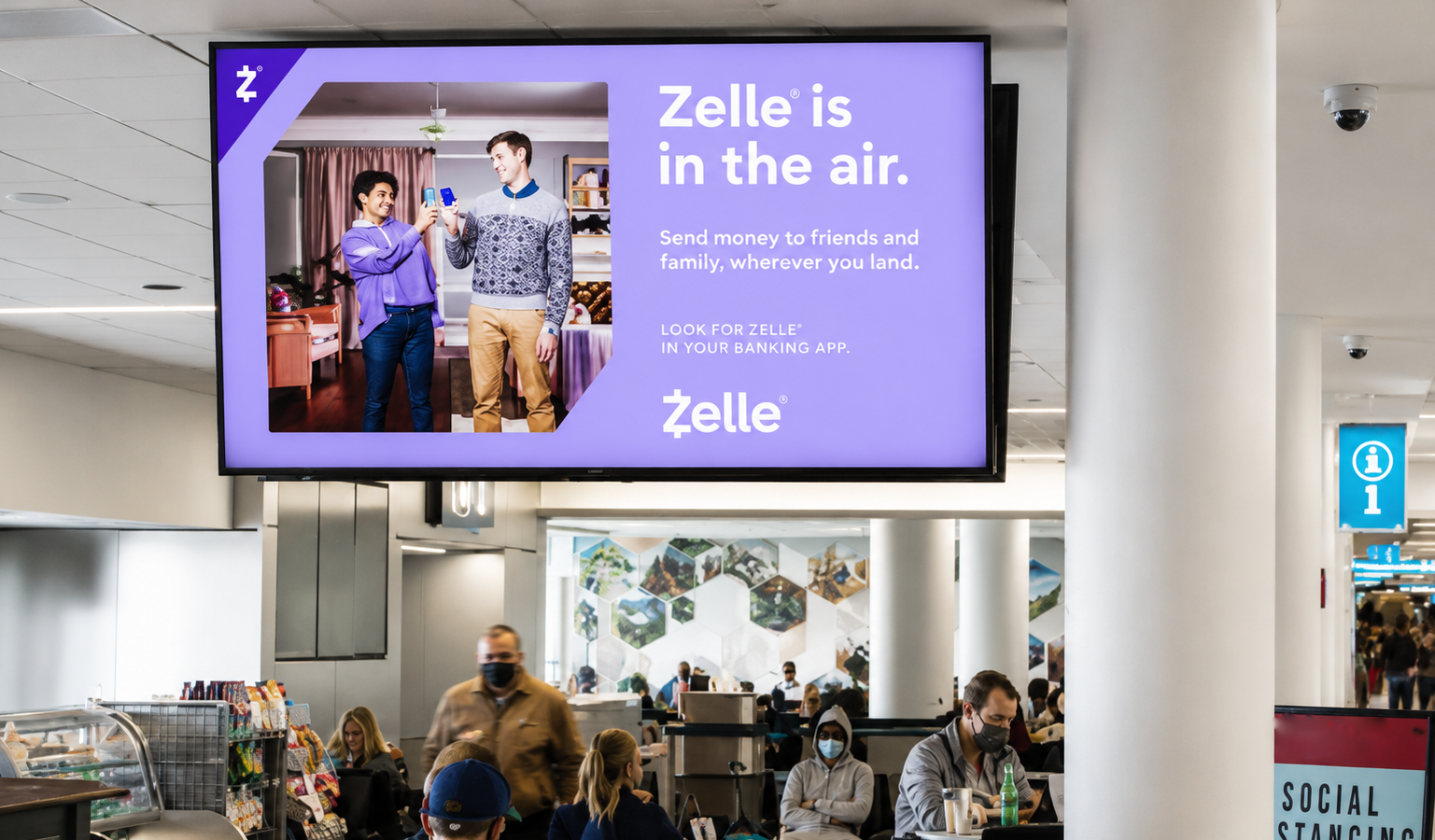
Corpus Christi International Airport is small in passenger count and disproportionate in commercial weight. It handled 727,000 passengers in 2024 across a single terminal with six gates, yet it is the only commercial airport serving a catchment that functions as the export engine of the American energy economy. Advertisers who screen airports by volume alone will miss this one entirely. Advertisers who screen by spending authority per passenger will find one of the most concentrated industrial decision-maker audiences in the United States.
The reason is the Port of Corpus Christi, which moved 203.4 million tons in 2025 and is the third largest port in the United States by total waterborne tonnage. It handles roughly half of all US crude oil exports and is a leading American LNG export point, placing it third globally among crude export terminals. Every capital project, terminal expansion, refinery turnaround and LNG train in that corridor moves engineers, contractors, financiers and executives through CRP. This is a wealth corridor airport wearing a regional airport uniform.
Advertising Value Snapshot
- Passenger scale: 727,000 total passengers in 2024, recovered and grown from a pandemic low of 162,161 enplanements in 2020, with route expansion continuing into 2026
- Traveller type: Energy and petrochemical business travellers, military and defence contractor personnel, coastal leisure and second-home owners
- Airport classification: Tier 3 by passenger volume, FAA-classified as a non-hub primary commercial service facility, but the catchment economics place the audience well above what the passenger count suggests
- Commercial positioning: The only scheduled air gateway to America's dominant crude oil and LNG export complex
- Wealth corridor signal: CRP sits at the junction of the Eagle Ford Shale production basin, the Gulf Coast export terminal cluster and the Texas coastal second-home market
Advertising opportunity: A six-gate single-terminal environment means every passenger passes through a compressed, high-repetition path with almost no format competition for attention. Masscom Global provides direct inventory access and placement precision across this terminal, allowing brands to achieve near-total audience coverage at a fraction of the cost of a comparable hub buy. For B2B advertisers, the cost per qualified industrial decision-maker here is among the most efficient in North America.
Airport Advertising is Complex to Get Right
We help you execute faster, with proven results and local insight most planners lack starting now.
Talk to an ExpertCatchment Area and Economic Drivers
Top 10 Cities within 150 km, Marketer Intelligence
- Corpus Christi: The command centre. Port authority leadership, refinery management, engineering firms and regional banking sit here, producing an audience with corporate signing authority rather than consumer discretionary spend alone.
- Portland: Home to the LNG liquefaction and petrochemical expansion corridor across the bay. Produces a high-income salaried engineering and project management audience with strong appetite for financial services and premium automotive.
- Ingleside: The very large crude carrier loading terminal cluster. This is where the export volume physically leaves the country, generating a shipping, logistics and commodity trading audience with international exposure.
- Robstown: Nueces County's newer industrial node, including lithium refining investment. Creates a fast-growing skilled technical workforce with rising household income and first-time premium purchase behaviour.
- Sinton: Site of one of the largest new steel mill investments in the region. Produces a heavy manufacturing employment base and a B2B procurement audience for industrial suppliers.
- Port Aransas: Second-home and resort market. Owners here are Houston, Austin and San Antonio wealth holders who fly in for weekends, making it a genuine luxury lifestyle and coastal real estate audience.
- Rockport-Fulton: Retiree and winter-resident wealth. High liquid asset base, low debt, strong receptivity to wealth management, estate planning, healthcare and cruise or leisure categories.
- Aransas Pass: Marine services, sport fishing and recreational boating economy. Delivers a discretionary spending audience aligned with marine, outdoor equipment and premium recreational categories.
- Kingsville: Naval air training base plus one of the largest privately held ranching operations in the world plus a university campus. A rare combination of military, agricultural landowner and education audiences in one small market.
- Alice: The oilfield services staging town for the Eagle Ford basin. Produces contractor owners and service company principals, an audience with volatile but very high peak earnings and strong asset purchase behaviour.
NRI and Diaspora Intelligence
There is no significant South Asian diaspora corridor at CRP. The dominant cross-border audience movement is Mexican and Mexican-American, with Monterrey and the northern Mexican industrial states forming the closest foreign wealth pool. This audience travels for energy sector business, cross-border trade, medical services and US property acquisition. For advertisers, the meaningful signal is that a large share of the catchment holds active family, commercial and property interests on both sides of the border, which makes bilingual campaign construction a performance requirement rather than a courtesy.
Economic Importance
The Coastal Bend economy rests on four pillars that each manufacture a distinct advertiser audience. Energy export and petrochemicals produce corporate executives and project financiers. Military aviation training and depot-level maintenance produce a stable, federally salaried population with predictable spending. Agriculture and ranching produce landowning generational wealth. Coastal tourism produces seasonal discretionary spend. No single audience dominates, which means a well-planned campaign here can be aimed at a specific pillar rather than diluted across a generic passenger mass.
Business and Industrial Ecosystem
- Crude oil and LNG export: Produces C-suite, commodity trading and project finance travellers with capital deployment authority in the hundreds of millions
- Refining and petrochemicals: Produces plant management, turnaround contractors and industrial procurement decision-makers who buy at scale and buy repeatedly
- Military aviation and defence maintenance: The naval air training presence and the region's helicopter depot maintenance operation produce defence contractor executives and federally employed households with reliable income
- Advanced manufacturing and metals: Newer steel and battery materials investment produces an engineering and skilled-trades audience with rising incomes and strong brand receptivity
Passenger Intent, Business Segment
Business travellers at CRP are largely inbound rather than outbound. They are flying in to inspect terminals, run turnarounds, close supply contracts, audit facilities and attend commission meetings. This inverts the usual airport logic: the arrivals path and baggage claim are the highest-value intercept points, because that is where a visiting decision-maker forms their first impression of the market. Financial services, industrial equipment, logistics, engineering services and business hospitality categories intercept this audience most effectively.
Strategic Insight
The B2B audience here is unusually concentrated and unusually senior for an airport of this size. A single terminal with six gates means a plant director from a global energy major and a regional bank president walk the same forty metres of concourse. In a major hub, reaching that person costs a national media buy. At CRP, Masscom Global can place a brand directly in the path of a defined industrial decision-making population for the duration of a project cycle. Few environments in North America offer that ratio of audience seniority to media cost.
Tourism and Premium Travel Drivers
- Padre Island National Seashore and Mustang Island: The longest stretch of undeveloped barrier island coast in the world, drawing an outdoor and eco-affluent audience with high equipment and travel spend
- Port Aransas resort and second-home market: Delivers weekend property owners from Texas metros, a direct luxury real estate, interiors, marine and private club audience
- Sport fishing and offshore charter economy: One of the strongest recreational fishing markets on the Gulf, producing a category-committed audience for marine, automotive towing, outdoor apparel and equipment brands
- Coastal heritage and marine attractions: The retired aircraft carrier museum and the regional aquarium anchor family and educational tourism, sustaining shoulder-season traffic outside pure beach months
Passenger Intent, Tourism Segment
Tourists arriving at CRP have already committed to a multi-day coastal stay with accommodation, vehicle rental and often boat or equipment hire booked. They arrive with a spending budget defined and a mindset oriented toward experience rather than economy. On departure they are in a high-recall, low-distraction state, which is the strongest window for real estate, resort membership, financial services and premium retail messaging. Coastal property developers benefit most, because a visitor who has just spent five days on Mustang Island is the single most qualified prospect for a second-home offer.
Travel Patterns and Seasonality
Peak seasons:
- March: Spring break drives the sharpest single-month leisure surge on the Texas coast, concentrated on Port Aransas and Padre Island
- May to August: Summer coastal season combined with peak refinery turnaround and construction activity, producing simultaneous leisure and industrial demand
- November to March: Winter resident inflow, an older, asset-rich population that stays for months rather than days
- Year-round: Energy sector business travel runs on a project cycle rather than a calendar, producing a stable weekday floor beneath the seasonal peaks
Monthly passenger breakdown by carrier and route: Data not available at public disclosure level.
Event-Driven Movement
- Spring Break (March): Mass leisure inflow across the barrier islands. The critical timing window for hospitality, beverage, automotive and retail campaigns.
- Texas Sandfest, Port Aransas (April): Large-scale coastal arts event drawing regional and out-of-state visitors, ideal for lifestyle, tourism board and consumer brand activation.
- Buc Days (May): The city's flagship multi-week civic festival, generating a broad regional inflow and the highest local consumer attention concentration of the year.
- Deep Sea Roundup, Port Aransas (July): One of the oldest fishing tournaments on the Gulf Coast, delivering a high-income, category-specific marine and outdoor audience.
- Winter Texan arrival window (November): The annual settlement of long-stay retirees into the Rockport and coastal corridor, the correct entry point for financial services, healthcare and property campaigns.

It’s Not Just Where You Advertise - It’s How Fast You Execute
We combine local insight with fast rollout to deliver results for you, now.
Talk to an ExpertAudience and Cultural Intelligence
Top 2 Languages
- English: The language of business, contracting and corporate decision-making across the energy and defence sectors. All B2B and financial creative should lead in English.
- Spanish: Spoken across a majority-Hispanic catchment and used in household, family and community contexts. Spanish-language creative reaches the consumer decision-maker in a large share of catchment households, particularly for automotive, retail, financial services and property. Campaigns that treat Spanish as a translation layer underperform. Campaigns built natively in both languages outperform.
Major Traveller Nationalities
The passenger base is overwhelmingly American, and within that, overwhelmingly Texan. Origin and destination traffic concentrates on Dallas, Houston and Denver, meaning most travellers are moving between the Coastal Bend and other Texas economic centres. Mexican nationals form the most significant foreign component, arriving through connecting itineraries for energy sector business, trade and property interests. For advertisers, this means creative should be built for a domestic American and Mexican-American audience with Texas cultural fluency rather than a generic international traveller.
Religion, Advertiser Intelligence
- Catholicism (largest single affiliation in the catchment): Deeply embedded through the region's Hispanic heritage and its status as a diocesan seat. Drives family-centred travel around Christmas, Easter and quinceañera and wedding seasons. Spending triggers cluster around multi-generational gatherings, gifting, family vehicles and property. Categories that benefit: automotive, jewellery, family travel, insurance and residential real estate.
- Evangelical and Southern Baptist Protestantism (second largest bloc): Strong across the ranching and inland communities of the catchment. Drives community-anchored travel, mission and conference movement, and a conservative financial mindset favouring low-debt, asset-backed purchases. Categories that benefit: banking, insurance, agricultural equipment and family-oriented services.
- Mainline Protestant and other affiliations (smaller share): Concentrated in the professional and retiree population. Aligns with wealth management, philanthropy, healthcare and premium leisure categories.
Precise percentage breakdowns at catchment level: Data not available at a reliability standard we will publish.
Behavioral Insight
This audience combines industrial income with conservative financial instinct. Energy sector earnings are high but cyclical, and the catchment remembers downturns, so buying decisions favour tangible assets over abstract products. Property, vehicles, equipment, land and insurance convert far better than lifestyle-signalling luxury. Messaging that emphasises durability, ownership, security and family provision outperforms aspirational status messaging. Bilingual, direct, benefit-led creative wins here. Ornamental brand messaging does not.
Outbound Wealth and Investment Intelligence
The outbound passenger at CRP is not a global jet-setter. They are an asset accumulator with cash generated from energy, land, defence contracting or professional services, and they deploy it into things they can see, visit and hold. This makes them a highly targetable audience for real estate and tangible investment offers, and a poor audience for abstract luxury positioning. The corridor also runs in both directions, with Mexican capital moving north into Texas property and Texas capital moving south and offshore into leisure property.
Outbound Real Estate Investment
The dominant outbound property flow is domestic and near-shore. Coastal Bend wealth buys into Austin, San Antonio and Hill Country residential markets, into Colorado mountain property, and into the Mexican coastal and colonial markets around Los Cabos, Puerto Vallarta and San Miguel de Allende. Central American and Caribbean second-home markets including Belize, Costa Rica and Panama attract retirement-stage buyers from the winter resident population, drawn by cost of living and residency-linked property programmes. International developers targeting American buyers with sun-belt retirement or investment product have a defined, pre-qualified audience passing through this terminal.
Outbound Education Investment
Students from this catchment move predominantly into the Texas public university system and into regional private institutions, with the strongest outbound flow toward Austin, College Station and San Antonio. International study is a smaller but growing segment concentrated in the UK, Ireland and Spain, with Spanish-language proficiency in the catchment making Spain a natural destination. Family spending profile is asset-backed rather than income-backed, with property equity and land frequently financing education. International universities, boarding schools and education consultancies reach parents here at the moment they are physically separating from a departing child, which is the highest-intent window available.
Outbound Wealth Migration and Residency
Second-passport and residency demand in this catchment is modest but real, driven by retirees and energy sector principals seeking tax efficiency and lifestyle relocation. Portuguese, Greek and Caribbean residency and citizenship programmes are the most relevant to American holders of this profile. The more significant flow is inbound: Mexican and Latin American investors using US investment migration routes to secure Texas property and residency, and this audience transits the same terminal. Programme volume specific to this catchment: Data not available.
Strategic Implication for Advertisers
International real estate developers, residency programme operators and cross-border wealth managers should treat CRP as a low-cost, high-precision channel rather than a volume play. The audience on both sides of the Texas-Mexico wealth corridor moves through this single terminal, which means one buy reaches both the outbound American investor and the inbound Latin American capital holder. Masscom Global can activate on both sides of that corridor simultaneously, placing brands at CRP alongside coordinated positioning in the originating markets.
Airport Infrastructure and Premium Indicators
Terminals
- Single passenger terminal with six gates, five of which are jetway-served, producing a compressed and highly repeatable passenger path with no terminal-splitting of audience
- Two gates hold direct access to the on-site US Customs and Border Protection facility, enabling international charter, private aviation and cargo processing despite the absence of scheduled international service
Premium Indicators
- Airline lounge infrastructure: Data not available. CRP does not operate traditional carrier lounges, which concentrates all premium-cabin passengers into the shared concourse environment and raises the value of general terminal placements.
- Substantial general and military aviation presence. Aircraft operations at the airfield have historically been dominated by military and general aviation rather than commercial airline movements, signalling a private and institutional aviation audience well beyond the scheduled passenger count.
- Recent commercial upgrades including a full-service restaurant and bar, a local brewery concept and a passenger observation deck, all of which lengthen dwell and create natural high-attention placement zones
- Regional accommodation depth is served by the city and coastal resort market rather than an on-airport luxury hotel
Forward-Looking Signal
The commercial trajectory here is upward and infrastructure-led. The Corpus Christi Ship Channel deepening and widening project has completed, allowing fuller loading of the largest crude carriers and locking in the port's export dominance for the next investment cycle. LNG liquefaction capacity continues to expand, and the airport secured its first new mainline nonstop route in decades with Denver service, breaking a long period of purely Texas-hub connectivity. Each of these events adds passengers, adds seniority to the passenger mix and adds advertiser competition. Masscom Global advises clients to secure position now, while current rates reflect the airport's historical profile rather than its emerging one.
Airline and Route Intelligence
Top Airlines
American Eagle, United Express, Southwest Airlines and Frontier Airlines operate scheduled passenger service, supported by regional cargo and air taxi operators.
Key International Routes
None. CRP operates a 100% domestic scheduled network. International reach is achieved through single-stop connections at the Texas and Denver hubs, and through charter and private aviation processed at the on-site customs facility.
Domestic Connectivity
- Dallas/Fort Worth, the highest-volume route, carrying approximately 151,840 passengers in the twelve months to June 2024
- Houston Intercontinental and Houston Hobby, which together account for more than half of total enplanements
- Dallas Love Field, seasonal, with expanded summer frequency
- Denver, the newest mainline addition and the longest nonstop from the airport at roughly 930 miles
Wealth Corridor Signal
The route map is a corporate map, not a leisure map. More than half of all traffic funnels into Houston, the global energy capital, which tells advertisers that the dominant passenger relationship at CRP is between an export terminal and a corporate headquarters. The Dallas route carries financial services, legal and institutional traffic. The Denver route is the one genuine leisure and lifestyle corridor, opening the Rocky Mountain second-home and outdoor market to this audience. Brands should treat the Houston and Dallas flows as B2B intercepts and the Denver flow as a discretionary lifestyle intercept.
Media Environment at the Airport
- A six-gate single terminal produces far lower format clutter than any Texas hub, meaning a single well-placed campaign achieves standout that would require a multi-site buy at Houston or Dallas
- Dwell is extended by the airport's compact security operation combined with new food, beverage and observation deck amenities, holding passengers in a seated, unhurried state where message absorption is highest
- The passenger mix carries an unusual concentration of uniformed military, defence contractors and energy executives, an environment that lends institutional credibility to brands positioned within it
- Masscom Global provides direct inventory access across arrivals, concourse and departure zones at CRP, with placement precision that allows advertisers to target the arriving business decision-maker and the departing leisure spender as two separate campaigns within one terminal
Strategic Advertising Fit
Best Fit
- Energy and industrial B2B: Equipment, engineering services, EPC contractors and logistics providers reaching the exact procurement population that runs America's largest crude export complex
- Financial services and wealth management: Cyclical high earnings, land equity and retiree asset concentration create sustained demand for planning, banking and asset protection
- Coastal and international real estate: A catchment that already buys second homes and a visitor base pre-sold on the coastal lifestyle
- Automotive, trucks and heavy equipment: Texas industrial and ranching culture makes vehicle purchase a core spending category rather than a discretionary one
- Defence and government contracting: A concentrated military aviation and depot maintenance audience with institutional buying authority
- Insurance and risk services: Hurricane exposure, marine assets, industrial operations and ranch holdings all drive structural insurance demand
- Healthcare and medical specialty: A large retiree and winter resident population with high procedure and specialist utilisation
- Marine, outdoor and recreational brands: Sport fishing, boating and coastal recreation are category-defining local behaviours
Brand Alignment at a Glance
| Category | Fit |
|---|---|
| Energy and industrial B2B | Exceptional |
| Financial services and wealth management | Exceptional |
| Coastal and international real estate | Strong |
| Automotive and heavy equipment | Strong |
| Insurance and risk services | Strong |
| Healthcare and medical specialty | Moderate |
| Duty-free and travel retail | Moderate |