




Airport at a Glance
| Field | Detail |
|---|---|
| Airport | Khon Kaen International Airport |
| IATA Code | KKC |
| Country | Thailand |
| City | Khon Kaen, Isan, Northeast Thailand |
| Annual Passengers | 1,705,474 (2025), up 2.25 percent year on year, with 11,444 aircraft movements and freight up 21.94 percent |
| Primary Audience | Returning internal migrants and overseas workers, agribusiness and sugar sector proprietors, medical referral patients and families, university and government travellers |
| Peak Advertising Season | April, December to January, October to November, July |
| Audience Tier | Tier 2 |
| Best Fit Categories | Remittance, banking and gold, pickup trucks and agricultural machinery, insurance and health products, overseas employment and education services |
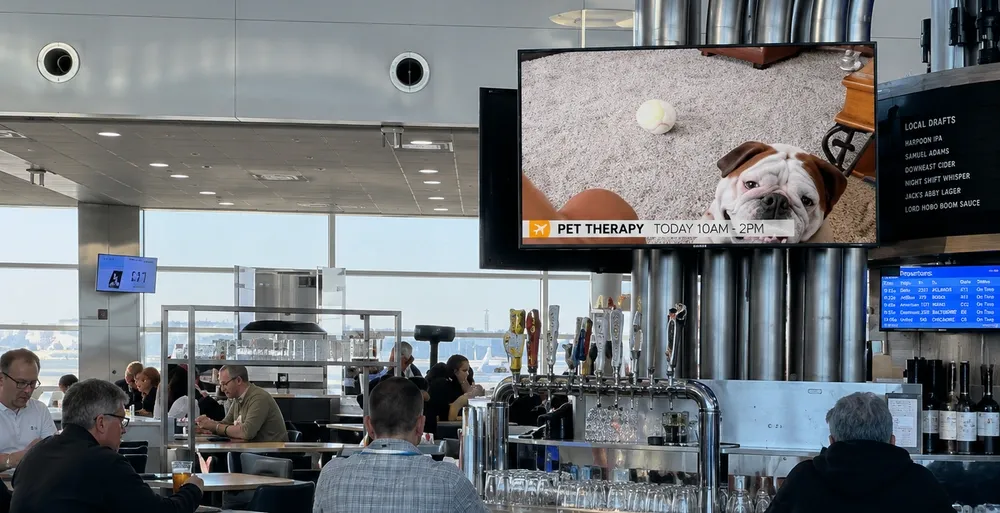
The gateway to Isan, a region of over twenty million people whose economy runs on money earned abroad and spent at home.
Khon Kaen handled 1,705,474 passengers in 2025, up 2.25 percent, with aircraft movements rising 6.41 percent and air freight up a striking 21.94 percent. A two billion baht terminal programme has delivered a four-storey smart facility rated for up to five million passengers a year and 2,000 passengers per hour, with automated check-in and a design incorporating Isan basketry patterns. Passenger volume today runs at roughly a third of installed capacity, which means advertising rates here are set against current traffic rather than future scale. Masscom Global reads KKC as a growth-curve buy at pre-growth pricing.
What makes this airport commercially distinct is the nature of the money moving through it. Isan is Thailand's largest labour-exporting region, sending workers to Bangkok, South Korea, Taiwan, Israel, Japan, Singapore, and the Nordic countries, and receiving remittances that fund housing, land, gold, vehicles, and education across the catchment. Add a major university, one of Isan's principal medical referral hospitals, a sugar and rice economy of national significance, and a designated national MICE city, and the terminal carries a genuinely broad decision-making audience. Masscom activates capital that arrives from outside the region and is spent inside it.
Advertising Value Snapshot
- Passenger scale: 1,705,474 passengers in 2025 against a terminal built for five million, with movements up 6.41 percent and freight up 21.94 percent, indicating commercial momentum ahead of passenger volume.
- Traveller type: Returning internal and overseas migrant workers, agribusiness and trading families, medical referral patients and accompanying relatives.
- Airport classification: Tier 2. The dominant air gateway to Northeast Thailand and the region's designated aviation hub for its largest low-cost carrier.
- Commercial positioning: The gateway to Isan and the principal air access point for Khon Kaen, Maha Sarakham, Kalasin, and Roi Et provinces.
- Wealth corridor signal: KKC sits on the Isan-to-East Asia labour migration corridor and on the emerging Bangkok-to-Vientiane-to-China rail and trade corridor.
- Advertising opportunity: A single four-storey terminal concentrates every passenger through one check-in hall, one screening point, and one departure lounge, so a small number of placements achieves near-total coverage. Because the facility operates at roughly a third of design capacity, pricing has not yet repriced for the terminal that exists. Masscom Global secures position now and holds it through the ramp.

Airport Advertising is Complex to Get Right
We help you execute faster, with proven results and local insight most planners lack starting now.
Talk to an Expert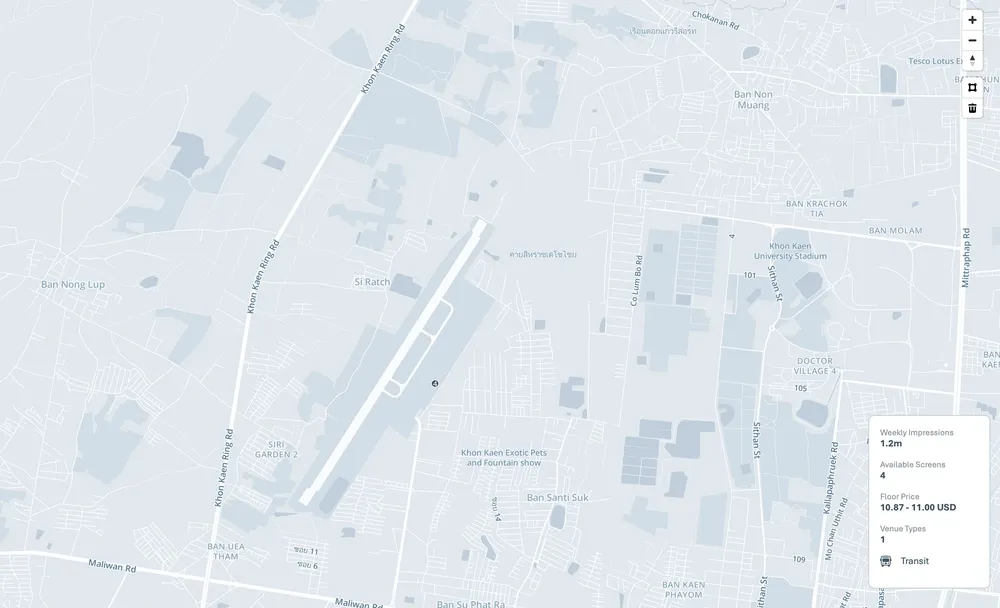
Catchment Area and Economic Drivers
Top 10 Cities within 150 km, Marketer Intelligence:
- Khon Kaen: The commercial, medical, and academic capital of Isan. Thai-Chinese merchant families in sugar, rice trading, construction, and retail hold the region's most concentrated private wealth.
- Maha Sarakham: A university province producing student, faculty, and civil service travel plus first-generation professional families with strong education and financial services receptivity.
- Kalasin: Rice, cassava, and livestock agriculture with high overseas labour participation. Remittance-funded household spending on housing, vehicles, and gold is the dominant pattern.
- Roi Et: Home to Thailand's premium jasmine rice growing belt. Landholding farming families with genuine seasonal liquidity at harvest and strong agricultural finance needs.
- Chaiyaphum: Sugarcane and cassava country supporting major milling operations. Mill-linked contractor and grower wealth with equipment and credit requirements.
- Udon Thani: At the northern edge of the catchment, with an unusually high concentration of Thai households linked to Western partners, generating sustained foreign currency inflow and property construction.
- Nong Bua Lamphu: Agricultural and labour-exporting province with heavy Korea and Taiwan work participation. Remittance and overseas employment services convert strongly here.
- Chum Phae and Ban Phai: District commercial centres serving the sugar and rubber belt, with dealer networks for vehicles, machinery, and agricultural inputs.
- Nam Phong and Kranuan: Industrial and processing districts around pulp, sugar, and food manufacturing, producing plant supervisory and contractor audiences.
- Loei: At the western catchment edge, contributing agriculture, mining, and a growing highland tourism economy with cross-border trade links to Laos.
NRI and Diaspora Intelligence: This is the defining commercial story at KKC and it is unlike any other airport in Thailand. Isan supplies the largest share of Thailand's overseas workforce, with substantial populations in South Korea, Taiwan, Israel, Japan, Singapore, Malaysia, and the Gulf, alongside a well-established seasonal berry-picking migration to Sweden and Finland. These workers remit consistently and return home for the festival calendar, arriving with accumulated savings and clear spending intentions. Separately, the catchment holds an unusually high density of households linked to European partners, particularly German, Swedish, Norwegian, Danish, Swiss, Dutch, and British, which generates continuous foreign currency inflow, residential construction, and inbound European visitation. For remittance providers, banks, gold retailers, insurers, telecom operators, property developers, and overseas employment agencies, this is one of the most precisely defined audiences in Southeast Asia.
Economic Importance: The catchment economy rests on rice, sugarcane, cassava, rubber, and silk, supported by large-scale sugar milling and food processing, and increasingly on services, retail, healthcare, and education centred on Khon Kaen city. A major regional university and referral hospital draw students, faculty, patients, and families from across the Northeast. Khon Kaen is a designated national MICE city with dedicated convention infrastructure, and it sits on the planned high-speed rail alignment toward Nong Khai and the Laos and China network. For advertisers, the result is an audience combining rural liquidity at harvest, remittance-driven household spending, and a genuine urban professional and merchant class.
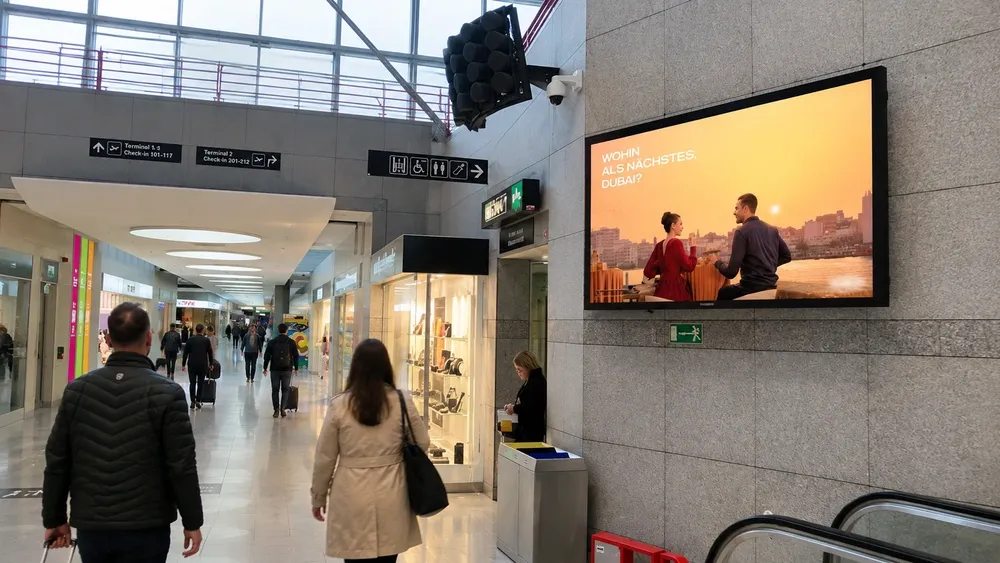
Business and Industrial Ecosystem
- Sugar, rice, and agro-processing: Mill operators, traders, and growers with seasonal capital, equipment procurement, and credit requirements across Khon Kaen, Chaiyaphum, and Roi Et.
- Healthcare and medical referral: A principal Isan referral hospital and private hospital growth draw patients and accompanying families from across the Northeast, creating long dwell and high emotional engagement.
- Higher education and research: The region's largest university generates student, faculty, and conference travel year-round, plus a substantial international student and academic component.
- MICE, retail, and construction: Dedicated convention facilities, major shopping centres, and continuous residential construction funded substantially by remittance inflow.
Passenger Intent, Business Segment: Business travellers here fly almost exclusively to Bangkok, for banking, government, supplier negotiation, trade meetings, and medical or academic conferences. A large proportion are proprietors, mill operators, dealers, and trading family principals rather than corporate employees, meaning the person in the lounge holds signing authority. Travel is repetitive and often tied to harvest financing, procurement cycles, or government fiscal calendars. Agricultural finance, machinery and pickup trucks, insurance, construction materials, telecom, and B2B services intercept them most effectively.
Strategic Insight: The B2B value at KKC is direct access to owner-decision-makers in an economy where purchase authority sits with families rather than committees. Isan commercial wealth is concentrated in Thai-Chinese merchant houses and landholding agricultural families who make capital decisions personally and on relationship terms, which compresses sales cycles for finance, equipment, and vehicle categories dramatically. Because the terminal is single-flow and passenger profiles repeat, a brand can build genuine frequency against the same individuals across a full crop season at a fraction of Bangkok media cost. Masscom Global builds these campaigns around the harvest, milling, and government disbursement calendars so exposure lands when capital is actually moving.
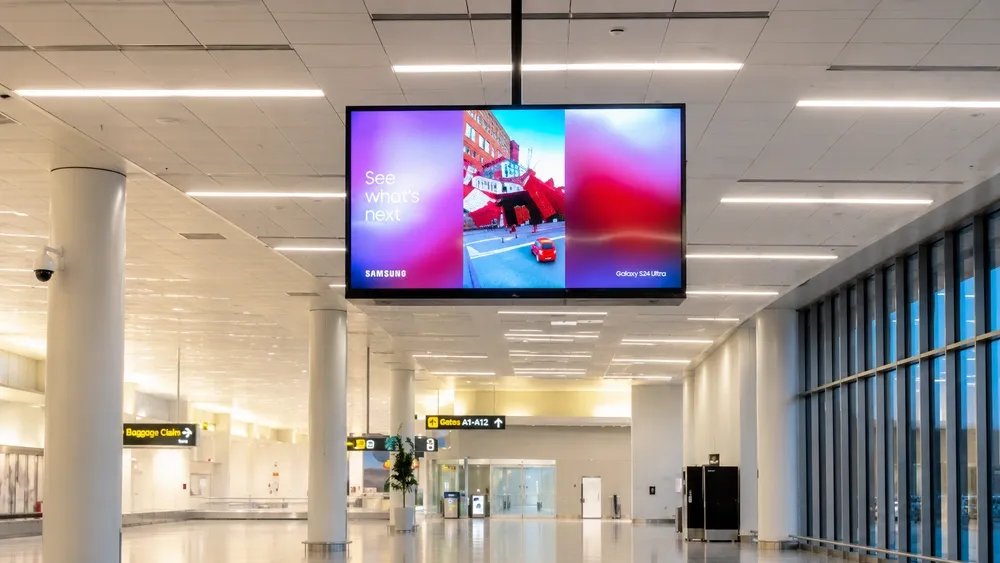
Tourism and Premium Travel Drivers
- Khon Kaen Silk Festival and Phuk Siao (November to December): A major regional cultural and commercial event drawing national visitation and concentrating textile, gifting, and hospitality spend.
- Isan festival circuit, including the rocket festival season (May) and Buddhist Lent observances (July and October): Distinctive regional events driving intra-regional and returning-family travel.
- Dinosaur fossil sites, Bueng Kaen Nakhon, and Isan heritage tourism: A growing domestic and regional visitor base supported by improved air access and terminal capacity.
- Medical and wellness travel: Referral treatment at the region's principal hospital plus expanding private healthcare draws patients and accompanying family with committed budgets.
Passenger Intent, Tourism Segment: Leisure and family passengers here arrive with the primary purpose already funded, whether that is a festival return, a family obligation, or a medical appointment, which leaves discretionary budget open for gifting, gold, food, telecom, and retail. Returning overseas workers in particular carry accumulated savings and arrive with explicit purchase lists covering housing, vehicles, gold, and household goods. Medical companions represent long dwell, high attention, and elevated receptivity to health, insurance, and financial security messaging. Gold and jewellery, banking, insurance, telecom, automotive, and property developers benefit most.
Travel Patterns and Seasonality
Peak seasons:
- April, Songkran: The single largest travel window in Thailand and disproportionately so for Isan, as the region's internal and overseas migrants return home. Songkran 2025 saw peak daily throughput of 34,864 passengers.
- December to January: New Year return travel plus post-harvest liquidity, producing the year's strongest consumer purchase window.
- October to November: End of Buddhist Lent, the silk festival, and merit-making season combine into a dense cultural and commercial peak.
- July: Beginning of Buddhist Lent plus mid-year school break drives family and religious travel.
Event-Driven Movement:
- Songkran (13 to 15 April): Mass return migration from Bangkok and overseas. Exceptional window for remittance, banking, gold, telecom, automotive, and insurance, and it rewards weight placed two to three weeks ahead of the holiday.
- New Year (late December to early January): Second mass return window, coinciding with rice harvest proceeds and annual bonus payments. Peak purchase intent for vehicles, gold, and property deposits.
- Ok Phansa and merit-making season (October): Strong donation, gold, and gifting triggers across a deeply observant Buddhist population.
- Khon Kaen Silk Festival and Phuk Siao (November to December): National visitation with textile, craft, and hospitality spend concentrated in the city.
- Rocket festival season, Isan-wide (May): A distinctly regional celebration driving intra-Isan travel and community gathering spend.

It’s Not Just Where You Advertise - It’s How Fast You Execute
We combine local insight with fast rollout to deliver results for you, now.
Talk to an ExpertAudience and Cultural Intelligence
Top 2 Languages:
- Thai: The official language and the mandatory base for all creative, compliance, and commercial communication. Central Thai carries authority and is expected for financial, medical, and institutional categories.
- Isan (Lao-Isan): Spoken as the everyday language by the substantial majority of this catchment, and commercially the most important insight at this airport. Bangkok-centric creative consistently underperforms here, while campaigns that use Isan language, Isan music references, and Isan cultural cues generate markedly stronger affinity and recall. English carries genuine secondary value given the European partner and returning-worker segments.
Major Traveller Nationalities: Traffic is overwhelmingly Thai domestic, drawn from Khon Kaen, Maha Sarakham, Kalasin, Roi Et, Chaiyaphum, and the wider Northeast, together with Isan-origin residents of Bangkok travelling home. There is no scheduled international service, so international connectivity runs through Bangkok, which makes KKC an origin capture point for outbound workers and students. The most significant foreign nationalities present are German, Swedish, Norwegian, Danish, Swiss, Dutch, and British visitors connected to local families, alongside Lao cross-border travellers, Chinese business visitors linked to the rail corridor, and international students and academics. Creative should be Thai-first with Isan cultural framing and selective English support.
Religion, Advertiser Intelligence:
- Theravada Buddhism (approximately 93 to 96 percent): The organising framework of the entire commercial calendar. Songkran drives the year's largest travel and spending spike, Buddhist Lent in July and its conclusion in October drive merit-making, and temple donation, gold purchase, and amulet acquisition are recurring high-value behaviours. Merit-making is a spending category in its own right, not merely a cultural note, and gold retailers, banks, and insurers should plan directly against it.
- Local animist and ancestral practice (widely observed alongside Buddhism): Household blessing ceremonies, ordinations, weddings, and funerals involve large family gatherings and substantial collective spending on gold, food, and hospitality, often timed to returning migrant arrivals.
- Christianity, Islam, and Chinese folk tradition (small but commercially notable): Thai-Chinese merchant families in Khon Kaen observe Lunar New Year with significant gifting and travel, and this community holds disproportionate commercial influence relative to its size.
Behavioral Insight: This audience combines rural cash-cycle thinking with genuine cross-border financial sophistication, which is an unusual and highly exploitable pairing. Household spending is concentrated into defined liquidity events, harvest proceeds, annual bonuses, and remittance arrivals, rather than distributed evenly, so campaign timing matters more here than in almost any urban market. Gold functions as the default savings instrument, land as the default long-term asset, and the pickup truck as both a productive tool and the primary status purchase, which means those three categories anchor aspiration in a way that fashion and luxury never will. Decisions are family-consulted and community-referred, so visible local presence and trusted testimony outperform brand polish. Overseas work experience has also made a large share of this audience comfortable with formal banking, insurance, and international transfer products in a way that regional income data would not predict.
Outbound Wealth and Investment Intelligence
The honest characterisation of KKC is that its dominant cross-border flow runs inbound rather than outbound. This is a remittance-receiving economy, and the most valuable international advertising proposition here is capturing that inflow at the moment it lands, not chasing a thin outbound investor pool. Where genuine outbound capital exists, it sits with the merchant and milling families of Khon Kaen city and with education-focused households, and it should be targeted precisely rather than broadly.
Outbound Real Estate Investment: Within Thailand, the dominant flow is remittance-funded residential construction across the Isan provinces, plus Bangkok condominium purchases by Khon Kaen merchant families as capital preservation and for children studying in the capital. Cross-border activity concentrates on Laos, particularly Vientiane, where Khon Kaen trading and construction interests hold commercial and land positions supported by proximity and the rail corridor. Beyond Southeast Asia, activity is modest, with some Australian and United Kingdom property acquisition tied to education, and emerging interest in the United Arab Emirates and Portugal among the wealthiest merchant families. International developers should treat this as a selective, high-precision opportunity rather than a volume market.
Outbound Education Investment: Education is where this catchment's ambition concentrates its money. Families send students to Australia, the United Kingdom, Japan, and increasingly China, the latter supported by scholarship pathways and by the commercial logic of the rail corridor. Within remittance households, funding a child's university education in Bangkok or abroad is frequently the explicit purpose of years of overseas labour. International universities, pathway providers, and language institutions gain real advantage here because the funder is often a returning worker sitting in the departure lounge, and because competing international education advertising in Isan is close to nonexistent.
Outbound Wealth Migration and Residency: The dominant migration pattern here is labour rather than investment, and the relevant advertising categories reflect that: overseas employment agencies, skills certification, language testing, pre-departure finance, and international remittance and insurance products serving workers bound for South Korea, Taiwan, Israel, Japan, Singapore, and the Nordic seasonal programmes. Genuine residency-by-investment demand exists only among the small merchant elite, where Portugal, the United Arab Emirates, and Australian investor pathways see limited interest. Advertisers should size this accordingly and avoid overweighting it.
Strategic Implication for Advertisers: Remittance providers, banks, gold retailers, insurers, telecom operators, overseas employment services, and international education brands should treat KKC as one of the highest-intent origin and return points in Southeast Asia, because the passengers here are physically carrying or about to earn the money the campaign is asking them to deploy. Masscom Global activates both ends of this corridor, placing the same brand at KKC and at the destination airports in Seoul, Taipei, Tokyo, Singapore, and the Nordic markets where Isan labour and capital circulate.
Airport Infrastructure and Premium Indicators
Terminals:
- A single four-storey passenger terminal delivered under a two billion baht expansion programme, rated for up to five million passengers annually and 2,000 passengers per hour, located approximately eight kilometres from the city centre.
- The facility operates as a designated smart airport with automated check-in kiosks, separated arrival and departure levels, and a design incorporating traditional Isan basketry patterns, all within one building requiring no inter-terminal transfer.
Premium Indicators:
- A spacious departure lounge with substantial food, beverage, and retail provision across multiple levels, producing genuine seated dwell rather than transit-only movement.
- Lounge facilities offering premium regional Isan cuisine, alongside electric vehicle charging infrastructure, both signalling an operator positioning the airport above regional baseline standards.
- Selection by Thailand's largest low-cost carrier as its Northeast aviation hub, which is an institutional endorsement of the catchment's commercial potential.
- Air freight volumes rising 21.94 percent in 2025, indicating that commercial and logistics activity is growing faster than passenger numbers, a leading indicator advertisers should note.
Forward-Looking Signal: KKC is operating at roughly a third of its terminal capacity, which is the single most important commercial fact for an advertiser. The airport is positioned for international designation with infrastructure already sized for it, freight is growing at nearly ten times the passenger growth rate, Khon Kaen holds designated national MICE city status, and the high-speed rail alignment toward Nong Khai and onward to the Laos and China network runs directly through this catchment. Any of these developments individually would lift traffic. Together they point to a structural repricing. Masscom Global advises clients to secure position now, at current-cycle rates, ahead of international service and rail-driven growth.
Airline and Route Intelligence
Top Airlines: Thai AirAsia, which has designated Khon Kaen as its Northeast hub, alongside Thai Airways International, Thai Lion Air, and Thai VietJet Air, operating a combined schedule that has grown to well above a dozen daily movements.
Key International Routes: KKC operates no scheduled international passenger service at present. International connectivity is achieved through Bangkok Suvarnabhumi and Don Mueang, which makes this airport an origin capture point for outbound workers, students, and business travellers before they reach a hub.
Domestic Connectivity: The network is anchored by high-frequency service to Bangkok Suvarnabhumi and Bangkok Don Mueang, supported by service to Chiang Mai and Phuket and seasonal additions.
Wealth Corridor Signal: A route map this Bangkok-weighted is a concentration advantage rather than a limitation. The Bangkok corridor simultaneously carries four distinct high-value intents: outbound labour migration connecting onward to Seoul, Taipei, Tel Aviv, and Tokyo, business travel for banking and trade, medical and academic referral, and the mass return migration that defines Songkran and New Year. Chiang Mai and Phuket service identifies the emerging domestic leisure segment among Isan's growing middle class. Almost every movement here is purposeful, which is why impressions carry more weight than the passenger count suggests.
Media Environment at the Airport
- A single four-storey terminal with one check-in hall, one screening point, and one departure lounge delivers near-total audience coverage from a small number of placements, which no Bangkok terminal can offer at any price.
- Dwell is long and seated, extended by low-cost carrier travel patterns, large family groups accompanying medical and returning passengers, and a departure lounge with substantial food and beverage provision across multiple floors.
- The terminal is new, architecturally distinctive with its Isan basketry motif, and carries minimal advertising clutter, which means premium brand association is achievable without competing for share of voice.
- Masscom Global provides direct inventory access across check-in, screening recomposition, departure lounge, gate, and arrivals and baggage zones, with Thai and Isan-language creative production and installation managed end to end.
Strategic Advertising Fit
Best Fit:
- Remittance, money transfer, and cross-border payments: The single strongest category at this airport, reaching senders and recipients at the point of movement.
- Retail banking, savings, and consumer credit: A population with rising formal financial participation driven by overseas work experience and remittance flows.
- Gold and jewellery: The default savings instrument in this catchment, with clear festival and harvest purchase triggers.
- Pickup trucks and agricultural machinery: Isan is a heartland market for the category, functioning as both productive asset and primary status purchase.
- Life, health, and accident insurance: Overseas worker households have both the awareness and the need, and penetration remains well below urban Thailand.
- Telecom, international roaming, and mobile financial services: Continuous cross-border communication needs across a highly mobile population.
- Overseas employment, skills certification, and language testing: Thailand's largest labour-exporting region reached at its principal air gateway.
- Housing developers, construction materials, and home improvement: Remittance-funded residential construction is the dominant capital expenditure across the catchment.
Brand Alignment at a Glance:
| Category | Fit |
|---|---|
| Remittance and cross-border payments | Exceptional |
| Retail banking, gold, and savings | Exceptional |
| Pickup trucks and agricultural machinery | Strong |
| Insurance and health products | Strong |
| Overseas employment and education services | Strong |
| Telecom and mobile financial services | Moderate |
| Property and construction materials | Moderate |
| Luxury fashion and international premium retail | Poor fit |
Who Should Not Advertise Here:
- Luxury fashion, haute couture, and high-end international retail: Genuine wealth exists among Khon Kaen merchant families, but it is too small in absolute number and too understated in consumption to justify flagship-tier investment at this passenger scale.
- Duty free and international travel retail: With no scheduled international service, there is no international departure processing and no addressable travel retail shopper at this terminal.
- Long-haul airline premium cabin products: All traffic is domestic on narrowbody and regional equipment, so there is no addressable premium cabin buyer here.
Event and Seasonality Analysis
- Event Strength: High
- Seasonality Strength: Very High
- Traffic Pattern: Dual-Peak driven by mass return migration
Strategic Implication: Few markets in Asia reward precise timing like Isan. Budget should be weighted heavily into April for Songkran, with lead-in weight beginning two to three weeks before the holiday when purchase decisions are formed, and into late December and January when New Year return coincides with harvest proceeds and annual bonuses. October to November warrants a third tactical layer for merit-making season and the silk festival. Because remittance and medical referral traffic runs continuously, an always-on baseline protects reach between peaks. Masscom Global structures KKC campaigns on exactly this rhythm, concentrating gold, automotive, and property weight into the two return peaks while running continuous remittance, banking, and insurance presence.

Poor Placement and Delays Affect Airport Campaigns
We help you move faster, access better inventory, and get it right now.
Talk to an ExpertFinal Strategic Verdict
Khon Kaen is the most under-priced gateway audience in Thailand outside Bangkok. It handled 1,705,474 passengers in 2025 through a terminal built for five million, grew aircraft movements 6.41 percent and air freight 21.94 percent, and serves as the air gateway to a region of more than twenty million people whose household economy is funded by money earned in Bangkok, Seoul, Taipei, Tel Aviv, Tokyo, and the Nordics and spent on housing, land, gold, vehicles, and education at home. Remittance and payments, retail banking and gold, pickup trucks and agricultural machinery, insurance, overseas employment services, and international education gain the most, because this audience is at the physical point of transfer between earning abroad and spending at home, and because almost no competing international messaging reaches them here. Terminal capacity three times current traffic, freight growing at ten times the passenger rate, designated MICE city status, and a high-speed rail corridor running toward Vientiane and China all guarantee that current rates will not survive the next planning cycle. Masscom Global has the inventory access, Thai and Isan-language creative capability, and corridor intelligence to place your brand here on both ends of that flow.
About Masscom Global
Masscom Global is a premium international airport advertising and media buying agency operating across 140 countries. With deep expertise in airport OOH, premium publications, and high-net-worth audience targeting, Masscom helps brands reach the world's most valuable travellers at the moments that matter most. For advertising packages, media rates, and campaign planning at Khon Kaen International Airport and airports across the globe, contact Masscom Global today.
Frequently Asked Questions
How much does airport advertising cost at Khon Kaen International Airport? Cost at KKC depends on format, position within the terminal, campaign duration, and seasonal demand, with the Songkran period in April and the New Year window carrying the strongest premiums. Because the terminal is single-flow and operates at roughly a third of its five million passenger capacity, cost per share of voice here is considerably more efficient than at Bangkok Suvarnabhumi or Don Mueang, and rates have not yet repriced for the facility that now exists. Contact Masscom Global for current rates and availability.
Who are the passengers at Khon Kaen International Airport? Predominantly Thai travellers from Khon Kaen, Maha Sarakham, Kalasin, Roi Et, and Chaiyaphum, plus Isan-origin residents of Bangkok returning home. The core segments are internal and overseas migrant workers travelling to and from employment in Bangkok, South Korea, Taiwan, Israel, Japan, Singapore, and the Nordic countries, agribusiness proprietors and sugar and rice trading families, medical referral patients with accompanying relatives, university students and faculty, and European visitors connected to local families.
Is Khon Kaen International Airport good for luxury brand advertising? Only selectively. Genuine wealth exists among Khon Kaen's Thai-Chinese merchant and milling families, and gold, premium pickup trucks, and private healthcare all perform well as aspirational categories. However, international luxury fashion and haute couture should not buy here, because the addressable audience is too small in absolute number and consumption in this catchment is deliberately practical, expressed through land, gold, and vehicles rather than apparel.
What is the best airport in Thailand to reach HNWI audiences? Bangkok Suvarnabhumi leads decisively on international HNWI concentration, with Phuket and Samui strong on inbound luxury and Chiang Mai on lifestyle and long-stay wealth. KKC is the best route specifically to Isan's remittance economy and to regional agribusiness and merchant wealth, an audience that Bangkok-focused media plans reach only after it has already left the region. Masscom typically recommends KKC alongside Suvarnabhumi for full national coverage.
What is the best time to advertise at Khon Kaen International Airport? April is the answer, and it is emphatic: Songkran brings mass return migration from Bangkok and overseas, with peak daily throughput reaching 34,864 passengers in 2025. Weight should begin two to three weeks ahead of the holiday. Late December and January form the second peak, combining New Year return with harvest proceeds and annual bonuses. October and November add merit-making season and the silk festival as a third tactical window.
Can international real estate developers advertise at Khon Kaen International Airport? Yes, but with realistic expectations and precise targeting. The volume opportunity here is domestic, with remittance-funded residential construction across Isan and Bangkok condominium purchases by merchant families. Genuine international buying is concentrated among a small elite with interest in Laos, Australia, the United Kingdom, the United Arab Emirates, and Portugal. Developers should treat KKC as a high-precision, low-volume placement rather than a mass property market, and Masscom Global will structure it that way rather than overselling reach.
Which brands should not advertise at Khon Kaen International Airport? Luxury fashion and haute couture will not recover investment at this passenger scale despite pockets of real wealth. Duty free and international travel retail have no addressable shopper, since the airport carries no scheduled international service. Long-haul airline premium cabin products are equally misaligned, as all traffic is domestic on narrowbody and regional aircraft.
How does Masscom Global help brands advertise at Khon Kaen International Airport? Masscom Global handles the full campaign lifecycle: Isan catchment and remittance-flow intelligence, format and placement selection mapped to a single-flow terminal where complete coverage is achievable with minimal inventory, Thai and Isan-language creative production that outperforms Bangkok-centric execution in this market, rate negotiation, installation, and performance reporting. We time campaigns to the Songkran and New Year return peaks and the harvest liquidity cycle that governs when this audience actually spends, and we extend the same brand to the destination airports in Seoul, Taipei, Tokyo, Singapore, and the Nordic markets where Isan labour and capital circulate. Book a 15-minute planning call to review current inventory and rates.







