




Uzbekistan's high season is not a single festival. It is a weather-driven window, and October sits at its centre. Travel specialists identify late March to May and September to early November as the two ideal periods to visit the country, with October offering temperatures between 15°C and 24°C: comfortable enough for a full day on foot in the Silk Road cities, and cool enough that desert itineraries become viable again after the summer. October also coincides with the harvest, and draws slightly thinner crowds than the May peak while holding the same weather quality.
For a planner, that matters because it changes who is travelling. October in Uzbekistan is not a mass-market month. It is when the high-value cultural traveller arrives: the long-haul heritage tourist on a multi-city itinerary, the small-group luxury operator client, the business visitor extending a trip, and the diplomatic and investment delegations that schedule around the same weather.
Tashkent is where almost all of that traffic lands. As the national capital, financial centre and dominant aviation gateway, it is the point at which every arriving segment (cultural, corporate, diplomatic and diaspora) passes through the same terminal. This post is about that capital-city gateway role. For the Silk Road heritage destination itself, see our companion piece on Samarkand's October peak; for a national multi-airport programme, see our Uzbekistan autumn network post.
Why Airport & City Advertising Works During Uzbekistan's October Cultural Peak
Audience quality over volume. International cultural tourists on organised programmes spend USD 3,000 to 8,000 per tour package: a figure that self-selects for a professional, mid-to-late-career, discretionary-income traveller from Europe, East Asia and North America. That is a materially more valuable arriving audience than a raw passenger count suggests.
Capital-city concentration. Tashkent combines three audiences that most cities separate. Inbound cultural travellers use it as the entry and exit point of a Silk Road circuit. International business travellers come for a market progressively opening to foreign capital, with ministries, banks, regulators and corporate headquarters within a few kilometres of one another. And the returning diaspora arrives in volume: an estimated two million or more Uzbek nationals work abroad in Russia, the UAE, Turkey, South Korea and Kazakhstan.
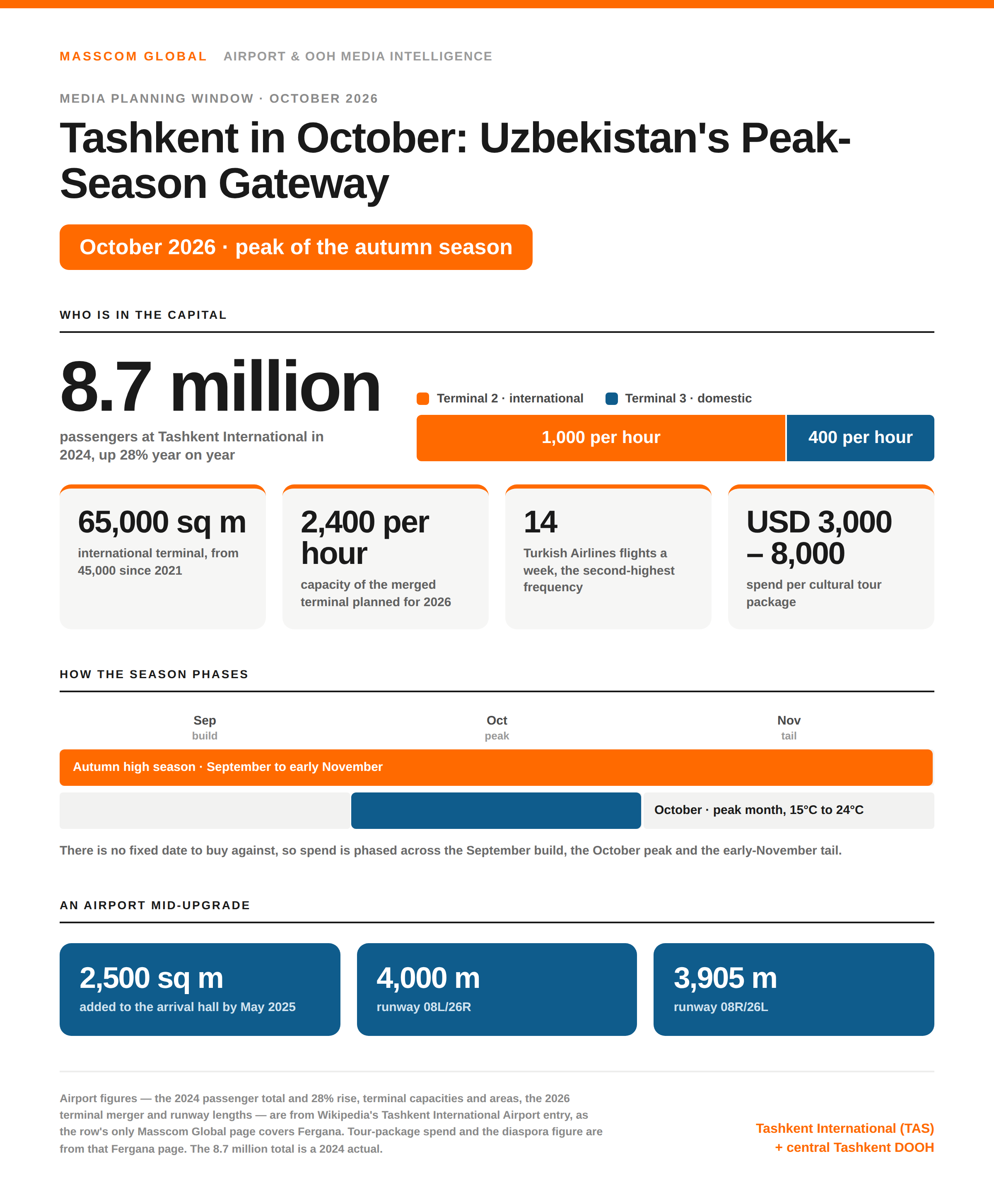
A gateway that is scaling. Tashkent International handled 8.7 million passengers in 2024, 28% more than the previous year. Growth at that rate reprices the environment quickly, and a brand establishing presence now does so where inventory is not yet contested at Gulf or East Asian levels.
Key Benefits of Airport & City Advertising During Uzbekistan's October Peak
Reach a qualified audience
The October window filters the arriving population toward the segments that matter: the high-spend cultural traveller, the international executive and the investment delegation. A campaign concentrated on the capital's gateway reaches most of them without buying across six airports.
Elevate your brand positioning
Uzbekistan is a market where international brand presence is still being established rather than defended. Visibility in the capital's principal arrival environment during the year's peak travel month signals commitment: a positioning benefit that is harder and costlier to acquire in mature markets.
Generate business opportunity
Tashkent in October is a working city as much as a hosting one. Ministries, banks, energy and mining operators and the international advisory community are all active, and the diplomatic calendar runs at full pace. Presence in the arrival journey and the central business district puts a brand in front of the people who authorise transactions, not only those who take holidays.
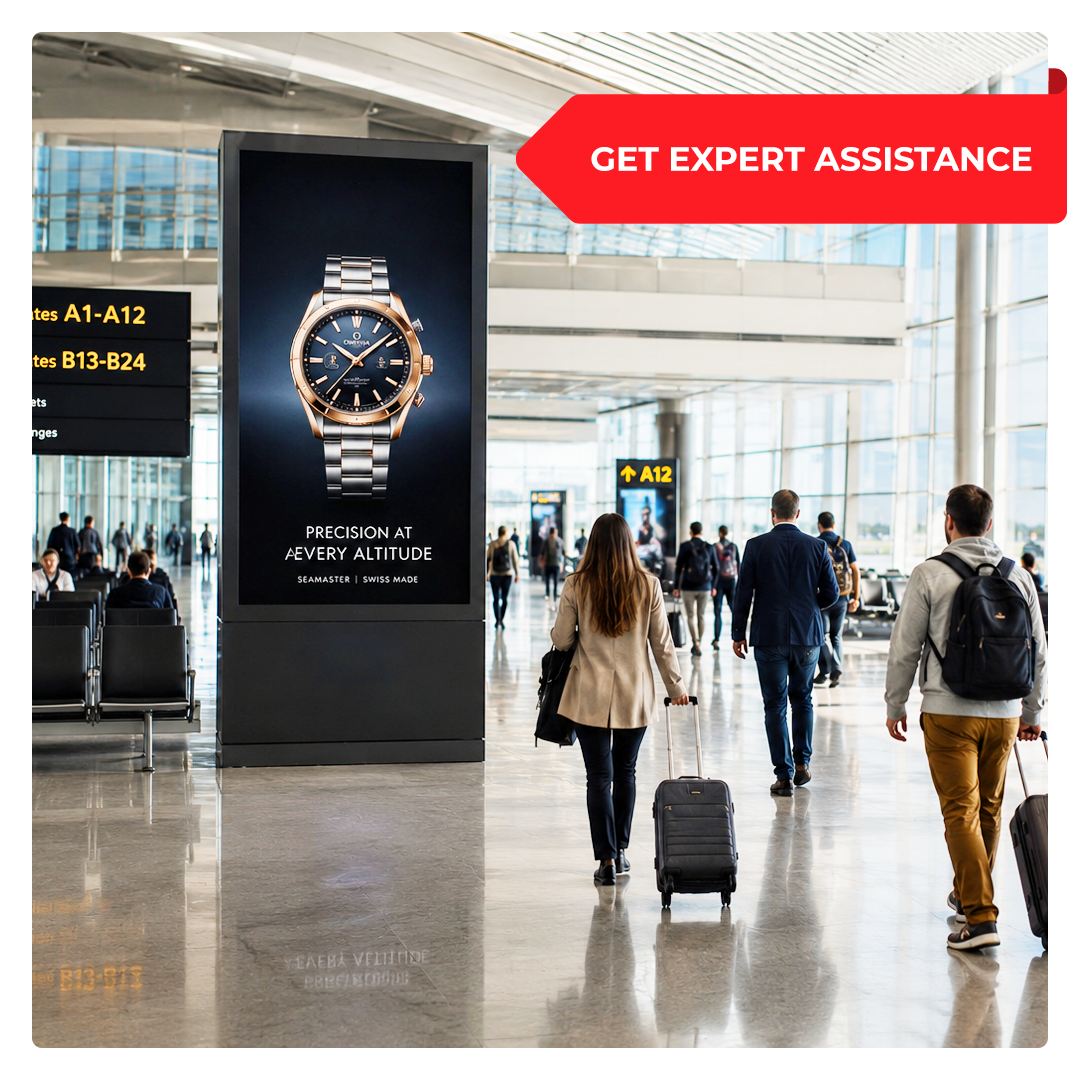
Get Free Expert Assistance from Our Global Media Planning Team
Receive strategic recommendations, media planning support, campaign monitoring and reporting to maximise your visibility throughout Uzbekistan October UHNWI cultural peak.
Book Expert ConsultationTashkent International Airport (TAS)
Tashkent International is Uzbekistan's principal gateway and the hub of Uzbekistan Airways. It handled 8.7 million passengers in 2024, up 28% year on year, and operates a split-terminal model: Terminal 2 for international flights, rebuilt in 2001 with renovations completed in 2018 and capacity for 1,000 passengers per hour, and Terminal 3 for domestic traffic, opened in 2011 with capacity for 400 passengers per hour. Since 2021 the international terminal has grown by nearly 50%, from 45,000 to 65,000 square metres, with the arrival hall gaining a further 2,500 square metres by May 2025. By 2026 the airport plans to merge its arrival and departure terminals into a unified complex handling 2,400 passengers hourly. Two runways serve the field, 08L/26R at 4,000 metres and 08R/26L at 3,905 metres. Turkish Airlines runs 14 weekly flights, the second-highest frequency of any carrier.
Inventory Highlights
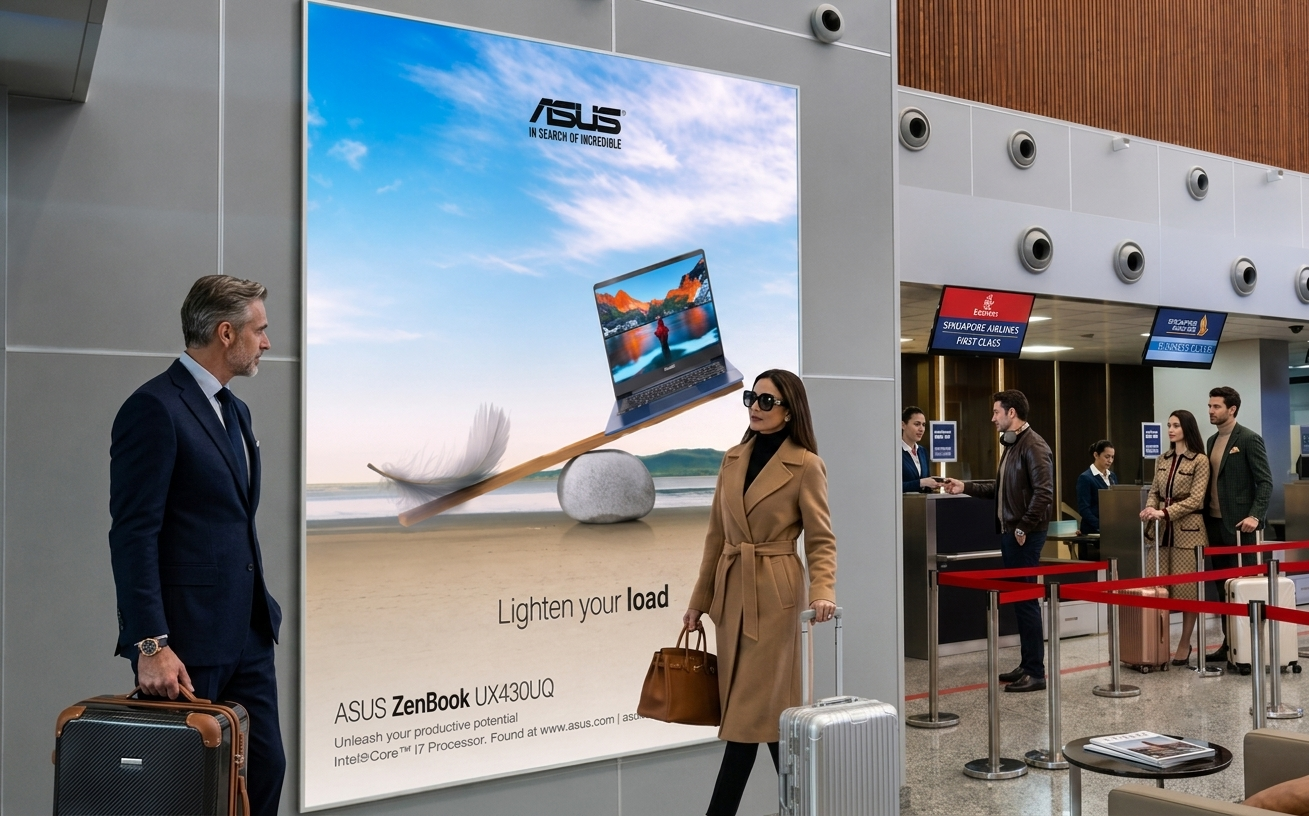
- Terminal 2 international arrivals and immigration hall: the highest-dwell environment in the airport and the first branded impression of the market for every inbound visitor.
- Baggage reclaim and customs exit in the expanded arrival hall, where tour groups and delegations wait together.
- Terminal 2 international departures and check-in, reaching the same audience on the outbound leg at the close of an itinerary or business visit.
- Meeter-greeter and forecourt positions, the interface with tour operators, corporate drivers and families collecting diaspora arrivals.
- Terminal 3 domestic circulation, covering the onward connections to Samarkand, Bukhara, Urgench, Fergana and Namangan on which multi-city itineraries depend.
- Transfer and inter-terminal environments, consolidating as the unified terminal complex comes into operation.
Advantages for Advertisers
- National gateway status. A single-airport buy delivers most of the country's inbound international audience.
- Documented high growth. A 28% year-on-year passenger increase in 2024 means audience delivery is rising within any campaign period.
- Terminal split as a targeting tool. International traffic in Terminal 2 and domestic traffic in Terminal 3 let a planner separate the inbound long-haul audience from the domestic and regional flow and weight spend accordingly.
- Hub-and-spoke capture. Because Silk Road itineraries connect through Tashkent, the same traveller passes through two or three times in a single trip.
- Infrastructure upgrade cycle. The terminal merger and hall expansions are creating new media environments; early entrants shape position selection rather than inheriting it.
- Premium route mix. Uzbekistan Airways' network plus Turkish Airlines' 14 weekly frequencies feed European, Gulf and East Asian traffic into the same corridors.
 Wealth in motion intelligence.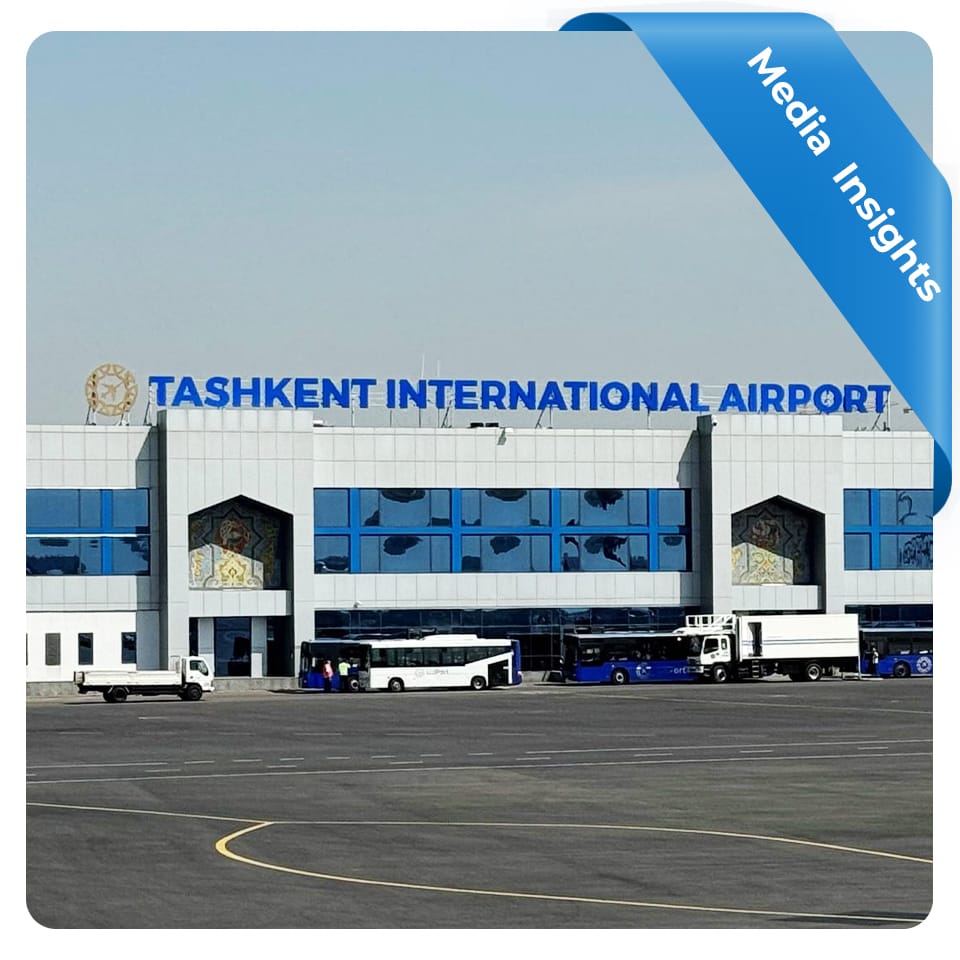
Destination Tashkent: Full Visitor Journey Coverage
Tashkent's advertising geography is unusually planner-friendly: the city was rebuilt on a broad, ordered grid after 1966, so large-format OOH reads cleanly and visitor routes are few and predictable. Visitors arrive at Tashkent International, travel the airport corridor into the city, and concentrate in a small set of districts: the Amir Timur Square and Mustaqillik Maydoni institutional core, the central hotel clusters, the Chorsu Bazaar and old city on the cultural itinerary, and the Tashkent City financial development where international business is increasingly transacted. Onward travel to Samarkand and Bukhara happens by high-speed rail from Tashkent station or by domestic flight from Terminal 3.
A campaign built as Airport → City → Venue should open in Terminal 2 arrivals, where dwell is longest and the market's first impression is set. It should continue through Tashkent OOH and DOOH: large-format positions on the airport corridor and main radial boulevards, digital screens in the central business and hotel districts, and placements around Tashkent City and the institutional core where meetings are held. It should close on the departure points for the heritage circuit: the rail terminal and Terminal 3, catching the traveller immediately before the Samarkand and Bukhara legs.
Sequenced that way, the programme delivers three compounding effects. Increased brand recall, because the message is met on arrival, in the districts where the visitor works and stays, and again on departure for the heritage cities. Consistent presence, because the brand occupies every environment the visitor moves through, which in a market at this stage reads as scale and permanence. Enhanced campaign effectiveness, because repetition against a high-value, self-selecting audience across a defined peak outperforms the same spend spread thinly across the year.
Why Brands Choose Airport & City Advertising for Tashkent October
Exclusive audience access. The October window brings high-spend cultural travellers, international business visitors, diplomatic and investment delegations and the returning diaspora through one capital-city gateway simultaneously. No other month concentrates all four as tightly.
A prestigious environment. Tashkent's institutional core and newly expanded airport terminals are the face a market shows to international capital. Brands visible there are read as participants in the country's opening rather than visitors to it.
End-to-end campaign support. Masscom Global plans, books, verifies and reports across Tashkent International and city inventory, so one brief covers arrival, the in-city stay, the domestic and rail departures and the return journey.
Strategic planning assistance. Our planners advise on Terminal 2 versus Terminal 3 weighting, how to phase spend across the September build, the October peak and the early-November tail, and whether a Tashkent-only or wider national buy fits the objective.
The Masscom Global Standard Behind Every Tashkent October window Placement
- Verified inventory and audience data: screen counts and terminal data for Tashkent International come from live operator data at proposal stage, not published estimates.
- Transparent delivery reporting: campaign monitoring and reporting across Terminal 2, Terminal 3 and city inventory, so you see exactly where your creative ran.
- Benchmarked recommendations: Terminal 2 versus Terminal 3 weighting and phasing across the September build, October peak and November tail set against comparable campaigns across our network.
- We absorb the complexity: one brief covers arrival, the in-city stay, the domestic and rail departures and the return journey.
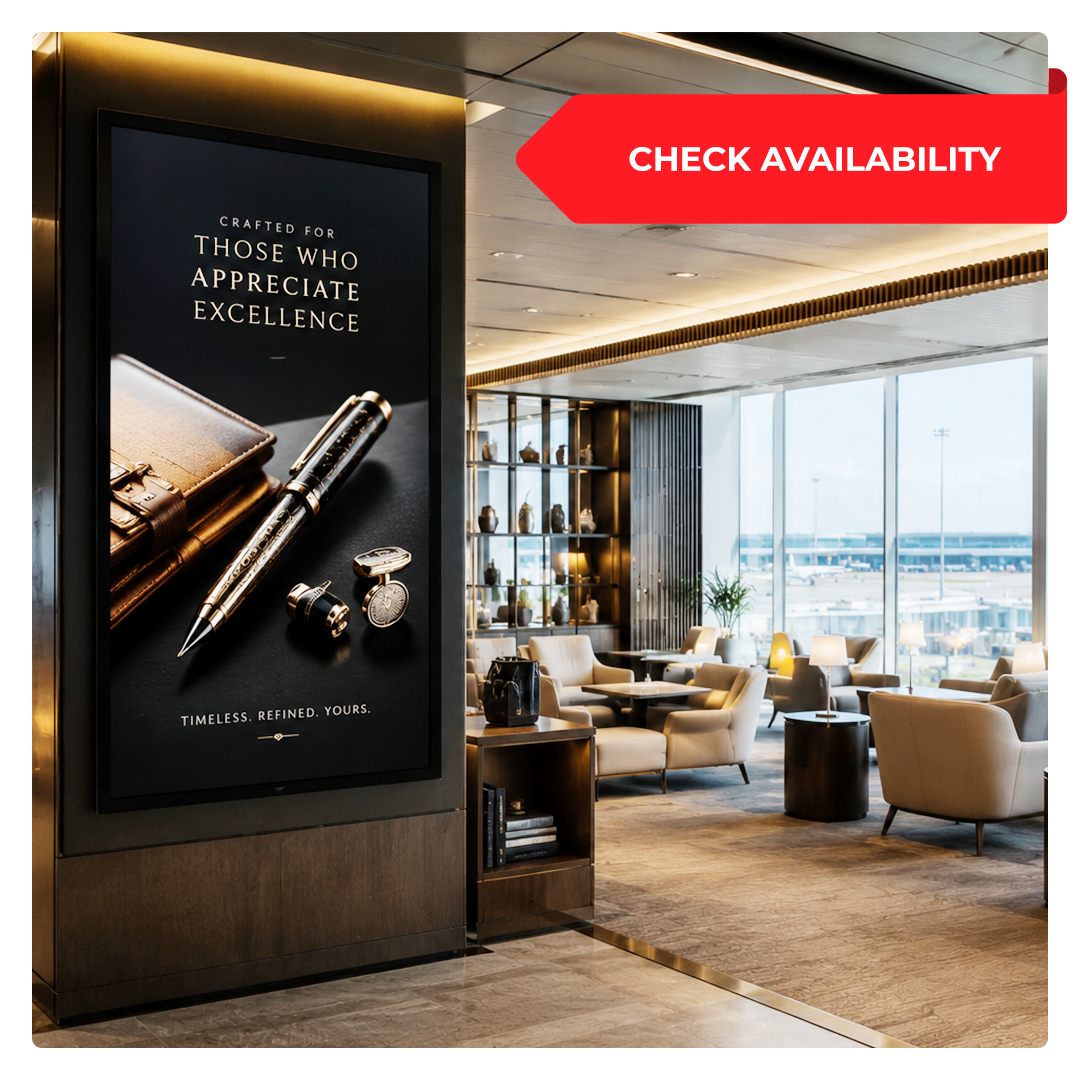
Request Your Customised Uzbekistan October UHNWI cultural peak Advertising Plan
Tell us your audience, category and budget. Our planners will return a costed plan across airport and prime city inventory, with availability confirmed.
Book NowFrequently Asked Questions
What are the dates of Uzbekistan's October cultural peak in 2026?
There is no fixed date, because this is a seasonal window rather than an event. Uzbekistan's autumn high season runs from September to early November, and October is its peak month, with temperatures of 15°C to 24°C. Plan flighting across the month rather than around a specific day.
Who travels to Tashkent in this window?
Long-haul cultural travellers on Silk Road itineraries, small-group and private luxury operator clients, international business visitors and investment delegations, and the returning Uzbek diaspora: an estimated two million or more Uzbek nationals work abroad in Russia, the UAE, Turkey, South Korea and Kazakhstan. Cultural tour packages typically run USD 3,000 to 8,000 per traveller.
Can a campaign reach the same audience beyond the airport?
Yes. A combined Tashkent International and city programme covers Terminal 2 arrivals and departures, the airport corridor, the central business and hotel districts, the Tashkent City development, and the rail and domestic-terminal departure points for the heritage legs.
How far in advance should a campaign be booked?
Tashkent's passenger volumes rose 28% in 2024 and the airport is mid-way through a terminal consolidation, so premium positions are being taken up quickly. We recommend confirming availability several months ahead of a September start. Later requests can often still be served, but with reduced format choice.
Which brand categories perform best in this window?
Premium hospitality, airlines and travel platforms, banking, cards and wealth management, telecoms and roaming, luxury retail and watches, energy, mining and infrastructure services, professional advisory, and real estate and residency advisory.
Related Airport Advertising Guides
Detailed inventory, audience and planning notes for the airports covered above:
Wealth in motion intelligence.Tashkent October window Won't Wait. Neither Should You.
- Growth is outpacing supply: Tashkent's passenger volumes rose 28 percent in 2024 and the airport is mid-way through a terminal consolidation, so premium positions are being taken up quickly.
- Competitors are already moving: every week without a plan is a week a hospitality, banking or luxury retail brand gets closer to locking the same Terminal 2 and central Tashkent positions.
- The window is exact, not approximate: confirming availability several months ahead of a September start keeps full format choice; later requests can often still be served, but with reduced choice.
- The alternative can't reach the whole audience: generic domestic advertising can't isolate long-haul cultural travellers, investment delegations and the returning diaspora arriving through the same gateway.
Get Free Expert Assistance Now
Tell us your audience, category and budget, and our planners will return a costed Tashkent October media plan.
Request Availability
Terminal 2 and central Tashkent positions for October 2026 are limited. Ask us what is still open.
October is the peak month of a weather-driven season, and Tashkent is where nearly every high-value traveller in it, cultural, corporate, diplomatic and diaspora, passes through the same terminal. With passenger volumes up 28% in 2024 and the airport mid-way through a terminal consolidation, the audience passing through that single gateway is only growing. A campaign anchored on Tashkent arrivals and the central city district reaches that whole cross-section in one buy, ahead of the September window when premium positions are taken up.







