




Airport at a Glance
| Field | Detail |
|---|---|
| Airport | Aeroporto Brigadeiro Lysias Rodrigues (Palmas Airport) |
| IATA Code | PMW |
| Country | Brazil |
| City | Palmas, Tocantins |
| Annual Passengers | Circa 600,000 to 700,000 at last verified pre-2020 full year. Current-year total: data not available |
| Primary Audience | Agribusiness executives and landowners, state government officials, regional business and logistics professionals |
| Peak Advertising Season | March to June and August to October (agribusiness harvest and business peaks) |
| Audience Tier | Tier 2 Regional Government and Agribusiness Gateway |
| Best Fit Categories | Agribusiness B2B and agricultural equipment, private banking and land finance, government and public sector services, regional real estate |
Palmas holds a genuinely unusual position among Brazilian state capitals. Founded in 1990 as a fully planned city, it is the youngest state capital in Brazil and the administrative centre of Tocantins, a state that has emerged as one of the country's fastest-expanding agricultural frontiers within the MATOPIBA region, Brazil's newest major soy, corn and cattle production zone. The passengers moving through this terminal are overwhelmingly tied to two distinct sources of authority: agribusiness landownership and state government.
This combination gives PMW a rare double audience of genuine purchasing power for a mid-size Brazilian regional airport. Agribusiness executives and landowners expanding into Tocantins's frontier farmland travel alongside state government officials and administrators managing a rapidly growing public sector, both segments carrying real decision-making authority over capital equipment, financial services and public procurement categories.
Advertising Value Snapshot
- Passenger scale: Circa 600,000 to 700,000 at last verified pre-2020 full year. Current-year total and year-on-year growth: data not available
- Traveller type: Agribusiness executives and landowners, state government officials, regional business and logistics professionals
- Airport classification: Tier 2 Regional Government and Agribusiness Gateway. Moderate volume with a passenger base carrying genuine capital and administrative decision-making authority
- Commercial positioning: The gateway to Tocantins's agricultural frontier expansion and Brazil's newest planned state capital
- Wealth corridor signal: Sits on the MATOPIBA agricultural frontier corridor linking Tocantins farmland expansion to Brasília capital markets and national agribusiness finance
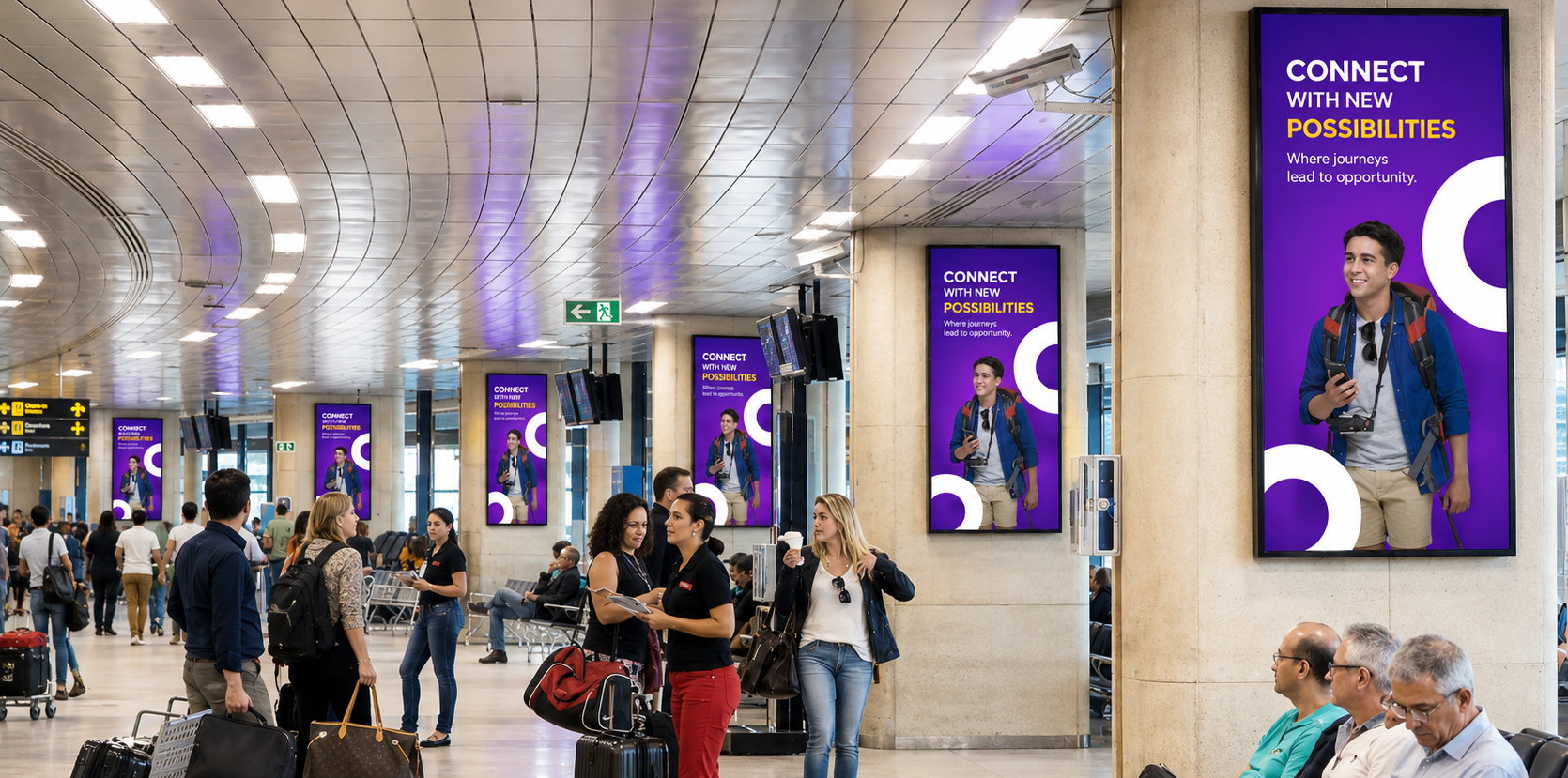
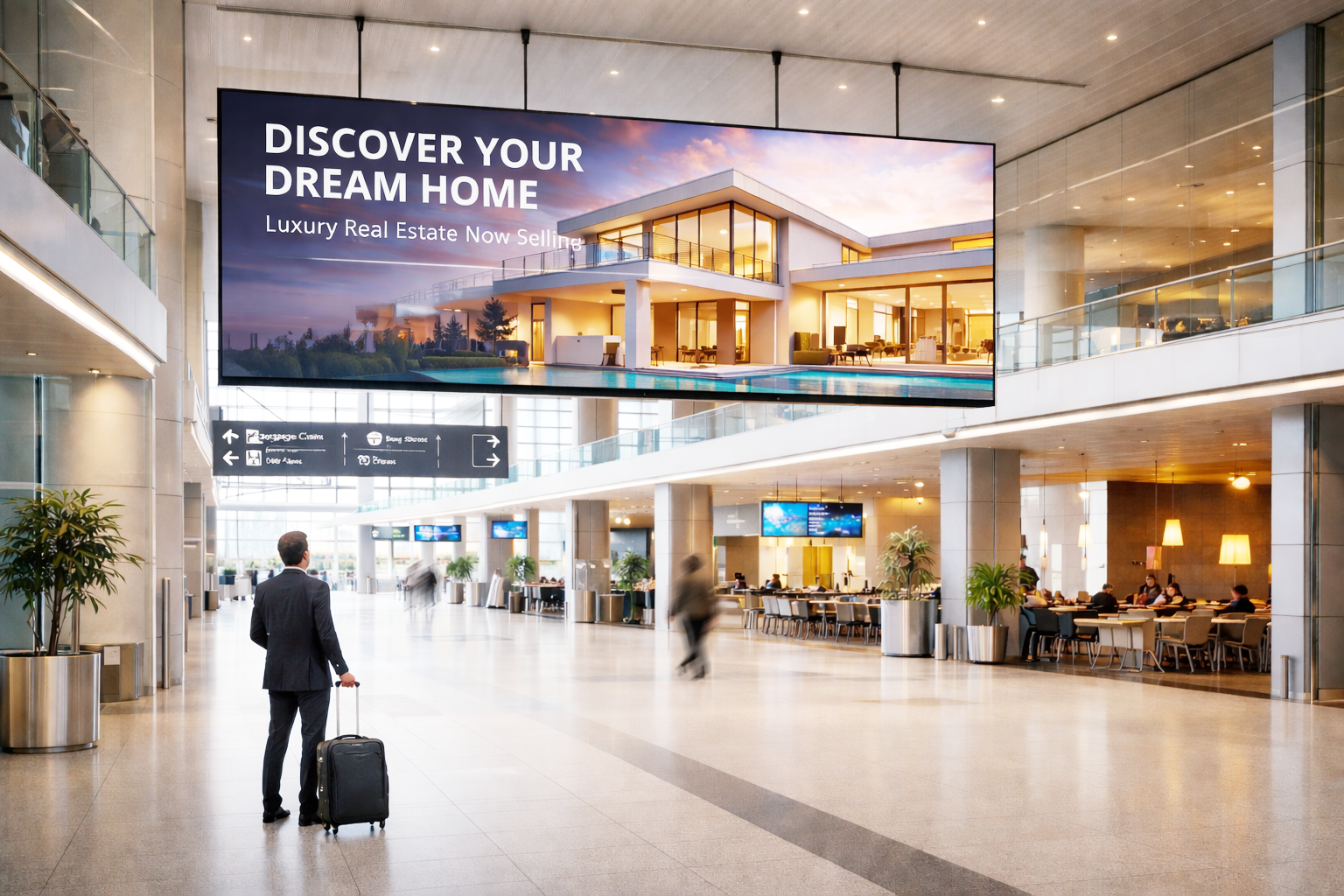
- Advertising opportunity: Terminal clutter is low relative to a passenger base of genuine agribusiness and government purchasing authority. Masscom Global positions brands here to reach Brazil's newest agricultural frontier wealth directly, at a fraction of São Paulo or Brasília media cost.
Airport Advertising is Complex to Get Right
We help you execute faster, with proven results and local insight most planners lack starting now.
Talk to an Expert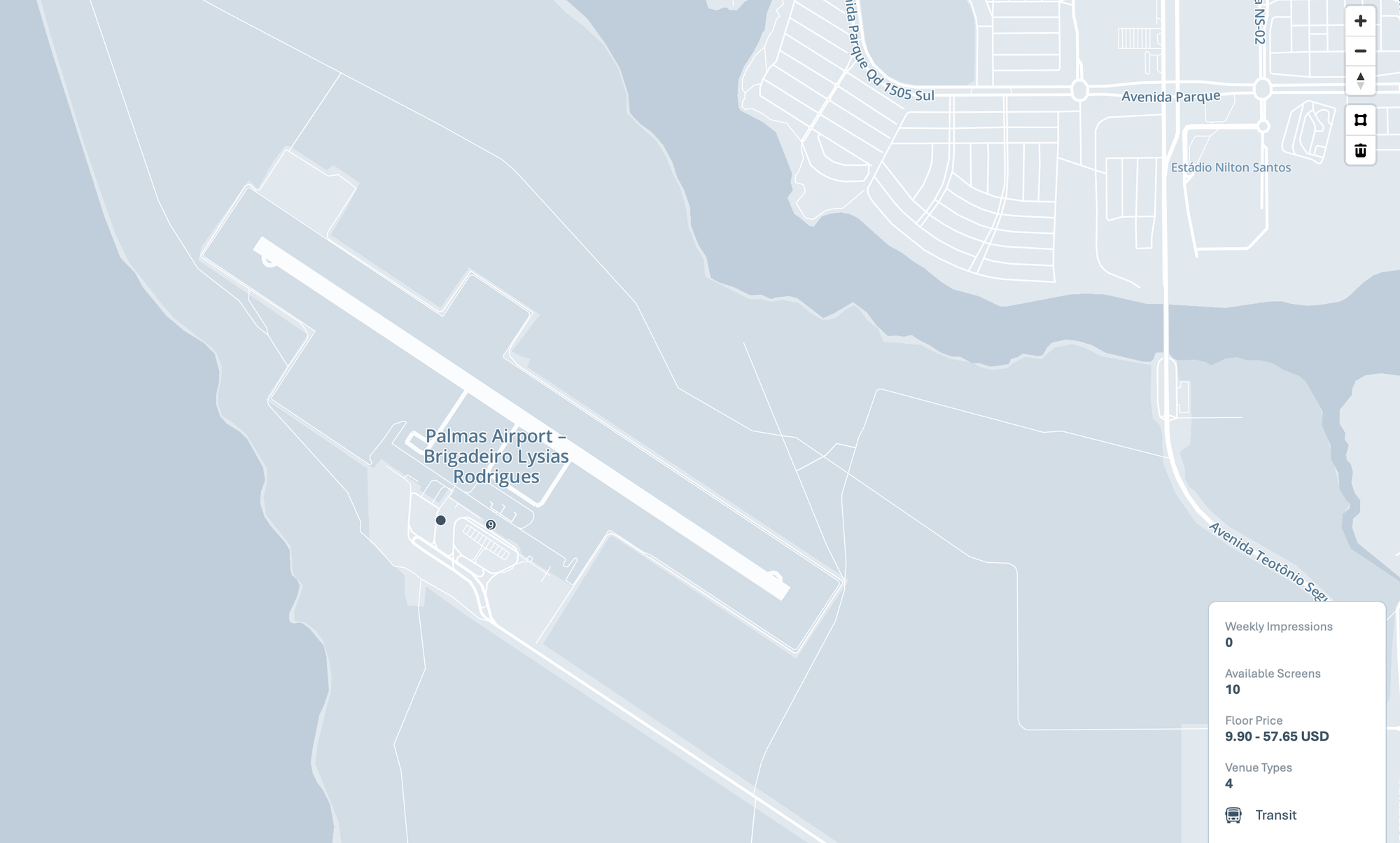
Catchment Area and Economic Drivers
Top 10 Cities within 150 km — Marketer Intelligence:
- Palmas: Brazil's youngest planned state capital, home to Tocantins's state government and administrative apparatus. Produces the airport's dominant government and public-sector executive travel base.
- Porto Nacional: Historic river town and secondary regional commerce centre, contributing steady local business travel.
- Paraíso do Tocantins: Agribusiness and logistics hub within the state's agricultural expansion zone, contributing significant farmland-linked executive travel.
- Miracema do Tocantins: Agricultural centre contributing modest regional commerce traffic.
- Guaraí: Agribusiness town within the state's soy and grain expansion corridor, contributing farmland investment and logistics-linked travel.
- Dianópolis (outer catchment): Secondary agricultural centre contributing occasional overlapping business travel.
- Araguaína (outer catchment): Tocantins's largest city by some population measures and a significant regional commerce hub, contributing meaningful business travel demand.
- Colinas do Tocantins: Agricultural and logistics centre contributing steady regional commerce traffic.
- Gurupi (outer catchment): Southern Tocantins agribusiness centre contributing secondary farmland-linked travel.
- Formoso do Araguaia: Major rice and grain production area, directly relevant to agribusiness equipment and finance advertisers.
NRI and Diaspora Intelligence:
Palmas does not carry a significant international diaspora audience of scale. The more relevant movement is domestic in-migration: professionals, civil servants and agribusiness investors relocating to Tocantins from other Brazilian states to participate in the region's rapid administrative and agricultural growth. Advertisers should treat PMW as a domestic frontier-growth and government gateway rather than a diaspora remittance corridor.
Economic Importance:
The Tocantins economy is built substantially on rapidly expanding soy, corn, cattle and grain production within the MATOPIBA agricultural frontier, alongside a significant state government and public administration sector centred on Palmas as the seat of state governance. This structure produces a passenger base with genuine landownership wealth and public-sector purchasing authority, a combination distinctive among Brazilian regional capitals.
Business and Industrial Ecosystem
- Soy, corn and grain production: Anchored in the MATOPIBA frontier expansion, producing significant landowner and agribusiness executive travel
- Cattle ranching: A substantial regional sector producing steady agribusiness executive and equipment-linked travel
- State government and public administration: Palmas's role as Tocantins's capital produces significant government official, contractor and administrative travel
- Regional logistics and grain transport: A growing sector supporting the state's agricultural export expansion, producing B2B logistics travel
Passenger Intent — Business Segment:
Business travellers at PMW are predominantly agribusiness landowners and executives moving between Palmas and Brasília or São Paulo for capital, equipment procurement and export finance purposes, alongside state government officials travelling for administrative and political business. A meaningful share of the agribusiness segment are the actual landowners rather than intermediaries. Agribusiness B2B, private banking, land and agricultural finance, and government-linked services advertisers intercept this segment most effectively.
Strategic Insight:
The commercial value here is concentration of two distinct forms of decision-making authority in a single terminal. Agribusiness executives moving through PMW frequently control both farmland capital and equipment procurement decisions directly, while government travellers carry administrative and procurement authority over a rapidly growing state budget, together producing an unusually valuable B2B audience for a regional Brazilian airport.
Tourism and Premium Travel Drivers
- Ilha do Bananal and Araguaia River ecotourism: A genuine and growing ecotourism draw, appealing to nature and adventure-focused travellers
- Jalapão State Park: One of Brazil's most distinctive ecotourism destinations, known for golden dunes and waterfalls, drawing a rising premium adventure-tourism segment
- Palmas's planned urban lakefront design: Contributes a modest lifestyle and urban tourism draw distinct from the state's rural attractions
- Regional cattle and agribusiness fairs: Contributes to business-linked event tourism rather than classic leisure travel
Passenger Intent — Tourism Segment:
PMW's leisure passenger volume is modest relative to its agribusiness and government business travel. The most distinctive tourism segment is ecotourism to Jalapão and the Araguaia region, drawing a premium adventure-tourism visitor with above-average discretionary spend on outdoor experiences. Premium outdoor and ecotourism brands, regional hospitality and travel services benefit most from this segment.
Travel Patterns and Seasonality
Peak seasons:
- March to June: Strong agribusiness travel period tied to the soy and grain harvest season and post-harvest capital and equipment decisions
- August to October: Peak planting season travel and continued agribusiness capital activity ahead of the next crop cycle
- May to September (dry season): Peak ecotourism season for Jalapão and Araguaia region visitation, coinciding favourably with accessible travel conditions
- December to February: Lower season for agribusiness travel, aligned with the Brazilian wet season
Monthly passenger distribution data: not available at verified level.
Event-Driven Movement:
- Soy and grain harvest season (March to June): Drives concentrated agribusiness capital and equipment-linked travel
- Planting season capital cycle (August to October): Drives a second major agribusiness business travel peak
- Jalapão ecotourism season (May to September): Drives premium adventure-tourism travel during the accessible dry season
- State government budget and legislative cycles (varies, concentrated through the year): Drives steady administrative and political travel tied to Tocantins's state governance calendar

It’s Not Just Where You Advertise - It’s How Fast You Execute
We combine local insight with fast rollout to deliver results for you, now.
Talk to an ExpertAudience and Cultural Intelligence
Top 2 Languages:
- Portuguese: The default language of the overwhelming majority of the passenger base, essential across all advertiser categories at this airport.
- English: Limited but growing relevance given increasing international interest in Brazilian agribusiness export markets and occasional international agricultural equipment supplier visits.
Major Traveller Nationalities:
The passenger base is overwhelmingly Brazilian domestic, with a notable internal migration pattern of professionals, civil servants and agribusiness investors relocating from other Brazilian states to participate in Tocantins's growth. International visitors are a small but present share tied to agricultural equipment and export business relationships. Creative should lead in Portuguese across all major categories.
Religion — Advertiser Intelligence:
- Roman Catholic Christianity (majority affiliation): Anchors the regional cultural calendar, with Christmas, Easter and Corpus Christi driving family travel and gifting spend relevant to retail and hospitality advertisers.
- Evangelical Protestant Christianity (significant and growing minority, consistent with broader Brazilian trends): Contributes to the same broad seasonal travel patterns and increasingly shapes regional cultural and social identity.
- Non-religious and other faiths (smaller share): Limited direct commercial relevance to airport advertising planning at this catchment scale.
Behavioral Insight:
The Palmas audience combines frontier-growth ambition among agribusiness investors with the institutional pragmatism of public-sector professionals. This produces a buyer who values tangible return, operational reliability and proven capacity over aspirational branding. Agricultural equipment, financial services and B2B brands that lead with efficiency, yield and demonstrated performance will outperform generic lifestyle-oriented messaging with this audience.
Outbound Wealth and Investment Intelligence
The outbound passenger at PMW is defined by capital reinvestment into Tocantins's agricultural expansion and connections to Brazil's national capital markets rather than significant international lifestyle wealth migration. Tocantins's agribusiness owners are active in expanding farmland holdings, upgrading equipment and managing export relationships, creating genuine commercial opportunity for agricultural finance and equipment brands rather than classic outbound HNI property or residency categories.
Outbound Real Estate Investment:
Verified data on significant outbound international property investment specific to this catchment is limited. The more relevant real estate dynamic is domestic agricultural land acquisition and expansion within Tocantins itself, alongside urban residential development in Palmas tied to the state's growing public and private sector workforce.
Outbound Education Investment:
Data on outbound international education destinations specific to this catchment is limited. Brazilian national patterns suggest agribusiness families increasingly send children to agricultural, business and engineering programmes domestically or in the United States, though Tocantins-specific volumes are modest given the region's smaller and newer population base.
Outbound Wealth Migration and Residency:
Verified data on residency or citizenship-by-investment activity specific to this catchment is not available. This is not a significant category for campaign planning at PMW at this stage of the region's development.
Strategic Implication for Advertisers:
The stronger strategic angle at PMW is domestic capital reinvestment and B2B focused rather than outbound lifestyle wealth focused. International and domestic agricultural equipment suppliers, agribusiness finance providers and land-focused financial services should treat this airport as a direct channel to one of Brazil's fastest-expanding agricultural frontier economies. Masscom Global positions these categories to intercept genuine decision-makers at a fraction of São Paulo or Brasília media cost.
Airport Infrastructure and Premium Indicators
Terminals:
- Single passenger terminal handling domestic scheduled services with a compact, easily navigable passenger flow and no concourse fragmentation.
- Facilities are functional and relatively modern given Palmas's status as a planned, recently developed capital city.
Premium Indicators:
- Lounge infrastructure is limited in scale, consistent with a regional Brazilian state capital airport.
- General aviation and agribusiness-linked charter activity is present and notable given the concentration of large-scale farmland ownership in the region, though verified movement figures are not available.
- No luxury hotel is located at the airport itself. Premium hospitality in the catchment is concentrated in Palmas city, serving both government and agribusiness visitors.
- The region's rapid agricultural frontier growth and status as Brazil's newest planned capital function as indirect brand-association assets for advertisers seeking association with growth and modernisation.
Forward-Looking Signal:
Continued expansion of Tocantins's agricultural frontier within the MATOPIBA region, combined with the state government's ongoing administrative growth in Palmas, points toward a sustained upward trajectory for PMW passenger volume. As Tocantins's profile as an agricultural growth state continues to strengthen nationally, advertiser competition for terminal visibility is likely to increase. Masscom Global advises clients to secure positions now, while regional Brazilian airport advertising rates remain well below São Paulo or Brasília.
Airline and Route Intelligence
Top Airlines:
Domestic service is operated by Brazil's major domestic carriers connecting Palmas to Brasília, São Paulo and other key national hubs, with route composition subject to periodic change. Current verified carrier list and frequencies: data not available.
Key International Routes:
No significant scheduled direct international service is verified at this airport. International visitors and outbound international travellers typically connect via Brasília or São Paulo's international gateways.
Domestic Connectivity:
Brasília and São Paulo are the dominant domestic routes, functioning as the region's link to national government, capital markets, agribusiness finance and international onward connections through Brazil's principal gateways.
Wealth Corridor Signal:
The dual Brasília and São Paulo route structure reflects PMW's dual commercial identity: the Brasília connection carries government and political business, while the São Paulo connection carries capital markets, agribusiness finance and equipment procurement activity. Advertisers should treat this dual corridor as confirmation of the airport's genuine two-track audience of government and agribusiness authority.
Media Environment at the Airport
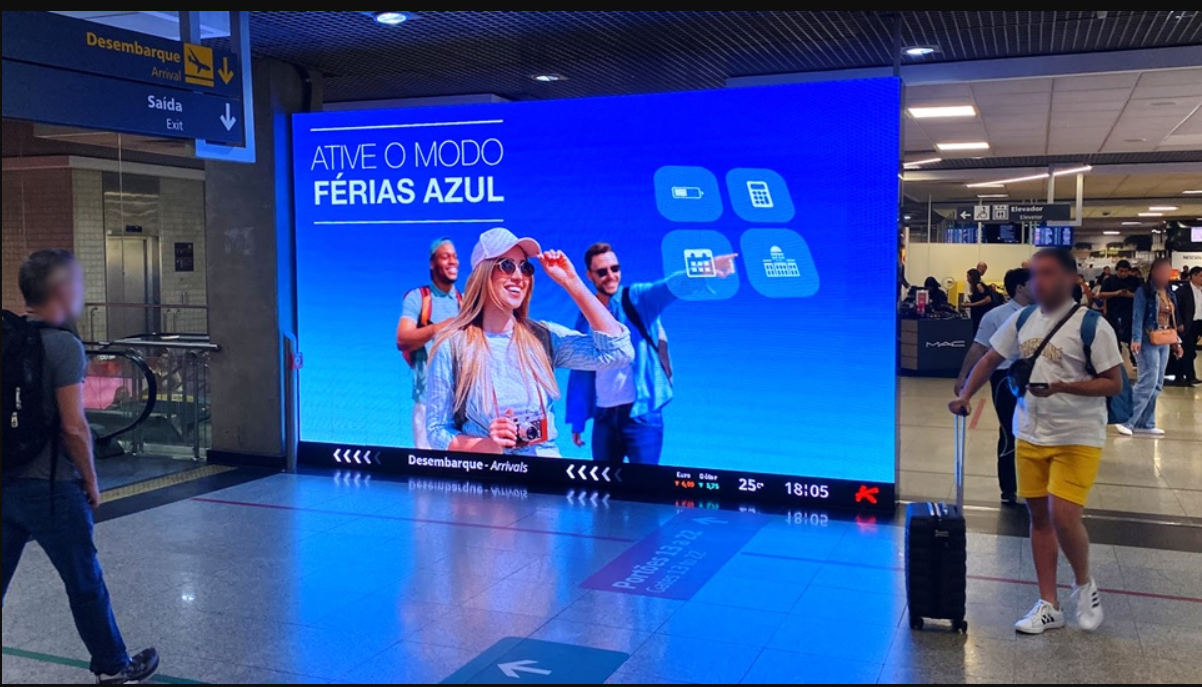
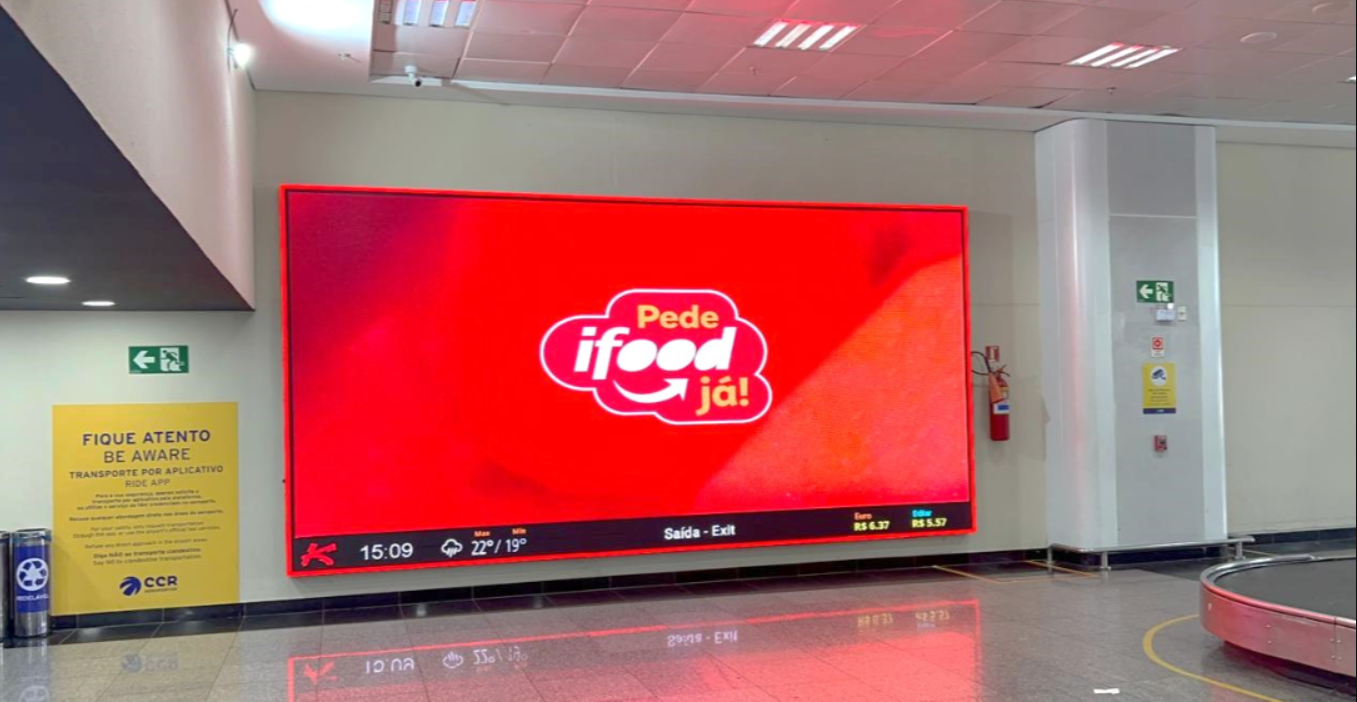
- Terminal scale is compact with limited clutter, allowing a small number of well-placed formats to achieve strong effective coverage of a passenger base with genuine agribusiness and government purchasing authority
- Dwell time is shaped by a straightforward single-terminal flow with modest retail and food and beverage distraction, supporting sustained attention on airport media
- The region's frontier-growth agribusiness identity and status as a planned state capital create a premium environment association valuable to agricultural B2B, financial services and government-adjacent brands
- Masscom Global provides direct access to regional Brazilian airport inventory that is difficult for independent buyers to secure efficiently, and coordinates PMW placements with Brasília and São Paulo inventory for broader Brazilian market coverage
Strategic Advertising Fit
Best Fit:
- Agribusiness B2B and agricultural equipment: Direct alignment with the region's soy, corn, cattle and grain production expansion
- Private banking and land and agricultural finance: Strong fit given the concentration of landowner and agribusiness capital decisions
- Government and public sector services: Reflects Palmas's role as Tocantins's seat of state government and administration
- Regional real estate: Aligned with both agricultural land expansion and Palmas's growing urban development
- Business insurance and agricultural risk services: Matches the genuine risk exposure of large-scale frontier farming operations
- Premium ecotourism and outdoor recreation brands: Aligned with the region's Jalapão and Araguaia ecotourism draw
Brand Alignment at a Glance:
| Category | Fit |
|---|---|
| Agribusiness B2B and agricultural equipment | Exceptional |
| Private banking and land finance | Exceptional |
| Government and public sector services | Strong |
| Regional real estate | Strong |
| Business insurance and agricultural risk | Strong |
| Premium ecotourism brands | Moderate |
| Mass-market FMCG | Poor fit |
Who Should Not Advertise Here:
- Mass-market FMCG and fast fashion: Passenger volume is modest and the audience is business and government-focused rather than consumer retail driven
- International outbound wealth migration and residency advisory: Weak alignment given the catchment's domestic reinvestment rather than international outbound wealth profile
- Nightlife and mass entertainment brands: Weak alignment with a predominantly agribusiness and government business-travel passenger base
Event and Seasonality Analysis
- Event Strength: Medium
- Seasonality Strength: High
- Traffic Pattern: Dual-Peak, split between the March to June harvest-linked business peak and the August to October planting-season capital peak
Strategic Implication:
Advertisers should weight spend toward March to June and August to October, when agribusiness capital and equipment decisions concentrate around the harvest and planting cycles. Masscom Global structures PMW campaigns around this rhythm, prioritising agribusiness B2B and financial services messaging during these peaks while maintaining steady government and public-sector-focused presence year-round.

Poor Placement and Delays Affect Airport Campaigns
We help you move faster, access better inventory, and get it right now.
Talk to an ExpertFinal Strategic Verdict
Aeroporto Brigadeiro Lysias Rodrigues in Palmas offers a genuinely distinctive commercial opportunity as the gateway to Brazil's newest and fastest-expanding agricultural frontier state. Agribusiness executives and landowners carry real farmland capital and equipment procurement authority, while state government travellers control a rapidly growing public budget, together producing an unusually valuable dual audience for a regional Brazilian terminal. Masscom Global secures this inventory now, at a fraction of São Paulo or Brasília media cost, ahead of a market that will only strengthen as Tocantins's agricultural profile continues to rise nationally.
About Masscom Global
Masscom Global is a premium international airport advertising and media buying agency operating across 140 countries. With deep expertise in airport OOH, premium publications, and high-net-worth audience targeting, Masscom helps brands reach the world's most valuable travellers at the moments that matter most. For advertising packages, media rates, and campaign planning at Palmas Airport and airports across the globe, contact Masscom Global today.
Frequently Asked Questions
How much does airport advertising cost at Palmas Airport? Cost depends on format, terminal position, campaign duration and seasonal demand, with the March to June and August to October agribusiness peaks commanding the strongest rates. Because this is a regional state capital airport, positions are limited but pricing remains well below São Paulo or Brasília. Masscom Global provides current rates and availability on request.
Who are the passengers at Palmas Airport? The core audience is agribusiness executives and landowners tied to Tocantins's agricultural frontier expansion, state government officials and administrators, and a smaller ecotourism segment linked to Jalapão and the Araguaia region.
Is Palmas Airport good for luxury brand advertising? It performs best for performance and yield-led premium positioning tied to agribusiness equipment, financial services and land finance. Conventional status-driven consumer luxury has weaker alignment given the region's frontier-growth, results-oriented business culture.
What is the best airport in Brazil to reach HNWI audiences? São Paulo's major international airports lead decisively on scale and international HNWI density. Palmas is not a substitute, but it offers unusually efficient access to Brazil's fastest-expanding agricultural frontier wealth and state government purchasing authority, both diluted at national hubs.
What is the best time to advertise at Palmas Airport? March to June and August to October are the strongest business windows, aligned with the region's harvest and planting-season agribusiness capital cycles. May to September is the strongest window for ecotourism-linked messaging.
Can international real estate developers advertise at Palmas Airport? This is a lower-priority category here. The stronger real estate opportunity is domestic agricultural land expansion and Palmas's own urban residential development, rather than international outbound property investment from this catchment.
Which brands should not advertise at Palmas Airport? Mass-market FMCG and fast fashion show weak alignment given modest passenger volume and a business and government-focused audience. International wealth migration and residency advisory, and nightlife or mass entertainment brands, also show limited relevance to this catchment.
How does Masscom Global help brands advertise at Palmas Airport? Masscom Global provides direct access to regional Brazilian airport inventory that independent buyers struggle to secure efficiently, combined with catchment intelligence on Tocantins's agricultural frontier and state government economy. We coordinate PMW placements with Brasília and São Paulo inventory for broader Brazilian market coverage and manage negotiation, execution and reporting end to end. Book a call to review availability and rates at PMW.







