




Airport at a Glance
| Field | Detail |
|---|---|
| Airport | Loei Airport |
| IATA Code | LOE |
| Country | Thailand |
| City | Loei |
| Annual Passengers | Circa 200,000 to 300,000 at last verified pre-2020 full year. Current-year total: data not available |
| Primary Audience | Domestic cool-season highland tourists, provincial government and administrative personnel, agricultural and Mekong border commerce professionals |
| Peak Advertising Season | November to February (cool season highland tourism peak) |
| Audience Tier | Tier 3 Seasonal Domestic Tourism Gateway |
| Best Fit Categories | Domestic tourism and hospitality services, outdoor and camping equipment brands, agricultural B2B, regional retail and commerce brands |
Loei holds a genuinely unusual position in Thai domestic tourism as one of the very few provinces where cold weather is the attraction. Its highland terrain, including Phu Kradueng and Phu Ruea national parks, produces winter temperatures that occasionally approach freezing, a rarity in Thailand that draws substantial domestic tourism from Bangkok and across the country during the cool season. This creates a passenger pattern with extreme seasonal concentration that advertisers must plan around rather than ignore.
Beyond seasonal tourism, Loei functions as a provincial administrative centre and sits on the Mekong River frontier with Laos, giving it a modest but genuine border commerce and agricultural economy. Advertisers should approach LOE honestly as a seasonal domestic tourism gateway with a small administrative and agricultural business layer, not as a year-round commercial or wealth-tier terminal.
Advertising Value Snapshot
- Passenger scale: Circa 200,000 to 300,000 at last verified pre-2020 full year. Current-year total and year-on-year growth: data not available
- Traveller type: Domestic cool-season highland tourists, provincial government personnel, agricultural and border commerce professionals
- Airport classification: Tier 3 Seasonal Domestic Tourism Gateway. Volume is modest and concentrated sharply into the cool season window
- Commercial positioning: Thailand's cool-climate highland tourism destination and a Mekong border province administrative centre
- Wealth corridor signal: Sits on the domestic Thai leisure corridor from Bangkok to Isaan highland destinations, rather than on any international wealth corridor
- Advertising opportunity: During the cool season, LOE carries a concentrated flow of domestic leisure travellers with committed holiday spend through a very small terminal. Masscom Global positions brands here for near-total audience coverage during peak months at very low media cost.

Airport Advertising is Complex to Get Right
We help you execute faster, with proven results and local insight most planners lack starting now.
Talk to an Expert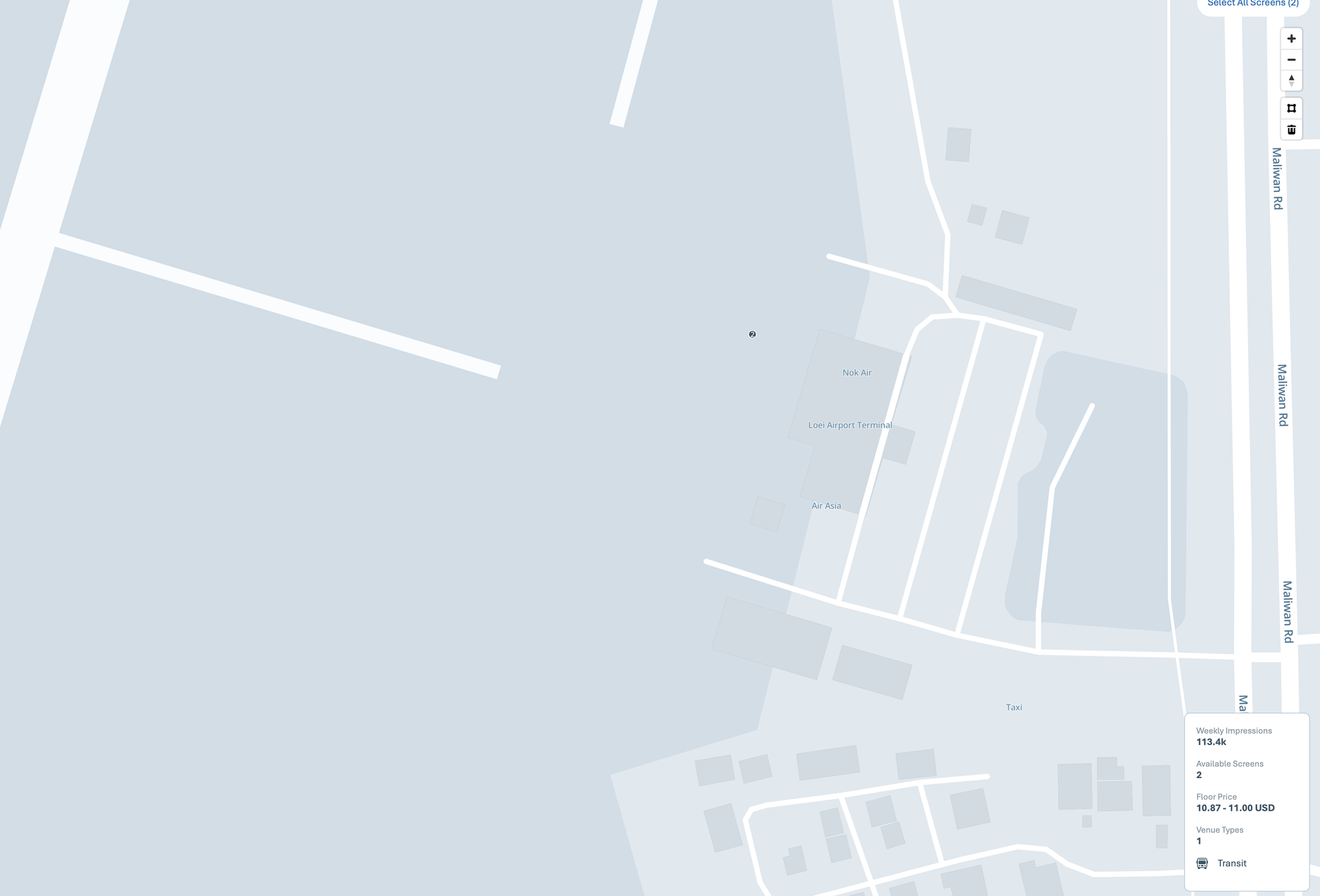
Catchment Area and Economic Drivers
Top 10 Cities within 150 km — Marketer Intelligence:
- Loei: Provincial capital and administrative centre. Produces the airport's steady government, administrative and regional commerce travel base alongside serving as the gateway for highland tourism.
- Chiang Khan: Mekong riverside town that has become one of Thailand's most popular domestic weekend tourism destinations, known for its heritage wooden shophouse street. A significant and growing draw for domestic leisure travellers with genuine hospitality spending.
- Phu Ruea: Highland district home to Thailand's cool-climate wine production and mountain resorts. Directly relevant to premium domestic hospitality and beverage advertisers.
- Dan Sai: Home to the Phi Ta Khon ghost festival, one of Thailand's most distinctive cultural events, drawing concentrated domestic and some international cultural tourism.
- Wang Saphung: Regional agricultural and commerce town contributing steady local business traffic.
- Phu Kradueng: National park district drawing significant domestic hiking and outdoor tourism during the cool season.
- Nong Bua Lamphu (outer catchment): Neighbouring provincial centre contributing modest overlapping regional commerce demand.
- Udon Thani (outer catchment): Major Isaan regional hub with its own larger airport, competing but complementary; some travellers route through Udon Thani instead.
- Nong Khai (outer catchment): Mekong border crossing town to Laos, contributing secondary cross-border commerce relevance.
- Phetchabun (outer catchment): Neighbouring highland tourism province, contributing overlapping cool-season leisure demand.
NRI and Diaspora Intelligence:
Loei does not carry a significant international diaspora audience. The relevant travel movement is entirely domestic: Thai leisure travellers from Bangkok and central Thailand seeking cool-climate highland experiences, alongside provincial administrative and agricultural professionals. Advertisers should treat LOE as a domestic seasonal tourism gateway rather than a diaspora or remittance corridor.
Economic Importance:
The Loei provincial economy is built on agriculture, including cool-climate crops uncommon elsewhere in Thailand, seasonal domestic tourism centred on highland national parks and Chiang Khan, provincial government administration, and modest Mekong border trade with Laos. This produces a passenger base weighted toward seasonal leisure with a smaller steady administrative and agricultural business layer.
Business and Industrial Ecosystem
- Cool-climate agriculture and horticulture: Loei's highland terrain supports crops uncommon in Thailand, including temperate fruits and wine grapes, producing niche agricultural business travel
- Domestic tourism and hospitality operations: A significant seasonal sector producing hospitality management and tourism operator travel concentrated in the cool season
- Provincial government administration: Produces steady official and administrative travel independent of tourism seasonality
- Mekong border trade and agricultural commerce: A modest sector producing limited but genuine cross-border logistics travel
Passenger Intent — Business Segment:
Business travellers at LOE are a smaller share of total traffic than the seasonal leisure segment, concentrated in provincial government administration, agricultural business and tourism sector operations. Agricultural B2B, regional commerce services and hospitality management advertisers intercept this modest segment most effectively.
Strategic Insight:
The business audience at LOE is genuinely small and should not be the primary basis for a campaign here. The stronger commercial case is the concentrated cool-season leisure flow, where domestic travellers with committed holiday spending pass through a very small terminal in significant relative volume, creating exceptional coverage efficiency for consumer-facing brands during those specific months.
Tourism and Premium Travel Drivers
- Phu Kradueng National Park: One of Thailand's most iconic hiking destinations, drawing substantial domestic outdoor tourism during the cool season with genuine equipment and gear spending relevance
- Chiang Khan: A heritage Mekong riverside town that has become a major domestic weekend destination, drawing lifestyle-conscious Thai travellers with above-average hospitality spending
- Phu Ruea and highland resorts: Cool-climate mountain tourism including Thailand's notable domestic wine production area, appealing to a premium domestic leisure segment
- Phi Ta Khon ghost festival, Dan Sai (typically June or July): One of Thailand's most distinctive cultural festivals, drawing concentrated cultural tourism outside the main cool season
Passenger Intent — Tourism Segment:
LOE's leisure passengers are overwhelmingly domestic Thai travellers arriving with committed holiday spend for cool-season highland experiences, hiking, and heritage weekend tourism at Chiang Khan. This audience is receptive to outdoor equipment, hospitality, travel services and domestic lifestyle brand messaging at the point of arrival. Outdoor and camping equipment brands, domestic hospitality and travel services benefit most from this segment.
Travel Patterns and Seasonality
Peak seasons:
- November to February: The dominant cool season peak, when Loei's cold weather draws substantial domestic tourism. This window accounts for a disproportionate share of annual passenger volume
- June to July: Secondary spike tied to the Phi Ta Khon festival at Dan Sai
- March to May: Hot season with significantly reduced leisure travel, though administrative and agricultural travel continues
- August to October: Rainy season with the lowest leisure passenger volumes of the year
Monthly passenger distribution data: not available at verified level.
Event-Driven Movement:
- Cool season highland tourism (November to February): The single dominant driver of passenger volume at this airport, with strong hiking, resort and heritage tourism activity
- Phi Ta Khon ghost festival, Dan Sai (typically June or July): Drives a distinct concentrated cultural tourism spike outside the main season
- Phu Kradueng hiking season (typically October to May, with peak in cool months): Drives outdoor and adventure tourism travel with genuine equipment relevance
- Songkran, Thai New Year (April): Drives modest domestic family travel, though less pronounced here than at Thailand's major destinations

It’s Not Just Where You Advertise - It’s How Fast You Execute
We combine local insight with fast rollout to deliver results for you, now.
Talk to an ExpertAudience and Cultural Intelligence
Top 2 Languages:
- Thai: The default language of the overwhelming majority of the passenger base, essential across all advertiser categories at this airport.
- Isan (Northeastern Thai) and Lao: Carry genuine cultural resonance in this Mekong border province, and their respectful use can signal authentic local connection for regional brands, though standard Thai remains the practical campaign language.
Major Traveller Nationalities:
The passenger base is overwhelmingly Thai domestic, drawn primarily from Bangkok and central Thailand for cool-season highland tourism, alongside local provincial administrative and agricultural travellers. International visitors are a negligible share of total traffic. Creative should lead exclusively in Thai.
Religion — Advertiser Intelligence:
- Theravada Buddhism (dominant affiliation): Anchors the regional cultural calendar, with merit-making festivals, Loy Krathong and Songkran driving domestic travel and associated spending relevant to hospitality and retail advertisers.
- Animist and folk spiritual traditions (notably present, most visibly in the Phi Ta Khon festival at Dan Sai): A genuinely distinctive regional cultural feature that drives a specific tourism spike, relevant to cultural tourism and hospitality advertisers timing campaigns to that festival.
- Christianity and other faiths (small minority shares): Limited direct commercial relevance to airport advertising planning at this catchment scale.
Behavioral Insight:
The Loei audience is predominantly domestic Thai leisure travellers who have deliberately chosen a cool-climate, nature-oriented destination over Thailand's beach alternatives, signalling an interest in outdoor experience, novelty and authenticity rather than luxury or resort convenience. Messaging built around nature, experience quality, outdoor capability and authentic local character will resonate far more strongly than premium or status-driven positioning with this audience.
Outbound Wealth and Investment Intelligence
LOE is not an outbound wealth corridor and should not be positioned as one. Its passenger base is defined by domestic seasonal leisure travel and modest provincial administrative and agricultural activity rather than significant capital deployment. Advertisers seeking outbound investment audiences should look to Bangkok or other major Thai gateways.
Outbound Real Estate Investment:
Not a relevant category for this catchment. Verified data on outbound international property investment specific to this passenger base is not available, and this airport should not be prioritised by international real estate developers.
Outbound Education Investment:
Not a significant category for this catchment. Data on outbound international education destinations specific to this passenger base is limited and this is a low-priority category for advertisers at LOE.
Outbound Wealth Migration and Residency:
Not a relevant category for this catchment. Verified data on residency or citizenship-by-investment activity specific to this passenger base is not available.
Strategic Implication for Advertisers:
Brands considering LOE should focus entirely on domestic consumer and modest B2B categories: outdoor equipment, domestic hospitality and travel services capturing the cool season leisure flow, alongside agricultural and regional commerce brands reaching the smaller year-round business base. Masscom Global positions this airport transparently, ensuring campaign strategy matches its genuine seasonal domestic identity.
Airport Infrastructure and Premium Indicators
Terminals:
- Single small passenger terminal handling domestic scheduled services with a simple, linear passenger flow and no concourse fragmentation.
- Facilities are basic and functional, consistent with a small provincial Thai airport, with capacity notably tested during the cool season peak.
Premium Indicators:
- Lounge infrastructure is minimal to non-existent, consistent with the airport's small provincial scale.
- No dedicated private aviation or FBO facility of significant scale is verified at this airport.
- No luxury hotel is located at the airport itself. Hospitality in the catchment is concentrated in Loei town, Chiang Khan and highland resort areas at Phu Ruea.
- The province's distinctive cool-climate identity and highland resort development function as modest indirect brand-association assets for outdoor and domestic hospitality categories.
Forward-Looking Signal:
Continued growth in Thai domestic tourism, particularly toward nature-oriented and cool-climate destinations, alongside Chiang Khan's rising profile as a domestic weekend destination, points toward stable and possibly growing seasonal passenger demand for LOE. Masscom Global advises clients to secure positions well ahead of the November cool season start, when demand for terminal visibility concentrates sharply and the airport's limited inventory tightens.
Airline and Route Intelligence
Top Airlines:
Domestic service is operated by Thailand's low-cost and regional domestic carriers connecting Loei to Bangkok, with capacity often increasing during the cool season peak. Current verified carrier list and frequencies: data not available.
Key International Routes:
No scheduled international service is verified at this airport. International visitors, a negligible share of traffic, would connect via Bangkok or Udon Thani.
Domestic Connectivity:
Bangkok is the dominant and effectively sole significant domestic route, functioning as the primary channel for both leisure travellers arriving from central Thailand and provincial administrative travel to the capital.
Wealth Corridor Signal:
The single Bangkok corridor reflects pure domestic leisure and administrative economics rather than any wealth corridor signal. Advertisers should read the airport's commercial value entirely through the lens of seasonal domestic tourism volume rather than attempting to identify wealth-tier meaning in the route network.
Media Environment at the Airport
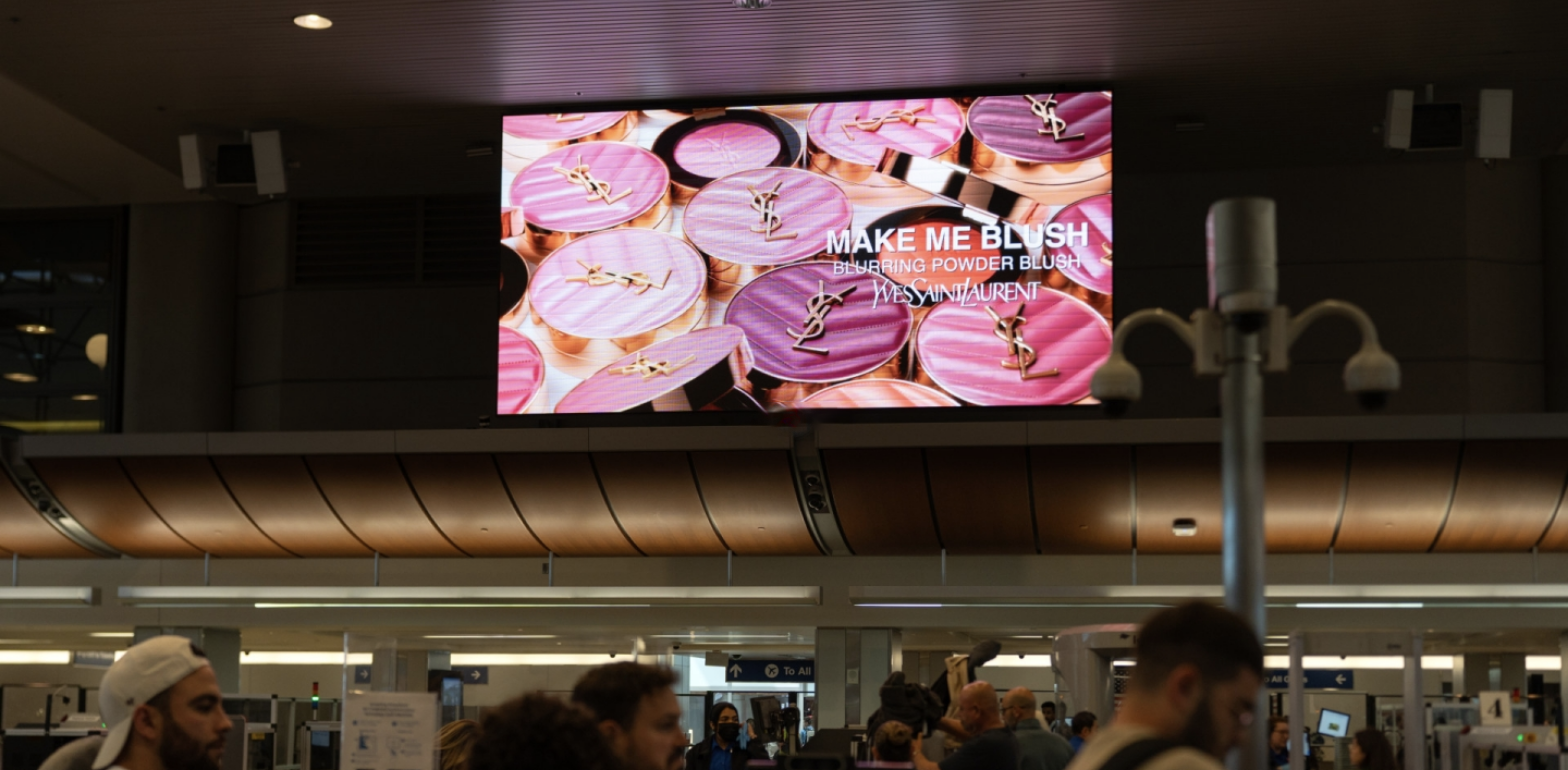
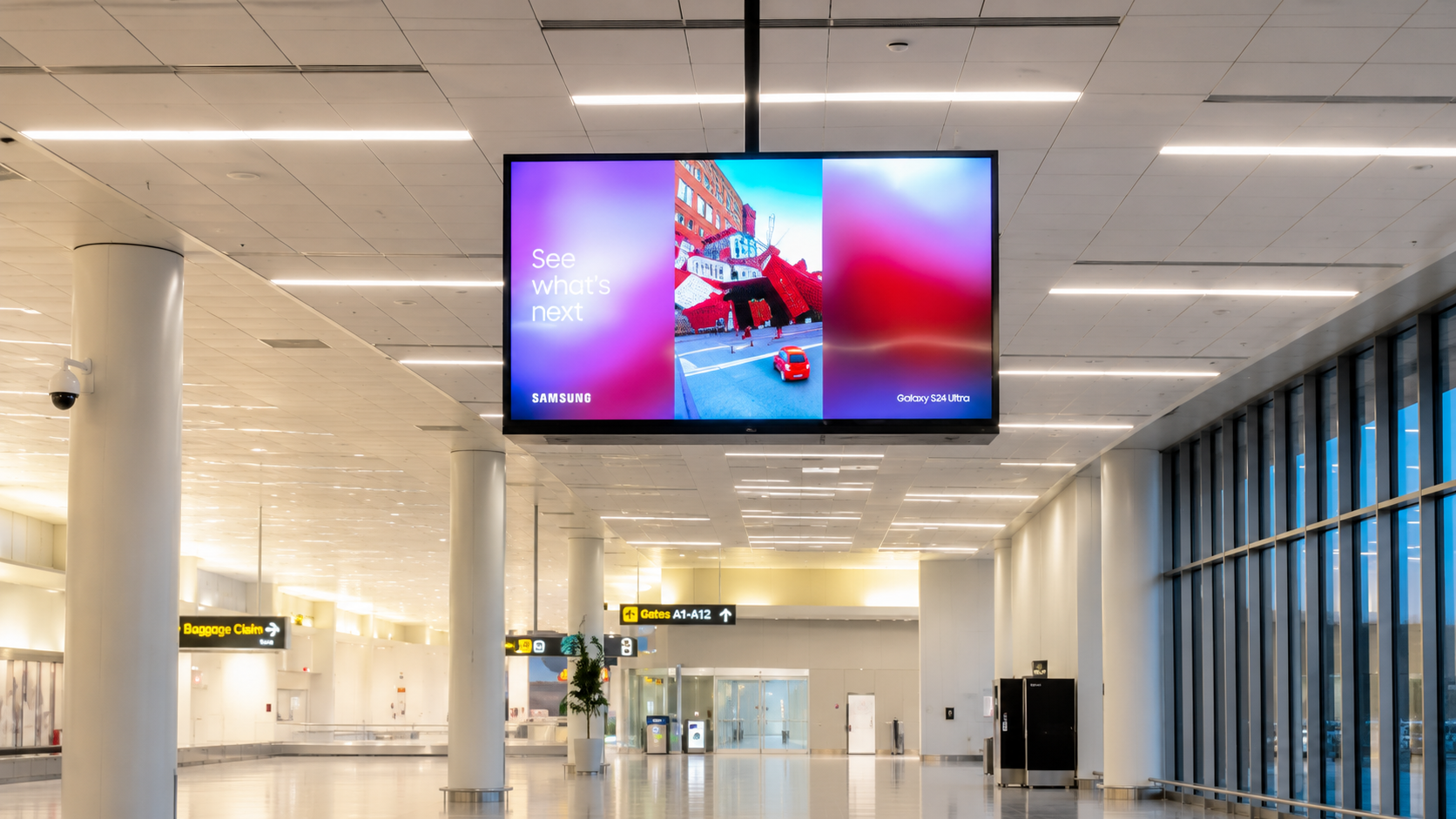
- Terminal scale is very small with minimal clutter, meaning a single well-placed format achieves near-total coverage of the passenger base, an efficiency advantage during peak cool season months
- Dwell time is shaped by a basic terminal environment with limited retail distraction, supporting concentrated attention on airport media
- The province's distinctive highland and nature-oriented identity creates a genuine environment association valuable to outdoor, adventure and domestic hospitality brands
- Masscom Global provides direct access to small provincial Thai airport inventory that is difficult for independent buyers to secure efficiently, at very low cost relative to Bangkok or Chiang Mai
Strategic Advertising Fit
Best Fit:
- Outdoor and camping equipment brands: Direct alignment with Phu Kradueng hiking tourism and the province's nature-oriented visitor base
- Domestic tourism and hospitality services: Reflects the airport's core cool-season leisure identity and Chiang Khan's rising weekend destination profile
- Agricultural B2B: Aligned with the province's distinctive cool-climate crop production
- Regional retail and commerce brands: Reflects Loei's role as a provincial administrative and commercial centre
- Domestic travel and mobility services: Directly relevant to leisure travellers arriving with committed holiday spending
Brand Alignment at a Glance:
| Category | Fit |
|---|---|
| Outdoor and camping equipment brands | Exceptional |
| Domestic tourism and hospitality services | Exceptional |
| Agricultural B2B | Strong |
| Regional retail and commerce brands | Moderate |
| Domestic travel and mobility services | Moderate |
| International real estate | Poor fit |
| Luxury and private banking | Poor fit |
Who Should Not Advertise Here:
- Luxury and private banking: No meaningful audience alignment. This is a small provincial domestic leisure gateway with no wealth-tier passenger base
- International real estate and outbound wealth migration advisory: No credible audience alignment given the catchment's entirely domestic and modest-income profile
- Nightlife and mass entertainment brands: Poor fit with a nature-oriented, family and outdoor-focused domestic tourism audience
Event and Seasonality Analysis
- Event Strength: Medium
- Seasonality Strength: Very High
- Traffic Pattern: Sharply Seasonal, with an overwhelming November to February cool season concentration and a secondary festival spike
Strategic Implication:
Advertisers must concentrate spend almost entirely in the November to February cool season window, when this airport's passenger volume peaks dramatically. A flat annual campaign at LOE wastes budget across months of very low traffic. Masscom Global structures LOE campaigns as tightly flighted seasonal bursts, securing positions ahead of the November season start and adding a targeted window around the Phi Ta Khon festival for cultural tourism brands.

Poor Placement and Delays Affect Airport Campaigns
We help you move faster, access better inventory, and get it right now.
Talk to an ExpertFinal Strategic Verdict
Loei Airport is a tightly seasonal buy for brands targeting Thailand's domestic cool-climate and outdoor tourism audience. Its value is concentrated almost entirely into the November to February window, when a small terminal carries a significant flow of domestic travellers arriving with committed holiday spend for highland hiking, heritage weekends at Chiang Khan and cool-season resort stays. Outdoor equipment and domestic hospitality brands achieve near-total audience coverage here at very low cost. Masscom Global structures this as a focused seasonal burst rather than a year-round presence.
About Masscom Global
Masscom Global is a premium international airport advertising and media buying agency operating across 140 countries. With deep expertise in airport OOH, premium publications, and high-net-worth audience targeting, Masscom helps brands reach the world's most valuable travellers at the moments that matter most. For advertising packages, media rates, and campaign planning at Loei Airport and airports across the globe, contact Masscom Global today.
Frequently Asked Questions
How much does airport advertising cost at Loei Airport? Cost depends on format, terminal position, campaign duration and seasonal demand, with the November to February cool season commanding by far the strongest rates. Because the terminal is very small, positions are genuinely limited, though overall pricing is low relative to Bangkok or Chiang Mai. Masscom Global provides current rates and availability on request.
Who are the passengers at Loei Airport? The core audience is domestic Thai leisure travellers arriving for cool-season highland tourism, hiking at Phu Kradueng and heritage weekends at Chiang Khan, alongside a smaller base of provincial government personnel and agricultural business travellers.
Is Loei Airport good for luxury brand advertising? No. This is a small provincial domestic tourism gateway with a nature-oriented, value-conscious leisure audience. Luxury brands and private banking will find no meaningful audience alignment here.
What is the best airport in Thailand to reach HNWI audiences? Bangkok's major international airports and Phuket lead decisively on scale and international HNWI density. Loei is not a wealth-tier alternative and should be evaluated purely on its seasonal domestic tourism strengths.
What is the best time to advertise at Loei Airport? November to February is by far the strongest window, when Loei's cool climate draws substantial domestic tourism. June or July offers a secondary window tied to the Phi Ta Khon festival at Dan Sai for cultural tourism brands.
Can international real estate developers advertise at Loei Airport? No. This airport's passenger base shows no meaningful outbound wealth or international property investment profile. International real estate developers should look to Bangkok or Phuket instead.
Which brands should not advertise at Loei Airport? Luxury brands and private banking, international real estate and wealth migration advisory, and nightlife or mass entertainment brands all show no credible alignment given this airport's small provincial, nature-oriented domestic tourism audience.
How does Masscom Global help brands advertise at Loei Airport? Masscom Global provides direct access to small provincial Thai airport inventory that independent buyers struggle to secure efficiently, combined with honest catchment intelligence on this airport's sharply seasonal domestic tourism pattern. We structure LOE campaigns as focused cool-season bursts rather than wasteful year-round presence, and manage negotiation, execution and reporting end to end. Book a call to review availability and rates at LOE.







