

Airport at a Glance
| Field | Detail |
|---|---|
| Airport | La Crosse Regional Airport |
| IATA Code | LSE |
| Country | USA |
| City | La Crosse, Wisconsin |
| Annual Passengers | Circa 250,000 to 300,000 at last verified pre-2020 full year. Current-year total: data not available |
| Primary Audience | Healthcare executives and physicians, regional manufacturing professionals, university and outdoor recreation travellers |
| Peak Advertising Season | March to June and September to November (business peaks), plus summer river tourism season |
| Audience Tier | Tier 3 Niche Regional Gateway with healthcare-sector density |
| Best Fit Categories | Healthcare and medical services, regional manufacturing B2B, private banking and wealth management, premium outdoor recreation brands |
La Crosse Regional Airport serves a city whose healthcare economy punches well above its population size. La Crosse is home to two of the largest regional medical systems in Western Wisconsin, Gundersen Health System and Mayo Clinic Health System, both drawing patients, physicians and healthcare executives from across a wide multi-state catchment spanning Wisconsin, Minnesota and Iowa. This concentration of medical infrastructure gives LSE a business travel base with genuine professional purchasing authority uncommon at airports of this scale.
Beyond healthcare, La Crosse carries a steady regional manufacturing base and a well-established university presence through the University of Wisconsin-La Crosse, along with a growing reputation for Mississippi River Valley outdoor recreation and bluff-country tourism. Together, these give LSE a layered commercial profile combining institutional healthcare wealth with steady regional business and rising lifestyle tourism.
Advertising Value Snapshot
- Passenger scale: Circa 250,000 to 300,000 at last verified pre-2020 full year. Current-year total and year-on-year growth: data not available
- Traveller type: Healthcare executives and physicians, regional manufacturing professionals, university and outdoor recreation travellers
- Airport classification: Tier 3 Niche Regional Gateway with healthcare-sector density. Volume is modest, but the passenger base carries genuine institutional and professional purchasing authority
- Commercial positioning: The Mississippi River Valley's healthcare and regional manufacturing gateway, anchored by two major medical systems
- Wealth corridor signal: Sits on the Western Wisconsin and tri-state healthcare referral corridor linking La Crosse's medical systems to a wide regional patient and physician base
- Advertising opportunity: Terminal clutter is low, and the passenger base skews heavily toward healthcare and professional decision-makers. Masscom Global positions brands here to reach genuine medical and manufacturing purchasing authority at a fraction of Minneapolis or Milwaukee media cost.
Airport Advertising is Complex to Get Right
We help you execute faster, with proven results and local insight most planners lack starting now.
Talk to an Expert
Catchment Area and Economic Drivers
Top 10 Cities within 150 km — Marketer Intelligence:
- La Crosse: Home to two major regional medical systems and the University of Wisconsin-La Crosse. Produces the airport's dominant healthcare executive, physician and academic travel base.
- Onalaska: Adjacent commercial and residential growth community, contributing steady healthcare-linked and retail commerce traffic.
- Winona, Minnesota: Cross-border Mississippi River town with its own university and healthcare presence, contributing secondary regional professional travel.
- Rochester, Minnesota (outer catchment): Home to Mayo Clinic's main campus, contributing occasional overlapping healthcare-linked travel demand given the shared Mayo Clinic Health System network.
- Sparta: Regional manufacturing and agricultural centre contributing modest business travel volume.
- Tomah: Smaller regional centre with light manufacturing presence, contributing limited but steady local commerce traffic.
- Viroqua: Agricultural and organic farming community contributing a niche cultural and agri-tourism segment.
- Prairie du Chien: Historic river town contributing modest heritage and river tourism traffic.
- Decorah, Iowa (outer catchment): Secondary regional centre with academic presence, contributing occasional overlapping travel demand.
- Black River Falls: Smaller regional community contributing limited local commerce and outdoor recreation-linked traffic.
NRI and Diaspora Intelligence:
La Crosse does not carry a significant international diaspora audience of scale. The region does carry a notable historic Norwegian and broader Scandinavian heritage population, which shapes some cultural identity but has limited direct commercial travel relevance today. Advertisers should treat LSE as a domestic healthcare and regional business gateway rather than a diaspora remittance corridor.
Economic Importance:
The La Crosse economy is anchored by two major regional healthcare systems, a steady manufacturing and agricultural processing base, and a well-established university presence. This structure produces a business and professional traveller base with genuine institutional purchasing authority in healthcare, well above what the city's modest population size would typically generate.
Business and Industrial Ecosystem
- Healthcare systems and medical services: Gundersen Health System and Mayo Clinic Health System anchor a substantial regional medical economy, producing significant physician and healthcare executive travel
- Regional manufacturing: A steady base of light industrial and manufacturing employment, producing consistent executive business travel
- Higher education: The University of Wisconsin-La Crosse contributes academic and administrative professional travel
- Agricultural processing: A smaller but steady regional sector contributing modest B2B travel
Passenger Intent — Business Segment:
Business travellers at LSE are predominantly healthcare executives, physicians and medical administrators moving within a wide tri-state referral network, supplemented by regional manufacturing and academic professional travel. This is a smaller but genuinely high-credential business audience relative to typical regional airports of this size. Healthcare and medical services, private banking, and regional manufacturing B2B advertisers intercept this segment most effectively.
Strategic Insight:
The commercial value here is institutional density per passenger. Two major regional healthcare systems concentrate genuine medical purchasing authority and above-average professional income into a small passenger pool, meaning a message reaching this terminal reaches decision-makers with real institutional and personal purchasing power rather than a diluted general business audience.
Tourism and Premium Travel Drivers
- Mississippi River Valley and bluff-country scenery: A genuine and growing outdoor recreation draw, including hiking, biking and river-based leisure activities
- Great River Road and river tourism: Contributes steady leisure travel tied to Mississippi River heritage and scenic tourism
- University of Wisconsin-La Crosse visitor traffic: Prospective students, visiting families and academic conference attendees generate steady, recurring travel demand
- Regional Norwegian and Scandinavian heritage tourism: A modest cultural tourism draw appealing to heritage-conscious visitors
Passenger Intent — Tourism Segment:
LSE's leisure passenger volume is modest relative to its healthcare and business travel base. Visitors are drawn primarily by Mississippi River Valley outdoor recreation and university-linked family visits rather than classic destination tourism. Premium outdoor recreation brands, regional hospitality, and academic-adjacent services benefit most from this audience.
Travel Patterns and Seasonality
Peak seasons:
- March to June: Spring business travel peak, aligned with healthcare conference activity and academic year-end travel
- September to November: Strongest combined business and academic travel period
- June to August: Summer outdoor recreation and river tourism peak
- December to February: Lower season with steady but reduced healthcare and business travel
Monthly passenger distribution data: not available at verified level.
Event-Driven Movement:
- Healthcare conference and continuing medical education season (spring and autumn): Drives concentrated physician and healthcare executive travel
- University academic year cycles (September and May): Drives family visitor and administrative travel tied to term start and commencement
- Mississippi River Valley outdoor recreation season (June to September): Drives steady growth in leisure and tourism-linked travel
- Oktoberfest La Crosse (late September to early October): A notable regional cultural festival drawing domestic visitor volume and associated hospitality spend
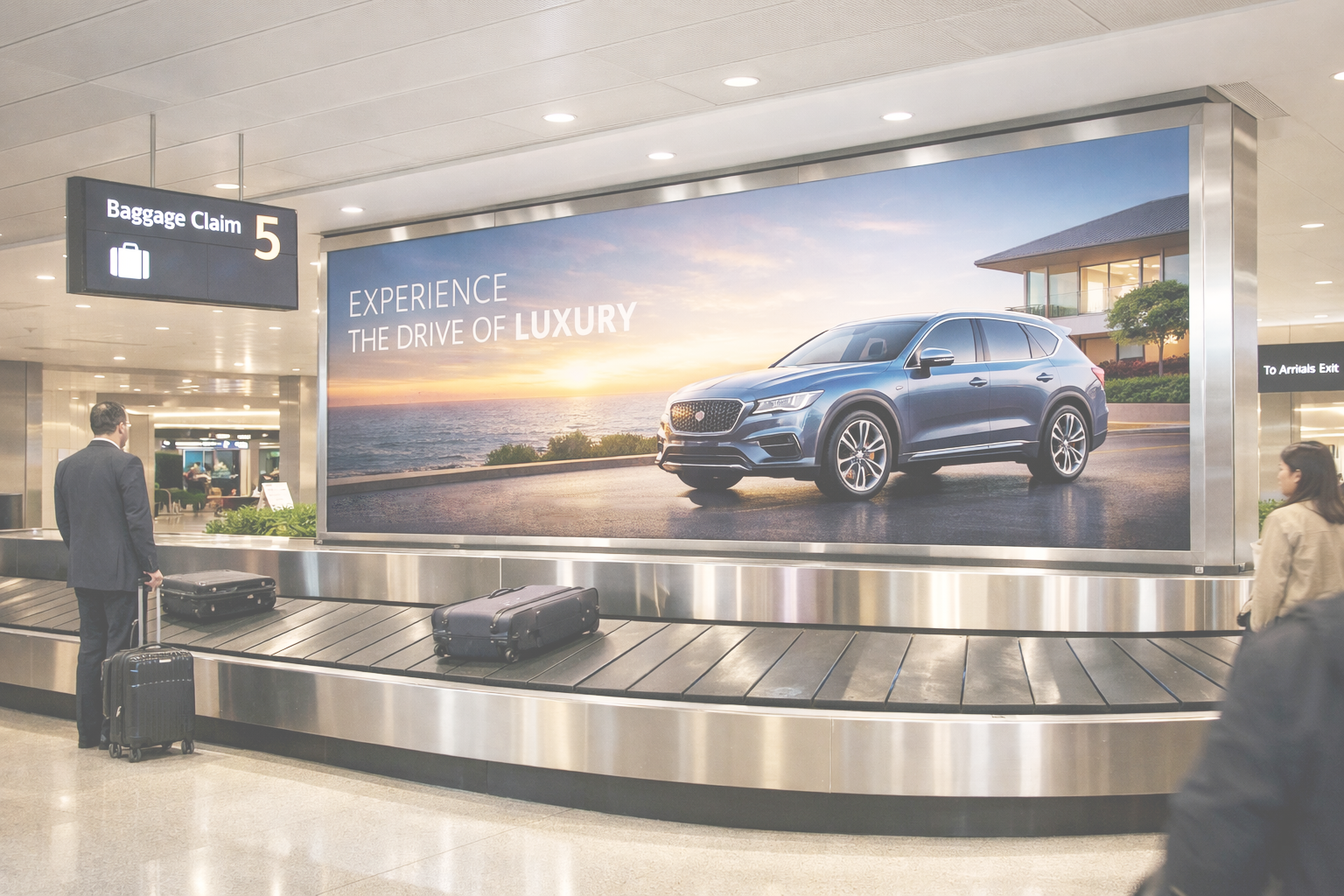
It’s Not Just Where You Advertise - It’s How Fast You Execute
We combine local insight with fast rollout to deliver results for you, now.
Talk to an ExpertAudience and Cultural Intelligence
Top 2 Languages:
- English: The default language of the overwhelming majority of the passenger base, essential across all advertiser categories at this airport.
- Spanish: Relevant given a growing regional Hispanic workforce tied to healthcare support and manufacturing employment, of secondary relevance to targeted consumer categories.
Major Traveller Nationalities:
The passenger base is overwhelmingly US domestic, drawn from a wide tri-state healthcare referral network spanning Wisconsin, Minnesota and Iowa, alongside regional manufacturing and academic travellers. International visitors are a negligible share of total traffic. Creative should lead in English across all major categories.
Religion — Advertiser Intelligence:
- Roman Catholic Christianity (historically significant, reflecting the region's German and broader European immigrant heritage): Influences the regional cultural calendar, with Christmas and Easter driving family travel and gifting spend.
- Lutheran and other Protestant Christianity (significant share, reflecting the region's Norwegian and Scandinavian heritage): Contributes to the same broad seasonal travel patterns and reinforces a regional culture of understated, community-oriented values.
- Non-religious and other faiths (smaller share): Limited direct commercial relevance to airport advertising planning at this catchment scale.
Behavioral Insight:
The La Crosse audience combines Upper Midwest pragmatism and understated values with a professionally credentialed healthcare and academic layer. This audience responds well to messaging built around trust, reliability and evidence-based credibility rather than aspirational status positioning. Healthcare, financial services and manufacturing brands that lead with proven track record and long-term value will outperform generic lifestyle branding with this audience.
Outbound Wealth and Investment Intelligence
LSE is not primarily an outbound international wealth corridor. Its defining wealth-relevant movement is institutional and professional: healthcare-sector income concentrated among physicians and medical executives, alongside steady regional manufacturing and academic professional wealth. The strongest commercial opportunity for advertisers lies in capturing this institutional and professional wealth rather than positioning for outbound investment categories.
Outbound Real Estate Investment:
Verified data on significant outbound international property investment specific to this catchment is not available. The more relevant real estate dynamic is domestic residential development tied to healthcare-sector income and steady demand from physicians and professionals in the La Crosse and Onalaska area.
Outbound Education Investment:
Data on outbound international education destinations specific to this catchment is limited. This is a lower-priority category for advertisers at LSE relative to healthcare and regional manufacturing categories.
Outbound Wealth Migration and Residency:
Verified data on residency or citizenship-by-investment activity specific to this catchment is not available. This is not a relevant category for campaign planning at LSE.
Strategic Implication for Advertisers:
The stronger strategic angle at LSE is institutional and professional capture: healthcare and medical services brands, private banks and regional manufacturing B2B advertisers should treat this airport as a direct channel to a tri-state region's genuinely credentialed physician and executive population. Masscom Global positions these categories to intercept this audience at a fraction of Minneapolis or Milwaukee media cost.
Airport Infrastructure and Premium Indicators
Terminals:
- Single passenger terminal handling domestic scheduled services with a compact, easily navigable passenger flow and no concourse fragmentation.
- Facilities are functional, consistent with a small regional US airport, with all passengers passing through a limited set of visible positions.
Premium Indicators:
- Lounge infrastructure is limited in scale, consistent with the airport's regional size.
- General aviation activity is present, reflecting some healthcare and manufacturing-linked private and charter travel, though verified movement figures are not available.
- No luxury hotel is located at the airport itself. Premium hospitality in the catchment is concentrated in downtown La Crosse and near the region's medical campuses.
- The region's genuine healthcare-sector credentials function as a strong indirect brand-association asset for advertisers seeking association with trust, reliability and institutional credibility.
Forward-Looking Signal:
Continued growth and investment in La Crosse's healthcare systems, combined with the region's steady manufacturing base and rising outdoor recreation profile, points toward a stable business travel foundation for LSE. As regional healthcare referral networks continue to expand, advertiser interest in reaching this credentialed professional audience directly is likely to increase. Masscom Global advises clients to secure positions now while regional Wisconsin airport advertising rates remain well below Minneapolis or Milwaukee.
Airline and Route Intelligence
Top Airlines:
Domestic service is operated by major US carriers connecting La Crosse to key regional and national hub airports, with route composition subject to periodic change. Current verified carrier list and frequencies: data not available.
Key International Routes:
No significant scheduled direct international service is verified at this airport. International visitors typically connect via Minneapolis-Saint Paul or Chicago area airports.
Domestic Connectivity:
Primary domestic connectivity runs through major Upper Midwest hub airports, providing onward connections for both business and leisure travellers originating in La Crosse, particularly for healthcare referral and manufacturing business purposes.
Wealth Corridor Signal:
The hub-and-spoke domestic route structure means LSE functions as a feeder airport whose audience value is defined primarily by the institutional healthcare and professional purpose of travel rather than by a distinct international route network. Advertisers should treat healthcare referral activity and regional business purpose as the primary audience-quality signal for this airport.
Media Environment at the Airport
- Terminal scale is compact and clutter is minimal, allowing a small number of well-placed formats to achieve strong effective coverage of a passenger base with genuine healthcare and professional purchasing authority
- Dwell time is supported by a straightforward terminal layout, sustaining attention on airport media
- The region's genuine healthcare-sector credentials create a premium environment association valuable to medical, financial services and manufacturing B2B brands
- Masscom Global provides direct access to regional US airport inventory that is difficult for independent buyers to secure efficiently, and coordinates LSE placements with broader Upper Midwest healthcare corridor strategy
Strategic Advertising Fit
Best Fit:
- Healthcare and medical services: Direct alignment with the region's two major medical systems and wide tri-state referral network
- Private banking and wealth management: Strong fit given the concentration of physician and healthcare executive income
- Regional manufacturing B2B: Reflects the area's steady industrial and agricultural processing base
- Premium outdoor recreation brands: Matches the region's growing Mississippi River Valley outdoor tourism identity
- Business insurance and professional services: Reflects the steady regional healthcare and manufacturing executive base
- Higher education and academic services: Aligned with the University of Wisconsin-La Crosse's presence
Brand Alignment at a Glance:
| Category | Fit |
|---|---|
| Healthcare and medical services | Exceptional |
| Private banking and wealth management | Strong |
| Regional manufacturing B2B | Strong |
| Premium outdoor recreation brands | Moderate |
| Business insurance and professional services | Moderate |
| International real estate | Poor fit |
| Mass-market fast fashion | Poor fit |
Who Should Not Advertise Here:
- International real estate and outbound wealth migration advisory: Weak alignment given the catchment's entirely domestic and institutional wealth profile
- Mass-market fast fashion: Passenger volume is too low and the audience too professionally credentialed for volume-driven retail promotion to justify the buy
- Nightlife and mass entertainment brands: Limited fit with a predominantly healthcare and business-travel passenger base
Event and Seasonality Analysis
- Event Strength: Medium
- Seasonality Strength: Medium
- Traffic Pattern: Dual-Peak, split between spring and autumn healthcare and business peaks and a summer outdoor recreation and river tourism window
Strategic Implication:
Advertisers should weight spend toward March to June and September to November, when healthcare conference activity and regional business travel concentrate. Summer offers a secondary window for outdoor recreation and river tourism messaging. Masscom Global structures LSE campaigns around this rhythm, prioritising healthcare and financial services messaging in the business peaks while allowing outdoor recreation brands to activate through summer.

Poor Placement and Delays Affect Airport Campaigns
We help you move faster, access better inventory, and get it right now.
Talk to an ExpertFinal Strategic Verdict
La Crosse Regional Airport delivers a passenger base with genuine healthcare-sector purchasing authority uncommon for a city of its size, anchored by two major regional medical systems serving a wide tri-state referral network. Healthcare and medical services brands, private banks and manufacturing B2B advertisers reach real institutional decision-makers here at a fraction of Minneapolis or Milwaukee media cost. Masscom Global secures this inventory now, positioning clients ahead of a market that will only grow more valuable as regional healthcare demand continues to expand.
About Masscom Global
Masscom Global is a premium international airport advertising and media buying agency operating across 140 countries. With deep expertise in airport OOH, premium publications, and high-net-worth audience targeting, Masscom helps brands reach the world's most valuable travellers at the moments that matter most. For advertising packages, media rates, and campaign planning at La Crosse Regional Airport and airports across the globe, contact Masscom Global today.
Frequently Asked Questions
How much does airport advertising cost at La Crosse Regional Airport? Cost depends on format, terminal position, campaign duration and seasonal demand, with the March to June and September to November business peaks commanding the strongest rates. Positions remain well below Minneapolis or Milwaukee pricing. Masscom Global provides current rates and availability on request.
Who are the passengers at La Crosse Regional Airport? The core audience is healthcare executives and physicians tied to two major regional medical systems, regional manufacturing professionals, and university and outdoor recreation travellers connected to the Mississippi River Valley.
Is La Crosse Regional Airport good for luxury brand advertising? It performs best for trust and credibility-led premium positioning tied to healthcare, financial services and manufacturing. Conventional status-driven luxury has weaker alignment given the region's Upper Midwest, understated professional audience.
What is the best airport in Wisconsin to reach HNWI audiences? Milwaukee's major airport leads on scale and broader HNWI density. La Crosse is not a substitute, but it offers unusually efficient access to a genuinely credentialed healthcare and professional audience tied to a wide tri-state medical referral network that larger hubs dilute.
What is the best time to advertise at La Crosse Regional Airport? March to June and September to November are the strongest windows, aligned with healthcare conference activity and regional business travel. Summer offers a secondary window for outdoor recreation and river tourism messaging.
Can international real estate developers advertise at La Crosse Regional Airport? This is a poor fit. The relevant real estate opportunity here is domestic residential development tied to healthcare-sector income, rather than international outbound property investment from this catchment.
Which brands should not advertise at La Crosse Regional Airport? International real estate and outbound wealth migration advisory show weak alignment given the catchment's domestic profile. Mass-market fast fashion and nightlife or mass entertainment brands also show limited relevance to this catchment's healthcare and business-travel audience.
How does Masscom Global help brands advertise at La Crosse Regional Airport? Masscom Global provides direct access to regional US airport inventory that independent buyers struggle to secure efficiently, combined with catchment intelligence on the region's healthcare and manufacturing economy. We coordinate LSE placements with broader Upper Midwest healthcare corridor strategy and manage negotiation, execution and reporting end to end. Book a call to review availability and rates at LSE.