
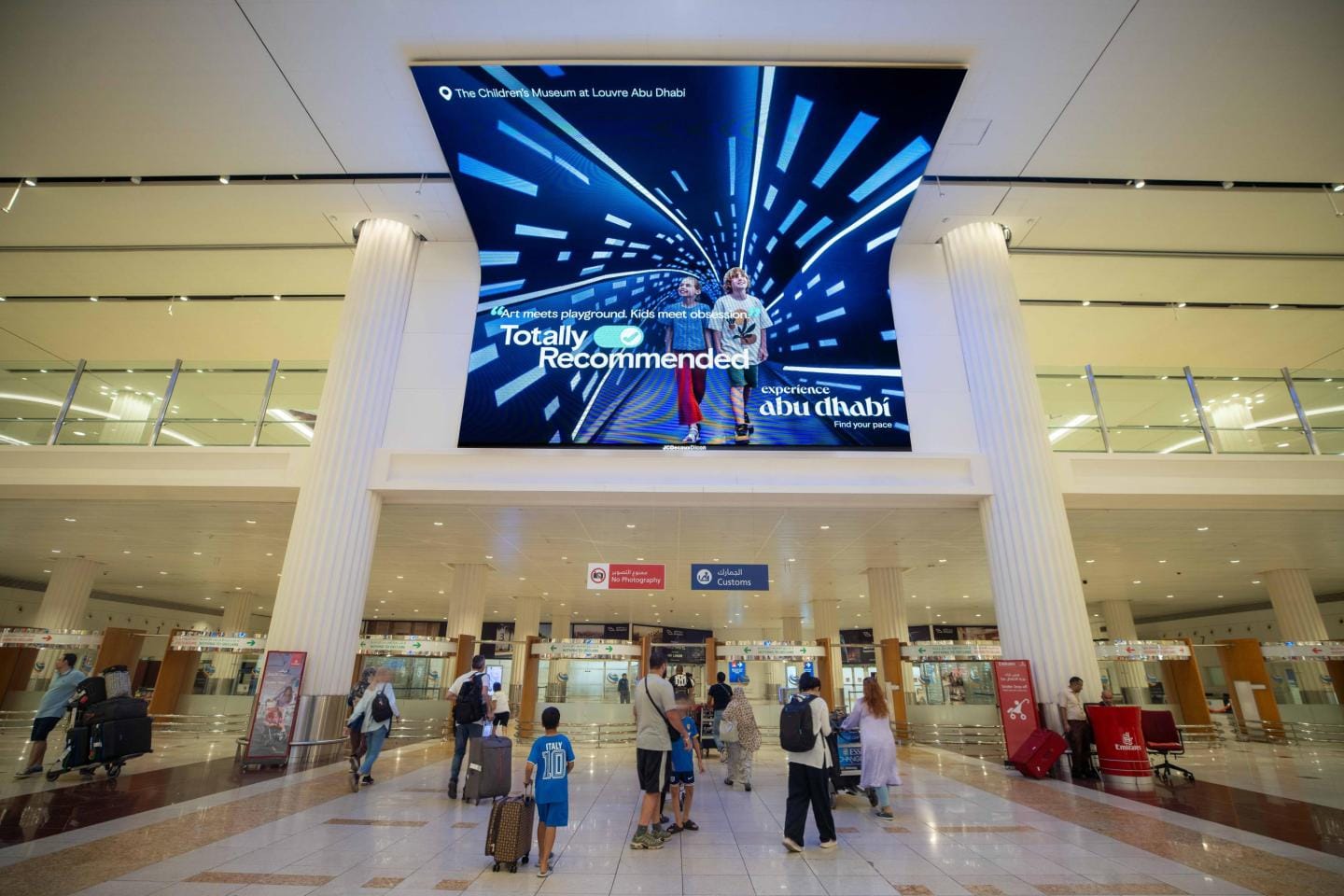



Airport at a Glance
| Field | Detail |
|---|---|
| Airport | Culiacán International Airport |
| IATA Code | CUL |
| Country | Mexico |
| City | Culiacán, Sinaloa |
| Annual Passengers | Approximately 900,000 |
| Primary Audience | Agricultural business owners, commercial sector executives, diaspora travellers |
| Peak Advertising Season | October to January, March to May |
| Audience Tier | Medium-High |
| Best Fit Categories | Agribusiness, financial services, real estate, consumer goods, US diaspora brands |
Culiacán Airport serves the capital of Sinaloa, a state that generates more agricultural export revenue than any other in Mexico and whose commercial class has built generational wealth on the back of year-round crop production for the North American market. The passenger at CUL is not a generic regional traveller; they are a business owner, agri-export operator, commercial manager, or US-connected diaspora family member whose economic activity extends across borders and whose purchasing decisions reflect an income profile that consistently outpaces visible regional demographics. For advertisers, CUL delivers access to a wealth class that national campaigns routinely underserve because Sinaloa's prosperity is agricultural rather than corporate and therefore less visible to planners focused on Mexico's industrial centres.
Sinaloa's agricultural output functions as the commercial engine that defines CUL's passenger profile. The state produces tomatoes, peppers, cucumbers, mangoes, garbanzo beans, and corn at industrial scale, exporting the majority of its output to the United States through well-established supply chains. The families and businesses behind that production have accumulated capital across generations, and their travel patterns reflect commercial ambition, procurement connectivity, and investment activity that advertisers with premium products and services should treat as a priority intercept. The airport's 900,000 annual passengers represent a concentrated access point for one of northwest Mexico's most commercially capable audiences.
Advertising Value Snapshot
- Passenger scale: Approximately 900,000 annual passengers, underpinned by consistent agri-export business travel and a high-frequency US diaspora return flow
- Traveller type: Agricultural business owners and exporters, commercial sector executives, returning US-based Sinaloa diaspora
- Airport classification: Tier 2, northwest Mexico's dominant agricultural wealth gateway
- Commercial positioning: The primary air access point for a state whose agricultural exports generate billions of dollars annually in cross-border trade revenue
- Wealth corridor signal: CUL anchors the Sinaloa agricultural export corridor connecting northwest Mexico's most productive farmlands to the US consumer market
- Advertising opportunity: Masscom Global provides brands with access to CUL's inventory in an environment where agricultural and commercial wealth is concentrated but underserved by premium national advertising campaigns. Our regional execution capability ensures your campaign reaches the right audience at the right seasonal moment.

Airport Advertising is Complex to Get Right
We help you execute faster, with proven results and local insight most planners lack starting now.
Talk to an ExpertCatchment Area and Economic Drivers
Top 10 Cities within 150 km — Marketer Intelligence
- Navolato, Sinaloa: The sugar cane and vegetable production heartland immediately west of the capital, whose agri-business owning families represent the rural wealth base of the broader Culiacán catchment; agricultural finance, equipment, and premium consumer brands find asset-holding landowners in this corridor.
- El Dorado, Sinaloa: A commercial agricultural town south of Culiacán whose tomato and vegetable farming operations generate a business-owning class with regular travel needs for procurement and commercial relationship management; agribusiness technology and financial services brands find commercially active buyers here.
- Guamúchil, Salvador Alvarado, Sinaloa: The commercial hub of Sinaloa's central agricultural valley, serving as the business services centre for dozens of surrounding farming communities; retailers, financial institutions, and insurance brands find a concentrated regional business ownership audience.
- Guasave, Sinaloa: One of Sinaloa's largest agricultural municipalities, producing corn, tomatoes, and vegetables at industrial scale; the agri-business ownership class here travels regularly for financial, procurement, and commercial purposes and represents strong alignment for agricultural finance and equipment brands.
- Angostura, Sinaloa: An agricultural and fishing community whose mixed economy of crop production and aquaculture creates a business-owning class with multiple income streams; insurance, financial services, and consumer goods brands find a diverse and financially active audience.
- Badiraguato, Sinaloa: A mountainous municipality north of Culiacán with a ranching and small-scale agriculture economy whose land-owning families travel to the capital for commercial services; rural financial products and agricultural services brands find relevant audiences here.
- Mocorito, Sinaloa: A Pueblo Mágico and agricultural community with a professional and commerce-owning class that accesses the state capital for business and government services; brands targeting Sinaloa's regional professional community find a culturally engaged audience in Mocorito travellers.
- Cosalá, Sinaloa: A Pueblo Mágico with historic silver mining heritage and growing eco-tourism, whose small but spending-capable visitor and resident population travels through CUL for both business and leisure; travel brands and heritage lifestyle products find cultural alignment here.
- Elota, Sinaloa: A fishing and agricultural municipality south of Culiacán with a growing shrimp aquaculture industry; seafood export business owners and aquaculture operators travel for commercial procurement, making maritime industry services and B2B financial brands relevant categories.
- San Ignacio, Sinaloa: A Pueblo Mágico in the Sierra Madre foothills whose ranching families and small-business owners travel to Culiacán for commercial and financial services; premium consumer brands and financial products targeting Sinaloa's rural wealthy find relevant audience access here.
NRI and Diaspora Intelligence
The Sinaloa diaspora in the United States is one of the largest state-origin Mexican communities in North America, with concentrated populations in Los Angeles, Fresno, Sacramento, Phoenix, Las Vegas, and Chicago. This community maintains deep family and commercial ties to Culiacán and the surrounding municipalities, generating high-frequency return travel particularly during December and July holidays and key life events. The returning diaspora traveller at CUL is commercially distinctive: they arrive with US dollar earnings accumulated over months of work in US agriculture, construction, services, and retail, and they deploy that capital into family consumption, home construction, vehicle purchases, and remittance transfers during their visits. For advertisers, the CUL diaspora traveller is a high-conversion prospect in consumer electronics, financial products, real estate, and premium consumer goods categories whose purchasing decision has been building over months of US employment.
Economic Importance
Sinaloa's economy is built on agricultural production at a scale that most planners outside the agri-export sector do not fully appreciate. The state is Mexico's top producer of tomatoes, peppers, cucumbers, and garbanzo beans, and exports the vast majority of its output to the United States under USMCA trade frameworks that have deepened supply chain integration over decades. The families and cooperatives behind this production have built multi-generational wealth that manifests in commercial real estate investment, premium vehicle ownership, private education spending, and a consistent pattern of aspirational consumer purchasing. Beyond agriculture, Sinaloa's commercial services sector, concentrated in Culiacán, serves the financial, legal, and logistics needs of the entire northwest Mexico agricultural economy, producing a professional class of lawyers, accountants, logistics managers, and financial advisors who travel regularly for business and represent a secondary premium audience at CUL.
Business and Industrial Ecosystem
- Agri-export and food production: Sinaloa's tomato, pepper, cucumber, and garbanzo export industry, connecting Northwest Mexico farmlands to Walmart, Costco, and major US grocery supply chains, produces a business-owning class whose income levels and commercial sophistication consistently exceed visible regional averages; agribusiness technology, input supply brands, and commercial financial services align directly with this audience.
- Fishing and aquaculture: Sinaloa is Mexico's top shrimp producing state; seafood export operators, shrimp farm owners, and fishing fleet operators travel through CUL for commercial procurement and financial engagements; maritime industry services, cold chain logistics brands, and B2B financial products find consistent audience alignment here.
- Commerce and wholesale trade: Culiacán functions as the commercial services capital of northwest Mexico, housing the legal, accounting, insurance, and financial advisory operations that serve the agricultural economy; professional services brands targeting regional business owners find a concentrated and financially engaged audience.
- Construction and real estate development: Agricultural wealth flowing into urban Culiacán and coastal Sinaloa has fuelled sustained real estate development activity; construction material suppliers, interior design brands, and real estate platforms serving both residential and commercial development find commercially motivated buyers at CUL.
- Healthcare and medical services: Culiacán hosts the most developed healthcare infrastructure in northwest Mexico, drawing medical professionals and patients from across the region; pharmaceutical brands, medical device companies, and health insurance products serving the regional professional class find consistent audience access.
Passenger Intent — Business Segment
The business traveller at CUL is primarily an agri-export operator, commercial services professional, or regional entrepreneur making journeys to Mexico City, Guadalajara, or Monterrey to manage financial relationships, attend procurement negotiations, or fulfil corporate connectivity. They are motivated by commercial outcomes rather than leisure, and their in-airport behaviour reflects a focused, time-aware mindset. For advertisers, this means credibility-first messaging positioned around commercial efficiency, financial growth, and professional performance consistently outperforms generic aspirational creative. B2B agricultural technology, enterprise financial services, premium corporate travel products, and professional services brands are the categories that intercept this traveller at maximum receptivity.
Strategic Insight
The commercial distinctiveness of the CUL business audience is its agricultural wealth profile, which produces a business owner class whose asset base is land and export contracts rather than corporate equity. This type of wealth is conservative, family-oriented, and highly loyal to brands that demonstrate understanding of agricultural sector values. For financial institutions, real estate developers, and premium consumer brands that invest in building recognition within this community through consistent CUL advertising, the loyalty dividend is disproportionately high relative to the media investment. No competing access point for Sinaloa's agri-wealth class exists at comparable concentration outside CUL itself.
Tourism and Premium Travel Drivers
- Cosalá Pueblo Mágico (approximately 100 km east): A heritage silver mining town with strong eco-tourism credentials drawing culturally motivated domestic tourists; travel and hospitality brands find an engaged leisure audience in travellers using CUL to access this destination.
- Mocorito Pueblo Mágico (approximately 65 km north): Sinaloa's first Pueblo Mágico, attracting heritage tourism and cultural visitors from across Mexico; the cultural tourism profile this town generates contributes to CUL's leisure travel segment during holiday periods.
- Altata Beach and Navolato Coast (approximately 50 km west): Sinaloa's accessible Pacific coast beach strip draws weekend and holiday leisure travellers from Culiacán and the wider catchment; lifestyle, hospitality, and leisure brands find seasonal leisure travellers in a committed spending mindset here.
- Sinaloa Carnival, Mazatlán (accessible via coastal corridor, approximately 220 km south): While Mazatlán has its own airport, Sinaloa's broader carnival and coastal tourism economy generates regional travel awareness and lifestyle aspirations that benefit leisure and hospitality brand advertising across the CUL terminal during peak carnival season.
Passenger Intent — Tourism Segment
The leisure traveller departing CUL is primarily heading to domestic sun destinations, the United States for family visits, or Mexico City for urban cultural and shopping experiences. They have budgeted for holiday spending and are receptive to lifestyle retail, travel accessories, consumer electronics, and hospitality brand messaging. The inbound domestic tourist arriving at CUL for Sinaloa's agricultural festival circuit and coastal beach access has typically committed spending to their trip and is open to impulse purchases of regional lifestyle products. For advertisers, the tourism segment at CUL is secondary to the business and diaspora segments but provides a consistent leisure-spending audience that amplifies campaign reach during peak holiday windows.
Travel Patterns and Seasonality
Peak seasons:
- October to January: The agricultural harvest and export season drives peak business travel as agri-export operators manage supply chain logistics, financial settlements, and commercial relationships; simultaneously, the December holiday window produces the highest diaspora return volumes of the year as US-based Sinaloans return for Christmas and New Year family gatherings.
- March to May: The spring agricultural planting and early harvest cycle drives a secondary business travel peak; Semana Santa produces a concurrent leisure travel surge as families depart for beach and holiday destinations.
- July to August: A significant mid-year diaspora return window as US-based families take summer holidays back in Sinaloa; consumer goods and family finance brands find their best non-December diaspora audience access during this window.
Event-Driven Movement
- Sinaloa Agricultural Export Season (October to March): The primary commercial travel driver for CUL, when agri-export operators are managing cross-border supply chains at maximum intensity and executive travel to Mexico City, Guadalajara, and Monterrey peaks; B2B agricultural technology and financial services advertisers achieve highest audience relevance during this window.
- Día de los Muertos (October to November): A major family reunification travel event producing diaspora returns from the United States and interprovincial family travel; consumer goods, financial remittance, and family-oriented brand advertisers find concentrated diaspora audiences at CUL during this window.
- Fiestas de Culiacán and State Fair (October): Culiacán's annual civic and agricultural fair draws regional visitors from across Sinaloa and generates elevated inbound travel through CUL; consumer brands, lifestyle products, and regional retail advertisers benefit from the concentrated visitor footfall.
- Christmas and New Year Diaspora Return (December): The single highest-volume travel window at CUL, when US-based Sinaloans return in large numbers for family celebrations; consumer electronics, vehicle brands, real estate platforms, and financial services advertisers achieve peak diaspora audience access during this period.
- Semana Santa (March to April): Mexico's largest national holiday produces mass leisure travel departures from CUL as Culiacán families head to beach destinations and resort properties; travel brands, hospitality groups, and leisure lifestyle advertisers find their peak leisure-traveller audience here.

It’s Not Just Where You Advertise - It’s How Fast You Execute
We combine local insight with fast rollout to deliver results for you, now.
Talk to an ExpertAudience and Cultural Intelligence
Top 2 Languages
- Spanish: The exclusive working language of all commercial, agricultural, and social activity in the Sinaloa catchment; professional Spanish-language campaigns are mandatory for any brand seeking credibility with the agricultural business ownership class that defines CUL's commercial audience.
- English: Widely spoken among returning US diaspora travellers and the executive tier of the agri-export sector whose supply chain relationships with US buyers require English fluency; bilingual campaign creative signals international brand awareness and is a trust signal for the diaspora segment whose consumer expectations have been shaped by years of living in US markets.
Major Traveller Nationalities
The dominant traveller nationality at CUL is Mexican, with the passenger base composed primarily of Sinaloa state residents whose economic activity spans agricultural production, commercial services, and US diaspora connectivity. The returning US-based diaspora represents the most commercially significant international sub-segment, arriving with US dollar purchasing power and strong brand preferences developed through US consumer market exposure. A smaller but commercially relevant segment of US agricultural buyers, produce industry executives, and agri-export procurement officers who manage supply chain relationships with Sinaloa's producers travels through CUL regularly for business visits, adding a premium English-speaking B2B audience to the terminal mix.
Religion — Advertiser Intelligence
- Roman Catholic (approximately 90%): The overwhelming religious identity of the Sinaloa catchment produces deeply predictable travel and spending patterns around Christmas, Semana Santa, Día de los Muertos, and patron saint festivals; advertisers in consumer goods, family financial products, gifts, and home improvement brands achieve maximum audience relevance by structuring campaigns around these Catholic calendar anchors.
- Evangelical Protestant (approximately 7%): A growing Evangelical community in urban Culiacán and among the US-returned diaspora whose spending behaviour reflects US-influenced consumer patterns; consumer technology, retail, and family finance brands find a younger, aspiration-driven audience segment in this community.
- Indigenous spiritual traditions (Mayo, Tepehuane communities in mountain municipalities): Smaller indigenous communities in the Sierra Madre municipalities maintain traditional observances that generate seasonal movement through the capital; culturally sensitive lifestyle and agricultural brands find niche but authentic audience access through this segment.
Behavioral Insight
The CUL audience makes purchasing decisions through a lens of family loyalty, community status, and practical value. Sinaloa's agricultural business class is not publicly flashy in its consumption, but it is deeply committed to quality products that signal success within the community. The diaspora traveller is more brand-aware and open to aspirational messaging, having been conditioned by US consumer markets, but they retain strong community identity and respond best to brands that acknowledge their dual cultural position. For advertisers, the most effective creative at CUL combines quality signalling with community relevance, delivered in clear professional Spanish with sensitivity to the agricultural and family values that anchor Sinaloa's commercial identity.
Outbound Wealth and Investment Intelligence
The outbound passenger at CUL is deploying capital shaped by agricultural export revenue, US diaspora earnings, and multi-generational land ownership. This is a wealth profile that is asset-rich, family-oriented, and increasingly oriented toward urban diversification. Agricultural families who have built wealth in Sinaloa's export economy are actively moving capital into Culiacán real estate development, Mexican urban investment markets, and US property purchases to accompany or follow family members who have relocated northward. The diaspora traveller departing CUL for the United States is in the opposite phase of the same capital cycle: they have built savings in the US and are redeploying them into property, family business investment, and consumer purchases in Sinaloa. Both directions of this wealth flow create advertising opportunities for financial institutions, real estate platforms, and premium consumer brands that understand the Sinaloa capital cycle.
Outbound Real Estate Investment
The primary domestic real estate investment markets for CUL's HNI audience are Culiacán itself, Mazatlán's coastal resort corridor, and Mexico City. Agricultural wealth flowing into urban property development in Culiacán has been one of the most consistent capital allocation patterns in northwest Mexico over the past two decades. The Mazatlán coastal market attracts Sinaloa's wealthier agricultural families as vacation property buyers, particularly as Mazatlán has undergone significant luxury resort development. US real estate, particularly in California's Central Valley, Arizona, and Nevada, is a growing investment category for the upper tier of Sinaloa's agri-export ownership class whose family members already reside in those markets. US developers and Mexican coastal resort developers will find a motivated buyer audience at CUL in the October to January peak travel window.
Outbound Education Investment
Sinaloa's professional and business-owning class is investing increasing capital in tertiary education, with Universidad Autónoma de Sinaloa serving the majority domestically but the Tecnológico de Monterrey, Universidad Iberoamericana, and UNAM in Mexico City attracting the academically ambitious from wealthier families. A growing number of families whose diaspora connections have opened US educational pathways are pursuing university placements in California, Arizona, and Texas, with California State University campuses, Arizona State University, and University of Texas being the most common US destinations. Education finance, US university recruitment campaigns, and student services brands find a family audience at CUL that is making significant educational investment decisions with real financial urgency.
Outbound Wealth Migration and Residency
A segment of Sinaloa's wealthier agricultural business owners are actively exploring US residency pathways, driven in large part by family members already living legally in the United States and by the desire to protect and internationalise accumulated agricultural wealth. The US EB-5 investor programme and E-2 treaty investor visa are the most relevant products for the upper tier of the CUL passenger profile. Spanish-language advertising for US residency and investment immigration programmes at CUL operates in a near-zero-competition environment and intercepts a highly motivated audience at the precise moment of departure-and-return travel that characterises the wealth migration decision cycle.
Strategic Implication for Advertisers
Sinaloa's agricultural wealth is one of Mexico's most consistently undervalued advertising opportunities, and CUL is the sole access point for that audience at scale. International brands serving real estate investment, US university education, and wealth management markets should treat CUL as a high-return, low-competition channel for reaching Mexico's agri-export ownership class during both its outbound investment journeys and its diaspora's return visits. Masscom Global activates campaigns simultaneously at CUL and at the US destination airports most frequented by Sinaloa travellers, enabling brands to intercept the same audience across the full arc of their cross-border wealth cycle.
Airport Infrastructure and Premium Indicators
Terminals
Culiacán International Airport operates a single terminal building handling both domestic and international operations. The terminal serves the full spectrum of CUL's passenger base within a compact, defined layout that concentrates advertising exposure across all passenger movement zones. Domestic operations carry the majority of traffic volume, connecting Culiacán to Mexico City, Guadalajara, Monterrey, and Tijuana, while international operations serve direct US routes to Los Angeles, Phoenix, Las Vegas, and connecting hubs. The airport's single-terminal format eliminates audience fragmentation and ensures that advertising placements achieve reach across the complete daily passenger population.
Premium Indicators
- Direct US route operations to Los Angeles, Phoenix, and Las Vegas reflect a diaspora connectivity function that concentrates US dollar-earning, brand-aware returning travellers in the terminal on predictable weekly and seasonal cycles.
- The agri-export business class traveling through CUL for financial and commercial engagements in Mexico City and Monterrey represents a professional income tier that is structurally above the Mexican regional average, elevating per-impression commercial value.
- Culiacán's status as the financial and services capital of northwest Mexico means senior business professionals, lawyers, accountants, and logistics executives from across the region converge on CUL for their air travel, creating a professional catchment that extends well beyond the city's own population.
- The airport's ongoing modernisation as part of ASUR's regional airport network management brings consistent facility upgrades that improve brand environment quality and passenger experience across the terminal.
Forward-Looking Signal
Sinaloa's agricultural export economy is positioned to benefit from growing US demand for year-round fresh produce and from USMCA trade frameworks that continue to deepen cross-border supply chain integration. Infrastructure investment in the Culiacán-to-US highway and logistics corridor is expected to drive further commercial expansion, and the state government's agricultural technology investment programme is bringing a new generation of tech-enabled agri-export operators into the CUL traveller base. Advertisers who establish presence at CUL now, before this modernising agricultural economy fully commands the advertising attention it merits, are buying into a growth trajectory at current market rates. Masscom Global advises clients to prioritise CUL within their Mexico regional advertising strategy while competitive inventory costs remain at pre-growth pricing.
Airline and Route Intelligence
Top Airlines
- Aeromexico
- Volaris
- Viva Aerobus
- American Airlines
- United Airlines
Key International Routes
- Los Angeles (LAX): The primary diaspora corridor connecting Sinaloa's largest US community to the home state, producing the most commercially valuable diaspora return traffic at CUL in terms of US dollar purchasing power
- Phoenix (PHX): A significant Arizona-based diaspora and agricultural procurement connection, serving Sinaloa families resident in Arizona and commercial buyers from US agricultural distribution centres
- Las Vegas (LAS): A high-spend leisure and diaspora connection producing travellers whose US consumer market exposure and entertainment spending orientation make them receptive to premium lifestyle and consumer brand advertising
- Chicago (ORD): A connecting hub serving the Midwest-based Sinaloa diaspora community in Illinois and surrounding states, with a family and remittance-oriented travel profile
Domestic Connectivity
- Mexico City (MEX): The dominant domestic artery for business, financial, and government travel, carrying agri-export executives, commercial professionals, and government representatives on multiple daily services
- Guadalajara (GDL): A key commercial connection to western Mexico's technology and retail hub, serving supply chain and procurement professionals
- Monterrey (MTY): Regular services to Mexico's industrial financial capital for banking, commercial, and agri-export financial engagements
- Tijuana (TIJ): A border gateway connection serving both commercial cross-border activity and diaspora travellers using Tijuana as a US access point
Wealth Corridor Signal
The Los Angeles corridor is the single most important advertising intelligence signal at CUL. It confirms that a major share of CUL's international passenger base is either US-resident diaspora returning with dollar earnings or Sinaloa business owners making regular cross-border commercial journeys. Both groups represent a brand-literate, high-purchasing-power audience whose consumer expectations have been shaped by US market exposure. For advertisers, this corridor signal means campaigns at CUL should be designed to speak simultaneously to a US-savvy returning diaspora consumer and a commercially active Mexican business owner, a dual audience that responds best to bilingual creative with quality and family value anchors.
Media Environment at the Airport
- CUL's single-terminal layout eliminates the competitive fragmentation that reduces advertising effectiveness at multi-terminal Mexican airports; brands investing here capture the entire passenger population within a defined, high-dwell-time environment where placements are seen repeatedly across the full passenger journey.
- The seasonal concentration of diaspora return traffic in December and July creates predictable windows of maximum consumer spending intent within the terminal, enabling advertisers to time creative rotations to the exact passenger profiles that deliver highest conversion.
- The airport's modernisation under professional network airport management has improved the physical brand environment, ensuring that advertising placements are displayed in a clean, well-maintained context that reflects positively on the brands they carry.
- Masscom Global's access to CUL's inventory enables precise placement at the check-in zone, security corridor, and domestic and international departure areas, with campaign execution timed to the agricultural and diaspora seasonal calendar for maximum audience alignment.
Strategic Advertising Fit
Best Fit
- Agribusiness technology and agricultural finance: The agri-export business ownership class is the defining audience of CUL and is commercially underserved by national advertisers; agricultural input brands, agri-fintech, crop insurance, and equipment leasing companies have exceptional audience alignment here.
- Financial services and remittance products: A diaspora-heavy audience with active cross-border capital flows creates consistent demand for remittance services, US dollar savings products, and family financial planning brands; the CUL terminal is a premium access point for this commercially motivated segment.
- US real estate and residency programmes: A motivated cross-border property buying audience whose family connectivity to California, Arizona, and Nevada makes US real estate a genuine purchase category; developers and immigration programme operators find a high-intent buyer audience at CUL.
- Consumer electronics and premium appliances: Returning diaspora travellers with US dollar savings and family gift-giving obligations during December and July represent a high-conversion consumer electronics and premium appliance buying audience.
- Automotive brands (practical premium segment): Agricultural business owners and commercial professionals in a region where vehicle quality and utility signal professional status; pickup trucks, SUVs, and commercial vehicles aligned with agricultural identity perform strongly.
- Education and university placement services: A professional class investing in US and Mexico City university placements for the next generation; education consultancies and US universities with Mexican recruitment programmes find a financially committed family audience.
- Travel and hospitality (coastal and resort destinations): Outbound leisure travellers heading to Mazatlán, Los Cabos, and Caribbean destinations represent a committed holiday-spending audience receptive to upgrade and premium travel brand messaging.
Brand Alignment at a Glance
| Category | Fit |
|---|---|
| Agribusiness and agricultural finance | Exceptional |
| Financial services and remittance | Exceptional |
| US real estate and residency | Strong |
| Consumer electronics and appliances | Strong |
| Automotive (practical premium) | Strong |
| Education and university placement | Strong |
| Ultra-luxury fashion and jewellery | Poor fit |
Who Should Not Advertise Here
- Ultra-luxury fashion at flagship pricing: CUL's audience has purchasing power but not the ultra-high-net-worth international traveller density required for flagship luxury fashion investment; the audience commercial profile is wealthy but practically oriented rather than status-display luxury motivated.
- Mass-market budget FMCG brands: The airport's approximately 900,000 passenger volume, while commercially significant, does not provide the impression scale that mass-market FMCG economics require to justify airport advertising investment over alternatives.
- Corporate B2B enterprise technology (large enterprise only): While CUL's business audience is commercially sophisticated, it skews toward agricultural and regional business ownership rather than large corporate enterprise procurement; enterprise software platforms targeting Fortune 500-equivalent buyers will find limited audience alignment here.
Event and Seasonality Analysis
- Event Strength: Medium
- Seasonality Strength: High
- Traffic Pattern: Dual-Peak (Agricultural harvest business cycle and diaspora holiday return)
Strategic Implication
Advertisers at CUL should structure campaigns around two operationally distinct and commercially different peaks. The October to January window carries the agricultural export season's business travel intensity alongside the year's most significant diaspora return surge at Christmas, making it the single most commercially valuable advertising window and the priority period for financial services, real estate, consumer electronics, and agribusiness brands simultaneously. The March to May window delivers the spring agricultural business peak and Semana Santa leisure travel, making it the preferred secondary window for B2B agricultural brands and leisure-travel-adjacent advertisers. Masscom Global structures CUL campaigns to rotate creative precisely between these two audience profiles, ensuring B2B agricultural messaging leads in the harvest season and consumer and lifestyle brands dominate the diaspora return windows.

Poor Placement and Delays Affect Airport Campaigns
We help you move faster, access better inventory, and get it right now.
Talk to an ExpertFinal Strategic Verdict
Culiacán International Airport is one of Mexico's most commercially undervalued airport advertising environments and the only access point at scale for one of Latin America's most productive agricultural wealth populations. With approximately 900,000 passengers annually moving through a single-terminal environment that concentrates agri-export business owners, diaspora travellers returning with US dollar earnings, and commercial professionals managing northwest Mexico's most productive trade corridor, CUL delivers a purchasing-power profile that national advertising campaigns consistently overlook because Sinaloa's prosperity is agricultural rather than corporate. The airport's dual seasonal peaks, aligned with the harvest export cycle and the diaspora return calendar, create two distinct and commercially rich advertising windows that, with the right creative rotation, serve completely different but equally valuable audience profiles within the same terminal. For agribusiness brands, financial institutions, US real estate developers, consumer electronics companies, and education services targeting Mexico's northwest wealth class, CUL is a priority buy with minimal competitive advertising clutter and a captive audience whose spending intent is high precisely at the moment they are in the terminal. Masscom Global provides the regional intelligence, inventory access, and seasonal campaign management to activate that opportunity with precision and speed.
About Masscom Global
Masscom Global is a premium international airport advertising and media buying agency operating across 140 countries. With deep expertise in airport OOH, premium publications, and high-net-worth audience targeting, Masscom helps brands reach the world's most valuable travellers at the moments that matter most. For advertising packages, media rates, and campaign planning at Culiacán International Airport and airports across the globe, contact Masscom Global today.
Frequently Asked Questions
How much does airport advertising cost at Culiacán International Airport? Advertising costs at CUL vary depending on format type, placement zone, campaign duration, and seasonal demand windows. The October to January peak, combining the agricultural export season with the Christmas diaspora return surge, carries premium rates reflecting the elevated commercial audience concentration in the terminal during that period. Masscom Global provides detailed rate cards, placement options, and fully managed campaign packages tailored to your category and target audience. Contact Masscom for current availability and pricing.
Who are the passengers at Culiacán International Airport? CUL's passenger profile is defined by three commercially distinct groups: agricultural business owners and agri-export operators managing Sinaloa's cross-border supply chain; returning US-based Sinaloa diaspora travellers from California, Arizona, Nevada, and Illinois arriving with US dollar purchasing power; and commercial and professional services executives managing the financial, legal, and logistics operations that support northwest Mexico's agricultural economy. This combination produces a medium-high HNWI audience profile with strong purchasing intent concentrated in the October to January and March to May windows.
Is Culiacán Airport good for luxury brand advertising? CUL is well-suited to accessible premium and practical luxury brands rather than ultra-luxury flagship categories. The airport's Medium-High HNWI score reflects a business-owning, land-holding, and diaspora-wealth audience with genuine purchasing power, making premium automotive, consumer electronics, financial services, real estate, and executive lifestyle brands highly relevant. The audience commercial profile is practically oriented and quality-driven rather than status-display luxury motivated, meaning brands that combine quality signalling with practical value and community relevance consistently outperform purely aspirational luxury positioning.
What is the best airport in northwest Mexico to reach agricultural business audiences? Culiacán CUL is the single most concentrated access point for Mexico's agricultural export business ownership class. No other airport in northwest Mexico combines the agri-export business travel volume, the US diaspora return flow, and the regional commercial services professional base that CUL generates within a single terminal environment. Hermosillo (HMO) and Los Mochis (LMM) serve other northwest agricultural catchments, but Sinaloa's position as Mexico's top agricultural exporting state makes CUL the dominant channel for this specific audience category.
What is the best time to advertise at Culiacán Airport? The highest-value advertising window at CUL is October through January, when the agricultural harvest and export season drives peak business travel and the December holiday period produces the year's largest diaspora return surge simultaneously. B2B agricultural brands, financial services, real estate, and consumer electronics advertisers achieve maximum audience relevance and conversion potential during this window. The March to May window is the preferred secondary period for agribusiness brands and leisure travel advertisers aligned with the Semana Santa departure season. The July to August diaspora summer return creates a third, smaller but commercially worthwhile window for consumer and family finance brands.
Can international real estate developers advertise at Culiacán Airport? CUL is a viable and commercially motivated channel for international real estate developers targeting the Sinaloa market. US Sunbelt developers, particularly those active in California's Central Valley, Arizona, and Nevada markets, will find a concentrated audience of Sinaloa diaspora families with US residency and established property purchasing behaviour at CUL. Mexican coastal resort developers, particularly those active in Mazatlán, Los Cabos, and Puerto Vallarta, will find a wealthy agricultural business-owning audience that has the capital and lifestyle aspiration for secondary vacation property investment. Masscom Global can structure campaigns that reach both buyer profiles at the specific seasonal windows when their purchase intent is highest.
Which brands should not advertise at Culiacán Airport? Brands requiring ultra-high-net-worth international traveller density for category relevance, such as flagship luxury fashion houses and top-tier jewellery at ultra-premium price points, will find the CUL audience profile insufficient in terms of ultra-wealthy concentration. Mass-market FMCG brands dependent on extremely high impression volumes at minimal cost-per-contact will find the airport's passenger scale a structural mismatch relative to alternative media channels. Large enterprise B2B software platforms targeting Fortune 500 procurement executives will also find limited audience alignment in an airport whose business traveller base is primarily agricultural and commercial business owners rather than corporate enterprise procurement.
How does Masscom Global help brands advertise at Culiacán Airport? Masscom Global provides end-to-end airport advertising management at CUL, from audience intelligence and format selection through to creative placement, seasonal campaign rotation, and performance reporting. Our understanding of Sinaloa's agricultural wealth economy, diaspora travel calendar, and regional consumer behaviour enables us to design campaigns that deliver maximum relevance at each seasonal audience peak. We combine local execution capability with global media buying infrastructure to move faster than any regional operator and ensure your placements are precisely positioned, correctly trafficked, and commercially optimised for the CUL audience. Contact Masscom Global to discuss your CUL campaign requirements today.