


Airport at a Glance
| Field | Detail |
|---|---|
| Airport | Reus Airport |
| IATA Code | REU |
| Country | Spain |
| City | Reus, Tarragona, Catalonia |
| Annual Passengers | Circa 800,000 to 1 million at last verified pre-2020 full year, heavily seasonal. Current-year total: data not available |
| Primary Audience | Northern European package and charter leisure travellers, PortAventura family visitors, Priorat wine tourism and second-home owners |
| Peak Advertising Season | May to September (charter and resort peak, sharply concentrated) |
| Audience Tier | Tier 3 Seasonal Leisure Gateway with premium wine and second-home layer |
| Best Fit Categories | Travel insurance and currency services, resort hospitality and family entertainment, coastal second-home real estate, premium wine and gastronomy |

Reus Airport serves a clear and honest commercial function as the primary charter and low-cost gateway to Catalonia's Costa Dorada, the stretch of coast running south from Barcelona through Salou, Cambrils and Tarragona. Its passenger base is dominated by Northern European package holiday and charter traffic, particularly British, Irish, Dutch and Scandinavian visitors, concentrated overwhelmingly into the summer months and largely absent outside them.
That said, advertisers who read REU purely as a budget beach gateway miss two genuine premium dimensions in its catchment. Priorat, one of only two Spanish wine regions holding the top DOCa classification alongside Rioja, sits within reach and carries authentic international prestige and estate wealth. Tarragona also holds UNESCO World Heritage status for its Roman archaeological ensemble and anchors a substantial petrochemical industrial complex with real corporate presence.
Advertising Value Snapshot
- Passenger scale: Circa 800,000 to 1 million at last verified pre-2020 full year, with volume heavily concentrated into the summer season. Current-year total and year-on-year growth: data not available
- Traveller type: Northern European charter and package leisure travellers, PortAventura family visitors, wine tourism visitors and coastal second-home owners
- Airport classification: Tier 3 Seasonal Leisure Gateway with a genuine premium wine and second-home layer
- Commercial positioning: The Costa Dorada's charter gateway, serving Salou and Cambrils resorts, PortAventura, and providing access to Priorat wine country and Roman Tarragona
- Wealth corridor signal: Sits on the Northern European to Spanish Mediterranean leisure corridor, with a secondary premium wine and second-home dimension
- Advertising opportunity: During the summer season REU delivers genuine volume of Northern European travellers with committed holiday spend, plus a smaller premium wine and property audience. Masscom Global positions brands here for strong seasonal coverage at a fraction of Barcelona media cost.
Airport Advertising is Complex to Get Right
We help you execute faster, with proven results and local insight most planners lack starting now.
Talk to an ExpertCatchment Area and Economic Drivers
Top 10 Cities within 150 km — Marketer Intelligence:
- Salou: The Costa Dorada's principal mass-market resort town and the destination for the majority of charter arrivals, with high-volume package holiday and family tourism spending.
- Reus: The airport's home city, a genuine commercial and retail centre with Modernist architectural heritage and notable vermouth production tradition.
- Tarragona: UNESCO World Heritage city for its Roman ensemble, provincial capital and centre of a substantial petrochemical industrial complex, contributing both heritage tourism and corporate presence.
- Cambrils: Upmarket coastal resort with a genuine gastronomy reputation, drawing a more affluent leisure segment than Salou.
- Priorat wine region (Falset, Gratallops): Holder of Spain's top DOCa wine classification alongside Rioja, with internationally prestigious wineries and genuine estate wealth. The strongest premium signal in this catchment.
- PortAventura World: One of Europe's largest theme park resorts, a major driver of family charter traffic and associated hospitality spending.
- Montblanc and Conca de Barberà: Heritage and wine area contributing cultural and wine tourism relevance.
- Tortosa: Ebro delta regional centre contributing agricultural commerce and nature tourism relevance.
- Sitges (outer catchment): Affluent coastal town closer to Barcelona, contributing premium second-home relevance though served more readily by Barcelona.
- Barcelona (outer catchment, roughly 100 km): The dominant regional metropolitan centre, competing directly for both leisure and business traffic with far greater capacity and route choice.
NRI and Diaspora Intelligence:
Reus does not carry a significant diaspora audience relevant to advertiser targeting. The commercially defining movement is inbound Northern European leisure tourism, alongside a genuine British, Dutch and Scandinavian second-home ownership presence along the Costa Dorada. Advertisers should treat REU as an inbound European leisure and second-home gateway rather than a diaspora corridor.
Economic Importance:
The Tarragona province economy combines Costa Dorada mass tourism, a substantial petrochemical and chemical industrial complex around Tarragona port, premium wine production in Priorat and surrounding denominations, and extensive agriculture including hazelnuts and olive oil. This produces a mixed passenger base of high-volume leisure visitors alongside a smaller but genuinely valuable wine estate and industrial corporate segment.
Business and Industrial Ecosystem
- Petrochemical and chemical industry: The Tarragona complex is among Spain's most significant, producing genuine industrial executive and engineering travel with real procurement authority
- Premium wine production, notably Priorat: Internationally prestigious wineries producing estate owner and export executive travel
- Tourism and hospitality operations: A substantial regional sector producing hotel management and resort operator travel concentrated in season
- Port and logistics operations: Tarragona port generates genuine maritime logistics and trade-linked business activity
Passenger Intent — Business Segment:
Business travel through REU is modest relative to the leisure segment, concentrated in petrochemical industry activity, wine export business and tourism operations. Advertisers should recognise that Barcelona captures the majority of corporate travel for this region given its vastly superior route network. Industrial B2B and wine export categories are the credible business-side opportunities here.
Strategic Insight:
The honest reading of REU is that its volume is leisure and its premium value is wine and property. Advertisers should choose one of those propositions and commit to it rather than attempting to serve both with a single creative approach. Masscom Global builds separate creative tracks for the charter leisure audience and the wine and second-home audience, since these groups share a terminal but nothing else.
Tourism and Premium Travel Drivers
- PortAventura World: One of Europe's largest theme park resorts, a genuine international draw and the primary reason many families select this destination and airport
- Salou and Cambrils beach resorts: The Costa Dorada's established resort belt, with Cambrils carrying a notably stronger gastronomy and premium reputation
- Priorat wine region: Holder of Spain's top wine classification, drawing genuinely affluent international wine tourism with high-end winery visits and luxury rural accommodation
- Roman Tarragona, UNESCO World Heritage: A significant heritage tourism draw including amphitheatre and archaeological ensemble, appealing to cultural travellers
Passenger Intent — Tourism Segment:
REU's leisure passengers split sharply. The dominant group is Northern European package and charter travellers arriving with pre-committed accommodation spend and moderate remaining discretionary budget, receptive to travel services, currency and insurance messaging. A smaller premium group arrives for Priorat wine tourism or second-home purposes with genuinely high discretionary spend and interest in provenance and quality.
Travel Patterns and Seasonality
Peak seasons:
- May to September: The dominant charter and resort season, accounting for the overwhelming majority of annual passenger volume
- July to August: The sharpest concentration, coinciding with Northern European school holidays and peak PortAventura visitation
- September to October: Wine harvest season, driving the premium wine tourism and trade segment as general leisure volume declines
- November to March: Very low season, with many charter routes suspended entirely
Monthly passenger distribution data: not available at verified level.
Event-Driven Movement:
- Northern European summer school holidays (July to August): Drive the airport's absolute peak passenger volumes and family charter traffic
- PortAventura operating season peaks (summer and Halloween periods): Drive concentrated family visitor traffic
- Priorat and Catalan wine harvest, vendimia (September to October): Drives premium wine tourism and international wine trade visits
- Tarragona Santa Tecla festival (September): A significant local festival with genuine cultural tourism draw including human tower castells traditions

It’s Not Just Where You Advertise - It’s How Fast You Execute
We combine local insight with fast rollout to deliver results for you, now.
Talk to an ExpertAudience and Cultural Intelligence
Top 2 Languages:
- English: The single most important creative language at this airport given the dominance of British and Irish charter traffic, alongside its role as the working language for Dutch, Scandinavian and international visitors.
- Spanish and Catalan: Both carry genuine relevance. Catalan is the region's own language and its use signals authentic local respect, particularly valuable for wine, gastronomy and property categories targeting resident and Catalan audiences. Spanish serves broader domestic reach.
Major Traveller Nationalities:
The passenger base is dominated by Northern European inbound leisure visitors, particularly British, Irish, Dutch and Scandinavian, with a smaller domestic Spanish component. This is genuinely one of the more internationally weighted passenger profiles among Spanish regional airports. Creative should lead in English for the charter audience, with Catalan and Spanish for resident-facing and premium wine categories.
Religion — Advertiser Intelligence:
- Roman Catholic Christianity (dominant historical affiliation in Catalonia, though with substantially reduced active observance): Functions primarily as a cultural calendar marker locally, with limited relevance to the predominantly secular Northern European visitor base.
- Non-religious (large share among both the Catalan resident population and Northern European visitors):The dominant practical consideration. Values-based messaging around quality, sustainability and experience substantially outperforms faith-based framing at this airport.
- Other faiths (present within Spain's broader population): Limited direct commercial relevance to this specific leisure-dominated passenger base.
Behavioral Insight:
The two audiences at REU behave in fundamentally different ways. Charter leisure travellers are price-conscious, having selected a package destination for value, and respond to clear savings, convenience and practical benefit messaging. Priorat wine tourists and second-home buyers are provenance-driven, willing to pay substantially for quality and authenticity, and respond to craftsmanship and terroir narratives. Brands must choose which audience they are addressing, because messaging that works for one actively repels the other.
Outbound Wealth and Investment Intelligence
REU's wealth dynamic is predominantly inbound rather than outbound. Northern European capital flows into Costa Dorada second-home property, and international wine buyers engage with Priorat estates. The genuine advertiser opportunity is capturing this inbound interest rather than positioning for outbound Spanish investment categories.
Outbound Real Estate Investment:
The relevant direction is decisively inbound. British, Dutch, Scandinavian and other Northern European buyers purchase apartments and villas along the Costa Dorada, drawn by climate, value relative to their home markets and established expatriate communities. Spanish coastal property developers targeting Northern European buyers are the strongest-fit real estate advertisers here, and REU reaches those buyers at their point of arrival.
Outbound Education Investment:
Not a significant category for this catchment's passenger base, which is dominated by inbound leisure visitors rather than resident families making education decisions. This is a low-priority category for advertisers at REU.
Outbound Wealth Migration and Residency:
Spain's residency arrangements do generate genuine inbound interest among Northern European retirees and remote workers considering Spanish relocation, particularly post-Brexit for British nationals. Residency and relocation advisory services have real relevance here in the inbound direction, targeting arriving Northern Europeans rather than outbound Spanish wealth.
Strategic Implication for Advertisers:
The strongest angle at REU is inbound capture across two tracks: coastal property and residency advisory reaching Northern European buyers, and premium wine and gastronomy reaching the Priorat tourism segment. Masscom Global structures these as distinct creative tracks within a single seasonal buy, ensuring each audience receives messaging calibrated to its actual behaviour.
Airport Infrastructure and Premium Indicators
Terminals:
- Single passenger terminal handling charter and scheduled leisure services, with capacity built around efficient seasonal high-throughput processing rather than premium experience.
- Facilities are functional and adequate for charter operations, with pronounced congestion during summer peak periods.
Premium Indicators:
- Lounge infrastructure is limited, consistent with the airport's charter and low-cost carrier orientation.
- General aviation activity is present, including some private travel among wine estate and second-home ownership, though verified movement figures are not available.
- No luxury hotel is located at the airport itself. Premium hospitality in the catchment is concentrated in Cambrils, Tarragona and, most distinctively, Priorat's luxury rural wine hotels.
- Priorat's DOCa wine classification and Tarragona's UNESCO World Heritage status function as genuine premium brand-association assets, though they attach to the destinations rather than the terminal.
Forward-Looking Signal:
Costa Dorada tourism demand remains robust, supported by PortAventura's continued draw and established Northern European charter relationships. Priorat's international wine prestige continues strengthening, and Northern European second-home interest in the Spanish Mediterranean shows persistence. Masscom Global advises clients to secure positions ahead of the May season start, when charter capacity ramps sharply and terminal inventory demand concentrates.
Airline and Route Intelligence
Top Airlines:
Service is dominated by low-cost carriers and charter operators serving Northern European leisure markets, with route composition varying substantially by season. Current verified carrier list and frequencies: data not available.
Key International Routes:
Historically served the United Kingdom, Ireland, the Netherlands, Belgium and Scandinavian markets via charter and low-cost operations, concentrated in the summer programme. Verified current weekly frequency data: not available.
Domestic Connectivity:
Limited domestic scheduled connectivity, with Spain's high-speed rail network and Barcelona's proximity substantially reducing the need for domestic air service from this airport.
Wealth Corridor Signal:
The route network reveals a clear inbound Northern European leisure corridor rather than a wealth corridor in the conventional sense. That said, the same routes carry genuine second-home buyers and Priorat wine tourists alongside package holidaymakers. Advertisers should read this correctly: the corridor delivers volume with a valuable premium minority embedded within it, which is precisely why segmented creative matters here.
Media Environment at the Airport
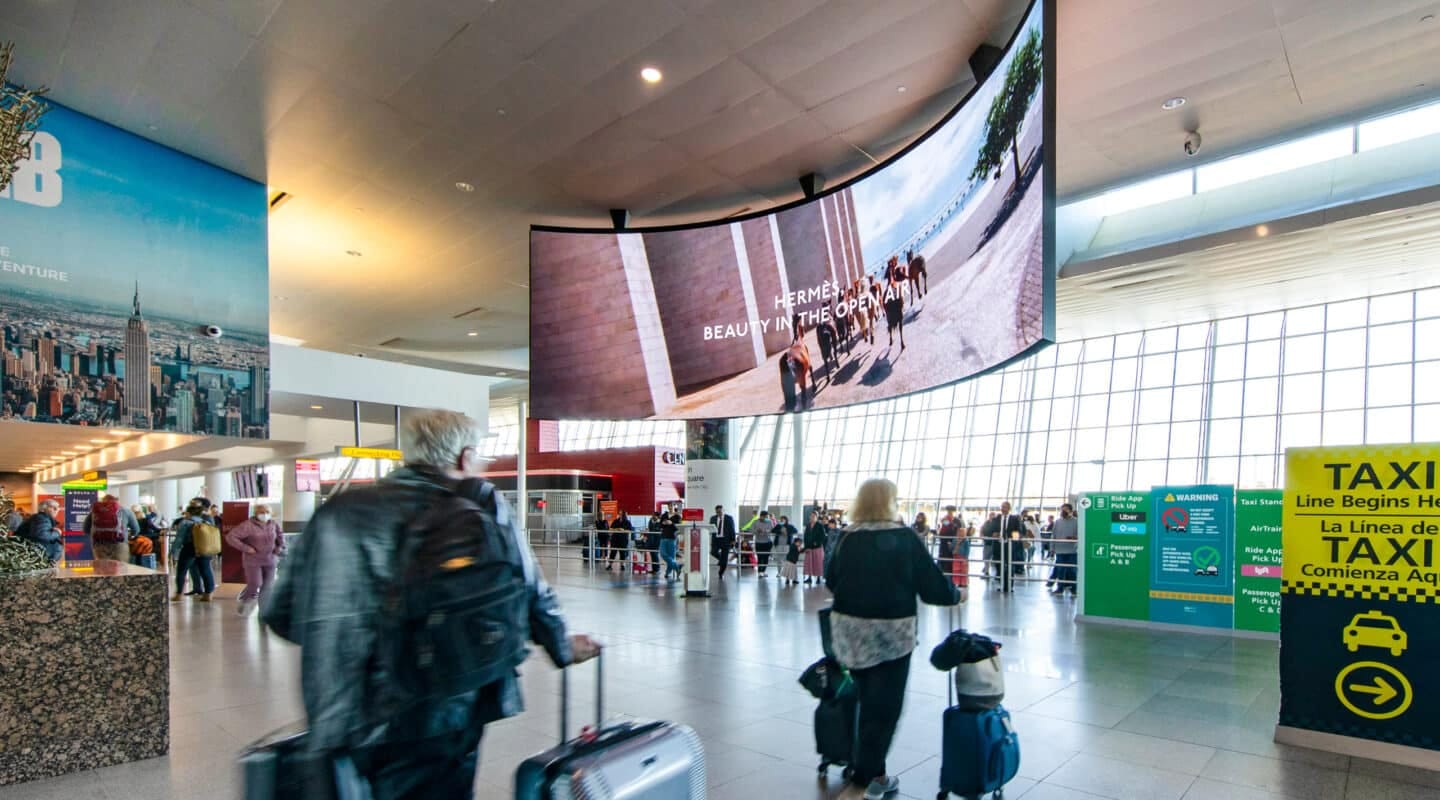
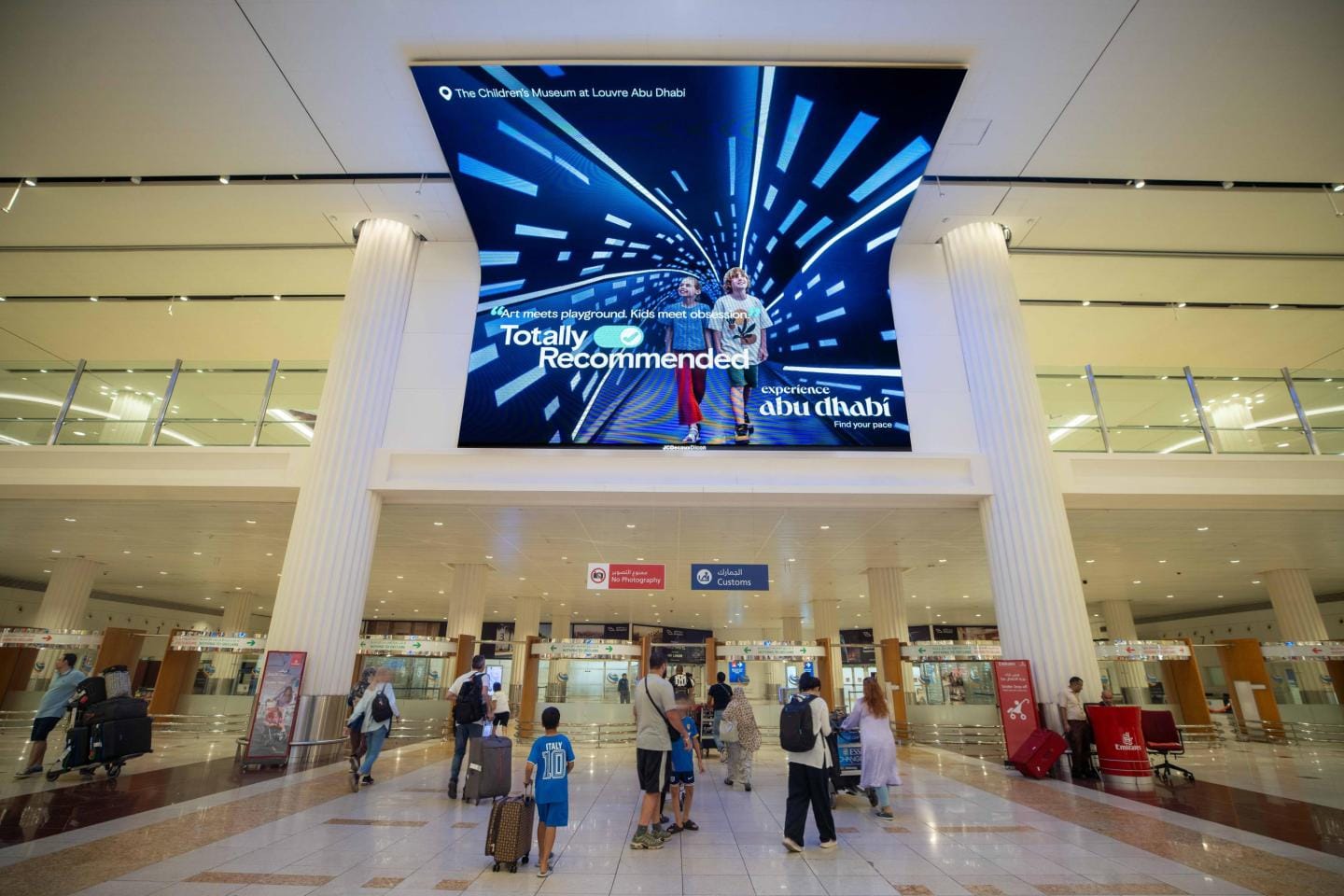
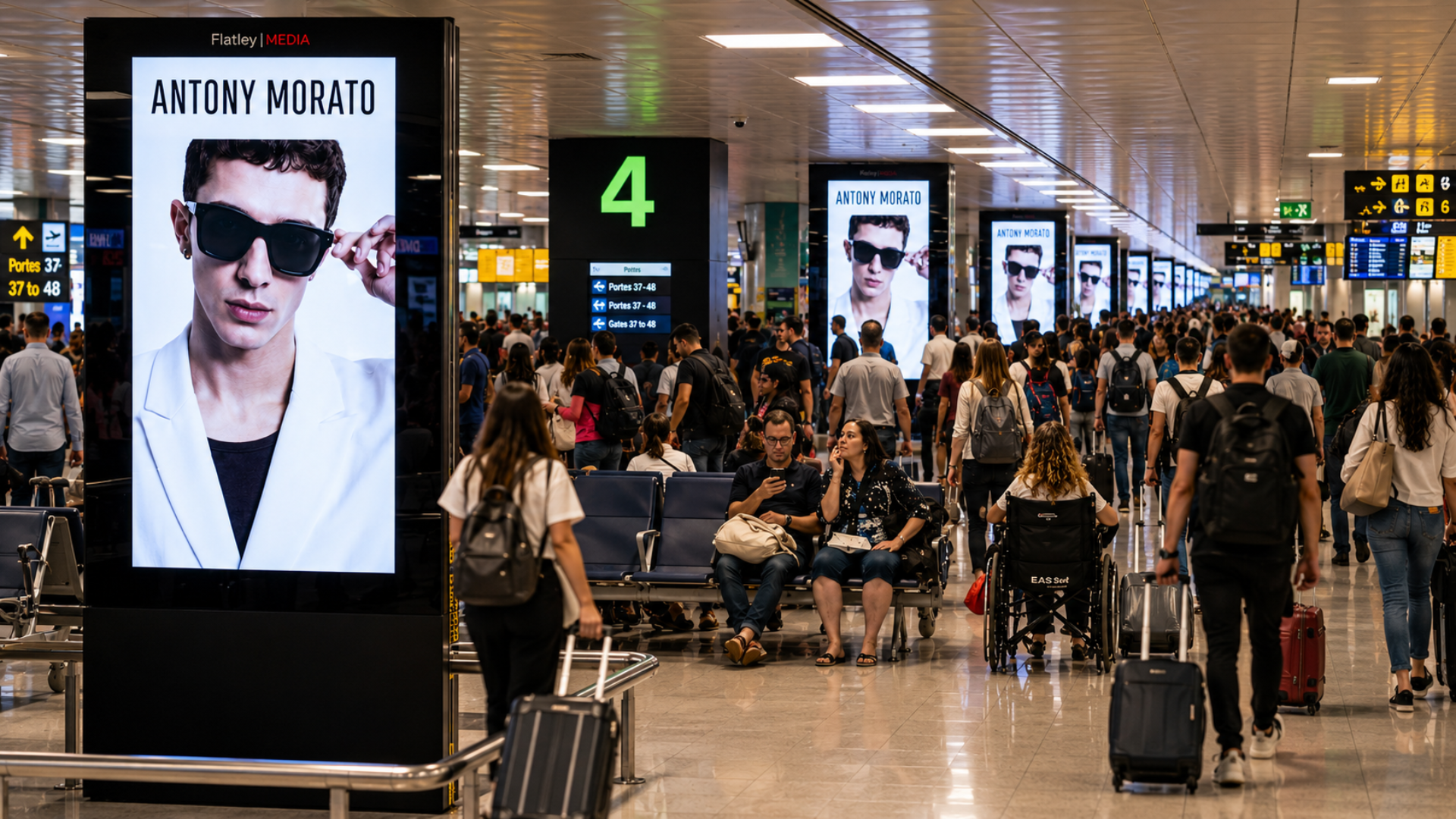
- Terminal scale is compact with moderate clutter during peak season, though well-placed formats achieve strong coverage given the concentrated passenger flow
- Dwell time is genuinely favourable during summer peaks, when charter processing creates extended waiting periods with limited competing distraction
- The premium environment signal is limited within the terminal itself, though Priorat and Tarragona associations support premium messaging for the right categories
- Masscom Global provides direct access to regional Spanish airport inventory that is difficult for independent buyers to secure efficiently, and coordinates REU placements with Barcelona inventory for broader Catalan coverage
Strategic Advertising Fit
Best Fit:
- Travel insurance, currency and payments services: Direct alignment with high-volume international charter passengers making practical travel decisions
- Resort hospitality and family entertainment: Reflects PortAventura and the Costa Dorada's core family leisure identity
- Coastal second-home real estate: Genuine alignment with Northern European buyer interest along the Costa Dorada
- Premium wine and gastronomy brands: Distinctive alignment with Priorat's DOCa prestige and Cambrils' culinary reputation
- Residency and relocation advisory services: Relevant to Northern Europeans considering Spanish relocation, particularly British nationals post-Brexit
- Industrial B2B, petrochemical sector: Relevant to the Tarragona industrial complex, though Barcelona captures much of this travel
Brand Alignment at a Glance:
| Category | Fit |
|---|---|
| Travel insurance, currency and payments | Exceptional |
| Resort hospitality and family entertainment | Exceptional |
| Coastal second-home real estate | Strong |
| Premium wine and gastronomy brands | Strong |
| Residency and relocation advisory | Strong |
| Industrial B2B, petrochemical sector | Moderate |
| Status-led luxury brands | Poor fit |
Who Should Not Advertise Here:
- Status-led luxury brands: The dominant charter audience has selected a value destination and will not respond to exclusivity positioning, while the smaller premium audience responds to provenance rather than status
- Private banking and wealth management: Weak alignment with a predominantly mass-market leisure passenger base, despite the catchment's wine estate wealth being real
- Winter and cold-weather categories: The airport operates minimally outside the May to September season, making winter-relevant messaging structurally ineffective here
Event and Seasonality Analysis
- Event Strength: Medium
- Seasonality Strength: Very High
- Traffic Pattern: Sharply Seasonal, with an overwhelming May to September concentration and near-dormancy in winter
Strategic Implication:
Advertisers must confine spend almost entirely to the May to September window, with July and August delivering peak volume. September to October offers a distinct secondary window for premium wine categories as harvest season draws the Priorat audience while general leisure volume declines. Masscom Global structures REU as a tightly flighted seasonal campaign with segmented creative for the leisure and premium tracks.

Poor Placement and Delays Affect Airport Campaigns
We help you move faster, access better inventory, and get it right now.
Talk to an ExpertFinal Strategic Verdict
Reus Airport delivers genuine summer volume of Northern European travellers with committed holiday spend, making it an efficient buy for travel services, resort hospitality and coastal property brands targeting that audience. Embedded within that flow is a smaller but valuable premium segment travelling for Priorat wine country and second-home purposes. The two audiences require entirely different creative, which is exactly how Masscom Global structures campaigns here, timed tightly to the May to September season when this airport actually performs.
About Masscom Global
Masscom Global is a premium international airport advertising and media buying agency operating across 140 countries. With deep expertise in airport OOH, premium publications, and high-net-worth audience targeting, Masscom helps brands reach the world's most valuable travellers at the moments that matter most. For advertising packages, media rates, and campaign planning at Reus Airport and airports across the globe, contact Masscom Global today.
Frequently Asked Questions
How much does airport advertising cost at Reus Airport? Cost depends on format, terminal position, campaign duration and seasonal demand, with July and August commanding by far the strongest rates given peak charter volumes. Pricing remains well below Barcelona. Masscom Global provides current rates and availability on request.
Who are the passengers at Reus Airport? The core audience is Northern European charter and package leisure travellers, particularly British, Irish, Dutch and Scandinavian, heading to Salou, Cambrils and PortAventura, alongside a smaller premium segment travelling for Priorat wine tourism and Costa Dorada second homes.
Is Reus Airport good for luxury brand advertising? Generally no for status-led luxury, given the dominant charter audience. It does work for provenance-led premium categories, particularly Priorat wine and gastronomy, where the smaller premium segment responds to craftsmanship and terroir messaging.
What is the best airport in Spain to reach HNWI audiences? Madrid and Barcelona lead on scale, with Ibiza and Formentera carrying exceptional ultra-high-net-worth density. Reus is not a wealth-tier alternative, though it offers genuine access to Northern European second-home buyers and Priorat wine tourism.
What is the best time to advertise at Reus Airport? May to September only, with July and August as the absolute peak. September to October offers a secondary premium window as Priorat harvest season draws wine tourism. Winter spend is wasted, since many charter routes suspend entirely.
Can international real estate developers advertise at Reus Airport? Yes, and this is a genuinely strong fit, though in the inbound direction. Spanish coastal developers targeting British, Dutch and Scandinavian second-home buyers reach exactly that audience here at the point of arrival.
Which brands should not advertise at Reus Airport? Status-led luxury brands and private banking show weak alignment with the mass-market charter audience. Winter and cold-weather categories are structurally ineffective given the airport's near-dormancy outside the summer season.
How does Masscom Global help brands advertise at Reus Airport? Masscom Global provides direct access to regional Spanish airport inventory that independent buyers struggle to secure efficiently, combined with catchment intelligence distinguishing the charter leisure audience from the premium Priorat and second-home segment. We build segmented creative tracks and coordinate with Barcelona inventory for broader Catalan coverage, managing negotiation, execution and reporting end to end. Book a call to review availability and rates at REU.