


Airport at a Glance
| Field | Detail |
|---|---|
| Airport | Manila Ninoy Aquino International Airport |
| IATA Code | MNL |
| Country | Philippines |
| City | Manila (Metro Manila), Philippines |
| Annual Passengers | 27.3 million (2023) |
| Primary Audience | Overseas Filipino Workers and diaspora returnees, Philippine HNWI business class, BPO and remittance economy professionals, inbound international business and tourism visitors |
| Peak Advertising Season | December to January (Christmas and New Year diaspora return), Holy Week (March to April), June to August (summer OFW return) |
| Audience Tier | Tier 1 |
| Best Fit Categories | International real estate, financial services and remittance products, luxury goods, premium automotive, BPO and technology brands |
Manila Ninoy Aquino International Airport is one of Southeast Asia's most commercially distinctive aviation environments. At 27.3 million passengers and a HNWI Score of High, MNL serves not merely a city or a country but the operational centre of a global diaspora economy whose remittance flows exceed thirty billion dollars annually and whose returning members arrive at this terminal in a state of financial abundance, family obligation, and social expectation that creates a consumer purchasing context with no precise equivalent in Asian aviation. The Philippines has more citizens working abroad relative to its population than almost any other country in Asia, and every one of those ten million workers connects to their home country through MNL at least once a year, typically at Christmas when the terminal transforms into the most emotionally charged aviation environment in the Asia-Pacific region.
The commercial complexity of MNL's audience goes beyond the OFW narrative, though that alone would justify significant advertiser investment. Metro Manila, a megacity of twenty-three million people, has generated a Philippine HNWI and upper-professional class whose consumption standards are rising rapidly as the country's BPO economy, real estate development sector, and remittance-fuelled domestic consumption drive GDP growth that has consistently outpaced regional averages. The old families of Makati's ayala district, the new wealth of Bonifacio Global City's technology and financial sector, and the real estate developer class building the vertical city skyline of the capital's expanding commercial districts all use MNL as their international gateway, creating an HNWI commercial layer that coexists with the OFW economy and elevates the airport's commercial value well above what the remittance narrative alone would generate.
Advertising Value Snapshot
- Passenger scale: 27.3 million passengers (2023), with a recovery trajectory toward pre-COVID traffic levels that exceeded 47 million annual passengers in 2019, and a new international gateway airport (New Manila International Airport in Bulacan) under construction that will eventually complement MNL's commercial reach
- Traveller type: OFW returnees and departures from Gulf states, East Asia, Europe, and North America; Philippine HNWI business professionals; BPO industry executives; real estate developers and investors; inbound international business visitors from the US, Japan, Korea, and Middle East
- Airport classification: Tier 1 as the Philippines' primary international gateway and the commercial aviation hub for a 110-million-person archipelago nation whose diaspora economy is the most commercially productive per-passenger of any Southeast Asian airport
- Commercial positioning: Southeast Asia's most diaspora-dependent aviation gateway, whose combination of OFW remittance wealth, Philippine HNWI business class growth, and inbound international business investment creates a commercially layered passenger audience whose emotional and financial intensity at the terminal surpasses any comparable regional airport
- Wealth corridor signal: MNL sits at the intersection of the Gulf-Philippines OFW remittance corridor, the East Asia-Philippines trade and investment axis, the North America-Philippines diaspora capital route, and the domestic Philippine HNWI consumer upgrade cycle simultaneously
- Advertising opportunity: Masscom Global provides inventory access and campaign execution capability at Manila Ninoy Aquino International Airport, enabling brands to reach the world's most commercially significant OFW diaspora audience, the Philippine HNWI and BPO professional class, and the inbound international investors engaging with Southeast Asia's most domestically consumed remittance-driven economy through a single, strategically positioned terminal complex.
Airport Advertising is Complex to Get Right
We help you execute faster, with proven results and local insight most planners lack starting now.
Talk to an ExpertCatchment Area and Economic Drivers
Top 10 Cities within 150 km — Marketer Intelligence
- Metro Manila (NCR): The Philippines' commercial, financial, and cultural megacity of 23 million people and the country's most concentrated consumer economy; home of the Manila Bay reclamation premium developments, the Makati Central Business District, Bonifacio Global City, Ortigas Centre, and the emerging Quezon City technology corridor; the Metro Manila professional and HNWI class spans old Ayala and Zobel family wealth, new BPO and technology sector fortunes, real estate developer capital, and the remittance-enriched middle class whose collective consumption aspirations are driving the Philippines' premium consumer market at a pace that is outpacing every Southeast Asian economy except Vietnam in current growth trajectory.
- Quezon City: The Philippines' largest city by population and the commercial heart of Metro Manila's northern expansion; home of the ABS-CBN and GMA media empires, the University of the Philippines' flagship campus, and a growing technology corridor that is becoming Metro Manila's answer to Silicon Valley; the media, academic, and technology professional class of Quezon City represents one of the Philippines' most internationally connected and brand-sophisticated consumer audiences, whose English-language fluency and American cultural familiarity create above-average premium brand receptiveness.
- Makati City: The Philippines' financial capital and the most commercially prestigious address in Southeast Asia for international companies entering the Philippine market; home of the Ayala Group's commercial empire, the International Finance Corporation, major multinational bank regional headquarters, and the luxury residential and retail corridor along Ayala Avenue; the Makati professional class represents the Philippines' most concentrated HNWI and senior corporate executive audience, whose consumption standards are calibrated to Singapore and Hong Kong professional standards through decades of international corporate interaction.
- Pasig City: Adjacent to Makati and the location of Ortigas Centre, the Philippines' second major CBD, and the growing Bridgetowne commercial district; home of BDO Unibank headquarters, Robinsons Land, and dozens of major Philippine conglomerates; a significant BPO and technology hub whose professional class represents a younger, internationally digitally connected audience with above-average incomes and strong aspirational premium consumer behaviour.
- Taguig City: Home of Bonifacio Global City (BGC), the Philippines' most premium commercial real estate development and the fastest-growing ultra-premium retail and hospitality zone in the country; home of the Philippine Stock Exchange BGC campus, major international financial and technology company Philippines operations, and the country's highest concentration of luxury retail, premium F&B, and international brand flagships; the BGC professional community represents the Philippines' most recently enriched HNWI class whose consumer standards are explicitly calibrated to Singapore, Hong Kong, and New York premium benchmarks.
- Paranaque City: Directly adjacent to the airport and home of the Entertainment City integrated resort and casino complex including Okada Manila, Solaire Resort, City of Dreams, and Resorts World Manila; the gaming and hospitality economy creates an enormous premium entertainment consumer audience and a significant international tourism inflow; the Entertainment City development has made Paranaque one of Southeast Asia's most commercially active HNWI entertainment and luxury consumption zones, with direct implications for airport advertising whose catchment includes the world's most active casino resort corridor outside Las Vegas and Macau.
- Las Pinas and Muntinlupa: Southern Metro Manila's residential premium belt and the gateway to Laguna's growing suburban professional and industrial economy; home of the Alabang business district and the premium residential communities of Filinvest Alabang, Ayala Alabang Village, and the BF Homes corridor; the upper-middle and HNWI professional class of southern Metro Manila represents a significant premium consumer audience whose consumption patterns reflect the highest-income suburban Philippine professional tier.
- Bulacan Province: The northern province directly adjacent to Metro Manila and the location of the New Manila International Airport (Bulacan Airport) under construction by San Miguel Corporation; a rapidly industrialising and urbanising province whose proximity to Metro Manila is driving massive commercial and residential development investment; Bulacan's growing professional and entrepreneurial class is benefiting from the provincial spill-over of Metro Manila's economic expansion at an accelerating rate.
- Cavite Province: The southern province directly adjacent to Metro Manila and one of the Philippines' most economically active special economic zones, home of the Cavite Export Processing Zone (CEPZ) and dozens of Japanese, Korean, and American manufacturing facilities; the industrial management and engineering professional class creates a significant B2B and premium consumer audience with strong international corporate cultural exposure; Cavite is also a major residential overflow province for Metro Manila's working and professional class, whose consumer aspiration benchmarks are set by their Metro Manila employment context.
- Laguna Province: Approximately 50 km southeast and the Philippines' most industrialised province, home of PEZA-registered economic zones that house dozens of Japanese, Korean, and European manufacturing companies including Toyota Philippines, Honda Cars Philippines, and Canon; the export processing zone management and engineering class carries multinational corporate quality standards and international salary scales that create a premium B2B and consumer audience significantly above provincial Philippine norms; the Sta. Rosa corridor's growing premium real estate, education, and retail development is creating a new suburban HNWI consumer zone whose commercial trajectory mirrors Metro Manila's premium expansion.
OFW Remittance and Diaspora Intelligence
The Philippines' overseas worker economy is the most commercially significant diaspora structure of any Southeast Asian nation and one of the most commercially productive of any country globally relative to its population. Approximately ten million Filipinos work abroad at any given time, concentrated in Saudi Arabia, UAE, Qatar, Kuwait, Hong Kong, Singapore, Japan, South Korea, the United States, Canada, the United Kingdom, and Italy. These workers remit approximately thirty to thirty-five billion dollars annually to the Philippines, representing approximately eight to nine percent of national GDP, and this capital flows directly into family consumption spending, real estate acquisition, small business investment, and the premium consumer upgrade cycle of ten million Philippine households. The returning OFW at MNL is not merely a traveller returning home. They are a financial actor arriving with cash, goods, and the emotional commitment to demonstrate their overseas success through visible consumption. The pre-Christmas OFW return surge, known locally as the "balikbayan" homecoming, is the most commercially intense single event in Philippine retail and the most emotionally charged passenger concentration at any Southeast Asian airport. For advertisers, the OFW audience at MNL represents a combination of commercial characteristics available nowhere else in Asian aviation: a financially enabled diaspora with unmatched family obligation spending, arriving at peak emotional investment, through a single terminal, at a predictable calendar moment.
Economic Importance
The Philippine economy's growth story is driven by three mutually reinforcing commercial engines whose passenger profiles converge at MNL simultaneously. The OFW remittance economy provides the base demand layer of consumer spending that sustains the domestic retail, real estate, and services sectors regardless of global economic cycle. The BPO and digital services economy, generating approximately thirty billion dollars annually and employing over 1.4 million professionals in Metro Manila and major secondary cities, creates the Philippines' fastest-growing HNWI and upper-professional class whose income levels and consumption standards are calibrated to the American and European client standards their work serves. The conglomerate-led domestic investment economy, dominated by the Ayala, SM, JG Summit, Gokongwei, and Megaworld groups, creates an old-wealth HNWI class whose real estate, banking, and consumer business operations generate the capital foundation that the OFW and BPO economies build upon. Together these engines make Metro Manila's consumer economy one of Southeast Asia's fastest-growing premium markets, and MNL the gateway through which every inbound and outbound dollar of its commercial activity passes.
Business and Industrial Ecosystem
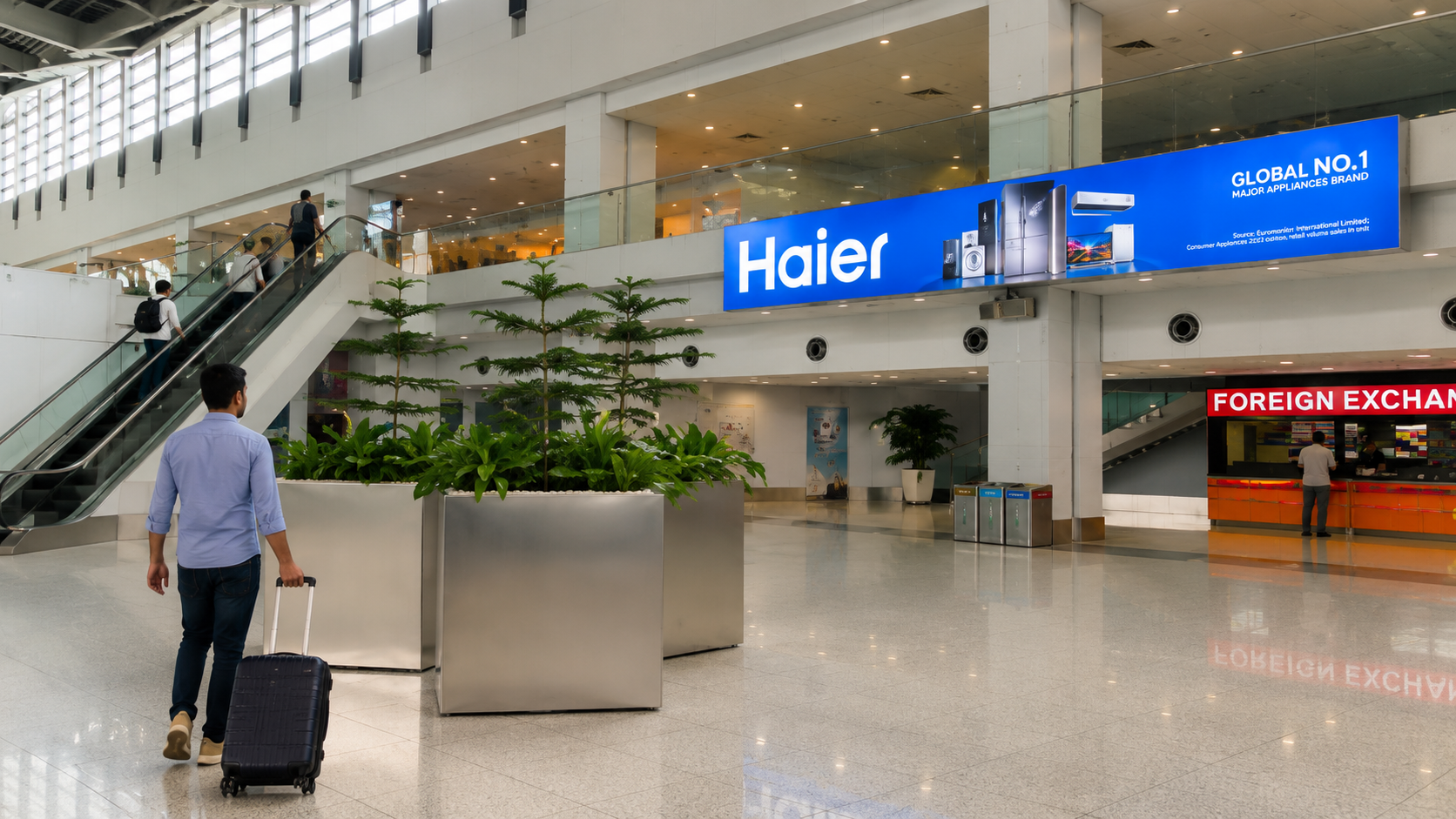
- BPO and IT-BPM industry: The Philippines' one-point-four-million-strong BPO professional workforce, concentrated in Metro Manila's major CBDs and served internationally by clients from the United States, Australia, the United Kingdom, and Japan, creates a globally connected, English-proficient, internationally calibrated professional class whose premium consumer spending and B2B purchasing behaviour reflects American and Australian corporate standard exposure; the BPO executive class is one of MNL's most commercially productive premium consumer audiences
- Real estate development and conglomerates: The Philippine conglomerate-driven property development economy, led by Ayala Land, SM Prime, Megaworld, Robinsons Land, and Filinvest, creates a corporate executive and HNWI investor class whose international travel patterns connect Manila to Singapore, Hong Kong, and New York for capital raising, partnership development, and premium personal investment activity
- Banking and financial services: The Bangko Sentral ng Pilipinas-regulated banking sector, supplemented by insurance, investment management, and the rapidly growing fintech sector, creates a financial professional class whose international regulatory engagement, capital market access, and wealth management needs generate consistent premium B2B and HNWI consumer commercial activity at MNL
- OFW and remittance services industry: The commercial infrastructure supporting ten million overseas workers — remittance companies, balikbayan box logistics, OFW insurance and financial products, and pre-departure processing services — creates an enormous B2B and B2C commercial ecosystem whose scale is unique to the Philippine economy and whose passenger audience at MNL is available nowhere else in Southeast Asian aviation
- Tourism and hospitality: The Philippines' inbound tourism recovery, led by South Korean, American, Japanese, and Australian visitors accessing island resorts, cultural heritage sites, and MICE facilities, creates a premium inbound hospitality commercial audience whose per-day expenditure benchmarks are set by international leisure tourism standards
Passenger Intent — Business Segment
The business traveller at MNL carries one of the most commercially diverse professional profiles of any Southeast Asian gateway airport. The Makati corporate executive is connecting to Singapore, Hong Kong, and New York for capital market, investment banking, and conglomerate partnership activities whose transactional value is among the highest per-person of any Philippine professional category. The BPO delivery director is traveling to American, Australian, or European client sites for service delivery reviews, expansion negotiations, and technology infrastructure discussions whose commercial scope spans millions of dollars in annual contract value. The real estate developer is connecting to international capital sources, construction technology exhibitions, and luxury brand partnership discussions that are progressively upgrading the quality of the Philippine commercial built environment to international standards. Each professional arrives at MNL with active, high-value commercial decisions in progress and departs in a state of commercial readiness that makes the airport's B2B advertising environment one of Southeast Asia's most commercially productive per-passenger.
Strategic Insight
MNL's business audience is commercially significant in a way that the OFW narrative — which dominates most discussions of Manila airport advertising — tends to obscure. The BPO professional class, the conglomerate executive tier, and the fintech and technology entrepreneur community represent a sophisticated, internationally calibrated, and rapidly enriching B2B and premium consumer audience whose commercial standards are explicitly benchmarked to Singapore and Hong Kong rather than to regional Southeast Asian norms. For brands targeting Southeast Asia's emerging upper-tier professional consumer market, MNL provides access to the Philippines' most commercially sophisticated audience within the emotional context of international travel whose brand receptiveness is heightened relative to the domestic Manila consumer context. Masscom's intelligence on this audience tier within MNL's total passenger profile enables B2B and premium consumer brands to target with precision rather than deploying broad diaspora-oriented messaging that reaches only one segment of the airport's commercially layered audience.
Tourism and Premium Travel Drivers
- Palawan, Boracay, and the Philippine Island Resort Circuit: The Philippines' world-class island resort destinations — Palawan's El Nido and Coron, Siargao's surf culture, Boracay's beach resort economy — create an inbound premium leisure tourism audience that accesses the archipelago through MNL as the primary international gateway; the premium international tourist arriving through MNL for island resort experiences carries per-day expenditure benchmarks comparable to Maldives and Bali leisure tourism, representing a significant international HNWI leisure commercial audience
- Intramuros and Heritage Manila Tourism: The Spanish colonial walled city of Intramuros and the broader historical Manila bay heritage circuit attract cultural tourism whose international visitor profile includes premium history and heritage travellers from Europe, North America, and Japan whose daily spending reflects mature market premium travel standards
- Entertainment City Casino and MICE Tourism: The Paranaque Entertainment City integrated resort complex, one of Asia's most commercially dynamic gaming and entertainment destinations, draws significant HNWI gaming tourism from South Korea, China, Japan, and Southeast Asia whose per-visit spending on accommodation, gaming, F&B, and entertainment is among the highest per-tourist-category of any Philippine inbound visitor segment; this HNWI gaming audience transits through MNL in concentrated waves aligned with long Philippine holiday weekends and the international gaming tourism calendar
- OFW Balikbayan Tourism: The balikbayan homecoming phenomenon, particularly concentrated at Christmas and Holy Week, creates an inbound domestic consumer tourism event of extraordinary commercial scale as returning OFWs inject Gulf-earned, American-earned, and European-earned consumer spending into the Philippine retail, hospitality, and real estate markets over concentrated two to four week visit periods
Passenger Intent — Tourism Segment
The tourism passenger at MNL represents two commercially distinct profiles whose purchasing behaviour at the airport reflects radically different motivations. The premium inbound international resort tourist is in maximum leisure aspiration mode, having committed significant budget to a Philippine island experience whose natural beauty and hospitality reputation motivated their journey; their airport transit spending on premium Philippine craft products, specialty food, and luxury items reflects the peak purchasing intent of a completed premium experience. The OFW balikbayan returnee is in maximum family obligation mode, having budgeted a significant portion of their remittance savings for gifts, support payments, and conspicuous consumption demonstrations that signal their overseas success to family and community; their airport retail behaviour on departure and arrival is driven by the most powerful social purchasing motivation in Southeast Asian consumer psychology.
Travel Patterns and Seasonality
Peak seasons:
- Christmas and New Year (November to January): The Philippines' single most commercially intense travel event and the most emotionally concentrated diaspora homecoming of any country in Asia; the balikbayan return of hundreds of thousands of OFWs from the Gulf, East Asia, Europe, and North America creates MNL's highest sustained passenger volume of the year with the most intense per-passenger spending commitment across gifts, family support, real estate investment, and premium consumer purchases; this window defines MNL's commercial character more than any other event in its calendar
- Holy Week and Easter (March to April): The Philippines' second major diaspora homecoming and domestic travel peak, concentrated around the most important period in the country's overwhelmingly Catholic religious calendar; Holy Week generates significant OFW returns, family reunions, and domestic tourism activity whose combined commercial intensity at MNL is the year's second most productive consumer spending window
- June to August (summer OFW returns and school holiday): The third major OFW homecoming season aligned with Philippine school holidays; returning Gulf and East Asian OFWs bring a second wave of remittance-funded consumer spending to Manila's retail and real estate markets while domestic premium family tourism generates inbound airport traffic through MNL
- Year-round BPO and business professional baseline: The Metro Manila BPO, conglomerate, and financial professional community generates consistent year-round international business travel through MNL whose commercial baseline supplements the OFW seasonal peaks with a continuous premium B2B audience
Event-Driven Movement
- Pasko (Philippine Christmas Season, October to January): The Philippines observes the world's longest Christmas season, beginning formally in September but reaching commercial intensity from October through January; the extended Christmas commercial cycle creates the most sustained premium consumer spending window of any single-country seasonal event in Southeast Asian aviation, whose commercial productivity at MNL spans four months of elevated gift purchasing, luxury goods acquisition, and balikbayan box sending activity
- Holy Week (March to April): The Philippines' most sacred and most commercially intense second-tier diaspora return event; the combination of deep Catholic religious observance with the family reunion and social status demonstration obligations of the balikbayan homecoming creates a two-week commercial window at MNL whose emotional intensity rivals Christmas in per-day purchasing commitment
- Sinulog Festival (January, Cebu): While centred in Cebu, the Sinulog Festival draws domestic and international Catholic tourism through MNL as the primary international gateway for the Visayas; the festival creates a secondary premium religious and cultural tourism traffic surge whose Manila transit component adds commercial volume to the post-Christmas January period
- Entertainment City Holiday Weekends: Major Philippine public holiday long weekends generate concentrated HNWI gaming tourism arrivals from South Korea, Japan, and Southeast Asia through MNL into the Paranaque casino resort corridor, creating predictable HNWI gaming tourism commercial surges at specific calendar moments throughout the year
- BPO Industry Events and International Client Visit Season (first and second quarters): The Philippine BPO industry's international client visit and conference season from January through May creates a concentrated inbound business professional surge from American, Australian, and British companies evaluating and expanding their Philippine operations, generating a high-value B2B commercial audience at MNL
It’s Not Just Where You Advertise - It’s How Fast You Execute
We combine local insight with fast rollout to deliver results for you, now.
Talk to an ExpertAudience and Cultural Intelligence
Top 2 Languages
- Filipino (Tagalog): The national language and the primary language of social, family, and cultural communication for MNL's dominant domestic audience; Filipino-language advertising at MNL must be calibrated to the specific emotional registers of the balikbayan experience, the OFW sacrifice narrative, the Catholic family values framework, and the aspirational consumption identity of a diaspora community whose international work experience has elevated their brand expectations; creative that speaks authentically to the Filipino emotional vocabulary of family, sacrifice, homecoming, and aspiration consistently generates the deepest brand resonance with MNL's dominant passenger community
- English: The language of Philippine business, education, and formal professional life, and one of the Philippines' two official languages; English-language advertising at MNL reaches the BPO professional class, the conglomerate executive tier, inbound international business visitors, and the large proportion of OFWs whose English-language proficiency is directly commercially relevant to their overseas employment; the Philippines' extraordinary English fluency is a national commercial asset whose airport advertising implications are significant: English-language campaigns at MNL achieve full communicative effectiveness with a far higher proportion of the total passenger base than at any comparable Southeast Asian gateway
Major Traveller Nationalities
Filipino nationals, both resident Metro Manila professionals and returning OFWs from across the global diaspora, form the dominant passenger base. The OFW component is geographically sourced from Saudi Arabia and the broader Gulf (the largest single OFW destination), the United States and Canada, Hong Kong and Singapore, Japan and South Korea, the United Kingdom, and Italy. Inbound international passengers include South Korean nationals whose tourism to the Philippines represents one of the most commercially significant bilateral tourism relationships in Southeast Asia; Japanese business and leisure tourists; American nationals including the substantial Filipino-American diaspora community and inbound business visitors; Australian leisure tourists and business visitors engaged with the Philippine BPO industry; and Chinese nationals whose gaming tourism to Entertainment City and inbound business investment create a commercially significant HNWI arrival segment.
Religion — Advertiser Intelligence
- Roman Catholicism (approximately 80 to 85%): The Philippines is the most Catholic nation in Asia and the third-largest Catholic country globally; the Catholic religious calendar is the commercial calendar at MNL, with Christmas, Holy Week, and the feast days of patron saints creating a structured annual cycle of family gathering, gift-giving, and spiritual observance spending that is the most consistent and commercially predictable consumer purchasing pattern of any Southeast Asian airport; the Christmas spending season, driven by Catholic family reunion obligations and the balikbayan homecoming's gift-giving mandate, is the single most commercially productive consumer event in Philippine retail and the most commercially significant single seasonal window at MNL; brands whose campaign timing aligns with the October through January Pasko season and the March through April Holy Week window capture the Philippines' maximum gift and luxury purchasing intent at precisely the moment of greatest family spending obligation
- Islam (approximately 5 to 6%, Bangsamoro and Muslim Mindanao): The Philippine Muslim community, concentrated in Mindanao and the Bangsamoro Autonomous Region, maintains its own religious calendar whose Eid al-Fitr and Eid al-Adha celebrations create secondary travel peaks for Manila-based Muslim professionals and the Mindanao-Manila travel corridor; the Muslim community's commercial presence at MNL is modest in proportion but commercially active, representing a halal-certified product, Islamic finance, and Saudi Arabia-OFW-connected audience segment
- Christianity, Protestant and other denominations (approximately 9 to 12%): Significant evangelical and other Protestant communities maintain strong Christmas and Easter commercial spending patterns that amplify the Catholic calendar's commercial intensity; the Born Again and evangelical Christian community's prosperity theology culture creates a premium consumption aspiration that is commercially aligned with luxury goods, real estate investment, and the social status demonstration that the balikbayan homecoming ritual channels
Behavioral Insight
The Filipino consumer at MNL, whether OFW returnee, Metro Manila professional, or inbound international visitor's Filipino host, operates within a consumer psychology whose defining characteristics are family-centricity, social obligation spending, and the aspiration to demonstrate career and life success through visible consumption choices. The concept of "utang na loob" (debt of gratitude and social obligation) creates a spending motivation at MNL that is structurally different from other Asian consumer markets: the Filipino traveller buys gifts not merely as cultural preference but as social debt management, and the scale of their gift-giving budget is proportional to the length of their overseas absence and the depth of family relationships being honoured. The OFW who has spent a year in Dubai, Saudi Arabia, or Singapore arrives at MNL with a gift list of twenty to forty family members whose social obligations have been accumulated over the entire year and whose settlement at the airport retail environment creates per-passenger gift purchasing values that are extraordinary by any Southeast Asian comparison. Brands that position themselves within this gift-giving obligation framework achieve commercial conversion at MNL that is structurally guaranteed rather than aspirationally targeted.
Outbound Wealth and Investment Intelligence
The outbound passenger at Manila Ninoy Aquino International Airport represents the Philippines' most commercially productive capital deployment audience across four distinct investor profiles. The Metro Manila HNWI business professional is deploying capital into Singapore and Hong Kong financial markets, Australian and American real estate, and international education investment as the primary wealth diversification channels of the Philippine elite. The OFW departing for a second or third overseas contract is channelling remittance savings accumulated from previous deployments into Philippine real estate, domestic investment products, and family business development that represent the Philippines' most commercially significant mass-market investment behaviour. The BPO industry executive, whose dollar-benchmarked income places them in the upper tier of Philippine purchasing power, is investing in the premium Philippine real estate developments whose pace of completion mirrors the earnings trajectory of their sector. The balikbayan returnee departing after a Christmas or Holy Week visit is carrying investment decisions made during family reunions — real estate purchases, insurance products, business capital — that are executed at the airport or shortly after.
Outbound Real Estate Investment
Singapore's residential property market attracts Philippine HNWI and upper-professional class investors whose geographic proximity, English-language legal framework, and investment-grade SGD-denominated stability make it the most accessible international real estate market for Manila's commercially sophisticated upper tier. Australia, particularly Melbourne's south eastern suburbs and Sydney's northwest growth corridors, attracts the Filipino-Australian diaspora community's family property investment and the Metro Manila professional class's education-linked residential purchases adjacent to Group of Eight university campuses. The United States, concentrated in California, Nevada, and the New York metropolitan area where the Filipino-American diaspora is most concentrated, attracts both diaspora residential property investment and retirement planning real estate from returning OFWs whose American work experience has established their US property aspirations. Canada's Vancouver and Toronto metropolitan areas attract OFW property investment from the significant Filipino-Canadian community whose work visa to permanent residency pathways create property investment needs aligned with settlement timelines. UAE and Saudi Arabia secondary property markets attract Gulf OFW investment among the higher-income tier of Gulf-based Filipino workers whose multi-year deployments have generated sufficient savings for international property consideration.
Outbound Education Investment
The United States remains the aspirational peak international education destination for the Philippines' HNWI and upper-professional class, whose English-language proficiency removes the language access barrier that limits other Asian markets and whose American cultural familiarity through media and BPO client relationships creates a natural academic affinity with US institutions. Australia represents the highest-volume accessible premium English-medium education market, drawing significant Filipino student enrollment across medicine, nursing, engineering, and business programmes at Group of Eight and second-tier Australian universities. Canada is the fastest-growing education and post-study immigration pathway destination for Philippine OFW families whose settlement ambitions are oriented toward permanent Canadian residency through the international student route. The United Kingdom attracts Philippine HNWI families seeking Russell Group academic credentials. Singapore's international school system attracts expatriate Filipino professional families within ASEAN whose children require English-medium international education. Japan and South Korea represent growing education destinations for a younger Filipino professional generation whose interest in East Asian cultures is shaped by K-drama, anime, and the career opportunities of the Philippines' growing Japan-facing BPO sector.
Outbound Wealth Migration and Residency
Canada represents the Philippines' most actively pursued permanent residency destination, with the Canadian immigration system's recognition of Filipino healthcare professionals, engineers, and BPO-qualified professionals creating a structured pathway from OFW temporary work to permanent settlement that hundreds of thousands of Filipino families are actively navigating. Australia's skilled migration programme, particularly for Filipino nurses, engineers, and technology professionals, represents the second most commercially significant structured residency pathway. The United States' diverse visa categories including the EB-3 skilled worker route and family preference categories serve the large Filipino-American community's settlement facilitation needs. UAE Golden Visa has growing awareness among Gulf OFW professionals who have achieved the income and asset thresholds for long-term UAE residency and wish to formalise their Gulf-based lifestyle rather than cycle through employment visa renewals.
Strategic Implication for Advertisers
International brands serving the outbound real estate, education, immigration, and financial services market should treat MNL as the single most commercially productive Southeast Asian airport for reaching a simultaneously mass-scale and individually high-value diaspora investment audience. The OFW community's investment behaviour at MNL combines the mass reach of ten million potential investors with the individual purchasing urgency of families who have specifically allocated savings for major investment decisions during their homecoming visit. The Metro Manila HNWI professional's international investment behaviour is simultaneously addressable within the same terminal environment. Masscom Global structures MNL campaigns to serve both audience tiers within a single media investment, allocating creative and placement resources to the mass-OFW investment opportunity and the premium HNWI professional investment opportunity with the precision that their distinct commercial profiles require.
Airport Infrastructure and Premium Indicators
Terminals
- Manila Ninoy Aquino International Airport operates four terminal buildings: Terminal 1 (international, legacy), Terminal 2 (domestic, primarily Philippine Airlines), Terminal 3 (international, the newest and most modern facility with the best commercial retail infrastructure), and Terminal 4 (domestic, budget carriers); the multi-terminal structure creates distinct audience environments across each building, with Terminal 3's premium international commercial zone representing the highest per-passenger spending opportunity and Terminal 1's older but high-volume international passenger flow representing the broadest diaspora audience reach
- The New Manila International Airport in Bulacan, under construction by San Miguel Corporation and projected to eventually handle 100 million annual passengers, will transform Manila's aviation geography in the decade ahead but MNL remains the primary commercial gateway for the current period and will retain significant commercial importance even after the Bulacan facility opens
Premium Indicators
- Philippine Airlines' Mabuhay Lounge and Cebu Pacific's GoHoliday Lounge infrastructure at Terminal 2 and Terminal 3 confirm a consistent premium cabin passenger concentration supported by the conglomerate executive, HNWI, and senior BPO professional communities whose corporate travel standards generate regular business and first class usage
- The Terminal 3 duty-free and luxury retail zone represents the most commercially developed airport retail environment in the Philippines, whose brand selection — spanning luxury goods, premium cosmetics, Philippine specialty products, and F&B — reflects management calibration to the international HNWI and diaspora returnee's premium purchasing expectations
- The Paranaque Entertainment City casino resort complex, directly accessible from Terminal 1 and Terminal 3 via a short taxi journey, creates a unique premium adjacency for HNWI gaming tourism advertising at MNL; no other Southeast Asian airport has equivalent commercial proximity to a casino resort corridor of Entertainment City's global commercial scale
- Philippine Airlines' continuous premium product investment and the growing presence of Middle Eastern, Asian, and American carriers at MNL reflects the airport's status as the Philippines' internationally recognised premium aviation gateway whose route network connects the archipelago to the world's most important Filipino diaspora concentration centres
Forward-Looking Signal
The New Manila International Airport in Bulacan, whose construction is actively progressing, will eventually transform the Metro Manila aviation ecosystem by providing a modern mega-hub complementing MNL's existing capacity. In the near to medium term, MNL's commercial value remains primary and is growing with each year of Philippine economic recovery. The Philippine government's infrastructure investment programme, including the Metro Manila subway and rail expansion, is progressively improving MNL's surface access from Metro Manila's commercial centres, expanding the airport's effective catchment and reducing the transit friction that has historically limited dwell time at the terminal. The Philippines' BPO industry's continued growth and the country's rapid progression up the economic value chain from labour arbitrage services to knowledge process outsourcing and technology services are progressively enriching the Metro Manila professional class whose per-passenger commercial value at MNL is rising with each year of sector maturation. Masscom advises clients to establish advertising positions at MNL now, capturing premium inventory at rates that reflect the current market's recovery phase rather than the full commercial potential of Southeast Asia's most diaspora-enriched aviation gateway.
Airline and Route Intelligence
Top Airlines
Philippine Airlines, Cebu Pacific, AirAsia Philippines, Philippines AirAsia, Emirates, Qatar Airways, Saudi Airlines, Etihad Airways, Cathay Pacific, Singapore Airlines, Japan Airlines, All Nippon Airways, Korean Air, Asiana Airlines, China Southern, EVA Air, United Airlines, Delta Air Lines, KLM, Lufthansa, Turkish Airlines
Key International Routes
- Dubai (DXB) and Abu Dhabi (AUH): Multiple daily flights on Emirates, Etihad, and Philippine Airlines; the UAE corridors carry the largest single OFW concentration of any bilateral route at MNL, with hundreds of thousands of Filipino workers in the Gulf states creating the airport's most commercially significant single bilateral diaspora aviation relationship
- Riyadh (RUH), Jeddah (JED), and Dammam (DMM): Multiple weekly services on Saudi Airlines and Philippine Airlines; the Saudi Arabia corridor carries the second-largest Gulf OFW community and the Hajj and Umrah pilgrimage travel of the Philippine Muslim community
- Hong Kong (HKG): Multiple daily services; the Hong Kong corridor carries one of the world's most concentrated Filipino domestic worker and professional communities, with over 200,000 Filipinos resident in the territory
- Singapore (SIN): Multiple daily services; the Singapore corridor carries an enormous domestic worker and professional community alongside the growing Manila-Singapore HNWI business investment relationship
- Tokyo (NRT/HND) and Osaka (KIX): Multiple daily services; the Japan corridors carry the Philippines' largest East Asian OFW community and the growing Japanese business and leisure tourism inbound corridor
- Seoul (ICN): Multiple daily services; the Korea corridor carries one of the Philippines' most commercially active bilateral tourism relationships and a significant Korean-Filipino OFW community
- Los Angeles (LAX), San Francisco (SFO), New York (JFK): Multiple weekly direct and one-stop services; the US corridors carry the Filipino-American diaspora community whose two to four million members represent the Philippines' highest per-remittance-sender income tier
- London (LHR): Regular services on Philippine Airlines and European carriers; the UK corridor carries a significant Filipino professional and domestic worker community whose sterling-denominated remittances represent a high-value per-sender bilateral transfer
Domestic Connectivity
MNL operates as the Philippines' primary domestic hub connecting Manila to Cebu, Davao, Iloilo, Bacolod, Puerto Princesa, Kalibo, General Santos, and over twenty additional Philippine domestic destinations, making the airport the operational centre of the archipelago's entire internal aviation network. The domestic connectivity means MNL concentrates not merely Metro Manila's commercial audience but serves as the aggregation point for the outbound international travel of every provincial Philippine city's business and professional class, significantly expanding the effective commercial catchment of the airport's international terminal beyond the NCR alone.
Wealth Corridor Signal
MNL's route network encodes the geography of the Philippine diaspora economy with commercial precision unavailable through any other single data source. The Gulf corridors (Dubai, Riyadh, Abu Dhabi, Kuwait, Qatar) carry the largest volume OFW remittance economy, whose collective annual remittance contribution to the Philippine economy exceeds fifteen billion dollars and whose passenger profile represents the most concentrated working-class to lower-middle-class Filipino wealth accumulation pattern. The East Asian corridors (Hong Kong, Singapore, Japan, Korea) carry higher-income OFW professional and domestic worker communities whose remittance amounts are above the Gulf average and whose consumer standards are internationally calibrated by Hong Kong, Singapore, and Tokyo market exposure. The North American corridors (Los Angeles, San Francisco, New York) carry the Filipino-American diaspora's highest per-sender remittance and investment flows alongside the American business community's Philippine operations management. For advertisers, MNL's route map is not merely a timetable but a commercial atlas of the Philippine diaspora's global wealth distribution, enabling precision audience targeting by income tier, cultural calibration, and investment motivation that no other Southeast Asian airport makes structurally available.
Media Environment at the Airport
- MNL's four-terminal structure creates a fragmented but commercially rich media environment whose Terminal 3's modern international commercial zone delivers the highest per-passenger brand engagement quality, while Terminal 1's legacy international processing volumes deliver the broadest reach across the OFW diaspora community's most concentrated arrival and departure flows
- The extraordinary emotional intensity of the balikbayan homecoming surge creates a media engagement environment at MNL during the Christmas and Holy Week peaks that is qualitatively unlike any other Southeast Asian airport commercial window; the returning OFW in the arrivals hall at Terminal 1 or Terminal 3 is experiencing one of the most emotionally elevated moments of their annual calendar, and brand advertising that acknowledges and respects this emotional context achieves brand memory encoding at a depth that cannot be accessed through routine commercial media exposure
- Average dwell times at MNL, extended by the airport's historically complex processing environment and the significant pre-departure time that OFW passengers allocate for document verification, excess baggage management, and pre-departure retail completion, create extended passive media engagement windows that compensate for the terminal's physical complexity
- Masscom Global has established inventory access and campaign execution capability at Manila Ninoy Aquino International Airport across all four terminal buildings, with local market intelligence on the specific commercial dynamics of each terminal's passenger profile, the seasonal intensity variations of the OFW calendar, and the creative calibration standards that distinguish effective Philippine diaspora and HNWI market advertising from generic Southeast Asian campaign templates
Strategic Advertising Fit
Best Fit
- International real estate in Australia, Canada, USA, Singapore, and UAE: MNL's outbound HNWI and OFW investor audience is actively deploying capital into overseas property markets whose specific targets reflect each diaspora community's geographic and cultural investment preferences; no other Southeast Asian airport concentrates an equivalent volume of investment-motivated outbound passengers across as many distinct overseas property markets simultaneously
- Remittance services, international banking, and cross-border financial products: The structural scale of the Philippine remittance economy creates a captive, high-urgency, high-frequency audience for international money transfer, multi-currency banking, OFW-specific insurance, and cross-border financial products at MNL whose commercial motivation is not aspirational but operationally necessary for ten million overseas workers managing family financial obligations
- Immigration and education consultancy services for Canada, Australia, and the USA: The Philippines' extraordinarily active immigration ambition creates the most commercially motivated immigration advisory audience of any Southeast Asian airport; Canadian immigration pathways, Australian skilled migration, and US visa processing services find a captive, decision-ready, and financially prepared audience at MNL whose settlement planning is actively in progress
- Luxury goods, fashion, and premium accessories: The balikbayan gift-giving culture, combined with the Metro Manila HNWI consumer upgrade and the duty-free retail environment's policy advantages, creates strong per-passenger luxury goods conversion at MNL; Filipino consumers' brand loyalty to premium fashion, watches, and accessory brands for gift and personal purchase is among Southeast Asia's most consistent luxury category conversion patterns
- Premium automotive brands: Metro Manila's HNWI and senior BPO professional class represents the Philippines' fastest-growing premium vehicle consumer market; luxury automotive brands find a concentrated, internationally calibrated, and financially capable consumer audience at MNL whose vehicle purchasing decisions reflect the consumption aspirations of a rapidly enriching professional tier
- Healthcare, medical tourism, and insurance products: The Philippines' growing medical tourism export (attracting medical visitors from the US, Middle East, and Pacific Islands) and domestic premium healthcare demand, combined with the OFW community's specific health and life insurance needs, create strong healthcare commercial category performance at MNL
- BPO and enterprise technology brands: The BPO industry professional at MNL represents a direct purchase-authority audience for enterprise technology, cloud services, cybersecurity, and digital transformation products whose Philippine market deployment decisions are being made by the executives traveling through MNL's international terminal
- Entertainment City resort and gaming brands: The Paranaque Entertainment City complex's international gaming tourism inflow from Korea, Japan, and Southeast Asia creates a captive HNWI gaming brand advertising opportunity at MNL whose geographic proximity to the casino resort corridor makes airport brand pre-awareness and post-experience brand reinforcement uniquely commercially accessible
Brand Alignment at a Glance
| Category | Fit |
|---|---|
| International Real Estate | Exceptional |
| Remittance and Financial Services | Exceptional |
| Immigration and Education Consultancy | Exceptional |
| Luxury Goods and Accessories | Strong |
| Premium Automotive | Strong |
| Healthcare and Insurance | Strong |
| BPO Technology and Enterprise | Strong |
| Gaming and Entertainment Resort | Strong |
| Industrial Heavy Manufacturing | Poor fit |
Who Should Not Advertise Here
- Industrial heavy manufacturing and commodity B2B brands: While the Philippines has a growing manufacturing sector, MNL's passenger base is dominated by the services economy, diaspora consumer, and premium leisure segments whose commercial profiles have no meaningful intersection with heavy industry procurement advertising; industrial equipment, petrochemical technology, and bulk commodity services have no viable audience at this airport
- Brands with no Philippines market presence or distribution: Products and services without distribution, service delivery, or commercial relevance in the Philippine domestic or diaspora market will find zero conversion at an airport whose passenger base is entirely Philippines-oriented in its commercial life; the Filipino traveller's brand decisions are shaped by Philippine market availability and their family's domestic consumption access
- Messaging that conflicts with Catholic family values: While not a regulatory constraint, advertising creative that conflicts with the conservative Catholic social values that define the dominant cultural framework of MNL's passenger community creates brand trust damage rather than awareness; the Filipino consumer's brand trust is fundamentally shaped by perceived alignment with family values, religious respect, and community responsibility
Event and Seasonality Analysis
| Factor | Rating |
|---|---|
| Event Strength | High |
| Seasonality Strength | High |
| Traffic Pattern | Triple-Peak Diaspora Calendar with Year-Round BPO Business Baseline |
Strategic Implication
Advertisers at MNL should structure campaigns around three diaspora return peaks and one year-round B2B professional baseline. The Christmas and New Year Pasko season from October through January represents the year's maximum commercial investment window for virtually every consumer, real estate, and financial services brand; the balikbayan gift-giving surge, the diaspora remittance channelling into property and investment products, and the premium retail spending of the Metro Manila HNWI class during the Philippines' most commercially active period justify the largest share of any brand's annual MNL advertising budget. The Holy Week window from March through April represents the year's second most commercially intense diaspora return event, with concentrated gift and religious product purchasing whose Catholic cultural motivation is non-negotiable. The June to August summer return and school holiday window creates a third peak whose commercial character is family-oriented and education-investment-motivated. The year-round BPO and business professional baseline justifies continuous B2B technology, financial services, and premium automotive brand presence. Masscom structures MNL campaigns to maximise all three diaspora peaks with precisely timed creative activations while maintaining year-round B2B brand presence for the professional tier audience.

Poor Placement and Delays Affect Airport Campaigns
We help you move faster, access better inventory, and get it right now.
Talk to an ExpertFinal Strategic Verdict
Manila Ninoy Aquino International Airport is the most commercially distinctive diaspora aviation gateway in Southeast Asia and one of the most emotionally charged and financially productive advertising environments of any airport in Asia. With 27.3 million passengers, a HNWI Score of High, and a commercial architecture shaped by ten million overseas workers whose annual remittance flows of thirty-plus billion dollars fund the most consumption-driven domestic economy in the Asia-Pacific region, MNL offers brands access to a Filipino audience whose combination of family obligation purchasing commitment, aspiration-driven upgrade cycle, and internationally calibrated spending standards creates the highest per-passenger gift and investment commercial intent of any Southeast Asian gateway. The balikbayan homecoming surge at Christmas is a commercial event whose emotional intensity, purchasing commitment, and brand opportunity scale is unique in global aviation. The Metro Manila HNWI and BPO professional class's rapid enrichment and international consumption calibration is progressively adding a premium tier to the airport's commercial audience that will drive per-passenger value growth for every year of the Philippine economy's continued outperformance. The combination of these two audiences — the emotionally committed diaspora returner and the rapidly enriching metropolitan professional — within a single terminal complex is the commercial case for MNL that no competitor in Southeast Asian airport advertising can replicate. Masscom Global provides the local intelligence, Filipino cultural expertise, OFW diaspora commercial knowledge, and execution precision to make that case commercially productive for your brand, starting now.
About Masscom Global
Masscom Global is a premium international airport advertising and media buying agency operating across 140 countries. With deep expertise in airport OOH, premium publications, and high-net-worth audience targeting, Masscom helps brands reach the world's most valuable travellers at the moments that matter most. For advertising packages, media rates, and campaign planning at Manila Ninoy Aquino International Airport and airports across the globe, contact Masscom Global today.
Frequently Asked Questions
How much does airport advertising cost at Manila Ninoy Aquino International Airport? Advertising costs at Manila Ninoy Aquino International Airport vary based on format type, terminal selection across T1, T2, T3, or T4, placement zone, campaign duration, and seasonal demand. The Christmas and New Year Pasko season from October through January commands the highest premium inventory rates given the extraordinary concentration of OFW returnee and Metro Manila HNWI consumer purchasing intent during this period. Terminal 3's modern international commercial zone delivers the highest per-passenger brand engagement quality while Terminal 1's legacy international processing volumes deliver the broadest diaspora community reach. Contact Masscom Global for current rate cards, available inventory across all four terminals, and campaign packages calibrated to your specific budget and Philippine audience objectives.
Who are the passengers at Manila Ninoy Aquino International Airport? MNL's 27.3 million annual passengers include the world's most commercially significant OFW diaspora community, concentrated on routes from Gulf states, Hong Kong, Singapore, Japan, Korea, and North America. The Metro Manila HNWI and BPO professional class represents the airport's highest per-passenger commercial value domestic origin segment, traveling internationally for business, education, and premium leisure. Significant inbound international passenger segments include South Korean and Japanese leisure and business tourists, American business visitors engaging with the Philippine BPO industry, and the growing inbound medical tourism and Entertainment City gaming tourism audiences from across Asia and the Pacific.
Is Manila Ninoy Aquino International Airport good for luxury brand advertising? Yes, with the specific context of Filipino luxury purchasing culture. The balikbayan gift-giving obligation creates a structurally motivated luxury goods purchasing audience at MNL whose per-passenger gift spending commitment is among the highest of any Southeast Asian airport diaspora community. The Metro Manila HNWI and BGC professional class represents a rapidly enriching luxury consumer tier whose consumption standards are explicitly calibrated to Singapore and Hong Kong premium benchmarks. The combination of these two segments creates a dual luxury advertising opportunity: the gift-obligation premium buyer and the aspirational upgrade buyer within the same terminal at the same moment.
What is the best airport in the Philippines and Southeast Asia to reach the OFW diaspora and Philippine HNWI audiences? Manila Ninoy Aquino International Airport is the definitive answer. MNL is the Philippines' primary international gateway and the only airport serving the full national OFW diaspora community's homecoming routes alongside the Metro Manila HNWI and BPO professional class. Cebu Mactan International Airport serves the Visayas regional market and a smaller OFW community, but MNL's combination of commercial scale, diaspora depth, and Metro Manila HNWI audience concentration is unmatched within the Philippine aviation network and unique in Southeast Asian aviation globally.
What is the best time to advertise at Manila Ninoy Aquino International Airport? The October through January Pasko Christmas season is the single most commercially productive advertising window at MNL, delivering the Philippines' maximum gift-purchasing intent, balikbayan return emotional intensity, and diaspora remittance investment channelling simultaneously. The Holy Week window from late March through April delivers the year's second most concentrated Catholic family reunion and diaspora return commercial event. The June through August summer OFW return and school holiday wave creates a third family-oriented commercial peak. Masscom recommends campaign activation covering all three diaspora peaks with highest budget concentration in the October through January Christmas season.
Can international real estate developers advertise at Manila Ninoy Aquino International Airport? International real estate advertising at MNL is among the highest-fit and most commercially productive categories at this airport for specific markets. Australian university-proximate residential developers find a Filipino-Australian community with established property investment motivation. Canadian immigration-linked property developers address the Philippines' most active structured immigration audience. Singapore residential developers reach the Metro Manila HNWI business professional with the most proximate international property investment context. UAE and Gulf market property developers access the OFW Gulf community's accumulated savings investment audience at the precise terminal where their homecoming journey begins. Contact Masscom Global for creative strategy, timing, and placement guidance for real estate advertising at MNL.
Which brands should not advertise at Manila Ninoy Aquino International Airport? Industrial heavy manufacturing and commodity B2B brands have no viable audience in a terminal whose commercial character is defined by services economy diaspora consumers, premium leisure tourists, and metropolitan professionals. Brands without Philippine domestic market distribution or diaspora-relevant commercial context will find zero viable conversion among passengers whose brand decisions are shaped entirely by Philippine domestic availability and their overseas community's consumption environment. Advertising creative that conflicts with the conservative Catholic family values framework of MNL's dominant audience will create brand trust damage rather than awareness, as the Filipino consumer's brand relationship is fundamentally mediated by perceived alignment with family, community, and religious values.
How does Masscom Global help brands advertise at Manila Ninoy Aquino International Airport? Masscom Global provides the Filipino diaspora commercial intelligence, OFW calendar expertise, Metro Manila HNWI audience profiling, multi-terminal inventory access, and campaign execution capability that brands need to perform effectively at Southeast Asia's most commercially distinctive diaspora gateway. We understand the triple-peak diaspora commercial calendar, the Catholic cultural purchasing psychology that creates the Christmas and Holy Week spending intensity unique to the Philippine market, the BPO professional class's consumption upgrade trajectory, and the specific creative calibration that distinguishes authentic Filipino brand communication from generic Southeast Asian campaign templates. We execute campaigns with the cultural respect and commercial precision that the Filipino audience specifically rewards and that MNL's extraordinary commercial opportunity deserves. Contact Masscom Global today to begin planning your campaign at Manila Ninoy Aquino International Airport.