

Airport at a Glance
| Field | Detail |
|---|---|
| Airport | Shillong Airport (Umroi Airport) |
| IATA Code | SHL |
| Country | India |
| City | Shillong, Meghalaya |
| Annual Passengers | Approx. 0.4 million (2023–24) |
| Primary Audience | State government officials, mining and limestone industry principals, premium tourism and hospitality business owners, Bangladesh border trade community |
| Peak Advertising Season | October–March (tourism peak season), December–January (Christmas and diaspora return), April–May (spring and Easter) |
| Audience Tier | Medium-High |
| Best Fit Categories | Financial services, tourism and hospitality, FMCG, insurance, education, government sector consumer goods |
Shillong Airport serves a city and state whose commercial identity defies every standard Northeast India categorisation. Meghalaya is not defined by tea estates or oil fields. Its economy is shaped by government employment, a legacy coal and limestone mining wealth concentrated in the Jaintia and Garo Hills, the fastest-growing premium tourism economy in the Northeast — built on living root bridges, crystal-clear rivers, and the world's wettest landscapes — and a matrilineal Khasi and Jaintia social structure in which women traditionally control property, inheritance, and household economic decisions. This last dimension has profound implications for advertisers: at Shillong Airport, the household financial decision-maker is, in a structural majority of cases, a woman — a commercial reality that is unique among all airports in India's regional network and that demands creative calibration that most national brand strategies have not yet adapted to.
The Shillong professional class is additionally shaped by an extraordinary cultural and intellectual self-awareness. The city's colonial architecture, Presbyterian church authority, English-language school network, and the emergence of a live music and arts scene that has earned it the title of India's rock capital have together produced an urban professional community whose brand sophistication, English literacy, and cultural engagement are consistently above what the city's economic tier implies. For advertisers willing to engage with this distinctiveness rather than overlook it, SHL offers a commercially productive and currently uncontested channel to one of Northeast India's most culturally specific and commercially responsive audiences.
Advertising Value Snapshot
- Passenger scale: Approximately 0.4 million annual passengers; serving a primary catchment of approximately 1.6 million across Meghalaya's East Khasi Hills, Ri Bhoi, and Jaintia Hills districts with secondary reach into the Garo Hills and the adjacent Assam and Bangladesh border trade corridors — Meghalaya's entire institutional, commercial, and tourism-linked mobile population
- Traveller type: Meghalaya civil service and IAS officials, coal and limestone mining business owners, premium tourism and hospitality entrepreneurs, Bangladesh border trade principals, state government institutional professionals
- Airport classification: Tier 2 — a state capital airport whose tourism gateway identity, matrilineal economic structure, and Bangladesh border trade corridor position create a commercially distinctive audience profile that is unique in the Indian regional aviation network
- Commercial positioning: Northeast India's foremost tourism gateway airport — simultaneously a premium highland tourism hub, a mineral extraction industry capital, a Bangladesh trade corridor anchor, and India's most matrilineal-society-influenced commercial audience catchment
- Wealth corridor signal: The Shillong–Kolkata–Delhi corridor concentrates Meghalaya's government institutional income, mineral trading wealth, and tourism business revenues in routes whose per-passenger commercial intent reflects the state capital's institutional and entrepreneurial commercial fabric
- Advertising opportunity: Masscom Global's access to SHL's advertising inventory — combined with deep intelligence on Meghalaya's tourism seasons, mining industry cycles, Christmas and Easter commercial peaks, and the matrilineal household's decision-making structure — positions brands to reach the Scotland of the East's most commercially significant travellers with the cultural precision this sophisticated highland society deserves.
Airport Advertising is Complex to Get Right
We help you execute faster, with proven results and local insight most planners lack starting now.
Talk to an ExpertCatchment Area and Economic Drivers
Top 10 Cities within 150 km — Marketer Intelligence
- Mairang (30 km): A West Khasi Hills gateway town on the Shillong–Tura highway whose agricultural and small trading community represents the institutional professional and farming catchment accessible from the state capital; growing as a residential area for Shillong's expanding government workforce.
- Nongpoh (40 km): The primary highway junction connecting Shillong to Guwahati on NH 6 — a significant commercial transit town whose trading community serves the Shillong–Guwahati supply corridor; Nongpoh's position as a trade gateway gives its business community above-average commercial income and banking product purchasing behaviour.
- Cherrapunji/Sohra (55 km): The world's most celebrated rain destination and home to some of India's most spectacular waterfall and limestone cave landscapes — drawing premium domestic and international tourists from across the world; the growing luxury eco-resort and adventure tourism business community here carries international buyer relationships and above-average commercial income, and their travel through SHL for supply, banking, and commercial engagements brings hospitality business wealth into the airport's commercial audience.
- Mawsynram (65 km): The world's wettest place and a growing eco-tourism destination whose village tourism and homestay economy is creating a new class of rural tourism entrepreneur with structured commercial income; an emerging secondary market for FMCG and banking brands building comprehensive Meghalaya rural professional reach.
- Jowai (65 km): The capital of Jaintia Hills district and a significant centre of Meghalaya's coal and limestone mining industry; the Jowai business community's legacy mining wealth — coal traders, limestone quarry owners, and cement industry principals — represents one of the AJL catchment's most commercially significant private wealth concentrations, with active banking, insurance, and real estate purchasing behaviour.
- Dawki (90 km): The India-Bangladesh border crossing point on the crystal-clear Umngot River — one of Meghalaya's most photographed destinations and a growing international tourist attraction; the Dawki-Tamabil border crossing is simultaneously a premium tourism magnet and an active bilateral trade gateway, creating a dual-identity commercial community with tourism hospitality revenues and cross-border trading income.
- Mawlyngkneng (25 km): A Ri Bhoi district town on the Guwahati–Shillong highway whose position on Meghalaya's primary commercial supply route gives it above-average trading and logistics business activity; relevant for FMCG distribution brands building Meghalaya market penetration.
- Nongstoin (100 km): The West Khasi Hills district headquarters with a government professional and agricultural community; the institutional income and aspiring consumer base here mirrors Shillong's government employment profile at a secondary district scale.
- Haflong (Assam, 150 km): The "Switzerland of the East" hill district of North Cachar Hills in Assam — a secondary hill tourism destination whose small but growing hospitality business community uses SHL as a supplementary air gateway for routes to Kolkata and Delhi.
- Guwahati (Assam, 100 km): The Northeast's largest city and the commercial nerve centre that most Meghalaya residents use as a supplementary air gateway — the Shillong–Guwahati economic corridor carries institutional, commercial, and educational traffic whose cross-city mobility enriches the SHL audience's commercial exposure to Assam's more industrialised economy and connects them to Guwahati's financial market and real estate investment infrastructure.
NRI and Diaspora Intelligence
Meghalaya's diaspora is small in absolute numbers but commercially distinctive in character. A professional diaspora of Khasi and Jaintia community members resettled in Delhi, Bengaluru, Kolkata, and Mumbai carries professional income and maintains ancestral property and investment connections to Shillong's growing real estate market. A smaller international diaspora — concentrated in the United Kingdom and in Christian evangelical networks in the United States — returns for Christmas, family occasions, and ancestral ceremonies with Western purchasing power that amplifies local consumption particularly in the December to January window. Meghalaya's border proximity to Bangladesh additionally creates a cross-border economic relationship — Bangladeshi traders and travellers using the Dawki crossing generate a modest but commercially active visitor flow through Shillong and into the SHL corridor that contributes to the state's hospitality and retail economy. The most commercially significant diaspora dimension at SHL remains the Khasi professional community in India's metros whose investment and family connection travel concentrates purchasing intent at the airport's departure environment in windows aligned with Shillong's festival and educational calendar.
Economic Importance
Meghalaya's catchment economy is built on four structurally distinct commercial pillars. Government employment — the state government and central government establishments in Shillong together constitute the dominant formal employer, creating a large professional class with institutionally structured income, pension security, and above-average financial product engagement. Mining and minerals — Meghalaya's Jaintia and Garo Hills contain significant coal and limestone reserves whose extraction and trading has historically generated private commercial wealth in the mining business-owner community; though rat-hole coal mining was banned by the National Green Tribunal, the mineral economy continues through limestone quarrying, cement production, and silicate extraction whose business owners carry substantial commercial income. Tourism — Meghalaya's tourism economy is growing faster than any other Northeast Indian state, with the Meghalaya Tourism Board's success in positioning the state internationally bringing premium leisure tourist volumes that are creating a new hospitality business-owner class with above-average commercial aspirations. And the Bangladesh border trade economy — the Dawki-Tamabil corridor carries goods and people between India and Bangladesh in volumes whose commercial significance is growing as Bangladesh's economy develops and cross-border commercial integration deepens.
Business and Industrial Ecosystem
- State government and IAS administration: Shillong as the seat of the Meghalaya government concentrates IAS officers, Meghalaya Civil Service professionals, state police and judiciary, and central government representatives in an institutional employment base that creates the dominant structured income stream for the SHL catchment; this community's financial planning needs, consumer aspirations, and career-linked real estate and insurance decisions are the most commercially reliable advertising target segment at SHL.
- Coal and limestone mining industry: The Jaintia Hills coal trade and the broader Meghalaya limestone and cement industry creates a business-owner class with substantial commercial income and active banking, insurance, and real estate purchasing behaviour; the post-NGT coal mining landscape has shifted this community toward limestone, silicates, and legal extraction operations whose revenues sustain commercial wealth at a reduced but still commercially significant scale.
- Tourism and hospitality business sector: The Cherrapunji resort operators, Dawki river tourism entrepreneurs, living root bridge homestay operators, and Shillong boutique hotel owners together constitute a growing tourism business class whose international buyer relationships through travel platforms, growing revenues, and active infrastructure investment needs are creating above-average banking, insurance, and B2B commercial purchasing behaviour.
- Education sector and private schools: Shillong's prestigious English-medium school system — including St. Edmund's College, Pine Mount School, and several missionary schools with national reputations — creates a significant private education sector economy whose administrators and founders carry structured commercial income and above-average professional aspirations.
Passenger Intent — Business Segment
The business traveller at SHL is most commonly a Meghalaya IAS or civil service officer travelling to Delhi or Kolkata on administrative and career obligations, a limestone or coal industry business principal managing commercial operations, a tourism and hospitality entrepreneur attending supplier meetings or travel industry events, or a state government professional managing inter-departmental missions. These individuals carry institutional income security or commercial natural resource and hospitality revenues — and in all cases are active purchasers of financial products, insurance, real estate, and premium consumer goods whose commercial sophistication is shaped by Shillong's above-average educational culture and its English-proficient professional environment. The civil service traveller's structured financial profile and the tourism business owner's growing international market exposure together define SHL's primary commercial audience.
Strategic Insight
The matrilineal dimension of Meghalaya's Khasi and Jaintia society creates an advertising consideration that is commercially unique in the Indian airport network. In the traditional Khasi and Jaintia household, the youngest daughter inherits property, women manage household finances, and maternal uncles hold ceremonial authority while women hold economic power. This means that the female traveller at SHL is not necessarily a secondary financial decision-maker — she may be the primary household asset controller and financial planner. Financial services, real estate, insurance, and consumer goods brands that calibrate their creative to acknowledge and engage Meghalaya's female economic authority — rather than defaulting to male-primary messaging — will find an audience responsiveness at SHL that generic Northeast India creative frameworks routinely miss. Masscom builds SHL campaigns with this structural economic dimension explicitly factored into creative and placement strategy.
Tourism and Premium Travel Drivers
- Cherrapunji and the Khasi Hills Cave and Waterfall Circuit (55 km): One of Asia's most spectacular natural tourism landscapes — Mawsmai Caves, Nohkalikai Falls, Seven Sisters Falls, and the extraordinary biodiversity of the world's wettest geography draw a growing premium domestic and international tourist audience whose per-trip spending on luxury eco-resorts, adventure experiences, and guided wilderness journeys is among the highest of any domestic Indian tourism destination.
- Living Root Bridges — Nongriat and Mawlynnong (80 km): The Khasi people's living architecture — centuries-old bridges made by training rubber tree roots across rivers — have become one of India's most internationally photographed UNESCO-aspiration sites; the international heritage and adventure tourist visiting the double-decker root bridge at Nongriat carries premium expenditure and above-average FMCG and craft retail spending intent.
- Dawki and Umngot River (90 km): The crystal-clear Umngot River at Dawki — where boating reveals the river bottom as if through glass — has become one of India's most viral domestic tourism photographs and one of the Northeast's fastest-growing inbound destinations; the Dawki visitor is typically a young urban professional from Delhi or Mumbai with strong experiential and premium hospitality spending intent.
- Mawlyngkneng and the Rock Pool Circuit: The highland plateau's river pools, pine forests, and waterfall swimming destinations are increasingly drawing a premium domestic wellness and nature tourism audience whose spending on eco-lodges, guided experiences, and artisanal craft is reshaping Meghalaya's revenue profile from budget camping to genuine premium eco-tourism.
- Shillong City Heritage Circuit: Ward's Lake, All Saints Cathedral, the Shillong Golf Course — Asia's oldest — and the Scottish-era bungalows of the colonial hill station circuit draw a heritage tourism audience from India's metro cities whose appreciation of the city's cultural and architectural character generates premium hospitality and cultural experience spending.
Passenger Intent — Tourism Segment
The premium tourist arriving at SHL — for Cherrapunji's cave systems, Dawki's crystal rivers, the living root bridges, or Shillong's colonial heritage — is India's quintessential highland experiential traveller: educated, urban, typically from Delhi or Mumbai, travelling in a couple or group, and carrying a committed experiential hospitality budget that is growing rapidly as Meghalaya's premium tourism infrastructure matures. This audience's per-trip spending on luxury eco-resorts, adventure guides, Khasi cultural experiences, and artisanal heritage crafts is above the Northeast India average and growing. Their encounter with SHL is the first and last touchpoint of their Meghalaya journey — creating a brand association opportunity for hospitality, wellness, craft, and lifestyle brands whose products align with the premium highland experience identity that defines contemporary Meghalaya tourism.
Travel Patterns and Seasonality
Peak seasons:
- October to March (primary tourism season): The post-monsoon dry season is Meghalaya's most commercially significant tourism period — waterfalls are full, roads are clear, and the highland landscape is at its most photographically spectacular; domestic and international tourist arrivals through SHL are concentrated in this 5-month window with the highest per-trip spending profiles of the annual calendar.
- December to January (Christmas, New Year, and diaspora return): Meghalaya's most culturally significant commercial window — Christmas and New Year celebrations in Shillong draw the returning diaspora, domestic visitors, and domestic tourism simultaneously; the Shillong Christmas atmosphere — carol services, community feasting, and the city's distinctive highland winter character — has become a nationally recognised domestic tourism product in its own right.
- April to May (Easter and spring tourism): Easter is the second most significant Christian festival in Meghalaya — its celebration in Shillong carries commercial intensity comparable to Christmas; the spring tourism season also opens as summer travellers from the plains begin arriving for the highland cool; FMCG, apparel, and hospitality brands achieve their second-highest annual ROI window at SHL in this period.
- June to September (monsoon season — world's wettest): While the extreme monsoon reduces tourism volume, it paradoxically creates a niche adventure tourism market of waterfall chasers and extreme weather enthusiasts; the domestic professional community's residential and administrative movement continues year-round regardless of weather conditions.
Event-Driven Movement
- Christmas and New Year (December–January): Meghalaya's most commercially potent annual event — a multi-week celebration whose combined diaspora return purchasing power, domestic tourist arrival volume, and community consumption intensity creates the year's single most commercially dense advertising window at SHL for FMCG, gifting, apparel, electronics, and hospitality brands.
- Easter (March–April): The second most significant Christian festival in the Meghalaya calendar — celebrated with community gatherings, church events, and family occasion spending that creates a predictable and commercially relevant secondary festival peak across FMCG, apparel, and consumer goods categories.
- Shillong Autumn Festival (October–November): A growing cultural festival celebrating Meghalaya's food, craft, and music heritage — drawing domestic tourists from across India with above-average arts and cultural product spending intent; the Autumn Festival window coincides with the tourism season's opening, creating a combined cultural and tourism commercial peak in October.
- Wangala Festival — Garo Hills (November): The Garo community's most important harvest festival — hundred-drum ceremony and community celebration; drawing cultural tourism through the SHL gateway and generating FMCG and community occasion spending in Shillong's Garo Hill-connected catchment.
- Government Annual Posting Season (March and September): The semi-annual central and state government posting cycles create institutionally predictable real estate and financial product purchasing peaks for banking and insurance brands targeting the IAS and civil service community that forms SHL's institutional travel backbone.

It’s Not Just Where You Advertise - It’s How Fast You Execute
We combine local insight with fast rollout to deliver results for you, now.
Talk to an ExpertAudience and Cultural Intelligence
Top 2 Languages
- Khasi: The primary indigenous language of Meghalaya's East Khasi Hills and Ri Bhoi districts — spoken by the state's largest tribal community and the cultural identity anchor for the majority of SHL's Meghalayan travellers; Khasi-language creative signals an exceptionally rare level of cultural respect and earns brand loyalty that English-only or Hindi-only campaigns cannot achieve; for brands building long-term Meghalaya market presence, Khasi-language engagement is the most powerful cultural investment available at SHL.
- English: Meghalaya has one of India's highest English proficiency rates — co-official language of the state, used in government, judiciary, education, and church across all communities; English-language creative at SHL reaches the IAS officer, the mining business principal, the tourism entrepreneur, the Presbyterian congregation's educated family, and the returning UK diaspora member with equal effectiveness and is the second language of everyday professional life for the entire airport audience; English creative quality is scrutinised by this audience — generic template advertising is noticed and discounted by a community that has maintained English fluency for over a century.
Major Traveller Nationalities
The passenger base at SHL is overwhelmingly domestic Indian with a modest but commercially premium international tourism layer during the October to March season. The domestic community is Meghalayan — Khasi, Jaintia, and Garo tribal professionals, government officials, mining and tourism business owners, and students connecting to mainland India institutions. A significant secondary domestic traveller community consists of Indian tourists and domestic business visitors from Delhi, Mumbai, Kolkata, and Bengaluru experiencing Meghalaya's highland tourism circuit. The international layer — European and Japanese heritage and eco-tourists at the living root bridges and Cherrapunji, Bangladeshi business and transit travellers through the Dawki corridor, and UK diaspora returnees during Christmas — adds a premium international dimension to the arrivals environment that elevates the terminal's commercial quality above what purely domestic passenger metrics suggest.
Religion — Advertiser Intelligence
- Christianity (approx. 74%): The majority religious identity of the Meghalaya catchment — though expressed through Khasi and Jaintia cultural prisms that are distinct from Mizoram's Mizo Christian tradition; the Presbyterian Church of Meghalaya, Roman Catholic Church, and Baptist and Pentecostal communities together create a Christian consumer culture whose Christmas and Easter festival calendar organises the state's commercial spending rhythm; brands with family, education, community, and protection messaging find profound alignment with this Christian professional community's purchasing values.
- Hinduism (approx. 12%): A commercially active Hindu community concentrated among Shillong's Bengali, Marwari, and mainland Indian trader communities; Durga Puja is the most commercially intense Hindu festival window at SHL — drawing Kolkata-origin Bengali families and the Marwari trading community in a festival celebration that creates concentrated FMCG, gold, and consumer goods spending relevant for brands targeting comprehensive Meghalaya market reach.
- Traditional Niam Khasi religion (approx. 6%): The indigenous Khasi nature religion maintained by the Seng Khasi cultural organisation — a smaller but culturally significant community whose traditional festivals and harvest ceremonies create secondary spending occasions; relevant for FMCG and community-identity brands building inclusive Meghalaya cultural engagement beyond the dominant Christian framework.
Behavioral Insight
The Shillong airport audience is shaped by a convergence of matrilineal economic authority, English-language professional culture, and a music-and-arts community identity that makes this one of India's most commercially sophisticated and culturally distinctive small-city airport audiences. The matrilineal dimension is commercially critical: household financial decisions in the Khasi and Jaintia community frequently rest with women — making female-primary financial services, real estate, and consumer goods advertising not just culturally appropriate but commercially more accurate than male-primary messaging. The rock music and arts culture — Shillong is home to some of India's finest guitarists and the country's most active live music scene per capita — signals a community comfortable with contemporary global culture while firmly grounded in tribal identity. Brands that acknowledge this dual identity — global-cultural sophistication expressed through distinctly Khasi cultural values — will find an audience that is discerning, brand-literate, and capable of extraordinary loyalty to brands that demonstrate genuine cultural respect.
Outbound Wealth and Investment Intelligence
The outbound passenger at Shillong Airport carries a wealth profile that is shaped by institutional government employment, mineral economy commercial income, and the growing tourism business revenues of Meghalaya's rapidly developing eco-resort and experiential tourism sector. The IAS officer departing for Delhi manages career and pension-linked financial decisions that reflect institutional sophistication. The limestone business principal flying to Kolkata manages commercial contracts and banking relationships whose revenues sustain above-average household investment behaviour. The tourism entrepreneur heading to Mumbai is managing platform and hospitality supply relationships whose growing international revenues are creating a new class of commercially ambitious Meghalayan business owner. Together, these segments define an outbound commercial audience that is deploying capital with increasing confidence and product awareness — and that is currently doing so without meaningful engagement from the premium financial and advisory brands that should be present at SHL.
Outbound Real Estate Investment
Meghalaya's professional class deploys real estate capital primarily in Shillong city itself — where the combination of scenic highland location, government housing scheme properties, and growing domestic and international tourism infrastructure is driving residential and commercial real estate values upward in ways that create genuine investment rationale. Guwahati is the second priority — as Assam's commercial capital with strong education and career infrastructure draws Shillong professional families toward investment apartments aligned with children's educational migration. Delhi NCR is the tertiary market — for senior IAS and central government officers whose career trajectories bring them into the national capital's housing market through posting cycles. The tourism investment opportunity — boutique heritage properties, eco-lodge developments, and Cherrapunji resort investments — is emerging as a fourth real estate category that is specific to Meghalaya and commercially distinctive for this airport catchment.
Outbound Education Investment
Shillong's above-average English proficiency and the Presbyterian church's historic commitment to education have created an aspirational education investment culture that directs Meghalayan families toward quality institutions with disproportionate spending commitment relative to household income levels. Children are channelled into St. Edmund's and Loreto-affiliated institutions locally, then toward Gauhati University and Cotton University, Kolkata's Presidency and St. Xavier's colleges, Delhi University's leading institutions, and — for the most internationally connected mining and tourism business families — UK and Australian university programmes. Education loan products, UK and Australian university recruiters, IELTS preparation services, and study-abroad consultancies find a motivated and English-literate audience at SHL that is structurally prepared for international education pathways and currently served by airport advertising only minimally.
Outbound Wealth Migration and Residency
Second-residency interest from Meghalaya's commercial class is nascent — primarily relevant for mining and tourism business owners with UK and international buyer connections who are exploring business visa pathways aligned with their export relationships. The UK diaspora connection in the Presbyterian church network creates a residency management need for returning community members navigating UK settlement and citizenship processes. UAE Golden Visa programmes are growing in relevance for the limestone export and tourism business community with Gulf hospitality industry connections. Cross-border banking and financial management products for the Bangladesh border trade community — managing bilateral currency and commercial relationships through the Dawki corridor — represent a niche but commercially specific financial services need that is unique to SHL among all airports in this series.
Strategic Implication for Advertisers
Financial services brands calibrated to matrilineal household decision-making structures, tourism and hospitality brands developing Meghalaya's premium eco-resort circuit, education consultancies with UK and Australian pathways, real estate developers with Shillong and Guwahati projects, and FMCG brands building Northeast India's most English-literate and culturally sophisticated consumer community should treat Shillong Airport as a primary Northeast India access point for these specific categories. Masscom Global activates at SHL with the Khasi cultural intelligence, the matrilineal commercial awareness, and the tourism season and Christian festival timing precision to ensure brands reach Meghalaya's commercially capable and culturally discerning audience with the sophistication they demand.
Airport Infrastructure and Premium Indicators
Terminals
Shillong Airport — officially Umroi Airport — operates a domestic passenger terminal managed by the Airports Authority of India at Umroi, approximately 35 km from Shillong city centre. The terrain-constrained location creates an extended road transfer time that produces above-average terminal dwell time for departing passengers — a structural advertising advantage that ensures brand contact windows at SHL are longer than at airports with closer city-centre proximity. The Indian government has been advancing plans for a new Greenfield Shillong Airport at Mawkynrew in Ri Bhoi district — a major infrastructure investment whose eventual completion will significantly upgrade the airport's capacity and passenger experience, and whose announcement has already created positive commercial attention for Meghalaya's aviation future. The current terminal's compact, single-layout configuration ensures total passenger contact with advertising formats.
Premium Indicators
- Scotland of the East tourism brand identity: Shillong's internationally recognised tourism identity — built on colonial heritage architecture, highland landscapes, and a music culture that has attracted international attention — gives the SHL advertising environment a prestige association with premium leisure and cultural experience that benefits brands seeking alignment with Northeast India's most sophisticated tourism destination.
- Asia's oldest golf course proximity: The Shillong Golf Course — established in 1898 and one of Asia's most historically significant — signals an elite leisure culture in the catchment that is without parallel in comparable-tier Northeast India cities; the golf and elite leisure community's commercial profile is premium and culturally engaged.
- Rock music and arts culture identity: Shillong's live music scene — generating internationally recognised guitarists, jazz musicians, and rock bands from a city of 350,000 — signals a creative professional community whose cultural ambition and global orientation create brand receptivity to quality, authenticity, and cultural intelligence that is above the regional average.
- Matrilineal economic authority: The commercial significance of Meghalaya's female economic decision-making is an underappreciated premium indicator — in a state where women hold inheritance and financial authority, the purchasing capability and product evaluation sophistication of SHL's female traveller is structurally higher than in patrilineal societies at comparable income levels.
Forward-Looking Signal
Shillong's commercial trajectory is being accelerated by two mutually reinforcing developments. The new Greenfield Shillong Airport at Mawkynrew — once developed — will dramatically reduce the city-airport distance, improve passenger experience, enable larger aircraft operations, and allow direct international route development; brands establishing advertising presence now benefit from current rate structures ahead of the significant audience and competitive advertiser growth that a new international terminal will bring. The Indian government's sustained investment in Meghalaya's tourism infrastructure — adventure tourism circuits, eco-resort development, and the Meghalaya Tourism Board's successful international marketing of the living root bridges, Dawki River, and Cherrapunji — is systematically growing the premium international tourist volume arriving at SHL, raising the average commercial quality of the arrivals audience year on year. Masscom advises clients to initiate SHL campaigns now, during the current terminal's underserved advertising window, ahead of both the new airport's competitive transformation and the tourism economy's continued premium uplift.
Airline and Route Intelligence
Top Airlines
- IndiGo
- Air India
- SpiceJet (seasonal operations)
- Alliance Air (ATR regional operations)
Key International Routes
Data not available — Shillong Airport currently operates exclusively on domestic routes. International route development is central to the planned Greenfield airport project; direct connections to Dhaka (Bangladesh), Yangon (Myanmar), and Kolkata for transit are the most commercially viable near-term international route aspirations linked to the Bangladesh border trade corridor and the regional Buddhist and eco-tourism circuits.
Domestic Connectivity
- Kolkata (CCU) — the primary commercial, institutional, and diaspora corridor; the most commercially purposeful single route at SHL, carrying government officials, mining business principals, tourism entrepreneurs, students, and the UK diaspora community's Kolkata transit for onward international travel
- Delhi (DEL) — the national capital institutional and career management corridor for Meghalaya's IAS and central government professional community and the tourism trade industry's national buyer engagement route
- Guwahati (GAU) — the state capital's primary inter-city connection to Northeast India's commercial nerve centre; many Shillong residents additionally drive to Guwahati's airport for routes not served at SHL, making the Shillong–Guwahati corridor one of the most commercially active road-air hybrid corridors in the region
Wealth Corridor Signal
The Shillong–Kolkata route is the defining commercial axis at SHL — simultaneously the IAS officer's national capital transit gateway, the mining business principal's commodity market and banking connection, the tourism entrepreneur's mainland industry engagement route, and the Meghalayan student's educational migration corridor. The route's commercial intent concentration is above-average for a regional state capital connection — the institutional and commercial travel purpose of most SHL–Kolkata passengers generates per-seat capital deployment intent that rewards financial services, real estate, and premium product advertising at the departures environment with measurable commercial effectiveness.
Media Environment at the Airport
- Shillong Airport's 35 km city distance creates structurally extended terminal dwell time that is among the longest of any comparable Northeast India regional airport — passengers arriving early to manage the road transfer spend significantly more time in the terminal environment than at airports proximate to their cities, creating extended brand contact windows that reward both awareness and response-format advertising investments.
- The English-literate and culturally sophisticated Meghalayan audience engages with advertising creative with above-average comprehension and critical evaluation — generic template advertising is noticed and discounted, while culturally intelligent creative earns disproportionate attention and brand recall from a community that has been educated in English and trained in aesthetic and cultural critique through decades of music and arts engagement.
- The premium domestic and international tourism arrivals during the October to March season create a high-quality inbound audience layer at SHL's arrivals environment — European and Japanese eco-tourists, Delhi and Mumbai urban professionals, and domestic highland experience seekers whose per-trip spending and brand sophistication are above comparable-volume airport arrival averages.
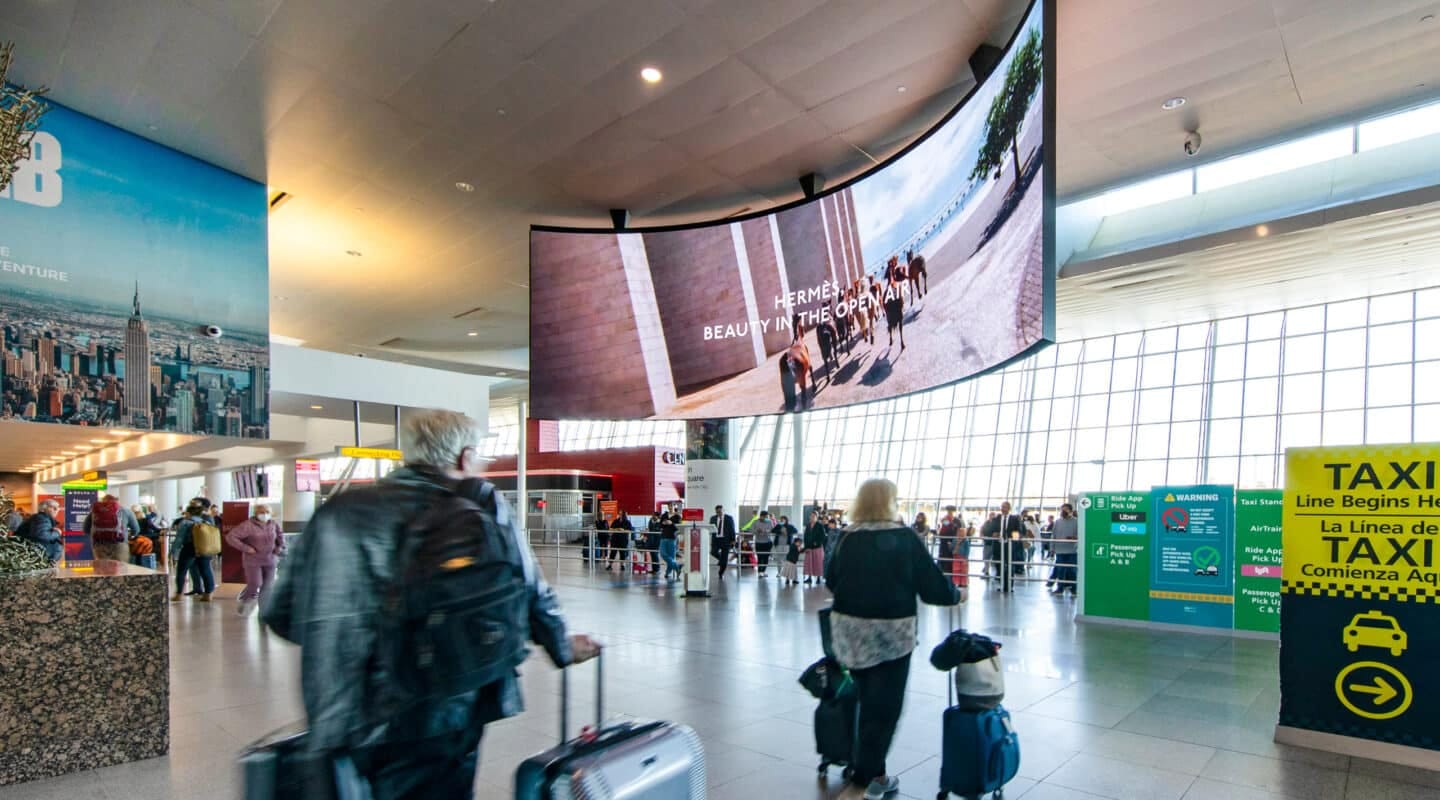
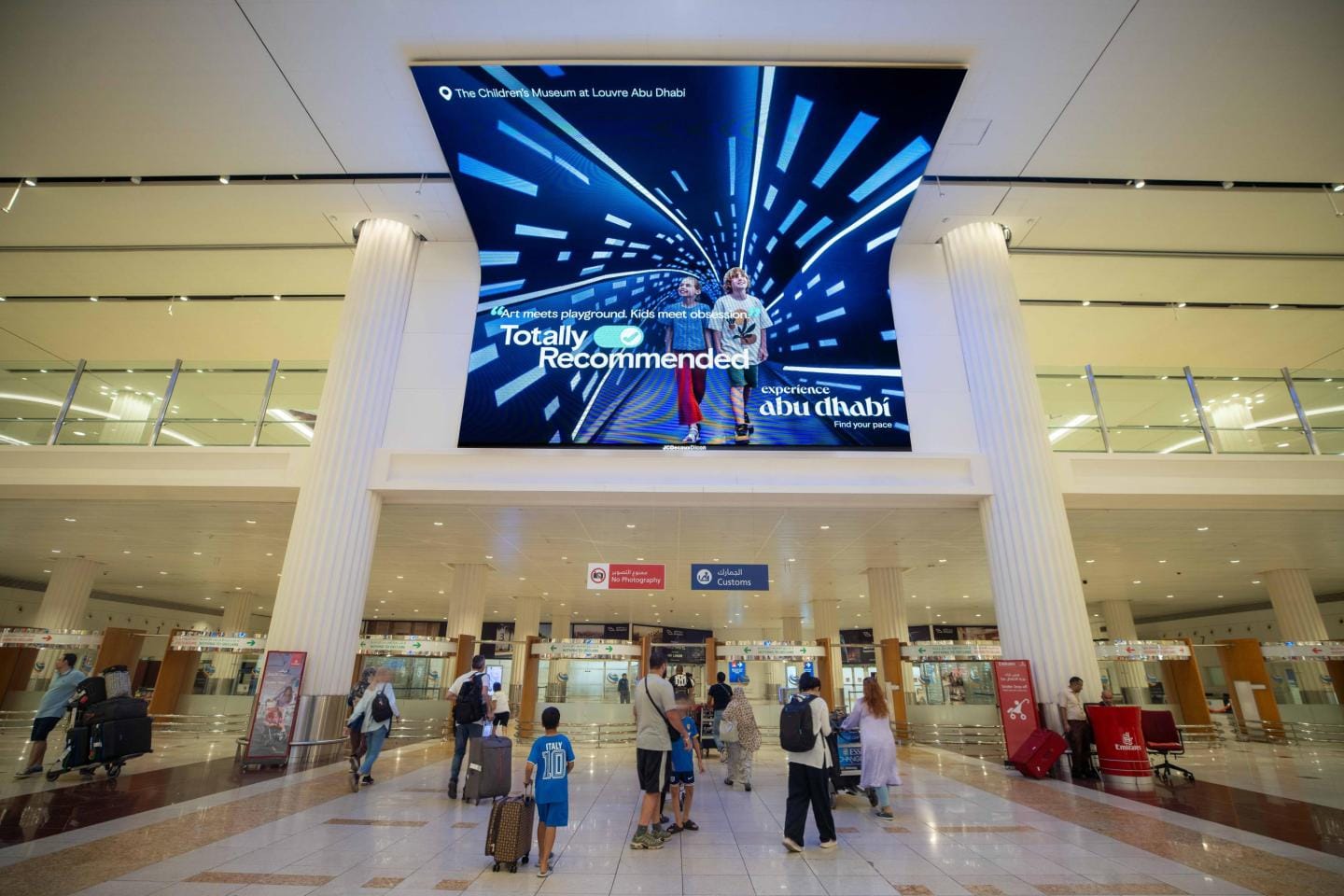
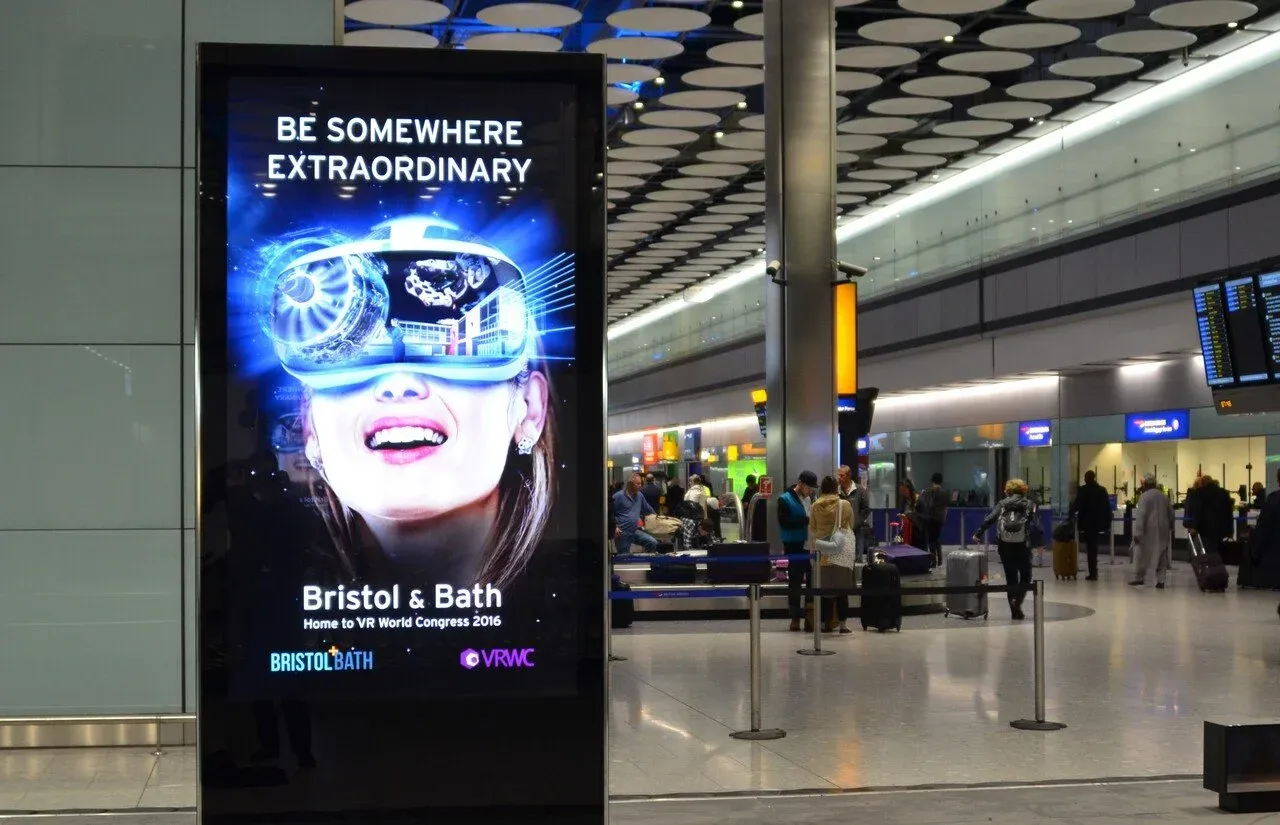
- Masscom Global's inventory access at Shillong Airport covers the terminal's primary high-contact advertising positions — check-in hall, departures zone, security hold area, and arrivals corridor — managed through Masscom's India-wide airport OOH network with full campaign execution, Khasi cultural intelligence, and performance monitoring.
Strategic Advertising Fit
Best Fit
- Financial services and banking — female-primary messaging: The matrilineal economic structure of Meghalaya's Khasi and Jaintia communities makes this the only Indian airport where financial services advertising calibrated to female primary household financial decision-making is not a diversity consideration but a commercial accuracy — savings, investment, real estate, and insurance brands that engage the Khasi woman as the household financial principal will achieve structurally higher conversion at SHL than those that default to male-primary creative frameworks.
- Insurance and family protection products: The government professional and mining business owner communities at SHL share a strong orientation toward family protection and asset security products; insurance brands with family-wellbeing messaging that respects the matrilineal household's female-led protection decision achieve particularly strong resonance at this airport.
- Premium tourism and eco-hospitality brands: Luxury eco-resorts, adventure tourism platforms, and highland experience operators developing Meghalaya's Cherrapunji, Dawki, and living root bridge circuits find their most proximate and geographically motivated domestic and international tourism audience at SHL's arrivals environment during the October to March season.
- FMCG and consumer staples: The Christmas, Easter, and Wangala festival calendar creates sustained FMCG brand recall windows at SHL — personal care, packaged food, and household goods brands targeting Meghalaya's aspirational English-literate professional community find a brand-literate and quality-conscious consumer audience.
- Education and study abroad (UK and Australia): Meghalaya's English proficiency, strong UK church diaspora connection, and above-average educational investment culture create one of Northeast India's most qualified and motivated international education audiences at SHL — study-abroad consultancies and UK and Australian university recruiters find genuinely prepared and financially capable buyers.
- Telecom and digital services: Meghalaya's young, digitally engaged, and music-culture professional class creates a structurally strong digital services audience — data plans, streaming platforms, and fintech applications find an early-adoption-oriented and technically confident consumer base at SHL.
- Heritage craft and artisanal products: Khasi handloom (mekhela chaddar), bamboo craft, and traditional jewellery brands find a naturally predisposed audience at SHL — both the departing Meghalayan professional seeking to gift authentic state craft and the arriving domestic tourist seeking to purchase heritage souvenirs are commercially receptive to quality craft product advertising at the terminal.
- Automotive (mid-range, all-terrain): Shillong's highland terrain and the government and mining community's strong preference for all-terrain and SUV vehicles create a reliable automotive purchase intent environment — mid-range and premium SUV brands find motivated buyers among the IAS professional and mining business-owner community at SHL.
Brand Alignment at a Glance
| Category | Fit |
|---|---|
| Financial services — female-primary | Exceptional |
| Premium tourism and eco-hospitality | Exceptional |
| Insurance and family protection | Strong |
| FMCG and consumer staples | Strong |
| Education and study abroad (UK/Australia) | Strong |
| Telecom and digital services | Strong |
| Heritage craft and artisanal products | Strong |
| Automotive (mid-range, all-terrain) | Strong |
| Ultra-premium international luxury | Poor fit |
Who Should Not Advertise Here
- Alcohol brands: Meghalaya has complex liquor regulations and the majority Christian community's cultural values make alcohol advertising commercially counterproductive at SHL — brands in this category will find audience resistance rather than receptivity.
- Mass-market budget consumer brands with Hindi-only creative: Generic Hindi-template campaigns without Khasi or English engagement will find the Meghalayan audience's English-literate sophistication and cultural pride working against them — the community's awareness of their distinctiveness means that brands that make no effort to engage it are noticed and remembered for that absence.
- Industrial B2B categories without Meghalaya sector relevance: Heavy industrial manufacturing, steel sector B2B, and purely mainland-India-oriented industrial categories find no structural commercial audience at SHL's catchment.
Event and Seasonality Analysis
- Event Strength: High
- Seasonality Strength: High
- Traffic Pattern: Tourism-Peak Driven with Christian Festival Calendar Overlay (October–March tourism peak, December–January Christmas diaspora concentration, April Easter second peak, government posting cycles March and September)
Strategic Implication
Shillong Airport's commercial calendar is defined by the elegant alignment of the highland tourism season and the Christian festival calendar — two complementary rhythms whose October to April overlap creates one of Northeast India's most sustained and commercially productive advertising windows. The October to March tourism peak brings the highest volume of premium domestic and international visitors through SHL in a 5-month continuous season whose per-passenger spending quality is above any comparable Northeast India airport. The December to January Christmas and diaspora return window layers the year's highest community festival spending onto the tourism season's peak arrival volume — creating the single most commercially dense month at SHL. Easter in March and April extends the Christian festival commercial calendar into the tourism season's closing weeks. Masscom structures SHL campaigns to sustain brand presence across the full October to April window — treating it as a single extended commercial season rather than discrete event-driven bursts — while intensifying investment in the Christmas–New Year and Easter windows where audience commercial intensity peaks. For government sector financial products and real estate brands, the March and September posting cycles are the additional priority windows that reward year-round campaign planning.

Poor Placement and Delays Affect Airport Campaigns
We help you move faster, access better inventory, and get it right now.
Talk to an ExpertFinal Strategic Verdict
Shillong Airport is Northeast India's most culturally nuanced and commercially differentiated gateway — an airport whose audience is defined not by industrial commodity wealth, petroleum institutional income, or pilgrimage devotional intensity, but by the intersection of a matrilineal society whose women hold household economic authority, a government-employment-dominant professional class of exceptional English literacy and cultural sophistication, a growing premium tourism business economy built on one of Asia's most celebrated highland landscapes, and a Christian community whose Christmas and Easter festival calendar organises the state's commercial spending rhythm with predictability and commercial intensity. The living root bridges of Nongriat, the crystal waters of Dawki, the cloud forests of Cherrapunji, and the guitar sounds of Shillong's rock cafes together define a state whose commercial personality is as distinctive as its geography — and whose airport audience demands and responds to brand engagement that matches that distinctiveness. For financial services brands calibrated to female-primary decision-making, premium eco-tourism and hospitality operators, education consultancies with UK pathways, FMCG brands building quality-conscious Northeast India community equity, and telecom brands targeting India's most English-proficient small-state professional class, SHL is the primary access channel to an audience that is commercially capable, culturally discerning, and currently entirely uncontested by premium advertising. The planned Greenfield airport at Mawkynrew will eventually transform this landscape — but the window to establish exclusive brand presence at current cost structures, before that development intensifies commercial competition at the Shillong gateway, is open right now. Masscom Global brings the Khasi cultural intelligence, the matrilineal commercial awareness, and the tourism season timing precision to capture it.
About Masscom Global
Masscom Global is a premium international airport advertising and media buying agency operating across 140 countries. With deep expertise in airport OOH, premium publications, and high-net-worth audience targeting, Masscom helps brands reach the world's most valuable travellers at the moments that matter most. For advertising packages, media rates, and campaign planning at Shillong Airport and airports across the globe, contact Masscom Global today.
Frequently Asked Questions
How much does airport advertising cost at Shillong Airport? Advertising costs at Shillong Airport vary based on format type, terminal placement position, campaign duration, and seasonal demand — the October to March tourism peak season, the December to January Christmas and diaspora return window, Easter in March to April, and the government posting seasons in March and September carry the highest demand and corresponding rate premiums. No fixed public rate card applies; inventory is allocated based on campaign objectives, category fit, and timing. Contact Masscom Global for current rates, available format options, and campaign packages calibrated to your brand's objectives and Meghalaya's distinct commercial calendar at SHL.
Who are the passengers at Shillong Airport? The passenger base at Shillong Airport (SHL) is defined by four commercially distinct segments: Meghalaya civil service and IAS officials managing government career and administrative obligations, coal and limestone mining business owners from Jaintia Hills and the broader mineral economy, a growing hospitality and eco-tourism business community managing Meghalaya's rapidly expanding premium tourism sector, and a domestic tourism audience of urban Indian professionals visiting Cherrapunji, Dawki, and the living root bridges. The audience is characterised by near-universal English proficiency, above-average cultural sophistication shaped by Shillong's arts and music identity, the Khasi and Jaintia matrilineal economic structure, and a Christian professional community whose festival calendar and civic values organise the catchment's commercial purchasing behaviour.
Is Shillong Airport good for tourism brand advertising? Shillong Airport is the strongest premium eco-tourism and highland experiential travel advertising environment in Northeast India. The October to March tourism season concentrates domestic and international visitors heading to Cherrapunji's caves, Dawki's crystal river, and the living root bridges at SHL's arrivals environment — creating a captive, pre-committed, experiential-spending-intent audience whose first India encounter at the terminal is a uniquely powerful brand association opportunity for tourism, hospitality, and lifestyle brands aligned with Meghalaya's premium highland identity. For Kaziranga-class international wildlife tourists, Meghalaya's living root bridge and cave circuit tourists are a directly comparable premium arrival audience with equivalent per-trip spending and above-average brand engagement depth.
What makes Shillong Airport commercially unique among Northeast India airports? Shillong Airport is the only Indian airport where the matrilineal economic structure of the majority catchment community means that female travellers are structurally more likely to be primary household financial decision-makers than male travellers. This makes SHL uniquely positioned for financial services, real estate, and consumer goods brands whose female-primary messaging is not a diversity consideration but a commercial accuracy — Khasi and Jaintia women's household economic authority creates a different purchasing decision architecture at SHL that brands calibrated to this reality will outperform those that are not. Combined with the state's English proficiency, rock music cultural identity, and premium tourism gateway status, this makes SHL's audience commercially distinctive in ways that no other Northeast India airport replicates.
What is the best time to advertise at Shillong Airport? The highest-impact extended advertising window at SHL is the October to April sustained season — covering the tourism peak from October to March, the Christmas and New Year diaspora return concentration in December to January, and the Easter festival commercial peak in March to April. Within this extended window, December to January is the single most commercially intensive 6-week period for consumer goods, FMCG, and gifting brands. For premium tourism and hospitality brands, the November season-opening window when pre-booked tourists begin arriving is the most brand-receptive arrival moment. Masscom Global books SHL inventory 6 to 8 weeks ahead of the Christmas and Easter peaks to secure premium positions before seasonal demand affects rate structures.
Can international real estate developers advertise at Shillong Airport? International real estate advertising at SHL finds its most relevant audience in UK settlement-linked property management products for the Meghalayan UK church diaspora community — families managing assets between Shillong and British cities who need cross-border banking and property management services. Domestic real estate developers with Shillong and Guwahati investment properties find a more immediately active buyer audience — the Meghalayan professional class's residential investment behaviour, combined with the Khasi matrilineal tradition's female-primary property ownership, creates a distinctive household real estate decision dynamic that well-designed property advertising at SHL can intercept effectively. Tourism real estate developers building boutique eco-lodges and heritage properties in Cherrapunji, Dawki, and the living root bridge corridor find an entrepreneurial investor audience among the growing hospitality business community that travels through SHL.
Which brands should not advertise at Shillong Airport? Alcohol brands should categorically avoid SHL — the majority Christian community's values and Meghalaya's complex liquor regulations make alcohol advertising commercially counterproductive and culturally inappropriate. Generic Hindi-only national template campaigns without Khasi or English language engagement will find the Meghalayan audience's English-literate sophistication actively working against them. Industrial B2B categories without government, mining, or tourism sector relevance find no structural commercial audience at SHL. Ultra-premium luxury goods requiring cosmopolitan globally mobile consumers find insufficient audience density, with better returns available at Guwahati or Kolkata airports.
How does Masscom Global help brands advertise at Shillong Airport? Masscom Global provides complete end-to-end airport advertising capability at Shillong Airport — from audience intelligence and campaign strategy through inventory access, Khasi and English bilingual creative placement, and performance reporting. Our deep understanding of SHL's matrilineal economic structure, tourism season dynamics, Christian festival calendar, mining industry cycle, government posting rhythm, and terminal advertising environment allows us to design campaigns that achieve genuine cultural resonance with Meghalaya's sophisticated highland society. We manage all complexities of booking, production, regulatory compliance, and monitoring — ensuring your brand engages Shillong's culturally discerning and commercially capable audience with the precision and respect that the Scotland of the East demands.