

Airport at a Glance
| Field | Detail |
|---|---|
| Airport | Urumqi Diwopu International Airport |
| IATA Code | URC |
| Country | China |
| City | Urumqi, Xinjiang |
| Annual Passengers | 12.1 million |
| Primary Audience | BRI business travellers, energy sector executives, Silk Road trade merchants |
| Peak Advertising Season | June to August, October, January to February |
| Audience Tier | Tier 2 |
| Best Fit Categories | Energy and industrial brands, financial services, trade and logistics, international real estate |
Urumqi Diwopu International Airport is not a conventional Chinese domestic hub. It is the primary air gateway connecting the Chinese mainland to Central Asia, functioning as the commercial nerve centre of the Belt and Road Initiative's overland western corridor. Advertisers who understand what this airport represents — a concentration of state enterprise executives, energy trade principals, BRI project investors, and high-value cross-border merchants — recognise it as one of the most strategically loaded advertising environments in the Asia-Pacific region. The audience here does not travel for leisure in any conventional sense; they travel to deploy capital, execute contracts, and negotiate at continental scale.
The airport's catchment economy is anchored by Xinjiang's extraordinary natural resource base. The region holds an estimated 40 percent of China's proven coal reserves, significant oil and natural gas deposits, and a growing solar and wind energy infrastructure that is attracting investment from Chinese state-owned enterprises and international clean energy funds alike. The business travellers passing through URC are, by profile, senior decision-makers attached to the energy, logistics, and infrastructure sectors — a demographic that premium financial, technology, and real estate brands cannot afford to ignore.
Advertising Value Snapshot
- Passenger scale: 12.1 million annual passengers, serving as the dominant air hub for the entire Xinjiang region and the primary gateway for westbound BRI corridor traffic
- Traveller type: BRI project executives, energy sector leadership, Silk Road trade merchants, Central Asian business delegations
- Airport classification: Tier 2 — a high-value regional hub with concentrated audience quality that outperforms its volume ranking for premium advertisers
- Commercial positioning: China's western BRI gateway, commanding the air bridge between the Chinese interior and Central Asian markets
- Wealth corridor signal: Urumqi sits at the intersection of China's energy wealth corridor and the BRI overland investment arc stretching from Xinjiang through Kazakhstan, Uzbekistan, and beyond into Europe
- Advertising opportunity: Masscom Global operates across the Central Asian corridor that mirrors Urumqi's outbound route network, allowing brands to run coordinated airport campaigns on both the Chinese and Central Asian sides of the BRI arc simultaneously. This bilateral reach capability is exclusive to operators with Masscom's cross-regional infrastructure.
Airport Advertising is Complex to Get Right
We help you execute faster, with proven results and local insight most planners lack starting now.
Talk to an ExpertCatchment Area and Economic Drivers
Top 10 Cities within 150 km — Marketer Intelligence:
- Changji: The administrative seat of Changji Hui Autonomous Prefecture, approximately 35 km west of Urumqi, is home to a large Hui Muslim merchant class with strong trading networks stretching into Central Asia — a high-value audience for financial services, logistics brands, and halal-certified consumer goods.
- Fukang: An industrial and agricultural processing centre approximately 70 km east of Urumqi, Fukang's economy is driven by coal processing and chemical manufacturing, generating a workforce of industrial procurement managers who travel regularly for supply chain negotiations.
- Wujiaqu: A state-level economic development zone approximately 100 km northeast of Urumqi, Wujiaqu hosts a concentration of heavy industrial and manufacturing enterprises, producing frequent-flyer profiles in engineering, procurement, and construction roles — ideal intercept targets for B2B brands.
- Hutubi: A key node in Xinjiang's agricultural export supply chain for cotton, tomato paste, and fruit processing, Hutubi's business community includes export traders who route through Urumqi for flights to Central Asian buyer markets — a commercially active, purchase-decision-ready audience.
- Manas: Located approximately 120 km northwest of Urumqi, Manas is an agricultural and logistics hub positioned on historic Silk Road caravan routes. Its business travellers are predominantly in trade facilitation, agri-export, and haulage — a commercially pragmatic audience with strong purchasing intent.
- Shihezi: One of Xinjiang's largest industrial cities, approximately 140 km west of Urumqi, Shihezi is a major cotton and textile production hub with significant corporate headquarters of state-affiliated enterprises. Its travellers include company executives and government officials who represent higher-than-average per-trip expenditure.
- Dabancheng: Positioned approximately 80 km southeast of Urumqi at the gateway to the Tianshan mountain range, Dabancheng is increasingly relevant as a wind energy development zone, generating traffic from clean energy project managers and technology investors flying through URC.
- Midong District: Functionally an eastern industrial suburb of Urumqi, Midong hosts petrochemical and metallurgical complexes that generate a steady stream of technical and managerial business travellers with high dwell times and above-average disposable income.
- Jimsar: Approximately 150 km east of Urumqi in the Tianshan foothills, Jimsar is a growing energy production area with oil and gas extraction activity. Its travellers are concentrated in the energy services sector — a targeted audience for industrial equipment brands and financial institutions serving the resource economy.
- Shawan: A significant cotton-producing county approximately 150 km northwest of Urumqi with growing industrial estate development, Shawan contributes a business traveller profile focused on commodity trading and logistics, with strong cross-border trade intent toward Central Asian markets.
NRI and Diaspora Intelligence:
The Uyghur diaspora represents one of the most commercially active transnational communities connected to Urumqi Diwopu Airport. Significant Uyghur communities exist in Turkey — with estimates of over 50,000 settled there — as well as established populations in Kazakhstan, Kyrgyzstan, Germany, Sweden, and Australia. These communities maintain strong family and commercial ties to the Urumqi catchment, generating consistent air traffic driven by remittance visits, property transactions, and business partnerships that bridge Central Asian and European markets. For advertisers in financial services, international property, and consumer lifestyle categories, this diaspora audience represents a high-engagement, dual-market opportunity — receptive both at Urumqi and at the destination end of the route.
Economic Importance:
Xinjiang's economy is driven by three dominant sectors that directly shape the airport's business traveller composition. The energy sector — encompassing coal, oil, natural gas, and an accelerating renewable energy build-out — generates the highest volume of senior executive travel. The Silk Road trade corridor, revived through BRI investment and China's Central Asian foreign policy, produces a constant stream of logistics principals, import-export merchants, and government trade officials. Agriculture and food processing — particularly cotton, fresh produce, and processed goods destined for Central Asian and Middle Eastern markets — contributes a commercially active merchant class that travels frequently and spends deliberately. For advertisers, this means an audience that is consistently in motion, consistently transacting, and consistently responsive to premium brand messaging.
Business and Industrial Ecosystem
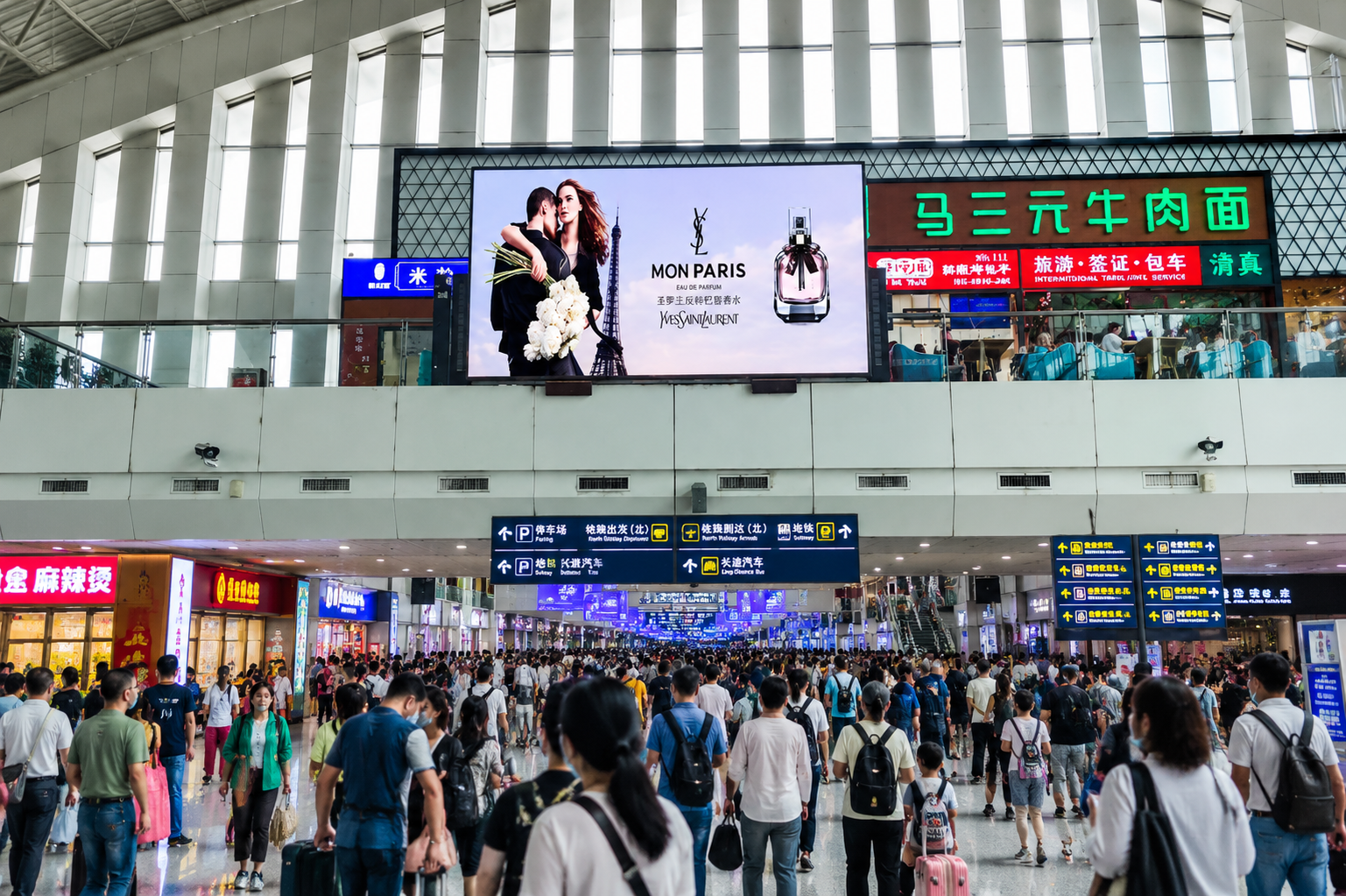
- Energy and resources sector: Xinjiang holds China's largest proven coal reserves and significant oil and gas fields, producing a senior executive traveller class from state-owned enterprises and private energy firms that fly through URC to project sites and deal meetings across Central Asia
- Belt and Road Initiative infrastructure: URC is the primary departure point for BRI project contractors, financiers, and government officials coordinating infrastructure investment across Kazakhstan, Uzbekistan, Kyrgyzstan, and beyond — a traveller segment with exceptional dwell time and high receptivity to financial, technology, and professional services advertising
- Silk Road trade and logistics: Urumqi functions as China's primary land-border trade command centre for Central Asian market access, generating a merchant class of import-export principals who represent one of the highest average transaction-value audiences in western China
- Agricultural export industry: Xinjiang's cotton, fruit, and processed food export economy creates a commercially sophisticated agricultural business audience that travels regularly to Gulf, Central Asian, and Southeast Asian buyer markets via URC's international route network
Passenger Intent — Business Segment:
Business travellers at Urumqi Diwopu are overwhelmingly in transit for transactional purposes — contract signings, site visits, procurement negotiations, and investment reviews. The dominant sectors represented are energy, construction, logistics, and government-linked enterprise. These travellers arrive at the airport having already made financial commitments or preparing to make them, which means they are in an active decision-making mindset. Advertiser categories that intercept most effectively include financial institutions, technology and industrial equipment brands, professional services firms, premium hospitality brands, and international real estate platforms targeting BRI-corridor investment destinations.
Strategic Insight:
The business audience at Urumqi Diwopu is commercially unlike any other Tier 2 Chinese airport. The presence of BRI project principals, Central Asian trade delegates, and energy sector executives means that B2B advertisers operating in categories that ordinarily target Tier 1 Chinese airports — Beijing Capital, Shanghai Pudong — can reach equivalent decision-makers at URC with significantly less competitive pressure and at lower media cost. Masscom's intelligence positions this as a structural arbitrage opportunity for brands that have not yet allocated URC into their China airport strategy.
Tourism and Premium Travel Drivers
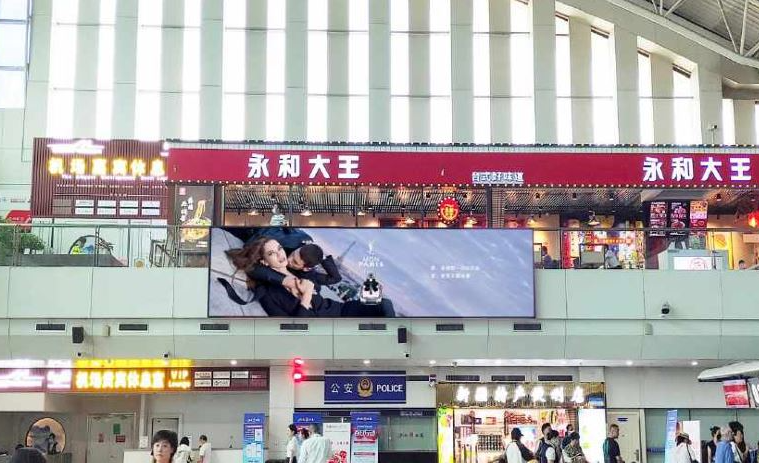
- Tianchi — Heaven Lake: A UNESCO-listed alpine lake in the Tianshan mountains approximately 110 km east of Urumqi, attracting premium domestic and international eco-tourism travellers with strong spending in outdoor equipment, premium hospitality, and experiential travel categories
- Xinjiang International Grand Bazaar: Located in central Urumqi, the largest bazaar in Asia draws luxury retail browsers and cultural tourism visitors who arrive with pre-allocated discretionary budgets, making them highly receptive to retail and lifestyle brand messaging at the airport
- Silk Road heritage corridor: Urumqi serves as the eastern entry point for international travellers exploring the ancient Silk Road arc — a culturally motivated, experience-premium audience that typically travels in groups, stays multiple weeks, and spends significantly on unique goods and experiences
- Tianshan mountain tourism: Summer hiking, ski resort development, and adventure tourism in the Tianshan range are creating a fast-growing active tourism segment that skews toward high-income domestic Chinese tourists and a growing international adventure travel audience
Passenger Intent — Tourism Segment:
Tourism travellers passing through Urumqi Diwopu arrive with clear destination intent and pre-committed budgets for accommodation, experiences, and unique product purchases. International tourists on Silk Road itineraries are particularly high-value — they have typically planned months in advance, have allocated significant discretionary spend to the trip, and are open to premium impulse purchases at the airport that serve as cultural artefacts or luxury additions to their journey. Premium food and beverage, luxury accessories, digital travel services, and experiential hospitality brands benefit most from this segment's airport receptivity.
Travel Patterns and Seasonality
Peak seasons:
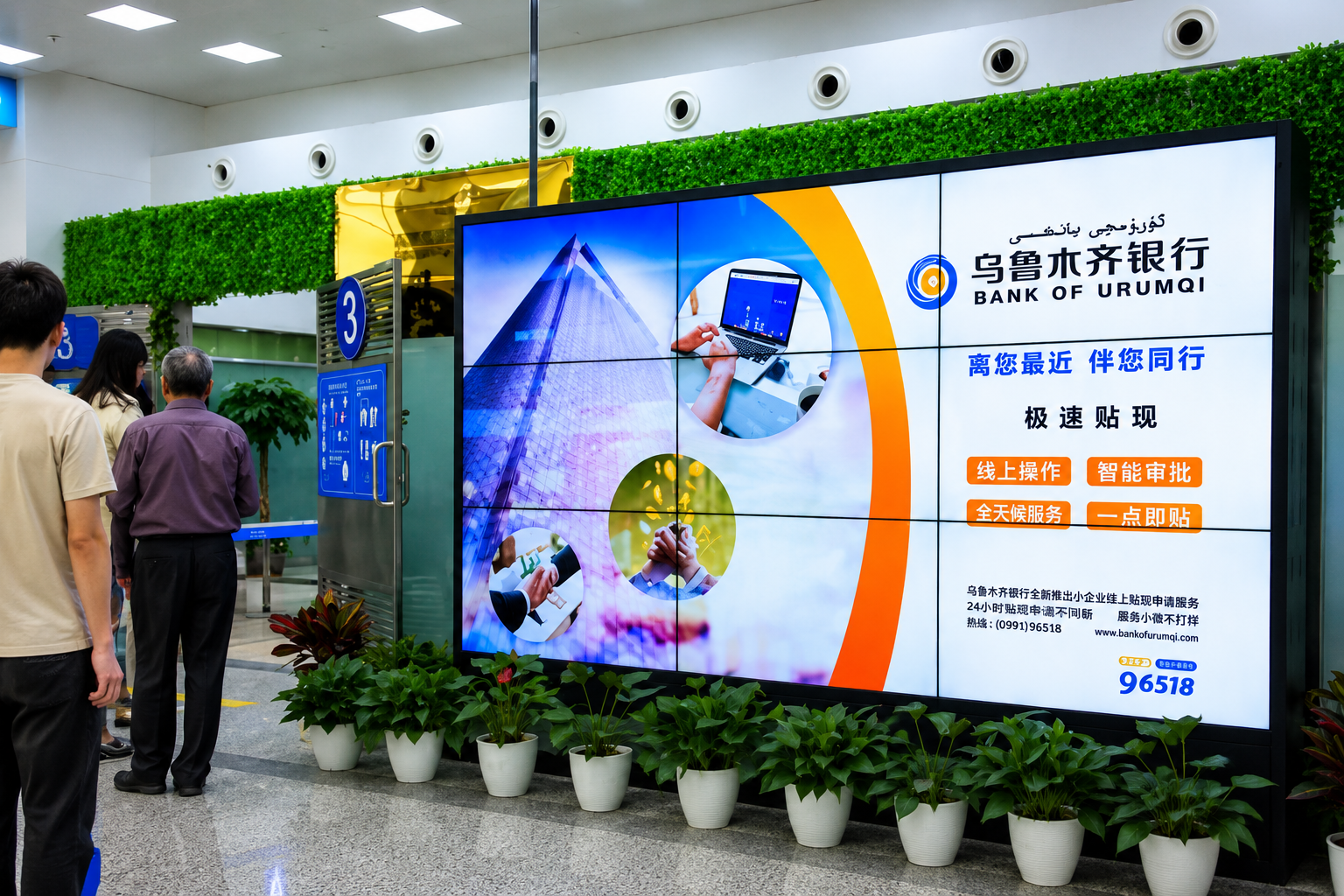
- Summer (June to August): Primary tourism peak driven by Tianshan outdoor travel and Silk Road heritage tourism; also a peak window for BRI project-related travel as construction and site inspection cycles intensify
- Spring Festival (January to February): Domestic travel surge as Xinjiang's corporate workforce returns home; high-volume, high-spending consumer travel period driven by gift purchasing and family remittances
- National Golden Week (October): China's second major holiday travel window, generating concentrated leisure and mixed-purpose travel across all domestic routes and key international corridors
- Eid al-Fitr and Eid al-Adha (variable months): Significant travel spikes driven by Urumqi's Muslim population and the Hui and Uyghur communities; Hajj pilgrimage departures also generate concentrated traffic in the weeks preceding each year's pilgrimage season
Event-Driven Movement:
- China-Eurasia Expo (August): Urumqi hosts China's largest trade and investment platform for Central Asian market engagement, drawing government delegations, corporate buyers, and trade investors from 40-plus countries through URC — the highest concentration of decision-makers at any single annual event at this airport
- Xinjiang International Folk Customs Tourism Festival (July to August): A major domestic and inbound tourism trigger that accelerates summer passenger volumes and brings culturally motivated, premium-spending visitors through the terminal
- Hajj Season (variable): Annual Hajj departures from Urumqi generate a significant traffic window for Islamic financial services, travel insurance, halal lifestyle brands, and Gulf real estate platforms targeting Uyghur and Hui Muslim travellers departing for Mecca
- Silk Road International Cultural and Art Festival (September): An annual cultural and diplomatic event in Urumqi that draws international cultural delegations, media, and premium tourism audiences through URC, generating a high-engagement, internationally connected audience window
- Spring Canton Fair outbound flow (April and October): Xinjiang's trade merchant community travels in concentrated patterns aligned to the Canton Fair calendar, generating a commercially saturated audience of import-export principals in transit through URC
It’s Not Just Where You Advertise - It’s How Fast You Execute
We combine local insight with fast rollout to deliver results for you, now.
Talk to an ExpertAudience and Cultural Intelligence
Top 2 Languages:
- Mandarin Chinese: The dominant commercial and government language across all business traveller segments at URC, used by Han Chinese corporate executives, SOE officials, BRI project managers, and domestic leisure travellers — the primary language for all B2B and mass premium advertising campaigns targeting this airport
- Uyghur: Spoken by the Uyghur Muslim community that constitutes a significant portion of Xinjiang's population, Uyghur is commercially relevant for brands targeting local merchants, small business owners, agricultural traders, and the Muslim consumer segment — particularly relevant for halal lifestyle brands, Islamic financial services, and Gulf-market advertisers targeting the Hajj and Umrah travel audience
Major Traveller Nationalities:
Domestic Chinese travellers — predominantly Han Chinese with a significant Uyghur and Hui component — represent the dominant passenger group at URC. International travellers are concentrated from Central Asian republics: Kazakhs, Kyrgyz, Uzbeks, and Tajiks who travel on trade and family connection routes. Turkish nationals represent a notable inbound presence given the cultural and linguistic links to the Uyghur community. Russian nationals travel through URC on business corridors linking Siberian energy companies with Xinjiang counterparts. Pakistani nationals use the Urumqi-Islamabad route for BRI project travel and cross-border trade. For campaign creative, this nationality mix demands culturally layered messaging — English and Chinese as default commercial languages, with Arabic and Uyghur relevant for specific seasonal and community-targeted campaigns.
Religion — Advertiser Intelligence:
- Islam (approximately 50 percent of Xinjiang's population, predominantly Uyghur and Hui): Ramadan generates a significant consumer behaviour shift toward gifting, premium food, and family-oriented purchases; Eid al-Fitr and Eid al-Adha are the two highest-spending windows for this community at the airport; Hajj season creates a concentrated, high-intent travel audience for Gulf real estate, Islamic banking, and halal travel services; brands that align messaging to Islamic values and aesthetic codes achieve materially higher engagement with this segment
- Buddhism and folk religion (significant Han Chinese community): Chinese New Year and the associated lunar calendar festivals drive peak gift-purchasing and premium consumer spending; this community's travel behaviour during Golden Week and Spring Festival is commercially significant for luxury retail, electronics, and premium dining brands; Buddhist festival periods also drive domestic pilgrimage and cultural travel that adds incremental traffic through URC
- Secular and non-denominational (corporate and government travellers): A large segment of URC's business traveller base — particularly SOE executives and BRI project professionals — is non-observant in formal religious practice but responds strongly to cultural prestige signals, premium brand cues, and lifestyle aspiration messaging rooted in professional achievement and financial status
Behavioral Insight:
The Urumqi Diwopu traveller is pragmatic, commercially motivated, and status-aware. Business travellers in the BRI and energy sectors make purchasing decisions based on a combination of institutional trust, peer signal, and visible brand authority — categories that premium financial, technology, and professional services brands build very effectively in airport environments. The Muslim community at this airport is brand-loyal once trust is established and responds to authenticity and cultural alignment far more than to price signals. The domestic leisure traveller from this catchment is increasingly aspirational — a rising middle class that treats premium brand encounters at the airport as status-affirming experiences and converts at higher rates for lifestyle, electronics, and travel product categories.
Outbound Wealth and Investment Intelligence
The outbound passenger at Urumqi Diwopu represents a commercially distinctive profile within China's airport network. While Tier 1 Chinese airports generate outbound wealth flows toward London, New York, and Vancouver, URC's outbound HNI audience is primarily oriented toward the BRI investment arc — deploying capital into Central Asian real estate and infrastructure, Gulf financial products, Turkish commercial property, and Pakistani trade infrastructure. This is not a leisure-wealth audience; it is an investment-execution audience, and it treats the airport transit window as an active information-gathering and decision-refining period. Brands that position at the intersection of wealth deployment and geographic mobility find URC's outbound audience exceptionally receptive.
Outbound Real Estate Investment:
Urumqi's HNI audience is actively acquiring commercial and residential property in Almaty and Nur-Sultan in Kazakhstan, where BRI-connected infrastructure investment is driving yield growth. Istanbul remains a key real estate destination, driven by Turkey's citizenship-by-investment programme and the cultural proximity between Urumqi's Uyghur community and Turkish society — apartment and commercial property acquisitions in Istanbul's new development zones are a consistent outbound pattern. Dubai has emerged as the Gulf hub of choice for Xinjiang-based energy executives seeking dollar-denominated assets, with freehold property in Dubai Marina and Downtown Dubai attracting this audience. International real estate developers advertising at URC are directly in front of buyers who have the capital, the intent, and the geographic mobility to transact.
Outbound Education Investment:
Xinjiang's emerging middle class and HNI families are increasingly directing higher education investment toward Malaysia, Turkey, and Central Asian universities as culturally compatible, cost-effective destinations. The UK, Australia, and Canada represent aspirational destinations for elite families connected to Urumqi's SOE and government leadership class, with education consultancy spend per family running at high levels. International schools and university foundation programmes that advertise at URC intercept families actively researching overseas education options — typically during the peak summer travel window when parents accompany children on exploration visits.
Outbound Wealth Migration and Residency:
Turkey's citizenship-by-investment programme — accessible at investment thresholds starting at USD 400,000 in real estate — is the most actively pursued second-citizenship pathway among Urumqi's Muslim business community, driven by cultural and linguistic affinity as well as the programme's relatively accessible entry point. UAE Golden Visa pathways are gaining traction among energy sector executives who have active business interests in Dubai. Kazakhstan's residency-by-investment route appeals to traders with existing cross-border business in Almaty, as it formalises commercial ties with legal residency benefits. These residency programmes represent a direct advertising opportunity for programme advisors, legal services firms, and destination real estate platforms operating at URC.
Strategic Implication for Advertisers:
International brands operating on both ends of the BRI corridor — whether in Central Asian real estate, Gulf financial services, or European luxury goods — should treat Urumqi Diwopu as a priority point of contact with Chinese investors who are in active capital deployment mode. Masscom Global's cross-regional presence across the BRI corridor enables coordinated airport campaigns that reach the same audience at Urumqi on departure and at Almaty, Dubai, Istanbul, or Islamabad on arrival — a full-funnel wealth corridor strategy that no single-market operator can replicate.
Airport Infrastructure and Premium Indicators
Terminals:
- Urumqi Diwopu International Airport operates across two terminal buildings. Terminal 1 handles the majority of domestic routes, processing high volumes of corporate and leisure traffic across China's extensive domestic network. Terminal 2, opened to accommodate growth in both domestic and international traffic, handles international departures and arrivals and serves as the primary environment for premium brand advertising targeting outbound international and BRI-corridor travellers. Combined terminal capacity reflects the airport's role as the dominant hub for a catchment of over 25 million people across the wider Xinjiang region.
- A major terminal expansion project has been advanced in planning stages, targeting a new terminal complex designed to more than double the airport's annual capacity. This expansion signals Chinese central government commitment to positioning Urumqi as a flagship BRI gateway hub, which will materially increase both passenger volume and audience quality in the medium term.
Premium Indicators:
- Lounge infrastructure at URC includes airline lounges operated by Air China, China Southern, and China Eastern, serving frequent flyer and business class travellers who represent the airport's highest dwell-time, highest-spend audience segment — a concentration of premium inventory exposure for brands targeting the executive tier
- Private and business aviation services are available at Urumqi Diwopu, catering to government delegations and senior corporate travellers who use charter and corporate jet services for BRI project travel across the Central Asian corridor — a signal of above-average ultra-HNI traffic at this airport relative to its overall passenger volume
- The airport's proximity to Urumqi's Silk Road-themed commercial zones and the city's international grand bazaar generates a premium retail expectation among international visitors that elevates brand association for luxury and lifestyle advertisers in the terminal environment
- Urumqi Diwopu has received consistent investment in terminal modernisation aligned to China's national airport upgrade programme, with high-quality digital screen infrastructure and improved passenger flow management that creates longer average dwell times and higher per-exposure value for out-of-home advertisers
Forward-Looking Signal:
The planned new terminal at Urumqi Diwopu, combined with China's active expansion of BRI routes and the Central Asian Aviation Alliance's growth agenda, positions URC for a material increase in both international capacity and premium passenger volume over the next five years. New direct routes to Gulf hubs, European BRI endpoints, and expanded Central Asian frequency are in active planning across multiple carriers. Masscom Global advises clients to establish airport media presence at URC now, ahead of the infrastructure completion and the corresponding rise in competitive advertising pressure that will follow increased passenger volumes and international brand recognition of this corridor.
Airline and Route Intelligence
Top Airlines:
Air China, China Southern Airlines, China Eastern Airlines, Xinjiang Airlines, Urumqi Air, Air Astana, flydubai, Turkish Airlines, Mahan Air, Pakistan International Airlines, SCAT Airlines, Oman Air
Key International Routes:
- Almaty (Kazakhstan): Multiple weekly frequencies, key BRI trade and investment corridor
- Bishkek (Kyrgyzstan): Regular service supporting cross-border trade and diplomatic traffic
- Tashkent (Uzbekistan): Growing frequency aligned to BRI infrastructure project demand
- Dubai (UAE): High-value wealth corridor route with significant business and diaspora traffic
- Istanbul (Turkey): Cultural and investment corridor serving Uyghur diaspora and Turkish business interests
- Islamabad (Pakistan): BRI flagship corridor supporting China-Pakistan Economic Corridor project travel
- Moscow (Russia): Energy sector business travel and Russian commercial delegation route
- Dushanbe (Tajikistan): BRI project travel route with growing frequency
- Bangkok (Thailand): Leisure and trade route attracting Southeast Asian-connected business travellers
- Kuala Lumpur (Malaysia): Education and trade corridor with mixed HNI and middle-class audience profile
Domestic Connectivity:
Beijing Capital and Daxing, Shanghai Pudong and Hongqiao, Guangzhou Baiyun, Chengdu Tianfu, Xi'an Xianyang, Shenzhen, Chongqing, Hangzhou, Wuhan, Nanjing, Kunming, Lanzhou
Wealth Corridor Signal:
The route network at Urumqi Diwopu is not a leisure map — it is a capital deployment map. The dominant international corridors connect to BRI investment destinations, energy trade partners, diaspora real estate markets, and citizenship-by-investment gateway cities. Domestic routes link Urumqi to China's primary commercial centres, generating a two-directional business audience: mainland Chinese executives deploying into Xinjiang energy and infrastructure projects, and Xinjiang-based principals flying to mainland commercial centres for contract execution and capital markets access. For advertisers, this means virtually every passenger segment at URC is in an active commercial decision cycle.
Media Environment at the Airport
- Urumqi Diwopu operates across two terminals with a combined footprint that, while smaller in absolute terms than Tier 1 Chinese hubs, generates significantly lower advertising clutter — premium brands achieve standout at URC that is structurally impossible at Beijing, Shanghai, or Guangzhou where inventory density limits impact
- Dwell time at URC is elevated relative to comparable Tier 2 Chinese airports due to the airport's role as an international connection hub for Central Asian routes, where longer check-in lead times, customs processing, and layover patterns create extended airport presence windows of 90 minutes or more for a significant portion of the passenger base
- The terminal environment at URC carries a premium positioning signal above its volume class — Chinese government investment in the airport's BRI gateway role has delivered consistent infrastructure upgrades that position the environment favourably against the brand expectation of the business executives and government officials who use it regularly
- Masscom Global's inventory access across the Urumqi terminal network covers digital and static placements at international departure zones, domestic business class check-in areas, and airside premium retail corridors — the three environments with highest dwell time and lowest competitive advertising saturation at this airport
Strategic Advertising Fit
Best Fit:
- Energy and industrial brands: Xinjiang's resource economy produces a senior-executive audience directly relevant to heavy equipment, industrial technology, energy services, and EPC contracting brands seeking B2B intercept in a low-competition airport environment
- International financial services: BRI investors and trade merchants at URC are in active capital management mode — commercial banking, trade finance, investment platforms, and wealth management firms find an unusually high concentration of commercially active decision-makers per thousand passengers here
- International real estate platforms: The outbound HNI audience's appetite for Istanbul, Dubai, Almaty, and Islamabad property makes URC one of the most productive intercept points in China for international developers and investment property platforms
- Islamic banking and halal lifestyle brands: Urumqi's significant Muslim population — Uyghur and Hui communities combined — creates a scale audience for halal financial products, Eid gifting campaigns, Hajj travel services, and premium halal food and beverage brands
- Premium technology and enterprise software: SOE executives and BRI project managers travel with enterprise technology procurement in scope — hardware brands, cloud platforms, and professional software providers find a motivated, budget-holding audience
- Gulf and Central Asian luxury hospitality: The outbound travel patterns of Urumqi's HNI audience toward Dubai, Istanbul, and Almaty make hotel and resort brands in these destinations highly relevant intercepts at URC departure zones
- International education and migration services: With strong outbound student flows toward Malaysia, Turkey, and Western universities, and growing demand for second residency programmes, education consultancies and immigration advisors find a ready, research-active audience
Brand Alignment at a Glance:
| Category | Fit |
|---|---|
| Energy and industrial brands | Exceptional |
| International financial services | Exceptional |
| International real estate | Strong |
| Islamic banking and halal lifestyle | Strong |
| Premium technology and enterprise | Strong |
| Gulf and Central Asian luxury hospitality | Strong |
| International education and migration | Moderate |
| Mass consumer FMCG | Poor fit |
Who Should Not Advertise Here:
- Mass market FMCG and value retail brands: The airport's audience skews strongly toward business and HNI travellers; high-frequency, low-margin consumer goods advertising generates low ROI against an audience that is not in a price-sensitive purchase mode during airport transit
- Domestic Chinese consumer brands without BRI or premium positioning: Brands that are relevant only in the domestic Chinese consumer context — without a cross-border trade, premium, or investment angle — will find limited campaign efficiency at an airport whose commercial identity is oriented toward international and corridor-economy audiences
- Entertainment and gaming brands: Urumqi Diwopu's audience demographic, business travel concentration, and cultural context do not create a receptive environment for entertainment, gaming, or leisure content advertising that lacks a clear premium or aspirational professional framing
Event and Seasonality Analysis
| Factor | Rating |
|---|---|
| Event Strength | High |
| Seasonality Strength | High |
| Traffic Pattern | Dual-Peak |
Strategic Implication:
Urumqi Diwopu's dual-peak pattern — a summer tourism and BRI project cycle peak from June to August and a Spring Festival and Golden Week consumer peak from January to February and October — creates two distinct advertiser windows that benefit from different creative and category strategies. Masscom structures URC campaigns around this rhythm, allocating B2B and financial services investment toward the summer BRI peak and premium consumer and lifestyle investment toward the Spring Festival and Golden Week windows. Clients who align media spend to these peaks achieve materially higher audience concentration and lower effective cost per premium impression than those running flat annual schedules.

Poor Placement and Delays Affect Airport Campaigns
We help you move faster, access better inventory, and get it right now.
Talk to an ExpertFinal Strategic Verdict
Urumqi Diwopu International Airport is the most commercially undervalued airport in China's Tier 2 category. Its audience is not defined by leisure volume — it is defined by the concentration of BRI capital, energy sector authority, and Silk Road trade wealth passing through a single terminal system that most international advertisers have not yet discovered. The business traveller at URC holds a decision-making profile that would command premium media rates at Beijing or Shanghai, yet at Urumqi that audience is accessible with lower competitive pressure and at more efficient cost. For international financial services, global real estate platforms, Gulf luxury brands, industrial technology firms, and Islamic lifestyle categories, URC is not a secondary consideration — it is a primary, underpriced strategic buy. Masscom Global is the partner with the cross-regional intelligence, BRI corridor inventory access, and cultural execution capability to activate this opportunity with precision and speed.
About Masscom Global
Masscom Global is a premium international airport advertising and media buying agency operating across 140 countries. With deep expertise in airport OOH, premium publications, and high-net-worth audience targeting, Masscom helps brands reach the world's most valuable travellers at the moments that matter most. For advertising packages, media rates, and campaign planning at Urumqi Diwopu International Airport and airports across the globe, contact Masscom Global today.
Frequently Asked Questions
How much does airport advertising cost at Urumqi Diwopu International Airport?
Advertising costs at Urumqi Diwopu International Airport vary significantly based on format selection — digital versus static placements — position within the terminal, proximity to international departure or domestic check-in zones, campaign duration, and seasonal demand patterns. Peak windows aligned to the summer BRI project cycle and Golden Week command premium rates relative to off-peak periods. Masscom Global provides current rate cards and audience-matched placement recommendations based on your brand's category and campaign objectives. Contact our team directly for a tailored media plan and current pricing.
Who are the passengers at Urumqi Diwopu International Airport?
Urumqi Diwopu's passenger base is primarily composed of three commercially distinct groups. The first is China's most concentrated cluster of BRI-connected business travellers — project managers, financiers, government officials, and infrastructure contractors operating across the Central Asia corridor. The second is Xinjiang's energy sector executive class, representing state-owned and private enterprises across coal, oil, gas, and renewable energy. The third is a culturally significant Muslim traveller community — predominantly Uyghur and Hui — with strong consumer spending patterns around Hajj travel, Eid gifting, and halal lifestyle categories. Domestic leisure travellers drawn by Xinjiang's Silk Road tourism add volume and consumer spending during peak summer and holiday windows.
Is Urumqi Diwopu International Airport good for luxury brand advertising?
Urumqi Diwopu is a strong environment for luxury brands with a clear alignment to the airport's primary audience. The BRI executive and energy sector travellers who dominate URC's business class load are luxury-receptive consumers with above-average discretionary budgets, strong brand awareness, and a cultural disposition toward status-signalling purchases. Luxury watches, premium spirits, luxury automotive, and ultra-premium hospitality brands targeting this demographic will find an engaged, receptive audience at URC. Luxury brands oriented toward Gulf destinations, Central Asian investment markets, or Silk Road cultural identity will find particularly strong resonance. Masscom Global's team can advise on optimal placement strategy for luxury categories at this airport.
What is the best airport in western China to reach HNWI audiences?
Urumqi Diwopu International Airport is the undisputed primary choice for reaching HNWI audiences in western China. No other airport in the region combines the concentration of BRI capital, energy sector wealth, Silk Road trade money, and outbound investment-intent passengers that URC aggregates in a single terminal environment. Xi'an Xianyang offers scale as a Tier 1 secondary hub but serves a more diverse and less commercially concentrated audience profile. For brands specifically targeting the intersection of BRI investment, Central Asian trade wealth, and high-value Chinese outbound capital, URC is the only airport that delivers all three simultaneously.
What is the best time to advertise at Urumqi Diwopu International Airport?
The two highest-value advertising windows at Urumqi Diwopu are the summer peak from June to August and the Spring Festival period in January and February. The summer window captures the BRI project travel surge, the Xinjiang tourism peak, and the China-Eurasia Expo in August — the highest-density period of senior decision-makers at this airport in any given year. The Spring Festival window captures peak consumer spending intent, gifting behaviour, and family remittance travel from Xinjiang's corporate workforce. For Islamic lifestyle and financial services brands, the weeks before Eid al-Fitr and Hajj season represent an additional high-intent window specific to URC's Muslim traveller community.
Can international real estate developers advertise at Urumqi Diwopu International Airport?
Urumqi Diwopu is one of the strongest airports in China for international real estate advertising. The airport's outbound HNI audience is actively investing in real estate in Istanbul, Dubai, Almaty, and Islamabad — all accessible via URC's direct international route network. Turkey's citizenship-by-investment programme, the UAE Golden Visa, and Kazakhstan's residency pathway are all actively researched by Urumqi's business community, making the airport a direct intercept point for international property developers, investment consultancies, and citizenship advisory firms. Masscom Global can coordinate simultaneous airport campaigns at Urumqi and at the destination airports — Dubai, Istanbul, Almaty — to create a full-corridor advertising strategy for real estate clients.
Which brands should not advertise at Urumqi Diwopu International Airport?
Brands in mass-market FMCG, value retail, domestic entertainment, and price-competitive consumer categories will find poor audience alignment at Urumqi Diwopu. The airport's commercial identity is defined by a business and HNI traveller base that is not in a price-responsive purchase mode during transit. High-frequency, low-margin consumer goods advertising generates low efficiency against an audience whose primary airport behaviour is either focused on business preparation or aspirational consumption — neither of which is served by value-positioning messages. Gaming, lottery, and low-premium entertainment brands should also exclude URC from airport media plans as audience and cultural context do not support these categories.
How does Masscom Global help brands advertise at Urumqi Diwopu International Airport?
Masscom Global brings three distinct capabilities to airport advertising at Urumqi Diwopu that most media planners cannot access independently. First, Masscom's intelligence infrastructure provides audience profiling, seasonal timing optimisation, and category-specific placement strategy built on verified commercial data — not generic airport metrics. Second, Masscom's inventory access across the URC terminal network covers premium placements at international departure zones, domestic business check-in corridors, and airside dwell areas that represent the highest audience quality concentrations in the terminal. Third, for brands targeting BRI corridor audiences, Masscom can extend campaigns to Central Asian airports — Almaty, Bishkek, Tashkent — creating a cross-corridor strategy that follows the same traveller from Urumqi to their destination market. Contact Masscom Global to begin your Urumqi campaign strategy today.