

Airport at a Glance
| Field | Detail |
|---|---|
| Airport | Blaise Diagne International Airport |
| IATA Code | DSS |
| Country | Senegal |
| City | Dakar |
| Annual Passengers | 2.1 million international (2023–24) |
| Primary Audience | Oil and energy sector executives, Senegalese diaspora returnees, Francophone West Africa business leadership, NGO and development sector professionals |
| Peak Advertising Season | July–August, November–January |
| Audience Tier | Tier 1 |
| Best Fit Categories | Oil and energy sector B2B, international real estate, financial services, luxury consumer brands, international education |
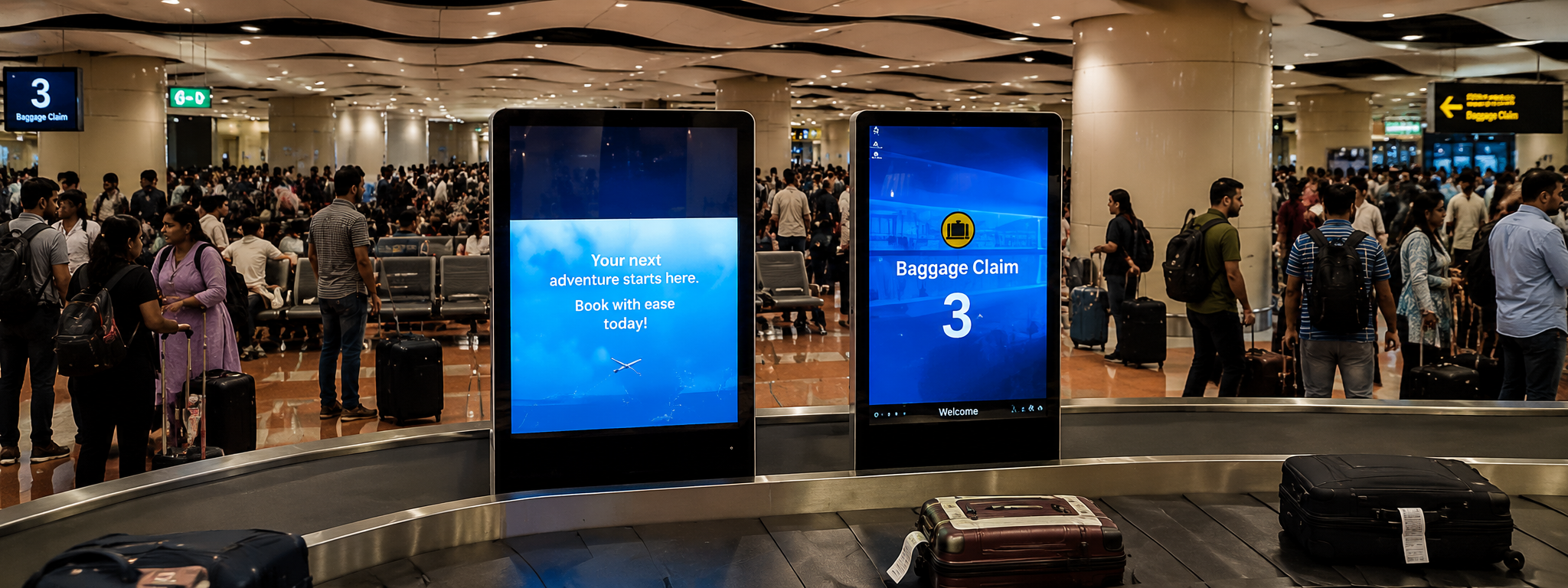
Blaise Diagne International Airport is not an inherited facility — it was purpose-built for a Senegal that had already decided where it was going. Opened in 2017 to replace the city-constrained Léopold Sédar Senghor Airport, DSS was designed for a country whose government had already secured the oil and gas concessions that would in 2024 transform Senegal into sub-Saharan Africa's newest petroleum producer. That transformation has arrived — Sangomar field produced its first oil in 2024, and the Grand Tortue Ahmeyim LNG project is bringing Senegal into the global liquefied natural gas market simultaneously. The audience at DSS is in the middle of the story, not at the end of it, and for advertisers, an audience whose wealth is accelerating is the most commercially valuable audience that exists.
Senegal's advertiser appeal rests on a foundation of structural stability that is rare in the West African context. It has maintained democratic governance without military interruption for over six decades, operates the most consistently functioning judiciary and business regulation framework in Francophone West Africa, and hosts the West African headquarters of dozens of French, American, and multinational corporations that have designated Dakar as their regional operational base. The traveller at DSS reflects this stability — they are not passing through a transitional economy. They are the executive, diaspora, and business class of a country deliberately building the infrastructure to become Francophone Africa's premier commercial capital.
Advertising Value Snapshot
- Passenger scale: 2.1 million international passengers annually, with a sharply ascending trajectory driven by new oil sector executive travel, accelerating Gulf route demand, expanding Air Senegal long-haul network, and growing diaspora return flows from France, Italy, and the United States
- Traveller type: Oil, gas, and energy sector executives, Senegalese and Francophone West African business leadership, diaspora returnees from France, Italy, and the USA, French corporate executives managing regional West Africa operations, and development finance and NGO institutional leadership
- Airport classification: Tier 1 — Francophone West Africa's primary modern gateway and the only airport in the sub-region serving an economy in active oil production ramp-up phase
- Commercial positioning: The operational gateway for Senegal's oil transformation, the Francophone West Africa headquarters corridor for multinational French and international corporations, and the diaspora entry point for the Senegalese communities of Paris, Marseille, Rome, and New York
- Wealth corridor signal: DSS sits at the convergence of the West Africa–France wealth corridor — the most financially active bilateral investment and remittance route in Francophone Africa — and the emerging West Africa–Gulf corridor as UAE and Saudi sovereign funds accelerate infrastructure and real estate investment in Senegal's fast-growing economy
- Advertising opportunity: Masscom Global provides premium placement access at DSS's modern international terminal, with campaign strategy calibrated to the oil sector travel cycle, the diaspora summer and festive return peaks, and the Dakar-based pan-African development and investment conference calendar
Airport Advertising is Complex to Get Right
We help you execute faster, with proven results and local insight most planners lack starting now.
Talk to an ExpertCatchment Area and Economic Drivers
Top 10 Cities within 150 km — Marketer Intelligence
- Dakar: Senegal's capital and the westernmost city on the African continent — home to the headquarters of BCEAO (the West African central bank), the West African Development Bank, and the operational centres of the Francophone West Africa regional offices of international petroleum, technology, and financial services corporations, producing a resident professional and institutional class whose international travel through DSS connects to Paris, Dubai, New York, and Brussels
- Thiès: Senegal's second city and primary rail and industrial hub, located approximately 70 km from Dakar — its phosphate mining industry, cement production, and growing light manufacturing base generate a business owner and industrial management class that transits DSS for trade routes to France, Morocco, and Gulf markets, representing a first-generation industrial wealth segment with growing financial product and real estate investment appetite
- Mbour: A rapidly growing commercial city on Senegal's Petite Côte, hosting a large artisanal and commercial fishing economy and one of West Africa's most active beach tourism corridors — its fishing industry magnates, hotel owners, and real estate developers represent a coastal HNWI segment whose international business travel through DSS connects to French fish processing buyers and European tourism operators
- Saly: Senegal's premier beach resort enclave and the epicentre of the country's European leisure tourism economy — its luxury hotel operators, private villa owners, and international hospitality investors are regular DSS users whose business travel connects to European tour operator networks in France, Germany, and Belgium, generating a premium hospitality sector executive audience with above-average cross-border investment activity
- Rufisque: An industrial port suburb of greater Dakar hosting cement, chemical, and food processing industries — its business owners and plant directors represent a peri-urban industrial wealth segment whose proximity to Dakar's financial services infrastructure makes them an accessible audience for banking, insurance, and investment product advertising at DSS
- Diourbel: A major religious and commercial crossroads city in Senegal's central region, serving as the administrative gateway to the Mouride brotherhood's commercial heartland — its traders, groundnut processors, and transport entrepreneurs represent a commercially active audience with strong cross-border business networks in France, Italy, and Côte d'Ivoire that route international travel through DSS
- Kaolack: Senegal's third-largest city and the historical capital of the groundnut trade — its commodity merchants, salt producers, and agricultural processing business owners represent a landed commercial wealth segment whose trade relationships with French and Asian commodity buyers route international travel through DSS on a regular basis
- Joal-Fadiouth: A coastal heritage and fishing town south of Mbour, home to one of Senegal's most active artisanal fishing communities and a growing cultural tourism economy — its business community includes fishing fleet owners and cultural tourism operators whose European buyer and tour operator networks connect through DSS
- Bargny: An industrial coastal town east of Dakar hosting a cement plant and growing energy infrastructure linked to Senegal's offshore oil terminal corridor — its industrial workforce management and energy sector technical professionals represent a growing B2B audience at DSS whose travel connects to oil company headquarters in Paris, London, and Aberdeen
- Diass: The location of the airport itself and a rapidly developing peri-urban corridor attracting logistics, hospitality, and service industry investment driven by DSS's commercial catchment expansion — its growing population of airport-proximate business owners and property developers represents a new wealth class whose emergence has been directly created by the airport's construction and commercial activation
NRI and Diaspora Intelligence
Senegal's diaspora is among the most commercially organised and community-bonded in West Africa. An estimated 700,000 to one million Senegalese live in France — concentrated in Paris, Marseille, and Lyon — alongside large communities in Italy (particularly Turin, Milan, and Rome), Spain, the United States (New York and Washington DC), and Canada. Collectively, the diaspora remits approximately USD 2.7 billion annually — representing over 10 percent of Senegal's GDP — making remittance one of the country's largest foreign exchange earning sources, exceeding official development aid. The Senegalese diaspora is not a homogenous group. The Mouride business diaspora — members of Senegal's most commercially active Sufi brotherhood — operates a global trading network spanning New York's 116th Street, Paris's Château Rouge, and markets from Milan to Kuala Lumpur, accumulating wealth that flows back to Senegal in real estate investment, vehicle purchases, and family business funding. At DSS, the returning diaspora traveller arrives with years of accumulated Western earning power and a culturally embedded duty to invest at home — making them one of the most predictable and high-converting premium consumer audiences in West African airport advertising.
Economic Importance
Dakar's economy has been structurally repositioned by three converging forces that each carry distinct advertiser implications. The oil transformation — with Sangomar field producing since 2024 and Grand Tortue Ahmeyim LNG advancing — is creating a new petroleum executive class, attracting international energy company regional offices, and generating investment flows that are reshaping the city's premium real estate, hospitality, and financial services sectors simultaneously. The digital economy — anchored by Wave (West Africa's fastest-growing mobile money platform, headquartered in Dakar), Orange Senegal's financial services expansion, and a growing fintech startup ecosystem — is producing a technology entrepreneur and investor class whose international travel reflects Silicon Valley, Paris, and Dubai funding relationships. And the BCEAO-anchored financial services sector — managing monetary policy for all eight UEMOA member states — gives Dakar an institutional economic weight in Francophone West Africa that is equivalent to, and in some respects exceeds, the influence of individual national capitals in the region.
Business and Industrial Ecosystem
- Oil and gas sector — Sangomar and Grand Tortue Ahmeyim: Woodside Energy, BP, Kosmos Energy, and a growing ecosystem of oil services companies have established or expanded Dakar operations to manage Senegal's offshore fields — their expatriate and Ghanaian, French, and Australian senior executive communities transit DSS regularly for Aberdeen, London, Houston, and Perth connections, creating a new high-income business travel segment at DSS that did not exist five years ago and is still in its growth phase
- Fishing and maritime economy: Senegal operates one of Africa's most productive Atlantic fishing grounds, generating a blue economy of industrial fishing fleet owners, cold-chain processors, and maritime logistics operators whose trade relationships with European fish buyers in France, Spain, and the Netherlands route regular international travel through DSS — a commodity-sector HNWI audience with strong appetite for marine insurance, commodity financing, and cross-border banking products
- BCEAO and regional financial services: The West African Central Bank's Dakar headquarters and the operational presence of Ecobank, Société Générale Sénégal, BICIS, and Orabank's regional management generate a senior banking and financial sector executive audience at DSS whose international travel connects to Paris, Brussels, Washington, and Abidjan for monetary policy, capital markets, and multilateral finance engagements — a precise B2B financial product and premium hospitality audience
- Technology and digital economy: Wave, Orange Money, InTouch, and a growing cluster of Dakar-based fintech startups have attracted French, American, and Gulf venture capital investment to Dakar, generating a technology executive and investor audience at DSS whose travel connects to Paris, London, San Francisco, and Dubai for funding rounds, partnership deals, and technology conference participation
Passenger Intent — Business Segment
The business traveller at DSS is operating at the intersection of an emerging oil economy, a regionally dominant financial services hub, and a Francophone West Africa corporate headquarters ecosystem whose Paris connectivity defines the most commercially important single route at the airport. They are closing petroleum services contracts, attending BCEAO monetary policy briefings, managing pan-West-Africa banking relationships, or pitching Dakar-based startups to Parisian venture capital. They travel with high professional seniority, a clear international commercial purpose, and dwell time that makes them a captive and commercially receptive audience. Oil and energy sector B2B brands, international financial services, premium technology platforms, and luxury travel advertising reach this audience with exceptional efficiency at DSS.
Strategic Insight
DSS's business audience has a structural characteristic that is commercially unusual in West Africa: it is simultaneously a residence-based corporate audience and an emerging oil sector professional audience — and neither group was fully present at the same airport five years ago. The oil sector executives are new to Dakar and DSS; the BCEAO and regional headquarters corporate community is established but growing; and the tech investor class is accelerating. For advertisers, this is not a static audience to be described — it is a wealth curve in real time, and the brands that enter DSS now are reaching this audience at the moment of highest loyalty formation, before category competition has consolidated around the airport's commercial potential.
Tourism and Premium Travel Drivers
- Saly Portudal and the Petite Côte resort corridor: Senegal's Atlantic beach resort economy draws hundreds of thousands of French, Belgian, and European leisure tourists annually to all-inclusive and boutique hotel properties — an inbound premium leisure segment whose DSS arrivals represent pre-committed high-spend itineraries and whose departure dwell time creates a receptive audience for luxury travel accessories, financial services, and premium consumer brand advertising
- Dakar's historic Île de Gorée: A UNESCO World Heritage site and one of the most emotionally significant heritage tourism destinations in Africa — drawing African American, Caribbean, and diaspora visitors for whom the island's slave trade history carries profound personal and identity meaning, creating an inbound heritage tourism audience at DSS whose emotional state on arrival is among the most brand-receptive of any traveller type in West African airport advertising
- Lac Rose (Retba) and natural heritage tourism: Senegal's iconic pink lake draws adventure and nature tourists from Europe and North America whose premium eco-tourism itineraries include Dakar city experiences, creating a secondary inbound tourism segment with above-average spending on accommodation, experiences, and lifestyle products
- Dakar Rally and motorsport tourism: The historic Dakar Rally — though now held in Saudi Arabia — has left a permanent motorsport tourism heritage that draws enthusiast and premium adventure tourists to Dakar annually, and the city's growing events calendar for international motorsport, cultural, and music festivals is expanding the premium experiential tourism segment through DSS
Passenger Intent — Tourism Segment
The inbound tourist arriving at DSS through France, Belgium, or Italy is overwhelmingly a pre-committed leisure traveller — beach resort bookers, heritage tourism visitors, and Senegalese diaspora returnees — whose trip expenditure has been decided before boarding. At arrivals, they are receptive to premium retail, hospitality upgrade, and financial services advertising. The Senegalese diaspora returnee — arriving from Paris, Rome, or New York — carries the highest per-capita spending intent of any inbound traveller type at DSS, with purchasing plans for real estate, vehicles, electronics, and family gifts that represent months of accumulated diaspora savings directed at the home market in a single visit.
Travel Patterns and Seasonality
Peak seasons:
- July–August (European summer and diaspora return peak): Senegal's largest annual travel peak is driven by the Senegalese diaspora in France and Italy returning home for summer — this window combines the highest passenger volume of the year with the highest per-traveller spending intent, as diaspora returnees arrive with consumer goods, investment decisions, and family gifting budgets accumulated over twelve months of European earnings
- November–January (Tabaski, Grand Magal, and festive return peak): The Eid ul Adha celebration — known locally as Tabaski and among the most significant religious events in Senegalese culture — combined with the Grand Magal of Touba pilgrimage and the December–January diaspora return for Christmas and New Year creates a sustained three-month high-traffic window whose passenger profile combines faith-motivated spending, family reunion purchasing intent, and new year investment planning
- April–May (Korité and spring travel season): Eid ul Fitr — Korité in Wolof — drives a spring travel peak combining domestic pilgrimage and diaspora return, with above-average household and gifting spend concentrated in the two weeks before and after the celebration
- October–November (business and investment conference season): Dakar's growing MICE calendar — anchored by the Forum de Dakar, Africa Fintech Summit Francophone, and bilateral investment forums — draws international business and development finance delegations through DSS in concentration, producing a contained but high-value B2B audience window
Event-Driven Movement
- Grand Magal of Touba (variable, Islamic lunar calendar): The world's second-largest Islamic pilgrimage after Hajj in terms of single-event attendance, the Grand Magal draws millions of Mouride brotherhood members to Touba — including tens of thousands of overseas Senegalese diaspora returning specifically for this event from France, Italy, and the USA. The diaspora contingent travels through DSS in concentrated waves, creating the year's single highest-volume diaspora travel window and a high-intensity consumer and religious goods spending peak
- Tabaski — Eid ul Adha (variable, June–August): Senegal's most commercially significant religious celebration drives the largest pre-holiday consumer spending surge of the year — fashion, food, livestock, and luxury gift purchases peak in the weeks before Tabaski, creating a precise advertising window for consumer, retail, and financial services brands that align campaign timing to this cultural rhythm
- Dakar Biennale of Contemporary African Art — Dak'Art (May–June, biennial): One of Africa's most prestigious contemporary art events, drawing international collectors, gallerists, cultural institutions, and premium art tourism from Europe and North America — a niche but commercially refined inbound audience of high-net-worth art buyers and cultural capital holders whose DSS transit represents a premium creative and luxury brand advertising opportunity
- Forum de Dakar (October): Senegal's premier international investment and security forum draws heads of state, ministers, sovereign wealth fund representatives, and international business leaders — the single most institutionally senior audience window at DSS in the calendar year for B2B and diplomatic brand advertising
- Africa Fintech Festival Francophone (October–November): A growing technology and financial innovation conference drawing fintech founders, venture capital investors, and central bank officials from across Francophone Africa and internationally — a pure B2B premium technology audience whose DSS transit represents a priority placement window for enterprise and financial technology brands
It’s Not Just Where You Advertise - It’s How Fast You Execute
We combine local insight with fast rollout to deliver results for you, now.
Talk to an ExpertAudience and Cultural Intelligence
Top 2 Languages
- Wolof: The true lingua franca of Senegal, spoken as a first or second language by approximately 80 percent of the population and used as the dominant commercial and social communication register across all ethnic and class lines in Dakar — advertising creative in Wolof achieves a cultural authenticity and community resonance with the Senegalese resident and diaspora audience that French cannot replicate; real estate, consumer goods, financial services, and lifestyle brands that localise to Wolof consistently outperform French-only campaigns among the domestic HNWI segment
- French: The official language of Senegal's government, judiciary, business sector, and entire formal economy — all corporate operations, banking transactions, regulatory communications, and international business relationships at DSS run in French, making French the essential language for reaching the multinational executive, development sector, and Francophone West Africa institutional audience that makes up the terminal's internationally oriented business traveller segment
Major Traveller Nationalities
Senegalese nationals are the dominant nationality at DSS, with the diaspora returnee cohort from France and Italy representing the commercially most significant sub-segment within that group. French nationals are the largest non-African inbound nationality — a combination of corporate executives managing Francophone West Africa operations from Dakar, leisure tourists heading to Saly and the Petite Côte, and development agency professionals based at Dakar's extensive NGO and multilateral network. Italian nationals — reflecting Italy's large and historically established Senegalese community — form a significant arrivals segment during the summer and Tabaski windows. American travellers include development sector professionals, oil company executives, and a growing heritage tourism contingent whose connection to Gorée Island and Senegal's slave trade history mirrors the African American engagement with Ghana's heritage tourism product. Emirati and Qatari business travellers are a growing segment driven by Gulf sovereign fund investment acceleration in Senegal's infrastructure and real estate sectors since the oil discovery.
Religion — Advertiser Intelligence
- Islam — Sufi brotherhoods (approximately 95%, predominantly Mouride, Tijaniyya, and Layene): Senegal's Islam is structurally distinct from the more austere forms dominant elsewhere in the Sahel — the Sufi brotherhood culture is commercially entrepreneurial, globally networked, and deeply integrated into international trade. The Mouride brotherhood in particular has built a global commercial diaspora whose annual Grand Magal pilgrimage to Touba is one of the world's largest human gatherings. Mouride businesspeople are found in Paris, New York, Hong Kong, and across sub-Saharan Africa, operating trading networks whose annual turnover dwarfs their population share. Tabaski and Korité are the two most commercially significant events of the year — driving pre-holiday consumer spending surges of exceptional intensity. Brands that demonstrate genuine understanding of Sufi brotherhood culture and the commercial dignity of Senegalese Islamic identity will achieve recall levels that generic international brand advertising at DSS cannot match.
- Christianity (approximately 5%): Senegal's Christian minority — concentrated among the Serer, Diola, and Casamance communities — is a commercially integrated and peacefully coexisting segment whose Christmas and Easter travel peaks create secondary audience windows at DSS, and whose community leaders and business owners are a niche but commercially relevant catchment audience for financial services and lifestyle brand advertising.
Behavioral Insight
The Dakar premium traveller combines the commercial sophistication of a genuinely international city — shaped by decades of French corporate presence, Gulf investment exposure, and diaspora return capital — with a values framework rooted in Teranga, Senegal's celebrated hospitality culture, and the community economic solidarity of the Sufi brotherhood network. Commercial decisions in Dakar are rarely purely individual — they are community-weighted, elder-validated, and socially visible. Brands that demonstrate long-term commitment to the Senegalese market, speak to family advancement and community prosperity, and position themselves as partners in Senegal's upward economic trajectory will achieve a depth of brand loyalty that transactional advertising cannot build. The Senegalese HNWI traveller is not an impulse buyer — they are a deliberate investor in brands that earn their trust across multiple touchpoints.
Outbound Wealth and Investment Intelligence
The outbound HNWI traveller at DSS is navigating an economy in accelerating transformation — and their investment decisions are being made at the precise inflection point where oil revenues are beginning to flow, real estate prices are rising, and the window for positioning cross-border assets at pre-boom prices is narrowing. They are simultaneously deploying capital into European and Gulf real estate, sending children to French and North American universities, and exploring residency programmes that give them global mobility as their domestic wealth grows. For international brands on both sides of these flows, DSS concentrates the most commercially motivated outbound wealth audience in Francophone West Africa.
Outbound Real Estate Investment
France remains the dominant outbound real estate market for Dakar's HNWI class — driven by language access, diaspora community infrastructure, and the sterling-equivalent stability of euro-denominated asset holding. Paris — particularly Seine-Saint-Denis, Val-d'Oise, and outer arrondissement zones — hosts an active Senegalese buyer community whose property acquisition is partly investment-led and partly diaspora community-anchored. The South of France — Marseille and the Côte d'Azur — attracts the wealthier segment of Dakar's professional class seeking both lifestyle assets and euro portfolio exposure. Dubai has emerged as the second major destination, driven by Golden Visa accessibility, zero-tax structuring, and the UAE's accelerating bilateral investment relationship with Senegal following oil discovery. Morocco — particularly Casablanca, Rabat, and Marrakech — is a growing regional real estate destination for Dakar's HNWI class, driven by French-language familiarity, proximity, and Morocco's investment property regulatory accessibility. Portugal's fund investment route draws the EU-residency-seeking tier of Dakar's professional class whose UEMOA passport mobility limitations make a European residency pathway strategically valuable.
Outbound Education Investment
France is unambiguously the dominant international education destination for Senegal's HNWI families — grandes écoles, Sciences Po, Paris-Sorbonne, and French engineering schools represent the pinnacle of educational aspiration for Dakar's professional class, and the September departure wave at DSS carries a substantial student flow to French campuses every year. Canada — particularly Montreal's French-language universities, including Université de Montréal and McGill — has grown strongly as a second destination, combining French-language education with immigration pathway opportunities that make the tuition investment strategically layered. Belgium and Switzerland absorb a smaller but culturally aligned Francophone student segment. The United States draws Dakar's English-bilingual elite and scholarship recipients at historically Black colleges and American development sector-linked universities. International universities, education consultancies, and student accommodation operators should align DSS advertising to the July–September departure corridor, which concentrates the terminal's highest family education investment spending moment.
Outbound Wealth Migration and Residency
Second-residency and EU mobility programme demand among Dakar's HNWI class is primarily driven by passport utility — ECOWAS and Senegalese passport limitations create strong demand for European or North American residency access among the professional class whose business requires unrestricted international movement. Portugal's Golden Visa fund route is the most actively pursued EU pathway, given its lower financial threshold and established Dakar-to-Lisbon advisory pipeline. France's Talent Passport draws Senegalese entrepreneurs and senior professionals who can meet its business or skills criteria. Canada's Start-Up Visa attracts Dakar's technology and fintech entrepreneur class whose international investor relationships qualify them for the programme. The UAE Golden Visa is the most practically accessible for DSS's outbound HNWI travellers, combining a Dubai property investment threshold with the regional business community infrastructure that makes UAE residency operationally relevant for Senegalese executives managing West Africa–Gulf commercial relationships.
Strategic Implication for Advertisers
Senegal's oil transformation makes DSS one of the most commercially time-sensitive airport advertising environments in Africa right now. The audience at DSS is in the wealth formation phase — not the wealth consolidation phase — which means the brands that reach them now will form the reference set against which all future premium purchasing decisions are made. Masscom Global's ability to activate DSS campaigns in coordination with placements in Paris, Dubai, Casablanca, and Lisbon allows international brands to position simultaneously at the point of Senegalese departure and the point of international arrival — meeting the same outbound investor at both ends of the corridor their capital is travelling through.
Airport Infrastructure and Premium Indicators
Terminals
Blaise Diagne International Airport operates a single, purpose-built international terminal completed in 2017 and designed from the outset as a modern hub facility. The terminal's initial phase accommodates approximately 3 million passengers annually, with the physical infrastructure designed for expansion to 10 million passengers — a forward-looking capacity commitment that reflects Senegal's government projections for oil-era economic growth and aviation demand. The terminal's architecture, concourse width, and dwell zone design are consistent with comparable modern West African facilities, delivering a lower-clutter advertising environment than legacy airports like Abidjan Félix Houphouët-Boigny and Lagos Murtala Muhammed — making category exclusivity achievable at competitive rates.
Premium Indicators
- Air Senegal's Teranga Lounge and partner airline business class facilities serve a well-travelled, seniority-diverse passenger segment that includes oil company executives, BCEAO senior officials, and Francophone West Africa corporate leadership — making lounge-adjacent and premium check-in corridor placements commercially distinct from general terminal formats
- Dakar's premium hotel corridor — including the Radisson Blu Dakar Sea Plaza, Pullman Dakar Teranga, and King Fahd Palace — provides a pre- and post-airport brand environment consistent with the HNWI audience profile, extending the commercial reach of a DSS campaign into the city's five-star hospitality ecosystem whose guests are disproportionately DSS users
- The airport's proximity to Diamniadio — Senegal's new planned urban hub, located between DSS and Dakar, where the government is constructing administrative, commercial, and residential infrastructure — creates a forward-looking real estate and institutional investment corridor that is generating a new class of property developers and government-adjacent business owners who transit DSS regularly
- DSS holds an architectural and operational premium over the former Léopold Sédar Senghor Airport that it replaced — its modernity, efficiency, and design quality create an ambient premium environment that elevates brand perception for every advertiser in the terminal
Forward-Looking Signal
Senegal's oil revenues are projected to fund significant public infrastructure investment over the next decade, including aviation capacity expansion at DSS, transport connectivity between the airport and greater Dakar, and the Diamniadio new city development adjacent to the airport corridor. Air Senegal has announced fleet expansion plans and new long-haul route additions — including the Washington DC and New York corridors — that will materially increase the diversity and volume of premium international audience flowing through DSS. Gulf sovereign funds — particularly from the UAE and Saudi Arabia — are accelerating direct investment in Senegalese infrastructure and real estate, generating new executive travel flows between DSS and Abu Dhabi and Riyadh. Masscom Global is advising clients to establish DSS presence immediately — ahead of the oil revenue acceleration that will drive premium inventory demand and rate increases in line with Senegal's rapidly transforming commercial profile.
Airline and Route Intelligence
Top Airlines
Air France (dominant — multiple daily to Paris CDG), Air Senegal (national hub carrier), Corsair International, Brussels Airlines, Turkish Airlines, Royal Air Maroc, Ethiopian Airlines, Kenya Airways, Transair, Air Côte d'Ivoire, ASKY Airlines, Mauritania Airlines, Point-Afrique
Key International Routes
- Paris Charles de Gaulle and Orly (Air France and Corsair, multiple daily — highest-volume and most commercially significant corridor)
- Brussels (Brussels Airlines, multiple weekly — Belgian diaspora and EU corporate corridor)
- Istanbul (Turkish Airlines, daily — Eurasian connectivity and Gulf staging corridor)
- Casablanca (Royal Air Maroc, multiple weekly — Maghreb and onward connection hub)
- New York JFK (Air Senegal, multiple weekly — African American diaspora and US corporate corridor)
- Washington Dulles (connecting — US development sector and diplomatic corridor)
- Dubai (via connecting hubs — Gulf investment and remittance corridor)
- Addis Ababa (Ethiopian Airlines — East Africa hub connection)
- Nairobi (Kenya Airways — East Africa business corridor)
- Abidjan (multiple carriers, multiple weekly — Francophone West Africa commercial corridor)
- Bamako, Conakry, Ouagadougou, Banjul (regional West Africa network)
Domestic Connectivity
Ziguinchor (Casamance), Saint-Louis, Tambacounda, Kolda, and Cap Skirring form the primary domestic network — connecting DSS to Senegal's southern beach resort economy, northern heritage corridor, and eastern agricultural regions, with the Ziguinchor and Cap Skirring routes carrying a premium leisure tourism audience that supplements the international terminal's inbound premium traveller flow.
Wealth Corridor Signal
DSS's route map is an accurate read of Senegal's bilateral wealth relationships. The Paris corridor — with multiple daily flights carrying more passengers than all other international routes combined — encodes the France–Senegal bilateral wealth flow that drives the country's single largest remittance and investment pipeline. The New York route carries both the Mouride commercial diaspora network and the African American heritage investment corridor that is beginning to develop a Senegalese equivalent of Ghana's Year of Return engagement. The Istanbul route serves as the staging connection to the Gulf and Central Asian markets where Senegalese Mouride traders operate commercial networks. The Casablanca route connects Dakar to Francophone Africa's financial capital and provides the most efficient connection to European markets for travellers preferring Royal Air Maroc's pricing. The ASKY and Air Côte d'Ivoire connections to Abidjan and across Francophone West Africa encode the BCEAO-anchored financial and commercial relationships that make Dakar the monetary capital of a regional economy of over 100 million people.
Media Environment at the Airport
- DSS's purpose-built 2017 terminal delivers the lowest advertising clutter environment of any active international airport in Francophone West Africa — with a limited number of placement zones, category exclusivity is achievable across multiple format types simultaneously, and share of voice can approach total category dominance within a moderate budget that would buy only fragmented presence at comparable legacy airports
- Average international departure dwell time at DSS is 2 to 2.5 hours — the terminal's distance from Dakar city centre means travellers arrive early, producing sustained pre-security and post-security dwell windows that reward multi-zone placement strategies over single-format approaches
- The terminal's architectural quality and operational cleanliness create an ambient premium environment consistent with Air France's premium positioning and Air Senegal's premium aspirations — both the physical context and the carrier mix signal brand quality elevation that benefits every advertiser placed within the terminal
- Masscom Global holds inventory access across DSS's key placement zones within the international terminal, with campaign planning intelligence aligned to the Paris corridor peak scheduling, Grand Magal diaspora return windows, oil sector executive travel cycles, and the Dakar investment conference calendar that defines the airport's premium audience concentration moments
Strategic Advertising Fit
Best Fit
- Oil and energy sector B2B brands (services, equipment, finance, insurance): DSS is now the gateway for executives managing Senegal's first-generation oil and gas sector — a new and rapidly growing B2B audience that was not present five years ago and is still in its relationship formation phase with the brands that will service their industry
- International real estate developers (France, UAE, Morocco, Portugal): DSS's diaspora returnee and emerging HNWI audience is actively seeking cross-border property investment — developers in Paris, Dubai, Casablanca, and Lisbon will find a purchase-motivated audience with growing liquid capital and demonstrated real estate acquisition intent
- French and Francophone international universities and education consultancies: Senegal's education investment families are a high-commitment audience at DSS — the September departure corridor is the terminal's most concentrated family spending window and should be a priority placement period for French, Belgian, Canadian, and Swiss university brands
- Private banking and wealth management (French, Swiss, UAE institutions): Senegal's oil transformation is creating new liquid wealth whose holders are seeking portfolio diversification, cross-border asset structuring, and private banking relationships — the BCEAO and oil executive audience at DSS is among Francophone Africa's most financially sophisticated
- Luxury fashion and premium consumer goods (French luxury houses, watches, jewellery): The diaspora returnee from Paris and Rome arrives at DSS already habituated to French luxury brand consumption — airport advertising reinforces purchase intent for the Dakar premium retail market and the gifting economy that diaspora return travel activates
- Immigration and residency advisory firms (EU, UAE, Canada): ECOWAS passport mobility limitations create strong second-residency demand among Dakar's professional class — EU Golden Visa, Canada immigration, and UAE Golden Visa advisory brands will find a motivated and financially capable audience at DSS departures
- Halal financial products and Islamic banking: The intersection of Senegal's Sufi brotherhood commercial culture, its near-universal Muslim identity, and its accelerating oil-era wealth creation makes DSS an exceptional channel for Islamic banking, sukuk, and Sharia-compliant investment product advertising
- Gulf sovereign fund-linked investment platforms and infrastructure brands: As UAE and Saudi investment in Senegal accelerates, brands positioned at the interface of Gulf capital and West African infrastructure development will find DSS a high-alignment placement for institutional B2B and investment proposition advertising
Brand Alignment at a Glance
| Category | Fit |
|---|---|
| Oil and Energy Sector B2B | Exceptional |
| International Real Estate | Exceptional |
| International Education (France, Canada, Belgium) | Exceptional |
| Islamic Banking and Halal Finance | Exceptional |
| Private Banking and Wealth Management | Strong |
| Luxury Fashion and Premium Consumer Goods | Strong |
| Immigration and Residency Advisory | Strong |
| Gulf Investment and Infrastructure Brands | Strong |
| Mass FMCG | Moderate |
| Budget Retail and Low-Cost Travel | Poor fit |
Who Should Not Advertise Here
- English-only brand campaigns with no French localisation: DSS is a Francophone terminal — campaigns that do not speak French will achieve minimal resonance with the dominant resident, diaspora, and regional business audience, regardless of their creative quality in other markets
- Mass-market budget retail and FMCG price promotions: The DSS audience has been pre-qualified by the structure of Senegalese premium travel — diaspora returnees, oil executives, and BCEAO banking professionals are not responding to value-driven propositions at the airport; they are making quality and status decisions that premium brand advertising can intercept
- Categories with no Francophone Africa market presence or distribution: Brands advertising at DSS without a credible Dakar or Francophone West Africa market presence or partnership will achieve awareness without conversion — the Senegalese premium consumer requires a local or regional touchpoint that confirms brand accessibility before airport advertising translates into purchase
Event and Seasonality Analysis
| Metric | Rating |
|---|---|
| Event Strength | High |
| Seasonality Strength | High |
| Traffic Pattern | Dual-Peak |
Strategic Implication
DSS operates on three intersecting cycles that together produce sustained year-round premium audience concentration: a diaspora return cycle concentrated in the July–August European summer and the November–January Grand Magal, Tabaski, and festive season; a faith calendar cycle driven by Korité, Tabaski, and the Grand Magal of Touba; and a business and investment conference cycle anchored by the Forum de Dakar and the growing Francophone fintech and investment event calendar in October–November. The Grand Magal window is DSS's single most commercially intense event — when the overseas Mouride diaspora returns from Paris, New York, and Rome simultaneously, the terminal concentrates a global trading network's commercial decision-makers in a single departures hall for a period of days. Masscom Global structures DSS campaigns to activate across all three cycles, ensuring brands capture the diaspora consumer audience during festival windows and the corporate and institutional audience during conference season peaks. Advertisers who establish DSS presence ahead of Senegal's oil revenue acceleration will be positioned in the terminal's premium inventory before category competition intensifies — and the brands that time their first campaign to the Grand Magal window will achieve the highest single-event HNWI reach of any airport advertising window in Francophone West Africa.
Poor Placement and Delays Affect Airport Campaigns
We help you move faster, access better inventory, and get it right now.
Talk to an ExpertFinal Strategic Verdict
Dakar Blaise Diagne International Airport is the most commercially compelling timing opportunity in Francophone West African airport advertising right now — a modern, purpose-built terminal serving an economy in the middle of an oil transformation whose wealth implications are only beginning to register in the terminal's audience composition. The combination of Senegal's new petroleum production, the Mouride brotherhood's globally networked commercial diaspora, the Paris corridor's dominance as West Africa's highest-volume bilateral wealth route, and the BCEAO's institutional anchor making Dakar the monetary capital of eight West African economies — all of this concentrates at DSS in a terminal that was built for exactly this commercial moment. For oil sector B2B brands entering West Africa's newest producing market, for international real estate developers targeting a diaspora audience whose purchasing power is accelerating, for French universities whose September pipeline runs directly through this terminal, and for private banks seeking to position at the beginning of a new oil-era wealth curve, DSS is not a supporting line in a West Africa media plan — it is the first buy, the timing play, and the relationship-formation opportunity that will compound in commercial value as Senegal's oil revenues flow. Masscom Global's access, Francophone planning intelligence, and corridor synchronisation capability make this campaign executable now, at the moment that matters most.
About Masscom Global
Masscom Global is a premium international airport advertising and media buying agency operating across 140 countries. With deep expertise in airport OOH, premium publications, and high-net-worth audience targeting, Masscom helps brands reach the world's most valuable travellers at the moments that matter most. For advertising packages, media rates, and campaign planning at Blaise Diagne International Airport and airports across the globe, contact Masscom Global today.
Frequently Asked Questions
How much does airport advertising cost at Blaise Diagne International Airport? Advertising costs at Dakar DSS vary by format type, placement zone, campaign duration, and seasonal demand — with the July–August diaspora return peak, the Grand Magal of Touba window, and the October–November investment conference season commanding premium rates due to concentrated high-value audience traffic. Digital large-format, static concourse, and gate-zone placements each carry separate pricing structures tied to audience flow and dwell-zone positioning. Contact Masscom Global for current rate cards and available inventory across all formats at DSS.
Who are the passengers at Blaise Diagne International Airport? DSS's passenger base is led by four commercially distinct segments: Senegalese resident business and professional executives departing on the Paris, Dubai, and New York corridors for corporate, commercial, and investment purposes; Senegalese diaspora returnees from France, Italy, and the USA arriving for festivals, family events, and home market investment activity; oil and energy sector executives — Senegalese, French, Australian, and American — managing Sangomar and Grand Tortue Ahmeyim field operations; and French and European corporate executives managing Francophone West Africa regional operations from Dakar headquarters.
Is Blaise Diagne International Airport good for luxury brand advertising? DSS is a strong luxury brand environment for categories aligned with the diaspora returnee and emerging oil economy audience profiles. Returning diaspora from Paris and Rome carry brand relationships formed in European luxury retail environments and arrive with purchasing intent for premium fashion, jewellery, electronics, and lifestyle products. The oil sector and BCEAO executive audiences are an established and growing premium consumer class whose spending behaviour reflects international market exposure. DSS's modern, low-clutter terminal creates standout potential for luxury brand placement that exceeds what legacy West African airport facilities can deliver.
What is the best airport in Francophone West Africa to reach HNWI audiences? DSS is Francophone West Africa's premier HNWI airport access point — combining the Paris corridor dominance, the Mouride diaspora commercial network, the oil sector executive class, and the BCEAO institutional leadership into a single modern terminal. Abidjan Félix Houphouët-Boigny serves a comparable Francophone audience but in an older facility with higher clutter levels. For brands specifically targeting Senegal's oil transformation audience, the Mouride global trading diaspora, and the France–Senegal bilateral wealth corridor, DSS has no Francophone equivalent. Masscom Global can build multi-airport Francophone West Africa strategies combining DSS and Abidjan for brands requiring both Senegalese and Ivorian market reach.
What is the best time to advertise at Blaise Diagne International Airport? DSS offers four high-value advertising windows: July–August (European summer diaspora return — highest volume and highest consumer spending intent of the year), the Grand Magal of Touba window (variable Islamic calendar — highest single-event Mouride diaspora concentration), October–November (Forum de Dakar and investment conference season — highest B2B and institutional audience concentration), and November–January (Tabaski, festive season, and year-end diaspora return — broadest combined audience quality and volume). The Grand Magal window is unique — no other event in Francophone West African airport advertising concentrates a globally networked commercial diaspora with this intensity in a single terminal.
Can international real estate developers advertise at Blaise Diagne International Airport? DSS is a commercially viable and growing real estate advertising channel, particularly for developers in Paris, Dubai, Morocco, and Portugal. Senegal's oil transformation is accelerating the formation of liquid investable wealth among the Dakar professional class, and the diaspora returnee audience at DSS has historically directed significant savings into European and Gulf property markets. The July–August and November–January diaspora windows are the highest-intent periods for real estate advertising at this terminal. Masscom Global has structured corridor campaigns for property developers at DSS in coordination with receiving-end placements in Paris, Dubai, and Lisbon.
Which brands should not advertise at Blaise Diagne International Airport? English-only campaigns without French or Wolof localisation will achieve minimal resonance at DSS — the terminal's dominant audience is Francophone and the cultural register of Wolof-speaking Senegalese travellers requires language alignment that generic English creative cannot deliver. Budget retail brands, mass-market FMCG promotions, and categories dependent on high passenger volume for conversion economics are poor fits for a terminal whose audience quality is exceptional but whose total passenger count rewards precision over reach-dependent strategies.
How does Masscom Global help brands advertise at Blaise Diagne International Airport? Masscom Global provides full-service airport advertising execution at DSS — from audience intelligence and campaign architecture through to inventory access across the terminal's key placement zones, creative localisation for French and Wolof-speaking audiences, and performance reporting calibrated to DSS's diaspora cycle and conference season traffic patterns. Masscom's ability to activate DSS campaigns in coordination with placements in Paris, Dubai, Casablanca, and Lisbon means brands can intercept the same Senegalese HNWI traveller across the full arc of their investment corridor — from departure in Dakar to arrival in their destination market. Contact Masscom Global to discuss media rates, format availability, and campaign strategy at Dakar Blaise Diagne International Airport.