

Meta Title: Airport Advertising in Hue Phu Bai Airport HUI Vietnam Meta Description: Reach Vietnam's heritage tourism elite, domestic professionals, and central Vietnam's growing middle class at Hue Phu Bai Airport HUI. Masscom Global activates airport advertising in central Vietnam. Excerpt:
Airport at a Glance
| Field | Detail |
|---|---|
| Airport | Hue Phu Bai International Airport |
| IATA Code | HUI |
| Country | Vietnam |
| City | Hue, Thua Thien Hue Province |
| Annual Passengers | Approximately 2 to 3 million (recovering and growing) |
| Primary Audience | Heritage and cultural tourists, domestic Vietnamese professionals, central Vietnam middle-class travellers, international leisure visitors |
| Peak Advertising Season | February to May, August to October |
| Audience Tier | Tier 2 — Regional Cultural and Tourism Hub |
| Best Fit Categories | Heritage and cultural tourism, premium hospitality, domestic financial services, real estate, education, Vietnamese lifestyle and consumer brands |
Hue Phu Bai International Airport is the sole commercial aviation gateway for one of Vietnam's most historically significant and internationally recognised cities — the former imperial capital of the Nguyen Dynasty, a UNESCO World Heritage Site, and the cultural soul of a nation whose identity was shaped within its citadel walls for centuries. What makes HUI commercially compelling for advertisers is not simply passenger volume but the quality and intent of the audience it consistently delivers. Every traveller moving through this terminal is oriented toward an experience of cultural depth, historical resonance, and Vietnamese heritage authenticity that is simply unavailable anywhere else in the country — a positioning that creates an advertising environment of unusual brand elevation for the categories aligned to this audience.
The airport sits at the intersection of two commercially distinct and complementary travel flows. The first is international and domestic heritage tourism — visitors from across Vietnam, East Asia, Europe, and North America who travel to Hue specifically for its imperial monuments, royal tombs, Thien Mu Pagoda, and the unbroken Nguyen cultural tradition that the city preserves with a care and completeness found nowhere else in modern Vietnam. The second is the domestic professional and middle-class travel base of Thua Thien Hue province and its surrounding central Vietnamese catchment — a growing, educated, and aspirationally mobile population whose travel patterns reflect Vietnam's rapid economic transformation and the expanding purchasing power of its non-Hanoi, non-Ho Chi Minh City professional class. Together, these two streams create a terminal audience of genuine commercial richness for brands positioned at the intersection of Vietnamese cultural identity, premium experience, and emerging consumer aspiration.
Advertising Value Snapshot
- Passenger scale: Approximately 2 to 3 million annual passengers and recovering strongly; a major terminal expansion project signals government confidence in Hue's long-term aviation growth trajectory as both a tourism destination and a regional commercial centre
- Traveller type: International and domestic heritage and cultural tourists, domestic Vietnamese professional and middle-class travellers, central Vietnam government and institutional officials, education and academic professionals
- Airport classification: Tier 2 — a regionally significant cultural and tourism hub with a highly intent-driven audience profile combining heritage tourism, domestic professional, and emerging Vietnamese consumer segments
- Commercial positioning: Vietnam's imperial heritage aviation gateway and the primary access point for one of Southeast Asia's most internationally acclaimed UNESCO World Heritage tourism destinations
- Wealth corridor signal: Sits at the intersection of Vietnam's central tourism corridor — connecting Da Nang's international gateway to Hue's heritage depth and Hoi An's premium resort economy — and the domestic professional mobility network of central Vietnam's expanding urban professional class
- Advertising opportunity: Masscom Global activates targeted campaigns at HUI to intercept culturally engaged, experience-committed international tourists and aspirationally mobile Vietnamese professionals in a terminal environment where the heritage context elevates brand association and national advertising clutter remains significantly below the levels seen at Hanoi and Ho Chi Minh City gateway airports
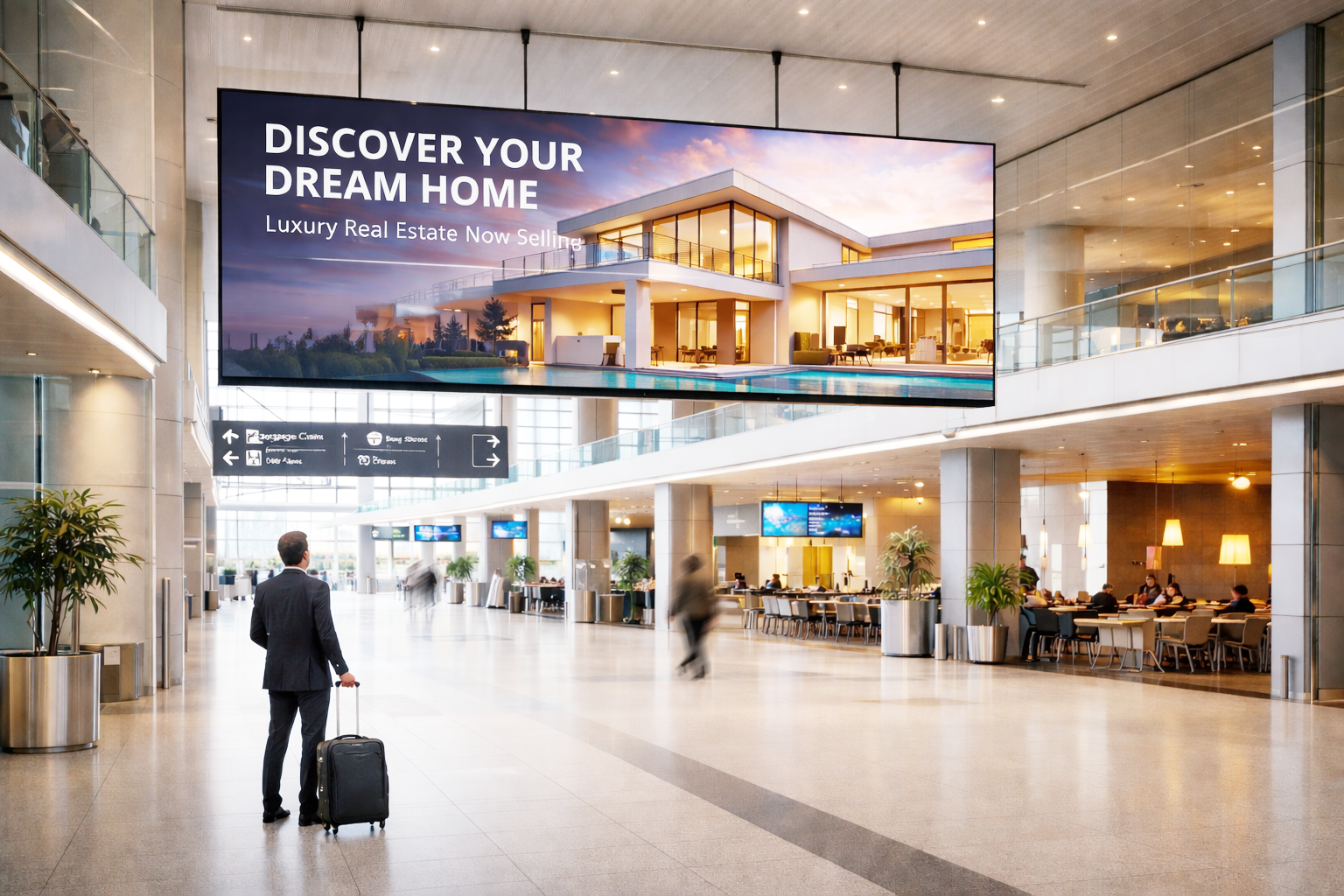
Airport Advertising is Complex to Get Right
We help you execute faster, with proven results and local insight most planners lack starting now.
Talk to an ExpertCatchment Area and Economic Drivers
Top 10 Cities within 150 km — Marketer Intelligence:
- Hue City (city proper): The provincial capital and Vietnam's preeminent imperial heritage city — concentrating the province's institutional leadership, academic community, healthcare sector, tourism economy, and the educated professional class generated by Hue University and its affiliated colleges; the dominant source of all commercially significant traveller segments at HUI and the primary intercept point for brands targeting central Vietnam's culturally sophisticated urban professional audience
- Da Nang (~100 km south): Vietnam's third largest city, fastest-growing economic centre, and the international gateway hub for central Vietnam; business operators, professionals, and tourists moving between Da Nang's international connections and Hue's heritage destination feed a significant cross-city professional and leisure travel flow through the central Vietnamese corridor that both HUI and Da Nang airport serve complementarily — brands with central Vietnamese market ambitions should understand Da Nang and Hue as a unified corridor rather than competing destinations
- Hoi An (~120 km south): One of Southeast Asia's most celebrated premium tourism towns and a UNESCO World Heritage Site in its own right; international tourists combining Hoi An resort stays with Hue imperial heritage visits create a premium cross-itinerary traveller profile that uses HUI as a transit point — a high-spending, culturally engaged, internationally connected leisure audience whose per-day expenditure significantly exceeds mass tourism norms
- Dong Ha (~55 km north): The provincial capital of Quang Tri province and an emerging commercial and administrative centre positioned on the North-South National Highway 1 corridor; business operators and institutional officials here travel through HUI for domestic connections to Hanoi and Ho Chi Minh City, contributing a secondary provincial professional travel base relevant for commercial banking, logistics, and professional services brands
- Quang Tri (~45 km north): A historically significant city whose wartime heritage draws both Vietnamese domestic and international historical tourism — particularly American, Australian, and French visitors engaging with DMZ-era sites; the historical tourism audience here adds a secondary international traveller dimension to HUI's catchment relevant for premium heritage travel brands
- Tam Ky (~110 km south): The provincial capital of Quang Nam province, positioned between Hue and Da Nang on the central Vietnamese coastal corridor; business operators, government officials, and professionals here use HUI and Da Nang interchangeably for domestic travel, contributing to the central Vietnamese professional catchment relevant for financial services, commercial real estate, and B2B services brands
- A Luoi (~70 km west): A border district adjacent to the Lao PDR frontier along the Ho Chi Minh Trail corridor, with growing cross-border trade and agricultural activity; the community here represents a smaller and more rural business travel segment relevant for agricultural finance and logistics brands serving Vietnam's central highland border economy
- Phong Dien (~30 km north): A district within Thua Thien Hue province known for its agricultural economy and growing light industrial activity; residents form part of the provincial professional and agri-business catchment that feeds HUI's domestic travel base, contributing to the secondary commercial banking and SME finance audience at the airport
- Huong Thuy (~15 km — airport host district): The district immediately surrounding Hue Phu Bai Airport, experiencing rapid residential and light industrial development driven by airport-adjacent economic activity and the provincial government's urbanisation agenda; a growing middle-class residential community with active lifestyle upgrade and financial services spending intent driven by proximity to Hue city's employment and educational infrastructure
- Lang Co (~35 km south): A coastal lagoon settlement increasingly developed as a premium beach and golf resort destination — home to Banyan Tree Lang Co and Laguna Lang Co — whose luxury resort visitor profile adds a distinct ultra-premium leisure tourism dimension to HUI's southern catchment; guests arriving for Lang Co's luxury resort circuit represent one of the highest per-night accommodation spend audiences accessible through HUI
NRI and Diaspora Intelligence:
Hue's diaspora dynamic is commercially significant in ways that are distinctly Vietnamese rather than conventionally remittance-driven. The Hue overseas Vietnamese community — concentrated in the United States (particularly California, Texas, and Virginia), France, Australia, and Canada — maintains exceptionally deep emotional ties to the former imperial capital, partly through family history and partly through a shared Hue cultural identity that the diaspora preserves with unusual intensity relative to Vietnamese communities from other regions. These Viet Kieu returnees travel to Hue for Tet, family anniversaries, ancestral ceremonies, and cultural reconnection — arriving with foreign-currency income, a propensity to invest in ancestral family properties, and a consumer mindset shaped by Western market standards that makes them receptive to premium Vietnamese lifestyle, cultural product, and property investment brand messaging in ways that domestic-income Vietnamese consumers of comparable age are not yet fully positioned to access. For advertisers, this diaspora returnee profile — concentrated in the Tet and summer windows — adds a high-value international-income layer to HUI's domestic audience base that significantly elevates per-passenger commercial value during peak return periods.
Economic Importance:
Thua Thien Hue province's economy is driven by four sectors whose commercial interplay defines the airport audience profile with unusual clarity. Tourism is the dominant and internationally facing sector — Hue's UNESCO-listed imperial monuments complex, royal tombs, pagodas, and festival calendar generate a sustained flow of domestic and international visitors whose per-trip expenditure on accommodation, dining, craft purchases, and cultural experiences anchors the provincial services economy. Education is the second pillar — Hue University system, one of Vietnam's largest and most historically established university networks, generates an academic and student professional community whose travel patterns and aspirational spending profile make HUI's professional audience more educated and internationally aware than comparable provincial Vietnamese airports. Healthcare is the third — Hue's medical universities and the Central Hospital of Hue draw medical tourism and specialist healthcare travel from across central Vietnam and the central highlands, creating a healthcare professional and medical tourist audience with above-average income and professional credentialling. Emerging light industry and the provincial government's economic zone development ambitions form the fourth pillar, generating a growing SME and institutional professional travel base that supplements the tourism and academic economy with a domestic business travel cohort. For advertisers, this four-pillar economy produces an audience that is simultaneously cultured, educated, health-conscious, and aspirationally mobile — a premium combination for brands in tourism, lifestyle, financial services, and education categories.
Business and Industrial Ecosystem
- Tourism services and hospitality management: Hue's hospitality sector — spanning imperial heritage tourism management, boutique hotel operations, cultural tour operations, and premium restaurant and craft enterprises — generates a substantial SME business travel community of operators, procurement managers, and tourism investors who travel domestically for partnerships, financing, and industry engagement; hospitality finance, commercial banking, and B2B tourism services brands find a receptive business audience within this cohort
- Education and academic institutions: Hue University system — comprising multiple component universities in medicine, science, pedagogy, economics, and arts — generates a high-frequency academic travel cohort of faculty, researchers, and administrators whose travel patterns are institutionally funded and whose professional services and lifestyle brand receptivity reflects Vietnam's university-educated professional class at its most culturally sophisticated
- Healthcare and medical services: Hue's position as central Vietnam's primary medical centre — anchored by the Hue University of Medicine and Pharmacy and the Central Hospital of Hue — produces a medical professional travel cohort of clinicians, academics, and healthcare administrators whose institutional travel needs and professional spending profiles are relevant for pharmaceutical, medical technology, and professional services brands
- Provincial government and public administration: Thua Thien Hue province's status as a direct-controlled municipality candidate and a provincial government centre generates consistent institutional travel to Hanoi for legislative and administrative engagement; government officials and public sector professionals represent a stable, salary-defined audience relevant for financial planning, insurance, and premium lifestyle brand categories
Passenger Intent — Business Segment:
Business travellers at HUI operate within three distinct professional intent profiles that shape their terminal behaviour and brand receptivity differently. Tourism industry operators travel to Ho Chi Minh City and Hanoi for trade partnerships, investor meetings, and tourism authority engagement — they are in active commercial development mode and receptive to financial services, commercial real estate, and business platform messaging. Academic professionals travel for conference attendance, research collaboration, and funding engagement — an audience primed for professional development, international partnership, and premium lifestyle brands that signal intellectual peer credibility. Government and institutional officials travel to Hanoi for regulatory and legislative engagement — a stable, authority-carrying audience receptive to financial planning and professional services brands with institutional credibility signals.
Strategic Insight:
HUI's business audience carries a cultural sophistication premium that is commercially undervalued by Vietnamese national advertisers who concentrate investment in the Hanoi and Ho Chi Minh City gateway environments. The Hue professional — shaped by the city's university heritage, imperial cultural identity, and the careful, discerning consumer values that define Hue's distinctive regional character — evaluates brands through the lens of quality, cultural resonance, and substantive value rather than price-led messaging or generic aspiration. This makes HUI one of Vietnam's most brand-receptive provincial airports for premium positioning — a terminal where cultural alignment and quality messaging consistently outperform the frequency-led, price-driven campaigns that dominate mass Vietnamese media.
Tourism and Premium Travel Drivers
- Imperial Citadel of Hue and Nguyen Dynasty Monuments (UNESCO World Heritage Site): The defining tourism asset of central Vietnam and one of Southeast Asia's most internationally acclaimed heritage destinations — the complex of imperial palaces, ceremonial gates, temples, and pavilions within the Hue Citadel draws culturally engaged visitors from across Vietnam, East Asia, Europe, and North America whose per-trip cultural experience spending and premium accommodation profiles make them among the highest-value heritage tourism audiences in the country
- Royal Tombs of the Nguyen Emperors: Seven monumental imperial tomb complexes dispersed through the wooded hills south of Hue — Tu Duc, Minh Mang, Khai Dinh, and others — that constitute a premium cultural circuit attracting historically engaged visitors with above-average education, income, and cultural experience spending profiles
- Thien Mu Pagoda and Buddhist Heritage Circuit: One of Vietnam's most iconic Buddhist temples and a symbol of Hue's spiritual identity, anchoring a broader Buddhist heritage circuit that draws culturally motivated domestic and international visitors and contributes to Hue's positioning as Vietnam's most authentically spiritual city
- Lang Co Beach and Laguna Resort Complex: A premium coastal lagoon destination 35 km south of Hue hosting Banyan Tree Lang Co, Laguna Lang Co Golf Club, and associated luxury villa and resort infrastructure that draws an ultra-premium leisure audience of regional HNWI guests with among the highest per-night accommodation spend accessible through any central Vietnamese airport
- Hue Festival (Biennial): Vietnam's premier cultural festival — a biennial event of international performing arts, royal court music, culinary arts, and imperial ceremony that transforms Hue into a global cultural destination drawing international cultural tourism of a quality and international press reach unmatched by any other Vietnamese provincial festival
Passenger Intent — Tourism Segment:
The tourism passenger at HUI has made a considered, research-led decision to visit Hue rather than a beach resort or a generic urban destination — a self-selection process that filters for a culturally engaged, experience-prioritising traveller who is already predisposed to premium experiences at the destination. International tourists arriving at HUI have typically committed to multi-day itineraries that include heritage site fees, guide services, traditional cuisine, craft shopping, and premium accommodation — a spending commitment structure that produces above-average per-trip expenditure. Domestic Vietnamese tourists travelling to Hue carry the additional emotional dimension of national cultural identity — visiting the former imperial capital carries a patriotic and historical significance that elevates the emotional intensity of the travel experience and amplifies spending intent on authentic Hue cultural products, artisanal goods, and royal cuisine dining. Both international and domestic tourism segments are in active experience-investment mode during the HUI intercept — a state of receptivity that rewards brand messaging aligned to cultural authenticity, premium quality, and Vietnamese heritage values.
Travel Patterns and Seasonality
Peak seasons:
- February to May (dry season and post-Tet tourism peak): The primary international and domestic tourism peak coinciding with Hue's dry season — the optimal weather window for heritage site visits, outdoor ceremonies, and the Hue Festival biennial event; international visitor volumes peak during this window alongside domestic post-Tet travel; the highest-value tourism audience window for premium brand campaigns at HUI
- August to October (autumn heritage peak): A second significant tourism peak as international European and North American visitors concentrate autumn heritage travel to central Vietnam; domestic Vietnamese leisure travel also peaks during Vietnamese school holiday windows within this period; a strong secondary activation window for tourism, hospitality, and consumer lifestyle brands
- Tet Nguyen Dan — Vietnamese Lunar New Year (January to February): The defining annual consumer and family reunion travel peak for domestic Vietnamese travellers; Viet Kieu diaspora returnees amplify the commercial intensity of the Tet window at HUI — the combination of diaspora foreign-currency income and domestic holiday spending intent makes this the highest emotional and consumer spending window of the year for brands in gifting, lifestyle, and family experience categories
- November to December (year-end and Hue Festival alternate years): A growing international tourism window driven by European and North American heritage travellers avoiding summer crowds; year-end corporate travel and educational institution events generate supplementary professional traveller peaks aligned to the academic calendar
Event-Driven Movement:
- Hue Festival (Biennial — April to May, even years): Vietnam's most internationally prestigious cultural festival — a ten-day event of royal court music, international performing arts, culinary exhibitions, and imperial ceremony reenactments that transforms Hue into a global cultural headline destination; generates exceptional international and domestic tourism traffic peaks that represent the single highest-density culturally engaged audience window at HUI; brands in premium cultural experience, hospitality, and lifestyle categories achieve maximum impact during this biennial event
- Tet Nguyen Dan — Vietnamese Lunar New Year (January to February, variable): The most powerful annual commercial and travel event in the Vietnamese calendar; diaspora returnee volumes peak at HUI alongside domestic family reunion travel, generating the year's highest gifting, consumer, and property investment spending intent across all passenger segments
- Hue Traditional Craft Festival (Biennial — April, odd years): A biennial showcase of Vietnamese traditional crafts, silk production, lacquerware, and artisanal arts that draws specialist cultural tourism and international craft buyers; creates a distinct high-culture and premium artisanal consumer audience window relevant for Vietnamese lifestyle, luxury craft, and cultural experience brands
- National Reunification Day and Liberation Day (April 30): A significant Vietnamese national holiday generating domestic leisure and family travel peaks that supplement the spring tourism season with a domestic traveller wave relevant for consumer lifestyle and hospitality brands
- Mid-Autumn Festival — Tet Trung Thu (September to October, variable): A culturally significant family-oriented festival generating family reunion and gifting travel; Hue's elaborate traditional lantern festival celebrations make this an especially distinctive cultural tourism draw that adds an international cultural tourism dimension to the domestic family holiday travel base
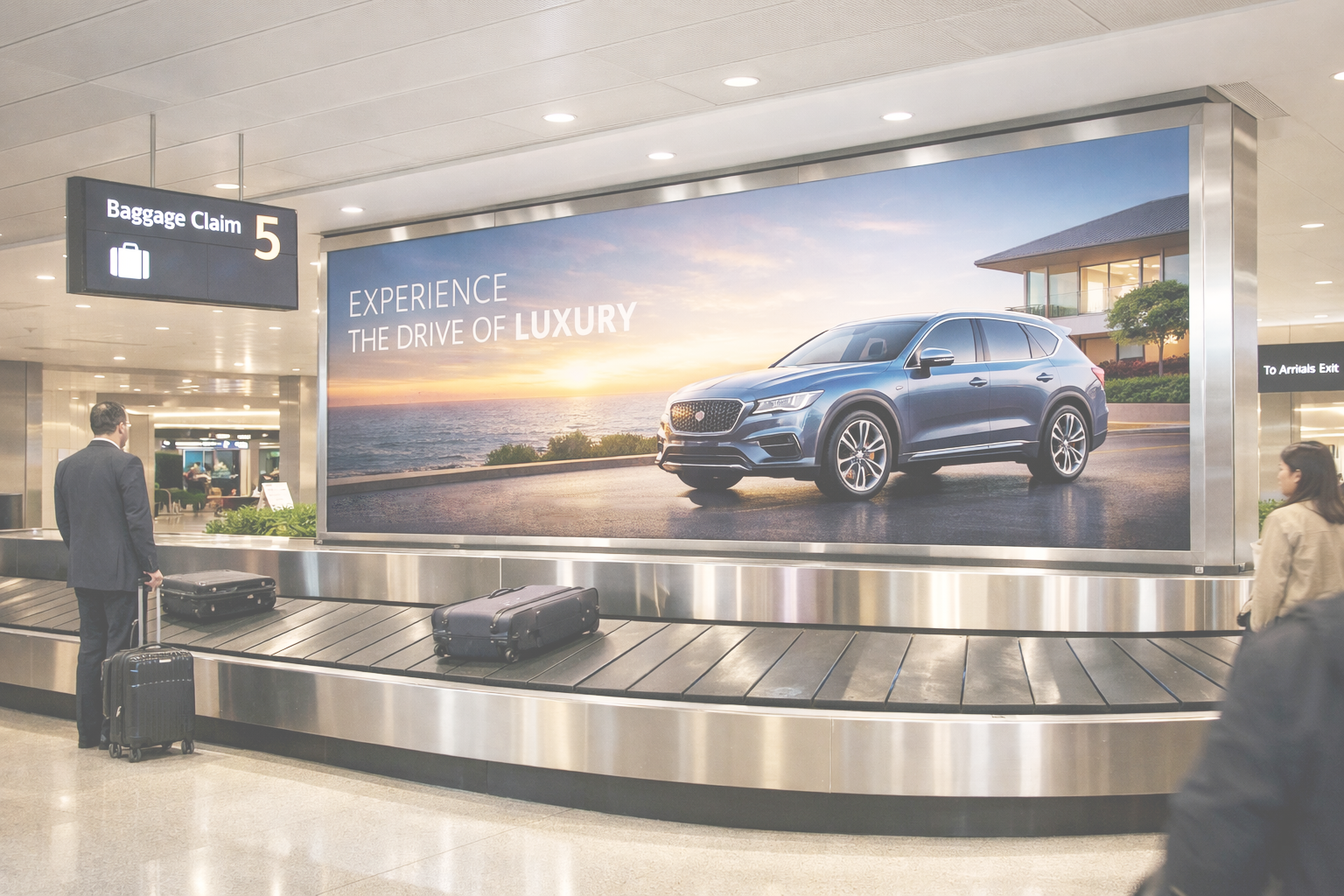
It’s Not Just Where You Advertise - It’s How Fast You Execute
We combine local insight with fast rollout to deliver results for you, now.
Talk to an ExpertAudience and Cultural Intelligence
Top 2 Languages:
- Vietnamese: The universal language of all passenger segments at HUI and the essential vehicle for brand authenticity in the Hue market — Vietnamese-language creative is non-negotiable for full audience penetration across domestic travellers, Viet Kieu returnees, and the Vietnamese professional and institutional cohort; the Hue regional dialect carries particular cultural resonance for local credibility, and brands whose Vietnamese creative reflects an understanding of Hue's distinctive cultural register will achieve brand warmth that generic national-language executions cannot replicate in this deeply culturally conscious market
- English: The primary international tourism language at HUI, serving as the essential communication bridge for European, North American, Australian, and East Asian international heritage tourists who form the airport's most commercially valuable inbound tourism segment; bilingual Vietnamese-English creative executions are the recommended standard at HUI, enabling brands to simultaneously address the domestic professional and Viet Kieu audience in Vietnamese while engaging international heritage tourists in the language that governs their pre-trip research and booking behaviour
Major Traveller Nationalities:
The domestic Vietnamese traveller dominates HUI's passenger base by volume — primarily from central Vietnam's urban professional and middle-class population, supplemented by Hanoi and Ho Chi Minh City residents travelling to Hue for heritage tourism and Viet Kieu returnees primarily from the United States, France, and Australia. The international traveller segment is structured around East Asian heritage tourists — South Korean, Chinese, Thai, and Japanese visitors attracted by Hue's imperial history and its resonance with shared Confucian cultural values — and Western cultural tourists from France (whose historical connection to Hue through the colonial era remains a pull factor), the United States, Australia, the United Kingdom, and Germany. South Korean tourists represent a particularly significant and growing international segment at HUI, driven by Korean cultural enthusiasm for Vietnamese heritage and the well-established Korean tourism infrastructure in the Da Nang-Hue corridor. Creative strategy at HUI should prioritise bilingual Vietnamese-English primary executions with consideration for Korean-language secondary creative during peak Korean tourism windows, particularly spring and autumn when Korean group heritage tourism to central Vietnam is at its highest volume.
Religion — Advertiser Intelligence:
- Buddhism (~65%): The dominant faith tradition of the Hue catchment and the spiritual identity of Vietnam's most historically Buddhist city — Thien Mu Pagoda is not merely a tourist attraction but an active and nationally revered religious centre whose cultural weight permeates Hue's civic identity; Buddhist observance periods including Vesak (Buddha's Birthday in May) and the Hungry Ghost Festival generate meaningful domestic religious tourism and pilgrimage travel that brands in hospitality, cultural experience, and Vietnamese lifestyle categories should plan campaigns around; Hue's Buddhist identity gives all brand messaging a cultural requirement for respect, subtlety, and aesthetic restraint that distinguishes effective advertising in this market from what works in Ho Chi Minh City's more commercially exuberant media environment
- Roman Catholicism (~10%): A historically significant Catholic community in Hue — a legacy of the early Vietnamese Catholic missions and the Nguyen court's complex relationship with the Church — whose observance of Christmas and Easter generates meaningful domestic travel and community celebration spending; premium gifting, family hospitality, and consumer lifestyle brands should consider Catholic observance windows as secondary activation opportunities within the HUI calendar
- Folk religion and ancestor veneration (~20%): Deeply embedded Vietnamese folk religious practices — ancestor worship, spirit festivals, and the elaborate ceremonial traditions tied to the Nguyen royal ancestral rites — are particularly vivid and actively maintained in Hue; the Tet festival's ancestor veneration dimension drives the most intense gifting and ceremonial spending of the Vietnamese calendar, and brands that understand and respect this cultural layer rather than treating Tet purely as a commercial spending event will achieve significantly stronger emotional resonance with the Hue audience
- Other faiths and secular (~5%): The international tourism segment and younger, internationally educated Vietnamese professionals form a growing secular audience whose brand receptivity is shaped by global consumer norms and premium lifestyle values rather than religious observance calendars
Behavioral Insight:
The Hue consumer carries a distinctive decision-making psychology that sets the city apart from Vietnam's other major urban centres in commercially significant ways. Hue's cultural identity is built on refinement, restraint, and an aesthetic sensibility shaped by five centuries of imperial court culture — a cultural heritage that produces a consumer who chooses carefully, values subtlety over ostentation, and rewards brand authenticity with deep and durable loyalty. The Hue professional spends on quality and cultural resonance rather than brand status for its own sake — a spending psychology that makes heritage brands, premium craftsmanship, genuine cultural products, and substantive quality signals far more effective than flash luxury or generic aspiration messaging. The international heritage tourist arriving at HUI is in a complementary state of cultural openness and experience-seeking that makes them maximally receptive to brand messages that speak to authenticity, Vietnamese cultural depth, and premium quality — and minimally receptive to interruption advertising that ignores the cultural context of their journey. Brands that align their messaging to the cultural intelligence of the Hue audience — on both its domestic and international dimensions — will consistently outperform those that import generic Vietnamese or Southeast Asian campaign frameworks unchanged.
Outbound Wealth and Investment Intelligence
The outbound passenger at Hue Phu Bai International Airport carries a wealth profile that is culturally distinctive and commercially purposeful in ways that reflect Hue's specific economic and social character. This is not a catchment defined by oil wealth, manufacturing fortunes, or financial sector capital accumulation — it is a catchment whose productive wealth is built through education, professional service, cultural enterprise, and the accumulated investment of a tourism economy that is growing steadily toward its structural potential. The outbound traveller — whether a Hue academic travelling to Hanoi for research funding, a tourism operator flying to Ho Chi Minh City for investor meetings, or a Viet Kieu returning to their overseas life — is deploying or planning financial commitments that are shaped by the values and priorities of central Vietnam's educated, culturally grounded professional class.
Outbound Real Estate Investment:
Real estate investment behaviour among Hue's professional class reflects a dual-market orientation that is characteristic of Vietnam's rapidly urbanising provincial cities. Locally, successful Hue tourism operators, academics, and government officials are investing in Hue city and suburban residential property — a market experiencing sustained appreciation driven by tourism infrastructure development, the provincial government's direct municipality ambition, and the attractiveness of Hue's lifestyle quality relative to Vietnam's congested major cities. Outbound property investment from the HUI catchment is primarily directed toward Da Nang's rapidly developing condominium and resort property market — a market perceived as offering capital appreciation alongside lifestyle access to central Vietnam's premier beach and urban amenity infrastructure. A smaller segment of upper-income Hue professionals and Viet Kieu returnees is also engaging with integrated resort and villa developments in the Lang Co-Laguna corridor immediately south of Hue — properties that combine premium lifestyle and rental income potential within the provincial tourism economy. Vietnamese and international developers with inventory in Da Nang's premium residential market, the Lang Co resort corridor, and Hue city's emerging premium residential zones will find a financially engaged and property-aware audience among HUI's outbound professional cohort.
Outbound Education Investment:
Education investment is among the most emotionally significant spending priorities for Hue's professional and middle-class families — a cultural orientation consistent with Hue's historical identity as Vietnam's academic capital and the home of one of the country's most established university systems. The aspirational trajectory of Hue's educationally ambitious families runs from the Hue University system toward Hanoi National University and Ho Chi Minh City's leading universities for undergraduate study, and increasingly toward international graduate programmes in the United States, France, Australia, Japan, South Korea, and Singapore for postgraduate and professional credentials. France occupies a particular cultural prestige position in the Hue educational imagination — the former colonial relationship and the French-language heritage embedded in Hue's intellectual culture give French universities a brand recognition and aspiration premium among Hue families that no other Vietnamese provincial city replicates at comparable intensity. International universities with French-language programmes, prestigious US graduate schools, Australian university recruitment offices with Vietnamese student pipelines, and South Korean universities with strong Vietnamese enrolment programmes will all find a deeply aspirational and financially committed family education audience at HUI.
Outbound Wealth Migration and Residency:
Formal international residency diversification is not a dominant behaviour pattern within the HUI professional catchment in the structured HNI residency-investment sense observable at Ho Chi Minh City and Hanoi gateway airports. The Hue professional class is primarily invested in building professional, cultural, and economic depth within central Vietnam rather than diversifying internationally. However, the Viet Kieu dimension creates a specific and commercially relevant reverse dynamic — overseas Vietnamese returning through HUI are already international residents who are making decisions about whether and how much to invest back in Vietnam through property, family business support, and ancestral community contributions. This reverse investment profile — foreign-resident Vietnamese deploying Western-currency income into the Vietnamese provincial economy — is as commercially significant for property developers, Vietnamese banking products, and luxury Vietnamese lifestyle brands as the conventional outbound investment profile, and is uniquely concentrated at the Tet return peak window.
Strategic Implication for Advertisers:
Vietnamese brands and international brands with clear cultural alignment to the heritage, education, and lifestyle priorities of central Vietnam's professional and tourism audience should treat HUI as a precision activation channel for the culturally sophisticated Vietnamese consumer that generic Hanoi and Ho Chi Minh City campaigns frequently miss. Masscom Global can structure campaigns combining HUI with Da Nang and Hanoi placements to create a coherent central and northern Vietnamese professional corridor strategy — following the Hue academic, tourism industry, and government professional audience across their complete domestic travel network while simultaneously intercepting the international heritage tourist audience at both ends of the Vietnam tourism circuit.
Airport Infrastructure and Premium Indicators
Terminals:
- Hue Phu Bai International Airport is undergoing a significant expansion project that will substantially increase terminal capacity, passenger handling capability, and retail and services infrastructure — a government-backed investment reflecting strategic confidence in Hue's long-term aviation growth as both a tourism destination and the centre of a proposed direct-controlled municipality that would elevate Hue to national strategic significance equivalent to Da Nang
- The existing terminal serves the current passenger base with functional domestic and international zones whose compact scale ensures that advertising placements achieve high coverage efficiency without the audience dilution of multi-concourse environments
Premium Indicators:
- The airport's direct service relationship with Hue's UNESCO World Heritage tourism circuit gives the HUI brand environment an inherent premium cultural association that operates independently of the terminal's physical luxury indicators — brands present at HUI are associated with one of Southeast Asia's most internationally prestigious heritage destinations by the mere fact of their presence
- The emerging luxury resort corridor at Lang Co — anchored by Banyan Tree and Laguna international resort brands — adds an ultra-premium hospitality dimension to HUI's catchment that positions the airport's inbound tourism audience profile above the regional accommodation spending average
- The planned terminal expansion, when complete, will substantially upgrade the retail, F&B, and media environment at HUI — bringing the physical advertising infrastructure closer to the quality of the audience it has always served and significantly expanding inventory options for brands seeking premium format placements
Forward-Looking Signal:
Two convergent infrastructure signals are positioning HUI for sustained commercial growth that advertisers should incorporate into their long-term market entry planning. The first is the Vietnamese government's active consideration of elevating Thua Thien Hue province to the status of a centrally administered municipality — a designation that would bring enhanced national investment, improved institutional infrastructure, and accelerated economic development equivalent to what Da Nang experienced following its own municipal elevation. The second is the airport expansion project itself, which signals government commitment to Hue's aviation capacity as a strategic national asset rather than a provincial facility. As these infrastructure signals translate into expanded route networks, increased international airline access, and an upgraded terminal environment, the commercial value of HUI as an advertising platform will accelerate ahead of any formal media rate adjustment. Masscom Global advises brands with Vietnamese cultural tourism, central Vietnamese professional, and Viet Kieu audience strategies to establish presence at HUI now, while the environment reflects a growing destination airport's current development pricing rather than the premium that Vietnam's imperial capital's long-term strategic positioning will ultimately command.
Airline and Route Intelligence
Top Airlines:
- Vietnam Airlines (primary national carrier, Hanoi and Ho Chi Minh City routes)
- VietJet Air (primary low-cost carrier, domestic routes)
- Bamboo Airways (domestic network routes)
- Pacific Airlines (domestic routes)
Key International Routes:
- International route availability at HUI is developing; the airport has operated select direct international connections to East Asian cities including South Korean and Chinese markets on a seasonal and charter basis; verified current international route status and new route developments should be confirmed with Masscom Global for campaign planning purposes
- International tourists predominantly access Hue through Da Nang International Airport for international arrivals and then travel overland, with a growing proportion using HUI directly as direct international connections expand
Domestic Connectivity:
- Hanoi (Noi Bai International Airport): The primary and highest-frequency domestic corridor, connecting Hue's professional, academic, and institutional class to the national capital for government engagement, research collaboration, and administrative coordination
- Ho Chi Minh City (Tan Son Nhat International Airport): The commercial capital route serving Hue's tourism industry operators, business professionals, and leisure travellers connecting to Vietnam's economic powerhouse for investment, trade, and corporate engagement
- Da Nang: A short domestic connection serving cross-city professional and tourism movement within the central Vietnamese corridor — though many passengers travel this leg by ground transport given the road distance of approximately 100 km
Wealth Corridor Signal:
The HUI domestic route network maps precisely to the institutional and commercial power flows of modern Vietnam. The Hanoi route dominates because Hue's government, academic, and institutional professional class operates within a regulatory and administrative framework centred in the capital — university funding, cultural heritage management authority, provincial development approvals, and legislative engagement all require Hanoi presence at senior levels. The Ho Chi Minh City route reflects the commercial infrastructure layer — major Vietnamese investors, tourism industry capital, and corporate development offices that are driving Hue's hospitality and real estate growth are concentrated in the south. For advertisers, this route structure confirms that HUI passengers are purposeful professionals and experience-committed tourists rather than casual budget travellers — a self-selecting audience whose motivations, whether institutional duty or cultural aspiration, reliably produce the attentive and receptive terminal behaviour that rewards quality brand messaging.
Media Environment at the Airport
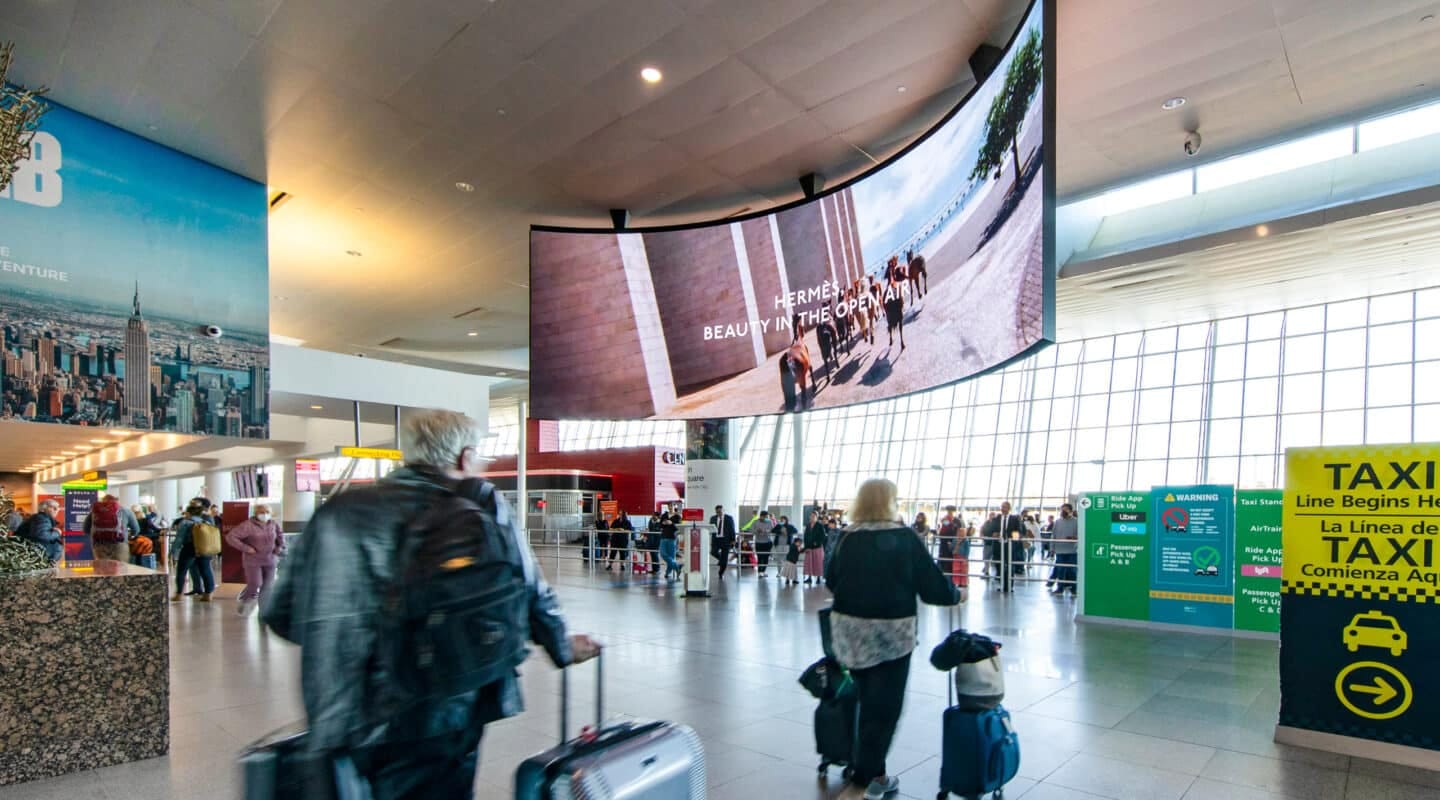
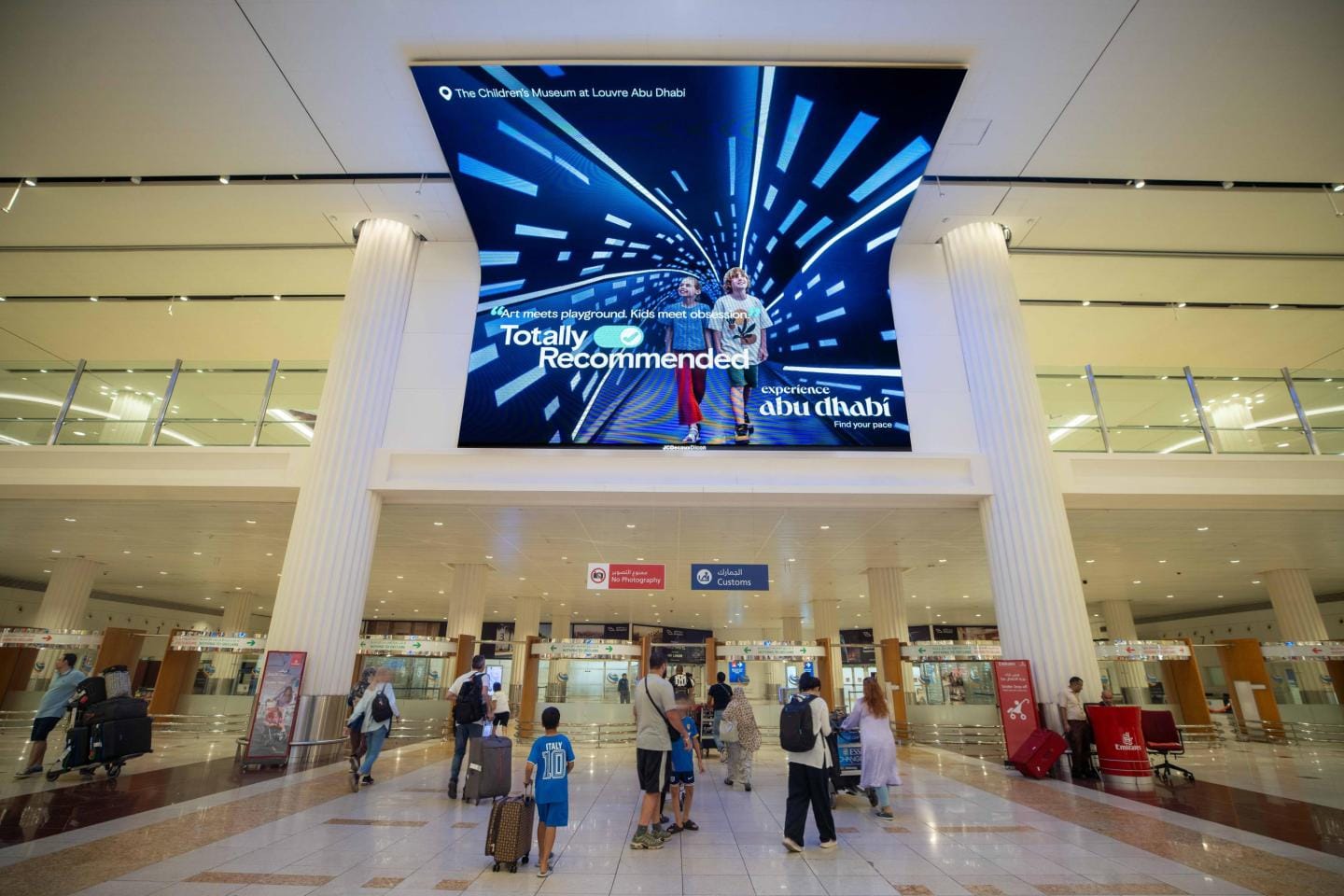
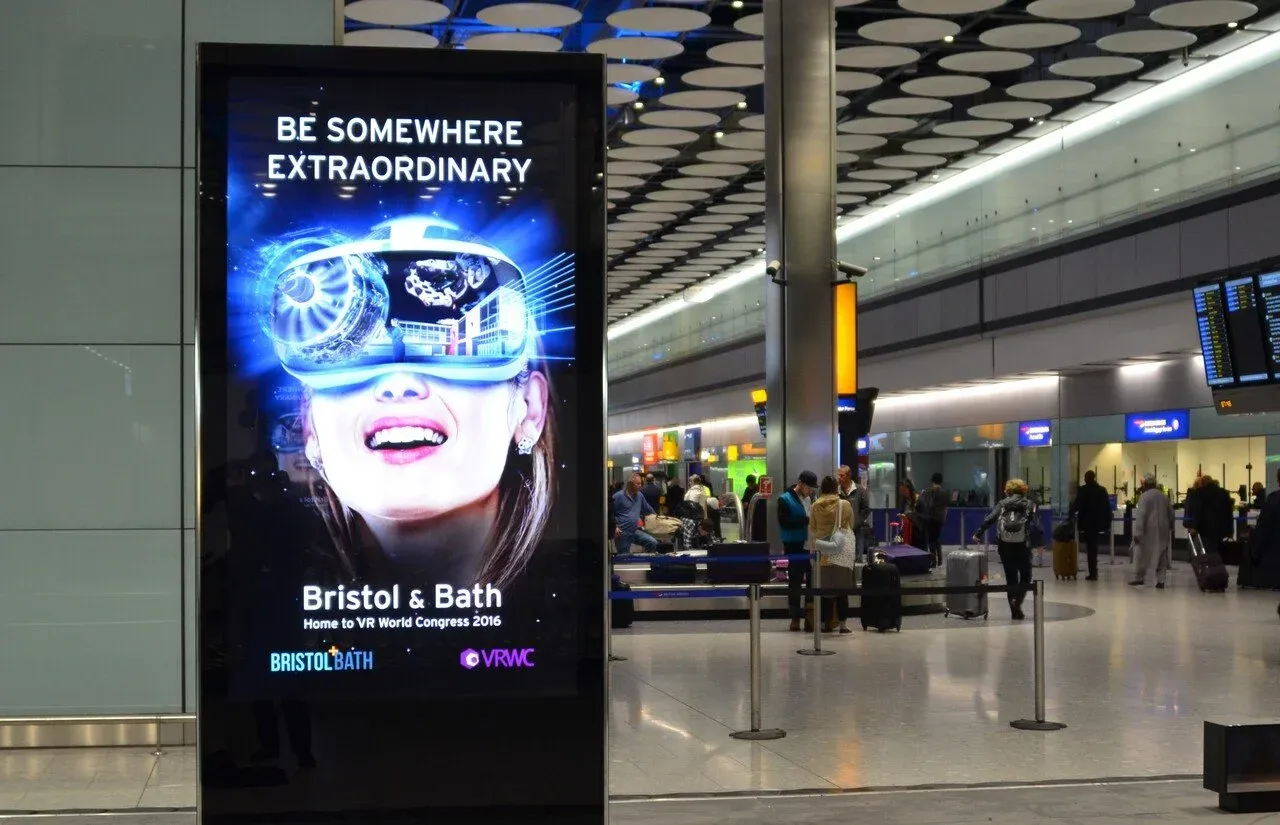
- HUI's terminal structure creates a manageable, lower-clutter media environment that delivers significantly higher share-of-attention per placement than the visually saturated gateway airports of Hanoi and Ho Chi Minh City — a structural advantage that allows brands to achieve premium standout without the multi-format, high-frequency investment required to cut through the advertising density of Vietnam's major hubs
- Dwell time at HUI is consistent and purposeful — the airport serves no significant hub transfer traffic, meaning every passenger is present in the terminal for their own departure or arrival with full attention available and without the transit urgency that shortens effective advertising exposure at connecting hub airports
- The cultural prestige of the HUI destination context creates a brand association premium that operates in the advertiser's favour before a single impression is served — brands present in the gateway airport of Vietnam's imperial heritage capital benefit from the reflected cultural elevation of that association in ways that no other Vietnamese provincial airport environment can replicate
- Masscom Global provides full inventory access, bilingual Vietnamese-English and Korean-language creative guidance aligned to HUI's heritage tourism and domestic professional audience profile, placement strategy, and end-to-end campaign execution — combining deep knowledge of Vietnam's central regional market with proven airport advertising methodology to ensure brands achieve maximum commercial impact across both the international heritage tourist and domestic professional traveller streams
Strategic Advertising Fit
Best Fit:
- Premium Vietnamese and international hospitality brands: Heritage tourists and domestic cultural travellers committing to Hue experiences are maximally receptive to premium hospitality messaging — boutique hotels, resort brands, and experiential dining concepts that align with the cultural context of the journey achieve exceptional intercept conversion at HUI
- Vietnamese cultural artisanal and lifestyle brands: Hue's identity as the centre of Vietnamese royal craft tradition — silk weaving, royal cuisine, lacquerware, and traditional music — creates a uniquely receptive audience for authentic Vietnamese cultural product brands whose provenance and heritage credentials resonate with both international tourists and culturally proud domestic Vietnamese travellers
- International and domestic education institutions: Hue's academic culture and the aspirational education investment priorities of central Vietnamese families make HUI one of Vietnam's highest-converting provincial airports for university recruitment, overseas study pathway, and professional certification advertising
- Real estate developers (Da Nang, Lang Co, and Hue city): Premium residential and resort property in the central Vietnamese corridor — particularly Da Nang condominium developments, Lang Co resort villas, and Hue city premium residential — finds a financially engaged, property-aware audience among HUI's outbound professional and Viet Kieu returnee segments
- Vietnamese domestic banking and financial services: The growing middle-class and SME professional audience at HUI represents an active consumer of savings, investment, insurance, and home loan products from Vietnam's major banking and financial services institutions; brands with culturally respectful and quality-signalling positioning achieve strong engagement in this financially aspirational but values-conscious market
- Premium travel insurance and health services: International tourists and domestic professional travellers with above-average health awareness and travel commitment profiles make HUI a strong environment for premium insurance products and central Vietnamese healthcare facility brands
- Cultural tourism and heritage experience platforms: Digital and physical platforms connecting international tourists to authentic Hue heritage experiences — guided tours, royal cuisine dining, silk weaving workshops, and traditional performing arts — find their most precisely targeted audience at the HUI arrivals intercept point
Brand Alignment at a Glance
| Category | Fit |
|---|---|
| Premium Vietnamese hospitality and heritage tourism | Exceptional |
| Vietnamese cultural artisanal and lifestyle brands | Exceptional |
| International and domestic education institutions | Exceptional |
| Real estate (Da Nang, Lang Co, Hue city) | Strong |
| Vietnamese financial services and banking | Strong |
| Korean consumer lifestyle brands | Strong |
| Mass-market budget retail and price-comparison platforms | Poor fit |
Who Should Not Advertise Here:
- Mass-market budget retail and price-comparison platforms: The HUI audience is defined by cultural intent and quality aspiration rather than price sensitivity — budget-led messaging misaligns with the premium cultural context of the Hue journey and will generate indifference rather than engagement from an audience that makes considered, values-driven purchasing decisions
- Heavy industrial and B2B manufacturing brands without Vietnamese market relevance: Specialist industrial categories whose buyer profile has no alignment with the tourism, academic, government, and cultural professional audience that defines HUI will find limited audience precision and poor cost-efficiency at this airport
- Nightlife, gaming, and entertainment brands inconsistent with Hue's cultural values: Hue's civic identity is built on cultural refinement, Buddhist spiritual values, and imperial heritage restraint — brand categories and creative executions that conflict with this cultural positioning will generate cultural friction and brand damage rather than commercial impact in the market that HUI's audience represents
Event and Seasonality Analysis
- Event Strength: High
- Seasonality Strength: High
- Traffic Pattern: Dual-Peak with biennial event overlay — spring dry season heritage and Hue Festival tourism peak, autumn heritage recovery peak, Tet diaspora and domestic consumer surge, and biennial Hue Festival and Craft Festival amplification in alternate years
Strategic Implication:
Advertisers at HUI must plan campaigns around two structural dimensions simultaneously — the annual seasonal calendar and the biennial event calendar — a dual-layer planning requirement that most national media planners working without local central Vietnamese market knowledge fail to optimise correctly. The spring peak from February to May is the primary activation window for international heritage tourism, cultural experience, and premium hospitality brands — and in even-numbered biennial years, the Hue Festival concentrates an exceptional international cultural tourism audience in April and May that represents HUI's highest-density, highest-spending inbound international audience of the entire biennial cycle. The Tet window from January to February is the non-negotiable activation period for consumer, gifting, financial services, and property brands targeting both domestic Vietnamese travellers and Viet Kieu returnees. The autumn window from August to October delivers the second international tourism peak and the strongest window for domestic professional and academic brand campaigns aligned to the new academic year cycle. Masscom Global structures all HUI campaigns around this biennial-informed seasonal intelligence — a level of local market timing precision that generic Vietnamese media planning consistently fails to apply to the Hue market.
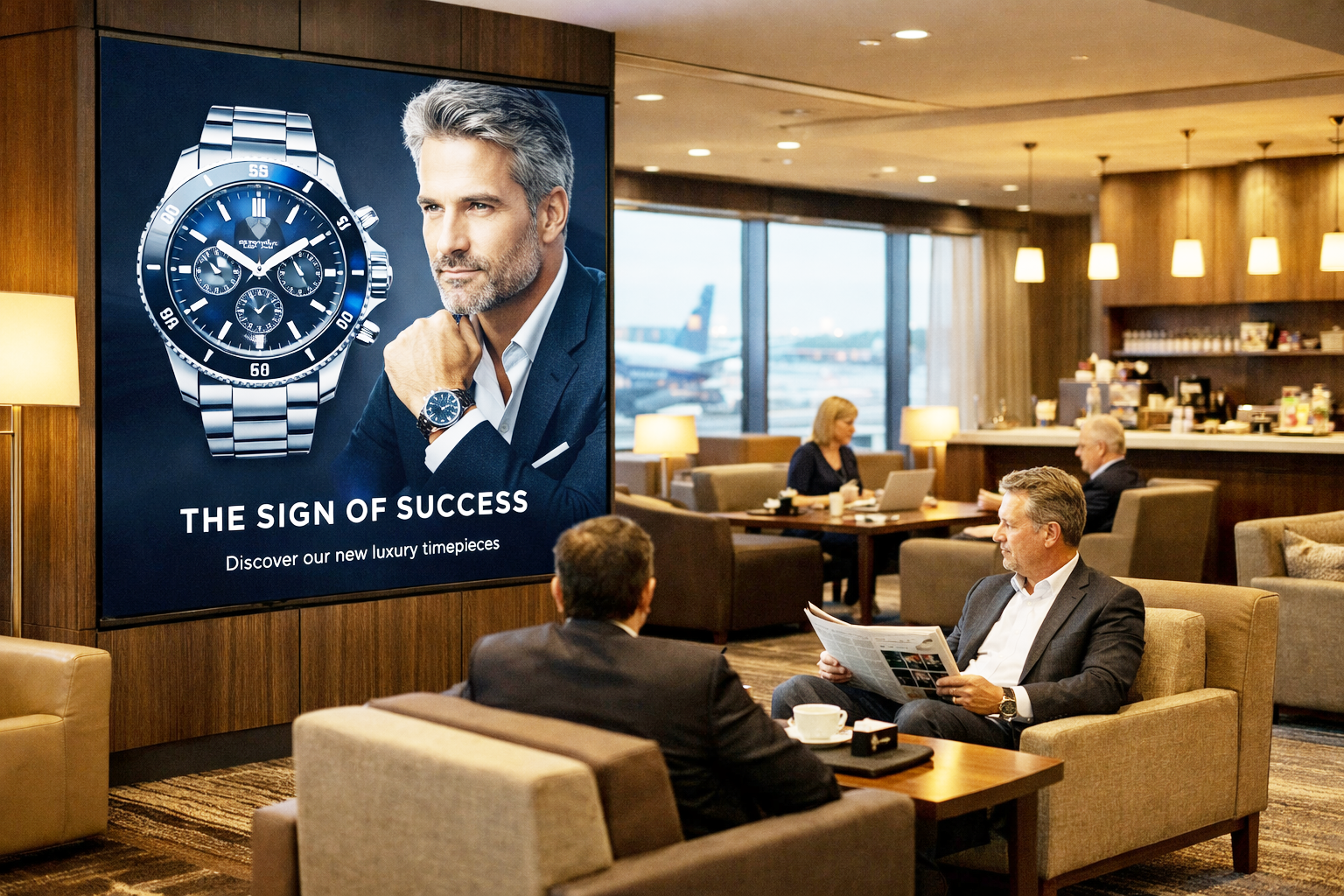
Poor Placement and Delays Affect Airport Campaigns
We help you move faster, access better inventory, and get it right now.
Talk to an ExpertFinal Strategic Verdict
Hue Phu Bai International Airport is Vietnam's most culturally elevated provincial airport advertising environment — and one of Southeast Asia's most compelling precision opportunities for brands operating at the intersection of heritage tourism, Vietnamese cultural identity, and the aspirational spending behaviour of central Vietnam's growing professional class. The international heritage tourists who arrive through HUI have made a deliberate, research-driven decision to visit one of Asia's most internationally acclaimed UNESCO destinations — they are not impulse travellers or mass-market tourists, they are culturally committed experience investors whose per-trip spending, brand receptivity, and quality orientation significantly exceeds the Vietnamese tourism average. The domestic Vietnamese professionals, academics, and government officials who depart through HUI carry the refined consumer values of a city shaped by five centuries of imperial court culture — a values framework that rewards brand authenticity, aesthetic quality, and cultural respect with a loyalty depth that Ho Chi Minh City's more transactional consumer culture rarely generates at equivalent cost. The Viet Kieu returnees who surge through HUI at Tet bring foreign-currency income and homeland emotional intensity into the same terminal at the same moment — creating the most powerful convergence of financial capacity and spending intent available at any Vietnamese provincial airport. For premium Vietnamese hospitality brands, international education institutions with Vietnamese student ambitions, real estate developers targeting the central Vietnamese corridor, Korean consumer lifestyle brands with a Da Nang-Hue tourism strategy, Vietnamese financial services firms building middle-class market depth, and cultural experience platforms serving the international heritage tourism market — HUI represents not a secondary option but the primary precision channel for audiences that Hanoi and Ho Chi Minh City campaigns reach imprecisely and expensively. The airport's expansion and Hue's pending municipal elevation make now the optimal entry point — before infrastructure investment closes the gap between the cultural prestige of Vietnam's imperial gateway and the current media cost structure that still reflects a destination in the early stages of its commercial ascent. Masscom Global brings the Vietnamese cultural market intelligence, the bilingual creative capability, the biennial event calendar precision, and the inventory access to activate HUI with the authenticity and commercial effectiveness that this audience — and this city — demands.
About Masscom Global
Masscom Global is a premium international airport advertising and media buying agency operating across 140 countries. With deep expertise in airport OOH, premium publications, and high-net-worth audience targeting, Masscom helps brands reach the world's most valuable travellers at the moments that matter most. For advertising packages, media rates, and campaign planning at Hue Phu Bai International Airport and airports across the globe, contact Masscom Global today.
Frequently Asked Questions
How much does airport advertising cost at Hue Phu Bai International Airport? Advertising costs at Hue Phu Bai Airport vary depending on format type, terminal placement, campaign duration, and the seasonal window selected. The Tet period and the spring dry season heritage tourism peak — including the biennial Hue Festival window — command premium rates reflecting the significant uplift in both passenger volume and audience spending intent during these periods. For current media rates, format availability, and culturally aligned campaign packages tailored to your specific objectives at HUI, contact Masscom Global for a dedicated proposal.
Who are the passengers at Hue Phu Bai International Airport? Hue Phu Bai Airport serves three commercially distinct and complementary passenger segments. The first is the international and domestic heritage tourism audience — culturally engaged visitors from across Vietnam, South Korea, China, France, the United States, Australia, and Europe who travel specifically for Hue's imperial monuments, royal tombs, and Buddhist heritage circuit. The second is the domestic Vietnamese professional and middle-class base of Thua Thien Hue province — academics, government officials, tourism industry operators, and healthcare professionals whose travel patterns reflect central Vietnam's growing economic ambition. The third is the Viet Kieu overseas Vietnamese diaspora — primarily from the United States and France — whose Tet and family occasion return visits bring foreign-currency income and homeland spending intent into the central Vietnamese market simultaneously.
Is Hue Phu Bai Airport good for luxury brand advertising? Hue Phu Bai Airport is an excellent environment for premium brands with authentic cultural, experiential, and quality positioning that aligns with Hue's heritage and the values-driven spending psychology of its audience. Premium Vietnamese hospitality, resort and villa brands in the Lang Co corridor, authentic Vietnamese artisanal and cultural product brands, and international lifestyle brands with heritage and quality credentials all find exceptional audience resonance at HUI. Traditional European ultra-luxury brands requiring extreme UHNWI concentration will find the primary audience profile more aspirationally positioned than ultra-high-net-worth, though the Lang Co resort visitor segment and Viet Kieu returnees from Western professional careers represent a meaningful premium spending cohort that Masscom Global can advise on targeting with precision.
What is the best airport in central Vietnam to reach heritage tourism and cultural audiences? Hue Phu Bai International Airport (HUI) is the only commercial aviation gateway for Hue — Vietnam's imperial capital and central Vietnam's defining heritage tourism destination. Da Nang International Airport (DAD) is the region's primary international gateway by volume and offers broader central Vietnamese market reach with a more diverse audience profile. For brands seeking maximum central Vietnamese heritage tourism audience precision, HUI is unmatched. For broader central Vietnamese market reach combining beach tourism, urban professional, and heritage audiences, Masscom Global recommends a coordinated HUI and Da Nang campaign strategy that delivers comprehensive central Vietnamese coverage across both the imperial heritage and contemporary leisure tourism corridors.
What is the best time to advertise at Hue Phu Bai International Airport? The primary advertising windows at HUI are the Tet period from January to February — the most commercially intense consumer, gifting, and diaspora return window of the Vietnamese calendar — and the spring dry season heritage peak from February to May, which delivers the highest international tourist volumes and the biennial Hue Festival audience in even-numbered years. The autumn window from August to October is the second strongest international and domestic tourism period. The biennial Hue Festival in April and May of even years represents the single highest-density culturally engaged international tourism audience available at HUI across the entire biennial cycle and should anchor multi-year campaign planning for brands with international heritage tourism audience objectives.
Can international education institutions advertise at Hue Phu Bai Airport? Yes — Hue Phu Bai Airport is among Vietnam's most viable provincial airports for international and domestic education institution advertising. Hue's academic culture — rooted in the Hue University system, one of Vietnam's oldest and most established university networks — has produced a provincial middle-class with among the strongest education investment priorities in central Vietnam. French universities hold particular cultural prestige in the Hue educational imagination given the historical colonial relationship. US, Australian, South Korean, and Singaporean universities with active Vietnamese student recruitment programmes will also find a deeply aspirational family education audience at HUI. Spring and early summer windows, when university admission cycles are most active in family conversations, are the optimal campaign periods for education brand advertising at this airport.
Which brands should not advertise at Hue Phu Bai Airport? Mass-market budget retail and price-comparison platforms are misaligned with HUI's culturally sophisticated, quality-oriented audience and the premium heritage tourism context of the Hue journey. Heavy industrial and manufacturing B2B brands without alignment to Hue's tourism, academic, and government professional ecosystem will find limited audience precision. Nightlife, gaming, and entertainment brands whose creative language conflicts with Hue's Buddhist cultural values and imperial heritage identity will generate cultural friction rather than commercial engagement — brand categories and executions must be respectful of the cultural dignity that defines Hue's civic character and the values of the audience it produces.
How does Masscom Global help brands advertise at Hue Phu Bai International Airport? Masscom Global provides comprehensive airport advertising services at Hue Phu Bai International Airport covering Vietnamese cultural market audience intelligence, biennial event calendar timing strategy, format selection, inventory access, bilingual Vietnamese-English and Korean-language creative guidance aligned to the heritage tourism and domestic professional audience, and full campaign execution. Our understanding of central Vietnam's cultural market — including the Hue consumer's distinctive values-driven spending psychology, the Viet Kieu diaspora return dynamic, the biennial Hue Festival's commercial amplification effect, and the central Vietnamese professional corridor's growth trajectory — allows us to structure campaigns that achieve cultural resonance and commercial impact in a market where generic Vietnamese national campaign frameworks consistently underperform. Contact Masscom Global today to explore campaign options at HUI or integrated central Vietnamese corridor strategies combining Hue with Da Nang.