


Airport at a Glance
| Field | Detail |
|---|---|
| Airport | Dibrugarh Airport (Mohanbari Airport) |
| IATA Code | DIB |
| Country | India |
| City | Dibrugarh, Assam |
| Annual Passengers | Approx. 0.8 million (2023–24) |
| Primary Audience | Tea estate owners, Oil India and ONGC executives, coal and timber business owners, government and defence officials |
| Peak Advertising Season | April–May (Bihu and post-harvest), October–November (Diwali), January–March (winter tourism peak) |
| Audience Tier | Medium-High |
| Best Fit Categories | Financial services, insurance, FMCG, gold and jewellery, real estate, B2B agri-industry |
Dibrugarh Airport is among the most commercially distinctive regional gateways in Indian aviation — not because of its passenger volume, but because of the extraordinary specificity and depth of the commercial wealth that passes through it. The Dibrugarh district and its surrounding Upper Assam catchment is the world's single largest contiguous tea-producing geography — a landscape of thousands of tea estates whose owners, planters, and managers represent a class of privately held agricultural wealth whose sophistication, international market exposure, and lifestyle aspirations are structurally above what their geographic location implies to planners unfamiliar with Assam's commercial history. Layered atop this tea economy is the oil and natural gas sector — Oil India Limited, whose headquarters sit at Duliajan just 35 km from the airport, and ONGC's Upper Assam basin operations together employ tens of thousands of engineers, geoscientists, and administrators with government-equivalent income security and above-average consumer aspirations. Coal, plywood, and agro-processing add further commercial depth.
For advertisers, DIB offers something genuinely rare in Indian regional aviation: an airport where the audience is simultaneously defined by tea plantation legacy wealth, government-sector petroleum institutional income, strategic border economy government and defence professionals, and a natural resource trading class whose commercial exposure extends to global commodity markets. The competitive advertising environment at this airport is near zero — making it one of Northeast India's most efficient access channels to an audience whose per-capita purchasing power is materially underestimated by national media planners who calibrate Northeast India buys on Guwahati alone.
Advertising Value Snapshot
- Passenger scale: Approximately 0.8 million annual passengers; serving a primary catchment of over 3 million across Dibrugarh, Tinsukia, Sivasagar, and Charaideo districts with secondary reach into Dhemaji, Lakhimpur, and adjacent Arunachal Pradesh border districts — Upper Assam's entire commercial and institutional spine
- Traveller type: Tea estate owners and senior garden managers, Oil India and ONGC executives and petroleum engineers, coal and timber business owners, Army and CAPF officials, state government administrators
- Airport classification: Tier 2 — a strategically significant regional airport whose tea industry private wealth and petroleum institutional income concentration deliver audience quality substantially above its passenger volume classification
- Commercial positioning: Northeast India's energy and tea wealth gateway — the sole air access point for Upper Assam's combined tea dynasty, oil sector institutional, and strategic border economy commercial audiences
- Wealth corridor signal: The Dibrugarh–Delhi–Kolkata industrial corridor concentrates India's tea and petroleum wealth in routes that carry natural resource commercial authority, institutional career mandates, and agricultural wealth management intent in nearly every business class seat
- Advertising opportunity: Masscom Global's access to DIB's advertising inventory — combined with deep intelligence on the tea harvest and auction cycle, oil sector posting calendar, and Northeast India's distinct commercial rhythms — positions brands to intercept Upper Assam's most commercially significant principals at the moments of highest purchasing intent with a precision that broad Northeast India media strategies cannot achieve.
Airport Advertising is Complex to Get Right
We help you execute faster, with proven results and local insight most planners lack starting now.
Talk to an ExpertCatchment Area and Economic Drivers
Top 10 Cities within 150 km — Marketer Intelligence
- Moran (30 km): A significant oil-producing township and tea belt hub whose Oil India and ONGC contractor community carries structured commercial income and above-average FMCG, insurance, and consumer goods purchasing behaviour; the Moran oil worker and tea estate supervisor audience is commercially active year-round and accessible through DIB's primary departures environment.
- Duliajan (35 km): The operational headquarters of Oil India Limited — one of India's oldest and largest upstream petroleum companies; the Duliajan township houses thousands of petroleum engineers, geoscientists, drilling specialists, and administrators with government-equivalent income stability and strong financial product, real estate, and premium consumer goods purchasing behaviour; this is the single most commercially institutionally significant community in the DIB catchment.
- Doom Dooma (45 km): A major tea belt centre in Tinsukia district whose tea estate owner and manager community forms one of the most concentrated agricultural wealth clusters in Northeast India; the garden manager class at Doom Dooma has international buyer exposure through tea auction linkages and carries above-average lifestyle aspirations for banking, real estate, and premium consumer products.
- Naharkatia (45 km): An oil-producing township and tea cultivation zone whose ONGC and contractor professional community mirrors Duliajan's institutional income profile — a secondary petroleum sector audience whose structured income and growing consumer aspirations are commercially relevant for banking, insurance, and FMCG brands.
- Tinsukia (55 km): Upper Assam's most commercially active city and the regional trading hub for tea, oil, coal, and timber — home to a concentrated business trading community with active banking, real estate, and insurance purchasing behaviour; the Tinsukia market extends the DIB catchment's commercial depth substantially and is the most relevant secondary commercial centre for brands building Upper Assam market penetration.
- Sivasagar/Sibsagar (60 km): The historic capital of the Ahom kingdom and a major agricultural and tea district — home to some of Assam's most significant heritage sites including Rang Ghar and Talatal Ghar; the administrative, educational, and agri-business community here has structured income and active financial product purchasing behaviour, with a growing heritage tourism economy creating hospitality business owner aspiration.
- Digboi (60 km): Asia's oldest oil refinery and a historically significant petroleum town — the Digboi community's institutional oil sector employment has sustained above-average income and consumer product purchasing behaviour for over a century; the Digboi audience's multi-generational oil company connection gives them a financial sophistication and brand loyalty profile that is distinctly above the regional average.
- Margherita (70 km): A significant coal mining and tea cultivation area in Tinsukia district; the coal business owner and tea estate manager community here contributes a commercially active secondary catchment to DIB with strong insurance, banking, and consumer goods purchasing intent, particularly relevant for brands building Tinsukia district market penetration.
- Sadiya (90 km): The historic border town at the confluence of the Lohit, Dibang, and Brahmaputra rivers — an agricultural and strategic border district whose government and army official community mirrors DIB's institutional income profile; Sadiya's proximity to Arunachal Pradesh additionally generates cross-border commercial and government travel through DIB.
- North Lakhimpur (130 km): The gateway to Arunachal Pradesh's Brahmaputra valley districts — an administrative and agricultural hub whose government professional and agri-business community uses DIB as their primary air gateway; the cross-border institutional and commercial traffic from Lakhimpur extends DIB's effective commercial catchment into Assam's northern bank and the adjacent Arunachal Pradesh districts.
NRI and Diaspora Intelligence
Dibrugarh's diaspora is modest in conventional NRI scale but commercially significant in composition. A professional diaspora of Assamese engineers, petroleum sector specialists, and academics from Dibrugarh has migrated to Delhi, Mumbai, Bengaluru, and internationally — particularly to the UK, USA, and Gulf — while maintaining strong investment connections to Upper Assam through ancestral property, tea estate interests, and family financial networks. The Oil India and ONGC professional community's all-India recruitment history means that the Duliajan and Dibrugarh township populations include Bengali, Hindi-belt, Odia, and Tamil professionals whose career postings connect them to a national network of real estate, banking, and institutional financial relationships that generate outbound investment behaviour accessible through DIB. The tea estate owner community's legacy international connections — to London tea brokers, colonial trading houses, and global commodity markets — give a significant stratum of the Dibrugarh business class a commercial sophistication and brand awareness that is consistently above its geographic tier classification.
Economic Importance
Dibrugarh's catchment economy is structured around four commercially distinct pillars whose combined revenue scale is extraordinary relative to the region's population. Tea — with Dibrugarh district alone producing approximately one-third of India's total tea output and containing some of the world's most productive tea gardens, the estate owner and planter community commands agricultural wealth whose per-acre productivity and global market linkages generate annual revenues that rival industrial manufacturing operations at comparable capital investment. Oil and natural gas — Oil India Limited and ONGC's Upper Assam basin operations contribute tens of thousands of institutionally employed professionals to the catchment while generating direct revenues that underpin the regional economy's institutional stability. Coal — the Makum and Tikak coalfields of the Margherita-Ledo area add a mining business-owner class with active commercial income. And strategic border economy — the defence, paramilitary, and government administrative concentration that India's proximity to China and Myanmar demands in Upper Assam creates a permanent institutional professional community at scale whose income and consumer aspirations drive the catchment's formal retail and service economy.
Business and Industrial Ecosystem
- Tea estate ownership and management: The Dibrugarh catchment's tea estate owners — ranging from large corporate-owned gardens to medium and small privately held estates — represent one of India's most commercially sophisticated agricultural wealth classes; international auction linkages to London's tea brokers and direct buyer relationships with premium tea brands in Japan, Germany, and the UK give this community a global commercial exposure that most national media planners attribute exclusively to coastal export communities.
- Oil India Limited headquarters ecosystem: Duliajan's OIL township sustains a community of petroleum engineers, geoscientists, drilling specialists, and administrative officers whose government-equivalent income, structured career progression, and defined benefit pension security produce a financially disciplined, product-receptive consumer class; OIL's national recruitment history means this community is culturally diverse — Bengali, Assamese, Bihari, Odia, and Tamil professionals coexist in proportions that create genuine multicultural advertising planning considerations.
- Coal and minerals sector: The Margherita-Ledo coal belt produces a business-owning mining class with active commercial income and growing consumer aspirations; the coal contractor and supply chain business community carries structured revenues from coal supply agreements and is an active purchaser of banking, insurance, and automotive products.
- Plywood, timber, and agro-processing: The Brahmaputra valley's forest products and agricultural processing industries — plywood manufacturing, rice milling, and rubber processing — produce a business-owner class with active commercial income and financial product purchasing intent that extends the catchment's industrial wealth base beyond its headline tea and oil anchors.
Passenger Intent — Business Segment
The business traveller at DIB is most commonly a tea estate owner or senior garden manager flying to Kolkata for auction engagements, an Oil India officer on official technical or administrative duty to Delhi or Noida headquarters, a coal or timber business principal managing commercial supply chain operations, or a state government official managing inter-departmental obligations. These individuals carry either generational agricultural wealth, institutional petroleum income, or commercial natural resource revenues — and in all cases are active purchasers of financial products, insurance, real estate, and premium consumer goods whose purchasing behaviour is calibrated to commercial confidence rather than salary constraint. The Oil India executive specifically is among the most financially product-receptive institutional professional audiences accessible through any Northeast India regional airport — structured income, pension security, and above-average savings rates combine with the career posting cycle's real estate and financial planning triggers to produce a consumer profile that financial services brands consistently identify as high-value.
Strategic Insight
The co-presence of tea estate private wealth and Oil India institutional employment at a single airport creates a commercial environment that is unique in India's aviation network. Tea estate owners bring agricultural legacy wealth, international market sophistication, and growing premium lifestyle aspirations to the departures hall. Oil India officers bring institutional income security, defined-benefit retirement planning needs, and structured career-linked financial decision-making. Neither audience is efficiently reached by national media strategies calibrated on metro audiences — and neither is currently served by premium advertising at DIB with the precision their commercial profiles deserve. For financial services, insurance, real estate, and premium consumer brands seeking to establish Northeast India market presence beyond Guwahati, DIB is not a secondary regional consideration — it is the primary access point to Upper Assam's most commercially concentrated and currently underserved audience. Masscom structures DIB campaigns to speak simultaneously to both the tea dynasty's agricultural wealth identity and the OIL professional's institutional career trajectory.
Tourism and Premium Travel Drivers
- Dibru-Saikhowa National Park (adjacent to Dibrugarh): A unique biodiversity hotspot known for feral horses and the Brahmaputra's island ecosystem — drawing wildlife enthusiasts and ecotourism visitors from across India and internationally; the premium eco-tourist visiting Dibru-Saikhowa is educated, affluent, and carries above-average hospitality and wildlife experience spending intent.
- Sivasagar Ahom Heritage Circuit (60 km): The Rang Ghar, Kareng Ghar, Talatal Ghar, and Sivasagar Tank represent one of Northeast India's most impressive archaeological heritage complexes — drawing domestic heritage tourists from across India with growing international visitor interest; the Ahom kingdom's 600-year history of independence from Mughal conquest gives Sivasagar a unique historical identity that premium heritage tourism brands can associate with authentically.
- Stilwell Road — WWII Heritage and Adventure Tourism (Ledo, 100 km): The legendary Stilwell Road — the WWII supply route connecting Ledo in Assam to Kunming in China through Burma — is one of the most historically significant and adventurously accessible overland routes in Asia; the growing WWII heritage and adventure tourism market includes affluent international and domestic travellers with premium expedition spending intent.
- Brahmaputra River Cruise and Wetland Tourism: The Brahmaputra's Upper Assam stretches, Maguri-Motapung Beel, and the river island ecosystems create a growing premium river cruise and wetland birding tourism economy; the international birding and wildlife tourism audience arriving for Assam's exceptional avifaunal diversity is a premium-spending, internationally mobile visitor segment increasingly accessible through DIB.
Passenger Intent — Tourism Segment
The premium tourist arriving at DIB — for wildlife, heritage, river, or WWII adventure experiences — is a carefully segmented, above-average-spending domestic or international traveller whose per-trip hospitality and experience budget is substantially above the regional norm. The international birding and wildlife tourist represents a particularly high-value arrival audience — Japanese, German, British, and American wildlife enthusiasts who commit substantial travel budgets to Northeast India's unique biodiversity circuits and whose dwell time in the terminal creates genuine brand exposure opportunities. The heritage tourist bound for Sivasagar's Ahom monuments is culturally engaged, educationally above-average, and carries premium product receptivity. Both segments are growing as Northeast India's tourism infrastructure improves and Assam's nature and heritage circuit gains international recognition.
Travel Patterns and Seasonality
Peak seasons:
- April to May (Bihu season and spring post-harvest): Bohag Bihu — the Assamese New Year and harvest festival — is the most commercially significant festival in the Assam calendar; the Bihu window concentrates the region's highest FMCG, gold, apparel, and consumer goods purchasing intent across a 2 to 3-week period that is directly commercially accessible through DIB.
- October to November (Diwali and autumn post-harvest): The second major commercial peak — Diwali's pan-India retail and gold surge combines with the Kati Bihu seasonal observance and post-monsoon tea estate business travel resumption to create a sustained commercial window relevant for gold, FMCG, banking, and real estate brands.
- January to March (winter tourism peak and Magh Bihu): The comfortable dry season draws the highest volume of wildlife, heritage, and river tourists to Upper Assam; Magh Bihu (January) — the harvest festival of abundance — generates the Assamese community's most food and community-celebration-oriented spending window, relevant for FMCG and consumer goods brands.
- Tea auction and export cycle (March to November): The tea production and auction calendar — with first flush in March, second flush in June, and autumn flush in October — drives commercial travel peaks as estate owners and garden managers attend Kolkata and Guwahati auction centres; advertising aligned with these auction travel peaks intercepts the tea community at its highest commercial engagement intensity.
Event-Driven Movement
- Bohag Bihu — Assamese New Year (April): The most important festival in the Assam calendar — a three-day celebration of spring, the new agricultural year, and Assamese cultural identity; Bihu generates the highest annual consumer spend across FMCG, gold, new clothing, and gifting categories; the most commercially significant advertising window of the year at DIB.
- Magh Bihu — Harvest Festival (January): The community bonfire and harvest abundance festival — a major FMCG, food, and community celebration window whose commercial intensity is second only to Bohag Bihu in the Assam festival calendar; particularly relevant for packaged food, beverages, and FMCG brands building Assam market presence.
- Oil India and ONGC Annual Posting Season (March and September): The semi-annual career posting cycle for petroleum sector professionals generates concentrated real estate and financial product purchasing intent as officers relocate — creating two additional predictable high-value institutional purchasing windows at DIB that reward financially positioned brands.
- Tea First Flush Season (March–April): The opening of the premium first flush tea production and export cycle concentrates Upper Assam's tea business community in active commercial engagement — auction travel, buyer visits, and estate management movements create a high-frequency business travel window for brands targeting the tea estate commercial class.
- Wildlife and Bird Watching Season (November–March): The peak international and domestic wildlife tourism season for Assam's national parks and wetlands generates a sustained inbound premium tourism audience at DIB over the 5-month winter season — the highest-value international arrival window at the airport for hospitality, heritage, and premium experience brands.

It’s Not Just Where You Advertise - It’s How Fast You Execute
We combine local insight with fast rollout to deliver results for you, now.
Talk to an ExpertAudience and Cultural Intelligence
Top 2 Languages
- Assamese: The primary language of the Dibrugarh catchment and the cultural identity anchor for the tea estate owner, the Assamese government professional, and the river valley farming community — Assamese-language creative signals cultural authenticity and earns elevated trust with the local business community in ways that Hindi-only campaigns consistently fail to achieve in Upper Assam; for brands seeking genuine audience connection at DIB, Assamese-language creative is the non-negotiable baseline, not a localisation option.
- Hindi: The operational language of Oil India Limited's multi-state professional community and the commercial language for inter-community business transactions in Upper Assam's diverse ethnic and linguistic landscape — Hindi reaches the Bihari, Bengali, and North Indian petroleum professionals settled in the Duliajan and Dibrugarh oil townships, the coal and timber business owners from mainland India, and the government administrative professionals whose careers have brought them to Upper Assam from across India.
Major Traveller Nationalities
The passenger base at DIB is entirely domestic Indian, with the primary traveller communities drawn from Assam's tea estate owner and manager class, Oil India Limited's multi-state professional community in Duliajan and surrounding townships, state and central government officials managing Upper Assam's strategic border administration, and a growing premium tourism audience arriving for wildlife and heritage experiences. The cultural diversity within the domestic audience is pronounced — Assamese, Bengali, Hindi-belt, Bihari, and Odia communities coexist in the oil township catchment in proportions that require genuine multicultural creative planning; campaigns that address only the Assamese community by default miss a commercially significant institutional professional segment whose purchasing behaviour and product receptivity are shaped by mainland Indian middle-class norms as much as by local Assamese culture.
Religion — Advertiser Intelligence
- Hinduism — Vaishnavite and Shakta traditions (approx. 72%): The dominant religious identity of Upper Assam — deeply influenced by the neo-Vaishnavite Ekasarana tradition of Srimanta Sankardeva, whose sattra monasteries remain active cultural and religious institutions across Assam; Bohag Bihu, Magh Bihu, Kati Bihu, Durga Puja, and Diwali are the primary festival spend windows for FMCG, gold, apparel, and consumer goods brands — with Durga Puja in particular representing the year's most elaborately celebrated and commercially intensive festival occasion in the Bengali and Assamese Hindu community.
- Christianity (approx. 13%): A significant Christian community — concentrated in the tribal and tea garden worker communities of Upper Assam and the adjacent Nagaland and Arunachal Pradesh catchment — whose Christmas and Easter celebrations create secondary spend windows relevant for FMCG, apparel, and consumer goods brands seeking comprehensive Upper Assam commercial reach; the Christian community's above-average literacy and institutional employment profile makes them a commercially active and brand-responsive secondary audience.
- Islam (approx. 12%): A commercially active Muslim community in parts of the Dibrugarh and Tinsukia catchment — particularly among the tea garden and agricultural labour communities — whose Eid-ul-Fitr and Eid-ul-Adha celebrations create concentrated FMCG and apparel spend windows relevant for brands building comprehensive Assam market penetration.
Behavioral Insight
The Dibrugarh airport audience carries a dual commercial identity that is commercially powerful for brands that understand and respect both dimensions simultaneously. The tea estate dimension — generationally wealthy, internationally connected through the global tea trade, proud of a heritage that predates Indian independence, and increasingly aspiring to premium lifestyle positioning — responds to brand messaging that acknowledges their commercial sophistication without metropolitan condescension. The oil sector dimension — institutionally disciplined, career-structured, financially systematic, and shaped by the PSU culture of long-term security and collective community — responds to financial products, consumer goods, and real estate brands that communicate reliability, long-term value, and institutional alignment. Brands that speak to both identities — the tea dynasty's agricultural pride and the OIL professional's institutional confidence — in Assamese-accented Hindi and Assamese creative will consistently outperform campaigns that treat Upper Assam as a generic Northeast India tier-matched audience.
Outbound Wealth and Investment Intelligence
The outbound passenger at Dibrugarh Airport represents a commercially layered wealth profile whose distinct segments carry active capital deployment intent that is systematically underestimated by national advertisers. The tea estate owner flying to Kolkata for auction settlements carries multi-crore annual production revenues whose deployment spans banking products, real estate, education investment, and — increasingly — premium lifestyle categories. The Oil India executive travelling to Delhi or Noida headquarters manages a career and pension portfolio with institutional depth. The coal business owner attending a procurement meeting in Kolkata carries natural resource commercial revenues with active reinvestment mandates. Together, these segments represent a catchment deploying capital with regularity and purpose — and doing so without meaningful guidance from the premium financial and investment brands that should be present at DIB.
Outbound Real Estate Investment
Dibrugarh's tea and oil sector professional class deploys real estate capital primarily across three corridors. Guwahati — Assam's commercial and educational capital — is the dominant destination for investment property purchasing among tea estate families educating children at Cotton University, Gauhati University, and IIT Guwahati; the Guwahati real estate market's growth trajectory and IIT proximity make it the natural first real estate investment destination for Upper Assam's aspirational business and professional class. Delhi NCR — for Oil India and ONGC executives whose career postings and retirement planning bring them into the national capital's residential investment orbit; OIL officer community property purchasing in Noida and Gurgaon is a structurally active real estate market segment. And Dibrugarh city itself — where the tea economy's wealth is progressively recapitalising the urban residential and commercial property market as estate owners invest in the city's growing infrastructure.
Outbound Education Investment
Dibrugarh's aspirational professional and tea estate families invest in higher education through IIT Guwahati and NIT Silchar domestically, Kolkata's medical and management colleges, Delhi's university institutions, and — for the most commercially successful tea estate and oil sector families — international programmes in Australia, the UK, and Canada. The Oil India professional community's strong STEM education culture extends internationally, with children of senior OIL officers increasingly pursuing engineering and science programmes abroad. Dibrugarh University and Assam Medical College — both in the city — additionally establish a local higher education anchor that creates a student travel audience with education finance and consumer goods purchasing behaviour. Study-abroad consultancies, international university recruiters, and education loan products find a growing and financially capable audience at DIB that is currently served by airport advertising only minimally.
Outbound Wealth Migration and Residency
Second-residency interest from Dibrugarh's commercial community is nascent but beginning to emerge — primarily among tea estate export families with direct buyer connections to UK, German, and Japanese premium tea markets who are exploring business visa and investment pathways to their export destination countries. UAE Golden Visa and long-term residency programmes are the most accessible entry point for the business community with Gulf commercial exposure. The Oil India officer community's international postings — OIL has upstream operations in multiple countries — create a secondary internationally mobile professional segment whose cross-border financial management needs are relevant for NRI banking and international investment advisory brands.
Strategic Implication for Advertisers
Financial services brands, real estate developers with Guwahati and Delhi NCR projects, insurance platforms, Assam-relevant consumer goods, and education consultancies targeting Northeast India's most commercially concentrated catchment should treat Dibrugarh Airport as the primary Upper Assam access channel — one that delivers tea estate wealth, oil sector institutional income, and natural resource commercial capital in a single, low-clutter terminal environment that no other Northeast India airport replicates. Masscom Global is positioned to activate at DIB with the cultural intelligence, Assamese market knowledge, and inventory access to ensure that brands intercept the Upper Assam audience with the precision and timing that this commercially distinctive catchment demands.
Airport Infrastructure and Premium Indicators
Terminals
Dibrugarh Airport — officially the Mohanbari Airport — operates a domestic passenger terminal managed by the Airports Authority of India at Mohanbari, approximately 15 km from Dibrugarh city centre. The terminal has been progressively upgraded to accommodate growing passenger volumes driven by oil sector institutional travel growth and the increasing tourism appeal of Upper Assam's wildlife and heritage circuits. The AAI's Northeast India regional connectivity investment programme identifies Dibrugarh as a priority node for enhanced infrastructure and route connectivity — reflecting the strategic and commercial significance of Upper Assam's air gateway to national aviation planning.
Premium Indicators
- Oil India Limited corporate presence: The proximity of OIL headquarters at Duliajan creates a permanent, high-quality institutional professional audience at DIB that elevates the airport's commercial profile above what its civilian passenger volume alone implies; companies advertising at DIB are consistently seen by petroleum engineers, geoscientists, and senior OIL administrators whose institutional income and consumer sophistication place them among Northeast India's most commercially valuable airport audiences.
- Tea estate heritage and wealth signal: The visible and implicit presence of Assam's tea estate community in the DIB passenger base creates an audience quality signal that is unique in the Northeast Indian airport network — the tea estate owner's generational wealth, international market exposure, and growing premium lifestyle orientation give DIB's commercial environment a depth and sophistication that purely agricultural regional airports cannot match.
- Strategic military and CAPF presence: India's sensitive border proximity with China and Myanmar makes Upper Assam one of the most militarily active regions in the country — Army, Assam Rifles, ITBP, and BSF officers and their families form a permanent institutional income community in the catchment whose presence ensures a reliable professional audience base at DIB year-round.
- Northeast India tourism gateway: Dibrugarh's growing role as the entry point for Assam's eastern wildlife and heritage tourism circuit — Dibru-Saikhowa, Sivasagar, Maguri-Motapung Beel, and the Stilwell Road adventure corridor — is progressively introducing a premium domestic and international tourism audience to the terminal whose hospitality and experience spending intent is above the regional average.
Forward-Looking Signal
Dibrugarh's commercial trajectory is being shaped by several converging developments. The Bogibeel Bridge — the longest rail-road bridge in India, connecting the north and south banks of the Brahmaputra at Dibrugarh — has dramatically improved connectivity between Upper Assam's two banks, effectively doubling the accessible catchment for commercial and institutional businesses using DIB. The India-Myanmar-Thailand Trilateral Highway's development — which would connect Northeast India to Southeast Asian markets through the Stilwell Road corridor — signals a long-term strategic transformation of Dibrugarh's commercial geography from a border terminus to an international trade gateway. Oil India Limited's ongoing upstream expansion in the Upper Assam basin and the government's push to revive Assam's petrochemical sector are sustaining and growing the institutional employment base that underpins DIB's commercial audience quality. Masscom advises clients to initiate DIB campaigns now, at current rate structures, ahead of the audience expansion that these infrastructure and geopolitical developments will drive over the next five years.
Airline and Route Intelligence
Top Airlines
- IndiGo
- Air India
- SpiceJet
- Alliance Air (ATR regional operations serving Northeast India's smaller hubs)
Key International Routes
Data not available — Dibrugarh Airport currently operates primarily on domestic routes. International route development is anticipated as part of the Act East Policy's aviation connectivity programme and the growing Buddhist and wildlife tourism circuit's demand for direct Southeast Asian connections; Kolkata remains the primary international transit gateway for DIB's outbound passengers.
Domestic Connectivity
- Delhi (DEL) — the primary institutional and commercial corridor; Oil India headquarters connectivity, state government administrative obligations, tea auction market access through Kolkata transit, and career management travel for the oil sector professional community
- Kolkata (CCU) — the most commercially purposeful single route at DIB; the Kolkata tea auction market at the Tea Board of India is the primary destination for Dibrugarh's estate owner community during auction seasons; the Kolkata financial market, medical facilities, and educational institutions are additional major draws
- Guwahati (GAU) — the state capital connection for administrative, educational, and commercial obligations across the Assam government and business ecosystem
- Mumbai (BOM) — financial market and commercial connections for the tea estate business community's banking and investment relationships and the oil sector's national industry engagements
Wealth Corridor Signal
The Dibrugarh–Kolkata route is the most commercially revealing connection at DIB — it is definitionally a commodity wealth transfer corridor, carrying Assam's tea estate owners to the auction market where their production revenues are determined, and returning them to Upper Assam with the commercial mandate to manage and deploy those revenues. The per-passenger commercial intent on this route — a concentrated mix of tea estate principals, oil sector professionals, and natural resource business owners — rivals that of metro business class travellers in terms of capital deployment motivation. For advertisers, the departures environment at DIB on the Kolkata flight is one of the highest-density agricultural and natural resource wealth audiences accessible through any Northeast India airport.
Media Environment at the Airport
- Dibrugarh Airport's single-terminal configuration creates a complete audience contact environment — every departing and arriving passenger moves through the same advertising space, ensuring total exposure to correctly positioned formats without the fragmentation that multi-terminal facilities generate at larger airports.
- The tea estate owner and Oil India professional audience at DIB is among the most commercially focused and least distracted airport audiences in Northeast India — travelling with purposeful commercial intent, engaging the terminal environment with above-average attention during extended Kolkata and Delhi flight dwell times that exceed the regional airport average.
- The near-total absence of competing premium advertisers at DIB means that a single correctly positioned brand achieves category ownership of the entire terminal commercial environment — an advertising position structurally unavailable at any cost in Guwahati, Kolkata, or Delhi, but entirely accessible at DIB for brands with the market intelligence to act on it.
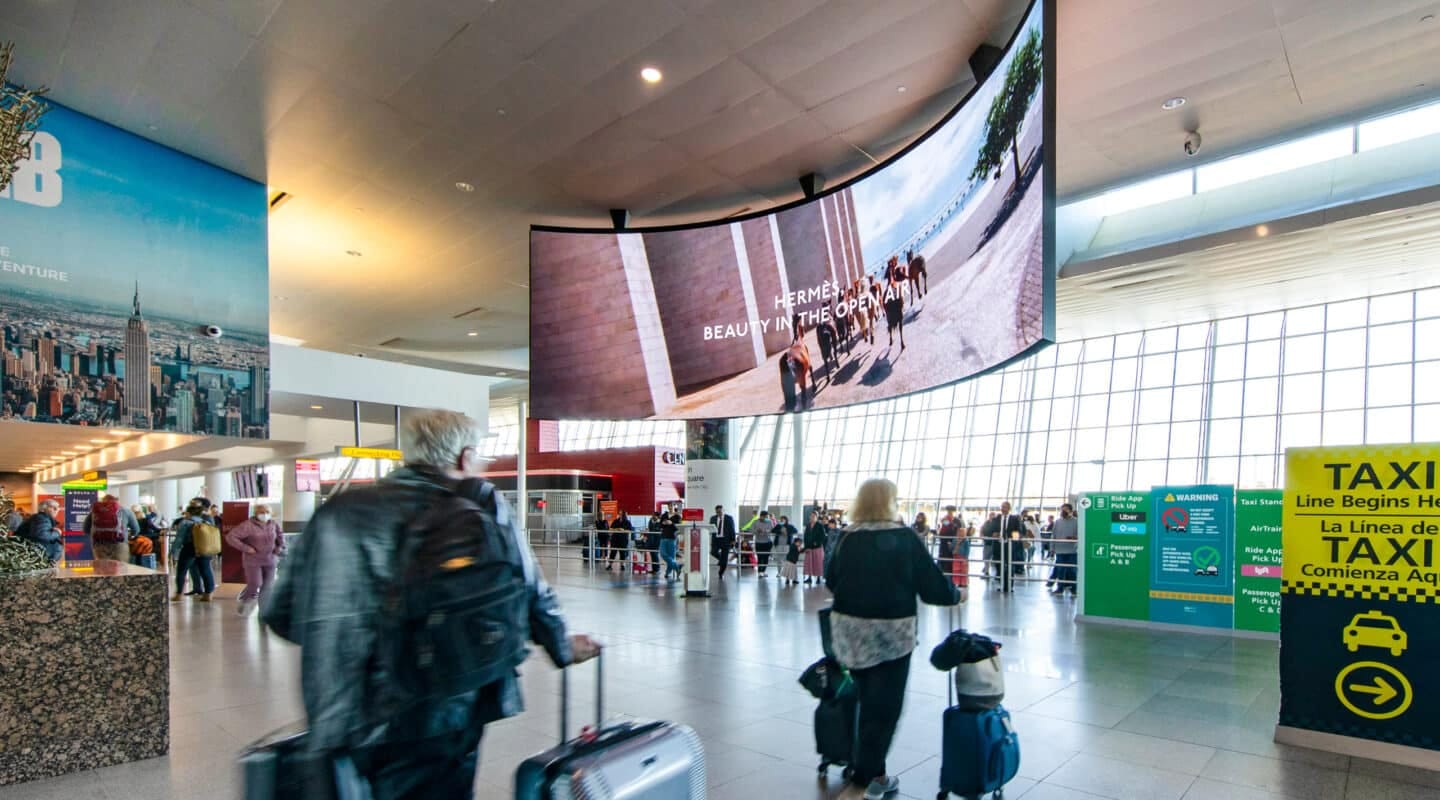
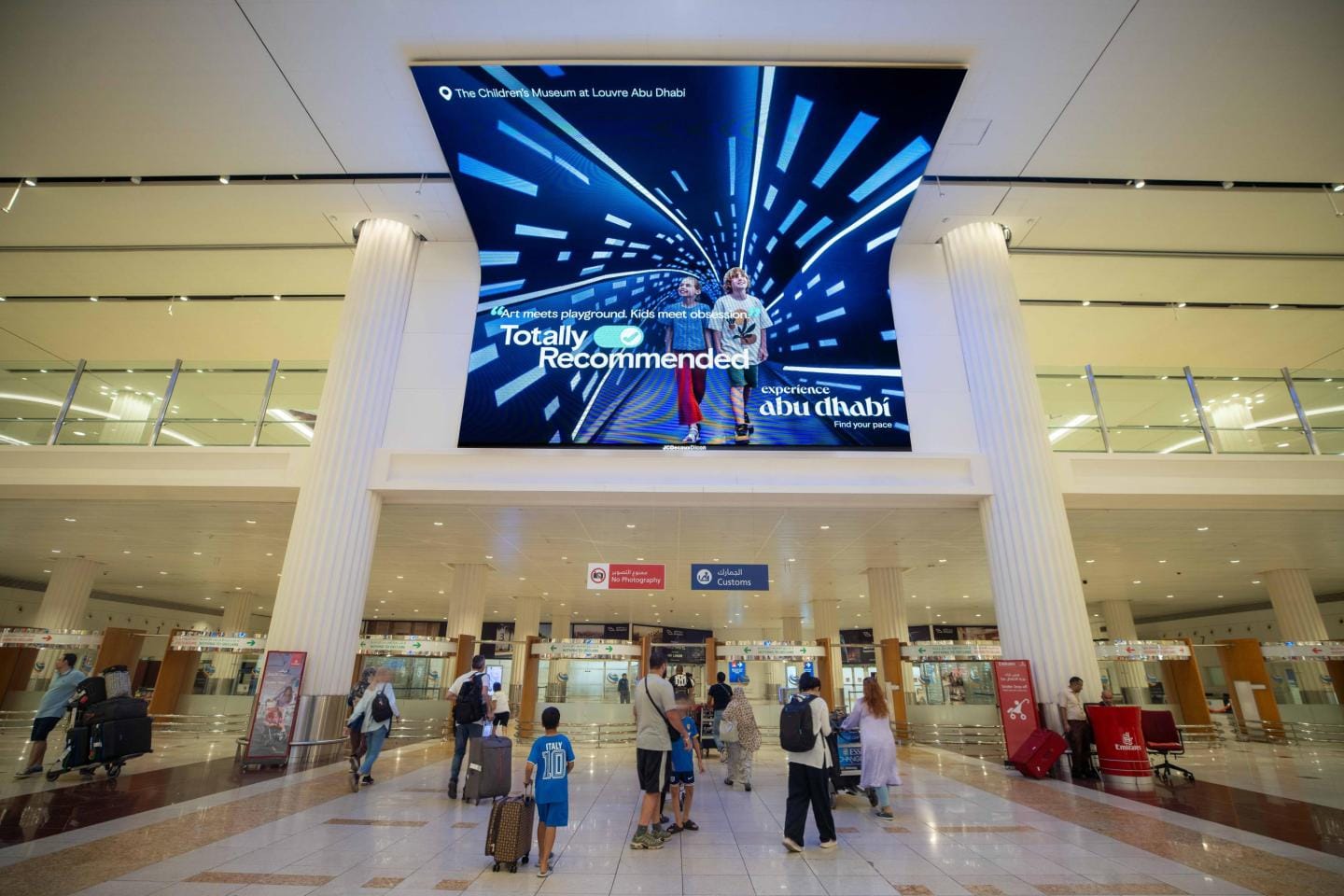
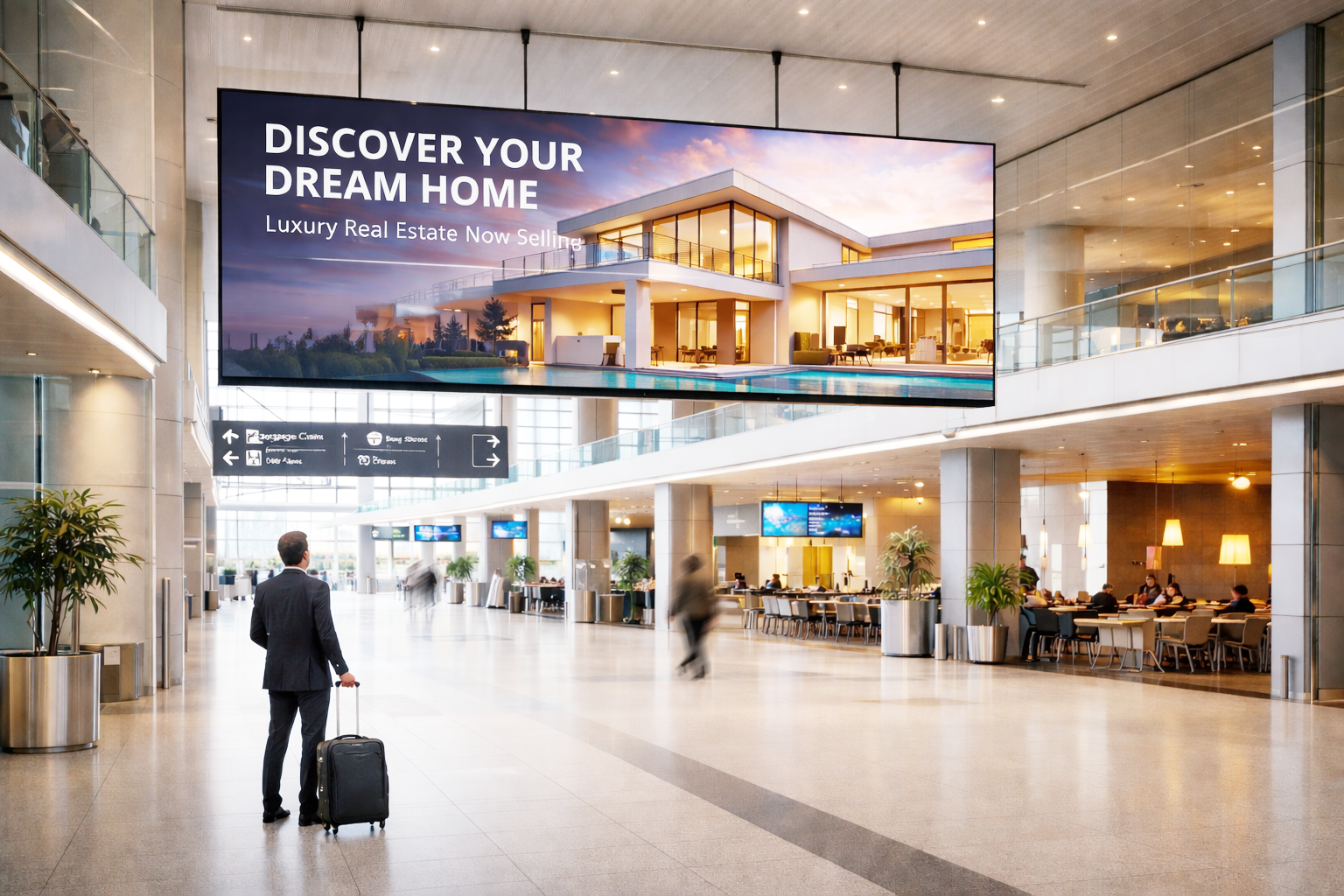
- Masscom Global's inventory access at Dibrugarh Airport covers the terminal's primary high-contact advertising positions — check-in hall, departures zone, security hold area, and arrivals corridor — managed through Masscom's India-wide airport OOH network with full campaign execution, Assamese market intelligence, and performance monitoring capability.
Strategic Advertising Fit
Best Fit
- Financial services, banking, and wealth management: The tea estate owner's auction revenue management needs, the Oil India executive's pension and savings planning requirements, and the coal business owner's commercial banking and investment mandates together produce one of Northeast India's most financially product-receptive regional airport audiences; private banking, SME commercial lending, mutual funds, and wealth management advisory brands find a genuinely qualified and actively seeking buyer base at DIB.
- Insurance and protection products: The tea estate's agricultural production risk, the oil sector professional's family protection mandate, and the coal business owner's asset security needs together create a structurally deep insurance product audience at DIB — life, health, crop, and business interruption insurance all find motivated, financially capable buyers among the catchment's primary traveller segments.
- Gold and jewellery: Bohag Bihu, Durga Puja, and Diwali are the three highest-volume gold purchasing occasions in the Upper Assam commercial calendar — the Assamese and Bengali communities' deep cultural orientation toward gold as wealth preservation and festival gifting makes DIB one of Northeast India's most seasonally concentrated gold advertising environments.
- Real estate (Guwahati and Delhi NCR): Oil India officers and tea estate families purchasing Guwahati investment properties and Delhi NCR residential units constitute an active, capital-capable real estate buyer audience at DIB — one that is currently served by real estate advertising almost exclusively through digital channels without the airport intercept advantage that Masscom provides.
- Automotive (mid-range to premium): The oil sector professional's structured vehicle upgrade behaviour and the tea estate manager's commercial and personal vehicle purchasing needs produce a reliable automotive purchase intent environment at DIB — mid-range SUVs, commercial vehicles, and premium sedan categories all find motivated buyers.
- FMCG and consumer staples: The Bihu, Durga Puja, and Diwali festival intensity creates sustained FMCG brand recall windows at DIB — personal care, packaged food, and household brands targeting Northeast India's aspirational tea and oil economy professional class find a receptive and brand-loyal consumer base.
- Premium tea, hospitality, and experiential brands: Tea brand premiumisation campaigns targeting the Assamese consumer's growing appreciation of their own state's world-class product, luxury eco-resort and wildlife tourism operators developing the Upper Assam tourism circuit, and river cruise experience brands find a naturally predisposed and emotionally resonant audience at DIB.
- B2B agri-industry and oil sector products: Agricultural finance, tea estate management technology, oil sector procurement, and industrial equipment brands targeting Northeast India's natural resource sector find their most concentrated and commercially motivated buyer audience at a single Northeast Indian airport only at DIB.
Brand Alignment at a Glance
| Category | Fit |
|---|---|
| Financial services and wealth management | Exceptional |
| Insurance and protection products | Exceptional |
| Gold and jewellery | Strong |
| Real estate (Guwahati and Delhi NCR) | Strong |
| B2B agri-industry and oil sector | Strong |
| Automotive (mid-range to premium) | Strong |
| FMCG and consumer staples | Strong |
| Premium tea and hospitality | Strong |
| Ultra-premium international luxury | Poor fit |
Who Should Not Advertise Here
- Ultra-premium international luxury goods: The cosmopolitan, globally mobile luxury consumer is not a structural audience at DIB; ultra-premium watch, fashion couture, and prestige niche lifestyle brands will find insufficient audience density and commercial alignment, with better returns at Guwahati or Kolkata airports.
- International leisure tourism (non-Northeast circuit): Long-haul leisure packages to Europe, the Americas, or Southeast Asia for recreational purposes generate weak conversion from a catchment whose outbound travel is dominated by institutional duty mandates, commercial agricultural and petroleum market obligations, and family purpose rather than exploratory leisure.
- Urban digital youth lifestyle brands: Products targeting metropolitan trend-conscious consumers aged 18 to 25 find limited audience resonance at DIB — the dominant traveller profile is institutionally employed or business-owning, family-centred, and defined by the tea and oil economy's production-first community values rather than urban digital lifestyle consumption.
Event and Seasonality Analysis
- Event Strength: High
- Seasonality Strength: High
- Traffic Pattern: Agricultural and Institutional Calendar Driven with Festival Overlay (tea auction cycle March–November, oil sector posting seasons March and September, Bohag Bihu April peak, Durga Puja October, wildlife tourism November–March)
Strategic Implication
Dibrugarh Airport's commercial calendar is defined by the simultaneous rhythm of Assam's three dominant economic sectors — each creating predictable commercial travel peaks that reward advertisers who plan against the combined calendar rather than any single event. The tea auction cycle drives commercial travel to Kolkata from March to November with intensity peaks at first flush (March–April) and autumn flush (October). The oil sector posting seasons in March and September create institutional real estate and financial product purchasing peaks. The Bohag Bihu festival window in April generates the year's highest consumer spend occasion across all FMCG and lifestyle categories. And the wildlife tourism season from November to March creates the highest-quality international and premium domestic arrival audience of the year. Masscom structures DIB campaigns to align investment across these overlapping commercial rhythms — front-loading festival and auction cycle windows while maintaining institutional-sector presence across the full year. Advertisers who calibrate to this multi-sector calendar consistently achieve returns that generic media calendar approaches cannot generate at this airport.

Poor Placement and Delays Affect Airport Campaigns
We help you move faster, access better inventory, and get it right now.
Talk to an ExpertFinal Strategic Verdict
Dibrugarh Airport is Northeast India's most commercially underexploited natural resource wealth gateway — an airport whose 0.8 million annual passengers include a disproportionate concentration of tea estate owners whose auction revenues connect them to London's commodity markets, Oil India executives whose institutional careers and pension security make them among India's most financially disciplined consumers, coal and timber business principals whose natural resource revenues fund active investment in banking, real estate, and consumer products, and strategic border economy government and defence officials whose institutional income and professional movement create a reliable year-round commercial audience of exceptional quality. No other Northeast Indian airport at this passenger volume delivers the simultaneous presence of generational agricultural wealth, PSU petroleum institutional income, and natural resource commercial capital in a single, zero-clutter terminal environment. The tea auction cycle, Bohag Bihu, Durga Puja, and the wildlife tourism season together create a commercially rich, predictable annual calendar that rewards pre-planned advertising investment with returns commensurate with audience quality rather than passenger volume. For financial services, insurance, real estate, B2B agri-industry, and FMCG brands with genuine strategic intent in Northeast India's most commercially mature market beyond Guwahati, DIB is not a peripheral consideration — it is the primary access channel to Upper Assam's tea dynasty, oil sector, and natural resource wealth that has been waiting, commercially unserved by premium advertising, for brands with the intelligence and ambition to reach it. Masscom Global brings the access, the Assam market intelligence, and the execution capability to make that connection now.
About Masscom Global
Masscom Global is a premium international airport advertising and media buying agency operating across 140 countries. With deep expertise in airport OOH, premium publications, and high-net-worth audience targeting, Masscom helps brands reach the world's most valuable travellers at the moments that matter most. For advertising packages, media rates, and campaign planning at Dibrugarh Airport and airports across the globe, contact Masscom Global today.
Frequently Asked Questions
How much does airport advertising cost at Dibrugarh Airport? Advertising costs at Dibrugarh Airport vary based on format type, terminal placement position, campaign duration, and seasonal demand — the Bohag Bihu window in April, the Durga Puja and Diwali period in October, the tea first flush auction season in March to April, the oil sector posting seasons in March and September, and the wildlife tourism peak from November to March all carry elevated demand and corresponding rate structures. No fixed public rate card applies; inventory is allocated based on campaign objectives, category fit, and timing. Contact Masscom Global for current rates, format options, and campaign packages calibrated to your brand's objectives and the Upper Assam commercial calendar at DIB.
Who are the passengers at Dibrugarh Airport? The passenger base at Dibrugarh Airport (DIB) is defined by four commercially distinct and complementary segments: tea estate owners and senior garden managers from the world's most productive tea-producing district, Oil India Limited and ONGC petroleum sector executives and engineers from the Duliajan and Naharkatia oil townships, coal and timber business owners from the Tinsukia and Margherita catchment, and Army, CAPF, and state government officials managing Upper Assam's strategic border administration. The audience is multicultural within its domestic composition — Assamese, Bengali, Hindi-belt, and Odia professionals coexist in the oil township community — and is characterised by above-average income, commercial sophistication shaped by natural resource industry exposure, and active financial product and consumer goods purchasing intent.
Is Dibrugarh Airport good for financial services advertising? Dibrugarh Airport is the strongest financial services advertising environment in Northeast India's regional airport network outside Guwahati. The tea estate owner's auction revenue management needs, the OIL executive's pension and investment planning requirements, and the coal business owner's commercial banking mandates together create a multi-layered, financially product-receptive audience with demonstrably above-average propensity to engage with banking, insurance, investment, and wealth management products. The tea auction travel window in March to April and the institutional posting season in March and September are the two highest-commercial-intent financial product advertising periods at DIB. Masscom Global structures DIB campaigns to maximise financial services brand ROI within these windows.
What is the best airport in Northeast India to reach tea industry HNWIs? Dibrugarh Airport (DIB) is the singular facility in India's airport network that provides direct advertising access to the world's largest tea-producing district's estate owner and manager class. Guwahati's Lokpriya Gopinath Bordoloi International Airport serves a larger passenger volume but distributes the tea community across a vastly more heterogeneous commercial audience. For brands specifically targeting Assam's tea estate ownership class — whose generational agricultural wealth, London auction market connections, and growing premium lifestyle aspirations define a commercially unique audience — DIB provides an unmatched concentration at a cost efficiency that Guwahati cannot approach.
What is the best time to advertise at Dibrugarh Airport? The highest-impact annual advertising windows at DIB are the Bohag Bihu and first flush tea auction window in April, the Durga Puja and Diwali period in October, the wildlife tourism peak from November to March for hospitality and tourism brands, and the oil sector posting seasons in March and September for financial and real estate brands. The Magh Bihu harvest festival in January is the additional priority window for FMCG brands targeting the Assamese community's food and celebration spending. Masscom Global books DIB inventory 6 to 8 weeks ahead of the Bihu and Diwali peaks to secure premium positions before seasonal demand affects rate structures.
Can international real estate developers advertise at Dibrugarh Airport? International real estate advertising at DIB finds its most relevant audience in the UAE and Gulf long-term residency segment among tea estate and oil sector business families with existing Gulf commercial exposure. Domestic real estate developers — particularly those with Guwahati residential investment properties aligned with the oil sector and tea estate families' education and investment relocation behaviour, and developers with Delhi NCR projects targeting OIL executives' retirement and career-posting-cycle purchases — find a significantly more active and immediate buyer audience at DIB. Guwahati property developers marketing in the Beltola, Jalukbari, and GS Road corridors find particularly motivated buyers among the Upper Assam institutional professional community that uses DIB as their gateway.
Which brands should not advertise at Dibrugarh Airport? Brands without structural alignment to Upper Assam's tea, oil, and natural resource economy identity will find spend at DIB inefficient. Ultra-premium international luxury goods requiring cosmopolitan globally mobile consumers find insufficient audience density. International leisure holiday packages to long-haul destinations generate weak conversion from a catchment whose travel is overwhelmingly driven by institutional duty, commodity market obligations, and family purpose. Urban digital entertainment and fast fashion brands targeting metropolitan youth consumers find limited resonance at an airport whose dominant profile is institutionally employed, production-economy rooted, and defined by the commercial values of tea dynasty heritage and oil sector professional discipline.
How does Masscom Global help brands advertise at Dibrugarh Airport? Masscom Global provides complete end-to-end airport advertising capability at Dibrugarh Airport — from audience intelligence and campaign strategy through inventory access, format selection, Assamese and Hindi bilingual creative placement, and performance reporting. Our deep understanding of DIB's tea auction cycle, oil sector posting calendar, Bihu festival commercial rhythms, wildlife tourism seasonality, and terminal advertising environment allows us to design campaigns that intercept Upper Assam's most commercially significant travellers at precisely the right moment. We manage all complexities of booking, production, regulatory compliance, and monitoring — ensuring your brand launches faster and performs with the cultural specificity and commercial precision that this distinctive Northeast India audience demands. To begin planning your campaign at Dibrugarh Airport, speak to a Masscom expert today.