

Airport at a Glance
| Field | Detail |
|---|---|
| Airport | Mae Fah Luang Chiang Rai International Airport |
| IATA Code | CEI |
| Country | Thailand |
| City | Chiang Rai |
| Annual Passengers | Circa 1.5 to 1.8 million pre-2020 baseline. Current-year total: data not available |
| Primary Audience | Domestic and regional wellness and eco-tourism travellers, Golden Triangle border trade professionals, boutique hospitality visitors |
| Peak Advertising Season | November to February (cool season peak) |
| Audience Tier | Tier 3 Niche Community Gateway with rising boutique-tourism premium |
| Best Fit Categories | Boutique hospitality and wellness travel, premium tea and coffee brands, eco-luxury resort development, regional trade and logistics services |
Chiang Rai occupies a different commercial position than Thailand's major beach and Bangkok hubs. This is not a mass-tourism airport. It is the access point to a region defined by boutique hospitality, wellness retreats, contemporary Thai art and design, and a border-trade economy running through Myanmar and Laos along the Mekong. Passengers arriving here have typically already committed to a considered, higher-spend travel decision rather than a generic beach package.
The airport also sits inside a genuine trade corridor. The Golden Triangle, where Thailand, Myanmar and Laos meet, channels commercial movement in agriculture, tea, timber and cross-border logistics through Chiang Rai rather than through Chiang Mai. That gives the terminal a business travel layer most northern Thai destinations lack, alongside its now well-established identity as a design and wellness tourism destination anchored by landmarks such as the White Temple and Blue Temple.
Advertising Value Snapshot
- Passenger scale: Circa 1.5 to 1.8 million pre-2020 baseline. Current-year total and year-on-year growth: data not available
- Traveller type: Wellness and eco-tourism travellers, boutique hospitality guests, Golden Triangle trade and logistics professionals
- Airport classification: Tier 3 Niche Community Gateway, with premium tourism density well above what passenger volume alone suggests
- Commercial positioning: Northern Thailand's design, wellness and cross-border trade gateway
- Wealth corridor signal: Sits on the domestic Thai premium leisure corridor and the Mekong border trade route linking Thailand, Myanmar and Laos
- Advertising opportunity: CEI carries a disproportionately high-intent passenger base relative to its size. Masscom Global positions brands here to intercept travellers who have already selected a considered, design-led destination over a mass-market alternative, at media rates well below Chiang Mai or Bangkok.
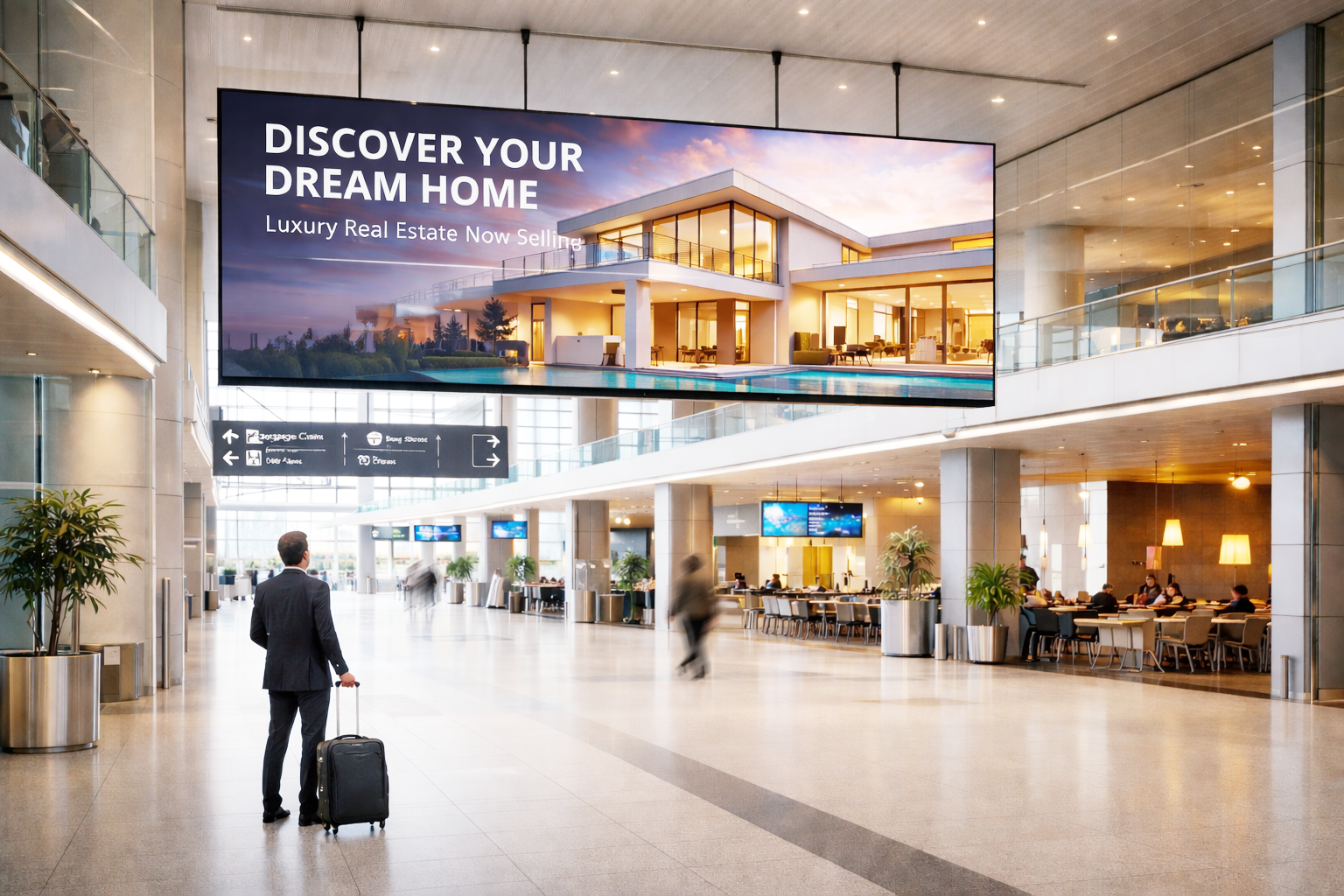
Airport Advertising is Complex to Get Right
We help you execute faster, with proven results and local insight most planners lack starting now.
Talk to an Expert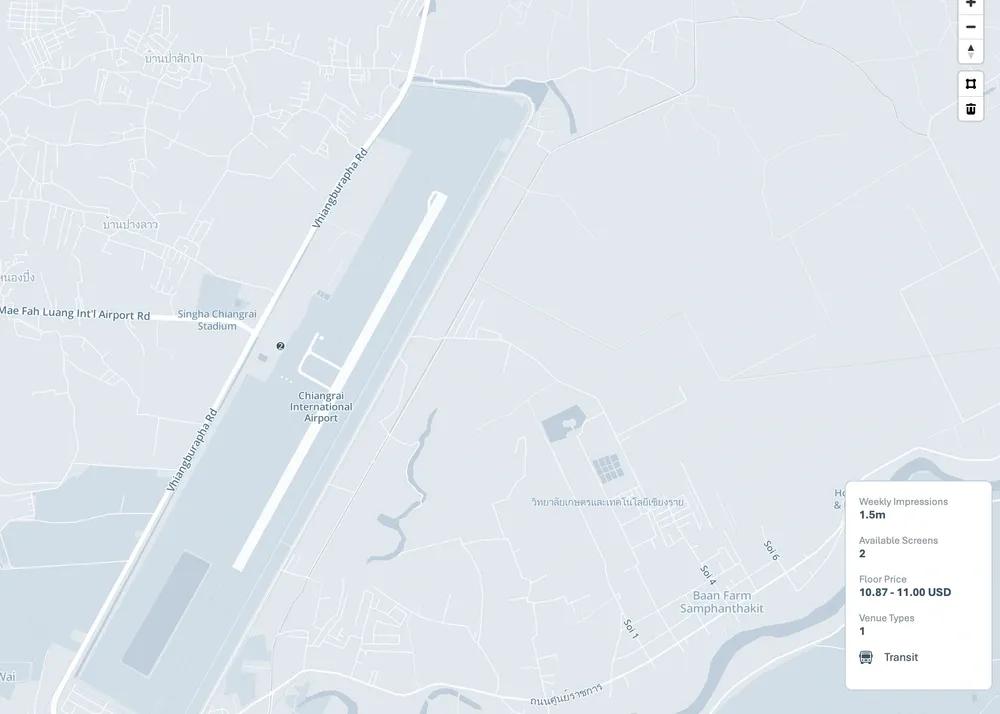
Catchment Area and Economic Drivers
Top 10 Cities within 150 km — Marketer Intelligence:
- Chiang Rai City: Administrative and cultural core, home to the White Temple and Blue Temple. Anchors the region's design-tourism identity and provides steady domestic and regional visitor spending.
- Chiang Saen: Historic Mekong riverside town and gateway to the Golden Triangle itself. Drives cross-border trade movement and heritage tourism with strong photographic and cultural appeal.
- Mae Sai: Thailand's northernmost border town with Myanmar. Generates cross-border commerce audience relevant to trade, logistics and remittance-adjacent financial services.
- Doi Tung and the Royal Project area: Origin of Thailand's premium tea and coffee sector, a genuine agricultural luxury story. Directly relevant to premium food and beverage advertisers.
- Doi Mae Salong: Yunnanese hill-tribe heritage tea town with a distinct boutique tourism identity. Attracts design-conscious travellers with above-average discretionary spend.
- Wiang Pa Pao: Agricultural trade town on the Chiang Rai to Chiang Mai corridor. Contributes steady domestic logistics and commerce traffic.
- Phan: Regional agricultural and trade centre. Audience is largely commercial and price-sensitive, of limited direct relevance to premium categories.
- Mae Chan: Border-adjacent trade town with agricultural processing activity. Relevant chiefly to B2B logistics and agri-trade advertisers.
- Chiang Khong: Mekong river crossing point into Laos. Generates cross-border trade and increasingly slow-travel tourism linked to Luang Prabang river routes.
- Chiang Mai (outer catchment): Competing but complementary regional hub. Some premium visitors fly into Chiang Mai and travel overland, meaning CEI campaigns should coordinate rather than compete with Chiang Mai messaging.
NRI and Diaspora Intelligence:
Chiang Rai does not carry a significant outbound Thai diaspora audience. The more relevant movement is inbound: a returning base of Thai urban professionals from Bangkok and international wellness and design tourists, alongside Yunnanese-heritage communities with cross-border family and trade ties into Myanmar and China. Advertisers should treat CEI as an inbound premium-visitor gateway rather than a diaspora remittance corridor.
Economic Importance:
The regional economy runs on premium agriculture, most visibly specialty tea and coffee from Doi Tung and Doi Mae Salong, alongside boutique hospitality and Golden Triangle cross-border trade. This combination produces two distinct high-value audiences at the airport: agricultural business owners and exporters, and design-conscious wellness travellers. Both carry meaningful spending power relative to the region's modest population base.
Business and Industrial Ecosystem
- Specialty tea and coffee production and export: Produces agricultural business owners and international buyers, a strong audience for premium food, beverage and export logistics advertisers
- Cross-border trade through Mae Sai and Chiang Saen: Produces logistics operators and trade financiers moving between Thailand, Myanmar and Laos
- Boutique hospitality and resort development: Produces hotel investors, developers and management professionals scouting or servicing new properties
- Handicraft, textile and hill-tribe design commerce: Produces design buyers and cultural tourism operators with international retail connections
Passenger Intent — Business Segment:
Business travellers moving through CEI are predominantly linked to agricultural trade, cross-border logistics or the region's expanding boutique hospitality sector. This is a smaller, more specialised business audience than a major Thai hub, but one with direct purchasing authority over trade, export and hospitality investment decisions. Export finance, logistics services, hospitality investment and premium agricultural equipment advertisers intercept this segment effectively.
Strategic Insight:
What makes this business audience valuable is concentration of decision-making authority in a small traveller pool. Agricultural exporters, trade financiers and hotel developers moving through Chiang Rai are frequently the actual decision-makers rather than intermediaries. A B2B message reaching this terminal reaches genuine buying power, not a diluted corporate audience.
Tourism and Premium Travel Drivers
- Wat Rong Khun, the White Temple: Thailand's most recognisable contemporary temple art project, drawing both domestic and international visitors with strong cultural spending intent
- Wat Rong Suea Ten, the Blue Temple: Complements the White Temple in establishing Chiang Rai as a design and contemporary art destination
- Doi Tung Royal Villa and tea plantations: Combines heritage, horticulture and premium agri-tourism, appealing to design and lifestyle-conscious travellers
- Golden Triangle riverside viewpoints and Mekong slow-travel routes: Attracts a growing base of considered, higher-spend slow-tourism visitors, including onward travel into Laos
Passenger Intent — Tourism Segment:
CEI's leisure passengers are largely wellness, design and cultural travellers who have chosen Chiang Rai deliberately over more generic northern Thai alternatives. They arrive with above-average discretionary spend already allocated to boutique accommodation and considered experiences. Premium tea and coffee brands, boutique hospitality, wellness and spa brands, and eco-luxury resort developers gain the strongest response from this audience.
Travel Patterns and Seasonality
Peak seasons:
- November to February: Cool season peak. Best climate for hill-country travel drives the highest volume of both domestic and international wellness and cultural tourism
- March to April: Songkran and regional agricultural fair season adds a secondary domestic travel spike
- May to October: Green season, lower international volume with continued domestic and regional trade movement
Monthly passenger distribution data: not available at verified level.
Event-Driven Movement:
- Songkran, Thai New Year (April): Major domestic travel event with strong family and gifting spend, relevant to travel retail and consumer goods advertisers
- Chiang Rai Flower Festival (December to January): Aligns with peak cool season, drawing design and horticulture-interested visitors
- Doi Tung tea harvest season (November to January): Draws agricultural buyers and premium food tourism simultaneously
- Loy Krathong (November): Cultural festival with strong domestic and regional tourism uplift, relevant to hospitality and lifestyle brands
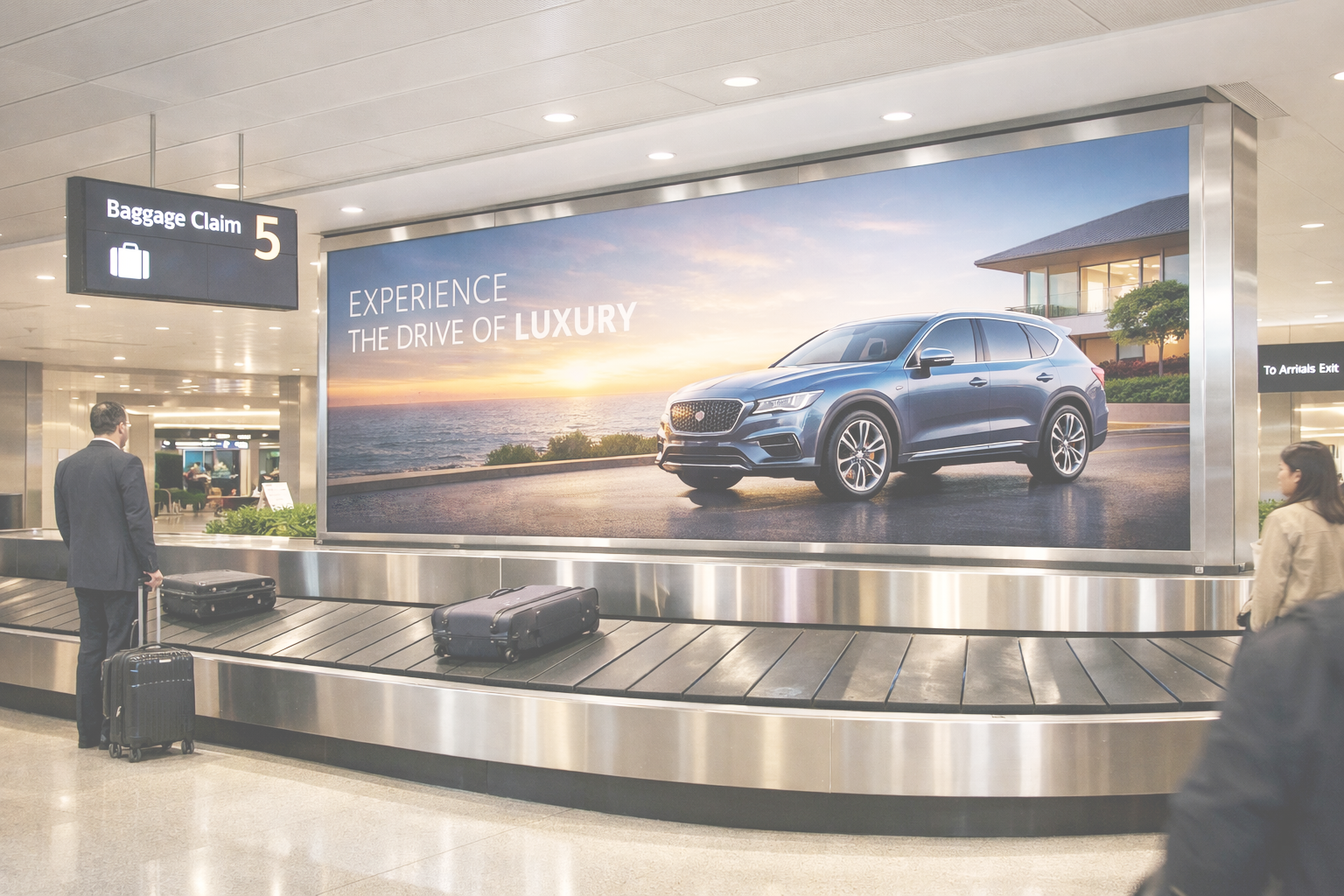
It’s Not Just Where You Advertise - It’s How Fast You Execute
We combine local insight with fast rollout to deliver results for you, now.
Talk to an ExpertAudience and Cultural Intelligence
Top 2 Languages:
- Thai: The primary language of both the resident trade and agricultural business audience and the majority domestic tourist base. Thai-language creative is essential for B2B agricultural and logistics categories.
- English: Working language for international wellness tourists, hospitality investors and cross-border trade professionals. English creative is required for boutique hospitality, wellness and premium F&B categories targeting international visitors.
Major Traveller Nationalities:
The dominant traveller base is Thai domestic, drawn primarily from Bangkok and central Thailand for design and wellness tourism. A meaningful secondary flow comes from other Southeast Asian markets and a smaller but growing Western wellness and slow-travel segment, alongside Yunnanese-heritage cross-border visitors. Creative should lead in Thai for the core audience, with English-language premium messaging targeted at the international wellness and hospitality-investor segment.
Religion — Advertiser Intelligence:
- Theravada Buddhism (large majority): Anchors the region's temple tourism identity and drives merit-making travel around festivals such as Loy Krathong and Songkran. Advertisers in hospitality, gifting and travel retail should align campaigns to these calendar peaks.
- Animist and hill-tribe spiritual traditions (significant minority influence): Shapes the region's craft, textile and cultural tourism appeal, particularly around Doi Mae Salong and hill-tribe villages. Relevant to design, handicraft and cultural tourism advertisers rather than mainstream retail.
- Christianity and other minority faiths (small share, notably among some hill-tribe communities): Limited direct commercial relevance to airport advertising planning.
Behavioral Insight:
The Chiang Rai audience, both domestic and international, responds to authenticity, craftsmanship and slow, considered experience rather than volume or price promotion. This is a destination chosen deliberately over more convenient alternatives, which signals a traveller already willing to pay for quality and provenance. Messaging built around heritage, origin story and design integrity will consistently outperform discount or scale-based positioning with this audience.
Outbound Wealth and Investment Intelligence
CEI is not primarily an outbound wealth corridor in the way major Thai or international hubs are. Its relevant investment audience is smaller and concentrated among boutique hospitality developers and agricultural exporters rather than broad HNI outbound capital flows. The opportunity for international advertisers lies less in reaching outbound Thai investors and more in reaching decision-makers evaluating investment into the region itself.
Outbound Real Estate Investment:
Direct outbound property investment data for this catchment is limited. What is observable is inbound investment interest from boutique hospitality operators and design-led developers evaluating Chiang Rai itself as a growth market for wellness resorts and heritage-style accommodation. International hospitality brands and resort developers should treat CEI as an inbound investment-scouting audience rather than a classic outbound HNI property corridor.
Outbound Education Investment:
Data on specific outbound education destinations for this catchment is limited. Broader Thai national patterns point toward the United Kingdom, Australia and the United States for higher education, though Chiang Rai-specific volumes are modest given the region's smaller population base.
Outbound Wealth Migration and Residency:
Verified data on residency and citizenship-by-investment activity specific to the Chiang Rai catchment is not available. This is not a primary corridor for this category and should not be prioritised in campaign planning.
Strategic Implication for Advertisers:
The stronger commercial angle at CEI is inbound rather than outbound: hospitality developers, wellness brands and premium agricultural buyers evaluating or already operating in the region. Masscom Global positions international hospitality and F&B brands to intercept these decision-makers directly at the point of regional access, ahead of competitors who default to Chiang Mai or Bangkok alone.
Airport Infrastructure and Premium Indicators
Terminals:
- Single passenger terminal handling domestic and limited regional international services. Compact and easily navigable, with no concourse fragmentation.
- Facilities are functional and modern relative to the airport's scale, reflecting recent-generation Thai regional airport development standards.
Premium Indicators:
- Lounge infrastructure is limited in scale, consistent with a regional gateway rather than a major hub.
- No dedicated private aviation or FBO facility of significant scale is verified at this airport.
- No luxury hotel is located at the airport itself. Premium hospitality in the catchment is concentrated in boutique resorts around the city and Golden Triangle riverside properties.
- Growing recognition of Chiang Rai as a design and cultural tourism destination, anchored by internationally known contemporary temple architecture, functions as a strong indirect premium brand-association asset.
Forward-Looking Signal:
Continued growth in wellness and design-led tourism, alongside Thailand's broader push to develop secondary and tertiary destinations beyond Bangkok and Phuket, positions Chiang Rai for steady rather than explosive passenger growth. As boutique hospitality investment continues in the region, advertiser competition for terminal visibility is likely to increase. Masscom Global advises clients to secure positions now while regional Thai airport advertising rates remain materially below those of Chiang Mai and Bangkok.
Airline and Route Intelligence
Top Airlines:
Domestic service is operated by Thailand's major low-cost and full-service domestic carriers connecting Chiang Rai to Bangkok, with limited regional international charter activity. Verified current carrier list and frequencies: data not available.
Key International Routes:
Regional international service has historically included limited connections to southern China, subject to seasonal and demand-driven variation. Verified current weekly frequency data: not available.
Domestic Connectivity:
Bangkok is the dominant domestic route, serving as the primary access point for both leisure and business travellers reaching Chiang Rai from central Thailand and international connections routed through the capital.
Wealth Corridor Signal:
The Bangkok route functions as the primary access corridor for design-led wellness tourists and business travellers, while limited regional connections into southern China reflect the area's cross-border trade and cultural ties. This is a single-dominant-corridor airport, which simplifies rather than fragments the advertising audience: nearly every arriving passenger of commercial interest has passed through or is connected to the Bangkok gateway.
Wealth Corridor Signal continued:
Advertisers should treat the Bangkok connection as the primary filter for audience quality assessment, since it carries the bulk of both business and premium leisure movement into Chiang Rai.
Media Environment at the Airport
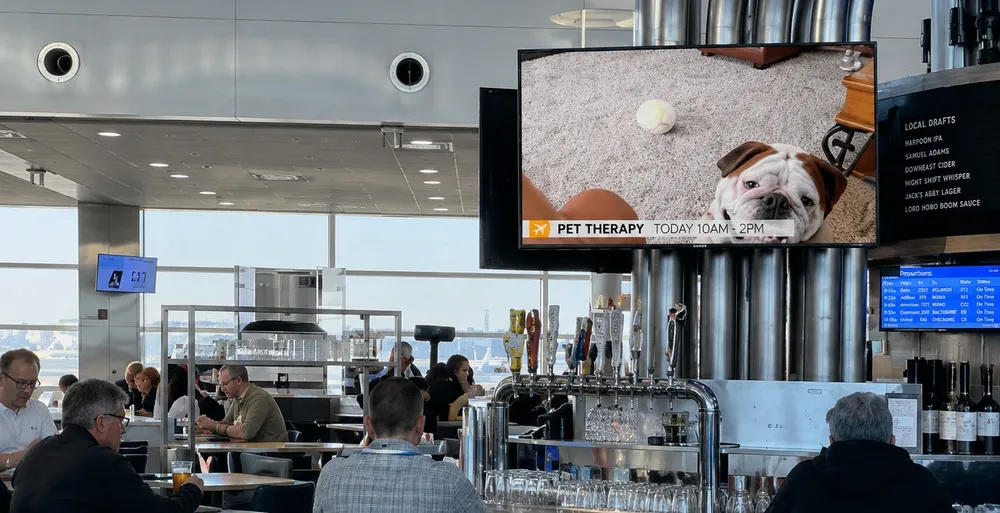
- Terminal scale is compact with limited clutter, allowing a small number of well-placed formats to achieve strong effective coverage of the departing and arriving passenger base
- Dwell time is shaped by a straightforward single-terminal flow with modest retail and food and beverage distraction, supporting sustained attention on airport media
- The temple-art and design identity of the destination itself creates a premium environment association that benefits brands positioned around craftsmanship, heritage and quality
- Masscom Global provides direct access to regional Thai airport inventory that is difficult for independent buyers to secure efficiently, and coordinates CEI placements with Chiang Mai and Bangkok inventory for full northern Thailand coverage
Strategic Advertising Fit
Best Fit:
- Boutique and wellness hospitality brands: Direct alignment with the airport's core inbound visitor identity
- Premium tea and coffee brands: Genuine regional production heritage creates strong authenticity for this category
- Eco-luxury resort development: Matches the destination's growth trajectory and investor interest profile
- Cross-border trade, logistics and export finance: Reflects the Golden Triangle commercial corridor running through the region
- Cultural and heritage tourism operators: Reinforces the temple-art and design-tourism identity that drives visitation
- Handicraft and design retail brands: Aligns with the hill-tribe and Yunnanese craft heritage present in the catchment
Brand Alignment at a Glance:
| Category | Fit |
|---|---|
| Boutique and wellness hospitality | Exceptional |
| Premium tea and coffee brands | Exceptional |
| Eco-luxury resort development | Strong |
| Cross-border trade and logistics | Strong |
| Cultural and heritage tourism | Strong |
| General travel insurance | Moderate |
| Mass-market beach resort brands | Poor fit |
Who Should Not Advertise Here:
- Mass-market beach resort brands: Chiang Rai has no beach tourism identity and this creative will read as misplaced
- Nightlife and mass entertainment brands: The destination's identity is wellness and cultural, not nightlife-driven, and this category has weak audience alignment
- High-volume budget retail: Passenger volume is too low and the audience too considered for volume-based retail promotion to justify the buy
Event and Seasonality Analysis
- Event Strength: Medium
- Seasonality Strength: High
- Traffic Pattern: Seasonal, with a pronounced cool-season peak
Strategic Implication:
Advertisers should concentrate spend in the November to February cool season peak, when both international wellness tourism and domestic cultural travel are at their strongest. Songkran in April offers a secondary, shorter domestic spending window. Masscom Global structures CEI campaigns around this seasonal rhythm, weighting flighting toward the cool season while maintaining a smaller baseline presence for cross-border trade audiences who travel year-round.
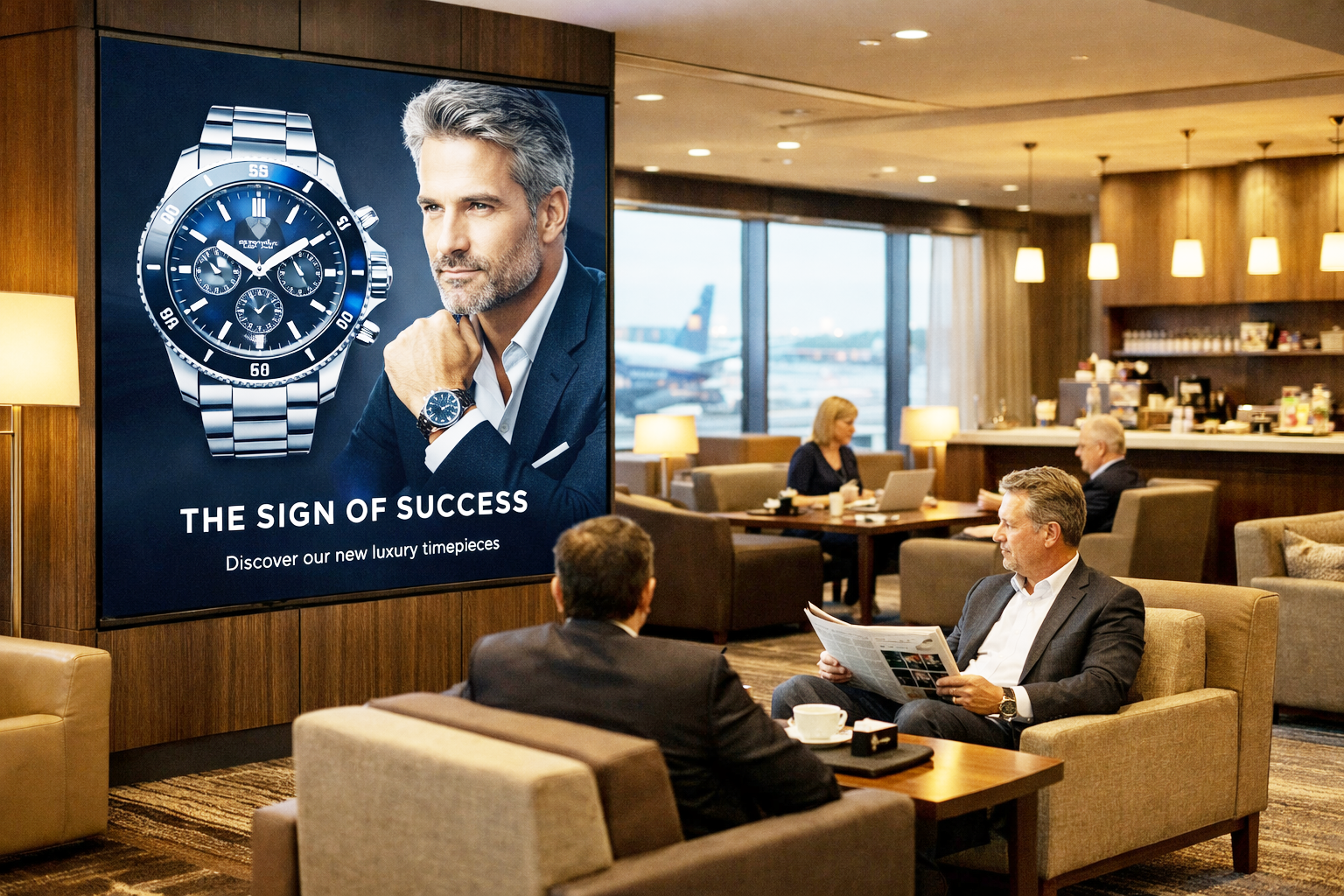
Poor Placement and Delays Affect Airport Campaigns
We help you move faster, access better inventory, and get it right now.
Talk to an ExpertFinal Strategic Verdict
Chiang Rai International Airport is a niche but genuinely premium buy for brands aligned with wellness, design heritage and Golden Triangle trade. Passenger volume is modest, but the audience is unusually considered, choosing this destination deliberately over more convenient alternatives and arriving with discretionary spend already committed to quality experience. Boutique hospitality, premium tea and coffee, eco-luxury development and cross-border trade brands gain disproportionate value here relative to cost. Masscom Global secures this inventory now, while regional Thai airport rates remain well below Chiang Mai and Bangkok levels.
About Masscom Global
Masscom Global is a premium international airport advertising and media buying agency operating across 140 countries. With deep expertise in airport OOH, premium publications, and high-net-worth audience targeting, Masscom helps brands reach the world's most valuable travellers at the moments that matter most. For advertising packages, media rates, and campaign planning at Mae Fah Luang Chiang Rai International Airport and airports across the globe, contact Masscom Global today.
Frequently Asked Questions
How much does airport advertising cost at Chiang Rai International Airport? Cost depends on format, terminal position, campaign duration and seasonal demand, with the November to February cool season commanding the strongest rates. Because this is a regional rather than major hub, positions are limited but pricing remains well below Chiang Mai or Bangkok. Masscom Global provides current rates and availability on request.
Who are the passengers at Chiang Rai International Airport? The core audience is domestic and regional wellness and design-tourism travellers, alongside Golden Triangle trade professionals and boutique hospitality visitors. A meaningful share have chosen Chiang Rai deliberately over more generic northern Thai alternatives, signalling above-average discretionary spend.
Is Chiang Rai International Airport good for luxury brand advertising? It performs well for craftsmanship and heritage-led luxury, particularly premium tea and coffee, boutique hospitality and design-focused brands. Conventional status-driven luxury has weaker alignment given the destination's wellness and cultural rather than glamour-driven identity.
What is the best airport in Thailand to reach HNWI audiences? Bangkok's major international airports and Phuket lead on scale and international HNWI density. Chiang Rai is not a substitute for either, but offers efficient, low-clutter access to a specific premium wellness and design-tourism audience that larger Thai hubs dilute.
What is the best time to advertise at Chiang Rai International Airport? November to February is the strongest window, aligned with peak cool-season wellness and cultural tourism. Songkran in April offers a secondary domestic spending spike. Cross-border trade audiences travel with less seasonal variation.
Can international real estate developers advertise at Chiang Rai International Airport? The stronger fit is for boutique hospitality and eco-luxury resort developers evaluating or building in the region itself, rather than reaching outbound Thai property investors. This airport works best as an inbound investment-scouting channel.
Which brands should not advertise at Chiang Rai International Airport? Mass-market beach resort brands, nightlife and mass entertainment, and high-volume budget retail all show weak audience alignment given the destination's wellness, cultural and design-tourism identity and modest passenger volume.
How does Masscom Global help brands advertise at Chiang Rai International Airport? Masscom Global provides direct access to regional Thai airport inventory that independent buyers struggle to secure efficiently, combined with catchment intelligence on the Golden Triangle trade and wellness tourism economy. We coordinate CEI placements with Chiang Mai and Bangkok inventory for full northern Thailand coverage and manage negotiation, execution and reporting end to end. Book a call to review availability and rates at CEI.