Narita International Airport serves as one of Japan’s primary global aviation gateways and a major hub connecting Tokyo with destinations across Asia, Europe, North America and the Middle East. The airport handles approximately 40 million passengers annually, making it one of the most important international airports in East Asia.
Located about 60 kilometers east of central Tokyo, Narita plays a critical role in supporting Japan’s international travel flows, global business connectivity and tourism industry. The airport serves as a key entry point for international travelers visiting Tokyo and the broader Kanto economic region.
Terminal Level Strategy
Narita International Airport operates three passenger terminals that segment international airline networks and passenger flows across different travel markets.
Terminal 1
Terminal 1 serves as one of the airport’s primary international terminals and hosts a wide network of global airlines.
Premium airlines operating from Terminal 1 include
All Nippon Airways, United Airlines, Lufthansa, Swiss International Air Lines, Singapore Airlines, Turkish Airlines and Air Canada.
These airlines connect Tokyo with destinations including Frankfurt, Zurich, Singapore, Istanbul, Toronto, Chicago, Los Angeles and other major global aviation hubs.
Passenger movement across this terminal frequently includes corporate executives, international investors, multinational professionals and global travelers moving between Tokyo and major economic centers.
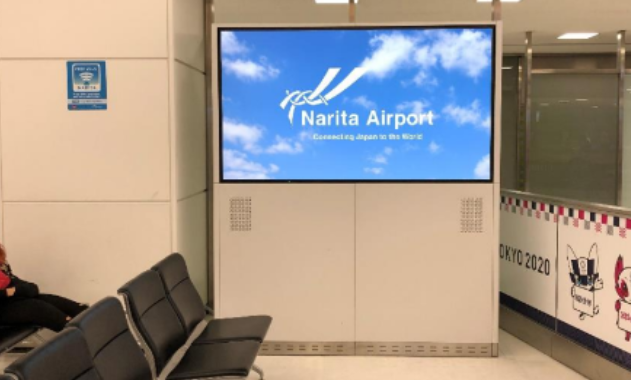
Advertising placements across security corridors, departure halls and boarding gate areas generate strong visibility among globally connected passengers.
Terminal 2
Terminal 2 supports a large network of international routes and serves several global airline alliances.
Premium airlines operating from Terminal 2 include
Japan Airlines, American Airlines, Cathay Pacific, Finnair, Malaysia Airlines and Qatar Airways.
These airlines connect Tokyo with destinations including New York, Dallas, Hong Kong, Helsinki, Kuala Lumpur, Doha and other major international hubs.
Passenger flows frequently include business travelers, international tourists, technology professionals and financial executives traveling between Japan and global markets.
For advertisers targeting international professionals and high-value travelers, Terminal 2 provides strong exposure among long-haul international passengers.
Terminal 3
Terminal 3 primarily supports low-cost carriers serving regional Asian routes. Premium airline operating from this terminal includes
Japan Airlines.
Key connections support travel between Tokyo and several destinations across East and Southeast Asia.
Passenger flows frequently include international tourists, regional travelers and professionals moving between Japan and neighboring Asian markets.
Premium Lounges: High Value Micro Environments
Narita International Airport features multiple premium passenger lounges serving business class travelers and elite frequent flyers.
Lounges at the airport include:
• ANA Suite Lounge
• JAL First Class Lounge
• Cathay Pacific Lounge
• United Club
These environments attract corporate executives, international investors, diplomats and frequent global travelers moving between Tokyo and major financial centers.
Advertising placements near lounge entrances and premium passenger corridors allow brands to engage with high-value travelers who frequently travel internationally and maintain strong purchasing power.

Book Your Free Expert Consultation Today
Book NowSeasonal Traffic Intelligence
Passenger movement at Narita International Airport is influenced by international tourism cycles, corporate travel demand and major cultural and global events hosted across Japan.
Summer Travel Season
Summer represents one of the busiest travel periods as international tourism and outbound travel from Japan increase significantly.
Passenger traffic during peak summer months typically rises approximately 12–16% above average monthly levels as global travel demand increases across Asia, Europe and North America.
This period generates elevated passenger density across departure halls, security checkpoints and retail corridors.
Winter Travel Season
Winter travel also produces strong passenger flows as international tourism and year-end travel increase across Japan.
Passenger volumes during winter months typically increase approximately 10–14% above standard travel periods as international visitors travel to Japan during the holiday season.
Advertising campaigns positioned during this period benefit from consistent passenger circulation across the airport’s terminals.
Elite Event Driven Travel Spikes
Tokyo hosts several internationally recognized cultural, technology and global industry events that attract international visitors and corporate leaders.
Tokyo International Film Festival
October 27 – November 5
One of Asia’s leading film festivals attracting filmmakers, investors and global media professionals.
CEATEC Technology Exhibition
October 14 – October 17
A major technology industry event attracting global electronics companies, technology executives and investors.
Tokyo Game Show
September 25 – September 28
One of the world’s largest gaming industry exhibitions attracting global gaming companies, developers and technology leaders.
These events generate additional travel flows into Tokyo and increased passenger movement through Narita International Airport.
Holiday Surge Windows
Summer Tourism Travel Period
During peak summer travel weeks passenger throughput may increase approximately 15–18% above typical travel periods as international tourism and outbound travel from Japan rise.
This surge generates higher passenger circulation across check-in halls, departure gates and passenger waiting areas.
Year End Holiday Travel Period
During the year end holiday season passenger traffic may increase approximately 12–16% above normal travel weeks as international tourism and holiday travel increase.
These surges generate elevated passenger movement across immigration corridors and terminal retail areas.
Book Your Free Expert Consultation Today
Book NowGeographic Advantage
Narita International Airport connects travelers directly to one of the world’s most influential economic and cultural capitals.
The airport provides access to:
• Tokyo central business districts including Marunouchi and Otemachi
• Shinjuku and Shibuya commercial centers
• Tokyo International Forum and major convention venues
• Global technology headquarters across Tokyo
• Luxury retail districts including Ginza and Omotesando
• Major financial institutions across Tokyo’s banking sector
Tokyo is widely recognized as one of the world’s leading financial and technology centers with strong influence across global finance, electronics, automotive manufacturing and international trade.
For brands targeting corporate executives, international investors and global travelers, the airport’s connectivity to Tokyo’s economic districts significantly strengthens the strategic value of airport advertising.
Strategic Perspective
Narita International Airport serves as one of Asia’s most important international aviation gateways connecting Japan with global markets.
The airport supports strong passenger flows driven by international tourism, corporate mobility and long-haul travel between Asia, Europe and North America.
Terminal placement decisions influence campaign visibility among corporate professionals, international travelers and high-value passengers entering Japan.
For brands seeking exposure among globally connected travelers visiting Tokyo, Narita International Airport offers a highly strategic airport advertising environment with global reach.
What’s Included in Every Airport Advertising Campaign
✅ 100% Campaign Execution Guarantee
✅ Free Campaign Strategy Consultation
✅ 48-Hour Turnaround Post-Creative Approval
✅ Real-Time Reporting & Performance Dashboards
Book Your Digital Ad Campaign at Narita International Airport Today