




Airport at a Glance
| Field | Detail |
|---|---|
| Airport | Yangon International Airport |
| IATA Code | RGN |
| Country | Myanmar |
| City | Yangon |
| Annual Passengers | Approximately 4 to 5 million (pre-2021 peak; current figures data not available due to political transition period) |
| Primary Audience | Myanmar business elite, ASEAN regional investors, Chinese business travelers, diaspora returnees, humanitarian and development sector professionals, garment and manufacturing executives |
| Peak Advertising Season | November to February (cool dry season), Thingyan Water Festival, Chinese New Year, Thadingyut Festival |
| Audience Tier | Tier 2 |
| Best Fit Categories | International real estate, financial services, premium automotive, international education, FMCG premium, remittance and mobile financial services, humanitarian and development sector professional services |
Yangon International Airport is the primary aviation gateway to Myanmar's commercial capital and the country's most concentrated node of business, diplomatic, and institutional activity. Despite the political turbulence that has defined Myanmar's recent economic context, Yangon retains its foundational commercial gravity as the financial, manufacturing, and trade hub of a country whose 54 million population, extraordinary natural resource endowment, and strategic position between China, India, and ASEAN collectively sustain a business travel base whose professional seniority and capital deployment activity continue to make it commercially relevant for a precisely defined set of advertisers. For brands operating in humanitarian, development, extractive industry, and cross-border investment sectors, Yangon Airport remains an access point with no regional substitute.
The airport's passenger profile reflects Myanmar's complex dual economic identity: a formal economy of manufacturing executives, banking professionals, and agri-business operators whose commercial activity has continued through the political transition, layered over a humanitarian and development sector presence that has grown rather than contracted since 2021, adding an internationally mobile, well-compensated professional audience whose brand spending profiles rival those of regional corporate executives. This convergence of commercial resilience and institutional humanitarian presence creates an advertising environment whose commercial value for a specific set of brand categories remains structurally intact and commercially underserved by international media planners who have incorrectly discounted the airport's audience quality on the basis of country-level risk classifications alone.
Advertising Value Snapshot
- Passenger scale: Approximately 4 to 5 million passengers at pre-2021 peak; current audited figures data not available due to political transition period; airport continues to serve active commercial, humanitarian, and diaspora travel across established route corridors
- Traveller type: Myanmar business elite and HNWI nationals, Chinese business investors and infrastructure executives, ASEAN regional manufacturing and trade executives, humanitarian and development sector professionals, Myanmar diaspora returnees, garment and footwear supply chain managers
- Airport classification: Tier 2 — frontier capital city airport whose passenger commercial profile in active categories significantly exceeds the volume-based classification, particularly for brands targeting humanitarian, development, extractive industry, cross-border trade, and Chinese investment corridor audiences that remain structurally undiminished
- Commercial positioning: Myanmar's sole internationally connected aviation gateway at scale, serving the Irrawaddy commercial corridor's business elite, the country's Chinese investment pipeline, and the international humanitarian and development sector's most operationally active Southeast Asian hub
- Wealth corridor signal: Yangon sits at the western anchor of the China-Myanmar Economic Corridor (CMEC), one of the Belt and Road Initiative's most strategically significant infrastructure investment routes, channelling Chinese institutional capital, cross-border trade flows, and development finance through the commercial capital's aviation gateway on a consistent basis
- Advertising opportunity: Masscom Global provides structured inventory access at Yangon International Airport designed to intercept the Myanmar business elite, the Chinese investment executive community, the ASEAN manufacturing sector professional audience, and the international humanitarian professional tier at their highest-intent travel moments in a terminal environment whose brand standout potential is structurally high given the current media competition landscape
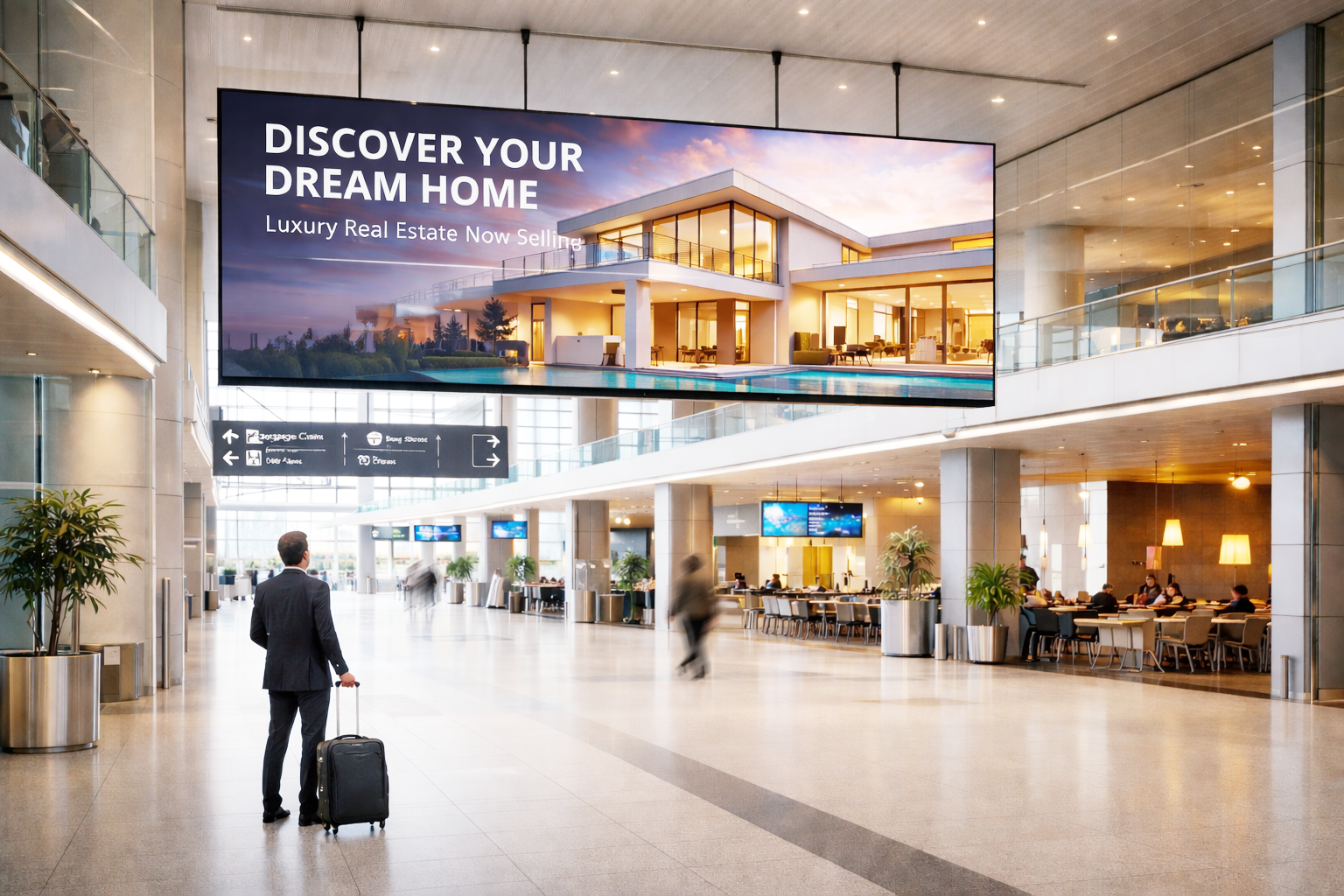
Airport Advertising is Complex to Get Right
We help you execute faster, with proven results and local insight most planners lack starting now.
Talk to an ExpertCatchment Area and Economic Drivers
Top 10 Cities within 150 km — Marketer Intelligence:
- Yangon: The anchor city and dominant commercial driver of the entire Myanmar economy, home to the country's largest concentration of business enterprises, banking institutions, manufacturing facilities, diplomatic missions, international NGO offices, and HNWI families. The Yangon business elite — factory owners, trading company principals, real estate developers, banking executives, and commodity exporters — concentrates its aviation activity entirely through RGN, producing a consistently senior domestic audience whose accumulated commercial wealth and investment appetite are frequently underestimated by international media planners applying generic frontier market assumptions to a city that has functioned as Southeast Asia's most commercially autonomous ethnic Chinese-Burmese merchant network hub for over a century.
- Bago (~80 km northeast): The former royal capital and current administrative hub of Bago Region, home to significant teak processing, agri-business, and light manufacturing operations whose business owners and managers travel through Yangon Airport for domestic and international connections. The merchant class here has accumulated substantial rural and industrial wealth over multiple generations and represents a commercially active audience for financial services, premium vehicle, and real estate investment brand advertising.
- Thilawa (~25 km southeast): The Thilawa Special Economic Zone — Myanmar's most internationally developed industrial park — hosts Japanese-backed manufacturing operations, garment factories, logistics facilities, and light industrial enterprises whose executive workforce travels through Yangon Airport on a daily basis. Japanese, Korean, and international manufacturing executives working at Thilawa represent a consistently senior, high-income professional audience with strong premium brand alignment and active international lifestyle spending profiles.
- Pathein (~190 km west, within commercial influence): The capital of Ayeyarwady Region and Myanmar's most significant rice and agri-processing hub, whose rice mill owners, export traders, and provincial business operators connect to Yangon Airport for international trade and business travel. The upper tier of this agricultural merchant class carries generational rural wealth concentrated in land and commodity assets with growing appetite for financial planning and premium consumer brand investment.
- Mawlamyine (~300 km southeast, within extended influence): Mon State's capital and a major teak, fishing, and jade trading hub whose business community maintains strong commercial ties to Yangon's trading networks. The merchant families of this historically active commercial city use Yangon Airport as their primary international gateway, contributing a commercially senior, trade-economy-oriented audience to the airport's catchment.
- Taungoo (~250 km north, within commercial influence): A strategic mid-Myanmar commercial corridor city with significant agri-business, teak, and light manufacturing operations whose business travelers connect to Yangon for international routes. Business owners here represent the provincial merchant wealth tier whose investment appetite and premium consumer spending are growing in line with Yangon's commercial influence extending north along the Irrawaddy corridor.
- Pyay (~260 km northwest, within extended influence): A Bago Region administrative and agricultural hub on the Irrawaddy River whose rice, sesame, and pulse trading economy generates a consistent domestic business travel audience connecting through Yangon. Provincial traders and government administrators here contribute a commercially active, domestically mobile audience segment with financial services and premium consumer brand receptivity.
- Hpa-An (~180 km east): The capital of Karen State and a growing eco-tourism gateway whose business community — spanning cross-border Thai-Myanmar trade operators, limestone quarry owners, and provincial government officials — travels through Yangon Airport for both business and international leisure connections. The Thai border trade audience here carries specific cross-border commercial experience and strong trade finance advertising receptivity.
- Dawei (~600 km south, within strategic influence): A Tanintharyi Region deep-sea port development zone whose infrastructure investment project attracts international development capital and engineering executives whose occasional Yangon Airport transit contributes a specialist B2B institutional audience with specific relevance for infrastructure finance, development banking, and project management professional services advertising.
- Naypyidaw (~390 km north, administrative capital within influence): Myanmar's purpose-built administrative capital concentrates the country's entire governmental bureaucracy, military administration, and diplomatic corps in a single city whose officials travel through Yangon Airport for international connections. Government ministry officials, diplomatic recipients, and senior administrative principals from Naypyidaw represent a distinct institutional audience tier at RGN whose professional authority and institutional salary-backed spending capacity contribute a government-adjacent premium audience to the airport's catchment.
NRI and Diaspora Intelligence: Myanmar's diaspora community — concentrated in Thailand, Singapore, the United States, Australia, and the United Kingdom — represents one of the most commercially significant travel audiences at Yangon International Airport. The Myanmar diaspora in Thailand alone numbers in the millions, with the upper professional and business tier making regular return visits to Yangon for family reunions, property management, and business oversight. Singapore hosts a commercially significant Myanmar professional diaspora of bankers, engineers, and entrepreneurs whose return visits concentrate premium spending on family support, real estate, and consumer goods. The American and Australian Myanmar diaspora — heavily weighted toward Kachin, Chin, and Karen community members with strong family reunion travel behavior — contributes a Western income-level spending profile to arrival-side passenger flows that creates genuine advertising value for premium consumer, remittance, and financial services brands. The Chinese-Myanmar community — the Sino-Burmese merchant families whose commercial networks define much of Yangon's private sector — maintains deep economic and cultural ties to Yunnan, Fujian, and the broader overseas Chinese business network, generating high-value bilateral travel that routes significant investment capital through Yangon Airport's departure and arrival gates on a consistent basis.
Economic Importance: Yangon's economy operates through three structurally resilient commercial pillars that have sustained business travel activity through Myanmar's political transition. The first is manufacturing and export — garment, footwear, and food processing factories clustered in Yangon's industrial zones and the Thilawa SEZ continue to export to European, Japanese, Korean, and American brands, maintaining a consistent flow of supply chain executives, compliance auditors, and purchasing managers through RGN. The second is natural resource and commodity trade — Myanmar's jade, gems, teak, rice, pulses, and marine product export economy generates a specialised trading and extraction industry audience whose commercial activity is deeply embedded in Yangon's merchant networks and shows structural continuity through political cycles. The third is the international humanitarian and development finance sector, which has expanded rather than contracted since 2021, creating a permanent, well-compensated, internationally mobile professional audience at Yangon Airport that is commercially underappreciated by media planners who categorise it as non-commercial traffic rather than recognising its premium brand spending profile and significant personal financial services and lifestyle advertising receptivity.
Business and Industrial Ecosystem
- Garment, footwear, and textile manufacturing: Myanmar's most significant formal export sector employs over 700,000 workers across Yangon's industrial zones and the Thilawa SEZ, generating daily business travel by Burmese factory owners, Japanese and Korean production executives, international brand compliance officers, and European and American sourcing directors. This audience is commercially active in premium hospitality, business travel services, corporate banking, and financial products aligned with the internationally mobile lifestyle of manufacturing sector leadership whose supply chain management decisions pass through Yangon Airport on a near-daily basis.
- Jade, gems, and natural resource extraction: Myanmar's position as the world's largest jade producer and a major source of rubies, sapphires, and semi-precious stones generates a specialist trading and extraction executive audience at Yangon Airport whose commodity wealth accumulation and cross-border trade finance activity make them one of the most commercially interesting niche audiences at any frontier market airport in Southeast Asia. This community travels primarily on Bangkok, Singapore, Hong Kong, and Kunming routes, carrying commodity transaction capital and strong premium brand spending profiles aligned with luxury goods, private banking, and international real estate investment.
- Banking, microfinance, and financial services: Myanmar's banking sector — a mix of domestic private banks, state-owned institutions, and international bank representative offices — employs a senior professional tier of banking executives, microfinance directors, and international development finance officers whose domestic and international travel through RGN makes them consistently receptive to wealth management, corporate banking technology, and premium professional services brand advertising.
- International humanitarian, development, and diplomatic sector: Yangon hosts one of Southeast Asia's largest concentrations of international humanitarian organisations, UN agencies, bilateral development missions, and diplomatic representations, generating a permanent, high-density flow of internationally mobile, well-compensated professionals whose premium lifestyle brand spending at the airport and whose personal financial services and international education needs create genuine commercial advertising value that most regional media plans completely overlook.
Passenger Intent — Business Segment: The business traveler at Yangon International Airport operates with one of three primary commercial mandates: supply chain and export management across Myanmar's manufacturing and commodity sectors; investment capital oversight and partnership management for Chinese, Japanese, and Korean institutional investors with Myanmar assets; or humanitarian, development finance, and institutional oversight missions within the UN, bilateral aid, and international NGO ecosystem. Each mandate produces specific brand receptivity. The manufacturing executive converts strongly on premium business travel, corporate banking, and professional services. The Chinese investment executive engages with real estate, private banking, and premium lifestyle advertising aligned with the spending behavior of the Belt and Road investment community. The humanitarian and development professional — whose internationally standardised compensation packages deliver Singapore-comparable purchasing power in a Yangon cost environment — responds to international banking, premium consumer lifestyle, global real estate, and international education brand advertising with a conversion profile that is systematically ignored by campaigns that classify this audience as non-commercial on the basis of their professional sector rather than their personal financial capacity.
Strategic Insight: Yangon Airport's business audience is commercially valuable not despite Myanmar's political complexity but in a specific structural way enabled by it. The political transition has reduced leisure tourist and purely speculative investor traffic while concentrating the commercially sophisticated, institutionally senior, and financially resilient business and humanitarian professional audience at the airport in a higher proportional share of total passenger volume. For advertisers targeting the garment industry supply chain, the Chinese CMEC investment corridor, the jade and natural resource trading community, or the international development and humanitarian sector, Yangon Airport now offers a more concentrated, less diluted access to these specific high-value audience segments than at any point in the airport's recent commercial history — a structural inversion of the conventional risk narrative that sophisticated media planners will recognise as a precision targeting opportunity.
Tourism and Premium Travel Drivers
- Shwedagon Pagoda complex: One of Buddhism's most sacred and architecturally magnificent monuments, Yangon's gilded Shwedagon draws international Buddhist pilgrims, heritage tourists, and culturally motivated travelers from across Asia whose spiritual and cultural engagement with Myanmar's most iconic landmark creates a heightened brand receptivity for premium hospitality, wellness, and cultural experience brand advertising at the airport.
- Inle Lake and Bagan cultural corridor: Myanmar's two most internationally celebrated heritage tourism destinations — accessible through Yangon as the primary international gateway — draw premium cultural tourists from Japan, South Korea, Europe, and North America whose multi-week Myanmar itineraries are structured around Yangon as arrival and departure hub, producing a consistently returning high-value leisure tourism audience at RGN with above-average per-trip spending profiles.
- Irrawaddy River cruise tourism: Premium river cruise itineraries between Mandalay and Bagan represent one of Myanmar's most aspirational luxury tourism products, attracting wealthy Japanese, Australian, European, and American travelers whose per-trip spend, brand quality expectations, and premium hospitality engagement profiles make them among the most commercially valuable leisure tourism audiences passing through any Southeast Asian regional airport.
- Emerald Buddha and heritage temple circuit: Yangon's own heritage assets — including Botataung Pagoda, Sule Pagoda, the colonial-era downtown streetscape, and the National Museum — attract a culturally motivated city break audience from Bangkok, Singapore, and regional ASEAN cities, generating a short-break premium leisure segment at the airport with strong premium food, hospitality, and artisanal product spending profiles at departure.
Passenger Intent — Tourism Segment: The tourist departing Yangon through RGN has typically completed a multi-destination Myanmar itinerary combining the city's colonial heritage and Buddhist landmarks with provincial cultural destinations, arriving at the departure gate having committed to above-average per-trip expenditure and carrying strong emotional engagement with Myanmar's extraordinary cultural and natural landscape. At departure, spending intent concentrates on lacquerware crafts, jade and gemstone products, traditional textiles, specialty tea and thanaka products, and premium artisanal goods whose authenticity and cultural specificity make them among Southeast Asia's most distinctive travel retail categories. Brands in premium gifting, artisanal food, wellness, and cultural heritage product categories will find a departure audience whose positive emotional residue from Myanmar's uniquely immersive travel experience translates directly into elevated advertising receptivity, strong brand recall, and genuine purchase intent.
Travel Patterns and Seasonality
Peak seasons:
- November to February (Cool Dry Season Peak): Myanmar's primary tourism and business travel season, delivering the country's most comfortable weather conditions and the highest concentration of international leisure tourism, development sector annual planning cycle travel, investor site visits, and diplomatic engagement activity at Yangon Airport simultaneously. This window delivers RGN's most commercially diverse and premium-oriented passenger composition of the year.
- Thingyan Water Festival and Burmese New Year (April): Myanmar's most jubilant national celebration generates the year's largest domestic travel surge as Burmese families return to home towns, combined with a diaspora return travel peak from Myanmar communities abroad. The gifting, food, fashion, and hospitality spending concentration in the weeks surrounding Thingyan creates the year's highest consumer brand advertising conversion window for campaigns targeting the domestic Burmese audience.
- Chinese New Year (January to February): A commercially significant travel peak driven by Yangon's large Chinese-Myanmar business community and the inflow of mainland Chinese business travelers managing annual relationship and planning cycles. Premium consumer, real estate, and financial services brands targeting the Chinese-Myanmar and mainland Chinese audiences benefit strongly from campaigns aligned with this window.
- Thadingyut Festival of Lights (October): Myanmar's Buddhist light festival marking the end of Buddhist Lent generates significant domestic family travel, community celebration spending, and premium gifting activity that creates a secondary consumer brand advertising peak with strong cultural resonance for aligned campaigns.
- Tazaungdaing Festival (November): The second major Buddhist light festival of the October to November period adds an additional consumer spending and domestic travel peak that extends the autumn festival advertising season for brands targeting Myanmar's Buddhist national audience with gifting and lifestyle campaigns.
Event-Driven Movement:
- Thingyan Water Festival (April): Myanmar's most widely celebrated national event creates a bidirectional travel surge — Burmese nationals leaving Yangon for home province celebrations and diaspora returnees arriving for family reunions — producing a multi-audience advertising window with the year's highest domestic consumer spending concentration across gifting, food, fashion, and premium hospitality categories in the two-week pre-festival period.
- Chinese New Year (January to February): The Chinese-Myanmar business community's most commercially significant annual celebration triggers premium gifting, gold and jewellery purchasing, luxury dining, and real estate planning activity that makes the two weeks before Chinese New Year one of RGN's highest-conversion short-burst advertising opportunities for brands aligned with the Chinese-Myanmar community's premium spending preferences.
- Thadingyut Festival of Lights (October): Myanmar's most visually spectacular Buddhist celebration creates a domestic travel surge of family reunions, temple visits, and community gifting that concentrates consumer spending into a concentrated window rewarding culturally aligned premium food, gifting, and family lifestyle brand advertising campaigns timed to the pre-festival departure period.
- Myanmar Gems Emporium (Twice annually, typically March and October, Naypyidaw): The official government-organised international gems and jade auction draws international buyers from China, Thailand, Hong Kong, and India to Myanmar, generating a specialist, ultra-high-value commercial travel audience at Yangon Airport whose commodity transaction wealth and premium brand alignment make them among the most financially significant niche travel audiences at any Southeast Asian frontier market airport during the emporium periods.
- Development and Humanitarian Sector Annual Planning Cycles (October to November and January to February): The international NGO and bilateral aid community's annual programme planning and donor reporting cycles generate concentrated travel peaks as international staff, country directors, and donor mission visitors move through Yangon Airport in predictable institutional rhythms, creating well-defined windows for premium business travel, financial services, and international lifestyle brand campaigns targeting this permanently present but systematically undermarketed audience tier.
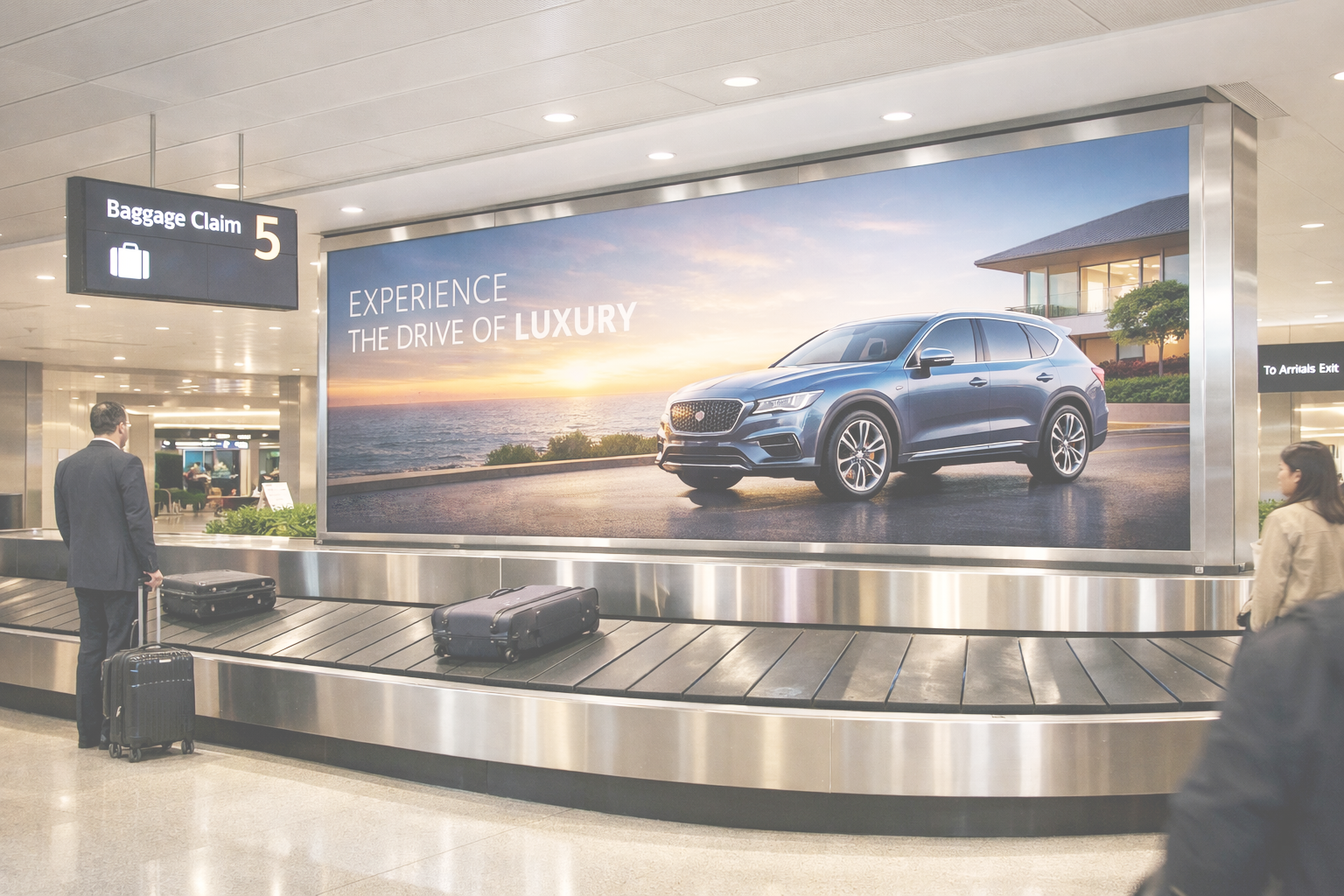
It’s Not Just Where You Advertise - It’s How Fast You Execute
We combine local insight with fast rollout to deliver results for you, now.
Talk to an ExpertAudience and Cultural Intelligence
Top 2 Languages:
- Burmese (Myanmar): The national language of Myanmar and the primary communication medium for all Burmese national audience segments at RGN, from HNWI business families and provincial merchant travelers to government officials, festival tourists, and domestic professionals. Burmese-language creative signals authentic market commitment and genuine cultural respect to an audience that has experienced significant international brand engagement without always being addressed in its own language — a gap that creates disproportionate brand differentiation for advertisers willing to invest in high-quality Burmese creative at RGN. The script's visual distinctiveness also creates natural standout in a multilingual advertising environment where Burmese-language placements are immediately identifiable as locally committed brand investments.
- English: The operational language of Myanmar's international business community, humanitarian sector, diplomatic corps, and the country's internationally educated professional class, including graduates of English-medium universities who staff the banking, legal, hospitality, and NGO sectors. English-language creative at RGN effectively reaches the entire expatriate professional, development sector, Chinese-Myanmar business, and internationally educated Burmese audience simultaneously, making it the most commercially efficient second-language creative investment at this airport and the primary language for campaigns targeting the institutional and investment professional tiers.
Major Traveller Nationalities: Burmese nationals dominate the passenger base at RGN across all seasons, representing the full commercial spectrum from HNWI jade and gems trading families and garment factory owners to government administrators and domestic leisure tourists. Chinese nationals — including mainland Chinese infrastructure investment executives, CMEC project managers, construction company principals, and commercial investors — form the most financially significant foreign nationality group, representing the largest single source of FDI flowing into Myanmar's economy and the most active inbound investment capital audience at the airport. Japanese and Korean nationals working in Thilawa SEZ manufacturing operations, financial services, and development finance generate a consistently senior, high-income professional segment whose premium lifestyle and business travel spending profiles are above regional averages. Western nationals — American, British, French, Australian, and European — concentrated in the humanitarian, academic, and diplomatic sectors contribute a high-income, internationally mobile audience whose personal financial capacity and premium brand spending behavior is commercially significant. Thai nationals engaged in cross-border trade, tourism, and investment add a regional business and leisure dimension to the passenger mix whose commercial activity in the Myanmar-Thailand bilateral corridor is structurally resilient.
Religion — Advertiser Intelligence:
- Theravada Buddhism (approximately 88%): The dominant faith of Myanmar's Burmese national audience governs the country's primary festival calendar with commercial precision and deep cultural authority. Thingyan, Thadingyut, Tazaungdaing, and Kasone are the four most commercially significant Buddhist observance and festival windows, each generating concentrated domestic travel, family reunion spending, and ceremonial and gifting product purchases that reward well-timed brand campaigns structured around Myanmar's Buddhist cultural calendar. The Buddhist value system — emphasising merit-making generosity, family harmony, community respect, and the spiritual significance of gift-giving — creates a consumer culture where premium gifting, food, household goods, and hospitality brands achieve exceptionally strong purchase conversion when their campaign timing acknowledges the Buddhist festival rhythm. Brands that demonstrate genuine knowledge of Myanmar's specific Theravada Buddhist festival calendar rather than applying generic pan-Asian Buddhist marketing frameworks will consistently achieve stronger audience engagement and brand preference with the Burmese national audience.
- Islam (Rohingya, Kaman, and broader Muslim communities, approximately 4%): Myanmar's Muslim minority communities, including the Kaman Muslims of the Irrawaddy Delta and the broader Muslim merchant communities in Yangon's commercial districts, observe Ramadan and Eid with significant community celebration and consumer spending that creates localised advertising windows for halal food, fashion, and gifting brand campaigns. The Muslim merchant community in Yangon's commercial core maintains active trade finance and international business connections that add a commercially active business travel dimension to this audience's airport footprint.
- Christianity (Karen, Kachin, Chin communities, approximately 6%): Myanmar's Christian minority communities — concentrated among Karen, Kachin, and Chin ethnic groups — observe Christmas and Easter with family celebration and consumer spending peaks. A significant portion of Myanmar's diaspora in Australia, the United States, and the United Kingdom is drawn from these Christian ethnic communities, and their return visit travel concentrated in the December Christmas and April Easter windows adds a Western income-level spending profile to arrival passenger flows that rewards premium consumer and lifestyle brand advertising during these calendar windows.
- Chinese traditional religion and Taoism (Chinese-Myanmar community): The Sino-Burmese business community's observance of Chinese New Year, Qingming ancestral ceremonies, and traditional Chinese festivals generates premium gifting, gold purchasing, luxury dining, and relationship management travel that creates commercially significant advertising windows for brands aligned with the Chinese-Myanmar community's premium spending culture and investment orientation.
Behavioral Insight: The Myanmar HNWI and upper-professional audience at RGN combines a sophisticated awareness of international brand quality with a deeply rooted cultural specificity that differentiates it sharply from the generic ASEAN consumer profile. Myanmar's commercial elite has operated at the intersection of Chinese, Indian, British, and Southeast Asian commercial cultures for generations, producing a business class that is simultaneously internationally literate and deeply locally rooted — an audience that reads brand cultural fluency as a direct signal of market commitment and responds to it with brand loyalty that generic pan-regional campaigns consistently fail to earn. The Chinese-Myanmar business community brings a specifically Sino-Burmese behavioral orientation combining the overseas Chinese commercial network's premium brand aspiration with a Yangon-specific cultural identity that distinguishes them from both mainland Chinese consumers and generic ASEAN Chinese diaspora profiles. For advertisers, the strategic implication is that Myanmar requires genuine cultural investment — not adaptation of Thai, Vietnamese, or generic ASEAN creative — to achieve the audience trust that converts into durable brand preference and premium purchase behaviour at RGN.
Outbound Wealth and Investment Intelligence
The outbound passenger at Yangon International Airport represents one of Southeast Asia's most commercially resilient frontier wealth corridor audiences. Myanmar's business elite — whose commercial wealth is concentrated in jade and gems trading, rice and agri-commodity export, real estate development, and manufacturing — has a demonstrated history of international capital deployment that has continued through political transitions, demonstrating the structural resilience of this community's wealth and its consistent appetite for international asset diversification. The humanitarian and development sector professional community adds a distinct outbound wealth layer: internationally standardised salaries paid in USD or SGD within a lower-cost local environment, generating above-average personal savings rates and active financial product engagement among a community that is simultaneously mobile, internationally sophisticated, and commercially underserved by the financial and lifestyle brands targeting the broader ASEAN expatriate professional market.
Outbound Real Estate Investment: Myanmar HNWI buyers have demonstrated consistent international property purchase behaviour with Thailand's condominium and resort markets — particularly Bangkok, Pattaya, and Chiang Mai — representing the most frequently transacted destinations due to cultural proximity, Burmese community networks in Thailand, and accessible entry price points. Singapore's residential property market attracts the upper tier of Myanmar's wealthiest families seeking capital preservation, education-linked property, and a stable ASEAN wealth management base with strong rule-of-law assurance. Malaysia's property market under the MM2H programme and broader freehold residential investment framework has attracted Myanmar HNWI buyers seeking affordable international residential diversification with a Muslim-friendly lifestyle environment for Muslim Burmese buyers. The Chinese-Myanmar community maintains active Greater China real estate investment including Yunnan, Guangdong, and coastal province residential and commercial property as both family asset and commercial base for cross-border trade operations. International real estate developers with product in Bangkok, Singapore, and Malaysian markets should treat Yangon Airport as a priority advertising channel whose HNWI buyer audience is financially qualified, internationally motivated, and systematically undercontacted by property marketing campaigns that have not mapped Myanmar's outbound investment trajectory.
Outbound Education Investment: Myanmar's upper-professional and HNWI class is generating a growing and measurable outflow of students to international universities, with Singapore, Australia, the United Kingdom, Japan, and Thailand the most favoured destination markets for Burmese families investing in their children's higher education. Singapore's international school and university ecosystem is the most strategically important destination for Yangon's elite families seeking English-medium education with proximity to home and strong career pathway credentialling for ASEAN-oriented careers. Australian universities — particularly Queensland, New South Wales, and Victoria institutions — have established strong brand recognition among Burmese families through active recruitment networks and an established Myanmar student diaspora that creates peer referral pathways growing in commercial significance annually. For international universities, boarding school recruiters, language schools, and education consultancy services, RGN airport advertising reaches a financially qualified, decision-active family audience whose multi-year education investment commitment is growing in absolute value as Myanmar's HNWI wealth class expands its international education investment despite the domestic political context.
Outbound Wealth Migration and Residency: Second residency and international citizenship interest among Myanmar's HNWI community has grown substantially and measurably since 2021 as wealth preservation and global mobility diversification have become higher priorities for the country's commercial elite. Thailand's Elite Card long-term resident visa programme is the most frequently exercised residency option given its cultural proximity, accessibility, and lifestyle convenience for Myanmar families maintaining bilateral business operations. Singapore permanent residency is actively pursued by the upper tier of Myanmar's internationally educated professional class as both a wealth preservation and career mobility asset. Malaysia's MM2H programme has attracted Myanmar Muslim and Chinese-Myanmar family wealth holders seeking alternative residency options with cultural community connectivity. Portugal and Greece's Golden Visa programmes are gaining traction among younger Myanmar HNWI buyers who have been educated internationally and seek European residency as a long-term family lifestyle and mobility asset. Immigration consultancies, international legal services firms, and wealth migration advisories targeting the Myanmar HNWI community will find an audience at RGN that is financially qualified, urgency-motivated, and largely uncontacted by international advisory brands that have concentrated their Southeast Asian marketing in more stable and more mature regional markets.
Strategic Implication for Advertisers: Yangon International Airport offers international brands a structurally distinctive dual-access opportunity that is unavailable at any other ASEAN frontier market airport. The outbound side intercepts Myanmar HNWI capital actively seeking international real estate, residency, and education destinations at a moment of heightened motivation and decision urgency. The inbound side delivers brand attention from arriving Chinese investment executives, ASEAN manufacturing sector professionals, and international humanitarian and development sector leaders whose personal financial capacity and premium brand spending profiles are commercially substantial and systematically underserved. Masscom Global structures campaigns at RGN that activate both directions of this wealth and professional corridor simultaneously, capturing brand recall from arriving institutional and investment audiences while intercepting outbound capital deployment intent from departing wealth holders in a coordinated media buy whose efficiency cannot be replicated by any alternative channel in the Myanmar market.
Airport Infrastructure and Premium Indicators
Terminals:
- Yangon International Airport operates two terminal buildings: the original international terminal and a newer domestic terminal, both managed under a concession structure that has maintained operational continuity through Myanmar's political transition, with international processing infrastructure serving the established route network connecting Yangon to Bangkok, Singapore, Kuala Lumpur, Guangzhou, Kunming, and regional Asian hubs.
- The airport's operational infrastructure reflects its position as Myanmar's sole internationally connected aviation gateway at scale, with passenger processing, customs, and immigration facilities calibrated to the business, humanitarian, and leisure travel profile of the country's primary commercial capital rather than the high-volume transit hub model of its regional competitors.
Premium Indicators:
- Business and premium class lounge facilities serve the international airline business class passenger segment and the frequent-flying Burmese HNWI audience, concentrating the airport's highest-value passengers in a defined, extended-dwell environment that supports premium advertising context with elevated recall performance relative to general terminal placements.
- The airport's permanent role as the arrival and departure point for diplomatic missions, UN country team principals, multilateral organisation country directors, and senior bilateral mission representatives maintains a consistent stream of institutional authority passengers whose airport presence reinforces the premium character of the media environment throughout the year.
- International hotel brands including Chatrium, Novotel, and Sheraton properties adjacent to Yangon's commercial district maintain premium accommodation connectivity to the airport corridor, reinforcing the destination's positioning as a genuine business capital with hospitality infrastructure appropriate for senior executive travel.
- Yangon's historic colonial downtown — the largest intact colonial-era urban district in Southeast Asia, anchored by the iconic Strand Hotel and the extraordinary 1920s commercial streetscape — creates a destination arrival context of extraordinary architectural and cultural richness that elevates the brand association value of advertising placements within an environment no other Southeast Asian capital airport can replicate.
Forward-Looking Signal: Myanmar's long-term aviation infrastructure trajectory — anchored by the planned development of the Hanthawaddy International Airport project near Bago, a greenfield facility designed to serve the greater Yangon metropolitan region at significantly increased scale — signals a fundamental reshaping of Myanmar's primary aviation gateway over the medium-to-long-term horizon. While the project timeline has been subject to delays linked to Myanmar's political context, its eventual development will reposition RGN within a reconfigured Yangon aviation market, creating a transition period during which the current terminal continues to serve all premium passenger traffic. Masscom Global is advising clients with Myanmar market commitments to establish strong brand presence at RGN now, capturing maximum share of voice during the current period of concentrated premium audience access, and to engage early with planning for the Hanthawaddy media environment ahead of its eventual commercial opening.
Airline and Route Intelligence
Top Airlines:
- Myanmar National Airlines: State carrier operating domestic routes across Myanmar's secondary city network with the country's most comprehensive domestic connectivity
- KBZ Air and Air KBZ: Domestic private carriers serving secondary Myanmar city routes with growing frequency on key business and tourism corridors
- Thai Airways and Bangkok Airways: Thailand corridor carriers serving the Yangon to Bangkok route, the highest-frequency international connection at RGN and the primary leisure and business conduit for Myanmar's regionally mobile audience
- Air Asia: Regional low-cost carrier connecting Yangon to Kuala Lumpur and regional ASEAN hubs serving the mid-market business and diaspora travel segment
- China Southern and Yunnan Airlines: Chinese carriers serving the Guangzhou and Kunming corridors routing the CMEC investment and Chinese business community through RGN on a regular basis
- Singapore Airlines and Scoot: Singapore corridor services routing Myanmar's internationally mobile professional class through Southeast Asia's primary wealth management and banking hub
- Vietnam Airlines: Indochina corridor connectivity serving the regional ASEAN business travel network
Key International Routes:
- Yangon to Bangkok (Thailand): The highest-frequency and highest-volume international route at RGN, serving the most commercially active bilateral travel corridor for Myanmar's business elite, diaspora community, and leisure tourists and functioning as the primary transfer hub for onward international connections
- Yangon to Singapore: The ASEAN financial hub corridor routing Myanmar's internationally mobile business and professional class through Southeast Asia's primary wealth management and banking centre, carrying the highest average per-passenger financial capacity of any route in the RGN network
- Yangon to Guangzhou and Kunming (China): The CMEC investment corridor routes routing Chinese institutional capital, infrastructure project personnel, and jade and gems trading community travel between southern China and Myanmar's commercial capital with significant commercial regularity
- Yangon to Kuala Lumpur: ASEAN connectivity serving both the business travel and Myanmar student diaspora enrolled in Malaysian educational institutions
- Yangon to Doha and Dubai: Gulf corridor connections serving Myanmar's growing diaspora worker community in the Gulf states and routing their remittance and home visit travel through RGN at Eid and annual leave windows
Domestic Connectivity:
- Yangon to Mandalay: Primary domestic business corridor connecting Myanmar's two commercial capitals and serving the manufacturing, trade, and tourism sector executive audience traveling between the country's major economic nodes
- Yangon to Bagan: Heritage tourism corridor serving the international and domestic tourist audience connecting through Yangon to Myanmar's most iconic archaeological destination
- Yangon to Naypyidaw: Government corridor connecting the commercial capital to the administrative capital for ministry officials, diplomatic recipients, and government business travelers
- Yangon to Sittwe: Rakhine State connectivity serving the humanitarian and institutional audience operating in western Myanmar's most internationally scrutinised regional corridor
- Yangon to Tachileik and Heho: Eastern corridor domestic routes serving the Shan State tourism, jade mining, and border trade communities
Wealth Corridor Signal: The route network at Yangon Airport maps Myanmar's wealth architecture and institutional presence with commercial precision. The Singapore corridor is the single most revealing commercial connection, confirming that Myanmar's top HNWI and professional tier actively engages with the region's most sophisticated wealth management and banking hub on a regular basis — a direct confirmation of outbound investment intent and premium financial product receptivity. The Bangkok route's dominance as the highest-frequency international connection confirms the centrality of Thailand as Myanmar's primary leisure and secondary business capital, routing diaspora homecoming and HNWI lifestyle travel through a corridor that carries above-average premium consumer spending profiles. The China corridors map the CMEC investment pipeline with precision, confirming that Yangon Airport regularly processes Chinese institutional capital allocators and project principals whose commercial authority and investment intent make them among the highest-value B2B advertising audiences at any frontier market Southeast Asian airport. For media planners, the route network confirms that RGN's audience punches significantly above its current passenger volume tier in commercial audience quality across every route corridor it serves.
Media Environment at the Airport
- Yangon International Airport operates as a dual-terminal facility whose manageable scale delivers structurally lower advertising clutter than the major ASEAN hub airports in Bangkok, Singapore, and Kuala Lumpur. A well-positioned premium campaign at RGN achieves a disproportionate share of the arriving and departing passenger's visual attention relative to equivalent media investment at larger regional hubs, making standout and brand recall structurally superior in a market where the airport media environment remains in an early maturity phase relative to its commercial audience quality.
- The multi-nationality, institutionally dense passenger base at RGN generates above-average dwell time driven by the operational processing rhythms of an airport managing international arrivals across multiple Asian time zone corridors, extended customs and immigration clearance timelines, and the social interaction patterns of Burmese family group travel and Chinese business delegation processing, collectively producing longer pre-departure advertising exposure windows that deepen brand message absorption and recall.
- The terminal's physical architecture concentrates passenger flow through a limited number of high-footfall corridors and waiting areas where well-placed premium format advertising achieves the saturation of brand exposure that dispersed multi-terminal hub environments structurally prevent. In a capital city airport serving a commercial audience of this seniority, this concentration effect translates directly into advertising efficiency that larger airports cannot deliver at comparable cost.
- Masscom Global holds precise inventory knowledge and execution capability at Yangon International Airport, delivering campaign placements in the terminal's highest-traffic zones with the timing, format selection, and creative placement precision structured to maximise commercial return for every client category operating in this frontier capital market environment.
Strategic Advertising Fit
Best Fit:
- Remittance and mobile financial services: Myanmar's large diaspora worker community in Thailand, the Gulf, and Southeast Asia generates one of the highest remittance-to-GDP ratios in the region, creating a structurally large, departure-linked, and high-intent audience for mobile money, international transfer, and cross-border payment platform advertising at RGN — particularly during Eid, Thingyan, and annual leave departure windows when transfer volumes peak.
- International real estate developers: Myanmar HNWI buyers with active property investment intent in Bangkok, Singapore, and Malaysian markets, alongside Chinese business investors deploying capital across the CMEC corridor, accessible simultaneously in a single terminal environment where both sides of the real estate investment flow share the same media exposure.
- Wealth management and private banking: Myanmar HNWI families at the inflection point of international wealth diversification and urgency-driven capital preservation, Chinese investment executives with significant Myanmar-generated capital to deploy internationally, and senior expatriate professionals with active financial planning needs — all intercepted in a focused media environment where financial brand messaging resonates with maximum commercial authority.
- International universities and education consultancies: Myanmar HNWI and upper-professional families with multi-year Singapore, Australian, UK, and Japanese education investment commitments, alongside the children of Chinese investors in Myanmar seeking international academic pathways — both reachable as decision-active, financially qualified audiences for international education brand advertising across the cool season and festival travel windows.
- Premium automotive: Myanmar's expanding HNWI and upper-professional class has demonstrated strong appetite for premium vehicle ownership as both a status signal and a practical necessity in a market where road quality improvements and urban commercial expansion are driving premium vehicle category growth. Japanese 4x4 and luxury sedan brands find a consistently aspirational and brand-aware buyer audience at RGN across all seasons.
- Humanitarian and development sector professional services: A permanently present, commercially underserved audience of well-compensated international NGO staff, UN agency professionals, and bilateral mission personnel whose personal financial services needs — international banking, global health insurance, investment platforms, and international school placement for accompanying families — are systematically ignored by advertising campaigns that categorise development sector professionals as non-commercial audience segments.
- Premium halal food, lifestyle, and gifting brands: Myanmar's Muslim community, combined with the halal-oriented consumer preferences of the significant Malaysian, Indonesian, and Gulf corridor passenger segments at RGN, creates genuine commercial alignment for premium halal food, modest fashion, and Islamic gifting brand campaigns timed to Ramadan and Eid departure windows.
- Cross-border trade finance and B2B banking: Myanmar's structurally active cross-border trade with China, Thailand, and India generates a consistent business travel audience of import-export operators, commodity traders, and logistics managers whose active trade finance and commercial banking needs make them precisely qualified audiences for B2B financial services brand advertising at RGN.
Brand Alignment at a Glance:
| Category | Fit |
|---|---|
| Remittance and mobile financial services | Exceptional |
| International real estate | Exceptional |
| Wealth management and private banking | Strong |
| International education | Strong |
| Premium automotive | Strong |
| Development sector professional services | Strong |
| Cross-border trade finance and B2B banking | Strong |
| Premium halal lifestyle and gifting | Strong |
| Mass-market budget consumer services | Moderate |
| High-end fashion without ASEAN emerging market strategy | Poor fit |
Who Should Not Advertise Here:
- Brands dependent on stable high-volume leisure tourism for ROI justification: Campaigns whose commercial case rests on reaching international leisure tourist volume at scale will find RGN's current passenger composition — weighted toward business, institutional, and diaspora travel rather than mass leisure tourism — produces lower-than-expected audience alignment. Leisure tourism campaigns are viable at RGN but require audience targeting precision rather than volume assumptions.
- Brands with Myanmar market entry constraints or reputational risk sensitivities: Companies whose stakeholder governance, ESG frameworks, or regulatory compliance positions create constraints on Myanmar market activity should seek internal clearance before committing to advertising investment at RGN, given the reputational due diligence requirements that Myanmar market presence may trigger for listed or internationally regulated entities.
- Ultra-luxury brands without frontier market adaptation strategies: Brands positioned at the absolute apex of global luxury pricing without adapted market entry strategy for frontier ASEAN markets will find the Burmese HNWI audience aspirationally engaged but not yet at full conversion readiness for the highest global luxury price tier, generating brand awareness investment without near-term commercial return at the luxury category's ceiling price points.
Event and Seasonality Analysis
- Event Strength: High
- Seasonality Strength: High
- Traffic Pattern: Dual-Peak (November to February cool dry season institutional, investment, and leisure tourism peak; April Thingyan Water Festival domestic travel peak with Chinese New Year secondary peak in January to February)
Strategic Implication: Advertisers at Yangon International Airport should structure their investment across two primary commercial cycles: the November to February cool season, which delivers the airport's highest concentration of international leisure tourism, investor delegation, development sector planning cycle, and institutional business travel — making it the primary window for real estate, financial services, premium hospitality, international education, and premium lifestyle brand campaigns; and the April Thingyan New Year window, which generates the year's highest domestic travel surge and strongest consumer spending concentration for gifting, fashion, food, and premium lifestyle brand campaigns targeting the Burmese national audience. Chinese New Year in January to February adds a commercially significant third window for brands targeting the Chinese business investor and Chinese-Myanmar community with premium gifting, real estate, and financial product messaging. Masscom Global structures campaign calendars for RGN clients that allocate investment weight across all three cycles with the seasonal precision that maximises full-year commercial return from this airport's complex but highly plannable multi-audience seasonal rhythm.

Poor Placement and Delays Affect Airport Campaigns
We help you move faster, access better inventory, and get it right now.
Talk to an ExpertFinal Strategic Verdict
Yangon International Airport is Southeast Asia's most commercially counterintuitive advertising environment — an airport whose conventional risk narrative has created a structural underinvestment in media presence by international brands, generating precisely the low-competition, high-standout advertising conditions that sophisticated media planners recognise as premium value in disguise. The airport continues to route Myanmar's entire HNWI business elite, its Chinese CMEC investment pipeline, its internationally mobile humanitarian and development sector professional community, and its diaspora returnee and garment industry supply chain executive audiences through a dual-terminal environment where advertising clutter is minimal, brand standout is structurally guaranteed, and the commercial audience quality in active categories significantly exceeds what volume metrics alone would suggest to planners who have not mapped the composition of RGN's actual passenger base. For remittance platforms, international real estate developers, wealth managers, international universities, premium automotive brands, cross-border trade finance companies, and professional services firms building their position in the Myanmar and lower Mekong corridor market, Yangon International Airport is the most precisely targeted, most cost-efficient, and most structurally undercompeted media environment in the ASEAN frontier market aviation network today. Masscom Global is the partner who understands this airport's full commercial depth through the political complexity, commands the inventory access, and delivers campaigns with the local intelligence, cultural precision, and operational capability that this exceptional frontier capital market demands.
About Masscom Global
Masscom Global is a premium international airport advertising and media buying agency operating across 140 countries. With deep expertise in airport OOH, premium publications, and high-net-worth audience targeting, Masscom helps brands reach the world's most valuable travellers at the moments that matter most. For advertising packages, media rates, and campaign planning at Yangon International Airport and airports across the globe, contact Masscom Global today.
Frequently Asked Questions
How much does airport advertising cost at Yangon International Airport? Advertising costs at Yangon International Airport vary based on format type, placement zone within the terminal, campaign duration, and seasonal demand intensity. Cool season and Thingyan windows attract stronger pricing due to concentrated high-value international and domestic footfall, while shoulder-season placements offer competitive entry points for brands building continuous annual presence in Myanmar's primary aviation media environment. Masscom Global structures packages across digital and static formats calibrated to campaign objectives, category fit, and budget levels for all client types operating in or entering the Myanmar market. Contact Masscom for current rates, format availability, and placement recommendations specific to your brand, industry, and target audience segment at Yangon.
Who are the passengers at Yangon International Airport? RGN's passenger base spans five commercially distinct audience groups. Myanmar HNWI and upper-professional nationals — jade and gems traders, factory owners, banking executives, real estate developers, and agri-commodity exporters — form the dominant domestic commercial tier. Chinese nationals managing CMEC infrastructure projects, real estate investments, and bilateral trade operations form the most financially significant foreign nationality group. Japanese, Korean, and ASEAN manufacturing executives working across the Thilawa SEZ and Myanmar's export manufacturing sector contribute a high-income professional business tier. Western and ASEAN humanitarian, NGO, and diplomatic professionals represent a permanently present, high-income, internationally mobile audience whose premium brand spending capacity is systematically underestimated. Myanmar diaspora returnees from Thailand, Singapore, Australia, and the United States round out a passenger composition whose commercial breadth significantly exceeds its current volume metrics.
Is Yangon International Airport good for luxury brand advertising? Yangon International Airport delivers a commercially viable luxury brand advertising environment for brands with frontier ASEAN market adaptation strategies and realistic conversion horizon expectations. Myanmar's jade and gems trading elite, the Chinese-Myanmar merchant business community, and the Singapore-educated professional tier represent genuine luxury buyer audiences whose brand aspiration and accumulated commercial wealth are substantially higher than frontier market classifications suggest. The airport's low advertising clutter ensures premium format placements achieve strong standout and recall among these audience segments. For premium automotive, private banking, and aspirational lifestyle brands specifically, RGN offers access to a commercially qualified audience at cost levels well below equivalent ASEAN hub airports, with brand equity investment now building conversion readiness in a wealth class that is in active HNWI formation.
What is the best airport in Southeast Asia to reach Myanmar's business elite? Yangon International Airport is unambiguously the most precise and commercially efficient access point for brands targeting Myanmar's HNWI business community, its Chinese CMEC investment executive audience, its humanitarian sector professional tier, and its garment and manufacturing supply chain executive base. No other airport in Southeast Asia concentrates this specific combination of Myanmar commercial authority, Chinese frontier investment capital, and international development sector professional spending in a single terminal environment with this level of audience seniority relative to total passenger volume. For brands whose commercial objectives require direct access to Myanmar's business establishment, RGN is the only airport whose audience composition delivers this specific commercial target with structural efficiency. Masscom Global manages RGN campaigns as part of its broader ASEAN airport network to deliver integrated regional reach across the Mekong and CMEC investment corridors.
What is the best time to advertise at Yangon International Airport? The primary advertising window runs from November through February, covering Myanmar's cool dry season peak for international tourism, investor site visits, and development sector annual planning cycles — the period that delivers RGN's highest concentration of international and premium domestic audience simultaneously. Chinese New Year in January and February adds a commercially significant peak for brands targeting the Chinese business investor and Chinese-Myanmar community. Thingyan Water Festival in April delivers the year's largest domestic travel surge and strongest consumer spending window for brands targeting the Burmese national audience with gifting, fashion, food, and lifestyle campaigns. Thadingyut in October provides a secondary Buddhist festival consumer window for culturally aligned brand campaigns. Masscom Global provides precise timing recommendations based on live traffic intelligence and category-specific conversion data for each seasonal window.
Can international real estate developers advertise at Yangon International Airport? Yangon International Airport is a commercially viable and significantly underserved channel for international real estate developers targeting Myanmar HNWI outbound investment capital and Chinese investor audiences. The airport's catchment includes active Myanmar HNWI buyers with demonstrated purchase interest in Bangkok, Singapore, and Malaysian property markets, alongside a large Chinese business executive community managing Myanmar-generated capital returns that are actively seeking regional real estate diversification. For Thai, Malaysian, and Singapore developers, RGN's audience represents a financially qualified buyer segment accessible in a low-competition media environment at a fraction of the cost of equivalent diaspora targeting at major ASEAN hub airports. Masscom Global structures real estate developer campaigns at RGN with format and timing aligned to the key buyer decision-making cycles and the high-travel departure windows when this audience is most investment-intent active.
Which brands should not advertise at Yangon International Airport? Brands dependent on high-volume international leisure tourism for their airport advertising ROI justification will find RGN's current passenger composition weighted too heavily toward business, institutional, and diaspora travel to deliver volume-based conversion at leisure tourist scale. Companies with stakeholder governance or ESG compliance constraints on Myanmar market engagement should seek internal clearance before committing to airport advertising investment at RGN. Ultra-luxury brands without frontier ASEAN market adaptation strategies will find conversion limited at absolute ceiling price points among the current Myanmar HNWI audience, though brand awareness investment builds long-term purchase readiness. Budget and value-positioned mass consumer services will find the airport's concentrated HNWI and professional audience broadly indifferent to price-led messaging in a premium travel context.
How does Masscom Global help brands advertise at Yangon International Airport? Masscom Global delivers complete end-to-end airport advertising services at Yangon International Airport, covering audience intelligence, inventory access, format selection, creative placement strategy, campaign execution, and performance measurement. With established relationships across Myanmar's airport advertising ecosystem, deep knowledge of RGN's multi-nationality audience composition, Buddhist festival and seasonal travel patterns, political context, and terminal media environment, and the ASEAN regional expertise to structure campaigns that deliver measurable return on investment for every client category operating in this frontier capital market, Masscom brings brands faster time-to-market, better-positioned placements, and more precisely timed campaigns than any alternative approach to this extraordinary market can provide. Contact Masscom Global today to discuss your advertising strategy at Yangon International Airport and across the ASEAN and Mekong corridor airport network.







