


Airport at a Glance
| Field | Detail |
|---|---|
| Airport | Tirupati Airport |
| IATA Code | TIR |
| Country | India |
| City | Tirupati, Andhra Pradesh |
| Annual Passengers | Approximately 3 million (FY 2023-24) |
| Primary Audience | HNI Devotees, NRI Pilgrims, Business Travellers |
| Peak Advertising Season | September to October, December to January, March to April |
| Audience Tier | Tier 2 with recurring Tier 1 HNWI spikes |
| Best Fit Categories | Luxury Goods, Jewellery, Real Estate, Financial Services, Hospitality |
Tirupati Airport is not a conventional regional airport. It is the primary air entry point for one of the most economically significant pilgrimage ecosystems on earth, serving the Tirumala Venkateswara Temple, which draws an estimated 30 to 40 million devotees annually and generates one of the largest single-site religious economies in the world. The audience passing through TIR is disproportionately high-income relative to comparable Tier 2 airports, because the decision to fly to Tirupati, rather than travel by road or rail, is itself a wealth signal in the Indian context. For advertisers seeking access to spiritually motivated, high-net-worth consumers at a moment of elevated emotional receptivity, no other airport in South India offers this combination.
The commercial case for TIR is anchored in the quality of its passenger, not just the quantity. The airport draws NRI devotees from the United States, the United Kingdom, the Gulf countries, Australia, Singapore and Malaysia, all travelling specifically to fulfil a religious commitment that is culturally associated with gratitude, prosperity and giving. This is an audience that has already made a significant discretionary expenditure decision before boarding the aircraft. Brands positioned in this environment are not interrupting a journey; they are entering a mindset already oriented towards celebration, generosity and status expression.
Advertising Value Snapshot
- Passenger scale: Approximately 3 million passengers annually (FY 2023-24), with consistent year-on-year growth driven by post-pandemic pilgrimage recovery and expanding NRI devotee traffic
- Traveller type: HNI devotees, NRI returnees, business travellers from Andhra Pradesh's emerging industrial belt
- Airport classification: Tier 2 with Tier 1 HNWI spikes during major festival windows, when NRI traffic significantly elevates average passenger spend capacity
- Commercial positioning: India's premier faith-driven wealth corridor, where religious tourism and high-net-worth mobility converge
- Wealth corridor signal: Tirupati sits on the South India wealth arc linking Andhra Pradesh's business class to Chennai, Bengaluru and the Gulf
- Advertising opportunity: Masscom Global provides end-to-end access to TIR's advertising inventory, campaign execution, and audience targeting intelligence, allowing brands to activate across the full passenger journey from check-in through boarding

Airport Advertising is Complex to Get Right
We help you execute faster, with proven results and local insight most planners lack starting now.
Talk to an ExpertCatchment Area and Economic Drivers
Top 10 Cities within 150 km — Marketer Intelligence
- Srikalahasti (~30 km): A secondary pilgrimage hub drawing mid-market and HNI devotees from Tamil Nadu and Andhra Pradesh, producing high-frequency religious travellers with demonstrated spending capacity on offerings, gold and ritual goods
- Chittoor (~50 km): Andhra Pradesh's largest mango-producing district and a hub for horticultural trade, producing a prosperous agricultural business class with appetite for financial products, land investment and gold
- Puttur (~60 km): A growing pharmaceutical and light manufacturing cluster generating a salaried professional class that uses Tirupati Airport as its primary air gateway, creating a captive business traveller audience for B2B and insurance categories
- Gudur (~85 km): A significant cashew processing and inland trading centre with an entrepreneurial merchant community that has high gold consumption, strong brand affinity, and cross-border trade exposure through the port economy
- Nellore (~100 km): One of India's largest aquaculture hubs, exporting shrimp globally and producing a high-turnover export business class with international travel needs, making this audience valuable for logistics, banking and premium lifestyle brands
- Vellore (~115 km, Tamil Nadu): Home to the Christian Medical College, one of Asia's top-ranked hospitals, generating sustained medical tourism traffic with attendant family travel, making this catchment relevant for health insurance, hospitality and luxury retail
- Kanchipuram (~130 km, Tamil Nadu): The silk weaving capital of South India, with a deeply temple-connected HNI community that allocates significant spend to jewellery, textiles and pilgrimage-related luxury, making them a high-value devotee segment at TIR
- Chennai (~135 km, Tamil Nadu): India's fourth-largest metropolitan economy, home to a large Telugu and Tamil professional class, automotive sector leadership, and a well-established NRI network, representing the single largest feeder market for TIR's premium traffic
- Tiruvannamalai (~130 km, Tamil Nadu): A spiritual tourism hub with a growing international visitor base drawn to the Arunachaleswarar Temple, overlapping directly with TIR's devotee audience profile and producing spiritually motivated high-spend travellers
- Rajampet (~150 km): An emerging education corridor in Kadapa district anchored by RGUKT, generating a sustained student and parent travel segment with aspirational investment in overseas education, relevant for international universities and EdTech advertisers
NRI and Diaspora Intelligence
The Telugu diaspora is one of the most economically powerful ethnic communities outside India, with concentrated populations in the United States, particularly in New Jersey, Texas, California and the Research Triangle of North Carolina, as well as significant presence in the United Kingdom, Australia, Singapore, Malaysia and across the Gulf Cooperation Council. A defining characteristic of this diaspora is the practice of returning to the Tirumala temple to fulfil vows tied to career milestones, business success, weddings, and the birth of children. This means TIR receives a consistent stream of high-net-worth NRI passengers who are travelling for a specific, celebratory, wealth-associated reason. Their average trip spend is significantly above the domestic pilgrim baseline, and they arrive in the airport environment as consumers who have already entered a gratitude and celebration mindset, making them highly receptive to luxury, financial, and aspirational brand messaging.
Economic Importance
Tirupati's catchment economy is a layered combination of faith-driven commerce, agricultural prosperity, emerging industrialisation and institutional anchors. The Tirumala Tirupati Devasthanams manages one of the largest religious endowments in the world and generates an enormous downstream economy in hospitality, retail, transport and food services that sustains a prosperous merchant and service class in the catchment. Andhra Pradesh's government has actively invested in the region's industrial profile, with pharmaceutical clusters, technology parks and agro-processing units generating a new generation of business travellers. For advertisers, this means TIR's audience is not monolithic; it spans the devotee-wealthy, the agricultural entrepreneur, the corporate executive and the returning NRI, each requiring different messaging but all accessible through a single airport touchpoint.
Business and Industrial Ecosystem
- Pharmaceutical and Life Sciences: Multiple pharma units operate in the Tirupati Special Economic Zone, producing a science-trained, globally connected professional class with strong financial literacy and appetite for health insurance, investment products and business travel services
- IT and Technology Parks: State government-backed technology corridors in and around Tirupati have attracted mid-size IT firms and BPO operations, generating a young, aspirational, brand-conscious professional audience with disposable income and strong digital consumption habits
- Agro-Processing and Export Trade: The broader catchment's mango, cashew and aquaculture sectors generate high-turnover export businesses with regular international travel needs, making this segment relevant for B2B financial services, logistics and premium hospitality
- Education and Healthcare Institutions: SVIMS (Sri Venkateswara Institute of Medical Sciences), SRM University and a cluster of engineering colleges generate institutional travel from faculty, researchers, students and families, sustaining a consistent mid-to-high income traveller segment
Passenger Intent — Business Segment
Business travellers at TIR are primarily drawn from pharma, agro-trade, IT and institutional sectors. They travel to Hyderabad, Chennai, Bengaluru, Mumbai and Delhi, and a subset travels internationally to the Gulf, Singapore and Southeast Asia for trade or professional development. This audience is financially literate, aspirationally oriented, and uses the airport regularly enough to form habitual brand associations. Advertiser categories that intercept this segment most effectively include banking and wealth management, insurance, business hotels, automotive, and EdTech platforms targeting professional upskilling.
Strategic Insight
The business audience at TIR is commercially underrated by most national media planners who classify Tirupati primarily as a pilgrimage market. In reality, the airport serves a dual economy: the faith corridor above and a fast-growing industrial and institutional commercial base below. This means B2B advertisers can access an educated, high-income professional audience at a Tier 2 airport with Tier 2 media rates, in an environment that has significantly lower competitive clutter than comparable metros. Masscom's intelligence on this audience allows brands to plan campaigns that target both the religious HNI and the business professional within a single media buy.
Tourism and Premium Travel Drivers
- Tirumala Venkateswara Temple: The single most-visited pilgrimage site in the world, drawing devotees from every income bracket but with a consistent HNI and NRI segment that specifically chooses to fly, positioning the airport as a premium-entry faith gateway where luxury, jewellery and financial brand adjacency is highly appropriate
- Sri Kalahasti Temple (~30 km): A significant Shaivite temple drawing a secondary devotee stream, particularly from Tamil Nadu and Karnataka, extending the pilgrimage season across the year and providing advertisers with an additional traveller segment beyond the Tirumala primary audience
- Chandragiri Fort (~15 km): A heritage destination attracting culturally interested domestic and international tourists, producing a well-educated, experience-oriented audience that responds to premium lifestyle, travel insurance and cultural brand messaging
- Horsley Hills (~140 km): A nature retreat in the Erramala range drawing urban professionals seeking leisure travel, producing a high-spending weekend leisure segment from Bengaluru, Chennai and Hyderabad
Passenger Intent — Tourism Segment
The tourism audience at TIR is overwhelmingly devotion-driven, which fundamentally changes the advertiser calculus. A pilgrim who has flown from Singapore or New Jersey to visit the Tirumala temple has made a significant financial and emotional investment in the journey before landing. They are not price-sensitive at the airport; they are in a state of celebration, gratitude and intentional spending. Gold, jewellery, luxury garments, ayurvedic wellness products and premium hospitality brands are all highly receptive purchase categories at this moment. International brands targeting South Asian diaspora consumers should consider TIR a primary activation point, as the airport concentrates this audience in a captive, high-receptivity environment.
Travel Patterns and Seasonality
Peak seasons:
- September to October (Brahmotsavam): The most important annual festival at the Tirumala temple, drawing the highest concentration of devotees in any calendar window. NRI travel volumes spike sharply during this period, with charter and scheduled flights at maximum capacity. This is the single most valuable advertising window at TIR.
- December to January (Vaikunta Ekadasi and holiday season): The Vaikunta Ekadasi festival draws massive pilgrimage traffic, coinciding with the global NRI holiday return. This dual driver makes December-January the second most commercially significant window, particularly for luxury, gold and financial services advertisers.
- March to April (Ugadi and summer pilgrimage start): Telugu New Year (Ugadi) triggers a cultural travel surge, and the onset of the summer break begins the pre-monsoon pilgrimage peak. This window is commercially strong for family-oriented brands, education products, and hospitality.
- January (Sankranti/Pongal): The harvest festival season drives significant movement across the catchment, with family travel and celebration-associated spending creating opportunities for gold, gifting and FMCG categories.
Event-Driven Movement
- Brahmotsavam, Tirumala (September to October): India's largest annual temple festival, drawing an estimated 500,000 to 700,000 additional pilgrims in the festival week alone, producing the highest single event-driven traffic spike at TIR and the strongest advertising window of the year for premium, jewellery and devotional brands
- Vaikunta Ekadasi (December to January): A sacred window in the Vaishnava calendar that generates one of the year's highest overnight pilgrim concentrations, with NRI traffic particularly elevated, making this period the top window for international brand campaigns targeting diaspora consumers
- Ugadi — Telugu New Year (March to April): A culturally anchored celebration that drives family travel and festive spending across the Telugu-speaking catchment, with strong purchase intent in gold, apparel, home and lifestyle categories
- Tirupati Balaji Brahmotsavam Charter Season (September): Multiple charter flights operate from the Gulf, Singapore and Malaysia during Brahmotsavam, concentrating the NRI HNWI segment at TIR in a compressed window that rewards advertisers with high-visibility placements booked in advance
- Summer Academic Break (May to June): Family travel peaks as students prepare to depart for overseas education, creating a concentrated audience of parents with high investment appetite for overseas real estate, financial migration products and international insurance

It’s Not Just Where You Advertise - It’s How Fast You Execute
We combine local insight with fast rollout to deliver results for you, now.
Talk to an ExpertAudience and Cultural Intelligence
Top 2 Languages
- Telugu: The dominant language of the catchment and the primary language of the HNWI pilgrimage audience from Andhra Pradesh and the Telugu diaspora globally. Campaign creative in Telugu signals cultural respect and drives significantly higher engagement with the core devotee and NRI segment.
- Tamil: The second most commercially relevant language at TIR due to the airport's proximity to Tamil Nadu and the large Tamil devotee base visiting the Venkateswara Temple. Tamil-language creative captures a substantial secondary audience that travels regularly from Vellore, Kanchipuram and Chennai.
Major Traveller Nationalities
The dominant traveller at TIR is the Indian domestic passenger, primarily Telugu and Tamil-speaking, drawn from Andhra Pradesh, Tamil Nadu, Karnataka and Telangana. However, the airport's NRI traffic profile gives it an international character disproportionate to its Tier 2 classification. The strongest inbound NRI nationalities are US-based Telugu professionals and their families, Gulf-based Telugu workers, UK and Australia-based Telugu diaspora, and Singapore and Malaysia-based South Indian communities. These international passengers arrive on specific faith-driven travel missions and carry significantly above-average spend capacity, making them the highest-value single audience segment at TIR for premium brand campaigns.
Religion — Advertiser Intelligence
- Hinduism (~85%): The defining cultural force at TIR, with the Venkateswara deity worship at Tirumala sitting at the centre of every commercially relevant travel behaviour at this airport. Key festivals including Brahmotsavam, Vaikunta Ekadasi, Ugadi, Sankranti and Dussehra each generate distinct travel spikes with associated spending triggers in gold, jewellery, garments, sweets, hospitality and luxury gifting. For advertisers, Hindu religious festivals at this airport are not soft cultural opportunities; they are high-precision buying windows with measurable traffic uplift and documented elevated spend behaviour.
- Islam (~8 to 10%): A commercially relevant secondary community in the Tirupati catchment, with Ramadan and Eid-ul-Fitr generating travel and celebration spend in gold, fashion, hospitality and financial services categories. Gulf-based Telugu Muslim workers returning for Eid represent a concentrated remittance-backed high-spend segment during this window.
- Christianity (~5 to 7%): Andhra Pradesh has one of India's higher Christian population concentrations due to historical missionary influence in the coastal and central districts. Christmas and Easter travel generates a secondary peak with a community profile that skews educated, professional and internationally connected, with strong appetite for overseas education, insurance and lifestyle categories.
Behavioral Insight
The TIR audience makes purchasing decisions through a framework that combines aspiration, devotion and community status. For the core pilgrim-HNI segment, spending at the airport is not discretionary friction; it is an extension of the celebratory mindset that defines the journey. This community places high value on brand trust, provenance and social signalling, and is deeply influenced by peer validation within the diaspora network. Brands that communicate quality, cultural alignment and social affirmation significantly outperform those that lead with price or discount mechanics in this environment.
Outbound Wealth and Investment Intelligence
The outbound passenger at Tirupati Airport is one of the most economically consequential yet least-targeted audiences in Indian airport advertising. The Telugu diaspora, which uses TIR as its primary air gateway for returning pilgrimages and family visits, is disproportionately concentrated in high-income professional occupations. In the United States, Telugu-origin professionals represent one of the highest-earning ethnic communities, with significant concentration in technology, medicine, finance and entrepreneurship. When these passengers return home through TIR, they are making simultaneous decisions about where to deploy capital across real estate, education, wealth management and citizenship planning. The airport is the moment between both worlds, and it is where investment decisions crystallise.
Outbound Real Estate Investment
The HNI and NRI audience at TIR is actively acquiring property in the United States, particularly in New Jersey, Texas, California and the Research Triangle of North Carolina, driven by family consolidation, investment yield and lifestyle proximity to existing diaspora networks. Dubai and the UAE represent the second major outbound real estate corridor, with strong interest in freehold apartments, Golden Visa eligibility and tax-free wealth preservation. Australian cities, particularly Melbourne and Sydney, attract the education-driven segment of the diaspora, where parents purchasing property near universities increasingly treat it as a combined investment and student accommodation asset. International real estate developers marketing to South Asian HNI audiences should consider TIR an underutilised and underpriced channel with direct access to a proven capital-deploying audience.
Outbound Education Investment
The Telugu-speaking professional community places exceptional emphasis on overseas university education, with the United States, United Kingdom, Australia and Canada representing the primary destination markets. The parent profile travelling through TIR includes senior engineers, doctors, entrepreneurs and business owners who allocate substantial budgets to tuition, accommodation and relocation, often running to several hundred thousand dollars over a four-year education cycle. International universities, foundation program providers, student housing operators and education loan companies have a structurally high-return opportunity advertising at TIR during the April-to-June application and departure season.
Outbound Wealth Migration and Residency
Second-residency and citizenship-by-investment planning is a growing priority among the HNI segment in this catchment, particularly among business owners who travel internationally and seek asset diversification outside the Indian tax and regulatory environment. Portugal's Golden Visa programme, despite recent changes, remains a reference point. The UAE's long-term residency scheme, Grenada's citizenship-by-investment programme, and the United States EB-5 investor visa attract the highest active interest from this demographic. Wealth management firms, immigration consultancies and residency programme marketers will find the NRI departure and arrival lobby at TIR a high-precision placement environment for this audience segment.
Strategic Implication for Advertisers
International brands on both sides of the wealth corridor, those targeting outbound Telugu HNI capital from India and those marketing to India-bound diaspora returnees, should treat TIR as a simultaneous buy, not a sequential one. The same passenger who arrives at TIR from New Jersey for Brahmotsavam is evaluating their next property acquisition, their child's university application, and their wealth migration options within the same three-to-five day trip. Masscom Global structures media plans that activate across both the inbound and outbound legs of this journey, maximising frequency and decision-moment targeting within a single campaign investment.
Airport Infrastructure and Premium Indicators
Terminals
- Tirupati Airport operates a single integrated terminal building that has undergone phased modernisation to accommodate the airport's growing passenger volumes and its upgraded international designation. The terminal handles both domestic and international flights, with dedicated zones for departures and arrivals and a capacity profile consistent with its current 3 million annual passenger throughput.
- The airport's international status enables it to process direct international flights from Gulf countries, Singapore, Malaysia and other NRI hub destinations, with the terminal infrastructure configured to handle customs, immigration and forex services relevant to the NRI passenger profile.
Premium Indicators
- The airport features business lounge facilities catering to the premium segment of its passenger base, a signal of the airport's recognition that its HNI and frequent flyer audience requires a premium experience tier separate from the general boarding environment
- The concentrated HNI pilgrim traffic during Brahmotsavam and Vaikunta Ekadasi creates seasonal premium demand conditions, with premium-category retail and hospitality concepts performing significantly above annual average during these windows
- The airport's proximity to the Tirumala hill shrine complex means that many HNI travellers use chartered ground transfers, luxury hotel accommodation in Tirupati city and private darshan bookings, collectively creating a premium service ecosystem around the airport that elevates the average visitor spend profile
- Tirupati city's expanding five-star hotel inventory, anchored by major Indian hospitality chains, positions the broader airport ecosystem as a premium-capable destination environment, not a secondary transit node
Forward-Looking Signal
Andhra Pradesh's ongoing capital development programme, the expansion of the Tirupati Smart City initiative, and the state government's active industrial investment drive are all accelerating the airport's commercial profile beyond its current pilgrimage-primary positioning. New pharmaceutical and technology investments in the Tirupati Special Economic Zone are adding a durable business travel layer to a passenger base that was previously seasonal and faith-driven. The airport's route network is expected to expand as Andhra Pradesh competes with Telangana for business investment, adding international frequencies and larger aircraft to accommodate growing NRI return traffic. Masscom advises brands to activate now, while TIR's media environment remains competitively accessible, ahead of the infrastructure investment cycle that will drive both higher traffic volumes and higher media rates in the next three to five years.
Airline and Route Intelligence
Top Airlines
- IndiGo
- Air India
- SpiceJet
- Akasa Air
Key International Routes
- Tirupati to Dubai (UAE) — serving Gulf-based Telugu diaspora and devotee traffic
- Tirupati to Singapore — serving Southeast Asia-based NRI pilgrimage segment
- Tirupati to Kuala Lumpur (Malaysia) — serving Malaysian South Indian community pilgrimage traffic
- Charter operations to Gulf destinations (Bahrain, Kuwait, Riyadh, Muscat) during peak pilgrimage windows
Domestic Connectivity
- Tirupati to Delhi (multiple daily frequencies)
- Tirupati to Mumbai
- Tirupati to Hyderabad
- Tirupati to Bengaluru
- Tirupati to Kolkata
- Tirupati to Chennai (regional connectivity for Tamil Nadu devotee feeder market)
- Tirupati to Visakhapatnam (intra-Andhra Pradesh connectivity)
Wealth Corridor Signal
The route network at TIR reveals a dual commercial character that defines its advertising value. The domestic network connects the airport to India's five largest business cities, confirming that TIR serves a professional class that moves regularly between Andhra Pradesh and the national commercial centres. The international network is concentrated in NRI wealth corridors, specifically the Gulf, Singapore and Malaysia, confirming that the airport's cross-border traffic is economically motivated and high-income in profile. The combination of these two route architectures means that brands advertising at TIR are reaching both the domestic business professional and the internationally mobile HNI in a single airport environment, a combination that is commercially unusual for a Tier 2 airport and that Masscom's planning intelligence is structured to exploit fully.
Media Environment at the Airport
- Tirupati Airport's single-terminal format creates a concentrated advertising environment where brand placements command consistent visibility across the full passenger journey, with significantly lower creative clutter than comparable metro airports and stronger individual format standout potential
- The airport's high dwell time profile, driven by the pilgrimage audience's tendency to arrive early, manage luggage, and spend extended time in the departure environment, creates sustained brand exposure windows that exceed the dwell time benchmarks at comparable Tier 2 airports
- The premium NRI audience segment present during festival windows elevates the quality signal of any brand visible in the airport environment, creating a brand adjacency effect where categories advertising alongside aspirational devotee-HNI traffic benefit from implied audience endorsement
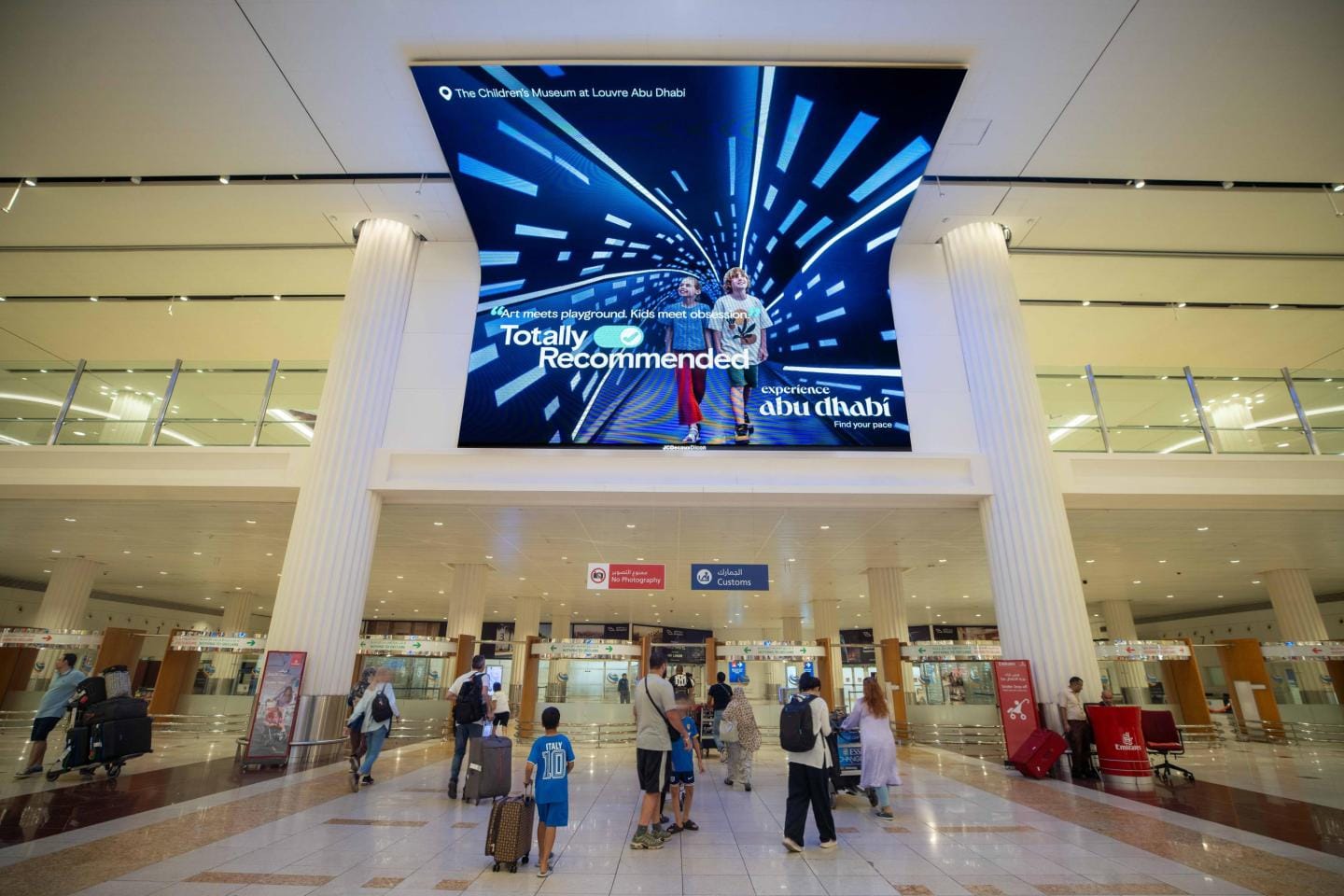
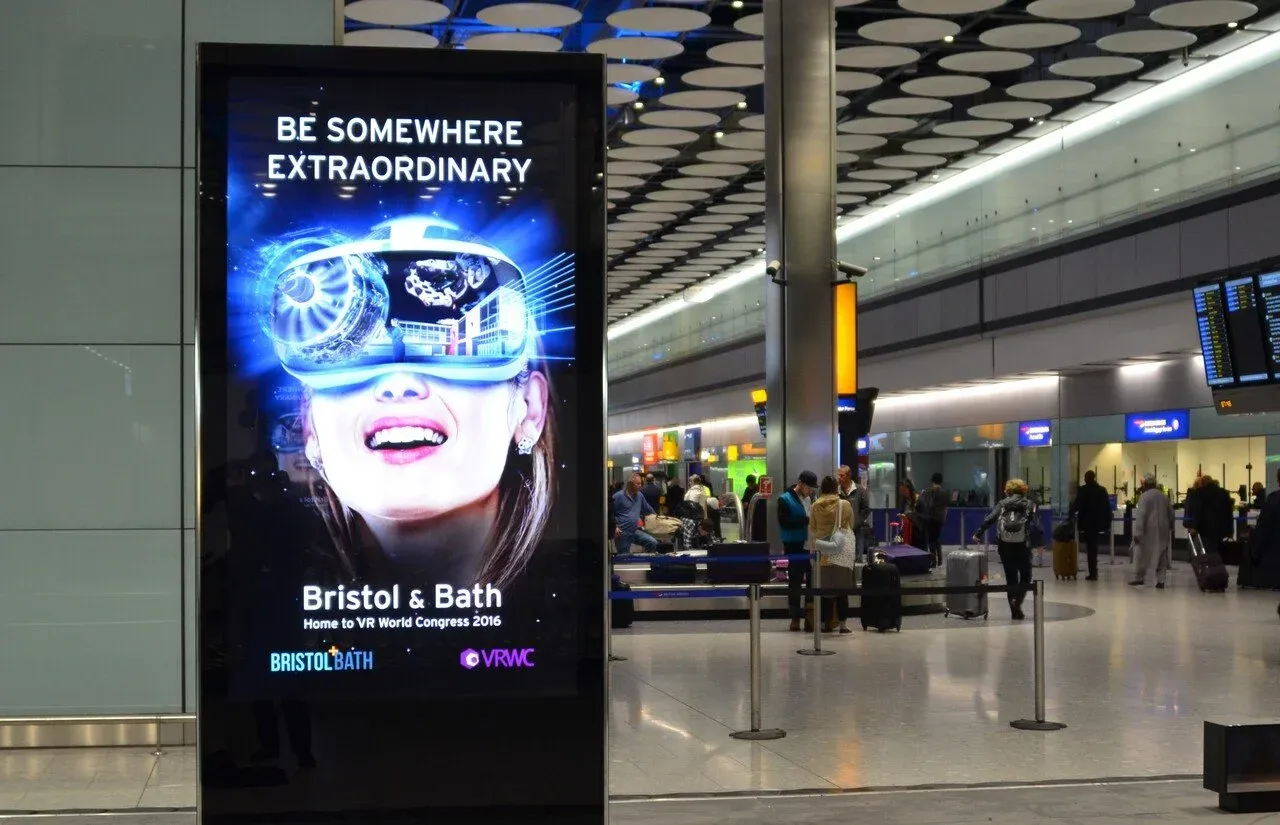
- Masscom Global holds inventory access and campaign execution capability at Tirupati Airport, enabling brands to plan and activate across key formats including digital screens, static lightboxes, departure lounge panels, and check-in zone placements, with particular strength in identifying the high-visibility positions that intercept the NRI and HNI passenger during peak season
Strategic Advertising Fit
Best Fit
- Jewellery and Gold Brands: The pilgrimage-associated tradition of purchasing gold at temple towns and the NRI practice of bringing jewellery home as cultural gifts makes this the single highest-alignment category at TIR, with purchase intent peaking during every major festival window
- Luxury Watches and Accessories: The HNI and NRI devotee profile carries demonstrably high spend capacity on personal luxury goods, with a cultural tradition of personal adornment connected to religious celebration that makes watches, leather goods and accessories highly relevant brand categories
- International Real Estate Developers: The outbound Telugu HNI audience is one of the most active real estate investors in US, UAE and Australian property markets, and TIR is the only airport in Andhra Pradesh that concentrates this audience in a captive environment at scale
- Wealth Management and Private Banking: The returning NRI segment is evaluating investment repatriation, family wealth structuring and asset diversification decisions during the visit window, making private banking, mutual fund and HNI wealth management brands highly appropriate at this airport
- International Universities and Education Consultancies: The parent audience at TIR is heavily invested in overseas education planning, with a demonstrated willingness to commit to seven-figure rupee spends on foreign university tuition, accommodation and visa processes
- Premium Hospitality and Resorts: The post-pilgrimage leisure segment and the NRI family return traveller are both high-value targets for premium hotel brands, destination resorts and luxury travel experiences across India and internationally
- Health Insurance and Wellness: The combination of a professionally mobile business class and a health-conscious HNI devotee audience creates strong demand for premium health insurance products, wellness retreats and preventive healthcare brands
- Luxury Automotive: The regional business class and returning NRI considering vehicle purchase decisions for family use during India stays creates a seasonal but concentrated opportunity for premium SUV and luxury car brands
Brand Alignment at a Glance
| Category | Fit |
|---|---|
| Jewellery and Gold | Exceptional |
| International Real Estate | Exceptional |
| Luxury Watches and Accessories | Strong |
| Wealth Management and Banking | Strong |
| International Education | Strong |
| Premium Hospitality | Strong |
| Health Insurance and Wellness | Moderate |
| Luxury Automotive | Moderate |
Who Should Not Advertise Here
- Mass FMCG and value retail brands: The TIR audience skews significantly above the average Indian consumer in income and aspiration; budget-positioned consumer goods brands will generate poor ROI against this audience profile and waste spend on creative that does not align with audience self-perception
- Price-led e-commerce and discount platforms: The airport's devotee-HNI environment is culturally oriented towards quality, provenance and brand trust, not price comparison. Discount-first brand communication is actively misaligned with the celebratory and aspirational mindset dominant at this airport
- Generic domestic tourism promotions targeting local sightseeing: The majority of TIR's passengers are visiting Tirupati for a specific devotional purpose; domestic tourism campaigns for general leisure destinations will generate low engagement from an audience whose travel intention is already defined and non-substitutable
Event and Seasonality Analysis
- Event Strength: High
- Seasonality Strength: High
- Traffic Pattern: Dual-Peak with tertiary festival spikes throughout the year
Strategic Implication
TIR is a festival-driven airport where campaign timing determines return on investment more than almost any other variable in the media plan. The two primary windows, Brahmotsavam in September to October and Vaikunta Ekadasi in December to January, deliver the highest NRI and HNWI traffic concentrations of the year and should anchor the full-year budget allocation. Masscom structures campaigns around TIR's festival rhythm, booking premium placements ahead of each peak window to ensure brands are in position before demand for high-visibility inventory escalates.

Poor Placement and Delays Affect Airport Campaigns
We help you move faster, access better inventory, and get it right now.
Talk to an ExpertFinal Strategic Verdict
Tirupati Airport is the most commercially distinctive Tier 2 airport in South India precisely because its audience is defined by conviction, not convenience. Every passenger passing through TIR, whether a US-based Telugu engineer fulfilling a decade-long vow, a Gulf worker returning with remittance capital, or an Andhra Pradesh entrepreneur flying to close a deal in Mumbai, is in a state of purposeful, often celebratory, movement. The airport's pilgrimage identity is not a limitation for advertisers; it is the structural source of its audience quality, because it guarantees a concentration of high-income, emotionally engaged, culturally anchored consumers who make significant purchasing decisions within the travel window. For jewellers, international real estate developers, private banks, luxury brands, and international universities, TIR offers access to the Telugu HNWI and NRI audience at a price point and clutter level that no comparable metro airport can match. Masscom Global is the partner that makes this access actionable, with the intelligence to time campaigns to the festival rhythm, the inventory relationships to secure the right placements, and the execution depth to deliver results across every format the airport offers.
About Masscom Global
Masscom Global is a premium international airport advertising and media buying agency operating across 140 countries. With deep expertise in airport OOH, premium publications, and high-net-worth audience targeting, Masscom helps brands reach the world's most valuable travellers at the moments that matter most. For advertising packages, media rates, and campaign planning at Tirupati Airport and airports across the globe, contact Masscom Global today.
Frequently Asked Questions
How much does airport advertising cost at Tirupati Airport? Airport advertising costs at Tirupati Airport vary depending on the format selected, the placement within the terminal, the duration of the campaign, and the specific window being booked. Festival peak windows including Brahmotsavam and Vaikunta Ekadasi command premium rates due to elevated traffic volumes and heightened demand for high-visibility placements. For current media rates, format availability, and campaign investment guidance specific to your brand category and objectives, contact Masscom Global directly for a tailored media plan.
Who are the passengers at Tirupati Airport? Tirupati Airport serves a uniquely layered passenger base. The dominant segment is devotees of the Tirumala Venkateswara Temple, including a substantial NRI component from the United States, United Kingdom, Gulf countries, Singapore, Australia and Malaysia. This is overlaid by a business traveller segment from the pharmaceutical, agro-trade, IT and institutional sectors operating across the Andhra Pradesh catchment. The result is an audience that spans HNI pilgrims, diaspora returnees, and professional travellers, all accessible within a single airport environment.
Is Tirupati Airport good for luxury brand advertising? Yes, with specific qualification. TIR's HNWI audience is concentrated and demonstrably high-spending, but its luxury profile is culturally specific. Categories that align with the devotion-celebration-status framework of the Telugu HNI audience, including jewellery, gold, luxury watches, premium hospitality, and international real estate, perform exceptionally well. Luxury brands with campaigns calibrated to this cultural context will find TIR a high-performance channel with lower competitive clutter than metro airports.
What is the best airport in South India to reach HNWI audiences? For reaching the Telugu HNWI and NRI audience specifically, Tirupati Airport is unmatched in South India. No other airport in the region concentrates this audience in a devotion-driven, celebratory, high-spend mindset at the same scale and frequency. For Tamil HNWI audiences, Chennai Airport is the comparable benchmark, but TIR's cultural specificity and relative lack of competitive advertising clutter make it a consistently high-return complement to any South India airport campaign.
What is the best time to advertise at Tirupati Airport? The two highest-value windows are the Brahmotsavam festival period in September to October, when NRI traffic peaks and the temple draws its highest annual devotee concentration, and the Vaikunta Ekadasi window in December to January, which combines festival traffic with the global NRI holiday return season. The Ugadi and summer school break window in March to June is the third-highest priority, particularly for education, real estate and family travel categories. Masscom recommends booking placements no later than six to eight weeks before each peak window.
Can international real estate developers advertise at Tirupati Airport? Tirupati Airport is among the highest-return advertising environments in India for international real estate developers targeting the Telugu HNI and NRI audience. This community actively acquires property in the United States, UAE, Australia and the United Kingdom, with investment decisions frequently aligned to family visits, NRI status consolidation and education migration. The airport concentrates this exact audience at the point of international journey planning, making it a structurally appropriate and commercially validated channel for developers marketing in these corridors.
Which brands should not advertise at Tirupati Airport? Budget-positioned consumer brands, discount-led e-commerce platforms and generic value retail campaigns are poorly aligned with the TIR audience, which skews significantly above the median Indian consumer in income, aspiration and cultural specificity. Brands whose core positioning is built on price accessibility rather than quality, provenance or status will generate low engagement and poor return in this environment. Domestic tourism campaigns that do not account for the fact that TIR's passengers are travelling with a specific devotional purpose will similarly underperform.
How does Masscom Global help brands advertise at Tirupati Airport? Masscom Global provides the full spectrum of airport advertising services at Tirupati Airport, from audience intelligence and campaign timing strategy through to inventory access, creative format guidance, campaign execution and performance reporting. Masscom's knowledge of TIR's festival rhythm, NRI traffic patterns, and premium inventory positioning means brands do not need to navigate the airport's commercial environment without guidance. Whether you are planning a single festival window activation or a full-year campaign across multiple Indian airports, Masscom Global is the partner that connects your brand to TIR's most valuable audiences with precision and speed.