

Airport at a Glance
| Field | Detail |
|---|---|
| Airport | Shenyang Taoxian International Airport |
| IATA Code | SHE |
| Country | China |
| City | Shenyang, Liaoning Province |
| Annual Passengers | ~8.2 million |
| Primary Audience | Northeast China industrial and manufacturing HNWI, BMW-Brilliance and aerospace sector executives, Korean-Chinese bilateral business community, domestic Chinese heritage tourism visitors |
| Peak Advertising Season | National Day Golden Week, Chinese New Year, summer tourism season |
| Audience Tier | Tier 2 (manufacturing and industrial HNWI-led, volume moderate but concentrated premium B2B audience) |
| Best Fit Categories | Premium automotive, B2B industrial services, real estate, financial services, international education, Korean-Chinese bilateral brands |
Shenyang Taoxian International Airport is the primary international gateway for a city and region that China's national economic strategy has designated as one of its most critical industrial revival priorities — and whose commercial identity, once understood beyond the oversimplified "rust belt" narrative that has defined northeastern China in the international business media, reveals a premium advertising environment of genuine distinctiveness. Shenyang is not merely a declining industrial city. It is the city that houses BMW-Brilliance Automotive's largest China manufacturing complex — the joint venture facility that produces more BMW vehicles than any other factory in China and whose management class represents the most concentrated luxury automotive brand professional community in any Chinese provincial capital outside Beijing. It is the city whose Shenyang Aircraft Corporation designs and manufactures China's most advanced carrier-based fighter aircraft. It is the city whose Qing Dynasty imperial palace — built before the Forbidden City and designated a UNESCO World Heritage Site — anchors a heritage tourism identity of genuine national prestige. And it is the capital of Liaoning Province, whose 43 million people and diversified industrial economy constitute one of the most commercially underestimated markets in Chinese regional aviation advertising.
The passengers moving through SHE are not the mass-market domestic Chinese tourists or overseas diaspora returnees that define other Chinese regional airports' commercial identities. They are the management class of China's most strategically sensitive manufacturing economy — aerospace defence engineers, BMW production executives, heavy machinery entrepreneurs, pharmaceutical industry professionals, and the Korean-Chinese bilateral business community whose cross-border commercial relationships connect Shenyang to Seoul's most active China investment corridor. This is a B2B-dominant, industrially sophisticated, and commercially pragmatic audience whose brand consumption reflects the specific values of a city that has built real wealth through engineering excellence rather than financial market speculation — and whose receptivity to premium brand communications is high precisely because no other major Chinese airport serves the northeast China industrial wealth class as specifically or as exclusively as SHE.
Advertising Value Snapshot
- Passenger scale: Approximately 8.2 million annual passengers, reflecting both the ongoing Chinese aviation recovery trajectory and the structural economic characteristics of northeast China's population, whose southward migration trend has reduced domestic aviation demand below pre-2010 levels. Pre-pandemic, SHE handled approximately 24 million passengers annually — confirming that the current figure reflects a combination of COVID recovery and broader structural demographic trends rather than a permanent ceiling
- Traveller type: BMW-Brilliance and aerospace sector executives and engineers, northeast China manufacturing and heavy industry HNWI, Korean-Chinese bilateral business community, Liaoning provincial government and state enterprise management, domestic Chinese heritage tourism visitors, and the northeast China diaspora returning from coastal cities for family visits
- Airport classification: Tier 2 by volume and individual wealth concentration relative to tier-one coastal airports, but Tier 1 by precision for B2B industrial, premium automotive, and Northeast Asia bilateral business categories whose most qualified Chinese audience is concentrated in the Shenyang manufacturing economy
- Commercial positioning: Northeast China's industrial command centre and the primary aviation gateway for China's most strategically significant aerospace and automotive manufacturing corridor, serving a professional class whose engineering excellence and industrial management sophistication represents the institutional knowledge base of some of China's most consequential defence and commercial manufacturing operations
- Wealth corridor signal: SHE sits at the convergence of the BMW-Brilliance luxury automotive wealth corridor, the Shenyang Aircraft Corporation aerospace defence industry income stream, and the Korean-Chinese bilateral manufacturing investment relationship — three commercially distinct but complementary wealth generators that collectively produce a premium industrial professional audience available at no other airport in northeastern China
- Advertising opportunity: Masscom Global activates the full advertising environment at Shenyang Taoxian International Airport, positioning brands at the sole international gateway for northeast China's most commercially significant industrial economy, where a premium but underserved B2B and manufacturing HNWI audience currently receives significantly less international brand advertising investment than its commercial profile justifies
Airport Advertising is Complex to Get Right
We help you execute faster, with proven results and local insight most planners lack starting now.
Talk to an ExpertCatchment Area and Economic Drivers
Top 10 Cities within 150 km — Marketer Intelligence:
- Fushun: Located 45 kilometres east of Shenyang, Fushun was historically China's most important coal mining city and the industrial engine that powered the northeast's manufacturing complex for over a century. Now undergoing a challenging but genuine industrial transformation toward tourism, new materials, and petrochemicals, Fushun generates a state enterprise management and industrial transition professional class whose travel through SHE reflects the broader northeast China economic story — a market in structural evolution whose commercial potential is growing as new industry investment replaces legacy coal dependency.
- Liaoyang: A 65-kilometre south industrial city whose economy spans chemical fibre production, petrochemicals, and a growing pharmaceutical sector alongside one of northeast China's most historically significant urban landscapes — the Liaoyang White Pagoda and Tang Dynasty heritage district. Its industrial management class uses SHE for domestic and international business travel, generating a consistent B2B and mid-market premium consumer audience relevant for industrial services, financial planning, and automotive brands.
- Tieling: Located 80 kilometres north, Tieling is an agricultural and light industrial city whose growing coal chemical and new energy sectors are adding industrial management wealth to a traditionally agricultural economic base. Its commercial class uses SHE as its primary air gateway, and its proximity to the Liaoning agricultural heartland makes it relevant for premium food and agricultural technology brands targeting the northeast China rural entrepreneur and farm management market.
- Anshan: The 90-kilometre south city known as "China's City of Steel" — one of the most significant steel production centres in Chinese industrial history, home to Anshan Iron and Steel Group (Ansteel), one of China's largest steel enterprises. Its steel industry executive and engineering management class represents a heavy industrial wealth tier whose technical sophistication and conservative consumption profile create specific brand alignment opportunities in premium automotive, heavy equipment, and B2B financial services categories.
- Benxi: Located 90 kilometres southeast, Benxi is the site of the Benxi Water Cave — one of China's most spectacular natural cave systems and a premium domestic tourism attraction — alongside a significant steel and special steel production economy. Its dual identity as both an industrial producer and a nature tourism destination creates a commercially diverse catchment audience relevant for both B2B industrial and domestic leisure tourism brand advertisers.
- Panjin: Located 130 kilometres southwest at the mouth of the Liaohe River, Panjin is the centre of the Liaohe Oil Field — one of China's most important onshore petroleum production zones — and internationally famous for the Panjin Red Beach, the largest red beach in the world covered in sea purslane, which has become one of northeast China's most striking eco-tourism attractions. Its petroleum industry executive and eco-tourism audience dual profile creates commercial alignment for energy sector B2B and premium nature tourism brands.
- Xinmin: A 45-kilometre northwest agricultural and light industrial city within the Shenyang metropolitan area, Xinmin is one of Liaoning's most productive grain-producing districts and hosts a growing logistics and warehousing sector benefiting from Shenyang's expanding e-commerce economy. Its professional class generates a consistent regional travel audience through SHE with demand for financial planning, consumer goods, and agricultural technology brands.
- Faku County: Located 80 kilometres north, Faku is home to China's most significant concentration of crane migration routes — as a globally important wetland stopover for the endangered red-crowned crane — alongside a growing ceramic and building materials industry. Its environmental tourism and light industrial dual economy creates a commercially modest but ecologically distinctive catchment dimension relevant for premium eco-tourism and artisan craft brands.
- Kaiyuan: Located 100 kilometres north, Kaiyuan is an agricultural city producing Kaiyuan hazelnut — one of Liaoning's most commercially recognised premium food products — alongside a growing machinery and automotive components manufacturing sector. Its agricultural entrepreneur and light industrial management class represents a secondary travel audience through SHE relevant for premium food brands, financial planning, and B2B equipment brands.
- Haicheng: Located 100 kilometres south, Haicheng is globally significant as the world's most important source of magnesite — the mineral that is the primary raw material for magnesium-based refractories used in steel production worldwide. Its mining industry entrepreneur class and the Haicheng Xiliu Clothing Market — one of China's largest wholesale clothing markets — generate a dual industrial and commercial trade audience whose travel through SHE connects the Liaoning mining and trade economy to domestic and international commercial partners.
NRI and Diaspora Intelligence:
Shenyang's most commercially significant diaspora dynamic is the northeast China internal migration return — the tens of millions of Liaoning and Dongbei-origin Chinese who have moved to Beijing, Shanghai, Guangzhou, and Shenzhen over the past three decades and who maintain deep family, cultural, and increasingly investment connections to their northeast China hometown. The Dongbei diaspora within China is one of the most distinct regional identity groups in Chinese domestic culture — Dongbei people are recognised nationwide for their directness, warmth, humour, and strong community solidarity, creating a diaspora community whose emotional connection to their northeast origin is intense even after decades of coastal city residence. Their Chinese New Year return to Shenyang, family visits, and growing hometown investment motivation creates a commercially meaningful inbound travel surge through SHE whose visiting urban professional profile carries coastal Chinese consumption standards into the northeast China market. Separately, Shenyang's Korean-Chinese community — both the ethnic Korean Chinese (Joseon-jok) concentrated in specific Shenyang districts and the South Korean business expatriate community managing Korean-invested manufacturing operations — generates a consistent bilateral Seoul-Shenyang travel pattern whose commercial profile is relevant for Korean-Chinese bilateral brands and Korean consumer goods categories. The Russian-speaking community, modest in size but significant for its commercial connections to Russian trade in the border corridor, adds a specific Central Asian and Russian business dimension to SHE's international commercial profile.
Economic Importance:
Shenyang's economy rests on a heavy industrial, aerospace, and automotive manufacturing base of national strategic significance that China's central government has explicitly designated as a priority for the northeast China revitalisation programme. BMW-Brilliance Automotive — the joint venture between BMW AG and Brilliance Auto that is the primary vehicle for BMW's China manufacturing strategy — operates its largest China production complex in Shenyang, producing BMW 3 Series, 5 Series, 7 Series, and X Series vehicles at a scale that makes Shenyang China's most important luxury automotive manufacturing city. The employment of thousands of premium-compensation automotive engineers, production managers, and corporate executives in the BMW-Brilliance ecosystem creates a professional class whose consumer spending calibration is among the most internationally sophisticated of any northeast Chinese city. Shenyang Aircraft Corporation — a subsidiary of AVIC (Aviation Industry Corporation of China) and the manufacturer of China's J-15 carrier-based fighter aircraft and J-11 air superiority fighter — generates a technically elite defence aerospace community whose professional compensation and security clearance status creates a commercially distinct but significant industrial management audience. The pharmaceutical industry, anchored by significant Shenyang-based drug manufacturers, and the machine tool sector, where Shenyang produces some of China's most precision industrial equipment, add further industrial wealth dimensions to the catchment's commercial profile.
Business and Industrial Ecosystem
- BMW-Brilliance Automotive's Shenyang production complex — the largest BMW manufacturing facility in China and one of the most important luxury automotive production sites in Asia — generates a corporate management class of German-Chinese joint venture executives, production engineering professionals, and automotive supply chain managers whose daily exposure to BMW's global quality standards creates internationally calibrated consumption expectations and premium brand purchasing behaviour that is unique among northeast China's industrial workforce
- Shenyang Aircraft Corporation's advanced fighter jet design and manufacturing operation — whose engineering and management community holds the highest technical classification credentials in Chinese defence manufacturing and whose compensation reflects the strategic national importance of the programmes they manage — creates a technically elite, high-income, and commercially sophisticated professional community whose consumer profile in automotive, technology, and premium lifestyle categories is consistently above the northeast China average
- The Shenyang pharmaceutical industry — a cluster of both state-owned and privately founded drug manufacturers whose product portfolios span traditional Chinese medicine and modern biopharmaceuticals — generates a pharmaceutical executive and research professional class with above-average income, strong health and wellness brand consciousness, and consistent premium consumer product engagement
- The machine tool and precision manufacturing sector — anchored by Shenyang Machine Tool (one of China's largest machine tool manufacturers and a global precision equipment brand) and dozens of specialized precision components producers — generates an engineering management and industrial entrepreneur class whose global supply chain relationships connect Shenyang to German, Japanese, and American manufacturing technology partners on a sustained basis
Passenger Intent — Business Segment:
The business travellers at Shenyang Airport are overwhelmingly operating within China's most strategically sensitive manufacturing economy — aerospace defence, luxury automotive, precision machinery, and industrial chemicals. Their commercial intent is defined by technical partnership management, government procurement relationships, and the industrial supply chain connections that sustain northeast China's position as China's legacy manufacturing heartland within a modernising economy. What distinguishes SHE's business audience from comparable Chinese provincial capital airports is the density of defence and aerospace clearance-holding professionals whose compensation and government-contract security creates income stability and purchasing power that is structurally above the general northeast China professional average. These are not aspirational consumers investing hope in a rising economy. They are established industrial professionals whose purchasing decisions in premium automotive, financial services, and technology categories are made against a secure income backdrop.
Strategic Insight:
The commercial case for advertising at Shenyang Airport is built on a precision audience argument rather than a volume argument. SHE's 8.2 million annual passengers are fewer than many comparable Chinese provincial capitals, but the specific professional communities concentrated in Shenyang's manufacturing ecosystem — BMW-Brilliance management, SAC aerospace engineers, pharmaceutical executives, precision machinery entrepreneurs — carry individually higher commercial value than the equivalent passenger count at a generic Chinese domestic tourism airport. The BMW connection alone distinguishes Shenyang from every other northeast Chinese city in terms of luxury automotive brand market development, and the defence aerospace community's income stability creates a durable consumer market whose purchasing power does not fluctuate with China's coastal city real estate and financial market cycles. For B2B industrial brands, premium automotive companies, and financial services providers targeting northeast China's most commercially qualified professional class, SHE offers a precision access opportunity with significantly lower advertising competition than equivalent coastal Chinese city airport environments.
Tourism and Premium Travel Drivers
- The Shenyang Imperial Palace Museum — a UNESCO World Heritage Site inscribed alongside the Beijing Imperial Palace as part of the Imperial Palaces of the Ming and Qing Dynasties nomination — is the architectural predecessor of the Forbidden City, built by the Qing Dynasty founder Nurhaci and his successor Hong Taiji before the Qing conquest of Beijing in 1644. As the original imperial Qing palace, its historical significance is profound and its domestic Chinese cultural tourism draw is substantial, attracting hundreds of thousands of visitors annually who are specifically interested in the Manchu-Qing dynastic origin story that defined modern China's geographic and cultural formation
- The Fuling and Zhaoling Imperial Tombs — both inscribed as UNESCO World Heritage Sites as part of the Imperial Tombs of the Ming and Qing Dynasties — represent the burial sites of the Qing Dynasty founders and are among the most architecturally complete and historically significant Qing imperial tombs in China, drawing a domestic Chinese cultural heritage tourism audience whose premium accommodation and cultural experience spend reflects the depth of their investment in China's dynastic history
- Benxi Water Cave and the northeast China eco-tourism circuit — encompassing the Benxi Water Cave (one of China's most spectacular underground river cave systems, navigable by boat for over 2 kilometres), the Qipan Mountain Scenic Area adjacent to Shenyang, and the broader Liaoning mountain and forest landscape — generates a domestic Chinese nature and heritage tourism audience from the Chinese coastal cities whose per-visit premium outdoor and hospitality spending is growing as urban Chinese increasingly seek authentic natural experience alternatives to the overcrowded heritage circuit of central and eastern China
- Panjin Red Beach — the extraordinary natural phenomenon of the world's largest reed marsh coloured deep red by Chenopodiaceae sea purslane from September through October — has become one of northeast China's most viral domestic social media tourism attractions, drawing a young domestic Chinese tourist audience from Beijing, Shanghai, and Harbin whose aesthetic photography-driven travel represents the new category of Chinese domestic nature tourism whose premium accommodation and experience purchasing is growing rapidly
Passenger Intent — Tourism Segment:
The tourists arriving at Shenyang Airport are motivated by a combination of Qing imperial heritage and the distinctive eco-tourism identity of China's northeast. The domestic Chinese cultural heritage tourist — arriving for the Shenyang Imperial Palace, the Fuling and Zhaoling UNESCO tombs, and the broader Qing origin story tourism circuit — represents a culturally engaged, above-average-income leisure audience whose per-visit accommodation and cultural experience investment reflects genuine interest in China's most complex dynastic heritage narrative. The northeast China diaspora returnee from coastal cities — a tourist in their own hometown, reconnecting with family, culture, and culinary heritage — adds an emotionally charged homecoming dimension to the arrivals hall commercial environment that is commercially similar, in miniature, to the overseas Chinese diaspora homecoming at Xiamen.
Travel Patterns and Seasonality
Peak seasons:
- Chinese New Year (January to February): SHE's most commercially charged annual travel event, driven by the return of the northeast China coastal diaspora for Lunar New Year family reunion. Dongbei people are among China's most passionately family-oriented regional communities, and the Chinese New Year return to Shenyang is an emotionally and commercially significant homecoming event whose gifting, food, and celebration spending reflects the accumulated coastal earnings of Liaoning's professional diaspora.
- National Day Golden Week (October): China's most commercially intense holiday week generates peak domestic tourism to the Shenyang Imperial Palace, the UNESCO tombs, and the Panjin Red Beach — whose peak colour window in late September through October makes the National Day window the single most photographically distinctive tourism season in Liaoning. Premium accommodation and cultural experience spending peaks simultaneously with the Panjin Red Beach tourism surge.
- Summer (July to August): Northeast China's comfortable summer climate — a major selling point relative to the oppressive heat of central and southern China — draws domestic Chinese tourists from Beijing, Shanghai, and Guangzhou seeking relief alongside Liaoning's mountain and coastal leisure offerings. BMW-Brilliance's major mid-year production review cycles also drive a B2B executive travel concentration in summer.
- Spring (April to May): Labour Day Golden Week in late April and early May generates a spring domestic tourism surge. The Shenyang International Cherry Blossom Festival in April — when the Shenyang Imperial Palace grounds and Qipan Mountain scenic area bloom with cherry trees — draws a growing domestic social media-driven tourism audience whose photography of imperial architecture combined with cherry blossoms has become a nationally shared aesthetic.
Event-Driven Movement:
- Shenyang International Cherry Blossom Festival (April): An annual spring cultural event centred on the cherry blossom viewing at the Shenyang Imperial Palace grounds and surrounding heritage parks, drawing domestic Chinese tourists from Beijing and across northeastern China for a uniquely Chinese celebration of spring. The festival generates SHE's most concentrated spring inbound tourism audience and is commercially relevant for premium hospitality, cultural experience, and lifestyle brand advertisers seeking the spring domestic leisure tourism window.
- National Day Golden Week (October 1 to 7): The most commercially intense single week in SHE's annual calendar, combining peak domestic inbound tourism to Liaoning's heritage circuit with peak Panjin Red Beach nature tourism and BMW-Brilliance's end-of-quarter executive travel concentration. Premium hospitality, real estate, automotive, and consumer goods brands achieve their maximum annual audience concentration simultaneously in this window.
- September 18 Memorial Day: The annual commemoration of the Mukden Incident — the Japanese military provocation on September 18, 1931 that marked the beginning of the Japanese occupation of Manchuria — is observed nationally but with particular emotional intensity in Shenyang, where air raid sirens sound across the city at 9:18 AM on this date and commemorative events draw significant civic participation. This date carries extreme advertising sensitivity: any brand whose visual language, creative approach, or brand association could be interpreted as Japanese-influenced faces significant reputational risk at SHE in the September period, and brands with Japanese corporate heritage should exercise particular caution in their creative approach around this calendar date.
- BMW-Brilliance Annual Review Cycles (January and July): BMW's global corporate calendar generates biannual management review and strategic planning cycles whose executive travel concentrations through SHE represent the most commercially qualified international business audience moments in the terminal's year — German corporate executives arriving for Brilliance partnership management create a concentrated international premium business audience whose hospitality and luxury consumer spending is calibrated to German corporate standards.
- Chinese New Year Homecoming (January to February): The Dongbei diaspora's Lunar New Year homecoming generates SHE's most emotionally charged and commercially generous passenger concentration — a return of coastal-city-working Liaoning natives whose combination of nostalgia, family obligation, and homecoming generosity creates a gifting and celebration spending surge whose per-passenger commercial intensity rivals the overseas Chinese diaspora return windows at Xiamen.
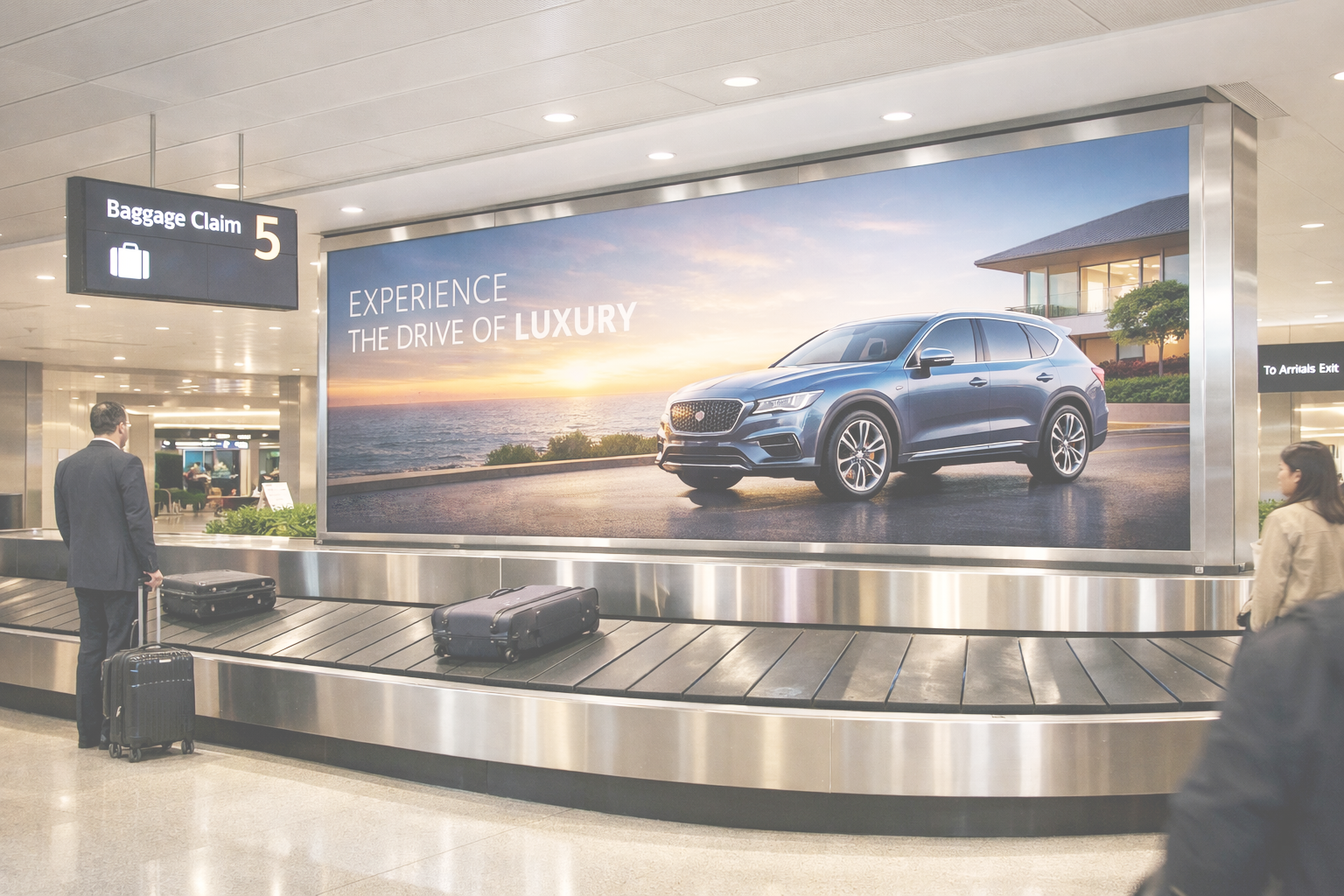
It’s Not Just Where You Advertise - It’s How Fast You Execute
We combine local insight with fast rollout to deliver results for you, now.
Talk to an ExpertAudience and Cultural Intelligence
Top 2 Languages:
- Mandarin Chinese (Putonghua): The universal primary language of the entire passenger base at SHE. Mandarin creative at Shenyang must reflect the distinctive character of Dongbei culture — warmer, more direct, more humour-embracing, and more community-oriented than northern Chinese city advertising conventions — and must acknowledge Shenyang's specific identity as a city of genuine industrial achievement, imperial heritage significance, and northeast Chinese cultural pride rather than positioning it as a peripheral market relative to coastal Chinese commercial centres.
- Korean: The most commercially significant secondary language at SHE, serving both the ethnic Korean Chinese (Joseon-jok) community whose Korean language maintenance is strong across generations and the South Korean business expatriate community managing Korean-invested manufacturing operations in Shenyang's industrial zones. Korean-language creative at SHE reaches a community whose bilateral commercial relationships with South Korea are among Shenyang's most economically active international linkages and whose consumer behaviour reflects both Chinese domestic standards and Korean premium consumer culture simultaneously.
Major Traveller Nationalities:
The dominant nationality at Shenyang Airport is Chinese domestic, with inbound tourism from Beijing, Harbin, and coastal Chinese cities alongside the Dongbei diaspora return movement that characterises the Chinese New Year and summer domestic travel surges. South Korean nationals represent the most significant international nationality, reflecting the Korean business community's sustained manufacturing investment in Shenyang's industrial zones and the Joseon-jok community's regular family and business travel to Seoul. Japanese nationals represent a small but commercially sensitive secondary international group — the automotive and industrial equipment business community that maintains supply chain relationships with BMW-Brilliance and Shenyang's machine tool manufacturers — whose presence at the terminal requires particular creative sensitivity given the September 18 historical context. Russian nationals, primarily business travellers managing cross-border trade relationships through the Liaoning corridor, add a modest Northeast Asian trilateral dimension to SHE's international passenger profile.
Religion — Advertiser Intelligence:
- Buddhism and Taoism (culturally practised — majority): The dominant religious cultural character of Shenyang's population reflects northeast China's syncretic Buddhist and Taoist heritage, expressed most commercially through temple visit cultural tourism and the major Chinese festival calendar. The Shenyang Shishi Buddhist Temple and the Taiqing Palace Taoist complex serve as cultural heritage tourism anchors whose visitor spending on cultural products, temple food, and artisan goods creates commercially relevant windows for premium cultural experience and artisan food brands.
- Shamanism and Manchu folk religion (historically significant): Shenyang's unique position as the original Qing Dynasty capital means that Manchu shamanic cultural traditions — the religious practice of the Qing imperial house — have left cultural traces in the city's heritage identity that are commercially relevant for cultural heritage tourism brands whose storytelling connects to the Manchu-Qing origin narrative that makes Shenyang's imperial palace different from every other Chinese heritage site.
- Christianity (~4%): Northeast China has an above-average Protestant and Catholic Christian population relative to other Chinese regions, reflecting historical missionary activity and the community's cultural openness to international religious influence. The Christmas and Easter commercial windows generate above-average gifting and premium consumer purchasing behaviour for this community, creating secondary commercial peak opportunities for brands whose seasonal campaign timing aligns with the Christian calendar.
- Korean Protestant Christianity (significant in Korean-Chinese community): The Joseon-jok Korean-Chinese community maintains a distinctively high rate of Protestant Christian affiliation, creating specific cultural consumption patterns including Christmas gifting, church community commercial events, and Korean-Christian cultural brand affinities that are commercially relevant for brands targeting the Korean-Chinese bilateral commercial audience at SHE.
Behavioral Insight:
The Shenyang commercial professional carries a behavioural profile shaped by the specific character of northeast Chinese industrial culture — practical, direct, deeply loyal to established relationships, and profoundly resistant to commercial messaging that is perceived as superficial, aspirational without substance, or dismissive of the northeast China industrial achievement that the city represents. Dongbei culture is famous in China for its warmth, directness, and communal orientation — characteristics that translate commercially into a consumer who builds deep brand loyalty slowly but maintains it durably, who values honest quality claims over lifestyle aspiration, and who responds to brand communications that demonstrate genuine respect for northeast China's industrial heritage and engineering excellence. The BMW-Brilliance professional community adds an additional layer of internationally calibrated quality consciousness — a professional class whose daily work requires BMW's global engineering standards to be met and whose personal consumer behaviour reflects those standards in automotive, technology, and premium lifestyle purchases.
Outbound Wealth and Investment Intelligence
The outbound passenger at Shenyang Airport is a northeast China industrial wealth holder whose international investment priorities reflect the specific characteristics of a manufacturing economy whose wealth generation has been more stable but less spectacular than coastal Chinese property and financial market wealth creation. The BMW-Brilliance executive, the SAC aerospace engineer, and the Liaoning pharmaceutical entrepreneur invest internationally for family security and educational advancement rather than speculative trophy acquisition, and their investment decisions are shaped by practical risk management rather than lifestyle optimisation.
Outbound Real Estate Investment:
Shenyang HNWI outbound real estate investment flows follow a conservative, security-oriented pattern that distinguishes northeast China's industrial wealth class from the more speculative coastal Chinese investment profile. Australia — particularly Queensland and Victoria — is the dominant international destination, driven by the established Chinese community infrastructure, Pacific proximity, and education pathway property purchase logic that characterises the northeast Chinese family's most common international investment motivation. Canada's British Columbia and Ontario markets attract the most education-alignment-driven segment. Within China, the most commercially significant real estate investment dynamic for Shenyang is a domestic north-south capital flow: Shenyang HNWI are active buyers in Hainan Island resort properties, Chengdu, and Sanya — seeking domestic Chinese real estate markets whose climate and economic trajectory they perceive as superior to the northeast China property market's challenged appreciation prospects. Real estate developers marketing Hainan, Sanya, and Chinese southern resort properties to the northeast Chinese professional class will find at SHE an audience whose domestic real estate investment motivation is particularly intense relative to comparable Chinese provincial capital airports.
Outbound Education Investment:
Liaoning Province's academic culture — shaped by the traditional Dongbei value system that places extraordinary emphasis on educational achievement as the primary path to social advancement — creates a parent demographic whose per-student international education investment commitment is among the most consistent in China. The United States attracts the largest international student outflow for graduate STEM programmes, with northeastern US universities and Big Ten institutions being particularly favoured. The United Kingdom's Russell Group attracts the premium education investment tier. Canada's university pathway remains strong for families whose children seek integrated education and immigration options. Australia's Pacific proximity and established Chinese student community infrastructure make it the most practically accessible English-language option. The Korean connection adds a specific Korea education dimension — the Joseon-jok community maintains Korean-language education pathways and some families pursue Korean university education as an alternative international option with cultural alignment.
Outbound Wealth Migration and Residency:
The northeast China HNWI community's interest in international residency is growing, driven specifically by the desire to secure educational pathways for children in foreign countries and by the risk management concerns of a manufacturing wealth class whose assets are concentrated in a region experiencing structural demographic and economic challenges. Canada's Express Entry and provincial nominee programmes are the most actively pursued pathway, with British Columbia and Ontario being the dominant destinations. Australia's investment and business innovation visas attract the manufacturing entrepreneur segment. Portugal's Golden Visa fund investment route is gaining awareness among Shenyang's most internationally informed HNWI. South Korea's investment residency pathways attract the Korean-Chinese community whose bilateral family and commercial relationships create strong emotional and practical motivation for Korean residency acquisition. Residency advisory and immigration legal firms serving northeast China's industrial HNWI will find at SHE a commercially motivated audience whose international mobility planning urgency is growing with the region's structural economic transition.
Strategic Implication for Advertisers:
International education providers at STEM-leading universities, Australian and Canadian real estate developers, domestic Chinese resort property developers targeting Shenyang HNWI capital seeking warmer-climate domestic investment alternatives, and residency advisory firms serving northeast China's industrial wealth class should treat Shenyang Airport as a precision access channel for a manufacturing HNWI audience that is systematically underserved by the coastal city-focused China marketing investment of most international brands. The BMW-Brilliance community alone represents a premium automotive-calibrated professional audience whose international real estate, education, and financial service needs rival those of comparable executive communities at any Chinese tier-two city airport. Masscom Global coordinates these outbound investment campaigns with domestic Chinese industrial B2B campaigns at SHE simultaneously.
Airport Infrastructure and Premium Indicators
Terminals:
Shenyang Taoxian International Airport operates two connected terminal buildings — Terminal 1 for domestic operations and Terminal 2 handling international flights — within a compact but functional airport complex that provides direct commercial coverage of the airport's full passenger base without the fragmentation of multi-terminal hub airports. Terminal 2's international zone serves the Korean bilateral community, Japanese business visitors, and the modest international leisure and heritage tourism audience with facilities calibrated for a regionally significant international gateway. The terminal infrastructure is supplemented by a direct expressway connection to Shenyang city centre and ongoing investment in airport ground transport connectivity as part of Liaoning Province's infrastructure modernisation programme.
Premium Indicators:
- BMW-Brilliance Automotive's Shenyang headquarters status — with its regular German corporate delegations, international executive rotation programme, and joint venture management community whose compensation and consumption standards are calibrated to BMW AG's global corporate culture — creates a premium international business class audience at SHE whose daily professional environment is set by the standards of one of the world's most valuable luxury brand companies
- The Shenyang Imperial Palace UNESCO World Heritage Site and the Fuling and Zhaoling imperial tomb complexes — which place Shenyang in an exclusive global category of cities that are both active industrial capitals and sites of World Heritage imperial court architecture — create a cultural authority brand association halo for the airport that positions premium brands present at SHE within the same civilisational narrative as the Beijing Forbidden City
- Shenyang's luxury hotel sector — including the Kempinski Hotel Shenyang, Sheraton Shenyang Lido Hotel, and Marriott Shenyang — establishes a five-star accommodation tier that confirms the presence of a premium hospitality guest audience cycling through SHE whose international corporate travel budgets and personal discretionary spending reflect the BMW-Brilliance and defence aerospace industry compensation standards that define Shenyang's HNWI ceiling
- The Shenyang Aircraft Corporation's national strategic technology status — producing China's most advanced carrier-based and air superiority fighter aircraft for the People's Liberation Army Air Force and Naval Aviation — confirms the presence of a nationally strategic professional community at SHE whose technical elite designation and government-backed compensation packages create income security and premium consumer capacity that is structurally above the northeast China regional average
Forward-Looking Signal:
The Chinese central government's northeast China revitalisation programme — including direct fiscal investment, industrial policy support for Shenyang's automotive and aerospace sectors, and infrastructure development across Liaoning Province — represents a sustained policy commitment whose commercial implications for SHE are positive. BMW-Brilliance's ongoing production capacity expansion and new energy vehicle transition investment in Shenyang confirms the joint venture's commitment to the city as its primary China production base. The Shenyang National High-tech Industries Development Zone's growing attractiveness for pharmaceutical, advanced manufacturing, and new materials investment is adding new professional workforce layers to the airport's commercial base. Russia's growing commercial relationship with northeast China — driven by both geographic proximity and sanctions-era trade pattern shifts — is generating new bilateral Russia-Shenyang business travel that adds an international commercial dimension to SHE's passenger profile. Masscom advises clients to establish SHE presence now — the combination of government industrial revitalisation investment, BMW-Brilliance's confirmed expansion, and the northeast China professional class's growing premium consumer aspiration creates a commercial trajectory whose upside is significantly larger than the current passenger volume implies, and brands that establish strategic presence before the recovery cycle intensifies will benefit from the most favourable SHE placement conditions available.
Airline and Route Intelligence
Top Airlines:
- Air China — primary domestic hub connector and select international long-haul
- China Southern — domestic trunk routes
- China Eastern — domestic and select international routes
- Hainan Airlines — domestic trunk routes and international long-haul
- Shandong Airlines — domestic feeder connections
- Korean Air — primary Seoul Incheon hub connection, highest bilateral commercial value route at SHE
- Asiana Airlines — Seoul and Korean domestic hub connections
- Air Busan — Busan connection serving the Korean bilateral business community's Busan industrial relationships
- ANA — Tokyo connection serving the Japanese bilateral automotive and industrial community
- S7 Airlines and Aeroflot — Russia connections serving the Shenyang-Moscow and Vladivostok bilateral trade corridor
Key International Routes:
- Shenyang (SHE) to Seoul Incheon (ICN): The defining international commercial route at SHE — the highest-frequency Korea bilateral business corridor in northeast China aviation, serving both the South Korean manufacturing investment community and the Joseon-jok Korean-Chinese community's regular bilateral family and business travel
- Shenyang (SHE) to Seoul Gimpo (GMP): Secondary Seoul connection for the Korean business community's domestic Korean hub connectivity
- Shenyang (SHE) to Tokyo Narita (NRT): Japanese connection serving the bilateral automotive supply chain and cultural heritage tourism corridor
- Shenyang (SHE) to Bangkok (BKK): Southeast Asian leisure connection reflecting the northeast Chinese professional class's growing Southeast Asian leisure tourism preference
- Shenyang (SHE) to Singapore (SIN): Southeast Asian financial hub connection serving the Shenyang professional class's international financial services engagement
- Shenyang (SHE) to Moscow (SVO) and Vladivostok (VVO): Russia connections serving the bilateral China-Russia trade relationship that has grown significantly in the northeast China corridor
Domestic Connectivity:
SHE operates as Liaoning Province's primary domestic aviation hub, with regular services to Beijing Capital and Beijing Daxing, Shanghai Pudong and Hongqiao, Guangzhou Baiyun, Shenzhen Bao'an, Chengdu Tianfu, Hainan (Sanya), Hangzhou, and other major Chinese provincial capitals. The domestic route network serves both the premium domestic tourism audience visiting Liaoning's UNESCO heritage circuit and the Shenyang industrial professional class whose business connections to national commercial centres travel through SHE.
Wealth Corridor Signal:
The SHE route network reveals the commercial geography of northeast China's industrial and bilateral trade economy with precision. The Seoul routes are the arteries of the Korean-Chinese manufacturing investment relationship — one of the most commercially established bilateral industrial partnerships in northeast Asian aviation. The Tokyo connection reflects the BMW-Brilliance Japanese component supplier community and the Japanese industrial equipment partnerships that sustain Shenyang's precision manufacturing sector. The Moscow and Vladivostok routes confirm the growing China-Russia bilateral commercial relationship whose geographic centre in northeast China makes Shenyang a natural relay point for the expanding Russia-facing trade economy. The Hainan and Southeast Asian leisure routes reveal the northeast Chinese professional class's domestic and international leisure preferences — escaping the northeast's harsh winters for warm-climate domestic and international destinations whose hospitality investment signals premium consumer aspiration.
Media Environment at the Airport
- Shenyang Airport's two-terminal configuration provides a focused, manageable advertising environment where strategic placement across the international Terminal 2 and the domestic Terminal 1 premium zones enables brands to achieve comprehensive coverage of SHE's commercially distinct audience segments — the Korean bilateral business community in international departures, the BMW-Brilliance and aerospace management class in premium domestic lounges, and the domestic heritage and leisure tourism audience in the arrivals and check-in zones — without the placement complexity and cost of larger multi-terminal hub airports
- Dwell time at SHE is elevated by the airport's geographic distance from central Shenyang — approximately 25 kilometres — which encourages passengers to build in additional transit time, creating extended pre-departure windows in the terminal's commercial zones that reward premium, content-rich creative executions targeting both the Korean business community and the domestic Chinese heritage tourism audience
- The terminal's BMW-Brilliance cultural context — a city whose most prestigious employer is one of the world's most valuable luxury brands — creates a natural premium brand association environment where luxury automotive, international financial services, and premium lifestyle brand advertising finds audience alignment that is structurally more receptive than comparable-sized Chinese provincial city airports whose professional class has no equivalent luxury industry anchor
- Masscom Global delivers full-service inventory access across Shenyang Airport's Terminal 1 and Terminal 2 commercial zones, with Mandarin and Korean bilingual creative capability, northeast China industrial market intelligence, and the cultural knowledge to ensure every campaign reflects the authentic engineering excellence, Qing imperial heritage, and Dongbei cultural directness that distinguishes Shenyang's commercial identity from every other Chinese provincial capital airport
Strategic Advertising Fit
Best Fit:
- Premium automotive — BMW, European, and Korean marques: Shenyang is China's BMW-Brilliance city, and the automotive brand consciousness of its professional class is shaped by daily proximity to one of the world's most prestigious luxury automotive manufacturers. BMW, Mercedes-Benz, Audi, and comparable European luxury marques will find at SHE an audience whose professional environment has calibrated their automotive expectations to global standards. Korean automotive brands — Hyundai and Kia — benefit from the bilateral commercial relationship that makes Korean brands more culturally familiar in Shenyang than in any other northeast Chinese city.
- B2B industrial technology and enterprise services: The SAC aerospace engineering class, BMW-Brilliance supply chain management, Shenyang Machine Tool management, and Anshan Steel industrial executive community represent one of northeast China's most qualified B2B technology buyer audiences. Enterprise software, industrial automation, precision equipment, and professional services brands targeting China's advanced manufacturing sector will find at SHE a technically sophisticated decision-maker audience whose purchasing authority is real and whose technical evaluation criteria are among the most rigorous of any Chinese industrial city airport.
- Real estate — domestic Chinese resort properties and international education markets: The northeast China HNWI class's active investment in domestic warm-climate resort properties (Hainan, Sanya) and international education-adjacent properties (Australia, Canada) makes SHE a viable and underutilised acquisition channel for both domestic Chinese resort developers targeting cold-climate interior city HNWI and international property developers pursuing the Canadian and Australian Chinese buyer pipeline from northeast China.
- Financial services and private banking: The BMW-Brilliance executive and SAC aerospace management class represent a professionally secure, above-average-income audience whose private banking, investment, and insurance needs are consistently underserved by financial services brands focused on coastal Chinese city high-net-worth markets. Private banking platforms, investment advisory firms, and international insurance brands targeting China's industrial HNWI will find at SHE a qualified and commercially accessible audience.
- Korean-Chinese bilateral consumer brands: Korean consumer electronics, Korean beauty and cosmetics, Korean food and beverage brands, and Korean-Chinese bilateral financial and logistics services will find at SHE a Korean community audience whose bilateral commercial relationships and cultural brand consciousness make Korean-language advertising at this airport commercially productive in ways unavailable at most Chinese mainland airports outside Qingdao and coastal Yanbian.
- International education — STEM and engineering focus: Liaoning's intensely education-investment-driven parent demographic creates a consistent demand for international STEM university and boarding school advertising at SHE. US, UK, Australian, and Canadian university programmes with engineering and technology curricula will find a parent audience whose per-student investment commitment and academic aspiration are above the northeast China average and whose children are specifically preparing for STEM international study pathways.
- Domestic Hainan and warm-climate tourism brands: Northeast China's brutal winters — with Shenyang temperatures regularly reaching minus 20 degrees Celsius — create one of China's most commercially productive warm-climate domestic tourism audiences. Hainan resort properties, Sanya hotel packages, and Southeast Asian sun-and-sea tourism brands targeting Chinese domestic travellers will find at SHE an audience whose cold climate context makes warm-destination tourism advertising maximally receptive across the October to March window.
- Qing heritage cultural tourism experiences: The Shenyang Imperial Palace, UNESCO imperial tombs, and the broader Qing origin narrative of northeast China create a premium cultural heritage tourism commercial environment unique in Chinese aviation. Heritage luxury accommodation, premium cultural experience platforms, and artisan cultural product brands aligning with the Manchu-Qing heritage identity will find at SHE an arriving domestic cultural tourism audience whose engagement with this specific heritage narrative is deeper than at any other Chinese city.
Brand Alignment at a Glance:
| Category | Fit |
|---|---|
| Premium automotive — European and Korean | Exceptional |
| B2B industrial technology and services | Exceptional |
| Korean-Chinese bilateral brands | Exceptional |
| Domestic Chinese warm-climate tourism | Strong |
| Financial services and private banking | Strong |
| International education — STEM focus | Strong |
| Qing heritage cultural tourism experiences | Strong |
| Pure coastal luxury lifestyle brands | Moderate |
| Japanese brands — September period caution | Moderate (seasonal sensitivity) |
Who Should Not Advertise Here:
- Japanese brands in the September advertising window: The September 18 Mukden Incident commemoration creates a specific annual period of elevated anti-Japanese sentiment in Shenyang that is more intense than in any other Chinese city. Brands with Japanese corporate identity or Japanese cultural aesthetic associations should avoid or substantially modify their SHE advertising around this date, with the sensitivity period extending from early September through the annual commemoration. This is not a permanent restriction but a seasonal sensitivity that requires specific campaign timing intelligence.
- Brands with no northeast China market distribution or relevance: International brands without established Chinese market access, particularly those without northeast China distribution infrastructure, will find SHE's domestic Chinese audience commercially unreachable regardless of airport advertising awareness. The northeast China market's geographic and logistical separation from coastal Chinese distribution centres requires genuine market commitment rather than advertising awareness alone to convert into commercial return.
- Ultra-luxury brands without accessible tier or industrial quality narrative: Brands positioned exclusively at the ultra-high-net-worth individual tier without any accessible premium entry point or industrial craft quality heritage will find SHE's audience profile — centred on manufacturing management professionals rather than financial markets wealth — insufficiently concentrated at the ultra-HNWI level to justify the investment relative to Beijing, Shanghai, or Guangzhou premium terminal placements.
Event and Seasonality Analysis
- Event Strength: Medium (BMW-Brilliance corporate cycles and Panjin Red Beach are distinctive)
- Seasonality Strength: High
- Traffic Pattern: Multi-Peak (Chinese New Year homecoming, National Day Golden Week, summer)
Strategic Implication:
Advertisers at Shenyang Airport should structure their investment around three commercially distinct windows. The Chinese New Year homecoming surge in January and February is SHE's most emotionally charged and commercially generous passenger concentration — the northeast China diaspora return whose gifting, celebration, and homecoming investment spending creates a consumer generosity window unique to Dongbei cultural identity. National Day Golden Week in October is the highest-quality domestic heritage and eco-tourism concentration, particularly amplified by the Panjin Red Beach's peak colour season. The warm-climate departure season from October through March creates a sustained outbound leisure tourism window whose cold-weather context amplifies receptivity for warm-destination travel brand communications. Masscom Global structures SHE campaigns to capture all three windows while maintaining year-round B2B industrial and Korean bilateral presence that serves the professional community whose travel is distributed throughout the full calendar year rather than concentrated in holiday tourism peaks.
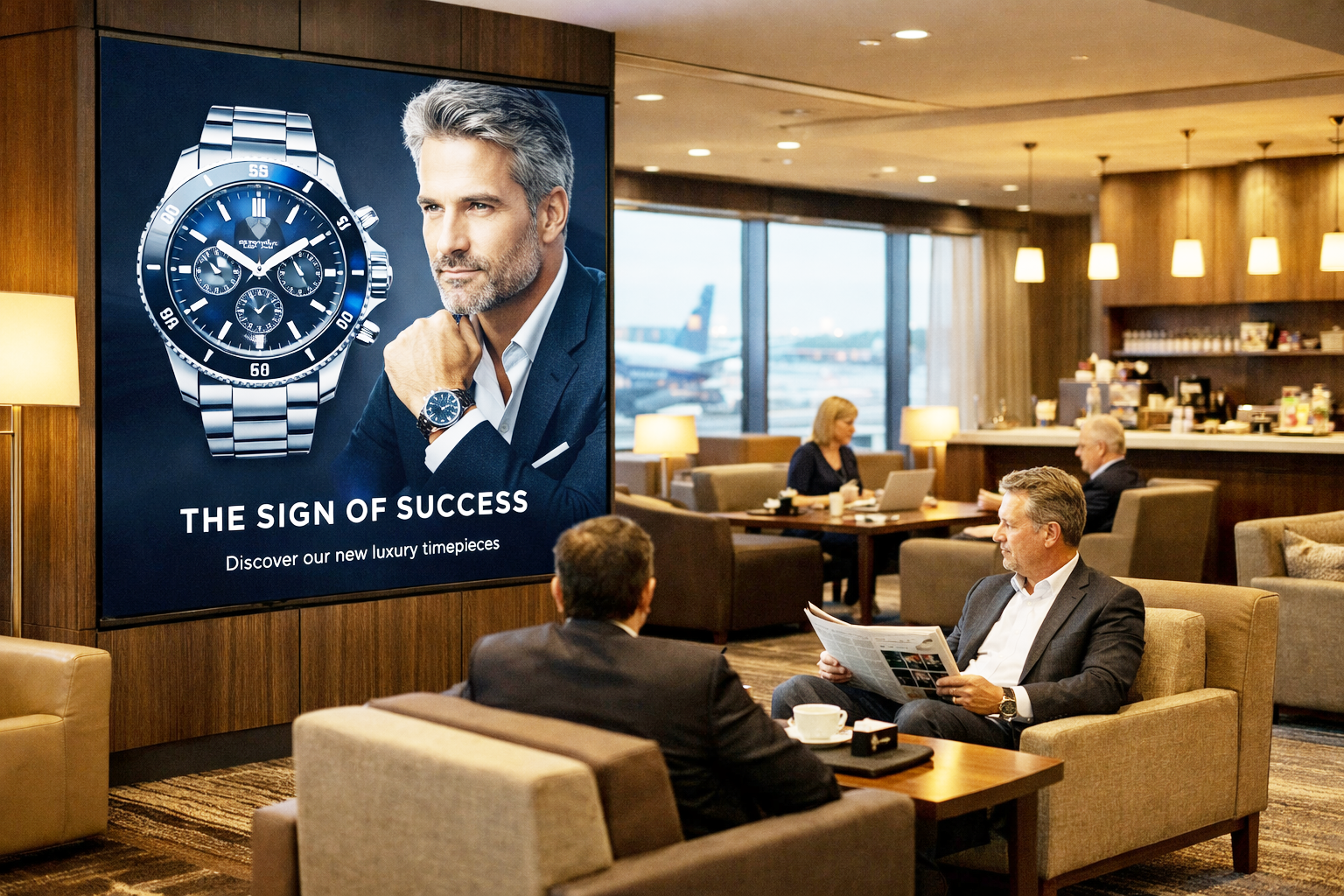
Poor Placement and Delays Affect Airport Campaigns
We help you move faster, access better inventory, and get it right now.
Talk to an ExpertFinal Strategic Verdict
Shenyang Taoxian International Airport is northeast China's most commercially precise and most commercially underactivated major aviation gateway — a terminal serving 8.2 million passengers at the intersection of BMW-Brilliance's luxury automotive industrial dynasty, China's premier fighter jet manufacturing community, a UNESCO imperial heritage identity without precedent in Chinese provincial airport advertising, and a Korean-Chinese bilateral business corridor whose commercial depth is among the most established of any northeast Asian bilateral investment relationship. The BMW-Brilliance executive whose daily professional standard is set by the world's most prestigious automotive brand, the SAC aerospace engineer whose technical credentials represent the apex of China's defence manufacturing capability, the Joseon-jok Korean-Chinese entrepreneur whose bilateral commercial relationships span Shenyang and Seoul simultaneously, and the northeast China diaspora professional returning from Shanghai or Shenzhen for a Chinese New Year homecoming that reconnects them with the Dongbei cultural identity that coastal city life has never fully replaced — all pass through a terminal where the international advertising brand investment has historically reflected a provincial capital tier-two categorisation that fundamentally misunderstands what this airport actually represents. For premium automotive brands whose BMW connection gives Shenyang's professional class a luxury product reference point unavailable in any other northeast Chinese city, for B2B industrial technology companies whose most qualified Chinese manufacturing sector decision-makers sit in Shenyang's defence aerospace and automotive supply chains, for Korean-Chinese bilateral brands whose most commercially active Chinese community outside Qingdao is concentrated in Shenyang's Joseon-jok ecosystem, and for international education providers whose STEM-aspiring northeast Chinese parent demographic is one of China's most education-investment-committed family segments — Shenyang Airport is not a secondary Chinese provincial market. It is northeast China's industrial command centre, and Masscom Global provides the industrial market intelligence, Korean bilingual capability, and SHE inventory access to make it work for your brand with the precision and cultural respect this extraordinary city demands.
About Masscom Global
Masscom Global is a premium international airport advertising and media buying agency operating across 140 countries. With deep expertise in airport OOH, premium publications, and high-net-worth audience targeting, Masscom helps brands reach the world's most valuable travellers at the moments that matter most. For advertising packages, media rates, and campaign planning at Shenyang Taoxian International Airport and airports across the globe, contact Masscom Global today.
Frequently Asked Questions
How much does airport advertising cost at Shenyang Taoxian International Airport?
Advertising costs at Shenyang Airport vary based on terminal zone, format type, Mandarin and Korean language creative specifications, campaign duration, and seasonal demand windows. The Chinese New Year homecoming window in January and February, National Day Golden Week in October, and the BMW-Brilliance corporate calendar concentration windows attract the highest inventory demand. Masscom Global provides current rate cards across Terminal 1 and Terminal 2 placements, bilingual creative format guidance, and bespoke media packages tailored to both B2B industrial technology and domestic Chinese premium consumer campaign objectives. Contact Masscom Global directly for current pricing and a tailored proposal.
Who are the passengers at Shenyang Taoxian International Airport?
SHE serves four commercially distinct passenger segments. The BMW-Brilliance and Shenyang Aircraft Corporation professional community — whose compensation and consumption standards reflect the globally calibrated quality expectations of two of China's most strategically significant manufacturing operations — represents the most individually commercially valuable year-round business audience. The Korean-Chinese bilateral community — encompassing ethnic Korean Chinese Joseon-jok residents and South Korean business expatriates managing manufacturing investments in Shenyang's industrial zones — represents the most active international nationality with the highest bilateral travel frequency. The Dongbei diaspora returnees from Beijing, Shanghai, and coastal Chinese cities — professionals who have migrated south but maintain deep family and cultural connections to northeast China — represent the most emotionally charged seasonal inbound travel surge. Domestic Chinese cultural heritage and eco-tourism visitors complete the passenger profile.
Is Shenyang Taoxian Airport good for luxury brand advertising?
Shenyang Airport performs well for luxury brand advertising in specific categories aligned with the BMW-Brilliance professional community's consumption standards and the northeast Chinese industrial HNWI's purchasing profile. Premium automotive — particularly European luxury marques whose standards the BMW-Brilliance workforce is professionally calibrated to appreciate — achieves exceptionally strong audience alignment at SHE. Luxury hospitality, premium financial services, and high-quality B2B enterprise technology brands will all find genuine commercial audience at SHE. Ultra-luxury brands without accessible premium tier or craft quality narrative will find the audience concentration at the ultra-high-net-worth individual level insufficient relative to coastal city hub airports for standalone investment justification.
What is the best airport in northeast China to reach HNWI audiences?
Shenyang Taoxian International Airport is northeast China's primary HNWI access point, serving the region's largest city and most commercially diverse industrial economy. Harbin Taiping International Airport serves Heilongjiang Province's separate industrial and agricultural economy. Dalian Zhoushuizi International Airport serves Liaoning's coastal port and tourism economy. For brands targeting northeast China's BMW-Brilliance luxury automotive professional community, the SAC aerospace industry management class, the Korean bilateral business community, or the Dongbei diaspora's Chinese New Year homecoming, SHE is the sole viable primary channel and its commercial focus on the manufacturing industrial HNWI is both its specific strength and its irreplaceable competitive advantage.
What is the best time to advertise at Shenyang Airport?
The Chinese New Year homecoming window in January and February is SHE's most commercially charged travel event — the Dongbei diaspora return whose cultural homecoming intensity creates a gifting, celebration, and consumer spending surge that is one of the most emotionally powerful commercial moments in any Chinese provincial capital airport. National Day Golden Week in October delivers peak domestic tourism to Liaoning's UNESCO heritage circuit and the Panjin Red Beach. The warm-climate departure season from October through March creates a sustained outbound leisure travel commercial opportunity for warm-destination brands. Advertisers with Japanese brand identity should avoid September's specific September 18 sensitivity window and plan campaign deployment accordingly.
Can international real estate developers advertise at Shenyang Airport?
Shenyang Airport is a viable acquisition channel for international real estate developers targeting northeast China HNWI buyers in the Australian, Canadian, and domestic Chinese warm-climate resort markets. The BMW-Brilliance and SAC aerospace professional community represent Shenyang's highest-income household segment whose international real estate investment capacity is consistently underestimated by coastal city-focused China property marketing strategies. Domestic Chinese resort developers marketing Hainan, Sanya, and warm-climate coastal properties will find at SHE an audience whose northeast China winter context — with temperatures regularly reaching minus 20 degrees Celsius — creates one of China's most commercially receptive domestic warm-climate property buyer audiences.
Which brands should not advertise at Shenyang Airport?
Japanese brands whose advertising appears around September 18 without specific creative sensitivity adjustments face significant reputational risk in a city where the Mukden Incident commemoration generates more intense public emotion than in any other Chinese city. Brands without northeast China market distribution or relevance will find the domestic Chinese audience commercially unreachable regardless of awareness generated. Ultra-luxury brands without accessible premium tier or industrial quality heritage narrative will find the audience's manufacturing-professional consumption profile insufficiently concentrated at the ultra-HNWI level for standalone investment justification.
How does Masscom Global help brands advertise at Shenyang Taoxian International Airport?
Masscom Global provides complete end-to-end advertising capability at Shenyang Airport — from northeast China industrial HNWI and Korean bilateral audience intelligence through Mandarin and Korean bilingual campaign strategy, inventory access across Terminal 1 and Terminal 2 zones, creative specification, placement execution, and campaign performance reporting. Our team brings deep knowledge of the BMW-Brilliance corporate culture, the SAC aerospace community's commercial profile, the September 18 sensitivity calendar, the Joseon-jok Korean-Chinese community's bilateral brand behaviour, and the Dongbei diaspora's Chinese New Year homecoming commercial dynamics. We execute faster, with deeper northeast China industrial market calibration and more precise Korean bilingual cultural intelligence than any planning team approaching SHE without dedicated Dongbei industrial and Korean-Chinese bilateral airport market expertise. Contact Masscom Global today to build your brand's presence at northeast China's most commercially distinct industrial aviation gateway.