

Airport at a Glance
| Field | Detail |
|---|---|
| Airport | Raipur Swami Vivekananda Airport |
| IATA Code | RPR |
| Country | India |
| City | Raipur, Chhattisgarh |
| Annual Passengers | Approx. 1.6 million (2023–24) |
| Primary Audience | Steel and sponge iron business owners, mining sector principals, SAIL and PSU executives, state government officials |
| Peak Advertising Season | October–November (Diwali), January–March (Rajim Kumbh and harvest season), February–March |
| Audience Tier | Medium-High |
| Best Fit Categories | Financial services, real estate, gold and jewellery, B2B industrial, insurance, automotive |
Raipur Swami Vivekananda Airport serves a catchment that is among the most mineralogically and industrially dense in India — a state that holds 28 percent of India's total iron ore reserves, 18 percent of its coal deposits, and significant quantities of tin, bauxite, and limestone, all concentrated within a 250-kilometre radius of the airport. The commercial consequences of this mineral wealth are visible in Raipur's business-owning class: sponge iron entrepreneurs whose plants line the highway corridors between Raipur and Bilaspur, coal supply chain principals whose trading networks connect Chhattisgarh's coalfields to power plants across India, and Bhilai Steel Plant-adjacent businesses whose institutional supply and service revenue has built a secondary industrial economy around one of SAIL's most productive facilities. Alongside this industrial identity, Raipur is simultaneously transforming into a modern state capital — with AIIMS Raipur, IIM Raipur, and Naya Raipur's smart city infrastructure attracting a new class of knowledge economy professionals whose commercial aspirations are metropolitan in orientation but whose roots are embedded in Chhattisgarh's mineral wealth culture.
For advertisers, RPR represents a commercially unique opportunity: a 1.6 million passenger airport where the primary audience is defined not by service sector employment or IT professional career tracks but by ownership of capital-intensive industrial assets — sponge iron plants, coal washeries, mining leases, and cement factories — whose owners are active deployers of multi-crore annual revenues into financial products, real estate, education, and premium consumer categories. This is an audience that national media strategies consistently underserve, and that airport advertising at RPR accesses with a directness and cost efficiency that no other central India media channel matches.
Advertising Value Snapshot
- Passenger scale: Approximately 1.6 million annual passengers; serving a primary catchment of over 6 million across Raipur, Durg, Bhilai, Rajnandgaon, Mahasamund, and Baloda Bazar districts with secondary industrial reach into Bilaspur, Korba, and Raigarh — Chhattisgarh's entire commercial and industrial spine
- Traveller type: Sponge iron and steel business owners, coal and mining sector principals, SAIL Bhilai and PSU executives, IAS and state government officials, Naya Raipur smart city institutional professionals
- Airport classification: Tier 2 — a commercially dense state capital airport whose mineral-sector business ownership concentration and PSU institutional employment base deliver audience quality substantially above its regional classification
- Commercial positioning: India's mineral wealth state capital airport — the sole air gateway to an economy built on steel, coal, iron ore, and a rapidly maturing government and knowledge sector
- Wealth corridor signal: The Raipur–Delhi–Mumbai industrial corridor concentrates Chhattisgarh's mining and steel wealth in routes that carry commercial procurement authority, investment capital, and institutional decision-making power in almost every business class seat
- Advertising opportunity: Masscom Global's access to RPR's advertising inventory — combined with deep intelligence on the sponge iron production calendar, Bhilai Steel Plant's institutional employment cycle, and Chhattisgarh's political and administrative rhythm — allows brands to intercept the state's most commercially significant principals at the moments of highest purchasing intent.
Airport Advertising is Complex to Get Right
We help you execute faster, with proven results and local insight most planners lack starting now.
Talk to an ExpertCatchment Area and Economic Drivers
Top 10 Cities within 150 km — Marketer Intelligence
- Durg (30 km): The industrial twin of Raipur and the gateway to Bhilai — a city defined by its proximity to SAIL's Bhilai Steel Plant and its dense MSME and service ecosystem that supports the plant's 40,000-strong workforce; the Durg business owner and professional community is among the most commercially active in the RPR catchment for banking, real estate, and premium consumer goods.
- Bhilai (35 km): The location of SAIL's Bhilai Steel Plant — one of India's largest integrated steel plants and the single largest concentration of institutionally employed engineers, managers, and administrators in Chhattisgarh; the Bhilai officer community's structured income, pension security, and above-average consumer aspirations make it one of the most commercially reliable audience segments accessible through RPR.
- Mahasamund (55 km): Chhattisgarh's rice bowl district and a major agro-processing hub; the rice milling and agricultural trading community here carries substantial seasonal capital surpluses and active financial product and gold purchasing intent — a commercially underserved agri-wealth audience whose purchasing behaviour mirrors the cotton and sugar trading communities of comparable districts in Maharashtra and Andhra Pradesh.
- Rajnandgaon (70 km): An industrialising district with growing steel and agro-processing units and a significant political identity in Chhattisgarh's administrative landscape; the business owner and government professional community here has structured commercial income and active real estate, insurance, and banking product purchasing intent.
- Dhamtari (75 km): The paddy and forest produce trading hub of southern Raipur division, with a significant rice milling and timber business community; the agri-entrepreneur here accumulates seasonal capital and is an active purchaser of gold, banking, and insurance products in the post-harvest window.
- Baloda Bazar (75 km): A cement and limestone quarrying district with strong industrial business owner concentration; the limestone and cement industry business owners here are export-linked, capital-intensive, and active purchasers of banking, commercial insurance, and real estate products.
- Kawardha (110 km): An agricultural district whose farming and forest produce trading community contributes to the broader RPR catchment's agri-wealth base; Kawardha is additionally a heritage tourism destination for its Bhoramdeo temple complex, which draws a culturally engaged domestic tourist through the Raipur corridor.
- Champa (110 km): A significant textile and industrial town in the Bilaspur–Janjgir corridor — home to synthetic yarn and fabric manufacturing businesses with North India market connections; the textile business community here has commercial income and active financial product purchasing behaviour accessible through RPR.
- Bilaspur (120 km): Chhattisgarh's judicial capital and second-largest city — home to the Chhattisgarh High Court, coal sector administration, and a significant power sector industrial base; the legal, judicial, and coal industry professional community at Bilaspur represents a secondary high-value institutional audience segment accessible through RPR.
- Janjgir-Champa (130 km): One of Chhattisgarh's most productive rice and paddy producing districts with growing industrial units; the agri-business and small industry owner community here has above-average seasonal capital and active banking, insurance, and FMCG purchasing behaviour that is accessible to brands investing at RPR.
NRI and Diaspora Intelligence
Chhattisgarh's diaspora is modest in global scale compared to coastal states — but commercially significant in composition for the specific audience it produces at RPR. A growing professional diaspora of Chhattisgarhi engineers, managers, and technology professionals from AIIMS Raipur, IIM Raipur, and the state's NIT has migrated to Bengaluru, Hyderabad, Mumbai, and Delhi's corporate economy while maintaining strong investment and family connections to Raipur. The steel and mining business-owning community additionally maintains commercial relationships in Gulf markets — particularly UAE and Saudi Arabia — through commodity supply chains that create a business travel audience with international commercial exposure. The Bhilai Steel Plant's pan-India recruitment history means that the BSP officer community includes professionals from across India — Bengali, Odia, UP, and Bihar-origin families who have settled in Bhilai and maintain inter-state real estate and investment connections that generate commercially relevant travel through RPR.
Economic Importance
Raipur's catchment economy is anchored in five productive pillars of exceptional commercial scale. Steel and sponge iron — Raipur and the Bilaspur corridor host India's largest cluster of sponge iron (DRI) plants, processing the state's iron ore into intermediate steel products for markets across India and internationally; the sponge iron business-owning community's annual revenues and capital accumulation are among the highest of any industrial cluster at a comparable regional airport. Coal supply and trading — Chhattisgarh's coalfields feed power plants and industrial consumers across central and eastern India, generating a trader and logistics business community with substantial commercial revenues and active investment behaviour. SAIL Bhilai — one of India's most productive integrated steel plants employing over 40,000 people directly and supporting ten times that number in the surrounding economy through supply chains and services. State government and PSU administration — Raipur as Chhattisgarh's capital concentrates IAS officers, government professionals, and public sector enterprise executives in an institutional economy that has grown substantially since the state's formation in 2000. And Naya Raipur's emerging knowledge economy — AIIMS, IIM, IT parks, and smart city infrastructure — is introducing a new professional class whose metropolitan commercial aspirations are rapidly diversifying the airport's audience profile beyond its industrial base.
Business and Industrial Ecosystem
- Sponge iron and steel business cluster: The Raipur–Raigarh corridor is India's most productive sponge iron geography — hundreds of DRI and steel re-rolling plants whose proprietors and managing directors form a commercially sophisticated, capital-intensive business-owning class with active investment in real estate, financial products, and premium consumer categories; this is the single most commercially significant audience segment at RPR.
- SAIL Bhilai Steel Plant ecosystem: The Bhilai Steel Plant and its associated township support a community of over 40,000 direct employees and their families — an institutional income base whose engineering officers, managers, and senior administrators have government-equivalent income security and strong financial product, real estate, and consumer goods purchasing behaviour.
- Coal supply chain and mining sector: Coal traders, logistics operators, coal washery owners, and mining lease holders form a commercially active business community whose revenues from Chhattisgarh's coalfields — feeding power plants from Tamil Nadu to Punjab — generate annual turnovers and capital surpluses of substantial scale.
- Naya Raipur knowledge economy: IIM Raipur, AIIMS Raipur, NIT Raipur, and the Naya Raipur IT park are progressively building a knowledge economy professional community in the state capital — a younger, more internationally oriented professional class whose consumer aspirations and financial product purchasing behaviour are evolving toward metro equivalents at an accelerating pace.
Passenger Intent — Business Segment
The business traveller at RPR is most commonly a sponge iron or steel business owner flying to Delhi or Mumbai for commercial procurement and financial engagements, a SAIL Bhilai officer on official technical or administrative duty, a coal trader managing supply chain relationships in major power industry centres, a state government IAS officer on administrative mandates, or a Naya Raipur knowledge economy professional managing career and institutional obligations. These individuals carry either substantial commercial wealth from capital-intensive industrial operations or institutional income security — and in both cases are active, high-capacity purchasers of banking, insurance, real estate, and premium consumer products. The sponge iron business owner is among the highest-value individual audience segments at any central Indian regional airport — owning plants with multi-crore capital investment, managing export-linked revenues, and making financial and investment decisions with commercial scale that dwarfs the salary-constrained purchasing behaviour of institutional employees.
Strategic Insight
The structural dominance of mineral-sector business owners at RPR creates an advertising environment that is commercially distinct from every other central Indian airport. At Indore, the audience is traders and IT professionals. At Nagpur, it is orange agri-business and government. At RPR, it is the owner of a sponge iron plant, a coal washery, a cement factory, or a mining lease — an audience whose commercial decisions involve asset deployment on a scale that most financial services, real estate, and premium product brands have never accessed through a regional airport channel. These individuals are not shopping for entry-level financial products. They are managing treasury decisions, investment portfolios, real estate acquisitions, and business expansion capital — and they are doing so with the commercial sophistication of industrialists who have built capital-intensive enterprises from the ground up. Masscom designs RPR campaigns to match this commercial profile — with product categories, messaging, and placement strategies calibrated to an audience that measures value in crores, not lakhs.
Tourism and Premium Travel Drivers
- Rajim — Chhattisgarh's Prayag (45 km): The confluence of the Mahanadi, Pairi, and Sondhur rivers — a sacred Triveni Sangam drawing millions of pilgrims annually and hosting the Rajim Kumbh Mela (Rajim Magh Punni Mela) every year; the February–March pilgrimage window is one of the most commercially significant devotional travel peaks in Chhattisgarh's annual calendar.
- Sirpur Heritage Site (78 km): A UNESCO world heritage tentative-listed Buddhist, Hindu, and Jain archaeological site of national significance — drawing domestic heritage tourists from across central India with growing international visitor interest; the Sirpur National Dance Festival in December–January annually concentrates a premium cultural audience accessible through RPR.
- Champaran — Sant Vallabhacharya Birthplace (55 km): The birthplace of the revered Vaishnavite saint Vallabhacharya — drawing a devout pilgrimage audience from the Vaishnav community across North and central India, with peak traffic during the Champaran Mela festival.
- Naya Raipur Smart City: The planned capital city development — with its 24-hour commercial zones, institutional campuses, and curated urban infrastructure — is itself becoming a domestic tourism and business conference destination, drawing high-income visitors from across India for government events, academic conferences, and institutional engagements.
Passenger Intent — Tourism Segment
The heritage and pilgrimage tourist at RPR — bound for Rajim, Sirpur, or Champaran — is a family-group devotee or culturally engaged domestic traveller with committed festival and experiential spend and above-average receptivity to FMCG, gold, and protection product advertising at the airport intercept point. The heritage tourist from Delhi or Mumbai visiting Chhattisgarh's growing archaeological tourism circuit is an educated, affluent domestic traveller with premium hospitality and cultural spending intent. Both audiences are captured in a terminal environment whose absence of competing distractions ensures sustained brand contact quality that is unavailable at larger, more fragmented facilities.
Travel Patterns and Seasonality
Peak seasons:
- October to November (Diwali and Dussehra): The year's highest commercial intensity window at RPR — the sponge iron and steel business community's year-end financial planning, combined with Diwali's retail and gold purchasing peak and the Dussehra festival's family spending occasion, creates a sustained 6 to 8-week period of exceptional audience purchasing intent across all major advertiser categories.
- February to March (Rajim Kumbh and harvest season): The Rajim Magh Punni Mela concentrates pilgrimage travel through the RPR catchment in a defined window; simultaneously, the paddy and agri-commodity harvest settlement cycle generates agri-wealth capital deployment that is commercially relevant for gold, banking, and real estate brands.
- January (Naya Raipur conference season and Makar Sankranti): Naya Raipur's emerging conference and institutional events calendar concentrates high-income visitors from across India in the January window; Makar Sankranti generates broad-based FMCG and gifting spend across the state's agricultural and industrial communities.
- April (Chhattisgarh New Year — Cheti Chand and Gudi Padwa influence): New-beginning purchase behaviour for gold, vehicles, and real estate — the spring new year window is the second most commercially significant inaugural purchase occasion in the RPR calendar.
Event-Driven Movement
- Rajim Kumbh Mela — Magh Punni Mela (February–March): Chhattisgarh's most significant annual pilgrimage event — drawing millions of devotees to the Triveni Sangam at Rajim over a 15-day period; the concentrated pilgrim movement through RPR in this window creates a sustained FMCG, devotional product, and gold advertising opportunity of state-wide commercial significance.
- Diwali (October–November): The steel and mining community's highest annual consumer spend occasion — the Bhilai Steel Plant township Diwali celebrations are among the most commercially intense institutional community festivals in central India; gold, automotive, FMCG, and financial product brands achieve their peak RPR ROI in this window.
- Sirpur National Dance Festival (December–January): An increasingly nationally recognised classical arts festival at the Sirpur heritage site — drawing a premium cultural tourism audience from Delhi, Mumbai, and India's major metros with above-average hospitality and arts patronage spending behaviour.
- CII and FICCI Chhattisgarh Mining and Steel Summits (variable): The annual industry conferences that concentrate Chhattisgarh's mining, steel, and industrial business-owning community in Raipur's convention infrastructure — one of RPR's most commercially concentrated B2B audience windows for financial services, industrial products, and investment brands.
- AIIMS and IIM Raipur Annual Events (April–May): Graduation and academic calendar events concentrate a nationally mobile, educated professional audience at Naya Raipur — relevant for education finance, career development, and financial services brands targeting India's emerging professional class.
It’s Not Just Where You Advertise - It’s How Fast You Execute
We combine local insight with fast rollout to deliver results for you, now.
Talk to an ExpertAudience and Cultural Intelligence
Top 2 Languages
- Hindi: The dominant language of Raipur's institutional, business, and professional community — the Chhattisgarhi dialect of Hindi is the native register of the state's farming and artisan communities, while standard Hindi is the language of commerce, government, and institutional engagement; Hindi-language creative is non-negotiable for authentic commercial connection with the steel business owner, the IAS officer, the SAIL engineer, and the agri-trader who together define RPR's passenger base.
- Chhattisgarhi: The native language of Chhattisgarh's rural and semi-urban population — while not a separate language from Hindi in the formal sense, creative that incorporates Chhattisgarhi idiom and cultural reference signals deep respect for the state's distinct identity and consistently outperforms generic national Hindi creative in local community trust metrics; particularly relevant for FMCG, banking, and insurance brands targeting the agri-business and tribal community segments within the catchment.
Major Traveller Nationalities
The passenger base at RPR is entirely domestic Indian, with the primary traveller communities drawn from Raipur's industrial business-owning class, Bhilai Steel Plant's pan-India officer community (including significant Bengali, Odia, and UP-origin families settled in the BSP township), state government and IAS professionals, coal and mining sector principals from Bilaspur and Korba, and a growing Naya Raipur knowledge economy professional class. The BSP officer community's multi-state origin makes RPR one of the few central Indian regional airports where the domestic audience carries a degree of regional cultural diversity — Telugu, Bengali, Hindi-belt, and Odia cultural identities coexist in the Bhilai–Durg catchment in proportions that are unusual for a state capital airport and that create genuine multi-language and multi-cultural advertising considerations for brands seeking to maximise reach across the full catchment.
Religion — Advertiser Intelligence
- Hinduism (approx. 93%): The overwhelmingly dominant religious identity of the Chhattisgarh catchment — anchored in a deep tribal and folk tradition of Shakti and nature worship that overlays the mainstream Hindu festival calendar with distinctly Chhattisgarhi devotional expressions; Navratri (with particular significance at the Danteshwari Devi and Mahamaya Devi shrines), Diwali, Dussehra, Holi, Makar Sankranti, and the Rajim Magh Punni Mela are the primary festival spend windows for gold, FMCG, apparel, insurance, and automotive brands — each rewarding pre-planned advertising investment at RPR.
- Christianity (approx. 4%): A significant Christian community in tribal districts and urban Raipur — particularly relevant for FMCG and consumer goods brands seeking broad Chhattisgarh catchment penetration; Christmas and Easter create secondary spend windows with relevance to the educated urban professional segment and the tribal community's aspirational middle class.
- Islam (approx. 2%): A small but commercially active Muslim community in Raipur city engaged in trade and manufacturing; Eid-ul-Fitr and Eid-ul-Adha are the relevant secondary spend windows for apparel, FMCG, and banking brands targeting complete Chhattisgarh commercial reach.
Behavioral Insight
The Raipur airport audience is defined by a commercial identity that is unique in central India — the sponge iron and steel business owner's mindset is that of an industrialist who has built capital-intensive infrastructure through calculated risk, mineral market intelligence, and production-cycle financial management. This is not an audience that is impressed by aspirational lifestyle narratives or metro-centric premium signalling. What resonates is financial intelligence, commercial utility, and the implicit acknowledgement that the person being addressed is already commercially successful and is managing complexity — not aspiring to achieve it. Simultaneously, the Bhilai Steel Plant officer community carries a distinctive institutional pride in the BSP legacy — a pride that responds to brands communicating quality, reliability, and long-term value rather than novelty or trend. Brands that calibrate their RPR messaging to both the industrialist's commercial confidence and the institutional professional's structured aspiration will find an audience that is highly receptive, commercially capable, and systematically underserved by premium advertising.
Outbound Wealth and Investment Intelligence
The outbound passenger at Raipur Swami Vivekananda Airport is among the most commercially substantial in central India's regional aviation network — and among the least efficiently targeted by the financial services, real estate, and premium brand categories that should be most active at RPR. The sponge iron plant owner flying to Delhi carries an investment mandate — properties, financial instruments, business expansion capital — that is measured in crores. The SAIL Bhilai officer travelling to Mumbai manages a career and pension trajectory that involves structured long-term financial planning of the kind that banking and insurance brands consistently seek. The coal trader heading to Hyderabad is managing revenue flows from supply contracts with power plants across India. Together, these segments represent a commercial wealth profile that is among the highest at any Tier 2 central Indian airport — and that is currently deploying its capital with minimal guidance from the premium product and advisory categories that should be present at RPR.
Outbound Real Estate Investment
Chhattisgarh's industrial business-owning and professional class deploys real estate capital primarily across three corridors. Delhi NCR — the default investment and career-relocation market for IAS and SAIL senior officers whose career progressions bring them into the national capital orbit — receives the largest institutional professional outbound investment. Mumbai — for commercial and investment property aligned with the steel and mining business community's financial market connections — is the second major destination. And Raipur and Naya Raipur city itself — where the state capital's growing institutional and knowledge economy infrastructure is driving residential and commercial property values upward — is the most immediately active domestic market for the steel business owner and local professional class. Real estate developers with projects in Delhi NCR's premium corridors (Dwarka Expressway, Noida), Mumbai (Thane, Navi Mumbai), and Naya Raipur's planned residential zones find an active, capital-capable buying audience at RPR that is currently underserved by airport-based property advertising.
Outbound Education Investment
Raipur's rapidly evolving knowledge economy is producing a professional class with growing international education aspirations. The established steel and mining business families channel children into Delhi's prestigious engineering and management colleges, IIM Raipur and IIT Bhilai for local excellence, and — increasingly — international programmes in Canada, Australia, the UK, and the US for the children of the most commercially successful industrial families. The AIIMS Raipur establishment has elevated the medical education aspiration benchmark for the state's professional families, creating a STEM-oriented education investment culture that extends progressively toward international pathways. Education loan products, international university recruiters, and study-abroad consultancies find a growing and financially capable audience at RPR that is only beginning to be served by airport-based advertising in this category.
Outbound Wealth Migration and Residency
Second-residency interest from Raipur's industrial business community is emerging — driven primarily by the desire for portfolio diversification and international education access for children. UAE Golden Visa and long-term residency programmes are the most relevant for the steel and coal export business community with existing Gulf mineral commodity market connections. Canada's business immigration pathways attract the more internationally oriented industrial families. Wealth management platforms offering comprehensive multi-asset portfolio management, international investment products, and succession planning advisory find a uniquely qualified and currently underserved audience among the sponge iron and mining business families at RPR — individuals managing industrial assets of substantial scale who are beginning to require the kind of diversified wealth management services that metro-based financial advisors typically serve.
Strategic Implication for Advertisers
Financial services brands targeting India's industrial interior wealth, real estate developers with Delhi NCR and Naya Raipur projects, international education platforms, premium automotive brands, and B2B industrial product brands should treat Raipur Airport as a primary access point to Chhattisgarh's mineral sector business-owning class — a commercially underserved audience of exceptional quality whose purchasing decisions are measured in the crore range and whose product receptivity in the airport environment is currently uncontested by competing premium advertisers. Masscom Global is positioned to activate at RPR with the commercial intelligence to separate the sponge iron proprietor from the coal trader, the SAIL officer from the IAS administrator, and to design campaigns that speak to each segment's specific commercial profile and purchasing intent with the precision that this audience's sophistication demands.
Airport Infrastructure and Premium Indicators
Terminals
Raipur Swami Vivekananda Airport operates a modern, purpose-built terminal facility managed by the Airports Authority of India at Mana, approximately 15 km from Raipur city centre. The terminal has been progressively expanded to accommodate the 1.6 million annual passenger base driven by Chhattisgarh's growing industrial and institutional economy. The airport name — dedicated to Swami Vivekananda, whose Chhattisgarh connections are a point of state pride — reflects a cultural and institutional identity that premium brands can associate with authentically. Further capacity expansion and terminal enhancement is part of the AAI's development programme, with Chhattisgarh's growing industrial investment and Naya Raipur's smart city transformation creating structural demand for improved air connectivity over the next five years.
Premium Indicators
- State capital institutional authority: As Chhattisgarh's capital and seat of government, RPR handles a consistent flow of IAS officers, ministers, judicial principals, and senior PSU executives — an institutional decision-maker audience whose presence in the terminal elevates the commercial prestige of the advertising environment for brands associating with authority, quality, and institutional credibility.
- SAIL Bhilai township audience quality: The Bhilai Steel Plant officer community — drawn from across India into a single institutional township — carries a cultural diversity and educational sophistication that is unusual for a state capital regional airport; brands that calibrate to this multi-regional institutional professional audience find an engagement quality that outperforms equivalent-tier airports with more homogeneous audience profiles.
- Sponge iron industrialist wealth signal: The visible presence of India's most concentrated sponge iron industry at a single airport's catchment creates an implicit commercial signal — brands advertising at RPR are seen by the owners and directors of capital-intensive industrial enterprises, a self-selected high-net-worth cohort whose presence at the terminal is a premium indicator in itself.
- Naya Raipur smart city infrastructure: The proximity of AIIMS Raipur, IIM Raipur, and Naya Raipur's IT park to the airport is progressively diversifying the terminal's audience profile toward a knowledge economy professional segment — an audience whose commercial aspirations will increasingly align with the premium product and financial advisory categories that currently remain underrepresented at RPR.
Forward-Looking Signal
Raipur's commercial trajectory is being accelerated by three converging development signals. The Naya Raipur smart city expansion — with new government ministry buildings, IT parks, and institutional campuses under active construction — is driving Raipur's transformation from a mineral economy state capital into a diversified administrative and knowledge economy hub, which will progressively broaden the airport's audience profile while maintaining its mineral wealth base. The National Steel Policy's emphasis on Chhattisgarh as a priority steel production zone is anchoring long-term investment in the state's sponge iron and steel rolling sectors, sustaining and growing the industrial business-owner audience at RPR. And the Chhattisgarh government's active investment in tourism infrastructure — Rajim, Sirpur, Bhoramdeo, Chitrakoot — is building a premium heritage tourism circuit that will increase the airport's inbound leisure tourist volumes over the medium term. Masscom advises clients to initiate RPR campaigns now, at pre-expansion rate structures, ahead of the audience and competition growth that Naya Raipur's institutional development will inevitably drive.
Airline and Route Intelligence
Top Airlines
- IndiGo
- Air India
- SpiceJet
- Alliance Air (ATR regional operations)
Key International Routes
Data not available — Raipur Swami Vivekananda Airport operates primarily on domestic routes. The industrial business community's international commercial connections route through Delhi and Mumbai for onward international travel. Direct international route development is anticipated as Chhattisgarh's industrial export economy grows and Naya Raipur's institutional profile attracts international investor and conference traffic.
Domestic Connectivity
- Delhi (DEL) — the primary commercial, government, and institutional corridor; the highest-frequency route carrying the steel business community's financial market engagements, IAS officers' central government mandates, and SAIL executives' corporate headquarters connections
- Mumbai (BOM) — the financial capital corridor connecting Chhattisgarh's industrial business owners to India's commodity exchanges, banking systems, and capital markets — the route most directly carrying active investment and commercial procurement intent
- Bengaluru (BLR) — technology sector, pharma, and steel end-user connections linking RPR's industrial community with Karnataka's manufacturing and services economy
- Kolkata (CCU) — the eastern industrial corridor connecting Chhattisgarh's steel output to West Bengal's fabrication and re-rolling industries and the eastern India commodity market network
- Hyderabad (HYD) — pharmaceutical sector and power industry connections serving the RPR catchment's coal supply chain business and infrastructure development professional community
- Nagpur (NAG) — central India's commercial hub connection serving as the regional financial and distribution nexus for Chhattisgarh's business community
Wealth Corridor Signal
The Raipur–Delhi route is the defining commercial axis at RPR — it carries the sponge iron proprietor's financial market mandate, the IAS officer's central government obligation, the SAIL Bhilai officer's corporate headquarters reporting, and the coal trader's commodity exchange engagement in a single high-frequency corridor of concentrated institutional and commercial intent. The Raipur–Mumbai route adds the financial capital layer — direct connections to the equity markets, banking institutions, and commodity exchanges where Chhattisgarh's industrial wealth is managed and deployed. Together, these two routes define an audience whose travel is overwhelmingly purposeful and commercially motivated — with the per-passenger capital deployment intent that financial services, real estate, and premium product brands most actively seek to intercept.
Media Environment at the Airport
- Raipur Swami Vivekananda Airport's well-appointed terminal creates a high-contact advertising environment that serves the state's most commercially significant travellers in a setting that reflects the institutional prestige of the state capital — brand associations formed here carry the implicit authority of Chhattisgarh's administrative and industrial establishment.
- The industrial business-owner dominated audience at RPR is among the most composed and commercially focused airport audiences in central India — travelling with commercial purpose rather than leisure distraction, engaging the terminal environment with attention and dwell time that exceeds the regional airport average.
- The absence of competing premium advertisers at RPR means that brands correctly positioned at this airport achieve category ownership of the terminal's commercial environment — an advertising position that is structurally unavailable at the metro airports where Chhattisgarh's business community is lost in a vastly larger and more competitive passenger mix.
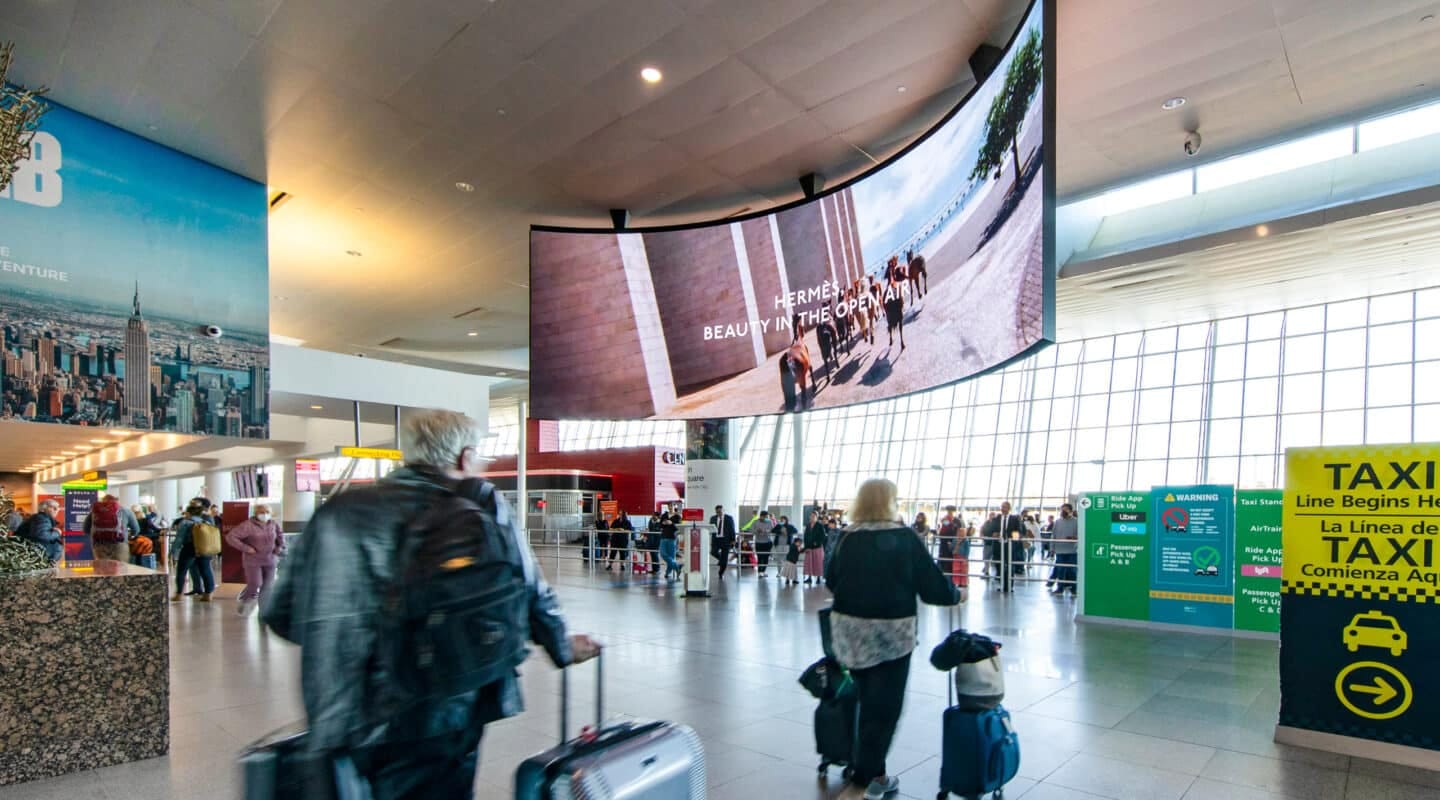
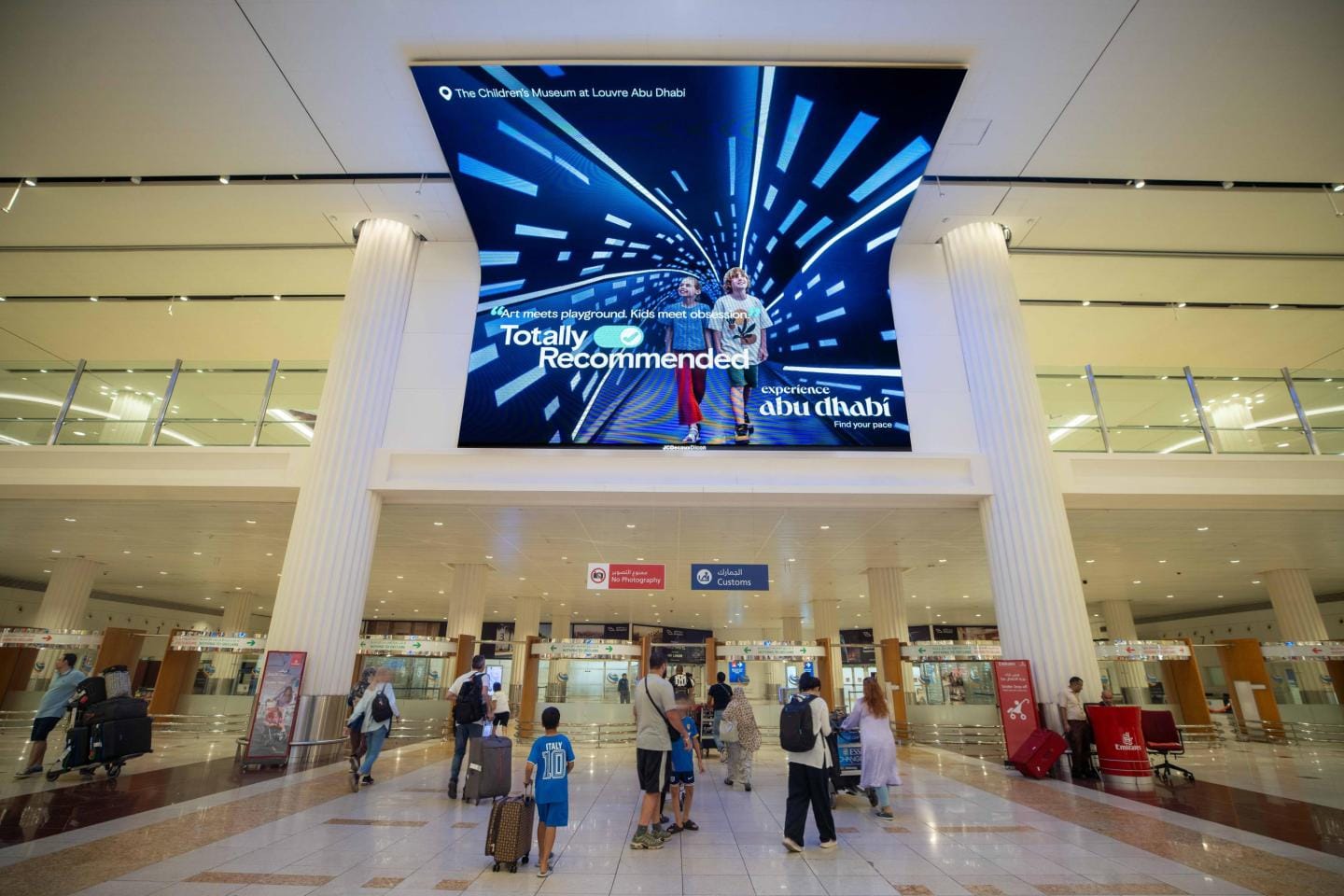
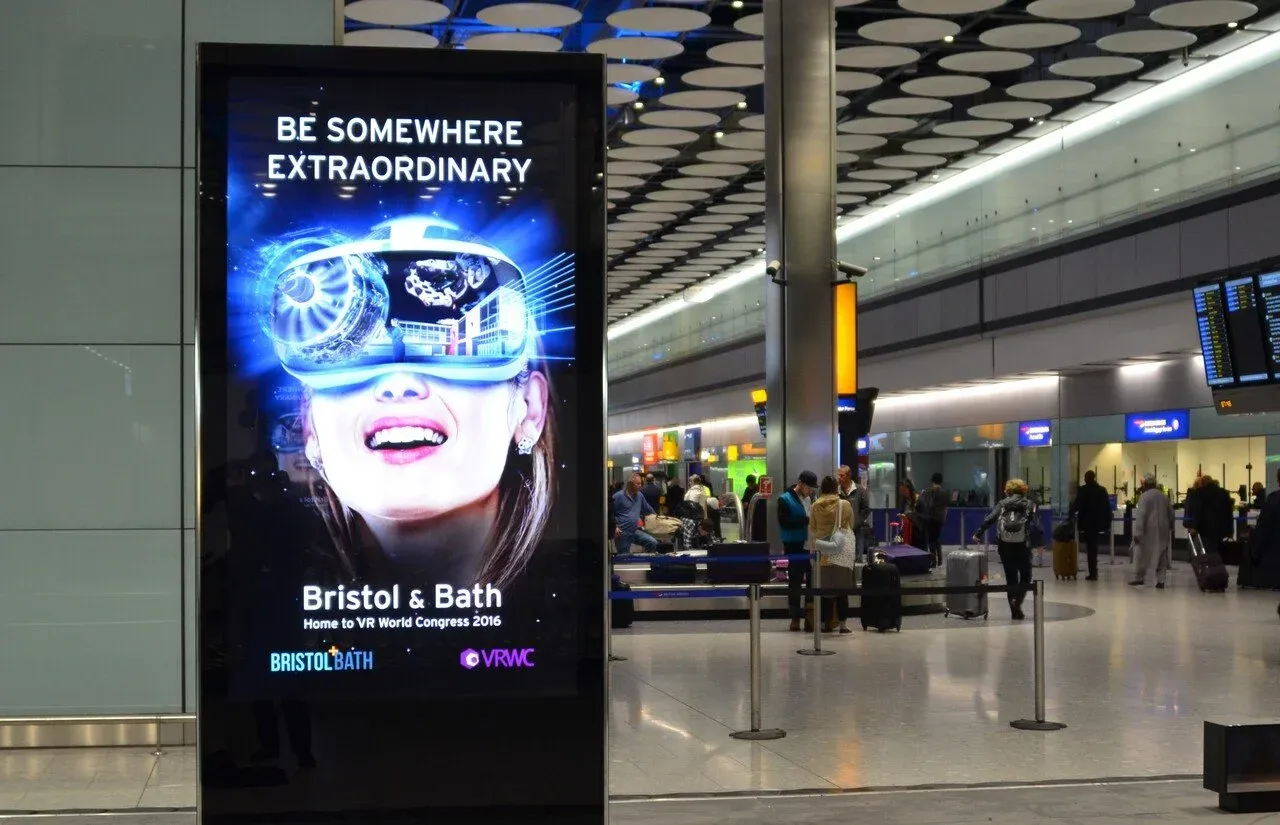
- Masscom Global's inventory access at Raipur Swami Vivekananda Airport covers the terminal's primary high-contact advertising positions — check-in hall, departures zone, security hold area, business lounge adjacencies, and arrivals corridor — managed through Masscom's India-wide airport OOH network with full campaign execution and performance monitoring capability.
Strategic Advertising Fit
Best Fit
- Financial services, wealth management, and banking: The sponge iron business owner, coal trader, SAIL officer, and IAS professional together produce one of central India's most capital-capable and financially product-receptive regional airport audiences; private banking, commercial lending, wealth management, and investment product brands find a genuinely qualified and commercially active buyer base at RPR that cannot be reached with comparable efficiency through any other central India media channel.
- Real estate (Delhi NCR, Mumbai, and Naya Raipur): Developers with projects in Delhi NCR premium corridors, Mumbai investment property, and Naya Raipur's growing residential market find a motivated, cash-capable, and investment-intent buyer audience at RPR — sponge iron business families and IAS professionals are among India's most active non-metro real estate investment buyers.
- Insurance and protection products: Capital-intensive industrial business owners whose plant and production assets represent their family's primary wealth store have structurally high insurance needs — plant insurance, key-man insurance, business interruption cover, and executive health products all find a genuinely motivated buyer audience among RPR's industrial professional base.
- Gold and jewellery: Diwali, Navratri, and the spring new year window concentrate Chhattisgarh's highest annual gold purchasing intent in clearly defined periods; the institutional officer community's occasion-linked gold purchasing, combined with the agricultural community's harvest-settlement gold buying, creates a sustained multi-peak gold advertising environment at RPR.
- Automotive (premium and commercial): The steel and mining business community's fleet and premium personal vehicle purchasing intent is among the highest in central India's regional airport network — luxury SUVs, commercial vehicle fleets, and premium sedan categories all find motivated, high-income buyers at RPR.
- B2B industrial products and services: The concentration of sponge iron, steel, coal, and cement business owners at a single airport creates a structurally unique B2B advertising environment — industrial machinery, trade finance, freight and logistics, and business banking products targeting India's mining and metallurgy sector find their most concentrated central Indian audience at RPR.
- Education and study abroad: Naya Raipur's growing knowledge economy professional class and the steel business community's growing international education investment create a progressively more qualified audience for domestic and international education products, loan brands, and study-abroad consultancies.
- FMCG and premium consumer goods: The institutional officer community's consistent income and the business-owning class's growing premium lifestyle purchasing behaviour create reliable FMCG brand recall conditions — particularly in the Diwali and Navratri windows.
Brand Alignment at a Glance
| Category | Fit |
|---|---|
| Financial services and wealth management | Exceptional |
| Real estate (Delhi NCR and Naya Raipur) | Exceptional |
| B2B industrial products and services | Exceptional |
| Insurance and protection products | Strong |
| Gold and jewellery | Strong |
| Automotive (premium and commercial) | Strong |
| FMCG and consumer goods | Strong |
| Education and study abroad | Moderate |
| Ultra-premium international luxury | Moderate |
Who Should Not Advertise Here
- Mass-market budget consumer brands: The RPR audience's above-average commercial sophistication and industrial wealth base makes value-positioning commodity campaigns inefficient — the catchment responds to premium and utility messaging calibrated to commercially established buyers, not entry-level value communications.
- International leisure tourism (non-heritage circuit): Long-haul leisure holiday packages to Europe or Southeast Asia for recreational purposes generate weak conversion from a catchment whose outbound travel is almost entirely driven by commercial mandates, institutional duties, and family obligations rather than exploratory leisure intent.
- Urban digital youth lifestyle brands: Products targeting metropolitan trend-conscious consumers aged 18 to 25 find limited audience density at RPR — the dominant traveller profile is industrially established, institutionally employed, and defined by commercial purpose rather than urban lifestyle consumption patterns.
Event and Seasonality Analysis
- Event Strength: High
- Seasonality Strength: High
- Traffic Pattern: Industrial Calendar Driven with Festival Overlay (steel and mining business cycle year-end peaks coinciding with Diwali and Q4 financial planning, Rajim Kumbh devotional calendar, and Naya Raipur institutional event cycle)
Strategic Implication
Raipur Airport's commercial calendar is shaped by two simultaneous rhythms that advertisers must plan around to maximise campaign ROI. The industrial business cycle — concentrated in Q3 and Q4 of the financial year when steel and sponge iron production is at peak capacity, commercial settlements are being made, and annual reinvestment decisions are active — drives the October to March period as the single most commercially concentrated sustained window at RPR. The festival calendar — Diwali and Navratri in October to November, Makar Sankranti in January, Rajim Kumbh in February to March, and Holi in March — adds festival-linked consumer spend peaks that overlay the industrial cycle precisely in its most commercially intense period. Masscom structures RPR campaigns to exploit this industrial-festival convergence — front-loading inventory across October to March, booking 6 to 8 weeks ahead of Diwali and the Rajim Kumbh window, and advising financial services and B2B industrial brands to maintain year-round presence that captures both the annual business settlement decisions and the quarterly institutional purchasing cycles.
Poor Placement and Delays Affect Airport Campaigns
We help you move faster, access better inventory, and get it right now.
Talk to an ExpertFinal Strategic Verdict
Raipur Swami Vivekananda Airport is central India's most commercially underexploited industrial gateway — an airport whose 1.6 million annual passengers include a disproportionate concentration of sponge iron proprietors, coal supply chain principals, SAIL Bhilai institutional officers, IAS state government administrators, and Naya Raipur knowledge economy professionals whose collective commercial wealth, purchasing authority, and product receptivity far exceed what the airport's regional classification implies. India's largest sponge iron cluster, one of its most productive integrated steel plants, and a coal economy of national strategic importance have collectively built a business-owning class in the Raipur catchment that manages capital at a scale — and deploys it with a decisiveness — that most premium advertisers have not yet recognised as accessible through a regional airport channel. The competitive advertising environment at RPR is near-zero for premium categories, the audience quality is genuinely exceptional, and the cost structure reflects tier rather than true commercial value. For financial services, wealth management, real estate, B2B industrial, insurance, and automotive brands with strategic intent in central India's mineral economy, the opportunity at RPR is not an emerging consideration — it is a commercially available, currently underpriced, and time-sensitive access point to an audience that will not remain undiscovered indefinitely. Masscom Global is the partner with the intelligence, the inventory access, and the execution capability to capture it now.
About Masscom Global
Masscom Global is a premium international airport advertising and media buying agency operating across 140 countries. With deep expertise in airport OOH, premium publications, and high-net-worth audience targeting, Masscom helps brands reach the world's most valuable travellers at the moments that matter most. For advertising packages, media rates, and campaign planning at Raipur Swami Vivekananda Airport and airports across the globe, contact Masscom Global today.
Frequently Asked Questions
How much does airport advertising cost at Raipur Swami Vivekananda Airport? Advertising costs at Raipur Swami Vivekananda Airport vary based on format type, terminal placement position, campaign duration, and seasonal demand — the Diwali and Q4 industrial settlement window in October to November, the Rajim Kumbh period in February to March, and industry conference seasons carry the highest demand and corresponding rate premiums. No fixed public rate card applies; inventory is allocated based on campaign objectives, category fit, and timing. Contact Masscom Global for current rates, available format options, and campaign packages calibrated to your brand's commercial objectives and the Chhattisgarh industrial business cycle at RPR.
Who are the passengers at Raipur Swami Vivekananda Airport? The passenger base at Raipur Swami Vivekananda Airport (RPR) is defined by four commercially distinct and complementary segments: sponge iron, steel, and coal sector business owners who form the commercial backbone of Chhattisgarh's mineral economy, SAIL Bhilai Steel Plant officers and PSU executives with institutional income security, state government IAS and administrative professionals managing Chhattisgarh's capital city functions, and a growing Naya Raipur knowledge economy professional class from AIIMS, IIM, and IT park institutions. The audience is predominantly Hindi-speaking, commercially established through business ownership or institutional employment, and characterised by active investment behaviour, structured capital deployment, and growing premium lifestyle purchasing aspirations.
Is Raipur Airport good for B2B industrial advertising? Raipur Swami Vivekananda Airport is the strongest B2B industrial advertising environment in central India's regional airport network. The concentration of sponge iron plant owners, coal supply chain principals, cement business operators, and steel industry professionals at a single airport creates a structurally unique industrial buyer audience — one that is almost entirely inaccessible through conventional mass media channels and that is currently absent from most B2B media plans targeting India's mining and metallurgy sector. Industrial machinery, trade finance, freight and logistics, commercial insurance, and business banking products targeting capital-intensive manufacturing businesses find their most concentrated and commercially motivated central Indian audience at RPR. Masscom Global structures B2B campaigns at RPR with placement and timing strategies calibrated to the sponge iron and mining industry's commercial decision-making calendar.
What is the best airport in central India to reach mining and steel HNWIs? Raipur Swami Vivekananda Airport (RPR) is the singular facility in central India that provides direct advertising access to the sponge iron, iron ore, coal, and steel wealth corridor that defines Chhattisgarh's commercial identity. Nagpur Airport serves a larger overall passenger volume but distributes it across a more heterogeneous commercial audience. Bhopal serves Madhya Pradesh's government-dominant economy. For brands specifically targeting the owners and directors of India's most concentrated mineral sector industrial cluster, RPR offers an unmatched concentration of the right audience in the right commercial context at a cost efficiency that no other central Indian airport replicates.
What is the best time to advertise at Raipur Swami Vivekananda Airport? The highest-impact annual advertising windows at RPR are the Diwali and Q4 industrial settlement period (October to November), the Rajim Kumbh and post-harvest financial deployment season (February to March), and the Makar Sankranti to Holi window (January to March) during which agri-community and industrial settlement capital is most actively deployed. Year-round presence is additionally recommended for financial services and B2B brands whose audience at RPR is commercially active across the full calendar rather than concentrated in seasonal peaks. Masscom Global books RPR inventory 6 to 8 weeks ahead of the Diwali and Rajim Kumbh windows to secure premium positions before seasonal demand affects rate structures.
Can international real estate developers advertise at Raipur Swami Vivekananda Airport? Yes — Raipur Airport is a viable and growing channel for international real estate developers, particularly those marketing UAE and Dubai properties to Chhattisgarh's mineral sector business community with existing Gulf commodity market connections. UAE Golden Visa-linked real estate and long-term residency products find growing interest among the sponge iron and coal trading community. Domestic developers — particularly those with Delhi NCR premium residential, Mumbai investment property, and Naya Raipur smart city residential projects — find a significantly more active and immediate buyer audience at RPR. The sponge iron proprietor class is among India's most active non-metro real estate investment buyers, making RPR one of the highest-conversion domestic property advertising environments in central India's regional airport network.
Which brands should not advertise at Raipur Swami Vivekananda Airport? Brands without structural alignment to Chhattisgarh's industrial, governmental, and agri-business identity will find advertising spend at RPR inefficient. Mass-market budget consumer brands with value-positioning creative find misalignment with an audience defined by commercial wealth and institutional income rather than price sensitivity. International leisure tourism packages to recreational long-haul destinations generate weak conversion from a catchment whose travel is overwhelmingly driven by commercial procurement, institutional duty, and family obligations. Urban digital entertainment and fast fashion brands targeting metropolitan youth consumers find limited resonance at an airport where the dominant traveller profile is commercially established, industrially grounded, and defined by the Chhattisgarh mineral economy's business ownership culture.
How does Masscom Global help brands advertise at Raipur Swami Vivekananda Airport? Masscom Global provides complete end-to-end airport advertising capability at Raipur Swami Vivekananda Airport — from audience intelligence and campaign strategy through inventory access, format selection, creative placement, and performance reporting. Our deep understanding of RPR's sponge iron industry calendar, SAIL Bhilai institutional employment cycle, Chhattisgarh government administrative rhythm, Rajim Kumbh devotional calendar, and terminal advertising environment allows us to design campaigns that intercept the state's most commercially significant decision-makers at precisely the right moment. We manage all complexities of booking, production, regulatory compliance, and monitoring — ensuring your brand launches faster and performs with the commercial precision that Chhattisgarh's mineral wealth audience demands.