

Airport at a Glance
| Field | Detail |
|---|---|
| Airport | Pantnagar Airport |
| IATA Code | PGH |
| Country | India |
| City | Pantnagar, Udham Singh Nagar, Uttarakhand |
| Annual Passengers | 0.3 million passengers (FY2022-23) |
| Primary Audience | SIDCUL automotive and FMCG manufacturing executives, Jim Corbett eco-luxury tourists, Kumaon hill tourism travellers, agricultural research professionals |
| Peak Advertising Season | October to March (tourism and business peak); Navratri; Diwali |
| Audience Tier | Tier 2 |
| Best Fit Categories | Automotive B2B, eco-luxury tourism, real estate (hill second homes), banking and insurance, adventure and wellness brands |
Pantnagar Airport, designated PGH, serves one of India's most commercially schizophrenic regional catchments in the best possible sense: the airport simultaneously anchors an industrial corridor that hosts factories for Bajaj Auto, Tata Motors, Ashok Leyland, Hero MotoCorp, and Mahindra, and serves as the nearest commercial airport to Jim Corbett National Park, India's most celebrated tiger reserve and one of its most premium eco-luxury tourism destinations. These two commercial realities, manufacturing capital and ecological luxury, exist within 60 kilometres of each other at the Himalayan foothills and converge at PGH's terminal in a combination that produces a remarkably high-value audience for advertisers willing to look past the airport's modest passenger count.
The SIDCUL Pantnagar industrial estate, developed under Uttarakhand's post-2000 tax incentive framework, attracted some of India's largest manufacturing corporations to set up plants in what was previously agricultural Terai land. The result is one of India's fastest-assembled industrial clusters, producing a business travel base at PGH that includes Delhi-NCR corporate executives flying in for factory audits, supply chain managers conducting vendor reviews, and an entire class of local industrial entrepreneur families who have built significant wealth in a generation. Layered onto this B2B core is an eco-luxury tourism corridor anchored by Jim Corbett, the Nainital lake district, and the broader Kumaon hills circuit, whose inbound travellers include India's most affluent families, international wildlife enthusiasts, and a growing wellness and adventure tourism cohort. The combination creates an advertising environment with dual commercial peaks and consistent year-round audience quality.
Advertising Value Snapshot
- Passenger scale: 0.3 million passengers annually; concentrated in domestic B2B corporate travel and premium leisure travel with consistent year-round demand from the SIDCUL industrial base and Corbett-Kumaon tourism corridor
- Traveller type: SIDCUL automotive and FMCG manufacturing executives, Jim Corbett and Kumaon eco-luxury tourists, GB Pant Agricultural University research professionals, Kumaon hill district business travellers
- Airport classification: Tier 2 industrial and eco-tourism gateway with above-average per-capita audience quality driven by corporate executive travel and premium nature tourism
- Commercial positioning: India's primary aviation gateway to the SIDCUL industrial cluster and the Corbett-Kumaon premium tourism corridor
- Wealth corridor signal: PGH sits at the junction of Uttarakhand's manufacturing economy and one of India's highest-value domestic tourism destinations, producing an audience of corporate decision-makers and high-income leisure travellers within the same terminal
- Advertising opportunity: Masscom Global provides full-service media buying and campaign activation at PGH, with access to inventory that captures both B2B industrial executives and premium eco-luxury tourists at their highest commercial engagement moments
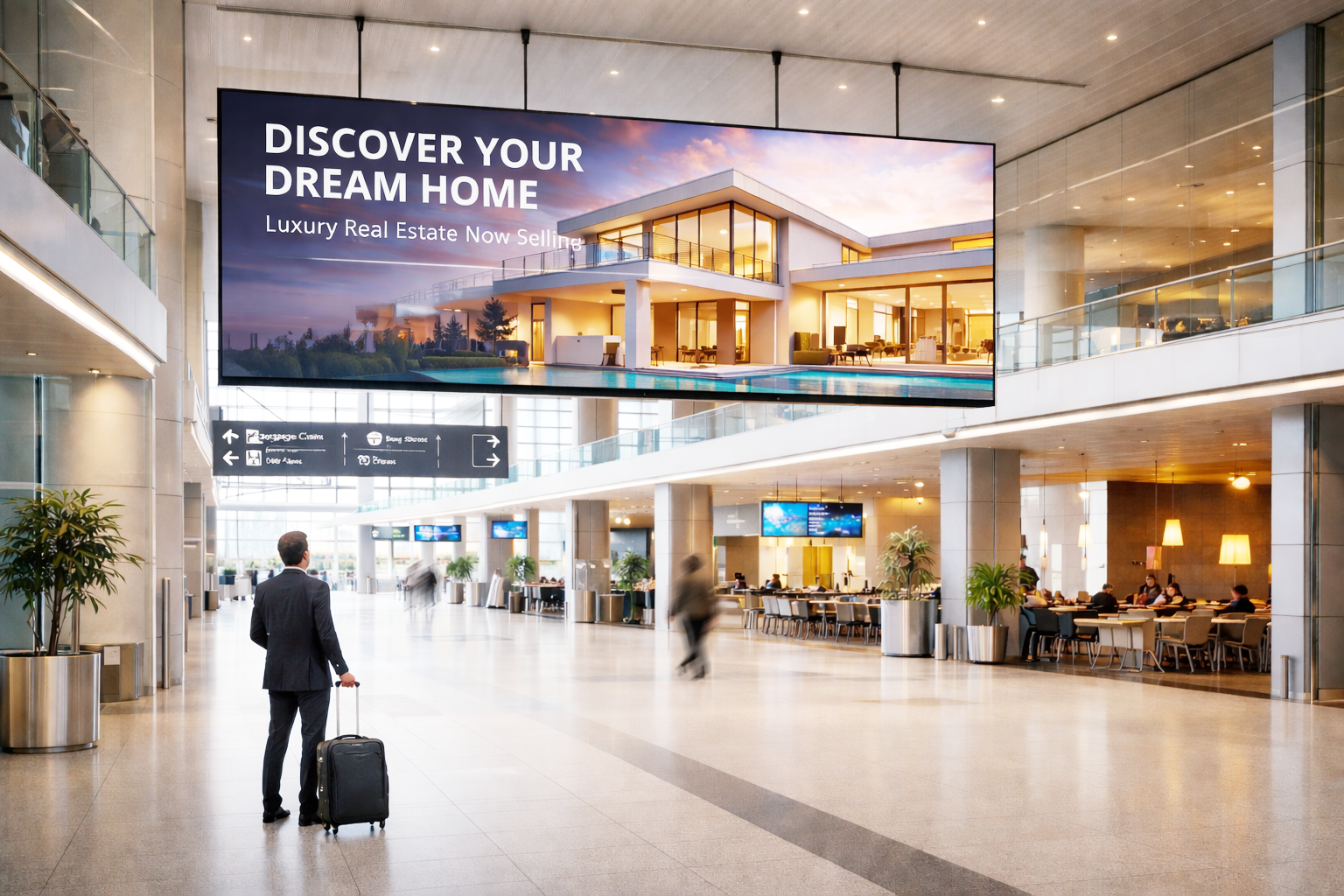
Airport Advertising is Complex to Get Right
We help you execute faster, with proven results and local insight most planners lack starting now.
Talk to an ExpertCatchment Area and Economic Drivers
Top 10 Cities within 150 km — Marketer Intelligence
Haldwani (~15 km): The commercial and administrative gateway to the Kumaon Himalayas and the largest trading city in the region; its wholesale markets, automobile dealerships, healthcare services, and education institutions serve as the economic hub for the entire Kumaon hill belt, producing a merchant and professional class that uses PGH as their primary aviation connection.
Rudrapur (~15 km): The SIDCUL industrial township and the commercial engine of Udham Singh Nagar district; home to manufacturing plants for Bajaj Auto, Tata Motors, Ashok Leyland, Hero MotoCorp, Britannia, and Haldiram's, it generates the highest concentration of industrial entrepreneur families and plant management professionals in the entire Uttarakhand economy.
Kashipur (~30 km): An agricultural and small-scale industrial city with a significant sugar processing and FMCG manufacturing economy; its business families and cooperative sector leaders use PGH for commercial travel and are receptive to financial services, insurance, and premium consumer goods advertising.
Ramnagar (~55 km): The official gateway town to Jim Corbett National Park and one of Uttarakhand's fastest-growing eco-tourism service economies; its resort operators, wildlife guides, and hospitality entrepreneurs produce a commercially active services business audience alongside the premium inbound tourist traffic they serve.
Nainital (~65 km): Uttarakhand's most famous lake district hill station and one of North India's most beloved weekend and summer escape destinations; its economy is built entirely around premium domestic tourism, producing a high-spending leisure traveller base and a prosperous hospitality and real estate services community.
Almora (~85 km): The cultural and historical capital of the Kumaon region, known for its temples, organic copper handicrafts, and the distinctive Kumaon cuisine and culture; increasingly attracting a premium domestic tourism and creative professional community seeking authentic Himalayan experiences away from commercialised hill stations.
Rampur (~80 km, Uttar Pradesh): A significant UP agricultural and glass industry city with a historically wealthy Nawabi heritage and a growing food processing economy; its business and landowning class uses PGH for commercial connectivity and represents a UP border audience for financial services and premium consumer brands.
Haridwar (~100 km): One of India's holiest cities and the site of the Kumbh Mela, home to both the Ganga ghat pilgrimage economy and a major modern industrial corridor including BHEL, pharmaceutical manufacturers along the Haridwar-Roorkee belt, and the Patanjali Yogpeeth mega-complex; its dual identity as a spiritual capital and an industrial hub produces a commercially broad audience at the outer edge of PGH's catchment.
Bareilly (~100 km, Uttar Pradesh): One of UP's major divisional headquarters cities with a significant furniture, textile, and agricultural trade economy; its status as a major UP commercial centre with strong Gulf diaspora connections from the Rohilkhand belt adds a remittance-influenced consumer audience to the PGH catchment.
Moradabad (~115 km, Uttar Pradesh): India's Brass City and the country's largest export hub for metal handicrafts and home décor products, shipping to markets across the USA, Europe, and the Gulf; its export entrepreneur class produces one of India's most globally connected artisan business communities, with high receptivity to banking, insurance, and trade finance advertising at PGH.
NRI and Diaspora Intelligence:
Pantnagar's NRI profile is distinct from the Gulf-diaspora-heavy airports covered elsewhere in this series. The Kumaon hills have a significant UK diaspora rooted in the historic Gurkha and hill regiment military tradition, with families from Uttarakhand settled in Hampshire, Folkestone, and the British Midlands through multiple generations of military service to the British Crown. These returning UK-connected families bring British pound purchasing power and expectations formed by UK retail and hospitality standards. The Moradabad-Bareilly belt's Rohilkhand Muslim community has sustained Gulf employment connections to UAE and Saudi Arabia, adding a modest but commercially real Gulf remittance dimension at the edge of the catchment. Most commercially significant, however, is the reverse migration of Delhi-NCR corporate wealth into the Kumaon hills through second home purchasing in Nainital, Mukteshwar, and Binsar: these Delhi-based property owners and weekend travellers transit PGH regularly and carry metro-city income and aspiration into a regional airport environment.
Economic Importance:
The Pantnagar catchment economy operates across two structurally different but commercially complementary poles. The SIDCUL industrial zone represents one of the most deliberate industrial wealth creation exercises in post-2000 India, where a combination of central government tax benefits and state infrastructure investment created an automotive and FMCG manufacturing cluster that generates thousands of crores in annual production value within a 30-kilometre radius of PGH. The parallel Kumaon tourism economy, anchored by Jim Corbett and the Nainital-Almora-Mukteshwar circuit, generates high per-visitor revenue from domestic and international premium tourists spending substantially on wildlife safaris, luxury lodges, adventure activities, and hill station hospitality. GB Pant University of Agriculture and Technology, India's first agricultural university established in 1960, adds an academic and research economy that produces institutional connections, international research collaborations, and a professional scientific community as a third commercial layer.
Business and Industrial Ecosystem
- Automotive manufacturing (SIDCUL): Bajaj Auto, Tata Motors, Ashok Leyland, Hero MotoCorp, Mahindra, and Piaggio all operate significant manufacturing facilities in the Pantnagar-Rudrapur industrial belt; senior executives, supply chain managers, quality auditors, and procurement teams from Delhi-NCR, Mumbai, and Pune fly into PGH regularly, producing a consistent and high-income B2B business travel audience.
- FMCG and food processing manufacturing: Britannia, Haldiram's, Agro Tech Foods, and multiple food and consumer goods manufacturers operate plants in SIDCUL, generating management and corporate travel that supplements the automotive industrial base and adds a consumer goods industry executive audience to PGH's business traveller mix.
- Agricultural research and agri-technology: GB Pant University's research programmes in agricultural science, veterinary medicine, and food technology create institutional travel for faculty, researchers, and international collaborators; the university's connections to national and international agricultural organisations produce a knowledge-economy professional audience with above-average education and financial sophistication.
- Eco-tourism and hospitality services: The Corbett-Kumaon hospitality economy, encompassing luxury wildlife lodges, boutique hill resorts, adventure tourism operators, and heritage homestays, generates a services business community that is commercially active, brand-aware, and responsive to hospitality technology, financial services, and premium consumer advertising.
Passenger Intent — Business Segment:
Business travellers at PGH connect primarily to Delhi (the dominant route) and secondarily to Mumbai, Bengaluru, and Hyderabad for corporate reporting, board meetings, procurement negotiations, and regulatory filings. Automotive executives fly in for plant performance reviews and supplier relationship meetings. FMCG managers travel for production audits and distribution chain meetings. Agricultural researchers travel for conference presentations and institutional partnerships. These travellers are receptive to commercial banking, premium insurance, automotive, technology, and business hospitality advertising during their PGH dwell window.
Strategic Insight:
The strategic opportunity at PGH that most media planners have never articulated is the quality of the corporate executive passing through this terminal. When Bajaj Auto, Tata Motors, or Ashok Leyland's plant heads travel to or from Pantnagar, they are among India's most senior manufacturing industry decision-makers making operational decisions worth hundreds of crores annually. When a Delhi-based industrialist flies into PGH to visit their SIDCUL factory, they carry investment and procurement authority that would make them a priority target at any Tier 1 airport. These executives transit PGH in a media environment that has historically received none of the brand investment their commercial profile warrants, creating the asymmetric opportunity that Masscom Global specialises in identifying and activating.
Tourism and Premium Travel Drivers
- Jim Corbett National Park (~55 km): India's oldest and most prestigious national park, established in 1936, hosting the country's largest population of Royal Bengal tigers; a destination for premium domestic families, international wildlife photographers, and eco-luxury travellers who book Taj Corbett, Riverview Retreat, and comparable high-end wildlife lodges months in advance; the luxury Corbett tourist is among India's highest per-day tourism spenders and represents a premium brand audience at PGH.
- Nainital Lake District (~65 km): One of North India's most cherished hill stations, drawing millions of annual domestic tourists from Delhi-NCR, Punjab, and UP; its combination of premium lake-view hotels, colonial-era architecture, and school and university catchment produces a high-income family leisure audience whose PGH transit marks the beginning and end of substantial hospitality spending.
- Kausani and Mukteshwar (~100-120 km): Boutique hill stations attracting Delhi's creative class, corporate executives seeking offsite retreat destinations, and international travellers seeking authentic Himalayan experiences away from mass tourism; their premium hospitality corridor is growing rapidly and driving an affluent domestic leisure audience through PGH.
- GB Pant University Campus Tourism and Agricultural Fairs (~1 km): India's first agricultural university campus is itself a destination for institutional visits, research tourism, and the annual Agricultural Technology Fair that draws farmers, agri-entrepreneurs, and research investors from across North India.
Passenger Intent — Tourism Segment:
Tourism passengers at PGH have universally pre-committed to premium spending. Jim Corbett guests have typically booked high-end lodges at INR 15,000 to 80,000 per night and are actively seeking wildlife, wellness, and adventure experiences during their visit. Nainital and Kumaon hill tourists have pre-committed to family hospitality spending and are receptive to insurance, credit card, and premium FMCG advertising. International eco-tourists visiting Corbett have high per-day budgets and represent a globally mobile, brand-aware, premium audience for luxury travel and hospitality brands.
Travel Patterns and Seasonality
Peak seasons:
- October to March (Tourism and Industrial Business Peak): The primary season for both Jim Corbett wildlife tourism (tiger sightings are optimal in the dry season) and Kumaon hill tourism; simultaneously the peak period for automotive and FMCG factory performance reviews and annual production targets, making this PGH's highest-audience-quality window across both commercial streams.
- November to February (Jim Corbett Core Safari Season): The period when Corbett's zones are fully open and tiger sighting probabilities are highest; luxury lodge bookings are maximally concentrated in this window, producing the highest single-segment premium tourist presence at PGH.
- April to June (Summer Hill Station Peak): Nainital, Kausani, and Mukteshwar receive their highest domestic tourist volumes from Delhi-NCR families escaping the plains heat; a strong leisure hospitality peak producing consistent inbound premium domestic tourist traffic through PGH.
- Diwali (October-November): A corporate travel and consumer goods peak for the SIDCUL manufacturing community; both a business travel surge and a consumer activation window for automotive, electronics, and financial products.
Event-Driven Movement:
- Jim Corbett Safari Season Opening (November 15): The opening of Corbett's Bijrani, Dhikala, and other zones triggers a concentrated surge of luxury eco-tourist bookings; pre-season and opening-week PGH traffic represents the single highest-spending leisure traveller window at the airport.
- GBPUAT Agricultural Technology Fair (January-February): India's oldest and most significant agricultural technology exhibition, drawing agri-entrepreneurs, seed industry professionals, and institutional researchers from across North India; a strong B2B agri-sector audience at PGH with financial services and agri-technology brand receptivity.
- Diwali and Navratri (October-November): Combined festival and SIDCUL industrial production-season peak; automotive, FMCG, and consumer electronics advertisers should treat this as their maximum activation window for the industrial business audience.
- New Year and Christmas (December-January): Jim Corbett and Nainital receive their highest luxury leisure traffic of the year during the Christmas-New Year period, when Delhi-NCR's premium family market books out Corbett's best lodges and Nainital's lake-view hotels; a high-spend, brand-aspirational audience at PGH.
- Summer Holidays (May-June): Peak Nainital and Kumaon hills domestic family tourism season; school holiday travel produces large family group bookings at hill station hotels, with strong hospitality, travel insurance, and consumer goods brand activation potential.
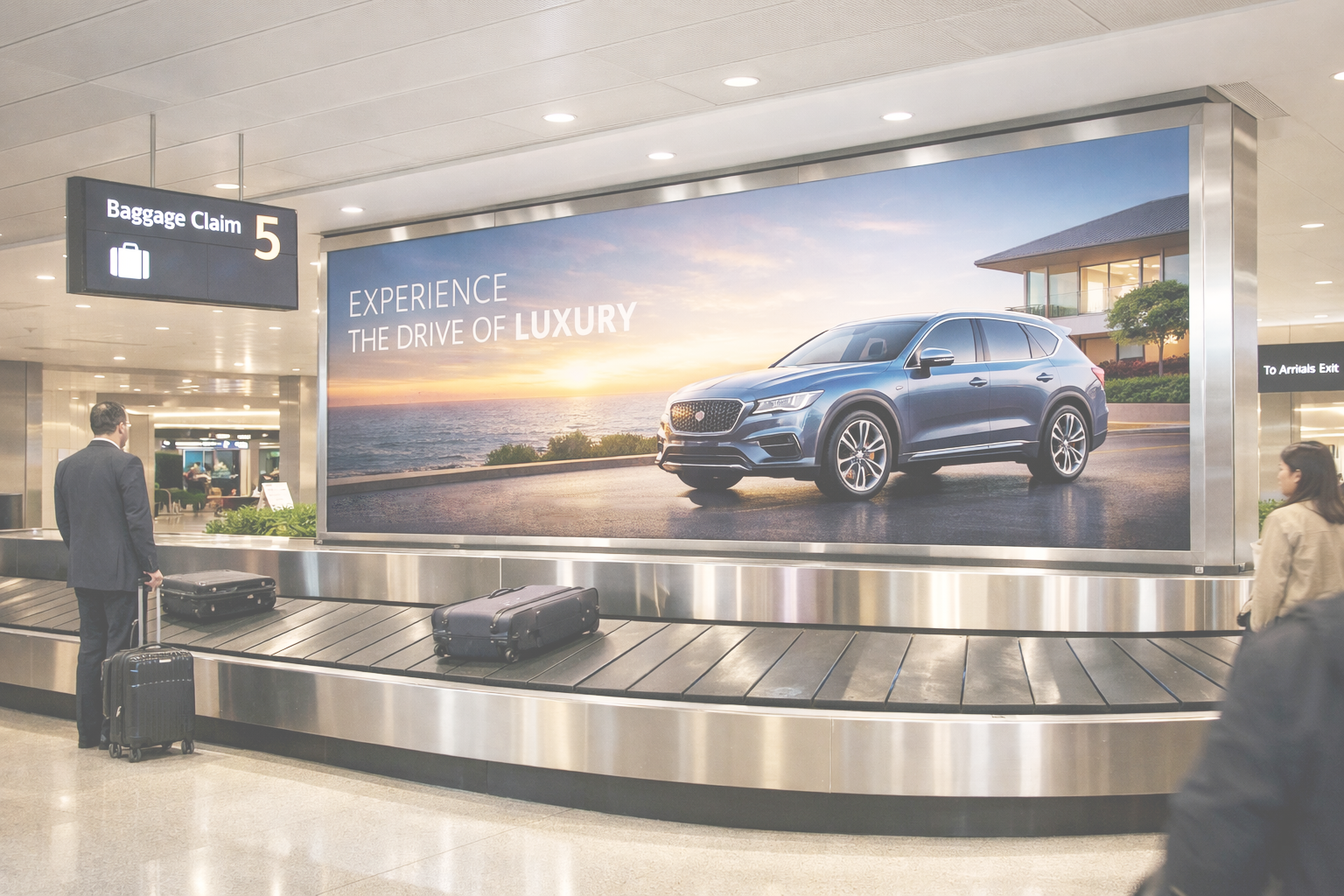
It’s Not Just Where You Advertise - It’s How Fast You Execute
We combine local insight with fast rollout to deliver results for you, now.
Talk to an ExpertAudience and Cultural Intelligence
Top 2 Languages:
Hindi: The universal commercial and administrative language across the PGH catchment, spoken by the SIDCUL industrial community, Kumaon hill travellers, UP border business audience, and corporate executives arriving from Delhi-NCR; Hindi-language creative is essential for campaigns targeting the full breadth of PGH's audience from SIDCUL plant managers to Bareilly agricultural traders.
Kumaoni: The regional dialect and cultural identity language of the Kumaon hills community, spoken across Nainital, Almora, and the broader hill district; while not a primary advertising language, brands that demonstrate cultural awareness of Kumaon's distinct identity through imagery, music, or regional reference achieve significantly stronger community trust and brand recall among the hills-origin professional and business traveller audience.
Major Traveller Nationalities:
Domestic Indian travellers dominate PGH's passenger base overwhelmingly, with the highest volumes from Uttarakhand's Udham Singh Nagar and Nainital districts, Delhi-NCR corporate travel, and UP border communities from Bareilly and Moradabad. International travellers are concentrated in two segments: wildlife and eco-tourism visitors from the United Kingdom, Germany, the United States, and Australia for Jim Corbett, whose international conservation reputation draws dedicated wildlife photographers and naturalists; and a small but commercially active component of returning diaspora from the UK Gurkha-heritage Uttarakhandi community. The Delhi-NCR executive visiting for SIDCUL business travel, while technically domestic, carries metro-city income and international brand exposure from their primary urban environment.
Religion — Advertiser Intelligence:
Hindu (~88%): The overwhelmingly dominant community in Uttarakhand, the state honoured as Dev Bhoomi, the Land of the Gods; the Kumaon hill belt has one of North India's densest concentrations of ancient temples including Jageshwar, Binsar Mahadev, Katarmal Sun Temple, and the Nanda Devi circuit. Key festival spending windows include Navratri, Diwali, Makar Sankranti (Uttarayani/Ghughutia), and the Nanda Devi Raj Jat pilgrimage cycle. The SIDCUL industrial community, drawing heavily from Punjab, Haryana, and UP, adds a North India Hindu commercial identity alongside the indigenous Pahari tradition. Spending triggers include gold, consumer durables, automobiles, insurance, and real estate.
Muslim (~9%): Present primarily in the UP border catchment of Bareilly and Moradabad districts, with the Rohilkhand Muslim trading community producing a commercially active merchant class with Gulf diaspora connections; key spending windows include Eid al-Fitr and Eid al-Adha, with strong gold, consumer goods, and remittance brand receptivity. The Moradabad brass export entrepreneur community adds an internationally connected trading identity to this segment.
Sikh (~2%): A small but commercially disproportionate community concentrated in the SIDCUL industrial belt, reflecting the Punjabi industrial entrepreneur migration to Uttarakhand's tax-incentivised manufacturing zones; Sikh business families in SIDCUL are among the highest-income and most brand-aspirational community segments at PGH.
Behavioral Insight:
The PGH traveller operates across two fundamentally different commercial psychologies that advertisers must understand to be effective. The SIDCUL corporate executive, typically arriving from Delhi, Mumbai, or Pune, is a senior professional in India's most competitive industry sectors; they respond to brand authority, performance credentials, and professional status signals rather than community-identity messaging. The Kumaon and Corbett leisure traveller is in a state of deliberate retreat from urban commercial life, seeking authenticity, nature, and premium experience; they respond to brand storytelling rooted in environmental responsibility, exclusivity, and genuine quality rather than aspirational lifestyle imagery disconnected from their travel context. Campaigns that reach both audiences at PGH must navigate these distinct behavioural registers, and the most effective strategies position in the airport's departure sequence to catch the corporate traveller returning to their metro headquarters and in the arrivals sequence to reach the leisure traveller at the beginning of their Uttarakhand experience.
Outbound Wealth and Investment Intelligence
The outbound passenger at PGH is commercially stratified in a way unique among Tier 2 Indian airports. On the corporate B2B tier, manufacturing executives and industrial entrepreneurs are deploying capital into plant expansion, technology upgrades, and professional real estate with the investment horizon of established industrialists. On the leisure tier, Delhi-NCR wealth is flowing into Uttarakhand and Kumaon hill real estate as the second-home market for India's top income decile accelerates. Both streams represent active investment decisions that brand messaging at PGH can intercept at the moment of highest commercial openness.
Outbound Real Estate Investment:
The Nainital-Mukteshwar-Kausani-Binsar hill corridor has become one of North India's most active second-home real estate markets over the past decade, driven by Delhi-NCR and Noida's upper-middle and HNI class seeking mountain properties within a five-hour drive or one-hour flight from the capital. Properties in Mukteshwar, Kausani, and the Binsar environs command premium prices from Delhi buyers, and real estate developers marketing boutique hill residences and managed villa communities have a directly motivated buyer audience at PGH's arrivals and departures hall. Domestically, Rudrapur-Haldwani urban real estate has appreciated significantly with SIDCUL growth, creating local industrial wealth reinvestment in residential property. Internationally, the Moradabad export entrepreneur class has growing awareness of Dubai investment, with UAE Golden Visa property emerging as a relevant product for their globally connected trading community.
Outbound Education Investment:
The SIDCUL industrial entrepreneur family's education investment profile mirrors the broader national pattern of North India's first-generation industrial wealth: Canada, Australia, and the United Kingdom are the primary international education destinations, with engineering, business management, and technology management as the dominant programmes. The GB Pant University ecosystem creates a specific outbound education pathway for agricultural science and food technology graduates seeking international master's and doctoral programmes in the USA, Canada, and the Netherlands. Families of SIDCUL factory owners and senior management travel through PGH annually for their children's international university visits and admissions processes, making the airport a high-receptivity channel for education consultancies operating Canada and UK pathways.
Outbound Wealth Migration and Residency:
The UAE Golden Visa programme has growing awareness among Pantnagar's SIDCUL entrepreneur class, particularly among automotive component manufacturers and food processing companies with UAE supply chain or distribution relationships. Canada's investor immigration pathway is being actively explored by the wealthier tier of SIDCUL's first-generation industrialist families seeking international residency options for their next generation's career and education development.
Strategic Implication for Advertisers:
Uttarakhand hill real estate developers, international education consultancies, and financial services brands targeting North India's first-generation industrial wealth should treat PGH as a strategically underpriced priority channel. The airport's corporate executive audience is making capital allocation decisions at India's largest industrial cluster, and its leisure audience is actively purchasing premium experiences and considering second-home investments in one of India's fastest-appreciating real estate corridors. Masscom Global provides access to inventory at PGH alongside the full Delhi-NCR and Mumbai airport network, enabling brands to engage the SIDCUL executive audience at both their factory-visit airport and their home-city hub within a single co-ordinated campaign.
Airport Infrastructure and Premium Indicators
Terminals:
Pantnagar Airport operates a single terminal facility under AAI management, handling domestic passenger flows for the Udham Singh Nagar district and the broader Kumaon catchment. The terminal has undergone capacity enhancements consistent with the sustained growth in SIDCUL-driven business travel demand and the expanding Corbett-Kumaon tourism passenger base. Terminal infrastructure is functional, compact, and optimised for the domestic business and leisure travel profile that defines PGH's operational character.
The single-terminal format delivers the advertising concentration advantage that characterises India's focused-purpose regional airports: all passenger movement through PGH follows a defined and predictable sequence of commercial touchpoints, giving advertisers consistent, high-visibility access to both departing corporate executives and arriving leisure tourists within the same contained space.
Premium Indicators:
The corporate executive passenger profile generated by SIDCUL's OEM manufacturing community creates a business lounge audience whose industry seniority and purchasing authority rivals that of comparable business lounges at Tier 1 airports; lounge-adjacent inventory at PGH during SIDCUL business travel peaks represents a premium advertising zone for B2B technology, financial services, and executive automotive brands.
Jim Corbett's international conservation reputation and the calibre of its luxury lodge portfolio signal a premium inbound tourism quality that is among India's highest on a per-visitor spending basis; PGH's arrivals corridor serves as the first brand impression point for guests checking in at Taj Corbett, The Riverview Retreat, and equivalent luxury properties.
GB Pant University of Agriculture and Technology's status as India's first agricultural university and its institutional connections to global food and agricultural research organisations signal a knowledge-economy premium that gives PGH an intellectual credibility signal unusual at regional airports of its passenger scale.
Forward-Looking Signal:
Uttarakhand's continued industrial investment attraction under the SIDCUL expansion framework, combined with the state's growing international eco-tourism and adventure tourism profile, is creating consistent upward pressure on PGH's passenger volumes. New domestic route launches connecting PGH to additional southern and western metros are under commercial evaluation by IndiGo and Air India Express. The Nainital-Corbett-Kumaon tourism corridor's progressive positioning as a luxury nature and wellness destination for both domestic HNI families and international visitors is expected to deepen the premium leisure traveller base at PGH. Masscom advises clients to commit to PGH inventory ahead of the next SIDCUL expansion phase and the tourism corridor's maturation into a fully positioned luxury destination, when advertising rates will reflect the airport's evolving commercial profile rather than its current Tier 2 classification.
Airline and Route Intelligence
Top Airlines:
- IndiGo
- Air India
Key Domestic Routes:
- Delhi (DEL): The dominant and commercially defining route; serves SIDCUL's corporate executive travel, Corbett and Nainital leisure tourism from the capital, and the Delhi-NCR second-home owner's regular hill commute; the highest passenger volume and highest commercial value route at PGH
- Mumbai (BOM): Financial and corporate headquarters connectivity for SIDCUL's manufacturing companies whose national management is based in Mumbai; Bajaj Auto, Tata Motors, and Ashok Leyland management all travel this corridor
- Bengaluru (BLR): Technology and life sciences corporate connectivity for SIDCUL's increasingly diversified industrial tenant base and for Corbett's growing southern India eco-tourism audience
Wealth Corridor Signal:
The Delhi-PGH route is commercially the most significant single corridor at this airport and among the most interesting B2B corridors in Indian regional aviation. When a senior executive boards a Delhi-PGH flight, they are almost certainly travelling to the SIDCUL industrial belt or to a premium Corbett or Nainital property. The commercial intent at both ends is high: the corporate traveller is on a purposeful factory or business visit, and the leisure traveller has committed significant advance expenditure on luxury accommodation. This concentration of purposeful, pre-committed, high-income travellers on a single short domestic route creates a media environment at PGH's Delhi-route-facing zones that justifies a premium advertising investment disproportionate to the airport's total passenger count.
Media Environment at the Airport
- PGH's compact single-terminal format creates a low-clutter, high-clarity advertising environment where brands competing for the attention of SIDCUL corporate executives and Corbett luxury tourists achieve standout at a fraction of the cost of Delhi or Mumbai placements, with equal or superior dwell time quality given the airport's manageable scale.
- SIDCUL business travellers maintain consistent dwell times of 60 to 90 minutes at PGH, driven by the airport's distance from both the Rudrapur industrial area and Haldwani, and the punctual boarding culture of corporate travel; this reliable engagement window enables sustained brand message delivery for complex products like financial services and automotive platforms.
- The dual audience profile of corporate B2B executives and premium leisure tourists creates a commercially unusual brand environment where both professional and personal purchase decisions are being made simultaneously by passengers in the same departure lounge; brands in premium banking, insurance, automotive, and hospitality advertising benefit from this rare co-presence.
- Masscom Global provides strategic inventory access at PGH covering check-in zones, departures lounge, and arrivals corridor, with campaign execution structured around SIDCUL's industrial calendar peaks and the Corbett-Kumaon tourism season for maximum audience concentration and commercial relevance.
Strategic Advertising Fit
Best Fit:
- Automotive brands (premium SUVs and commercial vehicles): PGH sits at the heartland of India's SIDCUL automotive manufacturing cluster; campaigns for premium SUVs, executive sedans, and commercial vehicles reach both the corporate factory-visiting executives and the Kumaon second-home-owning families who are among India's most active SUV buyers for their mountain property commutes.
- B2B industrial technology and manufacturing services: Automotive ERP platforms, quality management systems, supply chain technology, and industrial automation brands have a captive, senior decision-maker audience in PGH's SIDCUL-connected business travellers that no other Tier 2 Indian airport provides with equivalent industry concentration.
- Eco-luxury and adventure tourism brands: Jim Corbett lodges, boutique Kumaon hill resorts, wildlife safari experiences, and adventure tourism operators have a directly motivated and captive audience at PGH in both inbound leisure travellers arriving for their bookings and aspirational travellers planning future visits.
- Hill real estate and second-home developers: Delhi-NCR property developers marketing Nainital, Mukteshwar, and Binsar second-home residences and managed holiday villas have a premium, motivated buyer audience at PGH in the form of regular Delhi-route travellers who are actively evaluating Uttarakhand hill property.
- Banking, insurance, and financial planning: The SIDCUL industrial entrepreneur class and the Corbett luxury tourist segment represent two of North India's most commercially valuable financial services audiences; premium banking products, industrial insurance, wealth management, and real estate finance have strong fit and above-average conversion at PGH.
- Adventure and wellness brands: Rishikesh's yoga and white water rafting corridor, Corbett's wildlife and nature experiences, and the growing Kumaon wellness tourism circuit create a natural audience for adventure gear, wellness product, health supplement, and outdoor lifestyle brands at PGH.
- Agricultural technology and agri-finance: GB Pant University's community of agricultural researchers, agri-entrepreneurs, and farm technology professionals represents a niche but commercially precise audience for precision agriculture, agri-insurance, and farm credit products.
- Premium FMCG and consumer electronics: The SIDCUL FMCG manufacturing community's brand awareness and the Corbett-Nainital leisure tourist's premium spending disposition create a combined audience for premium consumer electronics, appliances, and packaged food brands whose own products may be manufactured at SIDCUL's plants.
Brand Alignment at a Glance:
| Category | Fit |
|---|---|
| Automotive (premium SUV, commercial vehicles) | Exceptional |
| B2B industrial technology and manufacturing | Exceptional |
| Eco-luxury tourism and hill real estate | Strong |
| Banking, insurance, and financial planning | Strong |
| Adventure and wellness brands | Strong |
| Agricultural technology and agri-finance | Strong |
| Ultra-luxury fashion and couture | Poor fit |
| Mass-volume FMCG commodity brands | Poor fit |
Who Should Not Advertise Here:
- Ultra-luxury fashion couture brands: PGH's Medium-High HNWI classification and its industrial-B2B and eco-tourism audience profile lack the ultra-HNI fashion consumer concentration that Hermès, Chanel, or Louis Vuitton require; Delhi, Mumbai, and Bengaluru airports deliver the right audience density for couture-tier campaigns.
- Gulf travel and remittance brands: PGH's audience has a limited Gulf diaspora profile compared to Maharashtra and Tamil Nadu regional airports; Gulf airline and remittance campaigns find significantly stronger audience alignment at airports serving the western coastal and Marathwada corridors.
- Mass-volume undifferentiated FMCG: The airport's compact format and purposeful corporate and tourism audience profile is not suited to commodity brand mass-impression strategies; television and digital channels deliver better reach economics for undifferentiated consumer goods campaigns.
Event and Seasonality Analysis
- Event Strength: Medium
- Seasonality Strength: High
- Traffic Pattern: Dual-Peak (Industrial Business Travel October-March; Corbett-Kumaon Tourism November-June)
Strategic Implication:
PGH delivers its highest combined audience quality during the October to March window when SIDCUL's annual production review and corporate travel cycle coincides precisely with Corbett's peak safari season and Nainital's autumn-to-spring tourism peak. Brands that commit to this six-month window capture both the B2B industrial executive audience and the premium leisure tourist simultaneously. The secondary April to June summer peak, driven by the Nainital hill station season, provides a strong extension window for hospitality, real estate, and leisure brands. Masscom structures PGH campaigns around these dual peaks, ensuring brands are present when corporate decision-makers and premium leisure travellers share the terminal in maximum concentration. October entry is optimal, capturing both the Diwali SIDCUL commercial activation and the opening of the Corbett safari season within the same media investment.

Poor Placement and Delays Affect Airport Campaigns
We help you move faster, access better inventory, and get it right now.
Talk to an ExpertFinal Strategic Verdict
Pantnagar Airport is India's most commercially underanalysed Tier 2 airport because its value proposition defies the single-story classification that most regional airports carry. There is no other airport in India where the same departure lounge hosts a Bajaj Auto plant director returning to Pune headquarters and a Delhi family beginning their Taj Corbett wildlife weekend. This dual audience reality produces a commercial environment that simultaneously serves India's largest automotive manufacturing cluster and one of its most premium eco-tourism corridors within a terminal where current advertising competition is minimal and rate structures reflect none of this audience quality. The SIDCUL executives who transit PGH are among India's most senior manufacturing decision-makers. The Corbett and Nainital tourists who pass through PGH are among North India's highest per-day leisure spenders. The hill real estate buyers who use PGH are deploying Delhi-NCR wealth into the most rapidly appreciating mountain property market in the country. Brands in automotive, industrial technology, eco-luxury, real estate, financial services, and adventure tourism have a precision-targeted, commercially empowered, and structurally underserved audience waiting at PGH. Masscom Global provides the intelligence, inventory access, and execution capability to claim this space before India's advertising market catches up with what Uttarakhand's dual-peak economy has already built.
About Masscom Global
Masscom Global is a premium international airport advertising and media buying agency operating across 140 countries. With deep expertise in airport OOH, premium publications, and high-net-worth audience targeting, Masscom helps brands reach the world's most valuable travellers at the moments that matter most. For advertising packages, media rates, and campaign planning at Pantnagar Airport and airports across the globe, contact Masscom Global today.
Frequently Asked Questions
How much does airport advertising cost at Pantnagar Airport?
Advertising costs at PGH vary based on format type, placement zone, campaign duration, and seasonal demand during the October to March industrial and tourism peak and the April to June summer hill station season. The airport's low-competition media environment currently delivers strong share of voice among SIDCUL corporate executives and Corbett luxury tourists at regional rate levels that do not reflect the commercial quality of these audience segments. For current media rates, format availability, and campaign packages at Pantnagar Airport, contact Masscom Global directly for a customised proposal aligned to your campaign objectives and seasonal timing.
Who are the passengers at Pantnagar Airport?
PGH's passenger base is anchored by two commercially distinct segments. The first is SIDCUL's corporate and industrial travel community: senior executives from Bajaj Auto, Tata Motors, Ashok Leyland, Hero MotoCorp, Britannia, and Haldiram's, alongside local industrial entrepreneurs and plant management professionals who travel primarily to Delhi, Mumbai, and Bengaluru for business. The second is the premium leisure traveller base: Delhi-NCR families visiting Jim Corbett National Park and the Nainital-Kumaon hill circuit, international eco-tourists for Corbett wildlife safaris, and GB Pant University's research and academic community. The combination of corporate decision-makers and high-income leisure travellers in a single compact terminal produces an unusually valuable audience for a 0.3 million passenger airport.
Is Pantnagar Airport good for luxury brand advertising?
PGH is well-suited for aspirational and performance-premium brands targeting India's SIDCUL manufacturing executive class and the Corbett-Kumaon luxury tourism audience. Premium automotive, eco-luxury travel, hill real estate, banking, insurance, and adventure brands achieve strong results given the corporate executive and high-income leisure traveller profile. Ultra-luxury fashion couture at the Hermès or Chanel tier will find insufficient ultra-HNI density in PGH's Medium-High HNWI classification; those campaigns perform better at Delhi or Mumbai. For brands whose target audience includes India's manufacturing industry leadership and North India's premium nature tourism community, PGH offers strong commercial fit with a rate structure that significantly undervalues audience quality.
What is the best airport in Uttarakhand to reach B2B industrial and premium tourism audiences?
Pantnagar PGH is Uttarakhand's most commercially focused airport for B2B industrial brand campaigns and Corbett-Kumaon premium tourism advertising. Jolly Grant Airport in Dehradun serves the western Garhwal corridor with a different audience profile concentrated around Rishikesh yoga tourism and Mussoorie hill station. For brands targeting India's SIDCUL automotive and FMCG manufacturing community specifically, or the Corbett and Nainital luxury tourism audience, PGH provides superior audience concentration and lower advertising competition than any alternative in the state.
What is the best time to advertise at Pantnagar Airport?
October to March is PGH's primary peak window, combining SIDCUL's annual corporate travel cycle, Diwali industrial activation, Jim Corbett's peak safari season, and Nainital's autumn-winter leisure peak simultaneously. Brands entering in October capture the Diwali commercial window and the Corbett season opening in a single media investment. The April to June summer window provides a secondary activation opportunity for hospitality, real estate, and leisure brands targeting the hill station family tourism market. September is the optimal booking window to secure inventory ahead of October's dual-peak onset.
Can international real estate developers advertise at Pantnagar Airport?
Yes. Uttarakhand hill real estate developers marketing premium second homes in Nainital, Mukteshwar, Kausani, and Binsar have a directly motivated, repeat-visit buyer audience at PGH in the form of Delhi-NCR leisure travellers who use the airport regularly for their hill property commute. Developers marketing managed villa communities, boutique farm estates, and heritage renovation projects in the Kumaon hills will find PGH's arrivals and departures corridors populated with their precise target buyer profile. For international real estate brands, the Moradabad brass export entrepreneur community at the edge of PGH's catchment has growing UAE Golden Visa awareness and represents a niche but commercially real outbound investment audience.
Which brands should not advertise at Pantnagar Airport?
Ultra-luxury fashion couture brands requiring ultra-HNI concentration will find PGH's Medium-High HNWI classification insufficient for their minimum viable audience density; Delhi's Indira Gandhi International Airport delivers the required profile. Gulf travel and remittance brands will find a limited primary Gulf diaspora audience at PGH compared to Maharashtra or Tamil Nadu regional airports where the Gulf migration corridor is structurally stronger. Mass-volume commodity FMCG brands seeking undifferentiated high-impression reach will achieve better cost economics through North India television and digital channels than a compact corporate and tourism airport.
How does Masscom Global help brands advertise at Pantnagar Airport?
Masscom Global provides end-to-end airport advertising at PGH, from audience intelligence and campaign planning to media buying, creative placement, execution, and performance reporting. With operations across India's airport network, Masscom enables brands to extend PGH campaigns to Delhi IGI, Mumbai CSIA, and other corporate gateway airports, engaging SIDCUL's executive audience both at their factory-visit airport and at their home-city hub within a single integrated campaign. For premium tourism brands, Masscom can co-ordinate PGH placements with Jim Corbett's Ramnagar area activations for a complete Uttarakhand destination advertising strategy.