

Airport at a Glance
| Field | Detail |
|---|---|
| Airport | Maceió Zumbi dos Palmares International Airport |
| IATA Code | MCZ |
| Country | Brazil |
| City | Maceió, Alagoas |
| Annual Passengers | Approximately 1.2 million (2023) |
| Primary Audience | Domestic Brazilian leisure travellers (São Paulo and Rio origin), Alagoas sugar and agro-industrial professionals, regional government and institutional travellers |
| Peak Advertising Season | Carnaval (February to March), July school holidays, Summer (December to January) |
| Audience Tier | Tier 2 / Medium-High HNWI |
| Best Fit Categories | Domestic Leisure and Travel, Consumer Financial Products, Real Estate, Automotive, Tourism and Hospitality |
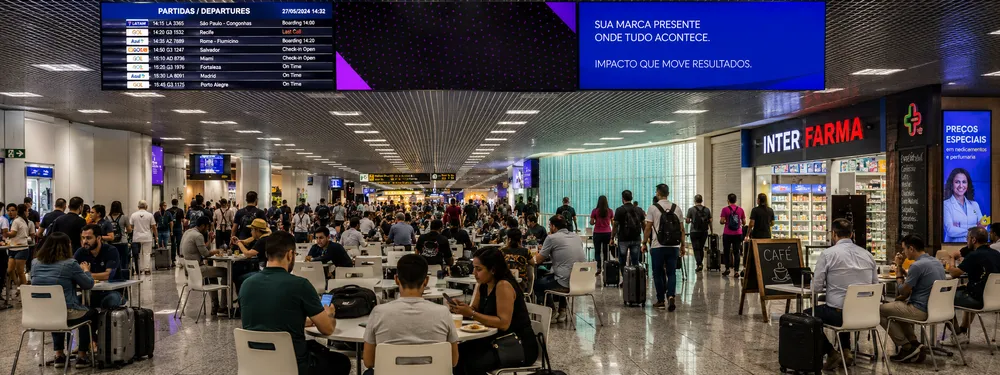
Maceió Zumbi dos Palmares International Airport is the gateway to one of Brazil's most visually spectacular and commercially undervalued tourism destinations, a city whose powder-white beaches, turquoise natural reef pools, and proximity to Maragogi's crystalline waters have made it a confirmed priority destination for Brazil's affluent domestic leisure class. Serving approximately 1.2 million passengers annually, MCZ processes a leisure-dominant traveller profile drawn overwhelmingly from São Paulo, Rio de Janeiro, and Brasília, the three wealthiest origin markets in Brazil, whose visitors arrive in Maceió with committed holiday budgets and a receptivity to premium experiences that the destination's relative lack of national commercial attention has left commercially underserved. For brands targeting Brazil's domestic upper-middle and high-income consumer, MCZ represents one of the country's most cost-efficient airport advertising entry points to a captive, intentional leisure audience.
The commercial logic of MCZ extends beyond the city itself to the 130-kilometre coastline it anchors. Maragogi, internationally designated as one of Brazil's most beautiful beach destinations and commonly called the "Brazilian Caribbean" for its Caribbean-quality waters and coral reefs, routes virtually all of its air arrivals through MCZ. Barra de São Miguel, Praia do Francês, and Praia do Gunga extend the coastal premium further south, creating a destination cluster whose combined inbound leisure audience is unified in its high holiday commitment and diversified across a range of premium experience categories. Alagoas' historical position as one of Brazil's most productive sugarcane states adds a secondary layer of agricultural wealth and agro-industrial institutional travel that gives MCZ a year-round commercial baseline absent from purely seasonal beach airports.
Advertising Value Snapshot
- Passenger scale: Approximately 1.2 million passengers annually, driven by domestic Brazilian leisure tourism from São Paulo, Rio de Janeiro, and Brasília, with a stable secondary baseline of Alagoas state institutional and business travel
- Traveller type: Brazilian domestic upper-middle and high-income leisure travellers, Alagoas sugar and agro-industrial sector professionals, state government and institutional travellers, and a growing inbound international leisure segment from Argentina and Latin America
- Airport classification: Tier 2, operating as the gateway to one of Brazil's most rapidly rising premium domestic beach tourism corridors
- Commercial positioning: Brazil's leading natural pools and Caribbean-quality coast gateway, capturing the country's most visually distinctive beach tourism market with a domestic audience drawn from its wealthiest origin cities
- Wealth corridor signal: MCZ's inbound leisure stream originates disproportionately from São Paulo's ABC+/A class and Rio de Janeiro's affluent southern zone, two of Latin America's highest-spending domestic consumer cohorts
- Advertising opportunity: MCZ delivers a confirmed leisure-committed audience drawn from Brazil's wealthiest domestic markets in a compact, low-clutter terminal environment where brands face a fraction of the competitive media noise found at São Paulo, Rio de Janeiro, or Fortaleza airports. Masscom Global structures placements that intercept this audience at the precise moment of maximum holiday mindset and spending receptivity.
Airport Advertising is Complex to Get Right
We help you execute faster, with proven results and local insight most planners lack starting now.
Talk to an ExpertCatchment Area and Economic Drivers
Top 10 Cities within 150 km — Marketer Intelligence
- Maceió: Alagoas' state capital and Brazil's most celebrated natural-pool beach destination, whose professional class spans state government, sugarcane industry administration, chemical sector operations, and a rapidly growing tourism services sector. Upper-income Maceió residents use MCZ for business connections to São Paulo and Brasília and for leisure travel to Brazil's southern states, carrying above-average discretionary spend in financial services, automotive, and lifestyle categories.
- Marechal Deodoro: A colonial-heritage lagoon town 25 kilometres south of Maceió and birthplace of Brazil's first republican president, anchoring the Alagoas Lagoon tourism corridor. Marechal Deodoro's heritage tourism operators, lagoon resort owners, and artisan community generate a small but commercially active leisure tourism business segment with strong local brand loyalty.
- Barra de São Miguel: Alagoas' most upscale beach resort municipality, 35 kilometres south of Maceió, drawing Brazilian upper-income domestic tourists for premium beachfront accommodation and water sports. Property owners and tourism operators from Barra de São Miguel represent the most commercially affluent local business segment in the immediate catchment, with strong real estate, marine, and lifestyle brand receptivity.
- Coruripe: A sugarcane and ethanol production municipality approximately 100 kilometres south, home to several of Alagoas' most productive sugar and alcohol mills. Sugar mill executives and agro-industrial operators from Coruripe represent an institutionally wealthy agribusiness segment whose financial product, insurance, and B2B industrial equipment needs are commercially active.
- São Miguel dos Campos: A sugar and cattle ranching hub approximately 60 kilometres southwest of Maceió, concentrated in the heart of Alagoas' most productive agricultural zone. Ranchers, mill operators, and agricultural business owners from this corridor use MCZ for connections to São Paulo and Brasília, carrying institutional financial product needs and above-average personal discretionary income.
- União dos Palmares: A commercial and historic town approximately 100 kilometres northwest, carrying profound cultural significance as the nearest major settlement to the historic Quilombo dos Palmares, whose Afro-Brazilian resistance heritage is commemorated in the airport's own name. União dos Palmares generates a modest regional commerce and government traveller segment with strong community identity and cultural brand receptivity.
- São Luís do Quitunde: A northern Alagoas coastal municipality approximately 80 kilometres from Maceió, situated in the sugarcane corridor extending toward Pernambuco. Agricultural operators and small commerce business owners from this zone contribute to MCZ's regional baseline travel demand for institutional and family connections.
- Maragogi: The commercial centrepiece of the "Costa dos Corais" tourism corridor, 130 kilometres north of Maceió, and internationally recognised as Brazil's most visually spectacular beach destination for its mirror-flat turquoise natural pools. Maragogi's tourism economy is almost entirely dependent on MCZ for air access, making every premium domestic tourist from São Paulo or Rio de Janeiro arriving at the airport a potential Maragogi visitor. Tourism operators, resort owners, and hospitality professionals from Maragogi generate consistent business travel to São Paulo and Brasília for institutional, investment, and marketing purposes.
- Arapiraca: Alagoas' second-largest city, approximately 130 kilometres northwest of Maceió, historically Brazil's largest tobacco production centre and now diversifying into retail commerce, healthcare, and regional services. Arapiraca's commercial business owners, healthcare professionals, and retail sector operators represent a mid-size regional B2B audience with consistent institutional travel demand through MCZ.
- Murici: A small municipality in the Mata Atlântica forest corridor approximately 80 kilometres northwest of Maceió, adjacent to one of the last remaining Atlantic Forest fragments in Alagoas. Ecotourism operators and agricultural landowners from this corridor contribute a small but growing sustainable tourism and agribusiness traveller segment with premium environmental and lifestyle brand receptivity.
NRI and Diaspora Intelligence
Maceió's diaspora dynamic is shaped by two distinct population flows. The first is internal migration: Alagoas has historically exported a significant portion of its working population to São Paulo and Rio de Janeiro, creating a Brazilian internal diaspora whose members return to Maceió for family visits, festive holidays, and property investment in their home state. These returnee visitors travel with southern Brazilian urban incomes and strong aspirational brand receptivity, making them a commercially valuable inbound audience distinct from the local resident population. The second is the growing inbound stream of Argentine, Paraguayan, and South American leisure tourists who have discovered Maceió and Maragogi's beaches as premium alternatives to Florida and European destinations at a favourable exchange rate. This cross-border leisure audience brings US-dollar and peso spending power with strong hospitality and experience brand engagement.
Economic Importance
Alagoas' economy is structurally anchored in sugarcane and ethanol production, state government employment, and a rapidly expanding tourism sector, with a growing chemical and petrochemical industrial corridor anchored near Maceió. The sugarcane sector makes Alagoas Brazil's second most productive sugar state, generating a class of mill owners, agricultural executives, and agro-industrial operators whose institutional wealth is concentrated and commercially significant despite the state's overall economic development profile. The tourism economy's rapid expansion, driven by Maragogi's international recognition and Maceió's natural pools, is producing a new commercial class of resort developers, hospitality operators, and tourism services professionals whose capital deployment and institutional financial needs are growing in parallel with visitor volumes.
Business and Industrial Ecosystem
- Sugarcane, sugar, and ethanol production: Alagoas is Brazil's second most productive sugarcane state, whose mill owners and agro-industrial executives represent a historically entrenched and institutionally wealthy business class. These operators travel through MCZ for connections to São Paulo's commodity and financial markets, carrying procurement authority for agro-industrial equipment, insurance, and trade finance products.
- Chemical and industrial sector: Maceió hosts a significant chemical manufacturing complex, including operations linked to Brazil's national chemical industry. Industrial executives, chemical engineers, and plant operations professionals from this sector generate consistent B2B business travel with institutional financial product and technology platform needs.
- State government and public administration: As Alagoas' state capital, Maceió concentrates government administrators, legislators, judiciary officials, and federal agency representatives whose institutional travel to Brasília and São Paulo is frequent, non-seasonal, and commercially stable across the full calendar year.
- Tourism services and hospitality development: The rapid growth of Maceió and Maragogi as premium domestic and international tourism destinations is generating a new class of resort developers, boutique hotel operators, and tourism technology entrepreneurs whose institutional travel for investment, marketing, and operational purposes is growing consistently alongside visitor volumes.
Passenger Intent — Business Segment
Business travellers at MCZ are primarily state government officials, sugar mill and agro-industrial executives, chemical sector professionals, and tourism development operators travelling to São Paulo, Brasília, and Rio de Janeiro for institutional, procurement, and regulatory purposes. These travellers are commercially motivated, time-sensitive, and carry institutional purchasing authority in financial services, insurance, agro-industrial technology, and B2B digital platforms. The compact terminal environment means their dwell time is largely uninterrupted and their exposure to advertising placements is structurally higher than at larger, more fragmented hub airports.
Strategic Insight
MCZ is one of the few Brazilian state capital airports where the dominant commercial narrative is simultaneously institutional and aspirational. The sugar sector's generational wealth and the tourism sector's rapid ascent create two distinct high-value business traveller profiles whose brand receptivity spans B2B industrial categories and premium consumer lifestyle simultaneously. Brands that structure campaigns to address both profiles within a single creative environment at MCZ achieve a dual-audience efficiency that is unavailable at airports where the audience composition is more uniform.
Tourism and Premium Travel Drivers
- Pajuçara Natural Reef Pools (Piscinas Naturais): Maceió's defining tourism asset and one of Brazil's most photographed natural spectacles, where crystalline emerald pools form at low tide above offshore coral reefs. The pools are the primary reason Brazil's AB-class leisure travellers from São Paulo and Rio de Janeiro book Maceió as a destination, creating a confirmed premium leisure audience whose arrival mindset is maximally receptive to experience, hospitality, and lifestyle brand messaging.
- Maragogi and the Costa dos Corais: Internationally acclaimed as the "Brazilian Caribbean" and Brazil's most visually distinctive beach destination, Maragogi's mirror-flat turquoise waters and coral reef pools receive virtually all of their air visitors through MCZ. The destination's rapid rise in international recognition among Argentine, European, and North American leisure travellers is driving inbound tourism growth that is directly expanding MCZ's passenger base.
- Barra de São Miguel and Praia do Gunga: Alagoas' premium southern beach and lagoon corridor, drawing Brazilian upper-income domestic tourists seeking resort-quality coastline with natural lagoon settings. Property ownership in this corridor is concentrated among São Paulo and Rio de Janeiro-origin wealthy families, creating a recurring premium leisure travel segment with strong coastal real estate, marine, and lifestyle brand spend.
- Quilombo dos Palmares Heritage Trail: The historic site of Brazil's most famous Afro-Brazilian resistance community, located in the Alagoas interior and now a growing cultural heritage tourism destination drawing Brazilian and international visitors with strong Afro-Brazilian cultural identity interest and premium cultural tourism spend.
Passenger Intent — Tourism Segment
The leisure traveller at MCZ is predominantly a domestic Brazilian tourist from São Paulo, Rio de Janeiro, or Brasília whose visit is anchored in a committed beach holiday with pre-booked accommodation and a holiday budget in the BRL 3,000 to 10,000 range for upper-middle and high-income segments. These travellers arrive in a confirmed leisure mindset that is highly receptive to destination experience upgrades, travel insurance, financial reward products, premium consumer goods, and lifestyle brands aligned with coastal living and aspiration. The growing Argentine and South American inbound leisure segment adds a foreign-currency-carrying secondary audience whose spending intensity per visit typically exceeds the domestic average.
Travel Patterns and Seasonality
Peak seasons:
- High summer (December to February): Brazil's school summer holiday and end-of-year festive period generates MCZ's longest sustained high-volume window, combining New Year celebration travel, Carnaval preparation departures, and peak beach season for the São Paulo and Rio de Janeiro domestic leisure market simultaneously.
- Carnaval (February to March): Maceió's Carnaval is one of the most celebrated in northeastern Brazil, drawing domestic Brazilian visitors from southern states who choose Maceió's beach Carnaval as an alternative to Salvador or Rio. The Carnaval window generates the airport's single highest weekly passenger concentration of the year.
- July school holidays: Brazil's mid-year school break generates a concentrated family holiday travel peak, with Maceió and Maragogi drawing São Paulo and Rio-origin families seeking a premium northeastern beach alternative to heavily marketed Fortaleza or Natal.
- Long weekends and feriados: Brazil's dense public holiday calendar generates consistent mini-peak departure spikes throughout the year, particularly from São Paulo and Brasília whose proximity and flight frequency to MCZ make Maceió a viable long-weekend destination for the upper-income professional class.
Event-Driven Movement
- Carnaval de Maceió (February to March): Alagoas' pre-eminent festive event, drawing hundreds of thousands of domestic Brazilian tourists to a beach Carnaval whose frevo and forró music culture distinguishes it from Salvador's axé-dominant carnival and Rio's samba spectacle. Consumer lifestyle, food and beverage, and entertainment brands achieve exceptional audience receptivity during this window.
- Festa Junina and São João (June to July): Northeastern Brazil's defining mid-year cultural event, celebrated with exceptional energy across Alagoas, generating domestic tourism from southern states and from within the northeast region. The festive consumer spending on fashion, food, and entertainment peaks during this period, creating a secondary leisure brand advertising window.
- New Year's Eve at Pajuçara Beach (December): One of Brazil's most scenic New Year celebrations, drawing tens of thousands of domestic tourists to Maceió's beach promenade. The holiday spending concentration of the December-January window makes this the most sustained high-value consumer advertising period of the year.
- Semana Santa (March to April): The Catholic Holy Week generates a family and religious travel peak, with Maceió's beaches and coastal lagoons drawing a family demographic cohort from across Brazil with strong hospitality and consumer spend.
- Maceió Fest (October): Alagoas' largest music and entertainment festival, historically one of Brazil's most attended regional music events, generating a concentrated domestic leisure and entertainment spending window with strong brand receptivity for consumer goods, beverages, and lifestyle categories.
It’s Not Just Where You Advertise - It’s How Fast You Execute
We combine local insight with fast rollout to deliver results for you, now.
Talk to an ExpertAudience and Cultural Intelligence
Top 2 Languages
- Portuguese: The exclusive commercial language across all catchment and passenger segments at MCZ. Brazilian Portuguese carries a northeastern Alagoan cadence that local consumers identify with culturally, but the primary advertising audience is largely the southern Brazilian domestic tourist whose brand language is the standard urban São Paulo and Rio de Janeiro Portuguese register. Creative that strikes the balance between aspirational national-brand language and authentic northeastern cultural warmth achieves the strongest recall across both resident and visitor segments.
- Spanish: Commercially relevant as a secondary language for the growing Argentine, Paraguayan, and South American inbound leisure segment that has discovered Maragogi and Maceió as premium beach alternatives to Caribbean and European destinations. Brands targeting this cross-border leisure audience with Spanish-language creative elements achieve incremental recall within a segment whose spending per visit and lifestyle brand receptivity is commercially disproportionate to their numerical share of total passengers.
Major Traveller Nationalities
The MCZ passenger base is overwhelmingly domestic Brazilian, with São Paulo state, Rio de Janeiro, and the Federal District (Brasília) representing the three dominant inbound leisure origin markets. Within Brazil's domestic leisure travel hierarchy, the Maceió-bound traveller skews toward the AB consumer class, particularly from São Paulo's advanced services and financial sector professional class and Rio de Janeiro's southern-zone affluent neighbourhoods, whose brand familiarity with premium consumer categories elevates the commercial quality of the inbound leisure audience significantly above the state of Alagoas' own economic profile. A growing Argentine leisure segment, drawn by Maragogi's international reputation and Brazil's favourable exchange rate environment, adds a foreign-currency-spending inbound dimension that is commercially relevant for hospitality, real estate, and premium lifestyle brands.
Religion — Advertiser Intelligence
- Roman Catholicism (approximately 63%): The dominant faith tradition across Alagoas, whose liturgical calendar defines the most commercially significant leisure travel peaks: Carnaval immediately precedes Lent and generates the year's highest consumer spending concentration; Semana Santa produces the second leisure peak; and the Feast of Santo Antônio and São João in June anchor the festive mid-year window. Hospitality, food and beverage, and consumer lifestyle brands benefit most from aligning campaign timing with these Catholic calendar moments.
- Evangelical and Protestant Christianity (approximately 30%): Among the highest proportions of any Brazilian state, reflecting a rapid and commercially significant religious shift across Alagoas' urban and rural communities. This community's growing middle class, family-oriented travel behaviour, and financial product engagement represent an increasingly important audience segment whose receptivity to insurance, financial planning, and family-lifestyle brands is strong and growing.
- Afro-Brazilian spiritual traditions — Candomblé and Umbanda (approximately 4%): Alagoas' Afro-Brazilian cultural heritage, rooted in the Quilombo dos Palmares history that the airport itself commemorates, maintains an active community of practitioners whose festive calendar, cultural events, and heritage tourism engagement contribute to the region's domestic cultural tourism profile. Brands that engage authentically with this heritage achieve cultural credibility with both resident and culturally engaged visitor audiences.
Behavioral Insight
The MCZ leisure traveller combines the aspirational spending behaviour of Brazil's southern urban professional class with the sensory and experiential orientation that a visually spectacular beach destination naturally triggers. São Paulo and Rio de Janeiro-origin tourists arriving at Maceió have made a deliberate choice of a destination that rewards curiosity and independent discovery, a profile that signals brand engagement preferences toward authenticity, distinctiveness, and premium quality rather than mass-market familiarity. These travellers are receptive to brands that signal taste, independence, and lifestyle elevation rather than brands that simply communicate scale and availability. The Alagoas resident professional, by contrast, is a value-rational decision-maker whose spending is disciplined but whose financial and institutional product needs are commercially active and growing alongside the state's economic development trajectory.
Outbound Wealth and Investment Intelligence
The outbound passenger at Maceió Airport presents a commercial profile shaped by two distinct but commercially complementary wealth sources: the institutional wealth of Alagoas' sugarcane and agro-industrial class, whose capital deployment is domestically anchored but increasingly looking at real estate and financial diversification; and the visiting upper-income São Paulo and Rio leisure tourist whose outbound investment behaviour reflects Brazil's wealthiest domestic consumer class. Together, these two streams create a commercially relevant audience for domestic real estate, consumer financial products, and international leisure investment brands.
Outbound Real Estate Investment
Domestic Brazilian real estate investment is the dominant outbound capital deployment channel for MCZ's wealthiest travellers. São Paulo and Rio de Janeiro-origin tourists who have visited Maceió and Maragogi frequently return as property buyers, acquiring beachfront and lagoon-adjacent residential property that functions as both a lifestyle asset and a short-term rental investment vehicle. Maragogi's rapidly rising property values and its growing international tourist appeal have created a property investment narrative that domestic Brazilian buyers from São Paulo are responding to at an accelerating rate. For real estate platforms and developers with coastal Alagoas and wider Brazilian coastal inventory, MCZ is a cost-efficient channel to reach buyers who are simultaneously evaluating the destination's attractions as a leisure visitor and its property market as an investment opportunity. International markets, including Miami and Florida for Brazil's ultra-HNWI class and Portugal for the Golden Visa-seeking professional, represent secondary outbound real estate channels relevant for brands marketing these programmes at MCZ.
Outbound Education Investment
The professional families of Alagoas' sugarcane and commercial class increasingly direct children toward private universities in São Paulo, Recife, and Brasília, with a growing upper-income segment pursuing international placements in Portugal, the United States, and the United Kingdom. Proximity to Recife's strong university ecosystem makes northeastern Brazil's educational institutions a natural primary choice, with international options primarily accessible through the São Paulo hub connection. Education consultancies, Portuguese private universities (particularly aligned with Alagoas' cultural and linguistic ties to Portugal), and US university preparatory services find a modestly sized but commercially motivated audience among MCZ's institutional business traveller segment.
Outbound Wealth Migration and Residency
Formal Golden Visa and residency programme demand at MCZ is limited relative to major gateway airports. However, Brazil's broader outbound wealth migration trend, driven by economic and political uncertainty, is producing growing interest in Portugal's NHR and D7 visa programmes, US EB-5 investment pathways, and European residency options among the upper-income professional class of Brazil's northeastern states. MCZ's institutional business traveller cohort, particularly the sugar and agro-industrial class with significant capital and international export relationships, is the most commercially relevant segment for second-residency products at this airport.
Strategic Implication for Advertisers
Brands operating on both sides of MCZ's leisure and investment corridors, whether coastal Alagoas property developers, São Paulo consumer financial platforms, international education consultancies, or Portuguese Golden Visa advisors targeting Brazil's professional class, should treat MCZ as a cost-efficient channel for reaching both the Alagoas-resident wealth base and the high-income São Paulo and Rio visitor who is simultaneously a qualified buyer across multiple investment categories. Masscom Global can structure coordinated campaigns at both MCZ and the São Paulo and Rio de Janeiro airports where the inbound leisure audience originates, creating a full-funnel presence that builds brand awareness at the origin market and converts at the destination.
Airport Infrastructure and Premium Indicators
Terminals
- Maceió Zumbi dos Palmares International Airport operates a modernised terminal building that underwent significant infrastructure upgrades as part of Brazil's federal airport concession programme, which transferred operations to private management and mandated service quality improvements. The terminal's renovated passenger facilities create a contemporary travel environment whose brand association quality is above what the airport's regional classification typically implies.
- The terminal's compact single-terminal footprint handles domestic and international departures and arrivals within a concentrated space that creates high advertising placement visibility and structurally extended dwell time relative to larger, more fragmented airport facilities.
Premium Indicators
- The airport's concession under Brazil's federal airports programme, managed by professional private operators, signals a service quality standard and commercial environment that has progressively closed the gap between Maceió and Brazil's more commercially developed regional airports. This elevation of the passenger experience improves the premium brand association context for advertisers at MCZ.
- The growing presence of premium hospitality brands, boutique resorts, and international hotel groups in Maceió and Maragogi signals a destination repositioning toward upscale tourism that is raising the average spending profile of the inbound leisure audience and creating a more commercially receptive terminal environment for premium consumer brands.
- MCZ holds designated international airport status, enabling direct international route activation as the destination's international reputation continues to grow. The airport has periodically hosted direct international charter services from Buenos Aires and other South American origins during peak leisure seasons, establishing the commercial infrastructure for expanded international connectivity.
- The airport's naming after Zumbi dos Palmares, the iconic leader of Brazil's most celebrated community of self-liberated enslaved people, connects MCZ to one of the most significant and emotionally resonant episodes in Brazilian national history. This cultural identity creates a distinctive brand context for advertisers who engage authentically with Alagoas' Afro-Brazilian heritage.
Forward-Looking Signal
Maragogi's international recognition is accelerating at a pace that Maceió's current airport infrastructure is only beginning to absorb. International travel content platforms, South American leisure travel media, and European tour operators have progressively elevated Maragogi's profile from a domestic secret to a globally competitive beach destination, and the corresponding inbound international leisure demand is growing. Brazil's federal government's investment in the Costa dos Corais tourism corridor, combined with private sector resort development across the Alagoas coastline, will progressively expand MCZ's passenger base and diversify its audience from domestic Brazilian-dominant toward an internationally mixed leisure profile. Masscom Global advises brands to establish presence at MCZ now, during the window when the destination's international reputation is rising but competitive advertising pressure in the terminal remains low, to capture brand equity with a growing premium leisure audience at rates that will not remain available once MCZ's international recognition reaches its commercial ceiling.
Airline and Route Intelligence
Top Airlines
- LATAM Airlines Brasil (primary full-service domestic)
- Gol Linhas Aéreas (domestic)
- Azul Linhas Aéreas Brasileiras (domestic)
- Seasonal international charter services from South American origins (peak season)
Key International Routes
- Seasonal charter services to Buenos Aires, Argentina (peak summer season)
- International connectivity primarily accessed through São Paulo Guarulhos (GRU) or Rio de Janeiro Galeão (GIG) via domestic connections
Domestic Connectivity
- São Paulo Guarulhos (GRU) and Congonhas (CGH) — primary connections to Brazil's largest city and financial capital
- Rio de Janeiro Galeão (GIG) and Santos Dumont (SDU)
- Brasília (BSB) — federal capital connection
- Salvador (SSA)
- Recife (REC)
- Fortaleza (FOR)
- Other domestic secondary markets via Gol, Azul, and LATAM
Wealth Corridor Signal
MCZ's domestic route network is a direct map of Brazil's internal leisure and institutional travel hierarchies. The São Paulo and Rio de Janeiro connections carry the inbound leisure audience from Brazil's two wealthiest urban markets. The Brasília connection carries government and institutional travel. The Salvador and Recife connections reflect regional economic integration across the northeast. For advertisers, the São Paulo connection is commercially the most significant: every passenger arriving from GRU or CGH represents a potential member of Brazil's ABC+ consumer class who has made a deliberate leisure investment in the Alagoas coast and carries the spending behaviour of Brazil's most commercially active domestic consumer market.
Media Environment at the Airport
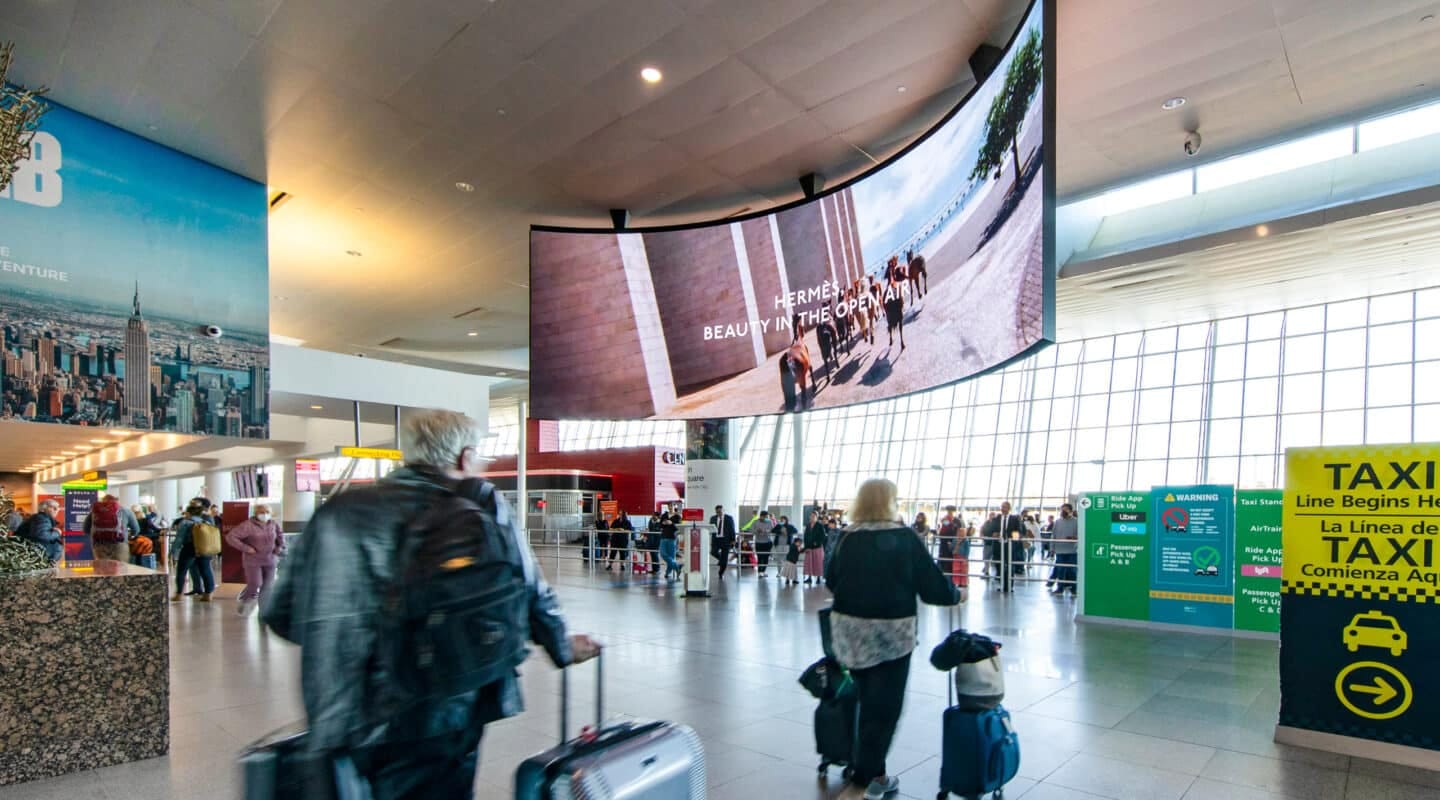
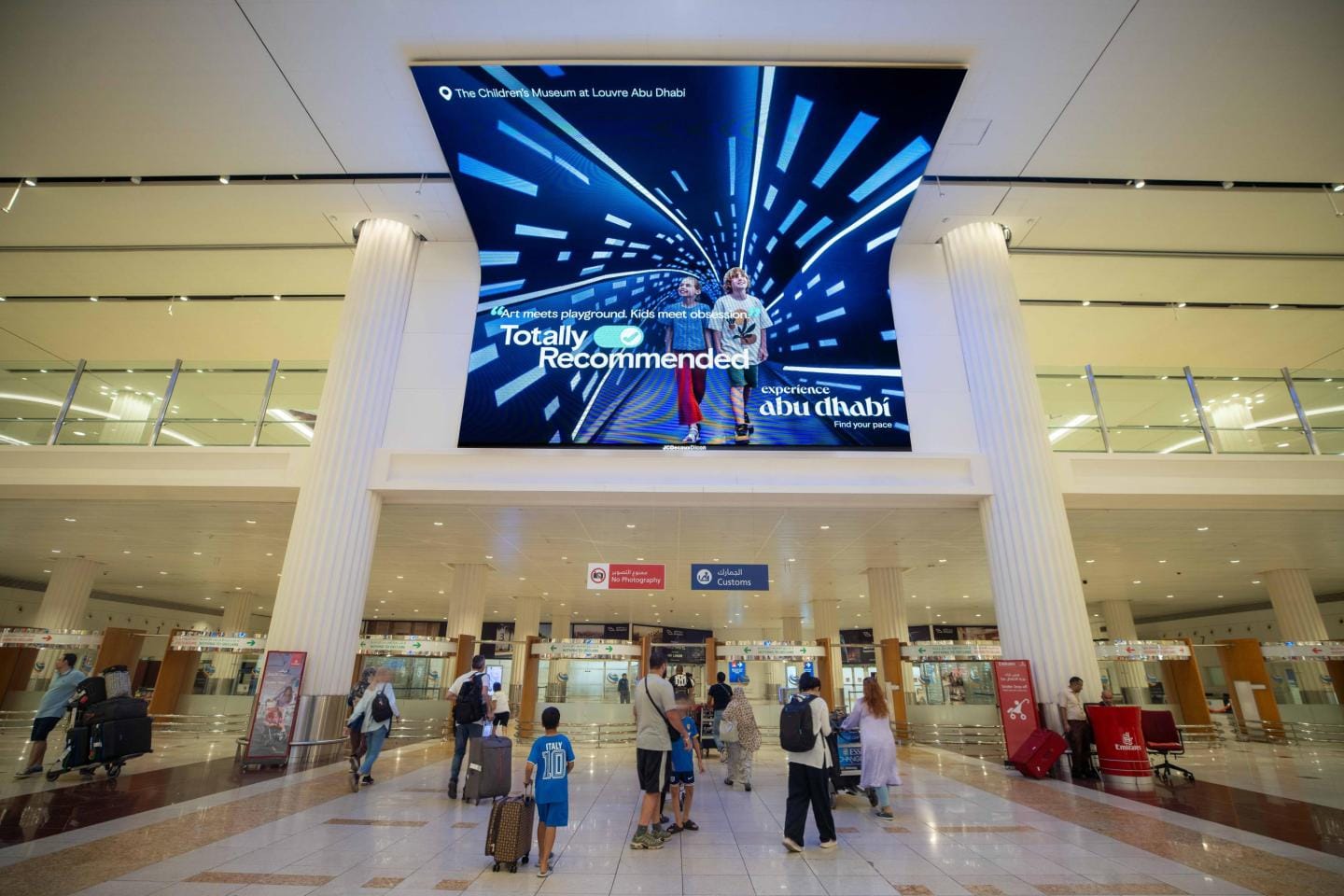
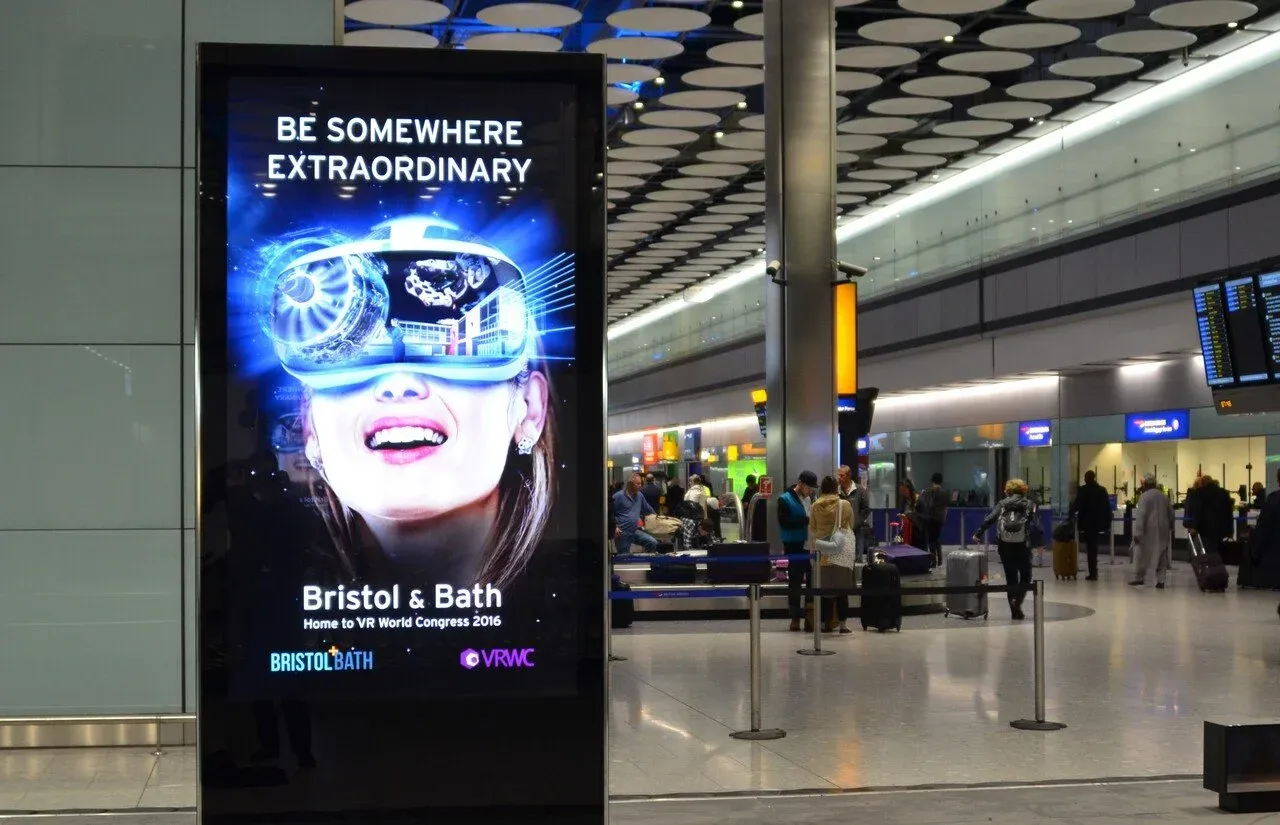
- MCZ's compact single-terminal footprint creates one of Brazil's most low-clutter regional airport advertising environments. The limited number of competing placements means individual brand campaigns achieve a structurally high share of visual attention that major hub airports cannot offer at equivalent budget levels.
- Dwell time at MCZ is structurally extended by the terminal's manageable security and check-in processing, leaving domestic leisure passengers with 45 to 90 minutes of uninterrupted airport time in a confirmed holiday mindset that is maximally receptive to aspiration-led, lifestyle-oriented brand messaging.
- The leisure context of MCZ's dominant passenger flow creates a warm emotional brand reception environment. Travellers arriving from São Paulo or Rio de Janeiro for a beach holiday are in a state of maximum positive anticipation, and brands that align with that emotional state through creative positioning in hospitality, lifestyle, consumer finance, and destination experiences convert at higher rates than standard ambient OOH contexts produce.
- Masscom Global holds direct access to MCZ's advertising inventory and executes placements across all available terminal formats within the modernised terminal environment. Creative scheduling can be aligned precisely to the Carnaval, July school holiday, and summer peak windows to ensure brands are visible during the highest-volume, highest-intent periods of the annual passenger calendar.
Strategic Advertising Fit
Best Fit
- Domestic leisure and travel brands: All-inclusive resort packages, Brazilian coastal tourism boards, online travel agencies, and premium hotel booking platforms intercept a confirmed leisure audience at MCZ whose holiday spend is committed and whose receptivity to destination experience upgrades is at its seasonal peak on arrival and departure.
- Consumer financial products: Brazilian credit cards with travel rewards, multi-trip travel insurance, investment savings platforms (CDB, LCI/LCA, FGTS), and consumer finance products resonate strongly with the upper-middle and high-income Brazilian professional whose leisure travel to Maceió reflects both discretionary income and financial confidence.
- Coastal real estate: Developers and platforms marketing resort property and short-term rental investment assets in Maceió, Maragogi, and the broader Costa dos Corais corridor target a buyer audience at MCZ who is simultaneously experiencing the destination as a qualified property buyer and evaluating its investment potential in real time.
- Automotive brands: Brazilian domestic vehicle purchase cycles are closely tied to income levels and professional advancement, and the upper-income São Paulo and Rio leisure tourist profile at MCZ aligns with active or upcoming vehicle acquisition decisions. Both passenger car aspirational and premium vehicle categories achieve strong audience alignment at MCZ.
- Consumer lifestyle and FMCG premium tier: The São Paulo and Rio de Janeiro-origin ABC+ traveller is Brazil's most brand-literate and lifestyle-active domestic consumer segment. Premium food and beverage, personal care, and lifestyle brands find a highly receptive inbound leisure audience at MCZ whose spending behaviours in their home cities are the benchmark for Brazil's most commercially valuable domestic consumer class.
- Tourism and hospitality services: Boutique hotel operators, eco-tourism platforms, dive and snorkel experience brands, and premium transfer and tourism services find a confirmed hospitality-spending audience at MCZ whose destination choice signals active engagement with premium coastal experience categories.
- Education and private universities: The professional families of Alagoas' business and institutional class, combined with the São Paulo-origin travellers whose children may consider northeastern Brazilian universities, create a modestly sized but commercially motivated audience for education advertising during the January to March and July school-year transition windows.
Brand Alignment at a Glance
| Category | Fit |
|---|---|
| Domestic Leisure and Travel | Exceptional |
| Consumer Financial Products | Exceptional |
| Coastal Real Estate | Strong |
| Automotive | Strong |
| Premium Consumer Lifestyle | Strong |
| Tourism and Hospitality Services | Strong |
| Ultra-luxury International Brands | Poor fit |
Who Should Not Advertise Here
- Ultra-luxury fashion and couture: MCZ's passenger volume and audience composition, while affluent relative to the state of Alagoas, do not sustain the sustained ultra-HNWI density that couture fashion brands require for justifiable ROI. São Paulo's Guarulhos international terminal and Rio de Janeiro's Galeão remain the appropriate channels for this category in Brazil.
- B2B industrial and heavy procurement brands: The overwhelmingly leisure-dominant passenger profile at MCZ creates a structurally poor match for industrial procurement, heavy equipment, and institutional B2B campaigns that require a business-traveller-dominant terminal environment for cost-efficient audience delivery.
- International investment products targeting non-Brazilian audiences: MCZ's passenger base is almost entirely domestic Brazilian. Campaigns designed for outbound international HNWIs, European investors, or globally mobile capital will find insufficient audience alignment at this airport to justify investment.
Event and Seasonality Analysis
- Event Strength: High
- Seasonality Strength: High
- Traffic Pattern: Tri-Peak Seasonal (Summer-Carnaval / July school holiday / Maceió Fest) with stable institutional business baseline
Strategic Implication
Maceió's traffic pattern is defined by three commercially powerful leisure peaks that together concentrate the majority of annual passenger volume within predictable, bookable windows. Advertisers should weight the largest share of budget toward the December to March super-peak, which combines the summer holiday, New Year, and Carnaval windows into a sustained two-month period of maximum audience volume and consumer spending receptivity. The July school holiday peak delivers the second-tier family leisure audience from São Paulo and Rio, and the October Maceió Fest window provides a targeted entertainment and lifestyle brand moment with strong young professional and couples audience concentration. Masscom Global structures MCZ campaigns to front-load brand presence into these three windows while maintaining a lighter institutional baseline presence year-round, ensuring B2B categories reach the sugar sector and government traveller cohort continuously without the budget inefficiency of sustaining peak-rate placements through quiet months.
Poor Placement and Delays Affect Airport Campaigns
We help you move faster, access better inventory, and get it right now.
Talk to an ExpertFinal Strategic Verdict
Maceió Zumbi dos Palmares International Airport is Brazil's most commercially underestimated beach destination gateway, and the window to enter at current rates and clutter levels is open and narrowing. The airport delivers what very few Brazilian regional airports can simultaneously offer: an inbound leisure audience drawn directly from São Paulo and Rio de Janeiro's wealthiest consumer segments, confirmed in their holiday commitment, and arriving at a destination whose rapid international rise as the "Brazilian Caribbean" is accelerating the premium positioning of everything connected to it. The low-clutter terminal, the tri-peak seasonal structure, the sugarcane institutional wealth base providing year-round stability, and the growing international leisure audience from Argentina and South America together produce a commercial environment that rewards advertisers who identify it before it becomes obvious. Brands that establish presence at MCZ now, through Masscom Global's direct inventory access and Brazilian northeast market intelligence, will capture share of voice with Brazil's most aspirational domestic leisure consumer at a cost point that will not survive the destination's continued international ascent.
About Masscom Global
Masscom Global is a premium international airport advertising and media buying agency operating across 140 countries. With deep expertise in airport OOH, premium publications, and high-net-worth audience targeting, Masscom helps brands reach the world's most valuable travellers at the moments that matter most. For advertising packages, media rates, and campaign planning at Maceió Zumbi dos Palmares International Airport and airports across the globe, contact Masscom Global today.
Frequently Asked Questions
How much does airport advertising cost at Maceió Zumbi dos Palmares International Airport? Advertising costs at MCZ vary based on format type, placement zone, creative dimensions, campaign duration, and seasonal demand. The December to March summer and Carnaval super-peak, the July school holiday window, and the October Maceió Fest period carry premium positioning rates reflecting concentrated audience volume and spending receptivity. For current media rates, format availability, and customised package proposals, contact Masscom Global directly for a proposal aligned to your campaign objectives and target audience.
Who are the passengers at Maceió Zumbi dos Palmares International Airport? MCZ passengers are predominantly domestic Brazilian leisure travellers from São Paulo, Rio de Janeiro, and Brasília, drawn by Maceió's famous natural reef pools, Maragogi's Caribbean-quality beaches, and the Alagoas coastal lifestyle. The inbound leisure audience skews strongly toward Brazil's AB consumer class from the country's two wealthiest cities. A secondary segment of Alagoas state residents travelling for institutional and business purposes, primarily in the sugar, agro-industrial, and government sectors, provides a year-round baseline. A growing inbound international stream from Argentina and South America adds a foreign-currency-spending leisure dimension.
Is Maceió Airport good for luxury brand advertising? MCZ carries a Medium-High HNWI classification, appropriate for premium and aspirational brands targeting Brazil's domestic AB consumer class rather than ultra-tier international luxury categories. The São Paulo and Rio de Janeiro-origin leisure audience is Brazil's most brand-active and spending-confident domestic consumer segment, making MCZ viable for premium credit cards, coastal real estate, automotive, premium lifestyle, and consumer financial products. Ultra-luxury couture and international luxury fashion achieve stronger ROI at São Paulo Guarulhos or Rio de Janeiro Galeão, where ultra-HNWI international traveller density is higher.
What is the best airport in Brazil's northeast to reach high-income domestic leisure travellers? MCZ is the strongest concentrated channel in Brazil's northeast for reaching AB-class domestic leisure tourists from São Paulo and Rio de Janeiro during the summer, Carnaval, and July school holiday peaks. Fortaleza (FOR) and Recife (REC) offer higher passenger volumes but with more diverse and less leisure-concentrated audience profiles. For brands specifically targeting the premium beach holiday audience from Brazil's wealthiest cities at a lower clutter and cost point, MCZ delivers superior audience quality per impression. Masscom Global can structure a multi-airport northeast strategy across MCZ, FOR, and REC for brands requiring both coverage and concentration.
What is the best time to advertise at Maceió Zumbi dos Palmares International Airport? The highest-value advertising window at MCZ is the December to March super-peak, which combines the Brazilian summer school holiday, New Year celebration, and Carnaval in a sustained two-month period of maximum passenger volume and consumer spending receptivity. The July school holiday delivers the second-tier family leisure peak from São Paulo and Rio. October's Maceió Fest creates a focused entertainment and lifestyle brand window. Campaigns launched in the first week of December to capture the full summer and Carnaval wave deliver the strongest cumulative audience volume and the highest brand recall of any single annual investment period.
Can international real estate developers advertise at Maceió Zumbi dos Palmares International Airport? Yes. MCZ is one of Brazil's most cost-efficient channels for coastal Alagoas real estate developers targeting São Paulo and Rio de Janeiro property buyers. Visitors experiencing Maceió and Maragogi as leisure tourists are simultaneously evaluating the destination as a property investment opportunity, particularly given Maragogi's international recognition and rising capital values. Developers with resort residential, short-term rental, and beachfront inventory in the Costa dos Corais corridor find a qualified buyer audience at MCZ whose visit is itself a reconnaissance activity. Masscom Global can structure placement timing to capture the peak summer inbound window when property purchase intent is highest and visitors are most actively engaged with the destination's premium attributes.
Which brands should not advertise at Maceió Zumbi dos Palmares International Airport? Ultra-luxury international fashion and couture houses requiring sustained ultra-HNWI footfall will find stronger ROI at São Paulo Guarulhos or Rio de Janeiro Galeão. Heavy industrial and B2B procurement brands will find MCZ's leisure-dominant passenger profile structurally misaligned with the business decision-maker volume their campaigns require. International investment products designed specifically for outbound European, Middle Eastern, or Asian audiences will find insufficient audience alignment at an airport whose passenger base is almost entirely domestic Brazilian.
How does Masscom Global help brands advertise at Maceió Zumbi dos Palmares International Airport? Masscom Global provides complete airport advertising intelligence and execution at MCZ. From audience profiling and seasonal timing strategy through to format selection, creative coordination, placement booking, and campaign monitoring, Masscom manages the full cycle with the precision and Brazilian northeast market knowledge that generalist agencies cannot provide. With direct inventory access and understanding of the São Paulo and Rio leisure inbound dynamic that drives MCZ's highest-value passenger windows, Masscom removes the friction and delays that brands encounter when entering this market independently. To discuss rates, formats, and campaign timing at Maceió Airport, book a consultation with Masscom Global today.