

Airport at a Glance
| Field | Detail |
|---|---|
| Airport | Lord Howe Island Airport |
| IATA Code | LDH |
| Country | Australia |
| City | Lord Howe Island, New South Wales |
| Annual Passengers | Approximately 50,000 (2023) |
| Primary Audience | Ultra-HNWI Australian conservation-committed leisure guests, Capella Lodge and Pinetrees ultra-boutique resort guests, endemic species and marine ecology researchers, UNESCO heritage conservation visitors, Sydney and Brisbane family conservation-leisure ultra-HNWIs |
| Peak Advertising Season | September through April (Australian summer and school holiday windows) |
| Audience Tier | Tier 1 — Ultra (Statutory Cap Category) |
| Best Fit Categories | Australian conservation philanthropy and endemic species recovery, UNESCO natural heritage brands, premium boutique hospitality, Australian conservation estate real estate, premium natural ingredient and Australian ecological lifestyle brands |
Lord Howe Island Airport occupies a position in the global ultra-HNWI advertising landscape that is the most legally and ecologically authenticated of any airport in this intelligence series. The statutory visitor cap of 400 persons on Lord Howe Island at any one time — imposed by the Lord Howe Island Act under the authority of the New South Wales Parliament and enforced by the Lord Howe Island Board with the same regulatory rigour as a national park entry restriction — is not a market mechanism, not a pricing filter, and not a social credential system. It is the law. And the commercial consequence of this legislative access restriction is the most thoroughly enforced and the most structurally complete audience pre-qualification mechanism available at any inhabited island airport on earth. Every passenger at LDH has earned their place through the specific combination of planning discipline, scheduling commitment, and personal ecological motivation that the island's statutory cap demands of every visitor who wishes to stand on its coral-sand shores, hike to the summit of Mount Gower, or snorkel the world's southernmost coral reef in 22-degree Tasman Sea water of extraordinary clarity.
With 50,000 annual passengers and an Ultra HNWI score confirmed by both the statutory ecological pre-qualification mechanism and the specific character of the island's boutique accommodation portfolio — anchored by Capella Lodge, one of the most acclaimed boutique retreats in Australia, and Pinetrees Lodge, a family-run institution of 130-year heritage whose warmth and personal character have made it one of the most beloved Australian island experiences in the domestic travel community — LDH delivers a commercial advertising audience whose conservation conviction, personal ecological commitment, and Australian ultra-HNWI domestic leisure credentials are among the most authentically earned of any airport in the Southern Hemisphere. The 400-visitor cap means that on any given day during the peak summer season, the island's entire visitor population could comfortably gather on a single beach — and every one of them would be there because they had specifically planned, specifically chosen, and specifically committed to the most ecologically extraordinary natural heritage experience available in the Australian domestic travel market.
Advertising Value Snapshot
- Passenger scale: Approximately 50,000 annually — matching Mustique, Skukuza, and Lamu in volume; every LDH passenger has been permitted to enter the island by the Lord Howe Island Board's visitor management system under the statutory 400-visitor cap, making this the only commercial airport in the world where passenger access is governed by an Act of Parliament rather than commercial availability alone
- Traveller type: Ultra-HNWI Australian conservation-committed leisure guests whose planning horizon of months or years reflects the seriousness of their ecological commitment; Capella Lodge and Pinetrees Lodge boutique resort guests whose personal investment in the island's specific heritage character spans decades of family loyalty; endemic species and marine ecology researchers and conservation scientists; UNESCO World Heritage heritage visitors from across Australia and internationally; Australian family leisure ultra-HNWIs whose Lord Howe Island Christmas or school holiday visit represents the most personally competed-for domestic leisure experience in their annual calendar
- Airport classification: Tier 1 Ultra — Statutory Cap Category; the only commercial airport in Australia and one of the few in the world where the access restriction mechanism is a parliamentary Act rather than a pricing, logistical, or social credential filter; classified in a category of its own by the complete and legally enforced structural pre-qualification of its entire arriving passenger population
- Commercial positioning: The world's most legally access-restricted inhabited island's sole commercial gateway; the primary air access point for the world's southernmost coral reef, the Lord Howe Island Woodhen conservation recovery programme, the island's UNESCO World Heritage terrestrial and marine ecological heritage, and the most personally competed-for domestic Australian leisure destination booking in the eastern seaboard travel market
- Wealth corridor signal: LDH anchors the Sydney-to-Lord Howe Island ultra-HNWI conservation leisure corridor — Australia's most ecologically prestigious domestic island flight, whose two-hour QantasLink service from Sydney or Brisbane carries the most specifically conservation-motivated and the most personally committed ecological leisure audience of any domestic Australian island route
- Advertising opportunity: Masscom Global provides access to the most legally validated and the most ecologically authentic ultra-HNWI advertising environment in the Southern Hemisphere — an airport whose 50,000 annual passengers have all been specifically cleared by a statutory regulatory body to enter the world's most legally protected inhabited island, and whose conservation conviction, personal ecological motivation, and Australian ultra-HNWI domestic leisure credentials make them the most authentically earned advertising audience at any Australian island airport
Airport Advertising is Complex to Get Right
We help you execute faster, with proven results and local insight most planners lack starting now.
Talk to an ExpertThe Island, the Law, the Ecology, and the Commercial Context
Lord Howe Island is a volcanic remnant of extraordinary geological antiquity and ecological significance located 600 kilometres northeast of Sydney in the Tasman Sea — a narrow crescent of ancient basalt and coral whose two dramatic peaks, Mount Gower (875 metres) and Mount Lidgbird (777 metres), rise from the southwestern end of the island in a landscape of such geological drama that the UNESCO World Heritage Committee described it as one of the most scenic islands in the Pacific. The island is 11 kilometres long, varies from 100 metres to 2.7 kilometres in width, has a permanent population of approximately 382 residents, and is governed by the Lord Howe Island Board — a statutory authority of the New South Wales government whose mandate includes the management of the visitor cap that is the commercial foundation of LDH's Ultra HNWI advertising claim.
The visitor cap of 400 persons is not a suggestion, not a guideline, and not a target — it is a hard statutory limit whose enforcement reflects the collective ecological judgement of the Australian scientific community, the NSW government, and the Lord Howe Island community itself that the island's extraordinary UNESCO World Heritage ecology can sustain the human presence of 400 visitors without irreversible ecological degradation. This judgement is the most commercially significant fact about Lord Howe Island from an advertising perspective: it represents the Australian state's formal declaration that this island is too ecologically extraordinary to permit the commercial tourism development that its natural beauty would otherwise attract, and that the 400 people who are present on any given day are there as guests of the most significant natural heritage site in the Tasman Sea rather than as consumers of a commercial resort product.
Top 10 Locations within the LDH Catchment — Marketer Intelligence
- Capella Lodge — Australia's most acclaimed remote boutique retreat and LDH's ultra-luxury institutional anchor: Six individually designed luxury suites positioned on the forested slopes of Mount Lidgbird with extraordinary views across the island's lagoon and the Tasman Sea horizon, operated at a standard of personal service and ecological authenticity that has made it one of the most awarded boutique retreats in the Pacific; Capella's guest community — overwhelmingly Australian domestic ultra-HNWIs from Sydney and Melbourne whose personal relationship with the lodge spans multiple visits across years — is the most personally conservation-committed and the most ecologically authentically motivated ultra-luxury accommodation guest community at any Australian island airport; every Capella guest transiting LDH has made a booking commitment measured in months of advance planning and a financial commitment measured in thousands of dollars per night, and carries a personal relationship with the island's ecological heritage of genuine depth
- Pinetrees Lodge — 130 years of Lord Howe Island family heritage and the island's most beloved institution: Continuously operated by the same Riddle family for over 130 years, Pinetrees is the most personally rooted and the most generationally loyal accommodation institution in the Australian island leisure market — families whose grandparents stayed at Pinetrees bring their grandchildren, creating a community of multigenerational island loyalty whose commercial depth rivals the most established resort communities in this intelligence series; Pinetrees' legendary Christmas and school holiday waitlists — whose confirmed bookings extend two and three years ahead — are the most vivid commercial evidence of the statutory cap's effect on the island's premium accommodation market
- The Lord Howe Island Woodhen sanctuary and endemic species conservation programme: The Woodhen — a flightless bird endemic to Lord Howe Island whose population was reduced to fewer than 30 individuals in the 1970s by introduced predators before a landmark conservation programme restored the population to over 300 birds — is the most celebrated single species recovery success in Australian conservation history; the Woodhen's recovery is the living proof that dedicated conservation investment, community commitment, and disciplined access management can reverse ecological catastrophe, and every LDH passenger who encounters a Woodhen walking casually along the island's walking tracks is experiencing the physical embodiment of Australian conservation science at its most personally inspiring
- The world's southernmost coral reef — lagoon snorkelling and diving: The reef system within Lord Howe Island's enclosed lagoon — formed by the world's southernmost coral atoll growing in 22-degree Tasman Sea water — hosts a marine biodiversity of extraordinary richness including over 500 fish species, 90 coral species, and the pristine ecological condition that the island's statutory visitor cap and strict environmental management have maintained across decades of conservation oversight; the lagoon snorkelling and diving experience is consistently cited by the world's most experienced Pacific marine divers as among the most ecologically pristine and the most personally extraordinary reef encounters available in the Tasman Sea
- Mount Gower — one of the world's great island mountain hikes: The guided hike to the summit of Mount Gower (875 metres) — a full-day scramble through ancient cloud forest, across rope-assisted cliff faces, and through the most ecologically extraordinary montane ecosystem in the Tasman Sea — is consistently rated by the most credentialled international trekking publications as one of the world's great island mountain experiences; the Mount Gower guide certification system, which requires every summit hiker to be accompanied by one of the island's licensed guides, reflects the same conservation management philosophy as the visitor cap — a deliberate restriction of access to protect the ecological integrity of the most sensitive habitats from unmanaged human impact
- Ball's Pyramid — the world's tallest sea stack and the Lord Howe Island Phasmid's last refuge: Rising 562 metres from the Tasman Sea 23 kilometres south of Lord Howe Island, Ball's Pyramid is the world's tallest sea stack and one of the most geologically dramatic natural formations in the Pacific; its significance within the LDH conservation context is extraordinary — in 2001, scientists discovered a population of the Lord Howe Island Phasmid (stick insect), believed extinct for 80 years, living in a single tea-tree bush on Ball's Pyramid's sheer cliff face; the species recovery programme — involving captive breeding at Melbourne Zoo and the gradual reintroduction to Lord Howe Island after rat eradication — is one of the world's most celebrated and most technically complex species recovery programmes, and its story is one of the most personally inspiring conservation narratives in the Australian ecological heritage
- The Kentia Palm — Lord Howe Island's most famous ecological export and luxury botanical heritage: The Kentia Palm (Howea forsteriana) — which grows naturally only in the forests of Lord Howe Island and whose distinctive elegance has made it the most commercially valuable and most widely cultivated interior palm in the world — is harvested from the island's native forests under a certified sustainable management programme that supports the island's local economy while preserving the ecological integrity of the palm's only natural habitat; the Kentia Palm's presence in the world's most prestigious hotels, galleries, and private residences creates a specific and commercially distinctive luxury botanical heritage brand connection that is unique to Lord Howe Island in the Australian ecological economy
- Ned's Beach — the island's most celebrated marine encounter: The shallow bay on the island's eastern coast whose permanent resident population of large kingfish, trevally, and mullet have been habituated to hand-feeding by generations of visitors in a marine encounter programme that delivers the most personally warm and the most ecologically intimate wild-fish interaction available in the Tasman Sea; Ned's Beach is consistently cited by LDH visitors as the single most memorable individual moment of their island visit, and the personal memory of hand-feeding a large wild kingfish in crystal-clear 22-degree water within metres of the beach is the kind of ecological encounter whose commercial advertising relevance for conservation brands, premium wildlife experience operators, and Australian natural heritage philanthropists is direct and powerful
- The island's walking track network and endemic bird community: The Lord Howe Island Board's comprehensive walking track network — accessible to all visitors across the island's flat northern section and the mountainous southern terrain — creates a self-guided ecological discovery experience of extraordinary biodiversity; the island's 14 endemic bird species, including the Lord Howe Island Currawong, the Lord Howe Island Flycatcher, and the remarkable Providence Petrel, create a birdwatching experience of specific ecological distinction for the growing community of Australian ultra-HNWI birding enthusiasts whose engagement with Lord Howe Island's endemic avifauna is among the most personally motivated and the most conservation-education-invested leisure activities available at any Australian domestic island airport
- The island community — 382 permanent residents and the most ecologically invested human community in the Tasman Sea: The permanent Lord Howe Island community of 382 residents — whose livelihoods are almost entirely dependent on the sustainable tourism economy enabled by the visitor cap — is the most ecologically invested and the most personally conservation-committed permanent human community at any Australian island destination; their relationship with the island's natural heritage is not academic but daily and practically embodied, and their collective advocacy for the island's ecological protection creates an authentic conservation community of extraordinary personal integrity whose presence in the LDH visitor experience enriches every guest's relationship with the island's natural heritage
NRI and Diaspora Intelligence: Lord Howe Island has no significant diaspora in the conventional sense — the island's small permanent community has remained remarkably stable over generations, with a deep local knowledge and family connection to the island's ecology and heritage. The commercially significant community dynamic at LDH is instead the extraordinary network of Australian ultra-HNWI repeat visitors — Sydney and Melbourne families whose Lord Howe Island Christmas or Easter visit is a generational tradition of personal ecological significance comparable to the Barbados Platinum Coast's British establishment tradition or the Lamu Shela villa community's Italian cultural investment; these families' multigenerational island loyalty generates one of the most institutionally deep repeat visitor communities at any Australian domestic island airport, and their advocacy within their personal and professional networks is among the most commercially potent conservation tourism word-of-mouth in the Australian domestic leisure market.
Economic Importance: Lord Howe Island's economy is entirely dependent on the sustainable tourism enabled by the visitor cap — the approximately 50,000 annual visitors whose accommodation, activity, and supply expenditure funds the island's lodge properties, guided activity programmes, conservation management staff, and the broader community services infrastructure. The Kentia Palm export industry adds a small but commercially distinctive botanical heritage income dimension. The visitor cap's effect on the tourism economy is specifically and deliberately to prioritise quality over quantity — the 400-visitor restriction ensures that the average visitor's willingness to pay for limited accommodation is high, that the island's ecological character is preserved against the degradation that would follow mass tourism, and that the community's quality of life and ecological custodianship remain financially viable. For advertisers, this economic structure confirms the most commercially clean audience signal available at any Australian island airport: every economic transaction on Lord Howe Island is a conservation transaction, and every LDH passenger has paid a conservation premium — in planning, booking competition, and accommodation cost — that confirms their personal ecological commitment beyond any demographic targeting tool's ability to verify.
Business and Industrial Ecosystem
- Ecotourism and conservation-led boutique hospitality: The island's small but growing portfolio of premium boutique accommodation — Capella Lodge, Pinetrees, Arajilla Retreat, and the island's self-contained family lodges — generates a hospitality management and quality tourism development community whose professional engagement with the island's conservation mandate creates a commercially relevant audience for premium ecological tourism products, conservation hospitality technology, and Australian natural luxury brand advertising
- Lord Howe Island Phasmid and endemic species recovery science: The Melbourne Zoo captive breeding programme, the Lord Howe Island Board's island rat eradication programme, and the broader scientific community whose engagement with the island's species recovery efforts generates consistent research professional transit through LDH with direct relevance for conservation science funding, endemic species recovery investment, and Australian natural heritage philanthropy advertising
- Kentia Palm sustainable harvest and export industry: The certified sustainable palm seed harvesting programme — managed by the Lord Howe Island Board under strict ecological guidelines — generates a commercial botanical heritage industry whose international luxury interior design market connects the island's most distinctive natural export to the global premium interior market; Kentia Palm distributors, luxury interior designers, and premium botanical heritage brand advertisers will find LDH's community and visitor audience among the most personally knowledgeable and the most authentically engaged botanical heritage consumers at any Australian island airport
- Great Barrier Reef and Tasman Sea marine research: The broader Tasman Sea marine science community whose research in the Lord Howe Island Group's extraordinary marine protected area — encompassing the lagoon reef, the outer slope, and the deeper water columns of the Tasman Sea — generates occasional research professional transit with strong alignment for marine conservation technology and ecological research funding platform advertising
Passenger Intent — Business Segment: LDH carries virtually no conventional business travel — there are no corporate facilities, no conference infrastructure, and no commercial or industrial activity on Lord Howe Island beyond the sustainable tourism and Kentia Palm harvest industries. The business conducted on the island is, as with Saba, entirely ecological and conservation in character — the endemic species researcher reviewing field data with the Lord Howe Island Board's conservation team, the Capella Lodge general manager planning the island's next conservation programme contribution, and the Pinetrees owners consulting with the New South Wales government about the island's long-term accommodation management framework. For conservation-led luxury brands, Australian ecological heritage investors, and premium natural product companies whose engagement with Lord Howe Island's distinctive botanical and faunal heritage generates commercial relevance, the LDH professional audience is the most personally ecologically authoritative conservation business audience at any Australian island airport.
Strategic Insight: The most commercially extraordinary aspect of LDH's advertising environment is not merely the statutory visitor cap but the specific kind of Australian the visitor cap produces. The Lord Howe Island visitor is not the ultra-HNWI who has been attracted by marketing, resort brands, or social status signals — they are the Australian who has specifically sought out the most ecologically extraordinary and the most legally protected natural heritage experience available in their domestic travel market and has planned and waited for the access that the island's parliamentary protection requires. This is a fundamentally different consumer psychology from every other ultra-HNWI in the Australian island market — and it produces a commercial receptivity that is uniquely personal, specifically ecological, and deeply authentic. For brands whose commercial proposition is grounded in Australian natural heritage, endemic species conservation, sustainable luxury, and the specific character of a UNESCO World Heritage island that has been protected from commercial development by the force of Australian law, LDH is the most commercially authentic and the most personally resonant advertising environment available in the Southern Hemisphere.
Tourism and Premium Travel Drivers
- Capella Lodge — the most acclaimed boutique retreat in the Tasman Sea and LDH's ultra-luxury institutional anchor: Six individually conceived luxury suites on the forested slopes of Mount Lidgbird, each designed to disappear into the island's natural landscape while delivering the personal service standard of a world-class boutique retreat; Capella's conservation programme contribution — whose guest stays fund the island's endemic species monitoring and ecological management activities — creates a guest community whose personal relationship with the island's conservation outcomes is the most institutionally connected of any boutique retreat guest community in Australia; the Capella guest's transit through LDH carries a personal ecological investment of extraordinary depth whose commercial advertising receptivity for conservation philanthropy, premium Australian natural products, and UNESCO heritage brands is among the most genuine and the most personally motivated at any Australian island airport
- The Lord Howe Island Woodhen — Australia's most celebrated conservation success story and the island's most personally inspiring ecological encounter: The casual, confident presence of the Woodhen — a flightless rail whose recovery from fewer than 30 individuals to over 300 demonstrates the effectiveness of dedicated conservation management — in the island's walking tracks, gardens, and even the accommodation grounds creates a personal conservation encounter whose emotional impact on every visiting ultra-HNWI is among the most individually significant ecological moments of their Australian travel life; encountering an animal that was almost extinct and is now visibly thriving is a conservation narrative whose personal emotional power is more commercially activating than any abstract conservation communication, and its regular occurrence within the LDH visitor experience makes every departing passenger a personally witnessed conservation success story advocate
- The Lord Howe Island Phasmid recovery — the world's most remarkable species rediscovery and recovery narrative: The story of the Lord Howe Island Phasmid — discovered as a population of 24 individuals in a single tea-tree bush on Ball's Pyramid's sheer cliff face in 2001, brought into captive breeding at Melbourne Zoo, and now being progressively reintroduced to Lord Howe Island following the world's most comprehensive island rat eradication programme — is the most personally extraordinary conservation narrative in the Australian ecological heritage; the island rat eradication programme itself — the most comprehensive ever undertaken in Australia, costing over AUD 16 million and removing every rat from an 11-kilometre island — is a conservation engineering achievement of extraordinary scale and a conservation philanthropic success story of the highest order
- Mount Gower guided summit experience — one of Australia's greatest wilderness hikes: The full-day guided ascent of Mount Gower through ancient cloud forest, over rope-assisted cliff faces, and across the summit ridge whose elfin forest ecosystem includes species found nowhere else on earth — the Island Banyan, the Cloud Forest moss communities, and the breeding grounds of the Providence Petrel — is consistently rated by the most credentialled international hiking publications as one of the most ecologically extraordinary and the most personally demanding single-day wilderness experiences in the Pacific; the certified guide requirement — a conservation management tool that limits daily summit groups to 15 participants per licensed guide — creates a summit experience of intimacy and ecological depth that mirrors the island's visitor cap in its deliberate prioritisation of quality over quantity
Passenger Intent — Tourism Segment: The tourist arriving through LDH has earned their presence on Lord Howe Island through a combination of planning commitment, scheduling persistence, and personal ecological motivation that is unlike any other Australian domestic island leisure arrival. They did not book Lord Howe Island through an impulse decision or a last-minute deal — they planned months or years in advance, competed successfully for seats on a flight whose capacity is limited by the island's statutory visitor cap, and made a financial commitment that reflects the premium value of a conservation-protected natural heritage experience whose scarcity is guaranteed by Australian law rather than by market pricing alone. Their arriving state is one of personally achieved ecological aspiration — the satisfaction of having earned access to a place that cannot be accessed by money alone but requires the additional investment of planning, persistence, and the specific personal commitment that the island's protective legislation demands. This achieved-access emotional state is as commercially rich and as personally authentic as any arriving passenger emotional context in the Southern Hemisphere.
Travel Patterns and Seasonality
Peak seasons:
- Summer and school holidays (December through January, April Easter, July winter school holidays): The most competed-for access windows at LDH, when the statutory visitor cap means that available accommodation is allocated through waiting lists that extend months or years for the most popular properties; the summer school holiday season produces the most family-oriented conservation leisure audience at LDH, when Australian ultra-HNWI families whose Christmas or January visit represents years of planning carry the most personally anticipated and the most ecologically emotionally significant leisure experience in their domestic travel calendar
- Spring shoulder (September through November): A commercially distinctive pre-summer window whose milder weather, reduced visitor pressure (though still significant), and the bird-nesting season's specific ecological interest create a conservation-tourism audience of particular ornithological and ecological depth; the Providence Petrel's return to its Mount Gower nesting grounds in October and November creates the most personally significant birding window of the Lord Howe Island year
- Autumn (March through May): A secondary post-summer shoulder window whose excellent water conditions — the lagoon's warmth retained from summer — create the most extraordinary snorkelling and diving conditions of the annual cycle; the fish populations are at their densest and the coral reef's health is most visually apparent in the calm autumn waters
Event-Driven Movement:
- Island rat eradication follow-up monitoring seasons (October through December): The ongoing monitoring of the island's rat eradication programme — whose success in achieving rat-free status was confirmed in 2021 — and the progressive Phasmid reintroduction programme generate specific ecological monitoring and conservation research visits whose professional community creates a specifically scientifically authoritative audience window at LDH
- Providence Petrel return (October through November): The annual return of the Providence Petrel to its Mount Gower breeding grounds creates the most significant single ornithological event in the Lord Howe Island calendar and draws a specifically committed birding ultra-HNWI audience whose engagement with the island's endemic bird community is among the most personally motivated and the most ecologically educated at any Australian domestic island airport
- Woodhen monitoring and endemic species research windows (year-round with summer peak): The ongoing monitoring of the Woodhen population and the island's 14 endemic bird species generates consistent conservation research community transit through LDH whose ecological authority and personal conservation science expertise make them the most professionally credentialled conservation audience at any Australian island airport
- Lord Howe Island community events and Kentia Palm harvest season (March through April): The island community's social and agricultural calendar — including the annual Kentia Palm seed harvest and the community social events that mark the end of the peak tourist season — generates a warm, authentically community-rooted audience window whose domestic and returning-visitor character creates commercially relevant alignment for premium Australian natural product, botanical heritage, and community conservation investment brand advertising
It’s Not Just Where You Advertise - It’s How Fast You Execute
We combine local insight with fast rollout to deliver results for you, now.
Talk to an ExpertAudience and Cultural Intelligence
Top 2 Languages:
- English: The sole operational language of LDH and the primary language of the island's entire visitor and resident community; the dominant language of every LDH passenger — Australian domestic, British, American, and international — making English the non-negotiable primary creative language; the register appropriate for LDH creative is the specific and personally experienced English of the Australian conservation and natural heritage community — the language of a Bush Heritage Australia conservation programme update, a National Trust of Australia heritage property description, or a Royal Australasian Ornithologists Union field guide annotation; creative at LDH should demonstrate genuine knowledge of the Woodhen's recovery story, the Phasmid's Ball's Pyramid rediscovery, and the specific character of an island whose UNESCO World Heritage inscription was awarded in 1982 for ecological reasons of genuine global scientific authority, because the audience's personal knowledge of these specific conservation narratives is direct, recent, and emotionally vivid
Major Traveller Nationalities: Australian nationals constitute the overwhelming majority of LDH's passenger base — reflecting both the domestic flight-only access to the island and the specifically Australian character of Lord Howe Island's ecological and cultural heritage; the Sydney and Melbourne ultra-HNWI community's relationship with Lord Howe Island is among the deepest and the most personally institutionalised of any domestic island destination in the Australian travel market, with family relationships extending across generations whose Christmas and school holiday bookings — maintained through the island's tight accommodation calendar despite the planning difficulty the statutory cap creates — represent one of the most durable domestic leisure commitments in the Australian ultra-HNWI travel community. International visitors — primarily British, American, and New Zealand — add a smaller but ecologically motivated international dimension whose personal engagement with UNESCO World Heritage conservation tourism reflects the global community of conservation-committed ultra-HNWIs whose travel portfolio specifically includes the world's most ecologically extraordinary natural heritage sites.
Religion — Advertiser Intelligence:
- Christianity — Anglican and various Protestant denominations (approximately 55% of Australian population): The dominant faith tradition of the Australian domestic ultra-HNWI audience whose school holiday and Christmas travel patterns create the most competed-for access windows at LDH; the Christmas family tradition of a Lord Howe Island stay — particularly at Pinetrees, whose Christmas programme has been a Riddle family tradition for generations — creates the most personally significant domestic island leisure moment in the Australian Christmas calendar for those who have successfully secured a booking
- Secular and non-denominational (approximately 40% of the Australian population): The practical orientation of a large segment of LDH's ultra-HNWI visitor base; secular Australian ultra-HNWIs whose ecological motivation for visiting Lord Howe Island reflects personal conservation values rather than religious calendar timing respond to messaging anchored in Australian natural heritage, endemic species recovery success, and the specific character of an island whose protection by parliamentary law reflects the highest expression of Australia's collective ecological conscience
Behavioral Insight: The LDH ultra-HNWI is the most specifically conservation-earned Australian airport audience — and the character of that earned access creates a commercial behavioural profile of extraordinary personal authenticity. These individuals have not been drawn to Lord Howe Island by advertising, by social status signals, or by resort brand prestige — they have been drawn by knowledge: personal knowledge of the island's ecological distinction, acquired through the specific Australian natural heritage community's network of birding enthusiasts, conservation researchers, family holiday veterans, and the growing community of Australian ultra-HNWIs whose domestic leisure portfolio specifically prioritises UNESCO World Heritage sites and legally protected natural areas over resort destinations. Their commercial behaviour at LDH reflects this ecological knowledge base — they are among the most analytically rigorous consumers of conservation brand claims in the Australian market, the most personally informed evaluators of Australian natural product authenticity, and the most individually committed advocates for the specific conservation programmes whose outcomes they have personally witnessed on the island. Brands that demonstrate genuine Lord Howe Island ecological knowledge — whose creative proves they understand the Woodhen's recovery, the Phasmid's Ball's Pyramid story, and the Kentia Palm's singular botanical heritage — will earn the most personally committed and the most socially networked conservation brand advocacy available at any Australian island airport. Masscom builds every LDH campaign around this earned-knowledge behavioural insight.
Outbound Wealth and Investment Intelligence
The outbound passenger departing LDH is completing an Australian natural heritage experience whose personal ecological significance is, for most visitors, among the most profound of their domestic travel lives. They are leaving having witnessed the Woodhen walking confidently along a track whose predator-free status required 40 years of conservation effort, having snorkelled the world's southernmost coral reef in water whose clarity confirms decades of visitor cap protection, and having hiked to the summit of a mountain whose cloud forest ecosystem exists nowhere else on earth. Their departure state — carrying the specific personal knowledge that conservation investment works, conservation legislation protects, and conservation community commitment restores — is the most ecologically conviction-activated and the most conservation-philanthropically motivated departure state at any Australian domestic island airport.
Outbound Real Estate Investment: Lord Howe Island's real estate market is among the most restricted in Australia — the island's land tenure system, under the Lord Howe Island Act, limits property ownership by non-residents and prevents the kind of villa community development that characterises comparable island resort destinations; the island's accommodation is primarily operated by resident island families rather than by external resort developers. This legal structure means that conventional real estate advertising at LDH is not commercially productive in the domestic island property investment sense. The commercially relevant real estate opportunity at LDH is instead the growing market for conservation estate properties on the Australian mainland — properties that include significant native vegetation, conservation management obligations, and ecological heritage credentials whose appeal to the Lord Howe Island departing ultra-HNWI mirrors the values that brought them to the island; Bush Heritage Australia's conservation property programme, the Nature Conservancy's Australian conservation land investment products, and the growing category of certified sustainable ecological station properties in the Australian outback are all commercially relevant conservation real estate advertising categories for the LDH departure audience.
Outbound Conservation Philanthropy: This is the most commercially central and the most personally motivated advertising category at LDH — and the one for which the island's specific conservation narratives create the most powerful commercial activation. The departing LDH passenger who has encountered a Woodhen on the island's walking track, whose guide has explained the 40-year conservation effort required to prevent its extinction, and who has seen the visual evidence of that effort in the confident, fearless behaviour of a bird that has no predators to fear, carries a conservation giving conviction of extraordinary personal immediacy. The Lord Howe Island Board's conservation programme fund, the Melbourne Zoo's Lord Howe Island Phasmid recovery programme, Bush Heritage Australia's island and mainland conservation properties, the Australian Wildlife Conservancy's island conservation projects, and the broader Australian endemic species recovery funding community will all find LDH's departure audience the most personally motivated and the most recently conservation-success-activated giving community at any Australian island airport.
Outbound Ecological Education Investment: The LDH departure audience includes a specific and commercially underserved market for ecological education investment — the Australian ultra-HNWI family whose Lord Howe Island school holiday experience has confirmed their children's personal interest in conservation biology, endemic species ecology, and Australian natural heritage, and whose financial capacity and personal values commitment makes them among the most receptive audiences for elite environmental science education programme advertising in the Australian market; the Australian National University's environmental science programmes, the Queensland University marine biology research school, and the specific ecological education programmes whose academic quality and conservation research credentials are confirmed by their engagement with the Lord Howe Island ecological community will find LDH's departing family audience among the most personally motivated and the most values-authentically-aligned ecological education investment community at any Australian domestic island airport.
Strategic Implication for Advertisers: LDH is Australia's most conservation-conviction-activated ultra-HNWI advertising environment — the only Australian island airport where the access restriction mechanism is a parliamentary act rather than a commercial filter, and where the conservation outcomes witnessed by every departing passenger are the most tangible and the most personally emotionally immediate of any Australian domestic island. For Australian conservation philanthropy platforms, endemic species recovery investment funds, UNESCO heritage conservation organisations, premium Australian botanical and natural heritage brands, and ecological education institutions, LDH is not one Australian island advertising option among several — it is the airport where the personal conservation conviction of every departing passenger has been most recently confirmed by the most ecologically extraordinary and the most legally protected natural heritage experience available in the Australian domestic travel market.
Airport Infrastructure and Premium Indicators
Terminals:
- Lord Howe Island Airport operates a single, intimate terminal on the island's flat northern section, served by QantasLink regional jet services from Sydney (approximately 2 hours) and Brisbane (approximately 2 hours 30 minutes) using Fokker 100 or ATR 72 aircraft; the terminal's physical scale and its position within the island's flat northern lagoon corridor create an arrival setting of immediate natural beauty — the lagoon visible from the runway, the twin mountains of Gower and Lidgbird rising dramatically in the south, and the endemic birds visible from the terminal boundary within minutes of landing
- The airport's regional jet-only capability — no large commercial Boeing 737 or Airbus A320 services — creates an access structure midway between the fully remote small-aircraft-only airports of Saba, Mustique, and Union Island and the commercial jet capability of Hamilton Island; the QantasLink regional jet service from Sydney provides significantly more accessible access than Caribbean or Pacific small-aircraft-only islands while maintaining a visitor volume ceiling enforced by the statutory 400-person cap that no additional flight frequency can breach
Premium Indicators:
- The statutory 400-visitor cap — imposed by Australian parliamentary legislation and enforced by the Lord Howe Island Board — is the most commercially powerful and the most legally authoritative audience pre-qualification signal of any airport in this intelligence series; no marketing budget, no brand prestige, and no amount of commercial investment can purchase access to Lord Howe Island beyond the legislative limit; the statutory cap is the island's most commercially extraordinary asset, because it ensures that the commercial advertising environment at LDH will remain Ultra HNWI in character regardless of any changes in resort development, marketing investment, or destination awareness
- The UNESCO World Heritage inscription of 1982 — one of the earliest and most ecologically significant in the Pacific — provides LDH with a natural heritage prestige credential of global institutional authority whose longevity (over 40 years of continuous UNESCO recognition) and ecological specificity (inscribed for the island's extraordinary biodiversity rather than its scenic beauty alone) make it among the most commercially authentic heritage credentials of any airport in the Southern Hemisphere
- The Woodhen recovery programme's documented success — from fewer than 30 individuals to over 300 through a conservation intervention that is taught in Australian secondary school ecology curricula — provides LDH with a conservation success story of national educational authority whose personal emotional impact on every visitor who encounters a Woodhen is the most immediately activating conservation donor motivation experience available at any Australian domestic island airport
- The Lord Howe Island Phasmid recovery programme's extraordinary narrative — the rediscovery of a species thought extinct for 80 years on the world's tallest sea stack, followed by the world's most comprehensive island rat eradication programme, followed by the progressive species reintroduction to the island — is the most personally extraordinary conservation story in the Australian ecological heritage, and its LDH-accessible proximity creates a conservation narrative advertising context of singular emotional power
- Capella Lodge's consistent first-place recognition in Australian boutique resort rankings and its growing international luxury travel media profile provide LDH with a boutique resort prestige signal comparable to Qualia's role at Hamilton Island — but more intimate, more ecologically embedded, and more personally conservation-connected in its institutional character
Forward-Looking Signal: Lord Howe Island's forward trajectory is defined by three converging forces: the continuing success of the island rat eradication programme and its ecological consequences — including the progressive Lord Howe Island Phasmid reintroduction, the potential recovery of other endemic species, and the ecological cascade effects of predator removal on the island's bird, plant, and invertebrate communities — which will consistently deepen the island's ecological distinction and its conservation advertising relevance over the coming decade; the growing Australian ultra-HNWI community's deepening engagement with UNESCO World Heritage conservation tourism as a premium domestic leisure category, which will consistently increase the planning horizon and the personal commitment of LDH's visitor community; and the progressive international recognition of Lord Howe Island's specific conservation achievements — particularly the Phasmid recovery story — which will broaden the geographic diversity of LDH's visitor community beyond its Australian domestic core. Masscom Global advises Australian conservation philanthropy platforms, endemic species recovery investment funds, premium Australian botanical heritage brands, and ecological education institutions to establish presence at LDH now — the island's conservation achievements are growing more extraordinary with every successful breeding season, and the commercial advertising value of this most legally protected and most ecologically authenticated Australian island airport will appreciate in step with the conservation outcomes that make it the most personally inspiring conservation destination in the Southern Hemisphere.
Airline and Route Intelligence
Airlines and Aircraft: QantasLink (primary scheduled service — Fokker 100 or ATR 72), Eastern Air Services charter
Access Routes:
- Sydney Kingsford Smith Airport (SYD) via QantasLink — the primary gateway; the SYD-to-LDH route is Australia's most ecologically motivated domestic island flight, carrying Sydney's most conservation-committed and most ecologically educated ultra-HNWI families and individuals to the most legally protected natural heritage island in the Tasman Sea; the two-hour regional jet service is the only practical access for the majority of international visitors routing through Sydney
- Brisbane Airport (BNE) via QantasLink — the Queensland gateway, serving the Brisbane and Gold Coast ultra-HNWI community whose growing engagement with Lord Howe Island reflects the expansion of the island's conservation reputation beyond its traditional Sydney market base
Wealth Corridor Signal: The Sydney-to-Lord Howe Island route is Australia's most ecologically prestigious domestic island flight — carrying the most conservation-committed and the most personally ecologically motivated ultra-HNWI domestic leisure audience of any regular Australian regional jet service in a 2-hour sector whose passenger community has been pre-selected by a parliamentary access restriction rather than by market pricing alone. Every seat on the SYD-LDH QantasLink service during peak school holiday periods has been competed for through a booking system whose demand consistently exceeds supply by a factor that confirms the most commercially extraordinary demand-supply imbalance of any Australian domestic island service — an imbalance that is guaranteed in perpetuity by the statutory visitor cap rather than by any commercial or operational constraint that could be alleviated by additional flight frequency or increased aircraft capacity.
Media Environment at the Airport
- LDH's terminal operates with an advertising inventory of the most limited and the most ecologically contextualised of any Australian island airport — a small terminal within sight of the island's lagoon, the twin mountains, and the endemic birds that constitute the island's most commercially distinctive natural capital; brands placed within this terminal environment benefit from the most authentically and most legally conserved natural heritage context of any advertising placement in the Southern Hemisphere, and the ecological character of the terminal's immediate surroundings amplifies every conservation and natural heritage brand message to a standard of natural authority that no constructed advertising environment in urban Australia can approach
- Dwell time at LDH is elevated by the island's unhurried pace — the QantasLink schedule's natural buffer periods, the small terminal's relaxed processing character, and the specific Australian island serenity that defines every LDH visitor's relationship with the clock from the moment of arrival; departing passengers arrive early, take their time, and carry the specific emotional texture of their final morning — the last Woodhen encounter, the final lagoon swim, the morning bird chorus from the Kentia Palm forest — into the terminal in a state of ecological nostalgia and personal conservation conviction whose advertising receptivity is among the most personally authentic and the most conservation-philanthropically activated of any Australian domestic island departure audience
- The statutory visitor cap's effect on the terminal's daily passenger volume — creating a consistently intimate and consistently ecologically pre-qualified audience regardless of season — ensures that every advertising placement at LDH operates in conditions of complete audience conservation authenticity without the dilution of non-conservation-motivated transit passengers that affects every larger Australian airport's advertising environment
- Masscom Global provides complete access to LDH's advertising inventory with the Australian conservation ecological creative intelligence, endemic species recovery narrative expertise, UNESCO natural heritage brand sensitivity, and Kentia Palm botanical heritage precision to ensure that campaigns at the world's most legally protected inhabited island's sole commercial gateway achieve the conservation brand authority and personal Australian ultra-HNWI ecological endorsement that this extraordinarily rare and extraordinarily beautiful advertising environment uniquely enables
Strategic Advertising Fit
Best Fit:
- Australian endemic species recovery investment and conservation philanthropy: LDH is the most personally conservation-success-activated advertising channel in Australia — the only domestic island airport from which every departing passenger has personally encountered the Woodhen whose recovery from the brink of extinction is the most emotionally inspiring conservation success story in the Australian ecological heritage; the Lord Howe Island Board's conservation fund, the Melbourne Zoo's Phasmid recovery programme, Bush Heritage Australia's island conservation investments, the Australian Wildlife Conservancy's predator-free island programme, and the broader Australian endemic species recovery philanthropy community will find LDH's departure audience the most personally motivated and the most conservation-success-witnessing donor community at any Australian domestic airport
- UNESCO natural heritage conservation and Phasmid recovery programme funding: The Lord Howe Island Phasmid's extraordinary recovery narrative — the world's most remarkable species rediscovery and the world's most comprehensive island rat eradication programme — creates a conservation philanthropy advertising opportunity of global resonance whose Australian domestic market penetration is most productively accessed through the LDH departure audience that has just physically stood on the island from whose ecological restoration the Phasmid's reintroduction will benefit
- Capella Lodge and premium Australian boutique conservation hospitality brands: LDH is the most institutionally conservation-connected boutique hospitality advertising channel in Australia — Capella Lodge's guest community and the broader LDH visitor base create a natural advertising adjacency for comparable ultra-luxury Australian boutique conservation retreats whose guest experience philosophy mirrors the island's own commitment to ecological authenticity and personal conservation engagement
- The Kentia Palm — Australian botanical heritage luxury and premium interior lifestyle brands: The world's most commercially valuable naturally occurring interior palm — growing only on Lord Howe Island — creates a specific and commercially unique botanical heritage brand adjacency at LDH that is completely irreplaceable at any other Australian airport; premium interior lifestyle brands, luxury hotel supply chains whose palm collections include Kentia specimens, and the sustainable botanical heritage luxury market whose values align with the island's conservation management philosophy will find LDH the most authentically provenanced and the most personally botanical-knowledge-invested luxury lifestyle audience in Australia
- Premium Australian natural skincare and ecological heritage products: The growing category of premium Australian natural skincare, native botanical ingredient products, and ecological heritage consumer goods whose authenticity is grounded in Australia's extraordinary endemic flora and fauna creates a natural advertising adjacency with the LDH audience whose personal engagement with the island's endemic species and natural vegetation creates the most individually botanical-knowledge-invested premium natural product consumer community in the Australian domestic market
- Mount Gower guided summit and Australian wilderness premium adventure brands: The world-class guided wilderness experience of the Mount Gower summit — available only to LDH visitors and only with a certified guide — creates a natural advertising context for premium Australian wilderness experience operators, mountain and trail ultra-luxury adventure brands, and conservation-led outdoor lifestyle products whose ecological authenticity and personal commitment to Australia's natural heritage are confirmed by their LDH audience engagement
- Australian ecological education — environmental science and conservation biology programmes: The LDH departure audience's personal encounter with the most extraordinary conservation science outcomes available in the Australian domestic travel market creates a specific and commercially productive audience for elite ecological education programme advertising whose conservation biology, environmental science, and natural heritage management credentials are confirmed by their connection to the Lord Howe Island research and conservation community
- Premium Australian wine and artisan food with conservation estate credentials: The growing category of Australian premium wine producers and artisan food companies whose conservation estate credentials — certified biodiversity-friendly viticulture, regenerative agriculture, and endemic species habitat management within their production properties — create a natural brand adjacency with the LDH conservation-committed ultra-HNWI audience; brands including Henschke's Eden Valley conservation vines, the broader Sustainable Winegrowing Australia certified community, and premium artisan food producers whose production philosophy honours Australian ecological heritage will find the LDH audience among the most values-authentically-aligned premium food and beverage consumers in the Southern Hemisphere
Brand Alignment at a Glance
| Category | Fit |
|---|---|
| Australian endemic species recovery philanthropy | Exceptional |
| Phasmid recovery and UNESCO conservation funding | Exceptional |
| Kentia Palm botanical heritage luxury brands | Exceptional |
| Capella Lodge and Australian boutique conservation hospitality | Exceptional |
| Premium Australian natural skincare and ecological products | Strong |
| Australian wilderness premium adventure brands | Strong |
| Ecological education — environmental science programmes | Strong |
| Premium Australian conservation estate wine and food | Strong |
Who Should Not Advertise Here:
- Any brand whose conservation claims are performative rather than operational: The LDH audience's specific encounter with the most legally protected and the most ecologically successful conservation programme in the Australian natural heritage has given them a personal benchmark for what genuine conservation success looks like — and a correspondingly rigorous ability to identify the distance between authentic conservation commitment and commercial greenwashing; brands whose environmental credentials cannot withstand comparison with the Woodhen's recovery or the Phasmid's rediscovery will be evaluated with an ecological rigour that only genuinely conservation-operational brands can meet
- Mass-market consumer goods and conventional resort leisure brands: An airport serving the world's most legally access-restricted inhabited island — whose visitors have competed through a parliamentary-cap booking system for a natural heritage experience of extraordinary ecological rarity — is categorically misaligned with volume-dependent consumer advertising whose commercial proposition is antithetical to the scarcity, the ecological purity, and the personal conservation commitment that define every LDH passenger's reason for being here
- Brands without genuine Australian ecological heritage credentials: The LDH ultra-HNWI's specifically Australian conservation identity — whose personal encounter with the Lord Howe Island Woodhen, the world's southernmost coral reef, and the most ecologically extraordinary cloud forest in the Tasman Sea has confirmed their personal commitment to the Australian natural heritage — creates a commercial environment where only brands with genuine, verifiable, and specifically Australian ecological credentials will earn the authentic audience engagement that the island's extraordinary conservation success story inspires
Event and Seasonality Analysis
- Event Strength: Moderate — ecological season events (Providence Petrel return, Kentia Palm harvest, Phasmid monitoring) create commercially distinct audience character peaks within the primary summer and school holiday windows; the Woodhen conservation community's year-round monitoring programme sustains a consistent scientific audience throughout the annual calendar
- Seasonality Strength: High — the Australian school holiday and summer Christmas window is the most competed-for access period and the most domestically family-character audience of the year; the spring ornithological season is the most ecologically specific and the most expert conservation audience window; the autumn lagoon diving season is the most marine-conservation-activated audience period
- Traffic Pattern: Australian School Holiday and Summer Peak with Ecological Season Specialist Supplement — the most domestically Australian-character seasonal commercial pattern of any island airport in this intelligence series
Strategic Implication: The Christmas and school holiday peak season — from mid-December through January and the subsequent April Easter and July winter holiday windows — is the primary advertising investment window at LDH for premium Australian conservation lifestyle, botanical heritage, and family conservation education brand campaigns; the summer school holiday audience combines the most ecologically motivated Australian family leisure community with the most personally conservation-committed visiting ultra-HNWIs in the most competed-for domestic island booking window in the eastern seaboard leisure market. The spring ornithological season from October through November is the most ecologically expert and the most personally motivated conservation science and birding audience window — ideal for endemic species recovery funding, Australian ornithological conservation philanthropy, and ecological education programme advertising. The Kentia Palm harvest season in March and April creates a specific botanical heritage and premium natural product advertising window of genuine commercial relevance for the most ecologically knowledgeable Australian natural product consumer community. Masscom structures LDH campaigns around the summer peak as the primary audience volume window with spring ornithological season intensification for conservation philanthropy and autumn lagoon diving season amplification for marine conservation and ecological education categories.
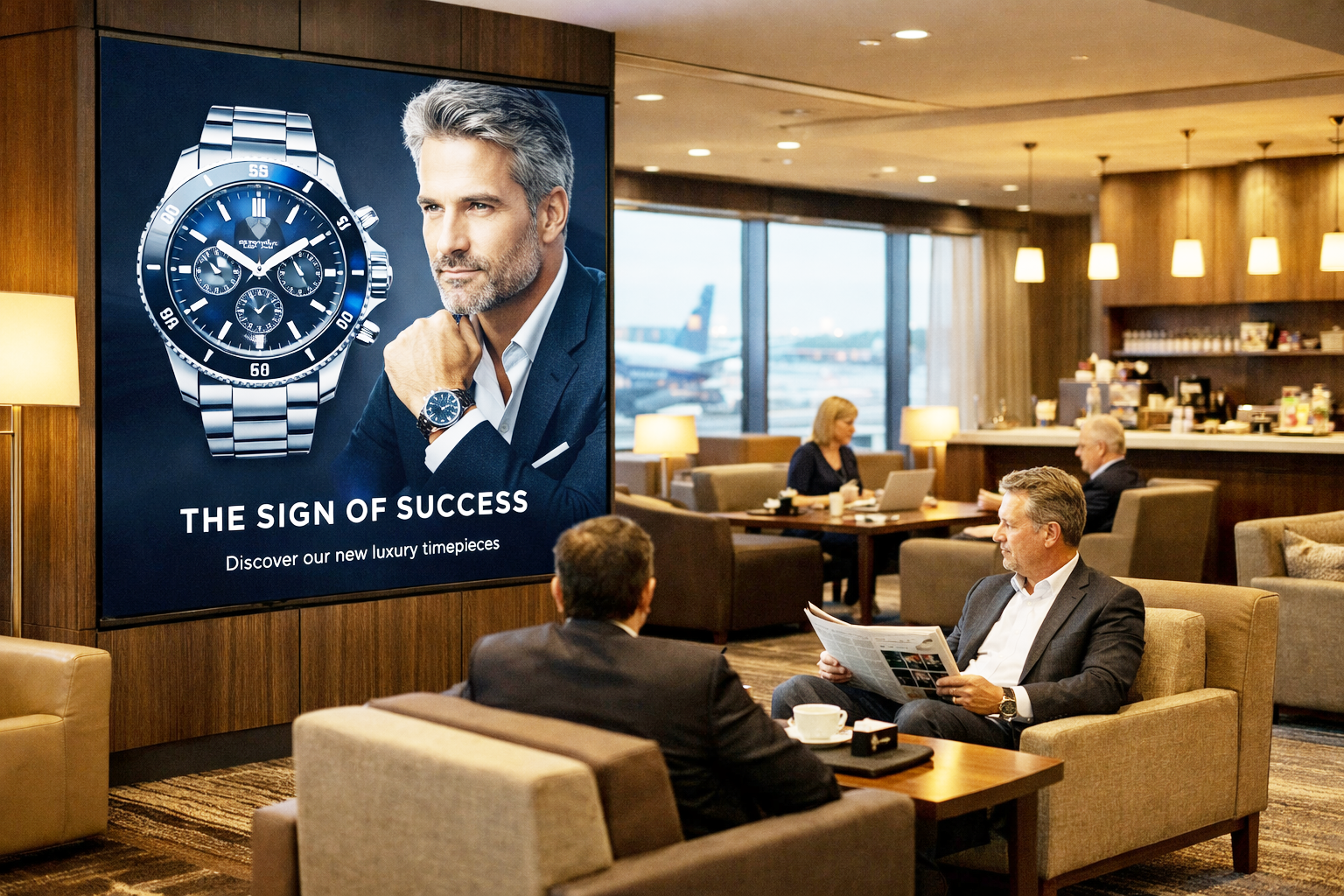
Poor Placement and Delays Affect Airport Campaigns
We help you move faster, access better inventory, and get it right now.
Talk to an ExpertFinal Strategic Verdict
Lord Howe Island Airport is the most legally validated and the most ecologically authenticated Ultra HNWI advertising environment in Australia — the gateway to the world's only inhabited island whose visitor numbers are capped by a parliamentary Act of law at 400 persons, whose UNESCO World Heritage inscription of 1982 is one of the most ecologically substantiated in the Pacific, whose Lord Howe Island Woodhen recovery from the brink of extinction is the most personally inspiring conservation success story in the Australian ecological heritage, and whose Lord Howe Island Phasmid recovery — from rediscovery on the world's tallest sea stack to comprehensive island rat eradication to progressive reintroduction — is the most technically extraordinary and the most personally extraordinary conservation narrative in the Southern Hemisphere. Its 50,000 annual passengers have all been specifically permitted to enter this legally protected natural heritage island by the Lord Howe Island Board acting under parliamentary authority, and every one of them carries a personal ecological conviction whose depth and authenticity has been confirmed by direct encounter with the conservation outcomes that 40 years of consistent community, scientific, and governmental commitment have produced on this extraordinary island.
For Australian endemic species recovery philanthropists, UNESCO natural heritage conservation funders, Kentia Palm botanical heritage luxury brands, Capella Lodge conservation hospitality advertisers, Australian ecological education programme operators, and premium conservation estate wine and natural product producers, LDH is not one Australian island advertising option among several — it is the only airport in the Southern Hemisphere where the access restriction mechanism is an Act of Parliament, where the conservation success story is personally witnessed by every departing passenger, and where the ecological authenticity of the advertising environment is guaranteed in perpetuity by the force of Australian law and the extraordinary natural heritage of the most legally protected inhabited island in the world. Masscom Global is the partner with the Australian conservation ecological intelligence, the endemic species recovery narrative expertise, the UNESCO natural heritage brand sensitivity, and the specifically Lord Howe Island botanical and faunal knowledge to place brands at Australia's most legally protected island gateway in a manner worthy of the Woodhen walking confidently along a predator-free track that took 40 years of conservation science to create.
About Masscom Global
Masscom Global is a premium international airport advertising and media buying agency operating across 140 countries. With deep expertise in airport OOH, premium publications, and high-net-worth audience targeting, Masscom helps brands reach the world's most valuable travellers at the moments that matter most. For advertising packages, media rates, and campaign planning at Lord Howe Island Airport and airports across the globe, contact Masscom Global today.
Frequently Asked Questions
How much does airport advertising cost at Lord Howe Island Airport? Advertising at LDH is priced to reflect the most legally validated and the most ecologically authenticated Ultra HNWI audience pre-qualification mechanism of any Australian island airport — a statutory 400-visitor cap imposed by parliamentary legislation whose enforcement ensures that every LDH passenger has been specifically cleared by the Lord Howe Island Board to enter the most legally protected inhabited island in the Tasman Sea. Inventory is the most limited of any Australian domestic island airport, and the competition for Christmas and school holiday period advertising placements — matching the passenger booking competition for the island's limited accommodation — reflects the most commercially extraordinary demand-supply imbalance at any Australian regional airport. Contact Masscom Global for current inventory availability, seasonal pricing, and campaign planning calibrated to the specific ecological and conservation authenticity standards that advertising at Australia's most legally protected island airport requires.
Who are the passengers at Lord Howe Island Airport? Every LDH passenger has been specifically permitted to enter Lord Howe Island under the statutory 400-visitor cap — a legislative access restriction that means the island's visitor community at any time has been pre-selected by a regulatory process of extraordinary ecological authority. The dominant audience is Australian domestic ultra-HNWIs — Sydney and Melbourne families whose Christmas and school holiday visits represent the most personally anticipated and the most competed-for domestic leisure experience in the eastern seaboard travel market; Capella Lodge ultra-luxury boutique guests whose ecological and conservation commitment deepens their relationship with the island across multiple visits; conservation researchers and endemic species biologists whose professional engagement with the Woodhen, the Phasmid, and the island's marine ecology creates the most ecologically authoritative professional audience at any Australian island airport; and the growing community of Australian ecological heritage tourists whose domestic travel portfolio specifically prioritises UNESCO World Heritage sites and legally protected natural areas.
Is Lord Howe Island Airport good for luxury brand advertising? LDH is exceptional for the specific and narrow category of luxury brands whose ecological credentials are genuine, whose Australian natural heritage connection is authentic, and whose commercial proposition reflects the same commitment to conservation authenticity over commercial accessibility that the Lord Howe Island Act itself embodies. The airport's Ultra HNWI score reflects a passenger community whose personal ecological knowledge — acquired through direct encounter with the Woodhen, the world's southernmost coral reef, and the Mount Gower cloud forest — is the most rigorous authentication benchmark for conservation brand claims of any Australian domestic island airport audience. Brands with genuine Australian endemic species, UNESCO natural heritage, botanical heritage, or marine conservation credentials will find LDH the most values-authentically-aligned and the most personally conservation-knowledge-invested ultra-HNWI audience in Australia. Brands without these credentials will find an audience whose ecological expertise makes inauthenticity not merely commercially ineffective but personally and memorably apparent.
What is the best airport in New South Wales and the Pacific islands for ultra-HNWI conservation audiences? Lord Howe Island Airport (LDH) is the most legally validated and the most ecologically authenticated ultra-HNWI conservation audience airport in New South Wales and the Tasman Sea — the only Australian island airport whose access restriction is a parliamentary Act rather than a commercial filter. Hamilton Island Airport (HTI) provides the broader Australian private island ultra-HNWI reach with a larger volume and a Great Barrier Reef conservation dimension of comparable ecological authority. For the most specifically conservation-conviction-activated and the most legally pre-qualified Australian ultra-HNWI audience in the Pacific, LDH is the definitive single-airport investment. Masscom Global advises on the optimal Australian island conservation advertising strategy for brands seeking to activate across the full LDH-HTI ultra-HNWI ecological circuit.
What is the best time to advertise at Lord Howe Island Airport? The Christmas and summer school holiday peak from mid-December through January is the most competed-for access window and the most family-conservation-character audience of the LDH annual calendar; the most personally anticipated domestic leisure experience in the eastern seaboard travel market creates the most emotionally significant conservation leisure arrival and departure state of the year. The spring ornithological season from October through November is the most ecologically expert birding and conservation science audience window — ideal for endemic species recovery philanthropy and ecological education programme advertising. The Kentia Palm harvest season in March and April creates a specific botanical heritage advertising window of unique commercial relevance. Masscom advises summer peak season investment as the primary audience volume foundation with spring ornithological season intensification for conservation philanthropy categories.
Can conservation organisations and endemic species recovery programmes advertise at Lord Howe Island Airport? LDH is the most conservation-success-activated and the most personally motivated conservation philanthropy advertising channel in Australia. The departing LDH passenger who has just encountered a Lord Howe Island Woodhen walking confidently along a predator-free track — knowing that this animal's species was reduced to fewer than 30 individuals before the conservation programme that restored the population — carries a conservation giving conviction whose personal immediacy and emotional specificity make them the most motivated and the most recently conservation-success-witnessed donor community at any Australian island airport. The Lord Howe Island Board's conservation fund, the Melbourne Zoo's Phasmid recovery programme, Bush Heritage Australia's island conservation investments, and the Australian Wildlife Conservancy's predator-free island programme will all find LDH's departure audience the most personally activated and the most conservation-outcome-evidenced giving community in the Southern Hemisphere.
Which brands should not advertise at Lord Howe Island Airport? Any brand whose conservation claims are not operationally genuine, any mass-market consumer goods brand, any conventional resort leisure operator whose commercial proposition is incompatible with the ecological protection that the island's parliamentary visitor cap represents, and any brand whose commercial communication lacks genuine knowledge of the Lord Howe Island Woodhen, the Phasmid, the world's southernmost coral reef, or the Kentia Palm's unique botanical heritage will find LDH both commercially futile and reputationally risky before an audience whose personal ecological knowledge has been most recently confirmed by the most legally protected and the most ecologically extraordinary natural heritage experience in the Australian domestic travel market.
How does Masscom Global help brands advertise at Lord Howe Island Airport? Masscom Global delivers full-service airport advertising capability at LDH with the Australian conservation ecological creative intelligence, endemic species recovery narrative expertise, Woodhen and Phasmid conservation story knowledge, UNESCO natural heritage brand sensitivity, Kentia Palm botanical heritage precision, and statutory visitor cap audience understanding that advertising to the most legally pre-qualified and the most personally conservation-success-witnessed ultra-HNWI audience in Australia demands. From endemic species recovery philanthropy campaign strategy and ecological season timing through Capella Lodge boutique hospitality adjacency, Kentia Palm botanical heritage brand positioning, summer holiday family conservation education creative, and post-campaign analysis calibrated to the most ecologically specific and the most legally authenticated conservation audience dynamics of any Australian domestic island airport, Masscom ensures that campaigns at LDH are structured with the genuine Australian ecological authority, the personal conservation narrative respect, and the endemic species knowledge that the passenger who has just watched a Woodhen walk fearlessly past their bicycle on a Lord Howe Island track — knowing what it cost to make that fearlessness possible — will recognise as genuinely worthy of the extraordinary island whose parliamentary protection has made that fearlessness the most personally inspiring conservation success story in the Southern Hemisphere. To begin planning your campaign at Lord Howe Island Airport, contact Masscom Global today.