

Airport at a Glance
| Field | Detail |
|---|---|
| Airport | Harry Reid International Airport |
| IATA Code | LAS |
| Country | United States of America |
| City | Las Vegas, Nevada |
| Annual Passengers | 58.45 million (2024, all-time record) |
| Primary Audience | Convention delegates, premium leisure and entertainment tourists, UK and Korean high-spending visitors, sports and events audiences |
| Peak Advertising Season | January (CES), March (Spring Break/NCAA), October (F1 prep), November (F1 Grand Prix, SEMA), December (holiday events) |
| Audience Tier | Tier 1 |
| Best Fit Categories | Luxury Goods, Premium Automotive, Financial Services, Consumer Electronics, International Real Estate |
Harry Reid International Airport set an all-time record of 58.45 million passengers in 2024, an increase of 1.4% over the previous year's record — which itself had beaten the record before it. Eight of twelve months in 2024 set new individual monthly records. International arrivals surged 13.6% year-on-year, with new routes connecting Las Vegas to Dublin, Manchester, London, Seoul, Ottawa, Montreal, and Tijuana added during the year alone. The 5th busiest airport globally by aircraft operations with 614,000 movements in 2024, LAS is the engine of a tourism economy worth USD 87.7 billion annually to Southern Nevada — an economy that represents approximately 37% of Nevada's entire GDP and sustains roughly one in four jobs in Clark County.
What distinguishes LAS as the most commercially concentrated leisure advertising environment in the American West is the nature of its audience. Las Vegas is not a city people visit casually. Every arrival at LAS is a commitment: to premium hotel accommodation, to entertainment spending, to dining at Michelin-starred restaurants, to convention budgets averaging USD 1,681 per trip, to tickets for F1 races, championship boxing, NBA All-Star events, and concerts in a USD 2.3 billion spherical venue unlike anything else on earth. The traveller at LAS is not on their way somewhere — they are here, and they have already decided to spend.


Advertising Value Snapshot
- Passenger scale: 58.45 million in 2024 (all-time record); 8th busiest US airport, 19th globally; 614,000 aircraft operations (record); international arrivals up 13.6% year-on-year
- Traveller type: Convention delegates spending USD 1,681 per trip, premium leisure tourists, UK and Korean high-spending international visitors, F1 Paddock Club and Grand Prix audiences, Super Bowl and major sports event attendees, high-net-worth gaming and entertainment tourists
- Airport classification: Tier 1 — one of only two top-10 US airports that is a non-hub destination mega-airport, with 91% origin-and-destination traffic; every passenger is arriving in Las Vegas intentionally, with a budget
- Commercial positioning: The sole international gateway of the world's convention capital, entertainment capital, and premium sports event capital — a city where even the airport has 1,500 slot machines installed, and where the average visitor spends USD 1,262 on leisure or USD 1,681 on convention travel
- Wealth corridor signal: LAS sits at the intersection of the world's most commercially concentrated entertainment economy, a USD 10.1 billion annual convention and MICE sector, and a growing roster of premium sporting and entertainment events that collectively attract the highest-spending discretionary traveller class in the US
- Advertising opportunity: Masscom Global provides brands with access to LAS's full terminal advertising ecosystem — reaching departing and arriving travellers at the moment of peak consumer activation in one of the most spending-primed passenger environments in American aviation.
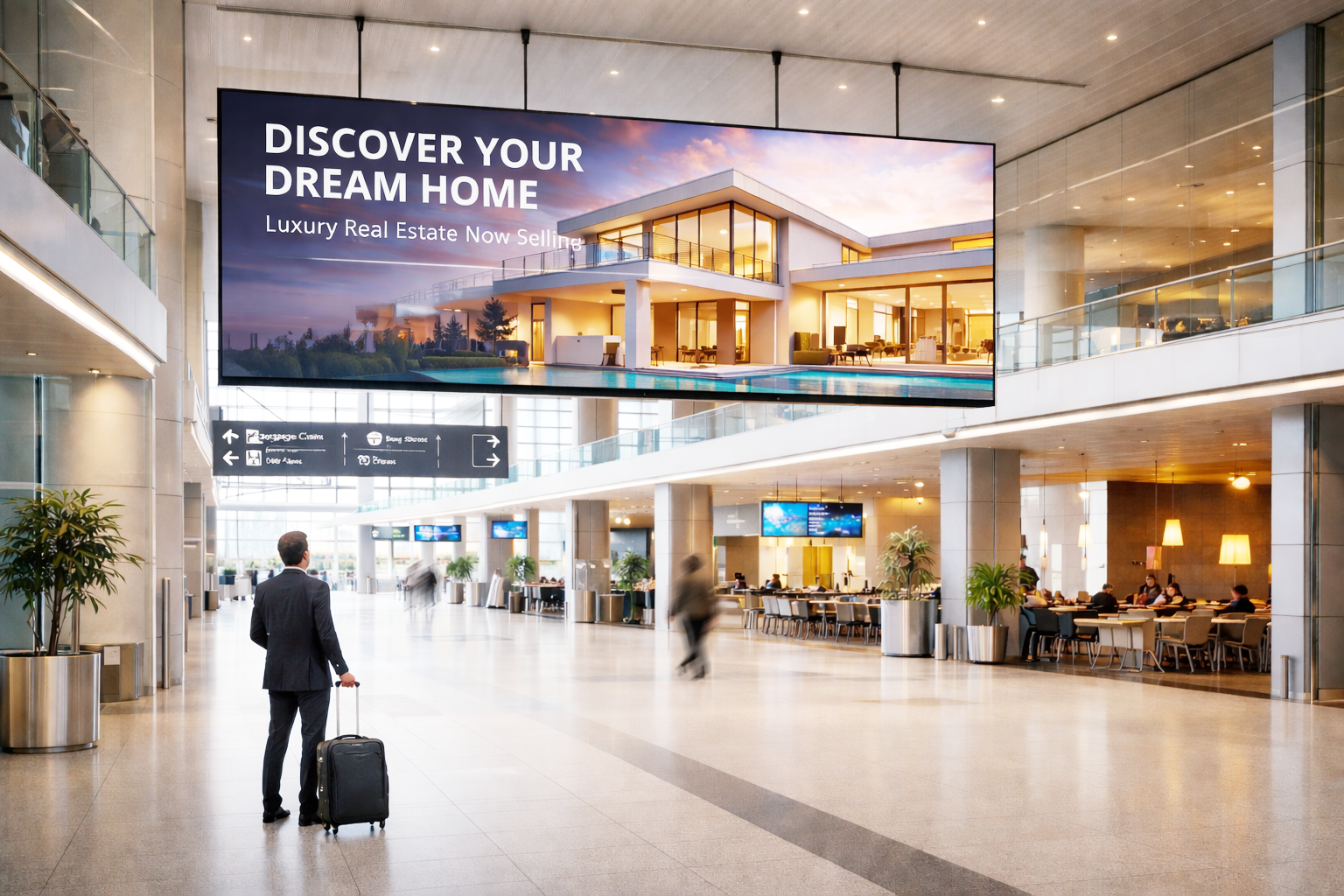
Airport Advertising is Complex to Get Right
We help you execute faster, with proven results and local insight most planners lack starting now.
Talk to an ExpertCatchment Area and Economic Drivers
Top 10 Cities within 150 km — Marketer Intelligence
- Las Vegas city proper (~650,000 residents; 2.4 million metro): The sole major urban centre of Southern Nevada, whose resident base — hospitality professionals, entertainment workers, gaming industry executives, and a growing technology and logistics sector — uses LAS for both leisure and business travel while simultaneously hosting the 41.7 million annual visitors who constitute the airport's primary commercial audience
- Henderson (~330,000, ~20 km southeast): Nevada's second-largest city, housing a significant concentration of gaming industry executives, resort management professionals, and the growing corporate headquarters of companies drawn by Nevada's zero state income tax — its affluent residential community drives consistent premium leisure outbound travel on LAS's UK and European corridors
- North Las Vegas (~275,000, adjacent north): An expanding industrial and logistics hub hosting major distribution centres for Amazon, FedEx, and manufacturing operations, whose workforce management and corporate professional community uses LAS regularly for domestic business travel
- Summerlin (~100,000+, western Las Vegas Valley): One of the wealthiest master-planned communities in the United States, home to senior gaming executives, wealth managers, entertainers, and the Las Vegas Ballpark — its ultra-HNWI residential base constitutes LAS's highest-income originating catchment audience, travelling internationally on British Airways, Virgin Atlantic, and Korean Air corridors
- Boulder City (~16,000, ~40 km southeast): The gateway to Hoover Dam and Lake Mead National Recreation Area, generating outdoor tourism inflows through LAS as a secondary entry point for visitors combining casino resort stays with natural attractions
- Pahrump (~42,000, ~95 km west): A growing exurban community attracting Nevada residents seeking lower housing costs while maintaining Las Vegas employment access — its casino resort and agricultural community uses LAS for interstate leisure and family travel
- Laughlin (~8,000, ~140 km south on the Colorado River): A casino resort destination serving a distinct regional market of Arizonans and Southern Californians, whose visitor management professionals and resort executives travel through LAS for industry meetings and international conferences
- Mesquite (~21,000, ~130 km northeast on the Utah border): A growing resort town drawing golfers and leisure visitors from Utah and Nevada who connect internationally through LAS — its hospitality management class and affluent seasonal residents from Utah generate consistent LAS outbound travel
- Primm (~1,000, ~65 km south at the California border): The first gambling experience encountered by California road visitors and a resort services hub for the Southern Nevada-California corridor — its casino workers and managers use LAS for regional and international travel
- Kingman, Arizona (~32,000, ~160 km south): The commercial centre of Mohave County and a logistics and manufacturing hub on I-40, whose business community depends on LAS as the closest major international airport, adding a tristate Arizona, Nevada, and California exurban catchment to the airport's originating audience
NRI and Diaspora Intelligence
Las Vegas's diaspora and international community profile is defined by the entertainment industry's global talent draw and the city's position as the top international destination for specific nationality markets. The Filipino-American community is the largest Asian diaspora group in Las Vegas, concentrated in the hospitality and healthcare sectors, and generates consistent Pacific Rim travel through LAS particularly via Korean Air's Seoul connections and transit routes to Manila. The Mexican-American community, served by Aeromexico, Viva, and Volaris, is one of the fastest-growing demographic groups in Southern Nevada and drives significant cross-border leisure and family travel through LAS. The Korean-American community, whose members work extensively in Las Vegas's gaming and hospitality sectors, drives demand on Korean Air's daily Seoul service — a route that also carries Korean entertainment fans for artist residency concerts and F1 grandstand events. The Canadian community — the largest single foreign nationality visiting Las Vegas — constitutes both a diaspora element through Vegas-based Canadian hospitality and entertainment workers and a consistent high-volume leisure tourism inflow through Air Canada, WestJet, Porter, and Flair.
Economic Importance
Las Vegas is the United States' most complete single-purpose tourism economy. Unlike Atlanta (Fortune 500 anchored), Orlando (theme park driven), or Washington DC (government dependent), Las Vegas has engineered an economy where every economic layer — gaming, hospitality, entertainment, conventions, retail, dining, transportation — exists to extract maximum value from every visitor arrival. The result is one of the highest GDP-per-visitor economies of any US metro, with USD 87.7 billion in total tourism economic output generated by 41.7 million annual visitors in 2024. The convention and meetings sector is commercially distinct: six million convention delegates arrived in 2024, spending an average of USD 1,681 per trip and generating USD 10.1 billion in direct spending. The gaming sector alone generated a record USD 15.76 billion in Nevada gross gaming revenue in fiscal year 2024, with the Strip contributing a record USD 9.1 billion. For advertisers, this is the only major US city where the entire urban economy is an advertising environment — every hotel, casino, restaurant, and entertainment venue is competing for the same dollars, and the airport is the first and last touchpoint for every participant in that competition.
Business and Industrial Ecosystem
- Convention and MICE industry: The Las Vegas Convention Center — currently undergoing a USD 600 million renovation — is one of the five largest convention facilities in the United States, hosting CES (150,000-plus attendees in January), NAB Show (April), SEMA (November), and hundreds of additional major industry gatherings annually, generating a convention delegate audience at LAS whose per-trip spending of USD 1,681 is 33% higher than the leisure visitor and represents the airport's single highest-value commercial audience
- Gaming and hospitality industry: The US and global gaming industry — slot machine manufacturers, gaming software developers, casino technology providers, and gaming regulatory consultants — has its operational nerve centre in Las Vegas, with executives and professionals travelling through LAS to industry events, investor roadshows, and regulatory engagements worldwide
- Entertainment and live event production: Las Vegas has become the premium entertainment production capital of the United States, with the Sphere (USD 2.3 billion, opened 2023), Allegiant Stadium, T-Mobile Arena, and MGM Grand Garden Arena collectively hosting the world's most commercially significant entertainment and sports events — their production companies, talent agencies, and event management firms constitute a mobile, globally connected professional audience at LAS
- Technology sector: Nevada's zero state income tax and Las Vegas's growth have attracted major technology operations, with data centres, fintech firms, and technology companies increasingly establishing Nevada corporate headquarters near Las Vegas — a growing tech professional community that travels through LAS for Silicon Valley, Austin, and international technology conferences
Passenger Intent — Business Segment: The Las Vegas business traveller is defined by the convention experience. Arriving convention delegates have committed to multi-day stays, registration fees, premium hotel rates, and entertainment packages that total USD 1,681 per trip — more than USD 400 above the leisure visitor average. They are attending CES (the world's largest technology trade show), SEMA (the global automotive aftermarket event), NAB Show (broadcast media and technology), and dozens of other industry-defining gatherings. At the airport, they are in purchase mode for their industry's premium products, immediately receptive to technology, automotive, financial, and professional services brand messaging.
Strategic Insight: LAS's convention audience represents the highest value B2B and premium consumer advertising target at any leisure-destination airport in the United States. A CES delegate in January is simultaneously a technology industry decision-maker and a Las Vegas leisure spender — combining the institutional purchasing authority of a corporate professional with the emotional activation of a premium vacation consumer. This dual identity makes the LAS convention-window advertising environment uniquely commercially potent and exploited by fewer advertisers than the audience's scale and spending power warrant.
Tourism and Premium Travel Drivers
- The Las Vegas Strip and casino resort ecosystem: The 4.2-mile stretch of Las Vegas Boulevard hosting Wynn, Bellagio, MGM Grand, Caesars Palace, The Venetian, Aria, and Allegiant Stadium — collectively representing over USD 50 billion in resort infrastructure and 150,000-plus hotel rooms — is the world's most concentrated premium hospitality and entertainment environment, generating an arriving audience at LAS that has pre-committed to premium accommodation, dining, and entertainment budgets far above any comparable US destination
- The Sphere (opened September 2023): The world's largest spherical structure at USD 2.3 billion, hosting immersive concert residencies, F1 zone entertainment, and experiences available nowhere else on earth — its arrival has triggered a new category of "destination concert" travel that draws premium audiences from the UK, Australia, Canada, and across the US specifically to Las Vegas for Sphere experiences
- Formula 1 Las Vegas Grand Prix (November, annually): One of the three premium Formula 1 street circuit events globally, run at night down the Las Vegas Strip with Paddock Club hospitality at USD 15,000-plus per package — the race draws 170,000-plus ultra-HNWI motorsport fans annually from the UK, Europe, Asia, and Australia, generating the single highest spending-per-visitor event in Las Vegas's calendar year
- Major boxing, MMA, and sports events: Allegiant Stadium (home of the Las Vegas Raiders NFL franchise), T-Mobile Arena, and the MGM Grand Garden collectively host 10-plus world championship boxing and UFC events annually, drawing a high-spending domestic and international sports fan audience through LAS on multiple concentrated event weekends throughout the year
Passenger Intent — Tourism Segment: The Las Vegas leisure tourist has a spending intent profile unlike any other major US destination. Unlike Orlando's family theme park visitor, Las Vegas attracts a predominantly adult audience (average visitor age in the mid-40s) with high disposable income, a cultural predisposition toward premium consumption, and the specific intention to spend on experiences, dining, entertainment, and gaming at a level that is entirely voluntary and emotionally activated. The average leisure visitor spends USD 1,262 per trip; the high-roller and premium casino segment spends multiples of this. Arriving at LAS, this audience is at its annual peak of spending intent — and departing, it is at its peak of brand memory and future-booking consideration.
Travel Patterns and Seasonality
Peak seasons:
- January (CES): The world's largest consumer technology trade show brings 150,000-plus delegates and industry professionals to Las Vegas in the second week of January, making it LAS's most commercially concentrated B2B advertising window of the year and a premium technology brand platform with no equivalent in US aviation
- March through early April (Spring Break and NCAA): A sustained leisure traffic peak driven by university spring recess and NCAA March Madness sports betting and viewing events — a younger, digitally active, sports-engaged consumer audience at maximum entertainment spending intent
- May through August (summer entertainment season): The Strip's hotel residency season peaks with summer concert programming, international leisure visitors from Canada, UK, Australia, and South Korea arriving for residencies and resort experiences, and the premium family leisure segment beginning to overlap with traditional Vegas demographics
- October through November (F1, SEMA, and major events): October is historically LAS's second-highest month on record, driven by pre-F1 tourism, SEMA's 160,000-plus automotive aftermarket professionals, and the cumulative build toward the November Grand Prix weekend — the most concentrated premium sports audience LAS receives all year
Event-Driven Movement
- CES — Consumer Electronics Show (January, Las Vegas Convention Center): The world's most commercially significant technology trade exhibition, drawing 150,000-plus technology executives, media professionals, investors, and product launches from over 160 countries through LAS in a single week — the highest concentration of technology industry decision-makers at any US airport advertising window, with premium brand receptivity for automotive technology, consumer electronics, and enterprise software at its annual peak
- Formula 1 Las Vegas Grand Prix (November, Las Vegas Strip Circuit): The third running of Las Vegas's annual F1 night race on the Strip, drawing 170,000-plus ultraPremium international motorsport fans — the Paddock Club audience, which includes billionaires, celebrities, and senior corporate executives from the UK, continental Europe, Korea, Australia, and Japan, is the highest-income single-event audience at LAS in any given year and arguably the most commercially concentrated HNWI event window at any US airport
- Super Bowl (as hosted, most recently February 2024): Super Bowl LVIII drew 325,000 additional visitors to Las Vegas — the first Super Bowl held in Nevada — generating the highest single-month international arrival increase in the airport's history and producing a premium sports tourism audience spending at extraordinary per-trip levels
- SEMA Show (November, Las Vegas Convention Center): The world's largest automotive aftermarket trade show, drawing 160,000-plus industry professionals from 160 countries — the most concentrated automotive aftermarket and specialty vehicle executive audience at LAS in the calendar year, making November the single most valuable month for automotive brand advertising at the airport
- NAB Show (April, Las Vegas Convention Center): The global broadcast, media, and entertainment technology trade exhibition drawing 90,000-plus media industry professionals — a B2B technology and media sector audience whose per-trip spending and brand engagement levels align with the convention segment's USD 1,681 average and who are highly receptive to premium professional services, technology, and luxury goods brand messaging
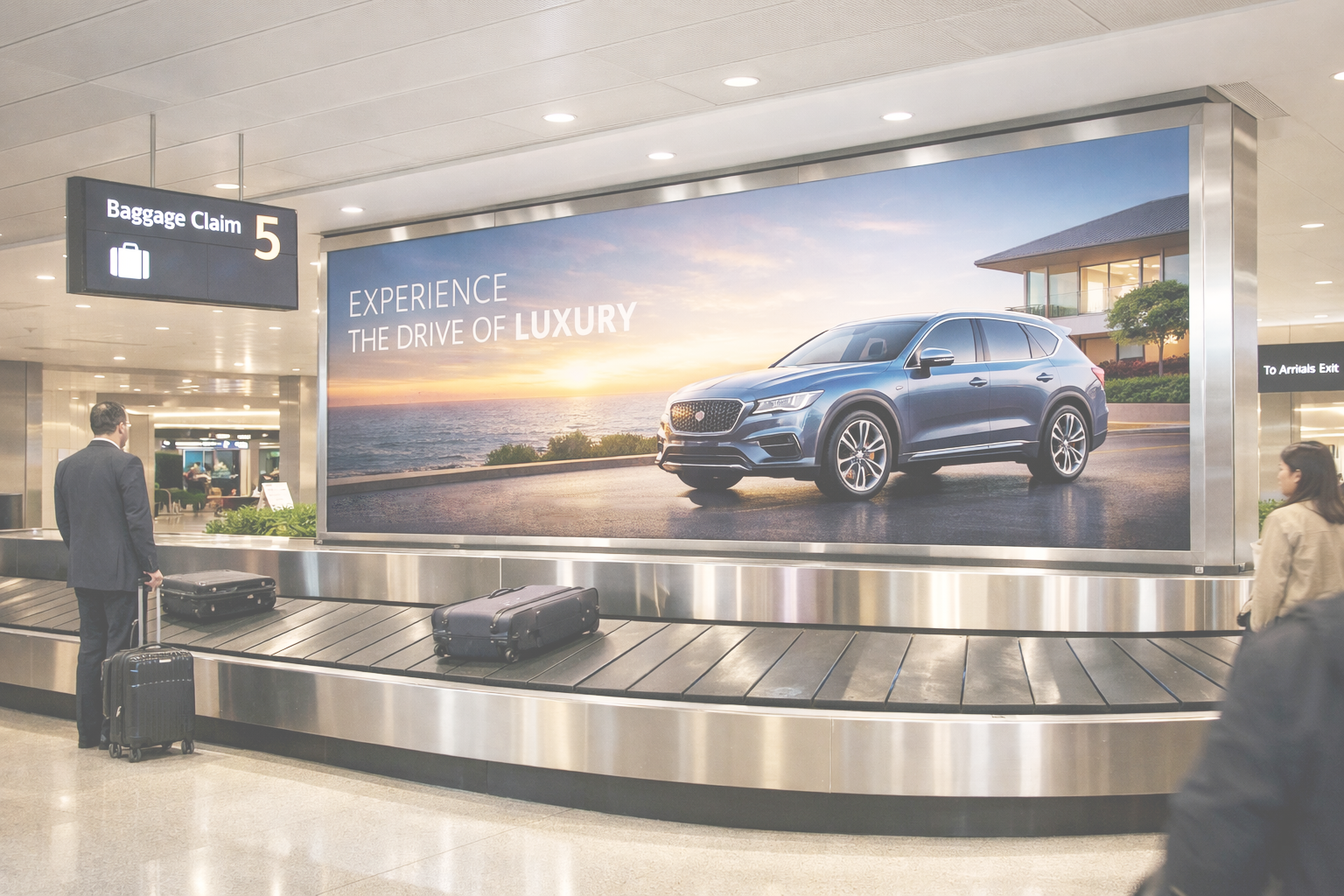
It’s Not Just Where You Advertise - It’s How Fast You Execute
We combine local insight with fast rollout to deliver results for you, now.
Talk to an ExpertAudience and Cultural Intelligence
Top 2 Languages
- English: The universal language of LAS's overwhelmingly American-origin domestic audience and the primary language of the UK and Canadian international market — the world's most brand-engaged premium leisure consumer base, defined by an entertainment-first, experience-premium spending culture that makes Las Vegas the voluntary showcase for the most aspirational consumption habits in the American market
- Spanish: The second language of Las Vegas's large Mexican-American resident community and the dominant language of LAS's Mexican international visitor market, served by Aeromexico, Viva, and Volaris — a commercially active leisure and diaspora audience whose spending patterns in Las Vegas's entertainment economy are well above the national US Hispanic average, driven by the premium brand aspiration that Las Vegas's marketing ecosystem deliberately cultivates
Major Traveller Nationalities
American nationals are the dominant passenger group by a significant margin — 93% of all LAS traffic is domestic, making the American leisure tourist the core commercial audience. Within the international 7%, Canadian nationals are by far the largest foreign group, arriving on WestJet's seven Canadian city connections, Air Canada's Toronto-Vancouver-Montreal services, Porter, and Flair — a well-documented high-spending audience whose Las Vegas casino resort culture is deeply embedded and whose shopping expenditure on the Strip is consistently above the overall visitor average. British nationals are the second most significant international group, arriving on British Airways' daily London Heathrow service, Virgin Atlantic's London Heathrow and Manchester routes, and Norse Atlantic's London Gatwick connections — a premium entertainment and casino audience with strong brand loyalty to Las Vegas across generational demographics. South Korean nationals travel on Korean Air's daily Seoul service, representing a growing, high-spending Asian market whose appetite for Las Vegas entertainment, luxury shopping, and gaming is structurally expanding. Mexican nationals arrive on multiple operators for both leisure and family visits. Australian nationals are a growing market following Qantas's inaugural Sydney-Las Vegas direct service launched in December 2025 — the first-ever direct Australia-Las Vegas connection.
Religion — Advertiser Intelligence
- Christianity (approximately 65%): The dominant faith of LAS's overwhelmingly domestic American audience — the Christmas and New Year holiday period is LAS's single largest event window, producing the highest consecutive-day passenger volumes of the year in December and early January. Las Vegas's New Year's Eve fireworks display is one of the most globally broadcast entertainment events of the year, drawing premium leisure visitors from across the US and internationally who arrive through LAS in the final week of December at their annual peak of spending on entertainment, dining, and luxury experiences.
- Catholicism and broader Latin tradition (approximately 15%): Mexico's Catholic festival calendar, combined with the large Mexican-American community in Southern Nevada, generates Easter, Día de los Muertos, and Christmas travel windows on the LAS-Mexico corridors — commercially relevant for FMCG, gifting, and consumer lifestyle brands targeting this culturally distinct, high-loyalty spending segment.
- Judaism (approximately 4-5%): Las Vegas's Nevada and California Jewish communities generate consistent Passover and High Holy Day travel through LAS — the Passover window in March-April overlaps with Spring Break and represents a combined leisure-religious audience with above-average per-trip spending and strong luxury brand engagement.
Behavioral Insight: The LAS traveller exhibits the most deliberately uninhibited consumer behaviour in American aviation. Las Vegas has been purpose-designed to dissolve spending resistance — no clocks in casinos, permanent buffet availability, a 24-hour entertainment cycle, and a cultural permission structure that explicitly licenses extraordinary spending as the expected norm. Passengers arriving at LAS have mentally given themselves permission to spend at levels they would not elsewhere. Passengers departing have just spent those levels and are, in a unique consumer psychology moment, evaluating their experience against its cost and recalibrating their aspirational lifestyle benchmarks upward. Both states produce above-average receptivity to brand advertising — particularly for luxury goods, premium automotive, aspirational lifestyle products, and financial services brands that frame wealth as achievable and desirable.
Outbound Wealth and Investment Intelligence
Las Vegas's outbound HNWI audience is shaped by the intersection of gaming industry wealth, Nevada's zero state income tax environment (which has made Las Vegas a preferred relocation destination for wealthy individuals from California), and the entertainment industry's increasingly permanent Las Vegas footprint. The resulting outbound investor class deploys capital into coastal real estate, international luxury property, and second-home markets at rates that significantly exceed the US national average.
Outbound Real Estate Investment: The UK and Ireland are the primary European real estate markets for Las Vegas's HNWI audience, supported by direct British Airways and Aer Lingus connectivity. Mexico's Pacific resort coast — particularly Los Cabos, which is accessible on LAS's multiple Mexico services — is the dominant second-home market for Vegas-based wealth. The Caribbean, served via connecting routes through Los Angeles and Dallas, attracts Las Vegas casino executives and entertainment industry principals for island property investment. The growing Australian market, now connected via Qantas's direct Sydney service, signals a reciprocal investment corridor in both directions that real estate developers from Australia and the Pacific can directly activate at LAS.
Outbound Education Investment: Las Vegas's rapid population growth has brought an influx of California and Northeast US professional families who maintain education standards that drive their children toward UK universities, California schools, and East Coast Ivy League programmes. The Korean and Asian professional community in Las Vegas sends children to Seoul and Singapore for portions of their education. International education consultancies targeting the rapidly growing Las Vegas professional and tech sector find an expanding, aspirationally oriented family audience at LAS.
Outbound Wealth Migration and Residency: Nevada's zero state income tax has already made Las Vegas a primary internal US wealth migration destination — drawing high-income Californians, New Yorkers, and Texans annually. Internationally, the UAE Golden Visa, Portuguese NHR tax regime, and Caribbean citizenship-by-investment programmes attract Las Vegas's entertainment-industry wealth class seeking international asset diversification. The entertainment industry's global talent pool — musicians, athletes, and celebrities who have adopted Las Vegas as their primary residence — generates a consistent ultra-HNWI outbound travel audience on LAS's UK, European, and Pacific corridors.
Strategic Implication for Advertisers: LAS's dual commercial identity — the world's greatest voluntary spending economy meeting a rapidly growing HNWI resident base — creates two simultaneous advertising opportunities. Inbound: reaching arriving visitors at peak spending activation for consumer brands, luxury goods, automotive, and financial services brands. Outbound: reaching departing Las Vegas residents and Nevada-based HNWI professionals for international real estate, wealth management, and premium lifestyle brands. Masscom Global structures campaigns at LAS to activate both directions, positioning brands at both the arrival moment of maximum consumer intent and the departure moment of maximum brand consideration.
Airport Infrastructure and Premium Indicators
Terminals:
- Terminal 1: The primary domestic terminal, serving Southwest Airlines and all major domestic carriers — the highest-volume passenger environment at LAS, handling the domestic leisure and convention audience across five concourses connected by an automated people mover
- Terminal 3 (opened 2012): The international and premium domestic terminal, home to British Airways, Virgin Atlantic, Korean Air, Air France, KLM, Aer Lingus, and additional foreign-flag carriers, as well as Delta, United, JetBlue, and Spirit — a purpose-built international arrivals environment with dedicated customs and immigration processing for the UK, Korean, Canadian, and European premium leisure audience
- Automated People Mover: Connecting terminals and concourses, the people mover creates an extended dwell-time advertising corridor that every passenger traverses multiple times per journey — one of the highest-frequency brand exposure environments in LAS's physical layout
Premium Indicators:
- British Airways, Virgin Atlantic, and Korean Air all operate long-haul widebody aircraft (Boeing 777, Airbus A330) on their Las Vegas routes, confirming the premium international leisure market justification for full-flat business class cabin service to this destination — a direct signal of the income level of international arrivals
- The airport's nearly 1,500 slot machines — a feature unique to LAS among major US airports — signal the commercial culture of a city where spending begins at the terminal doors; the visual and psychological normalisation of gaming from the moment of arrival establishes LAS's brand environment as the most commercially primed in US domestic aviation
- Multiple airline lounges including the United Club, Delta Sky Club, and international carrier premium lounges operate at Terminal 3, concentrating the premium cabin passengers of British Airways, Virgin Atlantic, and Korean Air in a defined, extended dwell-time environment ideal for luxury brand placements
- Qantas's inaugural Sydney direct service (December 2025) signals premium Pacific circuit status for LAS — Australia is one of the world's highest per-capita tourism spending markets and the Sydney-Las Vegas direct adds a new, high-income southern hemisphere audience to the airport's international premium mix
Forward-Looking Signal: The USD 600 million Las Vegas Convention Center renovation underway in 2025 will modernise and expand the most commercially important convention infrastructure in the United States, with direct airport flow implications as delegate volumes recover to pre-pandemic levels and beyond. The permanent establishment of the F1 Las Vegas Grand Prix as an annual November event, now with its own USD 39-acre Grand Prix Plaza facility open year-round for tourism and event activation, has created a structural demand driver that adds a guaranteed premium international sports audience to the LAS calendar every year. Qantas's Sydney direct opens the Australian and Pacific markets in a way that Las Vegas has never had direct access to before. Masscom Global advises clients to establish premium LAS advertising positions now — the convergence of Convention Center renovation completion, F1 permanence, and new Pacific route access will structurally increase the value of the airport's premium advertising inventory within 24 months.
Airline and Route Intelligence
Top Airlines: Southwest Airlines (dominant at approximately 5x the next largest carrier by departures, operating base), Delta, United, American, JetBlue, Spirit, Frontier, Alaska, Allegiant, Breeze, Avelo, Sun Country, Hawaiian — plus international: British Airways (London Heathrow year-round), Virgin Atlantic (London Heathrow year-round + Manchester seasonal), Aer Lingus (Dublin seasonal), Air France (Paris year-round), KLM (Amsterdam), Condor (Frankfurt seasonal), Discover Airlines (Frankfurt), Edelweiss (Zurich seasonal), Korean Air (Seoul daily, Boeing 777-300ER), Air Canada (Toronto, Vancouver, Montreal), WestJet (Calgary, Edmonton, Vancouver, Toronto and others — 70+ weekly Canadian flights), Porter (Toronto, Ottawa), Flair (Vancouver seasonal), Aeromexico (Mexico City, Guadalajara, Monterrey), Viva (Mexico City, Monterrey), Volaris (Guadalajara, Mexico City), Copa (Panama City), Avianca (San Salvador), Qantas (Sydney, seasonal from December 2025) — 34 airlines serving 170 destinations.
Key International Routes: London Heathrow (British Airways daily + Virgin Atlantic daily — the most commercially significant bilateral route at LAS), Manchester (Virgin Atlantic seasonal), Dublin (Aer Lingus seasonal), Paris CDG (Air France year-round), Amsterdam (KLM), Frankfurt (Condor + Discover Airlines), Zurich (Edelweiss seasonal), Seoul Incheon (Korean Air daily — the only direct Asia route at LAS, connecting the airport's most premium international cabin product to the world's most culturally brand-engaged Asian market), Toronto (Air Canada + Porter year-round), Vancouver (Air Canada + WestJet year-round), Montreal (Air Canada + Porter year-round), Calgary (WestJet year-round — highest frequency Canadian city), Edmonton (WestJet), Mexico City (Aeromexico + Viva year-round), Guadalajara (Volaris), Monterrey (Viva), Panama City (Copa), Sydney (Qantas seasonal from December 2025 — first-ever direct Australia-Las Vegas service).
Domestic Connectivity: Los Angeles, Denver, Seattle, Dallas, Chicago, and Atlanta are the top domestic routes by volume — with Southwest's dominance creating a direct connectivity mesh between Las Vegas and virtually every major US leisure feeder market at multiple daily frequencies.
Wealth Corridor Signal: LAS's international route map is a wealth map of the world's premium leisure tourism markets. The London corridor — the busiest international route and served by two premium carriers at daily frequency — carries the UK's premium entertainment travel audience, which has the highest Las Vegas per-trip spending of any European nationality. Korean Air's Seoul service carries the Korean premium market's appetite for Las Vegas luxury gaming and entertainment. Air France's Paris route carries European cultural tourists and the French luxury consumer audience. Qantas's Sydney service opens the Australian market, which historically ranks among the highest per-capita Las Vegas spending nationalities. The Canadian routes carry the single largest foreign visitor group by volume, whose casino resort loyalty and Strip spending make them the most commercially consistent international audience at LAS all year.
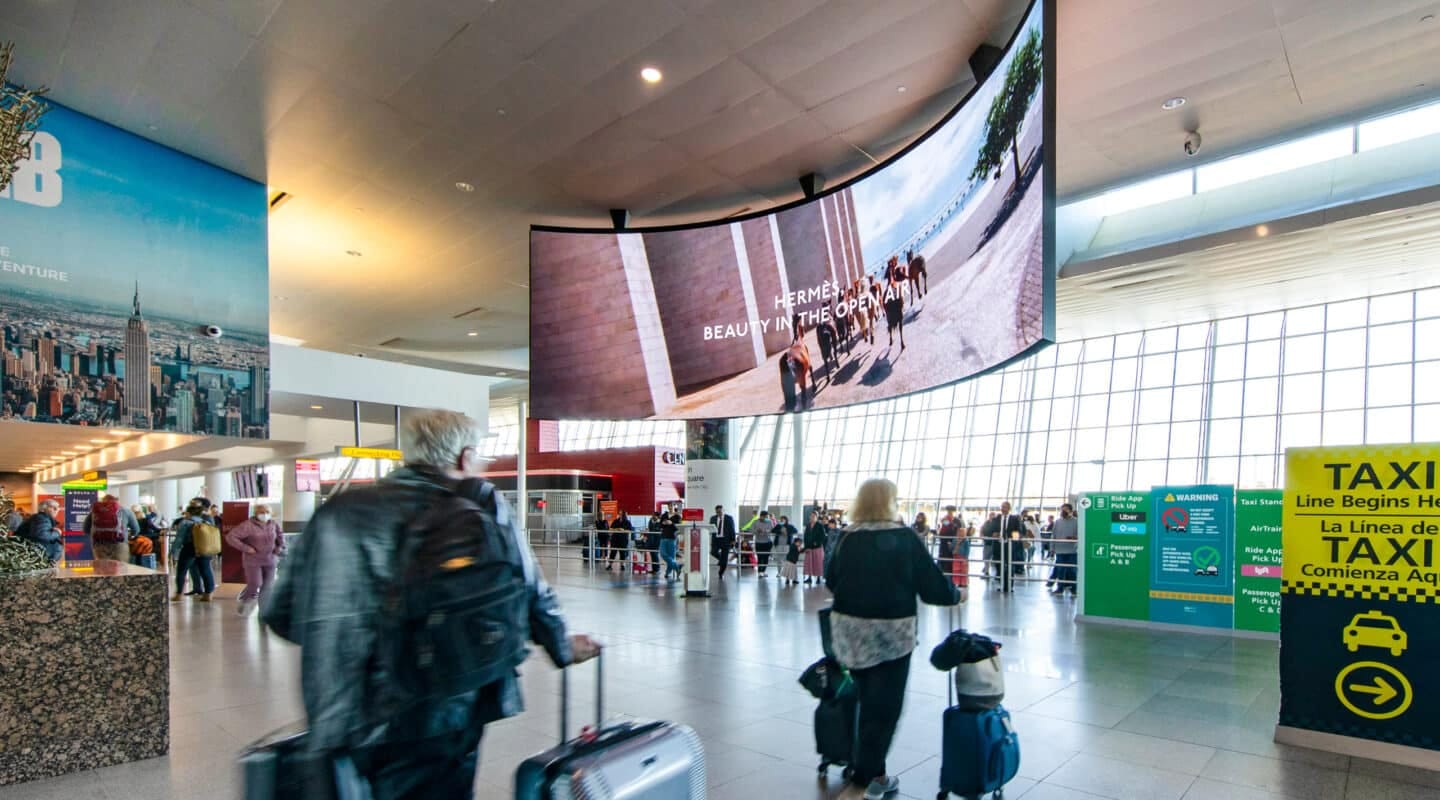
Media Environment at the Airport
- LAS's nearly 1,500 slot machines installed across both terminals — unique among major US airports — establish a commercial consumption culture from the moment of arrival that primes every subsequent brand encounter in the terminal for maximum spending receptivity; advertising at this airport is framed by an environment that has already normalised extraordinary discretionary spending as the expected mode of behaviour
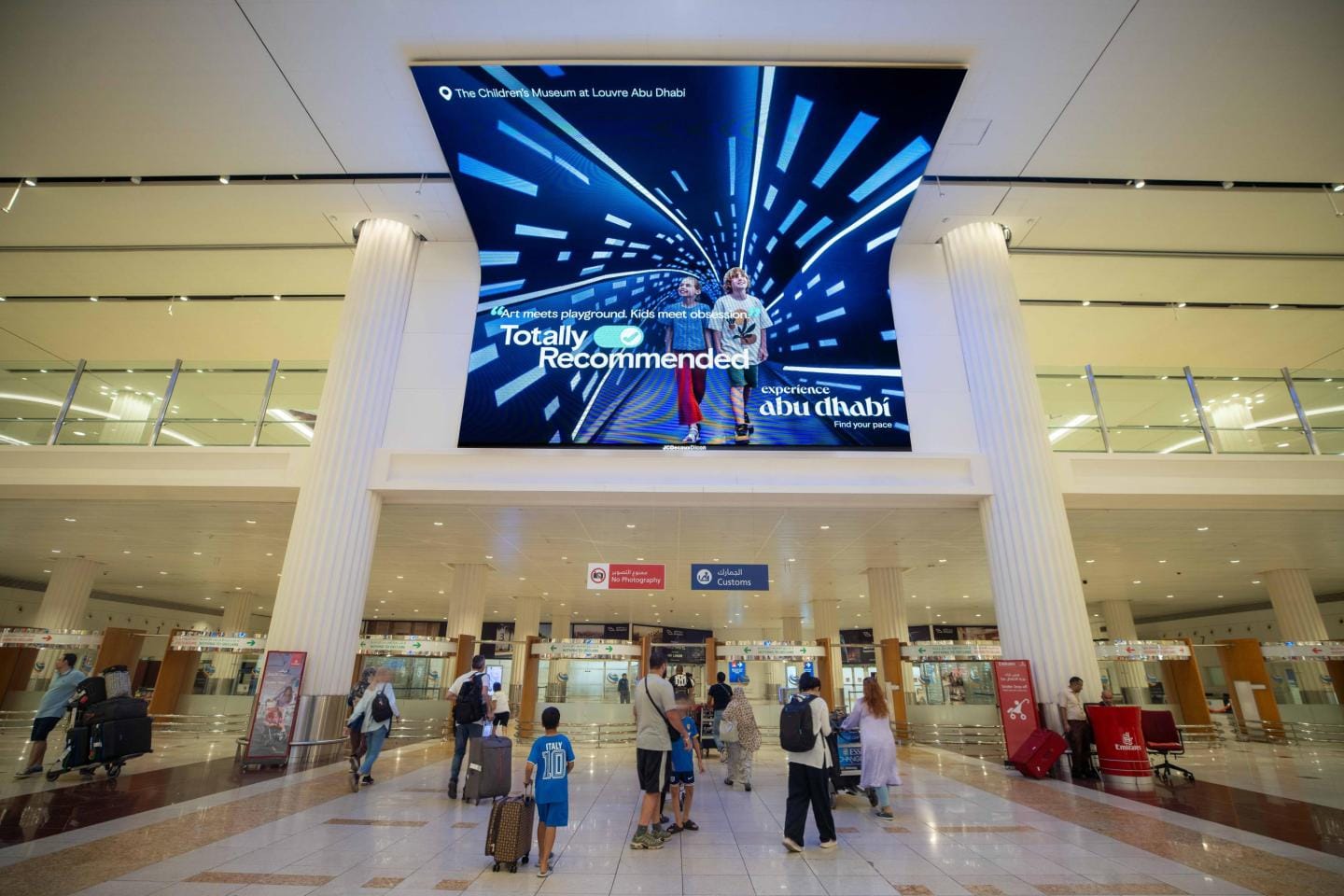
- Terminal 3's international arrivals hall concentrates the airport's highest-spending international audience — British, Korean, Canadian, and French premium leisure visitors — in a dedicated customs and immigration flow where brand advertising is encountered at the moment of maximum arrival excitement and minimum competing distraction
- The automated people mover system, connecting Terminals 1 and 3 and all concourses, creates a captive brand exposure corridor that every passenger traverses multiple times across their journey — building cumulative impression frequency across an extended dwell experience that is particularly valuable for premium brand recall building
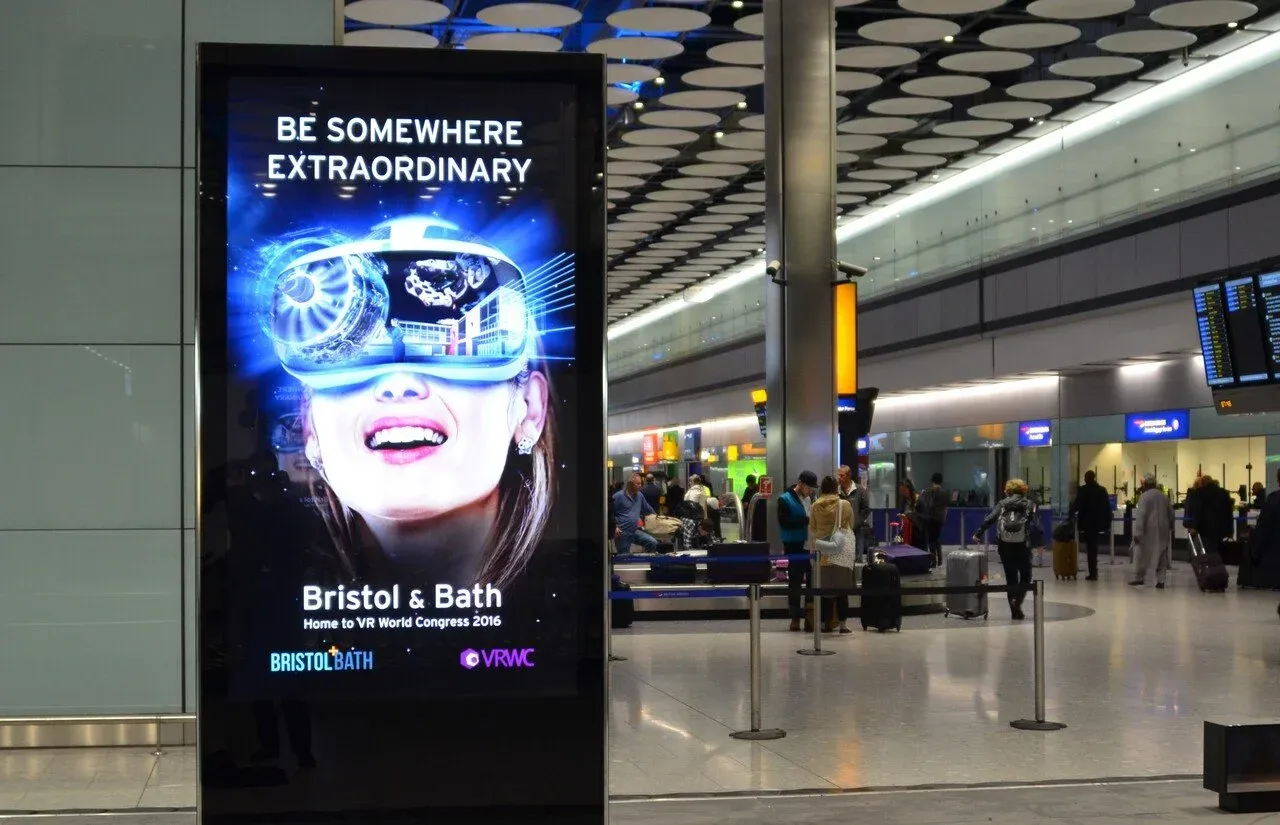
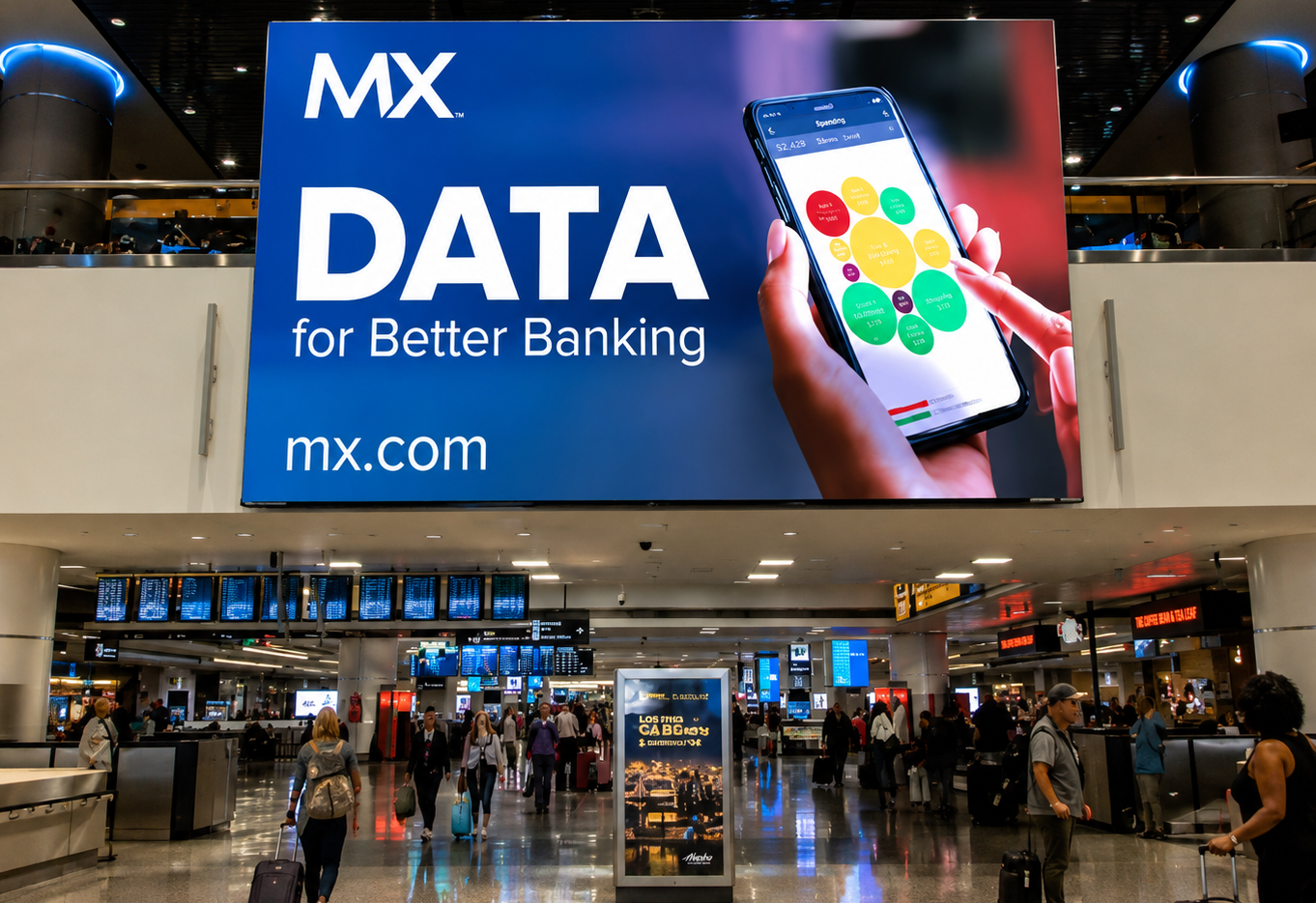
- Masscom Global provides access to LAS's full advertising inventory across both terminals and the international concourse environment, with strategic placement intelligence calibrated to the airport's unique spending-primed consumer psychology and the distinct seasonal audience profiles created by CES, F1, SEMA, and the holiday entertainment peaks
Strategic Advertising Fit
Best Fit:
- Luxury goods and premium fashion: The Las Vegas Strip's luxury retail ecosystem — Chanel, Louis Vuitton, Rolex, Hermès all maintain Strip boutiques — confirms that LAS's arriving and departing audience includes a luxury goods purchasing segment at above-US-average density; airport advertising in this environment intercepts both the arriving buyer pre-purchase and the departing buyer whose luxury spending on the Strip has reinforced brand aspiration for future acquisitions
- Premium automotive: Las Vegas is one of the most car-culture-aware cities in the United States, and SEMA's 160,000-plus global automotive professionals make November the most concentrated premium automotive professional airport advertising window in the Western US; additionally, the growing HNWI resident base from California and Nevada's supercar ownership culture make luxury automotive brands continuously relevant
- Financial services and wealth management: Las Vegas's zero state income tax has attracted a significant HNWI and UHNWI permanent resident base — wealth managers, private banks, and investment advisory firms targeting California and Nevada affluent clients who have relocated find a year-round, high-income originating audience at LAS
- Consumer electronics technology (CES window, January): The January CES window produces the world's most concentrated consumer technology decision-maker audience at any airport — brands in consumer electronics, automotive technology, smart home, and enterprise software find a directly qualified audience of 150,000-plus technology professionals transiting through LAS in the second week of January
- Travel insurance and premium hospitality: The Las Vegas premium leisure audience — arriving on British Airways, Korean Air, and from across the US for the Strip experience — represents the US market's highest voluntary per-trip spender on experiential goods and experiences; luxury hotel chains, cruise lines, and premium travel insurance brands find a structurally receptive audience at LAS's departure gates whose vacation activation extends naturally into future booking consideration
- Spirits, lifestyle beverages, and premium FMCG: Las Vegas's per-visitor spending on food and beverage of USD 565-plus per trip, combined with the entertainment culture's appetite for premium spirit brands, makes LAS one of the most directly relevant US airports for premium spirits advertising to an audience that has actively demonstrated premium beverage consumption intent by choosing Las Vegas as their destination
Brand Alignment at a Glance:
| Category | Fit |
|---|---|
| Luxury Goods and Premium Fashion | Exceptional |
| Consumer Electronics (CES window) | Exceptional |
| Premium Automotive | Exceptional |
| Financial Services and Wealth Management | Strong |
| Travel Insurance and Luxury Hospitality | Strong |
| Premium Spirits and FMCG | Strong |
| Defence and Government Technology | Poor fit |
Who Should Not Advertise Here:
- B2B defence, intelligence, and government services brands: LAS's overwhelmingly leisure and convention audience has minimal overlap with the institutional government professional target that brands in these sectors require — Washington Dulles or Dallas Fort Worth are structurally more appropriate platforms
- Brands exclusively targeting families with young children: While Las Vegas has diversified its appeal, its primary audience remains adult-oriented; family-with-children brands will find the conversion pathway from LAS's departing audience structurally weaker than at Orlando or Atlanta, where family vacation audiences dominate
- Regional brands with no Las Vegas market presence: LAS's passenger base is overwhelmingly non-local — the majority of 58 million annual passengers are visiting, not resident — making locally-specific services messaging with no national reach or visitor relevance commercially misaligned
Event and Seasonality Analysis
- Event Strength: Very High
- Seasonality Strength: High
- Traffic Pattern: Multi-Peak, event-driven with sustained high-volume base
Strategic Implication: LAS is the most event-driven major airport in the United States — its passenger peaks are as precisely shaped by specific events as any other commercial factor. CES in January, the NCAA and Spring Break in March, the SEMA-F1-Grand Prix combination in October-November, and the New Year's Eve-Christmas window in December collectively define the commercial advertising calendar more than any seasonal leisure pattern. Masscom Global structures LAS campaigns around this event architecture — CES for technology and B2B brands, F1 Grand Prix for luxury automotive and premium lifestyle brands, SEMA for automotive aftermarket and consumer brands, and the New Year-holiday window for gifting, leisure, and luxury experience brands. Year-round base presence in the international concourse and Terminal 3 captures the consistent British, Korean, Canadian, and European premium international audience that flows through every month of the calendar regardless of event cycles.
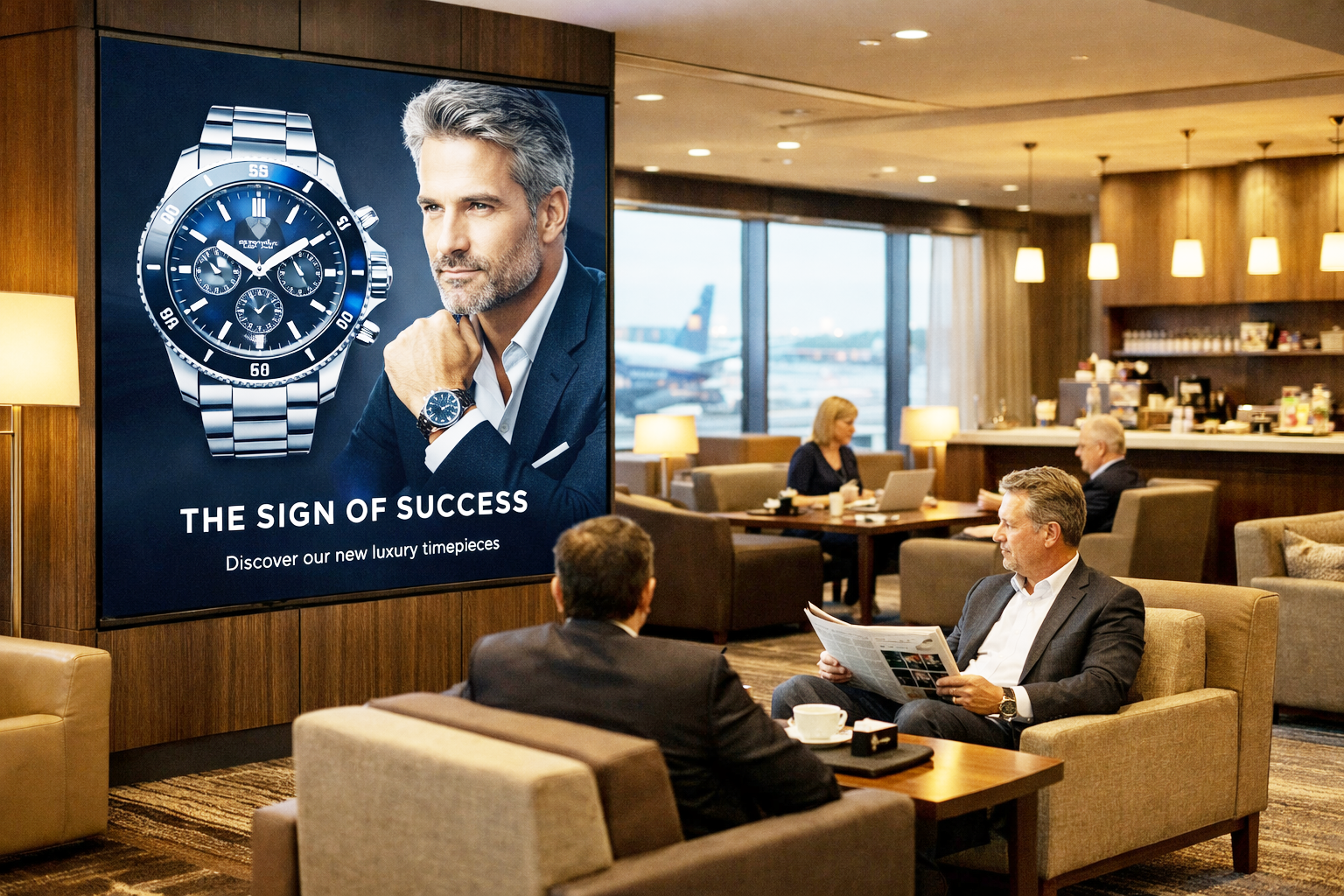
Poor Placement and Delays Affect Airport Campaigns
We help you move faster, access better inventory, and get it right now.
Talk to an ExpertFinal Strategic Verdict
Harry Reid International Airport is the most commercially charged leisure-destination airport in the American West and one of the most premium advertising environments in the United States for the right category of brand. At 58.45 million record passengers in 2024, driven by a tourism economy generating USD 87.7 billion annually, a convention sector spending USD 1,681 per delegate per trip, an F1 Grand Prix that draws the world's most concentrated HNWI sports audience in November, and a Sphere that has created a new category of ultra-premium entertainment tourism with no global equivalent, Las Vegas has rebuilt itself from a gaming destination into the undisputed Sports and Entertainment Capital of the World. The addition of Qantas's Sydney direct service, Korean Air's daily Seoul 777-300ER, and the permanent establishment of the Las Vegas Grand Prix as an annual calendar anchor mean LAS's premium international audience is on a structural trajectory that no other mid-size US airport can match. For luxury goods brands, consumer electronics companies with CES presence, premium automotive marques pursuing the SEMA and F1 windows, wealth management firms targeting Nevada's growing HNWI base, and premium spirits brands whose entire category is defined by the Las Vegas entertainment culture, LAS is not just a viable advertising platform — it is the most thematically coherent and consumer-psychologically optimised airport environment available in Western American aviation. Masscom Global delivers the intelligence, positioning, and execution to convert that alignment into measurable commercial results.
About Masscom Global
Masscom Global is a premium international airport advertising and media buying agency operating across 140 countries. With deep expertise in airport OOH, premium publications, and high-net-worth audience targeting, Masscom helps brands reach the world's most valuable travellers at the moments that matter most. For advertising packages, media rates, and campaign planning at Harry Reid International Airport and airports across the globe, contact Masscom Global today.
Frequently Asked Questions
How much does airport advertising cost at Harry Reid International Airport? Advertising costs at LAS vary significantly based on format, terminal location, dwell-zone positioning, campaign duration, and event-driven seasonal demand. The CES window in January, the F1 Grand Prix week in November, and the SEMA period each command premium uplift rates reflecting the extraordinary concentration of high-spending convention and event audiences. Terminal 3's international concourse placements reflect the premium income profile of the British, Korean, and Canadian international audience. Masscom Global provides current rate cards and full campaign proposals tailored to brand category, audience target, and event timing. Contact us for a detailed package.
Who are the passengers at Harry Reid International Airport? LAS serves the world's most deliberately spending-activated leisure audience. Domestically, the airport handles the American adult leisure traveller in their most entertainment-committed, spending-uninhibited annual travel mode. Internationally, British nationals are the dominant high-income market, arriving on multiple daily London services for the Strip experience; Korean nationals arrive on Korean Air's daily Seoul service for premium gaming and entertainment; Canadians arrive in their largest foreign-nationality volumes on Air Canada and WestJet services for casino resort stays. Convention delegates attending CES, SEMA, NAB, and the Las Vegas Convention Center's full calendar are the single highest-spending per-trip audience — at USD 1,681 per trip, 33% above the leisure visitor average.
Is Harry Reid International Airport good for luxury brand advertising? LAS is one of the top five US airports for luxury brand advertising viability. The Strip's concentration of Chanel, Louis Vuitton, Rolex, and Hermès boutiques — among the most commercially productive luxury retail locations in the US — confirms that LAS's arriving audience has both the income and the intent to purchase luxury goods at a rate that justifies premium brand investment. The F1 Paddock Club audience in November is the most concentrated HNWI luxury consumer segment at LAS in any given year. British Airways and Virgin Atlantic business class passengers on the London corridor represent a year-round premium audience for luxury watch, fashion, and accessories brands.
What is the best airport in the US West to reach convention and MICE audiences? LAS is definitively the premier US airport for convention delegate advertising. Six million convention visitors arrive annually, spending USD 1,681 per trip on average, generating USD 10.1 billion in direct convention spending. No other US city hosts the volume or commercial diversity of major conventions that Las Vegas does — CES alone draws 150,000-plus technology industry professionals. The combination of world-class convention infrastructure, premium hotel capacity, and LAS's direct routing from every major US domestic market makes it the most accessible and most attended convention destination in the country.
What is the best time to advertise at Harry Reid International Airport? The highest-value event windows are CES in January (world's largest technology trade show, 150,000-plus industry professionals through LAS), the November F1 Grand Prix and SEMA period (the most concentrated premium automotive and sports luxury audience of the year), and the New Year's Eve and holiday season in late December (LAS's highest daily passenger volumes and most emotionally elevated spending environment). For year-round premium international audience reach, British Airways and Virgin Atlantic's Terminal 3 lounges and Korean Air's Seoul corridor deliver consistent high-income advertising exposure throughout the calendar.
Can international real estate developers advertise at Harry Reid International Airport? Yes — LAS offers direct access to two of the most commercially relevant real estate buyer audiences in the US. Nevada's zero state income tax has made Las Vegas a major wealth migration destination from California and New York, creating a growing HNWI resident base actively investing in second and third properties in the UK, Mexico's Pacific coast, and the Caribbean. British buyers visiting Las Vegas — the airport's largest single foreign nationality — have strong second-home purchasing affinity for both Nevada and transatlantic coastal properties. Real estate developers from the UK, Ireland, Mexico, and the Caribbean find a directly motivated audience at LAS that is travelling their routes and has the financial profile to execute on international property investment.
Which brands should not advertise at Harry Reid International Airport? Defence, intelligence, and government technology brands will find LAS's overwhelmingly leisure and convention audience structurally misaligned with their institutional procurement decision-maker target. Brands primarily targeting parents of young children will find the adult-skewed Las Vegas leisure audience insufficient for family product conversion. Hyper-local brands with no Las Vegas market presence, national distribution, or tourism-sector relevance will find the predominantly non-resident visitor audience creates a weak conversion pathway regardless of the impression volume generated.
How does Masscom Global help brands advertise at Harry Reid International Airport? Masscom Global provides complete airport advertising services at LAS — from audience intelligence, event-calendar strategy, and format selection through to placement booking, creative guidance, and campaign performance review. We understand LAS's unique event-driven commercial architecture — the distinction between the CES technology professional window, the F1 Grand Prix HNWI weekend, the SEMA automotive audience peak, and the year-round British and Korean premium international flows — and we structure campaigns to maximise brand value in each window. For multi-market campaigns, we coordinate LAS with complementary placements at London Heathrow, Seoul Incheon, Sydney, and the Canadian gateway airports to reach the same premium international leisure audience at both ends of LAS's most commercially valuable international corridors. Contact us to begin.