

Airport at a Glance
| Field | Detail |
|---|---|
| Airport | Lanzhou Zhongchuan Airport |
| IATA Code | LHW |
| Country | China |
| City | Lanzhou, Gansu Province |
| Annual Passengers | 9.3 million |
| Primary Audience | BRI executives and logistics professionals, energy and petrochemical industry professionals, government and development officials, Silk Road cultural tourists |
| Peak Advertising Season | May to September (tourism peak), October (National Day Golden Week), BRI project cycle windows |
| Audience Tier | Tier 2 |
| Best Fit Categories | BRI infrastructure and logistics brands, energy and petrochemical B2B, Silk Road heritage tourism, regional financial services, halal lifestyle and Islamic economy brands |
Lanzhou Zhongchuan Airport is the strategic aviation hub of Gansu Province and one of the most geopolitically consequential regional airports in China's northwestern corridor.
Lanzhou — historically the point where China's eastern agricultural civilisation met the nomadic steppe world and the overland routes to Persia, Arabia, and Rome — has returned to active strategic relevance as the primary logistics and administrative hub of the Belt and Road Initiative's overland Central Asian arc.
Every executive, project manager, government official, and logistics professional moving capital, infrastructure, and policy along the China-Central Asia-West Asia Economic Corridor passes through this terminal.
The city's position at the intersection of the Yellow River, the Hexi Corridor, and China's primary northwest rail and road arteries makes it not merely a provincial capital airport but the operational command centre of China's most ambitious overland economic expansion.
Masscom Global's access to LHW positions brands at the precise junction of ancient trade heritage and modern geopolitical commerce.
Lanzhou's commercial significance to advertisers extends across three simultaneous dimensions that no other northwest Chinese airport can replicate.
It is the administrative and logistics capital of the BRI's Central Asian overland corridors — generating a consistent stream of high-authority infrastructure executives, government planners, and development finance officials whose procurement decisions span continental scales.
It is the energy and petrochemical hub of northwest China — serving Gansu Province's significant oil refining, natural gas processing, and petrochemical manufacturing base whose industry professionals are among the region's highest earners.
And it is the eastern gateway to the Hexi Corridor — the ancient Silk Road passage through which some of China's most extraordinary heritage landscapes, including Dunhuang's Mogao Caves, the Jiayuguan fortress, and the Zhangye Danxia landforms, are accessed — drawing a growing audience of premium cultural and heritage tourists whose per-trip spending is well above the northwest China average.
Masscom Global structures campaigns at LHW to intercept all three audience streams with precision.
Advertising Value Snapshot
- Passenger scale: 9.3 million annual passengers, with sustained growth driven by accelerating BRI project activity, energy sector expansion, and the rapid development of Gansu's cultural heritage tourism economy
- Traveller type: BRI infrastructure executives and logistics professionals, energy and petrochemical industry managers, government development and planning officials, Silk Road cultural heritage tourists, and domestic Chinese travelers connecting to northwest China's extraordinary natural and historical landscapes
- Airport classification: Tier 2 — a nationally and geopolitically significant gateway whose commercial value is determined by the strategic authority of its professional audience and the extraordinary cultural heritage of its tourism catchment
- Commercial positioning: China's BRI northwestern hub and Silk Road cultural gateway — the only airport in China where Belt and Road Infrastructure executives, petrochemical industry professionals, and premium Silk Road heritage tourists converge in a single terminal
- Wealth corridor signal: LHW sits at the origin point of China's overland Central Asian BRI corridor, connecting Chinese investment capital westward to Kazakhstan, Kyrgyzstan, Tajikistan, Uzbekistan, and beyond, while serving as the eastern anchor of the Hexi Corridor's extraordinary cultural and natural heritage tourism draw
- Advertising opportunity: Masscom Global provides brands with full access to LHW's advertising environment at a moment of accelerating commercial significance — before growing BRI project volumes, expanding international route connectivity, and rising domestic heritage tourism investment transform this airport's commercial profile and the competitive dynamics of its media market
Airport Advertising is Complex to Get Right
We help you execute faster, with proven results and local insight most planners lack starting now.
Talk to an ExpertCatchment Area and Economic Drivers
Top 10 Cities within 150 km — Marketer Intelligence
- Lanzhou City: The provincial capital and northwest China's primary BRI logistics and administrative hub — home to state enterprise headquarters, PetroChina and Sinopec refining operations, CCTEG and energy sector offices, provincial government and development planning bodies, and the Lanzhou New Area national-level development zone; the professional and official class here forms LHW's highest-frequency and most commercially authoritative traveler base
- Baiyin: Approximately 70 km north, China's most significant non-ferrous metals mining and smelting city — home to Baiyin Non-Ferrous Metals Group, one of the country's largest copper and lead-zinc producers; the metals industry executive and technical professional class here represents a high-income, active B2B audience for metals technology, financial services, and industrial brand advertisers
- Dingxi: Approximately 100 km southeast, China's most important potato production region and a major traditional Chinese medicine herb-growing base; the agri-business entrepreneur and cooperative management class here uses LHW for connectivity to national distribution markets — a niche but commercially active agricultural enterprise audience
- Linxia Hui Autonomous Prefecture: Approximately 80 km south, the most significant concentration of Hui Muslim population in northwest China outside of Ningxia; Linxia is a major centre of Islamic culture, religious education, and halal commerce in China's northwest — its business class of traders, religious scholars, and halal industry operators are active airport users whose purchasing behaviour is defined by Islamic commercial values and strong Central Asian trade connections
- 临夏 (Linxia City): The commercial centre of the Linxia Hui Autonomous Prefecture, approximately 80 km south; a historically significant trading city on the ancient Silk Road whose merchant and entrepreneurial class maintains active commercial relationships with the Muslim-majority communities of Central Asia and the Middle East — a niche but commercially distinctive audience for halal brands, Islamic finance, and cross-border trade platform advertisers
- Yongjing County: Approximately 50 km south, home to the Liujiaxia Reservoir — one of China's major hydroelectric facilities on the Yellow River; the hydroelectric engineering and water resource management professional class here represents a niche but high-income government and technical professional audience
- Gaolan County: Immediately adjacent to Lanzhou's urban orbit, an industrial and agricultural county integrated into the Lanzhou metropolitan economy; manufacturing enterprise owners and government officials here use LHW for provincial capital and national market connectivity
- Yuzhong County: Approximately 30 km southeast of Lanzhou city, an emerging industrial satellite zone receiving significant Lanzhou New Area development investment; construction professionals, logistics operators, and development project managers active in Yuzhong's expansion represent a growing professional audience with active procurement mandates
- Yongdeng County: Approximately 60 km north of Lanzhou, a county with significant cement and building materials production capacity feeding Gansu Province's construction and infrastructure development programme — the enterprise owners and logistics professionals here use LHW as their primary aviation gateway for supplier and investor connectivity
- Lanzhou New Area (Lanzhou Xinqu): China's fifth national-level new area, approximately 40 km north of Lanzhou city and directly adjacent to LHW — a massive government-backed development zone attracting industrial investment, logistics park development, and professional service sector growth; the executives and project managers active in Lanzhou New Area development represent the airport's most proximate and commercially authoritative professional audience, with procurement mandates and investment authority reflecting the New Area's national-level strategic designation
NRI and Diaspora Intelligence
Lanzhou and Gansu Province do not generate a large overseas Chinese diaspora in the conventional sense.
The airport's most commercially significant non-domestic audience dynamic operates through two distinct channels.
The first is the Central Asian business traveler — professionals from Kazakhstan, Kyrgyzstan, Uzbekistan, and Tajikistan who transit through LHW on BRI project coordination, cross-border trade, and bilateral government engagement travel; these individuals carry purchasing behaviour shaped by their countries' improving economic conditions and their exposure to Chinese commercial standards through BRI project participation.
The second is the Hui Muslim merchant community — whose cross-border commercial relationships with the Arab Gulf, Central Asia, and Southeast Asian halal markets create a consistent flow of internationally experienced business travelers through LHW whose purchasing orientation is defined by Islamic commercial values and above-average income derived from cross-border trade.
For brands targeting both the BRI corridor professional and the Islamic economy commercial community, LHW's catchment offers a dual-channel audience concentration unavailable at any other northwest Chinese airport.
Economic Importance
Gansu Province's economy is structured around four commercially distinct engines, each generating a specific and commercially valuable audience segment at LHW.
The energy and petrochemical sector — anchored by Lanzhou Petrochemical's major refining and chemical operations, PetroChina's pipeline network management, and the province's natural gas production infrastructure — generates the region's highest professional income levels and a technical-managerial class with above-average brand sophistication from international energy industry exposure.
The BRI logistics and infrastructure economy positions Lanzhou as the operational hub for northwest China's overland Central Asian trade corridors — producing a consistent stream of logistics executives, project managers, and government planners whose procurement authority spans continental infrastructure programmes.
The non-ferrous metals mining sector in Baiyin and the wider Gansu mineral belt adds a commodity industry professional audience with significant accumulated capital.
And Gansu's rapidly growing cultural heritage tourism economy — built on the extraordinary assets of Dunhuang, Zhangye, Jiayuguan, and the Yellow River Stone Forest — is generating an accelerating flow of premium domestic and international tourists whose per-trip spending significantly exceeds northwest China's regional norms.
Business and Industrial Ecosystem
- Belt and Road Initiative logistics and infrastructure management: Lanzhou's designation as the primary logistics hub of China's northwest BRI corridor generates a consistent and high-authority professional audience of infrastructure executives, project logistics managers, and government development officials whose procurement mandates and decision-making authority reflect the continental scale of the BRI investment programme
- Energy and petrochemical industry: Lanzhou Petrochemical — one of China's largest integrated refining and chemical complexes — PetroChina pipeline management operations, and Gansu Province's natural gas sector generate the region's highest average professional income levels and a technical-managerial workforce with international energy industry exposure and premium brand expectations
- Non-ferrous metals mining and processing: The Baiyin metals cluster and wider Gansu mineral economy produce an industrial executive and technical professional audience with substantial accumulated capital and active supplier relationship travel connecting to national and international metals markets
- Government development and planning sector: The Lanzhou New Area national development zone administration, Gansu Province development and reform commission, and BRI implementation bodies generate a consistent stream of senior government and planning officials whose institutional purchasing authority and professional income are among the region's highest
Passenger Intent — Business Segment: The business traveler at LHW is defined by the scale and consequence of northwest China's BRI-connected development economy.
These are logistics executives overseeing continental infrastructure supply chains, petrochemical engineers and plant managers maintaining China's northwest energy processing base, metals industry principals managing national supply relationships, and government development officials coordinating the investment and policy frameworks of China's most ambitious overland economic expansion.
They travel frequently between Lanzhou and Beijing, Shanghai, Guangzhou, Chengdu, and Urumqi, and their commercial engagement with BRI project partners extends their travel connectivity to Central Asian destinations.
B2B advertisers in infrastructure technology, energy sector supply, logistics platforms, enterprise financial services, and industrial equipment will find a concentrated and commercially purposeful audience at LHW that is not reachable through any other single northwest China media channel.
Strategic Insight: The business environment at LHW is commercially distinctive because it combines two rarely coexisting audience qualities: continental-scale commercial authority and geographic concentration in a single provincial terminal.
The BRI logistics executive and energy sector professional at LHW are making decisions that move capital across continents — yet they are all passing through the same terminal building in Lanzhou.
This creates an advertising precision that hub airports cannot replicate — the audience is defined, purposeful, and concentrated rather than mass, diverse, and transient.
Masscom Global structures LHW campaigns to deploy this precision as a commercial advantage, delivering B2B and professional consumer messaging at the exact moments when this audience's attention and decision-making mindset are simultaneously available.
Tourism and Premium Travel Drivers
- Dunhuang and Mogao Caves: Approximately 1,200 km west along the Hexi Corridor and accessed primarily through the LHW-connected domestic network — UNESCO World Heritage caves containing the world's most extraordinary collection of Buddhist art spanning 1,000 years of civilisation; Dunhuang draws China's most culturally sophisticated domestic tourists and an internationally significant heritage visitor cohort whose per-trip spending is among the highest of any domestic Chinese tourism destination
- Zhangye Danxia National Geological Park: Approximately 700 km northwest — China's most visually dramatic rainbow mountain landscape and one of the most photographed natural environments in Asia; the Danxia landforms draw premium photography tourism, adventure travelers, and domestic cultural experience seekers whose travel planning and spending reflect the high-commitment, research-driven leisure traveler archetype
- Jiayuguan Fortress and Western Terminus of the Great Wall: Approximately 800 km northwest — the dramatic western end of China's Great Wall system, a UNESCO-class heritage site of extraordinary historical significance; Jiayuguan draws history enthusiasts, cultural heritage tourists, and international visitors retracing the ancient Silk Road whose above-average spending on premium experiences and artisan products is well established
- Yellow River Stone Forest and Bingling Temple Grottoes: Within the immediate LHW catchment — spectacular river canyon geology and ancient Buddhist cave temple complexes that draw cultural tourism and nature photography audiences with above-average per-trip spending from the Lanzhou base itself
- Maiji Mountain Grottoes: Approximately 250 km southeast near Tianshui — one of China's four great Buddhist cave temple complexes, with extraordinary carved cliff sculptures spanning 16 centuries; a UNESCO consideration-grade heritage site drawing Chinese cultural heritage enthusiasts and international Buddhist art scholars whose travel intentionality and spending profile is similar to the Dunhuang visitor cohort
Passenger Intent — Tourism Segment: The tourism audience at LHW is defined by one of the most powerful travel motivators in the domestic Chinese market — the Silk Road heritage experience.
Travelers passing through Lanzhou on their way to Dunhuang, Zhangye, Jiayuguan, and the Hexi Corridor have made a deliberate, high-commitment choice to engage with China's most culturally significant interior landscapes.
These are not casual leisure consumers — they are culturally motivated, research-driven travelers who have pre-allocated significant discretionary budgets for a trip that many describe as a once-in-a-lifetime journey along the ancient trade route.
At LHW, they are in either peak anticipation mode on arrival or deep cultural satisfaction on departure — both states of exceptional brand receptivity for premium travel, heritage lifestyle, outdoor equipment, and cultural artisan product advertising.
Travel Patterns and Seasonality
Peak seasons:
- May to September (Summer Heritage Tourism Peak): The primary Silk Road travel window — long daylight hours, Dunhuang's optimal visiting conditions, Zhangye's peak rainbow mountain colours, and comfortable Hexi Corridor temperatures combine to produce the year's highest cultural tourism inflows; international visitors concentrate heavily in this window
- October (National Day Golden Week): China's largest domestic travel holiday produces KHN's single highest-footfall week — Gansu's autumn landscapes and the moderate early October temperatures make this the premium domestic cultural tourism window of the year; the National Day audience skews toward affluent independent travelers and photography enthusiasts from Tier 1 cities
- March to April (Spring Opening Season): As heritage sites reopen after winter and the Yellow River thaws, domestic cultural travelers and BRI project teams begin their spring travel cycles simultaneously — a commercially valuable dual-audience window combining tourism and business travel peaks
- Year-round BRI Business Baseline: Unlike typical tourism-driven regional airports, LHW maintains a consistent year-round professional business travel baseline driven by the uninterrupted operational cycle of BRI logistics management, energy sector maintenance, and government development planning
Low season: November through February sees significantly reduced leisure tourism as Gansu's winter temperatures limit outdoor heritage site visiting; however, essential BRI logistics, government, and energy sector professional travel continues through this period.
Event-Driven Movement
- Silk Road (Dunhuang) International Cultural Expo (September, biennial): One of China's highest-profile cultural diplomacy events, hosted in Dunhuang and drawing cultural ministers, creative industry leaders, heritage professionals, and international cultural tourists from across the BRI corridor — an extraordinarily high-authority cultural and diplomatic audience window for premium lifestyle, heritage, and culture-aligned brand advertisers
- National Day Golden Week (October 1 to 7): The year's single highest-footfall week at LHW, delivering the full year's peak domestic cultural tourism audience concentration in seven days; advance inventory booking for this window is commercially essential for brands targeting the premium heritage tourist cohort
- Lanzhou International Marathon (May): One of northwest China's most significant mass participation sporting events, drawing professional athletes, fitness enthusiasts, and sports tourism travelers from across China and internationally — a commercial window for health, sportswear, and premium lifestyle brands targeting active consumer audiences
- China-Central Asia Cooperation Forum (periodic, typically spring or autumn): Diplomatic and economic cooperation events between China and the five Central Asian republics generate high-level government and business delegation travel through Lanzhou as the BRI gateway city — an exceptional window for B2B infrastructure, logistics, and development finance brand advertisers targeting the Central Asian corridor decision-maker audience
- Zhangye Danxia Photography Festival (August to September): An internationally attended nature photography event drawing professional photographers, camera equipment enthusiasts, and premium outdoor lifestyle travelers from across China and internationally — a precision audience for technology, premium outdoor gear, and travel lifestyle brands
- Yellow River Culture Festival (annually, summer): A regional cultural celebration centred on Lanzhou's identity as the city at the heart of the Yellow River — the cradle of Chinese civilisation; this festival draws domestic cultural tourists and regional visitors in a patriotic and culturally engaged state of high brand receptivity
It’s Not Just Where You Advertise - It’s How Fast You Execute
We combine local insight with fast rollout to deliver results for you, now.
Talk to an ExpertAudience and Cultural Intelligence
Top 2 Languages
- Mandarin (Putonghua): The universal language of LHW's passenger base and the non-negotiable primary language for all advertising creative; Gansu locals speak northwestern Mandarin dialects including Lanzhou dialect, but Putonghua is the universal professional, governmental, and commercial language across all airport contexts; Mandarin-language creative achieves complete audience coverage across domestic professional, tourist, and government segments
- Arabic and Central Asian Languages (Uyghur, Kazakh, Russian): Commercially relevant at LHW in ways unique to the northwest China and BRI corridor context; the Hui Muslim business community's commercial language extends to Arabic for Gulf trade relationships; Central Asian business travelers communicate in Uyghur, Kazakh, or Russian depending on national origin; bilingual Mandarin-Arabic creative serves the significant halal economy and cross-border trade audience, while Mandarin-Russian or Mandarin-Kazakh creative targets specific BRI project professional segments with the cultural respect that builds commercial trust in these corridors
Major Traveller Nationalities
The dominant traveler nationality at LHW is domestic Chinese — spanning Gansu Province residents, BRI project professionals deployed from eastern Chinese cities, Hui Muslim merchants with Central Asian trade connections, and domestic cultural tourists from Tier 1 cities drawn by the Silk Road heritage landscape.
The international traveler profile at LHW directly reflects Lanzhou's BRI gateway role: Central Asian professionals from Kazakhstan, Kyrgyzstan, Uzbekistan, and Tajikistan form the largest international nationality cluster, traveling for BRI project coordination, cross-border trade, and bilateral government engagement.
Russian-speaking professionals appear with growing frequency as China-Russia economic cooperation deepens along the northern BRI corridor.
International cultural tourists from Japan, South Korea, Germany, France, the United Kingdom, and Australia represent a growing inbound heritage tourism flow specifically drawn by the Dunhuang-Silk Road experience — smaller in number but with the highest per-trip spending of any nationality group at the airport.
Religion — Advertiser Intelligence
- Chinese Folk Religion, Buddhism, and Taoism (approximately 55 to 60%): The dominant belief framework among Gansu's Han Chinese majority population; Gansu has extraordinary Buddhist heritage — the Mogao Caves, Maiji Mountain Grottoes, and Bingling Temple represent some of the world's most important Buddhist art repositories; Qingming, Mid-Autumn Festival, Chinese New Year, and Dragon Boat Festival drive seasonal travel and gifting spending cycles relevant to FMCG, premium food, and lifestyle brand advertisers across the year
- Islam — Hui Sunni (approximately 25 to 30%): Gansu Province has one of China's largest Hui Muslim populations — particularly concentrated in the Linxia, Zhangjiachuan, and Jishixia areas — whose commercial behaviour, dietary requirements, and festival observances are commercially significant across the entire catchment; halal certification is a commercial prerequisite rather than an optional premium in this market; Eid al-Fitr, Eid al-Adha, and Ramadan are the highest-impact commercial windows for halal food, modest fashion, Islamic finance, and Hajj-Umrah travel brands; the Linxia Hui merchant community's active cross-border trade relationships with Arab and Central Asian markets make this audience a commercial bridge between Chinese domestic consumption and Islamic economy global trade networks
- Tibetan Buddhism (approximately 5 to 8%): Southern Gansu — particularly the Gannan Tibetan Autonomous Prefecture — hosts a significant Tibetan Buddhist community whose monastic tourism, pilgrimage travel, and cultural festival calendar generates consistent traffic through LHW; Tibetan cultural products, traditional medicine, and heritage tourism brands find a niche but highly engaged audience through this channel
Behavioral Insight
The LHW audience operates from a behavioral framework shaped by the frontier mentality of northwest China's professional and commercial class — pragmatic, relationship-driven, and deeply oriented toward long-term value rather than short-term novelty. The BRI executive and logistics professional at LHW makes purchasing decisions based on proven reliability and established supplier relationships — brands that demonstrate consistency, technical depth, and long-term partnership commitment earn loyalty that is exceptionally durable in this market. The Hui Muslim commercial community at Lanzhou applies Islamic commercial ethics to every purchasing decision — halal compliance, community trust, and shared values alignment are prerequisites, not differentiators, for brand acceptance. The Silk Road cultural tourist, by contrast, approaches the commercial environment with openness and cultural engagement — they have made a journey of personal significance and are in a state of heightened brand receptivity to products that align with heritage, craftsmanship, and authentic quality. Masscom Global builds LHW campaigns that address each of these behavioral frameworks simultaneously, ensuring that a single terminal advertising investment speaks correctly to the professional, the merchant, and the cultural traveler.
Outbound Wealth and Investment Intelligence
The outbound passenger at Lanzhou Zhongchuan Airport represents a commercially distinctive wealth profile shaped by the specific economic character of northwest China's BRI corridor. These are not the coastal tech entrepreneurs and finance professionals of Shanghai and Shenzhen — they are energy sector executives with substantial accumulated capital from decades of petrochemical industry employment, metals industry principals with commodity wealth derived from Gansu's mineral resources, BRI project managers whose international project experience has expanded their commercial awareness, and Hui Muslim merchants whose cross-border trade networks have generated above-average incomes through arbitrage between Chinese manufacturing capacity and Central Asian and Middle Eastern consumer markets.
Outbound Real Estate Investment: Gansu's affluent professional class follows a distinctively northwest Chinese investment pattern. Domestic real estate investment in Lanzhou's New Area, Xi'an, Chengdu, and coastal cities dominates the property investment portfolio of the professional class. International property investment is at an early stage relative to eastern China's professional class but is growing — Dubai leads as the most actively researched international destination, driven by zero income tax, high rental yields, and the cultural proximity of the UAE's large Muslim community to Gansu's Hui Muslim business class. Turkey's property market attracts investment from Hui Muslim families seeking a culturally compatible Islamic environment with strong economic growth prospects. For international real estate developers targeting northwest China's emerging affluent class, LHW provides access to a motivated but commercially underserved buyer audience at the beginning of their international investment journey.
Outbound Education Investment: Gansu Province has a growing tradition of outbound education investment, with the United Kingdom, Australia, Japan, and Germany as the primary destination markets for students from Lanzhou's professional families. The province's strong university base — including Lanzhou University, one of China's Project 985 research universities — creates an educated professional class whose aspirations for their children include international qualifications and global career pathways. For the Hui Muslim professional community, Malaysia and Turkey offer English-language international education in culturally compatible Islamic environments — a growing education investment pathway that reflects this community's distinctive international orientation. Education consultancies offering engineering, science, business, and Islamic studies programme pathways will find a motivated and financially developing audience at LHW.
Outbound Wealth Migration and Residency: Golden Visa and international residency demand among Lanzhou's affluent professional class is at an early but developing stage. Turkey's citizenship-by-investment programme has the strongest traction among the Hui Muslim business community for whom Turkish cultural and linguistic proximity creates natural affinity. Portugal's Golden Visa programme and Greece's residency scheme are researched among the Han Chinese professional class as capital diversification options. The UAE's long-term residency visa is increasingly relevant for energy and BRI professionals who maintain active business relationships in the Gulf corridor.
Strategic Implication for Advertisers: The outbound wealth profile at LHW is characterised by its positioning at the early stage of a capital deployment curve that will deepen significantly as Gansu's BRI-connected economy matures and the professional class's international commercial exposure widens. Brands entering this market now — in real estate, education, Islamic finance, and international financial services — are engaging a motivated audience before the competition has recognised its value. Masscom Global can pair LHW placements with advertising at Central Asian destination airports, Dubai, Istanbul, and Kuala Lumpur to create coordinated campaigns that reach the northwest China professional audience on both sides of their investment journey.
Airport Infrastructure and Premium Indicators
Terminals
- Terminal 1 (primary domestic and regional operations): The main operational terminal handling the majority of LHW's 9.3 million annual passengers across domestic routes; a well-scaled facility with commercial retail and food and beverage reflecting Lanzhou's aspirational provincial capital and BRI gateway identity
- Terminal 2 (international and expanding capacity): LHW's international terminal, handling the airport's growing international route network connecting to Central Asian capitals and expanding Southeast Asian leisure routes; the international terminal environment provides the premium placement context for brands targeting LHW's BRI professional and international heritage tourism audiences
- Lanzhou New Area co-location: LHW's location within the Lanzhou New Area national development zone creates a structural premium — the airport is physically embedded within China's fifth national-level new area, with direct infrastructure connections to the zone's industrial parks, logistics hubs, and international trade facilities
Premium Indicators
- Business class lounge infrastructure: Airline lounge facilities for Air China, China Southern, and China Eastern signal the consistent presence of business-class ticket holders whose income profile is well above the regional average — a reliable proxy for the BRI executive and energy sector professional class that defines LHW's highest-value audience segment
- BRI logistics hub proximity: The concentration of BRI project management offices, China-Central Asia logistics platform operations, and national-level new area development administration within LHW's immediate catchment creates a permanent base of high-income, high-authority professional airport users whose commercial mandate reflects the continental scale of the BRI programme
- National Silk Road and UNESCO heritage gateway premium: LHW's role as the primary aviation gateway to Dunhuang's Mogao Caves — one of humanity's most important cultural heritage sites — Zhangye's Danxia landforms, and Jiayuguan's Great Wall terminus creates a cultural prestige premium for the airport advertising environment that no other northwest China airport can replicate
- Lanzhou New Area national development zone designation: China's national-level new area designation brings sustained government infrastructure investment, premium logistics facility development, and international business attraction programmes that progressively enhance both the physical quality and the commercial profile of LHW's operating environment
Forward-Looking Signal
Lanzhou Zhongchuan Airport's commercial trajectory is structurally tied to two of the most consequential forces in China's northwest economic development programme. The ongoing expansion of BRI overland infrastructure — including the China-Central Asia railway network, the China-Europe freight train services routing through Lanzhou, and the development of the Lanzhou New Area as a national-level logistics free trade zone — is generating accelerating professional travel demand that will sustain and grow LHW's high-authority business audience for the foreseeable future. The rapid development of Gansu's cultural heritage tourism infrastructure — with significant government investment in Dunhuang research and visitor facilities, Zhangye geological park development, and the Silk Road tourism brand — is systematically building the conditions for international tourist volume growth that will materially increase LHW's inbound international passenger numbers over the next five years. New international route development connecting LHW directly to Central Asian capitals, expanding Southeast Asian leisure routes, and potential Middle Eastern connections reflecting the Hui Muslim community's commercial relationships with Gulf markets are all commercially logical and operationally progressing. Masscom Global advises brands to establish LHW inventory presence now — at current rates — before the combination of BRI economic acceleration and heritage tourism growth transforms this airport's commercial profile and brings the advertiser competition that its audience quality and strategic position already justifies.
Airline and Route Intelligence
Top Airlines: Air China, China Southern Airlines, China Eastern Airlines, Hainan Airlines, Sichuan Airlines, Xiamen Air, Chengdu Airlines, Lucky Air, Shenzhen Airlines, Urumqi Air
Key International Routes: Almaty Kazakhstan (BRI corridor strategic connection — primary Central Asian route), Bishkek Kyrgyzstan (Central Asian trade and BRI project coordination), Tashkent Uzbekistan (expanding BRI corridor connectivity), Kuala Lumpur (Southeast Asian connectivity and Hui Muslim community travel), Bangkok Suvarnabhumi (leisure and overseas Chinese connectivity), Seoul Incheon (Northeast Asian cultural tourism), Osaka Kansai (Japanese Silk Road heritage tourism seasonal services)
Domestic Connectivity: Beijing Capital and Daxing, Shanghai Pudong and Hongqiao, Guangzhou Baiyun, Shenzhen Baoan, Chengdu Tianfu, Chongqing Jiangbei, Xi'an Xianyang, Urumqi Diwopu, Dunhuang, Zhangye Ganzhou, Jiayuguan, Yinchuan Hedong, Kunming Changshui, Hangzhou Xiaoshan, Wuhan Tianhe
Wealth Corridor Signal: The domestic route network connecting LHW to all four Tier 1 cities — Beijing, Shanghai, Guangzhou, and Shenzhen — imports China's highest-income consumer and investment audiences directly into Gansu's heritage and industrial landscape while exporting the province's growing professional class to the national markets where their commercial decisions are executed. The Central Asian international routes to Almaty, Bishkek, and Tashkent are the most commercially decisive signal in LHW's route intelligence — they are the aviation spine of China's overland BRI corridors, carrying the executives, project managers, and government officials who are actively managing the most consequential continental infrastructure investment of the current era. The Dunhuang domestic connection confirms LHW's function as the staging hub for the Silk Road heritage tourism circuit — making KHN's domestic network a wealth corridor of cultural tourism capital as commercially significant as its BRI business flows.
Media Environment at the Airport
- Dual-terminal environment with focused audience concentration: LHW's two terminal buildings serve clearly delineated audience segments — domestic professional and tourism flows in T1, international BRI and heritage tourism flows in T2 — allowing brands to deploy precision placement strategies that target either segment independently or both simultaneously for comprehensive catchment coverage
- Elevated dwell time driven by distance and connection routing: The 70 km distance between LHW and Lanzhou city centre, combined with domestic connection layovers and the Central Asian route processing requirements, produces consistent pre-flight dwell of 90 minutes to two hours — a sustained brand exposure window significantly above the Chinese regional airport average
- Below-market media clutter relative to strategic audience quality: LHW operates at a commercial advertising density that is materially below comparable Chinese airports of equivalent passenger volume and audience authority — a market condition that creates exceptional standout potential and disproportionate brand impact for advertisers investing at current rates; Masscom Global clients benefit from placement quality that the broader advertiser market has not yet priced correctly
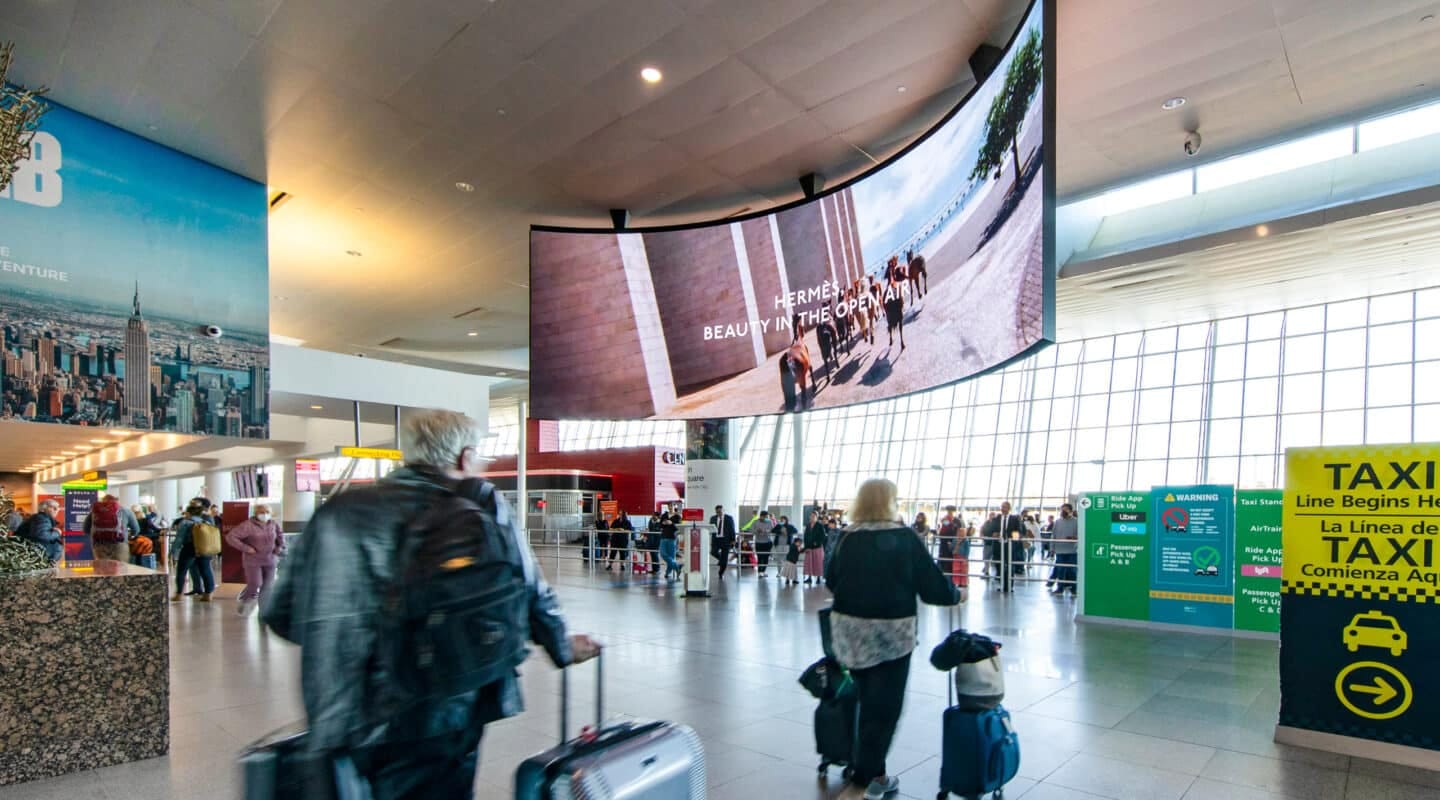
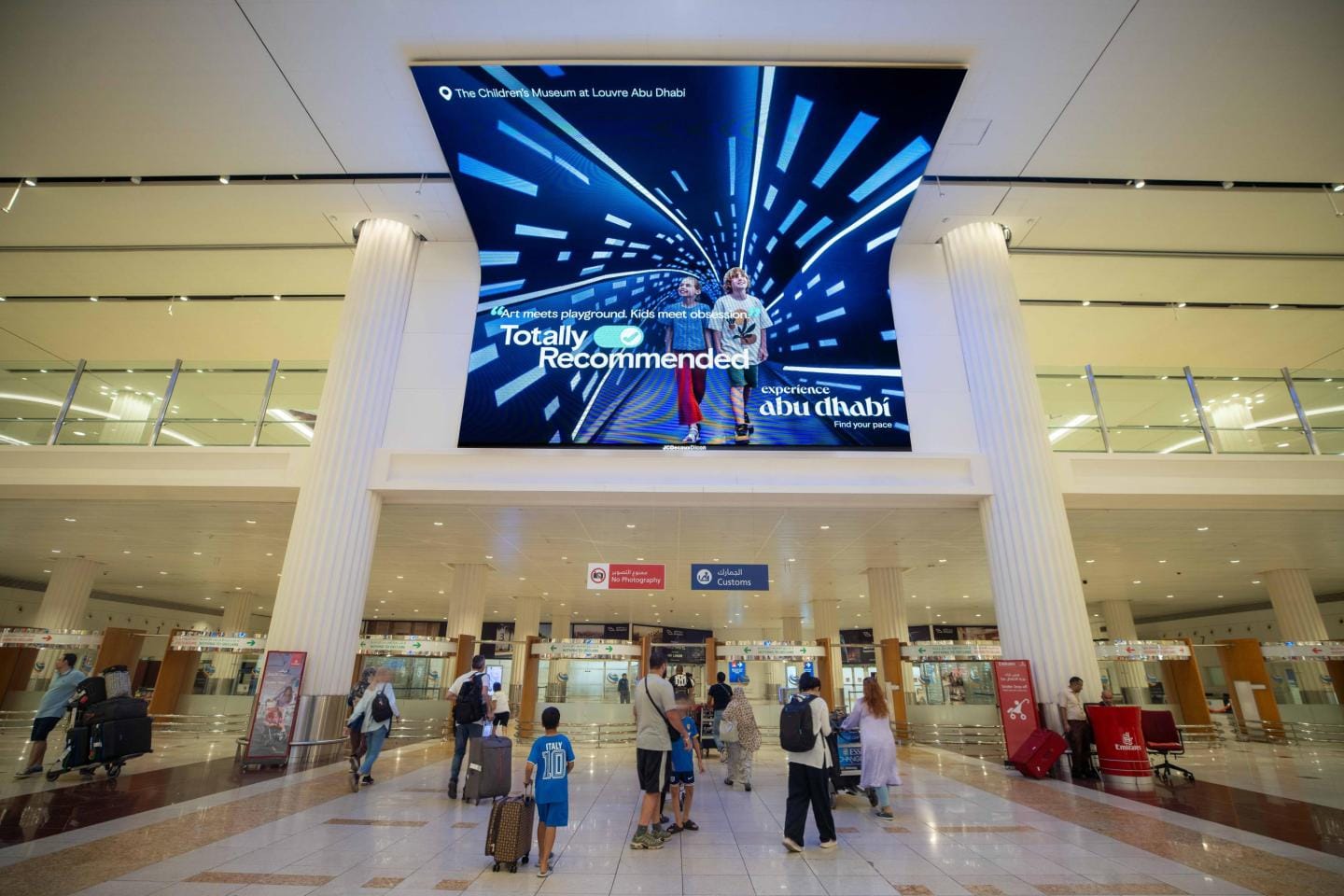
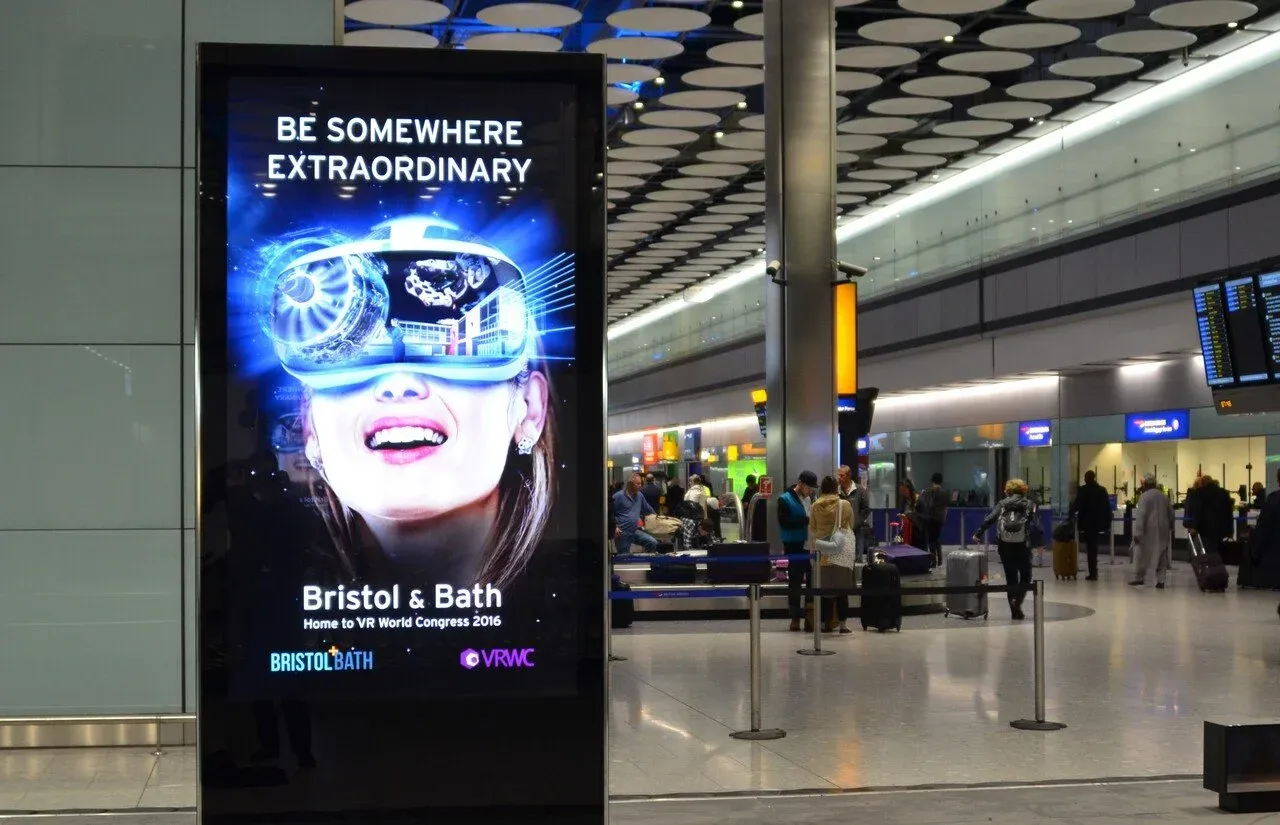
- Masscom Global's access and execution capability: Masscom Global provides brands with direct inventory access at LHW across digital screen networks, large-format static placements, and branded environment activations in both terminals; campaigns are structured around the airport's BRI business cycle peaks, summer heritage tourism concentration, and National Day Golden Week, with all Mandarin-language creative compliance, production logistics, and performance reporting managed by Masscom's China northwest regional team
Strategic Advertising Fit
Best Fit
- BRI infrastructure, logistics, and construction technology brands: No airport in northwest China currently offers more direct and concentrated access to the executive decision-makers driving China's Central Asian overland BRI corridor; infrastructure technology, logistics platform, construction equipment, project management software, and supply chain finance brands will find their most precisely targeted northwest China B2B audience at LHW
- Energy and petrochemical sector B2B brands: The Lanzhou petrochemical, natural gas, and energy infrastructure professional audience at LHW — rotating between field operations and business connectivity — represents a high-income, technically sophisticated, and procurement-active B2B segment for energy technology, industrial safety, digital oilfield, and professional services brand advertisers
- Silk Road and heritage luxury travel brands: Premium travel operators, boutique expedition companies, UNESCO heritage hotel groups, and cultural experience brands targeting China's domestic and international Silk Road tourism audience will find LHW a high-converting gateway for a heritage-motivated, above-average-spending leisure cohort whose travel intentionality is among the highest of any domestic Chinese tourism market
- Halal lifestyle and Islamic economy brands: The significant Hui Muslim catchment population and the airport's position as the gateway to China's most commercially significant Islamic culture corridor make LHW one of the most precisely aligned airports in China for halal food, Islamic finance, modest fashion, and Muslim-friendly hospitality brands
- Central Asia-facing trade and investment brands: LHW is the only airport in China where brands targeting the China-Central Asia bilateral trade and investment corridor can reach both Chinese BRI executives and Central Asian business professionals simultaneously in a single terminal — a precision B2B opportunity unique to this airport
- Regional financial services and wealth management: Banking, investment products, Islamic finance, and wealth planning services targeting Gansu's energy, metals, and BRI professional class will find a motivated and commercially underserved audience at LHW where financial services advertising competition is currently minimal relative to the income levels present
- Premium outdoor, adventure, and photography equipment brands: The Silk Road heritage landscape circuit — Dunhuang, Zhangye, Jiayuguan, and the Hexi Corridor — creates one of China's most active premium outdoor and photography tourism markets; adventure cameras, outdoor gear, and travel technology brands find a deeply aligned and commercially receptive audience at LHW
Brand Alignment at a Glance
| Category | Fit |
|---|---|
| BRI infrastructure and logistics technology | Exceptional |
| Halal lifestyle and Islamic economy | Exceptional |
| Silk Road heritage luxury travel | Exceptional |
| Energy and petrochemical B2B | Strong |
| Central Asia-facing trade and investment | Strong |
| Regional financial services | Strong |
| Premium outdoor and photography equipment | Strong |
| Ultra-luxury personal goods at scale | Poor fit |
Who Should Not Advertise Here
- Alcohol and nightlife-associated brands: The significant Hui Muslim population in Gansu's catchment — representing approximately 25 to 30% of the provincial population — and the conservative cultural profile of northwest China's social environment make alcohol brands commercially and culturally misaligned with LHW's dominant audience framework; these categories generate poor return and reputational risk in this market
- Coastal leisure and marine lifestyle brands: The Lanzhou catchment is a landlocked, continental, high-altitude environment whose leisure orientation is directed entirely toward desert, mountain, river canyon, and heritage experiences — coastal property, sailing, and beach resort brands have zero audience alignment at LHW
- Mass-market value brands targeting eastern China's urban consumer mass: LHW's professional audience is defined by purpose and authority rather than consumer mass — generic mass-market campaigns designed for eastern China's high-density urban consumer markets will find poor resonance in a catchment defined by BRI professionals, energy sector executives, heritage tourists, and Islamic economy merchants
Event and Seasonality Analysis
- Event Strength: High
- Seasonality Strength: High
- Traffic Pattern: Summer-Peak Heritage Tourism with Year-Round BRI Business Baseline and Islamic Calendar Spikes
Strategic Implication: Advertisers at LHW should structure their primary campaign investment around three overlapping rhythms: the summer heritage tourism peak from May through September — which delivers the year's highest concentration of culturally motivated, above-average-spending domestic and international Silk Road tourists — National Day Golden Week in October — which delivers peak domestic tourist volume simultaneously with the autumn BRI project review cycle — and the Islamic calendar Eid windows — which produce the most concentrated short-duration consumer spending surges for halal lifestyle and gifting brands. For B2B brands targeting the BRI logistics, energy, and government procurement audience, year-round presence is commercially justified given the consistent professional travel baseline that characterises these sectors regardless of season. Masscom Global structures LHW campaigns to align brand presence across all three rhythms simultaneously — ensuring that a single annual investment captures the heritage tourist, the BRI professional, and the Islamic economy merchant at their respective peak engagement windows without requiring separate booking cycles.
Poor Placement and Delays Affect Airport Campaigns
We help you move faster, access better inventory, and get it right now.
Talk to an ExpertFinal Strategic Verdict
Lanzhou Zhongchuan Airport is northwest China's most strategically significant and commercially undervalued advertising environment. Its 9.3 million annual passengers include the project directors of China's Central Asian BRI overland corridors, the petrochemical and energy industry principals of one of China's most important northwest industrial bases, the Hui Muslim merchants whose cross-border commercial relationships bridge Chinese manufacturing capacity and Islamic economy markets across Central Asia and the Gulf, and the premium cultural heritage tourists making deliberate, high-commitment journeys along the ancient Silk Road to Dunhuang, Zhangye, and Jiayuguan. No competing northwest Chinese airport combines BRI institutional authority, energy sector professional wealth, Islamic economy commercial depth, and premium Silk Road heritage tourism in a single terminal with this degree of audience concentration and this level of media environment clarity.
For brands in BRI infrastructure technology, halal lifestyle, Central Asian trade, energy B2B, Silk Road heritage travel, and regional financial services targeting China's northwest professional class, LHW is not a secondary provincial consideration — it is the most precisely positioned and most commercially consequential airport in the northwest China advertising market. Masscom Global provides the inventory access, northwest China regional intelligence, multilingual creative capability, and cross-corridor network reach to activate this opportunity at the speed and precision that Lanzhou's extraordinary strategic moment demands.
About Masscom Global
Masscom Global is a premium international airport advertising and media buying agency operating across 140 countries. With deep expertise in airport OOH, premium publications, and high-net-worth audience targeting, Masscom helps brands reach the world's most valuable travellers at the moments that matter most. For advertising packages, media rates, and campaign planning at Lanzhou Zhongchuan Airport and airports across the globe, contact Masscom Global today.
Frequently Asked Questions
How much does airport advertising cost at Lanzhou Zhongchuan Airport? Advertising investment at Lanzhou Zhongchuan Airport varies based on format type, terminal placement zone, campaign duration, and seasonal demand — with the summer heritage tourism peak from May through September, National Day Golden Week in October, and the Islamic calendar Eid windows commanding premium rates reflecting significant audience quality uplift. Digital screen networks, large-format static placements, and branded environment activations across both terminals carry different investment thresholds. LHW currently offers competitive rates relative to the professional audience authority and heritage tourist quality it delivers — a market condition expected to shift as BRI economic acceleration and growing international tourism recognition increase both passenger volumes and advertiser demand. Masscom Global provides current rate intelligence and a tailored campaign investment proposal — contact us directly to begin planning.
Who are the passengers at Lanzhou Zhongchuan Airport? The LHW passenger base is defined by the intersection of three commercially distinct audience streams: BRI logistics and infrastructure executives managing China's Central Asian overland development corridors; energy and petrochemical industry professionals from Lanzhou's significant refining and natural gas sector; and premium Silk Road cultural heritage tourists — domestic Chinese travelers from Tier 1 cities and international visitors from Japan, South Korea, Europe, and North America — making deliberate, high-commitment journeys to Dunhuang, Zhangye, Jiayuguan, and the extraordinary landscapes of the Hexi Corridor. Running through all three streams is the Hui Muslim merchant and commercial community — whose cross-border trade relationships with Central Asian and Gulf markets add a fourth commercially distinctive audience layer unique to northwest China.
Is Lanzhou Zhongchuan Airport good for luxury brand advertising? LHW carries a HNWI Score of Medium-High in Masscom Global's airport intelligence database, reflecting a solid professional affluent base rather than a concentrated ultra-HNWI luxury consumer market. The airport is exceptionally well-suited for premium brands in categories directly relevant to its audience — heritage luxury travel, premium outdoor and adventure equipment, Islamic economy luxury, energy sector professional services, and quality consumer lifestyle brands expanding beyond Tier 1 cities. Standard aspirational ultra-luxury personal goods perform better when LHW is used as a complementary placement alongside Xi'an, Chengdu, or eastern hub airports to build comprehensive northwest China professional class coverage.
What is the best airport in northwest China to reach BRI executives and Silk Road tourism audiences? Lanzhou Zhongchuan Airport (LHW) is the definitive answer for the combined BRI Central Asian corridor executive audience and premium Silk Road heritage tourism segment — no other northwest China airport serves both professional audiences simultaneously with equivalent concentration and authority. Urumqi Diwopu International Airport (URC) provides significantly higher passenger volume as the Xinjiang provincial hub and the primary Central Asian gateway for China's far northwest, offering complementary reach for brands seeking comprehensive northwest China BRI corridor coverage. Masscom Global recommends a dual-airport strategy pairing LHW with URC for brands requiring complete northwest China BRI professional and Islamic economy audience coverage.
What is the best time to advertise at Lanzhou Zhongchuan Airport? The three highest-value advertising windows at LHW are the summer heritage tourism peak from May through September — which delivers the year's highest concentration of premium cultural and Silk Road heritage tourist audiences — National Day Golden Week from October 1 to 7, which delivers peak domestic tourist volume while the BRI autumn project review cycle simultaneously concentrates the professional business audience, and the Eid al-Adha window in the Islamic calendar for halal lifestyle and gifting brand advertisers targeting the Hui Muslim catchment. Masscom Global recommends securing summer peak and Golden Week inventory at least three months in advance to ensure access to high-impact placement positions as these windows see growing competition from brands recognising northwest China's commercial potential.
Can international real estate developers advertise at Lanzhou Zhongchuan Airport? Yes, with strong audience alignment for the right market positioning. Lanzhou's affluent professional class — energy sector executives, BRI project managers, and metals industry principals — is a growing international real estate investment audience with active interest in Dubai, Turkey, Malaysia, and Australian markets. The Hui Muslim business community's cultural affinity for Islamic economy real estate environments in the UAE, Malaysia, and Turkey creates a distinctive buyer profile that few Chinese regional airports serve with equivalent precision. Developers with assets in Dubai, Istanbul, Kuala Lumpur, and major Australian cities will find a motivated and commercially developing buyer audience at LHW. Masscom Global can pair LHW placements with advertising at destination market airports for a coordinated investment journey campaign that engages the northwest China buyer at both origin and destination.
Which brands should not advertise at Lanzhou Zhongchuan Airport? Alcohol brands and culturally misaligned entertainment categories are commercially and culturally inappropriate for Gansu's significant Hui Muslim catchment and the conservative social environment of northwest China — these categories will generate poor return and reputational risk. Coastal leisure, beach resort, and marine lifestyle brands have zero audience alignment with LHW's landlocked, continental, and heritage-oriented passenger profile. Mass-market value brands designed for eastern China's high-density urban consumer markets will find poor resonance in a catchment defined by professional purpose, Islamic commercial values, and high-commitment cultural tourism motivation.
How does Masscom Global help brands advertise at Lanzhou Zhongchuan Airport? Masscom Global delivers end-to-end airport advertising capability at LHW — from northwest China regional audience intelligence profiling and multilingual creative strategy spanning Mandarin, Arabic, and Central Asian language requirements through to inventory access across both terminals, local regulatory compliance, production logistics, and post-campaign performance reporting. Our understanding of the BRI Central Asian corridor commercial context, the Hui Muslim business community's purchasing framework, and the Silk Road heritage tourism audience's brand receptivity means clients receive campaigns built on genuine market intelligence rather than generic northwest China media plans. For brands targeting the BRI professional corridor, Islamic economy audiences, or Silk Road heritage luxury travelers, Masscom Global's network reach across 140 countries and regional China execution capability makes us the only partner positioned to activate LHW as part of a coordinated national and Central Asian corridor campaign strategy.