

Airport at a Glance
| Field | Detail |
|---|---|
| Airport | Philadelphia International Airport |
| IATA Code | PHL |
| Country | United States of America |
| City | Philadelphia, Pennsylvania |
| Annual Passengers | Approximately 32 million (2023, stable Northeast corridor hub) |
| Primary Audience | Pharmaceutical and biotech HNWIs, financial services executives, Ivy League and academic professionals, Northeast corridor business travellers |
| Peak Advertising Season | March to June, September to November, December |
| Audience Tier | Tier 1 |
| Best Fit Categories | Financial services, luxury real estate, pharmaceutical and biotech B2B, international education, premium automotive, luxury lifestyle |
Philadelphia International Airport is the primary aviation gateway for one of the most economically exceptional metropolitan corridors in the world. The Greater Philadelphia region sits at the geographic and commercial centre of the Boston-Washington megalopolis — a 600-mile urban corridor that generates more GDP, more pharmaceutical innovation, more financial assets under management, and more Ivy League-educated HNWI households than any comparable geographic concentration on the planet. PHL's 32 million annual passengers do not represent a random cross-section of the American travelling public — they are drawn disproportionately from a professional and entrepreneurial class whose income levels, investment sophistication, and premium consumption capacity reflect decades of pharmaceutical wealth creation, financial services accumulation, and the compounding of Ivy League educational premium into generational HNWI status. For advertisers, PHL is not a high-volume mass-market airport — it is a precision access point to one of the United States' most commercially qualified regional HNWI audiences, operating within a media environment whose competitive advertising saturation is dramatically lower than the audience's wealth profile would suggest to any planner who has not studied the catchment's economic composition.
The commercial case for PHL rests on a structural audience advantage that is genuinely rare in the US airport landscape. Philadelphia and its surrounding counties host the global or US headquarters of AstraZeneca, Merck, GlaxoSmithKline, Janssen, and dozens of other major pharmaceutical and biotech companies, creating a pharmaceutical executive and scientist HNWI class whose equity compensation, international travel frequency, and premium consumption sophistication place them among the most commercially valuable professional audiences in American aviation. Layered over this pharmaceutical wealth base is the Delaware Valley's financial services economy — anchored by Vanguard's global headquarters, the largest fund manager in the world by assets under management — and a legal, consulting, and professional services sector whose per-capita income and investment activity consistently rank among the highest of any US metro catchment. These two pillars of professional HNWI wealth sit within one of the most affluent suburban residential markets in America — the Main Line, whose heritage HNWI community represents old-money wealth accumulation of a depth and longevity that few US metropolitan areas outside New York and Boston can approach.
Advertising Value Snapshot
- Passenger scale: Approximately 32 million annually, serving as the primary international and domestic hub for a metropolitan economy generating over $480 billion in annual GDP and housing the world's largest concentration of pharmaceutical and biotech research operations
- Traveller type: Pharmaceutical and biotech sector HNWIs, financial services executives and fund managers, Ivy League-educated professional and academic class, Main Line heritage wealth, Northeast corridor business travellers, Latin American and European business investors
- Airport classification: Tier 1 — the primary aviation gateway for the most pharmaceutically and financially dense HNWI catchment in the American Mid-Atlantic, serving a metropolitan economy whose per-capita professional income consistently exceeds national averages by a margin that volume-only airport rankings systematically obscure
- Commercial positioning: America's pharmaceutical wealth and Northeast corridor financial gateway, handling the United States' most commercially concentrated biotech and pharma HNWI audience alongside a Main Line heritage wealth community and a Delaware Valley financial services executive tier of global significance
- Wealth corridor signal: PHL sits at the commercial intersection of America's pharmaceutical innovation economy and the Northeast's generational HNWI residential corridor — two of the most durable and financially concentrated wealth-generating systems of any US metropolitan area
- Advertising opportunity: Masscom Global provides strategic inventory access and full campaign execution at Philadelphia International Airport, enabling brands to reach one of the United States' most commercially underestimated HNWI airport audiences with the strategic precision that a pharmaceutical, financial, and heritage wealth catchment demands. Masscom's global network allows advertisers to coordinate PHL placements with campaigns at London Heathrow, Frankfurt, Zurich, and Dublin — the four origin corridors that define the airport's highest-value international pharmaceutical and financial audience flows.
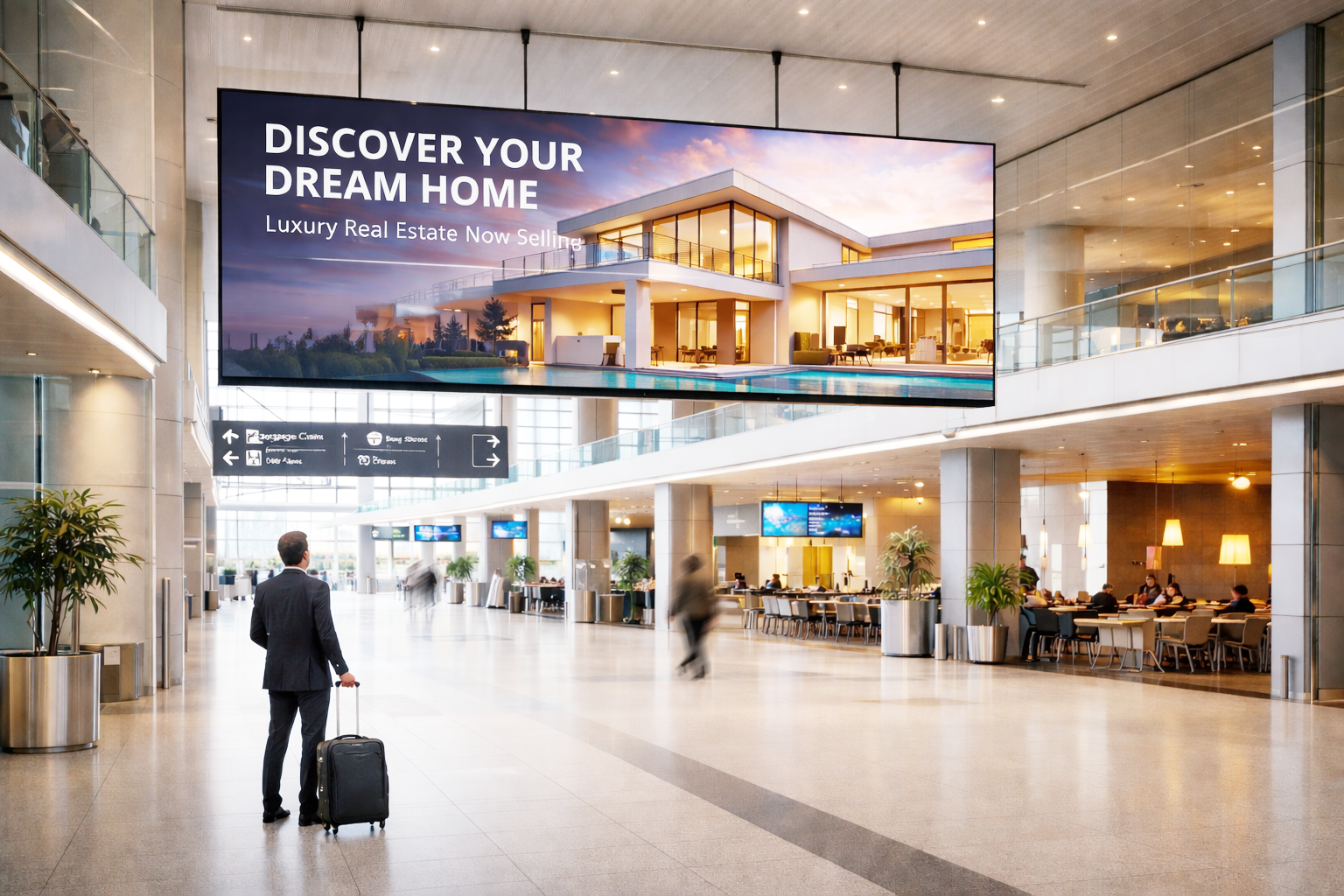
Airport Advertising is Complex to Get Right
We help you execute faster, with proven results and local insight most planners lack starting now.
Talk to an ExpertCatchment Area and Economic Drivers
Top 10 Cities within 150 km — Marketer Intelligence
- Philadelphia: The commercial, cultural, and healthcare capital of the Delaware Valley and the fifth-largest city in the United States by population; home to a world-class university and hospital complex anchored by the University of Pennsylvania, Jefferson Health, and Temple University, whose combined research and clinical operations produce a senior medical professional and academic HNWI class of exceptional income and global mobility; the city's growing technology and financial services corridor is adding a second generation of equity-compensated professional households whose consumption standards reflect their Ivy League educational pedigree and Northeast metropolitan brand expectations
- King of Prussia and the Main Line: The commercial and residential heartland of Philadelphia's pharmaceutical and financial HNWI class, stretching along the historic Pennsylvania Railroad corridor through Bryn Mawr, Wayne, Villanova, Radnor, and Paoli; this corridor represents one of the most densely concentrated old-money and new-money HNWI residential communities in the United States, with household income levels and accumulated asset values that rival comparable enclaves in Greenwich, Connecticut or Bethesda, Maryland; every resident of the Main Line uses PHL as their primary international gateway, making this corridor the most commercially valuable residential audience within any US airport's immediate catchment
- Wilmington, Delaware: The corporate and financial legal capital of the United States, where over 60 percent of Fortune 500 companies are incorporated and whose financial and legal services professional community represents a senior corporate counsel, private equity, and investment management audience of global significance; Wilmington's proximity to PHL — 30 minutes by Amtrak — makes the airport the preferred international departure point for the Delaware financial and legal executive class
- Princeton, New Jersey: Home to Princeton University and a dense cluster of pharmaceutical research operations including Bristol-Myers Squibb and numerous biotech startups; the Princeton academic, research, and pharmaceutical executive community represents one of the highest-income and most internationally mobile professional audiences in the Northeast, whose use of PHL for international travel creates a recurring premium audience of exceptional commercial value for financial services, luxury real estate, and international education advertisers
- Cherry Hill and South Jersey: A large and commercially active suburban corridor with significant healthcare, retail, and professional services employment; produces a high-income professional and business owner audience that uses PHL for both domestic and international travel and represents the more broadly accessible consumer marketing opportunity within the airport's residential catchment
- Trenton, New Jersey: New Jersey's capital city and a growing pharmaceutical and logistics hub positioned on the Northeast Corridor rail line; the Trenton professional and government affairs community contributes a policy, regulatory, and pharmaceutical affairs executive audience with strong international travel behaviour connected to FDA and global regulatory compliance obligations
- Atlantic City: New Jersey's hospitality, gaming, and convention economy generates a commercial tourism and entertainment executive audience with strong hospitality brand awareness and above-average leisure spending profiles; Atlantic City's casino and resort operators also contribute a senior hospitality executive and investor audience that travels internationally through PHL for gaming industry partnerships and resort development investment
- Lancaster: The centre of Pennsylvania's agricultural and advanced manufacturing economy, with a growing technology and creative sector; Lancaster's entrepreneurial business owner community — particularly its Amish and Mennonite-adjacent manufacturing businesses that have quietly built some of the most successful small and mid-cap manufacturing companies in Pennsylvania — contributes a commercially underestimated business owner and entrepreneur audience with significant accumulated capital and growing international investment activity
- Harrisburg: Pennsylvania's state capital and a significant government, insurance, and financial services hub; the Harrisburg professional and government affairs audience contributes a policy, finance, and public sector executive traveller tier with strong domestic and international travel frequency connected to federal and state government engagement
- Allentown and the Lehigh Valley: Pennsylvania's third-largest metro area and a rapidly growing warehouse, logistics, and manufacturing hub whose proximity to both PHL and New York has made it one of the most commercially active secondary cities in the Northeast; the Lehigh Valley's growing professional class — particularly in healthcare, manufacturing, and financial services — represents a commercially expanding audience within PHL's catchment whose income levels are rising faster than the catchment average as corporate investment in the corridor accelerates
NRI and Diaspora Intelligence: Greater Philadelphia hosts one of the most economically significant South Asian diaspora communities in the United States — a pharmaceutical and medical professional community concentrated in the Delaware Valley through the combined employment gravity of AstraZeneca, Merck, Janssen, and the University of Pennsylvania Health System. The Indian-American medical and pharmaceutical professional community in the Philadelphia suburbs carries household income levels consistently in the top decile of US income distribution, maintains active investment relationships with India's real estate and equity markets, and generates a strong outbound student migration flow toward Ivy League and elite UK institutions. The Caribbean and Latin American diaspora — particularly Puerto Rican and Dominican communities in North Philadelphia — contributes a high-frequency VFR travel flow through PHL whose lower-income concentration is commercially relevant for financial services, remittance platforms, and consumer goods advertisers targeting this segment. The Irish-American and Italian-American communities — historically defining demographics of Philadelphia's suburban professional class — carry strong cultural ties to European origin countries that create recurring heritage tourism and family visit travel through PHL's Dublin, London, and Rome route network. The Jewish community in the Philadelphia suburbs — particularly in Lower Merion, Bala Cynwyd, and Cherry Hill — is among the most economically active in the Northeast and carries strong international investment behaviour, philanthropic engagement, and premium consumer brand orientation that makes them a commercially disproportionate audience relative to their numerical size.
Economic Importance: The Greater Philadelphia economy is built on three commercially dominant pillars that produce distinct and exceptionally high-value advertiser audience segments. The pharmaceutical and biotech sector is the region's defining commercial engine — Philadelphia is the global or US headquarters city for more major pharmaceutical companies than any other US metropolitan area outside New Jersey's pharmaceutical corridor, and the executive, scientific, and commercial leadership of this sector has generated one of the most concentrated pharmaceutical HNWI professional classes in the world. The financial services sector — anchored by Vanguard's global headquarters in Malvern, the largest fund manager by assets under management on the planet, alongside Lincoln Financial, SEI Investments, and a dense network of independent registered investment advisors and family offices — produces a fund management and financial services executive class whose investment sophistication and premium consumption behaviour consistently ranks among the highest of any US metro catchment outside New York and Boston. The healthcare and academic medical sector — anchored by the University of Pennsylvania Health System, Jefferson Health, Children's Hospital of Philadelphia, and Temple University Health System — produces a senior physician, surgeon, and academic medical professional community whose income levels and international research travel frequency make them one of the most commercially valuable healthcare professional audiences accessible at any US domestic airport. Together, these three sectors sustain a regional HNWI class whose aggregate wealth, investment activity, and premium consumption capacity dramatically exceeds what PHL's passenger volume ranking among US airports would suggest to a planner working from volume metrics alone.
Business and Industrial Ecosystem
- Global Pharmaceutical Headquarters — AstraZeneca US, Merck Sharp and Dohme, GSK US, Janssen Pharmaceuticals, Jazz Pharmaceuticals: Greater Philadelphia's pharmaceutical cluster is the most commercially dense in the United States, generating a senior executive, commercial operations, and regulatory affairs class that travels internationally to Europe's pharmaceutical hubs — London, Basel, Brussels, and Dublin — with a frequency and income profile that places them among the most commercially valuable business travellers at any Northeast US hub airport; financial services, wealth management, luxury automotive, and international real estate advertising achieves exceptional receptivity with this audience at PHL
- Vanguard Group Global Headquarters — Malvern, Pennsylvania: The world's largest mutual fund company by assets under management, overseeing over $8 trillion in investor assets, generates a senior investment management and financial operations executive class whose combination of investment sophistication, international travel frequency, and premium brand awareness places them at the apex of PHL's business traveller commercial value hierarchy; this audience is among the most financially literate and investment-active of any single-company catchment contribution at any US airport
- University of Pennsylvania, Drexel, Temple, and Delaware Valley Academic Research Institutions: The Greater Philadelphia academic and research complex is one of the largest and most commercially consequential in the United States, generating a senior faculty, research, and administration class that travels internationally for conferences, research partnerships, and grant agency engagement with a frequency and income profile that makes them a commercially significant premium professional audience for financial services, academic publishing, and premium lifestyle brand advertisers
- Defence and Advanced Manufacturing — Lockheed Martin's Camden and Valley Forge Operations, Boeing's Ridley Park Facility: Greater Philadelphia's defence manufacturing base generates a senior engineering and programme management class with strong international travel requirements connected to NATO partnership, procurement, and programme delivery obligations; this audience carries above-average financial product sophistication and premium consumer brand engagement reflecting their high income levels and global professional exposure
Passenger Intent — Business Segment: Business travellers at PHL are concentrated in categories of exceptional and distinctive commercial value. Pharmaceutical executives departing for London, Basel, Dublin, and Frankfurt carry deal-making authority for multi-billion dollar licensing, M&A, and partnership transactions whose value dwarfs the individual travel cost — making them the most commercially consequential individual business traveller segment at any US Mid-Atlantic airport. Financial services executives from Vanguard, Lincoln Financial, and the Delaware Valley's investment management community travel for fund management, institutional client relationships, and international market research with a financial sophistication and investment knowledge that makes them the most technically informed financial product advertising audience at PHL. Academic medical professionals travelling for research conferences, clinical trial oversight, and international health system partnerships represent a third tier of exceptional income and global mobility. Together, these three business segments create a PHL business traveller audience whose average transaction size — in both business and personal spending — consistently exceeds the national US business traveller average by a margin that the airport's volume ranking does not convey.
Strategic Insight: The business audience at Philadelphia International Airport is defined by a Northeast intellectual culture that combines analytical rigour with conservative brand trust and a strong orientation toward demonstrated expertise over lifestyle aspiration. This is an audience shaped by Ivy League educational pedigree, scientific and financial professional training, and a regional heritage of Quaker pragmatism that consistently rewards substance over style in brand communication. Pharmaceutical executives and fund managers at PHL respond to campaigns that demonstrate genuine expertise, credible track records, and specific outcome data — and they are among the most resistant of any US airport audience to generic luxury positioning that cannot be substantiated by demonstrable product or service quality. Masscom-structured campaigns calibrated to PHL's intellectual and analytical audience psychology achieve measurably stronger recall and commercial conversion than generic premium formats deployed without this audience-specific intelligence.
Tourism and Premium Travel Drivers
- Independence Hall, Liberty Bell, and the Historic District: America's most historically significant urban quarter, drawing domestic and international heritage tourism from across the United States and from Europe, Asia, and Latin America; the Philadelphia historical tourism audience — disproportionately educated, culturally engaged, and travelling with above-average accommodation and experience budgets — carries strong premium lifestyle brand alignment and represents a high-quality inbound leisure audience distinct from the pure leisure resort audiences that define comparable volume airports
- Philadelphia Museum of Art and the Barnes Foundation: Two of the most significant art museums in the United States, anchoring a Philadelphia cultural tourism proposition that draws an educated, affluent, and internationally mobile arts patronage audience; the Philadelphia arts tourist carries premium accommodation, dining, and cultural experience spending profiles and represents an ideal audience for luxury lifestyle, premium hospitality, and cultural brand advertising at PHL
- Valley Forge National Historical Park and Pennsylvania Dutch Country: Heritage tourism destinations within 60 minutes of PHL that draw domestic and international visitors seeking American historical and cultural authenticity; the Valley Forge and Lancaster County visitor profile combines academic tourism with a premium rural and agricultural lifestyle interest that is commercially relevant for premium food, sustainable luxury, and heritage lifestyle brands
- Atlantic City and New Jersey Shore Resort Corridor: A major domestic leisure tourism draw within 60 minutes of PHL generating a consistent premium leisure and entertainment tourism flow through the airport; the Atlantic City visitor demographic — combining casino entertainment, beach resort leisure, and weekend city-break tourism from the Northeast — contributes a commercially diverse leisure audience whose spending behaviour and brand orientation reinforce PHL's premium leisure advertising environment throughout the spring and summer seasons
Passenger Intent — Tourism Segment: Leisure travellers departing from PHL represent a premium Northeast consumer profile whose income levels and cultural sophistication reflect the Delaware Valley's exceptional wealth concentration. Outbound leisure travellers at PHL are planning premium international holidays to Europe — particularly the UK, Ireland, France, Italy, and Spain — and luxury Caribbean and resort destinations, carrying vacation budgets calibrated to Main Line and Delaware Valley household income standards. Inbound leisure tourists arriving at PHL are drawn by the city's extraordinary concentration of American historical heritage, world-class museum collections, and a food and restaurant culture that has achieved national prominence; these visitors carry above-average cultural tourism spending profiles and represent a commercially valuable inbound audience for premium hospitality, lifestyle, and experiential brand advertisers.
Travel Patterns and Seasonality
Peak seasons:
- March to June: The primary spring business travel and leisure departure season, coinciding with the pharmaceutical industry's major conference calendar — JPMorgan Healthcare Conference preparation travel, BIO International, and the American Society of Clinical Oncology meetings — alongside the spring leisure departure wave to Europe and the Caribbean; this window delivers the year's most consistent combination of pharmaceutical HNWI business travel and premium leisure outbound volume
- September to November: The dominant fall business travel season when pharmaceutical licensing and deal-making cycles peak, financial services annual planning travel reaches maximum intensity, and the academic conference calendar produces the year's highest concentration of senior research and medical professional travellers through PHL; the fall foliage season adds a premium domestic leisure tourism dimension that reinforces the commercial quality of the audience
- December: The holiday gifting and year-end travel mobilisation window, combining corporate year-end travel, returning Ivy League student and faculty flows from international institutions, Main Line family holiday travel, and the pharmaceutical industry's year-end partnership and licensing completion activity into a commercially exceptional four-week concentration
Event-Driven Movement:
- JPMorgan Healthcare Conference Preparation Travel (January): The world's most important healthcare investment conference in San Francisco draws the entire senior leadership of Philadelphia's pharmaceutical and biotech community every January; the outbound pharmaceutical executive wave departing PHL in the days before and after this conference represents one of the year's most commercially concentrated HNWI pharmaceutical audience windows — a short but exceptionally high-value advertising moment for financial services, wealth management, luxury automotive, and premium lifestyle brands
- American Society of Clinical Oncology Annual Meeting (June, Chicago): The world's largest oncology conference draws hundreds of senior oncology researchers, clinicians, and pharmaceutical executives from the Philadelphia region; the pre-ASCO departure window at PHL delivers a concentrated senior medical and pharmaceutical professional audience with above-average premium brand receptivity
- Penn Relays and Ivy League Spring Sports Season (April): The University of Pennsylvania's Penn Relays — the oldest and largest track and field event in the United States — draws alumni, academic, and premium sports tourism audiences from across the Northeast; the Ivy League alumni travel behaviour that this event anchors produces a recurring premium educated professional audience at PHL whose brand orientation reflects the intellectual and cultural identity of America's most selective educational institutions
- Philadelphia Flower Show — PHS Philadelphia Flower Show (March): The oldest and largest indoor flower show in the world, drawing over 250,000 premium lifestyle, horticulture, and design-oriented visitors from across the Northeast; the Flower Show audience profile — affluent, culturally engaged, and disproportionately drawn from the Main Line and suburban Delaware Valley HNWI residential community — creates a short but commercially significant premium consumer audience window for lifestyle, home, and luxury goods advertisers at PHL
- Thanksgiving and Christmas Academic Calendar Travel (November/December): The University of Pennsylvania, Drexel, Temple, Villanova, and the broader Delaware Valley academic community generate significant Thanksgiving and Christmas travel surges as students, faculty, and their families travel for the holidays; the faculty and senior administrative component of this audience carries exceptional income levels and strong international premium brand engagement
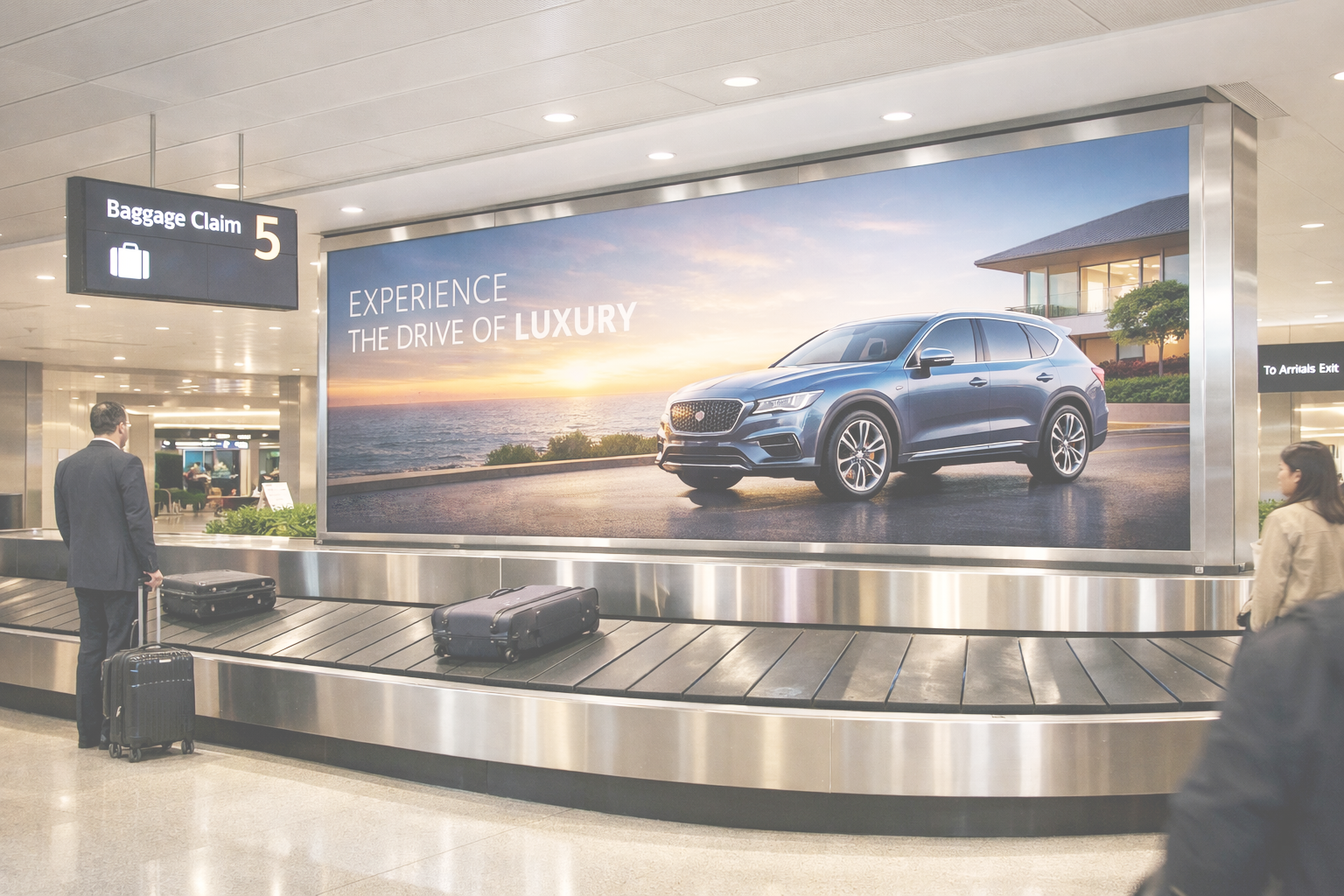
It’s Not Just Where You Advertise - It’s How Fast You Execute
We combine local insight with fast rollout to deliver results for you, now.
Talk to an ExpertAudience and Cultural Intelligence
Top 2 Languages:
- English: The dominant language of the airport's pharmaceutical, financial, and academic professional audience; English-language creative at PHL must reflect the analytical sophistication, intellectual authority, and conservative brand trust orientation of the Northeast professional class — this is an audience that processes advertising claims with the same evidence-based critical thinking they apply to scientific data and investment prospectuses, and campaigns that lead with credible proof points, peer-validated quality, and demonstrated expertise consistently outperform those anchored in purely aspirational lifestyle narratives
- Spanish: The essential second language for reaching PHL's commercially significant Latin American and US Hispanic audience, which encompasses both Philadelphia's large Puerto Rican and Dominican communities and the growing Colombian, Mexican, and Venezuelan business and investment traveller flows through the airport; Spanish-language creative is particularly relevant for financial services, real estate, and consumer goods campaigns targeting the Hispanic professional and business owner community that is growing rapidly in the Delaware Valley's healthcare and pharmaceutical employment corridors
Major Traveller Nationalities: The international audience at PHL is led by British and Irish nationals — reflecting the deep Anglo-American pharmaceutical and academic research relationship that defines the Philadelphia-London-Dublin corridor as one of the most commercially active bilateral professional corridors in US aviation. German, Swiss, and Belgian nationals form the second international tier, connected to Philadelphia through the European pharmaceutical industry's operational and research relationships with the Delaware Valley's major pharma headquarters. Indian nationals represent a growing and commercially significant international segment, driven by the large and economically exceptional Indian-American pharmaceutical and medical professional community in the Philadelphia suburbs whose return travel to India and travel to international pharmaceutical conferences sustains a high-frequency and high-value Indian national traveller presence at PHL. Canadian nationals form a high-frequency business and leisure cross-border audience whose proximity and cultural affinity with the Northeast US market makes them a consistent and commercially relevant premium traveller segment.
Religion — Advertiser Intelligence:
- Protestant and Mainline Christianity (approximately 35% of Greater Philadelphia): The dominant religious tradition of Philadelphia's suburban HNWI community — particularly the Presbyterian and Episcopalian communities that define the Main Line's heritage religious culture — shapes the Christmas and Easter travel and gifting mobilisation events that represent the two most commercially significant consumer spending windows for premium goods and family travel advertisers at PHL; the Mainline Protestant community's strong philanthropic engagement and premium cultural consumption behaviour also creates commercially relevant windows around arts, education, and charitable giving campaign moments
- Roman Catholicism (approximately 30%, historically dominant in the city and South Jersey): Philadelphia is one of the United States' most historically Catholic metropolitan areas, with a strong Irish-American, Italian-American, and Latino Catholic community whose religious observance creates major travel and gifting mobilisation events at Christmas, Easter, and key Catholic feast days; the overlap between Catholic observance and the pharmaceutical industry's dominant Irish and Italian-American executive demographic creates a specific and commercially concentrated window for consumer lifestyle, premium goods, and travel brand advertisers during the Catholic holiday calendar
- Judaism (approximately 5%, commercially disproportionate): Philadelphia's Jewish community — concentrated in the Lower Merion, Cherry Hill, and Northeast Philadelphia areas — is among the most economically significant of any US city's Jewish community relative to size; the High Holy Days in September and October, the Hanukkah gifting window, and the Passover travel period create specific high-value audience concentration moments for luxury goods, real estate, financial services, and premium lifestyle advertisers; the Jewish community's strong concentration in the pharmaceutical, legal, and financial services sectors means that their commercial significance at PHL extends well beyond their numerical share of the passenger base
- Hinduism and Sikhism (approximately 3%, growing rapidly): The Indian-American pharmaceutical and medical professional community in the Philadelphia suburbs observes Diwali as the year's most commercially significant consumer spending and gifting event; the Diwali window in October and November aligns with the pharmaceutical industry's year-end partnership and conference cycle to produce a commercially powerful audience concentration for luxury consumer goods, financial services, and premium lifestyle brands targeting the South Asian HNWI community in the Delaware Valley
Behavioral Insight: The Philadelphia International Airport audience is shaped by a consumer psychology that is unique among US Tier 1 airports — a blend of Northeast intellectual conservatism, pharmaceutical scientific rigour, old-money Main Line brand restraint, and Ivy League-educated professional ambition that together produce a premium consumer orientation built on substance, provenance, and peer validation rather than conspicuous display. The Main Line HNWI demographic is famously understated in its luxury consumption — this is a community that drives European sedans rather than SUVs, buys art rather than jewellery, and chooses historic country properties over trophy glass towers. The pharmaceutical professional adds a scientific decision-making layer — evidence-based, outcome-oriented, and deeply resistant to claims that cannot be substantiated by track record or data. The Vanguard and financial services professional class adds a capital efficiency mindset — people who have spent their careers measuring investment returns will apply the same framework to premium consumer purchases. Campaigns at PHL that lead with heritage, provenance, proven performance, and intellectual credibility consistently achieve exceptional recall and brand preference with this audience in ways that experiential lifestyle advertising and status symbol positioning cannot replicate.
Outbound Wealth and Investment Intelligence
The outbound traveller at Philadelphia International Airport represents one of the most financially sophisticated and internationally investment-active HNWI audiences of any US Mid-Atlantic airport. Greater Philadelphia's pharmaceutical and financial wealth generation — concentrated in a relatively small and geographically defined residential corridor — has created an HNWI class whose international capital deployment behaviour reflects decades of accumulated investment sophistication combined with the global market exposure that comes from careers in multinational pharmaceutical, fund management, and professional services organisations.
Outbound Real Estate Investment: Philadelphia's Main Line and Delaware Valley HNWI class deploys international real estate capital with a characteristic combination of lifestyle motivation, heritage connection, and conservative investment discipline. Europe — particularly the United Kingdom, Ireland, France, and Italy — is the dominant international real estate acquisition market for Philadelphia's HNWI class, driven by a combination of Irish and Italian-American heritage connections, Anglophile cultural orientation among the Main Line community, and the genuine investment credentials of London, Dublin, and Paris residential property as long-term wealth preservation assets. The Caribbean — particularly Turks and Caicos, Barbados, and the US Virgin Islands — draws the luxury leisure real estate buyer motivated by proximity and resort lifestyle alignment. Florida's Palm Beach, Jupiter, and Delray Beach corridors — accessible directly from PHL — are among the most active domestic second-home markets for the Philadelphia HNWI class, reflecting the strong Northeast-to-Florida migration pattern that has defined American HNWI residential behaviour for generations. Portugal and Spain are growing European lifestyle real estate markets for the Delaware Valley professional class whose international careers have created European cultural familiarity and whose tax-efficient wealth management motivations are served by the Golden Visa and non-lucrative visa programmes respectively.
Outbound Education Investment: The Delaware Valley's Ivy League-adjacent HNWI class is among the most active investors in premium international education in the United States, with a strong and generationally reinforced commitment to academic excellence that consistently produces one of the highest rates of Ivy League and elite university enrolment of any US metropolitan catchment. The primary international university destinations for Philadelphia families are United Kingdom institutions — Oxford, Cambridge, the London School of Economics, Edinburgh, and St Andrews — whose combination of academic reputation, European cultural access, and Anglophile cultural resonance with the Main Line community makes them the preferred international options for the most academically ambitious tier. Irish universities — particularly Trinity College Dublin — attract a significant share of Philadelphia's Irish-American HNWI community's international education investment, combining heritage connection with genuine academic quality. Canadian universities — University of Toronto, McGill, and Queens — attract the family seeking elite academic quality at accessible cost points within a North American cultural context. The pharmaceutical professional community's South Asian component generates an additional and commercially significant outbound education corridor to elite Indian institutions alongside US and UK alternatives.
Outbound Wealth Migration and Residency: Philadelphia's HNWI class shows a characteristically understated but commercially significant interest in international residency and lifestyle optionality, motivated primarily by European heritage connection, academic sabbatical culture, and the desire for global access that characterises the pharmaceutical and academic professional class. Portugal and Ireland attract the strongest interest from the Delaware Valley HNWI community — Portugal for its Golden Visa investment proposition and Atlantic lifestyle alignment, Ireland for the Irish-American heritage connection and EU residency access that makes Dublin a natural second-home market for Philadelphia's substantial Irish-American professional community. Italy and France attract the cultural residency interest of the Main Line's Francophile and Italophile HNWI households whose European travel frequency has evolved into a genuine second-home acquisition motivation. The pharmaceutical executive class — whose international careers frequently include extended postings in London, Basel, or Brussels — carries a specific global mobility mindset that creates strong receptivity for international wealth structuring and cross-border financial planning services at PHL.
Strategic Implication for Advertisers: International brands on both sides of Philadelphia's wealth corridor — real estate developers in London, Dublin, Lisbon, and the Caribbean; UK and Irish universities; international tax advisory and wealth structuring services; and premium European lifestyle brands — should treat Philadelphia International Airport as a priority activation point rather than a supplementary Mid-Atlantic buy. The pharmaceutical and financial services HNWI audience at PHL is not only financially qualified — it is analytically prepared, internationally connected, and operating in a domestic advertising environment at the airport whose competitive saturation is dramatically lower than the audience's wealth profile justifies. Masscom Global offers the capability to coordinate simultaneous campaign placements at PHL and at the destination airports where this audience arrives — London Heathrow, Dublin, Zurich, and Lisbon — creating a corridor-spanning sequential brand narrative that follows the investment decision from Philadelphia to its European and international conclusion.
Airport Infrastructure and Premium Indicators
Terminals:
- Philadelphia International Airport operates through seven terminals — A-East, A-West, B, C, D, E, and F — with American Airlines dominating Terminal A operations and handling the majority of international departures through Terminal A-West's dedicated international zone; the terminal layout creates multiple distinct audience capture environments with Terminal A-West representing the highest-quality premium advertising context due to its concentration of international business and premium leisure travellers
- The airport's domestic terminal complex serves a passenger mix that shifts measurably toward the pharmaceutical executive, financial services professional, and academic HNWI tier at peak business travel periods — particularly Tuesday through Thursday departures to Boston, New York, Washington DC, Chicago, and the pharmaceutical and financial hub cities of the Northeast corridor
Premium Indicators:
- PHL hosts American Airlines Admirals Club, American Express Centurion Lounge, Chase Sapphire Lounge, and United Club facilities within the terminal complex; the concentration of premium lounge access — reflecting the pharmaceutical and financial services executive class's high-frequency travel patterns and premium credit card penetration — signals a traveller income floor among the lounge-using segment that is exceptional for an airport of PHL's volume ranking
- The airport's proximity to the Philadelphia Marriott Airport, Aloft Philadelphia Airport, and the Sheraton Philadelphia Airport Hotel creates an adjacent premium hospitality ecosystem whose business guest population — predominantly pharmaceutical and financial services executives staying for regional meetings — extends PHL's effective advertising audience to include a captive high-income accommodation audience within the airport perimeter
- The Main Line's proximity to PHL — with Radnor, Wayne, Villanova, and Bryn Mawr all within 20 minutes of the terminal — means that the airport's resident catchment audience includes a higher concentration of generational HNWI households than any comparable US airport positioned within its distance of the terminal; this ambient proximity of old-money wealth creates a premium brand association context that reflexively benefits advertisers placing inventory at PHL
- PHL's American Airlines hub status and its position on Amtrak's Northeast Corridor — with the 30th Street Station just 15 minutes from the terminal — creates a multi-modal premium access ecosystem whose business travellers are drawn from the full Northeast megalopolis, amplifying the local Delaware Valley HNWI audience with connecting premium professional traffic from New York, Washington, Boston, and Baltimore
Forward-Looking Signal: Philadelphia International Airport is currently in the planning and initial execution phases of a major terminal modernisation programme designed to upgrade passenger facilities, expand premium lounge and retail infrastructure, and increase international gate capacity to accommodate growing pharmaceutical industry and international leisure route demand. Philadelphia's designation as the host city for the 2026 FIFA World Cup — with several matches scheduled at Lincoln Financial Field — is driving significant international terminal expansion and new direct route development that will add European, Latin American, and Asian carrier capacity to PHL's international network in a compressed multi-year timeline that is already driving inventory demand growth. The 2026 World Cup represents the single most commercially significant short-term demand driver at PHL in the airport's recent history, and Masscom Global advises clients to activate campaigns well ahead of the competition period to secure optimal inventory positions before the anticipated rate appreciation that a global mega-event of this scale will generate.
Airline and Route Intelligence
Top Airlines:
- American Airlines (primary hub carrier — dominant share of domestic and international operations)
- Southwest Airlines (significant domestic presence)
- United Airlines
- Delta Air Lines
- British Airways
- Aer Lingus
- Lufthansa
- Air Canada
- WestJet
- Azores Airlines
- Norse Atlantic Airways (transatlantic leisure routes)
- Frontier Airlines
Key International Routes:
- London Heathrow (British Airways and American — the primary transatlantic corridor, carrying the pharmaceutical industry's most important bilateral research and commercial relationship)
- Dublin (Aer Lingus and American — the Irish heritage and pharmaceutical research corridor, one of PHL's most commercially significant international routes by audience quality)
- Frankfurt (Lufthansa and American — the German pharmaceutical and manufacturing investment corridor)
- Zurich (Swiss and American, seasonal — the Swiss pharmaceutical and private banking corridor, carrying a disproportionately HNWI pharmaceutical executive audience)
- Amsterdam (KLM and connecting services — the Benelux pharmaceutical and financial corridor)
- Paris CDG (Air France and American — the French luxury and cultural corridor)
- Cancún and Caribbean destinations (multiple carriers, seasonal — the leisure resort second-home and family vacation corridor)
- Toronto and Montreal (Air Canada and WestJet — the Canadian business and academic corridor)
- Reykjavik (Icelandair — the transatlantic bridge connecting PHL to Northern Europe at accessible price points for the academic and cultural tourism audience)
Domestic Connectivity: Philadelphia International Airport is American Airlines' third-largest hub, with connecting domestic service to every major US city and direct domestic routes to over 100 destinations; the Amtrak Northeast Corridor connection at 30th Street Station effectively expands PHL's domestic catchment to include the full Boston-Washington megalopolis as a feeder market, creating a connecting premium professional audience that amplifies the local Delaware Valley HNWI audience with business travellers originating throughout the most economically productive corridor in the United States.
Wealth Corridor Signal: The London and Dublin route dominance at PHL communicates a precise and commercially actionable picture of where the airport's pharmaceutical and heritage wealth flows are concentrated. The London corridor carries both the inbound European pharmaceutical executive class visiting AstraZeneca, Merck, and GSK's Delaware Valley headquarters and the outbound Philadelphia pharmaceutical and financial professional accessing European headquarters, regulatory bodies, and investment institutions — making it simultaneously a B2B pharmaceutical advertising corridor and a luxury lifestyle and real estate investment access route. The Dublin corridor carries Philadelphia's largest single European heritage community — the Irish-American professional class that defines a significant share of the pharmaceutical and legal executive audience — and is one of the few US domestic airport international routes where cultural affinity, corporate relationship, and investment migration interest converge in a single corridor. Advertisers who build campaign strategy around the specific commercial narrative of these two corridors will consistently intercept PHL's highest-value and most internationally active audience segments with a precision that volume-only planning cannot achieve.
Media Environment at the Airport
- Philadelphia International Airport's multi-terminal structure — with American Airlines' A-West international zone functioning as the concentrated premium audience capture environment and the domestic terminals providing broad reach across the pharmaceutical, financial, and academic professional audience — creates a two-tier media environment that allows advertisers to choose between precision international HNWI targeting in A-West and broad premium domestic business traveller reach across the full terminal complex
- Dwell time at PHL benefits from the pharmaceutical executive class's characteristic travel behaviour — these are professionals managing time-sensitive deal-making and regulatory schedules who nonetheless arrive early, use lounge facilities extensively, and spend significant pre-departure time in the terminal environment; international departure dwell windows at PHL consistently run 90 minutes to two hours for the premium business audience, generating multiple advertising exposures per passenger in formats that the lounge-to-gate transit pathway delivers with particular efficiency
- The 2026 FIFA World Cup infrastructure investment is already improving the physical quality of PHL's advertising environment in anticipation of the global audience the tournament will deliver — creating a terminal upgrade trajectory that will progressively elevate the brand association context for advertising placed at the airport in the run-up to and during the competition period
- Masscom Global holds strategic inventory access at Philadelphia International Airport and executes campaigns with the analytical precision and audience intelligence that the pharmaceutical, financial, and academic professional audience demands; Masscom's PHL campaigns are structured to achieve simultaneous reach across the international pharmaceutical executive tier in Terminal A-West and the domestic Delaware Valley HNWI business professional audience across the full terminal complex, with creative and placement strategies calibrated to the distinct decision-making profiles of each segment
Strategic Advertising Fit
Best Fit:
- International luxury real estate in the UK, Ireland, Portugal, and the Caribbean: The Main Line HNWI class and the pharmaceutical executive community are among the most active international second-home buyers in the US Mid-Atlantic; the London, Dublin, Lisbon, and Caribbean property markets that define their acquisition geography are precisely the corridors that PHL's international route network serves most directly
- Private banking, wealth management, and pharmaceutical equity planning services: The pharmaceutical executive class's stock compensation complexity, international income structures, and accumulating investment portfolio needs create a highly qualified and actively seeking private banking audience at PHL that is commercially underserved relative to the sophistication of their financial needs; international private banks and independent wealth managers targeting the pharmaceutical HNWI class will find PHL the most efficient single access point to this audience in the United States
- International airlines and premium cabin products: The pharmaceutical executive's requirement for regular transatlantic travel to London, Dublin, Zurich, and Frankfurt creates a strong and recurring premium cabin purchase audience at PHL; airline advertising for business class products on the European routes that define the pharmaceutical industry's most important bilateral relationships achieves exceptional relevance and purchase consideration with this audience
- Premium and luxury automotive brands: The Delaware Valley HNWI class — including the Main Line community and the pharmaceutical professional cohort — represents one of the United States' strongest regional markets for European premium sedans, understated luxury SUVs, and heritage automotive brands; German marques and British luxury vehicles carry particular resonance with the Anglophile, intellectually conservative brand orientation of the Main Line audience
- International universities and elite academic institutions: The Ivy League-adjacent HNWI families of the Main Line and Delaware Valley represent among the most active investors in premium international education in the US Mid-Atlantic; UK, Irish, and Canadian university advertising targeting Philadelphia families will find a highly qualified, academically ambitious, and financially committed audience whose educational investment behaviour reflects generational commitment to academic excellence
- Luxury goods, heritage brands, and premium personal goods: The Main Line's conservative luxury orientation — favouring provenance, craftsmanship, and intellectual heritage over conspicuous novelty — creates an ideal audience for heritage watchmaking, fine jewellery, premium leather goods, and prestige fashion brands that lead with quality and legacy rather than trend or status
- Pharmaceutical, biotech, and life sciences B2B platforms: The concentration of pharmaceutical company headquarters in the PHL catchment creates an exceptional environment for B2B advertising targeting drug development decision-makers, clinical research organisations, regulatory affairs professionals, and pharmaceutical supply chain executives — a B2B audience of global commercial significance whose decision-making authority over research and development investment is among the highest of any professional sector
Brand Alignment at a Glance:
| Category | Fit |
|---|---|
| International luxury real estate | Exceptional |
| Private banking and wealth management | Exceptional |
| Pharmaceutical and biotech B2B | Exceptional |
| International education | Strong |
| Premium automotive | Strong |
| Heritage luxury goods and watches | Strong |
| International airlines and premium travel | Strong |
| Premium spirits and fine dining | Strong |
| Mass-market FMCG | Moderate — volume justifies selective consideration |
| Budget travel and economy accommodation | Poor fit |
Who Should Not Advertise Here:
- Budget travel and economy accommodation brands: The PHL audience's income profile — anchored in pharmaceutical executive, financial services, and Main Line HNWI wealth — makes price-minimisation and budget accommodation messaging fundamentally misaligned with the dominant consumer orientation; budget travel positioning not only fails to convert but actively creates negative brand associations with an audience whose professional identity is anchored in premium quality standards
- Mass entertainment and youth culture brands without premium or heritage dimension: PHL's primary audience is a mature, intellectually sophisticated, and professionally accomplished HNWI class whose engagement with mass entertainment and youth culture brand categories is limited; campaigns built around youth aspiration, entertainment celebrity, or trend-driven fashion will find poor audience alignment with the pharmaceutical, academic, and heritage wealth demographic that defines PHL's highest commercial value passenger segments
- Brands relying exclusively on conspicuous luxury status signalling without substance: The Main Line consumer's famous preference for understated quality over ostentatious display means that luxury brands whose positioning rests entirely on visible status signals — without genuine provenance, craftsmanship, or intellectual heritage — will achieve poor brand preference conversion with an audience that is culturally predisposed to view conspicuous luxury as evidence of poor taste rather than success
Event and Seasonality Analysis
- Event Strength: Medium-High
- Seasonality Strength: High
- Traffic Pattern: Tri-Peak (Spring pharmaceutical conference and leisure season March to June; Fall business deal-making and academic season September to November; Year-end holiday and corporate travel peak December) with a meaningful 2026 FIFA World Cup super-event overlay
Strategic Implication: Advertisers at Philadelphia International Airport should structure annual investment around three commercially distinct deployment windows and one exceptional once-in-a-generation event overlay. The spring window from March through June captures the pharmaceutical conference travel peak, the Main Line's spring leisure departure wave to Europe and the Caribbean, and the academic year's final semester conference and research travel surge — delivering the year's most commercially diverse combination of pharmaceutical HNWI business and premium leisure audience simultaneously. The fall window from September through November captures the year's most intense pharmaceutical deal-making and licensing activity cycle alongside the academic community's peak conference travel period and the Jewish High Holy Days consumer spending concentration — producing the year's highest pharmaceutical executive audience density at PHL. The December window delivers the year-end corporate travel and holiday gifting combination that all premium US airports share, with PHL's pharmaceutical and Main Line HNWI composition ensuring that the consumer spending intent in this window reflects the premium brand orientation of the catchment. The 2026 FIFA World Cup — with Philadelphia hosting multiple matches including a semi-final — represents a once-in-a-generation advertising opportunity at PHL that Masscom Global is already advising clients to plan for, given the international audience volume, global media exposure, and inventory premium appreciation the tournament will generate at this airport in summer 2026. Masscom Global structures PHL campaigns to exploit all three annual peak windows with pharmaceutical executive-specific creative intelligence, and is actively positioning clients for World Cup inventory access now.
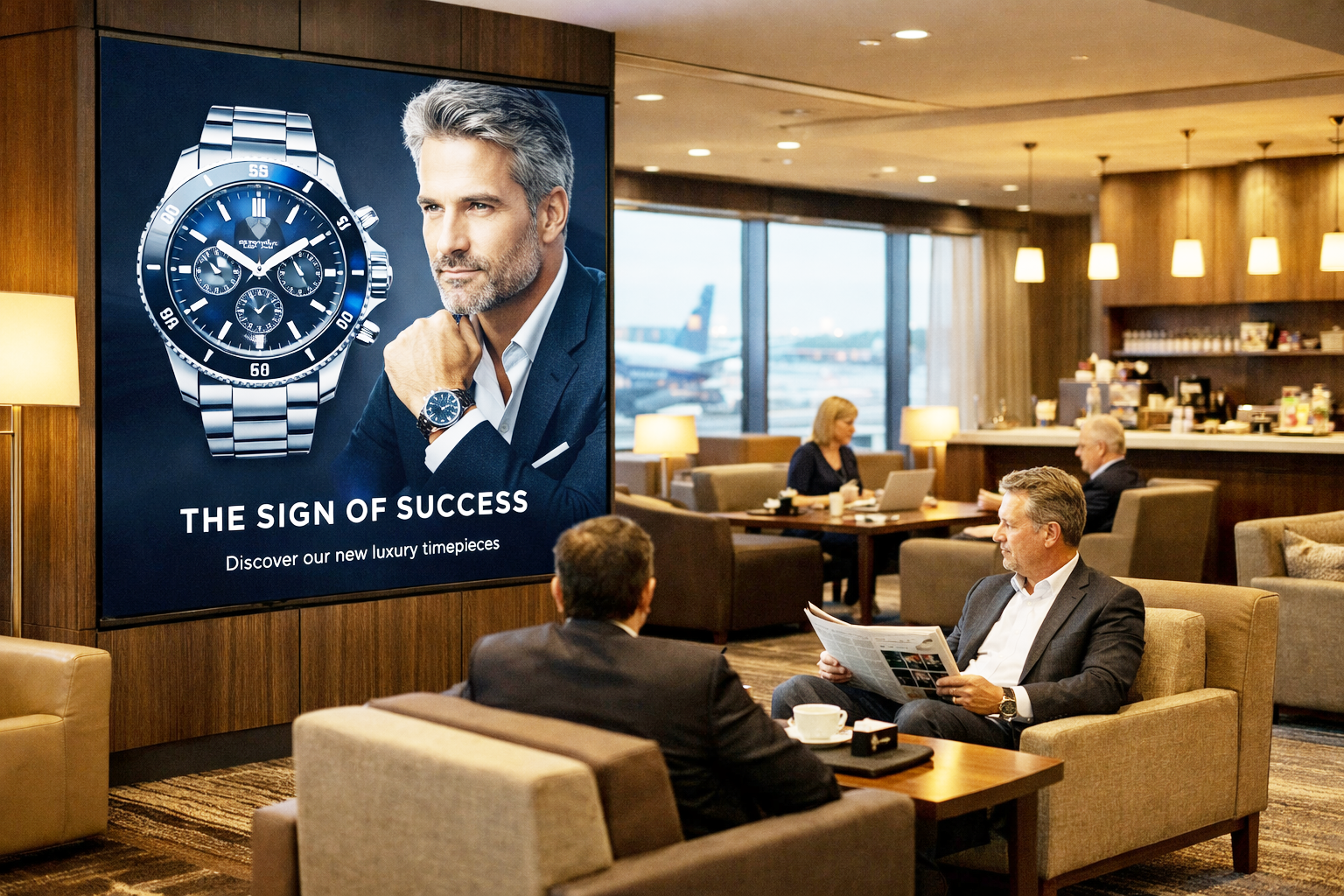
Poor Placement and Delays Affect Airport Campaigns
We help you move faster, access better inventory, and get it right now.
Talk to an ExpertFinal Strategic Verdict
Philadelphia International Airport is one of the most commercially underestimated Tier 1 airport advertising environments in the United States — an airport whose passenger volume ranking among US hubs dramatically understates the commercial quality, financial sophistication, and international investment activity of the audience it serves. The convergence of the world's most concentrated pharmaceutical HNWI executive class, the global headquarters of the world's largest fund manager, a Main Line heritage wealth community of generational depth and conservative luxury purchasing power, and an Ivy League-educated academic and professional class whose brand standards reflect the intellectual rigour of America's most selective universities creates an audience commercial profile that is genuinely without parallel in the US Mid-Atlantic region. Brands in private banking, pharmaceutical B2B, international luxury real estate, heritage premium goods, and elite education who partner with Masscom Global to activate at PHL are accessing the commercial gateway of a Northeast corridor economy whose HNWI wealth has been compounding quietly and durably for generations — and whose airport advertising environment has not yet been priced to reflect the extraordinary financial quality of the audience that passes through it every day. The 2026 FIFA World Cup adds a time-limited but globally transformative overlay that will permanently raise PHL's international advertising profile. Masscom Global brings the inventory intelligence, pharmaceutical corridor expertise, and audience-specific campaign execution capability to ensure that every impression at PHL reaches the right professional at the right moment — and converts the exceptional commercial density of this understated Tier 1 gateway into measurable returns.
About Masscom Global
Masscom Global is a premium international airport advertising and media buying agency operating across 140 countries. With deep expertise in airport OOH, premium publications, and high-net-worth audience targeting, Masscom helps brands reach the world's most valuable travellers at the moments that matter most. For advertising packages, media rates, and campaign planning at Philadelphia International Airport and airports across the globe, contact Masscom Global today.
Frequently Asked Questions
How much does airport advertising cost at Philadelphia International Airport? Advertising costs at Philadelphia International Airport vary based on terminal location — with Terminal A-West's international zone and the premium lounge corridor commanding the highest rates — format type, campaign duration, and the seasonal demand window selected. The spring pharmaceutical conference season, the fall deal-making peak, and the December holiday window command premium inventory rates reflecting the concentration of high-income pharmaceutical and financial services professionals in those periods. The 2026 FIFA World Cup period is anticipated to drive significant inventory rate appreciation, and Masscom Global strongly recommends clients planning campaigns in summer 2026 secure inventory commitments well in advance of the tournament. Contact Masscom Global for a tailored rate card and strategic media plan calibrated to your specific audience objectives and budget.
Who are the passengers at Philadelphia International Airport? PHL's approximately 32 million annual passengers are anchored by three commercially exceptional audience profiles. The pharmaceutical and biotech executive class — drawn from the global or US headquarters operations of AstraZeneca, Merck, GSK, Janssen, and dozens of other major pharma companies in the Delaware Valley — represents the highest-income and most internationally active professional business traveller segment at any US Mid-Atlantic airport. The financial services and investment management professional class — anchored by Vanguard, Lincoln Financial, and the Delaware Valley's extensive wealth management community — adds a second tier of exceptional financial sophistication and premium consumption capacity. The Main Line and suburban Delaware Valley HNWI residential community — whose generational wealth accumulation, Ivy League educational heritage, and conservative luxury brand orientation makes them one of the most commercially distinctive airport catchment audiences in the United States — completes a three-pillar audience of commercial quality that PHL's volume ranking alone does not communicate.
Is Philadelphia International Airport good for luxury brand advertising? PHL is an exceptional luxury brand advertising environment for categories that align with the pharmaceutical, financial, and heritage wealth audience's specific luxury consumption psychology. The Main Line community's preference for provenance, craftsmanship, and intellectual heritage over conspicuous display means that heritage luxury brands — Swiss watchmakers, British heritage fashion, fine jewellery with genuine craft narrative, and European automotive marques with engineering pedigree — achieve exceptional brand consideration and purchase intent at PHL. Pure status luxury brands without substantive quality credentials will underperform with this audience. Private banking, premium real estate, and international education brands achieve exceptional performance because they speak directly to the specific financial and lifestyle priorities of the pharmaceutical and financial services HNWI class.
What is the best airport in the US Mid-Atlantic to reach pharmaceutical and biotech HNWIs? Philadelphia International Airport is the unambiguous primary access point for the pharmaceutical and biotech HNWI executive class in the United States. No other US airport serves a catchment with a comparable concentration of global pharmaceutical headquarters — AstraZeneca, Merck, GSK, and Janssen are all headquartered within 30 minutes of PHL. Newark Liberty International Airport in New Jersey serves a partially overlapping pharmaceutical catchment through its proximity to New Jersey's pharmaceutical corridor, and a coordinated dual-airport strategy covering PHL and EWR would achieve near-complete coverage of the US pharmaceutical HNWI executive audience for advertisers with sufficient budget scale.
What is the best time to advertise at Philadelphia International Airport? The three highest-value advertising windows are the spring pharmaceutical conference season from March through May — when JPMorgan Healthcare preparation travel, BIO International, and ASCO departures concentrate the pharmaceutical executive class at PHL in succession — the fall deal-making season from September through November, when pharmaceutical licensing and partnership cycles peak alongside the Jewish High Holy Days consumer spending concentration, and the December year-end window when corporate travel and holiday gifting intent combine. Summer 2026 is the single most commercially exceptional advertising opportunity in PHL's recent history due to the FIFA World Cup, and Masscom Global recommends securing inventory positions for that period now. Masscom Global recommends booking peak pharmaceutical conference season and World Cup inventory a minimum of six months in advance.
Can international real estate developers advertise at Philadelphia International Airport? Absolutely — and PHL represents one of the most strategically efficient and commercially underutilised access points for international luxury real estate advertising in the US Mid-Atlantic. The outbound Main Line and pharmaceutical executive HNWI audience is actively acquiring second homes and investment properties in the UK, Ireland, Portugal, and the Caribbean — and they are doing so in a domestic airport advertising environment at PHL whose competitive density for international real estate developer messaging is significantly lower than at New York JFK or Miami. International developers targeting the Northeast's conservative luxury buyer — who responds to heritage, provenance, and investment credentials over aspirational lifestyle imagery — will find PHL's audience one of the most commercially aligned and least advertising-saturated HNWI real estate buyer audiences at any US Tier 1 airport.
Which brands should not advertise at Philadelphia International Airport? Budget travel and economy accommodation brands are fundamentally misaligned with PHL's income demographics and will achieve negligible conversion with a pharmaceutical executive and Main Line HNWI audience whose professional identity is anchored in premium quality standards. Mass entertainment and youth culture brands without premium or heritage dimension will find poor audience alignment with PHL's mature, intellectually sophisticated passenger base. Luxury brands whose positioning rests exclusively on conspicuous status signalling without genuine provenance, craftsmanship, or intellectual heritage will underperform with the Main Line consumer, whose cultural predisposition toward understated quality makes ostentatious luxury brand communication a negative rather than positive brand signal.
How does Masscom Global help brands advertise at Philadelphia International Airport? Masscom Global provides comprehensive campaign management at Philadelphia International Airport, from strategic audience intelligence and terminal placement optimisation — including the critical distinction between the pharmaceutical executive-concentrated international terminal and the broader domestic HNWI business traveller environment — through to inventory booking, creative precision calibrated to the pharmaceutical and Main Line audience psychology, and performance measurement aligned to each campaign's specific commercial objectives. With operational coverage across 140 countries and deep expertise in the transatlantic pharmaceutical, financial, and heritage wealth corridors that define PHL's most commercially valuable audience flows, Masscom ensures that campaigns are timed to the pharmaceutical conference calendar, the fall deal-making peak, and the 2026 World Cup super-event window — and coordinated with origin airport placements in London, Dublin, Frankfurt, and Zurich for maximum corridor-wide impact. To discuss current inventory availability, World Cup planning packages, and a strategic audience plan for Philadelphia International Airport, contact Masscom Global today.