

Airport at a Glance
| Field | Detail |
|---|---|
| Airport | Louis Armstrong New Orleans International Airport |
| IATA Code | MSY |
| Country | United States of America |
| City | New Orleans, Louisiana |
| Annual Passengers | Approximately 12.8 million (2023) |
| Primary Audience | Leisure premium travellers, energy sector executives, convention and MICE delegates |
| Peak Advertising Season | February, April to May, October to December |
| Audience Tier | Tier 2 |
| Best Fit Categories | Luxury hospitality, financial services, automotive, international real estate, spirits and lifestyle |
New Orleans Louis Armstrong International Airport is the primary aviation entry and exit point for the Gulf South, serving a catchment that generates some of the highest discretionary and corporate spend per traveller of any Tier 2 airport in the United States. MSY's passenger base is not a single audience segment — it is a layered commercial profile combining inbound premium leisure, outbound oil and gas executives, convention delegates with pre-committed budgets, and a growing base of regional high-net-worth individuals who treat New Orleans as a hub rather than a destination. The airport's 2019 terminal is among the newest large-terminal builds in the US, meaning advertisers operate in a premium environment with high-quality media positions, strong dwell time, and minimal clutter relative to ageing infrastructure airports of comparable size.
The commercial value of MSY is anchored by three structural pillars that are unique in the US airport landscape. First, New Orleans is one of the few cities in America where inbound leisure spend is genuinely premium — visitors arrive with committed budgets for fine dining, live entertainment, and luxury accommodation. Second, the airport serves as the primary gateway for Louisiana's energy economy, routing oil and gas executives, engineers, and finance professionals across domestic and select international corridors. Third, New Orleans is the fourth largest convention city in the United States by delegate spend, filling the terminal with decision-makers across technology, medical, legal, and financial sectors at regular intervals throughout the year.
Advertising Value Snapshot
- Passenger scale: Approximately 12.8 million annual passengers (2023), recovering strongly post-2020 with year-on-year growth driven by leisure rebound and convention calendar restoration
- Traveller type: Premium leisure visitors, energy and petrochemical sector professionals, convention and trade show delegates
- Airport classification: Tier 2 — a major US regional gateway with a premium terminal, strong dwell environment, and high advertiser relevance across multiple audience segments
- Commercial positioning: The Gulf South's dominant aviation hub, serving the intersection of cultural tourism, industrial economy, and national convention infrastructure
- Wealth corridor signal: MSY sits at the junction of the US Gulf energy corridor and the premium experiential travel market, producing an audience that spends above national airport averages on both inbound and outbound journeys
- Advertising opportunity: Masscom Global provides brands with access to MSY's media environment across the full terminal footprint, combining placement precision, local execution intelligence, and campaign timing calibrated to the airport's event and convention calendar
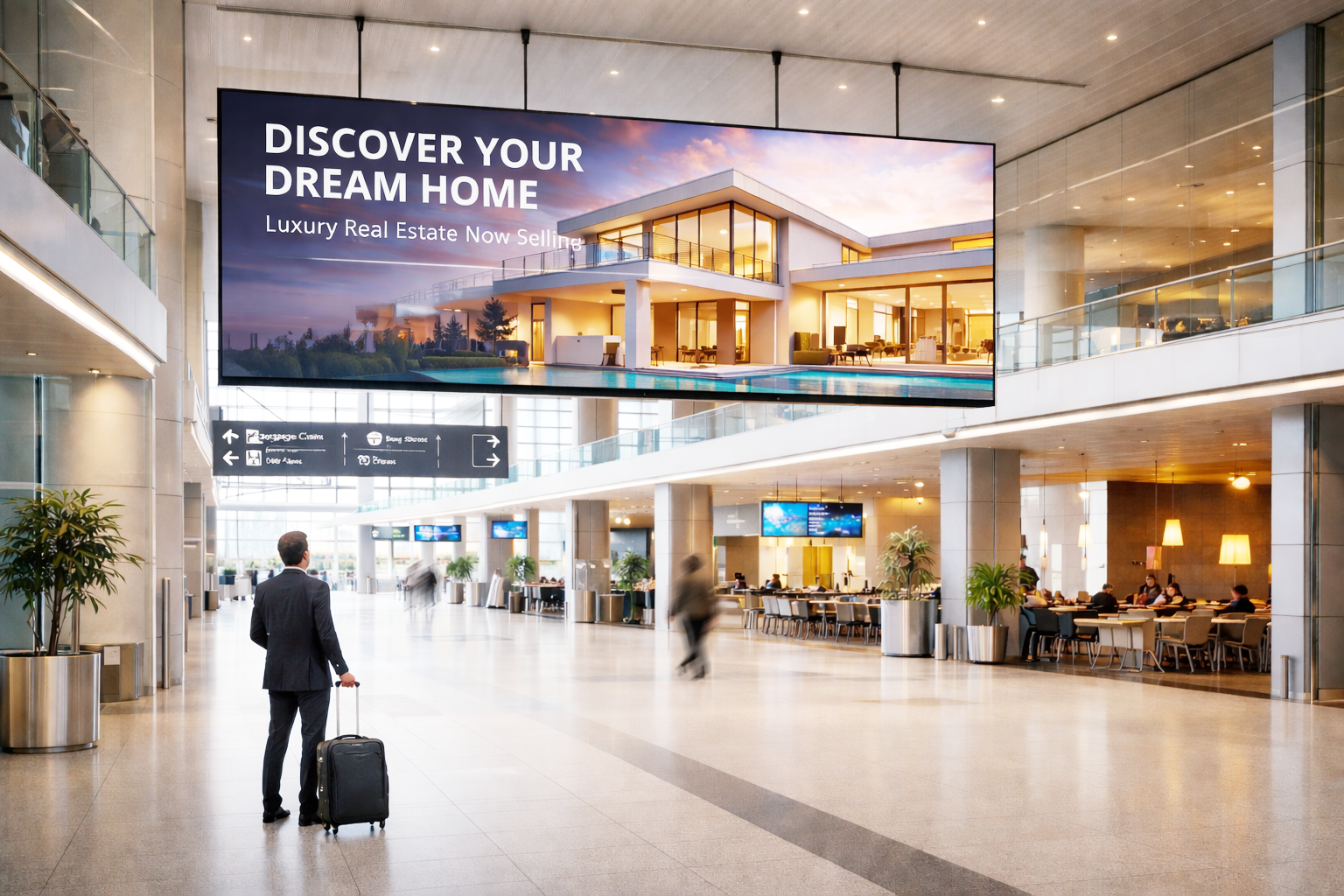
Airport Advertising is Complex to Get Right
We help you execute faster, with proven results and local insight most planners lack starting now.
Talk to an ExpertCatchment Area and Economic Drivers
Top 10 Cities within 150 km — Marketer Intelligence:
- Metairie, LA: The most affluent suburban zone in Greater New Orleans, home to established professional households with above-average financial services, automotive, and luxury retail engagement — a core advertiser-ready audience segment
- Baton Rouge, LA: Louisiana's state capital and home to major petrochemical complexes, university infrastructure, and a large government professional class — producing consistent corporate and education-adjacent traveller flows
- Lafayette, LA: The heartland of Louisiana's oil and gas industry, generating a high density of engineering professionals and energy executives whose travel frequency and spend profile exceed national averages significantly
- Kenner, LA: The immediate airport city with a dense working and middle-class residential base — relevant for value and FMCG categories seeking high frequency reach in the departures environment
- Slidell, LA: A growing commuter and professional community east of New Orleans, contributing leisure and regional business travellers with strong household spend in home, lifestyle, and automotive categories
- Houma, LA: A concentrated offshore energy services hub where departure patterns are shaped entirely by rotational oil and gas work schedules — producing a recurring, high-earning, and transient audience segment
- Hammond, LA: A regional commercial and education centre north of the lake, contributing healthcare professionals, educators, and regional business owners as a consistent secondary audience layer
- Covington, LA: One of the fastest-growing high-income residential zones in Louisiana, north of Lake Pontchartrain, with a professional household demographic particularly receptive to luxury, wellness, and financial messaging
- Gretna, LA: A densely populated cross-river suburb with significant Hispanic demographic growth, creating an emerging bilingual audience segment relevant for culturally targeted campaigns in food, remittance, and lifestyle categories
- Thibodaux, LA: A university and energy services town in the Lafourche corridor whose travellers are predominantly energy-sector and education-adjacent, with moderate but consistent airport usage patterns
NRI and Diaspora Intelligence:
New Orleans does not generate a concentrated NRI diaspora flow in the conventional international remittance sense, but the airport serves a highly relevant outbound wealth audience. The Louisiana energy economy has historically attracted executive-level international talent from across Latin America, Western Europe, and South Asia, many of whom maintain dual-city lives and route significant capital back through Gulf South financial structures. Vietnamese-American communities in Greater New Orleans represent one of the largest and most cohesive ethnic concentrations in the southern United States, producing a consistent traveller segment with strong family visit, remittance, and culturally driven purchase behaviour. This community's travel patterns create a recurring advertiser opportunity for financial products, telecommunications, and culturally relevant lifestyle brands seeking to reach a high-loyalty, community-oriented audience at the point of departure.
Economic Importance:
The catchment economy is structured around three mutually reinforcing sectors: energy extraction and services, port logistics, and premium tourism. Louisiana's offshore oil and gas industry alone generates billions in annual economic output and routes its executive and technical workforce through MSY at volume. The Port of New Orleans ranks among the top five US ports by cargo tonnage, generating a significant professional services and logistics leadership audience. Tourism contributes over eight billion dollars annually to the Greater New Orleans economy, and crucially, that spending is concentrated in experiential and premium categories that reflect directly in the airport audience's purchase receptivity. For advertisers, this means MSY delivers a passenger base that is simultaneously high-earning, experience-oriented, and commercially primed at the point of travel.
Business and Industrial Ecosystem
- Oil, Gas, and Offshore Energy Services: Louisiana is the United States' second-largest crude oil producer and a dominant offshore drilling hub, routing a high-frequency, high-earning technical and executive workforce through MSY on regular rotation cycles — a premium B2B and financial services audience
- Port of New Orleans and Logistics: One of the busiest ports in the Western Hemisphere, generating executive, legal, and trade finance professional travel that is consistent, well-funded, and concentrated in the mid-to-upper income brackets
- Convention and MICE Economy: New Orleans hosts over 400 major conventions annually through the Ernest N. Morial Convention Center — one of the largest convention facilities in the US — producing concentrated delegate flows from medical, technology, legal, and financial sectors throughout the calendar year
- Film and Entertainment Production: Louisiana's film tax incentive regime has made the state a major production hub, routing entertainment industry professionals, studio executives, and production talent through MSY on project-driven schedules with above-average spend profiles
Passenger Intent — Business Segment:
The business traveller at MSY is overwhelmingly concentrated in energy, professional services, and convention categories. Energy sector passengers are typically rotational workers and executives whose travel is employer-funded, departure-constrained, and receptive to financial, automotive, and premium lifestyle messaging during dwell time. Convention delegates arrive with event-specific budgets but extend their economic engagement across hotels, dining, and experiential spending, making them highly receptive to city-relevant luxury and lifestyle advertising in both arrivals and departures. The legal and medical conference calendar, in particular, produces a consistent high-income professional audience that responds to financial planning, automotive, and international real estate messaging.
Strategic Insight:
The business audience at MSY operates in an environment that most comparably sized US airports cannot replicate. The combination of energy sector rotational travel, one of the US's largest convention pipelines, and a port-driven professional services economy means that the airport consistently delivers decision-makers and budget holders rather than purely transactional travellers. For B2B advertisers and premium consumer brands seeking seniority of audience over raw volume, MSY's business passenger base represents an undervalued and precisely targetable commercial opportunity.
Tourism and Premium Travel Drivers
- French Quarter and Cultural Heritage District: The most visited urban heritage district in the American South, drawing premium domestic and international visitors who arrive with pre-committed budgets for dining, nightlife, and cultural experiences — producing a passenger base already in spending mode before they reach the gate
- Mardi Gras and Jazz and Heritage Festival: Two of the most globally recognised seasonal events in the United States, generating inbound traveller surges from high-income zip codes across North America and select European markets at predictable calendar windows
- National WWII Museum: The most visited museum in Louisiana and the top-ranked museum in the United States by TripAdvisor for multiple consecutive years, drawing an educated, affluent, and predominantly domestic inbound audience with above-average cultural spending profiles
- Plantation Country and Mississippi River Tourism: A growing premium inbound segment from the US, UK, and Western Europe seeking heritage, culinary, and nature-based travel — an audience with high hotel spend and receptivity to luxury retail and lifestyle advertising
Passenger Intent — Tourism Segment:
Tourism arrivals at MSY are distinguished from comparable leisure airports by their spend commitment before departure. New Orleans visitors consistently rank among the highest per-capita destination spenders in the United States, with accommodation, dining, and entertainment expenditure exceeding the national tourism average. Inbound leisure travellers at MSY have already paid for premium hotel rooms and festival packages before they land, meaning their purchase receptivity at the airport is oriented toward lifestyle upgrades, luxury retail, spirits, and experiential services. Advertiser categories that align with elevated experience — spirits and beverage, luxury fashion, premium hospitality, and financial services — find a naturally receptive audience at both arrivals and departures.
Travel Patterns and Seasonality
Peak seasons:
- February (Mardi Gras): The single highest-traffic week of the airport year, drawing inbound premium leisure from across North America and internationally, with hotel rates and airfares at annual peaks — maximum advertiser relevance for lifestyle, spirits, and luxury categories
- April to May (Jazz and Heritage Festival): Two consecutive weekends of premium inbound flow from high-income cultural travellers, with a distinct international contingent and an audience that is exceptionally experience-oriented and brand-receptive
- October to December (Convention Season and Holiday Travel): The convention calendar peaks in autumn, overlapping with the onset of holiday travel, producing back-to-back delegate and leisure premium traveller flows through October, November, and into December
- Summer (June to August): Moderate domestic leisure traffic driven by family travel and regional movement, with lower convention activity but consistent energy sector passenger volume
Event-Driven Movement:
- Mardi Gras (February): The largest annual inbound event in the Gulf South, producing the highest single-week passenger volume of the year; inbound audience is predominantly premium domestic leisure with a growing international contingent — ideal timing for spirits, luxury hospitality, automotive, and experiential brands
- Jazz and Heritage Festival (Late April to Early May): A globally recognised cultural event drawing dedicated cultural travellers, artists, and music industry professionals; audience skews educated, affluent, and internationally aware — strong fit for lifestyle, financial services, and premium consumer brands
- Essence Festival (July): One of the largest African American cultural events in the United States, generating significant inbound travel from across North America with a high-income urban professional audience that represents a commercially underserved segment in airport media
- Sugar Bowl and New Year's Events (Late December to Early January): College football's Sugar Bowl brings tens of thousands of sports and alumni travellers from across the country, overlapping with holiday travel to produce one of the year's highest-density airport traffic windows
- Major Medical and Legal Conventions (September to November): The convention calendar through autumn regularly includes national medical association, legal, and technology sector events at the Morial Convention Center, producing concentrated delegate flows of high-income professionals
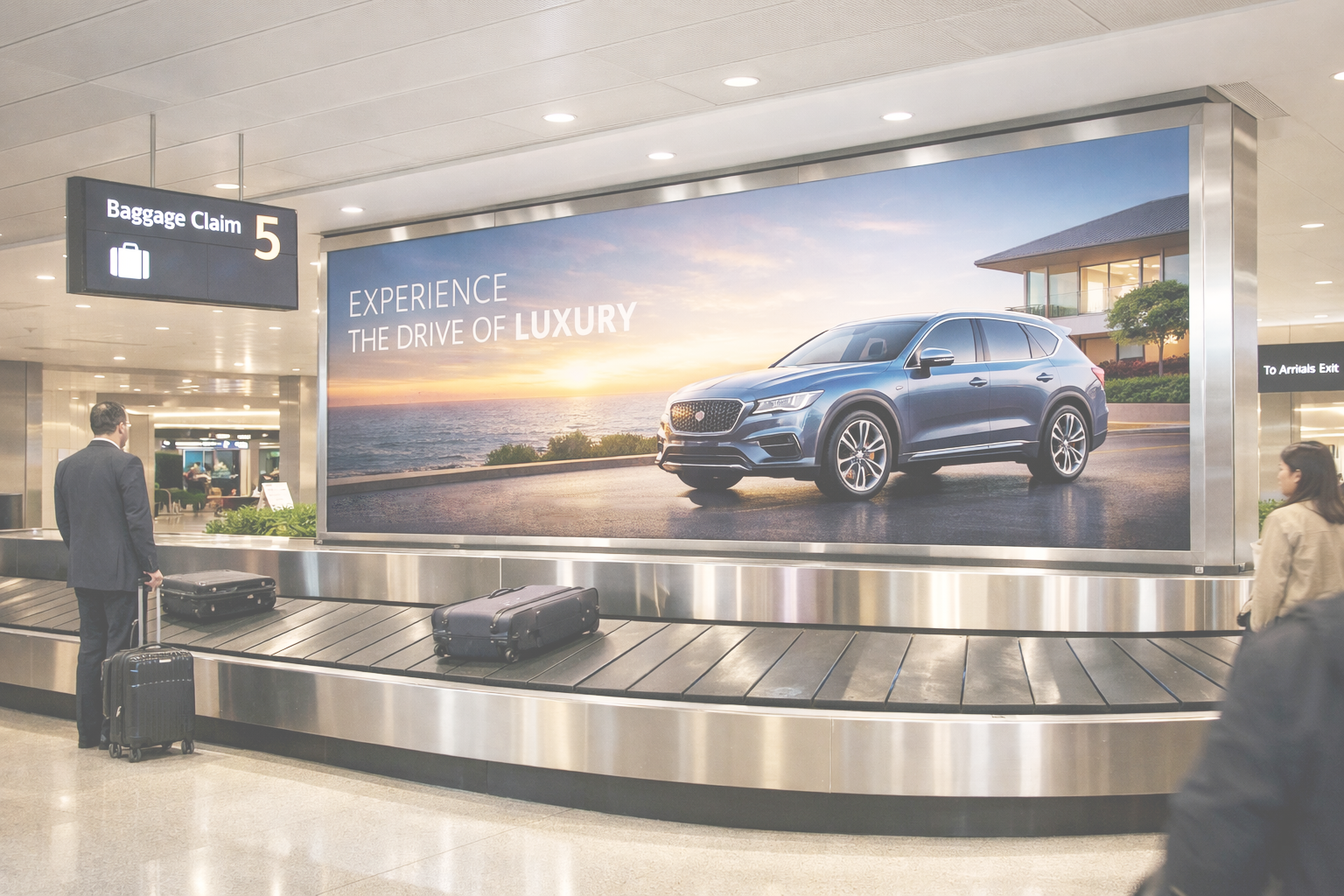
It’s Not Just Where You Advertise - It’s How Fast You Execute
We combine local insight with fast rollout to deliver results for you, now.
Talk to an ExpertAudience and Cultural Intelligence
Top 2 Languages:
- English: The dominant language of all traveller segments at MSY, from energy executives to convention delegates to premium leisure visitors — all core advertising categories are best activated through English-language creative calibrated to American premium consumer tone and aspiration
- Spanish: A growing secondary language reflecting both the expanding Latino professional and service community in Greater New Orleans and the inbound leisure traffic from Latin American origin markets via connecting hubs; bilingual campaigns in financial services, remittance, and lifestyle categories carry meaningful additional reach
Major Traveller Nationalities:
The dominant passenger nationality at MSY is American, reflecting the airport's character as primarily a domestic hub with concentrated inbound and outbound leisure and business traffic within the continental United States. International travellers arrive predominantly from the United Kingdom, Western Europe, Canada, and select Latin American markets, drawn primarily by cultural tourism and the city's global event profile. The international segment, while a minority of total passengers, is disproportionately high-spending, having made long-haul commitments to a destination that promises premium experiential returns. For campaign planning purposes, the creative environment should be calibrated to affluent American domestic travellers as the primary target, with international premium leisure as an important secondary audience.
Religion — Advertiser Intelligence:
- Catholic (approximately 35%): Louisiana has the highest proportion of Catholic residents of any US state, and this cultural identity shapes the entire commercial calendar of New Orleans — Mardi Gras is the most commercially important Catholic-calendar event in the US airport advertising context, creating a concentrated pre-festival and festival period when premium lifestyle, spirits, and experiential brands achieve exceptional resonance with a primed, celebratory audience
- Protestant and Baptist (approximately 45%): A broad and dominant Christian community across Louisiana's catchment, with significant Baptist concentration in African American communities; Easter, Thanksgiving, and Christmas produce major travel surges relevant for family-oriented luxury, hospitality, automotive, and gifting categories across this audience segment
- Other and Non-Religious (approximately 20%): A growing secular and culturally diverse segment concentrated in New Orleans' urban professional and creative class, producing a traveller profile highly receptive to premium lifestyle, spirits, arts, and experiential brand messaging independent of religious calendar cycles
Behavioral Insight:
The MSY passenger profile has a behavioural characteristic that distinguishes it from most Tier 2 US airports: a high tolerance for experiential and premium spending, combined with a cultural identity built around indulgence and celebration. Whether the traveller is an energy executive returning from a business rotation, a convention delegate extending their stay into the French Quarter, or an inbound leisure visitor who saved specifically for this trip, the spending trigger at MSY is activated by permission — the sense that New Orleans is a destination where premium choices are not just acceptable but expected. Advertising messaging that taps into this permission-to-enjoy cultural current, and pairs it with quality brand positioning, consistently outperforms generic luxury messaging at this airport.
Outbound Wealth and Investment Intelligence
The outbound HNI and upper-professional passenger at MSY is a commercially distinct audience segment shaped by the Gulf South's energy wealth structure. Louisiana's oil and gas economy produces a category of wealth that is concentrated in the upper-middle to high-net-worth bracket — executives, engineers, and investors with significant liquidity looking to deploy capital outside of Louisiana's own real estate market, which has structural insurance and climate risk limitations that actively push HNI investment outward. This creates a particularly receptive audience for international real estate, financial planning, and second-residency products at the point of departure.
Outbound Real Estate Investment:
The primary outbound real estate destinations for MSY's HNI audience are Florida (Miami, Tampa, and the Gulf Coast), Texas (Houston and Dallas), and select international coastal markets. Miami's luxury condo market attracts significant Louisiana energy wealth, driven by tax advantages, proximity, and lifestyle alignment. International real estate interest is focused on the Caribbean — specifically the Bahamas, Turks and Caicos, and Cayman Islands — as well as coastal Mexico (Los Cabos and the Riviera Maya), where energy-wealth vacation and investment properties represent a growing asset class. European second-home purchases, particularly in Portugal and Spain, are emerging among the older high-net-worth segment seeking residency optionality with lifestyle appeal.
Outbound Education Investment:
Louisiana's top-income households allocate significant capital to private education, with outbound student flows concentrated toward prestigious US universities in the Northeast and Southeast. Internationally, the United Kingdom's university system — specifically Oxford, London institutions, and the Russell Group broadly — attracts the highest-performing and highest-funded students from this catchment. Canada (McGill and the University of Toronto), the Netherlands, and Australia represent secondary international education corridors. International universities and education consultancies targeting high-income American families with aspirational higher education narratives will find a receptive and high-budget audience at MSY.
Outbound Wealth Migration and Residency:
Climate and insurance risk concerns in Louisiana are an active and acknowledged driver of secondary residency interest among the state's HNI population. The Gulf Coast's hurricane exposure and the escalating cost of residential insurance are motivating a portion of Louisiana's wealth base to investigate both domestic relocation (Florida, Texas) and international second-residency options. Portugal's Golden Visa programme, before its restructuring, attracted significant American attention, and successor programmes in Malta, Greece, and the UAE are now actively considered by wealth managers serving this audience. Caribbean citizenship-by-investment programmes — particularly St. Kitts and Grenada — are increasingly popular with energy sector professionals seeking travel flexibility and estate planning options.
Strategic Implication for Advertisers:
International brands operating on both sides of the wealth corridor — real estate developers in Miami, the Caribbean, and coastal Europe; university recruiters in the UK and Canada; financial services firms offering wealth migration products — should treat MSY as a high-value channel for reaching a liquid, outbound-oriented HNI audience that is actively looking beyond Louisiana's borders for capital deployment and lifestyle optionality. Masscom Global can activate campaigns targeting this audience on both sides of the journey simultaneously, from the departure terminal in New Orleans to the arrival environment in the destination market.
Airport Infrastructure and Premium Indicators
Terminals:
- MSY opened its new single-terminal facility in November 2019, replacing the former multi-terminal complex with a unified, state-of-the-art building designed for 30 million annual passengers at full capacity — representing a significant premium over the current throughput and creating a spacious, uncluttered advertising environment with high media visibility
- The terminal houses all domestic and international departures under one roof across two concourses (A and B), concentrating the entire passenger audience within a single premium media environment and enabling comprehensive brand coverage across all audience segments without split-terminal fragmentation
Premium Indicators:
- Multiple airline lounge facilities operate within the terminal, including Delta Sky Club and American Admirals Club, signalling a consistent concentration of premium and business class travellers in defined, advertiser-relevant zones
- The terminal's design standards — high ceilings, natural light, contemporary architecture, and upscale retail and dining — elevate brand association for advertisers and align the media environment with premium consumer expectations
- Hotel infrastructure adjacent to the airport includes the Renaissance New Orleans Airport Hotel directly connected to the terminal, catering to convention delegates, corporate travellers, and transit passengers with above-average spend profiles
- MSY holds LEED Silver certification for its new terminal, a sustainability credential that aligns with premium brand positioning strategies for advertisers in financial services, automotive, and luxury categories
Forward-Looking Signal:
MSY's 2019 terminal is designed to grow into its capacity, with infrastructure already in place for expanded retail, food and beverage, and media positions as passenger numbers recover and surpass pre-2020 peaks. New international route development, particularly toward European leisure markets and expanded Caribbean connectivity, is a strategic priority for the airport's commercial development team. The convention centre pipeline in New Orleans continues to attract major national and international events through 2026 and beyond, ensuring a sustained high-quality delegate audience. Masscom Global advises brands considering MSY to act now while the terminal's media environment remains relatively uncluttered relative to its ultimate capacity — rate and access conditions will not remain at current levels as the airport's commercial value becomes more widely recognised.
Airline and Route Intelligence
Top Airlines:
- Southwest Airlines (largest carrier by domestic seat share)
- American Airlines
- Delta Air Lines
- United Airlines
- Spirit Airlines
- Frontier Airlines
- JetBlue Airways
- Sun Country Airlines
Key International Routes:
- London Heathrow (United Kingdom) — seasonal and year-round service via codeshare and direct operations, connecting MSY to the UK's highest leisure spenders
- Cancun and Los Cabos (Mexico) — strong leisure and second-home market connectivity
- Montego Bay and Nassau (Caribbean) — vacation and second-property corridor
- Punta Cana (Dominican Republic) — high-volume leisure connection
- Toronto (Canada) — cultural tourism and business connectivity
Domestic Connectivity:
MSY is strongly connected to all major US hub cities including Atlanta, Dallas-Fort Worth, Houston, Chicago, New York, Los Angeles, and Washington D.C., making it a viable advertising channel for national brands seeking concentrated reach among Gulf South travellers who route through the airport on outbound and inbound journeys.
Wealth Corridor Signal:
The route network at MSY reveals a dual commercial identity: a domestic-first airport with a strong secondary international leisure corridor. The London and Canadian routes signal a premium cultural traveller inbound; the Caribbean and Mexican routes signal outbound wealth deployment and vacation property ownership. The domestic hub connections to New York, Washington, and Los Angeles confirm that the airport routes executive and professional traffic in both directions with consistent frequency. For advertisers, this network structure means MSY delivers a layered audience of domestic affluent, outbound leisure HNI, and inbound premium cultural travellers — each with distinct but complementary commercial signals.
Media Environment at the Airport
- The new 2019 terminal creates a premium single-environment media landscape across two concourses — advertisers achieve comprehensive audience coverage without the fragmentation and inconsistency of multi-terminal legacy airports of comparable size, and the modern build quality elevates the perceived brand context of every media placement
- Dwell time at MSY is driven by the terminal's upscale food and beverage offer, concentrated retail zones, and airline lounge footprint — passengers at MSY are not rushing through a congested environment but engaging with the space, which directly extends the effective exposure window for advertising placements
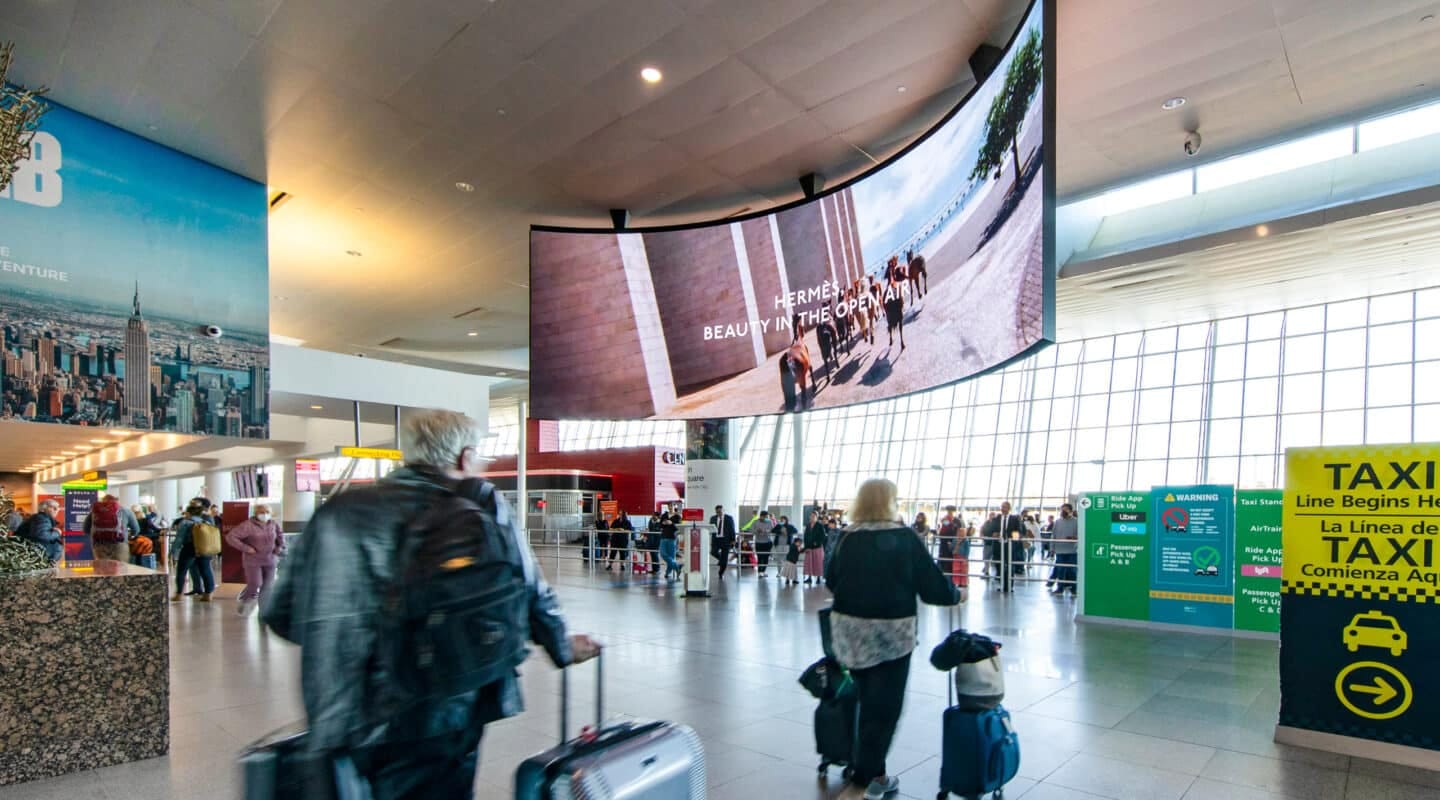
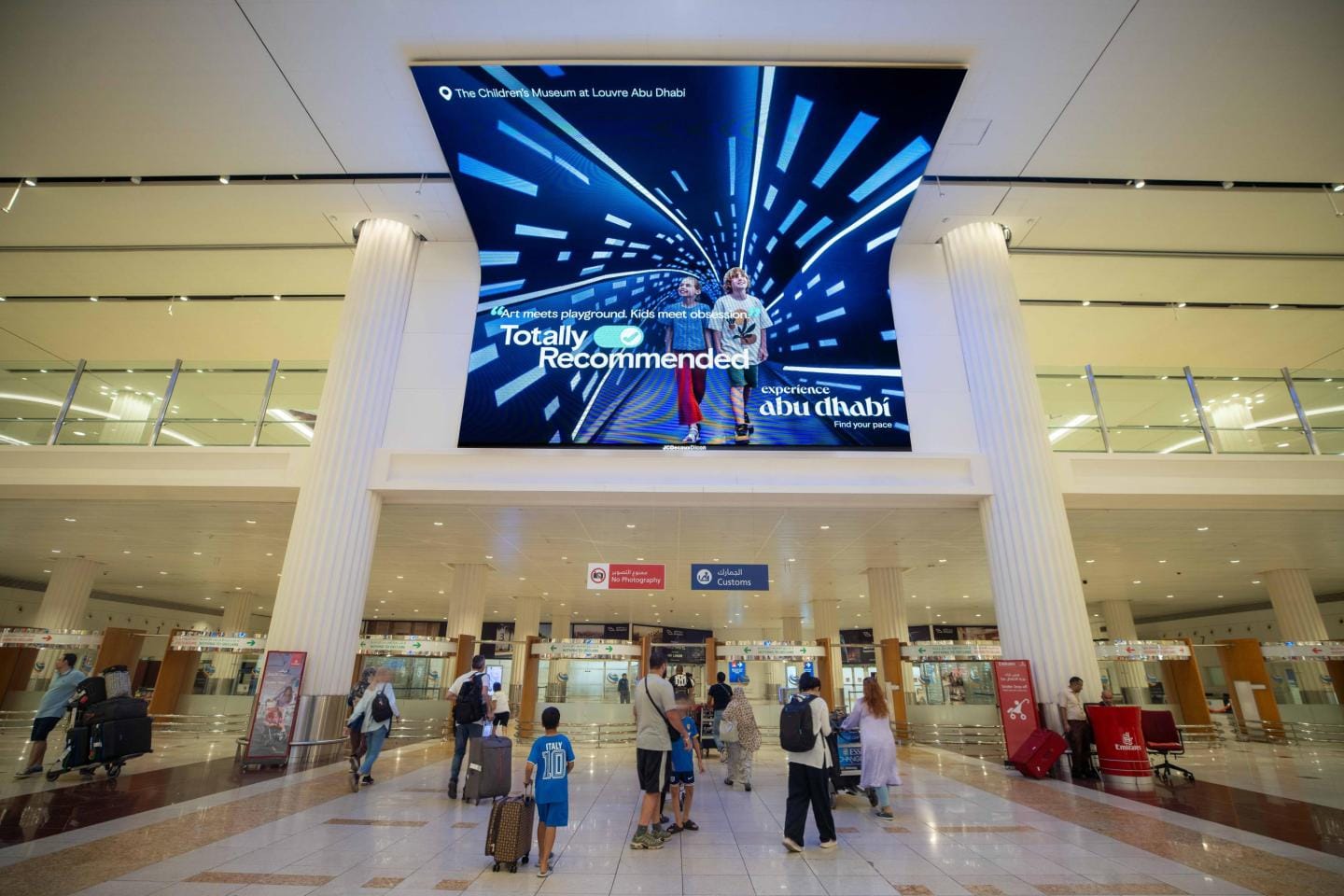
- The terminal's architecture — high ceilings, wide concourses, natural light — creates standout potential for large-format media that is significantly above average for Tier 2 US airports, where older infrastructure typically limits format scale and visual impact
- Masscom Global operates with placement access and execution capability at MSY that enables brands to position across the full terminal journey — from check-in through security, to gate hold and lounge adjacency — ensuring audience interception at the highest-dwell and highest-attention moments of the travel experience
Strategic Advertising Fit
Best Fit:
- Premium Spirits and Beverage Brands: New Orleans is the most spirits-culturally aligned city in the United States — an audience arriving and departing in a celebratory, permission-to-indulge mindset provides an unparalleled environment for premium whiskey, rum, wine, and cocktail culture brands
- Luxury Hospitality and Hotels: Inbound leisure visitors are already committed to premium accommodation spending; advertising at MSY allows luxury hotel brands to intercept them at the point of first arrival and reinforce brand preference for both the current and future visit
- Automotive (Premium and Luxury Segment): The energy sector professional audience at MSY is a core luxury automotive buyer; combined with the convention delegate audience, MSY delivers a consistent pipeline of high-income vehicle purchase candidates
- International Real Estate and Developer Brands: The outbound HNI audience at MSY is actively deploying capital in Florida, Caribbean, Mexican coastal, and emerging European markets — a precisely targetable channel for developers seeking buyers from the Gulf South energy wealth corridor
- Financial Services and Wealth Management: An audience of energy executives, convention delegates, and regional HNIs represents a premier target for wealth management, private banking, and investment products across both departures and arrivals
- Luxury Fashion and Lifestyle Retail: Inbound premium leisure and outbound affluent travellers share high receptivity to luxury fashion, watch, and lifestyle brand messaging in an environment that culturally endorses premium self-expression
- International Education and University Recruitment: Louisiana's top-income households are active outbound education spenders; UK, Canadian, and Australian universities will find a highly qualified audience at MSY with the financial profile to act on aspirational institutional messaging
- Travel, Health, and Premium Insurance: Convention delegates, rotational energy workers, and international leisure travellers all carry complex insurance and travel coverage needs — the MSY audience is above-average in both awareness and willingness to upgrade on these categories
Brand Alignment at a Glance:
| Category | Fit |
|---|---|
| Premium Spirits and Beverage | Exceptional |
| International Real Estate | Exceptional |
| Automotive (Luxury and Premium) | Exceptional |
| Luxury Hospitality | Strong |
| Financial Services and Wealth Management | Strong |
| International Education | Strong |
| Luxury Fashion and Lifestyle | Strong |
| Mass Market FMCG | Poor fit |
Who Should Not Advertise Here:
- Mass market FMCG and discount retail brands: MSY's passenger base, concentrated in premium leisure, energy sector, and convention segments, does not represent the high-frequency, price-sensitive audience these categories require for ROI at airport media rates
- Agricultural and rural sector advertisers: The airport catchment's commercial identity is built around energy, tourism, and professional services — agricultural equipment, rural utilities, and commodity sector brands have no meaningful audience alignment at MSY
- Budget travel and low-cost lifestyle services: An airport environment designed for premium leisure and business travel is misaligned with discount, budget, and cost-first brand positioning — the tonal and audience mismatch would actively undermine brand credibility
Event and Seasonality Analysis
- Event Strength: High
- Seasonality Strength: High
- Traffic Pattern: Dual-Peak (event-driven surge in February and April-May combined with convention season peak in September to November)
Strategic Implication:
Advertisers at MSY should structure their media investment around two distinct campaign windows: the February to May cultural event corridor, which delivers the highest single-week volumes of the year with a premium leisure audience; and the September to November convention and professional season, which delivers the most commercially concentrated business audience of the calendar. Masscom Global builds MSY campaigns around this dual-peak rhythm, ensuring brands are present at both the emotional and rational high points of the airport's audience cycle. Brands that commit to both windows significantly outperform those that activate only in one peak period, because they intercept the full audience spectrum rather than a single segment.
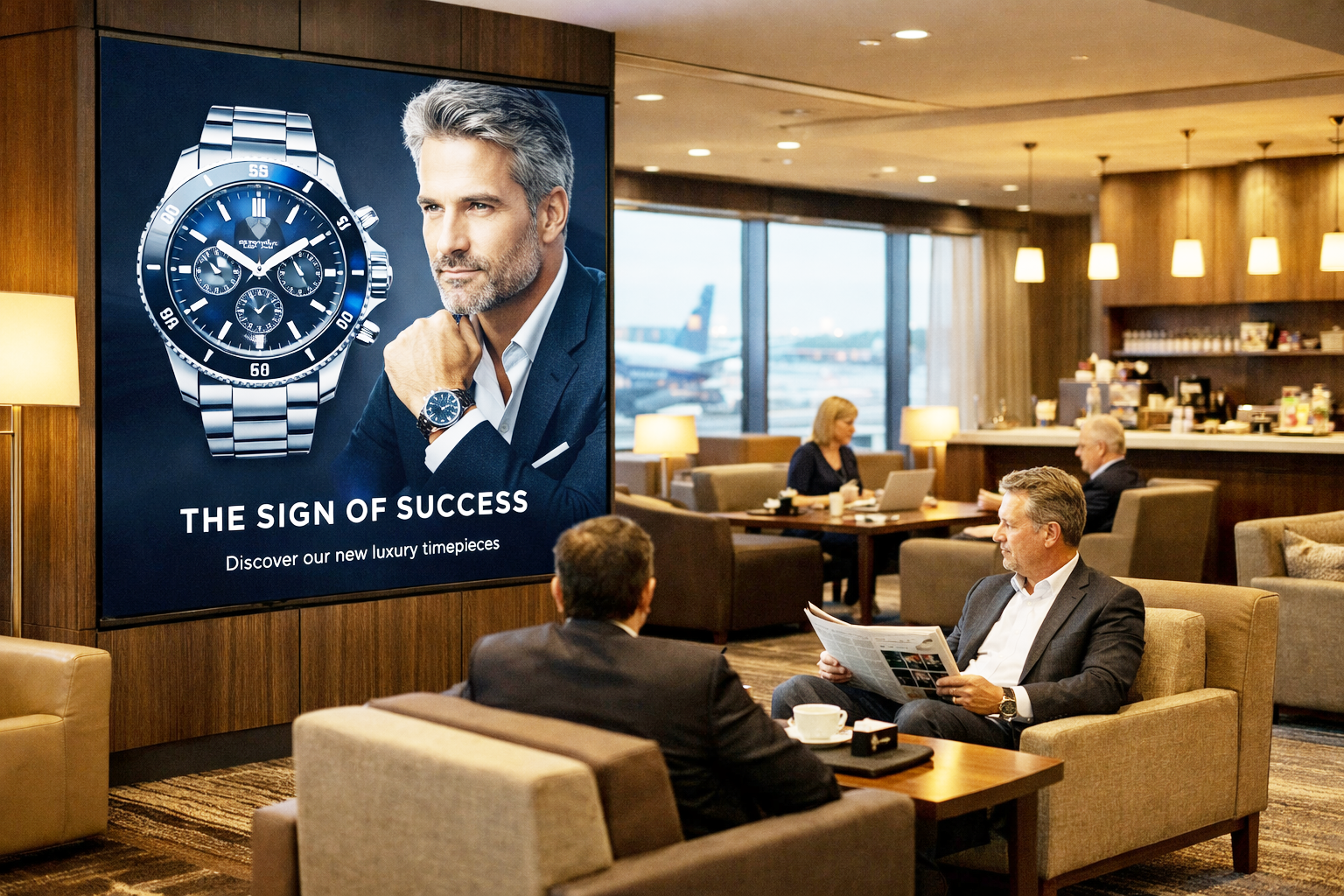
Poor Placement and Delays Affect Airport Campaigns
We help you move faster, access better inventory, and get it right now.
Talk to an ExpertFinal Strategic Verdict
Louis Armstrong New Orleans International Airport is one of the most commercially distinctive Tier 2 airports in the United States precisely because it cannot be reduced to a single audience profile. MSY serves energy executives on rotation, convention delegates with event-specific budgets, inbound premium cultural tourists arriving fully primed to spend, and outbound HNIs deploying capital across US coastal and international markets — and it does all of this within a single, purpose-built 2019 terminal that provides a media environment of a quality most comparable airports cannot match. The cultural permission structure of New Orleans itself is a commercial asset that no other US airport city replicates: passengers here are not in transit mode, they are in engagement mode. For brands in premium spirits, luxury hospitality, automotive, international real estate, financial services, and luxury lifestyle, MSY represents a high-value, under-competed channel that delivers audience quality above what its passenger volume numbers suggest. Masscom Global provides the placement access, local intelligence, and execution capability to activate across the full terminal at MSY — and to connect this audience to complementary channels across the 140 countries Masscom operates in globally.
About Masscom Global
Masscom Global is a premium international airport advertising and media buying agency operating across 140 countries. With deep expertise in airport OOH, premium publications, and high-net-worth audience targeting, Masscom helps brands reach the world's most valuable travellers at the moments that matter most. For advertising packages, media rates, and campaign planning at Louis Armstrong New Orleans International Airport and airports across the globe, contact Masscom Global today.
Frequently Asked Questions
How much does airport advertising cost at Louis Armstrong New Orleans International Airport? Advertising costs at MSY vary based on media format, placement position within the terminal, campaign duration, and the specific audience windows you are targeting — Mardi Gras and Jazz Fest periods, for example, carry premium rate structures relative to off-peak months due to the exceptional audience quality and volume those windows deliver. Masscom Global provides detailed rate cards and media package options tailored to your category, budget, and campaign objectives. Contact Masscom for current pricing and availability.
Who are the passengers at Louis Armstrong New Orleans International Airport? MSY serves three commercially distinct audience segments: premium leisure travellers arriving for New Orleans' cultural events and hospitality ecosystem, energy sector professionals and executives routing through the Gulf South's oil and gas corridor, and convention delegates from the medical, legal, technology, and financial sectors attending one of the 400-plus annual conventions hosted at the Morial Convention Center. Together these segments produce a passenger profile that is consistently above the national average in household income, travel frequency, and per-trip spend.
Is Louis Armstrong New Orleans International Airport good for luxury brand advertising? Yes, with strong qualification. MSY is an exceptional environment for luxury brands that align with the experiential and cultural permission structure of New Orleans — spirits, hospitality, lifestyle, automotive, and financial services perform extremely well. The 2019 terminal's premium architecture elevates brand association above what older Tier 2 airports can deliver. The airport is less suited to entry-level luxury or aspirational mass-market positioning, where the audience's spending latitude exceeds what those brand tiers offer.
What is the best airport in the Gulf South to reach HNWI audiences? For the Gulf South's energy wealth corridor, MSY and Houston's George Bush Intercontinental Airport (IAH) are the two primary HNWI channels, but they serve different commercial profiles. IAH routes a higher volume of energy sector HNIs with stronger international corridor exposure. MSY delivers a more culturally concentrated audience with higher premium leisure spend per passenger and a unique cultural context that activates spending behaviour in categories that IAH does not. For brands targeting the energy wealth corridor alongside premium leisure and convention delegates, MSY offers a depth of audience profile that volume-focused competitors cannot replicate.
What is the best time to advertise at Louis Armstrong New Orleans International Airport? The two highest-value advertising windows at MSY are the Mardi Gras period in February — which delivers the single largest inbound premium leisure surge of the year — and the convention season from September through November, which concentrates business delegates and decision-makers from across the country. The Jazz and Heritage Festival window in late April and early May represents a third high-value period for lifestyle and cultural brands. Masscom structures MSY campaigns around these peaks to maximise audience quality and message impact.
Can international real estate developers advertise at Louis Armstrong New Orleans International Airport? Yes, and MSY represents a particularly well-aligned channel for international real estate developers targeting Gulf South energy wealth. Louisiana's HNI population is an active outbound real estate buyer, motivated in part by climate and insurance risk considerations that push capital deployment outside the state. The primary investment destinations are Florida, coastal Texas, the Caribbean (Bahamas, Turks and Caicos, Cayman Islands), coastal Mexico, and emerging European markets. Developers with product in these markets will find an audience at MSY that is both liquid and actively considering outbound property acquisition. Masscom Global can structure campaigns targeting this audience in both the departure and arrival environments.
Which brands should not advertise at Louis Armstrong New Orleans International Airport? Mass market FMCG and discount retail brands are misaligned with MSY's premium leisure, energy executive, and convention delegate audience. Agricultural sector advertisers, budget travel services, and cost-first positioning brands will find insufficient audience density to justify airport media investment at this terminal. The airport environment is optimised for premium, aspirational, and experiential categories — brands whose value proposition is built on price efficiency rather than quality or experience will not achieve meaningful commercial returns at MSY.
How does Masscom Global help brands advertise at Louis Armstrong New Orleans International Airport?Masscom Global provides end-to-end airport advertising services at MSY, from audience intelligence and campaign strategy through to media planning, placement execution, and performance tracking. Our team combines deep knowledge of MSY's terminal environment, seasonal and event-driven traffic patterns, and audience profile with the global buying capability of an agency operating across 140 countries. For brands seeking to activate across the Gulf South's most commercially distinctive airport — or to connect MSY placements to a coordinated international airport campaign — Masscom is the expert partner to make it happen.