

Airport at a Glance
| Field | Detail |
|---|---|
| Airport | Bremen Airport Hans Koschnick |
| IATA Code | BRE |
| Country | Germany |
| City | Bremen, Free Hanseatic City of Bremen |
| Annual Passengers | 1.99 million (2025, up from 1.89 million in 2024) |
| Primary Audience | Aerospace and automotive industrial professionals, Turkish and Lebanese diaspora travellers, budget Mediterranean leisure passengers |
| Peak Advertising Season | June to August (NRW/Bremen summer holidays); October (Freimarkt festival and autumn school holidays) |
| Audience Tier | Tier 3 |
| Best Fit Categories | Aerospace and engineering B2B, premium automotive, Turkish and diaspora consumer brands, budget leisure travel insurance, mid-market consumer goods |
Bremen Airport Hans Koschnick is the primary international airport of the Free Hanseatic City of Bremen, located 3.5 kilometres south of the city centre and embedded within one of the most commercially distinctive airport environments in Europe. The airport served 1.99 million passengers in 2025, continuing a steady post-pandemic recovery trajectory toward its pre-crisis peak of 2.31 million, while maintaining its ranking as Germany's most punctual commercial airport for five consecutive years from 2020 to 2024. The airport forms the physical and operational heart of the Bremen Airport City, an urban-scale aerospace and technology cluster housing over 600 companies and 21,000 employees across sectors including Airbus, ArianeGroup, OHB, and dozens of engineering, research, and logistics firms that collectively make Bremen the city with the highest aerospace employment density per capita in Germany.
The airport's catchment of approximately 13 million people across northwest Germany encompasses not just the City and State of Bremen but extends into Lower Saxony and the broader North German Plain, drawing travellers from Oldenburg, Bremerhaven, Osnabrück, and the surrounding agricultural and industrial hinterland. Within this catchment sits one of Germany's most concentrated heavy and precision industrial economies: the second-largest Mercedes-Benz plant in the world, with 12,500 employees and up to 400,000 vehicles annually, the Airbus facility that manufactures high-lift systems for virtually every Airbus model in service globally, the ArianeGroup production site for the Ariane 6 rocket's upper stage, and the OHB satellite and space systems manufacturer that builds the Galileo navigation satellites. For advertisers, Bremen Airport is a regionally significant gateway whose commercial value is defined less by passenger scale than by the extraordinary density of industrial, aerospace, and technology professionals within its immediate catchment.
Advertising Value Snapshot
- Passenger scale: 1.99 million in 2025, up from 1.89 million in 2024, with a pre-pandemic record of 2.31 million in 2019. The airport is targeting a full recovery to pre-crisis levels as route capacity from Ryanair and new carriers expands in 2026.
- Traveller type: Aerospace and automotive industrial professionals, Turkish and Lebanese diaspora VFR travellers, budget Mediterranean leisure passengers from the northwest German working and middle class.
- Airport classification: Tier 3. A mid-sized German regional airport with a distinctive aerospace professional catchment and a well-established diaspora travel segment, serving as the operational hub for Germany's most important aerospace city.
- Commercial positioning: Germany's most punctual airport and the gateway to the most important combined aviation and aerospace cluster in Europe, with a dedicated Airport City that physically integrates research, manufacturing, and air travel into a single commercial ecosystem.
- Wealth corridor signal: Bremen Airport sits at the intersection of the Hanseatic commercial tradition, the northwest German industrial and engineering economy, and a Turkish community corridor that is one of the most commercially active diaspora segments in northern Germany.
- Advertising opportunity: Masscom Global provides direct inventory access and campaign execution at Bremen Airport, enabling brands to reach the aerospace professional, industrial executive, and diaspora traveller communities of northwest Germany in a compact, high-penetration single-terminal environment ranked Germany's most punctual and operationally reliable regional airport.
Airport Advertising is Complex to Get Right
We help you execute faster, with proven results and local insight most planners lack starting now.
Talk to an ExpertCatchment Area and Economic Drivers
Top 10 Cities within 150 km — Marketer Intelligence:
- Bremen City: The capital and only city of Germany's smallest federal state is simultaneously the airport's home municipality and one of Germany's top-ten industrial hubs by revenue. With the world's second-largest Mercedes-Benz plant employing 12,500 people, the second-largest Airbus production site in Germany employing 4,500, ArianeGroup's rocket upper-stage production facility, and the BLG Logistics headquarters, Bremen generates an unusually concentrated professional audience of automotive engineers, aerospace specialists, and logistics executives whose business travel through BRE is consistent and recurring. Premium automotive, aerospace B2B, and financial services advertisers will find this the most commercially relevant segment at the airport.
- Bremerhaven: A deep-sea port city 60 kilometres to the north and Germany's second-largest container port, Bremerhaven handles approximately 1.7 million vehicle transshipments annually through the BLG AutoTerminal and is one of Europe's most important logistics and maritime trade hubs. Senior port logistics, container shipping, and automotive distribution executives from Bremerhaven travel regularly through BRE, delivering a B2B maritime and logistics professional audience with above-average income and consistent travel frequency.
- Oldenburg: A university city and administrative hub approximately 45 kilometres to the west, Oldenburg is the commercial centre of Lower Saxony's northwestern region. The city's professional class, including healthcare, legal, and energy sector workers, uses BRE extensively for leisure and business travel. The large Turkish community in Oldenburg produces consistent VFR demand on Istanbul and Antalya routes, and consumer brands targeting the Turkish community will find Oldenburg a commercially relevant secondary catchment at BRE.
- Osnabrück: An industrial and commercial city approximately 90 kilometres to the southeast, Osnabrück is home to significant manufacturing operations including Volkswagen body component production, food industry players, and professional services firms. The city's professional manufacturing class generates consistent domestic and European business travel through BRE, and consumer brands targeting the working and middle-class professional community will find Osnabrück a reliable contributor to the airport's catchment audience.
- Groningen (Netherlands): The largest city in the Netherlands' northern province, approximately 120 kilometres to the west, Groningen's university, energy, and agricultural professional community has cross-border travel patterns that include BRE for connections that are not available from Groningen Airport or Amsterdam. The Dutch professional and student audience is above-average income and highly travel-mobile, representing a valuable secondary catchment for premium consumer, travel, and educational advertising.
- Lüneburg: A premium residential and university city approximately 100 kilometres to the northeast, Lüneburg attracts high-earning Hamburg commuters and professionals who value its quality of life. The city's increasingly affluent residential base uses BRE for leisure travel and represents a more premium leisure audience than the broader working-class catchment, with alignment to lifestyle, outdoor, and holiday destination advertising.
- Emden: A port city on the North Sea coast approximately 120 kilometres to the northwest, Emden hosts one of Volkswagen's major assembly plants producing electric vehicles and traditionally one of Germany's busiest automotive export ports. Senior VW plant executives, engineers, and their families travel through BRE for domestic and European business and leisure routes, delivering an automotive industrial professional audience with consistent travel frequency.
- Delmenhorst: An industrial suburb of Bremen to the west, Delmenhorst has a significant Turkish and working-class migrant community concentrated in manufacturing and trades. The city's diaspora community adds meaningful volume to the Istanbul and Antalya route audiences at BRE and represents a commercially relevant catchment for Turkish consumer brands, international financial products, and budget travel advertising.
- Wilhelmshaven: A naval base and energy hub approximately 100 kilometres to the northwest, Wilhelmshaven is the site of Germany's only deep-water port and a growing offshore wind energy operations base. The energy and defence professional community generates periodic business travel through BRE and represents a specialist B2B audience for engineering services, precision equipment, and professional insurance advertising.
- Lingen (Emsland): An energy industry hub in Lower Saxony approximately 100 kilometres to the southwest, Lingen houses a significant petrochemical and conventional energy sector alongside growing renewable energy operations. Energy engineers and executives from the Emsland corridor use BRE for European conference and business travel, contributing a technical professional segment to the airport's business audience.
NRI and Diaspora Intelligence:
Bremen's Turkish community is among the most established in northern Germany, with families that have lived in the city for three and four generations following the original Gastarbeiter migration of the 1960s and 1970s. This community generates consistent outbound travel on Turkish Airlines' daily Istanbul service, Pegasus Airlines' Istanbul Sabiha Gokcen connection, SunExpress's Antalya and Izmir routes, and the seasonal Bodrum service launching June 2026. The Turkish professional, business owner, and family community in Bremen, Oldenburg, and Delmenhorst produces a loyal, high-frequency VFR audience that is commercially active across financial services, telecommunications, food and consumer goods, and real estate categories. A secondary but commercially significant Lebanese community is served by Sundair's Beirut connection, reflecting a smaller but professionally active Middle Eastern diaspora community in northwest Germany. The Moldovan community, served by FlyOne's Chisinau route, represents a growing Eastern European diaspora segment concentrated in healthcare and social care employment across Bremen.
Economic Importance:
Bremen is Germany's sixth-largest industrial hub by revenue despite being Germany's smallest federal state by area. The automotive sector alone generates approximately 25 billion euros annually, anchored by Mercedes-Benz and connected by Volkswagen operations in the broader catchment. The aerospace and space technology sector generates over 4 billion euros annually from 140-plus companies and 20 research institutes, making Bremen the highest-density aerospace employment location in Germany per capita. The logistics sector, anchored by BLG Logistics and the Bremerhaven port complex, adds a third major economic pillar that generates consistent senior executive travel. This three-sector economy of automotive, aerospace, and logistics creates a professional workforce profile that is technically skilled, internationally connected, and commercially engaged with the premium B2B categories that travel advertising can productively reach.
Business and Industrial Ecosystem
- Aerospace and space technology: The Airbus facility in Airport-City Bremen covers 450,000 square metres and employs 4,500 people as the manufacturer of high-lift systems for all commercial Airbus models and the European hub for astronautics, space robotics, and the International Space Station's Columbus module. ArianeGroup produces the Ariane 6 upper stage adjacent to the airport. OHB manufactures Galileo navigation satellites in the Technology Park. The aerospace professional community at and around BRE represents one of the most technically senior and internationally mobile business travel audiences at any German regional airport.
- Automotive manufacturing: The Mercedes-Benz Bremen plant is the largest private employer in the city, producing up to 400,000 vehicles annually across eleven models including the C-Class lead production and multiple EV models. With 12,500 direct employees and a much larger supplier and logistics ecosystem, the automotive sector generates consistent business travel through BRE on domestic and European engineering, procurement, and partnership routes.
- Maritime trade and logistics: BLG Logistics, headquartered in Bremen, operates logistics terminals across 100 locations in Europe, America, Africa, and Asia, generating a senior executive travel audience with international travel patterns across all major European hubs. Bremerhaven's container and automotive port operations contribute additional port management and shipping executive travel through the airport.
- Research and technology institutions: The German Aerospace Centre DLR, Fraunhofer IFAM, the ECOMAT research centre, the German Research Center for Artificial Intelligence (DFKI), and the University of Bremen all maintain major operations adjacent to the airport or within the Technology Park, generating an academic and research professional travel audience with consistent international conference and partnership travel patterns.
Passenger Intent — Business Segment:
Bremen Airport's business travellers are primarily aerospace engineers and executives, automotive plant managers, maritime logistics professionals, and technology researchers whose travel patterns reflect the industrial and scientific character of northwest Germany's economy. The hub connections to Frankfurt, Munich, Amsterdam, Zurich, and Vienna serve as the primary gateway for this audience to global business destinations, and the Turkish Airlines daily Istanbul connection serves both the diaspora community and the growing commercial interest between northwest German industry and Turkey's manufacturing economy. B2B advertisers in precision engineering, industrial software, aerospace supply chain, premium fleet management, and professional legal and financial services will find consistent and commercially receptive audience alignment at BRE.
Strategic Insight:
Bremen Airport's business audience is defined by a quality that distinguishes it from most other German regional airports: it physically co-exists with the industries it serves. The Airport City, housing over 600 aerospace, logistics, and technology companies literally adjacent to the terminal, means that a significant proportion of BRE's professional travellers are not just passing through a city on the way to work; they are going to or from jobs that are performed within sight of the runway. This creates an unusual depth of brand environment alignment for B2B advertisers in the aerospace, automotive, and logistics supply chain. An Airbus engineer or a Mercedes production manager at BRE is not merely a high-earning professional in transit; they are a senior decision-maker in one of Europe's most commercially important industrial clusters, in an airport that is literally embedded in their professional world. Masscom structures BRE campaigns to capitalise on this unique audience-environment alignment with a precision that generic regional airport advertising strategies cannot replicate.
Tourism and Premium Travel Drivers
- Mediterranean leisure tourism: Palma de Mallorca, Malaga, Alicante, Lanzarote, Fuerteventura, Gran Canaria, and Tenerife serve the annual holiday aspirations of northwest Germany's working and middle-class families. This segment is Bremen Airport's highest-volume leisure audience and generates peak traffic during NRW and Bremen school holiday windows. Travel insurance, budget fashion, consumer electronics, and family-oriented leisure brand advertising perform well in this audience window.
- Antalya and Turkish Mediterranean resorts: SunExpress's Antalya and Izmir routes, Pegasus's Istanbul connections, and the new Bodrum service launching June 2026 from AJet serve a dual audience of Turkish diaspora VFR travellers and German mainstream holiday travellers to Turkey's Aegean and Mediterranean coasts. Both segments are commercially active in the airport's pre-departure environment for consumer goods, travel accessories, and financial services advertising.
- Greek island leisure: Sundair and Corendon operate seasonal services to Crete and Rhodes from BRE, serving a premium European island holiday audience that is more affluent per capita than the mass-market Spanish and Canary Island segment. This audience is receptive to premium travel, lifestyle, and consumer brand advertising in the seasonal peak window.
- Freimarkt cultural tourism: The Freimarkt, one of Germany's oldest and largest annual folk festivals held in Bremen in October, is a regional cultural institution attracting well over a million visitors from across northwest Germany. The October festival window generates elevated inbound leisure travel through BRE and an unusually engaged, experience-motivated audience for regional food, beverage, and lifestyle brand advertising.
- Bremen Werder and football tourism: Werder Bremen's participation in the Bundesliga generates consistent sports tourism from across northern Germany and periodic inbound European travel during UEFA competition windows, adding a premium sports leisure dimension to the airport's inbound audience profile.
Passenger Intent — Tourism Segment:
The leisure traveller at Bremen Airport is predominantly a budget-conscious to middle-market northwest German family or couple using LCC and charter routes for annual Mediterranean holidays. They have committed to significant discretionary spending on their trip and are in a positive, holiday-anticipating mindset at the airport. Travel insurance, last-minute retail purchases, and family-oriented consumer goods consistently perform well in this departure environment. The Turkish diaspora leisure segment, concentrated on Antalya routes, carries a slightly higher average cultural engagement with homeland brands and is receptive to Turkish consumer goods, financial services, and community-relevant advertising alongside the German mainstream leisure audience.
Travel Patterns and Seasonality
Peak seasons:
- Bremen and NRW summer school holidays (mid-June to late August): The dominant traffic window of the year, aligning with the summer holiday departures of northwest Germany's families on Mediterranean leisure routes. This window generates the highest passenger volumes and the strongest consumer advertising receptivity of the calendar year.
- Autumn school holidays and Freimarkt (October): October consistently produces strong traffic at BRE, reinforced by the regional draw of the Freimarkt festival and the autumn school holiday window. October 2024 was the airport's busiest single month, reflecting the structural significance of this window.
- Christmas and New Year (mid-December to early January): Turkish and Lebanese diaspora community travel surges in the Christmas-New Year window, combined with German domestic leisure travel to Canary Island winter sun destinations, produce a consistent secondary peak.
- Business travel year-round (Monday to Friday, peak September to November and January to March): The aerospace, automotive, and logistics professional audience maintains consistent weekday business travel throughout the year with peaks in autumn and early spring when the conference and trade fair calendar drives elevated corporate travel volumes.
Event-Driven Movement:
- Freimarkt (October, Bremen): One of Germany's oldest folk festivals with a history dating back over 1,000 years, the Freimarkt attracts over a million visitors to Bremen from across northwest Germany and beyond. The festival generates a concentrated inbound leisure and cultural audience in mid-to-late October with strong consumer spending on food, beverage, and entertainment, and creates elevated airport traffic in the arrival and departure windows around the three-week festival period.
- Space Tech Expo Europe (November, Bremen): Europe's largest aerospace supply chain trade fair, held annually in the Bremen Exhibition Centre adjacent to the airport, draws over 10,000 aerospace professionals and 600 exhibitors from across Europe, North America, Asia, and the Gulf. The inbound aerospace executive and engineering audience arriving through BRE for this event represents the highest density of aerospace sector decision-makers at the airport of any annual event window, creating a specifically valuable B2B advertising opportunity for aerospace supply chain, precision engineering, and technology brands.
- Hanseatic Sail and maritime events (year-round summer, Bremerhaven and Bremen): The Hanseatic maritime calendar, including the Sail Bremerhaven tall ships festival held every four to five years and regular maritime industry events, generates inbound international maritime professional and tourism traffic through BRE that aligns with shipping, logistics, and heritage hospitality brand advertising.
- Turkish cultural and religious holidays (Ramadan, Eid al-Fitr, Eid al-Adha, variable dates): The Turkish community's most emotionally motivated travel windows generate peak outbound demand on Istanbul, Antalya, and Izmir routes. The Eid al-Fitr window in particular produces the highest single-event passenger density for Turkish community travel and is the highest-engagement advertising period for Turkish consumer, financial, and diaspora-focused brands at BRE.
- Werder Bremen UEFA fixtures (September to May, as qualified): When Werder Bremen participates in European competitions, away fixture travel and home-match hospitality generate concentrated sports leisure audience windows. Premium sports lifestyle, hospitality, and beer brand advertising achieves elevated resonance during these windows among the northern German sports audience.
It’s Not Just Where You Advertise - It’s How Fast You Execute
We combine local insight with fast rollout to deliver results for you, now.
Talk to an ExpertAudience and Cultural Intelligence
Top 2 Languages:
- German: The universal language of the BRE passenger base, spoken natively by the overwhelming majority of travellers. German-language advertising reaches the full audience breadth and is the default creative language for all campaigns at this airport. The northern German dialect register of Bremen, with its Hanseatic commercial tradition and direct communication culture, favours advertising that is factual, benefit-led, and free of excessive aspiration-only messaging.
- Turkish: The second most commercially productive language at Bremen Airport, reflecting the large and long-established Turkish community across Bremen, Oldenburg, and Delmenhorst who generate consistent demand on Istanbul, Antalya, Izmir, and Bodrum routes. Turkish-language advertising on or near the check-in zones and departure areas for these routes delivers materially higher engagement and purchase intent among the airport's most frequent single-nationality diaspora segment. Brands in Turkish banking, telecommunications, consumer goods, and international calling products with bilingual creative will achieve significantly higher audience relevance than German-only campaigns at this airport.
Major Traveller Nationalities:
The overwhelming majority of passengers at Bremen Airport are German nationals, reflecting the airport's predominantly domestic and European short-haul character. The Turkish community resident in northwest Germany is the most commercially significant non-German traveller group by volume, concentrated on Turkish hub and leisure routes. Dutch travellers from the broader northwest German cross-border catchment, particularly from Groningen and Twente, form a secondary international group. British leisure passengers historically used BRE via the Ryanair London Stansted service, which remains active, representing a modest inbound tourism segment. Lebanese professionals and community members, served by the Beirut route, form a smaller but professionally active Middle Eastern component.
Religion — Advertiser Intelligence:
- Christianity (approximately 60 percent, predominantly Protestant/Lutheran in the Hanseatic tradition): The Lutheran tradition of northern Germany shapes a cultural calendar centred on Christmas, Easter, and Reformation Day. Christmas is the most commercially significant religious window at BRE, generating peak leisure travel on winter sun destinations alongside Turkish diaspora holiday travel. The Hanseatic Protestant business culture values directness, functional product communication, and value-for-money signalling in advertising, making aspirational-only creative less effective with this audience than in more Catholic-influenced German regions.
- Islam (approximately 8 to 10 percent of Bremen metropolitan population, predominantly Turkish): Bremen's Muslim community, concentrated in the Turkish, Moroccan, and increasingly Syrian communities, is the second-largest religious group in the city. Ramadan and both Eid celebrations generate the most concentrated diaspora travel events of the year. The Turkish Muslim community in particular is brand-loyal within trusted cultural networks, and advertising that acknowledges their cultural identity with respect and specificity will significantly outperform generic consumer messaging on routes serving their origin communities.
- Roman Catholicism (approximately 10 to 12 percent, concentrated in Polish and Southern German catchment arrivals): A secondary but commercially present Catholic component exists among Polish and Southern German travellers connecting through BRE. Christmas and Easter travel windows are the most commercially relevant periods for this segment.
Behavioral Insight:
The Bremen Airport audience is shaped by the Hanseatic commercial identity of northwestern Germany, a heritage of direct, pragmatic trade that prizes reliability, functional value, and institutional credibility. The aerospace and automotive professional community at BRE is technically educated, internationally informed, and professionally confident, making them responsive to advertising that leads with specificity, performance, and brand substance rather than pure aspiration. The working-class and diaspora leisure audience is pragmatic about spending, loyalty-driven toward familiar brands, and price-sensitive at the category entry level but capable of significant discretionary spend within trusted categories. The most effective advertising at BRE bridges both audiences: technically credible brand messaging that also communicates clear value, whether the product is an engineering software solution, a premium automotive, or a diaspora-oriented financial service. Masscom's audience intelligence at BRE ensures campaigns are calibrated to these specific behavioural signals.
Outbound Wealth and Investment Intelligence
The outbound passenger at Bremen Airport is not defined by HNWI investment capital in the manner of Frankfurt or Munich, but by a distinctive combination of stable industrial income and community-driven financial behaviour that creates specific commercial opportunities for the right advertiser categories. The aerospace and automotive professional class at BRE carries above-average German salaries, strong pension and savings habits, and a preference for quality investment in property, premium vehicles, and long-term financial products. The Turkish community carries remittance, cross-border savings, and homeland real estate investment patterns that are among the most commercially consistent of any diaspora audience in northern Germany.
Outbound Real Estate Investment:
German automotive and aerospace professionals from the BRE catchment invest primarily in domestic residential property, with secondary homes in the Hanseatic coastal areas, the Harz mountains, and the North Frisian Islands representing the most common premium property investment destinations. The Turkish diaspora community has a well-documented pattern of real estate investment in Turkey, particularly in Istanbul, Antalya, and the Aegean coastal cities served directly from BRE. Turkish property developers, particularly those marketing Istanbul and Antalya developments to the diaspora community in Germany, will find BRE a cost-effective and specifically targeted advertising channel compared to larger German airports where the Turkish audience is more diluted by the overall passenger mix. European retirement and second-home property in southern Spain, Majorca, and the Canary Islands also attracts interest from the airport's German professional and middle-class audience, aligned with the existing leisure route network.
Outbound Education Investment:
Bremen's aerospace and technology sector generates strong demand for international postgraduate and specialist training programmes, with Airbus, OHB, and ArianeGroup sending engineers regularly to partner universities and research institutions in France, the UK, and the Netherlands. The Turkish community sends children to both Turkish and German universities, and the growing interest in international education pathways for second-generation Turkish-German families creates demand for international university and private school advertising at BRE, particularly on Istanbul routes where families are evaluating Turkish higher education options. The University of Bremen's strong international research partnerships generate consistent inbound academic travel from the Netherlands, the UK, and Scandinavia that can be productively targeted with premium academic services and digital research tool advertising.
Outbound Wealth Migration and Residency:
Formal wealth migration activity is not a significant characteristic of the BRE passenger base. The airport's primary professional audience is anchored to the city by the Airbus, Mercedes, and BLG employment ecosystems, and the diaspora community's investment and financial activity is oriented toward origin-country real estate and remittance rather than second residency. This category of advertising lacks audience fit at this airport.
Strategic Implication for Advertisers:
Bremen Airport delivers two distinct but commercially valuable audience types within a single terminal: a technically educated industrial professional community whose spending patterns align with premium automotive, B2B engineering services, and premium financial products; and a large, brand-loyal Turkish diaspora community whose consistent VFR travel generates regular demand for remittance, international telecommunications, and homeland consumer brands. The commercial opportunity at BRE is not in premium wealth management or luxury goods, but in the precise alignment of brand categories to these two very specific audience segments at a media cost that significantly undervalues the depth of audience access available. Masscom Global's category intelligence ensures advertisers at BRE are matched to the audience segment where their brand has the strongest commercial case.
Airport Infrastructure and Premium Indicators
Terminals:
- Main Terminal (Terminals 1, 2 and 3, merged): Following a major renovation completed in 2018, Bremen Airport's three terminal sections were merged into a single integrated passenger facility with a unified check-in zone, combined airside departure lounge, and enhanced retail and food and beverage offering. The terminal features five aircraft stands with jet bridges and additional apron positions for mid-sized aircraft. The renovated environment provides a modern, clean media context that is substantially above the baseline of pre-2018 regional German airports.
- Terminal E (Ryanair-only low-cost facility): A secondary terminal building to the west of the main terminal serves Ryanair's operations exclusively, featuring walk-boarding without jet bridges and a more functional passenger processing environment. This zone handles the budget leisure audience on London and Spanish routes and delivers a higher-volume, lower-income audience than the main terminal.
Premium Indicators:
- Bremen Airport holds the distinction of being Germany's most punctual commercial airport for five consecutive years from 2020 to 2024, a commercially significant credential that reflects the operational efficiency of a compact, well-managed single-runway facility. This reliability record is actively marketed by the airport to airlines and passengers and provides a premium brand-association context for advertisers seeking an operationally excellent airport environment.
- The Airport City surrounding BRE is home to over 600 companies and 21,000 employees, including the ECOMAT research and technology centre housing 500 aerospace researchers and the ZEDC Zero Emission Development Center where Airbus is researching hydrogen-powered aviation. This positions BRE within a globally significant innovation ecosystem that elevates the airport's intellectual and professional brand context above what its passenger numbers alone would suggest.
- In 2023 and 2024, Bremen Airport gained two important new hub connections when Lufthansa Group Airlines SWISS and Austrian Airlines began scheduled services to Zurich and Vienna respectively, expanding the airport's hub connectivity to six international hubs including Frankfurt, Munich, Amsterdam, Istanbul, Zurich, and Vienna. This development enhances connectivity for the airport's business professional audience and signals airline confidence in the catchment's commercial value.
- Ryanair's confirmed plan to increase seat capacity from BRE by 16 percent in 2025, alongside AJet's new Bodrum route from June 2026 and Corendon's expanded Crete capacity, signals continued airline investment in the airport's leisure and diaspora route network.
Forward-Looking Signal:
Bremen Airport is in a period of careful, consistent growth following the pandemic recovery, navigating the broader challenges of high German aviation tax and infrastructure costs that have prompted airline reductions at other regional German airports. The airport's management has secured BRE's position through a combination of operational excellence, strong airline partnerships with Ryanair, Turkish Airlines, Lufthansa, and the growing Sundair charter operation, and continued investment in the Airport City ecosystem that keeps the largest regional employers adjacent to the terminal. The pending expansion of Turkish Airlines to double-daily Istanbul flights, the new Bodrum route, the Fly One Chisinau connection, and Ryanair's confirmed capacity increase for 2026 collectively signal a measured but positive trajectory. Masscom advises advertisers to invest in BRE now at current regional rates, recognising the airport's structural resilience relative to comparable German regional airports and its unique aerospace professional catchment.
Airline and Route Intelligence
Top Airlines:
Turkish Airlines (daily Istanbul, year-round), Ryanair (London Stansted, Mallorca, Malaga, Alicante, Lanzarote, Zadar), Lufthansa (Frankfurt, Munich), SWISS (Zurich), Austrian Airlines (Vienna), KLM (Amsterdam), Pegasus Airlines (Istanbul Sabiha Gokcen), SunExpress (Antalya, Izmir), Eurowings (Mallorca, Stuttgart), Condor (seasonal), Sundair (Fuerteventura, Gran Canaria, Tenerife, Crete, Rhodes, Beirut, Monastir), AJet (Bodrum, from June 2026), Corendon Airlines (Crete), FlyOne (Chisinau).
Key International Routes:
Istanbul Ataturk (Turkish Airlines, daily year-round); Amsterdam Schiphol (KLM, multiple weekly); Zurich (SWISS, multiple weekly); Vienna (Austrian Airlines, four per week in summer); London Stansted (Ryanair, multiple weekly); Istanbul Sabiha Gokcen (Pegasus, seasonal); Antalya (SunExpress, seasonal); Izmir (SunExpress, seasonal); Bodrum (AJet, seasonal from June 2026); Palma de Mallorca (Eurowings, Ryanair, Sundair, multiple weekly seasonal); Malaga, Alicante, Lanzarote (Ryanair, seasonal); Fuerteventura, Gran Canaria, Tenerife (Sundair, seasonal); Crete Heraklion (Corendon, Sundair, seasonal); Rhodes (Sundair, seasonal); Zadar (Ryanair, seasonal); Beirut (Sundair, seasonal); Chisinau (FlyOne, year-round); Monastir (Sundair, seasonal).
Domestic Connectivity:
Frankfurt (Lufthansa, multiple daily, primary hub connection); Munich (Lufthansa and Lufthansa City Airlines, multiple daily); Stuttgart (Eurowings, seasonal).
Wealth Corridor Signal:
The route network at Bremen Airport maps the commercial geography of its catchment with precision. The six hub connections to Frankfurt, Munich, Amsterdam, Zurich, Vienna, and Istanbul reflect the international business connectivity needs of the aerospace, automotive, and maritime professional community. The Turkish Airlines daily Istanbul service is the single most commercially significant bilateral route, connecting northwest Germany's Turkish industrial diaspora to the world's most extensive airline network for both VFR and onward business travel. The Ryanair London Stansted connection maintains a northwest German to UK leisure and historical business corridor. The expanding Mediterranean leisure network serves the annual holiday aspirations of the working and middle-class catchment. The FlyOne Chisinau route and the Sundair Beirut connection signal specific diaspora community segments whose travel behaviour is commercially consistent and brand-responsive in the ways that high-frequency VFR audiences always are.
Media Environment at the Airport
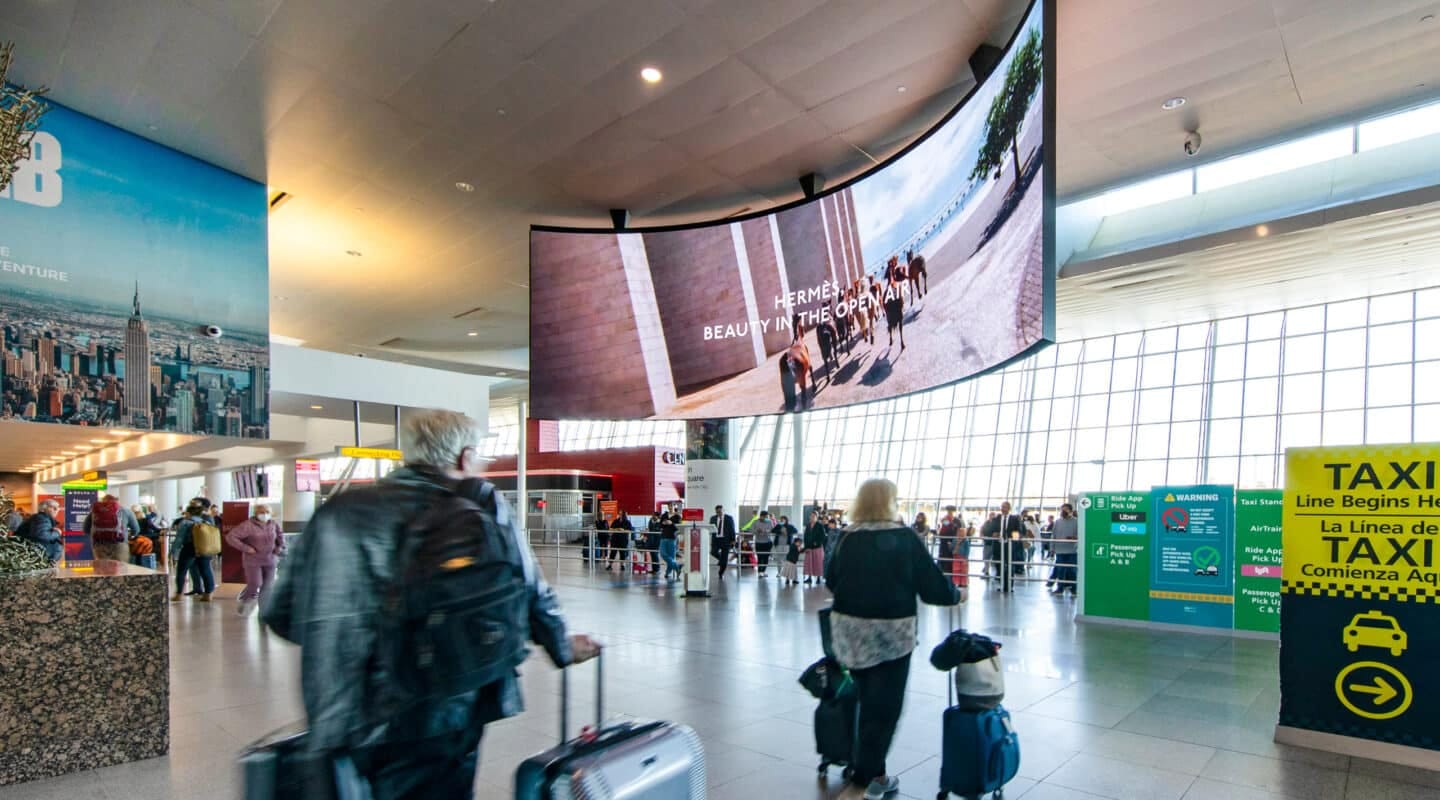
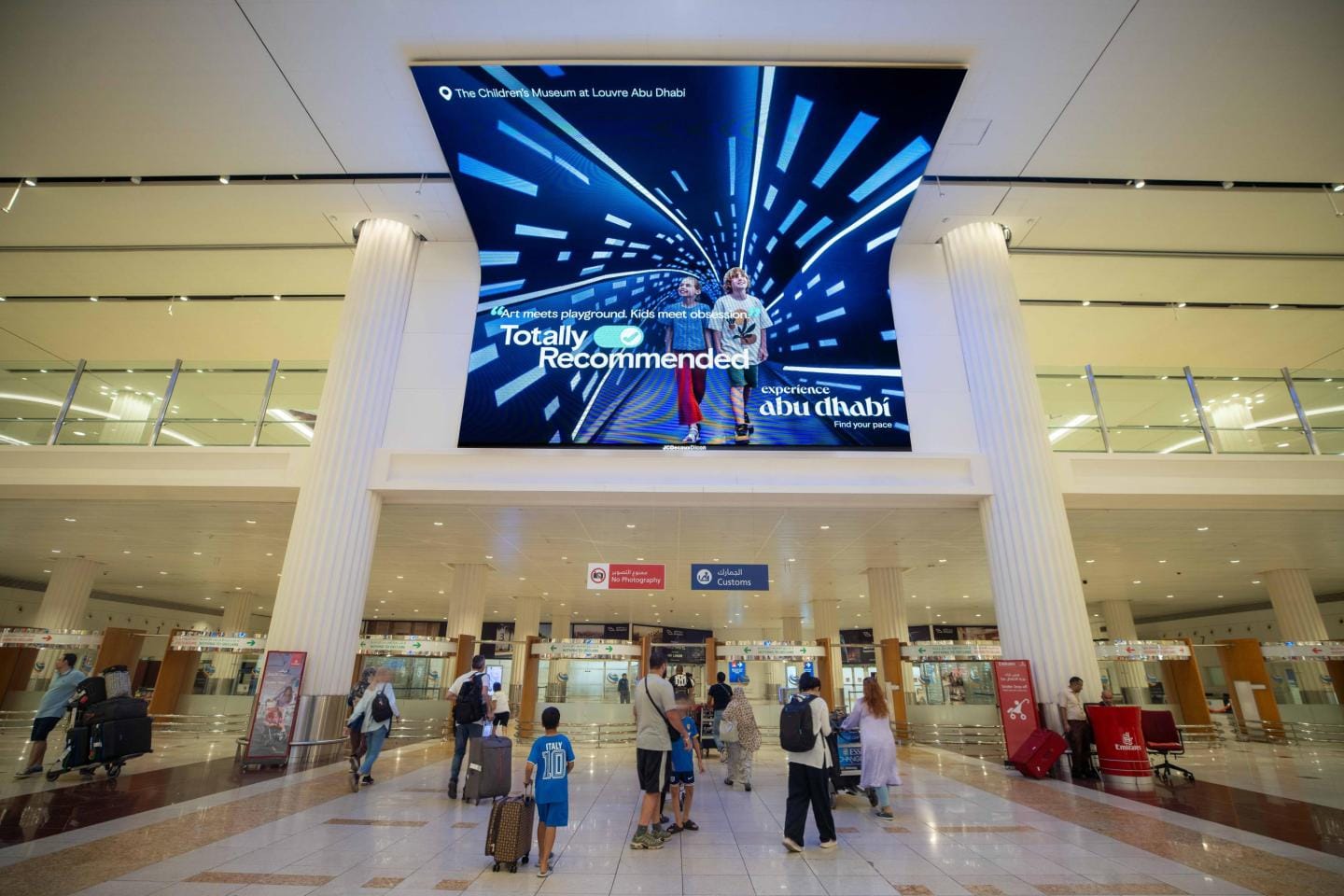
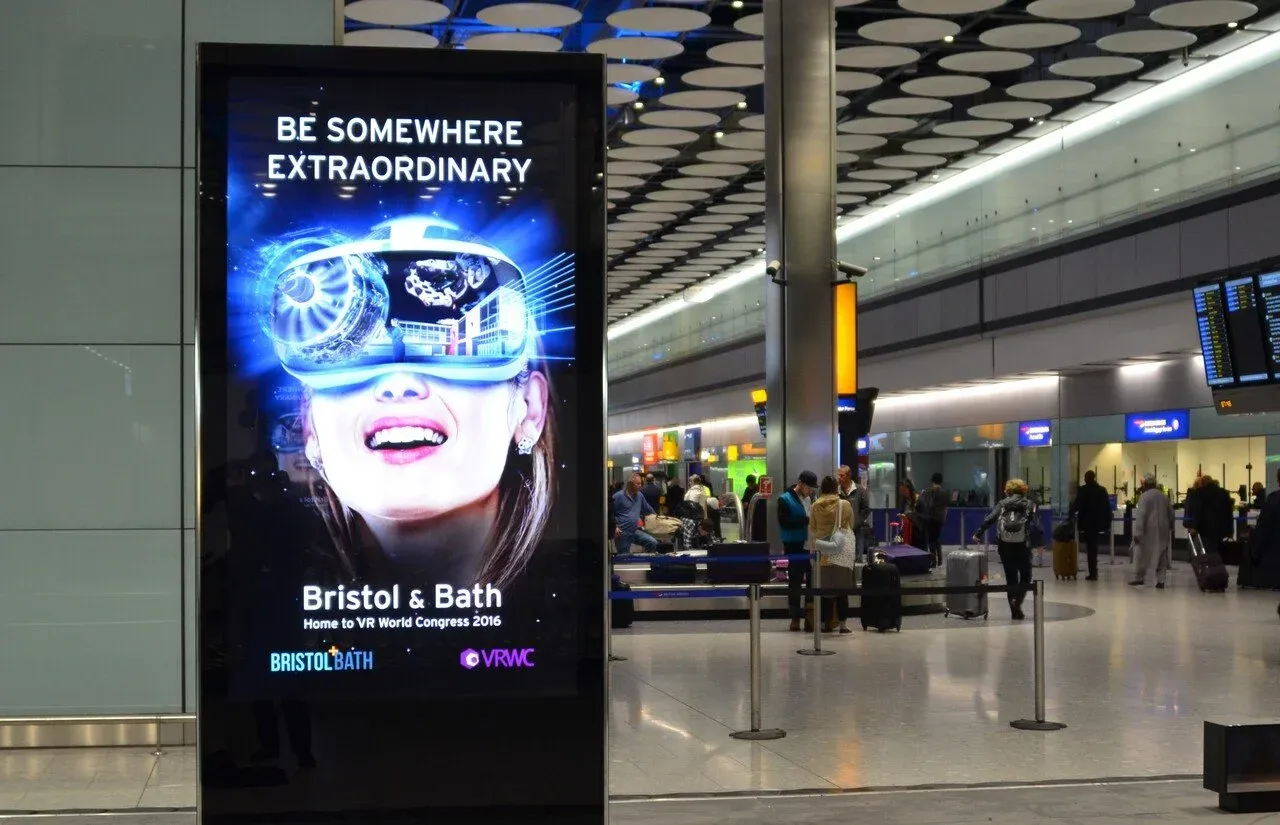
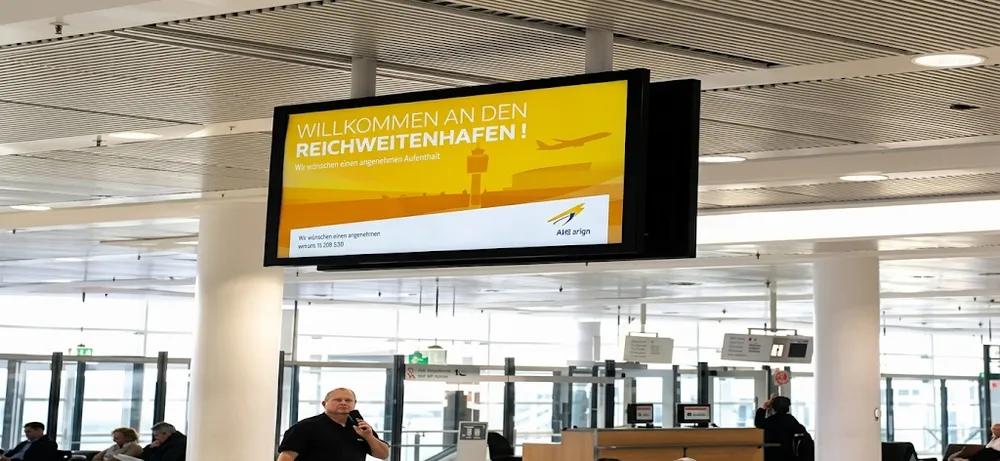
- Bremen Airport's merged single-terminal configuration following the 2018 renovation creates a unified passenger flow through a single airside zone, ensuring near-total campaign penetration for any well-placed advertising across the complete passenger base. Unlike multi-terminal German airports where audience disperses, BRE concentrates all departing passengers through a single security lane, departure lounge, and gate area, delivering high frequency of exposure for every campaign placement.
- The airport has been independently ranked Germany's most punctual commercial airport for five consecutive years, which means passengers at BRE are more likely to be in a settled, dwell-time-rich pre-departure environment than at larger German airports where delays are more common. A reliable, on-schedule airport produces passengers who have arrived with appropriate time margins and are mentally ready for the advertising environment rather than anxious about their flight.
- The Airport City's physical integration of 600 aerospace and technology companies with the terminal building means that a significant proportion of BRE's business travellers are going to or from their place of work in the immediate vicinity of the airport. This audience familiarity with the airport environment increases habitual engagement with advertising placements that are consistently present across repeated visits.
- Masscom Global's inventory access at Bremen Airport enables brands to secure placements across the main terminal check-in zones, security transition areas, departure lounge, and gate environments, with specific positioning options near the Turkish Airlines and Lufthansa check-in desks for route-specific diaspora and business audience targeting.
Strategic Advertising Fit
Best Fit:
- Aerospace and engineering B2B: The co-location of Airbus, ArianeGroup, OHB, and over 140 aerospace companies within the Airport City creates a B2B advertising environment that is unique among German regional airports. Aerospace supply chain brands, precision engineering tool suppliers, industrial software providers, and aerospace conference organisers will find their highest-density German regional airport audience at BRE. The Space Tech Expo Europe in November is the single most commercially productive annual event window for this category.
- Premium automotive and fleet management: The Mercedes-Benz and Volkswagen group professional community in the catchment represents one of Germany's most directly relevant premium automotive audiences at a regional airport. Engineers and executives who work on Mercedes C-Class production or Volkswagen body assembly are among the most informed and purchase-active consumers of premium automotive brands in Germany, and advertising at BRE reaches this community in a high-attention dwell environment.
- Turkish and diaspora consumer brands: BRE's established Turkish community audience, concentrated on Istanbul, Antalya, and Izmir routes, is the most commercially accessible single-nationality diaspora audience at the airport. Turkish banking, consumer goods, telecommunications, real estate, and retail brands reaching this community at the airport achieve brand recall and purchase intent that far exceeds what is available through general German media channels.
- International money transfer and remittance: The Turkish, Lebanese, and Moldovan diaspora communities travelling through BRE all generate regular remittance activity. Remittance platforms, international money transfer services, and cross-border banking products will find a high-frequency, high-loyalty audience that is actively engaged with their product category at the moments of departure and arrival that airport advertising specifically captures.
- Travel insurance (budget and mid-market): The large leisure audience on Mediterranean charter and LCC routes is consistently underserved by travel insurance advertising in Germany. BRE's compact terminal environment means that a single well-placed campaign reaches the full leisure audience at the departure moment when insurance purchase intent is highest.
- Mid-market consumer electronics and household goods: The working and professional-class families of northwest Germany travelling through BRE for annual holidays represent a consistent mid-market consumer audience for electronics, home goods, and family retail. Major German and European consumer electronics and retail brands targeting the NRW and Bremen consumer market will find cost-efficient audience penetration at BRE.
- Energy and maritime industry B2B: The Wilhelmshaven, Emden, and Bremerhaven industrial catchments generate senior energy and maritime executive travel that is receptive to specialised B2B advertising for offshore wind, shipping, and port technology products. The Space Tech Expo and maritime conference calendar align specific event windows for this category.
Brand Alignment at a Glance:
| Category | Fit |
|---|---|
| Aerospace and engineering B2B | Exceptional |
| Turkish and diaspora consumer brands | Exceptional |
| International money transfer and remittance | Exceptional |
| Premium automotive and fleet | Strong |
| Travel insurance | Strong |
| Mid-market consumer electronics | Strong |
| Energy and maritime B2B | Moderate |
| Luxury goods and premium financial services | Poor fit |
| Mass-market FMCG (without diaspora angle) | Poor fit |
Who Should Not Advertise Here:
- Luxury goods and premium wealth management: The per-passenger income profile at Bremen Airport, while above the German regional average in the industrial professional segment, does not support luxury goods brand advertising at the level viable at Frankfurt, Munich, or Düsseldorf. The leisure audience in particular is budget-oriented and will not engage meaningfully with luxury watch, jewellery, or private banking messaging.
- Complex enterprise technology without aerospace or automotive positioning: Generic enterprise software and institutional financial services advertising lacks the audience specificity to perform at BRE without a clear connection to the aerospace, automotive, or logistics sectors that dominate the business professional catchment.
- Premium private aviation: The airport's passenger base is predominantly LCC and full-service economy travellers, and private jet or premium charter advertising lacks the audience density at BRE to generate commercially viable return.
Event and Seasonality Analysis
- Event Strength: Moderate (Space Tech Expo Europe and Freimarkt are high-yield annual anchors)
- Seasonality Strength: High (NRW and Bremen school holiday schedule drives strong and predictable seasonal peaks)
- Traffic Pattern: Seasonal leisure dominant with stable business undercurrent (summer and October peaks; consistent weekday business travel year-round)
Strategic Implication:
Advertisers at Bremen Airport should structure campaigns around two primary windows. The summer holiday season from mid-June to late August delivers the highest passenger volume and is the most productive period for consumer, leisure, and diaspora advertising aligned to Mediterranean travel. The October window, amplified by the Freimarkt festival and the autumn school holiday break, consistently produces strong passenger numbers and an engaged, culturally motivated audience that responds to regional food, beverage, and consumer brand advertising. For B2B aerospace and engineering advertisers, the November Space Tech Expo Europe window is the single most commercially concentrated event of the year, delivering an inbound professional audience of extraordinary sector specificity. Masscom structures BRE campaigns to activate across the summer leisure peak, the October cultural and holiday window, and the November aerospace professional event window, ensuring sustained brand presence at every commercially significant audience moment of the year.

Poor Placement and Delays Affect Airport Campaigns
We help you move faster, access better inventory, and get it right now.
Talk to an ExpertFinal Strategic Verdict
Bremen Airport is the most commercially distinctive small-scale international airport in northern Germany, and its value for advertisers is not simply a function of its 1.99 million passengers but of the unusual depth and specificity of the professional and diaspora audiences those passengers represent. It is the only airport in the world physically embedded within the most important combined aviation and aerospace cluster in Europe, where Airbus manufactures the high-lift systems for almost every commercial aircraft flying today and ArianeGroup builds the upper stage of Europe's rocket programme. It is Germany's most punctual commercial airport five years running, an operationally reliable environment that generates a settled, attentive, and repeat-visiting professional audience across the Monday to Friday business week. Its Turkish community audience, served by Turkish Airlines' daily Istanbul route, Pegasus's Sabiha Gokcen connection, SunExpress's Antalya and Izmir services, and the new Bodrum route from 2026, is one of the most brand-loyal and commercially consistent diaspora travel audiences at any German airport outside Frankfurt. And its expanding leisure network, maintained and growing despite broader German aviation tax pressures, continues to serve the annual holiday aspirations of the 13 million people across northwest Germany who make BRE their regional gateway. For brands whose commercial priority is the aerospace professional, the Turkish community consumer, or the cost-efficient access to northwest Germany's leisure travellers, Bremen Airport represents a precisely targeted, operationally excellent, and commercially underpriced advertising environment. Masscom Global's direct access, audience intelligence, and execution capability at BRE ensures every campaign is structured to extract the maximum return from each of these distinct and commercially valuable audience segments.
About Masscom Global
Masscom Global is a premium international airport advertising and media buying agency operating across 140 countries. With deep expertise in airport OOH, premium publications, and high-net-worth audience targeting, Masscom helps brands reach the world's most valuable travellers at the moments that matter most. For advertising packages, media rates, and campaign planning at Bremen Airport and airports across the globe, contact Masscom Global today.
Frequently Asked Questions
How much does airport advertising cost at Bremen Airport?
Advertising costs at Bremen Airport reflect its regional German positioning and the compact, high-penetration character of its single-terminal environment. Placements in the main terminal departure lounge, check-in zone, and security transition areas are available at rates that represent a cost-efficient alternative to the premium inventories of Frankfurt, Munich, or Düsseldorf, while delivering near-total audience penetration within a defined passenger flow. The airport's consistent growth trajectory, expanding Turkish Airlines capacity, and new route additions from AJet and Corendon signal a moderately increasing demand for premium inventory positions. Masscom Global provides current rate intelligence and campaign structuring advice tailored to your category and objectives. Contact Masscom for a detailed briefing on available formats and pricing.
Who are the passengers at Bremen Airport?
Bremen Airport's passenger base is a commercially productive blend of three main segments. The first is the industrial professional community drawn from the Airbus, Mercedes-Benz, ArianeGroup, OHB, and BLG Logistics workforces in the Airport City and greater Bremen catchment, who travel primarily on hub connections to Frankfurt, Munich, Amsterdam, Zurich, Vienna, and Istanbul for business. The second is the Turkish and Lebanese diaspora community from across northwest Germany, travelling primarily for VFR on Istanbul, Antalya, Izmir, and Beirut routes. The third is the broad northwest German working and middle-class leisure audience using the airport's Mediterranean, Spanish island, and Canary Island charter and LCC routes for annual family holidays.
Is Bremen Airport good for luxury brand advertising?
Bremen Airport is not recommended for luxury brand advertising. The airport's primary audience segments, industrial professionals, diaspora travellers, and budget leisure passengers, do not align with the per-passenger income profile and spending disposition required for effective luxury goods, private banking, or ultra-premium lifestyle advertising. Brands in these categories seeking northwest German HNWI audiences are better served by Hamburg Airport, which carries a significantly higher proportion of premium business and international leisure travellers with the spending behaviour that luxury brands require. Masscom is equipped to advise on the optimal German airport for any brand's specific premium audience targeting needs.
What is the best airport in northwestern Germany to reach different audience segments?
Northwest Germany's three primary airports serve distinctly different commercial audiences. Hamburg Airport carries the region's highest concentration of HNWI business, media, and premium lifestyle travellers and is the recommended environment for luxury, premium financial services, and high-spending international leisure advertising. Bremen Airport specifically serves the aerospace and automotive industrial professional community, the Turkish and Lebanese diaspora traveller community, and the budget Mediterranean leisure audience. Hanover Airport serves Lower Saxony's agricultural, manufacturing, and professional services economy. For brands targeting the aerospace B2B professional, the Turkish diaspora consumer, or the cost-efficient northwest German leisure family, Bremen Airport is the first choice in the region.
What is the best time to advertise at Bremen Airport?
Three windows deliver the highest commercial yield at BRE. The summer school holiday period from mid-June to late August is the highest-volume consumer and leisure advertising window, reaching the maximum concentration of Mediterranean-bound holiday families alongside Turkish diaspora summer travel. October combines the Freimarkt festival audience with the autumn school holiday surge, consistently producing the airport's highest single-month traffic and an engaged consumer audience. For B2B aerospace and engineering advertisers, the November Space Tech Expo Europe window delivers an inbound professional audience of exceptional sector specificity. Masscom structures campaign timing at BRE to maximise audience alignment within each of these three primary windows.
Can international real estate developers advertise at Bremen Airport?
International real estate advertising at Bremen Airport is viable for specific target markets. Turkish real estate developers marketing Istanbul and Aegean coastal properties to the diaspora community in northwest Germany will find a directly targeted and purchase-intent-active audience at BRE on the Turkish routes. Spanish and Canary Island property developers targeting German retirees and second-home buyers will find the summer leisure route audience broadly aligned with their catchment. For European retirement property in Mallorca, Costa del Sol, or the Canary Islands, the summer departure window aligns with the highest-interest audience moment. German and Nordic property developers seeking the industrial professional community of the Airport City catchment will find a smaller but financially stable domestic real estate investment audience.
Which brands should not advertise at Bremen Airport?
Luxury goods brands, private banking and ultra-premium wealth management services, private aviation and concierge travel providers, and brands with no meaningful connection to the aerospace, automotive, diaspora, or budget leisure audience segments at BRE are unlikely to generate meaningful return from advertising at this airport. The airport's commercial strength is in audience specificity rather than premium spending power, and brands that cannot credibly connect to the Airbus engineer, the Turkish family traveller, or the northwest German holiday family will find their investment better deployed at Hamburg, Frankfurt, or Düsseldorf.
How does Masscom Global help brands advertise at Bremen Airport?
Masscom Global provides complete end-to-end airport advertising services at Bremen Airport, from audience intelligence and segment profiling through to inventory sourcing, creative brief guidance, placement execution, and performance evaluation. Our understanding of Bremen's unique positioning as Germany's aerospace capital, the specific character of the Turkish diaspora travel community in northwest Germany, and the seasonal and event-driven patterns that shape the airport's commercial calendar allows us to structure campaigns that are calibrated to the audience with a precision that generic regional airport media planning cannot achieve. For brands seeking to activate across the German diaspora travel corridor at Bremen, Dortmund, Frankfurt, and Hamburg simultaneously, Masscom's 140-country network enables coordinated campaigns under a single intelligence framework. Contact Masscom Global today to begin.