




Airport at a Glance
| Field | Detail |
|---|---|
| Airport | Beijing Capital International Airport |
| IATA Code | PEK |
| Country | China (People's Republic of China) |
| City | Beijing (Shunyi District, 32 km northeast of city centre) |
| Annual Passengers | 67.4 million (2024); 27.4% YoY growth |
| Primary Audience | Chinese government officials and state enterprise principals, corporate executives of Fortune Global 500 companies, outbound HNWI travellers, inbound business and diplomatic visitors |
| Peak Advertising Season | Golden Week (October), Chinese New Year (January/February), summer (July to August) |
| Audience Tier | Tier 1 |
| Best Fit Categories | Luxury goods and premium retail, international real estate, education abroad, premium automotive, B2B professional services, financial services |
Beijing Capital International Airport is not merely China's primary northern gateway. It is the physical threshold of the city that houses more Fortune Global 500 company headquarters than New York, Tokyo, London, or Paris — 54 companies for 13 consecutive years as of 2025, representing approximately 15% of total Global 500 revenue globally. Beijing's list reads like the spine of China's entire economy: State Grid Corporation of China, China National Petroleum Corporation, Industrial and Commercial Bank of China, China Mobile, Sinopec, China Construction Bank, Agricultural Bank of China, Bank of China, JD.com, Xiaomi, and Meituan — the organisations that collectively define China's energy, banking, technology, and industrial infrastructure, all headquartered within a 30-minute drive of PEK's Terminal 3. In 2024, the airport served 67.4 million passengers — up 27.4% year-on-year — as China's visa-free policy expansion and post-pandemic international route recovery drove the strongest single-year growth in recent memory.
Beijing is also Asia's most commercially concentrated sovereign power environment. Every major Chinese government ministry, the Communist Party of China's central apparatus, the National Development and Reform Commission, and the People's Bank of China are all based in Beijing. The executives of China's central state-owned enterprises — the 46 "central SOEs" directly under SASAC authority — all maintain their primary Beijing offices and travel through PEK. China's 125,600 millionaires make Beijing the 10th-wealthiest city globally and Asia's second-largest HNWI concentration after Tokyo, with 90% growth over the past decade. For advertisers targeting China's most commercially consequential institutional audience — the principals of the state and private enterprises that collectively generate a fifth of global trade — PEK offers unmatched access.
Advertising Value Snapshot
- Passenger scale: 67.4 million in 2024, up 27.4% year-on-year; Beijing's dual-hub system (PEK plus Daxing Airport) handled a combined 117 million passengers in 2024 — up 26.2% and 12.9% above pre-pandemic 2019; international and regional passengers at PEK surged 130% year-on-year through September 2024, driven by China's expanded 240-hour visa-free transit policy covering 54 countries; the airport connects to 54 countries and regions across 217 destinations including 127 domestic and 90 international routes
- Traveller type: Senior Chinese government officials and People's Liberation Army principals, executives of Beijing-headquartered Fortune Global 500 and state-owned enterprises, outbound Chinese HNWI and professional travellers, inbound diplomatic and business visitors, and the full spectrum of Chinese domestic corporate and consumer travellers connecting through the national capital
- Airport classification: Tier 1 — China's primary northern aviation hub; one of the world's top-20 busiest airports; primary hub for Air China and Star Alliance; home to Terminal 3, the world's second-largest airport terminal building
- Commercial positioning: Beijing is the world's top city for Fortune Global 500 headquarters for the 13th consecutive year; 125,600 millionaires; China's political and governmental capital; seat of all major state enterprises and policy authorities
- Wealth corridor signal: PEK anchors Beijing's most commercially consequential outbound routes to London, Frankfurt, Paris, Singapore, Tokyo, Dubai, and New York — the corridors through which China's corporate leadership, state enterprise executives, and HNWI travellers conduct global business and deploy capital
- Advertising opportunity: Masscom Global provides brands with the intelligence and inventory access to reach PEK's extraordinary concentration of state enterprise principals, corporate decision-makers, and outbound HNWI at the moment they enter and exit China's most powerful capital city
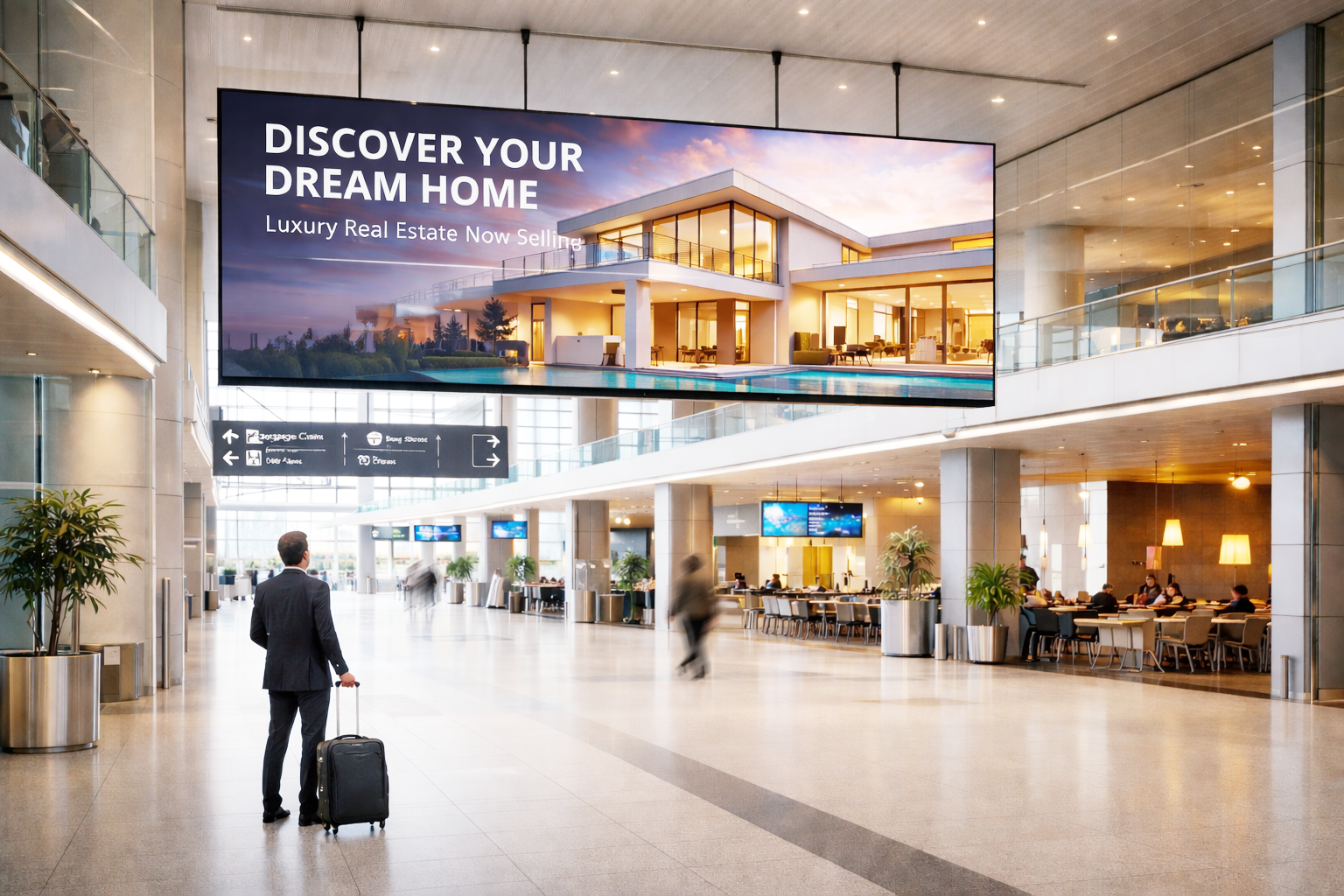
Airport Advertising is Complex to Get Right
We help you execute faster, with proven results and local insight most planners lack starting now.
Talk to an ExpertCatchment Area and Economic Drivers
Top 10 Cities within 150 km — Marketer Intelligence
- Beijing (Central Districts — Dongcheng, Xicheng, Chaoyang, Haidian): The world's highest-density Fortune Global 500 headquarters city for 13 consecutive years; home to State Grid, CNPC, ICBC, China Mobile, JD.com, Xiaomi, Meituan, Baidu, ByteDance, and 54 Global 500 companies in total whose combined assets represent 69.1% of all Chinese companies on the list; the senior executives, party secretaries, and government relations leaders of these organisations are among the most commercially and institutionally influential advertising audiences at any airport in Asia
- Tianjin: China's third-largest city by GDP, a major industrial, port, and financial hub approximately 120 km southeast of Beijing; the commercial and manufacturing leadership of Tianjin — whose businesses span petrochemicals, automotive, aerospace, and financial services — travel regularly through PEK for central government meetings and international connections; Tianjin's port status makes it a productive B2B logistics and trade executive audience
- Langfang (Hebei Province): Directly between Beijing and Tianjin on the high-speed rail corridor, Langfang has become a fast-growing technology, e-commerce, and logistics city within Beijing's effective economic radius; the "Pearl of the Beijing-Tianjin Corridor" hosts data centres, cloud computing facilities, and warehousing operations for Beijing's digital economy, generating a young professional and technology sector audience that travels through PEK
- Baoding (Hebei Province): Approximately 150 km southwest of Beijing, the "Southern Gateway of Beijing" and Hebei's most populous prefecture; home to Great Wall Motor (China's largest SUV manufacturer) and a growing new energy vehicle industry cluster; Baoding's auto industry executives and professional community access international business travel through PEK
- Zhangjiakou (Hebei Province): Co-host of the 2022 Winter Olympics with Beijing, connected to the capital by the 47-minute Beijing-Zhangjiakou high-speed railway; growing as a renewable energy and clean technology hub with significant wind and solar capacity; the environmental technology executives and sports tourism professionals of Zhangjiakou access global connections through PEK
- Tangshan (Hebei Province): Hebei province's largest industrial city and economic centre, a major steel, coal, and ceramics production hub contributing senior industrial executive travel through PEK; Tangshan's port — Caofeidian — is a key node in China's northern logistics network and generates consistent B2B trade and logistics executive traffic
- Xiong'an New Area (Hebei Province): China's most significant new city development project of the current era, designated in 2017 as a "city of national significance" with ambitions comparable to Shenzhen and Pudong; Xiong'an will become Beijing's administrative and headquarters relocation destination for multiple central-government functions; the planning executives, construction companies, and technology firms building Xiong'an travel regularly through PEK
- Chengde (Hebei Province): A historic imperial resort city approximately 240 km northeast of Beijing, known for the Chengde Mountain Resort (UNESCO World Heritage Site) and summer imperial palace; contributes premium domestic tourism traffic through PEK and a modest business executive audience from Hebei's northern economy
- Qinhuangdao (Hebei Province): China's leading coal export port and an important Bohai coastal city; the energy sector and logistics executives of Qinhuangdao's port and industrial economy access international business travel through PEK
- Shijiazhuang (Hebei Province): Capital of Hebei province approximately 280 km southwest of Beijing, China's second-largest pharmaceutical manufacturing base and a major textiles and chemical industry hub; Shijiazhuang's pharmaceutical executives and government officials access Beijing and international connections through PEK, contributing a healthcare and pharmaceutical B2B audience
NRI and Diaspora Intelligence
Beijing's diaspora and expatriate commercial dynamic is structurally dominated by the Chinese diaspora community accessing China's capital for business, rather than an outbound diaspora returning home. The most commercially significant inbound diaspora audience at PEK is the overseas Chinese professional community — primarily from the US, UK, Canada, and Singapore — who maintain Beijing-based business relationships, corporate board positions, or government advisory roles and travel through PEK multiple times per year. Chinese Americans and Chinese-Australians in technology, finance, and academia constitute a consistent premium B2B audience on the Beijing-San Francisco, Beijing-Sydney, and Beijing-Vancouver routes. The foreign multinational executive community in Beijing — the senior representatives of Siemens, BASF, JPMorgan, Goldman Sachs, McKinsey, and hundreds of others who maintain Beijing offices for their China operations — generates regular premium international business travel through PEK's international terminal.
Economic Importance
Beijing generates approximately $887 billion in city-level GDP, ranking it second globally among individual cities after New York. The city hosts the headquarters of China's national banking system — ICBC, Bank of China, China Construction Bank, and Agricultural Bank of China among the world's largest banks by assets — as well as the country's energy majors, telecommunications monopolies, and technology champions. China's national outbound direct investment totalled $162.8 billion in 2024, growing 10% year-on-year, and a disproportionate share of that capital originates from decisions made in Beijing. The Beijing-Tianjin-Hebei urban cluster that PEK serves has a combined population of over 110 million people and accounts for a substantial share of China's northern economic output. For advertisers, the practical implication is that the executives making China's most commercially significant institutional decisions travel through PEK's Terminal 3 every day of the working week.
Business and Industrial Ecosystem
- Central state-owned enterprises (Central SOEs) and SASAC portfolio: Beijing hosts 46 "central SOEs" directly under the State-Owned Assets Supervision and Administration Commission — the world's most concentrated cluster of state-directed commercial capital under a single administrative authority; the party secretaries, board chairmen, and senior executives of State Grid, CNPC, Sinopec, China Telecom, China Mobile, China Unicom, and their dozens of subsidiaries are among the most institutionally consequential corporate travellers at any airport in the world, and they travel primarily through PEK
- Private technology champions and digital economy: Beijing is headquarters to Baidu, ByteDance (TikTok/Douyin), JD.com, Xiaomi, Meituan, and the majority of China's most globally recognised private technology companies; the founders, executives, and investors of this ecosystem travel through PEK on San Francisco, Singapore, London, and Dubai routes to manage international expansion, investor relations, and regulatory relationships
- Financial and investment institutions: The People's Bank of China, China Securities Regulatory Commission, China Banking and Insurance Regulatory Commission, and the headquarters of every major Chinese bank are all in Beijing; the senior officials of these institutions and the private wealth managers, hedge fund executives, and private equity investors who work alongside them represent a consistent premium financial services advertising audience at PEK
- Government ministries and diplomatic community: Every major Chinese government ministry, the Foreign Ministry, the Ministry of Commerce, and the diplomatic corps of over 170 countries are all based in Beijing; senior government officials, foreign diplomats, and the policy advisory community they generate create a unique institutional travel audience at PEK that no other airport in China serves at comparable scale
Passenger Intent — Business Segment
The PEK business traveller operates in an institutional context that is unique in Asian aviation. China's state enterprise executives do not travel for sales or investor relations alone — they travel to manage the relationships, contracts, and bilateral agreements that define entire industries and trade corridors. A State Grid executive travelling to Germany is managing the European energy supply chain relationships that determine how China's energy technology exports are positioned globally. A CNPC board member flying to Singapore is attending to the financial structures that govern China's overseas energy investments. The institutional weight of PEK's business audience is not measured in individual deal size but in sectoral influence, and brands that understand how to communicate within this institutional register — with restraint, substance, and institutional credibility — find a uniquely receptive environment.
Strategic Insight
PEK's strategic advertising advantage is its unparalleled institutional density. No other airport in China — and no other airport in Asia — concentrates the headquarters community of China's largest SOEs, the seat of national government, and the HNWI and private technology community in one airport catchment at PEK's scale. Daxing Airport (PKX) serves the SkyTeam alliance base with China Eastern and China Southern as primary carriers, drawing a different audience profile weighted toward leisure and South China business travel. PEK's Star Alliance and Air China hub designation concentrates the premium international business audience — the executives flying to London, Frankfurt, Tokyo, and Singapore for institutional meetings — in one terminal environment where Masscom's placement intelligence can intercept them with maximum commercial precision.
Tourism and Premium Travel Drivers
- The Forbidden City and Imperial Palace complex: The world's largest palace complex and China's most visited heritage site receives tens of millions of visitors annually; international premium tourists arriving through PEK for a Beijing cultural itinerary represent one of the most committed heritage and luxury tourism audiences in Asia, having typically invested significant trip budgets in flights, accommodation, and experience
- The Great Wall (Mutianyu, Jinshanling, Badaling): One of the world's most iconic landmarks and a consistently peak-demand tourism destination, concentrated within 70–90 km of central Beijing and accessible on day trips from the capital; the international premium tourist who flies business class to Beijing to visit the Great Wall has a per-night accommodation spend profile consistently aligned with luxury advertising categories
- 798 Art District and China's contemporary art market: Beijing's 798 Art District is the most commercially significant contemporary art market in mainland China, attracting Chinese and international collectors, gallery owners, and art investors; the premium art tourism audience at PEK is commercially relevant for luxury goods, art advisory, and wealth management advertising
- Zhangjiajie and China's premium domestic tourism circuit: Although Zhangjiajie itself is beyond the catchment, Beijing serves as the origin point for China's domestic premium tourism circuit; the outbound Chinese HNWI departing through PEK for Sanya, Yunnan, or an international premium resort destination has a discretionary travel budget profile that is among the highest in Chinese aviation
- Winter Olympic legacy — Zhangjiakou and Chongli ski resorts: The 2022 Winter Olympics infrastructure created a world-class ski resort ecosystem in Zhangjiakou, 47 minutes from Beijing by high-speed rail; premium ski tourism and the associated luxury lodge, performance gear, and high-end winter lifestyle categories are a growing and commercially productive advertising audience at PEK
Passenger Intent — Tourism Segment
Beijing's inbound premium tourist is specifically choosing China's political capital for its unparalleled concentration of imperial history, cultural heritage, and contemporary power. The decision to visit Beijing — over Shanghai or Guangzhou — signals a particular travel intent that is historically and culturally oriented rather than primarily commercial. This traveller arrives through PEK with an open and curious premium spending profile, ready to engage with cultural experiences, luxury hospitality (the Aman Beijing, The Peninsula, Park Hyatt), Michelin-starred Peking duck restaurants, and premium retail in Sanlitun and Wangfujing. They are also subject to China's expanding 240-hour visa-free transit policy, which allows citizens of 54 countries to spend up to 10 days in Beijing without a visa — a policy change that is materially increasing the quality of inbound international tourist traffic at PEK.
Travel Patterns and Seasonality
Peak seasons:
- Golden Week (October 1–7): China's most important national holiday creates the year's highest-volume domestic and outbound leisure travel surge at PEK; Chinese families travel domestically and internationally, with Europe, Southeast Asia, Japan, and the Maldives as dominant outbound leisure destinations; the week before and after Golden Week concentrates Beijing's HNWI and professional outbound travel into a tightly defined window that is exceptionally productive for luxury goods, international hospitality, and premium property advertising
- Chinese New Year / Spring Festival (January to February): The most culturally significant travel period in China; the Beijing professional and HNWI community travels internationally to Paris, London, the Maldives, and Singapore for Lunar New Year; gifting, luxury goods, and premium food advertising peak simultaneously; the post-New Year return creates a mirror audience at PEK's international arrivals
- Summer (July to August): The sustained peak for outbound family leisure travel from Beijing; Europe, Japan, and Southeast Asia are primary destinations; premium education travel — parents visiting children at overseas schools and universities — peaks in this window and creates a concentrated international education advertising opportunity
- Year-round government and corporate travel: Unlike leisure-driven airports, PEK's government and SOE executive audience generates consistent premium travel across all months; B2B and institutional advertising campaigns are viable year-round for categories whose audience does not follow the leisure calendar
Event-Driven Movement
- National People's Congress (March, Beijing): China's most important annual political event, drawing delegates from all 31 provinces and the senior leadership of every major state enterprise and government ministry to Beijing; NPC session brings thousands of China's most institutionally powerful individuals through PEK in the two-week window around the sessions, creating the year's most concentrated government and SOE executive audience at the airport
- Belt and Road Forum and major state diplomacy (variable): Beijing regularly hosts major multilateral diplomatic events — the Belt and Road Forum, China-Africa Cooperation Forum, SCO Summits — that draw heads of state and senior officials from dozens of countries through PEK's international terminal; these events create concentrated inbound diplomatic and government leadership audiences
- Golden Week (October 1–7): Creates the year's most concentrated outbound leisure travel window from Beijing, with the capital's HNWI and professional families departing simultaneously for international leisure; premium automotive, luxury goods, international real estate, and hospitality advertising performs most efficiently in the Golden Week pre-departure window
- Spring Festival / Lunar New Year (January to February): The largest annual movement of people through PEK, driven by Beijing residents travelling home across China and outbound international leisure; premium gifting, luxury retail, and financial services categories benefit most from the high commercial intent embedded in this window
- Xiong'an Development investor and policy events: Beijing's role as the administrative headquarters of Xiong'an New Area's development programme generates regular high-level policy, real estate investment, and infrastructure events that bring senior government and commercial principals through PEK
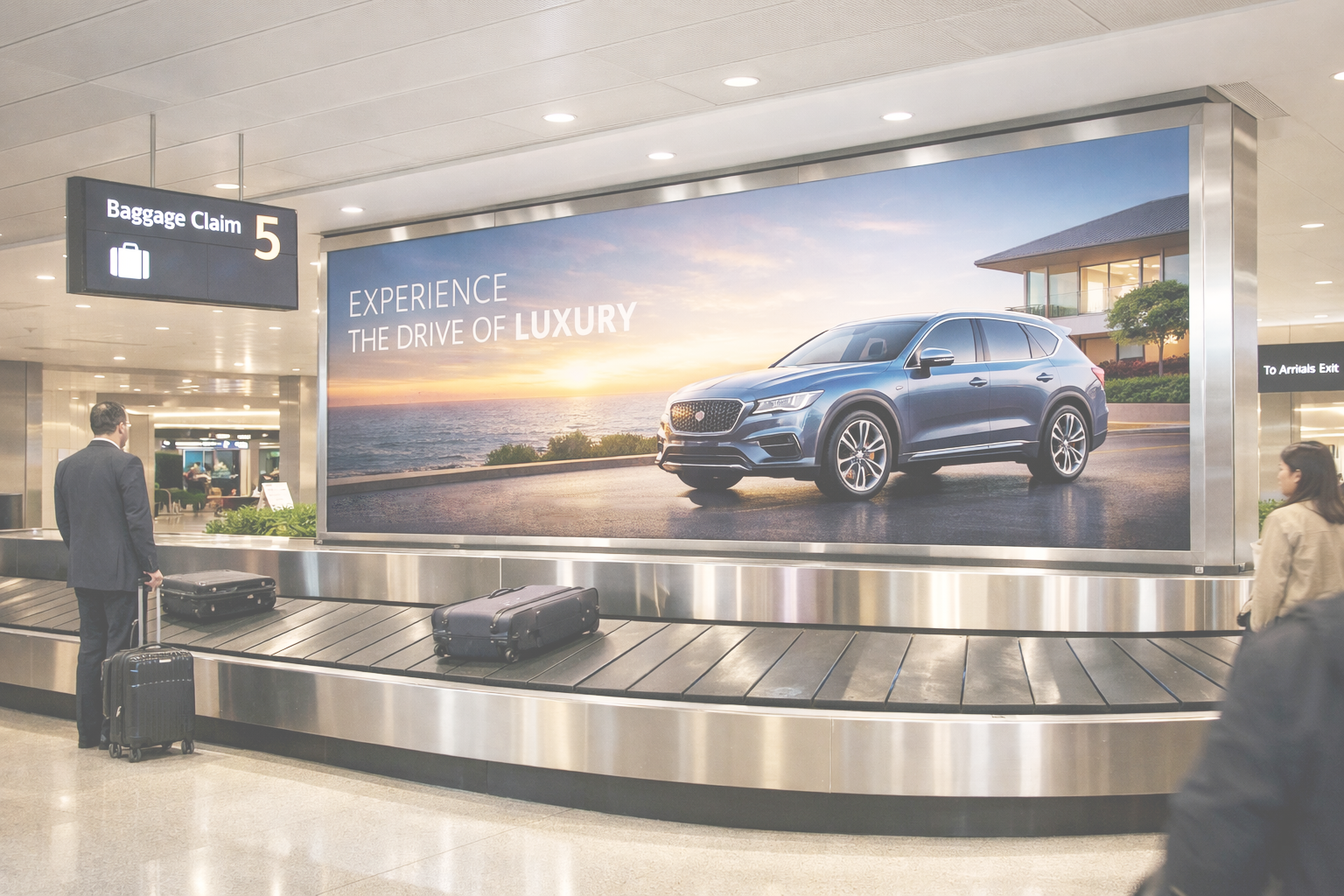
It’s Not Just Where You Advertise - It’s How Fast You Execute
We combine local insight with fast rollout to deliver results for you, now.
Talk to an ExpertAudience and Cultural Intelligence
Top 2 Languages
- Mandarin (Putonghua): The national language and the primary communication medium of every audience segment at PEK — government officials, corporate executives, HNWI families, and domestic leisure travellers; advertising creative in Mandarin at PEK is not a creative preference but a fundamental commercial requirement; the prestige conventions of Mandarin in the Beijing dialect context — which carries associations of authority, education, and institutional credibility — are commercially significant and require authentic cultural fluency to deploy effectively
- English: The international business language used by China's globalised corporate community — the Baidu engineer who went to Stanford, the CNPC executive managing London investor relations, the McKinsey senior partner at the Beijing office; English-language advertising at PEK reaches the internationally oriented professional tier and all inbound international visitors; bilingual Mandarin-English creative maximises reach across both the domestic Chinese institutional audience and the premium inbound international segment
Major Traveller Nationalities
PEK's international passenger profile reflects Beijing's dual role as China's governmental capital and its most important international diplomatic and business hub. Chinese nationals dominate domestic and outbound traffic. Among inbound international travellers, Asia leads — with Korea, Japan, Singapore, and the Central Asian corridor all contributing significant volume — followed by Europe (Germany, UK, France) on Beijing's strong Lufthansa, British Airways, and Air France connections. The US market recovered strongly in 2024 following the expansion of visa-free transit policies. Russia and the Central Asian states contribute a growing share of Beijing's inbound traffic as Sino-Russian and Belt and Road corridor business relationships deepen. Business travellers from Europe and the US arriving through PEK are predominantly senior corporate and government relationship managers — not leisure tourists — whose dwell time and purchase intent profile is commercially premium.
Religion — Advertiser Intelligence
- No dominant organised religion (approximately 73% officially non-religious): China's public life does not carry the overt religious commercial signalling that shapes advertising calendars in Gulf or South Asian markets; the Chinese cultural calendar is driven primarily by Confucian and folk tradition rather than organised religious observance
- Buddhism and Taoism (approximately 18%): The dominant spiritual traditions of China's traditional culture, expressed commercially through the Lunar New Year, Qingming Festival (Tomb Sweeping Day), and Mid-Autumn Festival; these events drive gifting, family travel, and premium food advertising peaks
- Islam (approximately 1.8%): Beijing's Muslim Hui community, concentrated in districts like Niujie, is commercially relevant for Halal food brands and the airport's connections to Muslim-majority Belt and Road countries; the Beijing-Dubai, Beijing-Doha, and Central Asian routes create an inbound Muslim business traveller audience relevant for premium Halal lifestyle categories
Behavioral Insight
The Beijing HNWI and corporate executive is among the most status-aware yet institutionally pragmatic consumers in Asian aviation. The Chinese HNWI's consumption behaviour shifted meaningfully between 2022 and 2025: domestic luxury spending declined, while overseas luxury spending surged as international travel recovered — by 2024, overseas spending accounted for 40% of total Chinese luxury goods consumption, with spending in Asia-Pacific exceeding 2019 levels by 20%. The Chinese VIC (Very Important Client) of luxury brands — the top 1% of spenders who drive a disproportionate share of category revenue — remained resilient through the domestic luxury slowdown, shifting preferences toward more understated and quality-led brands rather than logo-dominant status signals. At PEK, advertising that speaks to this evolved sensibility — emphasising heritage, craft, and understated authority over overt status — consistently outperforms generic luxury creative.
Outbound Wealth and Investment Intelligence
Beijing's outbound HNWI is China's most institutionally connected wealth holder — the senior executives and principals of state enterprises and private technology champions who have accumulated substantial personal wealth alongside their professional roles. China's total HNWI population exceeded 5.9 million by 2024, making it the world's second-largest HNWI population after the US; an estimated 2 million Chinese HNWIs are exploring international investment migration options. Outbound direct investment by Chinese enterprises grew 10% year-on-year to $162.8 billion in 2024. Chinese nationals hold approximately $1.8 trillion in offshore assets. The Beijing HNWI's international investment preferences, per the Hurun Chinese Luxury Consumer Survey 2024, favour Hong Kong (37%), Singapore (36%), the US (29%), the UAE (20%), and Europe (19%) as priority overseas investment destinations.
Outbound Real Estate Investment
The Chinese HNWI's approach to international real estate is governed by five structural factors: preference for freehold markets, long investment horizons, diversification away from China's domestic property market (which declined significantly in 2022–2024), education corridor investment (buying near elite international schools and universities), and capital mobility constraints that favour markets with accessible cross-border transaction infrastructure. The most active international real estate markets for Beijing-based HNWIs are Singapore (freehold, rule of law, established Chinese community, top education system), the United States (particularly New York, Boston, and Los Angeles for education corridor investment), the UK (London Mayfair and Knightsbridge, school corridor properties in Oxfordshire and Surrey), and Japan (Tokyo and Osaka, driven by yen weakness and stable yields). The 2024 data confirming Singapore as Japan's largest foreign real estate investor reflects a pan-Chinese HNWI pattern that originates substantially from Beijing's corporate and government-linked wealth.
Outbound Education Investment
China's HNWI families invest in international education at an age that is earlier than any other major Asian HNWI community — the average age at which Chinese HNWI children begin overseas schooling is 16, and over 80% of HNWI survey respondents have overseas education plans for their children. Beijing's HNWI families favour the US — which surged 13 percentage points in the 2024 Hurun survey to reclaim the top destination ranking — followed by the UK (Russell Group universities and home county boarding schools), Singapore (increasingly favoured for its proximity, safety, and English-medium education), and Canada. International universities, UK and US boarding school networks, and education consultancies will find PEK's Terminal 3 departure environment one of the most commercially productive channels in Asia for reaching Beijing's HNWI parent community.
Outbound Wealth Migration and Residency
An estimated 15,200 Chinese millionaires emigrated in 2024 — the world's largest outflow — primarily to Australia, the US, Canada, Singapore, and the UAE, driven by concerns over economic uncertainty, capital controls, and geopolitical risk diversification. Beijing-based HNWIs represent a disproportionate share of this migration because they are simultaneously the most internationally exposed (through their companies' global operations) and the most sensitive to China's domestic policy environment. Golden Visa programmes in Portugal (now reformed), Greece, Spain, and the UAE; Singapore's Global Investor Programme; and the US EB-5 immigrant investor programme are all actively marketed to the Beijing HNWI community. Investment migration consultancies, dual-residency advisories, and second-passport service providers will find a commercially motivated and financially qualified audience at PEK.
Strategic Implication for Advertisers
Beijing Capital Airport is simultaneously the primary departure point for China's most globally connected outbound investors and the primary arrival point for the international brands and institutions seeking access to China's most commercially consequential capital city. The advertisers who perform best at PEK are those who position themselves on both sides of this corridor — international real estate developers reaching outbound HNWI capital, and international professional services, education, and luxury brands reaching the Beijing corporate and HNWI community who are increasing their overseas spending as China's domestic luxury market consolidates. Masscom structures PEK campaigns to capture both flows simultaneously, with creative and placement calibrated to the bilateral commercial relationship between Beijing and the world's major wealth and investment destinations.
Airport Infrastructure and Premium Indicators
Terminals
PEK operates primarily through Terminal 2 and Terminal 3, with Terminal 1 reconfigured as the West Wing Satellite Terminal supporting Terminal 2 operations. Terminal 3, designed by Foster + Partners and opened for the 2008 Beijing Olympics, covers approximately 986,000 square metres across a main terminal (3C), two satellite concourses (3D and 3E), and five floors above ground plus two underground — making it the world's second-largest airport terminal building. Terminal 3E handles international departures and arrivals, hosting Air China's international flagship operations alongside Star Alliance partners including Lufthansa, United Airlines, Singapore Airlines, Air Canada, Turkish Airlines, ANA, and Asiana. Terminal 2 handles domestic and some international flights for Hainan Airlines, China Eastern, and SkyTeam members. The airport operates three parallel runways and connects directly to the city centre via the Airport Express rail link, which terminates at Sanyuanqiao and Dongzhimen stations on the Beijing Subway.
Premium Indicators
- Air China First Class and Business Class hub — Terminal 3E: Air China's flagship first and business class product, operated on its wide-body international fleet, is based entirely at Terminal 3E; the first class cabin passengers of Air China's Beijing-London, Beijing-Los Angeles, and Beijing-Frankfurt routes represent a confirmed UHNWI and senior corporate travel audience whose commercial profile is among the highest available at any Chinese airport
- Star Alliance concentration in Terminal 3E: The co-location of Star Alliance members in Terminal 3E under the "Move Under One Roof" programme creates a single premium international hub environment where the accumulated first and business class passengers of Lufthansa, Singapore Airlines, United Airlines, Air Canada, and Turkish Airlines share a departure environment — multiplying the premium audience density in one terminal zone
- 240-hour (10-day) visa-free transit policy: China's expansion of the 240-hour visa-free policy to citizens of 54 countries has driven a 130% year-on-year surge in PEK international passenger volume through the first three quarters of 2024; this policy is transforming PEK's inbound international tourist profile from a primarily business-visa audience to a more diverse premium leisure and cultural tourism audience
- Terminal 3 scale and design: Norman Foster's "dragon terminal" design — conceived as a symbol of China's architectural ambition for the 2008 Olympics — provides a physical environment of exceptional scale and visual drama; the departure and arrivals halls of Terminal 3 are among the most architecturally distinctive advertising environments in Asian aviation
Forward-Looking Signal
Beijing's dual-hub aviation system is approaching 200 million combined annual passengers — the threshold at which Beijing's city airport system will join London and New York as one of the world's three mega-hub cities. PEK's own annual capacity of approximately 90 million passengers is operating at high utilisation, with ongoing capacity enhancement projects underway. The accelerating development of Xiong'an New Area — China's most significant planned city project since Pudong — will generate a new wave of infrastructure, real estate, and corporate investment activity through PEK as the relocation of government functions and corporate headquarters from Beijing to Xiong'an proceeds over the next decade. China's continuing Belt and Road route expansion is adding new city connections through PEK to Central Asia, South Asia, the Middle East, and Africa at a pace that is regularly increasing the airport's international audience diversity. Masscom advises brands to establish PEK advertising presence ahead of the continued route expansion and Xiong'an-related corporate relocation activity that will deepen the airport's institutional audience density over the remainder of this decade.
Airline and Route Intelligence
Top Airlines
Air China (primary hub carrier — Star Alliance), Hainan Airlines, Sichuan Airlines, Shenzhen Airlines, Shandong Airlines, Capital Airlines; major international carriers: Lufthansa, United Airlines, Air Canada, Singapore Airlines, ANA, Asiana Airlines, Turkish Airlines, British Airways, Air France, KLM, Finnair, LOT Polish Airlines, Scandinavian Airlines, Austrian Airlines, Ethiopian Airlines, Emirates, Korean Air, Japan Airlines, MIAT Mongolian Airlines, Vietnam Airlines, Thai Airways
Key International Routes
- London Heathrow (Air China, British Airways — primary Sino-British corridor)
- Frankfurt (Air China, Lufthansa — primary Sino-German trade corridor)
- Paris Charles de Gaulle (Air China, Air France)
- Amsterdam Schiphol (Air China, KLM)
- New York JFK (Air China, United Airlines)
- Los Angeles (Air China, United Airlines)
- San Francisco (Air China, United Airlines)
- Vancouver and Toronto (Air Canada)
- Singapore (Air China, Singapore Airlines)
- Tokyo Narita and Haneda (Air China, ANA, JAL, Korean Air)
- Seoul Incheon (Air China, Korean Air, Asiana)
- Dubai (Emirates)
- Istanbul (Turkish Airlines)
- Sydney (Air China)
- Stockholm (Scandinavian Airlines)
- Warsaw (LOT Polish Airlines)
- Helsinki (Finnair)
- Vienna (Austrian Airlines)
- Addis Ababa (Ethiopian Airlines — connecting to Africa)
Domestic Connectivity
PEK's domestic network — operated primarily by Air China — connects Beijing to every major Chinese city including Shanghai, Guangzhou, Shenzhen, Chengdu, Chongqing, Wuhan, Xi'an, Kunming, Sanya, Harbin, Urumqi, Lhasa, and dozens of regional airports. Domestic connections are particularly commercially relevant at PEK because they extend the airport's reach to the provincial corporate leadership that travels to Beijing for central government meetings and national conferences, creating a concentrated audience of China's most commercially significant regional executives in PEK's terminal during the peak business travel periods of March (NPC session), September to October (Golden Week build-up), and December to January (year-end business season).
Wealth Corridor Signal
PEK's international route network maps the geography of China's most commercially critical bilateral relationships. The Lufthansa-Frankfurt and Air France-Paris routes carry China's senior corporate executives to Europe's most important investment relationship meetings — the Sino-European technology licensing negotiations, the SOE bond issuances on German and French capital markets, and the bilateral energy and infrastructure agreements that define the commercial relationship between the world's two largest economic blocs. The United Airlines-New York and Air China-Los Angeles routes carry the Wall Street relationships and Silicon Valley technology partnerships of Beijing's private technology companies. The Singapore Airlines-Singapore route carries the most commercially active bilateral corridor for Chinese HNWI capital deployment in Southeast Asia. Every route out of PEK is a thread in the institutional fabric of China's global commercial relationships.
Media Environment at the Airport
- Terminal 3's scale — nearly one million square metres across its main terminal and satellite concourses — creates one of the most extensive advertising canvases in Asian aviation; the sheer physical distance between gate zones and check-in halls within Terminal 3E generates exceptionally long dwell times for international departing passengers, with some gate areas requiring 30 to 45 minutes of walking from the check-in zone — making mid-journey advertising placements commercially powerful in a way not available at more compact international terminals
- The Star Alliance concentration in Terminal 3E creates a single premium hub where the first and business class passengers of Air China, Lufthansa, Singapore Airlines, United Airlines, and their partners share a defined commercial environment; targeted placement in the international departure zone of Terminal 3E reaches the most commercially valuable passengers at PEK in a concentrated and identifiable media zone
- China's expanding 240-hour visa-free policy is transforming the arrivals environment at PEK from a primarily repeat-business-visitor audience to an increasingly diverse premium inbound leisure tourism audience — broadening the commercial categories that can productively advertise in the arrivals zone
- Masscom Global structures PEK campaigns with the local market intelligence required to navigate China's distinct advertising regulatory environment, content standards, and platform protocols — ensuring campaigns meet all compliance requirements while delivering maximum commercial impact
Strategic Advertising Fit
Best Fit
- Luxury goods and premium retail: Beijing's 125,600 millionaires, combined with the 40% share of Chinese HNWI luxury spending that now occurs overseas, makes PEK an exceptionally productive luxury advertising environment — particularly for brands whose products are available in the international markets to which Beijing's HNWI are flying; Chinese VIC luxury clients are increasingly favouring understated, craft-led brands over logo-dominant status signalling
- International real estate — Singapore, US, UK, Japan, UAE: Per the Hurun 2024 survey, Beijing HNWIs favour Hong Kong and Singapore (37% and 36% investment intent), followed by the US and Europe; developers in these markets should treat PEK as the primary point of interception for the audience that is actively deploying capital internationally
- International education — US, UK, Singapore, Australia: Over 80% of Beijing HNWI families have overseas education plans; the US has reclaimed the top study destination after years of UK dominance; UK boarding schools, US Ivy League universities, Russell Group institutions, and Singapore and Australian universities will find PEK one of the most commercially active channels for reaching Beijing's internationally education-focused parent community
- Premium automotive: Beijing's corporate and HNWI community are active premium automotive consumers; Porsche, BMW, Mercedes-Benz, Audi, and increasingly premium Chinese EV brands (Li Auto, NIO, and Huawei-backed Aito) are all commercially relevant at PEK's corporate executive audience
- B2B professional services — legal, consulting, audit, technology: The 54 Fortune Global 500 headquarters and the 46 central SOEs in Beijing generate constant demand for international legal advisory, management consulting, enterprise technology, and audit services; McKinsey, Bain, BCG, PwC, KPMG, Freshfields, and Linklaters all maintain substantial Beijing presences specifically to serve this institutional demand, and advertising at PEK reinforces their brand authority with the decision-makers who commission them
- Financial services and private wealth management: China's HNWI investable assets are growing; Singapore, Hong Kong, and Swiss private banks are all expanding Beijing client development; private wealth management platforms, international fund management groups, and corporate treasury solutions targeting China's most affluent institutional and private clients will find PEK one of the most commercially relevant channels in Asia
Brand Alignment at a Glance
| Category | Fit |
|---|---|
| Luxury goods and premium retail | Exceptional |
| International real estate | Exceptional |
| International education | Exceptional |
| B2B professional services and technology | Strong |
| Premium automotive | Strong |
| Private banking and wealth management | Strong |
| Premium healthcare and medical tourism | Strong |
| Mass-market consumer goods | Poor fit |
Who Should Not Advertise Here
- Brands with no China market presence or cultural adaptation: PEK's domestic audience — China's most institutionally significant — evaluates brands against a context of institutional credibility and cultural authenticity that foreign brands without meaningful China market investment cannot deliver; advertising at PEK without a supporting China commercial relationship is unlikely to generate sustainable commercial outcomes
- Mass-market consumer brands: PEK's institutional and HNWI audience profile makes premium placement cost-inefficient for mass-market consumer goods whose CPM economics require volume reach rather than premium impact
- Brands with active geopolitical sensitivities: China's institutional environment means that brands associated with active geopolitical tensions should approach PEK advertising with specific cultural advisory guidance; Masscom provides the market intelligence to navigate category sensitivities specific to the Beijing government and institutional audience
Event and Seasonality Analysis
- Event Strength: Very High (National People's Congress, Golden Week, Spring Festival, major diplomatic summits)
- Seasonality Strength: High (Golden Week October peak, Spring Festival January-February peak, summer outbound peak)
- Traffic Pattern: Multi-Peak (Golden Week, Spring Festival, summer) with Very Strong Year-Round Institutional Corporate and Government Base
Strategic Implication
PEK's commercial calendar is driven by China's national political and cultural rhythms, and advertisers who synchronise campaigns with these rhythms consistently outperform those who apply generic Asian advertising timing to the Beijing market. The National People's Congress in March creates the year's most concentrated government and SOE executive audience at the airport. The Golden Week October window creates the most concentrated outbound leisure HNWI audience. Spring Festival creates the year's most intense gifting and premium retail advertising environment. The summer window is most productive for international education, European hospitality, and premium property advertising targeting the Beijing family with school-age children heading abroad. Masscom maps PEK campaigns to China's institutional and cultural calendar with the precision that Beijing's extraordinary audience demands and the local market knowledge that only a globally experienced airport advertising partner can provide.
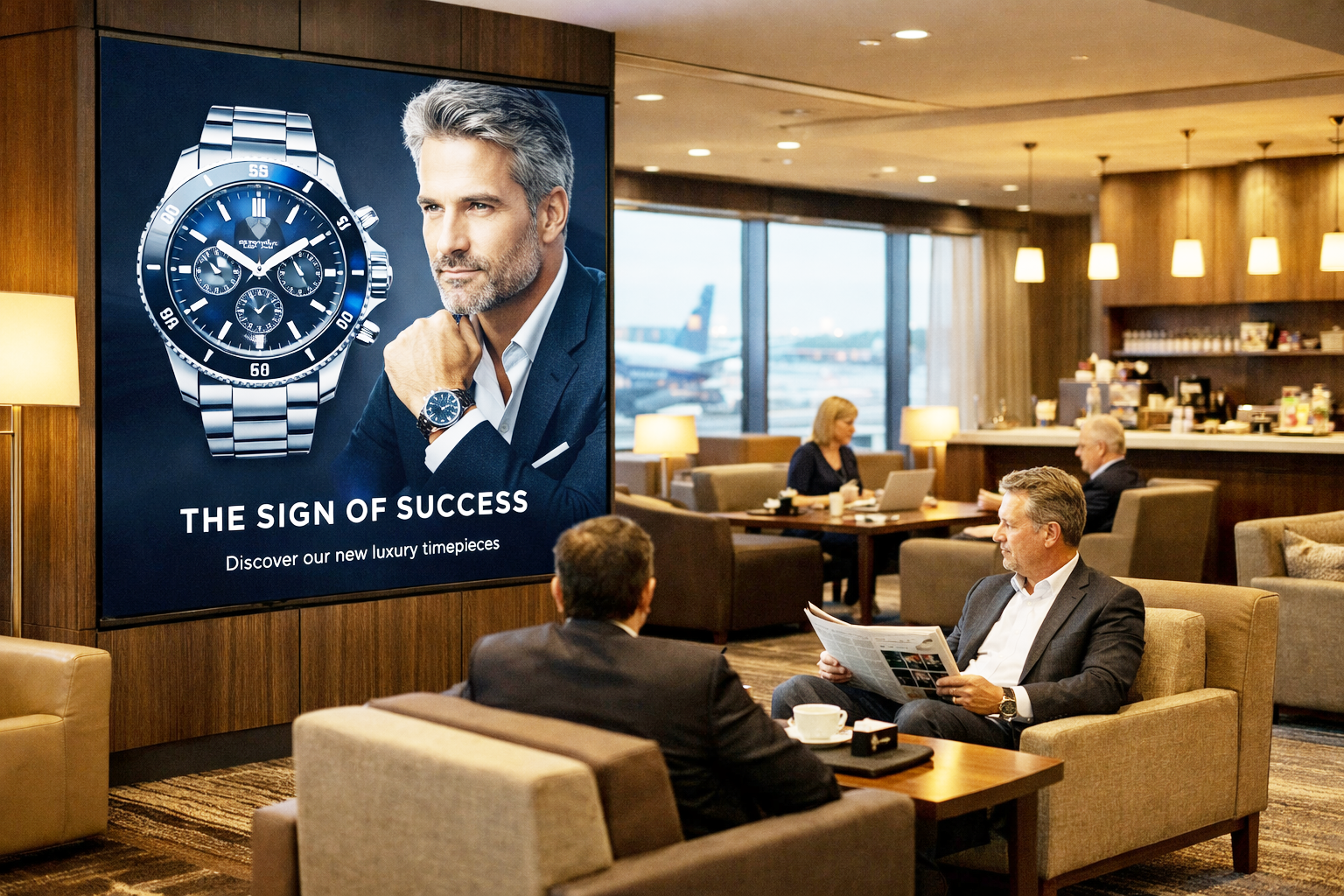
Poor Placement and Delays Affect Airport Campaigns
We help you move faster, access better inventory, and get it right now.
Talk to an ExpertFinal Strategic Verdict
Beijing Capital International Airport is the advertising gateway to the world's most consequential concentration of institutional corporate power, and one of the most commercially important HNWI audiences in Asia. The city hosts more Fortune Global 500 headquarters than any other city on earth for the 13th consecutive year, the executives of 46 central SOEs whose combined assets represent 69.1% of all Chinese companies on the Global 500 list, and 125,600 millionaires whose wealth grew 90% over the past decade. In 2024, PEK served 67.4 million passengers — growing 27.4% year-on-year as China's visa-free transit expansion and international route recovery drove the strongest surge in recent history. The brands that will perform best at PEK over the next five years are those that understand both sides of this airport's commercial equation: the outbound Beijing HNWI who is increasingly deploying capital internationally in real estate, education, and wealth management, and the inbound international brand or institution seeking access to the institutional audience that makes China's most commercially significant decisions. Masscom Global provides the intelligence, the China-specific cultural advisory, the inventory access, and the execution capability to ensure that investment at PEK performs at the level this extraordinary audience merits.
About Masscom Global
Masscom Global is a premium international airport advertising and media buying agency operating across 140 countries. With deep expertise in airport OOH, premium publications, and high-net-worth audience targeting, Masscom helps brands reach the world's most valuable travellers at the moments that matter most. For advertising packages, media rates, and campaign planning at Beijing Capital International Airport and airports across the globe, contact Masscom Global today.
Frequently Asked Questions
How much does airport advertising cost at Beijing Capital International Airport?
Advertising costs at PEK vary by terminal zone, format, placement location, campaign duration, and seasonal demand. Terminal 3E's international departure environment — serving Air China, Lufthansa, Singapore Airlines, and United Airlines — commands premium pricing for its concentration of first and business class institutional and HNWI passengers. Golden Week (October) and Spring Festival (January to February) reflect peak demand premiums. China's advertising market operates with specific regulatory requirements for content approval and placement protocols that differ from other markets. Masscom Global provides current rate intelligence, regulatory guidance, and placement recommendations tailored to campaign objectives. Contact Masscom for a tailored rate card and campaign proposal.
Who are the passengers at Beijing Capital International Airport?
PEK's passenger profile divides into three commercially significant tiers. The institutional government and SOE tier — the executives and officials of China's 54 Fortune Global 500 companies and 46 central state enterprises — represents the world's most concentrated corporate power audience at a single airport. The professional HNWI tier — Beijing's 125,600 millionaires and the senior professionals of China's private technology champions — travel internationally on wealth management, education, and premium leisure objectives. The growing inbound international tier — boosted by China's 240-hour visa-free transit policy — brings diplomatic, business, and premium cultural tourism visitors from Europe, the US, and Asia through PEK's international terminal.
Is Beijing Capital International Airport good for luxury brand advertising?
PEK is one of the most productive airports in Asia for luxury brand advertising, with an important market-specific caveat: the Beijing luxury consumer in 2024 to 2025 is shifting preferences toward understated quality and international purchase rather than domestic logo-dominant consumption. Chinese luxury spending overseas surged to 40% of total Chinese luxury expenditure in 2024, exceeding pre-pandemic levels in Asia-Pacific and approaching them in Europe. The PEK traveller departing for Paris, London, Singapore, or Tokyo is statistically one of the most active luxury goods purchasers in the world at their overseas destinations — and intercepting that intent before departure with advertising that signals product quality and destination availability is a proven performance strategy.
What is the best airport in China to reach the HNWI and institutional business audience?
PEK is the primary choice for the institutional corporate and government executive audience, given Beijing's unique concentration of SOE headquarters, government ministries, and Fortune Global 500 companies. For the private technology and venture-backed wealth community, Shanghai's Pudong Airport (PVG) is a complementary channel. For the manufacturing and export trade executive, Guangzhou Baiyun (CAN) and Shenzhen (SZX) are relevant. PEK serves the audience that commands China's institutional economy — a category of commercial influence that no other Chinese airport replicates.
What is the best time to advertise at Beijing Capital International Airport?
The National People's Congress in March creates the year's most concentrated government and SOE audience. Golden Week in October delivers the largest outbound leisure HNWI window. Spring Festival (January to February) is the year's most commercially active gifting and premium retail period. The summer (July to August) is most productive for international education and European hospitality. Year-round campaigns for B2B professional services, private banking, and premium automotive are viable given the structural consistency of PEK's institutional travel base.
Can international real estate developers advertise at Beijing Capital International Airport?
PEK is one of the most commercially productive airports in Asia for international real estate advertising. Beijing HNWIs are actively deploying capital internationally — Singapore (37% investment intent), the US (29%), the UK (19%), and Japan are the dominant markets. The 2024 Hurun survey confirms that China's HNWI community plans to increase overseas spending on real estate, education, and experiential travel. International developers in Singapore, the UK, the US, Japan, and Australia targeting Chinese HNWI capital should treat PEK as a tier-one global advertising channel for their category.
Which brands should not advertise at Beijing Capital International Airport?
Mass-market consumer goods brands whose CPM economics require broad demographic reach will find PEK's premium placements commercially inefficient. Brands without meaningful China market presence or cultural adaptation will struggle to generate sustained commercial outcomes with PEK's institutionally sophisticated domestic audience. Brands with active geopolitical sensitivities require specific cultural advisory guidance before any PEK campaign is built. Masscom provides both category suitability assessment and China-specific regulatory compliance guidance before recommending PEK campaigns.
How does Masscom Global help brands advertise at Beijing Capital International Airport?
Masscom Global provides complete campaign capability at PEK: China-specific cultural intelligence and content compliance advisory; audience segmentation between the institutional SOE and government executive tier, the private HNWI and technology community, and the inbound international visitor; terminal-specific placement strategy with particular focus on Terminal 3E's premium international hub environment; seasonal campaign timing calibrated to China's political calendar, Golden Week, and Spring Festival; regulatory compliance support for China's advertising approval processes; and performance reporting connecting media investment to commercial outcomes. For international brands navigating China's distinct commercial and regulatory environment, Masscom removes complexity and ensures campaigns perform at the level this extraordinary audience deserves. Contact Masscom today to discuss a campaign at Beijing Capital International Airport or across its global network spanning 140 countries.







