

Airport at a Glance
| Field | Detail |
|---|---|
| Airport | Auckland International Airport (Jean Batten Terminal) |
| IATA Code | AKL |
| Country | New Zealand |
| City | Auckland (Māngere, 21 km south of CBD) |
| Annual Passengers | 18,700,000+ (calendar year 2024); 18.9 million in 2025; 9.3M international (FY2024) + 8.5M domestic (FY2024); December 2024 international monthly record at 93% of pre-COVID |
| Primary Audience | Australian trans-Tasman leisure and VFR (41.8% of visitor arrivals); American premium tourists (fastest-growing; North American passports up 12% Dec 2024); Chinese-New Zealand diaspora and business; British and European premium tourists; Pacific Islander VFR community |
| Peak Advertising Season | November to March (Southern Hemisphere summer and peak international season) |
| Audience Tier | Tier 1 (National Monopoly Gateway) |
| Best Fit Categories | New Zealand premium tourism and luxury lodges, international real estate, NZ premium wine and food (Marlborough Sauvignon Blanc, Hawke's Bay), luxury automotive, adventure and wellness tourism, premium Asian travel brands, international elite education |
Auckland International Airport is one of the most commercially distinctive airports in the Asia-Pacific — not because of its absolute volume, but because of the structural monopoly it holds over an entire nation's international air access. The airport handles 71% of New Zealand's international passenger arrivals, a proportion that reflects Auckland's role not merely as a city gateway but as the gateway to New Zealand itself. Every American arriving to hike the Milford Track, every Chinese family visiting the South Island's glaciers, every British couple driving the Coromandel Peninsula, and every Japanese premium tourist tasting Marlborough Sauvignon Blanc at its source transits through this terminal. AKL is the sole point through which international desire for New Zealand — one of the world's most aspirationally held travel destinations — is physically channelled into the country.
The airport handled 18.7 million passengers in calendar year 2024, rising to 18.9 million in 2025, with international passenger movements in December 2024 reaching their highest since January 2020 — 93% of pre-COVID levels and still growing. North American passport holders grew by 12% in December 2024 year-on-year, now exceeding pre-COVID levels. European passports grew 10%. The US and Canadian markets are at their most commercially significant ever at AKL, with Air New Zealand deploying 11 to 12 weekly Los Angeles flights at peak, American Airlines operating Dallas-Fort Worth, United Airlines multiple frequencies, and three US major carriers simultaneously serving Auckland. China is recovering, Singapore Airlines holds double-daily frequency, Cathay Pacific increased Hong Kong services, and ANA runs Tokyo daily through winter. The NZ$6.6 billion airport investment programme — approved in September 2024 — will transform AKL's capacity and commercial environment through to 2030 and beyond.


Advertising Value Snapshot
- Passenger scale: 18,700,000+ (2024 calendar year); 18.9 million in 2025; 9.3 million international passengers (FY2024) + 8.5 million domestic; December 2024 international record; 93% of pre-COVID recovery; North American passports exceeding pre-COVID; NZ$6.6 billion capital programme approved September 2024; 42 international destinations and 23 domestic destinations served as of FY2025; NZX-listed airport company; 25,000+ airport precinct jobs
- Traveller type: Australian trans-Tasman leisure and VFR (41.8% of all international arrivals — highest single nationality; New South Wales 451,767, Queensland 373,187, Victoria 318,491 in 2024); American premium tourists (exceeding pre-COVID levels; three US legacy carriers now operating simultaneously); Chinese diaspora and premium tourists (recovering strongly; Cathay Pacific, Air China, China Eastern, China Southern serving AKL); British and European premium tourists (recovering; Singapore Airlines connecting European traffic via Changi); Pacific Islander VFR (Samoa, Tonga, Cook Islands, Fiji large community in Auckland); Japanese premium tourists (ANA daily winter; strong bilateral tourism recovery)
- Airport classification: Tier 1 (National Monopoly Gateway) — New Zealand's busiest airport by a margin that no other New Zealand airport approaches (Christchurch is second at 6.4 million in 2024); sole primary hub for Air New Zealand; one of only two NZ airports A380-capable; NZX-listed; 25% stake in Queenstown Airport
- Commercial positioning: The world's most complete single-access-point gateway to a premium tourism nation — New Zealand's globally celebrated natural landscapes, wine regions, adventure tourism, and Māori cultural heritage are all marketed to the world through a single terminal; AKL is where the aspiration meets the reality, where every international visitor's New Zealand dream physically begins
- Wealth corridor signal: AKL connects North America, Asia, and Australia to a country that consistently ranks among the world's top destinations for HNWI migration; New Zealand attracts 2,500 net new HNWIs annually (Henley 2024); Auckland's luxury real estate market saw 240% growth in $5 million-plus transactions between 2019 and 2021; the airport intercepts this wealth migration flow alongside the premium tourism and diaspora audiences
- Advertising opportunity: Masscom Global provides access to AKL's international and domestic terminal advertising environment and cross-corridor coordination at Sydney, Melbourne, Los Angeles, Singapore, Hong Kong, and London — enabling brands to intercept New Zealand's most commercially valuable inbound audiences throughout their complete journey to the world's most aspirational island nation
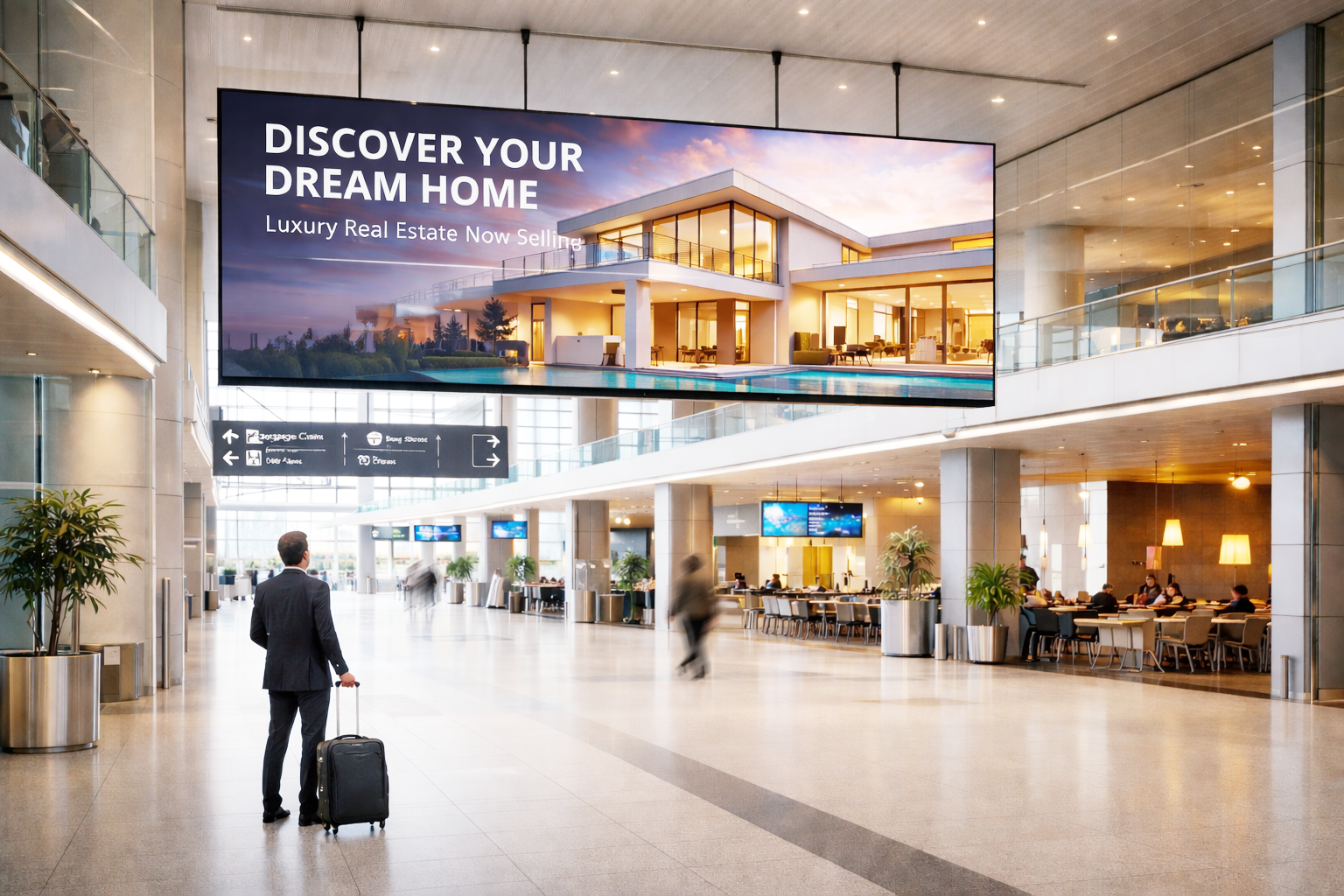
Airport Advertising is Complex to Get Right
We help you execute faster, with proven results and local insight most planners lack starting now.
Talk to an ExpertCatchment Area and Economic Drivers
Top 10 Cities within 150 km — Marketer Intelligence
- Auckland CBD, Ponsonby, and Herne Bay: New Zealand's commercial capital and home to roughly one-third of the country's total population — Auckland's economy is dominated by financial services, professional services, technology, and an extraordinary premium food and hospitality scene that has made it one of the Asia-Pacific's most celebrated restaurant cities; Ponsonby and Herne Bay represent the apex of the domestic New Zealand HNWI residential market, where premium homes regularly transact above NZ$4 million; the CBD's Britomart precinct and Commercial Bay luxury retail have elevated Auckland's premium brand environment to levels competitive with Sydney and Melbourne
- Northland and Bay of Islands (240 km north — primary premium leisure corridor): New Zealand's subtropical north — home to the Bay of Islands, Cape Reinga, and the Coromandel Peninsula — generates premium coastal tourism with deep significance; the Bay of Islands' Waitangi Treaty Grounds are New Zealand's most significant cultural heritage site, while the Hauraki Gulf islands create one of the world's most celebrated sailing environments; the premium New Zealand sailing community transits AKL for international boat shows and sailing events throughout the year
- Waikato and Hamilton (130 km south): New Zealand's largest inland city and the commercial hub of the Waikato region — home to the University of Waikato, New Zealand's most significant agricultural research institutions, and Fonterra's global headquarters; generates a consistent professional, agricultural, and educational B2B audience at AKL; Hobbiton at Matamata — Middle-earth's most-visited set location — sits within the Waikato, generating a global fantasy tourism pilgrimage audience
- Coromandel Peninsula (120 km east by road; accessible by ferry from Auckland): One of New Zealand's most celebrated premium coastal destinations — Cathedral Cove, Hot Water Beach, and Flaxmill Bay define a premium artisan and natural coastal lifestyle audience whose brand engagement in sustainable luxury, premium New Zealand produce, and coastal living categories is above average; Coromandel's artisan jewellery crafts and premium shellfish aquaculture generate specific premium artisan and gastronomy brand audiences
- Rotorua (230 km southeast): New Zealand's most internationally recognised Māori cultural tourism destination and the Southern Hemisphere's most extraordinary geothermal landscape; draws an international audience from Asia, North America, and Europe specifically motivated by Māori cultural immersion and geothermal experiences; a consistently commercially significant premium inbound day-trip audience from AKL that generates strong cultural heritage, wellness, and premium natural experience brand alignment
- Tauranga and Bay of Plenty (200 km southeast): New Zealand's fastest-growing provincial city and the gateway to Waikato's premium kiwifruit, avocado, and premium horticultural export economy; generates agricultural professional travel through AKL on export-market business; the Mount Maunganui beach community creates a premium coastal lifestyle audience whose domestic leisure spending profile is above the New Zealand regional average
- Waiheke Island (35 minutes by ferry from Auckland CBD): New Zealand's most celebrated wine island and one of the Asia-Pacific's most extraordinary urban wine tourism experiences — Waiheke's premium Bordeaux-variety red wines and boutique vineyards are accessible by ferry from the CBD, making it unique in world viticulture; generates a premium wine tourism audience that transits AKL and whose brand engagement in premium New Zealand wine is at maximum departure intent
- Northland Kauri forest and Whangarei (170 km north): Home to Tāne Mahuta — one of the world's largest living kauri trees — and the Waipoua Kauri Forest UNESCO candidate; generates a premium eco-tourism and indigenous cultural heritage audience from Japan, the UK, and the US whose engagement with authentic New Zealand natural and cultural experiences is the defining motivation of their visit
- Raglan and West Coast (150 km southwest): New Zealand's most celebrated surf destination and one of the Southern Hemisphere's most iconic surf breaks — generates a premium surf and outdoor adventure lifestyle audience from the US, Australia, and Brazil whose brand engagement in premium outdoor, surf, and New Zealand natural lifestyle categories is above average; Raglan's creative arts and wellness community further diversifies the premium lifestyle audience
- Pukekohe and Franklin (50 km south — immediately adjacent to airport's southern expansion): The market gardening heartland of New Zealand and a key component of the premium New Zealand food supply chain that feeds both domestic and export premium food categories; generates a premium food and agriculture professional audience relevant for New Zealand premium food export brand advertising
NRI and Diaspora Intelligence:
Auckland is home to New Zealand's most commercially complex diaspora ecosystem. The Pacific Islander community — comprising Samoan, Tongan, Fijian, Niuean, Cook Islander, and Tokelauan New Zealand citizens — generates the highest-frequency VFR bilateral at AKL by nationality group, creating consistent premium inbound travel from Pacific Island nations and New Zealand community-return travel that shapes specific seasonal travel peaks. The Chinese-New Zealand community — concentrated in Auckland's eastern suburbs — maintains active bilateral relationships with mainland China, Hong Kong, and Taiwan, generating consistent premium inbound travel from Chinese family networks and business contacts. The Indian-New Zealand community is New Zealand's fastest-growing diaspora — Auckland has a substantial and growing Indian community whose VFR bilateral with India is accelerating as direct or convenient connecting services improve. The British and South African-New Zealand communities generate consistent European bilateral travel through AKL. All of these diaspora communities collectively create the most internationally diverse single-gateway airport audience of any comparable-volume airport in the Asia-Pacific, and the cultural depth they bring to AKL's commercial environment is one of its most commercially exploitable characteristics.
Economic Importance:
Auckland's city economy is valued at approximately NZ$114 billion — the dominant commercial centre of New Zealand whose financial services, technology, professional services, and premium food and beverage export sectors collectively generate the majority of the country's internationally traded GDP. New Zealand's tourism sector — recovering strongly through AKL — contributed approximately 8-10% of national GDP in the pre-COVID period and is rebuilding toward that benchmark. Agricultural exports — New Zealand's dairy, meat, wool, wine, and premium produce — are the country's primary foreign exchange earners, and the agricultural professional community transiting AKL for international buyer meetings generates a consistent premium B2B audience year-round. New Zealand's international student economy — drawing Asian students predominantly from China, India, and South Korea — generates significant VFR travel through AKL and creates a premium education-motivated bilateral at specific seasonal windows.
Business and Industrial Ecosystem
- Financial services, funds management, and professional services: Auckland hosts the headquarters of New Zealand's major banks, fund managers, and professional service firms; their senior executives travel internationally through AKL on a consistent basis for investor relations, client service, and conference travel connecting to Sydney, Singapore, London, and New York
- Agricultural exports and premium food: Fonterra's global dairy operations, the New Zealand meat export industry, and the premium wine export sector collectively generate consistent international professional travel at AKL; wine professionals visiting Marlborough and Hawke's Bay for harvest and technical visits, and the agricultural sector's buyer and trade fair travel, create a niche but above-average-income B2B audience
- Tourism and premium hospitality investment: New Zealand's premium lodge and luxury tourism sector — anchored by properties such as Kauri Cliffs, Cape Kidnappers, Blanket Bay, and Matakauri Lodge — generates international investor, operator, and developer travel through AKL that is commercially significant for premium hospitality and real estate advertising
- Technology and innovation: Auckland's growing technology sector — drawing international talent and investment — generates increasing international professional travel at AKL; the creative and technology professional community uses AKL for connections to San Francisco, Seattle, London, and Singapore
Passenger Intent — Business Segment:
AKL's business travellers are concentrated in the export sectors that define New Zealand's international commercial relationships. A dairy export professional departing on Singapore Airlines for a Chinese buyer meeting represents New Zealand's most commercially important bilateral relationship. A premium wine producer visiting France or the US for trade events represents the premium artisan export category that has built New Zealand's most globally recognised single brand — Marlborough Sauvignon Blanc. A financial services executive attending the Pacific Rim Financial Conference in Singapore represents a bilateral that will grow as New Zealand's financial services sector deepens Asian connections. For B2B brands in financial services, agricultural supply chains, and premium food and beverage, AKL's professional business class audience is concentrated, commercially motivated, and economically engaged in ways that reward category-relevant advertising.
Strategic Insight:
AKL is one of the world's most commercially distinctive gateway airports because its catchment economy is defined by a single overwhelming characteristic: New Zealand makes and sells some of the world's most premium agricultural products — dairy, lamb, wine, honey, seafood — and the entire export ecosystem that manages these products internationally transits through this terminal. The export professional returning from a Shanghai dairy buyers meeting, the Marlborough winemaker departing for a UK press trip, and the premium honey brand manager flying to Japan for a retail launch all use the same terminal. For premium food and beverage, natural wellness, and artisan lifestyle brands targeting the New Zealand international market, AKL's departures environment intercepts the most commercially relevant professional audience at peak category engagement.
Tourism and Premium Travel Drivers
- New Zealand's Lord of the Rings and Hobbit filming circuit: The Middle-earth tourism phenomenon — whose global audience impact turned New Zealand into one of the world's most recognisable fantasy destination brands — draws dedicated pilgrimage visitors from the US, Europe, Japan, and South Korea who transit AKL on the first stage of itineraries specifically structured around filming locations; Hobbiton in Matamata, the Waikato, and the Queenstown and South Island filming locations are all accessible from Auckland; the international commitment to this itinerary signals a premium cultural tourism audience of considerable brand loyalty
- Marlborough and premium wine tourism: New Zealand's world-famous Sauvignon Blanc — produced exclusively in the Marlborough region of the South Island — has created a premium wine tourism audience from Australia, the UK, the US, Japan, and Germany who transit AKL specifically for wine tourism itineraries; AKL is where every international wine tourist's New Zealand wine journey begins and ends; the departure intent for purchasing premium Marlborough wine, Central Otago Pinot Noir, and Hawke's Bay Bordeaux reds is at its annual maximum in AKL's duty-free and departure retail environments
- Queenstown and premium adventure and luxury tourism: New Zealand's luxury adventure capital — home to bungee jumping, heli-skiing, world-class fly fishing, premium wilderness lodge experiences, and one of the world's most photographed alpine lake environments — draws a specifically premium adventure and wellness tourism audience from the US, Australia, China, and Europe whose per-day spending at Queenstown's luxury lodges benchmarks among the Southern Hemisphere's highest; most Queenstown visitors transit through AKL as their primary international gateway before connecting on the domestic network
- South Island premium nature experiences — Fiordland, Franz Josef, and Mount Cook: Milford Sound, Doubtful Sound, Fox Glacier, and Aoraki Mount Cook collectively constitute New Zealand's most internationally recognised premium natural heritage, drawing visitors who have placed New Zealand on their bucket list precisely because of these extraordinary landscapes; the international visitor completing a South Island nature circuit departs AKL at peak natural experience satisfaction and maximum premium New Zealand product purchase intent
Passenger Intent — Tourism Segment:
The international tourist at AKL has made one of the most deliberate destination choices in global travel. New Zealand's geographic isolation — the world's most remote significant nation from global population centres — means that no one arrives in New Zealand accidentally. Every passenger at AKL has planned, committed, and invested in a destination decision that reflects a deep aspiration for natural beauty, cultural authenticity, and adventure quality that New Zealand delivers in ways that no competing destination replicates. This deliberate aspiration creates one of the highest brand openness indices of any gateway airport in the world — the arriving visitor is in maximum discovery mode, and the departing visitor is in peak post-experience satisfaction and purchase intent. For premium New Zealand wine, artisan honey, outdoor adventure brands, premium wool and natural fibre products, and indigenous Māori cultural gifts, AKL's retail and advertising environment is the single most commercially aligned intercept point available.
Travel Patterns and Seasonality
Peak seasons:
- November to March (Southern Hemisphere Summer — International Peak): AKL's dominant international volume window — the combination of the Southern Hemisphere summer's premium leisure climate, the Northern Hemisphere winter-escape motivation for American, British, and European visitors, and the Australian summer holiday peak creates the airport's maximum international passenger concentration; December and January represent AKL's single busiest months, when accommodation across New Zealand operates at near-capacity and per-night premiums in Queenstown, Hawke's Bay, and Bay of Islands reach their annual maximum
- June to August (Winter — Domestic Ski and Niche International): AKL's quieter international window but a commercially interesting niche audience window — Queenstown and the South Island ski fields draw a premium international snow tourism audience from Australia and Asia, while the winter months generate a specific premium Japanese, Korean, and Australian ski tourist bilateral that transits AKL for South Island connections; domestic ski travel concentrates premium New Zealand leisure spending in a defined corridor
- April and October (Shoulder — Growing Premium Cultural Windows): New Zealand's shoulder seasons are growing as the tourism board successfully diversifies the travel calendar; autumn Marlborough wine harvest in April draws premium international wine tourists at their most engaged; spring in September-October brings a growing UK and European visitor window; these shoulder months generate a premium, lower-volume, above-average-spending audience that is more culturally motivated and artisan brand-engaged than the peak summer crowd
- Year-round for domestic and trans-Tasman: AKL's Australian trans-Tasman bilateral and domestic New Zealand network operate consistently year-round, providing a stable audience base independent of international seasonality
Event-Driven Movement:
- Marlborough Sauvignon Blanc celebration and wine harvest (March-April): The Marlborough wine region's harvest season generates premium inbound wine tourism and trade from Australia, the UK, and Japan at AKL's annual peak of wine category purchase intent — a window of extraordinary commercial value for premium New Zealand wine brands in the AKL duty-free and departure retail environment
- America's Cup (Auckland, periodic — most recently 2021 and planned future editions): When Auckland hosts the America's Cup, the airport experiences one of its most concentrated ultra-HNWI audience peaks — the superyacht racing community, its sponsors, corporate hospitality guests, and the international sailing media elite transit AKL in numbers that concentrate one of the world's most commercially exclusive sporting event audiences in a single terminal
- Waitangi Day (6 February) and Māori cultural events: New Zealand's founding day — and the increasing international awareness of Māori culture driven by Haka, Rugby, and New Zealand's global cultural brand — generates diaspora return travel from the Pacific and broader New Zealand community audiences at AKL in February at a moment of maximum New Zealand cultural identity resonance
- New Zealand International Convention Centre opening (February 2026): Auckland's long-delayed NZ$1.2 billion convention centre — opening February 2026 — will add a major international business events venue to Auckland's commercial calendar for the first time; NZICC is expected to draw significant international conference and incentive travel through AKL across the remainder of the decade, adding a premium B2B conference audience window that has not previously existed at this airport
- Film and pop culture tourism windows: The Lord of the Rings streaming anniversary campaigns and Hobbit franchise digital content consistently regenerate the Middle-earth tourism pilgrimage; major new productions filming in New Zealand generate PR cycles that drive specific inbound tourism windows at AKL
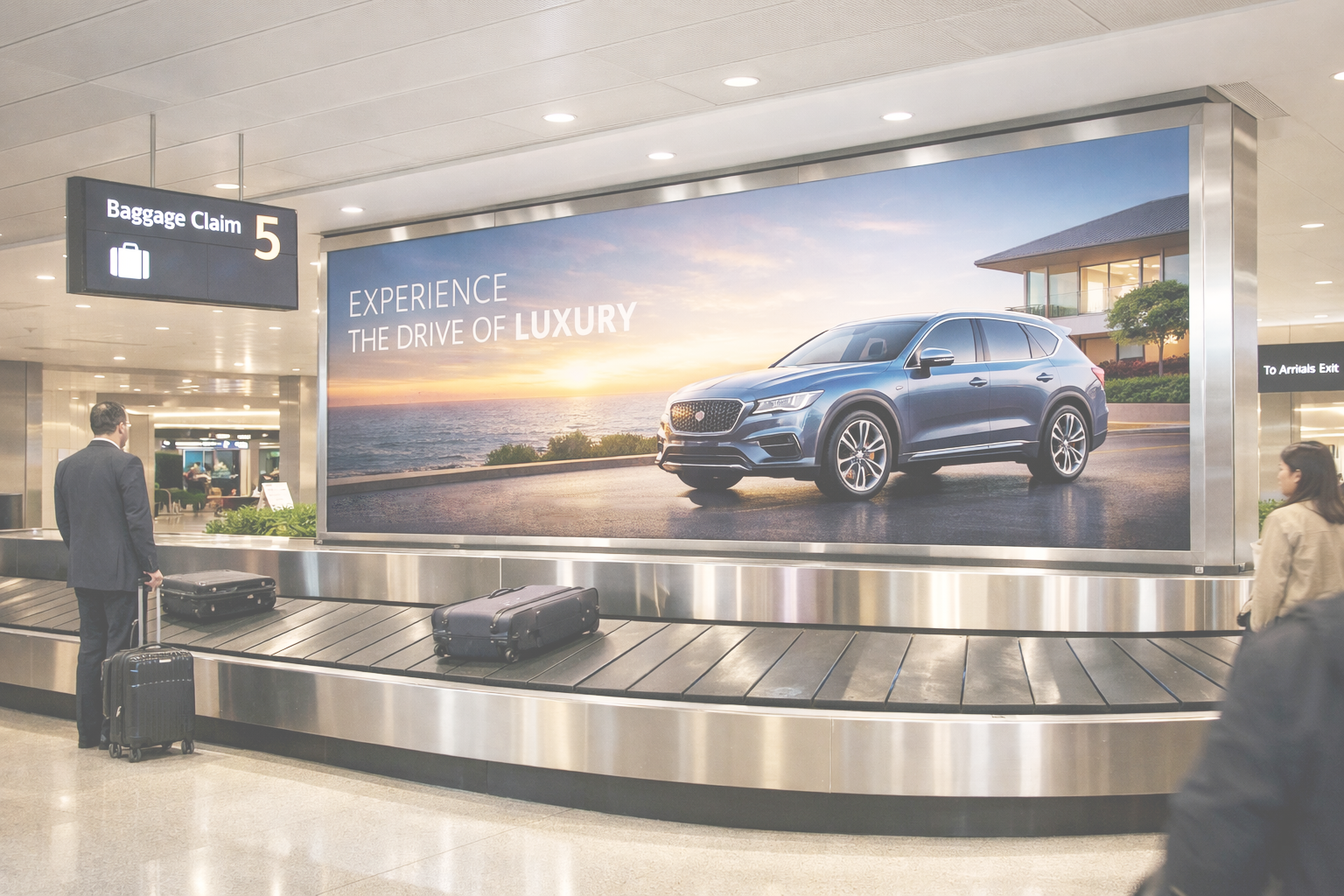
It’s Not Just Where You Advertise - It’s How Fast You Execute
We combine local insight with fast rollout to deliver results for you, now.
Talk to an ExpertAudience and Cultural Intelligence
Top 2 Languages:
- English: The dominant operating language of AKL's entire commercial environment — New Zealand's primary language, the language of Air New Zealand, and the universal medium of the Australian, American, British, and international premium tourism audience that collectively constitutes the majority of AKL's commercial value; English-language campaign creative achieves complete commercial audience coverage at AKL without adaptation
- Mandarin: The second most commercially significant language at AKL — reflecting the Chinese-New Zealand diaspora community concentrated in Auckland's eastern suburbs, the recovering Chinese inbound tourism market served by Cathay Pacific, Air China, China Eastern, and China Southern, and the Chinese international student community at Auckland's universities; Mandarin-language creative at AKL reaches this audience in its preferred cultural register and signals brand investment in the Chinese market that generates above-average loyalty and recall among Chinese-origin premium consumers
Major Traveller Nationalities:
Australian nationals are the dominant inbound nationality by a very large margin — 41.8% of all international arrivals to New Zealand in 2024, generating a consistent and commercially dense trans-Tasman bilateral that is AKL's most frequent and highest-volume single-country relationship; New South Wales residents alone generated 451,767 arrivals, followed by Queensland and Victoria. American tourists are the fastest-growing premium nationality, now exceeding pre-COVID levels and served by three simultaneous US legacy carriers — Air New Zealand, United, and American Airlines — at peak; the US bilateral has transformed from a primarily leisure seasonal market into a year-round premium tourism and increasing business travel corridor. Chinese nationals are the most commercially significant Asian nationality in recovery — arriving via Cathay Pacific, China Eastern, China Southern, and Air China for both diaspora VFR and premium tourism purposes; the Chinese market's recovery has been the most closely watched bilateral at AKL over the past three years. British and European tourists arrive predominantly via Singapore Airlines, Cathay Pacific, and Emirates, using Asian and Middle Eastern hubs as their connection points; the UK market has recovered strongly with 10% growth in December 2024. Japanese premium tourists arrive via ANA and Air New Zealand with above-average per-day spending and premium natural experience motivation.
Religion — Advertiser Intelligence:
- Christianity (approximately 44% of New Zealand's population — declining from 57% in 2013): The dominant nominal faith of New Zealand's Pākehā (European-heritage) majority, generating the Christmas and Easter travel peaks that are AKL's highest domestic volume windows; the Pacific Islander Christian communities — Samoan, Tongan, Cook Islander — maintain deeply culturally embedded Christian observance that generates specific Pasifika festival travel windows, particularly around White Sunday (Samoan) and other Pacific Christian cultural events that create AKL's most concentrated Pacific Islander diaspora audience moments
- Buddhism and Taoism (Chinese-New Zealand community, approximately 4%): Auckland's Buddhist communities generate Lunar New Year — the single most commercially significant Chinese market audience window at AKL — in a late January to February concentration that creates the most densely Chinese premium consumer audience moment of the calendar year; brands targeting Chinese premium consumers at AKL should design campaigns specifically around the Lunar New Year bilateral travel peak
- Hinduism (Indian-New Zealand community, growing rapidly): Auckland's Indian community generates Diwali and festival travel peaks that have become commercially significant as the community's size grows; for Indian consumer market brands targeting the New Zealand-Indian diaspora, the Diwali window at AKL offers a specific culturally engaged audience concentration
Behavioral Insight:
The AKL international traveller is defined by a characteristic that distinguishes New Zealand's inbound tourism audience from virtually every other comparable gateway: aspiration held so long that arrival feels like a dream realised. New Zealand consistently ranks among the most aspirational destinations in global traveller surveys — a country people place on lists they spend years preparing to accomplish. The American visitor arriving at AKL has in most cases dreamed of New Zealand for years, planned meticulously, and committed to a budget that reflects the significance of the experience. The Japanese premium tourist arriving for a Lord of the Rings itinerary has researched every filming location with the devotion of a cultural pilgrim. The Chinese family arriving for a South Island glaciers experience has saved for a trip they treat as a once-in-a-decade opportunity. This deep aspiration creates one of the world's highest brand openness environments at any gateway airport: the arriving visitor is in maximum receptivity mode, and the departing visitor is in peak experience satisfaction and purchase intent. For premium New Zealand brands — wine, honey, outdoor adventure, luxury lodges, Māori cultural products — the AKL terminal is the most commercially aligned intercept point available on earth.
Outbound Wealth and Investment Intelligence
The outbound passenger at AKL includes New Zealand's HNWI professional class — concentrated in Auckland's Remuera, Parnell, Ponsonby, and Herne Bay suburbs — whose international capital deployment focuses on Australian east coast property, Singapore financial services, London professional networks, and US technology investment. New Zealand has been identified as one of the world's more actively growing HNWI populations (Australasia's HNWI count rose 3.9% in 2024, with a 5.3% rise projected by 2028), and AKL is the sole gateway through which this community's international mobility is channelled.
Outbound Real Estate Investment:
New Zealand's HNWI professional class targets Sydney, Melbourne, and Gold Coast Australian real estate as their primary international property investment market — the cultural familiarity, legal system alignment, and straightforward trans-Tasman currency relationship make Australian property New Zealand's HNWI class's preferred international real estate market. Singapore's premium condominium market attracts New Zealand technology and financial services executives seeking a Pacific hub investment. For Australian and Singapore premium residential developers, AKL's outbound professional audience is a pre-qualified buyer pool whose Australian real estate appetite is both culturally natural and financially accessible.
Outbound Education Investment:
New Zealand's HNWI professional class aspires to UK and US elite universities — University of Auckland and Otago serve the domestic mainstream, while Oxbridge, LSE, and US Ivy League institutions represent the aspirational international education benchmark for New Zealand's most ambitious families. For UK boarding schools and US universities, AKL intercepts the most concentrated HNWI New Zealand family audience using the airport's international terminal for education-motivated travel.
Outbound Wealth Migration and Residency:
New Zealand is simultaneously an HNWI migration destination — attracting 2,500 net new HNWIs annually — and a country from which professional talent flows outward, primarily to Australia and the UK. AKL's inbound HNWI migration audience — arriving to evaluate Auckland property, assess the quality-of-life case for New Zealand residency, or complete investment visa requirements — represents a concentrated premium real estate and financial services advertising audience whose intent to invest is explicit and time-sensitive.
Strategic Implication for Advertisers:
International brands on both sides of AKL's wealth corridors — those seeking to attract New Zealand, Australian, Chinese, and American HNWI capital to international real estate and financial products, and those serving the premium lifestyle values of the American, Australian, Japanese, and Chinese inbound tourists arriving at the world's most aspirationally held island nation — should treat AKL as a tier-one Asia-Pacific media buy. Masscom Global's cross-corridor access at Sydney, Melbourne, Los Angeles, Singapore, Hong Kong, and London ensures brands intercept AKL's most commercially valuable inbound audiences throughout their complete journey to New Zealand.
Airport Infrastructure and Premium Indicators
Terminals:
- AKL operates two terminals — the International Terminal (Jean Batten Terminal) and the Domestic Terminal — approximately 500 metres apart, connected by free shuttle and signposted walkway; the international terminal has 65 gates (23 airbridge, 42 remote stands), three levels with departures on the first floor and arrivals on the ground level, and premium lounge facilities for Air New Zealand Business Premier (Koru Club) and several Star Alliance partner carrier lounges; the terminal's Pier A and Pier B each feature a tomokanga (Māori carved gateway), welcoming passengers through a distinctively New Zealand cultural arrival experience
- The NZ$6.6 billion capital programme — approved by AKL's board in September 2024 and funded by a NZ$1.4 billion equity raise — will deliver a revamped check-in hall by 2030, new runway and airfield upgrades, improved domestic-international connections, and substantially expanded terminal capacity; this represents the most significant single infrastructure commitment in AKL's history and will transform the commercial advertising environment across the terminal
Premium Indicators:
- Air New Zealand's fleet upgrades — seven newly retrofitted 787 Dreamliners entering service through 2025 and 2026, with Skynest bunk beds and upgraded Business Premier cabins — elevate the premium product concentration in AKL's international departures environment; the increasing proportion of Business Premier and Premium Economy seats deployed on North American and Asian routes reflects a deliberate strategic shift toward the premium revenue segment that directly elevates the HNWI dwell environment at AKL
- Singapore Airlines holds double-daily flights, Emirates operates daily A380 Auckland-Brisbane-Dubai service, and three simultaneous US legacy carriers — Air New Zealand, American Airlines, and United — serve the Pacific corridor from AKL; this concentration of premium carrier product across multiple departure zones creates a broad premium lounge and premium cabin audience throughout the day
- The anticipated New Zealand International Convention Centre (NZICC) opening in Auckland in February 2026 will add a major new conference and incentive travel audience to AKL's commercial environment — international delegates arriving for large-scale professional events represent a premium B2B audience category that is new to AKL's regular passenger mix
- Auckland Airport's 25% equity stake in Queenstown Airport creates a commercial relationship between the two airports that reflects the genuine complementarity of Auckland as international gateway and Queenstown as premium adventure and luxury tourism destination; brands advertising at AKL benefit from the knowledge that a substantial proportion of the most commercially valuable premium leisure audience will transit to Queenstown after landing
Forward-Looking Signal:
AKL's NZ$6.6 billion capital programme — the largest infrastructure commitment in New Zealand airport history — signals a structural step-change in the airport's capacity, commercial environment, and passenger experience trajectory. The revamped check-in hall with self-service technology, the new runway and airfield upgrades, and the improved domestic-international connections will collectively deliver a materially upgraded commercial environment by 2030. Air New Zealand's exploration of a London relaunch in summer 2026 would restore a direct Auckland-London connection via Los Angeles that was one of the world's most commercially significant long-haul premium routes. China Eastern's Auckland-Buenos Aires service announced for December 2025 would add South America to AKL's bilateral map for the first time in years. Masscom Global advises brands to establish AKL presence now, while the airport's commercial environment is growing rapidly but the advertising inventory competition remains at current-volume pricing levels ahead of the NZ$6.6 billion expansion's completion.
Airline and Route Intelligence
Top Airlines:
Air New Zealand (dominant; primary hub; Los Angeles — 11-12x weekly at peak; San Francisco — daily; Honolulu — Hawaiian Airlines seasonal; Vancouver — 7x weekly; Houston; Sydney, Melbourne, Brisbane, Gold Coast, Adelaide, Perth; London pending relaunch; Tokyo — ANA codeshare; Singapore — Star Alliance joint venture; Hong Kong; Taipei — 4x weekly; Bali; Queenstown; Christchurch; Wellington; domestic network to 20 destinations), United Airlines (Los Angeles, San Francisco), American Airlines (Dallas-Fort Worth; Los Angeles), Singapore Airlines (Singapore — double daily), Cathay Pacific (Hong Kong — increased frequencies 2025), Emirates (Dubai — daily A380 via Brisbane or Melbourne), Qantas (Sydney, Melbourne — daily; multiple Australian capitals), Jetstar (Australian east coast and Pacific Islands), ANA (Tokyo Narita — daily winter 2025–26), Air China (Beijing), China Eastern (Shanghai; Buenos Aires from December 2025), China Southern (Guangzhou), EVA Air (Taipei), Korean Air (Seoul — seasonal), Japan Airlines, Hawaiian Airlines (Honolulu — seasonal), Fiji Airways (Suva, Nadi), Samoa Airways, Air Pacific, Air Vanuatu, Philippine Airlines, Malaysia Airlines, Thai Airways, China Airlines, Qantas Frequent Flyer Star Alliance partners
Key International Long-Haul Routes:
- Los Angeles (Air New Zealand daily-to-twice-daily peak; United Airlines; 11–12 weekly at peak Dec-Mar)
- San Francisco (Air New Zealand — daily to mid-February; 6x weekly from March)
- Dallas-Fort Worth (American Airlines — key US connection; full connectivity to eastern US)
- Vancouver (Air New Zealand — 7x weekly peak; Boeing 777-300ER)
- Houston (Air New Zealand — increased frequencies 2025–26)
- London (via Los Angeles — Air New Zealand relaunch under consideration for summer 2026)
- Dubai (Emirates — daily A380 via Brisbane)
- Singapore (Singapore Airlines — double daily; Star Alliance JV with Air New Zealand)
- Hong Kong (Cathay Pacific — increased frequency 2025)
- Tokyo (ANA — daily winter; Air New Zealand codeshare; Japan Airlines seasonal)
- Shanghai (Air New Zealand; China Eastern — year-round; Buenos Aires extension from Dec 2025)
- Beijing (Air China)
- Taipei (Air New Zealand — 4x weekly, rising to 4x in peak; EVA Air)
- Bali (Air New Zealand — 49% premium seat increase 2025)
- Sydney, Melbourne, Brisbane, Gold Coast, Adelaide, Perth (Air New Zealand, Qantas, Jetstar — multiple daily)
Domestic Connectivity:
Wellington, Christchurch, Queenstown, Dunedin, Rotorua, Blenheim, Napier, Hamilton, Palmerston North, Nelson, Invercargill, and 11 further regional destinations via Air New Zealand and Jetstar
Wealth Corridor Signal:
AKL's route network reflects New Zealand's specific position in the global premium travel hierarchy. The Los Angeles corridor — now at 11 to 12 weekly frequencies at peak with three US carriers — confirms that the American premium leisure market's relationship with New Zealand has reached structural maturity after decades of aspirational tourism marketing investment. Singapore Airlines' double daily confirms AKL's role as one of the most commercially significant spoke airports in the Star Alliance's Asia-Pacific network, channelling European traffic through Changi to the world's most remote premium destination. The Tokyo corridor's strengthening — ANA daily, Japan Airlines seasonal — confirms that Japan's premium traveller is increasingly prioritising New Zealand's natural and culinary experiences as a premium peer of their own country's finest domestic destinations. China Eastern's announced Auckland-Shanghai-Buenos Aires routing from December 2025 represents the most geographically extraordinary bilateral development at AKL in years, connecting New Zealand to South America via the most commercially unexpected route in trans-Pacific aviation.
Media Environment at the Airport
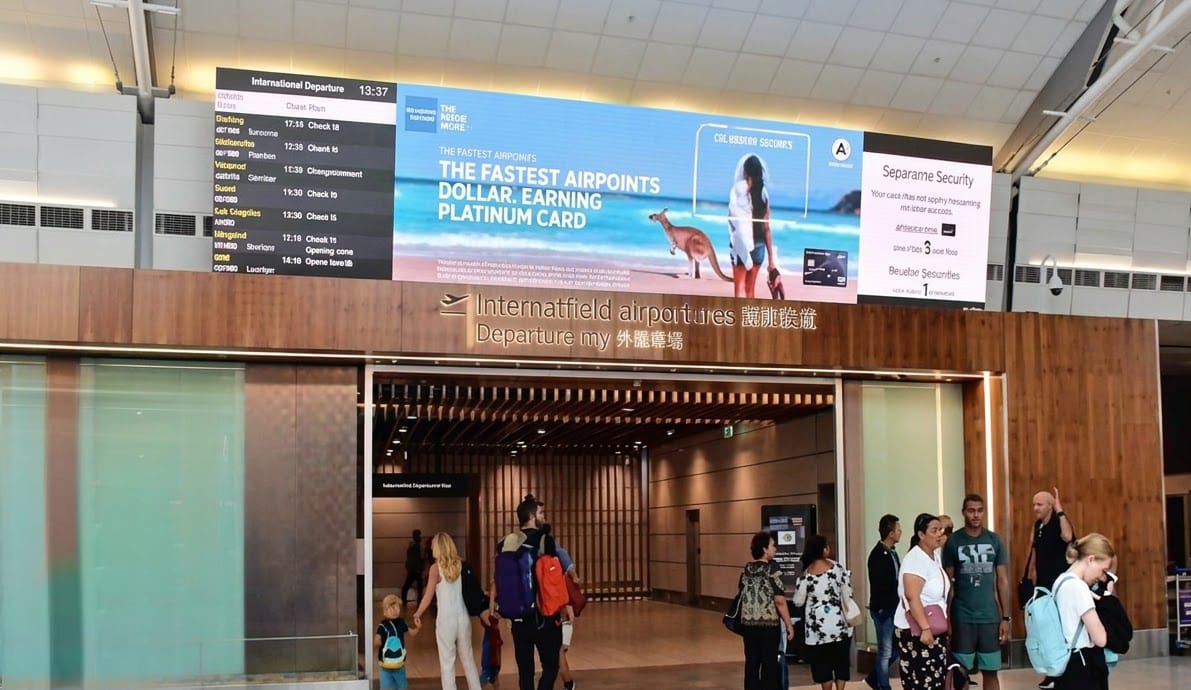
- AKL's international terminal serves all 9.3 million international passengers through a single connected building — the Jean Batten Terminal — where check-in, immigration, security, duty-free, departures retail, and departure gates are all contained within one flow; any premium placement in the international terminal achieves complete international audience coverage without the fragmentation that characterises multi-terminal airports at comparable volume
- The terminal's Māori cultural arrival experience — tomokanga carved gateways at each pier, karanga audio recordings welcoming visitors, and indigenous artwork throughout — creates an ambient cultural premium that elevates brand associations for New Zealand natural, artisan, and cultural lifestyle brands in the departures and arrivals environments; advertisers benefit from the world's most complete and authentic national destination brand halo in the terminal context
- Air New Zealand's flagship Koru Business Lounge and the Star Alliance premium lounge facilities create a defined premium dwell environment where Business Premier and international business class passengers concentrate; advertising in and adjacent to this lounge zone delivers the airport's highest per-person commercial value audience with minimal volume dilution from leisure or domestic passengers
- Masscom Global's cross-corridor capability at AKL's primary feeder airports — Sydney, Melbourne, Los Angeles, Singapore, Hong Kong, and London — enables brands to deploy consistent messaging throughout the complete journeys of AKL's most commercially valuable inbound audiences, ensuring that American, Australian, Chinese, and British premium travellers encounter brand presence from departure through their arrival at the world's most aspirational island nation
Strategic Advertising Fit
Best Fit:
- Premium New Zealand wine — Marlborough Sauvignon Blanc, Central Otago Pinot Noir, Hawke's Bay Bordeaux blends: AKL is the world's only airport where the domestic and international audiences transit through the homeland of the products — every international tourist departing from AKL after a wine region visit is at maximum purchase intent for premium NZ wine; every arriving international wine tourist is at maximum aspiration for the tasting circuit ahead; no airport on earth provides equivalent contextual brand alignment for premium New Zealand wine advertising
- Premium New Zealand artisan food, honey, and natural products: AKL's duty-free and departures retail environment is the highest-converting single point in New Zealand retail for premium Mānuka honey, premium lamb, artisan preserves, and natural lifestyle products; the departing international visitor has established strong category preference during their New Zealand visit and is in maximum pre-purchase intent mode
- New Zealand and Australian luxury real estate: The inbound Australian trans-Tasman audience at AKL includes New Zealand's most active international property buyer pool; the inbound American, British, and Chinese premium tourists are increasingly aware of New Zealand's HNWI attraction profile; AKL intercepts every inbound HNWI buyer at the point of physical entry to the market
- Premium adventure tourism and luxury lodge experiences — Queenstown, Fiordland, Bay of Islands: The arriving premium international tourist at AKL is at peak receptivity for Queenstown luxury lodge bookings, Fiordland helicopter experiences, and Bay of Islands sailing; for New Zealand premium adventure and luxury hospitality brands, AKL's arrivals environment is the singular intercept point
- International elite education — UK, US, and Australian premium institutions: New Zealand's HNWI professional class and the growing Asian international student community create a premium education buyer audience at AKL; the departing New Zealand family travelling to UK school events and the arriving Chinese family visiting student-enrolled children both transit this terminal
- Premium automotive: New Zealand's HNWI community in Auckland's premium suburbs represents the country's most concentrated luxury automotive buyer population; inbound American and Australian premium tourists who rent cars for South Island driving tours provide a secondary but commercially relevant premium automotive engagement audience
- Asian luxury consumer brands targeting the NZ-resident Chinese market: Auckland's Chinese community and the inbound Chinese tourism market create a concentrated Chinese premium consumer audience at AKL that is commercially significant for Chinese luxury lifestyle, premium food, and financial service categories
Brand Alignment at a Glance:
| Category | Fit |
|---|---|
| Premium New Zealand wine and artisan food | Exceptional |
| New Zealand luxury tourism and lodges | Exceptional |
| New Zealand and Australian real estate | Exceptional |
| Premium adventure tourism experiences | Exceptional |
| International elite education | Strong |
| Premium automotive | Strong |
| Asian luxury consumer brands | Strong |
| Premium wellness and natural lifestyle | Strong |
| Mass-market budget categories | Poor fit |
Who Should Not Advertise Here:
- Mass-market value retail categories: AKL's defining commercial character — the world's most aspirational island nation gateway, anchored by Air New Zealand premium cabins, Singapore Airlines double-daily service, and a duty-free environment whose premium New Zealand product range is curated for international premium purchase intent — makes value-positioning messaging contextually incongruent with the most commercially valuable audience segments
- Categories with no connection to New Zealand's defining qualities: Natural beauty, wine, adventure, Māori culture, premium artisan food, outdoor lifestyle — AKL's audience is arriving or departing from one of these experiences; brand categories with no narrative relationship to any dimension of New Zealand's specific cultural and natural identity will find the airport's powerful destination halo working against rather than for their messaging
Event and Seasonality Analysis
| Indicator | Rating |
|---|---|
| Event Strength | Medium |
| Seasonality Strength | High |
| Traffic Pattern | Summer Peak (Nov-Mar) with growing Australian trans-Tasman year-round base |
Strategic Implication:
AKL's advertising calendar is strongly concentrated in the November to March summer international peak but sustains a commercially consistent year-round base from the Australian trans-Tasman bilateral and the domestic New Zealand network. The summer peak is essential for premium wine, luxury tourism, natural experience, and real estate categories whose audience is at maximum during the international season. The Marlborough wine harvest window in March-April creates a specific premium wine category window within the shoulder season that is commercially extraordinary for New Zealand wine brands. The Lunar New Year window in late January delivers the year's most concentrated Chinese premium consumer audience. The NZICC opening in February 2026 introduces a new year-round business conference audience that Masscom Global recommends incorporating into AKL campaign planning from 2026 onwards.
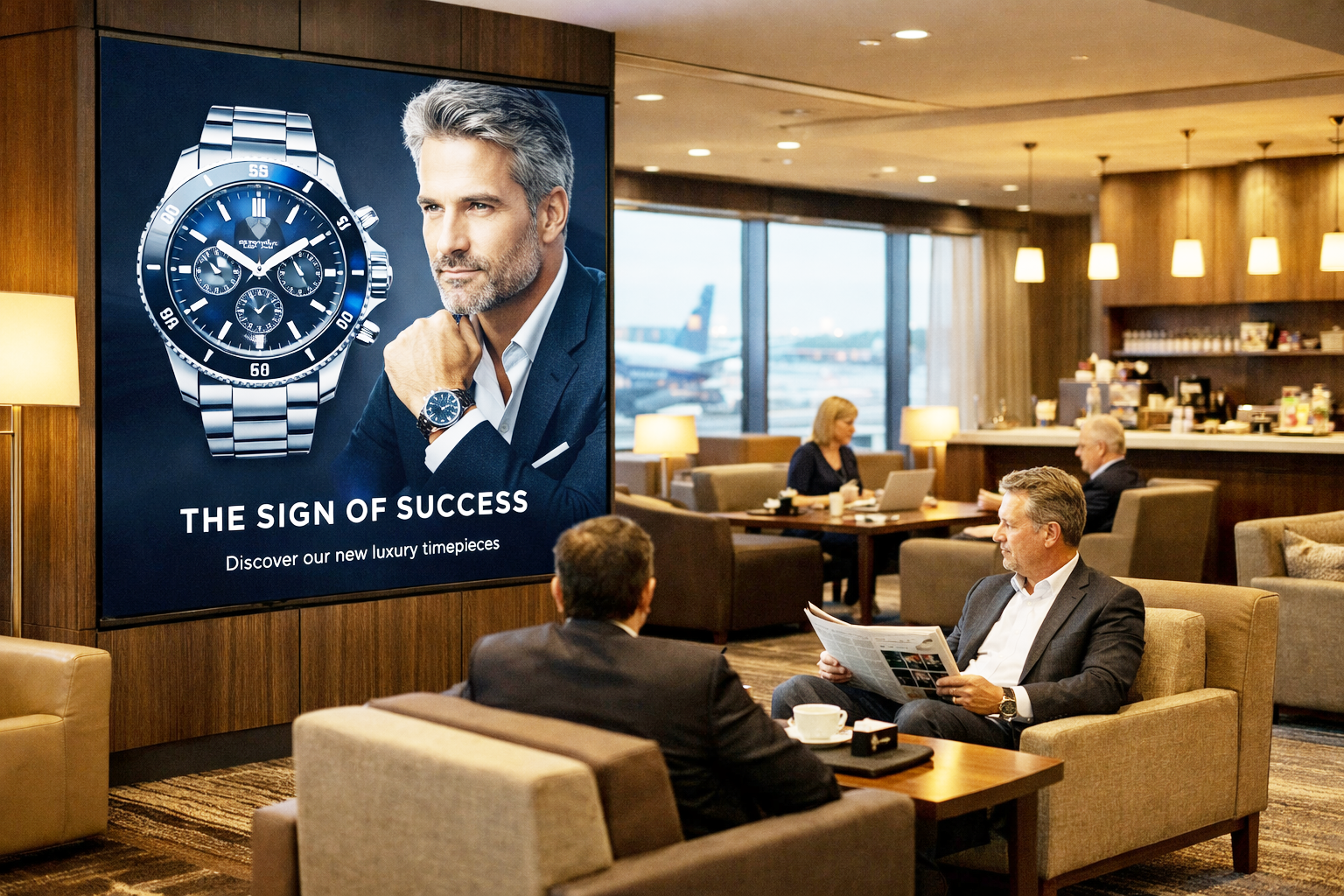
Poor Placement and Delays Affect Airport Campaigns
We help you move faster, access better inventory, and get it right now.
Talk to an ExpertFinal Strategic Verdict
Auckland International Airport is commercially unique in the global aviation landscape — the sole gateway to one of the world's most aspirationally held tourism destinations, handling 71% of all international arrivals to a country whose natural beauty, premium wine, adventure tourism, and indigenous cultural heritage collectively constitute one of the most powerful national destination brands in the world. With 18.9 million passengers in 2025, a NZ$6.6 billion infrastructure investment programme transforming its capacity through to 2030, three simultaneous US legacy carriers serving the Pacific corridor, Singapore Airlines at double-daily frequency, Cathay Pacific at increased Hong Kong frequency, and Air New Zealand deploying its most premium fleet in history, AKL is structurally positioned for continued international growth that will restore and exceed its 20.9 million pre-pandemic peak within the current decade. For brands in premium New Zealand wine, luxury tourism and adventure experiences, New Zealand and Australian real estate, premium Asian lifestyle, and international elite education, AKL delivers the most contextually aligned premium audience available at any Southern Hemisphere gateway — an audience whose aspiration for the destination they are entering or leaving is the most powerful brand equity amplifier any airport advertising environment in the world can offer. Masscom Global provides the cross-corridor intelligence, premium lounge-zone precision, and trans-Pacific coordination capability to make every campaign at this extraordinary gateway count — at the only airport in the world where every international passenger has actively chosen the world's most beautiful country.
About Masscom Global
Masscom Global is a premium international airport advertising and media buying agency operating across 140 countries. With deep expertise in airport OOH, premium publications, and high-net-worth audience targeting, Masscom helps brands reach the world's most valuable travellers at the moments that matter most. For advertising packages, media rates, and campaign planning at Auckland International Airport and airports across the globe, contact Masscom Global today.
Frequently Asked Questions
How much does airport advertising cost at Auckland International Airport? Advertising costs at AKL vary by terminal zone, format, placement, campaign duration, and seasonal demand. The international terminal commands the highest rates — reflecting the concentration of Air New Zealand Business Premier passengers, Singapore Airlines business class, and the US and Japanese premium leisure inbound audience. The November to March summer peak generates the highest competitive demand for premium terminal placements from New Zealand tourism brands, wine producers, and luxury lodge operators. The NZ$6.6 billion capital programme commencing 2024 will progressively introduce new premium commercial inventory across an upgraded terminal environment. Contact Masscom Global for current inventory availability and cross-corridor campaign structures linking AKL to Los Angeles, Sydney, Singapore, and Hong Kong feeders.
Who are the passengers at Auckland International Airport? AKL's 18.9 million annual passengers in 2025 are dominated by the Australian trans-Tasman bilateral — 41.8% of all international arrivals are Australian, making New South Wales, Queensland, and Victoria residents the largest single international audience at any New Zealand airport. American tourists are the fastest-growing premium nationality, now exceeding pre-COVID levels with three simultaneous US legacy carriers operating. Chinese nationals form the most commercially significant Asian audience in recovery — served by Cathay Pacific, Air China, China Eastern, and China Southern. British and European tourists arrive via Singapore Airlines and Emirates. Japanese premium tourists arrive via ANA and Air New Zealand codeshares. The Pacific Islander diaspora generates consistent VFR bilateral from Samoa, Tonga, Fiji, and the Cook Islands.
Is Auckland Airport good for luxury brand advertising? Yes — AKL is the most contextually aligned airport in the Southern Hemisphere for premium categories that connect to New Zealand's specific destination identity. The combination of Air New Zealand's premium fleet upgrades, Singapore Airlines' double-daily premium service, the natural aspiration intensity of every arriving and departing international passenger, and the duty-free environment's world-class New Zealand premium product curation creates an advertising context for luxury New Zealand wine, premium adventure tourism, natural artisan products, and premium real estate that no competing airport can replicate. The arriving visitor is in maximum brand discovery mode; the departing visitor is in maximum premium purchase intent.
What is the best airport in New Zealand or the South Pacific to reach HNWI audiences? AKL has no competition in New Zealand for HNWI audience reach — it handles 71% of all international arrivals and is the sole primary gateway to the country. Queenstown Airport handles the highest per-passenger HNWI tourism spending density of any New Zealand airport given Queenstown's luxury lodge ecosystem, but its 1.4 million annual passengers are a fraction of AKL's scale. For total HNWI audience reach in New Zealand, AKL is the mandatory choice. For Queenstown-specific luxury lodge and premium adventure audience targeting, a coordinated AKL and Queenstown campaign through Masscom Global delivers complete New Zealand HNWI coverage.
What is the best time to advertise at Auckland Airport? November to March is AKL's peak international window and is essential for premium tourism, wine, hospitality, and adventure experience categories. December and January specifically deliver the year's highest international volume with maximum premium leisure and American tourist concentration. The Marlborough wine harvest season in March-April creates the year's most wine-category-engaged premium audience at AKL — the most commercially aligned window for premium NZ wine brands. The Lunar New Year in late January creates the year's most concentrated Chinese premium consumer audience. Year-round, the Australian trans-Tasman bilateral provides a consistent premium leisure audience base. The NZICC opening February 2026 introduces a new year-round business conference audience window.
Can international real estate developers advertise at Auckland Airport? Yes — AKL intercepts several distinct premium real estate buyer audiences simultaneously. The inbound Australian trans-Tasman audience includes New Zealand's most active international property buyer pool — Australians buying New Zealand coastal and lifestyle property. The inbound American, British, and Chinese premium tourists increasingly overlap with the HNWI migration audience arriving to evaluate Auckland and Queenstown property. For New Zealand property developers, AKL is the sole gateway through which the entire inbound international buyer pool transits. For Australian and Singapore property developers targeting outbound New Zealand HNWI buyers, AKL's departures environment intercepts this audience at peak outbound intent. Contact Masscom Global for coordinated cross-corridor campaigns at Sydney, Melbourne, Los Angeles, and Singapore that multiply AKL's reach across the complete buyer journey.
Which brands should not advertise at Auckland Airport? Mass-market budget retail, value-positioning travel brands, and categories with no narrative connection to New Zealand's defining qualities are misaligned with AKL's premium gateway identity. The airport's entire commercial character is shaped by Air New Zealand's premium product concentration, the world's strongest national destination aspiration brand, and a duty-free environment curated for premium New Zealand product purchase intent. Value-positioning messaging is contextually incongruent with an audience that has typically committed one of the largest travel investments of their year to reach this extraordinary destination.
How does Masscom Global help brands advertise at Auckland Airport? Masscom Global delivers end-to-end campaign capability at AKL — from international terminal placement strategy targeting the Air New Zealand Business Premier and Singapore Airlines lounge-zone audiences to cross-corridor coordination at Sydney, Melbourne, Los Angeles, Hong Kong, and Singapore. Our team structures campaigns around AKL's seasonal architecture: the summer international peak for tourism, wine, and luxury experience categories; the Marlborough harvest window for premium NZ wine; the Lunar New Year window for Chinese consumer brands; and the NZICC opening season for B2B conference audience targeting from 2026. For brands in premium New Zealand wine, luxury adventure tourism, New Zealand and Australian real estate, and premium artisan natural products, Masscom Global converts AKL's extraordinary contextual power — the only gateway to the world's most aspirationally held tourism nation — into precision campaign outcomes.