

Airport at a Glance
| Field | Detail |
|---|---|
| Airport | Antonio B. Won Pat International Airport |
| IATA Code | GUM |
| Country | United States (Territory of Guam) |
| City | Tamuning, Guam |
| Annual Passengers | Approximately 3.5 million (2022-23, recovery ongoing) |
| Primary Audience | Japanese luxury duty-free shoppers, Korean premium leisure tourists, US military officer class, Pacific regional business travelers |
| Peak Advertising Season | December to March, July to August (Japanese and Korean holiday peaks) |
| Audience Tier | Tier 1 — Western Pacific |
| Best Fit Categories | Luxury goods and duty-free, Japanese and Korean premium consumer brands, US military financial services, Pacific real estate, premium hospitality |
Antonio B. Won Pat International Airport is the Western Pacific's most commercially singular aviation gateway — the sole international airport on the only permanent US territory between Hawaii and the Philippines, a jurisdiction whose unique position as American soil in Asia creates a duty-free, tax-advantaged, English-language commercial environment that is available nowhere else within 2,500 kilometres in any direction. GUM is not simply a tourism airport. It is the commercial heart of a duty-free luxury economy that has historically attracted some of the world's highest per-passenger retail spending concentrations, anchored by Japanese visitors who have for decades treated Guam's T Galleria by DFS, Tumon Bay's luxury brand corridor, and the island's tax-free shopping infrastructure as the most commercially accessible premium retail environment reachable from Japan on a short-haul flight. For advertisers, the terminal concentrates a commercially extraordinary dual audience — an inbound Northeast Asian luxury tourism population whose per-capita spending in the duty-free retail environment rivals passengers at Singapore Changi and Hong Kong International, and a permanent US military institutional community whose officer class, military family spending, and federal government employment incomes create a stable and commercially capable domestic professional audience whose purchasing behaviour reflects American consumer market standards in a Pacific island setting.
Guam's commercial identity in 2024 and beyond is being reshaped by two structural forces that will transform the island's economic profile more dramatically than any development since the post-war tourism boom. The United States military buildup — whose $8 billion investment programme is relocating approximately 5,000 Marines from Okinawa to the new Marine Corps Base Camp Blaz alongside expansion of Andersen Air Force Base and Naval Base Guam — is adding tens of thousands of additional military personnel and their families to the island's population, creating a sustained expansion of the military consumer economy whose institutional purchasing authority, commissary spending, and off-base commercial activity will materially increase the commercial density of every business on the island. Simultaneously, Korean tourism's rise to become Guam's largest single visitor nationality — surpassing Japanese arrivals in recent years — is diversifying the airport's Northeast Asian leisure audience profile in ways that are creating new advertising opportunities for Korean-register brands and Korean-market-conditioned luxury consumer targeting. Masscom Global activates across GUM's full inventory environment with the Japanese luxury retail expertise, Korean tourism audience intelligence, and US military commercial capability that this extraordinary Pacific gateway demands.
Advertising Value Snapshot
- Passenger scale: Approximately 3.5 million annually (2022-23), recovering from COVID's devastating impact on Guam's Japanese tourism economy, with Korean visitor volumes leading the recovery and new route additions from Japanese regional cities, Taiwanese carriers, and Southeast Asian airlines diversifying the international audience base
- Traveller type: Japanese premium leisure and duty-free luxury shopping tourists, Korean premium leisure visitors, US military personnel and their families, Pacific regional business travelers from the Philippines, Taiwan, and Micronesia, Chamorro and Micronesian domestic and regional travelers
- Airport classification: Tier 1 Western Pacific — the sole international gateway on America's Pacific island, with the world's most concentrated duty-free luxury retail spending per inbound tourism visitor and a unique US-territory commercial infrastructure that creates a shopping and consumer environment unavailable anywhere else in the Western Pacific region
- Commercial positioning: The Western Pacific's definitive duty-free luxury shopping destination for Japanese and Korean premium tourists, the US military's strategic Pacific hub whose institutional commercial economy rivals a mid-sized American city, and the only American-soil international airport between Honolulu and Manila whose tax-free status creates structural retail and commercial advantages that no competing Pacific destination can replicate
- Wealth corridor signal: Positioned at the intersection of the Japan-Guam luxury tourism and duty-free spending corridor, the Korea-Guam premium leisure route, and the US military Pacific strategic command channel whose institutional spending power defines the island's domestic commercial economy
- Advertising opportunity: Masscom Global provides GUM inventory access, campaign strategy, and execution management with the Japanese luxury market expertise, Korean tourism audience intelligence, and US military commercial capability that international and American brands need to reach the Western Pacific's most commercially distinctive duty-free gateway audience
Airport Advertising is Complex to Get Right
We help you execute faster, with proven results and local insight most planners lack starting now.
Talk to an ExpertCatchment Area and Economic Drivers
Guam Island Geography — Marketer Intelligence:
Guam's commercial geography requires a different analytical framework than continental airport catchments. The island measures 54 kilometres long and between 6 and 19 kilometres wide — a total land area of 541 square kilometres housing a population of approximately 170,000. Every resident of Guam transits GUM as their sole aviation access to the world, and the 150-kilometre radius extends beyond the island to the broader Western Pacific island chain. The commercial catchment insight therefore shifts from urban suburban diffusion to a concentrated island economy whose entire commercial potential is accessed through a single terminal, supplemented by the broader Pacific Micronesian catchment whose regional flights connect Guam to the Northern Mariana Islands, Palau, and Federated States of Micronesia.
Top 10 Catchment Areas — Marketer Intelligence:
- Tumon Bay (Tamuning): Guam's primary commercial and tourism district, housing the island's complete luxury retail corridor — T Galleria by DFS, the Pleasure Island entertainment complex, internationally branded hotels including the Grand Hyatt, Dusit Thani, The Westin, and Hilton, and the premium restaurant and entertainment ecosystem serving the island's Japanese and Korean visitor economy — whose business owners, hotel managers, tour operators, and luxury retail staff constitute Guam's most commercially sophisticated domestic professional audience with active demand for international real estate, premium financial services, and business banking products calibrated to the luxury hospitality sector's global commercial standards.
- Dededo: Guam's most populous village and a predominantly Chamorro and Filipino-origin residential community whose commercial economy spans agricultural land ownership, small business operation, and proximity to Andersen Air Force Base's economic zone — a catchment of above-average household incomes from military employment adjacency, government service, and retail sector employment, with growing demand for housing finance, consumer banking, and premium goods as Guam's military buildup accelerates economic activity in the island's northern corridor.
- Yigo: The northern village anchoring Guam's agricultural and military-adjacent residential economy, whose proximity to Andersen Air Force Base creates a commercially active catchment of military family households, base contractor employees, and small business operators serving the Air Force installation's off-base commercial needs — a demographically diversified community with above-average military spouse employment income and consistent demand for financial services, housing, and consumer goods calibrated to American military family economic standards.
- Barrigada: A central Guam community housing significant government and military infrastructure alongside a growing retail and commercial corridor, whose central island location creates commercial integration with both the Tumon tourism economy and the military base complex — a commercially active catchment whose government and military family population, above-average incomes, and proximity to the airport's immediate vicinity makes it one of GUM's most commercially relevant domestic audience communities.
- Mangilao: Home of the University of Guam — the territory's primary higher education institution — and a significant portion of Guam's professional and academic community, whose university-adjacent residential character, government employment concentration, and growing technology and research sector activity create an educated professional audience with active demand for financial planning, educational investment, and premium consumer goods as Guam's knowledge economy develops alongside its military and tourism pillars.
- Agana Heights and Hagåtña (Capital): The seat of Guam's government and the historic commercial centre of the island's Chamorro cultural heritage, housing the legislative, judicial, and executive branches of the Government of Guam alongside the Chamorro Land Trust Commission and the institutional apparatus of one of the Pacific's most distinctively American yet indigenously Chamorro political economies — a professional class of government lawyers, legislators, administrators, and policy officials whose institutional incomes and active Pacific regional engagement create demand for financial services, real estate, and professional development products with Pacific regional scope.
- Tamuning (Commercial Core): The primary commercial district adjacent to Tumon's tourism corridor, housing major shopping centres including Micronesia Mall, GPO, and the Leo Palace Resort complex alongside the concentrated commercial, banking, and professional services ecosystem that serves both the island's resident population and its tourism economy — a commercially dense catchment whose retail, hospitality, and professional services business owners represent Guam's most commercially active domestic consumer segment with the highest per-capita access to premium goods and financial services.
- Saipan, Northern Mariana Islands (~200 km north): The capital of the Commonwealth of the Northern Mariana Islands and Guam's most commercially significant regional neighbor, whose population of approximately 50,000 uses GUM as the primary gateway to the wider Pacific and US mainland — CNMI residents traveling through Guam carry American citizenship rights, above-average government and casino industry incomes, and purchasing behaviour shaped by Saipan's own compact relationship with US consumer markets, making them a commercially relevant extended catchment for financial services, real estate, and premium consumer goods brands serving the broader Mariana Islands Pacific community.
- Rota, CNMI (~80 km north): The most pristine of the Mariana Islands and an increasingly recognised premium diving and nature tourism destination, whose small population of Chamorro and Carolinian residents with strong family ties to Guam creates a regular inter-island travel flow through GUM, adding a modest but commercially relevant Pacific island community audience with deep cultural connection to Guam's Chamorro heritage and above-average professional incomes from government and tourism sector employment.
- Micronesian Regional Hub (Palau, FSM, Marshall Islands — extended Pacific catchment): Guam's role as the Western Pacific's primary aviation hub means that residents of Palau, the Federated States of Micronesia, and the Marshall Islands use GUM as their primary connection to the US mainland, Japan, Korea, and the wider Pacific — creating a commercially active regional Pacific audience of government officials, development sector professionals, and business travelers whose purchasing behaviour combines US market consumer standards with the particular Pacific Island community economic profile of subsistence, remittance, and compact-relationship government employment incomes.
NRI and Diaspora Intelligence:
Guam's diaspora profile reflects the island's unique position at the intersection of American, Chamorro, Filipino, and Pacific Islander identities. The Chamorro diaspora in the United States mainland — concentrated in California (particularly San Diego, Los Angeles, and the Bay Area), Texas, and Washington state, with significant communities near every major US military installation — maintains deep family and cultural ties to Guam that produce regular return travel flows through GUM for Liberation Day, Christmas, and family events. This diaspora community carries American mainland consumer market conditioning and above-average household incomes from military service and government employment, arriving in Guam with purchasing power shaped by California and Texas retail standards. The Filipino community — approximately 26 percent of Guam's resident population — maintains active connections to the Philippines through regular family visits, remittance activity, and cross-border property investment in the Philippines, creating a diaspora travel flow through GUM whose commercial behaviour spans both American consumer market standards from Guam-based incomes and Philippine cultural investment behaviour. The Japanese diaspora connection is commercially distinctive in the opposite direction — Japanese tourists have historically treated Guam as a quasi-domestic luxury retail destination whose proximity, affordability relative to European alternatives, and American-style duty-free infrastructure make it the primary non-Japan luxury goods acquisition destination for certain purchasing categories. For international luxury brands, financial services, and real estate developers targeting the Pacific regional market, GUM delivers a concentrated multi-directional diaspora and tourism commercial audience whose combined purchasing power significantly exceeds what a 170,000-person island population alone would suggest.
Economic Importance:
Guam's economy operates through three structural pillars whose combined effect creates one of the most commercially distinctive small-island economies in the world. Tourism — which prior to COVID contributed approximately 50 percent of GDP and supported a luxury retail ecosystem whose T Galleria by DFS operation was one of the most productive luxury duty-free retail facilities per square metre in the world — is recovering toward its pre-COVID profile of approximately 1.5 million annual visitors whose average daily spending significantly exceeds comparable Pacific island destinations. The US federal government's military expenditure — historically accounting for 35 to 40 percent of Guam's GDP and about to increase substantially with the Marine Corps relocation from Okinawa — provides an institutional economic foundation whose stability is structurally independent of tourism cycles, creating a dual-economy structure of commercial resilience that no comparable Pacific island tourism destination replicates. The retail and services sector — built around Guam's tax-advantaged status as a US territory exempt from federal income tax, with significantly lower sales tax than US mainland states — creates a structural commercial advantage for consumer goods purchasing that attracts both inbound tourists and US mainland residents who route Pacific travel through Guam for retail access. For advertisers, these three pillars produce an audience at GUM whose commercial motivation encompasses the Japanese tourist's luxury goods purchasing intent, the US military family's American consumer market standard living, and the Guamanian professional class's Pacific regional commercial ambition simultaneously.
Business and Industrial Ecosystem
- The luxury tourism and duty-free retail sector — anchored by T Galleria by DFS, Lotte Duty Free, and the Tumon Bay luxury brand boutique corridor housing Louis Vuitton, Gucci, Cartier, Tiffany, Coach, and over fifty international premium brands — generates a retail management and hospitality business owner class whose international brand relationships, Japanese and Korean client management sophistication, and premium service delivery investments create demand for international banking, brand development, and hospitality technology products calibrated to the luxury retail industry's Northeast Asian consumer market standards
- The US military installation economy — whose Andersen Air Force Base, Naval Base Guam, and the new Marine Corps Base Camp Blaz collectively employ tens of thousands of active duty personnel alongside a large contractor and civilian workforce — generates a professional class of military officers, senior NCOs, and base contractors whose institutional US military compensation, housing allowances, and benefits-supplemented incomes create above-average household purchasing power for premium consumer goods, financial planning, automotive, and lifestyle products calibrated to American consumer standards in a Pacific island setting
- The construction and infrastructure sector — whose military buildup programme is generating one of the Pacific's most sustained construction investment cycles, with billions of dollars of new facilities, roads, utilities, and community infrastructure creating a contractor and subcontractor business owner community with significant project revenues and active demand for commercial banking, insurance, equipment financing, and trade credit products — adds a growing B2B commercial audience layer to GUM's domestic business traveler profile
- The Government of Guam's institutional apparatus — whose legislature, judiciary, executive agencies, and semi-autonomous instrumentalities employ a significant share of Guam's resident professional workforce in public service roles with government-premium compensation, healthcare benefits, and retirement security — generates a stable professional class with above-average disposable income whose consistent demand for financial planning, real estate investment, and premium consumer goods makes them a commercially reliable domestic advertising audience beyond the tourism economy's cyclical fluctuations
Passenger Intent — Business Segment:
Business travelers at GUM are drawn from the luxury tourism and hospitality management sector, the US military contractor and defense industry community, the Government of Guam's professional administrative class, the retail and wholesale trade sector managing Pacific regional supply chains, legal and financial services firms, and the growing construction and infrastructure management industry. They travel to Honolulu and the US mainland for corporate engagements and professional development, to Tokyo and Osaka for Japanese tourism industry partnerships and luxury brand procurement, to Seoul for Korean tourism sector commercial relationships, to Manila for Philippine-origin workforce management and bilateral trade, and to Singapore and Palau for broader Pacific regional business engagements. Advertiser categories that intercept them most effectively include Japanese and Korean market financial and real estate products, US military financial services, premium business travel, Pacific real estate, and B2B hospitality technology and services.
Strategic Insight:
The business audience at GUM contains a commercially exceptional characteristic unique among American airports: a significant share of its most commercially active business travelers are not corporate employees but luxury retail entrepreneurs and hospitality business owners whose commercial success depends entirely on their ability to understand, serve, and commercially activate two distinct and culturally specific Asian luxury consumer markets — Japanese and Korean — whose purchasing behaviour, brand preferences, and retail psychology they have navigated professionally for decades. These are individuals with deep Japanese and Korean consumer market intelligence built through direct commercial engagement rather than market research, whose airport dwell environment is simultaneously their workplace context and their personal commercial access point to the global luxury goods market. For luxury brands, premium consumer goods companies, and financial services targeting Pacific-facing business owners with dual Asian market expertise, GUM's business audience is one of the most commercially sophisticated Pacific regional audiences available at any American airport.
Tourism and Premium Travel Drivers
- Tumon Bay's luxury resort and shopping corridor — whose beachfront hotels, premium restaurants, entertainment venues, and duty-free luxury retail infrastructure make it the most comprehensively developed leisure tourism commercial ecosystem between Hawaii and Singapore — anchors Guam's primary commercial tourism identity as the Western Pacific's premium "American island resort" destination whose Japanese and Korean visitor audience has pre-committed to package trip costs of $1,500 to $5,000 per person and arrives carrying substantial additional duty-free luxury purchasing budgets that the tax-free retail environment specifically incentivises
- The War in the Pacific National Historical Park and the Guam Liberation Day heritage circuit — commemorating the island's liberation from Japanese occupation in 1944 and the Chamorro people's extraordinary wartime experience — draw a premium American history and heritage tourism audience from the US mainland alongside Japanese visitors whose profound cultural engagement with the Pacific War's Guam chapter creates a distinctive heritage tourism dimension of great emotional intensity and premium cultural product purchasing motivation
- Ritidian Point and Guam's northern coast wilderness area — a pristine limestone forest and coral beach ecosystem protected within the Guam National Wildlife Refuge — anchors a growing premium eco-tourism and diving tourism circuit whose conservation-motivated international visitors from Japan, the US mainland, and Europe contribute an above-average environmental tourism spending profile to GUM's inbound audience
- The Two Lovers Point and Chamorro cultural heritage circuit — whose ancient latte stone complexes, coastal cliff lookouts, and living Chamorro cultural traditions in fiesta celebration, weaving, fishing, and navigation arts — draws an increasingly sophisticated cultural tourism audience from Japan, Korea, and the US mainland whose engagement with Guam's extraordinary pre-colonial Chamorro civilisation creates a culturally motivated premium tourism spending layer whose artisan goods and cultural experience purchasing behaviour complements the duty-free luxury retail economy
Passenger Intent — Tourism Segment:
Inbound tourism travelers at GUM are among the most commercially structured and retail-intent-specific inbound visitors at any American airport — a function of Guam's deliberate commercial positioning as a duty-free luxury shopping destination that has made the retail experience an integral component of the trip package rather than an incidental add-on. Japanese visitors in particular arrive with specific shopping lists — predetermined luxury goods, cosmetics, confectionery, and fashion items whose tax-free Guam pricing makes them materially less expensive than Japan's domestic retail prices — creating a departure hall purchasing completion behaviour that makes GUM's duty-free and concourse retail environment one of the most commercially activated per-passenger departure experiences of any American airport. Korean visitors have developed an increasingly sophisticated luxury goods and premium cosmetics purchasing profile that mirrors the Japanese pattern while adding distinct Korean beauty brand and fashion category preferences that create complementary and non-overlapping commercial opportunities for advertisers in the beauty, skincare, and premium fashion categories.
Travel Patterns and Seasonality
Peak seasons:
- December to March: GUM's most commercially intense inbound tourism window, driven by the convergence of Japan's New Year (Oshōgatsu) holiday in early January — the single most important Japanese family travel event and luxury gift purchasing period of the year — with the Japanese winter school holiday season, Korea's winter vacation travel peak, and the northern hemisphere's cold season escape motivation that makes Guam's warm tropical climate maximally appealing to both Japanese and Korean leisure travelers simultaneously, producing the year's highest international visitor density and luxury retail purchasing concentration
- July to August: Japan's Obon holiday period and the summer school vacation window drives GUM's second major Japanese tourism peak alongside the Korean summer family vacation season, creating a concentrated mid-year leisure tourism surge that delivers the year's second-highest luxury goods purchasing concentration and hospitality revenue period, compounding with the Guam Liberation Day celebrations in late July to create a culturally significant domestic and diaspora gathering event
- April to May (Golden Week): Japan's Golden Week holiday series — encompassing Showa Day, Constitution Memorial Day, Greenery Day, and Children's Day in a consecutive national holiday block — creates an extraordinary Japanese outbound tourism surge whose short-haul Pacific access makes Guam one of the primary Golden Week destinations for Japanese families, producing a concentrated 10-day premium leisure and luxury goods purchasing peak that rivals the New Year and Obon windows in commercial intensity
- March (Spring Break): The American and international school spring break window drives a significant surge of US mainland and Micronesian domestic tourism through GUM alongside the Korean March school holiday period, creating a multi-nationality leisure peak whose combined commercial intensity makes March one of Guam's most important shoulder season advertising windows for hospitality, retail, and leisure brands
Event-Driven Movement:
- Guam Liberation Day (July 21): Guam's most important cultural and national commemoration — marking the liberation of the island from Japanese occupation on July 21, 1944 — draws returning Chamorro diaspora from the US mainland, military veterans and their families, and Japanese visitors whose profound and complex relationship with this historical event creates a culturally charged tourism window of extraordinary emotional intensity whose commercial activation for premium Chamorro cultural goods, Pacific heritage tourism brands, and American patriotic consumer categories is unique in the Pacific airport advertising landscape
- Japanese New Year (Oshōgatsu, January 1 to 7): The most commercially significant single calendar event for GUM's Japanese tourism economy, creating the year's highest concentration of Japanese premium leisure visitors in the first two weeks of January whose New Year gifting traditions, luxury goods purchasing norms, and family celebration spending patterns make the departure hall in early to mid-January one of the most commercially activated duty-free luxury goods purchasing environments in the Western Pacific
- Korean Chuseok and Seollal (September-October and January-February respectively, dates vary): Korea's two most important national holidays — the autumn harvest Chuseok and the Lunar New Year Seollal — create concentrated Korean outbound tourism surges to Guam that have grown significantly as Korean visitor volumes have risen to become Guam's largest single international nationality, making these two Korean holiday windows commercially important secondary peaks for Korean-register luxury goods, cosmetics, and premium consumer brand advertising
- MCBCB Activation and Military Community Events (ongoing, accelerating): The Marine Corps Base Camp Blaz activation and the broader US military buildup programme creates a sustained series of community activation events, base opening ceremonies, and military family settlement activities that concentrate the new Marine Corps community's purchasing intent for household goods, automotive, financial services, and consumer products in periods of extraordinary commercial motivation as thousands of military families establish Guam residences and integrate into the island's civilian commercial ecosystem
- Pacific Games and International Sports Events (periodic): Guam's growing role as a Western Pacific sports hub, anchored by its Matao national soccer programme's emergence and the island's active golf tourism economy, creates periodic concentrations of regional Pacific sports tourism audiences whose combined athletic and leisure spending profiles add commercially relevant international visitor surges to GUM's base tourism calendar
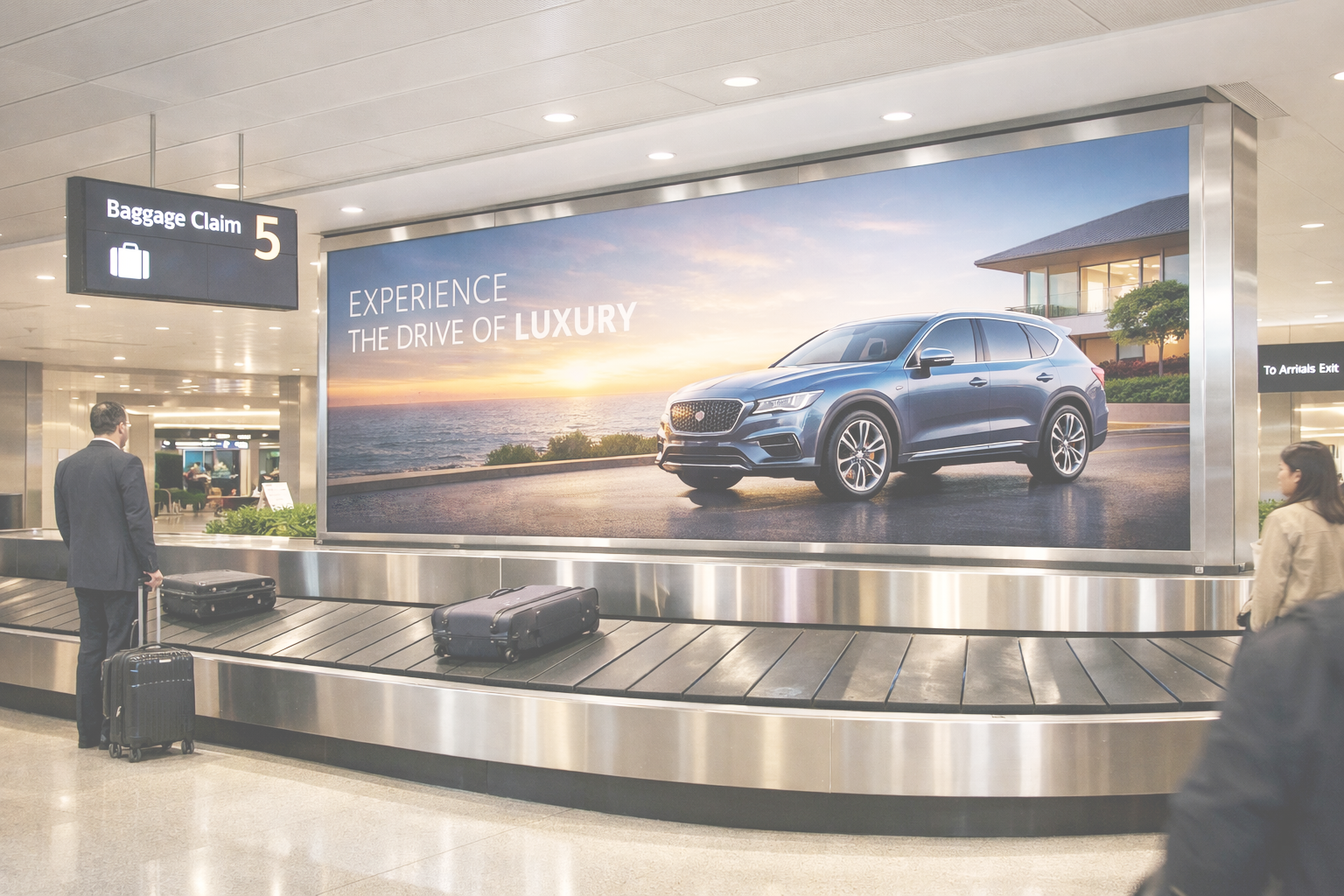
It’s Not Just Where You Advertise - It’s How Fast You Execute
We combine local insight with fast rollout to deliver results for you, now.
Talk to an ExpertAudience and Cultural Intelligence
Top 2 Languages:
- English: Guam's official language and the universal commercial, government, and business medium of the island's entire population — English-language creative reaches the complete spectrum of GUM's domestic audience from the Chamorro government professional to the US military family to the Filipino-origin retail worker, and is the primary commercial language of every formal purchasing decision, financial transaction, and institutional commercial engagement on the island; English is simultaneously the language through which the US military community's commercial life operates entirely, making it non-negotiable for brands targeting the military consumer economy
- Japanese: The commercial language of GUM's historically dominant and highest per-capita spending inbound tourism nationality, whose purchasing behaviour in the duty-free and tourism retail environment is structured, deliberate, and brand-literate at a level that rewards Japanese-language creative with commercial conversion rates that English-only airport advertising cannot replicate — Japanese-language signage, packaging, and advertising in GUM's departure hall is not supplementary but essential for luxury goods, cosmetics, confectionery, and premium Japanese-register brands seeking maximum commercial activation from the airport's most commercially productive inbound audience segment
Major Traveller Nationalities:
Guamanian residents and US military personnel form the primary domestic passenger base, subdivided across the Chamorro professional and government class, Filipino-origin commercial and service sector workforce, US military active duty and family community, and the broader American expatriate professional population. International travelers include Japanese leisure and duty-free shopping tourists — historically the dominant single nationality by spending volume, with pre-COVID years seeing Japan account for over 70 percent of inbound visitors — Korean premium leisure tourists whose volumes have grown to rival and in some years exceed Japanese arrivals, Filipino nationals visiting family members and managing bilateral commercial relationships, Taiwanese visitors accessing Guam through China Airlines and Starlux connections, Micronesian regional travelers from Palau, FSM, and the Marshall Islands using GUM as their Pacific hub, and a growing Chinese visitor segment as Guam rebuilds its China market connections alongside its Japanese and Korean core. The Japanese visitor component is commercially extraordinary beyond its proportional numerical share — the average Japanese visitor to Guam spends significantly more per trip day on retail goods than visitors of any other nationality, with duty-free luxury goods, Japanese cosmetics brand repurchasing, premium confectionery, and branded American goods for distribution as omiyage gifts creating a structured group departure purchasing ritual whose commercial intensity in the departure hall rivals the world's most productive airport duty-free environments.
Religion — Advertiser Intelligence:
- Roman Catholicism (approximately 85%): The overwhelmingly dominant faith of Guam's Chamorro and Filipino-origin population, whose Catholic identity is among the most deeply embedded in any American jurisdiction — the island's fiesta system, in which each village celebrates its patron saint's day with community gatherings, traditional Chamorro food, music, and gifting, creates a year-round calendar of community celebration events whose collective consumer spending on food, clothing, and community goods represents one of the most distinctive Catholic cultural commercial traditions in the American Pacific; Christmas drives the year's largest diaspora return and domestic family gathering peak with maximum gifting and consumer spending activation; Easter creates a secondary domestic travel and family gathering window; the deeply Catholic character of the Filipino-origin community reinforces the fiesta calendar's commercial activation across the island's largest non-Chamorro ethnic group simultaneously
- Buddhism and Shinto (Japanese inbound tourism audience): The spiritual framework of Guam's most commercially significant inbound tourism nationality creates commercially relevant Japanese festival calendar windows — Obon (August) is Japan's most important ancestral commemoration festival and drives one of GUM's largest Japanese tourism surges; Oshōgatsu's New Year spiritual observances anchor Japan's most important gift-giving and luxury purchasing season; the Japanese cultural norm of omiyage gift-giving — whose obligation to return from travel with authenticated local goods for colleagues, family, and social networks — creates a structured departure hall purchasing ritual that is as much culturally obligatory as personally desired, making it one of the most reliably activated commercial behaviours at any Japanese-serving airport in the Pacific
- Protestantism and other Christian denominations (approximately 10 to 12%, concentrated in US military and American mainland community): The US military community's predominantly Protestant Christian tradition creates Christmas and Easter spending and travel windows whose commercial activation mirrors American mainland retail patterns — military families returning to continental US for holiday gatherings, Christmas gifting purchasing peaks, and the particular American military community's combination of religious observance with patriotic identity celebrations that create commercially active windows for American consumer goods, financial services, and military-community-targeted premium brands
Behavioral Insight:
The Japanese tourism audience at GUM demonstrates one of the most commercially distinctive purchasing behaviours of any inbound nationality at any airport in the Pacific — a combination of pre-planned shopping lists developed before departure from Japan, deliberate brand loyalty to specific luxury goods and cosmetics labels whose GUM pricing advantage relative to Japan is continuously tracked by regular visitors, and the omiyage cultural obligation that transforms the departure hall purchasing session from discretionary spending into a social duty. Brands that invest in Japanese-language departure hall advertising aligned with the omiyage gifting category and the luxury goods purchase completion ritual will find GUM's Japanese audience responds with commercial conversion rates that pure English-language creative cannot approach. The Korean audience brings a distinct but complementary commercial psychology — more spontaneous in individual purchase decision-making than Japanese group purchasing norms, more oriented toward Korean beauty brand co-branding opportunities and Korean-designed premium fashion, and more receptive to social media-driven discovery of new brands in the departure hall environment whose Instagram-worthy luxury retail aesthetic matches the Korean premium tourism consumer's documented preference for photogenic purchase experiences.
Outbound Wealth and Investment Intelligence
The outbound passenger at Antonio B. Won Pat International Airport represents one of the Pacific's most commercially layered wealth deployment profiles — an island economy whose government employment security, military household incomes, tourism business ownership profits, and the particular financial dynamics of US territory status combine to produce a domestic professional class whose outbound investment orientation is directed primarily toward the US mainland real estate market, Hawaiian property investment, and the Philippine commercial real estate market for the Filipino-origin community's heritage investment. The structural outbound capital flows from Guam reflect the island's dual identity as American soil with Pacific island community economic realities — generating both American consumer market purchasing aspirations and Pacific regional family investment obligations simultaneously.
Outbound Real Estate Investment:
Hawaii — specifically Oahu's Honolulu metropolitan market and Maui's premium resort corridor — is the dominant outbound real estate market for Guam's HNWI and upper-professional class, driven by the cultural familiarity of Hawaii as the most Pacific-proximate American state, the Hawaiian real estate market's historical capital appreciation, and the practical commercial and personal ties between Guam and Hawaii that include regular United Airlines connections, shared Pacific Islander community networks, and the military career pathway that frequently moves Guam-stationed personnel to Hawaii's Joint Base Pearl Harbor-Hickam as a next assignment. Southern California — San Diego, Los Angeles, and the Inland Empire — is the second most active outbound real estate market for Guam's professional and government class, reflecting the Pacific military career pipeline that routes Guam-based personnel through Camp Pendleton, Camp Lejeune, and Marine Corps Air Station Miramar on rotation cycles that create active San Diego property investment throughout the Guam military community. The Philippines — particularly Metro Manila's condominium market and provincial family home investment in Cebu, Iloilo, and the Visayas region — is the dominant outbound real estate market for Guam's Filipino-origin community, whose dual Guam-Philippine household economies create active remittance and property investment flows maintained across generations of Pacific migration. Japan and South Korea have historically attracted modest real estate investment from Guam's tourism business owner class whose commercial relationships with Japanese and Korean buyers and partners have created financial familiarity with Tokyo and Seoul property markets. International real estate developers advertising at GUM are reaching a commercially motivated US-territory audience whose property investment behaviour is directed primarily toward American mainland and Hawaiian markets alongside the Philippine-origin community's heritage market investment — with the military community's frequent relocation cycle creating particularly active property investment decision-making throughout the calendar year.
Outbound Education Investment:
The University of Hawaii system — encompassing UH Mānoa and the community college network — is the dominant higher education destination for Guam's most academically ambitious students, reflecting the Pacific cultural affinity between Guam and Hawaii, the Chamorro and Pacific Islander community's established UH pathway, and the geographical accessibility of Honolulu as the most proximate mainland-equivalent university destination. West Coast universities — University of California campuses, San Diego State University, and the California State University system — serve Guam's university-bound students whose mainland US educational aspirations are supported by the US citizenship status that gives Guamanians full access to American federal student aid programmes. Guam's own University of Guam has grown significantly under federal investment and military community support, providing an increasingly credentialed local option for families whose community ties, cost considerations, or professional intentions are specifically Guam-oriented. The Philippines' major universities attract a modest but consistent student flow from Guam's Filipino-origin families whose heritage country academic connections and lower tuition costs make Manila's De La Salle University, Ateneo de Manila, and the University of the Philippines credible options for students with active Philippine family networks. For American and Hawaiian universities and for Philippine institutions targeting the overseas Filipino community, GUM's pre-departure environment delivers families with active US-citizen federal student aid eligibility and above-average Pacific island household incomes whose education investment decisions are supported by the particular financial advantages of Guam's American territorial status.
Outbound Wealth Migration and Residency:
Guam's domestic audience does not pursue international residency or citizenship programmes in the way that most airports in this series serve — as US citizens and US nationals, Guamanians have full American citizenship rights and the world's most powerful travel document without requiring alternative residency investment. The outbound mobility aspiration for Guam's professional class is primarily relocation to the US mainland — Hawaii, California, or Texas — whose combination of warmer-than-mainland climate, established Pacific Islander communities, and full US consumer market access makes it the preferred alternative residency option. The military career pipeline performs a structural relocation function for the military community, moving personnel and families between Guam and mainland assignments on regular rotation cycles whose frequency creates one of the most active domestic American intra-Pacific relocation populations at any US airport. The construction and development of the military buildup is attracting a growing population of mainland American professionals — engineers, contractors, consultants, and federal government employees — on multi-year Guam assignments whose temporary Pacific residency creates active American mainland property management and investment activity through GUM's outbound commercial corridors. For financial services firms targeting American Pacific mobile professionals, military family financial planning services, and Hawaiian and California real estate developers, GUM's outbound professional class represents a commercially motivated American-standard-income audience whose relocation and investment behaviour is structured, predictable, and financially capable.
Strategic Implication for Advertisers:
International brands targeting Guam's commercial audience from both directions — those entering the island's Japanese and Korean luxury tourism market and those offering real estate, education, and financial products to its outbound American-income professional class — should treat GUM as a simultaneous dual-directional channel. The same terminal handles inbound Japanese and Korean luxury goods purchasing behaviour and outbound American professional class real estate and financial services investment intent within the same dwell window across distinct seasonal peaks. Masscom Global activates campaigns targeting both flows with the Japanese luxury retail expertise, Korean tourism audience intelligence, and American military commercial capability that this unique Pacific gateway demands.
Airport Infrastructure and Premium Indicators
Terminals:
- Antonio B. Won Pat International Airport operates through a primary commercial terminal with domestic and international processing wings whose scale and configuration reflect Guam's pre-COVID status as one of the Pacific's busiest leisure tourism gateways, with an airside retail and duty-free concourse anchored by DFS Guam's T Galleria-connected duty-free shopping infrastructure and an international departure hall whose luxury brand retail density — spanning fashion, cosmetics, confectionery, spirits, and electronic goods — rivals major Pacific hub airports in per-square-metre premium retail investment
- The terminal's international arrivals hall serves as the first commercial contact point for Japanese and Korean tourism groups whose duty-free purchasing cycle in the departure hall will be the most commercially significant single commercial event of their Guam visit, making the arrivals hall advertising environment a commercially important preview and pre-activation channel for brands seeking maximum conversion in the departure environment following the island's retail experiences
Premium Indicators:
- The T Galleria by DFS connection — whose Guam operation has historically been one of the most productive per-square-metre luxury duty-free retail facilities in the Pacific, serving as a flagship store for LVMH brands, Cartier, Tiffany, Burberry, Coach, and dozens of international luxury houses whose Guam pricing advantage relative to Japanese domestic retail prices has made GUM's duty-free the primary reason many Japanese visitors choose Guam over competing Pacific island destinations — gives airport advertisers an extraordinary brand adjacency premium whose proximity to the world's most commercially proven Japanese luxury goods purchasing environment creates a contextual advertising placement that no other American airport can replicate
- The US military's institutional commercial presence — whose Base Exchanges, Commissaries, and military community facilities on Andersen Air Force Base and Naval Base Guam serve a community of tens of thousands of military personnel and their families with American consumer market goods at tax-advantaged prices — creates a permanent high-income American consumer audience whose airport transit behaviour and commercial spending patterns are being materially expanded by the Marine Corps buildup's addition of thousands of new military family households to the island's consumer economy
- Guam's unique status as US soil in Asia — allowing Japanese and Korean tourists to experience "America" without the 10-hour trans-Pacific flight to California, shop in US-operated luxury retail at prices below Japan's luxury tax, and purchase American branded goods in an American English-language environment — gives GUM an intrinsic commercial premium positioning that no competing Pacific island destination can replicate through investment alone, since it is structurally embedded in Guam's American territorial identity rather than built through commercial strategy
- The Tumon Bay luxury resort corridor's premium brand adjacency — where guests of the Grand Hyatt, Dusit Thani, Westin, Hilton, and Outrigger hotels constitute the departing premium tourism audience whose hotel stay spending has already demonstrated premium purchase behaviour — means that GUM's departure hall advertising environment reaches an audience pre-qualified as premium consumer-active by their Tumon Bay accommodation choice in a way that transfers commercial authority to brand messages placed in their final pre-departure commercial encounter at the airport
Forward-Looking Signal:
The US military buildup is transforming Guam's economic baseline in ways that will permanently raise the commercial floor of the island's consumer economy above its current tourism-dependent structure. The addition of approximately 5,000 Marines and their families at Camp Blaz — alongside expanded Air Force and Navy personnel at Andersen and Naval Base Guam — will add tens of thousands of additional American consumer market income households to Guam's commercial ecosystem over the current decade, creating sustained demand growth for financial services, automotive, consumer electronics, premium food and beverage, and real estate across the island's civilian commercial sector. New international route additions — with Japanese regional city connections from Osaka Itami, Fukuoka, and Nagoya being actively pursued alongside South Korean expansion and Taiwanese carrier growth — will diversify GUM's international audience base and reduce the airport's vulnerability to the Japanese tourism concentration that COVID so severely disrupted. The recovery of Guam's Chinese tourism market — whose pre-COVID numbers were growing rapidly before the pandemic interrupted expansion — alongside new Southeast Asian route development through Philippine Airlines, Cebu Pacific, and AirAsia connections will broaden the airport's international audience nationality diversity substantially. Masscom Global advises brands planning Pacific regional campaigns to establish GUM advertising positions now, before the military buildup's full commercial impact and the recovering Japanese tourism volume create significantly higher inventory competition for the Western Pacific's most commercially distinctive duty-free luxury gateway.
Airline and Route Intelligence
Top Airlines:
United Airlines, Korean Air, Asiana Airlines, Jeju Air, Jin Air, T'way Air, Japan Airlines (JAL), All Nippon Airways (ANA), Philippine Airlines, China Airlines, Starlux Airlines, Vanilla Air, Peach Aviation, Asia Pacific Airlines, Freedom Air
Key International Routes:
- Tokyo Narita and Haneda (United, JAL, ANA) — multiple daily, the primary Japan corridor encoding GUM's foundational relationship with its historically dominant inbound tourism and duty-free retail audience
- Osaka Kansai (JAL, ANA, Peach Aviation) — multiple weekly, the Kansai region's significant Japanese tourism corridor serving Osaka, Kyoto, and Kobe origin markets
- Nagoya Chubu (JAL, Vanilla Air, charter) — multiple weekly, the Toyota company city corridor and central Japan leisure tourism connection
- Fukuoka (JAL, ANA, charter) — multiple weekly, the Kyushu regional tourism origin market
- Seoul Incheon (Korean Air, Asiana, Jeju Air, Jin Air, T'way) — multiple daily, the Korean corridor encoding the dramatic growth of Korean tourism to Guam that has diversified the airport's Northeast Asian audience base and provided commercial recovery leadership through COVID
- Busan (Jin Air, T'way, charter) — multiple weekly, the South Korean second city corridor serving the Gyeongsang region's growing leisure travel market
- Manila (Philippine Airlines, United) — multiple weekly, the primary bilateral corridor reflecting Guam's largest resident immigrant community's family and commercial connections
- Taipei (China Airlines, Starlux) — several times weekly, the Taiwanese tourism and business corridor
- Honolulu (United) — multiple daily, the primary US mainland and Hawaii connection axis for both domestic Guam travelers and trans-Pacific connecting passengers
- Chuuk, Pohnpei, Kosrae (United) — multiple weekly, the Micronesian regional hub network serving FSM communities through Guam as their Pacific aviation gateway
- Saipan (United, Freedom Air) — multiple weekly, the CNMI corridor
Domestic Connectivity:
Honolulu (HNL), Los Angeles (LAX), San Francisco (SFO) via United, and the Micronesian island network (Chuuk, Pohnpei, Kosrae, Majuro, Kwajalein) — with Honolulu commanding the highest domestic connectivity frequency as Guam's primary US mainland access point
Wealth Corridor Signal:
The GUM route network is a precise commercial map of the island's economic identity and capital flows. The Tokyo and Osaka corridors are not leisure connections alone — they are the arterial channels through which Guam's entire luxury retail economy, duty-free commercial infrastructure, and Japanese hospitality industry investment flow, making Japan's air connection to Guam structurally commercial rather than merely touristic. The Seoul corridor encodes the most significant commercial trend in Guam's recent aviation history — Korean tourism's rise to Guam's dominant visitor nationality representing a bilateral commercial relationship whose luxury goods purchasing, beauty brand consumption, and premium hospitality spending patterns are reshaping the island's retail ecosystem from a Japan-only to a Northeast Asia dual-market commercial architecture. The Manila route carries the Filipino-origin community's most important bilateral family and commercial management corridor. The Honolulu connection is Guam's commercial lifeline to the American mainland consumer economy — the route through which American goods, American retail standards, and American financial markets flow into the island's consumer ecosystem. For advertisers, every major GUM route is simultaneously an audience intelligence signal and a commercial targeting precision asset.
Media Environment at the Airport
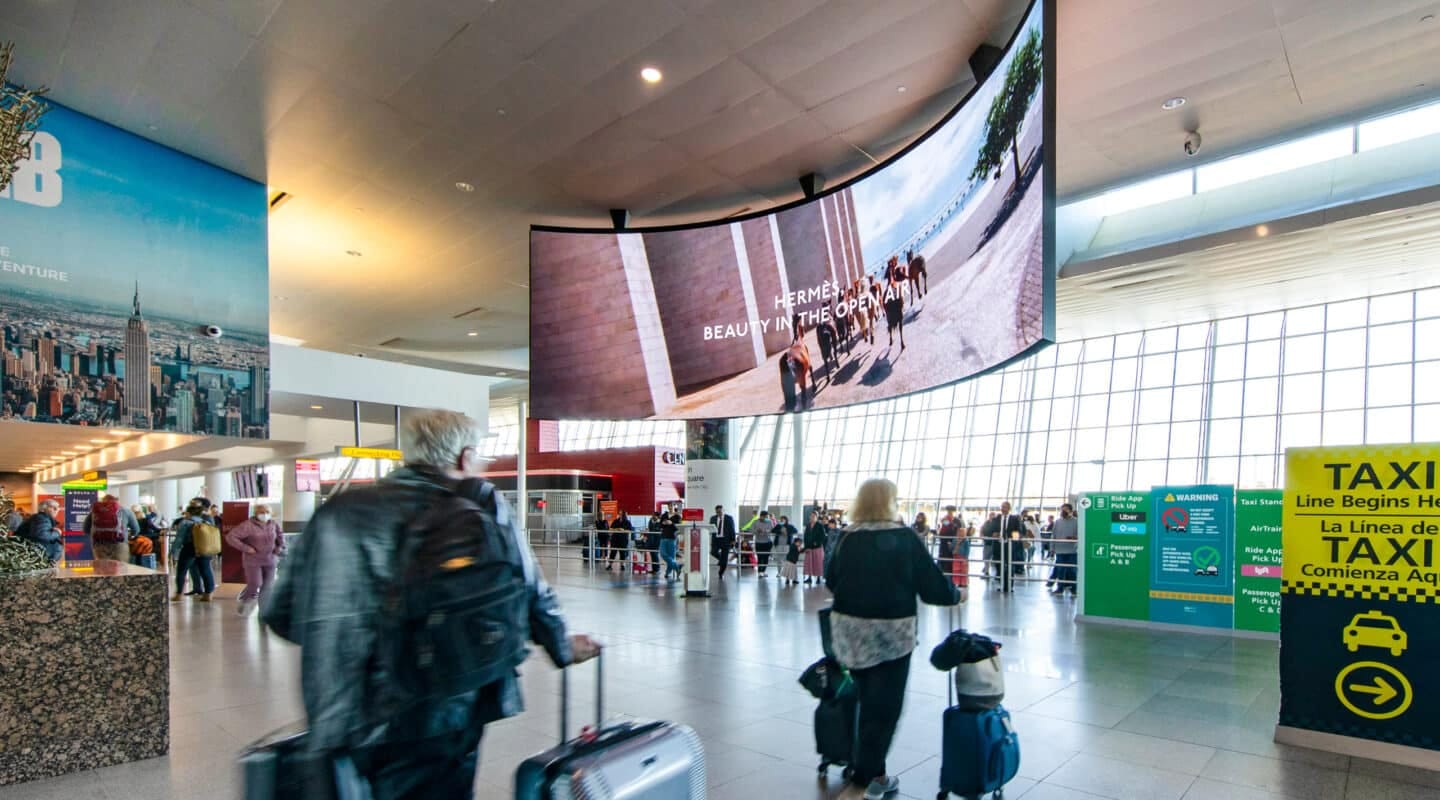
- GUM's integrated terminal creates a concentrated advertising environment where the complete international departure audience — from a Japanese family completing their Tumon Bay resort stay and duty-free shopping list to a US Marine officer departing for a mainland rotation to a Chamorro professional flying to Honolulu for a federal government meeting — moves through a defined sequential commercial corridor from check-in through security to duty-free concourse and boarding gates, enabling campaigns to achieve near-complete audience penetration within a focused placement strategy that leverages the departure hall's extraordinary commercial activation for the Japanese and Korean duty-free purchasing audience
- The duty-free departure concourse creates GUM's most commercially distinctive advertising micro-environment — an airside retail space whose Japanese and Korean visitor audience arrives with pre-planned shopping lists, allocated purchasing budgets, and a cultural purchasing obligation (omiyage) that guarantees commercial activation regardless of individual discretionary impulse, making brands positioned in the duty-free concourse advertising environment beneficiaries of one of the most structurally reliable purchasing behaviours at any American international airport
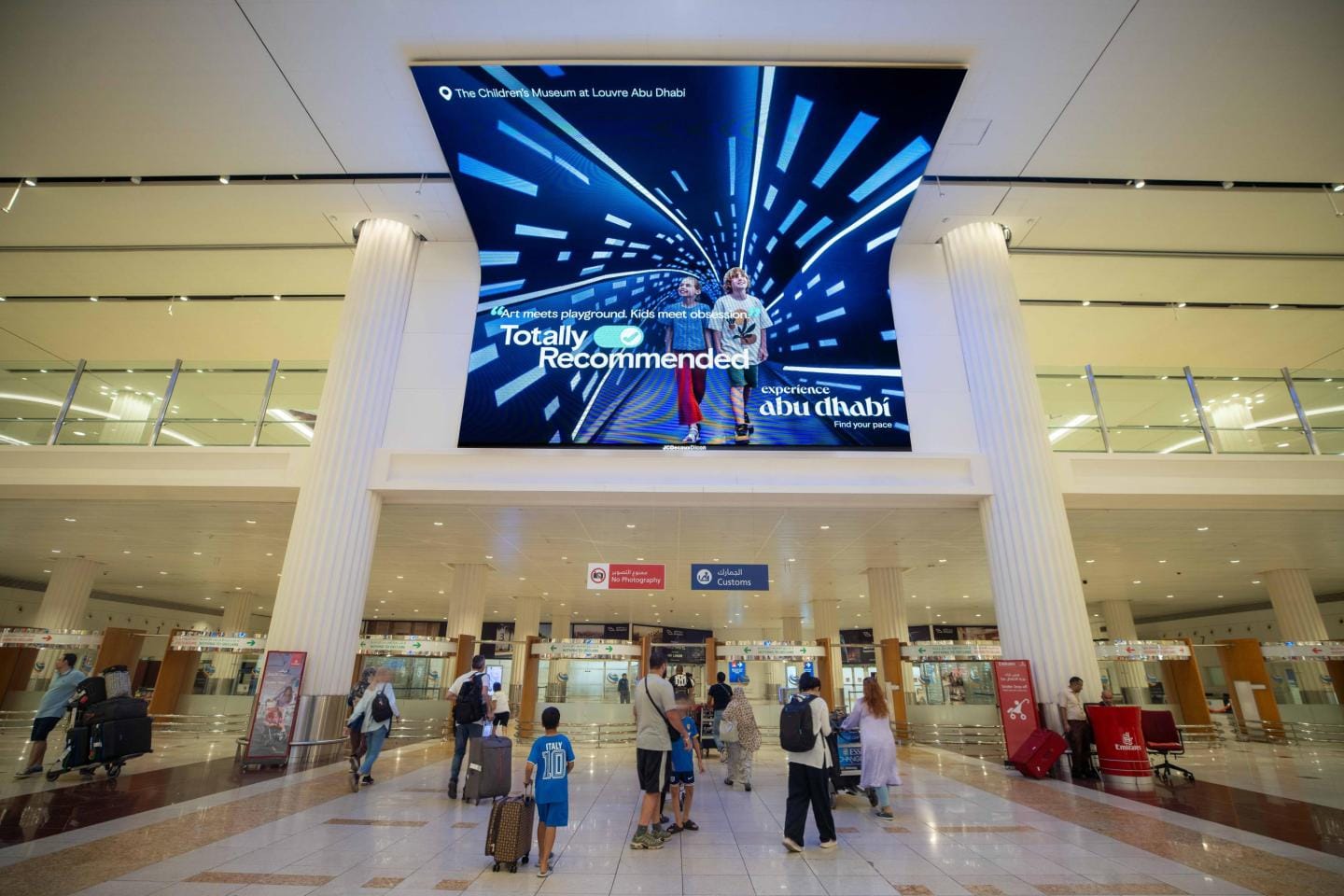
- The international arrivals hall during Japanese and Korean peak seasons delivers a commercially distinctive first-impression advertising environment for inbound luxury tourism groups — brands positioned in the arrivals corridor reach Japanese and Korean visitors at the beginning of their Guam commercial journey, establishing brand awareness that primes the departure hall duty-free purchasing session whose completion rate for products whose airport placement was the first island encounter is demonstrably higher than for products encountered only at departure
- Masscom Global provides comprehensive GUM inventory access, placement strategy, Japanese-language and Korean-register bilingual creative execution guidance, campaign implementation management calibrated to the Japanese and Korean tourism peak calendar and US military institutional calendar, and performance intelligence, giving international and American brands the full-service capability to plan and activate in the Western Pacific's most commercially distinctive duty-free luxury gateway with the Northeast Asian consumer market expertise and American military commercial intelligence that this extraordinary Pacific island airport demands
Strategic Advertising Fit
Best Fit:
- Japanese luxury goods brands and duty-free category partners (fashion, cosmetics, confectionery, spirits):GUM's Japanese inbound audience arrives with structured purchasing intent for duty-free luxury goods whose combination of brand loyalty, Guam pricing advantage versus Japan retail, and omiyage obligation creates the most commercially reliable inbound tourist purchasing behaviour of any nationality at any American airport — Japanese-language duty-free concourse advertising for luxury goods, premium Japanese cosmetics, American branded confectionery, and premium spirits directly activates a purchase commitment already formed before departure from Japan
- Korean beauty, skincare, and premium fashion brands: The Korean inbound tourism audience's demonstrated preference for premium K-beauty brand repurchasing, Korean-designed luxury fashion, and premium skincare goods in the GUM duty-free environment creates a commercially productive advertising opportunity for Korean-register premium consumer brands whose Guam airport placement reaches their most committed international purchaser segment outside Korea in the concentrated pre-departure purchasing moment
- US military financial services (USAA, Navy Federal Credit Union, military-specific banking and insurance):The expanding US military community at Guam — whose household financial management needs span military-specific insurance, deployment planning, VA home loan guidance, and base relocation financial services — creates one of the Pacific's most concentrated military family financial services advertising audiences at a single airport, with the Camp Blaz activation adding thousands of new military household financial planning decisions to the GUM commercial environment over the current decade
- Hawaiian and Southern California real estate: The Guam professional class and military community's primary outbound property investment markets — Oahu condominiums, Maui vacation properties, San Diego residential, and Los Angeles area investment properties — find a motivated, American-income, and directionally clear buyer audience at GUM among both the domestic Chamorro professional class and the military rotation community whose California and Hawaii assignment pipeline creates active mainland property purchasing intent
- Premium Japanese and Korean tourism destination and hospitality brands returning business: The departure hall audience of Japanese visitors completing successful Guam trips are in a state of maximum future destination receptiveness — brands advertising Japan domestic resort destinations, Korean cultural tourism packages, and next Pacific destination options in the departure hall reach an audience at peak post-experience satisfaction whose commercial conversion to future booking platforms and loyalty programmes is structurally optimised by the tourism high-satisfaction state
- American premium consumer brands with Japanese-language marketing: The Japanese inbound audience's established preference for authenticated American branded goods — Ralph Lauren, Tiffany, American Eagle, Levi's, and broadly the "Made in USA" or "American brand" category whose symbolic value in the Japanese luxury consumer market is distinct from European luxury house prestige — makes GUM one of the most commercially productive American airports for Japanese-language American brand advertising outside Japan's own domestic media
- Pacific regional real estate (Philippines, Guam itself): The Filipino-origin community's active cross-border property investment in Metro Manila and the provincial Philippines, combined with the Guam domestic real estate market's accelerating values from military buildup demand, creates a dual-market real estate advertising audience at GUM whose Pacific property investment behaviour is commercially active in both the domestic and heritage country direction simultaneously
- Premium automotive (Guam dealership market, military-community focused): The military buildup's addition of thousands of new American military household vehicle purchasing decisions to Guam's automotive market — combined with the domestic professional class's above-average income-supported premium vehicle aspirations — creates a concentrated premium automotive advertising audience at GUM whose American consumer market vehicle preferences and military car loan programme eligibility makes the airport departure hall a commercially effective pre-purchase consideration channel for Japanese and American premium automotive brands with Guam dealership operations
Brand Alignment at a Glance:
| Category | Fit |
|---|---|
| Japanese luxury goods and duty-free brands | Exceptional |
| Korean beauty and premium fashion | Exceptional |
| US military financial services | Exceptional |
| Hawaiian and Southern California real estate | Strong |
| American premium consumer brands (Japanese-language) | Strong |
| Pacific regional real estate | Strong |
| Premium automotive (Guam market) | Strong |
| Japanese and Korean future destination marketing | Strong |
| Generic mass-market budget brands | Poor fit |
Who Should Not Advertise Here:
- Brands without Japanese or Korean language creative capability targeting the inbound tourism audience:The Japanese and Korean tourism audiences conduct luxury goods purchasing decisions in their native languages — brands targeting these commercially dominant inbound segments with English-only creative will find engagement rates negligible among the airport's most commercially productive passenger segment, whose deliberate duty-free purchasing behaviour requires Japanese or Korean language activation to access
- Brands with no Guam, Hawaii, or Pacific regional market delivery capability: Airport advertising at GUM creates commercial intent in an island environment where fulfillment complexity is real — brands generating awareness without credible local retail access, online delivery capability to Guam's zip code 96910, or regional Pacific commercial presence will frustrate purchase intent among an audience whose island geography means online retail delivery is neither seamless nor equivalent to mainland US convenience
- Brands exclusively positioned for continental US urban markets with no Pacific relevance: Mass-market brands whose commercial logic is built entirely around continental US population density economics will find GUM's modest total passenger volume and geographically isolated island consumer market a poor match for broad American consumer advertising investment requiring scale and mainland distribution efficiency
Event and Seasonality Analysis
Event Strength: High Seasonality Strength: Very High Traffic Pattern: Japanese-Holiday-Dominant with Korean-Tourism-Secondary and Year-Round Military Overlay
Strategic Implication:
The commercial calendar at GUM is defined by the Japanese and Korean holiday tourism calendar in a way that makes it more predictable and more precisely plannable than almost any other American airport. The Oshōgatsu New Year window in January, the Golden Week window in late April through early May, and the Obon summer window in August together create three annual Japanese tourism peak periods whose commercial activation for luxury goods, duty-free brands, and Japanese-register premium consumer advertising is structurally guaranteed by cultural obligations — these are not discretionary travel peaks but culturally mandatory holiday windows whose departure from Japan is as close to certain as any commercial planning variable can be. The Korean Chuseok and Seollal windows create parallel Korean tourism peaks whose commercial activation for Korean beauty, fashion, and premium consumer brands mirrors the Japanese calendar's structural reliability with Korean-specific purchasing psychology. The year-round US military institutional calendar overlays both Asian tourism peaks with a steady-state domestic professional class commercial audience whose financial planning, automotive, and consumer goods purchasing behaviour is consistent across seasons. Masscom Global builds GUM campaigns specifically calibrated to this Japanese-holiday-dominant, Korean-tourism-secondary, military-overlay commercial rhythm, ensuring luxury goods brands are live during Oshōgatsu and Obon, Korean beauty brands are positioned during Chuseok and Seollal, and financial services brands targeting the military community maintain year-round presence at appropriate intensity levels across all seasonal windows.

Poor Placement and Delays Affect Airport Campaigns
We help you move faster, access better inventory, and get it right now.
Talk to an ExpertFinal Strategic Verdict
Antonio B. Won Pat International Airport is the Western Pacific's most commercially singular aviation gateway — a terminal whose 3.5 million annual passengers include some of the world's most deliberately purchase-intentioned duty-free luxury shoppers in the Japanese inbound tourism audience, a US military institutional community whose ongoing buildup to historic scale is adding tens of thousands of American consumer-standard households to one of the Pacific's most geographically isolated island economies, a Korean premium leisure tourism audience whose rapid growth to Guam's largest visitor nationality is creating an entirely new commercial advertising opportunity layer alongside the established Japanese luxury retail ecosystem, and a Chamorro and Pacific Islander domestic professional class whose unique status as American citizens on Asian-Pacific soil gives them purchasing power, educational access, and commercial aspiration calibrated to American consumer market standards within a Pacific island community identity of extraordinary cultural depth. No other airport in the American system combines Japanese luxury duty-free purchasing behaviour, Korean beauty brand activation, US military institutional commercial authority, and Pacific regional hub connectivity within a single terminal whose tax-advantaged US territory status creates a structural commercial advantage that no competing Pacific island destination can replicate through strategy alone. For brands in Japanese luxury goods, Korean beauty and premium fashion, US military financial services, Hawaiian and California real estate, and American premium consumer categories seeking the Western Pacific's most commercially productive single-terminal duty-free gateway, GUM is not a supplementary Pacific buy — it is the only advertising environment in the Western Pacific where Japanese omiyage obligation, Korean premium leisure spending, and American military household income converge in a duty-free terminal whose structural commercial advantages are embedded in the island's American identity rather than built through investment. Masscom Global brings the Japanese luxury retail expertise, Korean tourism audience intelligence, American military commercial capability, and Pacific regional market precision that international and American brands need to activate at Guam with the cultural sophistication, commercial confidence, and execution accuracy that America's most extraordinary Pacific island gateway demands.
About Masscom Global
Masscom Global is a premium international airport advertising and media buying agency operating across 140 countries. With deep expertise in airport OOH, premium publications, and high-net-worth audience targeting, Masscom helps brands reach the world's most valuable travellers at the moments that matter most. For advertising packages, media rates, and campaign planning at Antonio B. Won Pat International Airport and airports across the globe, contact Masscom Global today.
Frequently Asked Questions
How much does airport advertising cost at Antonio B. Won Pat International Airport? Advertising costs at GUM vary based on format (digital screens, static lightboxes, duty-free concourse branded environments, arrivals hall placements, departures lounge positions), placement position within the terminal, campaign duration, and seasonal demand. The January Oshōgatsu New Year window, the late April to May Golden Week period, and the August Obon holiday window command the highest Japanese tourism inventory demand and corresponding rate premiums. The Korean Chuseok and Seollal windows attract elevated demand for Korean-register advertising. Year-round military community advertising benefits from consistent audience availability at stable rates throughout the calendar. Masscom Global provides current rate cards, Japanese and Korean language placement strategy, and campaign packages tailored to your commercial objectives. Contact Masscom for a detailed, Pacific market-specific proposal.
Who are the passengers at Antonio B. Won Pat International Airport? GUM serves a commercially extraordinary audience combining Japanese premium leisure and duty-free luxury shopping tourists whose structured omiyage purchasing behaviour creates some of the Pacific's highest per-passenger retail spending, Korean premium leisure visitors whose beauty, fashion, and hospitality spending is growing as Korea surpasses Japan as Guam's largest visitor nationality, US military active duty personnel and their families from Andersen Air Force Base, Naval Base Guam, and Marine Corps Base Camp Blaz, Guamanian Chamorro and Pacific Islander professional and government class, Filipino-origin community members managing bilateral family and commercial relationships, and Micronesian regional travelers from Palau, FSM, and the Marshall Islands using GUM as their Pacific hub. It is the Western Pacific's most commercially distinctive duty-free luxury airport audience within American jurisdiction.
Is Antonio B. Won Pat International Airport good for luxury brand advertising? Yes, emphatically and specifically. GUM is the Western Pacific's most commercially productive luxury goods advertising environment for brands targeting Japanese and Korean inbound tourists whose duty-free purchasing behaviour is structurally motivated by pricing advantages, cultural obligations, and a departure hall retail ecosystem whose depth of luxury brand presence creates a genuine luxury retail destination experience rather than incidental airport shopping. Japanese tourists arriving at GUM with specific Louis Vuitton, Gucci, Cartier, and LVMH brand purchases on their shopping list are commercially pre-qualified luxury buyers before they clear customs — airport advertising in the arrivals and departures environment primes and completes purchase cycles that begin in Japan before the journey. For luxury brands with T Galleria and Guam duty-free retail presence, GUM's advertising environment is one of the highest-ROI luxury brand placements available at any American jurisdiction airport.
What is the best airport in the Western Pacific for reaching Japanese luxury tourists? Among American-jurisdiction airports in the Pacific, Antonio B. Won Pat International Airport in Guam is definitively the most commercially productive for Japanese duty-free luxury tourism advertising, given its proximity to Japan, its structural pricing advantage for duty-free goods, and the Japanese tourism industry's specific commercial architecture around Guam's shopping destination identity. Among the broader Pacific, Singapore Changi, Hong Kong International, and Seoul Incheon handle higher Japanese luxury transit volumes but serve primarily transit rather than destination shopping audiences. For brands specifically targeting Japanese duty-free destination shoppers on their primary leisure and luxury goods acquisition journey rather than transit shoppers, GUM is the Pacific's most commercially specific Japanese duty-free luxury airport. Masscom Global advises on multi-airport Pacific strategies combining GUM with Narita and Incheon for maximum Northeast Asian luxury tourism corridor reach.
What is the best time to advertise at Antonio B. Won Pat International Airport? The highest-value window for Japanese luxury goods, duty-free brands, and Japanese-register premium consumer categories is the Oshōgatsu New Year period of January 1 to 15, when the year's highest concentration of Japanese premium tourists with maximum gifting budgets passes through the terminal. Golden Week in late April through early May and Obon in August provide the second and third highest Japanese tourism concentration periods. For Korean-register advertising, the Chuseok and Seollal holiday windows deliver the year's highest Korean visitor concentration. For US military financial services and American consumer goods targeting the military community, year-round presence with intensity peaks at permanent change of station (PCS) season in June and July — when the military's annual relocation cycle brings the highest volume of new household establishment purchasing decisions to the island. Masscom structures GUM campaigns around these Japanese-calendar-dominant, Korean-secondary, military-overlay seasonal peaks.
Can international real estate developers advertise at Antonio B. Won Pat International Airport? GUM is a commercially productive channel for real estate developers targeting specific market segments. Hawaiian and Southern California developers will find Guam's domestic professional class and military community among the most motivated outbound US-standard-income Pacific property buyers available at any American Pacific airport, whose Hawaii and California property investment behaviour is driven by retirement planning, children's university housing, and the military rotation career pipeline. Philippine real estate developers targeting the overseas Filipino community will find GUM's large Filipino-origin resident population an active buyer audience for Metro Manila and provincial Philippines property markets. Japanese and Korean luxury resort real estate developers may find a limited but commercially capable audience among GUM's most financially active Japanese and Korean tourism sector business owners. Contact Masscom Global to structure a real estate campaign calibrated to the specific Pacific property investment audience at GUM.
Which brands should not advertise at Antonio B. Won Pat International Airport? Brands targeting Japanese or Korean inbound tourism audiences without Japanese or Korean language creative capability will find engagement rates negligible among the airport's most commercially productive passenger segment — the omiyage purchasing ritual and luxury goods decision-making process operates entirely in the native language register and English-only creative cannot access this audience's commercial activation mechanism. Brands without Guam, Hawaii, or Pacific regional market delivery infrastructure will generate purchasing intent without conversion capability among an island audience whose geographic isolation makes fulfilment complexity a genuine commercial barrier. Continental US urban market brands whose commercial logic requires mainland population density and distribution efficiency will find GUM's modest passenger volume and island geography a poor economic match for broad American consumer advertising investment.
How does Masscom Global help brands advertise at Antonio B. Won Pat International Airport? Masscom Global delivers end-to-end airport advertising capability at GUM — spanning audience intelligence, Japanese and Korean bilingual campaign strategy, duty-free concourse and terminal inventory access and placement negotiation, Northeast Asian consumer market creative execution guidance, US military community commercial calendar management, implementation oversight, and post-campaign performance reporting. With operations across 140 countries and specific Pacific regional market depth, Japanese luxury retail expertise, Korean tourism audience intelligence, and US military commercial capability, Masscom provides the cultural knowledge, language capability, and execution speed that international and American brands need to activate effectively in the Western Pacific's most commercially distinctive duty-free gateway. For luxury brands entering the Japanese duty-free Pacific tourism market, Korean beauty brands expanding Pacific presence, US military financial services reaching the Guam buildup community, or real estate developers targeting the American Pacific professional class, Masscom eliminates complexity and ensures placement precision that maximises commercial return at America's most extraordinary Pacific island gateway.