
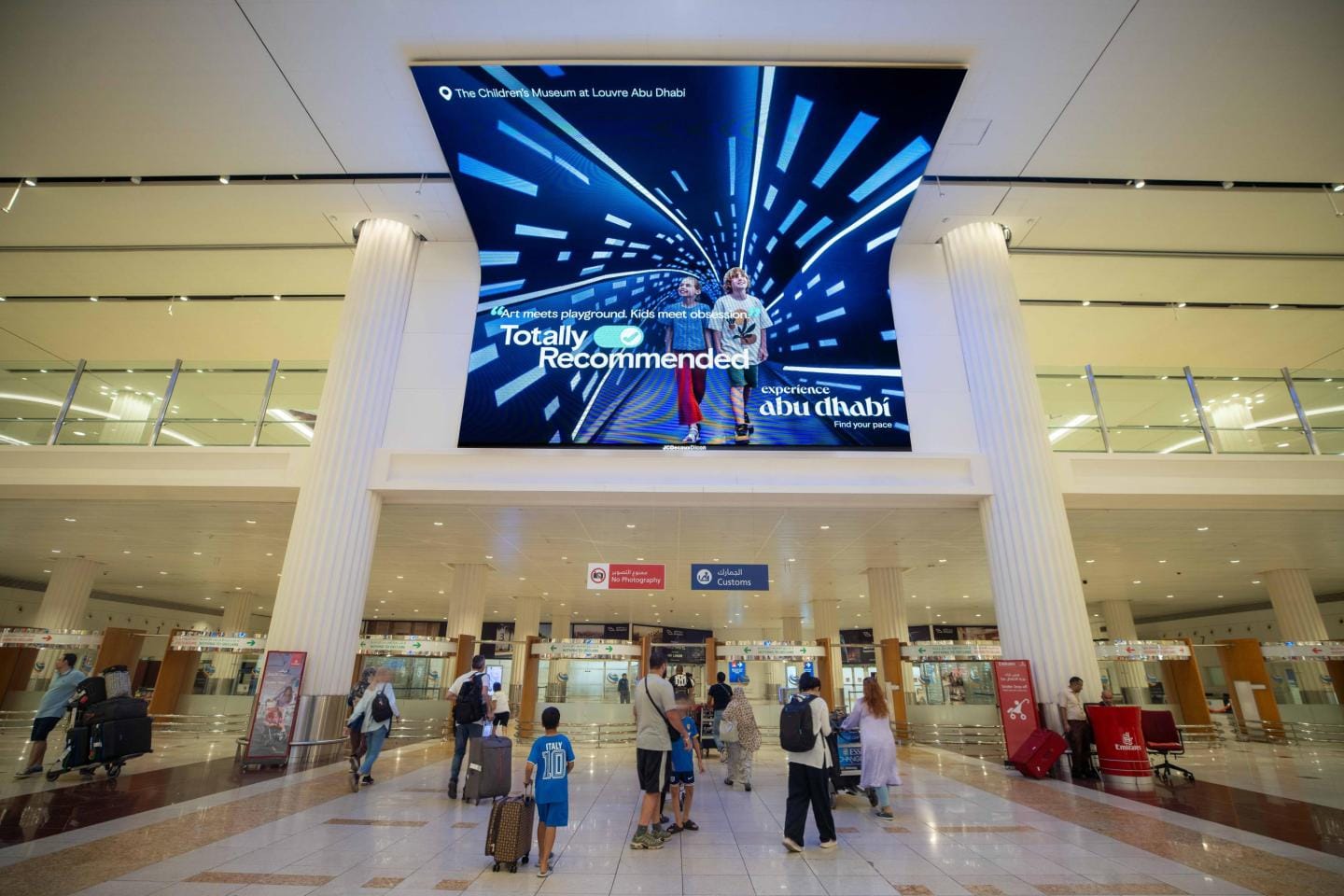



Airport at a Glance
| Field | Detail |
|---|---|
| Airport | Fort McMurray International Airport |
| IATA Code | YMM |
| Country | Canada |
| City | Fort McMurray, Alberta |
| Annual Passengers | ~367,000 (2024) |
| Primary Audience | Oil sands executives and professionals, FIFO energy workers, Newfoundland and Atlantic Canada diaspora, First Nations business community |
| Peak Advertising Season | January to May, September to November |
| Audience Tier | Tier 2 |
| Best Fit Categories | Premium automotive, financial services and wealth management, real estate, luxury lifestyle, energy sector B2B, premium tools and equipment |

Fort McMurray International Airport is one of the most commercially unusual airports in North America — and one of the most commercially underestimated. It serves a community with an average household income of $210,000, the highest of any city in Canada, driven by an oil sands industry generating $13.3 billion in annual investment and employing workers whose annual compensation regularly exceeds $160,000 before Alberta's flat provincial income tax and zero provincial sales tax advantages are applied. The passenger base at YMM is not drawn from a large metropolitan population — it is drawn from the single most economically concentrated resource extraction workforce on the continent, a community whose income density per capita has no equivalent at any Canadian regional airport. For advertisers, the question is not whether YMM's audience can afford premium products — they demonstrably can. The question is whether media planners have recognised that the world's most economically productive energy workforce travels through a compact, award-winning terminal where competitive advertising pressure is among the lowest of any premium-income airport in North America.
YMM's defining commercial characteristic is the fly-in/fly-out (FIFO) labour model that shapes the oil sands industry. Workers typically spend two to three weeks on-site in the Athabasca oil sands region before flying out for one to two weeks of leave — and they fly out with pockets full of earnings they have had no opportunity to spend while living in remote work camp accommodation. The departing YMM passenger is not a typical airport traveller. They are a worker who has just completed an intense rotation earning $8,000 to $15,000 in a single pay period, carrying accumulated wages they are ready to deploy on premium vehicles, real estate deposits, investment products, family holidays, and high-value consumer goods the moment they land in Calgary, Edmonton, Newfoundland, or wherever home is. No other airport in Canada concentrates this specific commercial profile — high earnings, high spending intent, and a captive dwell moment — in a single terminal environment at current advertising rates.
Advertising Value Snapshot
- Passenger scale: Approximately 367,000 commercial passengers in 2024 — targeted to reach 362,000 in 2025 with expanded service; 61 weekly flights at peak season in May 2025 across WestJet, Air Canada, and Porter Airlines; charter workforce traffic adds a substantial additional population of energy sector workers not fully captured in commercial statistics
- Traveller type: Oil sands executives and senior engineers departing after corporate rotations; FIFO trades workers completing two-to-three-week shifts with accumulated earnings ready to spend; First Nations business community travelling for governance and commerce; Atlantic Canada diaspora workers connecting home via Calgary or Ottawa
- Airport classification: Tier 2 — North America's Best Regional Airport under two million passengers (ACI 2019, 2022 multiple wins, 2024); four ACI ASQ awards in 2024 alone; single-terminal award-winning facility
- Commercial positioning: The exclusive gateway to the Athabasca oil sands — the world's third-largest oil reserve — and to a municipality where Canada's highest average household income is generated by the most concentrated energy industry workforce on the continent
- Wealth corridor signal: Fort McMurray's oil sands produce 84.1% of Canada's entire oil output, generating a workforce earning an average of $95,000 to $160,000+ annually in an Alberta province with no provincial sales tax and one of the world's lowest resource-worker effective tax rates
- Advertising opportunity: Masscom Global provides brands with a strategically rare access point — an award-winning, single-terminal airport serving Canada's wealthiest community per capita, where competitive advertising pressure is low, audience income is among the highest in North America, and the FIFO departure moment represents the most concentrated single instance of high-earner spending intent at any regional Canadian airport

Airport Advertising is Complex to Get Right
We help you execute faster, with proven results and local insight most planners lack starting now.
Talk to an ExpertCatchment Area and Economic Drivers
Top 10 Communities within 150 km — Marketer Intelligence
Fort McMurray's extreme northern Alberta geography means the 150 km radius encompasses boreal forest, active oil sands mine sites, and First Nations communities rather than a conventional urban catchment. The communities and sites within this radius are the economic geography of one of the world's most productive resource extraction zones — and each has a distinct commercial identity for advertisers:
- Fort McMurray (Wood Buffalo Municipality): With 80,568 permanent residents earning a national-record average household income of $210,000, Fort McMurray itself represents the densest concentration of premium consumer spending power per capita of any Canadian city; the permanent population — in contrast to fly-in workers — is building asset wealth through local real estate, local business ownership, and long-term financial planning; they are the most brand-loyal and highest-lifetime-value audience at YMM for premium automotive, financial services, real estate, and luxury lifestyle brands
- Suncor Energy Base Plant (30 km north): Canada's largest and oldest oil sands operation — employing over 10,000 workers and contractors on rotating shifts — representing the single largest source of FIFO passenger traffic at YMM; Suncor employees and contractors are among the airport's most commercially active passengers, departing with substantial accumulated pay and strong premium consumer intent
- Syncrude Mildred Lake (40 km north): One of Canada's highest-production oil sands facilities, operated by Canadian Natural Resources Limited following acquisition from Syncrude; the senior technical and management staff rotating through this facility represent a high-income B2B and premium consumer audience whose spending at YMM and their home cities is consistently above national averages
- CNRL Horizon Mine (75 km north): Canadian Natural Resources Limited's flagship oil sands mining operation — a major generator of engineering, procurement, and management travel through YMM; CNRL's Horizon workforce includes a significant proportion of highly compensated engineers and project managers whose outbound travel intent covers premium property investment and vehicle purchase
- Fort McKay (65 km north): A First Nations community directly adjacent to the oil sands operations whose median employment income exceeds that of most Canadian provinces — Fort McKay First Nation is one of Canada's most economically successful Indigenous communities due to its oil sands service contracting operations; its members and business leaders travel through YMM for governance, commercial, and personal purposes and represent a commercially active community with growing discretionary income
- Imperial Oil Kearl (70 km north): ExxonMobil's operated Canadian oil sands project — generating a consistent rotation of international executives, engineers, and specialist contractors from the United States, UK, and Australia who travel through YMM; this international contractor workforce brings foreign-income spending power and a premium brand awareness profile that enriches the YMM audience beyond purely Canadian consumer norms
- Cenovus Christina Lake and Foster Creek (130-150 km south/southeast): Cenovus Energy's in-situ oil sands operations — generating significant helicopter and charter traffic connecting to YMM; the senior production and reservoir engineers working on in-situ projects are typically highly compensated and represent a consistent premium B2B and lifestyle audience
- Anzac (35 km south): A small but strategically important service community for oil sands workers choosing to commute daily to nearby facilities rather than live in work camps — the owner-operators and service business proprietors of Anzac form a compact but commercially active entrepreneurial community whose airport travel is commercially motivated
- Fort Chipewyan (via air connection, ~300 km north): Northern Alberta's oldest settlement and a First Nations governance and commercial centre connected to YMM by McMurray Aviation air taxi services — the community's band council leaders, resource revenue managers, and business operators represent a niche but commercially significant governance travel audience
- Janvier and Conklin (100-120 km south): Small communities hosting First Nations reserves and oil sands servicing operations whose leadership and business owners travel through YMM for commercial and governance purposes; the growing Indigenous business contracting ecosystem in the oil sands generates an expanding professional travel segment from these communities
NRI and Diaspora Intelligence
Fort McMurray's diaspora dynamic is unlike any other Canadian airport. The single most commercially significant out-of-province workforce cohort at YMM is Newfoundlanders and Labradorians — representing approximately 13% of new residents and a substantially higher proportion of the FIFO worker population, given Newfoundland's historically high unemployment rate and cultural propensity for oil patch migration. These workers earn at full Alberta oil sands wage rates — $95,000 to $160,000 per year — and remit a significant proportion of this income to family households in St. John's, Gander, Corner Brook, and rural Newfoundland, where their spending power is amplified by lower eastern Canadian living costs. For financial services, real estate, and premium consumer brands operating in Newfoundland and Atlantic Canada, YMM is a highly specific advertising channel: a departure-point intercept of the highest-income workers those markets produce, flying home with two to three weeks of accumulated earnings. The Filipino workforce — representing one of the largest immigrant communities in Fort McMurray — sends a substantial volume of international remittances to the Philippines, making YMM an indirect advertising channel for international financial transfer services and premium Filipino consumer brands.
Economic Importance
Fort McMurray's economy has one product: energy. The Athabasca oil sands represent the third-largest proven oil reserve on earth, and the Regional Municipality of Wood Buffalo is where that reserve is extracted, processed, and transported. Alberta's oil sands account for 84.1% of Canada's total oil production — and the majority of that output originates within helicopter range of YMM. In 2024, total oil sands investment in the Wood Buffalo region reached $13.3 billion, employing a workforce of over 100,000 including permanent residents, FIFO workers, and contractors. The economic multiplier from this single industry creates the highest average household income in Canada — $210,000 — in a community where Alberta's absence of provincial sales tax means take-home pay is further elevated relative to any other province. For advertisers, this economic concentration produces a commercially distinct airport audience: smaller in volume than metropolitan airports but operating at income levels that make every passenger commercially equivalent to two or three in a typical Canadian regional market.
Business and Industrial Ecosystem
- Oil sands extraction and production: The Athabasca oil sands — operated by Suncor, CNRL, Imperial Oil (ExxonMobil), Syncrude, Cenovus, Teck Resources, and MEG Energy — generate the primary business travel audience at YMM; their senior management, project engineers, procurement directors, and HSE specialists rotate through YMM on a consistent schedule year-round, representing a high-income, technically educated B2B audience
- Engineering and construction project management: Major engineering firms including SNC-Lavalin, Bechtel, Fluor, and Worley operate large project offices in Fort McMurray supporting oil sands capital projects; their project management and engineering staff represent a highly compensated, internationally mobile business travel audience with strong premium lifestyle and financial services receptivity
- Indigenous business contracting: Fort McKay Group of Companies, Mikisew Group of Companies, and other First Nations business enterprises have become billion-dollar revenue entities through oil sands service contracting — their executives, directors, and business managers travel through YMM for commercial meetings in Calgary, Edmonton, and nationally; this represents one of Canada's most commercially active and financially sophisticated Indigenous business travel audiences
- Energy services and supply chain: Hundreds of energy service companies — equipment rental, maintenance, environmental services, safety training, catering, and logistics — supply the oil sands operations and generate a consistent professional and management travel audience whose procurement decisions and B2B relationships are national in scope
Passenger Intent — Business Segment
The oil sands business traveller at YMM is a professional whose institutional procurement decisions are measured in tens to hundreds of millions of dollars. They are flying to Calgary or Edmonton for supplier meetings, financial reporting, regulatory hearings, and corporate strategy sessions — and their airport dwell time is a focused, relatively uncrowded moment that represents some of the best B2B advertising real estate in western Canada. The FIFO work cycle means these travellers arrive at YMM at predictable rotation-end dates with consistent commercial intent. For premium automotive dealers, private banking services, investment management firms, and high-value B2B brands, the business traveller at YMM is a precisely defined, recurring target whose income and spending authority is confirmed by the nature of their employment.
Strategic Insight
No other regional Canadian airport offers the combination of income density and competitive advertising vacancy that YMM presents. The oil sands workforce at YMM includes a significant proportion of Canada's most highly compensated tradespeople and engineers, yet the airport's advertising environment is minimally contested by the premium brands that should logically be investing here. The brand that recognises and activates YMM's commercial identity today will establish category ownership in a terminal that serves the highest-income municipal population in the country — at rates that do not yet reflect the extraordinary economic profile of the community being served.
Tourism and Premium Travel Drivers
- Aurora borealis and boreal wilderness tourism: Fort McMurray has actively positioned itself as a northern lights tourism destination — the dark skies, extreme northern latitude, and boreal forest setting create world-class aurora viewing conditions from September through March; premium adventure and wilderness tourism brands, outdoor equipment companies, and luxury winter experience providers find a growing audience of inbound international visitors at YMM whose trip spend is significant and whose environmental brand associations are strong
- Oil sands industrial tourism: A niche but growing category of corporate and educational visitors — university research groups, government policy delegations, international energy industry professionals, and media — travel to Fort McMurray to observe the oil sands operations at scale; these visitors arrive with institutionally funded travel budgets and high brand receptivity to premium B2B and knowledge economy products
- Clearwater River and Athabasca River wilderness experiences: The watershed surrounding Fort McMurray supports canoe, fishing, hunting, and ecotourism operations that attract a premium outdoor adventure audience from southern Alberta and beyond; outfitting, performance outdoor gear, and wildlife expedition brands find a natural audience match with both inbound visitors and Fort McMurray residents whose proximity to wilderness is a lifestyle-defining feature
- WinterPLAY and interPLAY Festivals: Fort McMurray's own community festivals — WinterPLAY in February and interPLAY in summer — generate domestic tourism within the Wood Buffalo region and create event-driven traffic spikes at YMM that amplify the leisure travel audience for lifestyle and premium F&B brands
Passenger Intent — Tourism Segment
Tourism at YMM is primarily inbound rather than outbound — the airport's dominant outbound leisure flow is the FIFO worker returning home, whose "leisure" spend is concentrated at their destination rather than during departure. However, the inbound northern lights and wilderness visitor is a commercially distinctive audience: self-selected high-income adventurers who have made a deliberate commitment to premium experience travel in a remote and demanding environment. Their brand receptivity to performance outdoor gear, premium accommodation, and experiential travel services is among the highest of any inbound tourism segment at a Canadian regional airport.
Travel Patterns and Seasonality
Peak seasons:
- January to May (Oil Patch Heavy Season): The oil sands production and capital project cycle peaks in the first half of the year — winter construction windows, fiscal year-end spending, and the year's most intense FIFO rotation schedules create the highest commercial passenger volumes at YMM in this period; for B2B brands and financial services advertisers, January to April delivers the year's most commercially concentrated business traveller audience
- September to November (Project Cycle and FIFO Peak): The autumn construction season and the ramp-up of oil sands production ahead of winter generates a second major business travel peak; the return of workers from summer leave creates strong FIFO outbound volumes in September and October
- Year-round consistency: Unlike leisure-driven airports, YMM's traffic is structurally resilient to seasonal variation because oil sands production is a continuous 24-hour, 365-day operation; the FIFO rotation cycle creates consistent bi-weekly departure surges year-round that make YMM a viable year-round advertising channel rather than a seasonal one
Traffic volume data: YMM handles approximately 56 weekly commercial departures at peak, generating roughly 40,000 passengers monthly in strong months; charter workforce traffic — not fully captured in commercial statistics — adds additional high-income passengers throughout the rotation cycle.
Event-Driven Movement
- FIFO Rotation Departures (bi-weekly year-round): The defining traffic event at YMM is not a calendar festival but a recurring workforce cycle — every two to three weeks, thousands of oil sands workers complete their shifts and depart through YMM with accumulated pay; for advertisers, every Friday and Saturday at YMM approximates the commercial intensity of a major event departure at a leisure airport, with an audience profile that is consistently higher-income than any comparable Canadian regional event
- WinterPLAY Festival (February): Fort McMurray's flagship winter community festival generating local leisure travel and reinforcing community identity among permanent residents; premium lifestyle and F&B brands benefit from the festival's concentration of high-income permanent residents in an entertainment spending mode
- National Indigenous Peoples Day (June 21): A significant community event in the Wood Buffalo region given the active participation of Fort McKay, Mikisew Cree, and Fort McMurray First Nation — generating community travel and reinforcing the commercial relevance of the First Nations business community at YMM
- Oil sands earnings seasons (quarterly): Canadian energy company earnings releases — concentrated in February, May, August, and November — trigger a surge of analyst, investor, and executive travel through YMM as capital markets engage with oil sands production companies; financial services and B2B brands benefit from this institutionally motivated quarterly travel cycle
- Back-to-school departure period (late August): A significant departure surge for Fort McMurray families sending children to post-secondary institutions in Edmonton, Calgary, and eastern Canada — a recurring premium consumer moment for financial planning, student banking, and post-secondary education brands

It’s Not Just Where You Advertise - It’s How Fast You Execute
We combine local insight with fast rollout to deliver results for you, now.
Talk to an ExpertAudience and Cultural Intelligence
Top 2 Languages
- English: The sole operational language of YMM's passenger base — oil sands worker communication, project management, and corporate operations are conducted entirely in English; English-language creative achieves complete audience penetration and is the non-negotiable baseline for any YMM campaign
- Tagalog: The most commercially significant second language at YMM — the Filipino community is one of Fort McMurray's largest and most established immigrant groups, representing a significant proportion of the trades and skilled worker population; Tagalog-accessible financial services, international remittance brands, and Filipino community-oriented consumer products find a concentrated and loyal audience at YMM that is underserved by English-only creative
Major Traveller Nationalities
YMM's passenger base is predominantly Canadian, drawn from every province but with a disproportionate representation from Alberta, Newfoundland and Labrador, British Columbia, and Ontario — reflecting the provinces whose workers have historically migrated to the oil patch. The Newfoundland cohort is the most commercially distinctive interprovincial segment: workers who earn at Alberta rates and spend at Newfoundland cost-of-living levels, creating an unusually high discretionary income ratio whose commercial implications for Atlantic Canadian real estate, automotive, and financial services brands are significant. The international workforce at Fort McMurray — drawn from the Philippines, Ireland, the United Kingdom, and increasingly from South Asia — travels through YMM on international flights connecting through Calgary and Edmonton, making these workers visible to advertisers across the Calgary and Edmonton airport networks as well as at YMM itself.
Religion — Advertiser Intelligence
- Christianity — Roman Catholic and Protestant (approximately 65-70%): Fort McMurray's strong Newfoundland and Irish heritage creates a disproportionately Catholic community relative to the Alberta average; Christmas and Easter represent the year's most emotionally charged travel moments at YMM — workers heading home for the holidays carry accumulated earnings and a pre-committed gifting and celebration spending intent that makes the December and April departure windows the highest retail and lifestyle advertising ROI periods of the year; the Catholic identity also reinforces a strong family values and community attachment dimension to consumer behaviour — home, family, and community investment brands resonate deeply with this audience
- Sikhism (approximately 5-8%): Fort McMurray has a notable Sikh community, primarily Punjabi-origin workers in the trades and energy services sectors; Vaisakhi (April) is the primary community celebration generating community travel and family reunification; premium financial services, real estate, and family-oriented consumer brands find a receptive Sikh audience at YMM whose community networks in Alberta and BC create strong word-of-mouth amplification effects for brands that invest in respectful cultural engagement
- Indigenous spiritual practices: The First Nations communities of Fort McKay, Mikisew Cree, and Fort McMurray First Nation maintain active cultural and spiritual practice connected to the Athabasca and Clearwater watersheds; brands engaging with this community at YMM should do so with cultural respect and a demonstrated commitment to the community values of land stewardship, intergenerational wealth, and Indigenous economic sovereignty
Behavioral Insight
The Fort McMurray traveller thinks about money differently from virtually every other Canadian airport audience. They earn more in a single rotation than most Canadian workers earn in a quarter, and they leave for home knowing exactly what they are going to spend it on. This is not an audience that defers purchasing decisions — it is an audience of financially literate, disciplined earners who have often sacrificed proximity to family and urban amenities to build wealth at a pace that their home communities cannot replicate. At YMM's departure gate, the psychological state is not relaxed holiday anticipation — it is purpose-driven departure combined with accumulated financial confidence. Advertising that acknowledges this audience's work ethic, financial intelligence, and goal-oriented mindset consistently outperforms aspirational or luxury-status messaging. Brands that respect the oil sands worker's identity — practical, capable, and ambitious — will find an audience that is not just able to buy their products, but actively looking for signals about where to deploy their earnings.
Outbound Wealth and Investment Intelligence
The outbound passenger at YMM carries a commercially distinctive wealth profile that has no parallel at any other Canadian regional airport. They are high-income earners flying home — not to a global financial centre, but to communities across Canada and internationally where their oil patch earnings are among the highest household incomes in the room. Their investment and spending decisions are made upon arrival at their home destination rather than at YMM itself — which means the advertising they encounter at YMM on departure day is precisely the pre-purchase influence moment that shapes spending decisions in Edmonton, Calgary, St. John's, Vancouver, and beyond.
Outbound Real Estate Investment
Real estate is the single most significant investment category for the oil patch worker demographic at YMM. Alberta real estate — particularly in Edmonton and Calgary — is the primary investment destination for Fort McMurray permanent residents looking to build a diversified property portfolio outside their high-cost local market. Newfoundland real estate has experienced notable price appreciation partly attributable to returning oil sands workers purchasing or improving family homes on their accumulated earnings — representing an advertisable moment for Atlantic Canadian real estate developers and brokers. A growing segment of Fort McMurray's Filipino workforce remits a substantial portion of earnings to the Philippines for family property investment — international property developers and remittance brands targeting this community find a concentrated audience at YMM. Arizona and Florida winter property — the sunbelt real estate markets traditionally favoured by Canadian professionals seeking warm-climate second homes — attracts active interest from Fort McMurray's more established permanent residents whose household incomes at $210,000 average make US property easily financeable.
Outbound Education Investment
Fort McMurray's high-income family demographic is an active investor in post-secondary education for their children. Proximity to the oil sands workforce has historically created a perception of vocational trade careers as a default path — but the current generation of Fort McMurray families is investing heavily in university credentials for their children as energy sector roles become increasingly technical and as families build multi-generational wealth strategies. The University of Alberta, University of Calgary, and Mount Royal University are the primary intra-provincial post-secondary destinations for Fort McMurray families. A growing segment of higher-income permanent residents are exploring UK, Australian, and US universities as prestigious international options — reflecting the global professional identity of the oil sands corporate management class. International university admissions services, student accommodation providers, and financial planning services targeting families with departing students find a qualified and financially capable audience at YMM in August and September.
Outbound Wealth Migration and Residency
Retirement planning is one of the most commercially active wealth management conversations at YMM. A significant proportion of Fort McMurray's oil patch workforce is on an accelerated retirement timeline — workers who entered the oil sands in their 20s with the intention of retiring at 45 to 55 having accumulated significant savings. This creates a unique financial planning audience at YMM whose retirement destination choices — Alberta acreage, BC coastal property, Newfoundland family return, or international sunbelt options — are actively being considered during their working years. Financial advisors, wealth management platforms, and retirement planning brands that intercept this audience at YMM are reaching Canadians whose retirement capital is being actively accumulated and whose decisions are consequential.
Strategic Implication for Advertisers
YMM's outbound wealth corridor is unique in Canada because the wealth it carries does not stay in Fort McMurray — it travels home with the worker and deploys in the communities they return to. For advertisers in real estate, automotive, financial services, and premium consumer goods whose markets include Calgary, Edmonton, St. John's, and Vancouver, YMM is a remarkably precise pre-purchase influence channel. The oil sands worker leaving YMM on a Friday afternoon has more purchasing power in their bank account than most Canadians earn in a quarter, and they are flying directly to the markets where your brand operates. Masscom Global structures YMM campaigns to maximise the departure-day pre-purchase influence moment — the commercially most productive instant in the oil patch worker's consumer cycle.
Airport Infrastructure and Premium Indicators
Terminals
- Single modern terminal (opened June 2014, $258 million): A 160,000 square foot contemporary facility — approximately five times the size of its 1985 predecessor — with 8 gates (4 airbridges, 4 ground-level), 16 concessions, full-service restaurants, and a purpose-built retail and food and beverage environment designed for the specific dwell patterns of the FIFO workforce; the single-terminal structure ensures complete audience concentration for every advertising placement
- Charter aircraft infrastructure: YMM maintains parallel infrastructure for the charter workforce transport operations that shuttle oil sands workers directly between the airport and remote camp sites; this infrastructure — separate from the commercial terminal — confirms the airport's role as a full-scale energy industry logistics hub whose total passenger throughput substantially exceeds commercial statistics alone
Premium Indicators
- ACI World North America's Best Regional Airport (2019, 2022 Best under 2M passengers, 2024 x4 awards):The most consistently recognised regional airport quality award in North America — YMM has won this designation multiple times across a decade, confirming a passenger experience standard that rivals airports handling five to ten times its passenger volume; this quality premium creates a brand association context above what YMM's modest size would suggest
- ASQ "Most Enjoyable Airport" and "Cleanest Airport" awards 2022: These passenger-survey-based recognitions confirm that the YMM terminal creates a dwell environment whose comfort and quality elevates brand perception for all advertising placements within the space
- Earls Grab and Go and premium food service: YMM's terminal concession environment features brands reflecting the elevated spending expectations of the oil sands workforce — including Earls, one of Canada's most recognised premium casual dining brands; the presence of premium F&B alongside corporate and energy services amenities confirms the airport's positioning above the standard regional facility
- Carbon Level 2 accreditation (34% emissions reduction): YMM's confirmed sustainability trajectory aligns the airport's brand with the ESG commitments of the major oil sands operators it serves, creating an advertising context for sustainability-positioned premium brands that is increasingly relevant as the energy sector's environmental narrative evolves
Forward-Looking Signal
YMM's expansion trajectory is confirmed and commercially meaningful. Porter Airlines launched year-round Ottawa service in November 2025 — the first direct connection from Fort McMurray to Canada's national capital, opening a government and policy corridor that directly reflects the oil sands industry's growing engagement with federal energy policy. Air Canada doubled its Toronto service to four weekly flights in 2025, confirming eastern Canadian demand. WestJet expanded to 41 weekly flights in 2025, up from 33 in late 2024 — a 24% frequency increase representing the strongest airline investment in YMM capacity in years. The airport's stated goal of reaching 362,000 passengers in 2025 and its active engagement with additional airline partners signals a route network that will continue expanding as Canada's oil sands output — projected to grow through 2030 — sustains and grows the professional workforce that drives YMM's traffic base. Masscom Global advises clients to establish YMM brand presence now, at current regional rates, before the airport's expanding network and growing recognition as a premium income audience channel attracts the competitive advertising investment that its audience profile logically warrants.
Airline and Route Intelligence
Top Airlines
- WestJet (largest carrier — 41+ weekly flights, Calgary and Edmonton hub connections)
- Air Canada (Calgary, Toronto, Vancouver — 20+ weekly flights)
- Porter Airlines (Ottawa — 3 weekly year-round from November 2025)
- McMurray Aviation (air taxi to Fort Chipewyan and remote northern communities)
- Northwestern Air (charter and air taxi to northern Alberta communities)
Key Domestic Routes
- Fort McMurray (YMM) to Calgary (YYC) — the dominant route; approximately 74% of weekly scheduled departures; the primary hub connection for both WestJet and Air Canada, enabling onward travel to the full North American and international networks via Calgary's Star Alliance and WestJet global connections
- Fort McMurray (YMM) to Edmonton (YEG) — WestJet's northern Alberta corridor, connecting YMM to the provincial capital for government, regulatory, and corporate business travel; the most important B2B route for oil sands companies whose Alberta regulatory and procurement relationships are anchored in Edmonton
- Fort McMurray (YMM) to Toronto (YYZ) — Air Canada's transatlantic gateway connection; the route that links Fort McMurray's Newfoundland, Ontario, and international workforce cohorts to their home communities and global onward connections; four weekly flights from May 2025
- Fort McMurray (YMM) to Ottawa (YOW) — Porter Airlines' premium national capital route; the newest and most strategically significant addition to YMM's network, connecting the oil sands industry's political and policy engagement community to Canada's federal government
- Fort McMurray (YMM) to Vancouver (YVR) — Air Canada's Pacific gateway connection; serving BC-origin oil sands workers and connecting Fort McMurray to Asia-Pacific onward travel for the airport's international workforce segment
Wealth Corridor Signal
YMM's route network is a precise map of Canada's energy industry wealth flow. The Calgary hub connection carries the accumulated wages of hundreds of thousands of annual oil sands worker departures into Alberta's — and Canada's — most sophisticated financial services and real estate market. The Toronto route carries the Atlantic Canadian and Ontario workforce cohorts home to communities where their oil patch earnings generate outsized economic impact. The Ottawa route carries the political and policy dimension of the oil sands economy — connecting the industry's regulatory and advocacy professionals to the federal capital where Canada's energy future is decided. Every departure at YMM is a capital transfer event, and Masscom Global's placement intelligence ensures brand advertising intercepts these transfers at the moment of maximum commercial intent.
Media Environment at the Airport
- Single terminal with complete audience capture: All commercial passengers — every WestJet, Air Canada, and Porter Airlines passenger — flow through one terminal building; a single strategic placement achieves complete YMM audience penetration without the dilution of multi-terminal environments; at 367,000 annual passengers, the cost-per-qualified-contact at YMM is among the lowest of any premium-income Canadian airport
- FIFO rotation departure clustering: The oil sands rotation schedule creates predictable bi-weekly departure surges — typically Thursday through Sunday — when the highest concentrations of accumulated-pay workers depart simultaneously; these windows deliver advertising exposure density far above the daily average, and brands that understand the rotation calendar can time campaigns to maximise impression impact within these high-income departure waves
- Award-winning terminal quality elevates brand perception: YMM's North America's Best Airport designation and consistent passenger experience awards create a premium brand association context for all advertising within the terminal; a brand seen in Canada's most award-winning regional airport terminal inherits the quality signal that those awards represent, which is commercially valuable for categories whose purchase decision is influenced by brand prestige
- Masscom's YMM access and activation: Masscom Global provides brands with direct inventory access, FIFO rotation cycle intelligence, and full campaign execution at YMM — including Alberta industry timing analysis, Newfoundland diaspora audience strategy for brands operating in Atlantic Canada, and placement precision across the departure and arrivals zones most frequented by the FIFO worker and oil sands executive segments
Strategic Advertising Fit
Best Fit
- Premium automotive: No Canadian regional airport audience has a higher per-capita vehicle purchasing power than YMM; oil sands workers and executives are among Canada's most active premium vehicle buyers — trucks, SUVs, and premium marques are the defining lifestyle statement of the oil patch professional; dealers and manufacturers investing in YMM intercept a concentrated, cash-liquid, vehicle-motivated audience with every departure flight
- Financial services, investment platforms, and wealth management: An audience earning $95,000 to $160,000+ annually in Alberta's no-PST, flat-tax environment accumulates investment assets faster than virtually any comparable professional group in Canada; private banking, RRSP and TFSA platforms, mortgage products, and investment advisory services find at YMM an audience whose financial decision weight significantly exceeds what the airport's modest passenger numbers suggest
- Real estate — Alberta, Atlantic Canada, and sunbelt: The most commercially motivated real estate audience at any Canadian regional airport; Fort McMurray workers are actively building property portfolios in their home provinces and in the Alberta markets where their earnings are most deployable; Alberta developers, Newfoundland and Atlantic Canadian builders, and US sunbelt property brands all find a concentrated, financially qualified audience at YMM
- Premium tools, equipment, and trades brands: The oil patch worker is a professional who spends significantly on premium tools, workwear, and equipment — both for professional use and for home workshop and outdoor recreation purposes; Snap-on, DeWalt professional grade, Husqvarna, and their equivalents find an audience at YMM whose professional identity is inseparable from their tools and equipment quality standards
- International remittance and financial transfer services: Fort McMurray's Filipino community — and its growing South Asian workforce — generates significant international remittance volume; brands providing competitive, trusted international money transfer services find a concentrated, recurring, and highly motivated audience at YMM whose remittance decisions are made on every rotation departure
- Premium outdoor and adventure lifestyle brands: Fort McMurray's proximity to boreal wilderness and its workforce's physical engagement with the northern environment creates natural alignment for premium hunting, fishing, camping, and outdoor recreation brands; the oil sands worker is frequently a serious outdoorsman whose equipment investment mirrors their professional income level
Brand Alignment at a Glance
| Category | Fit |
|---|---|
| Premium automotive (trucks and SUVs) | Exceptional |
| Financial services and wealth management | Exceptional |
| Real estate (Alberta and Atlantic Canada) | Exceptional |
| Premium tools and trades equipment | Exceptional |
| International remittance services | Strong |
| Premium outdoor and adventure lifestyle | Strong |
| Luxury fashion and jewellery | Moderate |
| Mass-market FMCG | Poor fit |
Who Should Not Advertise Here
- Mass-market FMCG and budget consumer goods: YMM's modest passenger volume and premium income audience profile creates persistent inefficiency for volume-dependent consumer goods campaigns — the cost-per-contact economics and the audience disposition both work against commodity brand messaging at this airport
- Luxury European fashion and prestige jewellery: The oil sands worker and trades professional audience at YMM is a pragmatic premium buyer — they spend significantly on quality that serves their working and lifestyle identity, but aspirational European fashion and pure status display luxury finds limited resonance in a terminal whose dominant audience identity is rooted in physical competence and practical achievement rather than social display
- Tourism and destination leisure brands (outbound focus): YMM's outbound traveller is not in holiday-departure mode — they are in homeward-departure mode after an intense work rotation; destination tourism advertising finds poor timing alignment at a departure gate where workers are mentally focused on family reunion and home, not planning their next holiday
Event and Seasonality Analysis
- Event Strength: Moderate (FIFO rotation cycle creates recurring commercial intensity rather than single large events)
- Seasonality Strength: Moderate (year-round oil sands production creates consistent traffic; modest seasonal variation with winter construction peaks)
- Traffic Pattern: Rotation-Driven Bi-Weekly Peaks year-round with Q1 and Q4 business travel intensification
Strategic Implication
YMM's advertising rhythm is not driven by a traditional seasonal or event calendar — it is driven by the oil sands rotation cycle that creates predictable high-income departure surges every two to three weeks throughout the year. Masscom Global structures YMM campaigns around this rotation awareness: sustained year-round presence with format and creative emphasis on the Thursday to Sunday departure wave that captures the peak accumulated-pay FIFO audience. For B2B and financial services brands, Q1 (January to March) and Q4 (October to December) deliver the highest concentration of executive and managerial business travel as capital budgets are set and year-end reporting drives corporate travel intensity. For consumer and real estate brands, the spring rotation departures in April and May — when workers' winter earnings are at their annual accumulated peak and Alberta's real estate market enters its active season — represent the single highest-ROI consumer advertising window in the YMM calendar.

Poor Placement and Delays Affect Airport Campaigns
We help you move faster, access better inventory, and get it right now.
Talk to an ExpertFinal Strategic Verdict
Fort McMurray International Airport is Canada's most commercially misunderstood regional airport. Its modest passenger volumes — approximately 367,000 annually — have caused media planners to underestimate or overlook an audience that earns a national-record average household income of $210,000, departs with two to three weeks of accumulated earnings on every flight, and is in the most financially decisive moment of their consumer cycle. No Canadian regional airport serves an audience with this income concentration. No other Canadian airport terminal operates at this quality level — North America's Best Regional Airport, four ASQ awards in 2024 — with this degree of competitive advertising vacancy. The expansion of Porter Airlines to Ottawa, Air Canada doubling its Toronto service, and WestJet growing to 41 weekly flights are direct signals that Canada's airlines recognise what YMM's passenger base represents commercially. Brands in premium automotive, financial services, Alberta and Atlantic Canadian real estate, and premium trades and lifestyle categories that establish presence at YMM now will own the advertising relationship with Canada's most concentrated high-income workforce airport at a cost that no longer exists once competitive awareness of this opportunity reaches the market. Masscom Global provides the timing intelligence, inventory access, and campaign execution to capture it today.
About Masscom Global
Masscom Global is a premium international airport advertising and media buying agency operating across 140 countries. With deep expertise in airport OOH, premium publications, and high-net-worth audience targeting, Masscom helps brands reach the world's most valuable travellers at the moments that matter most. For advertising packages, media rates, and campaign planning at Fort McMurray International Airport and airports across the globe, contact Masscom Global today.
Frequently Asked Questions
How much does airport advertising cost at Fort McMurray International Airport? Advertising costs at YMM vary based on format, placement position within the terminal, campaign duration, and whether timing is aligned to the FIFO rotation peak windows or the quieter mid-rotation periods. The bi-weekly Thursday to Sunday departure surge creates predictable premium inventory demand for the formats positioned in the highest-traffic departure zones. Year-round sustained placements are available at rates that reflect YMM's status as a premium-quality regional airport whose audience income profile is dramatically above national regional averages. Masscom Global provides current rate cards, rotation-cycle timing recommendations, and full media proposals — contact us to begin planning your YMM campaign.
Who are the passengers at Fort McMurray International Airport? YMM's passenger base is defined by the oil sands workforce — from senior Suncor and CNRL executives and project engineers to highly compensated FIFO trades workers completing rotations as heavy equipment operators, electricians, instrumentation technicians, and pipefitters earning $95,000 to $160,000 annually. Permanent Fort McMurray residents with average household incomes of $210,000 form a secondary but commercially significant domestic traveller segment. The airport also serves First Nations business and governance leaders from Fort McKay, Mikisew Cree, and Fort McMurray First Nation — one of Canada's most economically active Indigenous business communities. Charter workforce traffic adds a substantial additional high-income passenger segment not fully captured in commercial passenger statistics.
Is Fort McMurray International Airport good for luxury brand advertising? YMM is an exceptional environment for pragmatic premium and functional luxury brand advertising. The oil sands workforce buys premium products because quality matches their professional identity and income level — not for social display. Premium trucks, high-quality tools, investment products, and real estate all find strong conversion at YMM. Traditional decorative luxury — watches, high fashion, jewellery — finds a more moderate fit, as the primary audience identity at this airport is rooted in professional competence and practical ambition rather than status consumption. Brands that frame their luxury positioning around quality, capability, and value retention consistently outperform those whose messaging is anchored in aspiration or status.
What is the best airport in Alberta to reach oil sands and energy industry audiences? YMM is the only answer for reaching the on-site oil sands workforce at the moment of their most commercially active departure — flush with rotation earnings and flying home to spend. Calgary International (YYC) and Edmonton International (YEG) serve the corporate headquarters and financial services dimension of the oil sands industry at far greater scale, but with an audience diluted across leisure, business, and domestic travellers. For brands specifically targeting the high-income FIFO worker and oil sands site executive at the peak of their spending intent, YMM provides a precision access that no Alberta metropolitan airport can replicate. Masscom Global recommends a combined YMM, YYC, and YEG strategy for brands requiring full Alberta oil sands value chain coverage.
What is the best time to advertise at Fort McMurray International Airport? The most commercially productive advertising windows at YMM are: the Thursday to Sunday departure wave of every two-to-three-week rotation cycle, when accumulated-pay FIFO workers depart in concentrated numbers; the January to May period, when winter construction and heavy oil sands production drives peak workforce levels and executive travel intensity; and the April to May spring window, when rotation earnings are at their annual accumulated peak and both the Alberta real estate market and vehicle purchasing season activate simultaneously. The December holiday departure window — when workers fly home for Christmas with the year's largest single accumulated pay period — is the highest retail, gifting, and financial services advertising moment in YMM's annual calendar.
Can international real estate developers advertise at Fort McMurray International Airport? International real estate advertising at YMM is most effective for US sunbelt second-home markets — Arizona and Florida — which attract Fort McMurray's established permanent resident class whose income level and Canadian affinity for US warm-weather property is confirmed by the market. Philippine property developers and international remittance services find a concentrated and loyal audience in YMM's Filipino community. UK, Irish, and Australian property brands have natural audience alignment with the international trades workforce that rotates through Fort McMurray from those countries. Masscom Global can structure YMM real estate placements for each of these audience segments with creative and timing precision that maximises relevance and conversion.
Which brands should not advertise at Fort McMurray International Airport? Volume-dependent mass FMCG campaigns face passenger scale constraints at YMM — 367,000 annual passengers is insufficient for national consumer goods reach objectives; those campaigns should anchor at Calgary and Edmonton with YMM as a supplementary precision buy. European luxury fashion and pure prestige display brands face audience identity misalignment in a terminal whose dominant professional culture celebrates practical excellence over social signalling. Outbound tourism destination brands face timing misalignment — workers leaving YMM are focused on homecoming, not future holiday planning.
How does Masscom Global help brands advertise at Fort McMurray International Airport? Masscom Global provides full-service campaign intelligence and execution at YMM: FIFO rotation cycle timing intelligence that aligns placements to bi-weekly departure surges; direct inventory access to premium positions in YMM's award-winning single terminal; Newfoundland and Alberta diaspora audience strategy for brands whose markets overlap with the oil sands workforce's home communities; and end-to-end campaign delivery with performance reporting. We also manage multi-airport Alberta campaigns combining YMM with Calgary and Edmonton for brands requiring full oil sands industry chain coverage from remote site to provincial capital. To begin planning your YMM campaign,