

Airport at a Glance
| Field | Detail |
|---|---|
| Airport | King Shaka International Airport |
| IATA Code | DUR |
| Country | South Africa |
| City | Durban |
| Annual Passengers | Approximately 5 million (2022-23) |
| Primary Audience | South African Indian business elite, port and logistics executives, KwaZulu-Natal HNWI leisure travelers, regional African business leaders |
| Peak Advertising Season | November to January, June to July |
| Audience Tier | Tier 1 — South Africa |
| Best Fit Categories | International real estate, luxury goods, financial services, international education, premium automotive |
King Shaka International Airport is South Africa's third-busiest aviation gateway and the primary international entry and exit point for KwaZulu-Natal, a province whose commercial identity is defined by three forces that no other South African airport serves simultaneously. The first is the Port of Durban — Africa's busiest and most commercially consequential container terminal, handling approximately 60 percent of South Africa's total container traffic and anchoring the economic lives of landlocked SADC nations from Zimbabwe to Zambia whose goods move through Durban's harbour before reaching the world. The second is KwaZulu-Natal's South African Indian community — descended from indentured labourers and free passengers who arrived from the 1860s onward and who have built one of the most economically sophisticated, politically organised, and internationally connected Indian diaspora communities anywhere in Africa, with active trading relationships in India, the UAE, and the United Kingdom. The third is the province's extraordinary tourism premium — the Drakensberg UNESCO World Heritage mountains, the Zulu cultural heritage corridor, the KwaZulu-Natal Battlefields, and the iSimangaliso Wetland Park together produce one of South Africa's most diverse and commercially active inbound tourism economies. For advertisers seeking access to a commercially capable, culturally layered, and globally connected audience in Africa's most industrially significant Indian Ocean port city, DUR delivers what no other South African airport can replicate.
KwaZulu-Natal's economy is structurally positioned at the intersection of the global shipping economy and the African continental growth story. The Durban-Johannesburg logistics corridor is South Africa's most commercially intensive freight route, moving manufactured goods, agricultural products, and imported consumer goods between Africa's busiest port and the continent's largest consumer economy at a scale that gives the logistics and warehousing businesses along this corridor the economic characteristics of infrastructure rather than enterprise. For advertisers, this structural position produces a commercial audience at DUR whose wealth is built on physical trade, whose purchasing decisions reflect the confidence of business owners whose revenue is anchored to Africa's most durable commercial flows, and whose international connectivity spans India, the UAE, the United Kingdom, and the broader SADC region simultaneously.
Advertising Value Snapshot
- Passenger scale: Approximately 5 million annually (2022-23), making DUR South Africa's third-busiest airport, with consistent domestic traffic driven by the Johannesburg-Durban corridor and growing international traffic from regional African markets, the UAE, and Indian subcontinent connections
- Traveller type: South African Indian business families and trading executives, port and maritime logistics professionals, KwaZulu-Natal HNWI leisure and business travelers, regional SADC business leaders, inbound wildlife and cultural tourists from Europe, North America, and the Gulf
- Airport classification: Tier 1 South Africa — KwaZulu-Natal's primary international gateway with the highest concentration of Indian diaspora commercial wealth and port-economy executive authority in sub-Saharan Africa
- Commercial positioning: Africa's busiest port city's aviation gateway, connecting KwaZulu-Natal's Indian Ocean trade economy, its South African Indian merchant elite, and its premium tourism corridor to global markets simultaneously
- Wealth corridor signal: Positioned at the intersection of the Durban-India commercial and diaspora corridor, the Durban-Dubai wealth transfer and investment channel, and the KwaZulu-Natal-Johannesburg domestic commercial axis — three distinct but overlapping wealth flows converging at a single terminal
- Advertising opportunity: Masscom Global activates across DUR's full inventory environment with the KwaZulu-Natal market intelligence, South African Indian community cultural expertise, and international brand execution capability that premium advertisers need to reach Durban's uniquely layered, commercially sophisticated, and globally connected airport audience
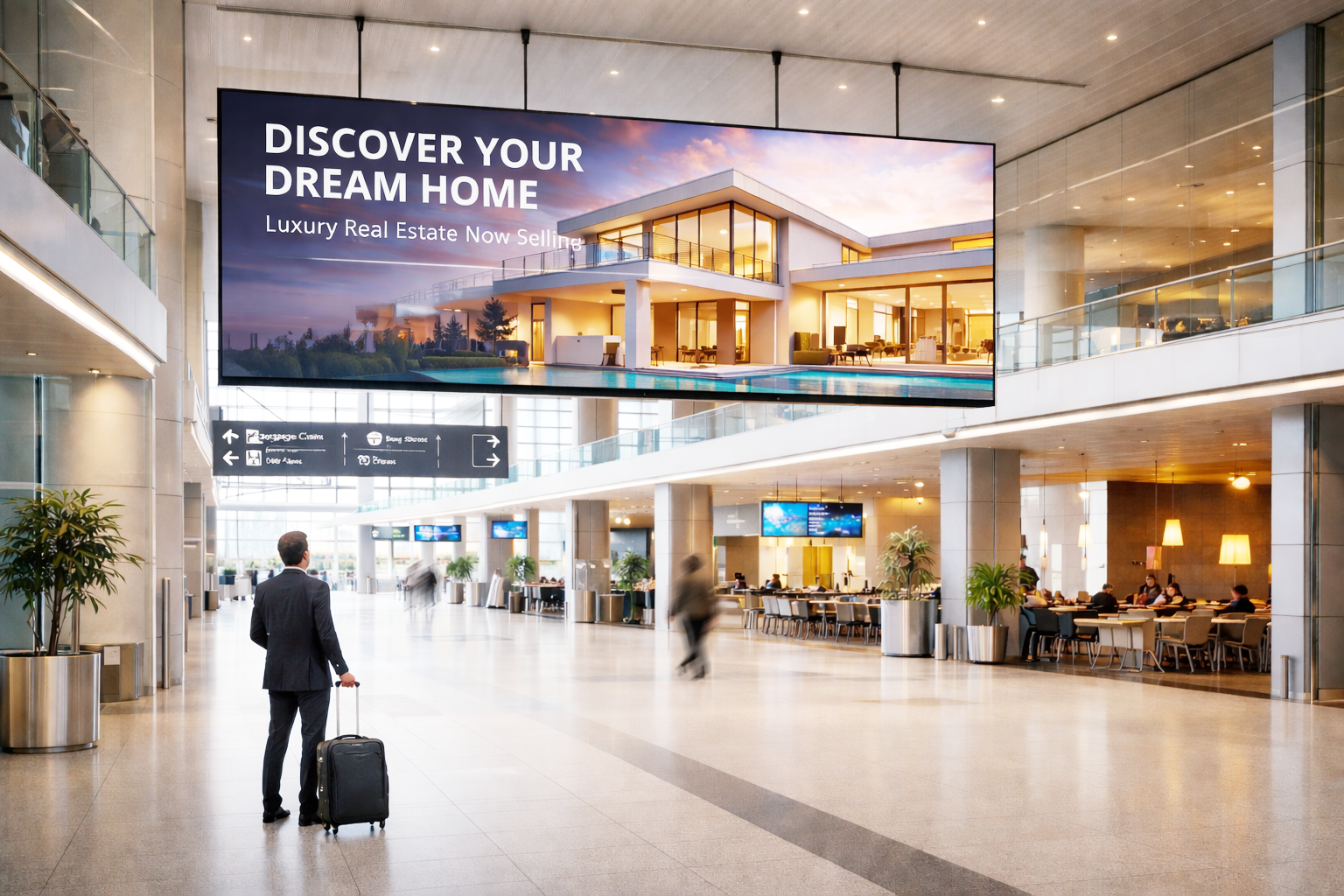
Airport Advertising is Complex to Get Right
We help you execute faster, with proven results and local insight most planners lack starting now.
Talk to an ExpertCatchment Area and Economic Drivers
Top 10 Cities within 150 km — Marketer Intelligence:
- Durban (eThekwini Metropolitan Municipality): Africa's busiest port city and KwaZulu-Natal's commercial heart, concentrating the full spectrum of the province's economic authority — shipping agents, commodity importers, retail chain distributors, financial services firms, and the headquarters of major South African companies with KwaZulu-Natal operations — in a metropolitan economy whose GDP makes it South Africa's third-largest urban economy and whose Indian business community anchors some of the most commercially sophisticated family trading enterprises in sub-Saharan Africa.
- Ballito and the Dolphin Coast (iLembe District): DUR's immediate northern catchment and KwaZulu-Natal's fastest-growing premium residential corridor, with a rapidly expanding upper-income suburban belt of gated estates, luxury developments, and premium retail anchors attracting Durban's professional class who seek coastal lifestyle alongside commercial proximity — a high-growth consumption audience with above-average household incomes, active real estate investment behaviour, and strong demand for premium automotive, financial services, and lifestyle brands.
- Pietermaritzburg (Msunduzi): KwaZulu-Natal's provincial capital and second city, home to the provincial government administration, several major South African university campuses, a significant Indian business community managing textile, retail, and construction enterprises, and a growing professional class whose proximity to Durban creates active commercial integration with the port city's trade and logistics economy — a commercially active catchment with consistent demand for real estate investment, education, and premium consumer goods.
- Stanger (KwaDukuza): The heartland of KwaZulu-Natal's sugar industry, home to the Tongaat Hulett sugar operations and a densely settled Indian South African community whose commercial wealth was originally built on sugarcane cultivation and trading and is now being diversified into property development, retail, and financial services — a landed and commercially established community with generational wealth and above-average receptiveness to premium investment and lifestyle products.
- Tongaat: A coastal industrial and residential town housing significant textile and chemical manufacturing operations alongside a large Indian South African community with deep trading family roots and active commercial networks spanning the Durban port economy and the broader KwaZulu-Natal commercial corridor — a commercially established audience with accumulated trading wealth and strong demand for banking, insurance, and premium consumer goods.
- Pinetown: Durban's primary western industrial suburb, housing South Africa's most significant concentration of manufacturing, chemical processing, and logistics companies outside Johannesburg's East Rand, whose executive and management population travels through DUR with institutional commercial authority and personal incomes at the upper end of KwaZulu-Natal's corporate salary range — a professionally dense catchment with consistent demand for premium business travel, financial services, and executive lifestyle products.
- Hillcrest and the KwaZulu-Natal Midlands: Durban's premium western suburban belt, housing the highest concentration of upper-income professional households in KwaZulu-Natal, characterised by large estate properties, top-tier private school infrastructure, and a residential lifestyle aspiration for premium goods, luxury vehicles, and international travel — a commercially sophisticated suburban audience whose spending behaviour reflects the accumulation of multiple decades of professional and business income.
- Richards Bay: KwaZulu-Natal's northern industrial port city, home to one of Africa's largest bulk export terminals handling coal, minerals, and agricultural commodities, alongside an aluminium smelter, titanium processing operations, and significant mining sector support infrastructure — a mining and industrial executive class with institutional incomes and active international travel frequency to European commodity markets, Gulf investors, and SADC regional partners.
- Empangeni and Zululand District: The commercial gateway to KwaZulu-Natal's northern agricultural and timber economy, producing a business owner class engaged in sugar, timber, and agri-processing enterprises alongside an increasingly active tourism sector serving Hluhluwe-iMfolozi Park — a catchment with accumulated agricultural wealth and growing investment in coastal property and formal financial products as the rural commercial class urbanises its capital.
- Newcastle: KwaZulu-Natal's northern industrial city and the anchor of the province's steel and textile manufacturing economy, home to ArcelorMittal South Africa's major production facility and a significant Indian South African business community managing textile, retail, and steel-related enterprises whose commercial relationships span Johannesburg's manufacturing sector and international steel and textile markets — a commercially active industrial audience with above-average institutional income and strong demand for trade finance, business banking, and professional services.
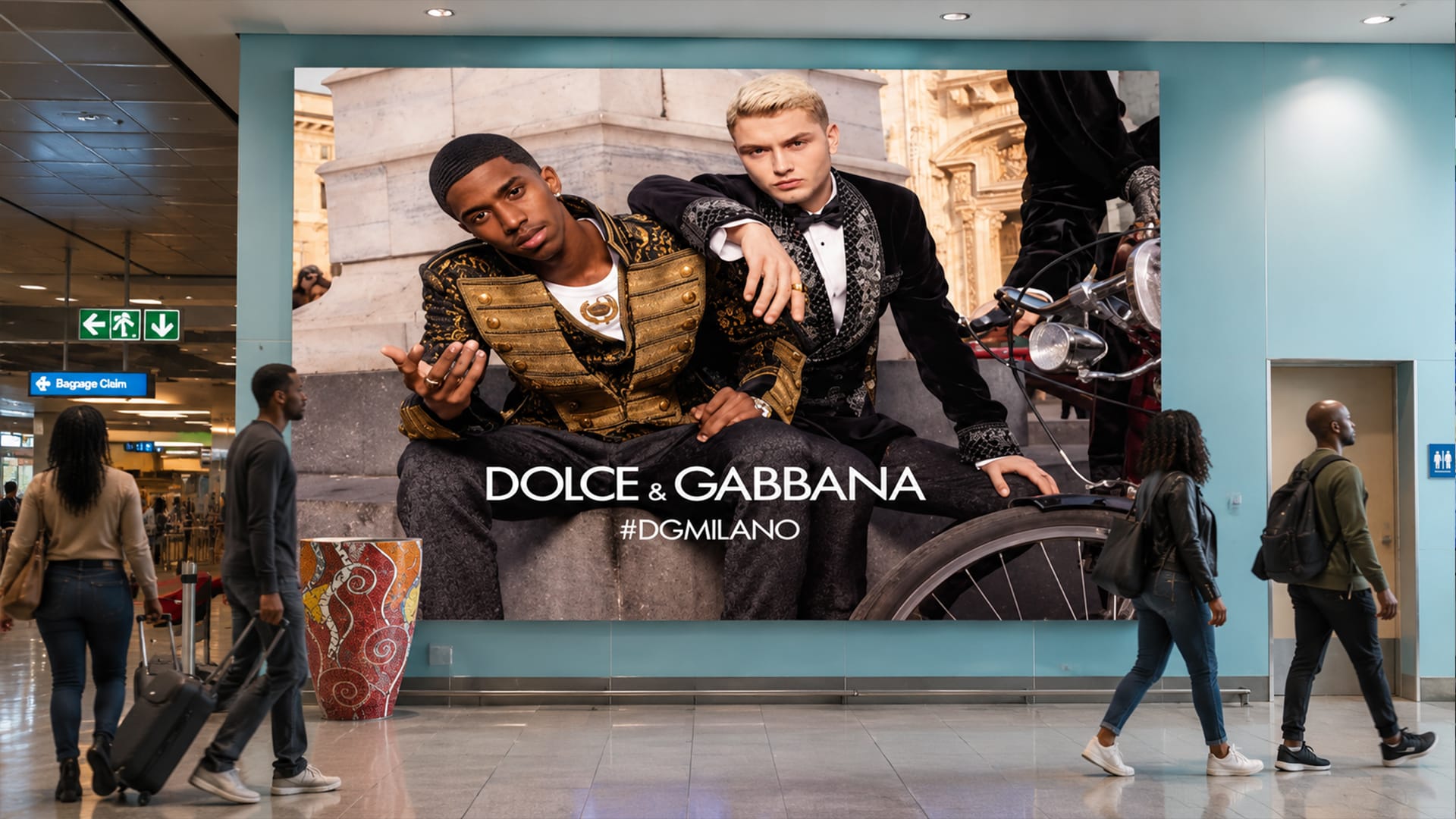
NRI and Diaspora Intelligence:
The South African Indian community in KwaZulu-Natal is one of sub-Saharan Africa's most economically significant and culturally cohesive diaspora formations, numbering approximately 1.3 million individuals and concentrated primarily in Durban's urban and suburban municipalities. This community has been present in South Africa for over 150 years, has built commercial enterprises spanning retail, property development, manufacturing, healthcare, and professional services across multiple generations, and maintains active cultural, commercial, and family ties to India — particularly to Tamil Nadu, Gujarat, and Andhra Pradesh — as well as to the UAE, United Kingdom, Canada, and Australia. The community travels through DUR as part of structured family and commercial management cycles, with India and Dubai as the two most active international destinations for both business and family visits. The broader Indian diaspora return flow through DUR is commercially significant in both directions: South African Indians visiting India manage property interests, family connections, and business partnerships with Indian counterparts, while Non-Resident Indians from the Gulf and the United Kingdom use DUR as a gateway for South Africa leisure and business visits, particularly to the KwaZulu-Natal nature reserves and cultural heritage sites. For international real estate developers, luxury brands, and financial services targeting the Indian community's internationally active commercial networks, the DUR audience is among the most commercially sophisticated and purchase-ready in sub-Saharan Africa.
Economic Importance:
KwaZulu-Natal's economy is structurally anchored by three pillars whose commercial outputs are globally significant rather than regionally contained. The Port of Durban — Africa's busiest container terminal — handles the import and export cargo of South Africa, Zimbabwe, Zambia, Botswana, Lesotho, Eswatini, and the broader SADC region, generating a class of shipping agents, freight forwarders, commodity merchants, and port infrastructure operators whose institutional incomes reflect the port's indispensable role in Africa's continental trade architecture. The manufacturing sector — concentrated in Pinetown, New Germany, and the South Durban Basin — produces chemicals, automotive components, food products, and consumer goods for the South African market and regional export, supporting a management and executive class with multinational corporate affiliations and international salary benchmarks. The tourism economy — built on KwaZulu-Natal's extraordinary biodiversity, Zulu cultural heritage, and Indian Ocean coastline — contributes significantly to provincial GDP and supports a hospitality and leisure sector whose stakeholders and visitors travel through DUR with premium spending profiles. For advertisers, these three economic pillars produce complementary commercial audiences that share a terminal dwell environment, enabling campaigns to reach shipping executives, manufacturing managers, and premium tourists within a single placement strategy.
Business and Industrial Ecosystem
- The Port of Durban's container terminal operators, shipping agencies, bulk export facilities, and freight forwarding companies generate a maritime and logistics professional class whose trade finance needs, international supplier relationships, and institutional purchasing authority make them a commercially significant B2B and premium consumer audience for banking, premium business travel, professional services, and luxury goods brands with South Africa and SADC operational presence
- KwaZulu-Natal's Indian business community's dominance of the provincial retail, property development, textile, and healthcare sectors produces an owner-operator commercial class whose multi-generational wealth accumulation and international trading relationships with India and the Gulf create strong demand for international real estate, private banking, wealth management, and luxury goods calibrated to a community with deep experience of cross-border investment and dual-currency wealth management
- The Richards Bay industrial complex — housing South Africa's largest coal export terminal, the Hillside and Bayside aluminium smelters, and titanium and zirconium processing operations — generates a mining and minerals executive class with commodity-linked incomes and active international travel to European commodity exchanges, Gulf investors, and Asian manufacturing partners whose purchasing behaviour and investment capacity reflect resource-sector remuneration benchmarks
- The South African sugar industry, anchored by operations across KwaZulu-Natal's coastal lowlands and employing a professional management class in agri-processing, logistics, and commodity trading roles, produces a commercially active catchment whose plantation owner and corporate agricultural executive segments have accumulated significant landed wealth and are increasingly deploying capital into urban real estate, financial instruments, and international education investments
Passenger Intent — Business Segment:
Business travelers at DUR are drawn predominantly from the port and maritime logistics sector, the Indian business community's retail and property enterprises, the manufacturing and chemical processing sector, the Richards Bay mining and minerals industry, the financial and legal services sector, and the regional tourism and hospitality industry. They travel to Johannesburg for South African head office connections and financial market engagements, to Dubai for Gulf commercial relationships and real estate investment, to Mumbai and Chennai for Indian family and commercial management, to London for professional services and investment banking engagements, and to Singapore and Hong Kong for Asian trade and commodity market connections. Advertiser categories that intercept them most effectively include international real estate, premium business travel, private banking and wealth management, luxury goods positioned around professional achievement, and B2B financial and logistics technology platforms with South Africa and SADC operational relevance.
Strategic Insight:
The business audience at DUR carries a commercially distinctive characteristic that separates it from Johannesburg and Cape Town's airport audiences: the South African Indian business community's commercial sophistication has been built through generations of owner-operator enterprise rather than institutional corporate employment, producing an investment decision-making profile characterised by commercial pragmatism, real asset preference, and international diversification discipline that is directly comparable to the Lebanese merchant communities of West Africa in its financial sophistication and cross-border investment maturity. For premium financial services, international real estate, and luxury brand advertisers who have historically concentrated South Africa campaigns at Johannesburg, the DUR audience represents a commercially underserved and commercially ready market whose purchasing power and investment intent are systematically underestimated by national campaign planners who treat South African airport advertising as a Johannesburg-first, other-airports-secondary exercise.
Tourism and Premium Travel Drivers
- The iSimangaliso Wetland Park, a UNESCO World Heritage Site and one of Africa's most biodiverse coastal ecosystems, anchors KwaZulu-Natal's northern wildlife tourism economy with St Lucia, Sodwana Bay, and the Elephant Coast drawing high-spending conservation-motivated international tourists whose per-capita trip expenditure reflects the premium lodge and marine experiences that this unique ecosystem supports
- The uKhahlamba-Drakensberg Park, a UNESCO World Heritage Site encompassing the highest mountain range in southern Africa, draws premium adventure tourism, hiking, and luxury mountain lodge guests through DUR whose trip profiles emphasise high-end eco-accommodation, cultural heritage experiences, and significant recreational equipment purchasing
- The KwaZulu-Natal Battlefields — encompassing the sites of Isandlwana, Rorke's Drift, and Spioenkop — draw a globally significant historical and military heritage tourism audience from the United Kingdom, Australia, and the United States whose visits are motivated by specific historical interest and whose spending profiles reflect the premium accommodation and guided tour costs of specialist heritage tourism
- The Valley of a Thousand Hills and the broader Zulu cultural heritage corridor offer international tourists direct engagement with one of Africa's most celebrated living cultural traditions, drawing heritage-motivated visitors from Europe, North America, and the Gulf whose trip profiles support premium cultural lodge accommodation and authentic craft and cultural product purchasing
Passenger Intent — Tourism Segment:
Inbound tourism travelers at DUR are concentrated in three commercially distinct segments whose purchasing profiles collectively produce one of South Africa's strongest per-capita airport retail and luxury goods environments outside Cape Town and Johannesburg. European and North American wildlife and cultural heritage tourists have pre-committed to multi-thousand-rand lodge and tour packages and depart from DUR in an emotionally elevated post-experience state with strong residual purchasing capacity for premium souvenirs, conservation memberships, and luxury goods. The South African domestic leisure segment — Johannesburg professionals arriving for KwaZulu-Natal beach and wildlife breaks — travels through DUR with discretionary spending intent shaped by upper-income South African consumer standards. Gulf visitors, particularly from the UAE and Saudi Arabia, increasingly choose KwaZulu-Natal's halal-friendly coastal resorts and nature experiences as an alternative to the more commercially saturated East African and Indian Ocean island tourism circuits, delivering a Gulf-origin premium tourism audience whose per-capita spending profile reflects UAE and Saudi Arabian income benchmarks.
Travel Patterns and Seasonality
Peak seasons:
- November to January: DUR's primary peak season driven by the South African school summer holiday break, concentrating domestic leisure travel, diaspora returns from the UK, UAE, and Australia, and inbound international tourism across a 10 to 12 week window that includes Christmas and New Year, South Africa's most commercially intense consumer spending period of the year
- June to July: The South African school winter holiday break drives a secondary domestic leisure and inbound tourism peak, coinciding with KwaZulu-Natal's dry winter season and optimal conditions for wildlife viewing in iSimangaliso, Hluhluwe-iMfolozi, and the broader northern KwaZulu-Natal conservation corridor
- March to April (Easter): The school Easter holiday break drives a compressed but commercially active domestic leisure peak for KwaZulu-Natal's beach and wildlife tourism economy, combined with Hindu festival travel for Durban's Indian community celebrating Holi and Ram Navami
- Diwali window (October to November): Durban's South African Indian community generates one of sub-Saharan Africa's largest and most commercially distinctive Diwali celebration periods, with elevated gifting, jewellery, apparel, and food purchasing peaks that create a commercially intense consumer spending window with strong brand receptiveness at DUR in the pre-Diwali weeks
Event-Driven Movement:
- Diwali (October to November): Durban's Diwali celebration is one of the largest outside India itself, generating a consumer spending peak across jewellery, clothing, electronics, and premium gifting that concentrates extraordinary retail purchasing intent within KwaZulu-Natal's Indian business community — brands advertising at DUR in the pre-Diwali window intercept an audience at maximum gifting and luxury purchase motivation with family consensus behind major spending decisions
- Indian Premier League and India-South Africa Cricket Series (Multiple dates): Cricket's cultural centrality to the South African Indian community and Durban's historic role as a Test match venue creates audience peaks around major cricket fixtures, with Indian and South African cricket fans from the UK, India, and the UAE traveling through DUR for international matches at Kingsmead Cricket Ground
- Comrades Marathon (June): One of the world's most celebrated ultramarathon events, drawing approximately 25,000 registered runners and tens of thousands of supporters through DUR from across South Africa, the UK, Europe, Australia, and East Africa — delivering a health, wellness, and sporting goods audience with above-average incomes and premium athletic lifestyle brand receptiveness
- Dusi Canoe Marathon (February) and Dusi Valley Tourism Season: South Africa's most celebrated canoe race draws a premium adventure sports audience and significant domestic tourism activity through the Pietermaritzburg corridor, supporting premium outdoor goods and adventure travel brand advertising in the pre-event and event week windows
- Christmas and New Year (December to January): DUR's single most commercially intense advertising window, combining South Africa's largest domestic holiday travel surge with diaspora family returns and the peak inbound international tourism window — the concentration of premium consumer spending intent across jewellery, electronics, fashion, and luxury goods during this period makes it the highest ROI advertising window of the year for brands targeting KwaZulu-Natal's HNWI audience
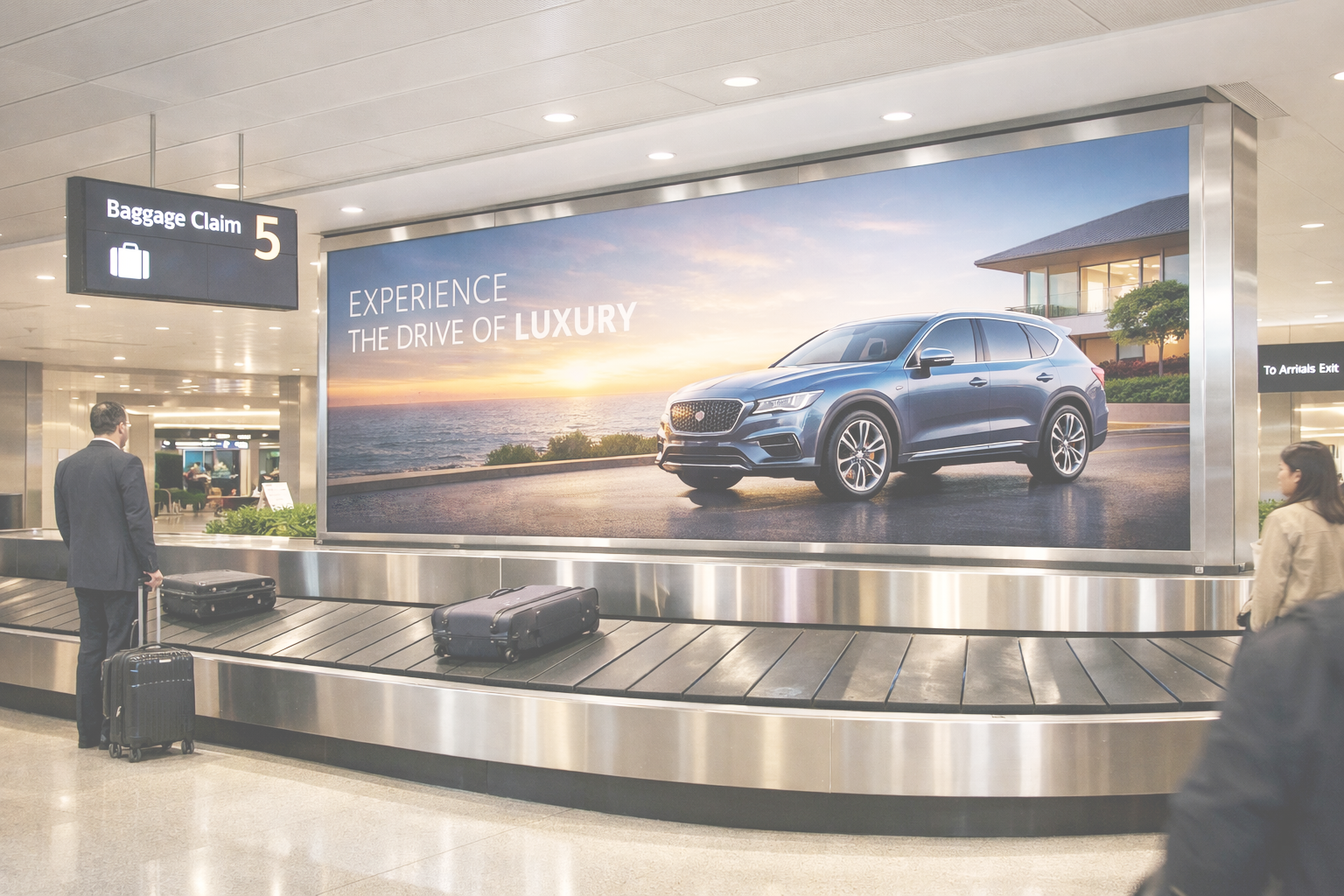
It’s Not Just Where You Advertise - It’s How Fast You Execute
We combine local insight with fast rollout to deliver results for you, now.
Talk to an ExpertAudience and Cultural Intelligence
Top 2 Languages:
- English: South Africa's primary business, government, and commercial language and the universal medium for all premium brand communication across DUR's entire commercially capable audience — essential for campaigns targeting the South African Indian professional class, the port and corporate logistics sector, the multinational corporate expatriate community, and the inbound international tourism audience, making it the non-negotiable primary language for any brand seeking broad commercial reach across KwaZulu-Natal's diverse premium audience
- isiZulu: South Africa's most widely spoken home language and the first language of the majority of KwaZulu-Natal's population, functioning as the cultural and community language of both the Zulu nation's commercial class and the broader non-Indian African professional population across the province — campaigns that incorporate isiZulu cultural signals build authenticity and community trust with the fastest-growing commercial demographic in KwaZulu-Natal's urbanising economy, particularly relevant for financial services, real estate, and consumer goods brands investing in the province's expanding Black middle class
Major Traveller Nationalities:
South African nationals dominate DUR's passenger base, subdivided into the South African Indian business and professional class, the Black African professional and emerging middle class, White South African business travelers and leisure tourists, and domestic connections from Johannesburg and Cape Town. International travelers include Indian nationals visiting KwaZulu-Natal for family and commercial engagements with the local Indian community, British tourists and South African British diaspora returnees, UAE-based South Africans and Gulf tourists visiting KwaZulu-Natal's wildlife and coastal destinations, Australian South African diaspora returnees, regional SADC business travelers using DUR as a gateway for KwaZulu-Natal commercial engagements, and East African and West African business leaders connecting to South Africa's commercial infrastructure through Durban's port and financial services ecosystem. The Indian national component of DUR's international passenger mix is commercially significant — direct and connecting services from Mumbai and Chennai carry Indian business visitors and Non-Resident Indians with Gulf or UK income benchmarks who are managing commercial interests within Durban's Indian community economy.
Religion — Advertiser Intelligence:
- Hinduism (approximately 60 to 65% of South African Indian community, representing approximately 15 to 20% of DUR's total catchment): The dominant faith of KwaZulu-Natal's Indian community and one of the largest Hindu populations in sub-Saharan Africa — Diwali creates DUR's most commercially distinctive religious festival window, generating extraordinary jewellery, gold, electronics, apparel, and premium gifting spending peaks that are without equivalent at any other South African airport; Navratri and Dussehra create secondary apparel and cultural product spending windows; Ram Navami and Ganesh Chaturthi generate community gathering and travel peaks across the KwaZulu-Natal catchment; the Hindu wedding season — concentrated in November, December, and the summer months — produces one of South Africa's highest per-event luxury catering, jewellery, fashion, and hospitality spending concentrations, making DUR's pre-wedding-season window commercially significant for jewellery, fashion, and premium hospitality advertisers
- Islam (approximately 25 to 30% of South African Indian community plus significant Zulu Muslim population, representing approximately 12 to 15% of DUR's total catchment): A commercially active Muslim community with significant concentrations in Grey Street, Overport, and Chatsworth whose business sophistication, Gulf commercial relationships, and Ramadan-structured consumer patterns create strong alignment with Islamic banking, halal premium goods, Eid gifting, and Gulf destination advertising — Eid ul Fitr and Eid ul Adha generate major gifting, apparel, and food purchasing peaks; Ramadan creates a 30-day sustained window of elevated Islamic banking and charitable giving engagement; the Hajj and Umrah season produces a pre-departure pilgrim audience with maximum religious motivation and receptiveness to premium prayer goods, Islamic finance products, and Saudi Arabian destination brands
- Christianity (approximately 40 to 45% of KwaZulu-Natal's total population, Zulu Christian majority): The dominant faith across KwaZulu-Natal's Black African population, with Zionist and mainstream Protestant denominations predominating — Christmas creates DUR's highest domestic passenger volume window; Easter drives a secondary domestic travel and consumer spending peak; the Zulu Christian community's commercial class is KwaZulu-Natal's fastest-growing consumer demographic, with above-average aspirational brand orientation and strong demand for real estate, automotive, and education products as urbanisation accelerates income accumulation within this community
Behavioral Insight:
The South African Indian audience at DUR makes major financial and purchasing decisions through a combination of extended family consultation, community peer network comparison, and a deeply pragmatic commercial intelligence shaped by generations of owner-operator business management across challenging and changing regulatory environments. This audience has developed sophisticated diversification instincts — the experience of managing commercial enterprises through apartheid, post-apartheid transformation, and South Africa's current policy environment has produced a community that consistently seeks to distribute assets across multiple geographies, currencies, and asset classes. Real estate, gold, and international asset positions are not speculative choices for this audience — they are the structural foundations of generational wealth preservation strategies whose sophistication rivals the commercial families of Mumbai, Dubai, and London. Brands that communicate in terms of asset preservation, family legacy, and international portfolio diversification rather than yield speculation or discount opportunity consistently outperform at DUR.
Outbound Wealth and Investment Intelligence
The outbound passenger at King Shaka International Airport represents one of sub-Saharan Africa's most commercially consequential wealth deployment profiles — an audience whose Indian Ocean trading heritage, multi-generational commercial sophistication, and active diversification discipline produce capital flows that span India, the UAE, the United Kingdom, and Australia simultaneously. The South African Indian community's investment behaviour at DUR is not aspirational but operational — these are established wealth holders actively managing international portfolios, not first-generation investors making initial cross-border steps. The rand's structural volatility and South Africa's policy uncertainty have created a permanent, structural motivation for international asset diversification among the HNWI class that makes DUR's outbound investor audience among the most consistently motivated in sub-Saharan Africa.
Outbound Real Estate Investment:
Dubai is the primary outbound real estate market for DUR's HNWI audience, driven by the UAE's dollar-linked stability, the tax-free investment environment, the strong rental yield of Dubai's residential market, and the deep cultural comfort of investing in a jurisdiction where an established South African Indian and Indian business community provides commercial familiarity and property management infrastructure. Properties in Dubai Marina, Business Bay, Palm Jumeirah, and the newer Dubai Hills and Meydan developments are actively marketed to and purchased by KwaZulu-Natal's Indian business families, whose investment in the UAE extends from residential apartments to commercial real estate and hospitality assets in some cases. India — specifically Mumbai, Chennai, Hyderabad, and ancestral Tamil Nadu and Gujarat regions — remains an active real estate investment and property management market for the South African Indian community, with family inheritance properties maintained alongside new investment acquisitions. The United Kingdom — Leicester, Birmingham, and London — attracts property investment from the community's British-connected diaspora families who manage UK property positions alongside South African primary residences. Australia — specifically Perth, Melbourne, and Sydney — is a growing destination for South African Indian families pursuing immigration-linked property investment as part of structured emigration planning. International real estate developers advertising at DUR are reaching an audience whose cross-border property investment is structurally motivated, generationally practised, and directionally multi-market.
Outbound Education Investment:
The United Kingdom remains the dominant higher education destination for DUR's HNWI and professional families, driven by the South African educational system's British heritage, the prestige signal of UK university credentials within KwaZulu-Natal's professional class, and the generational familiarity of the Indian South African community with British university cities including Leicester, Nottingham, Birmingham, and London. The United States is a growing destination for graduate and postgraduate education, particularly among the children of port sector executives and technology entrepreneurs whose career ambitions require US institutional credentials. Australia has become a significant education destination, particularly for families pursuing combined education and immigration strategies, with Perth and Melbourne receiving growing KwaZulu-Natal student volumes. Canada is an accelerating destination for students seeking post-study immigration pathways with English-language alignment and an established South African diaspora community in Toronto and Vancouver. India — specifically the IITs, IIMs, and top private universities — is an active destination for South African Indian students seeking to reconnect with ancestral academic heritage or pursue medical education at competitive cost. For international universities, foundation programs, and education consultancies, DUR's pre-departure environment delivers families in active selection and financing mode whose education investment decisions reflect the full financial capacity of KwaZulu-Natal's commercial elite.
Outbound Wealth Migration and Residency:
KwaZulu-Natal's HNWI and upper-professional class has demonstrated sustained and growing demand for international residency and second passport options, driven by South Africa's policy environment, the rand's structural weakness, concerns around property rights and land reform, and the desire to secure educational and career freedom for children in stable, high-income jurisdictions. The UAE's long-term residency visa programmes are the most actively pursued, given the South African Indian community's existing Gulf commercial relationships and the UAE's frictionless property and business ownership environment. Australia's investor and skilled migration pathways are among the most heavily subscribed by KwaZulu-Natal's HNWI class, reflecting a structural emigration interest that has been building for over two decades. Canada's various immigration pathways attract a significant share of the technology and professional class seeking permanent English-language residence. Portugal's Golden Visa through investment funds remains an active European residency option for families seeking EU freedom of movement. Mauritius's premium residency programme — accessible through property investment — is the most geographically proximate and culturally comfortable second-residency option for Durban's HNWI families, with direct flight connectivity and an established South African expat community providing immediate commercial familiarity. Firms offering residency advisory, wealth migration planning, and international citizenship services will find DUR's international departure environment a concentrated and commercially motivated access point for KwaZulu-Natal's most internationally active HNWI prospects.
Strategic Implication for Advertisers:
International brands on both sides of KwaZulu-Natal's wealth corridor — those entering South Africa's third-largest urban market and those offering real estate, education, and residency products to its outbound capital class — should treat DUR as a simultaneous dual-directional channel. The terminal handles inbound premium brands seeking KwaZulu-Natal market entry and outbound South African Indian capital seeking Dubai, UK, Australian, and Indian investment opportunities within the same dwell window. Masscom Global activates campaigns targeting both flows with precision, delivering the South African Indian cultural intelligence, KwaZulu-Natal market expertise, and international brand execution capability that this commercially sophisticated Indian Ocean gateway demands.
Airport Infrastructure and Premium Indicators
Terminals:
- King Shaka International Airport was purpose-built and opened in 2010 ahead of the FIFA World Cup, replacing the former Louis Botha Airport and establishing KwaZulu-Natal's aviation gateway as a modern, purpose-designed international terminal with capacity for approximately 7.5 million passengers annually — the terminal's contemporary architecture, well-configured retail concourse, and defined dwell corridors provide a premium brand placement environment significantly superior to the facilities it replaced
- The terminal's single integrated structure serves both domestic and international passengers through connected but operationally distinct processing wings, enabling advertising campaigns to intercept DUR's complete commercial audience — from Johannesburg business shuttle passengers to international departure travelers on the Dubai, Mumbai, and London corridors — within a concentrated and commercially manageable single-building environment
Premium Indicators:
- Business class lounge infrastructure at DUR concentrates the airport's highest-income travelers in a controlled premium dwell environment, with the South African Airways Domestic Lounge, British Airways First and Business Lounge, and additional carrier lounge arrangements delivering extended commercial receptivity for lounge-adjacent advertising placements targeting KwaZulu-Natal's HNWI and corporate class
- The airport's La Mercy location, positioned between Durban's metropolitan core and the rapidly developing Ballito and Dolphin Coast premium residential corridor, places DUR within a premium catchment whose northern suburbs are home to KwaZulu-Natal's fastest-growing concentration of upper-income professional households and the province's most active luxury real estate development pipeline
- The Gateway Theatre of Shopping — Africa's largest shopping mall by gross lettable area — is located approximately 15 minutes from the terminal, positioned within the same northern Durban premium consumer corridor that DUR serves, reinforcing the airport's brand association with KwaZulu-Natal's most commercially active premium retail environment
- DUR's World Cup 2010 heritage gives the airport a global events legacy and international brand association that positions it above its passenger volume within South Africa's airport hierarchy, reflecting the city's demonstrated capacity to host major international commercial and sporting events that attract globally mobile, high-spending audiences
Forward-Looking Signal:
The development of the Dube TradePort Special Economic Zone adjacent to King Shaka International Airport represents one of South Africa's most significant integrated logistics, manufacturing, and commercial real estate development projects, combining air cargo, warehousing, light manufacturing, and premium office space within a single precinct designed to attract international investment in KwaZulu-Natal's logistics economy. The ongoing development of Dube City — the mixed-use urban development anchored within the Dube TradePort SEZ — will create a new commercial precinct directly accessible from DUR's terminal, expanding the airport's commercial ecosystem and bringing new business traveler traffic to the terminal as international companies establish KwaZulu-Natal operational bases within the SEZ. New international route development, including expanded UAE connections and potential direct India routes, will diversify DUR's international audience and intensify commercial competition for premium inventory positions. Masscom Global advises brands planning KwaZulu-Natal campaigns to establish DUR advertising positions now, ahead of Dube City's commercial activation and the route expansion that will increase both audience diversity and inventory demand.
Airline and Route Intelligence
Top Airlines:
FlySafair, Airlink, South African Airways, British Airways (operated by Comair), Cemair, Qatar Airways, Emirates, Ethiopian Airlines, Kenya Airways, RwandAir, Air Mauritius, Fastjet, Air Zimbabwe
Key International Routes:
- Dubai (Emirates) — several times weekly, the primary Gulf corridor for KwaZulu-Natal's Indian business community investment and diaspora travel
- Doha (Qatar Airways) — several times weekly, Gulf transit connectivity and direct commercial corridor
- London Heathrow (British Airways) — several times weekly, the primary UK corridor for the South African Indian and White South African diaspora travel flow
- Addis Ababa (Ethiopian Airlines) — several times weekly, primary pan-African transit hub for East, West, and Central African connections
- Nairobi (Kenya Airways) — several times weekly, East African business and tourism connectivity corridor
- Kigali (RwandAir) — several times weekly, growing SADC and East African business integration route
- Mauritius (Air Mauritius) — several times weekly, the most culturally proximate leisure and second-residency destination for KwaZulu-Natal's Indian and broader HNWI audience
- Harare (Fastjet, Airlink) — several times weekly, Zimbabwe business and diaspora connectivity
- Lusaka (Airlink) — several times weekly, Zambia business corridor reflecting the Durban port's role as Zambia's primary ocean trade gateway
Domestic Connectivity:
Johannesburg (OR Tambo and Lanseria), Cape Town, East London, Port Elizabeth, George, Kimberley, Bloemfontein — with Johannesburg commanding dominant domestic frequency as the primary business and connections gateway for KwaZulu-Natal's commercial class
Wealth Corridor Signal:
The DUR route network maps KwaZulu-Natal's capital flows with commercial precision. The Dubai route is not primarily a leisure corridor — it is the arterial channel through which the South African Indian community manages UAE real estate investment, Gulf commercial relationships, and the dual-currency wealth positioning that rand volatility makes structurally necessary for every commercially active HNWI household in Durban. The London route encodes the generational diaspora management cycle of the South African Indian and White South African communities whose family wealth includes UK property assets, British educational investments, and pound-denominated savings accumulated over decades. The Mauritius route is South Africa's most commercially interesting leisure corridor — it carries not tourists but wealth-migration prospectors, second-home investors, and residency planners whose Mauritius visit is structured around property acquisition, tax planning, and permanent residence application alongside beach leisure. The Addis Ababa and Nairobi routes move pan-African institutional and business class connectivity through DUR as KwaZulu-Natal's commercial elite manages SADC and East African relationships. For advertisers, every major DUR route is simultaneously a wealth transfer signal and a targeting intelligence asset.
Media Environment at the Airport
- DUR's purpose-built single-terminal structure creates a well-configured advertising environment where the complete domestic and international audience moves through a sequential dwell corridor — check-in, security, retail concourse, boarding gate approaches — enabling campaigns to achieve near-complete commercial audience penetration with a focused placement strategy that maximises impression efficiency within a modern, well-maintained terminal environment
- Dwell times at DUR are extended by the airport's domestic-international shared terminal configuration and the cultural travel behaviour of the South African Indian community, which tends to arrive significantly in advance of departure for family farewells and commercial meal engagements, regularly producing 90 to 150 minutes of active commercial dwell in the terminal — one of South Africa's highest average dwell time profiles relative to passenger volume
- The terminal's Diwali and festival season environment transforms the commercial atmosphere in October to November into one of South Africa's most commercially activated airport periods, with the community's gifting, jewellery, and premium goods purchasing intent peaking in the weeks immediately preceding Diwali and creating an advertising window whose commercial intensity exceeds the passenger volume metrics significantly
- Masscom Global provides comprehensive DUR inventory access, campaign strategy, South African Indian community cultural execution guidance, campaign implementation management, and performance intelligence, giving international brands the full-service capability to plan and activate in KwaZulu-Natal's aviation market with the cultural precision, execution speed, and commercial intelligence that this uniquely layered Indian Ocean gateway requires
Strategic Advertising Fit
Best Fit:
- International real estate developers (UAE, UK, Australia, Mauritius, India): KwaZulu-Natal's South African Indian HNWI community is among sub-Saharan Africa's most active and structurally motivated cross-border property investor audiences, with established buying behaviour in Dubai and the UK and growing interest in Australian and Mauritian markets — DUR intercepts this audience at maximum investment intent in the pre-departure dwell window
- Jewellery, gold, and luxury goods (Indian heritage premium segment): The South African Indian community's Diwali, wedding season, and festive cycle generates one of sub-Saharan Africa's most concentrated luxury jewellery and gold purchasing windows — no other South African airport creates a comparable jewellery advertising environment during the October to January festive and wedding season
- International education (UK, USA, Australia, Canada, India): DUR's HNWI and professional catchment generates a consistent and growing outbound student flow to Western and Indian universities, and the families committing to these investments pass through this terminal in active decision and financing mode — the airport intercepts both students and fee-paying parents simultaneously at maximum decision readiness
- Islamic banking and Shariah-compliant financial products: The South African Indian Muslim community's Gulf commercial relationships, growing demand for halal financial alternatives, and Ramadan and Eid-structured consumer patterns create one of South Africa's most commercially viable Islamic banking advertising audiences at a single airport
- Premium automotive (luxury sedans, premium SUVs): KwaZulu-Natal's Indian business owner class and the port and manufacturing sector executive community represent South Africa's most commercially active non-Johannesburg premium automotive purchasing audience — DUR provides access ahead of key purchasing decision windows and during the high-aspiration festive season
- Financial services and wealth management (rand hedge, international portfolio management): The structural demand for international asset diversification among KwaZulu-Natal's HNWI class creates one of South Africa's most commercially ready wealth management audiences — brands offering rand-hedge investment products, offshore portfolio platforms, and international financial planning services find DUR's departure hall a concentrated and commercially motivated access point
- Mauritius, UAE, and Indian Ocean destination and residency marketing: The combination of Mauritius's proximity, cultural alignment, and accessible residency programme with the UAE's investment appeal and India's ancestral significance makes DUR one of southern Africa's most receptive markets for destination and residency advertising across all three corridors simultaneously
- Premium health, wellness, and medical tourism (India, Thailand, UAE): KwaZulu-Natal's medical tourism outbound flow — driven by cost-effective private healthcare in India and Thailand and trusted clinical reputation — makes health-focused advertising relevant for Indian and Gulf-based hospital groups and medical tourism facilitators targeting South Africa's Indian community
Brand Alignment at a Glance:
| Category | Fit |
|---|---|
| International real estate | Exceptional |
| Jewellery, gold and luxury goods | Exceptional |
| Islamic banking and financial products | Strong |
| International education | Strong |
| Financial services and wealth management | Strong |
| Premium automotive | Strong |
| Mauritius, UAE and Indian destination marketing | Strong |
| Premium health and medical tourism | Strong |
| Mass-market budget brands | Poor fit |
Who Should Not Advertise Here:
- Mass-market FMCG brands (low unit value, no premium positioning): The cost of premium airport inventory at DUR cannot be justified by categories with sub-unit economics and no connection to the travel, investment, or high-net-worth context of the terminal's dominant commercial audience segments
- Budget travel and discount accommodation brands: DUR's HNWI and Indian business community audience is aspirationally and status-consciously oriented — budget positioning conflicts with the self-image of a community whose commercial achievement is expressed through premium consumption and actively undermines brand equity in the terminal environment
- Brands with no cultural sensitivity to the South African Indian register: Campaigns that deploy generic South Africa creative without acknowledging the specific cultural identity, festival calendar, and commercial values of the South African Indian community will achieve significantly reduced engagement among the audience that constitutes DUR's commercially dominant segment
Event and Seasonality Analysis
Event Strength: High Seasonality Strength: High Traffic Pattern: Summer-Dominant with Diwali-Wedding Season Premium Window
Strategic Implication:
Advertisers at DUR should structure annual media investment around three strategically distinct windows rather than a simple seasonal calendar. The November to January summer peak delivers DUR's highest passenger volume and the convergence of Diwali-to-Christmas consumer spending intensity, diaspora returns, and peak inbound tourism. The June to July winter school holiday window delivers the year's second-highest domestic leisure concentration alongside peak KwaZulu-Natal wildlife tourism. The October to November pre-Diwali window is DUR's most commercially distinctive advertising period — a culturally specific, community-concentrated consumer spending surge whose jewellery, luxury goods, and gifting purchasing intensity makes it the highest value-per-impression window for premium consumer brands in any South African airport outside the Christmas peak. Masscom Global builds DUR campaigns specifically calibrated to this three-window annual rhythm, ensuring brands are present during the culturally specific moments when KwaZulu-Natal's Indian business community is at maximum commercial motivation alongside the summer and winter peak passenger concentrations.
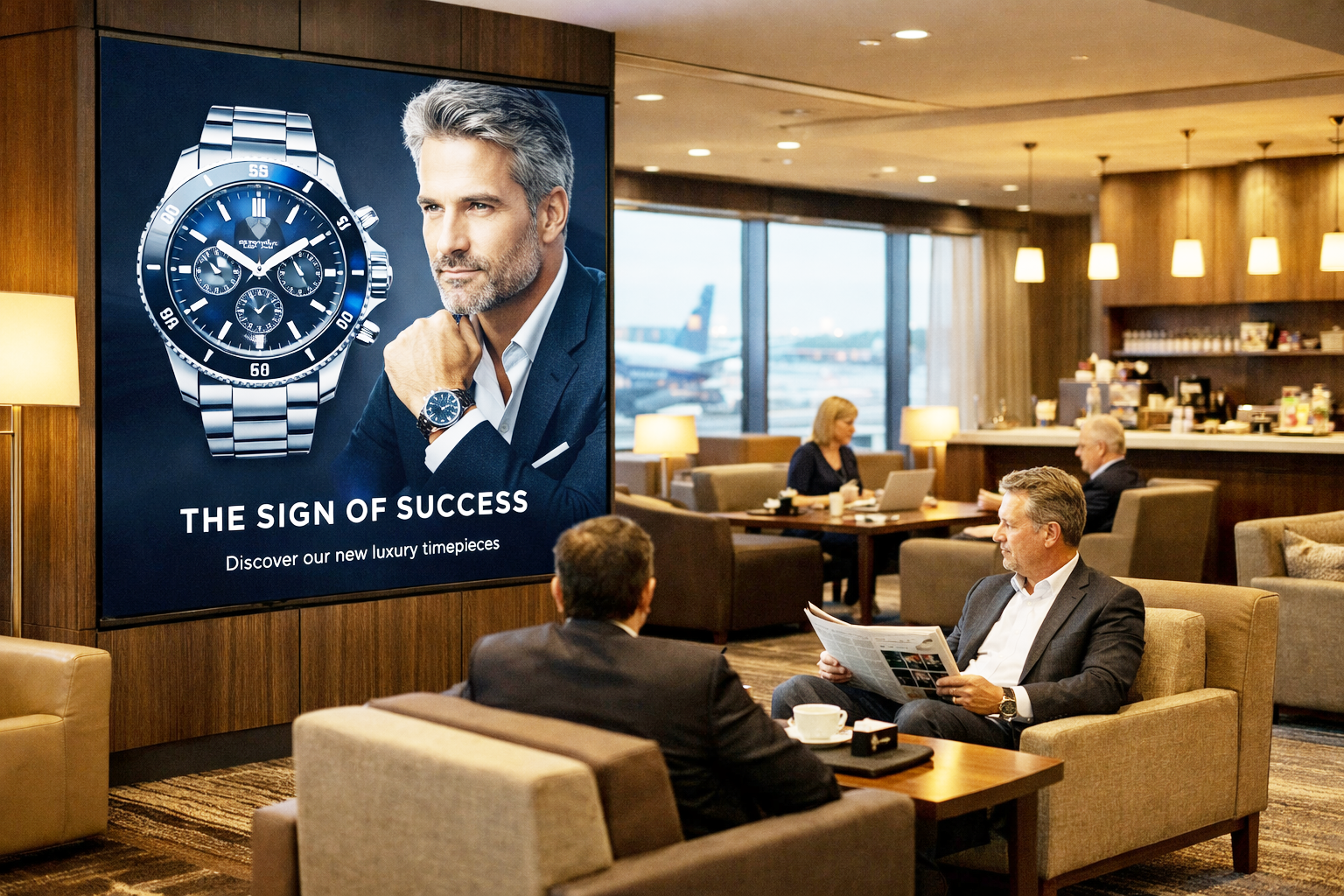
Poor Placement and Delays Affect Airport Campaigns
We help you move faster, access better inventory, and get it right now.
Talk to an ExpertFinal Strategic Verdict
King Shaka International Airport is sub-Saharan Africa's most commercially underestimated Tier 1 airport — a gateway whose modest passenger volume relative to Johannesburg and Cape Town conceals an audience quality, cultural commercial sophistication, and outbound investment motivation that makes it one of the most compelling premium advertising environments on the African continent. The terminal concentrates the entirety of KwaZulu-Natal's South African Indian commercial elite — one of Africa's most economically sophisticated, internationally connected, and culturally cohesive merchant communities — alongside the port and manufacturing executive class of Africa's busiest container port, an inbound wildlife and heritage tourism audience whose per-capita spending rivals that of Johannesburg's business class, and a diaspora return corridor whose Gulf, UK, and Australian income streams arrive in concentrated waves during South Africa's most commercially intense consumer periods. The Diwali-to-Christmas window at DUR creates an advertising environment with no equivalent at any other South African airport — a community-concentrated, festival-structured, family-consensus-driven luxury purchasing period whose jewellery, real estate, and premium goods commercial intensity reflects the accumulated wealth of 150 years of commercial enterprise on the shores of the Indian Ocean. For brands in international real estate, luxury goods, financial services, Islamic banking, international education, and Indian Ocean destination marketing, DUR is not a secondary South Africa buy — it is the primary access point to the country's most commercially distinctive, internationally active, and premium-conditioned provincial audience. Masscom Global brings the South African Indian cultural intelligence, KwaZulu-Natal market expertise, and international execution capability that advertisers need to activate at DUR with the precision, speed, and commercial credibility that Africa's Indian Ocean gateway demands.
About Masscom Global
Masscom Global is a premium international airport advertising and media buying agency operating across 140 countries. With deep expertise in airport OOH, premium publications, and high-net-worth audience targeting, Masscom helps brands reach the world's most valuable travellers at the moments that matter most. For advertising packages, media rates, and campaign planning at King Shaka International Airport and airports across the globe, contact Masscom Global today.
Frequently Asked Questions
How much does airport advertising cost at King Shaka International Airport? Advertising costs at DUR vary based on format (digital screens, static lightboxes, branded zones, premium corridor placements), position within the terminal, campaign duration, and seasonal demand. The November to January summer peak and the October to November pre-Diwali window attract the highest inventory demand and rate premiums, reflecting the extraordinary concentration of premium consumer spending intent that the South African Indian community's festival and gifting cycle creates alongside the year's largest domestic passenger volumes. Masscom Global provides current rate cards, culturally calibrated placement strategy, and campaign package options tailored to your objectives and budget. Contact Masscom for a detailed, market-specific proposal.
Who are the passengers at King Shaka International Airport? DUR serves a commercially rich and culturally layered passenger base combining the South African Indian business and professional community, port and maritime logistics executives, KwaZulu-Natal manufacturing sector management, domestic leisure travelers from Johannesburg and Cape Town, British and South African British diaspora returnees, UAE-based South African professionals, inbound wildlife and cultural heritage tourists from Europe and North America, Gulf leisure visitors, and regional SADC business travelers. It is sub-Saharan Africa's most concentrated South African Indian commercial elite airport audience and one of the continent's most commercially sophisticated non-capital airport environments.
Is King Shaka International Airport good for luxury brand advertising? Yes, with specific justification for the KwaZulu-Natal Indian community context. The South African Indian business community has a deeply established luxury goods consumption culture expressed most intensely during the Diwali and wedding seasons, when jewellery, gold, designer fashion, and premium gifting purchases reach extraordinary concentrations within a single community and a single geographic catchment. Beyond the festival context, the community's generational commercial wealth, Gulf retail conditioning from frequent Dubai visits, and British brand familiarity from UK diaspora connections produce a luxury-conditioned consumer profile that compares favourably with premium airport audiences in Mumbai and Dubai in terms of brand engagement and purchasing convertibility.
What is the best airport in South Africa to reach HNWI audiences? OR Tambo International Airport in Johannesburg delivers the highest passenger volume and access to South Africa's largest metropolitan economy and most diverse corporate HNWI audience. Cape Town International Airport delivers South Africa's most internationally branded tourism economy and the Western Cape's wine, technology, and property investment elite. King Shaka International Airport delivers a qualitatively distinct HNWI profile — South African Indian merchant capital, port economy institutional wealth, and KwaZulu-Natal's commercially cohesive Indian community commercial network — that neither Johannesburg nor Cape Town can replicate. For brands specifically targeting the South African Indian community's purchasing calendar, outbound investment behaviour, and festival-driven consumption peaks, DUR is South Africa's primary access point. Masscom Global advises on multi-airport South Africa strategies combining DUR, JNB, and CPT for maximum national reach.
What is the best time to advertise at King Shaka International Airport? The highest-value advertising windows at DUR are the October to November pre-Diwali window — which delivers the year's most culturally concentrated luxury goods, jewellery, and gifting purchasing intent — the November to January summer peak, which combines Diwali-to-Christmas consumer spending with the year's highest domestic passenger volume and peak diaspora returns, and the June to July winter school holiday window, which delivers the year's second-highest domestic leisure concentration alongside peak wildlife tourism. Masscom structures DUR campaigns to capture the full value of all three windows, ensuring brands are present during the culturally specific commercial intensity moments as well as the volume-driven seasonal peaks.
Can international real estate developers advertise at King Shaka International Airport? DUR is one of South Africa's most commercially productive airports for international real estate advertising. The South African Indian community's structural motivation for rand-hedge international property investment — driven by the currency's long-term weakness and South Africa's policy environment — creates a permanent, high-intent buyer audience whose Dubai, UK, Australian, and Mauritius property investment cycles are ongoing and funded. The community's established buying behaviour in these markets means real estate developers are reaching an audience that already understands cross-border property investment and is evaluating specific markets and products rather than being introduced to the concept. Masscom Global has deep experience placing international real estate campaigns across South Africa's airport network with culturally calibrated creative and placement precision.
Which brands should not advertise at King Shaka International Airport? Mass-market FMCG brands with low unit values and no premium positioning will not achieve sufficient commercial return on DUR's premium airport inventory relative to the audience's sophisticated consumption standards. Budget travel and discount accommodation brands are misaligned with a community whose commercial self-image is expressed through premium consumption and whose festival and gifting culture actively reinforces luxury brand engagement rather than discount seeking. Brands with no cultural awareness of the South African Indian community's specific festival calendar, religious traditions, and commercial values will produce significantly below-average engagement and recall relative to culturally calibrated campaigns using the same placement positions.
How does Masscom Global help brands advertise at King Shaka International Airport? Masscom Global delivers end-to-end airport advertising capability at DUR — spanning audience intelligence, South African Indian community-calibrated campaign strategy, inventory access and placement negotiation, culturally specific creative execution guidance for Hindu festival, Islamic calendar, and general premium audience windows, implementation oversight, and post-campaign performance reporting. With operations across 140 countries and specific KwaZulu-Natal and South African Indian market expertise, Masscom provides the cultural knowledge, community insight, and execution speed that international advertisers need to navigate Durban's commercially sophisticated airport environment effectively. For brands entering KwaZulu-Natal for the first time or expanding existing South Africa campaigns beyond Johannesburg, Masscom eliminates complexity, reduces rollout time, and ensures placement precision that maximises commercial return at one of Africa's most commercially distinctive Indian Ocean gateways. Contact Masscom Global today.