

Airport at a Glance
| Field | Detail |
|---|---|
| Airport | Dali Airport |
| IATA Code | DLU |
| Country | China |
| City | Dali, Yunnan Province |
| Annual Passengers | 3.2 million |
| Primary Audience | Affluent lifestyle migrants, expat HNWI, premium domestic cultural tourists |
| Peak Advertising Season | March to May, July to October |
| Audience Tier | Tier 2 |
| Best Fit Categories | Wellness and boutique luxury, premium real estate, international education, organic lifestyle brands, sustainable travel and hospitality |
Dali Airport is commercially unlike any other regional airport in China. The audience flowing through DLU is not defined by the city's population alone — it is defined by a deliberate migration of China's most educated, asset-rich, and brand-conscious professionals who have chosen Dali as their base for a better quality of life. These are former startup founders, senior corporate executives, artists, designers, and knowledge workers from Beijing, Shanghai, Guangzhou, and Shenzhen who left high-income careers to pursue something more intentional. They bring their capital with them. Advertisers looking to reach China's emerging wealth-and-wellness class — independently minded, quality-obsessed, and unreachable through mass urban media — will find DLU a precision environment of exceptional commercial value.
Dali's transformation from a Yunnan heritage city into one of China's most sought-after lifestyle destinations has created a structurally unique advertising opportunity. The city now hosts one of China's largest domestic expat communities, supplemented by a significant international expat population of artists, spiritual practitioners, wellness professionals, and remote-working professionals from Europe, North America, and Southeast Asia. These two groups — affluent domestic lifestyle migrants and international HNWI expats — converge at DLU and share a common purchasing orientation: they buy with intention, favour authenticity over mass-market branding, and respond to premium quality narratives that mass urban airports are increasingly unable to deliver. Masscom Global's access to DLU gives brands a direct channel into this commercially rare and underserved audience.
Advertising Value Snapshot
- Passenger scale: 3.2 million annual passengers, concentrated in a single terminal with above-average dwell and a distinctive premium audience composition
- Traveller type: Affluent domestic lifestyle migrants, international HNWI expats, premium cultural and wellness tourists, and high-frequency business travelers connecting to Kunming and beyond
- Airport classification: Tier 2 — a nationally significant lifestyle and cultural tourism gateway whose audience quality dramatically exceeds its passenger volume ranking
- Commercial positioning: China's definitive lifestyle migration destination — Dali's global reputation as an intentional living capital elevates the brand association environment for premium advertisers
- Wealth corridor signal: DLU sits at the intersection of Yunnan Province's rapidly expanding premium tourism economy and China's growing domestic wealth migration movement, with strong connectivity to Southeast Asia's luxury lifestyle corridor
- Advertising opportunity: Masscom Global provides brands with full access to DLU's advertising environment, structured around the airport's distinct seasonal peaks and its uniquely high-quality audience composition. The combination of low media clutter, concentrated premium audience, and high dwell times makes DLU one of China's highest-impact advertising environments per thousand impressions.
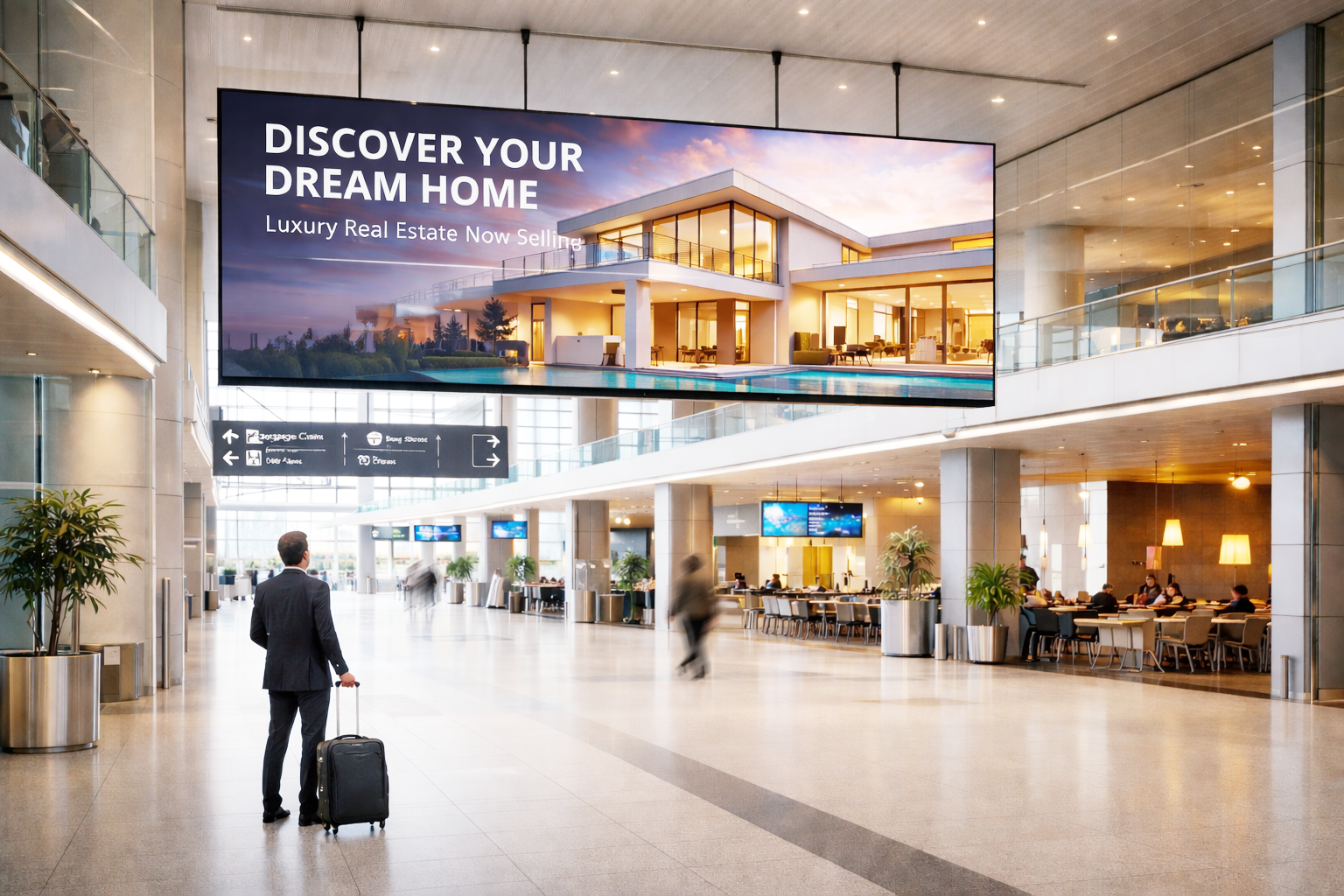
Airport Advertising is Complex to Get Right
We help you execute faster, with proven results and local insight most planners lack starting now.
Talk to an ExpertCatchment Area and Economic Drivers
Top 10 Cities within 150 km — Marketer Intelligence
- Dali City (Xiaguan and Old Town): The commercial and cultural heart of the catchment — home to a permanently resident affluent lifestyle migrant class whose purchasing behaviour mirrors Tier 1 city consumers while being physically concentrated in a boutique environment with significantly lower media noise
- Lijiang: Approximately 120 km north of Dali, one of China's most visited UNESCO heritage cities and a major premium tourism hub; Lijiang travelers are high-commitment cultural spenders who complement the Dali catchment's premium leisure profile and frequently transit through DLU
- Weishan: A remarkably well-preserved ancient county town approximately 60 km south, known for its Confucian architecture and Nanzhao Kingdom heritage; travelers from this corridor are culturally motivated, heritage-focused, and strongly aligned with boutique hospitality and artisan brand messaging
- Eryuan County: Approximately 40 km north along the Erhai Lake corridor, a growing destination for premium second-home buyers and eco-resort developers; the audience here includes high-net-worth property investors and hospitality entrepreneurs actively deploying capital into the Yunnan luxury real estate market
- Yangbi Yi Autonomous County: Approximately 40 km west, a gateway to Yunnan's walnut and specialty food production economy; the business-owner and agri-entrepreneur class here uses DLU for connectivity to Kunming and national markets
- Midu County: Approximately 80 km southeast, an agricultural and wine-producing county whose growing boutique viticulture industry is attracting food-and-beverage investors and premium lifestyle tourists — a niche but commercially active professional audience
- Nanjian Yi Autonomous County: Approximately 100 km south, a scenic mountain county connecting the Dali tourism corridor to southern Yunnan; travelers from this zone are destination-committed and use DLU as the primary aviation gateway for the entire south-Dali region
- Binchuan County: Approximately 70 km northeast, home to Jizushan (Chicken Foot Mountain), one of China's four sacred Buddhist mountains; this corridor produces a consistent stream of high-engagement Buddhist pilgrimage travelers whose spending on wellness, retreat, and spiritual tourism products is well above average
- Xiangyun County: Approximately 90 km east, a transportation hub connecting Dali to the Yunnan-Guizhou plateau economy; local business travelers and logistics professionals use DLU as their primary aviation gateway, creating a small but commercially active B2B audience
- Chuxiong: Approximately 140 km east, capital of the Chuxiong Yi Autonomous Prefecture and a regional administrative and industrial center; government officials, teachers, and mid-tier business professionals from this catchment use DLU as their regional aviation access point, creating an audience with above-average income relative to rural Yunnan norms
NRI and Diaspora Intelligence
Dali's most commercially significant diaspora dynamic is inverted compared to most regional Chinese airports — rather than generating outbound diaspora flow, DLU serves one of China's most visible concentrations of inbound domestic and international lifestyle migrants. The city has attracted an estimated tens of thousands of urban Chinese professionals who have relocated from Beijing, Shanghai, and Shenzhen, bringing with them significant accumulated capital, high income-earning capacity through remote work, and consumption habits formed in China's most premium markets. Alongside this domestic migration, Dali hosts a meaningful international expat community drawn from Western Europe, North America, Japan, South Korea, and Southeast Asia — individuals in creative, digital, and wellness professions with above-average incomes and a strong orientation toward premium, ethical, and authentic brand consumption. For advertisers, this inbound wealth concentration creates an audience at DLU whose purchasing power is structurally disconnected from the local economic base — and far higher than regional per-capita income figures suggest.
Economic Importance
Dali's economy is driven by four commercially distinct engines, each producing a different but valuable audience segment for advertisers. Tourism — domestic and international — generates the dominant traffic volume and creates the high-volume, experience-committed consumer audience. The lifestyle migration economy generates the city's highest-spending permanent resident class, whose airport usage is frequent and whose brand expectations are formed in China's Tier 1 markets. The boutique hospitality and wellness industry — comprising hundreds of boutique guesthouses, retreat centres, yoga studios, and organic restaurants — creates a professional business-owner class that is commercially active and investment-minded. Finally, the artisan and creative economy, encompassing Bai craft, traditional textile, and contemporary art production, generates a premium cultural consumer audience that is disproportionately receptive to brand storytelling, heritage, and craftsmanship narratives.
Business and Industrial Ecosystem
- Premium tourism and boutique hospitality sector: Dali hosts hundreds of independently owned boutique hotels, guesthouses, and resort properties whose owners and operators are active DLU users for procurement, investor relations, and partnership travel — a business-owner segment with real capital and strong brand engagement
- Creative and digital economy: A growing base of designers, architects, content creators, software developers, and media professionals who have relocated to Dali for quality of life — remote-working professionals with metropolitan-level incomes and strong digital brand awareness
- Wellness and retreat industry: Yoga studios, meditation centres, TCM wellness retreats, and eco-health facilities that have made Dali a national hub for the wellness economy; the professionals running and patronising these businesses are among China's most premium lifestyle consumers
- Sustainable agriculture and specialty food: Organic farming, specialty tea, Yunnan coffee, and boutique viticulture operations whose owners travel frequently for trade, investment, and partnership development — niche business travelers with premium lifestyle spending patterns
Passenger Intent — Business Segment: The business traveler at DLU is commercially distinct from the typical regional airport executive audience. These are predominantly entrepreneurs, creative professionals, and boutique hospitality operators — not corporate procurement managers or government officials. They travel to connect with investors in major cities, attend creative and design industry events, and develop business partnerships. They are highly receptive to premium lifestyle, design, financial advisory, and travel brand advertising. B2B advertisers in professional services, luxury business travel, and premium technology categories will find a small but high-quality and high-converting business audience at DLU.
Strategic Insight: The business environment at DLU is commercially rare because it is populated almost entirely by choice-driven entrepreneurs rather than obligation-driven corporate travelers. An individual who has voluntarily relocated their business operations to Dali is, by definition, a person with the financial independence to make unconventional decisions — and that financial profile is precisely what premium brand advertisers seek. Masscom Global positions campaigns at DLU to intercept this audience with messaging that speaks to their values of quality, independence, and intentional living.
Tourism and Premium Travel Drivers
- Dali Ancient City and Old Town: A 600-year-old walled city of Bai architecture, cobblestone streets, and artisan markets that draws millions of domestic cultural tourists annually — the primary driver of high-volume leisure traffic at DLU, with visitors in an active heritage and craft spending mindset
- Erhai Lake: One of China's most scenic highland lakes, whose 250 km shoreline has become a canvas for premium eco-resort development, cycling tourism, and photography travel — drawing affluent domestic tourists who are specifically seeking a premium natural environment experience
- Cangshan Mountain: Eighteen snow-capped peaks rising to over 4,000 metres, providing a UNESCO-protected backdrop for hiking, nature photography, and adventure tourism; this attraction draws a premium outdoor and adventure travel audience with high per-trip spending
- Three Pagodas of Chongsheng Temple: One of Yunnan's most iconic architectural and spiritual landmarks, drawing Buddhist pilgrimage travelers, cultural tourists, and international heritage visitors in a psychologically positive and brand-receptive state
- Butterfly Spring and Scenic Cultural Sites: A series of secondary natural and cultural attractions that extend visitor dwell in the Dali region to an average of four to six days — significantly increasing total airport touch-points per traveler and compounding advertising exposure value
Passenger Intent — Tourism Segment: The tourism audience at DLU is defined by cultural and lifestyle intentionality. These are not passive tourists — they are consumers who have chosen Dali specifically over competing Yunnan destinations including Kunming, Lijiang, and Shangri-La, based on a desire for authenticity, creative atmosphere, and natural beauty. Their trip budgets are allocated heavily toward artisan products, boutique hospitality, organic food, wellness experiences, and handcrafted goods. At the airport, these travelers are in a post-experience mode of high satisfaction and brand positivity — making them strongly receptive to aspirational messaging from premium travel, wellness, real estate, and lifestyle brands. Masscom Global targets this audience at the departure phase, when spending intent for the next trip and lifestyle investment decisions are at their highest.
Travel Patterns and Seasonality
Peak seasons:
- March to May (Spring Peak): The premier travel window for Dali — mild temperatures, blooming cherry blossoms and pear orchards along the Erhai Lake corridor, and optimal mountain hiking conditions draw the highest-quality domestic leisure audience of the year; photography travelers and cultural tourists concentrate in this window
- July to September (Summer Peak): School holiday travel drives family groups, young affluent travelers, and international tourists; Erhai Lake festivals and the Torch Festival produce the year's highest event-driven traffic spikes
- October to November (Autumn Peak): Clear blue skies, golden landscapes, and the post-monsoon freshness of the mountains make this Dali's second-best scenic window; quality over quantity — the autumn audience skews toward affluent independent travelers rather than group tourism
- Chinese New Year and Spring Festival (January to February): Dali is a popular Spring Festival escape destination for urban professionals seeking an alternative to crowded major city celebrations; this audience is high-spending, culturally sophisticated, and in a celebratory consumption mindset
Low season: December through mid-February (outside Spring Festival) sees reduced leisure traffic as winter temperatures and cloud cover reduce outdoor appeal — a period of lower footfall that advertisers can use for cost-efficient brand presence campaigns.
Event-Driven Movement
- Three Pagodas Festival — Raosanling (April 23 to 25): Dali's most important traditional Bai cultural festival — a three-day pilgrimage and folk celebration drawing hundreds of thousands of domestic cultural tourists; the spiritual and cultural significance of this event produces an audience in a deep heritage spending mindset, receptive to artisan, luxury gifting, and lifestyle brand messaging
- Torch Festival (July 24 to 26): The most dramatic of Yunnan's ethnic minority festivals, celebrated across the Yi, Bai, and Naxi communities; this event drives a significant spike in cultural tourism inflows, drawing media, documentary production crews, photographers, and premium experience-seeking domestic tourists
- National Day Golden Week (October 1 to 7): Dali is a consistently top-ranked National Day escape destination among China's urban affluent; the holiday produces the year's single highest-footfall week at DLU, with a high concentration of Tier 1 city travelers in premium leisure mode
- Dali International Photography Festival (annual, typically autumn): An internationally attended photography and arts event that draws creative professionals, art collectors, and cultural influencers from across China and internationally — a niche but exceptionally high-value audience for premium lifestyle, technology, and luxury brand advertisers
- Yunnan Coffee Culture Festival (periodic): Reflecting Yunnan's emergence as China's leading specialty coffee-producing province, this event draws F&B professionals, specialty retail buyers, and premium consumer lifestyle travelers — a commercially active audience for premium food, beverage, and hospitality brands
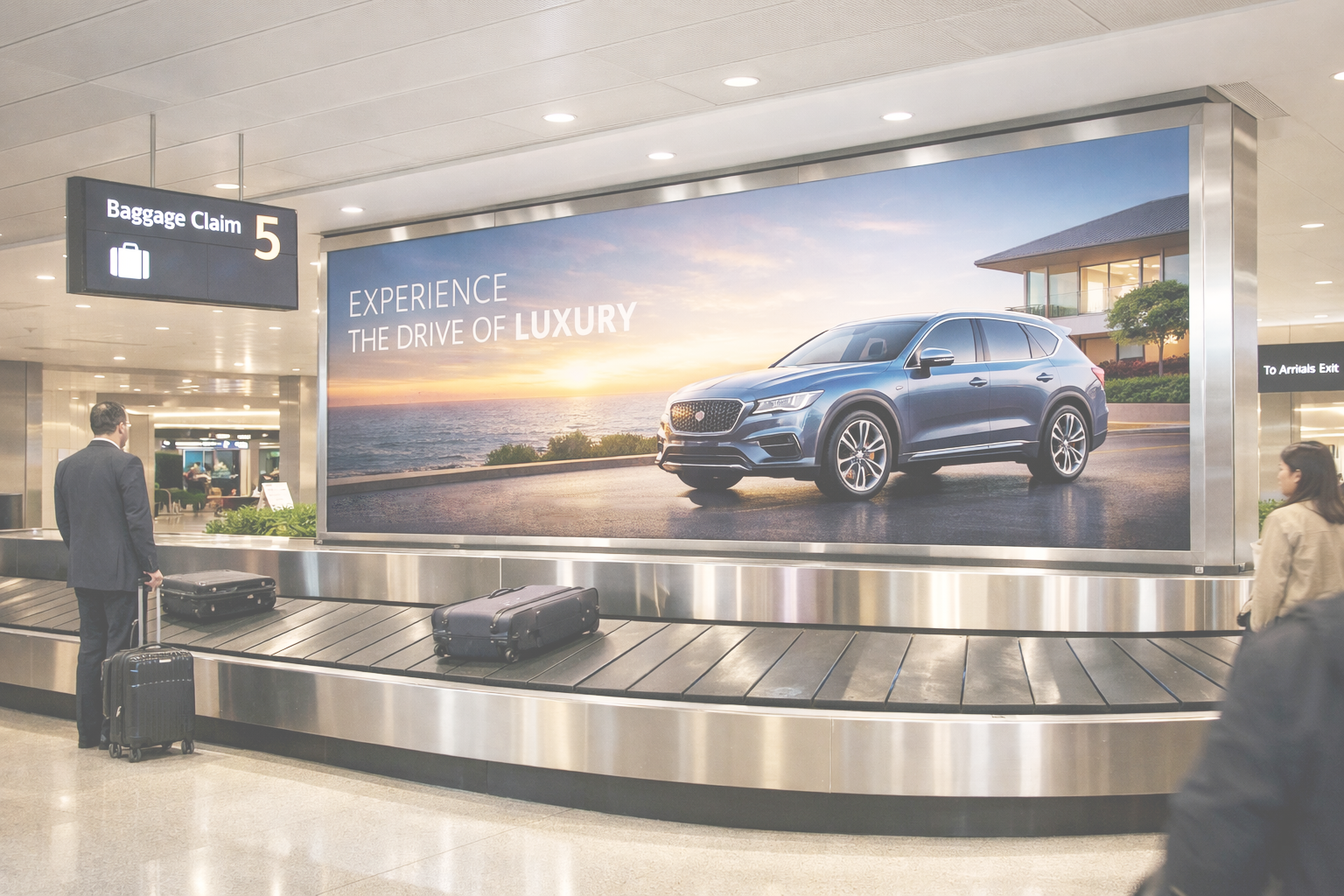
It’s Not Just Where You Advertise - It’s How Fast You Execute
We combine local insight with fast rollout to deliver results for you, now.
Talk to an ExpertAudience and Cultural Intelligence
Top 2 Languages
- Mandarin (Putonghua): The dominant communication language across the entire DLU passenger base — essential for all advertising creative and non-negotiable for effective reach across the domestic Chinese audience that comprises the majority of the airport's traffic
- English: Commercially significant at DLU beyond its share of passenger volume; Dali's sizeable international expat community and its status as one of China's most internationally connected lifestyle destinations means English-language creative lands with meaningful reach and is expected in premium brand environments targeting both international visitors and the cosmopolitan domestic lifestyle migrant community
Major Traveller Nationalities
The dominant traveler nationality at DLU is domestic Chinese, with origin cities concentrated in Beijing, Shanghai, Guangzhou, Shenzhen, Hangzhou, and Chengdu — China's primary affluent urban centers. These travelers represent Dali's lifestyle migration community, returning visitors, and first-time cultural tourists. International nationalities represent a commercially significant minority concentrated in specific segments: travelers from Japan and South Korea, drawn by Yunnan's natural beauty and cultural heritage; visitors from Germany, France, the United Kingdom, and the Netherlands, drawn by Dali's reputation as an authentic and creative destination on the Southeast and Central Asian overland and flight circuit; and a consistent flow of travelers from Thailand, Myanmar, and Southeast Asia, for whom Yunnan serves as a culturally proximate but distinct travel experience. This nationality mix creates a multilingual, multicultural advertising environment where brand storytelling that transcends language barriers — through visual and design-led creative — performs exceptionally well.
Religion — Advertiser Intelligence
- Chinese Buddhism and Taoism (approximately 55 to 60%): Buddhism is deeply woven into Dali's physical and cultural landscape — the Three Pagodas, Jizushan mountain pilgrimage, and hundreds of active temples create a year-round Buddhist observance calendar that drives spiritual tourism, cultural spending, and gifting behaviour; Qingming, Buddha's birthday, and the Three Pagodas Festival are key advertiser windows for wellness, heritage, and premium gifting brands
- Bai Indigenous Folk Religion (approximately 20 to 25%): The Bai ethnic majority of the Dali region practice a syncretic folk religion that blends Buddhist, Taoist, and Bai animist elements; this tradition underpins the Torch Festival, the Raosanling pilgrimage, and a year-round cycle of community ceremonies that drive domestic cultural tourism inflows — each representing an advertiser timing opportunity for cultural lifestyle, artisan craft, and premium food and beverage brands
- Christianity (approximately 5 to 8%): A meaningful Christian presence exists in Dali among both the international expat community and among Yunnan minority communities with historical missionary connections; Christmas and Easter observance create spending trigger windows for international brands with Western gift-giving associations
Behavioral Insight
The DLU audience makes purchasing decisions from a framework of intentionality that is commercially distinct from the mass-consumer mindset present at most Chinese regional airports. Dali's lifestyle migrants and premium cultural tourists share a common behavior pattern: they have already rejected convenience and price as primary purchase criteria, and they buy based on story, craft, ethics, and quality. This audience is difficult to reach through mass digital channels precisely because they have often consciously reduced their screen time and social media consumption — making the physical airport advertising environment one of the few channels where they are genuinely receptive to brand messaging. They trust brands that demonstrate authentic values, respond to premium product narratives grounded in origin and craft, and are exceptionally willing to pay above-average prices for goods that align with their worldview. Masscom Global helps brands construct creative strategies that speak this audience's language — not just in Chinese, but in the vocabulary of intentional, quality-driven consumption.
Outbound Wealth and Investment Intelligence
The outbound passenger at Dali Airport represents one of China's most commercially sophisticated and internationally oriented wealth profiles. These are individuals who have already made one major lifestyle investment decision — relocating to or visiting Dali — and who are primed to make additional cross-border capital deployment decisions. The lifestyle migrant class at Dali is acutely aware of currency diversification risk, international property as a stability asset, and the value of international education for their children. Their financial behaviour is shaped not by traditional Chinese wealth accumulation patterns but by a cosmopolitan, globally informed investment perspective that makes them responsive to international opportunity messaging in ways that generic regional airport audiences are not.
Outbound Real Estate Investment: Dali's affluent lifestyle community has demonstrated a strong and distinctive international real estate investment orientation. Thailand — specifically Chiang Mai and Koh Samui, which carry the same lifestyle premium appeal as Dali itself — is the primary international property destination for this audience, with investment motivated by lifestyle synergy, low cost of ownership, and strong short-term rental yields. Bali, Indonesia serves the same appeal logic for those with artistic and wellness business operations. Portugal's Golden Visa corridor — with Lisbon and Porto as primary targets — is actively pursued by Dali's higher-net-worth business owner segment seeking EU residency as a hedge. Australian capital cities, particularly Melbourne and Sydney, attract families investing for education-linked property ownership. For international real estate developers, DLU is a precision channel to reach buyers already operating in a lifestyle investment mindset.
Outbound Education Investment: Dali's resident affluent community has above-average rates of outbound education investment, shaped by the internationally oriented worldview of the lifestyle migrant class. The United Kingdom, Australia, Canada, and the United States are the primary destination markets, with strong interest also in New Zealand and Singapore for families seeking English-language education in a geographically proximate environment. The Dali catchment's education investor is distinctive: they tend to favour arts, design, environmental studies, and humanities programmes over purely commercial disciplines — reflecting the creative and values-driven orientation of the community. Education consultancies offering pathways into design schools, environmental universities, and liberal arts programmes will find a highly motivated and financially capable audience at DLU.
Outbound Wealth Migration and Residency: Golden Visa and long-term residency programmes have significant traction among Dali's business-owner and creative professional class. Portugal's Golden Visa, Greece's residency scheme, and Thailand's Elite Visa programme are the most actively researched options — all chosen for their lifestyle quality alignment with the values that drove this audience to Dali in the first place. Malaysia's MM2H (Malaysia My Second Home) programme has appeal for those seeking Southeast Asian base flexibility. For the more financially substantial segment of this community, Caribbean citizenship-by-investment programmes offering US visa-free travel are gaining traction. Wealth management firms, immigration consultancies, and residency advisory services will find a highly informed and pre-qualified audience at DLU.
Strategic Implication for Advertisers: International brands operating on both sides of the lifestyle wealth corridor — offering premium living environments, education pathways, and real estate opportunities in destinations that resonate with intentional living values — should treat DLU as a priority advertising channel. This audience is not looking for generic investment products; they are looking for the next quality-of-life upgrade. Masscom Global can activate on both sides of this corridor, pairing DLU campaigns with advertising at destination airports in Thailand, Portugal, Australia, and the UK to create a continuous audience journey from aspiration at DLU to conversion at the destination.
Airport Infrastructure and Premium Indicators
Terminals
- Single terminal operation: Dali Airport operates a single integrated terminal handling all domestic and international traffic, creating an undivided advertising environment with full audience coverage and no fragmentation across multiple buildings; for advertisers, this means every placement reaches the complete passenger universe
- Terminal design and scale: The terminal is appropriately scaled for 3.2 million annual passengers, producing a medium-density environment with significantly lower advertising clutter than China's major hub airports — a commercially valuable condition that increases standout for premium format placements
Premium Indicators
- Premium airline lounge facilities: Business class lounge access for major carriers including Air China, China Southern, and China Eastern signals the consistent presence of premium-ticket holders and frequent-flyer elite members whose income profile is well above the regional average
- Premium retail and lifestyle orientation: The terminal's commercial offer reflects Dali's premium lifestyle positioning, with a curated selection of Yunnan specialty food, artisan crafts, and premium beverage retail confirming the operator's understanding of the audience's quality expectations
- Destination premium halo: The global reputation of Dali as an aspirational lifestyle destination — referenced in international travel media, wellness publications, and creative industry conversations — creates a sustained psychological premium association for brands advertising within the airport environment
- Erhai Lake protection and eco-credentials: Dali's high-profile environmental commitment to Erhai Lake conservation and ecological management has positioned the city as a sustainability benchmark in Chinese tourism development — a signal that resonates with the premium eco-conscious consumer segment and elevates brand association for environmentally positioned advertisers
Forward-Looking Signal
Dali is the beneficiary of Yunnan Province's ongoing investment in making the region China's premium international tourism and lifestyle destination. New direct international route development connecting DLU to Southeast Asian capitals — including Bangkok, Singapore, and Kuala Lumpur — is actively progressing as part of Yunnan's inbound tourism growth strategy. The continued expansion of Dali's boutique resort and eco-luxury hospitality sector is driving accelerating affluent domestic and international inbound tourism. Chinese government policy favouring cultural heritage tourism and rural revitalisation is channelling significant infrastructure investment into the Dali region, expanding road, rail, and digital connectivity in ways that will increase visitor volumes and airport traffic meaningfully over the next five years. Masscom Global advises brands to establish DLU inventory presence now, while the market remains commercially undervalued relative to the audience quality it delivers and before increasing route development and advertiser recognition push rates to the levels this premium environment deserves.
Airline and Route Intelligence
Top Airlines: Air China, China Southern Airlines, China Eastern Airlines, Hainan Airlines, Lucky Air (Yunnan), Shenzhen Airlines, Xiamen Air, Chengdu Airlines, Tibet Airlines
Key International Routes: Bangkok Suvarnabhumi (seasonal scheduled and charter services), Singapore Changi (seasonal), Kuala Lumpur (seasonal charter operations), Rangoon/Yangon (seasonal connectivity to the Myanmar market)
Domestic Connectivity: Beijing Capital and Daxing, Shanghai Pudong and Hongqiao, Guangzhou Baiyun, Shenzhen Baoan, Chengdu Tianfu, Chongqing Jiangbei, Kunming Changshui, Hangzhou Xiaoshan, Xi'an Xianyang, Nanjing Lukou, Wuhan Tianhe, Changsha Huanghua
Wealth Corridor Signal: The domestic route network connecting DLU to all four of China's Tier 1 cities is the single most commercially important signal in the airport's route intelligence. Every direct flight from Beijing, Shanghai, Guangzhou, or Shenzhen delivers passengers whose income and purchasing behaviour are formed in China's wealthiest consumer markets. The Kunming connection is a critical feeder route, linking Dali to Yunnan's provincial capital and its extensive Southeast Asian international network — meaning DLU's effective international connectivity is significantly wider than its own direct international schedule suggests. For advertisers, this means the DLU audience carries Tier 1 consumer brand exposure and expectations into a boutique, low-clutter advertising environment — a powerful combination that few Chinese regional airports can replicate.
Media Environment at the Airport
- Single-terminal concentration with full audience coverage: Every passenger transiting DLU — domestic, international, arriving, or departing — moves through the same physical advertising environment; brand presence here is total, with no risk of audience segmentation or placement miss
- Elevated dwell time driven by destination distance: The typical journey from Dali city center and the surrounding resort belt to the airport, combined with recommended check-in windows, produces consistent pre-flight dwell of 90 minutes or more; this is prime advertising exposure time during which passengers are relaxed, not screen-absorbed, and genuinely receptive to physical brand messaging
- Low media clutter relative to audience quality: DLU operates in a media environment that has not yet attracted the volume of large-scale advertiser investment present at China's major hubs — creating a standout premium for brands willing to invest ahead of the curve; Masscom Global's clients benefit from placement quality that is commercially disproportionate to the rates currently available
- Masscom Global's access and execution capability: Masscom Global provides brands with direct inventory access at DLU, covering digital screen networks, large-format static placements, and branded environment activations; campaigns are planned around DLU's peak season windows with Masscom handling all local compliance, creative adaptation, production logistics, and post-campaign performance verification
Strategic Advertising Fit
Best Fit
- Wellness and boutique luxury brands: No airport in China offers a more precisely aligned audience for premium wellness, retreat, mindfulness, and boutique luxury brands — the DLU passenger has self-selected into a lifestyle orientation that makes them the category's ideal consumer
- Premium eco-luxury and sustainable lifestyle brands: Dali's environmental consciousness and the sustainability orientation of its resident and tourist community create exceptional alignment for brands that lead with ecological credentials, organic origins, and responsible luxury positioning
- International real estate developers: Targeting Dali's affluent lifestyle migrant community with property investment messaging in Thailand, Bali, Portugal, Australia, and Malaysia — audiences at DLU are pre-qualified lifestyle investors already in an international mindset
- Premium travel and boutique hospitality brands: Travelers at DLU are planning their next high-commitment trip and are strongly receptive to aspirational destination, boutique hotel, and premium travel brand messaging during the airport dwell window
- Education and study abroad consultancies: The catchment's above-average outbound education investment demand from value-aligned families with international worldviews makes DLU a high-converting channel for international universities, arts schools, and education advisory services
- Luxury skincare, organic beauty, and premium wellness products: The beauty and personal care preferences of Dali's lifestyle community skew heavily toward natural, clean, and premium formulations — this is one of China's most commercially receptive audiences for prestige organic beauty brands
- Financial services, wealth management, and investment advisory: The financially independent and capital-deploying lifestyle migrant class at DLU represents a high-value segment for private banking, investment products, and wealth planning services oriented toward international diversification
- Premium outdoor, adventure, and photography equipment: Cangshan Mountain, Erhai Lake, and Dali's broader natural environment make outdoor gear, camera equipment, and adventure travel accessories highly relevant to the DLU audience's active lifestyle profile
Brand Alignment at a Glance
| Category | Fit |
|---|---|
| Wellness and boutique luxury | Exceptional |
| Premium eco-luxury and sustainable lifestyle | Exceptional |
| International real estate | Strong |
| Premium travel and boutique hospitality | Strong |
| Luxury skincare and organic beauty | Strong |
| Financial services and wealth management | Strong |
| Mass-market retail and value brands | Poor fit |
| Heavy industry and B2B industrial | Poor fit |
Who Should Not Advertise Here
- Mass-market retail and discount consumer brands: The DLU audience's defining commercial characteristic is a rejection of mass-market consumption in favour of quality and authenticity; budget-positioned or value-led brands lack the alignment necessary for meaningful brand recall or conversion at this airport
- Heavy industry and industrial B2B procurement: The near-total absence of industrial corporate travel at DLU makes manufacturing, logistics, and industrial procurement advertising irrelevant to the audience composition
- Domestic Chinese telecom, utility, and financial products tied to local residency: A high proportion of DLU's audience is composed of inbound visitors and internationally oriented lifestyle migrants whose local service relationships are already established — these categories will find limited new customer acquisition potential at this airport
Event and Seasonality Analysis
- Event Strength: High
- Seasonality Strength: High
- Traffic Pattern: Dual-Peak with strong event-driven cultural spikes
Strategic Implication: Advertisers at DLU should build their primary campaign investment around three windows: the spring nature peak from March through May, the summer festival and Golden Week peak in July and October, and the National Day Golden Week which consistently delivers the year's highest single-week footfall. The Three Pagodas Festival in late April and the Torch Festival in late July create concentrated, short-duration audience spikes of exceptional quality that reward advertisers who have secured inventory in advance. Masscom Global structures DLU campaigns to lock in these peak windows at advance rates, ensuring brands are not subject to last-minute displacement in the highest-demand periods. Year-round brand presence campaigns in the shoulder season maintain position at lower cost while protecting premium placement for peak activations.
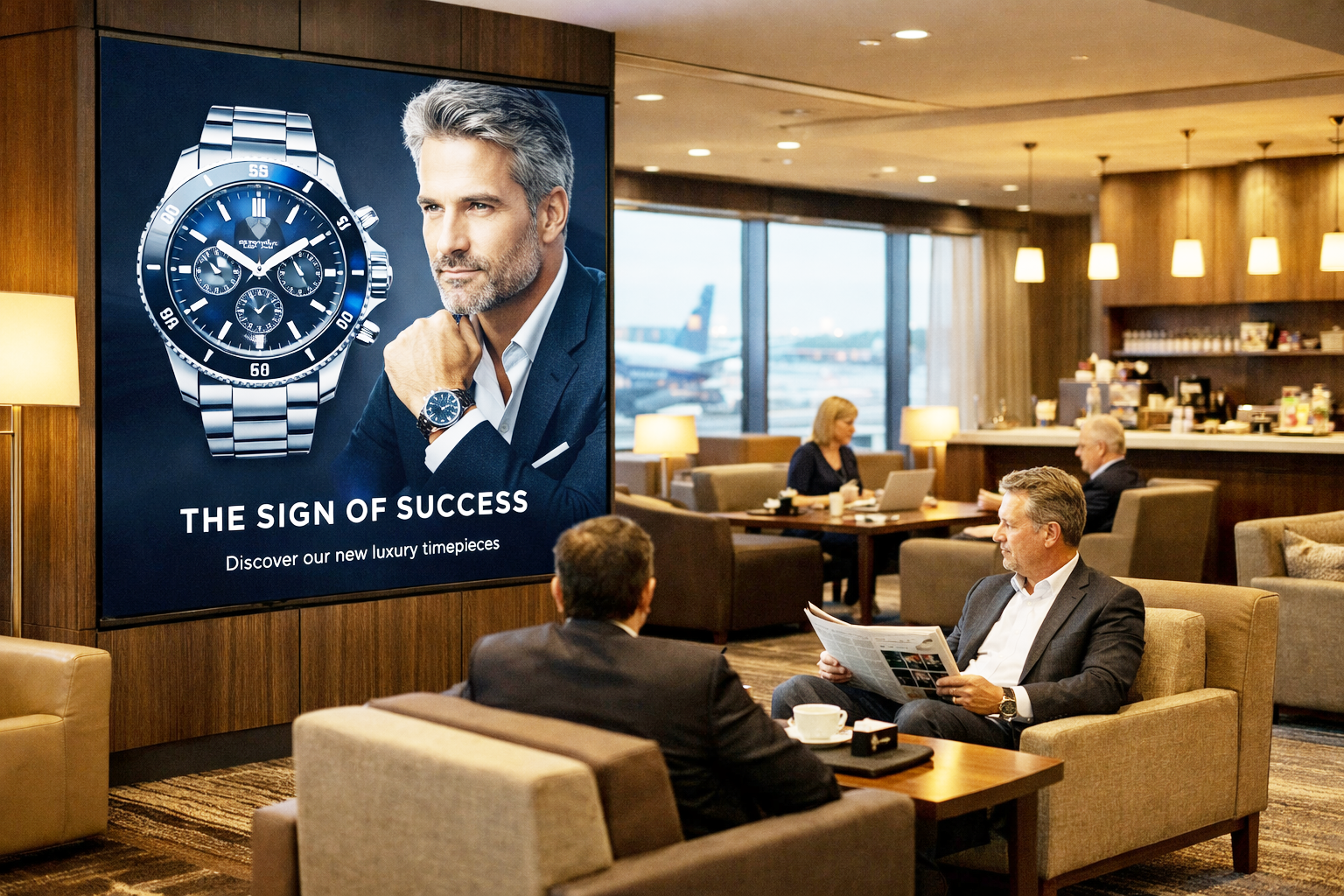
Poor Placement and Delays Affect Airport Campaigns
We help you move faster, access better inventory, and get it right now.
Talk to an ExpertFinal Strategic Verdict
Dali Airport is the most commercially underrated premium advertising environment in China. Its passenger volume of 3.2 million conceals what is, in audience quality terms, one of the most valuable terminal environments in the country — a concentrated gathering of China's most financially independent, internationally oriented, and brand-sophisticated consumers who cannot be reached efficiently through any other single media channel. The combination of Dali's lifestyle migrant community, its international expat HNWI resident base, its Tier 1 city inbound leisure tourist flow, and its growing international tourism profile creates a precision advertising audience that premium brands in wellness, boutique luxury, eco-lifestyle, international real estate, and financial services have systematically overlooked. For brands that understand the commercial value of reaching an audience defined by intentional purchasing behaviour and above-average capital deployment capacity, DLU is not a secondary airport — it is a primary strategic priority. Masscom Global provides the inventory access, audience intelligence, and execution capability to activate this opportunity with the speed and precision it demands.
About Masscom Global
Masscom Global is a premium international airport advertising and media buying agency operating across 140 countries. With deep expertise in airport OOH, premium publications, and high-net-worth audience targeting, Masscom helps brands reach the world's most valuable travellers at the moments that matter most. For advertising packages, media rates, and campaign planning at Dali Airport and airports across the globe, contact Masscom Global today.
Frequently Asked Questions
How much does airport advertising cost at Dali Airport? Advertising investment at Dali Airport varies based on format type, placement zone within the terminal, campaign duration, and seasonal demand — with spring and National Day Golden Week windows commanding premium rates reflecting the significant audience uplift these periods deliver. Large-format digital, static premium formats, and branded environment activations each carry different investment thresholds. Masscom Global provides current inventory availability, format-specific rate intelligence, and tailored campaign investment recommendations — contact us directly for a proposal structured around your specific audience objectives.
Who are the passengers at Dali Airport? The DLU passenger base is commercially distinctive: it comprises affluent domestic Chinese lifestyle migrants who have relocated from Beijing, Shanghai, Guangzhou, and Shenzhen; inbound Tier 1 city cultural and leisure tourists with premium spending profiles; a meaningful international expat HNWI community from Western Europe, North America, Japan, and South Korea; and Buddhist pilgrimage and cultural heritage travelers whose discretionary spending on authentic, quality-oriented products is well above the national average. This audience combination makes DLU one of China's most valuable regional airport advertising environments per impression.
Is Dali Airport good for luxury brand advertising? Yes, particularly for luxury brands that lead with craft, authenticity, and lifestyle values rather than pure status. Dali Airport carries a HNWI Score of High in Masscom Global's airport intelligence database, and the audience quality at DLU reflects not only income but a sophisticated, values-driven consumption orientation. Wellness luxury, premium organic beauty, boutique hospitality, sustainable fashion, and artisan lifestyle brands will find DLU among their most aligned advertising environments in China. Traditional hard-luxury categories — watches, jewellery, and haute couture — will find a receptive niche audience within DLU's international and high-net-worth domestic segments, and benefit from lower competition than at China's Tier 1 hub airports.
What is the best airport in Yunnan Province to reach HNWI and premium lifestyle audiences? For premium lifestyle, wellness, and eco-luxury audience concentration, Dali Airport (DLU) is the standout option in Yunnan — no other airport in the province offers the same concentration of deliberately affluent, internationally oriented lifestyle travelers. Kunming Changshui International Airport (KMG) provides significantly higher passenger volume as the provincial hub and gateway to Southeast Asia, making it the right choice for mass reach and broad Yunnan coverage. Lijiang Sanyi Airport (LJG) serves the adjacent premium cultural tourism market. Masscom Global can structure a Yunnan multi-airport campaign covering DLU, KMG, and LJG for brands seeking full premium coverage of the province.
What is the best time to advertise at Dali Airport? The three highest-value advertising windows at DLU are the spring nature peak from March through May — which delivers the year's highest-quality leisure audience — National Day Golden Week (October 1 to 7), which delivers the highest passenger volume, and the summer festival peak in July, driven by the Torch Festival and school holiday travel. The Three Pagodas Festival window in late April is a premium short-duration spike that rewards advance inventory booking. Masscom Global recommends securing Golden Week and festival-period placements at least three months in advance to ensure access to high-impact positions.
Can international real estate developers advertise at Dali Airport? Absolutely. Dali Airport serves one of China's highest-concentration audiences of affluent, internationally oriented capital deployers who are actively researching lifestyle property investment in Thailand, Bali, Portugal, Australia, Malaysia, and Southeast Asia. The lifestyle migrant community resident in Dali is by definition an audience that has already demonstrated a willingness to make major life and investment decisions based on quality-of-life aspiration — making them a highly motivated and pre-qualified audience for international property investment messaging. Masscom Global can complement DLU advertising with placements at airports in destination markets to create a coordinated campaign that engages the same buyer at both the origin and destination stage of their investment journey.
Which brands should not advertise at Dali Airport? Mass-market retail brands, discount consumer services, and value-positioned product categories are commercially misaligned with DLU's intentional, quality-first audience orientation. Heavy B2B industrial and manufacturing brands will find no meaningful audience concentration at this leisure and lifestyle-dominated airport. Domestic Chinese utility, banking, and telecom brands targeting local residents will achieve limited return given the high proportion of inbound visitors and lifestyle migrants whose local service relationships are already established.
How does Masscom Global help brands advertise at Dali Airport? Masscom Global delivers end-to-end airport advertising capability at DLU — from audience intelligence profiling and campaign strategy through to inventory access, local compliance management, creative execution logistics, and post-campaign performance reporting. Our intelligence-first approach means every DLU campaign is structured around the airport's seasonal peaks, audience nationality and segment composition, and the specific commercial objective of the brand. For brands targeting China's premium lifestyle, wellness, and HNWI audience, Masscom Global's ability to activate DLU alongside airports across 140 countries makes us the only partner capable of delivering this opportunity at full strategic scale.