




Airport at a Glance
| Field | Detail |
|---|---|
| Airport | Chubu Centrair International Airport |
| IATA Code | NGO |
| Country | Japan |
| City | Tokoname City, Aichi Prefecture (serving Greater Nagoya and the Chubu region) |
| Annual Passengers | Approximately 10 million (2023, recovering toward pre-pandemic peak of 13 million) |
| Primary Audience | Japanese automotive industry HNWI elite, Chubu manufacturing and technology company executives, Toyota Group supply chain leadership, outbound investment and education families |
| Peak Advertising Season | March to May (Golden Week and spring business peak), September to November (autumn business peak), December to January (New Year) |
| Audience Tier | Tier 1 Premium |
| Best Fit Categories | International luxury real estate, ultra-luxury automotive, private banking and wealth management, international education, premium technology and lifestyle brands, ultra-luxury hospitality and travel |
Chubu Centrair International Airport is one of the most commercially precise and most commercially undervalued airport advertising environments in Japan, defined not by the headline passenger volume of Tokyo's major hubs but by the extraordinary concentration and commercial specificity of the audience it exclusively serves. NGO is the primary international aviation gateway for the Chubu region of Japan, whose anchor institution is Toyota Motor Corporation and whose manufacturing ecosystem encompasses the densest concentration of automotive and precision industrial wealth on the planet. Aichi Prefecture alone generates more manufacturing output than all but a handful of nations globally, and the executives, engineers, founders, and business owners who create that output and benefit from that wealth are the core commercial advertising audience transiting this airport every day.
The commercial logic of NGO begins with a fact that most international advertisers systematically overlook: the Chubu region's HNWI and upper-income professional community is one of the most concentrated in Japan, serving an industrial economy whose global competitive position is anchored by the single most profitable and most globally significant automotive company in the world. The Toyota Group's combined entities, including Toyota Motor, Denso, Aisin, Toyota Industries, Toyota Boshoku, and dozens of Tier 1 and Tier 2 supplier companies, collectively employ the majority of Aichi Prefecture's most senior technical and commercial professionals and generate compensation structures that have created multigenerational HNWI wealth across the Chubu industrial landscape. Advertising at NGO does not reach a generic Japanese domestic audience. It reaches the people who run the global automotive economy.
Advertising Value Snapshot
- Passenger scale: Approximately 10 million annual passengers in 2023, recovering toward a pre-pandemic peak of 13 million, with international route recovery driven by the resumption of business travel on Toyota Group global partnership corridors and growing inbound tourism from China, Korea, and Southeast Asia
- Traveller type: Japanese automotive and manufacturing industry HNWI elite, Toyota Group executive and technical leadership, Chubu precision manufacturing and aerospace company owners and executives, outbound Japanese families investing in international education and real estate
- Airport classification: Tier 1 Premium industrial economy gateway, with an audience quality index anchored by the most productive manufacturing prefecture in Japan and the global headquarters economy of the world's largest automotive company
- Commercial positioning: Japan's premier industrial HNWI airport gateway, serving an audience whose combination of generational manufacturing wealth, confirmed premium consumption behaviour, and above-average international business engagement makes them among the most commercially valuable business travel audiences in the Asia-Pacific region
- Wealth corridor signal: NGO sits at the commercial heart of Japan's Chubu industrial triangle, connecting the Toyota Group's global headquarters economy to the international supply chain, capital market, and technology partnership networks whose management defines the daily professional life of the airport's most commercially valuable audience
- Advertising opportunity: Masscom Global provides structured access to the NGO media environment, delivering campaigns calibrated to the cultural intelligence requirements of Japan's automotive and manufacturing elite, the outbound investment and lifestyle behaviour of the Chubu HNWI community, and the sustained high-frequency contact patterns that compound brand recall into confirmed purchase intent for the premium categories where this audience's spending is most concentrated.
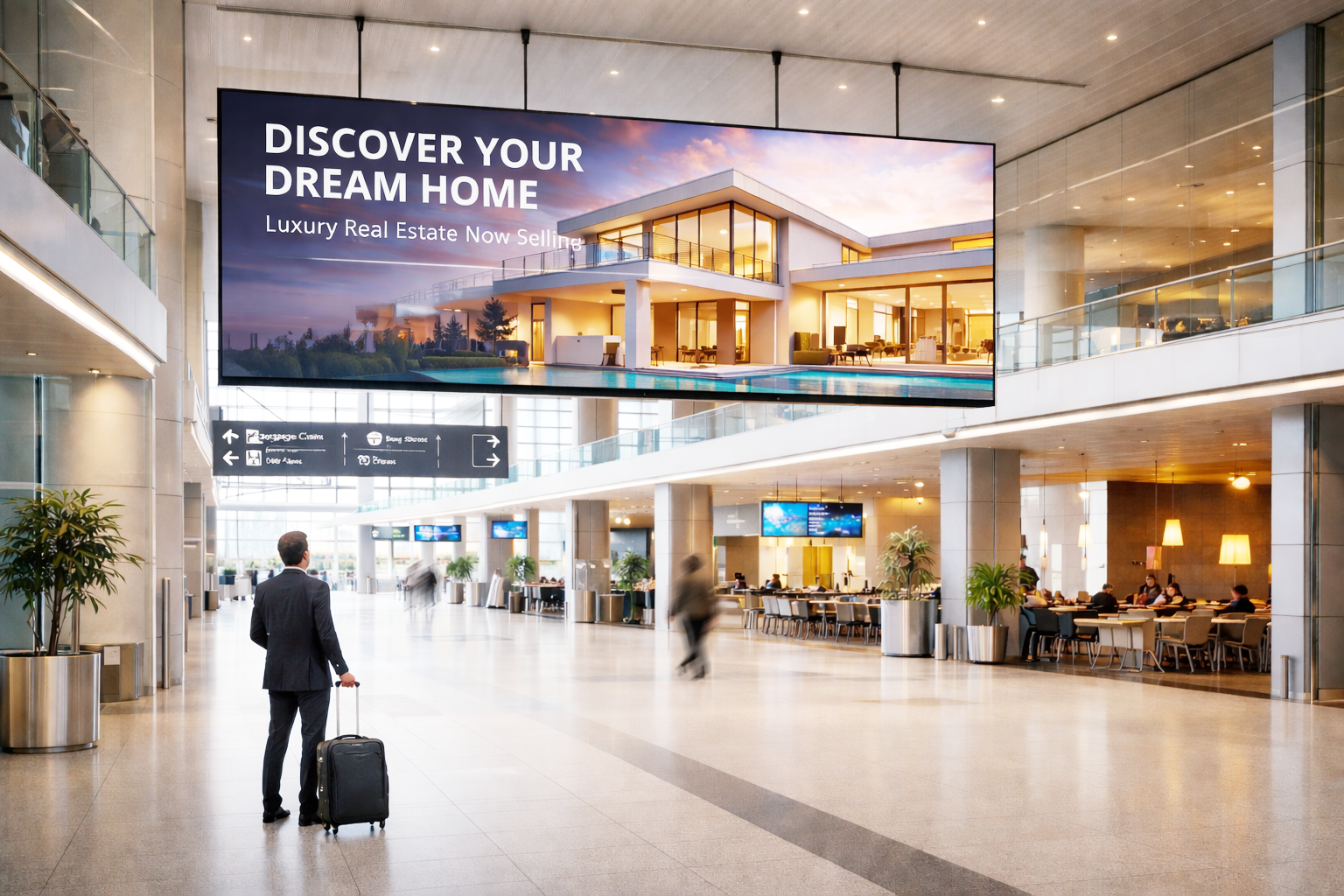
Airport Advertising is Complex to Get Right
We help you execute faster, with proven results and local insight most planners lack starting now.
Talk to an ExpertCatchment Area and Economic Drivers
Top 10 Cities within 150 km — Marketer Intelligence:
- Nagoya: The commercial, financial, and administrative capital of the Chubu region and the primary feeder market for NGO, Nagoya houses the regional headquarters of every major Japanese financial institution, the Nagoya Stock Exchange, the regional offices of Toyota's financial services divisions, and a dense concentration of automotive industry suppliers, trading companies, and professional services firms whose senior community constitutes the most commercially valuable business travel audience in central Japan. Nagoya's HNWI residential community, concentrated in the premium districts of Higashiyama, Kakuozan, and Imaike, represents the Chubu region's highest per capita premium consumer spending tier and is a primary target for international real estate, private banking, and ultra-luxury lifestyle advertising.
- Toyota City: Approximately 50 km east of NGO and the global headquarters of Toyota Motor Corporation, Toyota City is the most commercially significant single-city automotive economy in the world. The senior executive, engineering management, and global partnership leadership of Toyota Motor, Denso, Toyota Boshoku, and affiliated Tier 1 suppliers who reside and work in Toyota City represent the Chubu region's highest concentration of confirmed HNWI individuals whose compensation structures, equity participation in Toyota Group companies, and established family wealth create a premium consumer audience of extraordinary depth for any advertiser targeting the Japanese industrial elite.
- Hamamatsu: Approximately 130 km east and Japan's most celebrated concentration of musical instrument and motorcycle manufacturing wealth, Hamamatsu is the home of Yamaha Corporation, Yamaha Motor, Kawai Musical Instruments, Roland, and Suzuki Motor Corporation's global headquarters. The founding family and senior executive communities of these globally significant companies represent a distinct and commercially valuable layer of Japanese industrial HNWI wealth with a strong arts and culture orientation alongside their manufacturing professional profile, creating above-average receptivity to premium music, lifestyle, and experiential brand advertising alongside the financial services and real estate categories that define the broader Chubu HNWI audience.
- Gifu City: Approximately 55 km north and Gifu Prefecture's commercial capital, Gifu is known for its traditional textile manufacturing, precision machinery production, and a growing professional services community whose established merchant family wealth and active engagement with premium lifestyle and financial planning categories makes it a consistent premium secondary audience for NGO. The city's traditional crafts including washi paper, lacquerware, and umbrella-making support a community of artisan business owners whose generational wealth and cultural orientation toward quality make them receptive to premium brand advertising with genuine heritage positioning.
- Yokkaichi: Approximately 45 km southwest in Mie Prefecture, Yokkaichi is Japan's most significant petrochemical and chemical manufacturing complex, housing operations of Mitsui Chemicals, Sumitomo Chemical, and dozens of chemical industry firms whose senior technical and commercial leadership generates consistent premium business travel through NGO. This community carries above-average professional compensation from petrochemical industry structures and is strongly receptive to financial planning, premium automotive, and business services advertising.
- Okazaki: Approximately 60 km northeast and historically significant as the birthplace of Tokugawa Ieyasu, the shogun who unified Japan, Okazaki is a major manufacturing and commercial city in the Toyota Group supply chain ecosystem, housing significant Denso and automotive component manufacturing operations alongside a growing professional residential community. Its senior manufacturing professionals and business owners are consistent NGO users whose premium consumer profiles are expanding with the city's economic integration into the Toyota Group's global manufacturing network.
- Tsu City: The prefectural capital of Mie Prefecture at approximately 65 km south, Tsu anchors a regional economy encompassing the Ise-Shima pearl cultivation industry, a significant maritime and fishing economy, and growing professional services and government administration community. The Mie Prefecture business and professional class uses NGO for national and international connectivity, and the premium coastal leisure community associated with the Ise-Shima resort area generates a secondary high-income leisure audience with strong receptivity to premium hospitality and lifestyle advertising.
- Kyoto: Approximately 130 km west and Japan's cultural capital, Kyoto's presence within the NGO catchment adds a dimension of traditional Japanese luxury consumption, heritage industry wealth, and cultural tourism leadership that no other industrial city within the catchment provides. Kyoto's established merchant families, temple and cultural institution leadership, and the premium tourism economy generate a culturally sophisticated secondary audience whose brand orientation toward heritage, craftsmanship, and authentic quality is precisely aligned with the premium advertising register that the Chubu industrial elite also values.
- Shizuoka City: Approximately 140 km east and Shizuoka Prefecture's commercial capital, Shizuoka is Japan's leading tea cultivation region and a major pharmaceutical and food manufacturing hub housing operations of Shiseido, Yamanouchi Pharmaceutical, and Suzuki Motor's production facilities. The Shizuoka business community's combination of pharmaceutical industry executive wealth, food and beverage manufacturing ownership, and a growing professional services sector makes them a premium secondary audience for financial planning, international real estate, and executive wellness brand advertising.
- Kuwana: Approximately 50 km north on the Kiso River estuary, Kuwana is a significant industrial and commercial city known for its precision metalworking, electronics manufacturing, and traditional lantern-making craftsmanship. Its established manufacturing business families carry generational industrial wealth and consistent premium consumption patterns, particularly in automotive, financial services, and traditional luxury categories, making them a productive and high-frequency NGO audience whose engagement with premium brand advertising reflects the broader Chubu industrial HNWI profile.
NRI and Diaspora Intelligence:
Chubu Centrair Airport's diaspora intelligence is structured around two commercially complementary dimensions that together create a bilateral premium audience dynamic specific to the industrial economy it serves. The Toyota Group's global operations in the United States, Thailand, Canada, Australia, and Europe generate a consistent return flow of Japanese automotive professionals who have spent years in overseas postings managing local production facilities, sales organisations, and global partnership teams. These returning Toyota Group expatriates arrive at NGO with direct international market experience, internationally calibrated quality standards, and confirmed exposure to the premium automotive, real estate, and lifestyle markets of the countries where they have lived. This community is the most internationally informed segment of the NGO audience and is directly accessible for international real estate, private banking, and premium lifestyle categories whose quality messaging resonates with their direct personal experience. The overseas Japanese community with Chubu connections, concentrated in North America, Thailand, and the United Kingdom through Toyota's manufacturing and research hubs, generates consistent return visit traffic through NGO from an audience whose combination of Japanese cultural values and international consumer experience creates the deepest brand relationship quality available in the Chubu premium advertising market.
Economic Importance:
The NGO catchment economy is anchored by the most commercially significant single manufacturing company in the world, and the ripple effect of Toyota Motor Corporation's global headquarters presence in Aichi Prefecture extends through every layer of the regional economy with an intensity that no other Japanese regional economy can match. Toyota's combined annual revenue exceeds that of many national economies, and the network of Tier 1, Tier 2, and Tier 3 suppliers whose operations are structured around Toyota's production system generates an industrial economy of extraordinary depth whose professional and business owner community constitutes the most concentrated manufacturing HNWI audience in Japan outside of the Tokyo metropolitan area. The addition of Hamamatsu's musical instrument and motorcycle industry, Yokkaichi's petrochemical sector, Gifu's precision machinery community, and the broader Chubu aerospace and ceramics industrial base creates a premium advertising catchment of unusual sectoral diversity that delivers multiple distinct and commercially actionable audience profiles within a single airport advertising footprint.
Business and Industrial Ecosystem
- Automotive manufacturing and Toyota Group: Toyota Motor Corporation, Denso, Aisin, Toyota Industries, Toyota Boshoku, JTEKT, and the broader Toyota Group collectively represent the world's most valuable automotive manufacturing ecosystem, generating the Chubu region's highest compensation structures and most active HNWI wealth accumulation community. The senior executive, global partnership management, and engineering leadership of these organisations travel through NGO on the Japan-United States, Japan-Germany, Japan-Thailand, and Japan-Australia corridors at above-average frequency, representing the most commercially consequential business travel audience at any Japanese regional airport.
- Aerospace and advanced manufacturing: Mitsubishi Heavy Industries' aerospace division, Kawasaki Heavy Industries' aerospace segment, and a growing community of aerospace component manufacturers anchored by the Aichi Aerospace cluster produce a senior technical and commercial leadership community whose international travel patterns, professional compensation structures, and premium consumption behaviour create a productive secondary premium audience at NGO with strong receptivity to executive services, international investment, and premium technology brand advertising.
- Musical instruments, motorcycles, and consumer electronics manufacturing: Yamaha's dual corporation presence across musical instruments and motor products, Kawai, Roland, and Suzuki's collective concentration in Hamamatsu creates a globally recognised consumer products manufacturing elite whose founding family and senior executive wealth, arts and culture orientation, and international brand sophistication make them a commercially distinctive and highly receptive premium audience for luxury lifestyle, premium technology, and international real estate advertising.
- Ceramics, materials, and precision manufacturing: Noritake, TOTO, NGK Insulators, CKD Corporation, and a dense ecosystem of precision ceramics and advanced materials manufacturers headquartered in the Nagoya metro generate a senior commercial and technical community whose above-average professional income, established family business wealth, and consistent international partnership travel create a premium secondary advertising audience with strong receptivity to financial planning, premium automotive, and executive lifestyle brand categories.
Passenger Intent — Business Segment:
The business travellers transiting NGO are operating at the intersection of the global automotive economy and Japan's most productive manufacturing landscape, connecting the Chubu region's industrial headquarters communities to the international supply chain partners, joint venture operations, and capital market relationships that sustain the world's most complex and most valuable automotive production system. They travel primarily on the Nagoya-Detroit, Nagoya-Frankfurt, Nagoya-Bangkok, Nagoya-Sydney, and Nagoya-Beijing corridors for global production coordination, technology partnership development, and capital market activity. At the airport they carry the professional precision and quality orientation of a community whose career achievements rest on delivering consistent manufacturing excellence to the world's most demanding automotive customers, and that same evaluative rigour applies to every premium category they engage with as consumers. Advertiser categories that intercept this audience most effectively include private banking and family office services, international luxury real estate, ultra-luxury automotive from European marques, international education for children, and executive health and wellness programmes designed for the compressed schedules of Japan's industrial leadership community.
Strategic Insight:
The NGO business audience carries a commercially defining characteristic that distinguishes it from Tokyo's financial services and technology-driven premium consumer community: the combination of extraordinary engineering competence and generational manufacturing wealth operating within a regional industrial culture that prizes technical excellence, long-term relationship loyalty, and the kind of quality craftsmanship that Toyota's production system has elevated into a global management philosophy. Brands that approach this audience with advertising demonstrating specific, verifiable product quality and long-term value commitment will consistently outperform those relying on metropolitan prestige signalling alone. The Chubu industrial elite's brand loyalty, once earned through demonstrated quality, is among the most commercially durable in the Japanese premium market, reflecting the same supplier relationship philosophy that Toyota's own procurement culture has institutionalised across its global supply chain.
Tourism and Premium Travel Drivers
- Ise Grand Shrine and Shinto heritage tourism: Japan's most sacred Shinto shrine complex, rebuilt every twenty years in a ceremony of architectural preservation that embodies the Japanese philosophy of renewal through craftsmanship, attracts millions of domestic and international visitors through the NGO catchment. The Ise Jingu pilgrimage audience includes a premium domestic Japanese tourism segment whose cultural sophistication, established family wealth, and confirmed premium hospitality spending make them among the most commercially productive domestic cultural tourism audiences at any central Japan airport.
- Nagoya Castle and the Tokugawa era heritage circuit: Nagoya Castle, the Tokugawa Art Museum, and the broader Tokugawa family heritage trail attract a culturally engaged premium tourism audience from across Japan and internationally, creating a consistent inbound cultural visitor flow whose above-average education, appreciation for Japanese historical craftsmanship, and premium accommodation and dining spending position them at the top of the central Japan inbound tourism hierarchy.
- Noritake Garden and the ceramics and crafts tourism circuit: The Noritake Garden complex, the Arimatsu tie-dye cultural district, and the broader Aichi ceramics and traditional crafts tourism circuit draw a premium artisan and design-oriented tourism audience from Japan and internationally whose lifestyle sophistication, premium retail spending on traditional crafts, and cultural engagement depth make them a productive inbound audience for premium lifestyle, artisan, and heritage brand advertising.
- Ghibli Park and creative tourism: The Studio Ghibli theme park opened within the Expo 2005 Commemorative Park in Aichi, drawing a significant inbound tourism audience from across Asia and Western markets whose engagement with Japanese creative culture, premium themed hospitality, and artisan product purchasing creates a confirmed premium creative tourism spending flow through NGO. This audience, while partly family-oriented, includes a significant adult cultural enthusiast segment with above-average income and premium lifestyle orientation.
- Cormorant fishing and Gifu natural tourism: The traditional Nagara River cormorant fishing experience at Gifu, designated as an Imperial Household Agency tradition, attracts a premium cultural tourism audience seeking experiences of genuine Japanese heritage authenticity unavailable at commercially developed destinations, creating an inbound premium visitor flow with confirmed luxury accommodation spending and high cultural engagement quality.
Passenger Intent — Tourism Segment:
The inbound premium tourists arriving at NGO have made a deliberate and research-informed choice to engage with a region of Japan that offers the intersection of industrial heritage, living Shinto tradition, and traditional crafts culture that the country's most famous tourism corridors do not provide with the same authenticity and uncrowded access. These are not first-time Japan visitors following a standard Tokyo-Kyoto itinerary. They are repeat Japan visitors or specialist cultural travellers whose confirmed advance planning, premium accommodation strategy, and active engagement with Japanese cultural specificity place them at the apex of the inbound premium tourism spending hierarchy. They arrive at NGO with above-average per-trip budgets, confirmed luxury or premium accommodation bookings, and a cultural curiosity orientation that makes them highly receptive to advertising that deepens their Chubu experience and introduces them to premium categories they have not yet engaged with in this geographic and cultural context.
Travel Patterns and Seasonality
Peak seasons:
- Spring business peak and Golden Week (March to early May): Japan's primary corporate activity quarter and Golden Week national holiday period combine to create both sustained business travel intensity and the year's first major leisure travel surge. The automotive industry's annual product planning cycle, spring supplier review meetings, and global partnership conference season all generate above-average NGO business travel density during this window, while Golden Week family departures to Hawaii, Southeast Asia, and Europe deliver the outbound leisure spending audience at maximum annual motivation.
- Autumn business peak (September to November): The second major corporate activity quarter coinciding with the automotive industry's annual model year transition cycle, year-end investment planning, and the Japanese premium consumer market's highest annual luxury gifting and lifestyle purchase season. This window is particularly productive for private banking, luxury automotive, premium real estate, and international lifestyle brand categories whose purchase decisions concentrate in the October to November window.
- New Year and winter travel season (December to January): Japan's most culturally significant spending season, encompassing the oseibo year-end gifting tradition, New Year shrine visits, and the luxury travel and hospitality peak that makes December one of the highest per-capita premium spending months in the Japanese calendar. The NGO audience during this window is at its most gift-purchasing and premium-experience receptive, making it a primary window for luxury brand, hospitality, and international property advertising.
- Summer season (July to August): Japan's school summer holiday drives significant outbound family travel among Chubu's upper-income professional and HNWI families heading to Hawaii, Southeast Asia, Europe, and Australia. Business travel on Toyota Group's international production corridors maintains consistent volume, creating a sustained dual-direction premium audience through the summer months.
Event-Driven Movement:
- Nagoya Motor Show (alternate years, autumn): One of Japan's most significant automotive industry exhibitions, the Nagoya Motor Show draws automotive industry executives, media, and premium automotive consumers from across Japan and internationally. The Motor Show audience transiting NGO is the most directly relevant premium automotive advertising target available at any Japanese regional airport during the exhibition period, with confirmed luxury vehicle brand awareness and purchase intent at maximum intensity for an audience whose professional and personal relationship with automotive excellence is deeper than any other consumer community in Japan.
- Golden Week departure surge (late April to early May): Japan's most concentrated national holiday travel period, generating simultaneous outbound leisure movement across the Chubu HNWI and professional community toward Hawaii, Southeast Asia, Europe, and domestic destinations at peak annual volume. The Toyota Group's generous Golden Week holiday schedule means this airport's peak departure volume is among the highest relative to its annual average of any Japanese regional airport, delivering the full spectrum of the Chubu industrial elite in maximum leisure spending mode within a compressed five to seven day window.
- Toyota Motor Corporation's global partner events (various, year-round): Toyota's supplier conventions, dealer conferences, and global production leadership summits regularly draw international automotive industry participants to the Chubu region through NGO, creating concentrated waves of global automotive industry decision-makers transiting the terminal at intervals throughout the year. For premium automotive, enterprise technology, and financial services brands, these events create recurring high-quality business audience concentration moments within the airport's advertising environment that reward sustained campaign presence over single-window activations.
- Ise Shrine Shikinen Sengu reconstruction ceremony (every 20 years, next in 2033): The ceremonial rebuilding of Japan's most sacred shrine at twenty-year intervals generates an extraordinary once-in-a-generation inbound tourism and cultural visitor surge whose premium cultural audience quality is unmatched by any other single event in the Chubu regional tourism calendar. While the next occurrence falls outside the near-term campaign window, the sustained Ise heritage tourism audience it supports year-round represents a consistent premium inbound visitor flow.
- Obon festival travel (mid-August): Japan's traditional summer ancestral festival drives significant outbound and domestic travel among Chubu's professional and HNWI families, with Toyota Group's production schedule that typically includes a multi-week summer shutdown generating one of the most concentrated single-period family travel surges of the year at NGO.
- Year-end corporate gifting and New Year travel surge (December to January): Japan's combined oseibo gifting season and New Year holiday creates the year's most intense luxury gifting and premium leisure travel purchasing window, with the Chubu industrial elite's year-end bonus deployment creating a peak of luxury purchasing intent that rewards brands maintaining premium advertising presence during the November to January window.
- Cherry Blossom season arrivals (late March to early April): International and domestic inbound tourism for cherry blossom viewing generates a significant arrival surge of premium cultural visitors from across Asia and Western markets, creating an elevated NGO inbound audience concentration whose confirmed premium accommodation bookings and active cultural tourism spending plans make them receptive to premium hospitality, artisan, and lifestyle brand advertising during the arrival window.
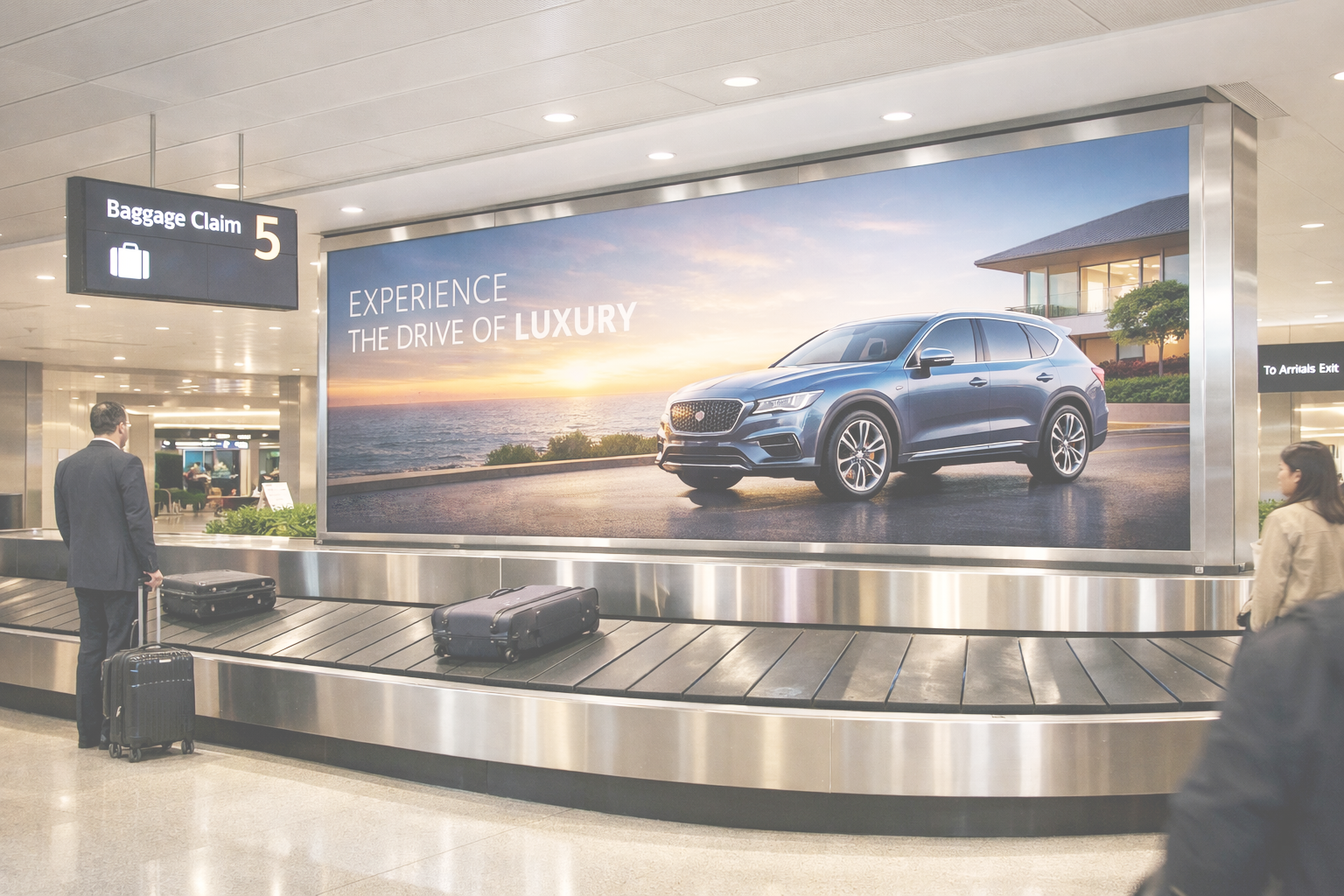
It’s Not Just Where You Advertise - It’s How Fast You Execute
We combine local insight with fast rollout to deliver results for you, now.
Talk to an ExpertAudience and Cultural Intelligence
Top 2 Languages:
- Japanese: The official language of Japan and the sole communication register for the entirety of NGO's domestic Japanese audience, Japanese campaign creative must operate at the cultural intelligence standard of an industrial and manufacturing professional community whose quality evaluation framework is the most rigorously developed in the Japanese premium consumer market. The Chubu industrial elite's professional culture, shaped by decades of delivering Toyota Production System standards and the precision requirements of global automotive customers, applies the same methodology to personal purchasing decisions: thorough evaluation, quality verification, and once decided, sustained loyalty. Creative that demonstrates specific and verifiable quality credentials, uses the understated vocabulary of Japanese premium communication, and respects the professional competence of the viewer consistently outperforms advertising that relies on aspirational lifestyle imagery alone. The Chubu industrial community's pride in craftsmanship and manufacturing excellence creates specific resonance for brands whose advertising connects product quality to the values of monozukuri, the Japanese philosophy of making things with excellence, that defines this community's professional identity.
- English: A commercially significant secondary language at NGO reflecting the Toyota Group's globally connected professional community, whose international posting patterns, English-language business fluency developed through overseas assignments, and direct relationships with American, European, and Australian automotive industry partners make them unusually accessible through English-language creative relative to other Japanese regional airports. The returning Toyota expatriate community and the international business visitors transiting NGO on global automotive industry partnership travel add a further premium English-speaking audience layer. For international real estate, overseas education, and premium financial services categories, English-language advertising at NGO reaches the most internationally experienced segment of the Chubu industrial elite with the global quality signal that motivates their international investment decisions.
Major Traveller Nationalities:
The NGO passenger mix reflects the Chubu region's specific global industrial partnership geography. Japanese nationals form the dominant commercial audience, with the Toyota Group executive and professional tier concentrated among ANA and Japan Airlines premium cabin travellers moving between Nagoya and the world's major automotive manufacturing, supplier, and capital market destinations. American nationals represent the most significant Western arrival segment, reflecting the deep Toyota-United States automotive relationship encompassing Toyota's Kentucky, Indiana, Texas, and Alabama production facilities and the ongoing management exchange between Toyota City and Toyota's North American headquarters in Plano, Texas. German nationals contribute a significant automotive industry business traveller flow on the Nagoya-Frankfurt and Nagoya-Munich corridors, reflecting BMW, Mercedes-Benz, Volkswagen, and Bosch's active Chubu supplier relationships. Thai nationals form the largest Southeast Asian traveller segment, reflecting Toyota's dominant presence in Thailand's automotive manufacturing economy and the substantial community of Thai-Japanese business professionals managing the Thailand corridor. Korean nationals add a growing technology and industrial business flow. Chinese nationals, whose return to Japan has been one of the most commercially significant tourism recovery stories, contribute a growing inbound premium tourism and business flow through NGO.
Religion — Advertiser Intelligence:
- Shinto and Buddhism (practiced in combined cultural observance by approximately 85% of the population):The Chubu region's particularly rich Shinto heritage, anchored by the Ise Grand Shrine as Japan's most sacred religious site, creates a cultural calendar with specific commercial resonance beyond the national festival structure. New Year shrine visits generate the year's most concentrated premium gifting and family gathering spending event, with the Chubu business community's New Year observance combining the national oseibo tradition with regional Ise pilgrimage customs that reinforce the cultural authority of heritage, craftsmanship, and sustained quality over disposable modernity. The autumn harvest festivals, the spring cherry blossom season, and the summer Obon ancestral observance each create distinct cultural spending events whose commercial implications for premium gifting, hospitality, and family lifestyle brands are directly accessible through the NGO advertising environment.
- Christmas, commercial observance (approximately 80% participation commercially): As throughout Japan, the commercial Christmas season in the Chubu region generates one of the most concentrated luxury gifting and premium hospitality spending months of the year, with December's year-end bonus deployment combined with Christmas commercial messaging creating a sustained premium purchasing window that extends through the New Year holiday period. International luxury brands, premium food and beverage, and ultra-luxury hospitality operators find the December to January window at NGO among their most commercially productive calendar positions for the Chubu industrial HNWI audience.
- Christianity (approximately 1%): A small Christian community concentrated among internationally educated professionals and the Western expatriate automotive industry community contributes a secondary faith calendar audience whose above-average international exposure and premium consumption orientation make them a productive secondary target for international lifestyle and education brand advertising.
Behavioral Insight:
The Chubu automotive and manufacturing HNWI consumer operates from a purchasing philosophy that is the direct commercial expression of the professional values their industry has institutionalised: kaizen, or continuous improvement, applied to personal consumption decisions through a framework that relentlessly evaluates whether what is being purchased represents the best available standard of quality, durability, and long-term value. This is not an audience that upgrades premium categories casually or follows trend cycles. They make deliberate, research-supported decisions that, once made, produce the most sustained brand loyalty in the Japanese premium consumer market. The Toyota supplier relationship model, in which long-term partnership is built on proven quality and sustained trust rather than transactional pricing, is the cultural template through which this community also manages its personal brand relationships. Advertising that invests in sustained presence, demonstrates specific quality credentials rather than generic prestige, and communicates with the understated authority that the Chubu industrial culture respects will build brand relationships of unusual commercial depth and duration with this audience.
Outbound Wealth and Investment Intelligence
The outbound Japanese HNWI and professional community transiting Chubu Centrair Airport represents one of the most internationally experienced and most professionally informed outbound wealth deployment communities of any Japanese regional airport, shaped by the Toyota Group's global operational footprint whose posting patterns have given the Chubu industrial elite direct personal experience of the international real estate markets, educational institutions, and premium lifestyle categories of the countries where Japan's automotive manufacturing is most active. Unlike Japan's financial services elite, whose international exposure is concentrated in capital markets, the Chubu automotive professional's international experience is embedded in the daily management of production facilities, supplier relationships, and community integration in North America, Southeast Asia, Australia, and Europe, creating an outbound investment audience that approaches international markets with the operational familiarity of direct personal experience rather than the financial abstraction of portfolio theory alone.
Outbound Real Estate Investment:
The Chubu HNWI and Toyota Group professional community's outbound real estate investment behaviour is directly shaped by the geographic pattern of Toyota's global manufacturing presence, creating bilateral property investment flows along the same corridors as Toyota's global operational network. The United States, specifically the greater Lexington, Kentucky area around Toyota's most established North American manufacturing complex, greater Georgetown, Indiana, greater San Antonio, Texas, and greater Huntsville, Alabama, have all seen sustained Japanese automotive community property investment driven by posting patterns and personal preference developed during management assignments. The broader metropolitan markets of Los Angeles, the San Francisco Bay Area, and New York attract the financial diversification and education-access investment. Australia, specifically Melbourne, Sydney, and the Gold Coast, is the second most active outbound real estate destination, reflecting Toyota's significant Australian history and the established Japanese community whose quality of life orientation and premium coastal lifestyle preferences align naturally with the Chubu industrial professional's leisure values. Thailand, particularly Bangkok's prime residential and serviced apartment market, attracts a significant segment of the Toyota Group professional community whose Thailand posting experience has created personal market knowledge and community connections that extend naturally into property investment consideration. The United Kingdom, specifically the Midlands automotive corridor including Coventry and Derby alongside London's prime residential market, attracts investment from Toyota's UK operations community and the education-access property buyer. Hawaii remains the most emotionally significant outbound leisure and second-home destination for the broader Chubu HNWI community, reflecting decades of Japanese automotive industry leisure culture in the Pacific.
Outbound Education Investment:
Education investment reflects the Chubu industrial community's specific conviction that international academic credentials, particularly in engineering, business, and applied sciences, provide competitive advantages in the global automotive and manufacturing economy that domestic education alone cannot deliver. The United States is the dominant destination, with American universities in mechanical engineering, electrical engineering, business administration, and supply chain management drawing Chubu students whose parents' Toyota Group careers have provided direct knowledge of the American academic and professional environment. Purdue University, the University of Michigan, Ohio State, Georgia Tech, and the broader Big Ten engineering university network are particularly sought after, reflecting their direct relevance to the automotive and manufacturing industries that define the Chubu professional community's career context. The United Kingdom attracts the business and management-oriented cohort, with Warwick University's Manufacturing Group, Imperial College, and the London Business School drawing the Chubu engineering professional seeking European academic credentialling with automotive industry relevance. Australia, specifically the University of Melbourne, Monash University, and the University of New South Wales, attracts a Pacific-oriented segment whose families value research-intensive engineering programmes with established Japanese community support infrastructure. German technical universities, particularly RWTH Aachen and TU Munich, attract a growing segment whose professional engagement with German automotive engineering at BMW, Mercedes-Benz, or Bosch creates direct academic context for a German university education.
Outbound Wealth Migration and Residency:
Second residency interest among the Chubu HNWI community is driven primarily by education access, capital protection diversification, and the lifestyle flexibility that international residency provides for Toyota Group professionals whose global posting history has created deep personal connections to specific international communities. Australia's Significant Investor Visa programme draws interest from professionals whose Australian posting experience and confirmed lifestyle preference for coastal Australian living makes formal residency a natural extension of an existing relationship rather than a speculative investment. The United States EB-5 and other investor visa pathways attract the segment whose children are enrolled at American universities and whose California, Michigan, or Kentucky posting history has created the community connections that support permanent US residency consideration. Portugal's Golden Visa programme attracts the European diversification and NHR tax planning segment whose wealth management advisers are increasingly recommending European asset protection vehicles for Japan's growing cross-border wealth management market. Singapore's permanent residency programme attracts the Southeast Asia-posted professional community whose Bangkok, Jakarta, or Kuala Lumpur management assignments have created direct familiarity with the ASEAN regional economy and whose family office structuring needs increasingly benefit from Singapore's financial infrastructure and tax environment.
Strategic Implication for Advertisers:
International brands at the intersection of luxury real estate, private wealth management, education investment, and residency planning should treat Chubu Centrair International Airport as a high-priority Japanese regional advertising channel that delivers the most operationally informed and most market-experienced Japanese outbound investor community outside of the Tokyo metropolitan area. The Chubu automotive professional's direct personal experience of international markets through posting history creates an outbound investment audience whose quality evaluation of international property, financial services, and education offerings is informed by first-hand knowledge rather than secondhand aspiration, requiring advertising that meets a standard of specificity and credibility that generic pan-Japan international investment campaigns frequently fail to provide. Masscom Global positions international advertisers at NGO and simultaneously at the destination airports where Chubu capital is being deployed, creating compounding brand exposure across the full investment journey from Japan's automotive capital to the global markets where this community's most commercially significant outbound investments are being made.
Airport Infrastructure and Premium Indicators
Terminals:
- Chubu Centrair International Airport operates from a single integrated terminal complex on an artificial island in Ise Bay, whose compact and highly efficient layout creates one of the most passenger-friendly airport environments in Japan and one of the most advertising-efficient in the Asia-Pacific region. The single terminal's controlled passenger flow ensures complete audience coverage within a unified campaign placement strategy, with every international passenger transiting the same commercial environment regardless of carrier, class, or destination.
- The terminal's distinctive curved design, its extensive use of wood and traditional Japanese materials in key public areas, and its multiple observation and recreation zones create an airport experience of genuine cultural and architectural distinction whose premium aesthetic context elevates every brand impression delivered within the facility. NGO has consistently ranked among the world's highest-rated airports for passenger experience in major international airport quality surveys, reflecting a physical environment whose quality signal directly reinforces the premium positioning of brands advertising within it.
- The Sky Deck open-air observation facility, one of the most celebrated aircraft viewing platforms in Japan and a significant destination attraction in its own right, extends the airport's dwell environment beyond the conventional departure lounge into an outdoor premium experience zone whose engaged and experientially motivated audience is among the most brand-receptive in the terminal ecosystem.
Premium Indicators:
- ANA and Japan Airlines maintain premium lounge facilities at NGO serving the business class and first class community transiting the airport's international network, with the lounge environments providing a defined premium touchpoint where the airport's highest-income traveller tier spends extended confirmed dwell time in a relaxed and brand-receptive state. Advertising formats accessible to or adjacent to premium lounge environments at NGO deliver the most commercially concentrated audience within the terminal.
- NGO's award-winning duty-free and luxury retail environment, consistently recognised among Japan's most comprehensively curated airport retail experiences, encompasses all major global luxury maisons alongside Japan-exclusive artisan food, ceramics, and traditional craft products whose distinctive Chubu and central Japan provenance creates a confirmed premium retail purchasing context. The airport's retail environment creates a commercial setting where premium brand advertising is received as natural purchasing information rather than passive awareness messaging.
- The proximity of the luxury Centrair Hotel directly connected to the terminal building creates a premium hospitality ecosystem whose corporate transit guests and frequent-stay business community are among the most consistent and highest-frequency advertising contact audience within the immediate terminal environment.
- The airport's artificial island setting, its direct access to the premium marina and leisure development of the adjacent Centrair Island zone, and its consistent positioning as one of Japan's most pleasant and architecturally distinctive airport environments collectively create a premium physical brand association context that benefits every advertiser present within the facility.
Forward-Looking Signal:
Chubu Centrair International Airport is positioned at the intersection of several converging investment signals that collectively confirm an accelerating trajectory of audience quality and commercial value growth. Toyota Motor's ongoing global electrification transformation, whose technical and commercial leadership is concentrated in the Chubu region and is generating new waves of technology and engineering HNWI wealth as the company invests heavily in battery technology, autonomous driving, and hydrogen fuel cell development, is systematically expanding the HNWI wealth concentration of the NGO outbound audience. The Japanese government's commitment to restoring and growing inbound tourism through Chubu, supported by new direct route development linking NGO to major Asian and Western origin markets, is increasing the premium inbound visitor volume flowing through the airport on a trajectory that will substantially expand its commercial advertising audience depth within the near term. The ongoing development of the Chubu region's aerospace manufacturing cluster, whose government and private investment is producing a new generation of precision aerospace HNWI wealth alongside the established automotive industry base, adds a further premium audience layer whose international partnership travel patterns will compound NGO's business travel audience quality. Masscom Global advises brands to establish premium advertising positions at NGO now, ahead of the competitive inventory demand that Toyota's electrification transformation, Chubu's aerospace development, and the airport's growing inbound tourism profile will generate as these programmes reach commercial maturity.
Airline and Route Intelligence
Top Airlines:
- All Nippon Airways (ANA)
- Japan Airlines (JAL)
- Air China
- Korean Air
- Asiana Airlines
- Jeju Air
- China Eastern Airlines
- China Southern Airlines
- Peach Aviation
- Jetstar Japan
- Air Asia X (seasonal and charter)
- Various charter and seasonal international carriers
Key International Routes:
- Beijing Capital (PEK) and Shanghai Pudong (PVG): China corridor for automotive industry business and recovering tourism
- Seoul Incheon (ICN): Korea corridor for technology, automotive partnership, and tourism
- Bangkok Suvarnabhumi (BKK): Thailand corridor, Toyota's most significant Southeast Asian manufacturing hub connection
- Taipei Taoyuan (TPE): Cross-strait technology and automotive component industry corridor
- Hong Kong (HKG): Financial services and transit corridor
- Singapore (SIN): Southeast Asian financial hub and growing investment corridor
- Honolulu (HNL): The most emotionally significant outbound leisure route for the Chubu HNWI community
- Los Angeles (LAX): United States automotive industry and education corridor via partner airline connections
- Frankfurt (FRA): Germany automotive partnership corridor via connecting services
- Sydney (SYD): Australia leisure and investment corridor, seasonal service
Domestic Connectivity:
ANA and JAL operate comprehensive domestic services from NGO connecting the Chubu region to Sapporo, Sendai, Fukuoka, Naha, and other major Japanese domestic destinations, with the Nagoya-Sapporo ski tourism corridor and the Nagoya-Naha Okinawa leisure corridor carrying significant premium leisure travel volume among the Chubu HNWI community. The domestic network creates a dwell environment at NGO where the same Chubu industrial elite encounters the airport's advertising formats for both domestic leisure and international business travel, compounding brand contact frequency across both travel modes within a single terminal environment.
Wealth Corridor Signal:
The NGO route network is a direct and commercially readable map of the Toyota Group's global operational geography, and each corridor carries a specific and actionable audience signal for advertisers. The Bangkok corridor carries the most active Southeast Asian automotive manufacturing management audience. The United States corridor via connecting services carries the Toyota North American operations management community and the education investment family audience. The German corridor carries the European automotive supplier and partnership management community. The Honolulu corridor carries the leisure community representing the Chubu HNWI's most sustained bilateral Pacific leisure relationship. The Korea and Taiwan corridors carry the automotive component and electronics manufacturing partnership communities. For advertisers, reading the NGO route network is equivalent to reading a portfolio map of the Chubu industrial economy's global commercial relationships, and Masscom Global structures campaign architecture that calibrates creative and placement to the specific outbound intent of each corridor's dominant audience profile.
Media Environment at the Airport
- NGO's single-terminal integrated layout creates a complete audience capture environment with zero format competition and zero passenger flow dispersion, a structural advertising advantage whose commercial value is compounded by the airport's above-average premium passenger proportion relative to its total throughput. Every international passenger transits the same commercial environment, ensuring complete campaign coverage of the target audience without format wastage on non-relevant passenger segments.
- Dwell time at NGO is elevated by the airport's island location, which structurally requires arrival buffer time; the Japanese cultural preference for generous departure preparation; the premium retail environment's confirmed purchasing behaviour among the Chubu HNWI community; and the Sky Deck observation facility's ability to extend terminal engagement time beyond the conventional departure lounge experience. The combination of these dwell-extending factors creates an airport advertising environment where brand contact time per passenger is above the Japanese regional airport average.
- The premium aesthetic quality of NGO's terminal design, incorporating traditional Japanese materials, curvilinear architectural forms, and a physical environment consistently rated among Japan's finest, creates a brand association context of genuine quality whose environmental premium elevates every advertising impression beyond its functional delivery. Brands advertised within this architectural setting benefit from the cultural authority that the terminal's deliberate quality signals generate in the minds of an audience whose professional life has taught them to read quality signals with forensic precision.
- Masscom Global approaches NGO placements with Japanese cultural intelligence as the operational foundation, ensuring that all campaign creative meets the linguistic precision, aesthetic understatement, and cultural specificity standards that the Chubu industrial elite requires for genuine brand engagement. The monozukuri cultural vocabulary, the premium craftsmanship aesthetic, and the long-term quality commitment that define the professional identity of this audience create specific creative opportunities for brands whose positioning aligns with these values, and Masscom Global structures campaign creative to activate these alignments with the authenticity and precision that this audience's professional background enables them to verify.
Strategic Advertising Fit
Best Fit:
- Ultra-luxury automotive: No airport advertising environment in Japan delivers a more directly validated and more technically sophisticated ultra-luxury automotive advertising audience than NGO. The Chubu automotive professional community's daily professional engagement with the world's most advanced automotive engineering creates an audience whose vehicle purchase evaluation framework operates at the highest available standard of technical and quality literacy, and whose HNWI compensation structures provide the purchasing capacity to act on that evaluation without constraint. European ultra-luxury marques, premium sports car brands, and emerging ultra-premium electric vehicle manufacturers all find at NGO an audience that understands their engineering claims better than any other consumer group in Japan.
- International luxury real estate: Developers offering American, Australian, Thai, British, and Hawaiian properties to the Chubu HNWI community find a directly validated and personally experienced audience at NGO whose outbound real estate investment behaviour is shaped by direct knowledge of the international markets being advertised, creating the highest quality of purchase consideration engagement available in Japanese regional airport advertising for international property categories.
- Private banking, family office, and wealth management: Private banks and wealth management platforms seeking Chubu HNWI client relationships find at NGO an audience whose wealth scale from Toyota Group equity participation, manufacturing business ownership, and accumulated professional compensation is substantial and growing with the automotive industry's electrification transformation, whose international investment sophistication is above the Japanese regional airport average, and whose cultural preference for sustained long-term financial relationships rewards the quality of first-contact brand communication with unusual commercial depth.
- International education: American, British, German, and Australian universities and premium international engineering and business programmes find at NGO a parent and family decision-making audience whose education investment philosophy is specifically shaped by direct knowledge of the international professional environments their children will need to navigate, and whose per-student spending commitment reflects the financial capacity of one of Japan's most affluent regional professional communities. Engineering programme advertising that references the automotive and manufacturing industry context has specific and powerful resonance with this audience.
- Premium Japanese and European luxury lifestyle brands: The Chubu industrial HNWI community's consumption of premium Japanese artisan products, traditional crafts, and European luxury goods combines the monozukuri quality orientation with a specific cultural pride in the craftsmanship heritage of Japan's most manufacturing-intensive region. Brands whose advertising connects product quality to the values of artisan excellence, long-term durability, and the satisfaction of owning something genuinely superior find the most engaged premium lifestyle audience in central Japan at NGO.
- Ultra-luxury hospitality and experiential travel: The Chubu HNWI community's outbound leisure travel to Hawaii, Southeast Asian luxury resorts, European cultural destinations, and Japan's own premium ryokan and hot spring resort circuit creates a confirmed premium hospitality spending audience whose international travel experience has calibrated their accommodation standards against global luxury benchmarks. Five-star resort brands, ultra-luxury ryokan programmes, and private island experience operators all find a purchase-ready and quality-discerning audience at NGO whose per-night spending capacity is among the highest of any Japanese regional airport's outbound leisure community.
- Executive wellness, premium healthcare, and longevity programmes: The Chubu industrial leadership community's growing engagement with health optimisation, preventive medicine, and executive wellness, driven by the performance demands of managing global manufacturing operations, creates a productive audience for premium health networks, executive wellness platforms, and longevity programme advertising. The automotive industry's famously demanding management culture creates specific premium health service demand among senior Toyota Group and supplier company executives whose schedules and stress profiles make executive wellness a primary personal investment priority.
- Premium technology and innovation brands: The Chubu engineering community's professional engagement with the world's most advanced automotive technology creates a confirmed premium technology consumer audience whose evaluation of consumer technology products, smart home systems, and premium digital lifestyle brands operates at the technical literacy frontier. Technology brands demonstrating genuine innovation credentials find an audience at NGO that verifies those claims against the highest available engineering standard.
Brand Alignment at a Glance:
| Category | Fit |
|---|---|
| Ultra-luxury automotive | Exceptional |
| International luxury real estate | Exceptional |
| Private banking and wealth management | Exceptional |
| International education | Exceptional |
| Ultra-luxury hospitality and experiential travel | Strong |
| Premium Japanese and European lifestyle brands | Strong |
| Executive wellness and premium healthcare | Strong |
| Premium technology and innovation brands | Strong |
| Mass-market consumer goods | Poor fit |
Who Should Not Advertise Here:
- Mass-market consumer goods and commodity retail brands: The Chubu HNWI and industrial professional audience evaluates every category against the quality standards their professional life has institutionalised, and advertising that communicates mass-market positioning, price competitiveness, or broad demographic appeal generates no meaningful engagement from a community whose entire professional identity is built on the pursuit of quality over volume.
- Budget and low-cost travel brands: Price-led travel messaging finds no commercially relevant primary audience among NGO's confirmed premium business and HNWI traveller community whose travel decisions are made entirely on route reliability, premium cabin quality, and the service standards appropriate to their professional and social position. Budget airline and discount travel advertising produces no commercial return at this airport.
- Generic financial products and retail banking: The financial service needs of the NGO HNWI audience are served at a level of private banking sophistication and family office complexity that retail financial product advertising cannot address. Standard insurance products, retail savings accounts, and commodity financial services find no relevant primary audience among NGO's confirmed premium traveller base.
Event and Seasonality Analysis
- Event Strength: High (Toyota Group events globally significant, Nagoya Motor Show nationally significant, Ise Shrine heritage consistent)
- Seasonality Strength: High
- Traffic Pattern: Dual Business Peak (Spring March to May and Autumn September to November) with Golden Week and New Year surge layers and consistent Toyota Group event-driven movement year-round
Strategic Implication:
The NGO advertising calendar is structured around two primary business travel peaks that together provide approximately five months of the highest-quality industrial HNWI audience access in central Japan, layered with Golden Week and New Year seasonal surges that deliver the outbound leisure and premium gifting purchasing intent audience at its maximum annual density. Masscom Global structures NGO campaign schedules around the spring business and Golden Week peak from March through early May as the primary investment window for premium automotive, financial services, and international real estate categories, and the autumn business peak from September through November for year-end financial planning, luxury gifting, and ultra-luxury hospitality brand activations. The Nagoya Motor Show in alternate years creates a standalone premium automotive audience concentration event that warrants dedicated campaign investment for automotive and automotive-adjacent premium lifestyle brands. The New Year window from December through January delivers the year's most concentrated luxury gifting and premium purchasing intent audience, making it essential for luxury brand, international property, and ultra-luxury hospitality advertising to maintain strong NGO presence during this window. The Toyota Group's year-round event-driven audience movement creates a consistent secondary layer of concentrated industrial elite audience that compounds the commercial value of sustained annual campaign presence beyond any single seasonal peak.
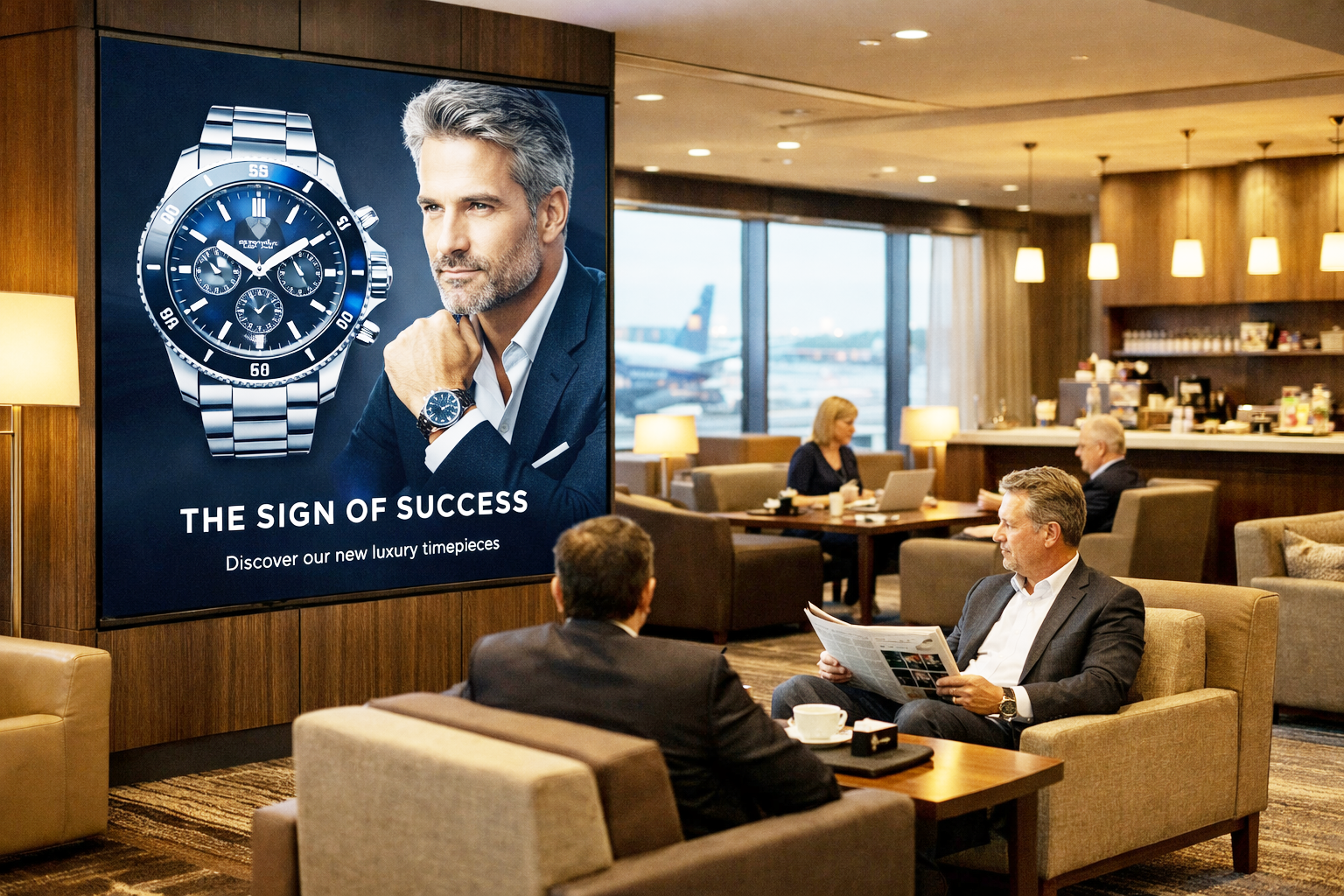
Poor Placement and Delays Affect Airport Campaigns
We help you move faster, access better inventory, and get it right now.
Talk to an ExpertFinal Strategic Verdict
Chubu Centrair International Airport is the most commercially precise industrial HNWI airport advertising environment in Japan and one of the most commercially undervalued in the Asia-Pacific region, whose exceptional audience quality relative to its modest mainstream advertising profile represents exactly the kind of market inefficiency that delivers disproportionate brand investment returns for advertisers willing to act ahead of competitive recognition. The concentration of Toyota Group executives whose combined professional authority manages the most profitable automotive company in the world, Hamamatsu's musical instrument and motorcycle industry HNWI founding families, Yokkaichi's petrochemical industry leadership, and the broader Chubu manufacturing and precision engineering professional community creates a premium advertising audience whose combination of engineering quality rigour, direct international market experience from global posting history, confirmed HNWI wealth scale, and exceptional brand loyalty once earned has no precise equivalent at any other Japanese regional airport. The Nagoya Motor Show delivers more automotive HNWI purchasing intent concentration per terminal square metre than any comparable event at any other Japanese airport. The Toyota Group's global partner event calendar creates consistent year-round premium audience surge moments that compound the commercial value of sustained campaign presence in a way that single-window activations cannot capture. The airport's award-winning single-terminal design ensures complete audience capture with no format wastage and a premium physical environment whose quality signals directly elevate brand association for every advertiser present within it. Ultra-luxury automotive brands whose Japanese HNWI client relationships must reach the world's most technically informed vehicle buyers, international luxury real estate developers whose Chubu buyer pipeline is growing with the automotive industry's electrification wealth creation cycle, private banks seeking the most loyal and most sustained premium financial relationships available in central Japan, and international universities whose Japan student recruitment requires engagement with the families managing the Toyota Group's next-generation engineering talent pipeline all find at Chubu Centrair International Airport the direct, culturally precise, and commercially undervalued access to Japan's industrial HNWI elite that the Asia-Pacific advertising industry has systematically overlooked and that Masscom Global is uniquely positioned to activate on behalf of brands whose quality meets the standard this audience demands.
About Masscom Global
Masscom Global is a premium international airport advertising and media buying agency operating across 140 countries. With deep expertise in airport OOH, premium publications, and high-net-worth audience targeting, Masscom helps brands reach the world's most valuable travellers at the moments that matter most. For advertising packages, media rates, and campaign planning at Chubu Centrair International Airport and airports across the globe, contact Masscom Global today.
Frequently Asked Questions
How much does airport advertising cost at Chubu Centrair International Airport?
Advertising costs at Chubu Centrair International Airport vary by format type, placement zone within the passenger flow, campaign duration, and seasonal demand. The spring business and Golden Week peak from March through early May and the autumn business peak from September through November command premium rates reflecting elevated corporate and industrial HNWI audience density. The Nagoya Motor Show in alternate years creates a standalone premium pricing window for automotive and industrial sector brands. The New Year window from December through January delivers the year's highest luxury gifting and premium lifestyle purchasing intent concentration. For current media rates, format availability, and tailored campaign packages at NGO, contact Masscom Global directly for a proposal aligned to your brand category, target audience segment, and Japan market objectives.
Who are the passengers at Chubu Centrair International Airport?
Passengers at Chubu Centrair International Airport are overwhelmingly Japanese nationals, with the primary commercial audience being the Toyota Group executive and technical leadership, Chubu manufacturing and precision engineering company owners and executives, and the broader Aichi and central Japan HNWI professional community. Senior executives from Toyota Motor, Denso, Aisin, Toyota Industries, Yamaha, and the broader Toyota supplier ecosystem travel through NGO on global automotive industry partnership and capital market corridors. The Toyota Group's global posting community, returning from overseas assignments in the United States, Thailand, Australia, and Europe, adds a directly internationally calibrated secondary audience layer. Inbound premium tourists from Korea, China, Thailand, and Western markets arriving for cultural heritage, automotive industry, and business visit purposes contribute a confirmed premium international visitor audience.
Is Chubu Centrair International Airport good for luxury brand advertising?
Chubu Centrair International Airport is among the strongest luxury brand advertising environments in central Japan for brands targeting the automotive and manufacturing HNWI community whose quality evaluation framework is the most rigorously developed in the Japanese premium consumer market. The Chubu industrial elite's professional immersion in Toyota Production System quality standards and global manufacturing excellence creates a luxury brand audience whose evaluation of premium products is informed by the deepest available understanding of what genuine quality means, and whose loyalty to brands that meet that standard is the most commercially durable in the Japanese premium market. For ultra-luxury automotive, international real estate, private banking, and premium artisan lifestyle brands, NGO delivers an audience whose brand engagement quality and sustained loyalty potential makes every campaign impression commercially consequential at a level that high-volume but less specifically qualified audiences cannot match.
What is the best airport in Japan to reach industrial HNWI audiences?
Chubu Centrair International Airport is the sole dedicated access point to Japan's automotive and manufacturing HNWI elite in the concentrated form that the Toyota Group's headquarters economy creates. Tokyo's Narita and Haneda airports serve the broader Japanese HNWI community with greater volume but without the manufacturing industry HNWI concentration that defines NGO's specific commercial advantage. For brands whose primary target is Japan's industrial, automotive, and precision manufacturing professional community, NGO delivers an audience quality and specificity that no Tokyo hub airport replicates, and a coordinated dual-airport strategy combining NGO with Tokyo Narita, structured by Masscom Global, creates the national Japanese HNWI platform that reaches both the industrial Chubu elite and the financial services and technology Tokyo elite across their primary international departure gateways.
What is the best time to advertise at Chubu Centrair International Airport?
The highest-value advertising windows at NGO are the spring business and Golden Week peak from March through early May, the autumn business peak from September through November, and the New Year luxury gifting and premium hospitality window from December through January. Within these primary periods, Nagoya Motor Show years in autumn create a standalone ultra-premium automotive audience concentration event that warrants dedicated activation investment for automotive and automotive-adjacent premium lifestyle brands. Golden Week departure days in late April deliver the year's highest single-period outbound leisure HNWI audience concentration. Masscom Global recommends campaign timing aligned to the specific audience category and outbound intent of each brand's campaign objectives, with sustained annual presence strongly preferred for brands seeking the compounding frequency advantage that NGO's high-repeat industrial professional audience provides.
Can international real estate developers advertise at Chubu Centrair International Airport?
International real estate developers targeting Japan's Chubu HNWI community should consider NGO a high-priority channel whose audience's direct personal knowledge of international markets, from Toyota Group overseas posting history, creates the most operationally informed and most credibly purchase-ready Japanese outbound property investor audience available at any regional Japanese airport. Developers offering properties in Hawaii, Melbourne, Sydney, the Gold Coast, Bangkok's prime residential market, the San Francisco Bay Area, Los Angeles, and the United Kingdom find a directly validated purchasing intent audience at NGO whose personal experience of these specific markets through professional postings creates a quality of brand engagement that generic Japan market property advertising cannot replicate. Masscom Global can structure campaigns that reach this audience at NGO and simultaneously at the destination airports where Chubu buyers are arriving to view properties, creating compounding brand exposure across the complete acquisition decision cycle.
Which brands should not advertise at Chubu Centrair International Airport?
Brands whose value proposition depends on price competitiveness, broad demographic reach, or mass-market awareness will find NGO categorically misaligned with their commercial objectives. The Chubu industrial HNWI audience's professional immersion in quality evaluation makes mass-market brand advertising invisible rather than merely ineffective, as an audience trained to identify genuine quality from imitation will filter out non-premium brand communication as a matter of deeply ingrained professional habit. Budget travel brands, commodity financial products, mass-market consumer goods, and brands whose creative register does not meet the understated quality aesthetic that the Japanese industrial professional culture respects will not generate meaningful commercial return at NGO regardless of format size or placement prominence. For category alignment guidance specific to the NGO environment and the Chubu industrial HNWI audience's specific quality standards, Masscom Global provides strategic assessment as a standard component of every Japan market campaign briefing.
How does Masscom Global help brands advertise at Chubu Centrair International Airport?
Masscom Global provides complete airport advertising services at Chubu Centrair International Airport, from initial audience intelligence and Japan market cultural strategy calibrated specifically for the Chubu industrial community's monozukuri quality orientation through to inventory access across the terminal and Sky Deck environments, Japanese creative adaptation meeting the precision linguistic and aesthetic standards of the automotive and manufacturing professional audience, Japan business and festival calendar planning, Nagoya Motor Show and Toyota Group event activation structuring, campaign deployment, and performance review. Our cultural intelligence capability ensures that every campaign placed at NGO engages the Chubu HNWI and industrial professional audience at the level of quality, technical specificity, and cultural authenticity that their engineering background enables them to verify and their professional culture requires them to respect. With a global network spanning 140 countries and established relationships across the Japanese airport advertising ecosystem, Masscom Global delivers campaigns that perform at NGO and coordinate seamlessly with brand activity at the international destination airports where Chubu's outbound capital, education investment, and automotive industry relationships are most commercially concentrated.







